This topic is currently marked as "dormant"—the last message is more than 90 days old. You can revive it by posting a reply.
1jlshall
Trying this again. I didn't get anywhere near 50 books in 2017. In fact, I barely made it to 30 -- and that's with several very short children's books thrown in. Not sure what happened, but at some point I just stopped reading. But I'm hoping to get myself back on track in 2018.
Once again going for 50 books, although I'll be happy if I just read more than I did in 2017. Hope to read more books from my long-time TBR lists, books I've already got on my shelves, and more nonfiction than in recent years. I'll list the books here, as I read them, maybe with a short review or a few comments. I'm also doing the 2018 Category Challenge, so I might put the reviews there. Have to think about that.
So here we go again. Happy New Year, everyone! And Happy Reading in 2018!

Ideally, I'd like at least half of my total books to come from my (ridiculously huge) TBR lists/piles. So I'll track that total, too.

Once again going for 50 books, although I'll be happy if I just read more than I did in 2017. Hope to read more books from my long-time TBR lists, books I've already got on my shelves, and more nonfiction than in recent years. I'll list the books here, as I read them, maybe with a short review or a few comments. I'm also doing the 2018 Category Challenge, so I might put the reviews there. Have to think about that.
So here we go again. Happy New Year, everyone! And Happy Reading in 2018!

Ideally, I'd like at least half of my total books to come from my (ridiculously huge) TBR lists/piles. So I'll track that total, too.

2jlshall
I don't review every book I read, but I do try to rate each one. This is the rating system I use here at LT:
✭✭✭✭✭ Loved it. My "desert island" category - all-time favorites that I wouldn't want to be without; not many get this rating
✭✭✭✭ Really liked it - an author I might consider reading again
✭✭✭ An enjoyable read, but nothing extraordinary; most books will fall into this category
✭✭ It was OK, but I probably wouldn't recommend it to others
✭ Mediocre; disappointing; had trouble finishing
DNF (Did Not Finish) Books I started reading and then abandoned. This doesn't necessarily mean I didn't like a book, just that I wasn't able to finish it or didn't feel like continuing with it. Might or might not finish it later.
********************
Master List: WHAT I READ IN 2018
1. Balthus: Cats and Girls, by Sabine Rewald ✭✭✭✭
2. Intruder in the Dark (Inspector Littlejohn #43), by George Bellairs ✭✭✭
3. A Murder Is Announced (Miss Marple #5), by Agatha Christie ✭✭✭✭
4. Vintage Murder (Roderick Alleyn #5), by Ngaio Marsh ✭✭✭
5. If Morning Ever Comes, by Anne Tyler ✭✭✭✭
6. How to Be Human, by Paula Cocozza ✭✭✭✭
7. My Sister's Bones, by Nuala Ellwood ✭✭✭½
8. Miss Zukas and the Library Murders (Miss Zukas #1), by Jo Dereske ✭✭✭✭
9. Just Kids, by Patti Smith ✭✭✭✭
10. Coffin, Scarcely Used (Flaxborough Mystery #1), by Colin Watson ✭✭✭✭
11. Holmes Entangled, by Gordon McAlpine ✭✭✭✭
12. Five Children and It, by E. Nesbit ✭✭✭½
13. Give the Boys a Great Big Hand (87th Precinct #11), by Ed McBain ✭✭✭½
14. Murder in the Meadow (DI Hillary Greene #7), by Faith Martin (original title: Beside a Narrow Stream) ✭✭✭
15. The Cottingley Secret, by Hazel Gaynor ✭✭✭½
16. Time Out of Joint, by Philip K. Dick ✭✭✭✭
17. The Rabbit and the Shadow, by Mélanie Rutten ✭✭✭✭
18. The Quiet American, by Graham Greene ✭✭✭✭
19. Pale Horse, Pale Rider, by Katherine Anne Porter ✭✭✭✭
20. At the Mountains of Madness, by H.P. Lovecraft ✭✭✭½
21. When You Reach Me, by Rebecca Stead ✭✭✭✭
22. The Adventures of Miss Petitfour, by Anne Michaels; illus. by Emma Block ✭✭✭✭
23. Tailspin, by Sandra Brown ✭✭✭
24. The Mystery of the Blue Train (Hercule Poirot #6), by Agatha Christie ✭✭✭✭
25. The Dead House, by Billy O'Callaghan ✭✭✭✭
26. A Long Time Coming, by Aaron Elkins ✭✭✭✭
27. Last Song Sung (Cullen and Cobb #3), by David A. Poulsen ✭✭✭
28. Call for the Dead (George Smiley #1), by John Le Carré ✭✭✭✭
29. A Morbid Taste for Bones (Brother Cadfael #1), by Ellis Peters ✭✭✭½
30. The Night She Died (Inspector Thanet #1), by Dorothy Simpson ✭✭✭½
31. A Shadow on the Wall, by Jonathan Aycliffe ✭✭✭✭
32. The Man Who Couldn't Miss (Stewart Hoag #10), by David Handler ✭✭✭✭
33. Last Bus to Woodstock (Inspector Morse #1), by Colin Dexter ✭✭✭✭
34. Last Seen Wearing (Inspector Morse #2), by Colin Dexter ✭✭✭
35. Broomsticks Over Flaxborough (Flaxborough Mystery #7), by Colin Watson ✭✭½
36. The Red Book of Primrose House (Potting Shed Mystery #2), by Marty Wingate ✭✭✭
Children's Picture Books:
1. Feathers for Lunch, by Lois Ehlert ✭✭✭
2. The Scraps Book: Notes from a Colorful Life, by Lois Ehlert ✭✭✭✭
3. Umbrella, by Taro Yashima ✭✭✭
4. The Gardener, by Sarah Stewart; illus. by David Small ✭✭✭✭
5. Golem, by David Wisniewski; illus. by author ✭✭✭½
6. Outside My Window, by Linda Ashman; illus. by Jamey Christoph ✭✭✭✭
✭✭✭✭✭ Loved it. My "desert island" category - all-time favorites that I wouldn't want to be without; not many get this rating
✭✭✭✭ Really liked it - an author I might consider reading again
✭✭✭ An enjoyable read, but nothing extraordinary; most books will fall into this category
✭✭ It was OK, but I probably wouldn't recommend it to others
✭ Mediocre; disappointing; had trouble finishing
DNF (Did Not Finish) Books I started reading and then abandoned. This doesn't necessarily mean I didn't like a book, just that I wasn't able to finish it or didn't feel like continuing with it. Might or might not finish it later.
********************
Master List: WHAT I READ IN 2018
1. Balthus: Cats and Girls, by Sabine Rewald ✭✭✭✭
2. Intruder in the Dark (Inspector Littlejohn #43), by George Bellairs ✭✭✭
3. A Murder Is Announced (Miss Marple #5), by Agatha Christie ✭✭✭✭
4. Vintage Murder (Roderick Alleyn #5), by Ngaio Marsh ✭✭✭
5. If Morning Ever Comes, by Anne Tyler ✭✭✭✭
6. How to Be Human, by Paula Cocozza ✭✭✭✭
7. My Sister's Bones, by Nuala Ellwood ✭✭✭½
8. Miss Zukas and the Library Murders (Miss Zukas #1), by Jo Dereske ✭✭✭✭
9. Just Kids, by Patti Smith ✭✭✭✭
10. Coffin, Scarcely Used (Flaxborough Mystery #1), by Colin Watson ✭✭✭✭
11. Holmes Entangled, by Gordon McAlpine ✭✭✭✭
12. Five Children and It, by E. Nesbit ✭✭✭½
13. Give the Boys a Great Big Hand (87th Precinct #11), by Ed McBain ✭✭✭½
14. Murder in the Meadow (DI Hillary Greene #7), by Faith Martin (original title: Beside a Narrow Stream) ✭✭✭
15. The Cottingley Secret, by Hazel Gaynor ✭✭✭½
16. Time Out of Joint, by Philip K. Dick ✭✭✭✭
17. The Rabbit and the Shadow, by Mélanie Rutten ✭✭✭✭
18. The Quiet American, by Graham Greene ✭✭✭✭
19. Pale Horse, Pale Rider, by Katherine Anne Porter ✭✭✭✭
20. At the Mountains of Madness, by H.P. Lovecraft ✭✭✭½
21. When You Reach Me, by Rebecca Stead ✭✭✭✭
22. The Adventures of Miss Petitfour, by Anne Michaels; illus. by Emma Block ✭✭✭✭
23. Tailspin, by Sandra Brown ✭✭✭
24. The Mystery of the Blue Train (Hercule Poirot #6), by Agatha Christie ✭✭✭✭
25. The Dead House, by Billy O'Callaghan ✭✭✭✭
26. A Long Time Coming, by Aaron Elkins ✭✭✭✭
27. Last Song Sung (Cullen and Cobb #3), by David A. Poulsen ✭✭✭
28. Call for the Dead (George Smiley #1), by John Le Carré ✭✭✭✭
29. A Morbid Taste for Bones (Brother Cadfael #1), by Ellis Peters ✭✭✭½
30. The Night She Died (Inspector Thanet #1), by Dorothy Simpson ✭✭✭½
31. A Shadow on the Wall, by Jonathan Aycliffe ✭✭✭✭
32. The Man Who Couldn't Miss (Stewart Hoag #10), by David Handler ✭✭✭✭
33. Last Bus to Woodstock (Inspector Morse #1), by Colin Dexter ✭✭✭✭
34. Last Seen Wearing (Inspector Morse #2), by Colin Dexter ✭✭✭
35. Broomsticks Over Flaxborough (Flaxborough Mystery #7), by Colin Watson ✭✭½
36. The Red Book of Primrose House (Potting Shed Mystery #2), by Marty Wingate ✭✭✭
Children's Picture Books:
1. Feathers for Lunch, by Lois Ehlert ✭✭✭
2. The Scraps Book: Notes from a Colorful Life, by Lois Ehlert ✭✭✭✭
3. Umbrella, by Taro Yashima ✭✭✭
4. The Gardener, by Sarah Stewart; illus. by David Small ✭✭✭✭
5. Golem, by David Wisniewski; illus. by author ✭✭✭½
6. Outside My Window, by Linda Ashman; illus. by Jamey Christoph ✭✭✭✭
3jlshall
1. Intruder in the Dark (Inspector Littlejohn #43), by George Bellairs

Rating: ✭✭✭
Mr. Cyril Savage inherits the home of his wealthy and estranged Aunt, in the village of Plumpton Bois. The house is in desperate need of repair, and before Savage has the chance to find any hidden fortune, he is struck dead in the cellar. The local police are baffled, unable to discover a motive – let alone a killer, and call for the assistance of Scotland Yard. Superintendent Littlejohn and Inspector Cromwell arrive in Plumpton Bois to investigate, and it seems that just about everyone involved is hiding something.
The Inspector Littlejohn mysteries are a new discovery for me. Not sure how I managed to miss out on such a long-running series (57 books between 1941 and 1980!), but I'm very happy that I've found them.
Overall, I enjoyed this entry in the group. A little more "procedural" than I might have liked -- I think I would have been happier with a little less talking about the case, and a little more action. But apart from that quibble, I thought it was very well written and found Superintendent Littlejohn a very intriguing character. I can definitely see myself continuing with this series in the future.

Rating: ✭✭✭
Mr. Cyril Savage inherits the home of his wealthy and estranged Aunt, in the village of Plumpton Bois. The house is in desperate need of repair, and before Savage has the chance to find any hidden fortune, he is struck dead in the cellar. The local police are baffled, unable to discover a motive – let alone a killer, and call for the assistance of Scotland Yard. Superintendent Littlejohn and Inspector Cromwell arrive in Plumpton Bois to investigate, and it seems that just about everyone involved is hiding something.
The Inspector Littlejohn mysteries are a new discovery for me. Not sure how I managed to miss out on such a long-running series (57 books between 1941 and 1980!), but I'm very happy that I've found them.
Overall, I enjoyed this entry in the group. A little more "procedural" than I might have liked -- I think I would have been happier with a little less talking about the case, and a little more action. But apart from that quibble, I thought it was very well written and found Superintendent Littlejohn a very intriguing character. I can definitely see myself continuing with this series in the future.

6jlshall
Thank you! Hope you have a great reading year, too. I guess it really doesn't matter how much you read, as long as you enjoy the reading.
7jlshall
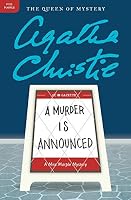
3. A Murder Is Announced (Miss Marple #5), by Agatha Christie
Rating: ✭✭✭✭
The villagers of the tiny English village of Chipping Cleghorn, including a visiting Jane Marple, are all amazed when the following advertisement appears in the local newspaper: ‘A murder is announced and will take place on Friday October 29th, at Little Paddocks at 6.30 p.m.’ Is it a practical joke? Or is it a prank intended to scare poor Letitia Blacklock, owner of Little Paddocks? Whatever the purpose of the strange invitation might be, it draws a crowd and visitors begin to gather at the house at the appointed time. And then the lights go out.
And of course, when the lights come back on, a murder has happened. And would you believe it - Miss Jane Marple just happens to be staying at the local hotel where the victim worked. And Inspector Craddock, who's investigating the goings-on, just happens to be the godson of Sir Henry Clithering, the ex-commissioner of Scotland Yard who is a confirmed fan of Miss Marple. Sir Henry strongly encourages Craddock to avail himself of the talented spinster's sleuthing abilities. And the game's afoot.
I haven't read all the Miss Marple books, but I do think this is my favorite of the ones I've read so far. It has all the classic Christie touches - village setting, lots of quirky, intriguing characters, hidden identities, several red herrings, and a lovely chatty summing up by la Marple in the final chapter. What more could you want?
In addition, this entry in the series has a strong emphasis on the post-WWII society emerging at the time. Several characters comment on the fact that the world is changing, with "new people" and new ideas making life less secure and predictable than it was before the war. In fact, that new unpredictability is a major part of the book's story line. Just how well do any of the villagers really know their neighbors? Or their close friends? Or even members of their own families? Well, since this is Agatha Christie, we know we're in for some big surprises and unexpected twists. That's why she's the best-selling novelist of all time.
(No. 1 from TBR List)
Rating: ✭✭✭✭
The villagers of the tiny English village of Chipping Cleghorn, including a visiting Jane Marple, are all amazed when the following advertisement appears in the local newspaper: ‘A murder is announced and will take place on Friday October 29th, at Little Paddocks at 6.30 p.m.’ Is it a practical joke? Or is it a prank intended to scare poor Letitia Blacklock, owner of Little Paddocks? Whatever the purpose of the strange invitation might be, it draws a crowd and visitors begin to gather at the house at the appointed time. And then the lights go out.
And of course, when the lights come back on, a murder has happened. And would you believe it - Miss Jane Marple just happens to be staying at the local hotel where the victim worked. And Inspector Craddock, who's investigating the goings-on, just happens to be the godson of Sir Henry Clithering, the ex-commissioner of Scotland Yard who is a confirmed fan of Miss Marple. Sir Henry strongly encourages Craddock to avail himself of the talented spinster's sleuthing abilities. And the game's afoot.
I haven't read all the Miss Marple books, but I do think this is my favorite of the ones I've read so far. It has all the classic Christie touches - village setting, lots of quirky, intriguing characters, hidden identities, several red herrings, and a lovely chatty summing up by la Marple in the final chapter. What more could you want?
In addition, this entry in the series has a strong emphasis on the post-WWII society emerging at the time. Several characters comment on the fact that the world is changing, with "new people" and new ideas making life less secure and predictable than it was before the war. In fact, that new unpredictability is a major part of the book's story line. Just how well do any of the villagers really know their neighbors? Or their close friends? Or even members of their own families? Well, since this is Agatha Christie, we know we're in for some big surprises and unexpected twists. That's why she's the best-selling novelist of all time.
(No. 1 from TBR List)
8jlshall
4. Vintage Murder (Roderick Alleyn #5), by Ngaio Marsh

Rating: ✭✭✭
In Vintage Murder Chief Inspector Alleyn is vacationing in New Zealand (Ngaio Marsh’s homeland), and finds himself traveling with a group of English actors touring the country with their latest play. Alleyn thinks their company intriguing and slightly amusing, until one of the group is rather gruesomely murdered. Naturally, the New Zealand authorities are delighted to find the famous policeman in their midst and all but beg him to aid them in their investigations. At first, he's reluctant to join in, but of course cannot keep his nose out for long.
Not my favorite of the Roderick Alleyn mysteries. Lots of long discussions about how the murder was committed and the various relationships among the actors in the company. Not much action. But it did keep me guessing the identity of the murderer right up to the final few chapters. So, definitely worth a read -- any Inspector Alleyn is better than no Inspector Alleyn, after all.
(No. 2 from TBR list)

Rating: ✭✭✭
In Vintage Murder Chief Inspector Alleyn is vacationing in New Zealand (Ngaio Marsh’s homeland), and finds himself traveling with a group of English actors touring the country with their latest play. Alleyn thinks their company intriguing and slightly amusing, until one of the group is rather gruesomely murdered. Naturally, the New Zealand authorities are delighted to find the famous policeman in their midst and all but beg him to aid them in their investigations. At first, he's reluctant to join in, but of course cannot keep his nose out for long.
Not my favorite of the Roderick Alleyn mysteries. Lots of long discussions about how the murder was committed and the various relationships among the actors in the company. Not much action. But it did keep me guessing the identity of the murderer right up to the final few chapters. So, definitely worth a read -- any Inspector Alleyn is better than no Inspector Alleyn, after all.
(No. 2 from TBR list)
9jlshall
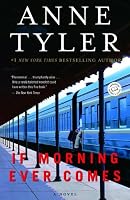
5. If Morning Ever Comes, by Anne Tyler
Rating: ✭✭✭✭
Gorgeously written story about Ben Joe Hawkes, a 25-year-old student at Columbia Law School who travels back to North Carolina for a visit to the family and neighbors he hasn't seen in many years. Ben Joe was raised in a house full of women (mother Ellen, Gram, six sisters), and they're all still there. Even his older sister Joanne who had moved away, married and had a daughter of her own, has left her husband and returned (with her child) to her old room in the family home. And the situation is further complicated by the fact that Ben Joe's first sweetheart (a girl he hasn't seen in years) has moved back to town after the death of her parents and younger sister in a car accident. Will seeing her again affect Ben Joe's decisions about his future? Oh, and we also have all those revelations about the marital break-up of Ben Joe's parents and the "other woman" in their history.
Complicated story, but Tyler puts everything together perfectly. There's even a bit of a surprise ending. Well, maybe "surprise" isn't the right word - but certainly something I didn't really see coming. Hard to believe this was her debut novel, back in 1964 when she was just 22 years old - it's such a skillful and mature piece of writing. True, there are distinct hints of Eudora Welty in places (and Tyler has admitted Welty was an early influence), but overall the voice is unique and assured. I've read a few of Tyler's later books, and liked some more than others; but this is definitely one of my favorites now.
Rating: ✭✭✭✭
Gorgeously written story about Ben Joe Hawkes, a 25-year-old student at Columbia Law School who travels back to North Carolina for a visit to the family and neighbors he hasn't seen in many years. Ben Joe was raised in a house full of women (mother Ellen, Gram, six sisters), and they're all still there. Even his older sister Joanne who had moved away, married and had a daughter of her own, has left her husband and returned (with her child) to her old room in the family home. And the situation is further complicated by the fact that Ben Joe's first sweetheart (a girl he hasn't seen in years) has moved back to town after the death of her parents and younger sister in a car accident. Will seeing her again affect Ben Joe's decisions about his future? Oh, and we also have all those revelations about the marital break-up of Ben Joe's parents and the "other woman" in their history.
Complicated story, but Tyler puts everything together perfectly. There's even a bit of a surprise ending. Well, maybe "surprise" isn't the right word - but certainly something I didn't really see coming. Hard to believe this was her debut novel, back in 1964 when she was just 22 years old - it's such a skillful and mature piece of writing. True, there are distinct hints of Eudora Welty in places (and Tyler has admitted Welty was an early influence), but overall the voice is unique and assured. I've read a few of Tyler's later books, and liked some more than others; but this is definitely one of my favorites now.
10jlshall
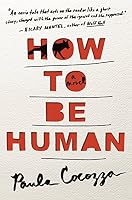
6. How to Be Human, by Paula Cocozza
Rating: ✭✭✭✭
Mary is on leave from her university job and upset by the sudden reappearance of her former fiancé. She's also become increasingly intrigued by a magnificent fox she's seen several times in her garden. First she's certain she sees him wink at her, then he starts bringing her gifts (possibly including the neighbors' new baby!), and finally she invites him into her house. Yeah, that wasn't really such a good idea. Mary is obviously having some very scary problems.
For some reason, I had a really hard time getting going with this book. Kept starting over and over for a couple of months - picking it up, reading a few pages, putting it down again. We just didn't click, the book and me. But it was an Early Reviewer book, so I gave it one more go, and then just read it straight through in only a couple of sittings. And really enjoyed it.
This was certainly an unusual story. Yes, disturbing - as many have said. Have to admit, I was originally attracted to the novel because of the fox - I've always loved the critters and we have them around our yard and neighborhood. There's one particularly handsome specimen who naps in our patio area during the summer. I can see myself getting obsessed with one, although I hope not to the extent that Mary does in the book.
Anyway, what a mesmerizing debut. So glad I didn't pass this one up.
Rating: ✭✭✭✭
Mary is on leave from her university job and upset by the sudden reappearance of her former fiancé. She's also become increasingly intrigued by a magnificent fox she's seen several times in her garden. First she's certain she sees him wink at her, then he starts bringing her gifts (possibly including the neighbors' new baby!), and finally she invites him into her house. Yeah, that wasn't really such a good idea. Mary is obviously having some very scary problems.
For some reason, I had a really hard time getting going with this book. Kept starting over and over for a couple of months - picking it up, reading a few pages, putting it down again. We just didn't click, the book and me. But it was an Early Reviewer book, so I gave it one more go, and then just read it straight through in only a couple of sittings. And really enjoyed it.
This was certainly an unusual story. Yes, disturbing - as many have said. Have to admit, I was originally attracted to the novel because of the fox - I've always loved the critters and we have them around our yard and neighborhood. There's one particularly handsome specimen who naps in our patio area during the summer. I can see myself getting obsessed with one, although I hope not to the extent that Mary does in the book.
Anyway, what a mesmerizing debut. So glad I didn't pass this one up.
11jlshall
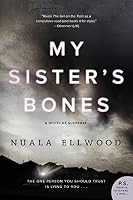
7. My Sister's Bones, by Nuala Ellwood
Rating: ✭✭✭½
It's difficult to say much about Nuala Ellwood's twisty psychological thriller without giving away more than I'd want to. I'll just say it didn't develop the way I expected, and kept surprising me all the way through. Can't say I found the sisters - Kate and Sally - particularly sympathetic, but the relationship was intriguing and their story haunting and compelling. And for a relatively long book, it was actually a pretty quick read. Good suspenseful tale.
Rating: ✭✭✭½
It's difficult to say much about Nuala Ellwood's twisty psychological thriller without giving away more than I'd want to. I'll just say it didn't develop the way I expected, and kept surprising me all the way through. Can't say I found the sisters - Kate and Sally - particularly sympathetic, but the relationship was intriguing and their story haunting and compelling. And for a relatively long book, it was actually a pretty quick read. Good suspenseful tale.
12jlshall
8. Miss Zukas and the Library Murders (Miss Zukas #1), by Jo Dereske

Rating: ✭✭✭✭
First published in 1994, this is the first entry in Dereske's very popular and long-running cozy mystery series featuring librarian Helma (short for Wilhelmina) Zukas. When an unidentified dead body turns up in the fiction stacks of the public library, everyone is amazed and horrified. Murder just doesn't happen in lovely Bellehaven, Washington - and certainly not in the "MO-NE" aisle of the public library! Even after a thorough investigation, the police (led by the charming Chief Gallant) can't seem to turn up any information about the dead man or why the murder took place where it did. Enter Miss Helma Zukas, reference librarian extraordinaire, who just can't let a good question go unanswered. With her talent for tracking down information and her Miss-Marple-like "noticing" abilities, she's definitely on the case.
I had read one of the later Miss Zukas mysteries several years ago and enjoyed it enough to add this first work to my TBR-someday list. Glad I decided to make this year that "someday" - Miss Zukas No. 1 was a cute, fast read. Must admit, I had pretty much figured out "who dunnit" long before the big reveal, but that didn't spoil the fun. I'll definitely continue with this series.
(No. 3 from TBR list)

Rating: ✭✭✭✭
First published in 1994, this is the first entry in Dereske's very popular and long-running cozy mystery series featuring librarian Helma (short for Wilhelmina) Zukas. When an unidentified dead body turns up in the fiction stacks of the public library, everyone is amazed and horrified. Murder just doesn't happen in lovely Bellehaven, Washington - and certainly not in the "MO-NE" aisle of the public library! Even after a thorough investigation, the police (led by the charming Chief Gallant) can't seem to turn up any information about the dead man or why the murder took place where it did. Enter Miss Helma Zukas, reference librarian extraordinaire, who just can't let a good question go unanswered. With her talent for tracking down information and her Miss-Marple-like "noticing" abilities, she's definitely on the case.
I had read one of the later Miss Zukas mysteries several years ago and enjoyed it enough to add this first work to my TBR-someday list. Glad I decided to make this year that "someday" - Miss Zukas No. 1 was a cute, fast read. Must admit, I had pretty much figured out "who dunnit" long before the big reveal, but that didn't spoil the fun. I'll definitely continue with this series.
(No. 3 from TBR list)
13jlshall
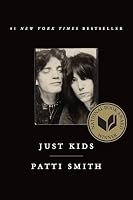
9. Just Kids, by Patti Smith
Rating: ✭✭✭✭
I thoroughly enjoyed this memoir of Smith's life in NYC during the late 1960s, early 1970s, and her relationship with artist Robert Mapplethorpe. I didn't know much about Patti Smith and was never really a punk rock fan, so I had a few qualms about starting this one. But it turned out to be a very accessible and interesting read. Really brought back memories and vibes from "back in the day" (even though I didn't live in New York at that time).
(No. 4 from TBR list)
Rating: ✭✭✭✭
I thoroughly enjoyed this memoir of Smith's life in NYC during the late 1960s, early 1970s, and her relationship with artist Robert Mapplethorpe. I didn't know much about Patti Smith and was never really a punk rock fan, so I had a few qualms about starting this one. But it turned out to be a very accessible and interesting read. Really brought back memories and vibes from "back in the day" (even though I didn't live in New York at that time).
(No. 4 from TBR list)
14jlshall
10. Coffin, Scarcely Used (Flaxborough Mysteries #1), by Colin Watson

Rating: ✭✭✭✭
So happy to have discovered Colin Watson's Flaxborough Chronicles! Coffin, Scarcely Used is the first book in the long-running mystery series set in the fictional town of Flaxborough, East Anglia, and I'm a little surprised that I've never even heard of the books before now. It's true, they're a trifle dated today — of course, you could say the same thing about the works of any of the other classic crime writers. But the clever word play and slightly wacky humor are still very fresh, and Inspector Purbright is an absolute delight. I do believe I've found a new favorite series to dive into!

Rating: ✭✭✭✭
So happy to have discovered Colin Watson's Flaxborough Chronicles! Coffin, Scarcely Used is the first book in the long-running mystery series set in the fictional town of Flaxborough, East Anglia, and I'm a little surprised that I've never even heard of the books before now. It's true, they're a trifle dated today — of course, you could say the same thing about the works of any of the other classic crime writers. But the clever word play and slightly wacky humor are still very fresh, and Inspector Purbright is an absolute delight. I do believe I've found a new favorite series to dive into!

16jlshall
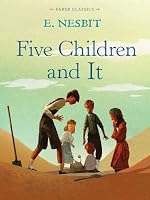
12. Five Children and It, by E. Nesbit
Rating: ✭✭✭½
This is one of those classic early-20th-Century children's books (first published in 1902) that everyone should read, and it's been on my TBR shelf for several decades. So glad I finally got around to reading it — it's lots of fun and I definitely enjoyed it (with a few reservations).
Five English siblings (Cyril, Anthea, Robert, Jane and their baby brother, the Lamb) discover a sand-fairy (a "Psammead") in a gravel pit near the house they've just moved into. The children are of course thrilled, and even more so when they find out that the marvelous ancient creature is able to grant them wishes, although the magic wears off at sunset everyday. Unfortunately, all the wishes the children make go hilariously wrong and only serve to teach them some very good lessons about watching what you wish for.
As I say, I enjoyed this a lot and probably would have loved it if I'd read it as a child. As an adult, I got a little impatient with some of the moralistic tone of the book (although it never really gets "preachy"). And I also got quickly fed up with that irritating "Lamb" who was (I suppose) meant to be cute and precious and lovable, but only came across as extremely annoying. (But I guess most babies are pretty annoying, now that I think about it — in real life as well as in literature.)
So, three and a half stars. I might have given it four stars if I hadn't already read (and loved) Edward Eager's "Magic" books that were inspired by E. Nesbit's work. Even though he was definitely building on something Nesbit started, I really think his stories are more readable for a modern audience.
(No. 5 from TBR list)
Rating: ✭✭✭½
This is one of those classic early-20th-Century children's books (first published in 1902) that everyone should read, and it's been on my TBR shelf for several decades. So glad I finally got around to reading it — it's lots of fun and I definitely enjoyed it (with a few reservations).
Five English siblings (Cyril, Anthea, Robert, Jane and their baby brother, the Lamb) discover a sand-fairy (a "Psammead") in a gravel pit near the house they've just moved into. The children are of course thrilled, and even more so when they find out that the marvelous ancient creature is able to grant them wishes, although the magic wears off at sunset everyday. Unfortunately, all the wishes the children make go hilariously wrong and only serve to teach them some very good lessons about watching what you wish for.
As I say, I enjoyed this a lot and probably would have loved it if I'd read it as a child. As an adult, I got a little impatient with some of the moralistic tone of the book (although it never really gets "preachy"). And I also got quickly fed up with that irritating "Lamb" who was (I suppose) meant to be cute and precious and lovable, but only came across as extremely annoying. (But I guess most babies are pretty annoying, now that I think about it — in real life as well as in literature.)
So, three and a half stars. I might have given it four stars if I hadn't already read (and loved) Edward Eager's "Magic" books that were inspired by E. Nesbit's work. Even though he was definitely building on something Nesbit started, I really think his stories are more readable for a modern audience.
(No. 5 from TBR list)
17jlshall
13. Give the Boys a Great Big Hand (87th Precinct #11), by Ed McBain

Rating: ✭✭✭½
It's been quite a while since I dropped in on "the boys" of the 87th Precinct in Ed McBain's fictional city of Isola. (This is no. 11 in the series.) I remember reading a bunch of books in the series back in the 1970s and really enjoying them, but didn't know how I'd feel about them today. They are very much of their time, with all those bad old attitudes and assumptions. But I should have known better than to worry — Ed McBain (a pseudonym of novelist Evan Hunter) was an absolute master of the hard-boiled police procedural and definitely knew how to hold a reader's interest. The books hold up, even after all these years. (Actually, they're so un-PC now, they're sort of refreshing.)
In this one, detectives Steve Carella, Cotton Hawes, Bert Kling, Meyer Meyer (yes, that's the name, not a typo) and all the rest of the boys are presented with a seemingly unsolvable case when an airline bag is found, containing just a severed hand with the fingertips removed. Forensics being what they were in the early 1960s, the medical examiner can tell them that it's male and give them a blood type and an approximate height and weight, but that's it. Now they have to find a body to match the hand. And that mission sets them off on one of their most intriguing investigations, including the interviewing of some very intriguing stripper ladies.
All in all, this was a quick enjoyable read. A little gory, of course — but not as bad as some of the more recent crime fiction I've read. I'm only giving it three and a half stars, though — mainly because it doesn't quite come up to the level of some of the other books in the series. Although, that might not really be a fair comparison.

Rating: ✭✭✭½
It's been quite a while since I dropped in on "the boys" of the 87th Precinct in Ed McBain's fictional city of Isola. (This is no. 11 in the series.) I remember reading a bunch of books in the series back in the 1970s and really enjoying them, but didn't know how I'd feel about them today. They are very much of their time, with all those bad old attitudes and assumptions. But I should have known better than to worry — Ed McBain (a pseudonym of novelist Evan Hunter) was an absolute master of the hard-boiled police procedural and definitely knew how to hold a reader's interest. The books hold up, even after all these years. (Actually, they're so un-PC now, they're sort of refreshing.)
In this one, detectives Steve Carella, Cotton Hawes, Bert Kling, Meyer Meyer (yes, that's the name, not a typo) and all the rest of the boys are presented with a seemingly unsolvable case when an airline bag is found, containing just a severed hand with the fingertips removed. Forensics being what they were in the early 1960s, the medical examiner can tell them that it's male and give them a blood type and an approximate height and weight, but that's it. Now they have to find a body to match the hand. And that mission sets them off on one of their most intriguing investigations, including the interviewing of some very intriguing stripper ladies.
All in all, this was a quick enjoyable read. A little gory, of course — but not as bad as some of the more recent crime fiction I've read. I'm only giving it three and a half stars, though — mainly because it doesn't quite come up to the level of some of the other books in the series. Although, that might not really be a fair comparison.

19jlshall
15. The Cottingley Secret, by Hazel Gaynor

Rating: ✭✭✭½
In The Cottingley Secret, Hazel Gaynor reimagines the true story of cousins Frances Griffiths and Elsie Wright from Cottingley, England, who claimed to have photographed fairies in their garden, back in 1917. The girls and their photos caused a sensation in post-WWI England and even convinced Sir Arthur Conan Doyle of their validity. Gaynor alternates the tale of Frances and Elsie with that of present-day bookshop owner, Olivia Kavanagh, who discovers a connection between her family and the girls who photographed fairies.
It took me quite a while to finish this one. Couldn't get into the back-and-forth rhythm of the two different time periods, and ended up reading the last half of the book several months after starting it. But I did enjoy it, for the most part — had a little trouble with the "magical realism" of the story (it required a little more suspension of disbelief than I was prepared for). Overall, I thought it was a very intriguing take on the "fairy photo" girls and their story. I was impressed with the amount of research the author did and how she managed to tie it all in so creatively. And while I was at first put off by the present-day story of Olivia and her wedding angst, I actually became very fond of her as I got deeper into the book. Hazel Gaynor is a new author for me, but one I hope to meet again.

Rating: ✭✭✭½
In The Cottingley Secret, Hazel Gaynor reimagines the true story of cousins Frances Griffiths and Elsie Wright from Cottingley, England, who claimed to have photographed fairies in their garden, back in 1917. The girls and their photos caused a sensation in post-WWI England and even convinced Sir Arthur Conan Doyle of their validity. Gaynor alternates the tale of Frances and Elsie with that of present-day bookshop owner, Olivia Kavanagh, who discovers a connection between her family and the girls who photographed fairies.
It took me quite a while to finish this one. Couldn't get into the back-and-forth rhythm of the two different time periods, and ended up reading the last half of the book several months after starting it. But I did enjoy it, for the most part — had a little trouble with the "magical realism" of the story (it required a little more suspension of disbelief than I was prepared for). Overall, I thought it was a very intriguing take on the "fairy photo" girls and their story. I was impressed with the amount of research the author did and how she managed to tie it all in so creatively. And while I was at first put off by the present-day story of Olivia and her wedding angst, I actually became very fond of her as I got deeper into the book. Hazel Gaynor is a new author for me, but one I hope to meet again.
20jlshall
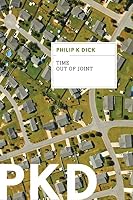
16. Time Out of Joint, by Philip K. Dick
Rating: ✭✭✭✭
In this early Philip K. Dick novel, 46-year-old Ragle Gumm has a perfectly ordinary life, living with his sister Margo and Margo's husband Vincent in a nice quiet, perfectly ordinary community. The only extraordinary thing about Ragle is that he makes his living by winning a daily newspaper contest — the contest is called "Where Will the Little Green Man Be Next?" and Ragle wins it everyday by predicting exactly where this little green person will show up. He has the world's longest-running contest-winning record, and his entire life is devoted to the task.
But lately Ragle has begun having doubts about both those things — his life and the contest. After having some very disturbing hallucinations and a few worrisome encounters, he begins thinking maybe there's more going on than just game-playing. Or maybe someone's just playing a game with him. And when he begins investigating, he comes to believe that there might be a lot more than his reputation resting on his daily win. It's beginning to seem to Ragle that the fate of the world might just be somehow centered on him and his ability to predict the outcome of the daily "Little Green Man" puzzle. But how much of what he imagines is just imagination? And how much is real? Or is any of it real?
Can't say much more about the book because there are twists and surprises I don't want to reveal. Some I saw coming, some caught me completely off guard.
This is the first Philip K. Dick novel I've read, although I think I might have read some of his short fiction back in the 1970s an '80s. I've had this one on my TBR list for literally decades, and I'm really glad I finally got around to reading it; for the most part, it was very enjoyable — a little slow in places, but not so slow that I felt like abandoning or skipping ahead to the ending. And it's definitely made me want to read more of his work.
(No. 6 from TBR list)
Rating: ✭✭✭✭
In this early Philip K. Dick novel, 46-year-old Ragle Gumm has a perfectly ordinary life, living with his sister Margo and Margo's husband Vincent in a nice quiet, perfectly ordinary community. The only extraordinary thing about Ragle is that he makes his living by winning a daily newspaper contest — the contest is called "Where Will the Little Green Man Be Next?" and Ragle wins it everyday by predicting exactly where this little green person will show up. He has the world's longest-running contest-winning record, and his entire life is devoted to the task.
But lately Ragle has begun having doubts about both those things — his life and the contest. After having some very disturbing hallucinations and a few worrisome encounters, he begins thinking maybe there's more going on than just game-playing. Or maybe someone's just playing a game with him. And when he begins investigating, he comes to believe that there might be a lot more than his reputation resting on his daily win. It's beginning to seem to Ragle that the fate of the world might just be somehow centered on him and his ability to predict the outcome of the daily "Little Green Man" puzzle. But how much of what he imagines is just imagination? And how much is real? Or is any of it real?
Can't say much more about the book because there are twists and surprises I don't want to reveal. Some I saw coming, some caught me completely off guard.
This is the first Philip K. Dick novel I've read, although I think I might have read some of his short fiction back in the 1970s an '80s. I've had this one on my TBR list for literally decades, and I'm really glad I finally got around to reading it; for the most part, it was very enjoyable — a little slow in places, but not so slow that I felt like abandoning or skipping ahead to the ending. And it's definitely made me want to read more of his work.
(No. 6 from TBR list)
21jlshall
17. The Rabbit and the Shadow, by Mélanie Rutten

Rating: ✭✭✭✭
I usually read a few children's picture books every year, and for this 50-book challenge, I generally list them in groups rather than one at a time. But The Rabbit and the Shadow was an Early Reviewer book, so I'm giving it its very own entry and counting it as one book read.
This is a very sweet book with lovely illustrations. The style of the artwork is a pleasant reminder of many of the picture books I loved when I was a child myself back in the 1950s. The story has some fine lessons on growing up and facing fears, as well as something interesting to say about families and forming relationships. I think it's definitely a book for a child to share with an adult who can bring out the themes and explain things along the way. But I'm betting the adult will enjoy it, too.

Rating: ✭✭✭✭
I usually read a few children's picture books every year, and for this 50-book challenge, I generally list them in groups rather than one at a time. But The Rabbit and the Shadow was an Early Reviewer book, so I'm giving it its very own entry and counting it as one book read.
This is a very sweet book with lovely illustrations. The style of the artwork is a pleasant reminder of many of the picture books I loved when I was a child myself back in the 1950s. The story has some fine lessons on growing up and facing fears, as well as something interesting to say about families and forming relationships. I think it's definitely a book for a child to share with an adult who can bring out the themes and explain things along the way. But I'm betting the adult will enjoy it, too.

23jlshall
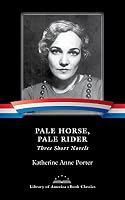
19. Pale Horse, Pale Rider: Three Short Novels, by Katherine Anne Porter
Rating: ✭✭✭✭
(No. 8 from TBR list)
Katherine Anne Porter apparently disliked the term "novella," and preferred to refer to her brief fiction as short novels (or long stories). And probably none of the three pieces that make up this collection ("Old Mortality," "Noon Wine," and the title piece, "Pale Horse, Pale Rider") would even qualify as novellas today. But for such short works, they pack a very solid punch.
The collection leads off with "Old Mortality," set in the early 20th Century American South: Two young sisters (Miranda and Maria) learn the history of their family and especially the story of their Aunt Amy, a flamboyant figure who died young. As the story meanders through time, the girls grow up and find out more about their ancestors and relatives; and, right along with the girls, we learn the story of the family's decline. It's a deceptively simple, and very powerful work.
The second story "Noon Wine" is, as they say, much anthologized and I'm a little surprised I've never read it before now. It's set on a small dairy farm in South Texas, during the late 19th and early 20th centuries, and tells the story of the Thompson family and their enigmatic, mysterious hired man. Probably my favorite of the three, it's very different from the other two — darker, and with more of a conventional plot form and some intensely unattractive (though thoroughly human) characters.
In the final piece, "Pale Horse, Pale Rider," we catch up with young Miranda from "Old Mortality," now all grown up and working as a newspaper drama critic. The story is set at the end of the first World War, during that era's terrible flu epidemic. Through much of the tale, Miranda is dangerously ill with the flu and worrying about Adam, the young soldier she's lately been seeing. It's a story of love and death with an emotionally stirring impact.
This work has been on my TBR list for decades, and I'm really sorry I took so long to get to it. Aside from "The Jilting of Granny Weatherall," this has been my only experience of Katherine Anne's Porter's work. It definitely won't be my last.
Rating: ✭✭✭✭
(No. 8 from TBR list)
Katherine Anne Porter apparently disliked the term "novella," and preferred to refer to her brief fiction as short novels (or long stories). And probably none of the three pieces that make up this collection ("Old Mortality," "Noon Wine," and the title piece, "Pale Horse, Pale Rider") would even qualify as novellas today. But for such short works, they pack a very solid punch.
The collection leads off with "Old Mortality," set in the early 20th Century American South: Two young sisters (Miranda and Maria) learn the history of their family and especially the story of their Aunt Amy, a flamboyant figure who died young. As the story meanders through time, the girls grow up and find out more about their ancestors and relatives; and, right along with the girls, we learn the story of the family's decline. It's a deceptively simple, and very powerful work.
The second story "Noon Wine" is, as they say, much anthologized and I'm a little surprised I've never read it before now. It's set on a small dairy farm in South Texas, during the late 19th and early 20th centuries, and tells the story of the Thompson family and their enigmatic, mysterious hired man. Probably my favorite of the three, it's very different from the other two — darker, and with more of a conventional plot form and some intensely unattractive (though thoroughly human) characters.
In the final piece, "Pale Horse, Pale Rider," we catch up with young Miranda from "Old Mortality," now all grown up and working as a newspaper drama critic. The story is set at the end of the first World War, during that era's terrible flu epidemic. Through much of the tale, Miranda is dangerously ill with the flu and worrying about Adam, the young soldier she's lately been seeing. It's a story of love and death with an emotionally stirring impact.
This work has been on my TBR list for decades, and I'm really sorry I took so long to get to it. Aside from "The Jilting of Granny Weatherall," this has been my only experience of Katherine Anne's Porter's work. It definitely won't be my last.
24jlshall
20. At the Mountains of Madness, by H.P. Lovecraft

Rating: ✭✭✭½
(No. 9 from TBR list)
In H.P. Lovecraft's horror novella from 1931, Professor William Dyer, a geologist at Arkham's Miskatonic University, recounts the experiences of his expedition to the Antarctic plateau. The group of scientists and academics were hoping to collect rock and plant specimens from deep within the continent and were at first discouraged to find no evidence of any kind of life in the barren wasteland. The explorers divide into separate groups, and then lose contact with each other.
When Dyer and his companions finally locate the other group, they find the camp devastated with most of the men and sled dogs slaughtered. Then they stumble upon strange fossils of unidentifiable creatures, which lead them further into the unexplored country. Here they find carved stones dating back millions of years, and the ruins of an unknown, lost civilization — incredibly ancient and horrifyingly alien. At last, they come upon a city built by the terrifying "Old Ones" where they face those well-known Lovecraftian "nameless horrors."
Professor Dyer claims to be telling his tale in an attempt to deter a new expedition that's preparing to explore the same part of the Antarctic where his earlier party met disaster; and the very low-key academic prose provides a wonderful contrast with the fantastic happenings it details. It's classic Lovecraft, with mentions of Elder Things, shapeless shoggoths, the Necronomicon, and Edgar Allan Poe. Not great literature, maybe, but these Lovecraft stories have had such a huge influence on later writers and movie-makers — if you enjoy horror or science fiction, they're definitely worth a read. I've had this on my TBR shelf for many years and managed to keep passing it up, even though I've read lots of other Lovecraft works. So glad I finally managed to find time to read it.

Rating: ✭✭✭½
(No. 9 from TBR list)
In H.P. Lovecraft's horror novella from 1931, Professor William Dyer, a geologist at Arkham's Miskatonic University, recounts the experiences of his expedition to the Antarctic plateau. The group of scientists and academics were hoping to collect rock and plant specimens from deep within the continent and were at first discouraged to find no evidence of any kind of life in the barren wasteland. The explorers divide into separate groups, and then lose contact with each other.
When Dyer and his companions finally locate the other group, they find the camp devastated with most of the men and sled dogs slaughtered. Then they stumble upon strange fossils of unidentifiable creatures, which lead them further into the unexplored country. Here they find carved stones dating back millions of years, and the ruins of an unknown, lost civilization — incredibly ancient and horrifyingly alien. At last, they come upon a city built by the terrifying "Old Ones" where they face those well-known Lovecraftian "nameless horrors."
Professor Dyer claims to be telling his tale in an attempt to deter a new expedition that's preparing to explore the same part of the Antarctic where his earlier party met disaster; and the very low-key academic prose provides a wonderful contrast with the fantastic happenings it details. It's classic Lovecraft, with mentions of Elder Things, shapeless shoggoths, the Necronomicon, and Edgar Allan Poe. Not great literature, maybe, but these Lovecraft stories have had such a huge influence on later writers and movie-makers — if you enjoy horror or science fiction, they're definitely worth a read. I've had this on my TBR shelf for many years and managed to keep passing it up, even though I've read lots of other Lovecraft works. So glad I finally managed to find time to read it.
25jlshall
21. When You Reach Me, by Rebecca Stead

Rating: ✭✭✭✭
(No. 10 from TBR list)
I've had this Newbery Medal winner on my TBR list for almost a decade now. Sorry I put it off for so long, because this is a wonderful book!
From the descriptions I'd read, I was expecting it to be much gloomier than it turned out to be. Although it does deal with some very serious issues, that's balanced with quite a bit of humor and the characters are all wonderfully human and multifaceted. And there are some mysterious sci-fi aspects that I really wasn't expecting — kept me saying "Wow, what next?" right up to the end. I know it's aimed at middle graders, but this is one "kiddie lit" book that can be enjoyed by adults as well.

Rating: ✭✭✭✭
(No. 10 from TBR list)
I've had this Newbery Medal winner on my TBR list for almost a decade now. Sorry I put it off for so long, because this is a wonderful book!
From the descriptions I'd read, I was expecting it to be much gloomier than it turned out to be. Although it does deal with some very serious issues, that's balanced with quite a bit of humor and the characters are all wonderfully human and multifaceted. And there are some mysterious sci-fi aspects that I really wasn't expecting — kept me saying "Wow, what next?" right up to the end. I know it's aimed at middle graders, but this is one "kiddie lit" book that can be enjoyed by adults as well.
26jlshall
22. The Adventures of Miss Petitfour, by Anne Michaels; illus. by Emma Block

Rating: ✭✭✭✭
I really loved the illustrations in this book -- so colorful and charming. The stories about Miss Petitfour and her adventures with her many cats are also charming and fun, but as several others have mentioned, I'm not exactly sure just who the audience for this book would be. I think younger readers might have trouble sticking with it. But it could work as a read-aloud with an adult to keep things moving along. Definitely a fun read, and I'm very grateful to the publisher and Library Thing's Early Reviewer program for providing my copy.

Rating: ✭✭✭✭
I really loved the illustrations in this book -- so colorful and charming. The stories about Miss Petitfour and her adventures with her many cats are also charming and fun, but as several others have mentioned, I'm not exactly sure just who the audience for this book would be. I think younger readers might have trouble sticking with it. But it could work as a read-aloud with an adult to keep things moving along. Definitely a fun read, and I'm very grateful to the publisher and Library Thing's Early Reviewer program for providing my copy.
27jlshall
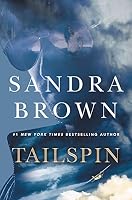
23. Tailspin, by Sandra Brown
Rating: ✭✭✭
Rye Mallett, is a fearless "freight dog" pilot charged with flying cargo to far-flung locations. He'll fly anywhere, in any weather, under even the direst conditions, and he's not big on following rules and regulations that might keep him from meeting a deadline. So when he's hired to fly into a completely fogbound northern Georgia town and deliver a mysterious time-sensitive black box to a Dr. Lambert, he doesn't ask questions. But as he nears the isolated landing strip, his plane is sabotaged and he just barely survives the crash landing. After climbing out of the hopelessly damaged plane, he's met by the strikingly lovely (well, it's a romance novel, right?) Dr. Brynn O'Neal who claims she was sent by Dr. Lambert to retrieve the black box. Rye is immediately intrigued by the mystery surrounding his cargo, and by the attractive Dr. O'Neal, and before long the two are dodging law enforcement officials and some pretty scary hired thugs in the race to deliver the box before time runs out.
This was a bit out of my comfort zone -- I generally don't read romance novels. But I was offered an advance readers edition by NetGalley, and since I'd never read anything by Sandra Brown I decided to take a chance. And I have to say it was pretty good -- a bit formulaic, but I was expecting that. I liked a lot of it, although I could have done with a lot fewer steamy sex scenes. Yeah, I know -- that's what Sandra Brown is all about. Just sayin' -- after a while, it just gets boring. But even with all the gratuitous coupling, most of the book was very enjoyable -- just not enjoyable enough to turn me into a romance reader. Still, I'm very grateful to NetGalley and the publisher for giving me the chance to read the book and say what I think.
Rating: ✭✭✭
Rye Mallett, is a fearless "freight dog" pilot charged with flying cargo to far-flung locations. He'll fly anywhere, in any weather, under even the direst conditions, and he's not big on following rules and regulations that might keep him from meeting a deadline. So when he's hired to fly into a completely fogbound northern Georgia town and deliver a mysterious time-sensitive black box to a Dr. Lambert, he doesn't ask questions. But as he nears the isolated landing strip, his plane is sabotaged and he just barely survives the crash landing. After climbing out of the hopelessly damaged plane, he's met by the strikingly lovely (well, it's a romance novel, right?) Dr. Brynn O'Neal who claims she was sent by Dr. Lambert to retrieve the black box. Rye is immediately intrigued by the mystery surrounding his cargo, and by the attractive Dr. O'Neal, and before long the two are dodging law enforcement officials and some pretty scary hired thugs in the race to deliver the box before time runs out.
This was a bit out of my comfort zone -- I generally don't read romance novels. But I was offered an advance readers edition by NetGalley, and since I'd never read anything by Sandra Brown I decided to take a chance. And I have to say it was pretty good -- a bit formulaic, but I was expecting that. I liked a lot of it, although I could have done with a lot fewer steamy sex scenes. Yeah, I know -- that's what Sandra Brown is all about. Just sayin' -- after a while, it just gets boring. But even with all the gratuitous coupling, most of the book was very enjoyable -- just not enjoyable enough to turn me into a romance reader. Still, I'm very grateful to NetGalley and the publisher for giving me the chance to read the book and say what I think.
28jlshall
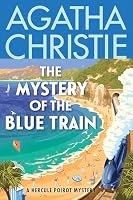
24. The Mystery of the Blue Train (Hercule Poirot #6), by Agatha Christie
Rating: ✭✭✭✭
(No. 11 from TBR list)
After spending most of her life as a paid companion, Miss Katherine Grey is left a small fortune by the lady she's been caring for, and decides to visit some distant relatives at their home on the Riviera. So she boards the famous Blue Train for the trip, and meets both legendary detective Hercule Poirot and millionaire’s daughter, Ruth Kettering. Ruth’s marriage is heading for divorce and she's traveling to meet her lover.
The luxurious train carries its passengers across France to the sunny Riviera. And when it arrives at Nice, a guard attempts to wake Ruth Kettering but finds she's been killed, and a heavy blow has disfigured her features almost beyond recognition. What's more, her precious rubies are missing and her maid seems to have disappeared from the train back in Paris. The French police believe Ruth was most probably murdered by the thief who made off with her jewels. But Hercule Poirot is not convinced, so he asks for Miss Grey's help in staging an eerie reenactment of the journey, complete with the murderer on board.
This is the 6th book in Agatha Christie's series of mystery novels featuring Belgian detective Hercule Poirot. I'm very slowly working my way through the series (although not in any particular order), and I enjoyed this one — even though I believe I've read that it was not one of Christie's personal favorites. The book has everything I love in her work — luxurious settings, intriguing characters, great dialogue, lots of unexpected twists and turns. And Poirot exhibiting his amazing abilities, exercising his "little grey cells." How could I possibly not enjoy it? The only thing that might have made it better would have been just a little more time spent on that luxurious Blue Train. (Or maybe if Ariadne Oliver had been on board.)
Rating: ✭✭✭✭
(No. 11 from TBR list)
After spending most of her life as a paid companion, Miss Katherine Grey is left a small fortune by the lady she's been caring for, and decides to visit some distant relatives at their home on the Riviera. So she boards the famous Blue Train for the trip, and meets both legendary detective Hercule Poirot and millionaire’s daughter, Ruth Kettering. Ruth’s marriage is heading for divorce and she's traveling to meet her lover.
The luxurious train carries its passengers across France to the sunny Riviera. And when it arrives at Nice, a guard attempts to wake Ruth Kettering but finds she's been killed, and a heavy blow has disfigured her features almost beyond recognition. What's more, her precious rubies are missing and her maid seems to have disappeared from the train back in Paris. The French police believe Ruth was most probably murdered by the thief who made off with her jewels. But Hercule Poirot is not convinced, so he asks for Miss Grey's help in staging an eerie reenactment of the journey, complete with the murderer on board.
This is the 6th book in Agatha Christie's series of mystery novels featuring Belgian detective Hercule Poirot. I'm very slowly working my way through the series (although not in any particular order), and I enjoyed this one — even though I believe I've read that it was not one of Christie's personal favorites. The book has everything I love in her work — luxurious settings, intriguing characters, great dialogue, lots of unexpected twists and turns. And Poirot exhibiting his amazing abilities, exercising his "little grey cells." How could I possibly not enjoy it? The only thing that might have made it better would have been just a little more time spent on that luxurious Blue Train. (Or maybe if Ariadne Oliver had been on board.)
29jlshall
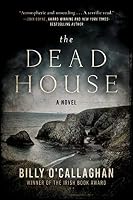
25. The Dead House, by Billy O'Callaghan
Rating: ✭✭✭✭
This is a wonderfully atmospheric and eerie thriller, told in first person by art agent Michael Simmons who befriends Maggie, the young artist at the center of the spooky goings-on. Put in hospital by her latest lover, Maggie turns to Michael for help while she's healing. He provides a spare room and emotional support. And when Maggie is able to get back into the world again, he visits her one weekend to view the remote cottage in Ireland she's chosen as her new home and inspiration. During the visit Maggie and her guests indulge in a little seemingly harmless play with a Ouija board, unknowingly unleashing the ancient evil that inhabits the house.
I know that sounds like a pretty standard haunted house tale, and in the hands of a lesser talent it could be trite and even a bit silly. But Billy O'Callaghan does a beautiful job of keeping it fresh and genuinely disturbing. Once I finished reading The Dead House, I actually turned back to the beginning and read parts of it over again! (I never do that.) This was O'Callaghan's debut novel and I'm definitely hoping there'll be more to come. Many thanks to NetGalley and the publisher for my copy of the novel.
Rating: ✭✭✭✭
This is a wonderfully atmospheric and eerie thriller, told in first person by art agent Michael Simmons who befriends Maggie, the young artist at the center of the spooky goings-on. Put in hospital by her latest lover, Maggie turns to Michael for help while she's healing. He provides a spare room and emotional support. And when Maggie is able to get back into the world again, he visits her one weekend to view the remote cottage in Ireland she's chosen as her new home and inspiration. During the visit Maggie and her guests indulge in a little seemingly harmless play with a Ouija board, unknowingly unleashing the ancient evil that inhabits the house.
I know that sounds like a pretty standard haunted house tale, and in the hands of a lesser talent it could be trite and even a bit silly. But Billy O'Callaghan does a beautiful job of keeping it fresh and genuinely disturbing. Once I finished reading The Dead House, I actually turned back to the beginning and read parts of it over again! (I never do that.) This was O'Callaghan's debut novel and I'm definitely hoping there'll be more to come. Many thanks to NetGalley and the publisher for my copy of the novel.


32jlshall
28. Call for the Dead (George Smiley #1), by John le Carré

Rating: ✭✭✭✭
I'm not really a huge fan of spy novels, although I did enjoy several of Len Deighton's books back in the '70s. But John Le Carré's Call for the Dead is more whodunnit than espionage, with George Smiley investigating what actually happened in the death of civil servant Samuel Fennan. So even though I was a little dubious going in, I ultimately enjoyed this quite a lot.
Le Carré is rightly famous for his character development, and even the minor characters here are well-drawn, believable and interesting. Of course, George Smiley is his greatest creation — sort of the antithesis of James Bond and all those charismatic action heroes. Smiley is not dashing or handsome (his ex-wife called him "Toad"). But he does what he does very well, with intelligence and efficiency and a great deal of sympathy for his fellow human beings — whether or not they work in the spy trade. This book provides a fine introduction.

Rating: ✭✭✭✭
I'm not really a huge fan of spy novels, although I did enjoy several of Len Deighton's books back in the '70s. But John Le Carré's Call for the Dead is more whodunnit than espionage, with George Smiley investigating what actually happened in the death of civil servant Samuel Fennan. So even though I was a little dubious going in, I ultimately enjoyed this quite a lot.
Le Carré is rightly famous for his character development, and even the minor characters here are well-drawn, believable and interesting. Of course, George Smiley is his greatest creation — sort of the antithesis of James Bond and all those charismatic action heroes. Smiley is not dashing or handsome (his ex-wife called him "Toad"). But he does what he does very well, with intelligence and efficiency and a great deal of sympathy for his fellow human beings — whether or not they work in the spy trade. This book provides a fine introduction.
33jlshall
29. A Morbid Taste for Bones (Brother Cadfael Mysteries #1), by Ellis Peters

Rating: ✭✭✭½
(No. 12 from TBR list)

Rating: ✭✭✭½
(No. 12 from TBR list)


41jlshall
37. I also read a few more children's books this year, in addition to the ones already listed here separately. None of them were longer than about 40 pages, so I'm just going to include them in a bunch and count them as one work.
1. Feathers for Lunch, by Lois Ehlert ✭✭✭
2. The Scraps Book: Notes from a Colorful Life, by Lois Ehlert ✭✭✭✭
3. Umbrella, by Taro Yashima ✭✭✭
4. The Gardener, by Sarah Stewart; illus. by David Small ✭✭✭✭
5. Golem, by David Wisniewski; illus. by author ✭✭✭½
6. Outside My Window, by Linda Ashman; illus. by Jamey Christoph ✭✭✭✭
1. Feathers for Lunch, by Lois Ehlert ✭✭✭
2. The Scraps Book: Notes from a Colorful Life, by Lois Ehlert ✭✭✭✭
3. Umbrella, by Taro Yashima ✭✭✭
4. The Gardener, by Sarah Stewart; illus. by David Small ✭✭✭✭
5. Golem, by David Wisniewski; illus. by author ✭✭✭½
6. Outside My Window, by Linda Ashman; illus. by Jamey Christoph ✭✭✭✭

