On This Page
Description
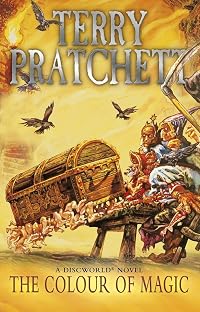
On a world supported on the back of a giant turtle, a gleeful, explosive, wickedly eccentric expedition sets out. There's an avaricious but inept wizard, a naive tourist whose luggage moves on hundreds of dear little legs, and of course 'the edge' of the planet.Tags
Recommendations


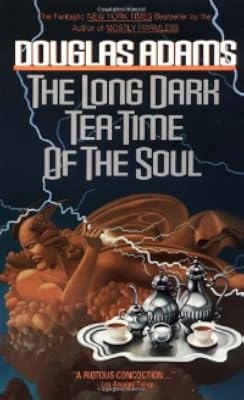
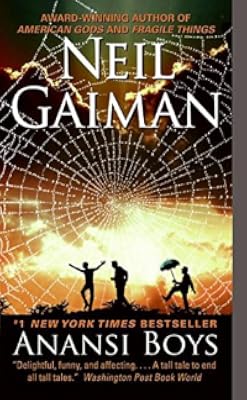
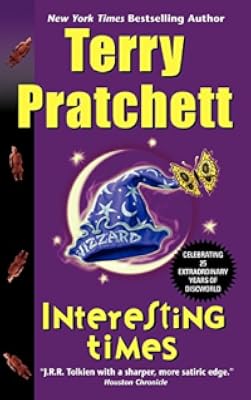
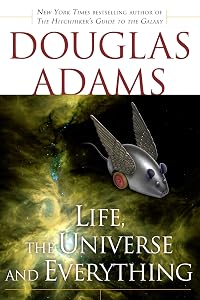
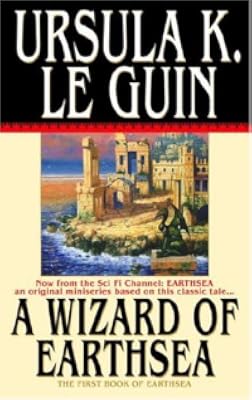
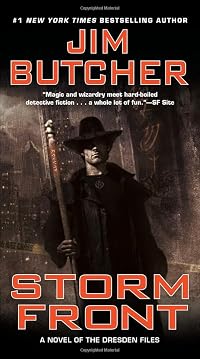
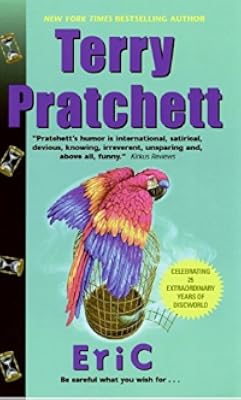
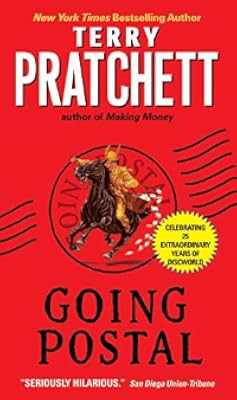
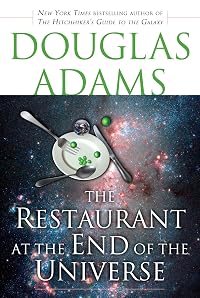

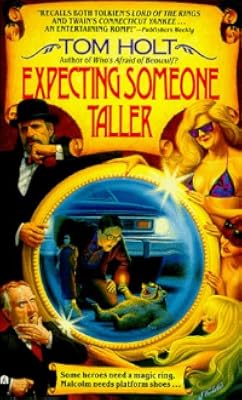
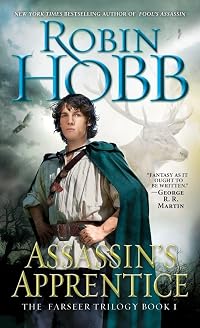
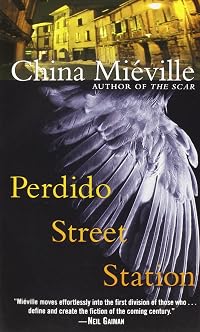
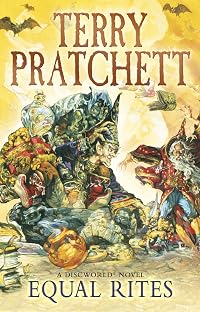
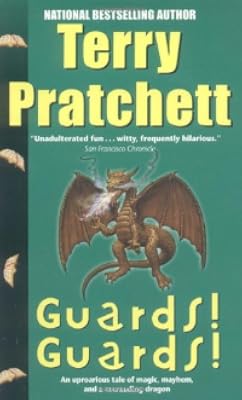


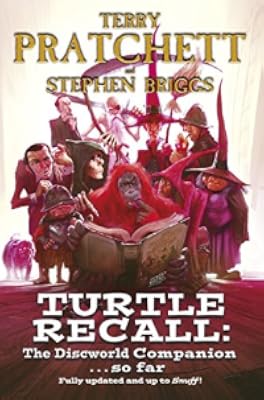

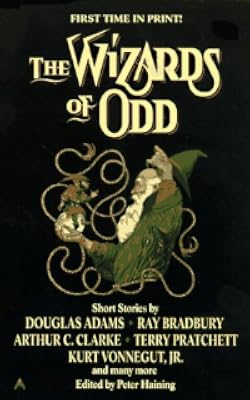
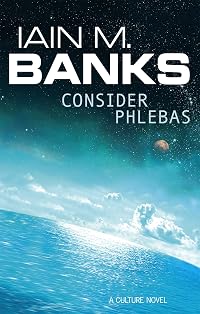

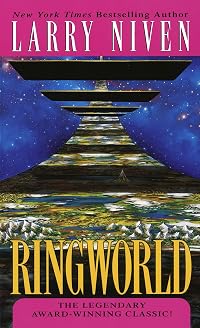
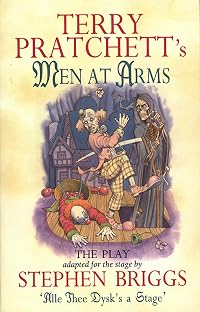
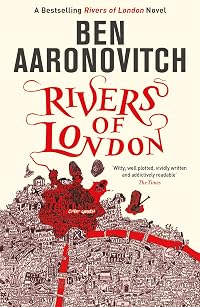
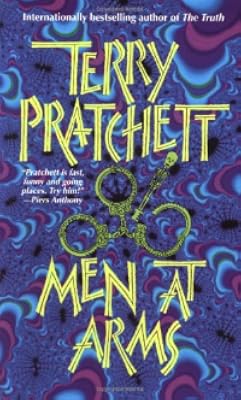


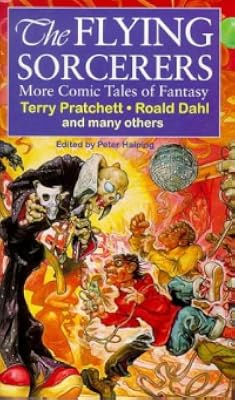


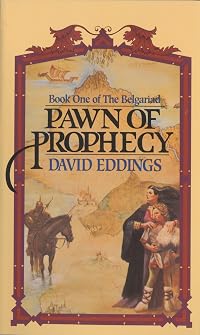
Member Recommendations
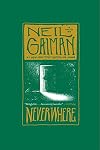

glade1 Another "zany alternate universe," set on earth in a slightly different version of history and with forays into BookWorld, or the actual events of books.
70
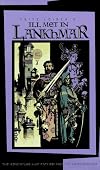
ehines Pratchett, of course, is far more contemporary, but aside from the obvious parody/homage, the tone and atmosphere of Pratchett's early Discworld books are clearly inpsired by the Lankhmar stories. Well worth reading either Leiber's or Pratchett's take on ironic fantasy heroism.
50
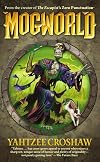
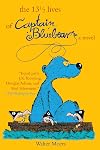
Tjarda Walter Moers created the fantastic continent of Zamonia, with a great number of colourful characters. You may think it's for kids, but it is certainly not!
31

humouress Really, it's because the style of humour in 'Clockwork Boys' is very reminiscent of Pratchett's irreverent style in the 'Discworld' (amongst others) books

Skylles Fun, often silly, very creative, action fantasy
Member Reviews
I fell in love with this author by the second paragraph. Here is a delightful satirical writing style, full of humour and eloquent in its execution. It’s clear right away if you are going to connect with the dry wit and the prose so beautifully crowded with lighthearted potshots at humanity.
The first of Terry Pratchett's Discworld series, this novel plays with conventional ideas about the world, especially mythological archetypes and their use in the sword and sorcery fantasy genre. His tongue-in-cheek physics adds a pinch of Sci-Fi to the mix. The Color of Magic is often compared to Douglas Adams’s The Hitchhiker's Guide to the Galaxy for its humour but is written with more finesse.
It lightened my heart to read this book. Surges show more of delight from the clever turns of phrase alternated with laughter as I read along. I particularly enjoyed this satire of fantasy because I am fascinated with the concept of reality and all its interpretations.
Here is a snippet of Pratchett's description of a wizard appearing out of thin air, an effect you might experience in a movie:
“Now the turning wizard was half man-size. At that point the growth was faster, there was a sudden crowded moment, a rush of air, and an explosion of sound. Rincewind tumbled out of the air, screaming. He hit the floor hard, choked, then rolled over with his head cradled in his arms and his body curled up tightly."
Birds are shown to carry messages, and a few pages later a man about to dispatch a message approaches a cage of white doves. But there are other cages there, and, “From one cage he removed a glossy coated rat, rolled the parchment into the phial attached to a hind leg, and let the animal go. It sniffed around the floor for a moment, then disappeared down a hole in the far wall.” The image of rats scurrying through underground tunnels with notes tied to their rear legs fits well into this city in a world of scoundrels.
Terry Pratchett obviously had a great time writing these books. He was a masterful writer and it's easy to see why so many have had fun reading the Discworld series. I thoroughly enjoyed The Color Of Magic and am on to read The Light Fantastic. show less
The first of Terry Pratchett's Discworld series, this novel plays with conventional ideas about the world, especially mythological archetypes and their use in the sword and sorcery fantasy genre. His tongue-in-cheek physics adds a pinch of Sci-Fi to the mix. The Color of Magic is often compared to Douglas Adams’s The Hitchhiker's Guide to the Galaxy for its humour but is written with more finesse.
It lightened my heart to read this book. Surges show more of delight from the clever turns of phrase alternated with laughter as I read along. I particularly enjoyed this satire of fantasy because I am fascinated with the concept of reality and all its interpretations.
Here is a snippet of Pratchett's description of a wizard appearing out of thin air, an effect you might experience in a movie:
“Now the turning wizard was half man-size. At that point the growth was faster, there was a sudden crowded moment, a rush of air, and an explosion of sound. Rincewind tumbled out of the air, screaming. He hit the floor hard, choked, then rolled over with his head cradled in his arms and his body curled up tightly."
Birds are shown to carry messages, and a few pages later a man about to dispatch a message approaches a cage of white doves. But there are other cages there, and, “From one cage he removed a glossy coated rat, rolled the parchment into the phial attached to a hind leg, and let the animal go. It sniffed around the floor for a moment, then disappeared down a hole in the far wall.” The image of rats scurrying through underground tunnels with notes tied to their rear legs fits well into this city in a world of scoundrels.
Terry Pratchett obviously had a great time writing these books. He was a masterful writer and it's easy to see why so many have had fun reading the Discworld series. I thoroughly enjoyed The Color Of Magic and am on to read The Light Fantastic. show less
This is the first Discworld book I've read and I have to say I enjoyed it quite a bit. Rincewind seems to be the mangy dog Fate likes to kick around. All he really wants to be left alone. Unfortunately, that doesn't seem to be fated for him. The first ever Tourist to the continent has arrived, with a rather large fortune and Rincewind gets assigned to keep him alive and one piece. Since the Tourist TwoFlower doesn't have a clue between real life crime and fanciful stories of pirates and heroes, he never seems to be worried about anything, while Rincewind is nearly always terrified to death. He just refuses to give Death the satisfaction
Overall a very humorous book. I rounded it up to four stars, but I've heard that this is the 'worst' show more one of the bunch, so I expect them to only get better from here on. I look forward to that very much! show less
Overall a very humorous book. I rounded it up to four stars, but I've heard that this is the 'worst' show more one of the bunch, so I expect them to only get better from here on. I look forward to that very much! show less
Terry Pratchett writes with a much more sophisticated and mature prose than Discworld probably deserves, but the result is a scintillating read. Imaginative, descriptive and very, very funny! It reminded me of the endless invention of the Harry Potter series at its best, but with better writing.
Not, however, with a better plot. That's the big weakness here, the subtitle might as well be 'Four Loosely Connected Situations In Which Our Heroes Barely Scrape By And Learn Nothing.' But the characters are all highly entertaining and written with that smug, wry and slightly juvenile humor for which we all love Douglas Adams and Monty Python. The follwing books in the extensive series of Discworld promise much more engaging stories and show more incredible variety thereof. If this is considered one of the worst Discworld books, I can't wait to read more. show less
Not, however, with a better plot. That's the big weakness here, the subtitle might as well be 'Four Loosely Connected Situations In Which Our Heroes Barely Scrape By And Learn Nothing.' But the characters are all highly entertaining and written with that smug, wry and slightly juvenile humor for which we all love Douglas Adams and Monty Python. The follwing books in the extensive series of Discworld promise much more engaging stories and show more incredible variety thereof. If this is considered one of the worst Discworld books, I can't wait to read more. show less
Several years ago I picked up my first Terry Pratchett novel and immediately fell in love. Fast-paced and funny, but with a lot to say, this was my kind of writer. Since then I've read probably 15 from the Discworld series, but never in order. this winter i decided to start the beginning and read my way through.
I don't know what I thought the first one would be like, but I was surprised by how it is all here from the very beginning: the humor, the complete view of the world, and even Death, misunderstood as always and talking in ALLCAPS. Tremendous. Can't wait to read the rest of them.
I don't know what I thought the first one would be like, but I was surprised by how it is all here from the very beginning: the humor, the complete view of the world, and even Death, misunderstood as always and talking in ALLCAPS. Tremendous. Can't wait to read the rest of them.
A Cor da Magia — Worbuilding Caótico, discussão acerca de Crença vs Adoração, e sátira de diversos tropos da Fantasia.
Os primeiros dois livros da série Discworld, ambos romances do Rincewind (A Cor da Magia e A Luz Fantástica) são um pouco ame ou odeie; pelas palavras do próprio autor: "Como esta é uma reimpressão por demanda popular – caramba – do primeiro livro de uma série que, eventualmente, passará dos dez livros, há uma boa chance de você já saber pelo menos o panorama geral da série, que é mais do que eu sabia quando escrevi esse livro aqui."
Mas, mesmo com todos problemas e qualidades - que discorrerei sobre brevemente - o Rincewind se destaca como um puta personagem. Não por força ou inteligência, show more como geralmente se espera de um personagem principal, ele é um protagonista de fantasia não-tradicional, fujão, cínico, mago fracassado. É um dos poucos heróis relatáveis. Ele vive um mundo totalmente sem sentido, e não quer nada mais do que uma vida simples e comum, onde realize seus sonhos humildes de trabalhador humlde; só que em vez disso, é jogado no caos e na loucura total, com seu senso de autopreservação extremamente aguçado e um senso de humor irônico que é o tempero adicional do personagem.
Sobre o humor, como ele é muito pessoal e subjetivo, vou tentar levar essa análise para um outro lado. Por exemplo, eu sou um dos que não consegue ver o mesmo humor hilariante e ''gargalheante'' que outras pessoas veem em A Cor da Magia. Também não estou dizendo que não há nada engraçado, pelo contrário, o livro de fato gera muitos sorrisos, mas são nas partes onde Pratchett deixa a sua imaginação correr livre, abarca o nonsense, o imaginativo e o surral, em seus conceitos e ideias, que o livro brilha — e é um ponto mais concreto a se abordar em uma rápida resenha.
"As plantas do Discworld, embora incluíssem as ca-tegorias em geral chamadas de anuais, semeadas para nascer no mesmo ano, bienais, semeadas para crescer no ano seguinte, eperenes, semeadas para nascer sabe-se lá quando, também abrangiam algumas raras reanuais, que, por causa de um incomum desvio quadridimensional em seus genes, podiam ser plantadas no ano corrente para dar no ano passado. A noz vul era excepcional nesse sentido, porque chegava a florescer até oito anos antes de ser plantada. Seu vinho tinha fama de dar a certas pessoas uma visão do futuro — que, do ponto de vista da noz, era o passado. Estranho, mas verdadeiro."
Essa quote representa muito bem as tais ideias e conceitos que me carregaram através do livro. Nossa impressão inicial já é inundada pela nonsense quando logo nas primeiras páginas somos apresentados ao ''planeta'' central do romance: que tem formato de disco e não de esfera, e, além disso, é sustentado por quatro elefantes de proporções continentais (Berilia, Tubul, Grande T’Phon e Jerakeen), que por sua vez, estão sob o casco de uma tartaruga gigante estelar (a Grande A’Tuin) que vaga/nada através do espaço.
''O motivo exato do que foi dito acima ser dessa forma não está claro, mas explica um pouco por quê, no Discworld, os Deuses são mais criticados do que venerados.''
O livro inteiro é baseado no absurdo, e a imaginação irônica do Pratchet deixa tudo ainda melhor. A aventura que acompanhamos em A Cor da Magia apesar de fazer referência desde Tolkien, Lovecraft, Howard, até Role Playing Games, mantém uma própria linha de originalidade que combina com toda a insanidade que é o mundo de Discworld.
Além dos personagens, que englobam desde a personificação da Morte, do Destino, uma entidade lovecraftiana Bel-Shamharoth, até arquétipos clássicos da fantasia totalmente renovados, como o Hrun o Bárbaro, ou mesmo Rincewind, o personagem principal do livro, um feiticeiro fracassado que só sabe um feitiço, que se instalou na cabeça dele e expulsou na marra todos os outros; o ponto forte do livro é a viagem que Rincewind e um turista (DuasFlor) fazem no Discworld, o que permite ao Pratchett exercitar livremente a loucura e o barato que é o seu worldbuilding.
Por exemplo, quando após um encontro com Dríades totalmente diferentes das que estamos acostumados, e a apresentação de Hrun, e de sua espada mágica cuja única propriedade que a distingue das outras espadas convencionais é o ato de falar e cantar, o grupo adentra em uma área com um campo mágico altamente elevado, notado pela tendência que os arbustos tinham de andar e falar, e também por uma gigantesca montanha de ponta cabeça, a Wyrmberg, lar de dragões, porém, dragões translúcidos, que só existem se você acreditar neles.
O intenso campo mágico mostra diversos de seus efeitos bizarros, um deles é quando após a queda de um dos dragões, Rincewind e Duasflor rasgam um buraco no tecido da realidade e são sugados para dentro. Rincewind acorda dentro de um avião (algo que faz mais sentido em inglês, eles atravessam de plano, atravessam de plane, a mesma palavra para aviões) sob o controle de terroristas, e por fim cai em algum lugar do Mar Círculo (infelizmente para o Rincewind, cair torna-se uma coisa frequente para ele), o mar do disco, que literalmente tem uma beira, e a água derrama para o universo.
Esses são só alguns dos acontecimentos, é melhor eu deixar você mesmo ler e ir se surpreendendo.
Os mais de quarenta livros da série de Discworld são divididos entre vários "ciclos" diferentes, portanto a ordem de leitura é totalmente misturada, dando ao leitor a opção de escolher o núcleo que mais o agrada e começar por ali. E após passar pelos dois primeiros (A Cor da Magia e A Luz Fantástica), entendi o motivo de alguns leitores da série aconselharem a não começar por estes.
Esse é um dos poucos pontos negativos do livro, por isso preferi deixá-lo pro final. Apesar de possuir 152 páginas, ele não é uma leitura tão fluída assim, e a escolha narrativa de ir abordando pequenos arcos diferentes, e de deixar o final aberto para o próximo (é o único de toda a série a ser sequencial) não funcionou tão bem, uma amostra da inexperiência do autor, e de como a série deva tornar-se cada vez melhor com o tempo.
No geral A Cor da Magia tem um humor bastante peculiar, mas que se sustenta pelas diversas críticas e sátiras não só a outras obras de fantasia, como também da nossa sociedade real, recheado de sarcasmo, ideias inteligentes e caóticas já no primeiro livro da longa série.
Outro ponto, é a ideia que o Pratchett tem dos deuses, que mais tarde seria (emprestada? surrupiada? concedida?) á seu amigo Neil Gaiman em American Gods.
Um deus no Discworld precisa de crentes para ser forte, e a maioria das pessoas acredita em sorte, boa ou má. (Mesmo no nosso mundo desejamos boa sorte às pessoas - também dizemos: "Foi apenas azar." defensivamente quando pisamos acidentalmente na merda, ou qualquer outra coisa. Algumas pessoas usam a palavra várias vezes ao dia.)
A Senhora (Destino) tem muitos crentes, mas ninguém a adora, ela não quer ou gosta de adoração. Curiosamente, a adoração pode realmente ser ruim para a saúde de um deus do Discworld.
Por exemplo, o adorador constrói catedrais, mosteiros, etc. Depois começam a fazer regras; eles interpretam o deus e dizem à congregações o que eles gostariam que o deus dissesse, atribuem seus próprios gostos e superstições ao deus - e, no Discworld, gradualmente essa estrutura torna-se aquilo em que as pessoas acreditam; primeiro envolvendo e depois substituindo o deus, até que ele morre.
Um exemplo contrário desse ciclo, é um pequeno deus chamado Angus, que tem apenas um crente, e nenhum adorador - seu crente simplesmente acredita que ele tem um amigo humano chamado Angus, o que o traz ao plano da existência - e Angus está mais bem de vida do que a maioria dos deuses mais famosos.
Basicamente, o ponto, é que pode-se adorar um sistema de crenças sem realmente acreditar que o deus realmente exista. No entanto, há outra camada que começa a fazer muito mais sentido à medida que você avança na série. No centro disso está um único conceito: Os deuses do Discworld não existem ATÉ que as pessoas acreditem neles.
Isso significa que se alguma pessoa aleatória no mundo acredita em uma divindade, não importa o que seja, e não importa o quão forte, essa divindade irá surgir devido a essa crença. Quanto mais fraca a crença, mais fraco o deus e menos facilmente ele pode se manifestar fisicamente, mas ainda existe enquanto a crença perseverar.
Inevitavelmente, isso leva á consequências inesperadas e divertidas. Por exemplo, as pessoas dizem meio brincando coisas como “Ele está fazendo uma oferenda ao deus da porcelana” como um eufemismo para vômito.
Então, no Discworld, em vez de “o deus da porcelana” você tem “Vometia”. Ela existe porque as pessoas continuam a se referir a ela dessa maneira. Mesmo se apenas uma pessoa dissesse isso, ela ainda existiria como o deus "dela".
Pratchett chama a maioria desses de “deuses domésticos” e fica muito claro sobre seu método de criação em Hogfather, quando o Hogfather desaparece e há um transbordamento de crenças no mundo. Isso começa a se manifestar em um número ridículo de deuses se formando com base em pequenas esperanças ou comentários, como “Bilious”, que é descrito como o “Oh Deus da ressaca” porque as pessoas de ressaca dizem muito “oh meu deus”. O mesmo vale para os deuses do futebol (orar para que seu time vença), “coisas perdidas” e várias outras orações improvisadas cotidianas que as pessoas oferecem sem saber porque esperam que algo aconteça (ou pare de acontecer).
Você também pode enfatizar a palavra “você.” Pois, uma pessoa pode realmente acreditar que existe um deus do futebol, mas esse é o deus dela, não o seu. Você nem precisa pensar que um deus do futebol seria possível, mas enquanto alguém no Discworld o fizer, ainda é um deus e existe enquanto a crença e as orações existirem.
Bem American Gods, não? Bem humano também, eu diria.
"Era muito bom sair falando em coerência, na harmonia dos números e na lógica que governava o universo, mas a questão pura e simples era que o Discworld atravessava o espaço na casca de uma tartaruga gigante e que os deuses tinham o hábito de aparecer na casa dos ateus quebrando as janelas."
Talvez demore para engatar, mas com certeza, se você gosta de Fantasia, é um livro que vale a pena experimentar. show less
Os primeiros dois livros da série Discworld, ambos romances do Rincewind (A Cor da Magia e A Luz Fantástica) são um pouco ame ou odeie; pelas palavras do próprio autor: "Como esta é uma reimpressão por demanda popular – caramba – do primeiro livro de uma série que, eventualmente, passará dos dez livros, há uma boa chance de você já saber pelo menos o panorama geral da série, que é mais do que eu sabia quando escrevi esse livro aqui."
Mas, mesmo com todos problemas e qualidades - que discorrerei sobre brevemente - o Rincewind se destaca como um puta personagem. Não por força ou inteligência, show more como geralmente se espera de um personagem principal, ele é um protagonista de fantasia não-tradicional, fujão, cínico, mago fracassado. É um dos poucos heróis relatáveis. Ele vive um mundo totalmente sem sentido, e não quer nada mais do que uma vida simples e comum, onde realize seus sonhos humildes de trabalhador humlde; só que em vez disso, é jogado no caos e na loucura total, com seu senso de autopreservação extremamente aguçado e um senso de humor irônico que é o tempero adicional do personagem.
Sobre o humor, como ele é muito pessoal e subjetivo, vou tentar levar essa análise para um outro lado. Por exemplo, eu sou um dos que não consegue ver o mesmo humor hilariante e ''gargalheante'' que outras pessoas veem em A Cor da Magia. Também não estou dizendo que não há nada engraçado, pelo contrário, o livro de fato gera muitos sorrisos, mas são nas partes onde Pratchett deixa a sua imaginação correr livre, abarca o nonsense, o imaginativo e o surral, em seus conceitos e ideias, que o livro brilha — e é um ponto mais concreto a se abordar em uma rápida resenha.
"As plantas do Discworld, embora incluíssem as ca-tegorias em geral chamadas de anuais, semeadas para nascer no mesmo ano, bienais, semeadas para crescer no ano seguinte, eperenes, semeadas para nascer sabe-se lá quando, também abrangiam algumas raras reanuais, que, por causa de um incomum desvio quadridimensional em seus genes, podiam ser plantadas no ano corrente para dar no ano passado. A noz vul era excepcional nesse sentido, porque chegava a florescer até oito anos antes de ser plantada. Seu vinho tinha fama de dar a certas pessoas uma visão do futuro — que, do ponto de vista da noz, era o passado. Estranho, mas verdadeiro."
Essa quote representa muito bem as tais ideias e conceitos que me carregaram através do livro. Nossa impressão inicial já é inundada pela nonsense quando logo nas primeiras páginas somos apresentados ao ''planeta'' central do romance: que tem formato de disco e não de esfera, e, além disso, é sustentado por quatro elefantes de proporções continentais (Berilia, Tubul, Grande T’Phon e Jerakeen), que por sua vez, estão sob o casco de uma tartaruga gigante estelar (a Grande A’Tuin) que vaga/nada através do espaço.
''O motivo exato do que foi dito acima ser dessa forma não está claro, mas explica um pouco por quê, no Discworld, os Deuses são mais criticados do que venerados.''
O livro inteiro é baseado no absurdo, e a imaginação irônica do Pratchet deixa tudo ainda melhor. A aventura que acompanhamos em A Cor da Magia apesar de fazer referência desde Tolkien, Lovecraft, Howard, até Role Playing Games, mantém uma própria linha de originalidade que combina com toda a insanidade que é o mundo de Discworld.
Além dos personagens, que englobam desde a personificação da Morte, do Destino, uma entidade lovecraftiana Bel-Shamharoth, até arquétipos clássicos da fantasia totalmente renovados, como o Hrun o Bárbaro, ou mesmo Rincewind, o personagem principal do livro, um feiticeiro fracassado que só sabe um feitiço, que se instalou na cabeça dele e expulsou na marra todos os outros; o ponto forte do livro é a viagem que Rincewind e um turista (DuasFlor) fazem no Discworld, o que permite ao Pratchett exercitar livremente a loucura e o barato que é o seu worldbuilding.
Por exemplo, quando após um encontro com Dríades totalmente diferentes das que estamos acostumados, e a apresentação de Hrun, e de sua espada mágica cuja única propriedade que a distingue das outras espadas convencionais é o ato de falar e cantar, o grupo adentra em uma área com um campo mágico altamente elevado, notado pela tendência que os arbustos tinham de andar e falar, e também por uma gigantesca montanha de ponta cabeça, a Wyrmberg, lar de dragões, porém, dragões translúcidos, que só existem se você acreditar neles.
O intenso campo mágico mostra diversos de seus efeitos bizarros, um deles é quando após a queda de um dos dragões, Rincewind e Duasflor rasgam um buraco no tecido da realidade e são sugados para dentro. Rincewind acorda dentro de um avião (algo que faz mais sentido em inglês, eles atravessam de plano, atravessam de plane, a mesma palavra para aviões) sob o controle de terroristas, e por fim cai em algum lugar do Mar Círculo (infelizmente para o Rincewind, cair torna-se uma coisa frequente para ele), o mar do disco, que literalmente tem uma beira, e a água derrama para o universo.
Esses são só alguns dos acontecimentos, é melhor eu deixar você mesmo ler e ir se surpreendendo.
Os mais de quarenta livros da série de Discworld são divididos entre vários "ciclos" diferentes, portanto a ordem de leitura é totalmente misturada, dando ao leitor a opção de escolher o núcleo que mais o agrada e começar por ali. E após passar pelos dois primeiros (A Cor da Magia e A Luz Fantástica), entendi o motivo de alguns leitores da série aconselharem a não começar por estes.
Esse é um dos poucos pontos negativos do livro, por isso preferi deixá-lo pro final. Apesar de possuir 152 páginas, ele não é uma leitura tão fluída assim, e a escolha narrativa de ir abordando pequenos arcos diferentes, e de deixar o final aberto para o próximo (é o único de toda a série a ser sequencial) não funcionou tão bem, uma amostra da inexperiência do autor, e de como a série deva tornar-se cada vez melhor com o tempo.
No geral A Cor da Magia tem um humor bastante peculiar, mas que se sustenta pelas diversas críticas e sátiras não só a outras obras de fantasia, como também da nossa sociedade real, recheado de sarcasmo, ideias inteligentes e caóticas já no primeiro livro da longa série.
Outro ponto, é a ideia que o Pratchett tem dos deuses, que mais tarde seria (emprestada? surrupiada? concedida?) á seu amigo Neil Gaiman em American Gods.
Um deus no Discworld precisa de crentes para ser forte, e a maioria das pessoas acredita em sorte, boa ou má. (Mesmo no nosso mundo desejamos boa sorte às pessoas - também dizemos: "Foi apenas azar." defensivamente quando pisamos acidentalmente na merda, ou qualquer outra coisa. Algumas pessoas usam a palavra várias vezes ao dia.)
A Senhora (Destino) tem muitos crentes, mas ninguém a adora, ela não quer ou gosta de adoração. Curiosamente, a adoração pode realmente ser ruim para a saúde de um deus do Discworld.
Por exemplo, o adorador constrói catedrais, mosteiros, etc. Depois começam a fazer regras; eles interpretam o deus e dizem à congregações o que eles gostariam que o deus dissesse, atribuem seus próprios gostos e superstições ao deus - e, no Discworld, gradualmente essa estrutura torna-se aquilo em que as pessoas acreditam; primeiro envolvendo e depois substituindo o deus, até que ele morre.
Um exemplo contrário desse ciclo, é um pequeno deus chamado Angus, que tem apenas um crente, e nenhum adorador - seu crente simplesmente acredita que ele tem um amigo humano chamado Angus, o que o traz ao plano da existência - e Angus está mais bem de vida do que a maioria dos deuses mais famosos.
Basicamente, o ponto, é que pode-se adorar um sistema de crenças sem realmente acreditar que o deus realmente exista. No entanto, há outra camada que começa a fazer muito mais sentido à medida que você avança na série. No centro disso está um único conceito: Os deuses do Discworld não existem ATÉ que as pessoas acreditem neles.
Isso significa que se alguma pessoa aleatória no mundo acredita em uma divindade, não importa o que seja, e não importa o quão forte, essa divindade irá surgir devido a essa crença. Quanto mais fraca a crença, mais fraco o deus e menos facilmente ele pode se manifestar fisicamente, mas ainda existe enquanto a crença perseverar.
Inevitavelmente, isso leva á consequências inesperadas e divertidas. Por exemplo, as pessoas dizem meio brincando coisas como “Ele está fazendo uma oferenda ao deus da porcelana” como um eufemismo para vômito.
Então, no Discworld, em vez de “o deus da porcelana” você tem “Vometia”. Ela existe porque as pessoas continuam a se referir a ela dessa maneira. Mesmo se apenas uma pessoa dissesse isso, ela ainda existiria como o deus "dela".
Pratchett chama a maioria desses de “deuses domésticos” e fica muito claro sobre seu método de criação em Hogfather, quando o Hogfather desaparece e há um transbordamento de crenças no mundo. Isso começa a se manifestar em um número ridículo de deuses se formando com base em pequenas esperanças ou comentários, como “Bilious”, que é descrito como o “Oh Deus da ressaca” porque as pessoas de ressaca dizem muito “oh meu deus”. O mesmo vale para os deuses do futebol (orar para que seu time vença), “coisas perdidas” e várias outras orações improvisadas cotidianas que as pessoas oferecem sem saber porque esperam que algo aconteça (ou pare de acontecer).
Você também pode enfatizar a palavra “você.” Pois, uma pessoa pode realmente acreditar que existe um deus do futebol, mas esse é o deus dela, não o seu. Você nem precisa pensar que um deus do futebol seria possível, mas enquanto alguém no Discworld o fizer, ainda é um deus e existe enquanto a crença e as orações existirem.
Bem American Gods, não? Bem humano também, eu diria.
"Era muito bom sair falando em coerência, na harmonia dos números e na lógica que governava o universo, mas a questão pura e simples era que o Discworld atravessava o espaço na casca de uma tartaruga gigante e que os deuses tinham o hábito de aparecer na casa dos ateus quebrando as janelas."
Talvez demore para engatar, mas com certeza, se você gosta de Fantasia, é um livro que vale a pena experimentar. show less
When people ask me which authors are easily the best in their genre, heck even the best across the board, Terry Pratchett's name (along with Neil Gaiman) comes tumbling out like the spell Rincewind flunked out of the Unseen University with firmly stuck in his mind. I cried for Terry Pratchett the same way I cried for Chester Bennington - just a few artists who shaped my mind as a teen. I probably wouldn't have studied what I studied were it not for them oh and my high school English teacher who made me fall inlove with the macabre tale of Macbeth. So, how do I sum up the Discworld in a thought?
It is a treasure trove of true escapism.
I am rereading the series and in The Colour of Magic, we are introduced to the Great A'Tuin as he swims show more to infinity carrying the world on his back, albeit with the help of a couple of ginormous elephants trotting along on his shell. So anyway, here we are, on the disc and octarine is the name of the game. Because, magic has a colour, or rather a hue that is but an echo of a time when Magic was untamed and wild. This book is all kinds of colourful and fun.
⦁Great Characters: Rincewind the flunky wizard, check. Twofoot, the optimistic and thoroughly clueless and wanderlustful tourist from the counterweight continent, check. and MORT who speaks LIKE THIS, check.
⦁Insane adventures: Read the one about the Wyrmberg and get back to me on that. Dimensional planes existing together and for a second, bursting at the seams from flying a dragon to walking down the aisles of a plane looking utterly confused. Rincewind is a "wizard" but he'd rather have science - a word he can't articulate for a feeling that there should be something out there better than magic.
⦁Endless Curiosities: At every turn, when Pratchett introduces an idea, the reader (well this reader at least) is latched onto it and sees it to the very end. I had to physically shut the book after each story so I could get on with the business of the humdrum of everyday life, lest I ground to a halt and finish the book in just one sitting. At least it made me savor each tale.
Finally, the dance between Mort and Rincewind is particularly entertaining. I can't recommend this book enough - you over there ordering McDonalds - read Discworld! Oi, over there waiting at the DMV for your licence - read Discworld! And how could I forget you, scrolling through Netflix with nothing to watch after they cancel everything twice over - read Discworld!. show less
It is a treasure trove of true escapism.
I am rereading the series and in The Colour of Magic, we are introduced to the Great A'Tuin as he swims show more to infinity carrying the world on his back, albeit with the help of a couple of ginormous elephants trotting along on his shell. So anyway, here we are, on the disc and octarine is the name of the game. Because, magic has a colour, or rather a hue that is but an echo of a time when Magic was untamed and wild. This book is all kinds of colourful and fun.
⦁Great Characters: Rincewind the flunky wizard, check. Twofoot, the optimistic and thoroughly clueless and wanderlustful tourist from the counterweight continent, check. and MORT who speaks LIKE THIS, check.
⦁Insane adventures: Read the one about the Wyrmberg and get back to me on that. Dimensional planes existing together and for a second, bursting at the seams from flying a dragon to walking down the aisles of a plane looking utterly confused. Rincewind is a "wizard" but he'd rather have science - a word he can't articulate for a feeling that there should be something out there better than magic.
⦁Endless Curiosities: At every turn, when Pratchett introduces an idea, the reader (well this reader at least) is latched onto it and sees it to the very end. I had to physically shut the book after each story so I could get on with the business of the humdrum of everyday life, lest I ground to a halt and finish the book in just one sitting. At least it made me savor each tale.
Finally, the dance between Mort and Rincewind is particularly entertaining. I can't recommend this book enough - you over there ordering McDonalds - read Discworld! Oi, over there waiting at the DMV for your licence - read Discworld! And how could I forget you, scrolling through Netflix with nothing to watch after they cancel everything twice over - read Discworld!. show less
Wie konnte ich nur so lange warten, bis angefangen habe, Pratchett zu lesen? Kaum zu glauben...
Der nur mäßig begabte Zauberer Rincewind begegnet dem ersten (und vermutlich auch letzten) Touristen der Scheibenwelt Zweiblum, der von seiner intelligenten vielbeinigen, aber bissigen Truhe begleitet wird. Als Folge eines von Zweiblum überzeugend geführtem 'Fähr-sicherungs'-Verkaufsgespräch mit einem Kneipenwirt steht Rincewinds Heimatstadt Ankh-Morpork plötzlich in Flammen. Die Beiden müssen fliehen und landen unter anderem bei einem Seelenfresser und in einem Hort von Drachen. Doch dank der Hilfe des tapferen Helden Hrun, eines Eidechsenblitzlichts und diversen anderen Personen, Dingen und Geschehnissen gelingt es ihnen sich zu show more befreien, bis sie am Rande der Scheibenwelt ankommen...
Das Ganze ist ein herrlicher Spaß mit einer überbordenden Phantasie, die vor keiner Abstrusität zurückschreckt. Und obwohl die Geschichte auf den ersten Blick jegliche Ernsthaftigkeit vermissen lässt, kann man eine Menge an Sticheleien und kleinen Seitenhieben in Richtung unserer Gesellschaft entdecken. Genial gemacht! show less
Der nur mäßig begabte Zauberer Rincewind begegnet dem ersten (und vermutlich auch letzten) Touristen der Scheibenwelt Zweiblum, der von seiner intelligenten vielbeinigen, aber bissigen Truhe begleitet wird. Als Folge eines von Zweiblum überzeugend geführtem 'Fähr-sicherungs'-Verkaufsgespräch mit einem Kneipenwirt steht Rincewinds Heimatstadt Ankh-Morpork plötzlich in Flammen. Die Beiden müssen fliehen und landen unter anderem bei einem Seelenfresser und in einem Hort von Drachen. Doch dank der Hilfe des tapferen Helden Hrun, eines Eidechsenblitzlichts und diversen anderen Personen, Dingen und Geschehnissen gelingt es ihnen sich zu show more befreien, bis sie am Rande der Scheibenwelt ankommen...
Das Ganze ist ein herrlicher Spaß mit einer überbordenden Phantasie, die vor keiner Abstrusität zurückschreckt. Und obwohl die Geschichte auf den ersten Blick jegliche Ernsthaftigkeit vermissen lässt, kann man eine Menge an Sticheleien und kleinen Seitenhieben in Richtung unserer Gesellschaft entdecken. Genial gemacht! show less
Members
- Recently Added By
Lists

The Guardian's 1000 Novels Everyone Must Read
1,005 works; 547 members

1001 Books You Must Read Before You Die
1,448 works; 1,132 members

Best Fantasy Novels
821 works; 357 members
BBC Big Read
191 works; 46 members
501 Must-Read Books
529 works; 72 members
Best Satire
188 works; 29 members

Stories About Other Worlds
145 works; 12 members

BBC's 100 Novels That Shaped Our World
100 works; 22 members

Books I've Read More Than Once
602 works; 49 members
20th Century Literature
1,161 works; 54 members

Amazon's 100 Science Fiction & Fantasy Books to Read in a Lifetime
87 works; 23 members

Here There Be Dragons
143 works; 23 members
Favourite Books
1,817 works; 308 members

1980s
356 works; 23 members

Weird and Weirder Fiction
270 works; 35 members

Genre Benders: Comic Fantasy
97 works; 16 members

Recommend the 20 best books you've read in the last five years
2,168 works; 606 members

Huxley's reading log 2016
84 works; 3 members
Top 100 to Read before you Die
109 works; 7 members
Mind Expanding Books by hackerkid
581 works; 8 members
Speculative Fiction to Read
706 works; 32 members
LibraryThingers' 1001 Books You Must Read Before You Die
442 works; 30 members

Funny Books
33 works; 2 members

Fate vs. Free Will
63 works; 8 members

Books Read in 2023
5,547 works; 145 members
Everybody Has A 'Best Books List'. Here is mine.
20 works; 1 member

Sarah's Wish List
48 works; 1 member

Books You Bought in 2013
35 works; 3 members

Humble Bundle Discworld Winter 2024
2 works; 1 member

BBC World Book Club
265 works; 5 members

2023 Reads
26 works; 1 member
SciFi/Fantasy Without Romance!
37 works; 1 member

Best Science Fiction Novels
816 works; 430 members

Books Read in 2024
4,623 works; 126 members

Other Wizard Fiction
32 works; 1 member
Books I Read Before The Invention Of The Internet.
144 works; 1 member

Books Read 2025
70 works; 2 members

Read in 2023
44 works; 1 member

Widely acclaimed, one book per year
105 works; 3 members

Books Read in 2025
4,091 works; 97 members

The Five Books That Represent Us
391 works; 148 members

Books Read in 2022
5,166 works; 114 members

Books Read in 2014
2,343 works; 86 members

BBC Top Books
78 works; 3 members

um actually
76 works; 3 members

Books Read in 2012
816 works; 34 members
Survey of Fantasy Classics
111 works; 23 members
Unshelved Book Clubs
579 works; 5 members

Books Read in 2015
3,299 works; 126 members

Blue Pyramid 1,276 Best Books of All Time
1,248 works; 32 members
Books Read in 2016
4,666 works; 199 members

Books Read in 2017
4,249 works; 130 members

A Rainbow of Books: Colors in the Title
570 works; 24 members
Overdue Podcast
806 works; 9 members

Tagged by Tim or Meh!
91 works; 8 members

Books Read in 2019
4,052 works; 110 members

al.vick-series
381 works; 2 members

Books Read in 2021
5,361 works; 114 members

Books Read in 2005
174 works; 7 members

World Book Club (BBC World Service)
0 works; 1 member

Best Young Adult
399 works; 101 members
Author Information

424+ Works 579,895 Members
Terry Pratchett was on born April 28, 1948 in Beaconsfield, United Kingdom. He left school at the age of 17 to work on his local paper, the Bucks Free Press. While with the Press, he took the National Council for the Training of Journalists proficiency class. He also worked for the Western Daily Press and the Bath Chronicle. He produced a series show more of cartoons for the monthly journal, Psychic Researcher, describing the goings-on at the government's fictional paranormal research establishment, Warlock Hall. In 1980, he was appointed publicity officer for the Central Electricity Generating Board with responsibility for three nuclear power stations. His first novel, The Carpet People, was published in 1971. His first Discworld novel, The Colour of Magic, was published in 1983. He became a full-time author in 1987. He wrote more than 70 books during his lifetime including The Dark Side of the Sun, Strata, The Light Fantastic, Equal Rites, Mort, Sourcery, Truckers, Diggers, Wings, Dodger, Raising Steam, Dragons at Crumbling Castle: And Other Tales, and The Shephard's Crown. He was diagnosis with early onset Alzheimer's disease in 2007. He was knighted for services to literature in 2009 and received the World Fantasy award for life achievement in 2010. He died on March 12, 2015 at the age of 66. (Bowker Author Biography) show less
Some Editions
Awards and Honors
Series


Belongs to Publisher Series
Work Relationships
Is contained in
Pratchett 8 Book Set: Night Watch / Truth / Carpe Jugulum / Color of Magic / Fifth Elephant / Light Fantastic / Equal Rights / Thief of Time by Terry Pratchett
Has the adaptation
Is abridged in
Common Knowledge
- Canonical title*
- De kleur van toverij
- Original title
- The Colour of Magic
- Alternate titles
- The Color of Magic
- Original publication date
- 1983
- People/Characters
- Rincewind; Twoflower; The Luggage; Death [Discworld]; Hrun the Barbarian; Tethis (show all 51); Liessa Wyrmbidder; Ly Tin Wheedle; Bel-Shamharoth; Zlorf Flannelfoot; Stren Withel; The Patrician; Weasel [Discworld]; Bravd the Hublander; Blind Hugh; Cripple Wa; Ymor; Broadman; Gorphal; Grinjo; Urmond; Rerpf; Blind Io; Offler the Crocodile God; Zephyrus; Fate [Discworld]; Lady Luck (The Lady); Druellae; Kring; Greicha the First; Laolith; Psepha; K!sdra; Lio!rt Dragonlord; Ninereeds; Liartes Dragonlord; The Loremaster; Jack Zweiblumen; Dr Rjinswand; Goldeneyes Silverhand Dactylos; The Arch-astronomer; Great A'Tuin; Berilia; Great T'Phon; Jerakeen; Tubul; Marchesa; Garhartra; Terton; The Master Launchcontroller; Scrofula
- Important places
- Discworld; Ankh-Morpork, Discworld; Temple of Bel-Shamharoth, Discworld; Wyrmberg, Discworld; Krull, Discworld; The Circumfence, the Rim, Discworld (show all 8); Broken Drum, Filigree Street, Ankh-Morpork, Discworld; Dunmanifestin, Cori Celesti, the Hub, Discworld
- Important events
- The Great Fire of Ankh-Morpork
- Related movies
- The Colour of Magic (2008 | IMDb)
- First words
- In a distant and second-hand set of dimensions, in an astral plane that was never meant to fly, the curling star-mists waver and part...
- Quotations
- Tourist, Rincewind decided, meant "idiot".
Let's just say that if complete and utter chaos was lightning, he'd be the sort to stand on a hilltop in a thunderstorm wearing wet copper armour and shouting 'All gods are bastards'.
Rincewind sighed again. It was all very well going on about pure logic and how the universe was ruled by logic and the harmony of numbers, but the plain fact of the matter was that the Disc was manifestly traversing space on ... (show all)the back of a giant turtle and the gods had a habit of going around to atheists' houses and smashing their windows. - Last words
- (Click to show. Warning: May contain spoilers.)There didn't seem to be any alternative.
- Publisher's editor*
- Theodor Singer; Peter Wilfert
- Blurbers
- Peters, Elizabeth; McCaffrey, Anne; Ellison, Harlan; Pournelle, Jerry; Anthony, Piers; Moorcock, Michael
- Original language
- English
- Canonical DDC/MDS
- 823.914
- Canonical LCC
- PR6066.R34
*Some information comes from Common Knowledge in other languages. Click "Edit" for more information.
Classifications
Statistics
- Members
- 24,951
- Popularity
- 189
- Reviews
- 485
- Rating
- (3.76)
- Languages
- 29 — Bulgarian, Catalan, Chinese, Czech, Danish, Dutch, English, Estonian, Finnish, French, German, Hebrew, Hungarian, Icelandic, Italian, Lithuanian, Norwegian (Bokmål), Polish, Romanian, Russian, Serbian, Croatian, Slovenian, Spanish, Swedish, Turkish, Ukrainian, Yiddish, Portuguese (Portugal)
- Media
- Paper, Audiobook, Ebook
- ISBNs
- 126
- ASINs
- 86