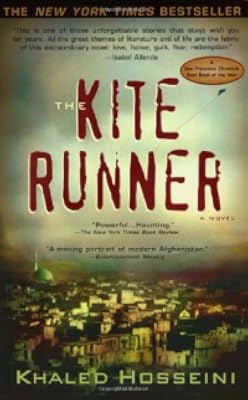
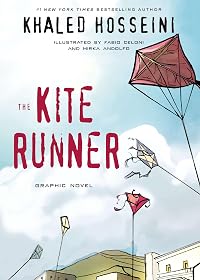
The Kite Runner
by Khaled Hosseini
On This Page
Description
Traces the unlikely friendship of a wealthy Afghan youth and a servant's son in a tale that spans the final days of Afghanistan's monarchy through the atrocities of the present day.Tags
Recommendations


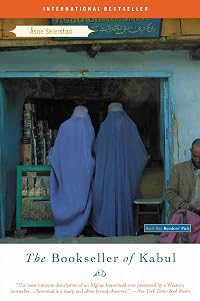
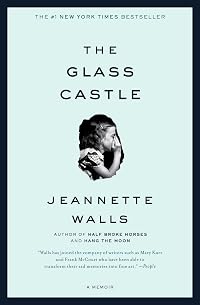

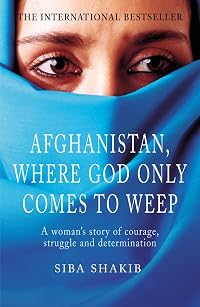
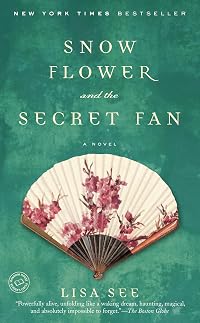
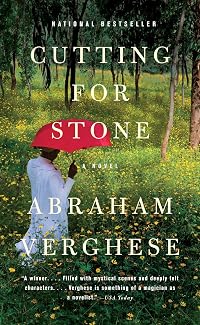
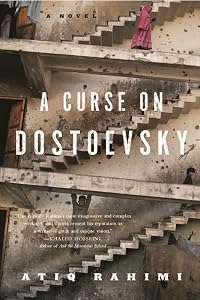


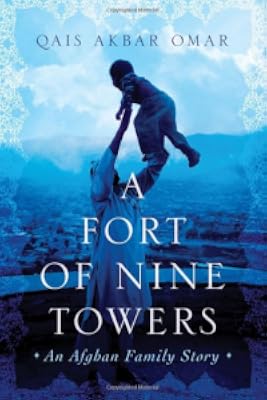
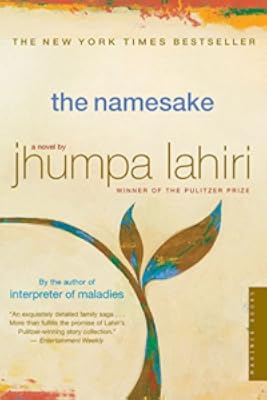
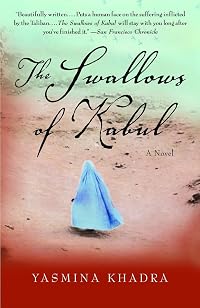
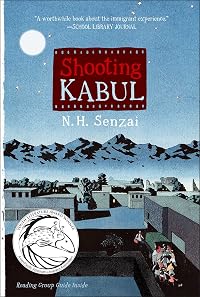
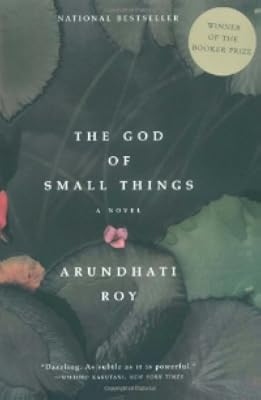
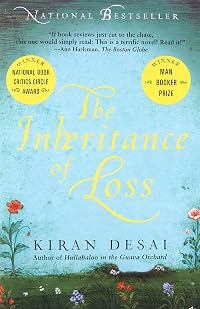

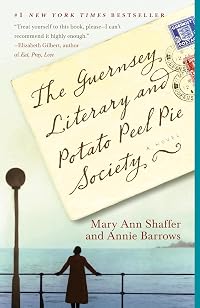
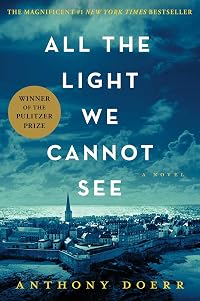
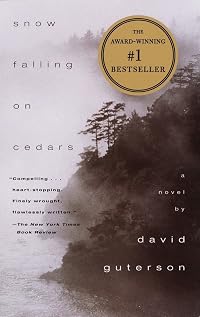
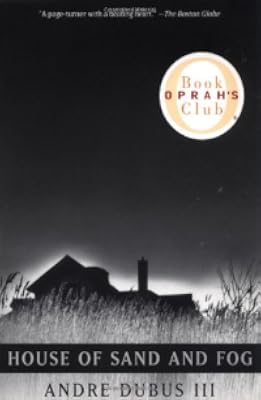

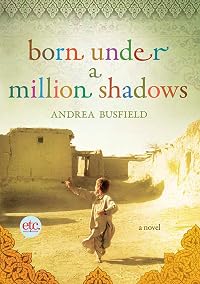


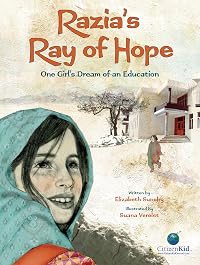
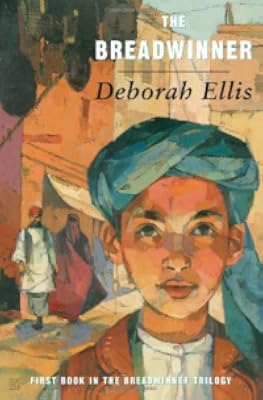

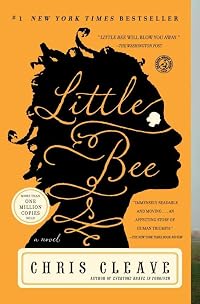




Member Recommendations
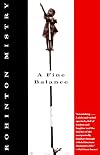
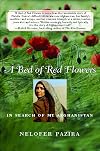
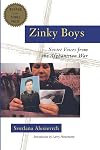
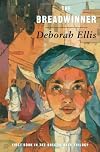

by anonymous user
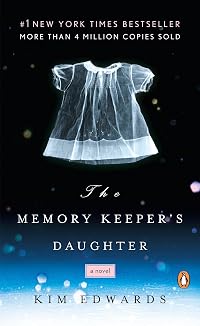
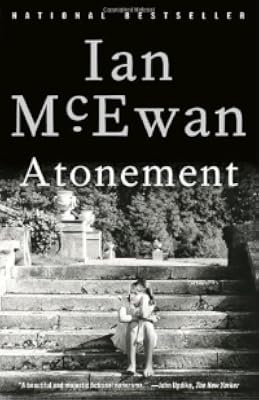
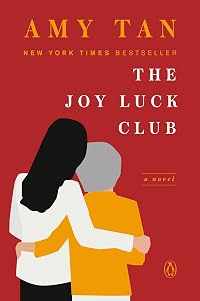
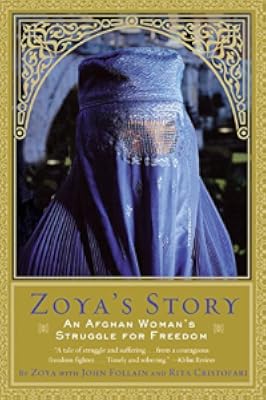
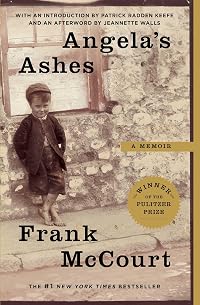
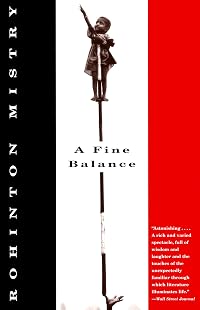
WSB7 Contrasting tragedies of brothers "bonding" with unknown half-brothers.
11

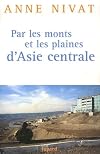
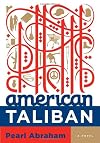
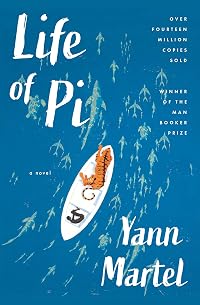
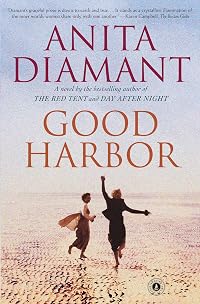
SheReads Very different, but the cultural relevancy of both books has similar characteristics.
13
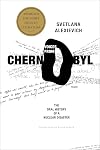
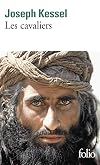

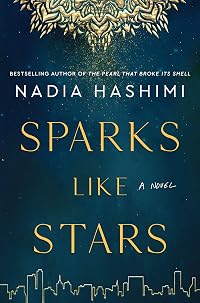
whitewavedarling While these works may be in regard to entirely different cultures and nations, and one of fiction while the other is nonfiction, both are literary coming-of-age tales that are not only beautiful written, but relevant to today's issues and diversity, and memorable for their tales and messages.
17
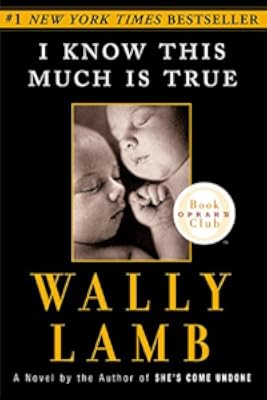
Alliebadger Both beautifully written accounts of atrocities we never really think about. Each one is a fast and amazing read.
22
PghDragonMan Those who have been through a war never really leave it behind and the consequences often reach beyond those immediately involved.
22
Member Reviews
Just when you think nothing worse could happen to our main character, Amir, it mercilessly and devastatingly does. Yet by the end just when circumstances seem beyond help there is a glimmer of redeeming hope, of the possibility of living a good life. It might be fair to say this could also be said of Afghanistan, Amir's homeland. Hosseini gives us a strong sense of Afghanistan, its history, its people and leaves us wanting something better for it. This a powerful novel that moves well from beginning to end. And, yes, kite flying is so important to the unfolding story.
Quotes: (page 136) “Long before the Roussi army marched into Afghanistan, long before villages were burned and schools destroyed, long before mines were planted like show more seeds of death and children buried in rock-pile graves, Kabul had become a city of ghosts for me. A city of harelipped ghosts.
America was different. America was a river, roaring along unmindful of the past. I could wade into this river, let my sins drown to the bottom, let waters carry me someplace far. Someplace with no ghosts, no memories, and no sins.”
(page 226) “I wished Rahim Khan hadn't called me. I wish he had let me live on in my own oblivion. But he had called me. And what Rahim Khan revealed to me changed things. Made me see how my entire life, long before the winter of 1975, dating back to when that singing Hazara women was nursing me, had been a cycle of lies, betrayals, and secrets.”
(page 301) “What you did was wrong, Amir jan, but do not forget you were a boy when it happened. A troubled little boy. You were too hard on yourself then, and you still are---I saw it in your eyes in Peshawar. But I hope you will heed this. A man who has no conscience, no goodness, does not suffer. I hope your suffering comes to an end with this journey to Afghanistan.” show less
Quotes: (page 136) “Long before the Roussi army marched into Afghanistan, long before villages were burned and schools destroyed, long before mines were planted like show more seeds of death and children buried in rock-pile graves, Kabul had become a city of ghosts for me. A city of harelipped ghosts.
America was different. America was a river, roaring along unmindful of the past. I could wade into this river, let my sins drown to the bottom, let waters carry me someplace far. Someplace with no ghosts, no memories, and no sins.”
(page 226) “I wished Rahim Khan hadn't called me. I wish he had let me live on in my own oblivion. But he had called me. And what Rahim Khan revealed to me changed things. Made me see how my entire life, long before the winter of 1975, dating back to when that singing Hazara women was nursing me, had been a cycle of lies, betrayals, and secrets.”
(page 301) “What you did was wrong, Amir jan, but do not forget you were a boy when it happened. A troubled little boy. You were too hard on yourself then, and you still are---I saw it in your eyes in Peshawar. But I hope you will heed this. A man who has no conscience, no goodness, does not suffer. I hope your suffering comes to an end with this journey to Afghanistan.” show less
The Kite Runner is an emotional, unflinching exploration of guilt, redemption, and the complicated ties that bind fathers and sons. Khaled Hosseini masterfully crafts a story that stretches across decades of personal and national turmoil in Afghanistan, inviting readers into a deeply personal narrative set against the devastating consequences of history, war, and silence.
At the heart of the novel is the relationship between Amir, a privileged boy, and Hassan, the son of his father's servant. Their friendship is marked by deep affection but also by painful inequality—and a betrayal that haunts Amir into adulthood. What makes this book particularly powerful is its willingness to delve into the darker sides of human nature: cowardice, show more guilt, shame, and the often paralyzing struggle to make amends.
While the novel includes scenes and themes that are difficult to process—violence, abuse, and moral failure—they are essential to the integrity of the story. Hosseini doesn’t include them for shock value but to provoke empathy and a sense of shared responsibility. These moments are necessary reminders that injustice and cruelty thrive not only through the actions of the wicked but through the inaction of the silent.
What truly elevates The Kite Runner is its duality—it is both a story of personal atonement and a mirror reflecting the soul of a fractured nation. The prose is poetic yet grounded, and every character, no matter how minor, feels fully realized.
Though the book may be a challenging read for some, it's precisely this emotional weight that gives it such lasting impact. It forces readers to reflect on their own choices, courage, and capacity for forgiveness. It's not just a novel—it's an awakening. show less
At the heart of the novel is the relationship between Amir, a privileged boy, and Hassan, the son of his father's servant. Their friendship is marked by deep affection but also by painful inequality—and a betrayal that haunts Amir into adulthood. What makes this book particularly powerful is its willingness to delve into the darker sides of human nature: cowardice, show more guilt, shame, and the often paralyzing struggle to make amends.
While the novel includes scenes and themes that are difficult to process—violence, abuse, and moral failure—they are essential to the integrity of the story. Hosseini doesn’t include them for shock value but to provoke empathy and a sense of shared responsibility. These moments are necessary reminders that injustice and cruelty thrive not only through the actions of the wicked but through the inaction of the silent.
What truly elevates The Kite Runner is its duality—it is both a story of personal atonement and a mirror reflecting the soul of a fractured nation. The prose is poetic yet grounded, and every character, no matter how minor, feels fully realized.
Though the book may be a challenging read for some, it's precisely this emotional weight that gives it such lasting impact. It forces readers to reflect on their own choices, courage, and capacity for forgiveness. It's not just a novel—it's an awakening. show less
Проникновенная, пробирающая до самого нутра история о дружбе и верности, о предательстве и искуплении. Нежный, ироничный и по-хорошему сентиментальный, роман Халеда Хоссейни напоминает живописное полотно, которое можно разглядывать бесконечно.История разворачивается в довоенном Кабуле 1970-х. В этом волшебном городе, переливающемся всеми оттенками золота и лазури, живут два мальчика-погодка, Амир и show more Хасан. Один принадлежал к местной аристократии, другой - к презираемому меньшинству. У одного отец был красив и важен, у другого - хром и жалок. Господин и слуга, принц и нищий, красавец и калека. Но не было на свете людей ближе, чем эти два мальчика. Вскоре кабульская идиллия сменится грозными бурями. И мальчиков, словно двух бумажных змеев, подхватит эта буря и разметает в разные стороны. У каждого своя судьба, своя трагедия, но они, как и в детстве, связаны прочнейшими узами.Ты бежишь з... show less
Though carefully and dramatically crafted, this is the kind of book that makes me think it is long past time
for us to re-cross the African Savannas and hoist ourselves back up into the trees.
Horror after horror, Betrayal after Betrayal, Lies, Guilt, and Grief...after....
If the author's goal was to make readers confront their own courage in the face of Evil,
it totally succeeded with the onslaught of coincidences and improbable obstacles,
even the final stupidity of Amir's words to Hassan's son.
for us to re-cross the African Savannas and hoist ourselves back up into the trees.
Horror after horror, Betrayal after Betrayal, Lies, Guilt, and Grief...after....
If the author's goal was to make readers confront their own courage in the face of Evil,
it totally succeeded with the onslaught of coincidences and improbable obstacles,
even the final stupidity of Amir's words to Hassan's son.
This is one of those books I avoided when it was being talked about everywhere because...well, because it was being talked about everywhere. I'm just so skeptical of things EVERYONE is reading and hyping. For this month's American Authors Challenge, however, I decided to at least try it. I am glad to have read it; I mostly admire the way it was written, although I have a couple quibbles which I will mention later. Since it has been so widely reviewed, I won't go into the story line here (although I must say I knew very little about it other than its setting when I finally picked it up). It's powerful, often brutal, stuff -- especially disheartening to read at this point in time, knowing what has happened in Afghanistan in the two show more decades since the book was written, because then there was some hope for a brighter future for that troubled country. Two things bothered me about this novel. First, I simply could not see the narrator as a sympathetic protagonist, no matter how honestly he portrayed his own failings and desire to overcome them. He repeatedly displayed a lack of empathy for people he purported to love, and so often did the wrong thing in the circumstances, even when trying to atone for his past. Forgivable in the child, much less so in the man who should have learned a few things from life. Second, I was put off by the "poetic justice" of the climactic events. Just too perfectly coincidental, too obviously authorial...not like reality at all. I can't say this was an enjoyable reading experience, but as a representation of what life is like in a country where fanatics rule, it feels essential, somehow. show less
TL;DR: Starts out okay, but devolves into lifeless melodramatic dreck: an unimaginative soap opera plot padded out to book length.
I wanted to like this, I really did. But my tolerance for cheap melodramatic tricks is fairly low, and this book had exhausted my supply of it by the halfway point, and then it kept getting progressively worse. The closest parallel I can think of is unimaginative, lazily written daytime TV movies.
The kite runner starts as regular popular litfic: a middle-aged writer struggling to cope with Issues From His Past. The writer in question is Amir, an Afghan-American who emigrated when the Soviets occupied his home country, and his Issues From The Past stem from the guilt from how horribly he treated the servant show more boy he grew up with.
Throughout his childhood in Kabul, the main character’s relationship to his servant-cum-playmate Hassan is asymmetrical: Amir is literate, wealthy, sleeps in a house, and feels self-righteous and generous in lording all this over Hassan only subtly and occasionally, essentially treating him as affectionately as a pet. Hassan, by contrast, offers displays of friendship and loyalty that are almost comically exaggerated. During one such self-sacrificial display,Hassan runs afoul of the neighbourhood bully, who rapes him, while Amir watches from hiding, too scared to intervene . It is Amir’s guilt that later drives him to have Hassan sent away on false charges and to the aforementioned Issues From His Past.
So far, so litfic. But it is at this point, when the Taliban take over Afghanistan from the Soviets, and when Amir and his fellow Afghan-American wifeare unable to conceive , that the book started to lose me. It turns out that -- dramatic chord! -- Hassan and Amir are … brothers ! It also turns out that -- more dramatic chords -- while Hassan was killed by the Taliban, he has … a son! Who needs to be liberated … from the Taliban! Who looks … exactly like his father ! A middle-aged writer could not have asked for a more perfect way to atone for his past self’s misdeeds.
And that, altogether, is Hosseini's only trick: whatever turn the plot takes is a direct answer to the question: "how can I make a writer's atonement even more cathartic?". The kite runner moves soullessly along this obviously-manufactured path to its destination of Feel-Good-Land.The Taliban leader who has taken the little boy for a sex slave turns out to be … the childhood bully who raped Hassan! And, very filmically, after his heroic extraction operation, Amir will forever sport a scar on his upper lip -- to parallel Hassan’s harelip! And then, because the adoption process may not go through, … the kid tries to commit suicide, and for a moment the ultimate atonement seems to slip out of the writer's grasp! But then a well-connected family-member-ex-machina pulls some strings, and … the adoption goes through anyway. Finally, at the end, as the middle-aged Amir engages Hassan’s son in a game he used to play with Hassan, the little boy … shows signs of happiness ! I could not help but picture a soap opera’s dramatic zoom at each of these revelations, and each time I was a little more disappointed in how low this book had sunk.
On top of that, the prose takes pains to explicitly point out all of the parallelisms and echoes that so melodramatically accentuate Amir’s journey to atonement, as though we, the readers, cannot be trusted to see these things for ourselves. Daytime TV levels, indeed.
This book exasperated me: as it limped along Cliché Road, each new melodramatic chord and unimaginative plot point felt like it was actively trying to annoy me. None of the dramatic chord moments I listed are there because of things like well-rounded characters, thematic relevance, or attempts at a convincing plot: they are so transparently a hack writer’s one single trick to maximise the cathartic feeling at the end. The kite runner will tug at that one heart string in whatever way is the least imaginative and the most overdone.
I will not be reading another book by Khaled Hosseini. show less
I wanted to like this, I really did. But my tolerance for cheap melodramatic tricks is fairly low, and this book had exhausted my supply of it by the halfway point, and then it kept getting progressively worse. The closest parallel I can think of is unimaginative, lazily written daytime TV movies.
The kite runner starts as regular popular litfic: a middle-aged writer struggling to cope with Issues From His Past. The writer in question is Amir, an Afghan-American who emigrated when the Soviets occupied his home country, and his Issues From The Past stem from the guilt from how horribly he treated the servant show more boy he grew up with.
Throughout his childhood in Kabul, the main character’s relationship to his servant-cum-playmate Hassan is asymmetrical: Amir is literate, wealthy, sleeps in a house, and feels self-righteous and generous in lording all this over Hassan only subtly and occasionally, essentially treating him as affectionately as a pet. Hassan, by contrast, offers displays of friendship and loyalty that are almost comically exaggerated. During one such self-sacrificial display,
So far, so litfic. But it is at this point, when the Taliban take over Afghanistan from the Soviets, and when Amir and his fellow Afghan-American wife
And that, altogether, is Hosseini's only trick: whatever turn the plot takes is a direct answer to the question: "how can I make a writer's atonement even more cathartic?". The kite runner moves soullessly along this obviously-manufactured path to its destination of Feel-Good-Land.
On top of that, the prose takes pains to explicitly point out all of the parallelisms and echoes that so melodramatically accentuate Amir’s journey to atonement, as though we, the readers, cannot be trusted to see these things for ourselves. Daytime TV levels, indeed.
This book exasperated me: as it limped along Cliché Road, each new melodramatic chord and unimaginative plot point felt like it was actively trying to annoy me. None of the dramatic chord moments I listed are there because of things like well-rounded characters, thematic relevance, or attempts at a convincing plot: they are so transparently a hack writer’s one single trick to maximise the cathartic feeling at the end. The kite runner will tug at that one heart string in whatever way is the least imaginative and the most overdone.
I will not be reading another book by Khaled Hosseini. show less
It may be a strange thing to say, but The Kite Runner, for me, was a page-turner; I never thought it would flow so fast! This story of a lost friendship, lasting regrets and the effort at redemption was riveting, to say the least. The author's imagery of the life in Kabul of the pre-russian-occupation era is nostalgic and the account of its destruction is heartbreaking.
In spite of an unlikeable protagonist, too convenient coincidences and many cliches, The Kite Runner is a moving story, written beautifully.
In spite of an unlikeable protagonist, too convenient coincidences and many cliches, The Kite Runner is a moving story, written beautifully.
Members
- Recently Added By
Published Reviews
ThingScore 83
The Kite Runner is about the price of peace, both personal and political, and what we knowingly destroy in our hope of achieving that, be it friends, democracy or ourselves.
added by mikeg2
At times, the book suffers from relentless earnestness and somewhat hackneyed descriptions. But Hosseini has a remarkable ability to imprison the reader in horrific, shatteringly immediate scenes... The result is a sickening sensation of complicity.
added by Shortride
This powerful first novel, by an Afghan physician now living in California, tells a story of fierce cruelty and fierce yet redeeming love.
added by Shortride
Lists

The Guardian's 1000 Novels Everyone Must Read
1,005 works; 548 members

Recommend the 20 best books you've read in the last five years
2,168 works; 606 members

Best Contemporary Literary Fiction (Around the Last 30 Years)
388 works; 124 members

Read the book and saw the movie
1,170 works; 193 members

Best 21st Century Books (So Far)
670 works; 86 members

Favourite Books
1,819 works; 316 members

Top Five Books of 2013
1,562 works; 721 members
Historical Fiction
889 works; 91 members

Best of World Literature
435 works; 52 members
Favorite Coming of Age Novels.
164 works; 51 members

Unread books
1,063 works; 87 members
Banned Books Week 2014
268 works; 63 members
Literature About Social Class
134 works; 19 members
Best Family Stories
241 works; 22 members
Best Political Fiction
92 works; 12 members

Pleasant Surprises: Books That Exceeded Our Expectations
418 works; 143 members

100 New Classics
101 works; 13 members

The Immigrant's Stories
74 works; 19 members

Books Featured on Gilmore Girls
307 works; 21 members

Banned or Challenged Books
400 works; 41 members

BBC Big Read
100 works; 10 members
LibraryThingers' 1001 Books You Must Read Before You Die
442 works; 30 members
Five star books
1,767 works; 110 members

War Literature
101 works; 19 members

2000s decade
85 works; 7 members

Best Book Club Selections
26 works; 8 members

Blue Pyramid 1,276 Best Books of All Time
1,248 works; 32 members

Books Read in 2014
2,343 works; 89 members

Top Five Books of 2016
795 works; 229 members

Mind Expanding Books by hackerkid
581 works; 8 members

Literature by People of Color
81 works; 9 members
Top 100 to Read before you Die
109 works; 7 members

This is the Canon: Decolonize Your Bookshelf in 50 Books
51 works; 5 members

Adult Books for YA Readers
194 works; 6 members

Rory Gilmore Book Club
193 works; 5 members

Books tagged "feel good"
129 works; 20 members

Best family sagas
244 works; 34 members

NPRs audience picks: 100 best beach reads
105 works; 12 members

Asia
178 works; 7 members

End of Your Life Book Club
134 works; 4 members

Tagged by Tim or Meh!
91 works; 9 members

Fake Top 100 Fiction
81 works; 4 members
Deena's Favorites--How Many have you read?
102 works; 3 members

Books tagged favorites
390 works; 30 members
Books Featured on Readers' Review of the Diane Rehm Show
161 works; 8 members

Childhood: Books for or about children in different cultures around the wor
345 works; 18 members

What are your favourite books?
121 works; 11 members

Pageturners
40 works; 6 members
Independent Reading Suggestions
69 works; 3 members
indicações da lays
10 works; 1 member
First Novels
373 works; 17 members

Books on my Kindle
162 works; 3 members
My TBR list
38 works; 1 member
Books Read in 2007
326 works; 8 members
SantaThing 2014 Gifts
299 works; 17 members

Books Read in 2016
4,666 works; 199 members

Boeken.
10 works; 1 member

Books I've read
87 works; 2 members

99 Bücher, die man gelesen haben muss
37 works; 1 member

Reading Globally
136 works; 16 members

Books Read in 2022
5,226 works; 115 members

Books Read in 2008
335 works; 8 members

American Lit for Eng 11 Research Project
368 works; 6 members
Queen Camilla's Reading Room
65 works; 6 members

Florida
366 works; 3 members

Books Bought & Received as Gifts in 2014
81 works; 1 member
Recommended Reading : 600 Classics Reviewed, Editors of Salem Press, 2015
634 works; 6 members
BBC World Book Club
265 works; 5 members

Arab and Arab Diaspora Literature We Recommend
112 works; 53 members

BitLife
212 works; 4 members

NYT Readers best of 21st C
100 works; 8 members
Our Favorite Banned Books
138 works; 122 members
'Books You Can't Live Without: The Top 100', The Guardian, 2007
156 works; 7 members

Retrospective of 20th- and 21st-century literature
154 works; 1 member
The Complete Rory Gilmore Reading List
506 works; 5 members

READ 2025
190 works; 1 member

Books We Couldn't Put Down
443 works; 197 members
Widely acclaimed, one book per year
105 works; 3 members

Coming of Age
33 works; 1 member

100 knjiga
100 works; 1 member

Books We Resisted Reading
178 works; 110 members

AP Lit
363 works; 6 members

Best books I read in 2013
152 works; 3 members

Florida's Book Bans and Challenges
311 works; 4 members

Books About Boys
175 works; 15 members
Puffin Books 70th anniversary handbook recommendations
537 works; 10 members

Swinging Seventies
255 works; 18 members
Fictional Biographies
17 works; 3 members
Best War Fiction Books
41 works; 4 members

Global Reads: Books Set in the Middle East and North Africa
50 works; 8 members

Books for Reluctant Readers
18 works; 3 members

Translingualism
191 works; 4 members
Penguin Random House
458 works; 4 members
Bullies
44 works; 2 members
Afghanistan
42 works; 2 members

1970s Narratives
40 works; 6 members
Books Tagged Abuse
152 works; 4 members

Delete This List
18 works; 2 members

Biggest Disappointments
606 works; 168 members

Bildungsromans
26 works; 1 member

Around the World in 80 Books
79 works; 4 members

World Book Club (BBC World Service)
212 works; 1 member
Talk Discussions
Past Discussions
The Kite Runner by Khaled Hosseini in Book talk (October 2019)
Author Information

27+ Works 101,817 Members
Khaled Hosseini was born in Kabul, Afghanistan on March 4, 1965. He received a bachelor's degree in biology from Santa Clara University in 1988 and a medical degree from the University of California-San Diego's School of Medicine in 1993. He was a practicing internist from 1996 to 2004. While in medical practice, he began writing his first novel, show more The Kite Runner, which was published in 2003. His other books include A Thousand Splendid Suns and And the Mountains Echoed. In 2006, he was named a Goodwill Envoy to UNHCR, the United Nations Refugee Agency. He established The Khaled Hosseini Foundation, a nonprofit that provides humanitarian assistance to the people of Afghanistan. (Bowker Author Biography) show less
Some Editions
Awards and Honors
Awards
Distinctions
Notable Lists
Whitcoulls Top 100 Books (13 – 2008)
Whitcoulls Top 100 Books (21 – 2010)
Series
Belongs to Publisher Series
Work Relationships
Is contained in
Has the adaptation
Is abridged in
Has as a student's study guide
Has as a teacher's guide
Common Knowledge
- Canonical title
- The Kite Runner
- Original title
- The Kite Runner
- Original publication date
- 2003
- People/Characters
- Amir; Hassan; Baba; Sohrab; Rahim Khan; Assef (show all 9); Soraya Taheri; Farid; Sanaubar
- Important places
- Kabul, Afghanistan; Peshawar, Pakistan; Fremont, California, USA; San Jose, California, USA; Islamabad, Pakistan; Afghanistan
- Important events
- Afghan Civil War; Soviet-Afghan War ( [1979, 1989])
- Related movies
- The Kite Runner (2007 | IMDb)
- Dedication
- This book is dedicated to
Haris and Farah, both
the noor of my eyes,
and to the children
of Afghanistan. - First words
- I became what I am today at the age of twelve, on a frigid overcast day in the winter of 1975.
- Quotations
- I see now that Baba was wrong, there is a God, there always had been. I see Him here, in the eyes of the people in this corridor of desperation. This is the real house of God, this is where those who have lost God will find H... (show all)im, not the white masjid, with its bright diamond lights and towering minarets. There is a God, there has to be, and now I will pray, I will pray that He forgive that I have neglected Him all of these years, forgive that I have betrayed, lied, and sinned with impunity only to turn to him in my hour of need.
"For you, a thousand times over."
"I see America has infused you with the optimism that has made her so great."
"But better to get hurt by the truth than comforted by a lie". - Last words
- (Click to show. Warning: May contain spoilers.)I ran with the wind blowing in my face, and a smile as wide as the Valley of Panjsher on my lips. I ran.
- Blurbers
- Allende, Isabel; Sawyer, Diane
- Original language
- English
- Disambiguation notice
- No way to tell if this is the book or the film (or a related work).
Classifications
Statistics
- Members
- 58,163
- Popularity
- 25
- Reviews
- 1,376
- Rating
- (4.19)
- Languages
- 35 — Albanian, Arabic, Bosnian, Bulgarian, Catalan, Czech, Danish, Dutch, English, Estonian, Finnish, French, German, Gujarati, Hebrew, Hungarian, Icelandic, Indonesian, Italian, Korean, Lithuanian, Norwegian (Bokmål), Norwegian, Farsi/Persian, Polish, Portuguese, Romanian, Russian, Serbian, Croatian, Slovenian, Spanish, Swedish, Turkish, Chinese, traditional
- Media
- Paper, Audiobook, Ebook
- ISBNs
- 285
- UPCs
- 4
- ASINs
- 101