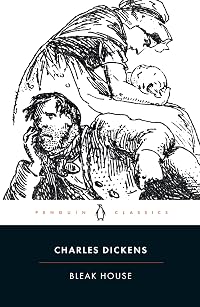
Bleak House
by Charles Dickens
On This Page
Description
A enthralling story about the inequalities of the 19th-century English legal system Bleak House is one of Charles Dicken's most multifaceted novels. Bleak House deals with a multiplicity of characters, plots and subplots that all weave in and around the true story of the famous case of Jarndyce and Jarndyce, a case of litigation in England's Court of Chancery, which starts as a problem of legacy and wills, but soon raises the question of murder..
Tags
Recommendations






Member Recommendations
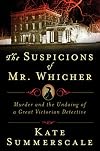
The Suspicions of Mr. Whicher: A Shocking Murder and the Undoing of a Great Victorian Detective by Kate Summerscale
cbl_tn Dickens' Inspector Bucket may have been based on Jonathan "Jack" Whicher.
13
Member Reviews
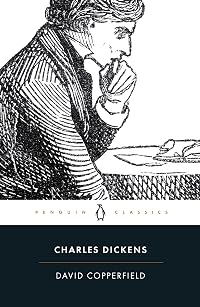
If Dickens was on facebook, my relationship with him would be “It’s Complicated.” After a decade of reading his books I feel like I’ve developed an appreciation and love for his work. I read and enjoyed Christmas Carol and Tale of Two Cities, but I really didn't like Oliver Twist. Great Expectations and David Copperfield were the turning point for me. I adored both of those books and I think because of that, my hopes for Bleak House were incredibly high.
I was extremely excited about Bleak House, it’s often called Dicken’s masterpiece. Even the name is gothic and mysterious and it has Dicken’s only female narrator. But I should have remembered that Dicken’s work was originally printed in monthly installments in the paper show more and he was paid by the word. This beast clocks in at more than 1,000 pages.
I made a major mistake when I read Bleak House. I was reading Moby Dick and Cloud Atlas at the same time. Both of those books are a lot to process on their own without adding in the wordy Mr. Dickens and his 702 characters and their crazy names! If I’d focused only on Bleak House and I think I would have enjoyed it more. The plot is so convoluted and I felt like I was trying to keep everyone straight for the whole first half of the book. The plot grew on me once I had a chance to get to know a few of the characters.
Like all good Dickens novels there is a huge cast with intertwining story lines. There are orphans and rich people, lawyers and lords. It’s hard to jump right into these books because you really have to get to know everyone first. It takes such a long time to figure out who everyone is and really get into the story.
The whole book revolves around a complicated court case called Jarndyce v Jarndyce that has stretched on for decades. There has been no resolution; people have gone broke and committed suicide over the case after hanging their hopes on its outcome and hoping they would inherit the massive fortune.
Half of the book focuses on the wealthy Lady Deadlock and her elderly husband. She lives an unhappy life, filled with secrets, in the old mansion called Chesney Wold. We bounce back and forth between an omniscient narrator who tells her story and the character of Esther, who narrates in the first person.
The book’s second plot line involves Ada and Richard, cousins who are both wards of the case. Their fates and fortunes are unknown until the case is resolved. Esther is a young woman who has been raised by her aunt. A man named John Jarndyce decides to take Ada and Richard into his home and he hires Esther as a companion for Ada.
All of that and I haven’t even touched on half the characters! There’s the mysterious Nemo, manipulative Tulkinghorn, the Jellyby family with their distracted mother and sweet daughter Caddy, Lady Deadlock’s crazy maid Hortense, Mr. Snagsby, combustible Krook, loyal George, wonderful Allan Woodcourt, Esther’s maid Charley, Inspector Bucket and more! Obviously I wasn't kidding when I said this novel had an overload of characters and subplots.
SPOILERS
At first I had some serious issues with the main characters. Esther was just a bit too nice and accommodating. She sounds a bit like Jane Eyre whenever we read chapters that she’s narrating, but she doesn’t have the same spunk or view of self-worth. I wanted her to stand up for herself or decide to pursue something that she loved. The moments I liked her best were the ones where she held someone else (like Mr. Skimpole) accountable for their actions.
Richard was just hopeless, why wouldn’t he give up the case! It was so distressing to watch him waste away as he threw his money towards the case. I wanted so badly for him to understand that his life was with Ada and she was worth so much more than the case.
Mr. Skimpole was captain creepy pants with his “I’m just a child” nonsense and I wanted to smack him in the face. People like that are just the worst. I love how Dickens can create such wonderful villains, sometimes they are evil because they are weak and devious, instead of being outright bad people. Mr. Guppy was another odd one. He believed he fell in love at first sight, but it was really just a shallow infatuation that brought out his stalker qualities.
The entire Jarndyce v Jarndyce fortune was eaten up by court costs just as they finally figured out who the money was going to go to. I couldn’t believe it when that happened! I was shocked when Esther got smallpox too. There were all these major plot points that caught me off guard and I really liked that.
I thought Esther was going to end up with her guardian until the very last moment and I was pissed! I am so glad it didn’t turn out that way or I might have hated it.
Oh yeah, someone dies of spontaneous combustion… seriously. I was a bit surprised by that.
SPOILERS OVER
BOTTOM LINE: I think this is one that will undoubtedly benefit on a reread. After I got through the first third I really enjoyed it, but it was much tougher than most of the Dicken’s I’ve read up to this point. If you’re thinking about dipping into his work, don’t start here. I would recommend reading Great Expectations or David Copperfield and seeing if they work for you.
Dickens builds wonderful stories and gives readers some of the best characters (both good and bad) that they’ll ever encounter. I know that I’ll continue to work through his catalogue and I’ll reread this one in a few years.
SIDE NOTE: I would highly recommend the 2005 BBC miniseries of Bleak House. I watched it after finishing the novel and it was excellent. show less
I was extremely excited about Bleak House, it’s often called Dicken’s masterpiece. Even the name is gothic and mysterious and it has Dicken’s only female narrator. But I should have remembered that Dicken’s work was originally printed in monthly installments in the paper show more and he was paid by the word. This beast clocks in at more than 1,000 pages.
I made a major mistake when I read Bleak House. I was reading Moby Dick and Cloud Atlas at the same time. Both of those books are a lot to process on their own without adding in the wordy Mr. Dickens and his 702 characters and their crazy names! If I’d focused only on Bleak House and I think I would have enjoyed it more. The plot is so convoluted and I felt like I was trying to keep everyone straight for the whole first half of the book. The plot grew on me once I had a chance to get to know a few of the characters.
Like all good Dickens novels there is a huge cast with intertwining story lines. There are orphans and rich people, lawyers and lords. It’s hard to jump right into these books because you really have to get to know everyone first. It takes such a long time to figure out who everyone is and really get into the story.
The whole book revolves around a complicated court case called Jarndyce v Jarndyce that has stretched on for decades. There has been no resolution; people have gone broke and committed suicide over the case after hanging their hopes on its outcome and hoping they would inherit the massive fortune.
Half of the book focuses on the wealthy Lady Deadlock and her elderly husband. She lives an unhappy life, filled with secrets, in the old mansion called Chesney Wold. We bounce back and forth between an omniscient narrator who tells her story and the character of Esther, who narrates in the first person.
The book’s second plot line involves Ada and Richard, cousins who are both wards of the case. Their fates and fortunes are unknown until the case is resolved. Esther is a young woman who has been raised by her aunt. A man named John Jarndyce decides to take Ada and Richard into his home and he hires Esther as a companion for Ada.
All of that and I haven’t even touched on half the characters! There’s the mysterious Nemo, manipulative Tulkinghorn, the Jellyby family with their distracted mother and sweet daughter Caddy, Lady Deadlock’s crazy maid Hortense, Mr. Snagsby, combustible Krook, loyal George, wonderful Allan Woodcourt, Esther’s maid Charley, Inspector Bucket and more! Obviously I wasn't kidding when I said this novel had an overload of characters and subplots.
SPOILERS
At first I had some serious issues with the main characters. Esther was just a bit too nice and accommodating. She sounds a bit like Jane Eyre whenever we read chapters that she’s narrating, but she doesn’t have the same spunk or view of self-worth. I wanted her to stand up for herself or decide to pursue something that she loved. The moments I liked her best were the ones where she held someone else (like Mr. Skimpole) accountable for their actions.
Richard was just hopeless, why wouldn’t he give up the case! It was so distressing to watch him waste away as he threw his money towards the case. I wanted so badly for him to understand that his life was with Ada and she was worth so much more than the case.
Mr. Skimpole was captain creepy pants with his “I’m just a child” nonsense and I wanted to smack him in the face. People like that are just the worst. I love how Dickens can create such wonderful villains, sometimes they are evil because they are weak and devious, instead of being outright bad people. Mr. Guppy was another odd one. He believed he fell in love at first sight, but it was really just a shallow infatuation that brought out his stalker qualities.
The entire Jarndyce v Jarndyce fortune was eaten up by court costs just as they finally figured out who the money was going to go to. I couldn’t believe it when that happened! I was shocked when Esther got smallpox too. There were all these major plot points that caught me off guard and I really liked that.
I thought Esther was going to end up with her guardian until the very last moment and I was pissed! I am so glad it didn’t turn out that way or I might have hated it.
Oh yeah, someone dies of spontaneous combustion… seriously. I was a bit surprised by that.
SPOILERS OVER
BOTTOM LINE: I think this is one that will undoubtedly benefit on a reread. After I got through the first third I really enjoyed it, but it was much tougher than most of the Dicken’s I’ve read up to this point. If you’re thinking about dipping into his work, don’t start here. I would recommend reading Great Expectations or David Copperfield and seeing if they work for you.
Dickens builds wonderful stories and gives readers some of the best characters (both good and bad) that they’ll ever encounter. I know that I’ll continue to work through his catalogue and I’ll reread this one in a few years.
SIDE NOTE: I would highly recommend the 2005 BBC miniseries of Bleak House. I watched it after finishing the novel and it was excellent. show less
This is right up there with Tristram Shandy as a witty, engaging commentary on British society. And of course, Dickens is the master of characterization. Many of his side characters will stay with me longer than the protagonists. The story itself is complex and sad in some places but it was a great experience. Miriam Margolyes is a fabulous narrator.
I enjoyed this very long Dickens novel that weaves together multiple stories and has more characters than you can possibly remember. This novel has it all - mystery, lawsuits, love triangles, blackmail, death, crazy people, spontaneous combustion, pre-marital sex . . . you name it. This makes the book both fun and long/confusing. I had to pay attention to every single character introduced, because they all end up being important. As I've found to often be the case with Dickens, I found the peripheral characters to be more interesting than the main characters. I actually didn't like Esther, who narrates half of the book, much at all. She had a goody two shoes attitude that I just couldn't stand or believe.
Central to this book is a show more lawsuit about a dispute over the estate left in a will. I found the harsh commentary on law to be both amusing and interesting and I think it really bulked up the book in a good way.
Overall, I felt like I did with other Dickens I've read - I liked the plot and characters and some of Dickens' writing is just beautiful, but it was just a bit too long and diffuse for it to really be a favorite. show less
Central to this book is a show more lawsuit about a dispute over the estate left in a will. I found the harsh commentary on law to be both amusing and interesting and I think it really bulked up the book in a good way.
Overall, I felt like I did with other Dickens I've read - I liked the plot and characters and some of Dickens' writing is just beautiful, but it was just a bit too long and diffuse for it to really be a favorite. show less
I really enjoyed this. You might say that Dickens had two different approaches to the novel: there's the bildungsroman that focuses on a single character, told in the first person, like David Copperfield (1849-50) or Great Expectations (1860-61). Or there's the "vast sweep of London" novel, taking in numerous strands and characters, like A Tale of Two Cities (1859) or Our Mutual Friend (1864-65). Bleak House is both, alternating between sections told in the first-person past tense by Esther Summerson (Dickens's only female narrator) and those told in the third-person present by an omnipotent narrator. (Anyone who thinks Victorian novels were stodgy in their formats has clearly never actually paid attention to them. Take that, show more modernists!)
Each of these would be a good novel on its own. Esther is a great Dickens protagonist, Dickens bringing his usual attention to detail when it comes to the development of the self. There are some great jokes (I love the one about the kid who fell down the stairs). The other half is one of Dickens's best crafted sweep-of-London novels, I think, with so many disparate parts that all revolve around a central point even when it doesn't seem like it. There are lots of great characters: the Jellabys, Vholes (if you made the law comprehensible, men like him would be out of work!), Sir Leicester, many more.
I'd be curious to see sometime if I'm right, but I actually think you could read each of these strands as its own novel and it would work fine, a book called Esther Summerson and another called something like In Chancery or Jarndyce and Jarndyce. Dickens has done great work (well, and bad) in both of these forms, but here he's wedded them together. I think it works really well, thanks to the divergent styles. Dickens is always interested in how people are shaped by societal forces, and Bleak House gives us both a novel of a person and a novel of societal forces at once, letting Dickens explore that balance to its fullest effect. Esther wouldn't be Esther without all the machinations around Jarndyce and Jarndyce, but if her sections were told like all the others, I think she might get lost in the novel. This isn't my favorite Dickens (that's probably still Great Expectations), but it's definitely up there. show less
Each of these would be a good novel on its own. Esther is a great Dickens protagonist, Dickens bringing his usual attention to detail when it comes to the development of the self. There are some great jokes (I love the one about the kid who fell down the stairs). The other half is one of Dickens's best crafted sweep-of-London novels, I think, with so many disparate parts that all revolve around a central point even when it doesn't seem like it. There are lots of great characters: the Jellabys, Vholes (if you made the law comprehensible, men like him would be out of work!), Sir Leicester, many more.
I'd be curious to see sometime if I'm right, but I actually think you could read each of these strands as its own novel and it would work fine, a book called Esther Summerson and another called something like In Chancery or Jarndyce and Jarndyce. Dickens has done great work (well, and bad) in both of these forms, but here he's wedded them together. I think it works really well, thanks to the divergent styles. Dickens is always interested in how people are shaped by societal forces, and Bleak House gives us both a novel of a person and a novel of societal forces at once, letting Dickens explore that balance to its fullest effect. Esther wouldn't be Esther without all the machinations around Jarndyce and Jarndyce, but if her sections were told like all the others, I think she might get lost in the novel. This isn't my favorite Dickens (that's probably still Great Expectations), but it's definitely up there. show less
This book has completely changes my opinion of Dickens. Like so many I studied Great Expectations at school and it was a dreary job. Imagine my delight to find in Bleak House a wonderfully compelling story where your expectations of characters are overturned and the story has wonderful plot twists. It's a really engaging read, or in this case listen.
Miriam Morgolyes does an exquisite job of narration, giving each character their own distinct voice; I really have no idea how she does it.
The books winds together many seemingly disparate stories into one: Ester and her mysterious birth, the grand family of the Dedlocks, the famous case of Jarndyce versus Jarndyce, the apparently childlike Mr Skimpole, the lawyers and their clerks, the show more wonderfully genteelly batty Miss Flite and the trooper and his friends.
I found Ester, one of the principal narrators, quite amusing, since she is the pattern of a demure useful moral victorian lady. It leaves me wondering if this was Dickens' ideal of feminine virtue. However, I think she was set up as such to be a contrast to the mystery of her birth; the sins of the parents not being visited upon that of the child in this case. I can see however that she could be, for some at least, a rather annoying prissy little woman.
There are some truly touching scenes which Dickens deals with sensitivity and tenderness, particularly in relation to the very poor Joe. This is in marked contrast to his treatment of the lawyers, for whom one can presume Dickens lost no love. He is scathing in his condemnation of the waste of time and money, their cynical manipulation of people and circumstances for their own ends. It is clear that he feels that the Court of Chancery was the last place an honest person should go for justice, the case of Mr Gridley is clearly an example of how it ruined ordinary people.
I thoroughly enjoyed the book and had to race through the final third of the book, desperate to find out what happened next. Highly recommended, even if you think you don't like Dickens. show less
Miriam Morgolyes does an exquisite job of narration, giving each character their own distinct voice; I really have no idea how she does it.
The books winds together many seemingly disparate stories into one: Ester and her mysterious birth, the grand family of the Dedlocks, the famous case of Jarndyce versus Jarndyce, the apparently childlike Mr Skimpole, the lawyers and their clerks, the show more wonderfully genteelly batty Miss Flite and the trooper and his friends.
I found Ester, one of the principal narrators, quite amusing, since she is the pattern of a demure useful moral victorian lady. It leaves me wondering if this was Dickens' ideal of feminine virtue. However, I think she was set up as such to be a contrast to the mystery of her birth; the sins of the parents not being visited upon that of the child in this case. I can see however that she could be, for some at least, a rather annoying prissy little woman.
There are some truly touching scenes which Dickens deals with sensitivity and tenderness, particularly in relation to the very poor Joe. This is in marked contrast to his treatment of the lawyers, for whom one can presume Dickens lost no love. He is scathing in his condemnation of the waste of time and money, their cynical manipulation of people and circumstances for their own ends. It is clear that he feels that the Court of Chancery was the last place an honest person should go for justice, the case of Mr Gridley is clearly an example of how it ruined ordinary people.
I thoroughly enjoyed the book and had to race through the final third of the book, desperate to find out what happened next. Highly recommended, even if you think you don't like Dickens. show less
Did I read this book? I suppose I did. Mostly it felt like I was just whining while in its vicinity.
I don’t care what anyone says about Bleak House. Defend it all you want. I’ve experienced the damned thing. It fucking sucks. Part of my disdain for it, I admit, may be baked into the fact that I had to read it at an absolutely brutal pace (2 weeks for this monster, along with four other classes’ worth of reading each night). But even despite that, reading Bleak House felt like genuine physical torture. Opening this book each night, I felt a sickness wash over me, a nausea that gripped my very bones.
I do not particularly want to delve into all the reasons I hated this book, as I’ve already spent so much of my preciously short life show more with its ragged, ponderous prose pressed up to my weary eyeballs. Suffice it to say that combining two years’ worth of serialised chapters into a novel is a recipe for utter disaster. There are no stakes until probably about 500 pages in. There is no impetus at all for the story to be told. Digressions are plentiful are never enjoyable. Side characters constantly reappear, seemingly with the sole purpose to grate on the reader’s patience—Dickens has an especial fondness for Skimpole that leads to his constant cropping up despite never being integral to the story in any way. And even the prose isn’t terribly impressive. Dickens vacillates between maudlin sentimentality and cynical disdain; he takes perverse pleasure in telling, telling, telling (rarely showing); he uses characters in the same way a better novelist would use setting—they’re inanimate automatons motivated solely by the fact that there must be words on the page, not because they have any inner spark which leads to a compelling story. Bleak House is, essentially, the worst, most overpopulated soap opera you’ve ever seen, transplanted onto nearly 1,000 pages and told in the most self-important, circular way imaginable. The reader does not explore this world or these characters; she is strapped to a chair while they are force-fed to her until she vomits.
And don’t you dare try to excuse this shit based on its age; I’ve read far older books that were far more entertaining and better written. Even some of Dickens’ contemporaries were contemptuous of disgustingly long slogs like Bleak House, with Henry James referring to serialised multi-plot volumes like this as “large, loose, baggy monsters.” This is what happens when an author is allowed to run unsupervised through the world he has created—unbearable confusion and narrative chaos.
Excuse my while I thank the gods that I never have to think about this horrid thing ever again. show less
I don’t care what anyone says about Bleak House. Defend it all you want. I’ve experienced the damned thing. It fucking sucks. Part of my disdain for it, I admit, may be baked into the fact that I had to read it at an absolutely brutal pace (2 weeks for this monster, along with four other classes’ worth of reading each night). But even despite that, reading Bleak House felt like genuine physical torture. Opening this book each night, I felt a sickness wash over me, a nausea that gripped my very bones.
I do not particularly want to delve into all the reasons I hated this book, as I’ve already spent so much of my preciously short life show more with its ragged, ponderous prose pressed up to my weary eyeballs. Suffice it to say that combining two years’ worth of serialised chapters into a novel is a recipe for utter disaster. There are no stakes until probably about 500 pages in. There is no impetus at all for the story to be told. Digressions are plentiful are never enjoyable. Side characters constantly reappear, seemingly with the sole purpose to grate on the reader’s patience—Dickens has an especial fondness for Skimpole that leads to his constant cropping up despite never being integral to the story in any way. And even the prose isn’t terribly impressive. Dickens vacillates between maudlin sentimentality and cynical disdain; he takes perverse pleasure in telling, telling, telling (rarely showing); he uses characters in the same way a better novelist would use setting—they’re inanimate automatons motivated solely by the fact that there must be words on the page, not because they have any inner spark which leads to a compelling story. Bleak House is, essentially, the worst, most overpopulated soap opera you’ve ever seen, transplanted onto nearly 1,000 pages and told in the most self-important, circular way imaginable. The reader does not explore this world or these characters; she is strapped to a chair while they are force-fed to her until she vomits.
And don’t you dare try to excuse this shit based on its age; I’ve read far older books that were far more entertaining and better written. Even some of Dickens’ contemporaries were contemptuous of disgustingly long slogs like Bleak House, with Henry James referring to serialised multi-plot volumes like this as “large, loose, baggy monsters.” This is what happens when an author is allowed to run unsupervised through the world he has created—unbearable confusion and narrative chaos.
Excuse my while I thank the gods that I never have to think about this horrid thing ever again. show less
The review will follow, but first, an illuminating interlude:
All:
God save your majesty!
Cade:
I thank you, good people—there shall be no money; all shall eat
and drink on my score, and I will apparel them all in one livery,
that they may agree like brothers, and worship me their lord.
Dick:
The first thing we do, let's kill all the lawyers.
Cade:
Nay, that I mean to do.
Henry The Sixth, Part 2 Act 4, scene 2
Shakespeare was, of course, not really against all lawyers per se. Nor, despite appearances to the contrary, was Dickens. Bleak House, based on Dickens's experience as a law clerk and on litigation concerning the copyright of his early books, is often considered his greatest novel. Much of the plot of the book is concerned with the Chancery show more case of Jarndyce and Jarndyce, and how it impacts all the characters involved in the book. I enjoyed the book immensely, but not without a few caveats, which I will get to.
Recently, I read in a (South African) newspaper that one of our local literary doyennes said on a panel that 'children need to stop reading Charles Dickens'. My first thought was, well, that must be out of context. Yes, there are problems with Dickens, especially socio-political ones, but one cannot deny that, at his best, he was a great writer. I for one read him as a child and, though I only understood him as a child, I still loved his ability to weave a story. Now, although I have put away some childish things, I still admit to a deep, abiding passion for Dickens, who is more than merely a great plotter. Bleak House has again proved to me that beyond a doubt.
I will not get into the story much - it is much too labyrinthine to summarise adequately, and as it is also a bit of a mystery, I would not want to give away some of the plot. Rather, I will mention a few of the characters that I found particularly interesting, and some incidents which elucidate Dickens's methods. Dickens writes the story in alternating chapters of anonymous third person narration and first person narration. The third person narration is more terse and to the point, but it also has lively imagery and telling moments of detail. Here, for instance, is the famous opening of the book:
London. Michaelmas term lately over, and the Lord Chancellor sitting in Lincoln's Inn Hall. Implacable November weather. As much mud in the streets, as if the waters had but newly retired from the face of the earth, and it would not be wonderful to meet a Megalosaurus, forty feet long or so, waddling like an elephantine lizard up Holborn Hill.
The terseness beautifully captures both the hidebound, rule-governed atmosphere of the Chancery court, and the dismal quality of the weather. The Megalosaurus - a humorous touch! - also indicates the 'dinosaurs' one finds in the courts.
The first person narration is from the point of view of one Esther Summerson. Dickens is often accused of being unable to write realistic female characters: they are either angels or devils. Esther is certainly on the side of the angels, but she is more complicated than that. Her narration is usually straightforward and candid, but at times she can even be a bit unreliable. Here is the opening of her first paragraph:
I have a great deal of difficulty in beginning to write my portion of these pages, for I know I am not clever. I always knew that. I can remember, when I was a very little girl indeed, I used to say to my doll, when we were alone together, 'Now Dolly, I am not clever, you know very well, and you must be patient with me, like a dear!'
Esther protests too much, methinks. Through the course of the story, we will see that she is quite shrewd.
Dickens beautifully ties together these two narratives, introducing such memorable characters as Richard Carstone and Ada, the 'wards in Jarndyce', mad Miss Flite, who haunts the Chancery courts, and Harold Skimpole. Ah, Harold Skimpole! What a character! Supposedly based on Leigh Hunt, Harold is 'a child' in the matters of money, human relationships and society - or so he claims. He is quite charming, in his way, but he mercilessly sponges off all the characters who are of a noble persuasion. And then there is John Jarndyce, whom Nabokov called 'the best and kindest man ever to appear in a novel'. He is such an endearing, humane character, that he puts the lie to suggestions that Dickens can only write grotesque caricatures.
I do not usually show much emotion when reading books - I tend to think that tears can be evidence of cheap emotional exploitation - but this book really touched a deep chord in my heart, and I admit to sometimes wiping away an errant drop of salty moisture. Dickens is not saying that the law is inherently bad - on the contrary, he has some very humane legal characters in his fiction. Rather, he shows how the impersonal, mechanical application of the law, without consideration of human frailty, can lead to a grinding down of people and their hopes.
I will miss the friends with whom Mr Dickens has acquainted me. Lovely is the thought that, in the days to come, in the years that wait, I will be able to revisit this brave company of souls.
Oh, and I didn't even mention the Spontaneous Human Combustion! show less
All:
God save your majesty!
Cade:
I thank you, good people—there shall be no money; all shall eat
and drink on my score, and I will apparel them all in one livery,
that they may agree like brothers, and worship me their lord.
Dick:
The first thing we do, let's kill all the lawyers.
Cade:
Nay, that I mean to do.
Henry The Sixth, Part 2 Act 4, scene 2
Shakespeare was, of course, not really against all lawyers per se. Nor, despite appearances to the contrary, was Dickens. Bleak House, based on Dickens's experience as a law clerk and on litigation concerning the copyright of his early books, is often considered his greatest novel. Much of the plot of the book is concerned with the Chancery show more case of Jarndyce and Jarndyce, and how it impacts all the characters involved in the book. I enjoyed the book immensely, but not without a few caveats, which I will get to.
Recently, I read in a (South African) newspaper that one of our local literary doyennes said on a panel that 'children need to stop reading Charles Dickens'. My first thought was, well, that must be out of context. Yes, there are problems with Dickens, especially socio-political ones, but one cannot deny that, at his best, he was a great writer. I for one read him as a child and, though I only understood him as a child, I still loved his ability to weave a story. Now, although I have put away some childish things, I still admit to a deep, abiding passion for Dickens, who is more than merely a great plotter. Bleak House has again proved to me that beyond a doubt.
I will not get into the story much - it is much too labyrinthine to summarise adequately, and as it is also a bit of a mystery, I would not want to give away some of the plot. Rather, I will mention a few of the characters that I found particularly interesting, and some incidents which elucidate Dickens's methods. Dickens writes the story in alternating chapters of anonymous third person narration and first person narration. The third person narration is more terse and to the point, but it also has lively imagery and telling moments of detail. Here, for instance, is the famous opening of the book:
London. Michaelmas term lately over, and the Lord Chancellor sitting in Lincoln's Inn Hall. Implacable November weather. As much mud in the streets, as if the waters had but newly retired from the face of the earth, and it would not be wonderful to meet a Megalosaurus, forty feet long or so, waddling like an elephantine lizard up Holborn Hill.
The terseness beautifully captures both the hidebound, rule-governed atmosphere of the Chancery court, and the dismal quality of the weather. The Megalosaurus - a humorous touch! - also indicates the 'dinosaurs' one finds in the courts.
The first person narration is from the point of view of one Esther Summerson. Dickens is often accused of being unable to write realistic female characters: they are either angels or devils. Esther is certainly on the side of the angels, but she is more complicated than that. Her narration is usually straightforward and candid, but at times she can even be a bit unreliable. Here is the opening of her first paragraph:
I have a great deal of difficulty in beginning to write my portion of these pages, for I know I am not clever. I always knew that. I can remember, when I was a very little girl indeed, I used to say to my doll, when we were alone together, 'Now Dolly, I am not clever, you know very well, and you must be patient with me, like a dear!'
Esther protests too much, methinks. Through the course of the story, we will see that she is quite shrewd.
Dickens beautifully ties together these two narratives, introducing such memorable characters as Richard Carstone and Ada, the 'wards in Jarndyce', mad Miss Flite, who haunts the Chancery courts, and Harold Skimpole. Ah, Harold Skimpole! What a character! Supposedly based on Leigh Hunt, Harold is 'a child' in the matters of money, human relationships and society - or so he claims. He is quite charming, in his way, but he mercilessly sponges off all the characters who are of a noble persuasion. And then there is John Jarndyce, whom Nabokov called 'the best and kindest man ever to appear in a novel'. He is such an endearing, humane character, that he puts the lie to suggestions that Dickens can only write grotesque caricatures.
I do not usually show much emotion when reading books - I tend to think that tears can be evidence of cheap emotional exploitation - but this book really touched a deep chord in my heart, and I admit to sometimes wiping away an errant drop of salty moisture. Dickens is not saying that the law is inherently bad - on the contrary, he has some very humane legal characters in his fiction. Rather, he shows how the impersonal, mechanical application of the law, without consideration of human frailty, can lead to a grinding down of people and their hopes.
I will miss the friends with whom Mr Dickens has acquainted me. Lovely is the thought that, in the days to come, in the years that wait, I will be able to revisit this brave company of souls.
Oh, and I didn't even mention the Spontaneous Human Combustion! show less
Members
- Recently Added By
Published Reviews
ThingScore 75
Bleak House represents the author at a perfectly poised late-middle moment in his extraordinary art.
added by souloftherose
You have to embrace Bleak House for what it is – a rambling, confusing, verbose, over-populated, vastly improbable story which substitutes caricatures for people and is full of puns. In other words, an 800-page Dickens novel.
added by tim.taylor
Lists

1001 Books You Must Read Before You Die
1,448 works; 1,133 members

The Guardian's 1000 Novels Everyone Must Read
1,005 works; 551 members

Classics you know you should have read but probably haven't
421 works; 409 members
BBC Big Read
191 works; 46 members

Favorite Dickens novels?
16 works; 27 members

Top-Rated Books on LibraryThing
272 works; 117 members

Favourite 19th century fiction
257 works; 60 members
Favourite Books
1,819 works; 316 members
Best of British Literature
226 works; 41 members

Favorite Long Books
330 works; 42 members

Best Books Set in London
157 works; 42 members

The Top Ten: Writers Pick Their Favorite Books
240 works; 31 members
Literature About Social Class
134 works; 19 members

Best Gothic Fiction
110 works; 29 members

Unread books
1,063 works; 87 members
Folio Society
831 works; 49 members

Read the book and saw the movie
1,170 works; 192 members
Favorite Coming of Age Novels.
164 works; 51 members

19th Century
190 works; 16 members

Recommend the 20 best books you've read in the last five years
2,168 works; 601 members
Legal Stories
84 works; 12 members
BBC Big Read
100 works; 10 members
Best Satire
188 works; 29 members
Harold Bloom - The Western Canon: C. The Democratic Age
336 works; 15 members
Love and Marriage
93 works; 10 members
Blue Pyramid 1,276 Best Books of All Time
1,248 works; 32 members
Out of Copyright
244 works; 14 members

Western World's Greatest Books - Project Gutenberg
295 works; 15 members

One Book, Many Authors
441 works; 40 members

Houses and Buildings as Characters in Fiction
182 works; 29 members

Publisher's Weekly Bestsellers Prior to 1895 in Chronological Order
95 works; 6 members
Books I've Read More Than Once
602 works; 49 members

Global Reads: Books Set in the United Kingdom and Ireland
109 works; 5 members

Best family sagas
244 works; 34 members
Newark Public Library's 1904 List of a Thousand of the Best Novels
95 works; 5 members
Didactic Fiction
29 works; 3 members

Top Five Books of 2014
1,064 works; 398 members

Books tagged favorites
390 works; 30 members
A Novel Cure
742 works; 23 members

Top Five Books of 2015
811 works; 240 members

1,001 BYMRBYD Concensus
723 works; 27 members

Books You Read During High School (For School)
301 works; 52 members
Elegant Prose
80 works; 4 members
the law is an ass
20 works; 5 members
Victorian Period
113 works; 10 members

Mind Expanding Books by hackerkid
581 works; 8 members
Good, Smart, Clean Fiction
46 works; 4 members
F. B. Perkins' List of 100 Best Fiction
100 works; 5 members
United Kingdom
82 works; 5 members

A's favorite novels
100 works; 3 members

Top 10 Dodgy Lawyers in Literature
10 works; 2 members

Books on my Kindle
162 works; 3 members

Books Read in 2023
5,638 works; 147 members
Five star books
1,767 works; 110 members

SHOULD Read Books!
354 works; 9 members

1850s
17 works; 2 members

CCE 1000 Good Books List
1,033 works; 12 members
Best Domestic Fiction
77 works; 6 members

Books Read in 2017
4,249 works; 129 members
Books Read in 2015
3,299 works; 129 members

A Good Read (Radio 4)
287 works; 1 member

Haycraft Queen Cornerstones
181 works; 3 members

Novels featuring Mothers
64 works; 8 members
Books About Murder
313 works; 7 members

Shelf 101
60 works; 1 member

unread and uncatalogued
48 works; 1 member
Old Reads, New Reads
3 works; 1 member
Our Favorite Comfort Reads
334 works; 200 members
Books We Love to Reread
688 works; 296 members
'Books You Can't Live Without: The Top 100', The Guardian, 2007
156 works; 7 members

Recommended Reading : 600 Classics Reviewed, Editors of Salem Press, 2015
634 works; 6 members
The 150 Greatest Novels of All Time
150 works; 6 members
Books I Read Before The Invention Of The Internet.
144 works; 1 member

.
194 works; 2 members

DigitalDreamDoor top 300
300 works; 4 members

readingList
38 works; 1 member
Books We Want To Read Again For The First Time
384 works; 160 members

Books in the Bibliography of Humans: A Monstrous History by Surekha Davies
346 works; 1 member
Very Long Novels
15 works; 1 member

.
396 works; 1 member

Books referenced in the Astral Library
60 works; 1 member

Charles Dickens books
17 works; 1 member

Juggernauts (fiction)
21 works; 3 members
Mustich's 1000 Books to Read Before You Die: A Life Changing List
1,001 works; 20 members

Best books set in London
26 works; 1 member
I Could Live There
185 works; 12 members

Secrets Books
94 works; 3 members

Books Read in 2018
4,360 works; 110 members

The Joe Rogan Experience Library
254 works; 3 members

Books mentioned in Julian Symons’ Bloody Murder
438 works; 6 members

thinking of reading in 2016
99 works; 1 member

Tagged 19th Century
104 works; 7 members

Books Read in 2010
631 works; 11 members

Which house?
423 works; 16 members

A Reading List
100 works; 3 members
Inheritance and Succession Literature
24 works; 4 members
Read These Too
458 works; 9 members

Greatest Books, allegedly
484 works; 9 members

AP Lit
363 works; 6 members
Top Cops (Detectives in Fiction)
86 works; 24 members
My TBR
371 works; 3 members

Watched the Movie, Probably Won't Read the Book
185 works; 34 members

You Couldn't Pay Me to Read That (Take 2)
203 works; 83 members
Talk Discussions
Past Discussions
Group Read: Bleak House by Charles Dickens in 75 Books Challenge for 2017 (July 2017)
Bleak House Group Read in 2014 Category Challenge (January 2014)
Bleak House Group Read 2014 in 75 Books Challenge for 2014 (January 2014)
***Group Read: Bleak House in The Highly-Rated Book Group (July 2011)
Group Read-Bleak House (February) in The 11 in 11 Category Challenge (February 2011)
Group Read: Bleak House in 75 Books Challenge for 2009 (November 2009)
Author Information

2,578+ Works 313,139 Members
Charles Dickens, perhaps the best British novelist of the Victorian era, was born in Portsmouth, Hampshire, England on February 7, 1812. His happy early childhood was interrupted when his father was sent to debtors' prison, and young Dickens had to go to work in a factory at age twelve. Later, he took jobs as an office boy and journalist before show more publishing essays and stories in the 1830s. His first novel, The Pickwick Papers, made him a famous and popular author at the age of twenty-five. Subsequent works were published serially in periodicals and cemented his reputation as a master of colorful characterization, and as a harsh critic of social evils and corrupt institutions. His many books include Oliver Twist, David Copperfield, Bleak House, Great Expectations, Little Dorrit, A Christmas Carol, and A Tale of Two Cities. Dickens married Catherine Hogarth in 1836, and the couple had nine children before separating in 1858 when he began a long affair with Ellen Ternan, a young actress. Despite the scandal, Dickens remained a public figure, appearing often to read his fiction. He died in 1870, leaving his final novel, The Mystery of Edwin Drood, unfinished. (Bowker Author Biography) show less
Some Editions
Awards and Honors
Awards
Notable Lists
BBC's Big Read (79)
Daniel S. Burt's Novel 100 (012 – 12)
Series
Belongs to Publisher Series
Alfaguara XIX (1)
New Century Library Works of Charles Dickens (Volume 10)
Riverside Editions (B5)
Penguin Clothbound Classics (2011)
Winkler Weltliteratur Dünndruckausgabe (Dickens 09)
Penguin English Library, 2012 series (2012-12)
Everyman's Library (236)
insel taschenbuch (1110)
Work Relationships
Is contained in
Gesammelte Werke. Die Pickwickier, Nikals Nickleby, Martin Chuzzlewit, Oliver Twist, Weihnachtsgeschichten, Bleakhaus, David Copperfield by Charles Dickens
Contains
Has the adaptation
Is abridged in
Inspired
Has as a reference guide/companion
Has as a study
Has as a supplement
Has as a commentary on the text
Has as a student's study guide
Common Knowledge
- Canonical title
- Bleak House
- Original title
- Bleak House
- Alternate titles*
- Bleakhaus
- Original publication date
- 1853; 1852-03 (first monthly installment) (first monthly installment); 1853-09 (last monthly installment) (last monthly installment)
- People/Characters
- Esther Summerson; John Jarndyce; Ada Clare; Richard Carstone; Honoria, Lady Dedlock; Sir Leicester Dedlock (show all 24); Mr Tulkinghorn; Mr Snagsby; Mrs Snagsby; Jo; William Guppy; Caddy Jellyby; Miss Flite; Mr Krook; Inspector Bucket; Harold Skimpole; Mrs Jellyby; Lawrence Boythorn; Smallweed; Grandfather Smallweed; Hortense; Allan Woodcourt; Mr Vholes; Mr "Conversation" Kenge
- Important places
- London, England, UK; Bleak House
- Important events
- Victorian Era (1850s)
- Related movies
- Bleak House (2005 | IMDb); Bleak House (1920 | IMDb); Bleak House (1985 | IMDb); Bleak House (1922 | IMDb); Bleak House (1926 | IMDb); Bleak House (1959 | IMDb)
- Dedication
- Dedicated, as a remembrance of our friendly union, to my companions in the guild of literature and art
Dedication of the 1853 edition - First words
- London. Michaelmas term lately over, and the Lord Chancellor sitting in Lincoln's Inn Hall.
"I have never had so many readers," wrote Dickens, referring to the publication of Bleak House - the novel in which he assailed the abuses of the Court of Chancery. (Editor's Note)
A Chancery Judge once had the kindness to inform me, as one of a company of some hundred and fifty men and women not labouring under any suspicions of lunacy, that the Court of Chancery, though the shining subject of much pop... (show all)ular prejudice (at which point I thought the Judge's eye had a cast in my direction), was almost immaculate. (Preface) - Quotations
- This world of ours has its limits too (as Your Highness shall find when you have made the tour of it, and are come to the brink of the void beyond).
His family is as old as the hills, and infinitely more respectable. He has a general opinion that the world might get on without hills, but would be done up without Dedlocks. He would on the whole admit Nature to be a good id... (show all)ea (a little low, perhaps, when not enclosed with a park-fence), but an idea dependent for its execution on your great county families.
Indeed, he married her for love. A whisper still goes about, that she had not even family; howbeit, Sir Leicester had so much family that perhaps he had enough, and could dispense with any more.
He is of what is called the old school - a phrase generally meaning any school that seems never to have been young.
He must confess to two of the oldest infirmities in the world: one was, that he had no idea of time; the other, that he had no idea of money.
It is the next difficult thing to an impossibility to imagine Chesney Wold without Mrs Rouncewell, but she has only been here fifty years.
She considers that a family of such antiquity and importance has a right to a ghost. She regards a ghost as one of the privileges of the upper classes; a genteel distinction to which the common people have no claim.
There is something indefinably keen and wan about her anatomy, and she has a watchful way of looking out of the corners of her eyes without turning her head which could be pleasantly dispensed with, especially when she is in ... (show all)ill humour and near knives.
The one great principle of the English law is to make business for itself. - Last words
- (Click to show. Warning: May contain spoilers.)"But I know that my dearest little pets are very pretty, and that my darling is very beautiful, and that my husband is very handsome, and that my guardian has the brightest and most benevolent face that ever was seen, and that they can very well do without much beauty in me--even supposing--."
(Click to show. Warning: May contain spoilers.)The present edition is printed from the one carefully correctly by the Author in 1867 and 1868.(Editor's Note)
(Click to show. Warning: May contain spoilers.)In Bleak House, I have purposely dwelt upon the romantic side of familiar things. (Preface) - Original language
- English
- Canonical DDC/MDS
- 823.8
*Some information comes from Common Knowledge in other languages. Click "Edit" for more information.
Classifications
Statistics
- Members
- 15,397
- Popularity
- 454
- Reviews
- 273
- Rating
- (4.17)
- Languages
- 16 — Catalan, Chinese, Czech, Dutch, English, Finnish, French, German, Greek, Hungarian, Italian, Russian, Slovenian, Spanish, Turkish, Portuguese (Portugal)
- Media
- Paper, Audiobook, Ebook
- ISBNs
- 389
- UPCs
- 6
- ASINs
- 285