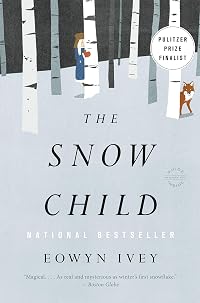
The Snow Child
by Eowyn Ivey
On This Page
Description
Alaska, 1920: a brutal place to homestead, and especially tough for recent arrivals Jack and Mabel. Childless, they are drifting apart--he breaking under the weight of the work of the farm; she crumbling from loneliness and despair. In a moment of levity during the season's first snowfall, they build a child out of snow. The next morning the snow child is gone--but they glimpse a young, blonde-haired girl running through the trees. This little girl, who calls herself Faina, seems to be a show more child of the woods. She hunts with a red fox at her side, skims lightly across the snow, and somehow survives alone in the Alaskan wilderness. As Jack and Mabel struggle to understand this child who could have stepped from the pages of a fairy tale, they come to love her as their own daughter. But in this beautiful, violent place things are rarely as they appear, and what they eventually learn about Faina will transform all of them.--From Amazon. show lessTags
Recommendations
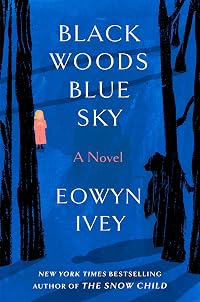



Member Recommendations

Becchanalia Same delicate language and imagery, a similar sense of wistful beauty and elements of magical realism.
60
vwinsloe A folk tale brought to life.
Member Reviews
Eowyn Ivey's debut novel is stunning. She has created a small world within the wilds of her native Alaska and peopled it with characters that feel as real as the neighbors next door. Full of the everyday drama of the human experience, the story of Mabel and Jack is familiar, yet there is an element of magic that creates a sense of the unknown. Using the Russian folktale Snegurochka, or The Snow Maiden as a foil, Ivey creates a transforming story of the power of faith in love, even in the face of others' disbelief and one's own doubts.
Life is grey and bleak for Mabel. She and her husband, Jack, live in a lonely cabin in the wilderness of 1920's Alaska. Haunted by the grief of a miscarriage and the inability to have children, Mabel had show more thought that making a new start on a remote homestead would allow her peace and return companionship and joy to her marriage. But it isn't working.
Jack is desperately working their struggling farm, trying to scratch a living out of the stubborn forest soil. He blames himself for every setback and for his perception of continually disappointing Mabel. Feeling the aches of age worsen with every passing day, he continues striving to provide for, protect, and love his wife. But what if his efforts aren't enough? What if he fails?
Their second winter in Alaska arrives with a beautiful first snow, and Jack and Mabel frolic in the yard with unfamiliar abandon. Caught up in the moment, they decide to build a snowman, but slowly make changes until it resembles a snow girl, a representation of their hearts' innermost longings. When Jack goes for firewood later that night, he discovers that the snow girl is destroyed and the scarf and mittens adorning it are gone. A mysterious girl begins appearing around the cabin wearing the missing items, and Jack methodically tries to discover her identity, while Mabel struggles with her desire to control love and to defend her belief in the impossible.
Then there is Faina, the fierce and wild, yet innocent, girl who turns their small world upside down. Beautiful, graceful, and independent, she inspires both love and an inkling of fear. Her only companion is a red fox, a symbol of her link with her unfettered life in the woods. Repeatedly she must confront the question of her identity and the choice between life in the woods or among the people who love her.
Elegantly written, the author creates evocative descriptions of the wildness and beauty of an Alaska she knows well. She writes vividly of the rugged terrain, the wild weather, and the furtive, fierce creatures that inhabit the wilds. The beauty of a single snowflake is not too small to be described and celebrated. Nor is the fact of hunting, both by animals and humans, avoided or dramatized.
Equally deftly, Ivey develops a small cast of characters with whom you become emotionally engaged, by turns laughing and grieving alongside them. Their lives border on the stereotypical: loud Esther with her men's pants and practical mindset; Garrett, the budding wilderness man; the Russian trapper who comes to town only for supplies and whiskey. But the characters avoid being cardboard cut-outs by their ability to grow and by the small, human details that are revealed as the story progresses. Ivey magically brings her characters to life, warts and all.
A haunting plot, exquisite landscapes, and compelling characters prevent the story from feeling like a grown-up fairy tale. Fresh and unusual, the book evokes a range of emotion and offers a new perspective on growing older and on the choices we make that effect how our lives' stories will end. Don't hesitate over this one: The Snow Child deserves to be read, savored, and enjoyed again.
First published in Belletrista in the Jan/Feb 2012 issue. show less
Life is grey and bleak for Mabel. She and her husband, Jack, live in a lonely cabin in the wilderness of 1920's Alaska. Haunted by the grief of a miscarriage and the inability to have children, Mabel had show more thought that making a new start on a remote homestead would allow her peace and return companionship and joy to her marriage. But it isn't working.
Jack is desperately working their struggling farm, trying to scratch a living out of the stubborn forest soil. He blames himself for every setback and for his perception of continually disappointing Mabel. Feeling the aches of age worsen with every passing day, he continues striving to provide for, protect, and love his wife. But what if his efforts aren't enough? What if he fails?
Their second winter in Alaska arrives with a beautiful first snow, and Jack and Mabel frolic in the yard with unfamiliar abandon. Caught up in the moment, they decide to build a snowman, but slowly make changes until it resembles a snow girl, a representation of their hearts' innermost longings. When Jack goes for firewood later that night, he discovers that the snow girl is destroyed and the scarf and mittens adorning it are gone. A mysterious girl begins appearing around the cabin wearing the missing items, and Jack methodically tries to discover her identity, while Mabel struggles with her desire to control love and to defend her belief in the impossible.
Then there is Faina, the fierce and wild, yet innocent, girl who turns their small world upside down. Beautiful, graceful, and independent, she inspires both love and an inkling of fear. Her only companion is a red fox, a symbol of her link with her unfettered life in the woods. Repeatedly she must confront the question of her identity and the choice between life in the woods or among the people who love her.
Elegantly written, the author creates evocative descriptions of the wildness and beauty of an Alaska she knows well. She writes vividly of the rugged terrain, the wild weather, and the furtive, fierce creatures that inhabit the wilds. The beauty of a single snowflake is not too small to be described and celebrated. Nor is the fact of hunting, both by animals and humans, avoided or dramatized.
Equally deftly, Ivey develops a small cast of characters with whom you become emotionally engaged, by turns laughing and grieving alongside them. Their lives border on the stereotypical: loud Esther with her men's pants and practical mindset; Garrett, the budding wilderness man; the Russian trapper who comes to town only for supplies and whiskey. But the characters avoid being cardboard cut-outs by their ability to grow and by the small, human details that are revealed as the story progresses. Ivey magically brings her characters to life, warts and all.
A haunting plot, exquisite landscapes, and compelling characters prevent the story from feeling like a grown-up fairy tale. Fresh and unusual, the book evokes a range of emotion and offers a new perspective on growing older and on the choices we make that effect how our lives' stories will end. Don't hesitate over this one: The Snow Child deserves to be read, savored, and enjoyed again.
First published in Belletrista in the Jan/Feb 2012 issue. show less
Inspired by folktales about the Snow Child, such as Arthur Ransome’s “The Little Daughter of the Snow,” and the Russian Snegurochka, or the Snow Maiden, this is a beautiful story about a childless couple homesteading in Alaska who discover (or create?) a girl who lives in the snowy Alaskan wilds. They eventually gain her trust, but she is at home in the forest, and they only see her in the winter after the first snowfall.
Jack and Mabel lost their first child and came to Alaska for a fresh start as a response to their grief, so they are more than willing to accept Faina, the snow child, on her own terms as a kind of surrogate daughter.
Slow, gentle, and beautiful, this novel brought to my mind Robert Frost’s “The Hill Wife.” show more This is less a fantasy or traditional fairytale retelling than an adult story about a marriage and a family, and about love and grief and loneliness and the beauty and hardship of homesteading in the Alaskan wilderness. show less
Jack and Mabel lost their first child and came to Alaska for a fresh start as a response to their grief, so they are more than willing to accept Faina, the snow child, on her own terms as a kind of surrogate daughter.
Slow, gentle, and beautiful, this novel brought to my mind Robert Frost’s “The Hill Wife.” show more This is less a fantasy or traditional fairytale retelling than an adult story about a marriage and a family, and about love and grief and loneliness and the beauty and hardship of homesteading in the Alaskan wilderness. show less
“The Snow Child’’ is based on the Russian fairy tale “Snegurochka’’(The Snow Maiden), about an elderly couple who yearn for a child. This magical story, set in the Alaskan wilderness in the early 20th century, revolves around Jack and Mabel, a married couple who are unable to have children. They are now in their forties and have decided to start their life over in the remote wilderness. When we first meet the couple we discover that Mabel is depressed enough to contemplate suicide, and it is only by luck that her plan to drown herself in the frozen river doesn't work out. Meanwhile, Jack is working day and night to try and farm the land, but with limited success. The pair are barely communicating and its clear their marriage show more is on the rocks.
Then something truly magical happens. In an unexpectedly carefree moment, they build a snowman designed to look like a little girl. They give her grass for hair, cranberry juice for lips, and a red scarf and mittens for the cold. The next day the snow child is gone, but signs of a real girl appear around their homestead. Since she only appears in winter and no one else has ever seen her, is she just a product of Jack and Mabel's imagination? Or does she really exist but only makes herself known to the people she trusts? When the snow child, whose name is Faina, enters their world, life does get better. They make friends with another family in the desolate valley, and with their help they survive the winter and plant a successful crop.
The first half of the novel is very magical. I loved the characters, though the women were definitely more detailed than the men. The author's depiction of the Alaskan wilderness is so vivid and strong, particularly during the winter, that it becomes a character in its own right. I thought the second half of the book began to slow down and take a turn that didn't seem to fit with the first half of the book. That didn't keep from from enjoying every page though. The writing was beautiful and I was completely captivated by the magic of the story. show less
Then something truly magical happens. In an unexpectedly carefree moment, they build a snowman designed to look like a little girl. They give her grass for hair, cranberry juice for lips, and a red scarf and mittens for the cold. The next day the snow child is gone, but signs of a real girl appear around their homestead. Since she only appears in winter and no one else has ever seen her, is she just a product of Jack and Mabel's imagination? Or does she really exist but only makes herself known to the people she trusts? When the snow child, whose name is Faina, enters their world, life does get better. They make friends with another family in the desolate valley, and with their help they survive the winter and plant a successful crop.
The first half of the novel is very magical. I loved the characters, though the women were definitely more detailed than the men. The author's depiction of the Alaskan wilderness is so vivid and strong, particularly during the winter, that it becomes a character in its own right. I thought the second half of the book began to slow down and take a turn that didn't seem to fit with the first half of the book. That didn't keep from from enjoying every page though. The writing was beautiful and I was completely captivated by the magic of the story. show less
“She could not fathom the hexagonal miracle of snowflakes formed from clouds, crystallized fern and feather that tumble down to light on a coat sleeve, white stars melting even as they strike. How did such force and beauty come to be in something so small and fleeting and unknowable? You did not have to understand miracles to believe in them, and in fact Mabel had come to suspect the opposite. To believe, perhaps you had to cease looking for explanations and instead hold the little thing in your hands as long as you were able before it slipped like water between your fingers.”
Beautifully written story based on a Russian fairytale, Mabel and Jack attempt to make a living off the land in the rugged Alaskan wilderness in the 1920s. show more They are childless, having experienced a stillbirth. One evening, at the first snowfall, they build a snow-girl, and the next day a child appears running through the woods. Is she real or mutually imagined?
I enjoyed the way the author portrays the harsh reality of life in the Alaskan wilderness against the whimsical nature of the child in the woods. Mabel and Jack question the reality of events, and the reader guesses right along with them. There are multiple ways to interpret this story.
The girl appears to exist in the real world and the fantasy-imaginative world simultaneously. It seemed to have a sliding scale between reality and fantasy. As I read this book, I could, at various times, make a case for either possibility. One thing is clear – the snow girl changes the lives of everyone she encounters.
4.5 show less
Beautifully written story based on a Russian fairytale, Mabel and Jack attempt to make a living off the land in the rugged Alaskan wilderness in the 1920s. show more They are childless, having experienced a stillbirth. One evening, at the first snowfall, they build a snow-girl, and the next day a child appears running through the woods. Is she real or mutually imagined?
I enjoyed the way the author portrays the harsh reality of life in the Alaskan wilderness against the whimsical nature of the child in the woods. Mabel and Jack question the reality of events, and the reader guesses right along with them. There are multiple ways to interpret this story.
The girl appears to exist in the real world and the fantasy-imaginative world simultaneously. It seemed to have a sliding scale between reality and fantasy. As I read this book, I could, at various times, make a case for either possibility. One thing is clear – the snow girl changes the lives of everyone she encounters.
4.5 show less
“She could not fathom the hexagonal miracle of snowflakes formed from clouds, crystallized fern and feather that tumble down to light on a coat sleeve, white stars melting even as they strike. How did such force and beauty come to be in something so small and fleeting and unknowable? You did not have to understand miracles to believe in them, and in fact Mabel had come to suspect the opposite. To believe, perhaps you had to cease looking for explanations and instead hold the little thing in your hands as long as you were able before it slipped like water between your fingers.”
Beautifully written story based on a Russian fairytale, Mabel and Jack attempt to make a living off the land in the rugged Alaskan wilderness in the 1920s. show more They are childless, having experienced a stillbirth. One evening, at the first snowfall, they build a snow-girl, and the next day a child appears running through the woods. Is she real or mutually imagined?
I enjoyed the way the author portrays the harsh reality of life in the Alaskan wilderness against the whimsical nature of the child in the woods. Mabel and Jack question the reality of events, and the reader guesses right along with them. There are multiple ways to interpret this story.
The girl appears to exist in the real world and the fantasy-imaginative world simultaneously. It seemed to have a sliding scale between reality and fantasy. As I read this book, I could, at various times, make a case for either possibility. One thing is clear – the snow girl changes the lives of everyone she encounters.
4.5 show less
Beautifully written story based on a Russian fairytale, Mabel and Jack attempt to make a living off the land in the rugged Alaskan wilderness in the 1920s. show more They are childless, having experienced a stillbirth. One evening, at the first snowfall, they build a snow-girl, and the next day a child appears running through the woods. Is she real or mutually imagined?
I enjoyed the way the author portrays the harsh reality of life in the Alaskan wilderness against the whimsical nature of the child in the woods. Mabel and Jack question the reality of events, and the reader guesses right along with them. There are multiple ways to interpret this story.
The girl appears to exist in the real world and the fantasy-imaginative world simultaneously. It seemed to have a sliding scale between reality and fantasy. As I read this book, I could, at various times, make a case for either possibility. One thing is clear – the snow girl changes the lives of everyone she encounters.
4.5 show less
Also posted on my book blog, Rinn Reads.
Set in early twentieth century Alaska, this book has a bleak setting, made ever harsher by Eowyn Ivey's fantastic prose. From the very first chapter, the reader has a real idea of how tough life is out there, how remote and isolated everything is, and how hard the homesteaders must work to simply survive. In a landscape like this, family life and happy moods are something to cling on to, to keep you going through the cold, winter months. But for Jack and Mabel, life is difficult. Not only do they have to work through the harsh weather, but Mabel is still struggling to cope with the grief of losing a child a decade past.
Suddenly, a young girl starts to appear around their homestead, and over time show more they earn her trust. Their longing for a child is evident, and the girl's presence turns a miserable landscape into something magical and wonderful. Ivey's writing is especially effective here - pointing out the beauty of nature, how the snowflakes fall on eyelashes, the many wild flowers and plants, the variety of animals.
The characters are also wonderfully written. Mabel, whilst at first seemingly weak and fragile, proves herself to be headstrong and hardworking. Jack is stubborn and perhaps a little gruff, but softens up. The Snow Child' herself is as much of a mystery to the reader as Jack and Mabel, which gives everything a bit of an ethereal feel.
The relationship between Jack and Mabel is very realistic - they are not a passionate couple, they are an old couple, familiar with each others ways, the initial spark long gone. The Snow Child brings them back together, reignites that spark, and that is one of my favourite parts of the story - seeing these two people, who clearly love each other very much, finally appreciating each other once again. Mabel gains confidence, her grief lessens although there is still a melancholy air about her. Jack softens, the wall between him and his wife breaking down.
Overall, this was a beautifully written book that explored various themes - relationships, loss, grief. I especially liked how all of the Snow Child's speech was written without any quotation marks, as if she was talking directly into the heads of the other characters. It made her all the more mysterious. This should hopefully appeal to many groups of readers - those who like fiction, and those who like something a bit more fantastical. show less
Set in early twentieth century Alaska, this book has a bleak setting, made ever harsher by Eowyn Ivey's fantastic prose. From the very first chapter, the reader has a real idea of how tough life is out there, how remote and isolated everything is, and how hard the homesteaders must work to simply survive. In a landscape like this, family life and happy moods are something to cling on to, to keep you going through the cold, winter months. But for Jack and Mabel, life is difficult. Not only do they have to work through the harsh weather, but Mabel is still struggling to cope with the grief of losing a child a decade past.
Suddenly, a young girl starts to appear around their homestead, and over time show more they earn her trust. Their longing for a child is evident, and the girl's presence turns a miserable landscape into something magical and wonderful. Ivey's writing is especially effective here - pointing out the beauty of nature, how the snowflakes fall on eyelashes, the many wild flowers and plants, the variety of animals.
The characters are also wonderfully written. Mabel, whilst at first seemingly weak and fragile, proves herself to be headstrong and hardworking. Jack is stubborn and perhaps a little gruff, but softens up. The Snow Child' herself is as much of a mystery to the reader as Jack and Mabel, which gives everything a bit of an ethereal feel.
The relationship between Jack and Mabel is very realistic - they are not a passionate couple, they are an old couple, familiar with each others ways, the initial spark long gone. The Snow Child brings them back together, reignites that spark, and that is one of my favourite parts of the story - seeing these two people, who clearly love each other very much, finally appreciating each other once again. Mabel gains confidence, her grief lessens although there is still a melancholy air about her. Jack softens, the wall between him and his wife breaking down.
Overall, this was a beautifully written book that explored various themes - relationships, loss, grief. I especially liked how all of the Snow Child's speech was written without any quotation marks, as if she was talking directly into the heads of the other characters. It made her all the more mysterious. This should hopefully appeal to many groups of readers - those who like fiction, and those who like something a bit more fantastical. show less
This retelling of a Russian fairytale is set in Alaska in the '20s. Mabel and Jack are an older childless couple looking for a new start. This sat on my shelf for years and I'm so glad I finally picked it up. The writing was gorgeous. The author’s descriptions of the beauty and brutal nature of life in the wilderness took my breath away. The characters are layered and feel so real. Esther is a burst of joy in the bleak winters. Faina is elusive and magnetic. I thought this would be much more based in magic, but it actually felt a bit like the Little House on the Prairie series, with just a few touches of charmed moments. The novel left me reeling for days.
** SPOILERS **
I loved that they became untraditional parents unexpectedly and show more slowly. Despite their unique path to the roles, they still faced many of the challenges other parents do: watching their daughter grow and change and eventually having to give her away in marriage.
The ending broke my heart and made me cry, a rare thing for a book to do to me. I don't know exactly what happened to Faina, but I have my own thoughts.
** SPOILERS OVER **
“Alaska gave up nothing easily. It was lean and wild and indifferent to a man’s struggle, and he had seen it in the eyes of that red fox.”
“We are allowed to do that, are we not Mabel? To invent our own endings and choose joy over sorrow!”
“Mabel found it an unexpected relief to rest her head on a pillow, to be clean and fed and not alone.”
“We never know what is going to happen, do we? Life is always throwing us this way and that. That’s where the adventure is.”
“In my old age, I see that life itself is often more fantastic and terrible than the stories we believed as children, and that perhaps there is no harm in finding magic among the trees.”
“Love and devotion, the devastating hope and fear contained in a woman’s swelling womb— these were left unspoken.” show less
** SPOILERS **
I loved that they became untraditional parents unexpectedly and show more slowly. Despite their unique path to the roles, they still faced many of the challenges other parents do: watching their daughter grow and change and eventually having to give her away in marriage.
The ending broke my heart and made me cry, a rare thing for a book to do to me. I don't know exactly what happened to Faina, but I have my own thoughts.
** SPOILERS OVER **
“Alaska gave up nothing easily. It was lean and wild and indifferent to a man’s struggle, and he had seen it in the eyes of that red fox.”
“We are allowed to do that, are we not Mabel? To invent our own endings and choose joy over sorrow!”
“Mabel found it an unexpected relief to rest her head on a pillow, to be clean and fed and not alone.”
“We never know what is going to happen, do we? Life is always throwing us this way and that. That’s where the adventure is.”
“In my old age, I see that life itself is often more fantastic and terrible than the stories we believed as children, and that perhaps there is no harm in finding magic among the trees.”
“Love and devotion, the devastating hope and fear contained in a woman’s swelling womb— these were left unspoken.” show less
Members
- Recently Added By
Published Reviews
ThingScore 80
"Inspired by the Russian fairy tale The Snow Maiden, Eowyn Ivey's deubut novel, The Snow Child (Back Bay: Little, Brown. 2012. ISBN 9780316175661. pap. $14.99; ebk. ISBN 9780316192958), features Jack and Mabel, a childless couple grieving their infant son's death. ...richly evokes landscape and nature as it explores the many types of families that find their way into being."
added by KoobieKitten
when I was wiping my eyes at the end — must have been snow blowing in my face — I felt sorry to see these kind people go. Sad as the story often is, with its haunting fairy-tale ending, what I remember best are the scenes of unabashed joy. That isn’t a feeling literary fiction seems to have much use for, but Ivey conveys surprising moments of happiness with such heartfelt conviction. show more Mabel’s sister puts it well in a letter from Pennsylvania: “In my old age, I see that life itself is often more fantastic and terrible than the stories we believed as children, and that perhaps there is no harm in finding magic among the trees.”
You’ll catch that same magic in the leaves of this book. show less
You’ll catch that same magic in the leaves of this book. show less
added by danielx
Ivey's delightful invention hovers somewhere between myth and naturalism — and the effect this creates is mesmerizing.... A chilly setting? Yes. A sad tale? This terrific novelistic debut will convince you that in some cases, a fantastic story — with tinges of sadness and a mysterious onward-pulsing life force — may be best for this, or any, season.
added by danielx
Lists

Recommend the 20 best books you've read in the last five years
2,168 works; 606 members

Top Five Books of 2013
1,562 works; 721 members

Favorite Fairy Tale Retellings
210 works; 62 members

Pleasant Surprises: Books That Exceeded Our Expectations
418 works; 143 members

Magic Realism
371 works; 52 members

Best 21st Century Books (So Far)
670 works; 86 members

New Books I Can't Wait to read...
55 works; 14 members

Top Five Books of 2020
982 works; 350 members

In and About the 1920s
181 works; 31 members

Female Author
1,235 works; 67 members

Historical Fiction
889 works; 91 members

Pulitzer Prize for Fiction - Finalists
88 works; 9 members

Historical Fantasy
93 works; 14 members

Christmas Books
370 works; 39 members

Best books read in the first half of 2012
38 works; 6 members

Books Read in 2023
5,547 works; 145 members

Five star books
1,757 works; 108 members

Carole's List
445 works; 13 members

Winter Books
8 works; 1 member

Deena's Favorites--How Many have you read?
102 works; 3 members

Books Read in 2015
3,299 works; 126 members

Books Read in 2017
4,249 works; 130 members

Books Read in 2020
4,379 works; 123 members
Books Read in 2016
4,666 works; 197 members
First Novels
373 works; 17 members

Books I have Recommended
207 works; 1 member
5 Best 5 Years
71 works; 4 members

Recommended Speculative Fiction by Women and People of Color
298 works; 45 members

Perspectives Book Club Picks
49 works; 3 members

Books Read in 2024
4,623 works; 126 members
Favorite Fairy Tales
269 works; 103 members

Favorite Books Published in 2012
57 works; 15 members

Books We Discovered On LibraryThing
530 works; 130 members

Books Read in 2013
65 works; 1 member

TBR of Books I Don't Own
132 works; 1 member

To Read
617 works; 7 members

IMPAC Dublin Literary Award 2014 longlist
150 works; 3 members

Books about/set in Alaska
51 works; 12 members
A Novel Cure
742 works; 23 members

BingoDOG - Genre Benders
74 works; 14 members

Folklore, Legends, Fables and Fairy Tales
22 works; 9 members
Books Read in 2018
4,360 works; 110 members

Books We Resisted Reading
178 works; 110 members
Author Information

7+ Works 7,282 Members
Some Editions
Awards and Honors
Awards
Distinctions
Series
Belongs to Publisher Series
Work Relationships
Is abridged in
Has as a study
Has as a student's study guide
Common Knowledge
- Canonical title
- The Snow Child
- Original title
- The Snow Child
- Original publication date
- 2011
- People/Characters
- Mabel; Jack; Faina; George Benson; Esther Benson; Garrett Benson (show all 7); Bill Benson
- Important places
- Alaska, USA
- Epigraph
- 'Wife, let us go into the yard behind and make a little snow girl; and perhaps she will come alive, and be a little daughter to us.'
'Husband' says the old woman, 'there's no knowing what may be. Let us go into the yard an... (show all)d make a little snow girl.'
The Little Daughter of the Snow' by Arthur Ransome - Dedication
- For my daughters, Grace and Aurora
- First words
- Mabel had known there would be silence.
- Last words
- (Click to show. Warning: May contain spoilers.)"It's snowing," she said.
- Blurbers
- Goolrick, Robert; Donohue, Keith; Naslund, Sena Jeter; Morgan, Robert; Benjamin, Melanie; Romano-Lax, Andromeda (show all 7); Shaw, Ali
- Original language
- English
- Canonical DDC/MDS
- 813.6
- Canonical LCC
- PS3609.V54
Classifications
Statistics
- Members
- 5,364
- Popularity
- 2,514
- Reviews
- 364
- Rating
- (4.00)
- Languages
- 17 — Danish, Dutch, English, Finnish, French, German, Hungarian, Italian, Lithuanian, Norwegian (Bokmål), Norwegian, Polish, Portuguese, Romanian, Slovak, Spanish, Swedish
- Media
- Paper, Audiobook, Ebook
- ISBNs
- 60
- ASINs
- 16