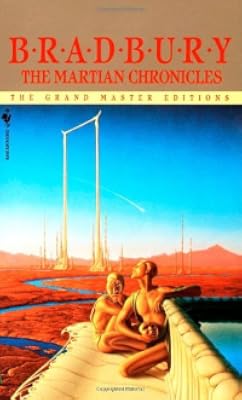
The Martian Chronicles
by Ray Bradbury
On This Page
Description
Leaving behind a world on the brink of destruction, man came to the red planet and found the Martians waiting, dreamlike. Seeking the promise of a new beginning, man brought with him his oldest fears and his deepest desires. Man conquered Mars--and in that instant, Mars conquered him. The strange new world with its ancient, dying race and vast, red-gold deserts cast a spell on him, settled into his dreams, and changed him forever.Tags
Recommendations



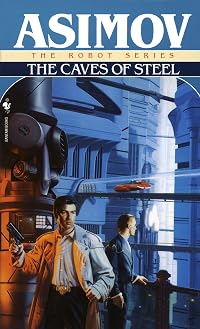
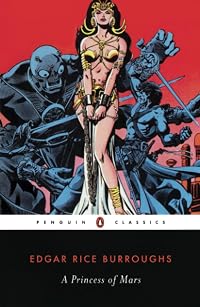
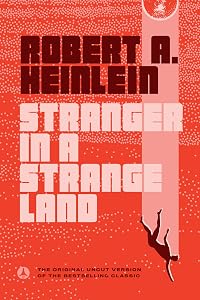



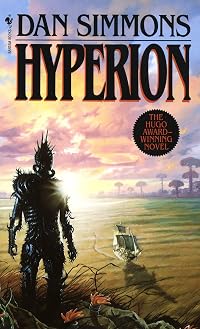
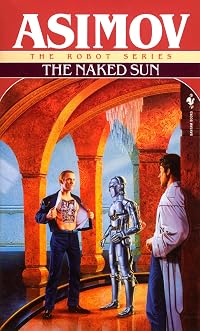


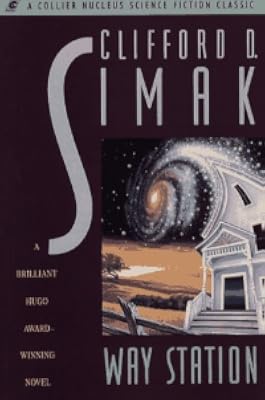
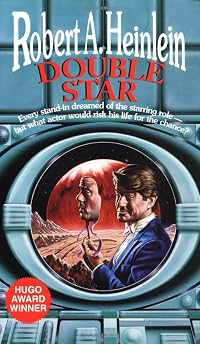
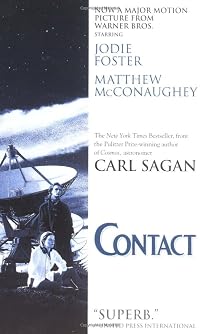
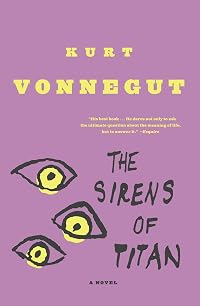
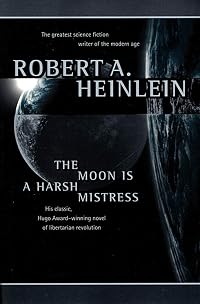


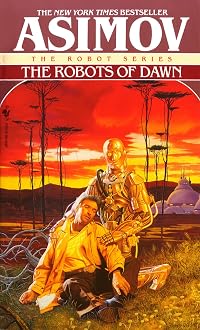
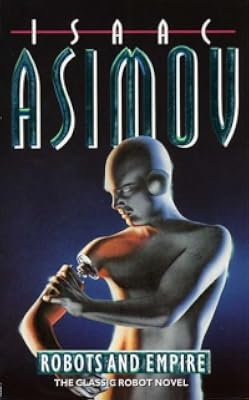
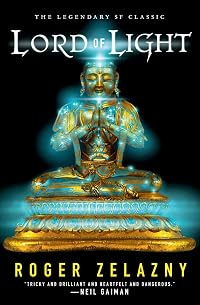


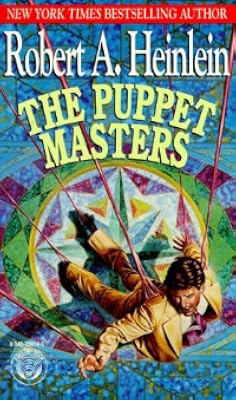
Member Recommendations

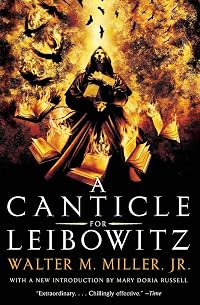
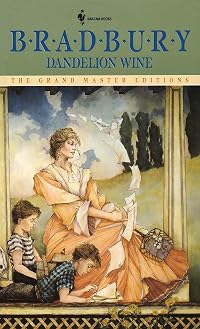
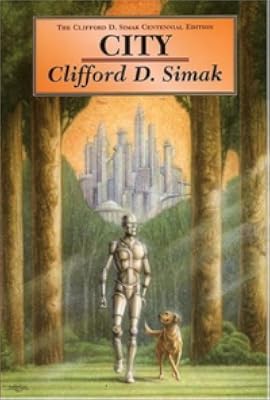
bertilak Bradbury has said that Winesburg, Ohio was one of the inspirations for The Martian Chronicles (grotesque characters in Ohio versus on Mars).
92

rionka a lot of pictures from the same world. or from the world we have in our heads.
70


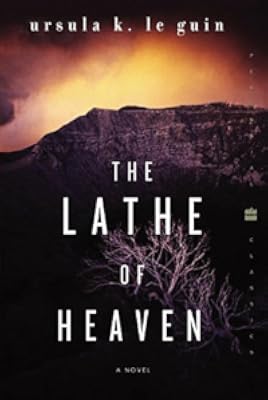
lewbs Borges admired The Martian Chronicles. The two books have much in common.
21
mike_frank Similar story telling, short stories tying together a grander story arch.
11
CGlanovsky Visions of humans colonizing planets with declining civilizations
11
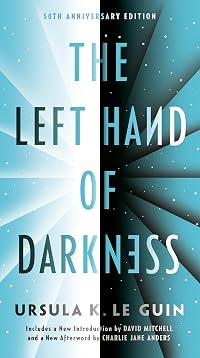
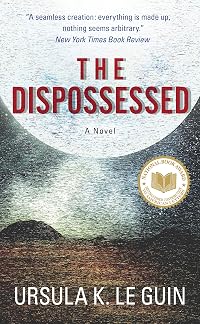
andomck Both books are about colonization. One is from the perspective of colonizer, the other the colonized.
12

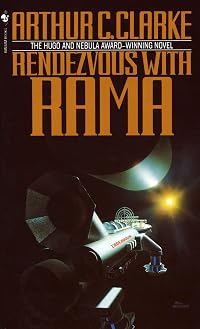
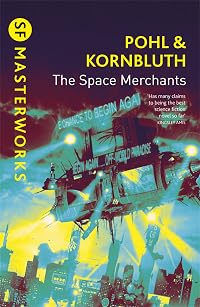
fulner A trip from Luna to Mars then off to the Asteroid Belt to mine. The Sapce Family Stone has fantastic story telling. Emotial respnose. REAL MATH! and a story that keeps you truning pages. Highly recommended.
01
Member Reviews
CW: Racism, Racial Slurs, Animal Harm
I truly don't know what to say. This book is unlike anything else I have ever read and, outside of a few obvious elements, feels incredibly modern and relevant. So much so that I genuinely struggle to understand that it was first published in 1950.
A collection of various connected stories about human beings visiting and living in the Red Planet that follow on from one another in an increasing timeline that describes the beginning and end of exploration and settling on Mars. These are told on Bradbury's unique blend of genres to create expressive, emotive, baffling, and heart-wrenching scenes.
When I first read Dandelion Wine, I knew I adored Bradbury's imagination and magically poetic prose, and would show more have to read everything I could get my hands on. Unfortunately, Dandelion Wine was a LOT and left me very ambivalent about that book, if not Bradbury's writing, so I took a long break and came back with this. I could not have chosen a more perfect book to come back to!
I really am struggling to articulate how or why these stories are so good and have left a profound impression on me. It is certainly somewhat to do with the chimeral, alchemical oddity that is the way Bradbury writes and surreality of the concepts and conceit he pays with. This isn't a science fiction short story anthology. Not really. Science fiction is one element, but horror, especially gothic horror, tragedy, drama, melodrama, military, absurdism, political commentary, come together with so much more in an occult blend that doesn't necessarily scare, but assaults the mental senses from every possible angle like an iron maiden filled with silverfish . Of course, all those elements and genres often come together in many other works, but there is just something so unsettling and otherworldly about the way Bradbury does it.
It would be easy to reference things like The Twilight Zone or Black Mirror, but just because it's bizarre and sci-fi related doesn't mean it does a thing to describe what this is like. I know several of the stories were adapted for shows like this, but I'm trying to imagine a way of turning Bradbury's writing into film and I can't do it. I know there are various adaptations and I'm sure some must be decent, but Bradbury is an author who is talented at narrative for sure, but he really shines in the lyrical, dreamlike, exacting unreality of his turns of phrases.
I am increasingly finding it difficult to believe that Ray Bradbury was a human being born on this planet when and living the life his biographers and Wikipedia page claim. Only a space wizard from another galaxy and dimension, hurled back through time and space to our world would think and write like this. This book was a cry for help, but, much like Tommy Cooper, when he most needed our help we just gave him a round of applause.
This is truly weird, wonderful, and every other positive and strange adjective between here and Mars. I absolutely need to seek out the complete edition with The Other Martian Tales and get back to Bradbury once I have a few other things off my TBR shortlist.
I want to say more, but I can't because if I do I will never stop. This is without a doubt one to the most uniquely exquisite books I have ever had the pleasure of reading. show less
I truly don't know what to say. This book is unlike anything else I have ever read and, outside of a few obvious elements, feels incredibly modern and relevant. So much so that I genuinely struggle to understand that it was first published in 1950.
A collection of various connected stories about human beings visiting and living in the Red Planet that follow on from one another in an increasing timeline that describes the beginning and end of exploration and settling on Mars. These are told on Bradbury's unique blend of genres to create expressive, emotive, baffling, and heart-wrenching scenes.
When I first read Dandelion Wine, I knew I adored Bradbury's imagination and magically poetic prose, and would show more have to read everything I could get my hands on. Unfortunately, Dandelion Wine was a LOT and left me very ambivalent about that book, if not Bradbury's writing, so I took a long break and came back with this. I could not have chosen a more perfect book to come back to!
I really am struggling to articulate how or why these stories are so good and have left a profound impression on me. It is certainly somewhat to do with the chimeral, alchemical oddity that is the way Bradbury writes and surreality of the concepts and conceit he pays with. This isn't a science fiction short story anthology. Not really. Science fiction is one element, but horror, especially gothic horror, tragedy, drama, melodrama, military, absurdism, political commentary, come together with so much more in an occult blend that doesn't necessarily scare, but assaults the mental senses from every possible angle like an iron maiden filled with silverfish . Of course, all those elements and genres often come together in many other works, but there is just something so unsettling and otherworldly about the way Bradbury does it.
It would be easy to reference things like The Twilight Zone or Black Mirror, but just because it's bizarre and sci-fi related doesn't mean it does a thing to describe what this is like. I know several of the stories were adapted for shows like this, but I'm trying to imagine a way of turning Bradbury's writing into film and I can't do it. I know there are various adaptations and I'm sure some must be decent, but Bradbury is an author who is talented at narrative for sure, but he really shines in the lyrical, dreamlike, exacting unreality of his turns of phrases.
I am increasingly finding it difficult to believe that Ray Bradbury was a human being born on this planet when and living the life his biographers and Wikipedia page claim. Only a space wizard from another galaxy and dimension, hurled back through time and space to our world would think and write like this. This book was a cry for help, but, much like Tommy Cooper, when he most needed our help we just gave him a round of applause.
This is truly weird, wonderful, and every other positive and strange adjective between here and Mars. I absolutely need to seek out the complete edition with The Other Martian Tales and get back to Bradbury once I have a few other things off my TBR shortlist.
I want to say more, but I can't because if I do I will never stop. This is without a doubt one to the most uniquely exquisite books I have ever had the pleasure of reading. show less
Bradbury is himself firm that he doesn't write science-fiction. Nominally about Mars, The Martian Chronicles are really about Ohio. In the first few stories, Bradbury sketches an ancient and alien civilization of golden masks, canals flowing with lavender wine, phoenix flowers, and subtle telepathic arts. Then the entire Martian race is wiped out by the Chicken Pox, and boomtown Americans spread across the terra nullis of Mars, filling the ancient ruins with noise and trash, before a nuclear war on Earth ends the human race. Melancholy and moving, these stories hold up as mood pieces of nostalgia for a simpler time at the dawn of the Space Age, but I wouldn't shelve them among the classics.
Although I have read some independent short stories by Bradbury, this is my first collection. Although they are all set on Mars, they are not a continuous story. Once I realized I should not be trying to find any continuity between the stories, I relaxed and just enjoyed them individually.
The initial story, Rocket Summer, was very interesting in the unexpected way the Martians dealt with the coming of the Americans. Much as I would expect we would deal with aliens alighting on our own shores. A little like looking into a mirror. I particularly liked "And the Moon Be Still as Bright", as well. I found myself understanding Spender, who finds himself at odds with his own people and goes to very extreme means to attempt to save Mars from show more the damage he knows will follow. "Usher II" is another captivating story, with the threads of Poe references that run through it and the very recognizable voice of Bradbury regarding both censorship and the delight of revenge.
My favorite chronicle, however, is "There Will Come Soft Rains." The title comes from the Sara Teasdale poem quoted below:
There will come soft rains and the smell of the ground,
And swallows circling with their shimmering sound;
And frogs in the pools singing at night,
And wild plum trees in tremulous white,
Robins will wear their feathery fire
Whistling their whims on a low fence-wire;
And not one will know of the war, not one
Will care at last when it is done.
Not one would mind, neither bird nor tree
If mankind perished utterly;
And Spring herself, when she woke at dawn,
Would scarcely know that we were gone.
This poem has always been a personally meaningful one for me, it begins so softly and quietly and then reveals itself to be a commentary on all that is horrible and violent and destructive of mankind. It says so much so succinctly, and both Teasdale, in her poem, and Bradbury, in his collection of stories, are making the same point about man's foolishness and transience. The story and the poem seem to be of one piece to me. As for Bradbury and his style, I especially loved some of the imagery in the story, like the cleaning mice robots coming out of the walls to clean the house that is devoid of life.
Despite the fact that most of these stories are far from upbeat or joyous, they are also not entirely devoid of hope or promise. In the end mankind is hanging by a thread, but he is hanging. The question will be has he learned enough to do anything different on Mars than he did on Earth. Bradbury seemed to think the jury was out on that one...and if you look around you, it would seem it still is. show less
The initial story, Rocket Summer, was very interesting in the unexpected way the Martians dealt with the coming of the Americans. Much as I would expect we would deal with aliens alighting on our own shores. A little like looking into a mirror. I particularly liked "And the Moon Be Still as Bright", as well. I found myself understanding Spender, who finds himself at odds with his own people and goes to very extreme means to attempt to save Mars from show more the damage he knows will follow. "Usher II" is another captivating story, with the threads of Poe references that run through it and the very recognizable voice of Bradbury regarding both censorship and the delight of revenge.
My favorite chronicle, however, is "There Will Come Soft Rains." The title comes from the Sara Teasdale poem quoted below:
There will come soft rains and the smell of the ground,
And swallows circling with their shimmering sound;
And frogs in the pools singing at night,
And wild plum trees in tremulous white,
Robins will wear their feathery fire
Whistling their whims on a low fence-wire;
And not one will know of the war, not one
Will care at last when it is done.
Not one would mind, neither bird nor tree
If mankind perished utterly;
And Spring herself, when she woke at dawn,
Would scarcely know that we were gone.
This poem has always been a personally meaningful one for me, it begins so softly and quietly and then reveals itself to be a commentary on all that is horrible and violent and destructive of mankind. It says so much so succinctly, and both Teasdale, in her poem, and Bradbury, in his collection of stories, are making the same point about man's foolishness and transience. The story and the poem seem to be of one piece to me. As for Bradbury and his style, I especially loved some of the imagery in the story, like the cleaning mice robots coming out of the walls to clean the house that is devoid of life.
Despite the fact that most of these stories are far from upbeat or joyous, they are also not entirely devoid of hope or promise. In the end mankind is hanging by a thread, but he is hanging. The question will be has he learned enough to do anything different on Mars than he did on Earth. Bradbury seemed to think the jury was out on that one...and if you look around you, it would seem it still is. show less
Civilizations are born, they live, and then they die. Empires are raised, and then, in due time they are razed. From tall and glorious to a ruined and smoldering heap, these man-made inventions seem to all meet the same fate at some point. In-fighting, war, greed, hubris... all seem to be the usual symptoms and the pronouncement of death is nigh.
Bradbury shows us in this wonderfully dark and revealing collection of vignettes the repercussions of planet-leaping and technologically drunk humans and their deadly dance with war. Beautifully written in his usual poetic prose, it was a joy immersing myself in this brilliant book.
Bradbury shows us in this wonderfully dark and revealing collection of vignettes the repercussions of planet-leaping and technologically drunk humans and their deadly dance with war. Beautifully written in his usual poetic prose, it was a joy immersing myself in this brilliant book.
So interesting to read this book now in the 3rd decade of the 21st C. This is a series of meditations on what it means to be a colonizer and the colonized. It is also a meditation on American disposable culture and the worldview that everything needs to be useful rather than simply exist for the sake of existing. It is a consideration of the human conceit that everything that is is for our consumption. Thus, it considers that black heart of sexism, racism, and anti-environmentalism and the fears of being left behind and dying alone. The stories contained herein are not always easy to read. But they are certainly worth reading - especially now after being forced to reckon with anti-black racism in the aftermath of George Floyd and the show more encroachment of humans on to the last vestiges of habitat for other life on Earth. An encroachment that likely produced the COVID pandemic. What are we doing to ourselves and to our planet? Using Mars as his canvas, Bradbury was asking these questions almost a century ago in the 1950s. It appears he was not that optimistic that humanity would come out on the other side unscathed.
I like this rating system by ashleytylerjohn of LibraryThing (https://www.librarything.com/profile/ashleytylerjohn) that I have also adopted:
(Note: 5 stars = rare and amazing, 4 = quite good book, 3 = a decent read, 2 = disappointing, 1 = awful, just awful.) show less
I like this rating system by ashleytylerjohn of LibraryThing (https://www.librarything.com/profile/ashleytylerjohn) that I have also adopted:
(Note: 5 stars = rare and amazing, 4 = quite good book, 3 = a decent read, 2 = disappointing, 1 = awful, just awful.) show less
Is this science fiction? Well, it is set on Mars and it involves rockets but it is closer to the fantasies of Lucian and Baron Munchhausen: the science is far from credible and the linked short stories are literary, dealing with society and psychology as it stood somewhere around 1950.
But it is a major achievement not only in content but in style. It is a 'fix-up' of stories written for magazines in the late 1940s with new material to give the whole coherence. The fact that Borges wrote an introduction to the Spanish translation should be no surprise.
The inconsistencies - exactly how many Martian races are there? - and absurdities - exactly how does all that material get transported to Mars and turned into Mid-Western small towns in show more such a short period of time? - do not matter at all. The dreamlike quality is what makes the book great.
The linked short story approach has great merit in ensuring that there is not some over-arching theme that would bring it into space opera territory but rather a series of fictional essays on alienation, the comical, dim, lost, kind and nasty aspects of our species and American society.
Rarely is the reader preached at, excepting perhaps on the understandable fear of nuclear war which is best expressed in the much anthologised "There Will Come Soft Rains" (one of only two stories set on earth).
A late entry for the British edition ("The Fire Balloons") deals with missionaries and stands alongside Blish's 'Case of Conscience' and Clarke's 'The Star' as classic treatments of the problems the religioous may find in dealing with alien cultures.
Interestingly (and pleasingly) Harper Voyager did not succumb to currently fashionable political correctness and excise the satire on the Southern good ole boys in 'Way Up In The Middle of the Air' (also set on Earth) with its use of the notorious N. word.
No one could accuse Bradbury of all people of being a racist but wokes are not always the brightest sparks, are they, and publishers are not generally known for their courage under fire. This story is perhaps the weakest because it is preachy and earth-bound but it is of its time.
We should remember that Bradbury considered his 'Fahrenheit 451' to be as relevant as criticism of the censorship forced on society by political correctness as it is of progress-fearful obscurantism. They are, in fact, two sides of the same coin.
The book works best when it leaves the gravity of earth. The alien world Bradbury conjures is not real but it serves to steer our imagination towards self-reflection. It is fine writing by a decent man in an indecent world looking to another world to help us to try and understand ourselves.
Bradbury thus has a dystopian vision that is almost British. You can see here the seeds of his later stories of the crowd and conformity. Settlers are as callous towards the indigenous inhabitants as they were when opening the West but it is a callousness without malice, a dumb thoughtlessness.
Indeed, there is a countervailing theme of loneliness and loss in several moving stories so that our species seems doomed to act like lemmings for fear of being left alone. We determinedly settle and then equally determinedly fly back to our earthly doom out of some sort of unexplained patriotism.
Another theme is the loss of sanity in men caused by coming across the utterly other - whether identifying with it, seeking to change it or fearing it. Time and again, human emotion triumphs over reason.
The Martians themselves seem incapable of malice, operating on another plane of development, the vast majority doomed (like the Amerindians before them) by the pathogens brought by newcomers and the few survivors hiding away to be ignored, feared and misunderstood.
There is an essentially humanity in this book that paradoxically shows that humanity is not humanity's normal state and that what we like to think of humanity is better expressed by aliens - rarely has the alienation of the sensitive observer from our own species been better presented. show less
But it is a major achievement not only in content but in style. It is a 'fix-up' of stories written for magazines in the late 1940s with new material to give the whole coherence. The fact that Borges wrote an introduction to the Spanish translation should be no surprise.
The inconsistencies - exactly how many Martian races are there? - and absurdities - exactly how does all that material get transported to Mars and turned into Mid-Western small towns in show more such a short period of time? - do not matter at all. The dreamlike quality is what makes the book great.
The linked short story approach has great merit in ensuring that there is not some over-arching theme that would bring it into space opera territory but rather a series of fictional essays on alienation, the comical, dim, lost, kind and nasty aspects of our species and American society.
Rarely is the reader preached at, excepting perhaps on the understandable fear of nuclear war which is best expressed in the much anthologised "There Will Come Soft Rains" (one of only two stories set on earth).
A late entry for the British edition ("The Fire Balloons") deals with missionaries and stands alongside Blish's 'Case of Conscience' and Clarke's 'The Star' as classic treatments of the problems the religioous may find in dealing with alien cultures.
Interestingly (and pleasingly) Harper Voyager did not succumb to currently fashionable political correctness and excise the satire on the Southern good ole boys in 'Way Up In The Middle of the Air' (also set on Earth) with its use of the notorious N. word.
No one could accuse Bradbury of all people of being a racist but wokes are not always the brightest sparks, are they, and publishers are not generally known for their courage under fire. This story is perhaps the weakest because it is preachy and earth-bound but it is of its time.
We should remember that Bradbury considered his 'Fahrenheit 451' to be as relevant as criticism of the censorship forced on society by political correctness as it is of progress-fearful obscurantism. They are, in fact, two sides of the same coin.
The book works best when it leaves the gravity of earth. The alien world Bradbury conjures is not real but it serves to steer our imagination towards self-reflection. It is fine writing by a decent man in an indecent world looking to another world to help us to try and understand ourselves.
Bradbury thus has a dystopian vision that is almost British. You can see here the seeds of his later stories of the crowd and conformity. Settlers are as callous towards the indigenous inhabitants as they were when opening the West but it is a callousness without malice, a dumb thoughtlessness.
Indeed, there is a countervailing theme of loneliness and loss in several moving stories so that our species seems doomed to act like lemmings for fear of being left alone. We determinedly settle and then equally determinedly fly back to our earthly doom out of some sort of unexplained patriotism.
Another theme is the loss of sanity in men caused by coming across the utterly other - whether identifying with it, seeking to change it or fearing it. Time and again, human emotion triumphs over reason.
The Martians themselves seem incapable of malice, operating on another plane of development, the vast majority doomed (like the Amerindians before them) by the pathogens brought by newcomers and the few survivors hiding away to be ignored, feared and misunderstood.
There is an essentially humanity in this book that paradoxically shows that humanity is not humanity's normal state and that what we like to think of humanity is better expressed by aliens - rarely has the alienation of the sensitive observer from our own species been better presented. show less
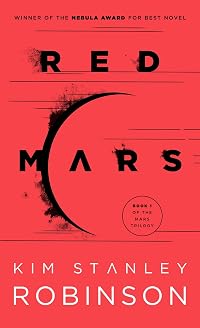
After voyaging to Mars with Kim Stanley Robinson I wasn't sure what to make of this sequence of absurdities. Surely even when these stories were written in the 1940-50s Bradbury didn't expect us to believe in his vision of a Mars with running water, blue skies, and Martians who follow all the same social cues. The stories in this collection are related and sequential, but often differ in tone and almost in genre as well - from almost silly to almost credible. What I did find consistent is the theme of encounter with the alien. Never does humanity meet with what it anticipates, and even when things go well it comes with surprises.
There is scarcely any science backing this science fiction, and I don't mean just in the Martian conditions. show more The characters themselves do not come across as science-minded. They are here to understand or ignore Martian culture at their peril; to seek glory or to revile those who do; to make Mars more like home so they don't feel so lost in space, or to find beauty in what is. This tension between becoming one with a foreign world or trying to subjugate it continues until the question becomes irrelevant. Bradbury was telling his fellow Americans that no empire lasts forever, and a little humility goes a long way. show less
There is scarcely any science backing this science fiction, and I don't mean just in the Martian conditions. show more The characters themselves do not come across as science-minded. They are here to understand or ignore Martian culture at their peril; to seek glory or to revile those who do; to make Mars more like home so they don't feel so lost in space, or to find beauty in what is. This tension between becoming one with a foreign world or trying to subjugate it continues until the question becomes irrelevant. Bradbury was telling his fellow Americans that no empire lasts forever, and a little humility goes a long way. show less
Members
- Recently Added By
Published Reviews
ThingScore 75
"Die Mars-Chroniken" von Ray Bradbury ist ein klassischer Science-Fiction-Roman, der eine Reihe miteinander verbundener Kurzgeschichten enthält, die auf dem Mars spielen. Die Erzählung erstreckt sich über mehrere Jahrzehnte und schildert die Kolonisierung der Menschheit und die Interaktion mit den mysteriösen Marsianern. In den Geschichten werden Themen wie Kolonisierung, kulturelle show more Auseinandersetzungen und die Auswirkungen menschlichen Verhaltens sowohl auf der Erde als auch auf dem Mars behandelt.
Bradburys poetische und stimmungsvolle Prosa schildert die Wunder und Fallstricke der Erkundung sowie die Folgen von Missverständnissen zwischen Erdbewohnern und Marsbewohnern. Der Roman reflektiert über Themen wie Krieg, technologischen Fortschritt und die Zerbrechlichkeit von Zivilisationen. Während sich die menschliche Präsenz auf dem Mars entfaltet, sind die Marsianer vom Aussterben bedroht, und ihre uralte Kultur zieht sich wie ein roter Faden durch die Chroniken.
"Die Mars-Chroniken" werden für ihren lyrischen Schreibstil, ihren sozialen Kommentar und ihre fantasievolle Darstellung einer Zukunft gefeiert, die Fragen über die Beziehung der Menschheit zu ihrer Umwelt und zu sich selbst aufwirft. show less
Bradburys poetische und stimmungsvolle Prosa schildert die Wunder und Fallstricke der Erkundung sowie die Folgen von Missverständnissen zwischen Erdbewohnern und Marsbewohnern. Der Roman reflektiert über Themen wie Krieg, technologischen Fortschritt und die Zerbrechlichkeit von Zivilisationen. Während sich die menschliche Präsenz auf dem Mars entfaltet, sind die Marsianer vom Aussterben bedroht, und ihre uralte Kultur zieht sich wie ein roter Faden durch die Chroniken.
"Die Mars-Chroniken" werden für ihren lyrischen Schreibstil, ihren sozialen Kommentar und ihre fantasievolle Darstellung einer Zukunft gefeiert, die Fragen über die Beziehung der Menschheit zu ihrer Umwelt und zu sich selbst aufwirft. show less
added by Peter_MacTroy
Lists

Best Science Fiction Novels
816 works; 426 members

1001 Books You Must Read Before You Die
1,448 works; 1,134 members
Survey of Classic Science Fiction
171 works; 48 members

NPRs your picks: top 100 Sci-Fi/Fantasy books
297 works; 80 members

Best Post-Apocalyptic Stories
143 works; 88 members
501 Must-Read Books
529 works; 72 members

Classics you know you should have read but probably haven't
421 works; 408 members

Best First Contact Stories
33 works; 16 members

Amazon's 100 Science Fiction & Fantasy Books to Read in a Lifetime
87 works; 23 members

Survey of Science Fiction and Fantasy
101 works; 13 members
Dystopian and Apocalyptic Literature
350 works; 74 members

S.F. Masterworks (Complete)
229 works; 15 members
David Pringle's Science Fiction: The 100 Best Novels
101 works; 9 members

Gateway Book: Science Fiction
21 works; 26 members

Le Monde - Les 100 livres du siècle
121 works; 25 members

Short Story Collections and Anthologies
261 works; 42 members

20th Century Literature
1,161 works; 55 members
A Syllabus and Book List for Novice Students of Science Fiction Literature
25 works; 11 members

Recommend the 20 best books you've read in the last five years
2,168 works; 602 members

Space Colonization
100 works; 26 members

The 5 Parsec Shelf
50 works; 7 members

Easton Press Masterpieces of Science Fiction
30 works; 2 members
Science Fiction
42 works; 7 members

BbBooBooks
28 works; 2 members

It's the end of the world as we know it!
90 works; 23 members

Stephen King's Biggest Influences
46 works; 3 members
Unbound Worlds 100 Best SF Books
100 works; 8 members

Books I've Read More Than Once
602 works; 49 members

Short and Sweet
246 works; 24 members

Top Five Books of 2022
736 works; 272 members

Top Five Books of 2019
387 works; 111 members

Speculative Fiction to Read
706 works; 32 members

Books Set in Outer Space
39 works; 9 members

Isaac Arthur’s Book Recommendations
98 works; 3 members
American Lit for Eng 11 Research Project
368 works; 6 members
Widely acclaimed, one book per year
105 works; 3 members

Books Read in 2023
5,547 works; 145 members
Science Fiction and Fantasy
63 works; 4 members

The Five Books That Represent Us
391 works; 148 members

Recommended Reading : 600 Classics Reviewed, Editors of Salem Press, 2015
634 works; 6 members

La Bibliothèque idéale de la SF (Éditions Albin Michel, 1988)
52 works; 1 member

SHOULD Read Books!
354 works; 9 members
Les 100 principaux titres de la science-fiction (1981)
126 works; 3 members
Rereads list from my library
23 works; 1 member

Books Read in 2025
4,091 works; 97 members
Read For Your Life
157 works; 1 member
Classic Sci-Fi
27 works; 1 member

Recommendations by Peter Kreeft
45 works; 4 members

School Made Us Read It
380 works; 196 members

Reading Glasses Podcast
410 works; 3 members
Overdue Podcast
806 works; 9 members

SF - To Read
17 works; 2 members
Folio Society
831 works; 53 members

Unread books
1,063 works; 85 members
1950s
340 works; 22 members
Nifty Fifties
129 works; 14 members

Books You Read During High School (For School)
301 works; 52 members
Books Set on Mars
22 works; 7 members

Favorite Childhood Books
1,646 works; 518 members

Carole's List
445 works; 13 members
XB-1: Osobnosti zanru doporucuji
67 works; 1 member

Books I Own But Haven't Read
144 works; 2 members

Fiction to Read for Earth Day
50 works; 8 members

Read
293 works; 4 members
Blue Pyramid 1,276 Best Books of All Time
1,248 works; 32 members
Five star books
1,755 works; 107 members
Favourite Books
1,819 works; 308 members

Books Read in 2016
4,666 works; 199 members

Books Read in 2019
4,052 works; 110 members
Favorite Science Fiction
456 works; 218 members

Great American Novels
158 works; 40 members
Talk Discussions
Past Discussions
LEFTOVER TREASURE Ray Bradbury's Signed Martian Chronicles (Item#2844; $150) in Easton Press Collectors (May 2023)
Martian Chronicles HP in George Macy devotees (February 2023)
Author Information

940+ Works 168,449 Members
Ray Bradbury was born in Waukegan, Illinois on August 22, 1920. At the age of fifteen, he started submitting short stories to national magazines. During his lifetime, he wrote more than 600 stories, poems, essays, plays, films, television plays, radio, music, and comic books. His books include The Martian Chronicles, Fahrenheit 451, The show more Illustrated Man, Dandelion Wine, Something Wicked This Way Comes, and Bradbury Speaks. He won numerous awards for his works including a World Fantasy Award for Life Achievement in 1977, the 2000 National Book Foundation Medal for Distinguished Contribution to American Letters, the 2004 National Medal of Arts, and the 2007 Pulitzer Prize Special Citation. He wrote the screen play for John Huston's classic film adaptation of Moby Dick, and was nominated for an Academy Award. He adapted 65 of his stories for television's The Ray Bradbury Theater, and won an Emmy for his teleplay of The Halloween Tree. The film The Wonderful Ice Cream Suit was written by Ray Bradbury and was based on his story The Magic White Suit. He was the idea consultant and wrote the basic scenario for the United States pavilion at the 1964 World's Fair, as well as being an imagineer for Walt Disney Enterprises, where he designed the Spaceship Earth exhibition at Walt Disney World's Epcot Center. He died after a long illness on June 5, 2012 at the age of 91. (Bowker Author Biography) show less
Some Editions
Awards and Honors
Series
Belongs to Publisher Series
Caminho de Bolso (15)
Proa Butxaca (28)
Máj (20)
Artefakty (17)
Nébula (88)
最新科学小説全集 (10)
Mirabilia (7)
ハヤカワ・SF・シリーズ (3047)
Чумацький шлях (2016)
ハヤカワ文庫 NV (114)
Gallimard, Folio SF (45)
detebe (240/1)
Gli Oscar [Mondadori] (195)
ハヤカワ文庫 SF (1764)
Lanterne (L 371)
Science Fiction Book Club (2150)
Heyne Science Fiction & Fantasy (3410a)
Work Relationships
Is contained in
Contains
Has the adaptation
Has as a student's study guide
Common Knowledge
- Canonical title
- The Martian Chronicles
- Original title
- The Martian Chronicles
- Original publication date
- 1950
- People/Characters
- Ylla (Mrs. K); Yll (Mr. K); Nathaniel York; Jonathan Williams; David Lustig; Samuel Hinkston (show all 16); John Black; Pritchard; Mrs. Ttt; Mr. Ttt; Mr. Aaa; Mr. Iii; Mr. Uuu; Mrs. Rrr; Mr. Xxx; Father Joseph Daniel Peregrine
- Important places
- Mars; Earth; Ohio, USA; Green Valley, Mars; First Town, Mars
- Important events
- World War III
- Related movies
- The Martian Chronicles (1980 | IMDb)
- Epigraph
- "It is good to renew one's wonder," said the philosopher. "Space travel has again made children of us all."
- Dedication
- For My Wife Marguerite
with all my love - First words
- One minute it was Ohio winter, with doors closed, windows locked, the panes blind with frost, icicles fringing every roof, children skiing on slopes, housewives lumbering like great black bears in their furs along the icy str... (show all)eets.
- Quotations
- "No matter how we touch Mars, we'll never touch it. And then we'll get mad at it, and you know what we'll do? We'll rip it up, rip the skin off, and change it to fit ourselves."
They blended religion and art and science because, at base, science is no more than an investigation of a miracle we can never explain, and art is an interpretation of that miracle.
They began by controlling books of cartoons and then detective books and, of course, films, one way or another, one group or another, political bias, religious prejudice, union pressures; there was always a minority afraid of... (show all) something, and a great majority afraid of the dark, afraid of the future, afraid of the past, afraid of the present, afraid of themselves and shadows of themselves. - Last words
- (Click to show. Warning: May contain spoilers.)The Martians stared back up at them for a long, long silent time from the rippling water....
(Click to show. Warning: May contain spoilers.)But on a deeper level it is as grave and troubling as one of Hawthorne's fancy-filled allegories. (Prefatory Note) - Blurbers
- Isherwood, Christopher
- Original language
- English
- Canonical DDC/MDS
- 813.08762
- Canonical LCC
- PS3503.R167
- Disambiguation notice
- The US title, The Martian Chronicles and the UK title, The Silver Locusts, have different contents. Please do not combine the works.
Classifications
- Genres
- Science Fiction, Fiction and Literature
- DDC/MDS
- 813.08762 — Literature & rhetoric American literature in English American fiction in English By type Genre fiction Adventure fiction Speculative fiction Science fiction
- LCC
- PS3503 .R167 — Language and Literature American literature American literature Individual authors 1900-1960
- BISAC
Statistics
- Members
- 18,623
- Popularity
- 326
- Reviews
- 366
- Rating
- (4.05)
- Languages
- 27 — Armenian, Bulgarian, Catalan, Czech, Danish, Dutch, English, Estonian, Finnish, French, German, Galician, Greek, Hungarian, Italian, Japanese, Lithuanian, Norwegian (Bokmål), Norwegian, Polish, Portuguese, Romanian, Russian, Spanish, Swedish, Turkish, Ukrainian
- Media
- Paper, Audiobook, Ebook
- ISBNs
- 201
- UPCs
- 1
- ASINs
- 194