On This Page
Description
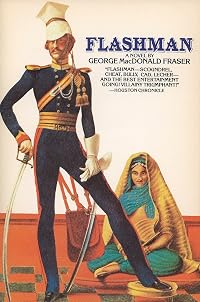
If ever there was a time when I felt that 'watcher-of-the-skies-when-a-new-planet' stuff, it was when I read the first Flashman."– P.G. WodehouseFraser revives Flashman, a caddish bully from Tom Brown's Schooldays by Thomas Hughes, and relates Flashman’s adventures after he is expelled in drunken disgrace from Rugby school in the late 1830s. Flashy enlists in the Eleventh Light Dragoons and is promptly sent to India and Afghanistan, where despite his consistently cowardly behavior he show more always manages to come out on top. Flashman is an incorrigible anti-hero for the ages. This humorous adventure book will appeal to fans of historical fiction, military fiction, and British history as well as to fans of Clive Cussler, James Bond, and The Three Musketeers.
Flashman is the first book of the famous “Flashman Papers” series. show less
Tags
Recommendations



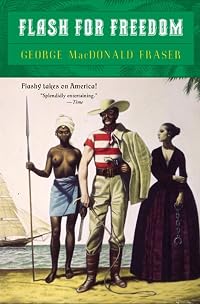


Member Recommendations
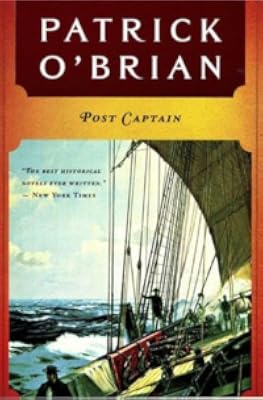
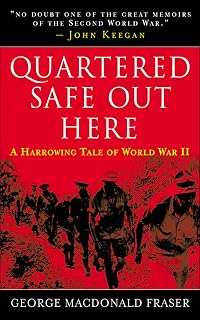
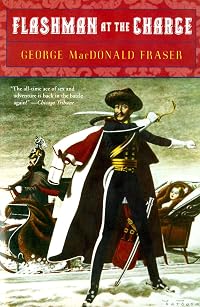
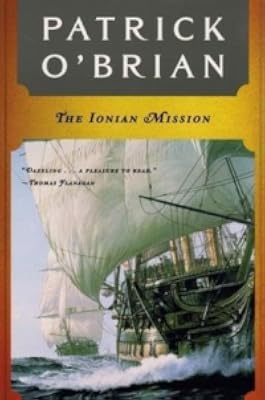
wildbill A memoir of the Author's Experiences In Burma in WWII

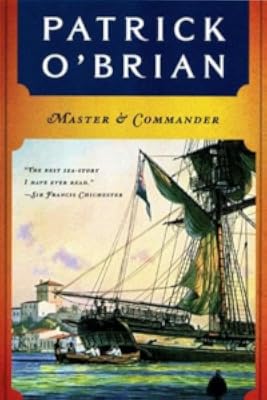
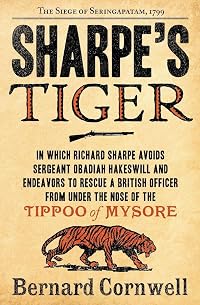
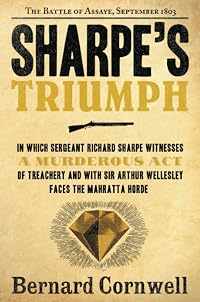
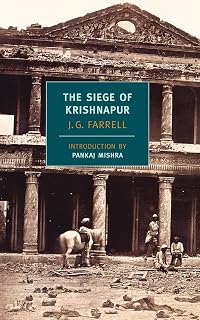
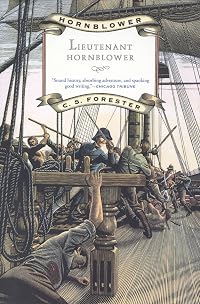
nessreader Heaven's Command is a thoroughly readable non-fiction account of the building of the British empire, with a lot of memorable (and hilarious, and appalling) stories about India and Afghanistan
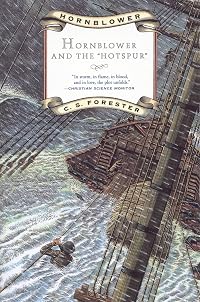
mcenroeucsb Books with Delusional/Enlightened Outcast protagonists
02

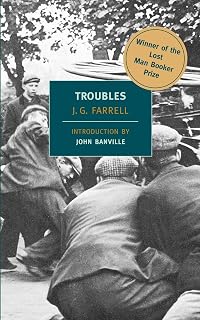
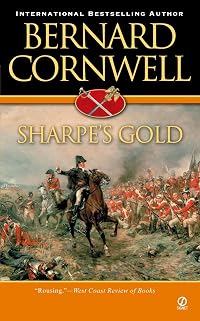
thorold Mr Sponge is more interested in horses and money, and less in women, than Flashman, but the two are very much part of the same tradition.
mcenroeucsb Books with Amusing Rogue protagonists
mcenroeucsb Books with Amusing Rogue protagonists
Lirmac Two flawed, swaggering narrators, Brigadier Gerard and Sir Harry Flashman are spiritual relatives who both enjoy fine horses, pretty girls and smart uniforms as much as honour and victory.

Stepn Exceptionally close to the Fraser style.

Stepn History taken at the gallop
Member Reviews
Reread this about 6 months ago, but at that point didn't review it because I read it online. I'd originally read it years ago, probably from my local library. Very much of it's time, the caddish anti-hero is a sort of Victorian James Bond. Even back then I wasn't impressed with Flashman (probably because being female I find his sexual predations rather close to the knuckle). Re-reading it reinforced that impression.
However, the historical background is well researched and the book is well written. If you can stomach the anti-hero, then it's a good romp. If you can't, then don't bother.
However, the historical background is well researched and the book is well written. If you can stomach the anti-hero, then it's a good romp. If you can't, then don't bother.
It's hard to explain why I enjoyed this book so much. The thing it has going against it is fairly obvious: the protagonist and narrator, Harry Paget Flashman, is a bully, liar, coward, cad, toady, racist, mysoginist, and, oh yeah, a rapist (just the once, if that mitigates it somewhat). But the reasons to love the book (and even admire the "hero") outweigh my natural tendency to be repulsed by such a, well, repulsive main character. The writing is topnotch. It's as fine an adventure story as you will find. It is equally engaging as a dramatic retelling of the history of the first Anglo-Afghan war, a subject I knew next to nothing about. To read about the blunders of the British in 1840s Afghanistan was both revelatory and disturbingly show more familiar.
Does Flashman ever get his comeuppance? Well, yes and no. Looking back on his life and many adventures from the safety of his manor in England and now in his 80s (around 1905), His Lordship obviously escaped with his life and was honored at home for his (mis)deeds abroad. On the other hand, in just this, the first installment of his memoirs, he is tortured twice and comes so close to death on two other occasions that he loses all hope. Through the valor and selflessness of others (whose bravery and derring-do are always afterward credited to him), he manages to survive. Does he feel guilty about any of it? Not in the slightest. Just the opposite, in fact.
Part of what endears him to me (if "endears" is even the right word) is his brutal honesty. Because he's so unflinchingly candid about his own deficiencies (not that he always sees them as such), you feel secure in knowing that he's telling the truth about everything else. And what made me appreciate the humor of this story was the recognition of the absurdity of expecting good deeds to always be rewarded and the guilty to always be punished. In the novel's final third, we're introduced to a valiant enlisted man, Hudson, who repeatedly saves Flashman and leads him to safety. Hudson soon recognizes the gentleman and officer Flashman for what he is, but I think Fraser speaks volumes about the folly of these wars of adventure. Fate and chance don't discriminate between heroes and cads. Flashman survives through it all, so he's the one who gets to tell the story. At least he tells it straight, breaking, as he says in the opening lines of the novel, the habit of a lifetime. show less
Does Flashman ever get his comeuppance? Well, yes and no. Looking back on his life and many adventures from the safety of his manor in England and now in his 80s (around 1905), His Lordship obviously escaped with his life and was honored at home for his (mis)deeds abroad. On the other hand, in just this, the first installment of his memoirs, he is tortured twice and comes so close to death on two other occasions that he loses all hope. Through the valor and selflessness of others (whose bravery and derring-do are always afterward credited to him), he manages to survive. Does he feel guilty about any of it? Not in the slightest. Just the opposite, in fact.
Part of what endears him to me (if "endears" is even the right word) is his brutal honesty. Because he's so unflinchingly candid about his own deficiencies (not that he always sees them as such), you feel secure in knowing that he's telling the truth about everything else. And what made me appreciate the humor of this story was the recognition of the absurdity of expecting good deeds to always be rewarded and the guilty to always be punished. In the novel's final third, we're introduced to a valiant enlisted man, Hudson, who repeatedly saves Flashman and leads him to safety. Hudson soon recognizes the gentleman and officer Flashman for what he is, but I think Fraser speaks volumes about the folly of these wars of adventure. Fate and chance don't discriminate between heroes and cads. Flashman survives through it all, so he's the one who gets to tell the story. At least he tells it straight, breaking, as he says in the opening lines of the novel, the habit of a lifetime. show less
Well it does what it sets out to do in a sprightly manner, but not sprightly enough to make up for the determined ghastliness of its eponymous narrator. Spending time with the Flash is not time well spent.
This first Flashman novel shouldn't really succeed, but it does. The protagonist, Harry Flashman, is a sexist, racist, selfish, cowardly charlatan who nevertheless always seems to land on his feet. It is quite remarkable how George MacDonald Fraser, the author, manages to write Flashy out of such scrapes - not only intact but better off than when he went in. The whole joke is that no matter how Flashman acts, he emerges to be thought of as a hero and gentleman, with fame, honour and distinction - all quite unworthily acquired." (pg. 113).
Flash is very much an anti-hero, and when encountering each sexist or racist remark or act, I felt a bit of unease and a sense that I shouldn't be enjoying this book quite so much as I was. But somehow show more - and it is very, very hard to explain - I loved every minute of it. For sure, Flashman at times goes far, far beyond what, for other characters in other books, would be the moral event horizon. (For example, he whips his Indian servants, spears a wretched dog with a lance and, at one point, rapes an Afghan woman). I feel obliged to point this out to prospective readers as many will feel they cannot abide by this sort of behaviour. To be honest, I am surprised that I was able to not only abide it but love the book. It's impossible to explain to one who has not read the book, but it's an absolute riot to read and Flashman an engrossing character.
For all his faults, Flash is a man who recognises an opportunity and has the ability to turn it to his advantage. He recognises that one has to swim with the tide and "catch on to whatever offers. You only go by once." (pg. 294). He is determined, in his way, to make a reputation for himself, and can put in the hard yards when he wants to. And when opportunity presents, he wastes no time in taking "fortune by the foreskin", as he so colourfully puts it (pg. 74). He is unrepentant about his behaviour, noting that it how others perceive you that really matters if you want to get on in life: "Give me the shadow every time, and you can keep the substance..." (pg. 256). Perhaps this is why I liked the book and the character so much; he recognises the reality of life and reorients himself to take full advantage. He's a compelling character, even though every bone in your body tells you he's a bad egg.
It's a hilarious book, but not laugh-a-minute stuff. In fact, for much of the second half of the book, it is rather distressing to read. Not only does Flash suffer under a horrific torture, but the whole story of the retreat from Kabul (a real historical event, and one of the most cack-handed campaigns in British military history) is told straight. Indeed, this was one of the most surprising things about Flashman; it was actually really good historical fiction, with a good recreation of the First Anglo-Afghan War and on-the-money depictions of the main historical figures involved. In fact, all of the characters - whether wholly fictional or based on real-life figures - are well-drawn; and even for all of Flashman's womanising each of the women he 'tumbles' with are memorable in their different ways.
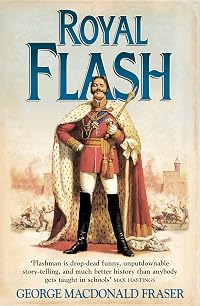
I've not really been able to say everything I wanted to say about Flashman and I am conscious of the fact that I can't really do the book justice. It's the first time where words have failed me and I've genuinely felt unable to capture my opinions on a book. In fact, based on my review some may even be put off it. I hope this is not the case as it is a truly fantastic read, and the subsequent Flashman books, starting with Royal Flash, will be high on my reading list." show less
Flash is very much an anti-hero, and when encountering each sexist or racist remark or act, I felt a bit of unease and a sense that I shouldn't be enjoying this book quite so much as I was. But somehow show more - and it is very, very hard to explain - I loved every minute of it. For sure, Flashman at times goes far, far beyond what, for other characters in other books, would be the moral event horizon. (For example, he whips his Indian servants, spears a wretched dog with a lance and, at one point, rapes an Afghan woman). I feel obliged to point this out to prospective readers as many will feel they cannot abide by this sort of behaviour. To be honest, I am surprised that I was able to not only abide it but love the book. It's impossible to explain to one who has not read the book, but it's an absolute riot to read and Flashman an engrossing character.
For all his faults, Flash is a man who recognises an opportunity and has the ability to turn it to his advantage. He recognises that one has to swim with the tide and "catch on to whatever offers. You only go by once." (pg. 294). He is determined, in his way, to make a reputation for himself, and can put in the hard yards when he wants to. And when opportunity presents, he wastes no time in taking "fortune by the foreskin", as he so colourfully puts it (pg. 74). He is unrepentant about his behaviour, noting that it how others perceive you that really matters if you want to get on in life: "Give me the shadow every time, and you can keep the substance..." (pg. 256). Perhaps this is why I liked the book and the character so much; he recognises the reality of life and reorients himself to take full advantage. He's a compelling character, even though every bone in your body tells you he's a bad egg.
It's a hilarious book, but not laugh-a-minute stuff. In fact, for much of the second half of the book, it is rather distressing to read. Not only does Flash suffer under a horrific torture, but the whole story of the retreat from Kabul (a real historical event, and one of the most cack-handed campaigns in British military history) is told straight. Indeed, this was one of the most surprising things about Flashman; it was actually really good historical fiction, with a good recreation of the First Anglo-Afghan War and on-the-money depictions of the main historical figures involved. In fact, all of the characters - whether wholly fictional or based on real-life figures - are well-drawn; and even for all of Flashman's womanising each of the women he 'tumbles' with are memorable in their different ways.
I've not really been able to say everything I wanted to say about Flashman and I am conscious of the fact that I can't really do the book justice. It's the first time where words have failed me and I've genuinely felt unable to capture my opinions on a book. In fact, based on my review some may even be put off it. I hope this is not the case as it is a truly fantastic read, and the subsequent Flashman books, starting with Royal Flash, will be high on my reading list." show less
The protagonist - Flashman - is nearly a lovable rogue; always looking for an easy life, full of charm, disarming honesty and a sardonic wit, a love of booze and women. He is written compellingly, with flair and pace - always enjoyable. Indeed, the writing is fantastic throughout - an easy, accessible read but by no means simplistic (and the narration on Audible couldn't be more perfect, a wonderful mix of suave, slightly rah-rah and debonair. Very sexy).
But the problem is - he's more than a cad and a lovable rogue. He's actually truly terrible - shamelessly so, and not even what one might be bold enough to write off as 'product of his times' bad (i.e racism, mysogyny). No, his wrongness is absolute. His
And so that makes it very confusing when as a reader you still find him incredibly compelling, and are almost nearly rooting for him. Of course I don't need my protogonists to be black and white, nuance is great, but his terribleness feels uncomfortable.
Also just a solid three stars because ultimate, even though the writing has flair, it is really just screwed this girl, clawed my way of this escapade, narrowly dodged death, screwed another girl, rinse and repeat. I think you'd have to have an additional genuine interest in the historical nature of the wars involved (of which I understand Fraser is very accurate about) to endure lots and lots of it. Though frustratingly, the back-at-home drama he ends oh hhas made me slitly ibclined toh readh hthe next one, even though I'd been convinced for 90% of the book I wouldn't. Cheap trick.
A friend bet me a bottle of Macallan that I'd 'like' it. We were a little hazy on details of what that meant, but I think a four, coupled with a vague desire to read the next, would count as liking it - so maybe it's my desperation for the whisky that made me score it a 3. 3.5 maybe? (edit: originally, I've capitulated to a 4 because it's really stuck with me).
This is a man who could single-handedly give Empire a bad name. Wildly politically incorrect, this is the first in the series of the adventures of Flashman, the naughty nemesis of Tom Brown's School Days. A cad's cad, he is the epitome of the worst qualities of wealth, class and military elitism. The historical accuracy of Flashman's observations in 1840s Afghanistan reveal that not much has changed even today. Perhaps if western leaders had read Flashman they might have had second thoughts about treading the same ground. Wickedly funny despite the deadly seriousness of the consequences, Flashy's advice would have been to run away as fast as you can.
Some time ago Kingsley Amis recommended 'Flashman' as a 'good read' on a BBC radio programme so I decided to give this a try. Although not initially persuaded, it was not long before I agreed with him. It is an old-fashioned adventure tale but with some interesting twists.
The main twist is that it is the historical memoir of the bully in 'Tom Brown's Schooldays', a coward and a cad with a totally cynical attitude to the world and an attitude to women and to people with a browner shade of skin than his that is wholly reprehensible (certainly today).
Some have taken 'Flashman' to be some kind of anti-imperialist tract but the author denies it. A bit of inquiry into the man (a journalist of the old school in whom cynicism might be show more professionally baked in) and into his times suggest that little could be more ridiculous than such a claim.
The book appeared in 1969. The author was born in 1925 (and Kingsley Amis in 1922) so what we are seeing is the same sort of response to an older generation that inspired Lytton Strachey to have a go at the Victorians in 1918. One of Strachey's four targets was, of course, Thomas Arnold.
Whereas immediately after the First World War, Strachey and the Bloomsbury mob were unravelling the reputations of actual Victorians, the 1960s was seeing an unravelling of the culture they had left behind. This still dominated middle class education in the 1940s and 1950s.
I went to a grammar school in the late 1960s that held to the forms that Arnold at Rugby would have recognised until there was an almost overnight 'middle class' cultural revolution that turned things around into 'modernity' conceptually and formally by the mid-1970s.
Fraser is just having fun in this context. His cynical journalistic eye and love of history combine with a memory of imperial writing for boys, like that of Henty and perhaps Haggard, in order to dig Flashman out of Thomas Hughes' fictional Rugby to become an imperial anti-hero.
He does this superbly. Fraser writes fluidly and flawlessly in his attempt to recreate the actuality of Victorian imperial Britain and (in this particular book) the Raj. He then slots in this lucky monster who ends up a hero despite being an unpleasant coward.
The message (although this is not a novel of messages) is that the bully and the coward can thrive in any system because systems rarely ask difficult questions. The outrageous quick-witted liar (Flashman is highly intelligent) can always play to the expectations of those around him.
In that sense, although there is luck in the game (truly heroic awkward witnesses do not remain to speak of Flashman's cowardice because, being heroic, they have a tendency to die off), Flashman's sociopathic intelligence also makes his luck for him
As the character unfolded, he brought to mind more than one person I have met in corporate and political life whose ability to survive and rise would seem puzzling to anyone who bothers to think about it. They had the qualities that Flashman had.
I have also met many heroic souls who actually did the work or had the ideas or maintained a moral stance but who were thrown to the way side and even had their lives ruined as some Flashman stepped over their heroic bodies. The Labour Party is riddled with both types.
Fraser's genius lies in his research. The idea that the aged Flashman would, decades later, expose his crimes in a memoir, as a final tweak of Victorian society's nose during its last decade, may not be wholly credible. Everything else appears to be. The book even has 'notes' to explain historical points.
In this case, military life in the very early years of Victoria and the appalling farrago that was the British withdrawal from Afghanistan in 1842 are drawn with believable clarity as are pen portraits of figures like the idiotic Lord Cardigan, the Duke of Wellington or Thomas Babington Macauley.
At one point late in the novel, Fraser has fun with Macauley's poem about Horatius defending the bridge to show us how Victorian society created a problem for itself with its own mythos. In contrast we have the common sense military attitude of the great Duke of Wellington.
Wellington is not central to the story but he might be to an understanding where the Empire was to go wrong later. For all his faults, Fraser's Wellington is a practical man in a world of incompetent aristocrats and idealistic prigs. You suspect the Duke would eventually have seen through Flashy.
The point here is that Fraser is never snide about the Victorians. He tells it like it is. The issue is not Victorian decency or indecency, competence or incompetence, pomposity or heroic action at the individual level but one of social roles that hold things together yet let Flashman through the cracks.
Indeed, where the historical record shows an intelligent or competent officer or administrator, Fraser will show that man to be intelligent or competent in his story. His characters are real people, not stereotypes, and, with one or two exceptions, this applies to the Afghans he portrays.
The commitment to historical accuracy is so great that the novel stands as an imaginative and true account of the First Afghan War except, of course, whenever Flashman himself does or does not do something. The tropes of late (rather than early) Victorian adventure literature then kick in.
Of course, we are appalled by Flashman even as we engage with his rascality and find ourselves rather admiring of his ability to come out on top, more often by luck than judgement. We stand embarrassed by our own appreciation of his account of the social cant that allows him to flourish.
It is one of a series of books, eventually amounting to twelve novels that can be read chronologically as a form of fictional autobiography. I am tempted to proceed to the next one eventually. In the meantime, I can confirm that Amis was right - it is a very good read. show less
The main twist is that it is the historical memoir of the bully in 'Tom Brown's Schooldays', a coward and a cad with a totally cynical attitude to the world and an attitude to women and to people with a browner shade of skin than his that is wholly reprehensible (certainly today).
Some have taken 'Flashman' to be some kind of anti-imperialist tract but the author denies it. A bit of inquiry into the man (a journalist of the old school in whom cynicism might be show more professionally baked in) and into his times suggest that little could be more ridiculous than such a claim.
The book appeared in 1969. The author was born in 1925 (and Kingsley Amis in 1922) so what we are seeing is the same sort of response to an older generation that inspired Lytton Strachey to have a go at the Victorians in 1918. One of Strachey's four targets was, of course, Thomas Arnold.
Whereas immediately after the First World War, Strachey and the Bloomsbury mob were unravelling the reputations of actual Victorians, the 1960s was seeing an unravelling of the culture they had left behind. This still dominated middle class education in the 1940s and 1950s.
I went to a grammar school in the late 1960s that held to the forms that Arnold at Rugby would have recognised until there was an almost overnight 'middle class' cultural revolution that turned things around into 'modernity' conceptually and formally by the mid-1970s.
Fraser is just having fun in this context. His cynical journalistic eye and love of history combine with a memory of imperial writing for boys, like that of Henty and perhaps Haggard, in order to dig Flashman out of Thomas Hughes' fictional Rugby to become an imperial anti-hero.
He does this superbly. Fraser writes fluidly and flawlessly in his attempt to recreate the actuality of Victorian imperial Britain and (in this particular book) the Raj. He then slots in this lucky monster who ends up a hero despite being an unpleasant coward.
The message (although this is not a novel of messages) is that the bully and the coward can thrive in any system because systems rarely ask difficult questions. The outrageous quick-witted liar (Flashman is highly intelligent) can always play to the expectations of those around him.
In that sense, although there is luck in the game (truly heroic awkward witnesses do not remain to speak of Flashman's cowardice because, being heroic, they have a tendency to die off), Flashman's sociopathic intelligence also makes his luck for him
As the character unfolded, he brought to mind more than one person I have met in corporate and political life whose ability to survive and rise would seem puzzling to anyone who bothers to think about it. They had the qualities that Flashman had.
I have also met many heroic souls who actually did the work or had the ideas or maintained a moral stance but who were thrown to the way side and even had their lives ruined as some Flashman stepped over their heroic bodies. The Labour Party is riddled with both types.
Fraser's genius lies in his research. The idea that the aged Flashman would, decades later, expose his crimes in a memoir, as a final tweak of Victorian society's nose during its last decade, may not be wholly credible. Everything else appears to be. The book even has 'notes' to explain historical points.
In this case, military life in the very early years of Victoria and the appalling farrago that was the British withdrawal from Afghanistan in 1842 are drawn with believable clarity as are pen portraits of figures like the idiotic Lord Cardigan, the Duke of Wellington or Thomas Babington Macauley.
At one point late in the novel, Fraser has fun with Macauley's poem about Horatius defending the bridge to show us how Victorian society created a problem for itself with its own mythos. In contrast we have the common sense military attitude of the great Duke of Wellington.
Wellington is not central to the story but he might be to an understanding where the Empire was to go wrong later. For all his faults, Fraser's Wellington is a practical man in a world of incompetent aristocrats and idealistic prigs. You suspect the Duke would eventually have seen through Flashy.
The point here is that Fraser is never snide about the Victorians. He tells it like it is. The issue is not Victorian decency or indecency, competence or incompetence, pomposity or heroic action at the individual level but one of social roles that hold things together yet let Flashman through the cracks.
Indeed, where the historical record shows an intelligent or competent officer or administrator, Fraser will show that man to be intelligent or competent in his story. His characters are real people, not stereotypes, and, with one or two exceptions, this applies to the Afghans he portrays.
The commitment to historical accuracy is so great that the novel stands as an imaginative and true account of the First Afghan War except, of course, whenever Flashman himself does or does not do something. The tropes of late (rather than early) Victorian adventure literature then kick in.
Of course, we are appalled by Flashman even as we engage with his rascality and find ourselves rather admiring of his ability to come out on top, more often by luck than judgement. We stand embarrassed by our own appreciation of his account of the social cant that allows him to flourish.
It is one of a series of books, eventually amounting to twelve novels that can be read chronologically as a form of fictional autobiography. I am tempted to proceed to the next one eventually. In the meantime, I can confirm that Amis was right - it is a very good read. show less
Members
- Recently Added By
Lists

The Guardian's 1000 Novels Everyone Must Read
1,005 works; 551 members

Best Historical Fiction
620 works; 257 members

Historical Fiction
889 works; 91 members
1960s, Best books published therein
254 works; 22 members
Best Satire
188 works; 29 members

BBC Radio 4 Bookclub
341 works; 13 members

A Novel Cure
742 works; 23 members

seedy victorian novels
16 works; 4 members

Best Antiheroes and Antiheroines
119 works; 7 members

Blue Pyramid 1,276 Best Books of All Time
1,248 works; 32 members

Acclaimed Fanfiction
23 works; 2 members

Stories Inspired by Other Fiction
127 works; 24 members

Books Read in 2020
4,379 works; 124 members

Mustich's 1000 Books to Read Before You Die: A Life Changing List
1,001 works; 20 members

THE WAR ROOM
813 works; 24 members

Books We Love to Reread
695 works; 298 members
Author Information

49+ Works 19,730 Members
Author George MacDonald Fraser was born April 2, 1925 in Carlisle. He was refused entrance to the medical faculty of Glasgow University, so he joined the army in 1943. He served as an infantryman with the 17th Indian Division of the XIVth Army in Burma, a lance corporal and was commissioned in the Gordon Highlanders. After the war, he became a show more sports reporter with the Carlisle Journal; and during this time, he met and married Kathleen Hetherington, a reporter from another paper. He worked as a reporter and sub-editor on the Cumberland News and then moved to Glasgow, in 1953, where he worked at the Glasgow Herald as a features editor and deputy editor. Fraser's first novel was "Flashman" (1969), which was followed by nine sequels, so far, that deal with different venues of the 19th century ranging from Russia, Borneo and China to the Great Plains of the America West. Some of the other titles in the Flashman Papers are "Royal Flash" (1970), "Flashman in the Great Game" (1975), "Flashman and the Redskins" (1982), and "Flashman and the Angel of the Lord" (1994). Some of his non-fiction work includes "The Steel Bonnets" (1971), which is a factual study of the Anglo-Scottish border thieves in the seventeenth century, and "Quartered Safe Out Here" (1992). Fraser has also written a number of screenplays that include "The Three Musketeers" (1973), "Royal Flash" (1975), "Octopussy" (1983), and "Return of the Musketeers" (1989). He has also written a series of short stories about Private McAuslan whose titles include "The General Danced at Dawn" (1970), "McAuslan in the Rough" (1974), and "The Sheik and the Dustbin and other McAuslan Stories" (1988). He died of cancer on January 2, 2008. (Bowker Author Biography) show less
Awards and Honors
Series

Work Relationships
Common Knowledge
- Canonical title
- Flashman
- Original title
- Flashman
- Original publication date
- 1969
- People/Characters
- Harry Paget Flashman; Elspeth Morrison; Henry Buckley Flashman; John Morrison; Thomas Hughes; Thomas Arnold (show all 26); James Thomas Brudenell, 7th Earl of Cardigan; Captain John Reynolds; George Eden, 1st Earl of Auckland; Robert Henry Sale; Florentia, Lady Sale; Paolo Avitabile; Willoughby Cotton; Alexander Burnes; Sher Afzul; John Nicholson (East India Company officer); Sir William Hay Macnaghten; William George Keith Elphinstone; Akbar Khan; William Nott; Henry Havelock; Edward Law, 1st Earl of Ellenborough; Arthur Wellesley, 1st Duke of Wellington; Thomas Babington Macaulay; Albert, Prince Consort; Victoria, Queen of the United Kingdom
- Important places
- Kabul, Afghanistan; Khyber Pass; India
- Important events
- First Anglo-Afghan War
- Dedication
- For Kath
- First words
- Hughes got it wrong, in one important detail.
- Last words
- (Click to show. Warning: May contain spoilers.)"Better make it forty."
- Original language
- English UK
Classifications
Statistics
- Members
- 2,907
- Popularity
- 6,207
- Reviews
- 74
- Rating
- (3.96)
- Languages
- 11 — Danish, English, Finnish, French, German, Italian, Norwegian (Bokmål), Polish, Portuguese, Russian, Spanish
- Media
- Paper, Audiobook, Ebook
- ISBNs
- 52
- UPCs
- 1
- ASINs
- 34