

Gabriel García Márquez (1927–2014)
Author of One Hundred Years of Solitude
About the Author
Gabriel García Márquez was born in Aracataca, Colombia on March 6, 1927. After studying law and journalism at the National University of Colombia in Bogota, he became a journalist. In 1965, he left journalism, to devote himself to writing. His works included Leaf Storm, No One Writes to the show more Colonel, The Evil Hour, One Hundred Years of Solitude, Love in the Time of Cholera, The Autumn of the Patriarch, Chronicle of a Death Foretold, The General in His Labyrinth, Clandestine in Chile, and the memoir Living to Tell the Tale. He won the Nobel Prize for Literature in 1982. He died on April 17, 2014 at the age of 87. (Bowker Author Biography) show less
Series
Works by Gabriel García Márquez
Collected Novellas (Leaf Storm, No One Writes to the Colonel, Chronicle of a Death Foretold) (1947) 747 copies, 2 reviews
One Hundred Years of Solitude | Love in the Time of Cholera | Chronicle of a Death Foretold (2019) 20 copies
Leaf Storm | The Story of a Shipwrecked Sailor | No One Writes to the Colonel | In Evil Hour | One Hundred Years of Solitude (2014) 16 copies, 1 review
Cien años de soledad y un homenaje: Discursos de Gabriel García Márquez y Carlos Fuentes (2007) — Author — 16 copies
Big Mama’s Funeral | Innocent Erendira and Other Stories | Eyes of a Blue Dog | The Autumn of the Patriarch | Chronicle of a Death Foretold (1985) 6 copies, 1 review
Aunt Julia and the Scriptwriter | Dora, Doralina | One Hundred Years of Solitude | One Day of Life (1980) 6 copies
Cuatro aniversarios 5 copies
La Soledad de América Latina: Brindis por la poesía (Colección Discursos Alpha Decay) (2008) 4 copies
One Hundred Years of Solitude | Love in the Time of Cholera | Chronicle of a Death Foretold | Collected Stories (2002) 4 copies
Leaf Storm | In Evil Hour 4 copies
Eyes of a Blue Dog [short story] 3 copies
One Hundred Years of Solitude | No One Writes to the Colonel | The Autumn of the Patriarch (1989) 3 copies
The Saint [short story] 3 copies
One Hundred Years of Solitude | Love in the Time of Cholera | One Day After Saturday (1999) 3 copies
One Hundred Years of Solitude | Love in the Time of Cholera | Of Love and Other Demons | Chronicle of a Death Foretold (2006) 3 copies
K rm z pazartesi : roman 2 copies
Crnica de una muerte anunciada 2 copies
Un manual para ser niño 2 copies
Alle romans 2 copies
ONE HUNDRED YEARS OF SOLITUDE 2 copies
Me Alquilo Para Sonar: Capitulo 6 2 copies
Montiel's Widow [short story] 2 copies
Textos do Caribe - Volume 1 2 copies
La mala hora. Novela. (Donde los personajes protagonistas convierten a Macondo en un hervidero de rencor). (1982) 2 copies
De viaje por los países socialistas 2 copies
Tramontana [short story] 2 copies
One of These Days [short story] 2 copies
Narrativa completa 2 copies
Gabriel Garcia Marquez/ De biografie 2 copies
غريق على أرض صلبة 2 copies
LOS FUNERALES DE MAMA GRANDE 1 copy
Glaza goluboi sobaki 1 copy
قصص ضائعة 1 copy
UDHËTIM NË EUROPËN LINDORE 1 copy
JETO PËR TA TREGUAR 1 copy
Vi ses i august 1 copy
Miłość w czasach zarazy 1 copy
Cent'anni di solitudine 1 copy
Cem anos de solidão 1 copy
HUNDERT JAHRE EINSAMKEIT 1 copy
One Hundred Years of Solitude | Strange Pilgrims | Love in the Time of Cholera | The Autumn of the Patriarch (2012) 1 copy
Cien anos de soledad 1 copy
A Farewell Letter 1 copy
The Sea of Lost Time 1 copy
Cuba during the embargo 1 copy
Textos do Caribe (2 volumes) 1 copy
In augustus zien we elkaar 1 copy
เอเรนดีราผู้บริสุทธิ์ 1 copy
Рассказ человека, оказавшегося за бортом корабля (Сто лет одиночества с книгами Маркеса) (Russian… 1 copy
Полковнику никто не пишет 1 copy
Os Funerias da Mamãe GGrande 1 copy
Сто років самотності 1 copy
Outono do Patriarca, O 1 copy
Caribe Mágico [short story] 1 copy
Notizie di un sequestro 1 copy
Riba je crvena 1 copy
La hojarasca 1 copy
Drumul spre Macondo 1 copy
O amor nos tempos de cólera 1 copy
Sto roků samoty 1 copy
Doce Cuentos Peregrinos T2 1 copy
Chronicle of a Death Fortold 1 copy
Innocent Eréndira 1 copy
Incredibila şi trista poveste a candidei Eréndira şi a bunicii sale fără suflet: [povestiri] (2002) 1 copy
61/75 ALTERNATIVA. ATREVERSE A PENSAR ES EMPEZAR A LUCHAR. EL F-2 DAS B-2 E-2 ¿QUIÉN LOS CONTROLA? 1 copy
SHIHEMI NË GUSHT 1 copy
Sad Saal Tanhai 1 copy
VIVA SANDINO 1 copy
A professora e o nobel 1 copy
Comunicario 1 copy
Generalul in labirintul sau 1 copy
Un veac de singuratate 1 copy
O AMOR NOS TEMPOS DO CÓLERA 1 copy
VJESHTA E PATRIARKUT 1 copy
Ben,m Hüzünlü Orospularım 1 copy
CEM ANOS DE SOLIDÃO 1 copy
La Littérature Chinoise 1 copy
NJËQIND VJET VETMI 1 copy
L307 - Cem anos de Solidão 1 copy
Tuyển Tập Truyện Ngắn 1 copy
Saga af sæháki 1 copy
Images ofCuba 1 copy
Operación carlota 1 copy
2002 1 copy
L’amour en temps de choléra 1 copy
Nie wyglosze tu mowy 1 copy
92/76 ALTERNATIVA. ATREVERSE A PENSAR ES EMPEZAR A LUCHAR. PECULADO EN EL DAS ¿GENERAL A LA CÁRCEL? 1 copy
Obras Completas 31 Tomos 1 copy
Gabo en Alfaguara 1 copy
[unidentified works] 1 copy
Libros cubanos de Gabo 1 copy
CONTEMPORÁNEA 1 copy
Caldas 1 copy
ذاكرة غانياتي الحزينات Thakirat Ghaniati al Hazinat / Memories of My Melancholy Whores 1 copy, 1 review
Opere 1 copy
Associated Works
The Story and Its Writer: An Introduction to Short Fiction (1976) — Contributor — 1,214 copies, 3 reviews
Literature: An Introduction to Fiction, Poetry, and Drama (1995) — Contributor, some editions — 1,013 copies, 7 reviews
The World of the Short Story: A 20th Century Collection (1986) — Contributor — 511 copies, 4 reviews
The Art of the Tale: An International Anthology of Short Stories (1986) — Contributor — 381 copies, 3 reviews
The Year's Best Fantasy and Horror: Tenth Annual Collection (1997) — Contributor — 301 copies, 5 reviews
The Year's Best Fantasy and Horror: Seventh Annual Collection (1994) — Contributor — 282 copies, 3 reviews
Other Voices, Other Vistas: Short Stories from Africa, China, India, Japan, and Latin America (1992) — Contributor — 212 copies, 2 reviews
The Graphic Canon, Vol. 3: From Heart of Darkness to Hemingway to Infinite Jest (2013) — Contributor — 162 copies, 1 review
A Hammock Beneath the Mangoes: Stories from Latin America (1991) — Contributor — 162 copies, 3 reviews
The Circle of Life: Rituals from the Human Family Album (1991) — Introduction, some editions — 148 copies, 2 reviews
An American Album: One Hundred and Fifty Years of Harper's Magazine (2000) — Contributor — 145 copies, 1 review
Sudden Fiction Latino: Short-Short Stories from the United States and Latin America (2010) — Contributor — 76 copies, 15 reviews
Masterworks of Latin American Short Fiction: Eight Novellas (1996) — Contributor — 57 copies, 1 review
Introducción a la literatura hispanoamericana : de la conquista al siglo XX (1997) — Contributor — 23 copies
Fidel Castro Speeches: Cuba's Internationalist Foreign Policy, Speeches, vol. 1, 1975–80 (1981) — Contributor — 20 copies
Het continent van de eenzaamheid reportages en beschouwingen over Latijns-Amerika (1992) — Contributor — 6 copies
Confesiones de escritores, escritores latinoamericanos : los reportajes de The Paris Review (1996) — Contributor — 5 copies
Maestros de la Literatura Universal: Latinoamerica — Contributor — 3 copies
Hoog zomerboek : dertien romans, novellen en lange verhalen van Gabriel García Márquez, Roald Dahl, Herman Koch, David (1994) — Contributor — 3 copies
Tales of the Magicians: Gabriel García Márquez, Julio Cortázar, Miguel Ángel Asturias, Jorge Luis Borges, Mario Vargas Llosa, Miguel Otero Silva and… (2002) — Contributor — 3 copies
La Otredad: Antología de cuentos latinoamericanos del siglo XX (2015) — Contributor — 3 copies, 1 review
Meesters der vertelkunst : zevenendertig verhalen uit de moderne wereldliteratuur (1975) — Contributor — 2 copies
I'm the One You're Looking For [1988 film] — Author — 2 copies
The Summer of Miss Forbes [TV episode] — Author — 1 copy
Oitenta, Vol. 6 — Contributor — 1 copy
The Review of Conttemporary Fiction: Number VIII, #2 — Contributor — 1 copy
Tagged
Common Knowledge
- Canonical name
- García Márquez, Gabriel
- Legal name
- García Márquez, Gabriel José de la Concordia
- Other names
- Márquez, Gabriel García
- Birthdate
- 1927-03-06
- Date of death
- 2014-04-17
- Gender
- male
- Education
- boarding school (Barranquilla ∙ Colombia)
Liceo Nacional (Zipaquirá)
National University of Colombia (Law ∙ Journalism)
Universidad de Cartegena - Occupations
- journalist
reporter
novelist - Organizations
- El Heraldo newspaper (reporter, editor)
El Universal newspaper (reporter, editor)
Barranquilla Group (member)
American Academy of Arts and Letters (Foreign Honorary, Literature, 1974)
Fundacion para un Nuevo Periodismo Iberoamericano (FNPI), President - Awards and honors
- scholarship (Liceo Nacional)
Neustadt International Prize for Literature (1972)
Nobel Prize (Literature ∙ 1982)
Man Booker International Prize Finalist (2005) - Relationships
- García, Rodrigo (son)
Vargas Llosa, Mario (student) - Cause of death
- pneumonia
- Nationality
- Colombia
- Birthplace
- Aracataca, Magdalena, Colombia
- Places of residence
- Bogotá, Colombia
Mexico City, Distrito Federal, Mexico - Place of death
- Mexico City, Distrito Federal, Mexico
- Burial location
- cremated
- Map Location
- Colombia
Members
Discussions
26Shorts2026: ShortsRead --- Anisha's 2026 log in 26 Short Stories for 2026 (June 17)
OT: Gabriel Garcia Marquez’s last unfinished work being published in Folio Society Devotees (March 2024)
THE DEEP ONES: "A Very Old Man with Enormous Wings" by Gabriel García Márquez in The Weird Tradition (February 2024)
Gabriel García Márquez dies, aged 87 in South American Fiction-Argentine Writers (June 2014)
GROUP READ --- "Love in the time of the cholera" by Gabriel Garcia Marquez in The 12 in 12 Category Challenge (June 2012)
1001 Group Read: 100 Years of Solitude in 1001 Books to read before you die (July 2011)
Group Read: 100 Years of Solitude in Club Read 2011 (July 2011)
GROUP READ: Love In The Time Of Cholera in 1001 Books to read before you die (June 2011)
Reviews
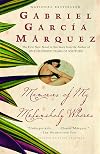
Beauty, obsession, and the uncomfortable gaze of age.
Let me start with honesty: this is the most difficult García Márquez book I've ever reviewed. I love One Hundred Years of Solitude. I admire Love in the Time of Cholera. But this novella left me torn—between its luminous prose and its deeply troubling premise.
What it is: An elderly, unnamed journalist wakes up on his ninetieth birthday and decides to give himself "the gift of a night of wild love with a young virgin." He contacts a show more madam who has supplied him with rented women for decades. She delivers a fourteen-year-old girl, drugged and sleeping. He does not touch her. He watches her sleep. And over the following nights, he falls in love—not with her body, but with the idea of her innocence, her stillness, her otherness. The novel is his reflection on that obsession.
The beautiful (and there is beauty):
1. The prose is vintage Márquez. Every sentence glides. The melancholy, the humor, the aching sense of time passing—it's all there. The old man's voice is wry, self-aware, and often funny. He calls himself a coward who has spent ninety years avoiding real intimacy. The novel's best moments are when he turns the mirror on himself.
2. The theme of late love. Márquez explores something rare: desire at the edge of death. The old man feels reborn. He buys rose-colored glasses. He writes love letters. He becomes, for the first time, vulnerable. That part is genuinely moving.
3. The title. "Memories of My Melancholy Whores" is deliberately jarring. It signals that this is not a romance. It's a confession. And the narrator knows he's pathetic.
The troubling (and you need to know this going in):
1. The girl is asleep. For most of the novella, the fourteen-year-old (referred to only by a number, Delgadina, or "the girl") is drugged or unconscious. Their "relationship" is entirely one-sided. She never consents to anything because she's never awake enough to know what's happening. That is not ambiguous. It's statutory rape framed as tenderness.
2. Márquez romanticizes the power imbalance. The old man calls it love. He writes her letters she never reads. He imagines she returns his feelings. The narrative never seriously condemns him. It invites you to sympathize with a man who buys a sleeping child.
3. It's not meant to be a defense, but it feels like one. I've read critics who argue that Márquez is satirizing the old man's delusion—that we're supposed to see the horror. Maybe. But the prose doesn't read as satire. It reads as elegy. And that's a problem.
Where it succeeds as literature (even so):
Márquez is asking hard questions: Can love exist without physical possession? Is obsession the same as devotion? What happens to desire when the body fails? These are real questions. But the frame he chose to ask them in—a fourteen-year-old sleeping virgin—overwhelms the inquiry.
The ending is quietly devastating. No spoilers, but the old man's final gesture is both selfish and strangely kind. You'll leave the book unsure how to feel. That may be the point.
Who should read this:
Márquez completionists who want to read everything he wrote.
Literary scholars studying late-career themes.
Readers who can separate aesthetic appreciation from moral endorsement (and want to wrestle with that tension).
Who should absolutely skip it:
Anyone triggered by child sexual exploitation or grooming.
Readers who need their fiction to have morally clear boundaries.
People who found Lolita unbearable (this is less complex, more romanticized).
Final verdict: Memories of My Melancholy Whores is a beautifully written novella about an ugly situation. Márquez's prose is as luminous as ever. But the premise is not a thought experiment—it's a seventy-six-year-old author writing a fourteen-year-old girl into a love story with a ninety-year-old man, with minimal criticism. I cannot recommend it without a long pause and a heavy disclaimer.
Four stars. For the prose and the self-awareness of the narrator. But those stars come with a knot in my stomach. show less
Let me start with honesty: this is the most difficult García Márquez book I've ever reviewed. I love One Hundred Years of Solitude. I admire Love in the Time of Cholera. But this novella left me torn—between its luminous prose and its deeply troubling premise.
What it is: An elderly, unnamed journalist wakes up on his ninetieth birthday and decides to give himself "the gift of a night of wild love with a young virgin." He contacts a show more madam who has supplied him with rented women for decades. She delivers a fourteen-year-old girl, drugged and sleeping. He does not touch her. He watches her sleep. And over the following nights, he falls in love—not with her body, but with the idea of her innocence, her stillness, her otherness. The novel is his reflection on that obsession.
The beautiful (and there is beauty):
1. The prose is vintage Márquez. Every sentence glides. The melancholy, the humor, the aching sense of time passing—it's all there. The old man's voice is wry, self-aware, and often funny. He calls himself a coward who has spent ninety years avoiding real intimacy. The novel's best moments are when he turns the mirror on himself.
2. The theme of late love. Márquez explores something rare: desire at the edge of death. The old man feels reborn. He buys rose-colored glasses. He writes love letters. He becomes, for the first time, vulnerable. That part is genuinely moving.
3. The title. "Memories of My Melancholy Whores" is deliberately jarring. It signals that this is not a romance. It's a confession. And the narrator knows he's pathetic.
The troubling (and you need to know this going in):
1. The girl is asleep. For most of the novella, the fourteen-year-old (referred to only by a number, Delgadina, or "the girl") is drugged or unconscious. Their "relationship" is entirely one-sided. She never consents to anything because she's never awake enough to know what's happening. That is not ambiguous. It's statutory rape framed as tenderness.
2. Márquez romanticizes the power imbalance. The old man calls it love. He writes her letters she never reads. He imagines she returns his feelings. The narrative never seriously condemns him. It invites you to sympathize with a man who buys a sleeping child.
3. It's not meant to be a defense, but it feels like one. I've read critics who argue that Márquez is satirizing the old man's delusion—that we're supposed to see the horror. Maybe. But the prose doesn't read as satire. It reads as elegy. And that's a problem.
Where it succeeds as literature (even so):
Márquez is asking hard questions: Can love exist without physical possession? Is obsession the same as devotion? What happens to desire when the body fails? These are real questions. But the frame he chose to ask them in—a fourteen-year-old sleeping virgin—overwhelms the inquiry.
The ending is quietly devastating. No spoilers, but the old man's final gesture is both selfish and strangely kind. You'll leave the book unsure how to feel. That may be the point.
Who should read this:
Márquez completionists who want to read everything he wrote.
Literary scholars studying late-career themes.
Readers who can separate aesthetic appreciation from moral endorsement (and want to wrestle with that tension).
Who should absolutely skip it:
Anyone triggered by child sexual exploitation or grooming.
Readers who need their fiction to have morally clear boundaries.
People who found Lolita unbearable (this is less complex, more romanticized).
Final verdict: Memories of My Melancholy Whores is a beautifully written novella about an ugly situation. Márquez's prose is as luminous as ever. But the premise is not a thought experiment—it's a seventy-six-year-old author writing a fourteen-year-old girl into a love story with a ninety-year-old man, with minimal criticism. I cannot recommend it without a long pause and a heavy disclaimer.
Four stars. For the prose and the self-awareness of the narrator. But those stars come with a knot in my stomach. show less

Love In the Time of Cholera was beautifully written. Marquez does a fantastic job of describing the crumbling grandeur of the fictive Caribbean riverside city in which the novel takes place. He not only allows you to see the city, but to feel what it is to build a life within such anachronism. Each of his main characters essentially lead lives that reflect the noble, regal, decomposing beauty of the city (perhaps region) in which the story takes place, for each dreams of greatness, each has show more intelligence and will enough to lead amazing, impactful lives in the greater world, but each, called by disingenuous nostalgia, return to a home that cradles their large lives in cultural and environmental decay.
The plot forgives, if not glorifies, the twisted logic of Florentino Ariza in the way he conducts his sexual life. Despite apparently being deeply, desperately in love with Fermina, Florentino has hundreds of love affairs in the fifty years the book spans, so many that he fills a small shelf with journals recording the histories of his trysts. He preys on emotionally vulnerable women, and pursues them fervently until he is bored of them, and moves on, though the narration softens and poeticizes this cyclical abandonment.
The driving love-plot of the story is poisonous. Florentino's fifty year obsession with Fermina Daza is painted as love. His insistence on being with her, disrespecting and disregarding the sovereignty of her clear and unwavering rejection of him, is disgusting and enraging, and perhaps even triggering to readers who have experienced similar obsessiveness at the hands of abusive partners. Similarly disgusting and triggering ((TRIGGER AND SPOILER WARNING)) a fourteen year old girl comes to live with Florentino as his ward, and he explicitly describes grooming her to become his sexual plaything. He is conscious of her extreme physical, mental and emotional youth, and in the description of one sexual encounter describes foreplay as playing a childish and silly game to teach her what to do. (I feel nauseous typing this). Like his other lovers, Florentino tosses this child aside when he is done with her, only allowing himself a few moments of remorse at the damage he willingly caused her. show less
The plot forgives, if not glorifies, the twisted logic of Florentino Ariza in the way he conducts his sexual life. Despite apparently being deeply, desperately in love with Fermina, Florentino has hundreds of love affairs in the fifty years the book spans, so many that he fills a small shelf with journals recording the histories of his trysts. He preys on emotionally vulnerable women, and pursues them fervently until he is bored of them, and moves on, though the narration softens and poeticizes this cyclical abandonment.
The driving love-plot of the story is poisonous. Florentino's fifty year obsession with Fermina Daza is painted as love. His insistence on being with her, disrespecting and disregarding the sovereignty of her clear and unwavering rejection of him, is disgusting and enraging, and perhaps even triggering to readers who have experienced similar obsessiveness at the hands of abusive partners. Similarly disgusting and triggering ((TRIGGER AND SPOILER WARNING)) a fourteen year old girl comes to live with Florentino as his ward, and he explicitly describes grooming her to become his sexual plaything. He is conscious of her extreme physical, mental and emotional youth, and in the description of one sexual encounter describes foreplay as playing a childish and silly game to teach her what to do. (I feel nauseous typing this). Like his other lovers, Florentino tosses this child aside when he is done with her, only allowing himself a few moments of remorse at the damage he willingly caused her. show less

Esqueça tudo que o pai tá lendo os 1001 livros no original também e (quase) tirando de letra. De verdade, além de ser motivo de orgulho do meu espanhol aprendido na base da falação e embromação, ler esse livro em espanhol me desperta algumas pequenas reflexões sobre a tradução. Tradução é sempre imperfeita e funciona como uma moldura, e existem obras que consensualmente não tem o mesmo sentido fora de seu original (Finnegan’s Wake), mas quão abrangente é isso? Algo da show more magia é perdido, mas quanto justifica eu jamais ler qualquer outra tradução desde que eu fale a língua original ou ela seja atingível? Acho que vou ter que simplesmente ser bastante arbitrário com isso e beleza.
Gostei tanto desse livro que quis espremer ele inteiro, li cada ensaio do livro até realmente chegar à ausência de algo mais pra ler (até que eu ceda aos impulsos de sair comprando mais livros do Garcia ou coisa do tipo). Cem Anos de Solidão foi meu primeiro contato com Garcia Marquez, literatura colombiana e realismo mágico, e as múltiplas referências literárias contidas nos ensaios formaram um tentador mapa da mina a ser eventualmente seguido, no longínquo dia que eu avançar mais em ter uma estante onde eu li a maioria dos livros. Ler, felizmente, é uma compulsão minha que nada ainda conseguiu tirar, por pior que a era digital tenha tornado meu foco.
Cem anos de solidão é tida por muitos como o suprassumo do realismo mágico latinoamericano, mas não é seu ponto de origem, segundo dizem os grandes sabichões da literatura. Aparentemente, e isso de fato se sente, o que CAS faz é criar um projeto literário acessível, com base em toda essa estrutura latino americana pré existente. De fato, dá pra dizer que as tiragens comprovam que ao contrário do que se diz de certas obras da época, o livro é de fato pronto para ser lido no nível de profundidade que desejar seu leitor. Não requer conhecimentos literários profundos e contato com a teoria da época para com ele se deleitar. Arrisco dizer que é meio que o meu caso, e sempre me assusta pensar que na verdade metade do que eu ler vai ser insuportavelmente arcano porque me falta estudo. Coisa da vida. Não era muito claro para mim o que significa o tal realismo mágico, posto que parece existir uma contradição inerente em juntar magia e realismo. Confesso até que eu achei que realismo mágico era tratar a realidade observada como mágica, um certo deslumbre ou coisa do tipo, e talvez até exista um movimento esquisito nessa onda, mas né nada disso não. Ao menos em CAS, o que ocorre é que temos um universo que é essencialmente realista, extremamente similar ao nosso, com as mesmas referências históricas (sir Francis Drake, guerra civil, etc) mas polvilhado de acontecimentos fantásticos sem que o mundo seja fantasioso e nem que sejam eles o alicerce da novela. Não é trivial delimitar isso, mas na minha cabeça, um livro que se passe na nossa realidade e de repente seja povoado por dragões, e então o tema central do livro seja sei lá, uma guerra com dragões, não seria realismo mágico nem ferrando. Em CAS, os elementos fantásticos são tratados com essa extrema naturalidade, e por vezes despertam até menos fascínio que desenvolvimentos tecnológicos usuais (tipo gelo). Os tapetes voadores trazidos pelos ciganos que chegam em Macondo, a cidade ficcional na qual se centra o livro, são simplesmente parte da ordem do dia. Aqui, GCM diz ter pego emprestado de sua avó essa verve de contar as histórias mais fantásticas sem qualquer menção ao quão maravilhosas elas pareciam, e nisso ele absorve toda a atmosfera folclórica da América Latina para então buscar retratá-la de uma maneira tão verossímil quanto à realidade, não obstante Macondo tenha uma chuva que dura 4 anos, um homem perseguido por borboletas amarelas, mortos que insistem em permanecer vivos, e por aí vai.
Nunca sei se faz sentido resumir para mim mesmo o plot daquilo que acabei de ler como forma de lembrar. Com livros famosíssimos, certamente tudo que eu tenha pra dizer e especialmente resumir já foi escrito inúmeras vezes e com muito mais talento. Ainda assim, um outline: CAS trata da história da família Buendía, começando pelos precursores José Arcadio Buendía e Úrsula Iguarán, primos de primeiro grau. A história da família se entrelaça com a história de Macondo, a remota vila que eles e mais outro punhado de pessoas fundam próximo ao pântano no interior da Colômbia. Começa aí a tal solidão do título do livro. José Arcadio se encanta com as invenções dos ciganos, e em sua solidão, ignora sua família e filhos. Começa aí a sina dos José Arcadio, a repetição de padrões familiares até a eventual extinção dos Buendía. José quer fotografar Deus com o daguerreótipo, se encanta com o gelo, quer ser alquimista, e meio que caga pra criançada porque criança é insuficiente mental. Encantado com o conhecimento dos ciganos, torna-se grande amigo de Melquíades e o traz para morar em sua casa. Obecado com conectar Macondo com o mundo, parte em expedições e acha um galeão espanhol cravejado de plantas no meio da floresta. Seu fim é melancólico, delirando em latim e preso à uma árvore, e mesmo após a morte continua, como muitos, vagando. Ao longo das décadas, Úrsula permanece, impávida, a mulher latino americana típica, que tenta dar ordem ao lar e à família. Generosa, adota os 17 filhos bastardos de Aureliano, seu filho. Expande sua casa, recepciona os forasteiros, e mantém-se alijada das decisões do patriarcado familiar. Vive 120 longos e árduos anos, assistindo filhos sumirem pelo mundo, o signo do incesto permanecer (e por sorte não vê o tão temido rabo de porco que casais incestuosos produziriam, ela só surge no último Buendía). Há um macrocosmo a ser explorado sobre os papéis de gênero que CAS elucida, e não serei eu a construir com 2 mãos o castelo que já existe. Ao longo das décadas, vemos o apogeu e a queda simultânea de Macondo e dos Buendía, o que não poderia ser diferente, posto que estão umbilicalmente ligados.
Macondo se industrializa, cresce, cria fábricas de gelo, modifica seus rios, e se envolve em dois acontecimentos históricos que aí definitivamente estabelecem o objetivo de sintetizar a história latinoamericana moderna em um só livro: a guerra civil liberais x conservadores e a companhia bananeira e seu massacre. As 32 guerras que o Coronel Aureliano Buendía perde acabam sendo vãs tentativas de poder, e explicitam a perversa dinâmica latinoamericana onde os caudilhos que buscavam tomar o poder eram tão cruéis quanto os seus supostos algozes. Arrisco dar uma de sabichão e dizer que a dinâmica de guerras civis em qualquer país que siga as tendo não deve ser muito distinta não. Esse panorama de guerras infindas é literalmente parte da história da Colômbia mesmo, aliás. Quanto à empresa americana que impõe sua lei sobre Macondo, cooptando até um dos Buendía como capataz (que depois vira líder sindical), é óbvio o paralelo com a United Fruit Company. Os gringos chegam em Macondo, dominam tudo, cercam umas áreas, movem o rio, cooptam todo o aparato institucional, e, quando os trabalhadores se revoltam, eles armam uma emboscada, matam 3000 pessoas, desovam os corpos nos mares e reescrevem a história de modo que os macondinos ficam achando que os trabalhadores só foram embora mesmo. E o mais surreal é que o massacre que GCM descreve é quase tintim por tintim o Masacre de las bananeras na Colômbia, em 1928. No livro, é mais um grande tópico sobre a memória. O coronel Aureliano acaba tornando-se só uma memória distante, e há quem creia que seu nome é só o nome de uma rua, enquanto outros creem que ele seja uma figura fantástica criada pelo governo conservador para justificar a matança de liberais. Em Macondo, vemos um mundo bíblico, isolado, com sua própria cosmogonia, e acompanhamos o surgimento e declínio dessa família antediluviana até serem devorados pelas formigas e pela miséria, chafurdando no incesto que tanto lhes perseguiu, enquanto o último Buendía consciente (fora seu filho com rabo de porco) lê os pergaminhos de Melquíades. Estes pergaminhos, há décadas inacessíveis, acabam sendo a própria história trágica dos Buendía, mas não creio serem eles o livro em si.
Acho fundamental reforçar dois temas aqui: a solidão e o elitismo. Os Buendía representam a elite latino americana tradicional, e são claramente autocentrados em sua maioria, cada qual com suas obsessões. O patriarca e suas obsessões, seus filhos com guerras ou amantes, e por aí vai. Esta aí a tal solidão do título em carne e osso, e onde finalmente há uma certa mudança, como no casal Aureliano Segundo e Petra Cotes, que realmente parecem se amar (apesar de Petra ser a amante de Aureliano). Esse amor é tão fecundo que literalmente leva os animais a procriarem como nunca, e inspira-os a festejarem e ajudarem terceiros. Não é uma interpretação tão preto no branco, porque Segundo é também fruto de suas obsessões sexuais e gastronômicas. Alguns interpretam que esse retorno ao amor rola no casal final de tia e sobrinho (tô falando), e que onde o amor parecia significar uma esperança para a reconstrução dos Buendía, traz consigo a praga do rabo de porco e a família, bem como o que resta de Macondo depois da chuva de 4 anos, é apagada por um furacão. Essa onda destrutiva, na interpretação, seria talvez a emergência de uma nova ordem de valores que substituiria a ordem anterior (dá pra meter que à época seria a onda socialista).
É um dos melhores livros que já li, dessas leituras que deviam ser parte da estante de todo mundo, capazes talvez de apaixonar novos leitores. É uma delícia de livro, e me incentiva à retormar de forma mais forte, agora que estou de volta ao Brasil, esse contato (que quase não tive) com a verdade sobre o que é ser da América Latina, desencavar sua cultura rica. Ficam aqui duas citações que achei traduzidas num ensaio e que gosto muito:
“José Arcadio Buendía conversou com Prudêncio Aguilar até o amanhecer. Poucas horas depois, devastado pela vigília, entrou na oficina de Aureliano e perguntou: ‘Que dia é hoje?’ Aureliano respondeu que era terça-feira. ‘É o que eu pensava’, disse José Arcadio Buendía. ‘Mas de repente reparei que continua sendo segunda-feira, como ontem. Olha o céu, olha as paredes, olha as begônias. Hoje também é segunda-feira.’ Acostumado com as suas esquisitices, Aureliano não lhe deu importância. No dia seguinte, quarta-feira, José Arcadio Buendía voltou à oficina. ‘Isto é uma desgraça’, disse. Olha o ar, ouve o zumbido do sol, igualzinho a ontem e anteontem. Hoje também é segunda-feira.”
“A história da família era uma engrenagem de repetições irreparáveis, uma roda giratória que continuaria dando voltas até a eternidade, se não fosse pelo desgaste progressivo e irremediável do eixo.” show less
Gostei tanto desse livro que quis espremer ele inteiro, li cada ensaio do livro até realmente chegar à ausência de algo mais pra ler (até que eu ceda aos impulsos de sair comprando mais livros do Garcia ou coisa do tipo). Cem Anos de Solidão foi meu primeiro contato com Garcia Marquez, literatura colombiana e realismo mágico, e as múltiplas referências literárias contidas nos ensaios formaram um tentador mapa da mina a ser eventualmente seguido, no longínquo dia que eu avançar mais em ter uma estante onde eu li a maioria dos livros. Ler, felizmente, é uma compulsão minha que nada ainda conseguiu tirar, por pior que a era digital tenha tornado meu foco.
Cem anos de solidão é tida por muitos como o suprassumo do realismo mágico latinoamericano, mas não é seu ponto de origem, segundo dizem os grandes sabichões da literatura. Aparentemente, e isso de fato se sente, o que CAS faz é criar um projeto literário acessível, com base em toda essa estrutura latino americana pré existente. De fato, dá pra dizer que as tiragens comprovam que ao contrário do que se diz de certas obras da época, o livro é de fato pronto para ser lido no nível de profundidade que desejar seu leitor. Não requer conhecimentos literários profundos e contato com a teoria da época para com ele se deleitar. Arrisco dizer que é meio que o meu caso, e sempre me assusta pensar que na verdade metade do que eu ler vai ser insuportavelmente arcano porque me falta estudo. Coisa da vida. Não era muito claro para mim o que significa o tal realismo mágico, posto que parece existir uma contradição inerente em juntar magia e realismo. Confesso até que eu achei que realismo mágico era tratar a realidade observada como mágica, um certo deslumbre ou coisa do tipo, e talvez até exista um movimento esquisito nessa onda, mas né nada disso não. Ao menos em CAS, o que ocorre é que temos um universo que é essencialmente realista, extremamente similar ao nosso, com as mesmas referências históricas (sir Francis Drake, guerra civil, etc) mas polvilhado de acontecimentos fantásticos sem que o mundo seja fantasioso e nem que sejam eles o alicerce da novela. Não é trivial delimitar isso, mas na minha cabeça, um livro que se passe na nossa realidade e de repente seja povoado por dragões, e então o tema central do livro seja sei lá, uma guerra com dragões, não seria realismo mágico nem ferrando. Em CAS, os elementos fantásticos são tratados com essa extrema naturalidade, e por vezes despertam até menos fascínio que desenvolvimentos tecnológicos usuais (tipo gelo). Os tapetes voadores trazidos pelos ciganos que chegam em Macondo, a cidade ficcional na qual se centra o livro, são simplesmente parte da ordem do dia. Aqui, GCM diz ter pego emprestado de sua avó essa verve de contar as histórias mais fantásticas sem qualquer menção ao quão maravilhosas elas pareciam, e nisso ele absorve toda a atmosfera folclórica da América Latina para então buscar retratá-la de uma maneira tão verossímil quanto à realidade, não obstante Macondo tenha uma chuva que dura 4 anos, um homem perseguido por borboletas amarelas, mortos que insistem em permanecer vivos, e por aí vai.
Nunca sei se faz sentido resumir para mim mesmo o plot daquilo que acabei de ler como forma de lembrar. Com livros famosíssimos, certamente tudo que eu tenha pra dizer e especialmente resumir já foi escrito inúmeras vezes e com muito mais talento. Ainda assim, um outline: CAS trata da história da família Buendía, começando pelos precursores José Arcadio Buendía e Úrsula Iguarán, primos de primeiro grau. A história da família se entrelaça com a história de Macondo, a remota vila que eles e mais outro punhado de pessoas fundam próximo ao pântano no interior da Colômbia. Começa aí a tal solidão do título do livro. José Arcadio se encanta com as invenções dos ciganos, e em sua solidão, ignora sua família e filhos. Começa aí a sina dos José Arcadio, a repetição de padrões familiares até a eventual extinção dos Buendía. José quer fotografar Deus com o daguerreótipo, se encanta com o gelo, quer ser alquimista, e meio que caga pra criançada porque criança é insuficiente mental. Encantado com o conhecimento dos ciganos, torna-se grande amigo de Melquíades e o traz para morar em sua casa. Obecado com conectar Macondo com o mundo, parte em expedições e acha um galeão espanhol cravejado de plantas no meio da floresta. Seu fim é melancólico, delirando em latim e preso à uma árvore, e mesmo após a morte continua, como muitos, vagando. Ao longo das décadas, Úrsula permanece, impávida, a mulher latino americana típica, que tenta dar ordem ao lar e à família. Generosa, adota os 17 filhos bastardos de Aureliano, seu filho. Expande sua casa, recepciona os forasteiros, e mantém-se alijada das decisões do patriarcado familiar. Vive 120 longos e árduos anos, assistindo filhos sumirem pelo mundo, o signo do incesto permanecer (e por sorte não vê o tão temido rabo de porco que casais incestuosos produziriam, ela só surge no último Buendía). Há um macrocosmo a ser explorado sobre os papéis de gênero que CAS elucida, e não serei eu a construir com 2 mãos o castelo que já existe. Ao longo das décadas, vemos o apogeu e a queda simultânea de Macondo e dos Buendía, o que não poderia ser diferente, posto que estão umbilicalmente ligados.
Macondo se industrializa, cresce, cria fábricas de gelo, modifica seus rios, e se envolve em dois acontecimentos históricos que aí definitivamente estabelecem o objetivo de sintetizar a história latinoamericana moderna em um só livro: a guerra civil liberais x conservadores e a companhia bananeira e seu massacre. As 32 guerras que o Coronel Aureliano Buendía perde acabam sendo vãs tentativas de poder, e explicitam a perversa dinâmica latinoamericana onde os caudilhos que buscavam tomar o poder eram tão cruéis quanto os seus supostos algozes. Arrisco dar uma de sabichão e dizer que a dinâmica de guerras civis em qualquer país que siga as tendo não deve ser muito distinta não. Esse panorama de guerras infindas é literalmente parte da história da Colômbia mesmo, aliás. Quanto à empresa americana que impõe sua lei sobre Macondo, cooptando até um dos Buendía como capataz (que depois vira líder sindical), é óbvio o paralelo com a United Fruit Company. Os gringos chegam em Macondo, dominam tudo, cercam umas áreas, movem o rio, cooptam todo o aparato institucional, e, quando os trabalhadores se revoltam, eles armam uma emboscada, matam 3000 pessoas, desovam os corpos nos mares e reescrevem a história de modo que os macondinos ficam achando que os trabalhadores só foram embora mesmo. E o mais surreal é que o massacre que GCM descreve é quase tintim por tintim o Masacre de las bananeras na Colômbia, em 1928. No livro, é mais um grande tópico sobre a memória. O coronel Aureliano acaba tornando-se só uma memória distante, e há quem creia que seu nome é só o nome de uma rua, enquanto outros creem que ele seja uma figura fantástica criada pelo governo conservador para justificar a matança de liberais. Em Macondo, vemos um mundo bíblico, isolado, com sua própria cosmogonia, e acompanhamos o surgimento e declínio dessa família antediluviana até serem devorados pelas formigas e pela miséria, chafurdando no incesto que tanto lhes perseguiu, enquanto o último Buendía consciente (fora seu filho com rabo de porco) lê os pergaminhos de Melquíades. Estes pergaminhos, há décadas inacessíveis, acabam sendo a própria história trágica dos Buendía, mas não creio serem eles o livro em si.
Acho fundamental reforçar dois temas aqui: a solidão e o elitismo. Os Buendía representam a elite latino americana tradicional, e são claramente autocentrados em sua maioria, cada qual com suas obsessões. O patriarca e suas obsessões, seus filhos com guerras ou amantes, e por aí vai. Esta aí a tal solidão do título em carne e osso, e onde finalmente há uma certa mudança, como no casal Aureliano Segundo e Petra Cotes, que realmente parecem se amar (apesar de Petra ser a amante de Aureliano). Esse amor é tão fecundo que literalmente leva os animais a procriarem como nunca, e inspira-os a festejarem e ajudarem terceiros. Não é uma interpretação tão preto no branco, porque Segundo é também fruto de suas obsessões sexuais e gastronômicas. Alguns interpretam que esse retorno ao amor rola no casal final de tia e sobrinho (tô falando), e que onde o amor parecia significar uma esperança para a reconstrução dos Buendía, traz consigo a praga do rabo de porco e a família, bem como o que resta de Macondo depois da chuva de 4 anos, é apagada por um furacão. Essa onda destrutiva, na interpretação, seria talvez a emergência de uma nova ordem de valores que substituiria a ordem anterior (dá pra meter que à época seria a onda socialista).
É um dos melhores livros que já li, dessas leituras que deviam ser parte da estante de todo mundo, capazes talvez de apaixonar novos leitores. É uma delícia de livro, e me incentiva à retormar de forma mais forte, agora que estou de volta ao Brasil, esse contato (que quase não tive) com a verdade sobre o que é ser da América Latina, desencavar sua cultura rica. Ficam aqui duas citações que achei traduzidas num ensaio e que gosto muito:
“José Arcadio Buendía conversou com Prudêncio Aguilar até o amanhecer. Poucas horas depois, devastado pela vigília, entrou na oficina de Aureliano e perguntou: ‘Que dia é hoje?’ Aureliano respondeu que era terça-feira. ‘É o que eu pensava’, disse José Arcadio Buendía. ‘Mas de repente reparei que continua sendo segunda-feira, como ontem. Olha o céu, olha as paredes, olha as begônias. Hoje também é segunda-feira.’ Acostumado com as suas esquisitices, Aureliano não lhe deu importância. No dia seguinte, quarta-feira, José Arcadio Buendía voltou à oficina. ‘Isto é uma desgraça’, disse. Olha o ar, ouve o zumbido do sol, igualzinho a ontem e anteontem. Hoje também é segunda-feira.”
“A história da família era uma engrenagem de repetições irreparáveis, uma roda giratória que continuaria dando voltas até a eternidade, se não fosse pelo desgaste progressivo e irremediável do eixo.” show less

A late novella by the Colombian Nobelist, playing around with ideas about old age, love and loneliness whilst doing his best to shock his readers and stir up a bit of controversy.
The narrator, a veteran journalist who has been running away from love all his life, decides to treat himself on his ninetieth birthday to a night of pleasure with an underage prostitute. It doesn’t quite work out like that — the girl has been sedated to calm her nerves and he finds her fast asleep and show more doesn’t have the heart to wake her, so they do nothing more than sleep in the same bed — but there is something about the experience that makes him want to repeat it, and he soon becomes obsessed with the girl and convinces himself that it is love, even though they have never both been awake at the same time during any of their encounters and he knows almost nothing about her, least of all her name. So we know it’s all nonsense and delusion, that he is being tricked just as much as the girl is being exploited, but GGM writes it in such a captivating way that we can’t help being drawn in to sympathise (at least a little bit) with the would-be child sex abuser. Disturbing. show less
The narrator, a veteran journalist who has been running away from love all his life, decides to treat himself on his ninetieth birthday to a night of pleasure with an underage prostitute. It doesn’t quite work out like that — the girl has been sedated to calm her nerves and he finds her fast asleep and show more doesn’t have the heart to wake her, so they do nothing more than sleep in the same bed — but there is something about the experience that makes him want to repeat it, and he soon becomes obsessed with the girl and convinces himself that it is love, even though they have never both been awake at the same time during any of their encounters and he knows almost nothing about her, least of all her name. So we know it’s all nonsense and delusion, that he is being tricked just as much as the girl is being exploited, but GGM writes it in such a captivating way that we can’t help being drawn in to sympathise (at least a little bit) with the would-be child sex abuser. Disturbing. show less
Lists
Folio Society (1)
Para comprar (1)
Emily's Reviews (1)
Magical Realism (1)
Five star books (1)
Sleeplessness (1)
top 100 (1)
Obama Reads (1)
Metafiction (1)
Read This Next (1)
100 New Classics (1)
Books with Twins (1)
Reiny (1)
Coming of Age (1)
Sense of place (1)
Must read (1)
AP Lit (1)
Elaina's (1)
1970s (1)
100 (1)
A Novel Cure (2)
Overdue Podcast (2)
Gen X Library (2)
BBC Big Read (2)
BBC Big Read (2)
. (2)
Phoebe Bridgers (2)
1980s (2)
Magic Realism (6)
Unread books (5)
Latin America (4)
Favourite Books (3)
bound (1)
100 knjiga (1)
Reading Globally (1)
Read (1)
Elegant Prose (1)
hopes (1)
readingList (1)
Allie's Wishlist (1)
First Novels (1)
Jim's Bookshelf (1)
Evan's Wish List (1)
storage (1)
Book wishlist (1)
Latin America (2)
To get (2)
. (2)
Shaking a Leg (2)
Florida (2)
Read (1)
Best First Lines (1)
BitLife (1)
Short and Sweet (1)
Awards


You May Also Like


Associated Authors
Statistics
- Works
- 388
- Also by
- 88
- Members
- 147,115
- Popularity
- #42
- Rating
- 4.0
- Reviews
- 2,253
- ISBNs
- 2,922
- Languages
- 50
- Favorited
- 680


