annamorphic's reads, with commentary
This topic was continued by annamorphic's reads, with even more commentary.
Talk 1001 Books to read before you die
Join LibraryThing to post.
This topic is currently marked as "dormant"—the last message is more than 90 days old. You can revive it by posting a reply.
1annamorphic
Finally, having passed the 200 mark, I dare to post my progress on the list!
I am counting everything from all editions, since there are definitely also books in all editions that I will never read. Compiling this list has made me realize that almost all my pre-20th-century reading was done in highschool, or in a few cases in college. I think that I should go back and read some more 19th-century novels, though they are so time-consuming.
I will put ratings on books that I read recently enough to remember well. As I read more, I will post comments here.
Pre-1800
1. Aesop’s Fables
2. Ovid, Metamorphoses
3. Rabelais, Gargantua and Pantagruel
4. Aphra Behn, Oroonoko
5. Daniel Defoe, Robinson Crusoe
6. Daniel Defoe, Moll Flanders
7. Daniel Defoe, Roxana (I had a big Defoe kick in high school!)
8. Henry Fielding, Joseph Andrews
9. Samuel Richardson, Pamela
10. Samuel Richardson, Clarissa (also a Richardson thing in high school)
11. Henry Fielding, Tom Jones
12. Voltaire, Candide (clearly my high school years were spent in the 18th century)
13. Rousseau, Julie
14. Rousseau, Émile
15. Laurence Sterne, Tristram Shandy
(all of these were read in highschool, except for Rabelais and Behn which I read in grad school)
I am counting everything from all editions, since there are definitely also books in all editions that I will never read. Compiling this list has made me realize that almost all my pre-20th-century reading was done in highschool, or in a few cases in college. I think that I should go back and read some more 19th-century novels, though they are so time-consuming.
I will put ratings on books that I read recently enough to remember well. As I read more, I will post comments here.
Pre-1800
1. Aesop’s Fables
2. Ovid, Metamorphoses
3. Rabelais, Gargantua and Pantagruel
4. Aphra Behn, Oroonoko
5. Daniel Defoe, Robinson Crusoe
6. Daniel Defoe, Moll Flanders
7. Daniel Defoe, Roxana (I had a big Defoe kick in high school!)
8. Henry Fielding, Joseph Andrews
9. Samuel Richardson, Pamela
10. Samuel Richardson, Clarissa (also a Richardson thing in high school)
11. Henry Fielding, Tom Jones
12. Voltaire, Candide (clearly my high school years were spent in the 18th century)
13. Rousseau, Julie
14. Rousseau, Émile
15. Laurence Sterne, Tristram Shandy
(all of these were read in highschool, except for Rabelais and Behn which I read in grad school)
2annamorphic
1800-1849
16. Jane Austen, Sense and Sensibility
17. Jane Austen, Pride and Prejudice
18. Jane Austen, Mansfield Park
19. Jane Austen, Emma
20. Jane Austen, Persuasion
21. Mary Shelley, Frankenstein ****
22. Stendhal, The Red and the Black
23. Honore de Balzac, Eugenie Grandet
24. Charles Dickens, Oliver Twist
25. Edgar Allan Poe, The Fall of the House of Usher
26. Stendhal, The Charterhouse of Parma
27. Charles Dickens, A Christmas Carol
28. Edgar Allan Poe, The Pit and the Pendulum
29. Edgar Allan Poe, The Purloined Letter
30. Alexandre Dumas, The Three Musketeers
31. William Makepeace Thackeray, Vanity Fair
32. Charlotte Bronte, Jane Eyre
33. Emily Bronte, Wuthering Heights
(most of these were read in highschool or college)
16. Jane Austen, Sense and Sensibility
17. Jane Austen, Pride and Prejudice
18. Jane Austen, Mansfield Park
19. Jane Austen, Emma
20. Jane Austen, Persuasion
21. Mary Shelley, Frankenstein ****
22. Stendhal, The Red and the Black
23. Honore de Balzac, Eugenie Grandet
24. Charles Dickens, Oliver Twist
25. Edgar Allan Poe, The Fall of the House of Usher
26. Stendhal, The Charterhouse of Parma
27. Charles Dickens, A Christmas Carol
28. Edgar Allan Poe, The Pit and the Pendulum
29. Edgar Allan Poe, The Purloined Letter
30. Alexandre Dumas, The Three Musketeers
31. William Makepeace Thackeray, Vanity Fair
32. Charlotte Bronte, Jane Eyre
33. Emily Bronte, Wuthering Heights
(most of these were read in highschool or college)
3annamorphic
1850-1899
34. Charles Dickens, David Copperfield
35. Nathaniel Hawthorne, The Scarlet Letter
36. Herman Melville, Moby-Dick
37. Nathaniel Hawthorne, The House of Seven Gables
38. Charlotte Bronte, Vilette ****
39. Charles Dickens, Hard Times ****
40. Charles Dickens, A Tale of Two Cities
41. Multatuli, Max Havelaar ***
42. Wilkie Collins, The Woman in White ***
43. Charles Dickens, Great Expectations
44. George Eliot, Silas Marner
45. Lewis Carroll, Alice’s Adventures in Wonderland
46. Fyodor Dostoevsky, Crime and Punishment
47. Emile Zola, Thérèse Raquin
48. Louisa May Alcott, Little Women
49. Wilkie Collins, The Moonstone ****
50. Fyodor Dostoevsky, The Idiot
51. Anthony Trollope, Phineas Finn ** (ugh)
52. Leo Tolstoy, War and Peace *****
53. Lewis Carroll, Through the Looking Glass
54. George Eliot, Daniel Deronda ****
55. Leo Tolstoy, Anna Karenina
56. Thomas Hardy, The Return of the Native
57. Fyodor Dostoevsky, The Brothers Karamazov
58. Henry James, The Portrait of a Lady *****
59. Mark Twain, The Adventures of Huckleberry Finn
60. Rider Haggard, King Solomon’s Mines
61. Thomas Hardy, The Mayor of Casterbridge ***
62. Oscar Wilde, The Picture of Dorian Gray
63. Sir Arthur Conan Doyle, The Adventures of Sherlock Holmes
64. H.G. Wells, The Time Machine
65. Henry James, What Maisie Knew
66. H.G. Wells, The War of the Worlds
67. Henry James, The Turn of the Screw
This is an area where I'm still reading. Some prolific authors in this period--I have much more Eliot, Hardy, and Dickens to read. Wilkie Collins was a late discovery--love him, in an odd way.On the other hand, Trollope has really defeated me, and I will never read another, I'm afraid. There are still many books from this period that I read in highschool.
34. Charles Dickens, David Copperfield
35. Nathaniel Hawthorne, The Scarlet Letter
36. Herman Melville, Moby-Dick
37. Nathaniel Hawthorne, The House of Seven Gables
38. Charlotte Bronte, Vilette ****
39. Charles Dickens, Hard Times ****
40. Charles Dickens, A Tale of Two Cities
41. Multatuli, Max Havelaar ***
42. Wilkie Collins, The Woman in White ***
43. Charles Dickens, Great Expectations
44. George Eliot, Silas Marner
45. Lewis Carroll, Alice’s Adventures in Wonderland
46. Fyodor Dostoevsky, Crime and Punishment
47. Emile Zola, Thérèse Raquin
48. Louisa May Alcott, Little Women
49. Wilkie Collins, The Moonstone ****
50. Fyodor Dostoevsky, The Idiot
51. Anthony Trollope, Phineas Finn ** (ugh)
52. Leo Tolstoy, War and Peace *****
53. Lewis Carroll, Through the Looking Glass
54. George Eliot, Daniel Deronda ****
55. Leo Tolstoy, Anna Karenina
56. Thomas Hardy, The Return of the Native
57. Fyodor Dostoevsky, The Brothers Karamazov
58. Henry James, The Portrait of a Lady *****
59. Mark Twain, The Adventures of Huckleberry Finn
60. Rider Haggard, King Solomon’s Mines
61. Thomas Hardy, The Mayor of Casterbridge ***
62. Oscar Wilde, The Picture of Dorian Gray
63. Sir Arthur Conan Doyle, The Adventures of Sherlock Holmes
64. H.G. Wells, The Time Machine
65. Henry James, What Maisie Knew
66. H.G. Wells, The War of the Worlds
67. Henry James, The Turn of the Screw
This is an area where I'm still reading. Some prolific authors in this period--I have much more Eliot, Hardy, and Dickens to read. Wilkie Collins was a late discovery--love him, in an odd way.On the other hand, Trollope has really defeated me, and I will never read another, I'm afraid. There are still many books from this period that I read in highschool.
4annamorphic
1900-1919
68. Theodore Dreiser, Sister Carrie
69. Sir Arthur Conan Doyle, The Hound of the Baskervilles ***
70. Joseph Conrad, Heart of Darkness
71. Henry James, The Golden Bowl
72. E.M. Forster, A Room with a View
73. E.M. Forster, Howard’s End
74. Edith Wharton, Ethan Frome
75. D.H. Lawrence, Sons and Lovers
76. W. Somerset Maugham, Of Human Bondage
77. James Joyce, A Portrait of the Artist as a Young Man
This seems to be another period where I need more work! I’m not such a big fan of some of this period’s big writers–Wharton, Lawrence, Conrad, Jack London.
68. Theodore Dreiser, Sister Carrie
69. Sir Arthur Conan Doyle, The Hound of the Baskervilles ***
70. Joseph Conrad, Heart of Darkness
71. Henry James, The Golden Bowl
72. E.M. Forster, A Room with a View
73. E.M. Forster, Howard’s End
74. Edith Wharton, Ethan Frome
75. D.H. Lawrence, Sons and Lovers
76. W. Somerset Maugham, Of Human Bondage
77. James Joyce, A Portrait of the Artist as a Young Man
This seems to be another period where I need more work! I’m not such a big fan of some of this period’s big writers–Wharton, Lawrence, Conrad, Jack London.
5annamorphic
1920-1939
78. Sinclair Lewis, Main Street
79. Sinclair Lewis, Babbit
80. Aldous Huxley, Antic Hay
81. E.M. Forster, A Passage to India
92. Herman Melville, Billy Budd, Foretopman
93. F. Scott Fitzgerald, The Great Gatsby
94. Agatha Christie, The Murder of Roger Ackroyd
95. Ernest Hemingway, The Sun Also Rises
96. Henry Williamson, Tarka the Otter
97. Virginia Woolf, To The Lighthouse
98. Marcel Proust, Remembrance of Things Past
99. Evelyn Waugh, Decline and Fall
100. Radclyffe Hall, The Well of Loneliness ** (a curiosity)
101. Virginia Woolf, Orlando
102. William Faulkner, The Sound and the Fury
103. Ernest Hemingway, A Farewell to Arms
104. Dashiell Hammett, The Maltese Falcon
105. Evelyn Waugh, Vile Bodies
106. W. Somerset Maugham, Cakes and Ale (loved this)
107. Dashiell Hammett, The Thin Man **** (surprisingly engrossing as a period piece)
108. Stella Gibbons, Cold Comfort Farm ****
109. Aldous Huxley, Brave New World
110. Dorothy L. Sayers, Murder Must Advertise ***** (her best)
111. Nathanael West, Miss Lonelyhearts
112. Henry Roth, Call it Sleep *****
113. P.G. Wodehouse, Thank You Jeeves
114. F. Scott Fitzgerald, Tender is the Night
115. Dorothy L. Sayers, The Nine Tailors ***** (fantastic)
116. Elizabeth Bowen, The House in Paris
117. George Orwell, Keep the Aspidistra Flying
118. Ernest Hemingway, To Have and Have Not
119. J.R.R. Tolkein, The Hobbit
120. Zora Neale Hurston, Their Eyes Were Watching God
121. John Steinbeck, Of Mice and Men
122. Graham Greene, Brighton Rock ****
123. Jean-Paul Sartre, Nausea
124. Winifred Wilson, Miss Pettigrew Lives for a Day *** (much better than the film)
125. George Orwell, Coming Up for Air
126. Flann O’Brien, At Swm-Two-Birds *** (not his greatest work)
127. John Steinbeck, The Grapes of Wrath
128. Henry Green, Party Going
Obviously, this is my favorite period. There are a lot more books in here that I want to read. I have only ranked ones I read recently or remember extremely well, but many others in this bunch are very good reads.
78. Sinclair Lewis, Main Street
79. Sinclair Lewis, Babbit
80. Aldous Huxley, Antic Hay
81. E.M. Forster, A Passage to India
92. Herman Melville, Billy Budd, Foretopman
93. F. Scott Fitzgerald, The Great Gatsby
94. Agatha Christie, The Murder of Roger Ackroyd
95. Ernest Hemingway, The Sun Also Rises
96. Henry Williamson, Tarka the Otter
97. Virginia Woolf, To The Lighthouse
98. Marcel Proust, Remembrance of Things Past
99. Evelyn Waugh, Decline and Fall
100. Radclyffe Hall, The Well of Loneliness ** (a curiosity)
101. Virginia Woolf, Orlando
102. William Faulkner, The Sound and the Fury
103. Ernest Hemingway, A Farewell to Arms
104. Dashiell Hammett, The Maltese Falcon
105. Evelyn Waugh, Vile Bodies
106. W. Somerset Maugham, Cakes and Ale (loved this)
107. Dashiell Hammett, The Thin Man **** (surprisingly engrossing as a period piece)
108. Stella Gibbons, Cold Comfort Farm ****
109. Aldous Huxley, Brave New World
110. Dorothy L. Sayers, Murder Must Advertise ***** (her best)
111. Nathanael West, Miss Lonelyhearts
112. Henry Roth, Call it Sleep *****
113. P.G. Wodehouse, Thank You Jeeves
114. F. Scott Fitzgerald, Tender is the Night
115. Dorothy L. Sayers, The Nine Tailors ***** (fantastic)
116. Elizabeth Bowen, The House in Paris
117. George Orwell, Keep the Aspidistra Flying
118. Ernest Hemingway, To Have and Have Not
119. J.R.R. Tolkein, The Hobbit
120. Zora Neale Hurston, Their Eyes Were Watching God
121. John Steinbeck, Of Mice and Men
122. Graham Greene, Brighton Rock ****
123. Jean-Paul Sartre, Nausea
124. Winifred Wilson, Miss Pettigrew Lives for a Day *** (much better than the film)
125. George Orwell, Coming Up for Air
126. Flann O’Brien, At Swm-Two-Birds *** (not his greatest work)
127. John Steinbeck, The Grapes of Wrath
128. Henry Green, Party Going
Obviously, this is my favorite period. There are a lot more books in here that I want to read. I have only ranked ones I read recently or remember extremely well, but many others in this bunch are very good reads.
6annamorphic
1940-1959
129. Richard Wright, Native Son
130. Ernest Hemingway, For Whom the Bell Tolls
131. Christina Stead, The Man Who Loved Children ***** (2008 list. Seared in my memory–wow)
132. Flann O’Brien, The Poor Mouth ** (How can they have this and not The Dalkey Archive?)
133. Antoine de Saint-Exupery, The Little Prince * (read long ago but hated it)
134. Henry Green, Loving
135. Nancy Mitford, The Pursuit of Love *** (delightful; also I’m just a Mitford groupie)
136. George Orwell, Animal Farm
137. Evelyn Waugh, Brideshead Revisited
138. Alan Paton, Cry, the Beloved Country ***** (brilliant, illuminating)
139. George Orwell, Nineteen Eighty-Four
140. Nancy Mitford, Love in a Cold Climate ****
141. Simon Vestdijk, The Garden Where the Brass Band Played
142. James Thurber, The Thirteen Clocks
143. J.D. Salinger, The Catcher in the Rye
144. John Wyndham, Day of the Triffids *** (love Wyndham, this is a good one)
145. Ernest Hemingway, The Old Man and the Sea
146. Barbara Pym, Excellent Women (2008 list)
147. Ralph Ellison, Invisible Man
148. Kingsley Amis, Lucky Jim
149. L.P. Hartley, The Go-Between **** (great first line followed by wonderful book)
150. William Golding, Lord of the Flies
151. Pauline Réage, The Story of O
152. Vladimir Nabakov, Lolita
153. J.R.R. Tolkein, The Lord of the Rings
154. James Thurber, The Wonderful “O” *** (don’t get why it’s on list but a delightful story)
155. Vladmir Nabakov, Pnin * (disliked this academic farce intensely)
156. John Wyndham, The Midwich Cuckoos ***
157. T.H. White, The Once and Future King
158. Muriel Spark,Memento Mori *** (as enjoyable as a book about old age could be. Sharp)
129. Richard Wright, Native Son
130. Ernest Hemingway, For Whom the Bell Tolls
131. Christina Stead, The Man Who Loved Children ***** (2008 list. Seared in my memory–wow)
132. Flann O’Brien, The Poor Mouth ** (How can they have this and not The Dalkey Archive?)
133. Antoine de Saint-Exupery, The Little Prince * (read long ago but hated it)
134. Henry Green, Loving
135. Nancy Mitford, The Pursuit of Love *** (delightful; also I’m just a Mitford groupie)
136. George Orwell, Animal Farm
137. Evelyn Waugh, Brideshead Revisited
138. Alan Paton, Cry, the Beloved Country ***** (brilliant, illuminating)
139. George Orwell, Nineteen Eighty-Four
140. Nancy Mitford, Love in a Cold Climate ****
141. Simon Vestdijk, The Garden Where the Brass Band Played
142. James Thurber, The Thirteen Clocks
143. J.D. Salinger, The Catcher in the Rye
144. John Wyndham, Day of the Triffids *** (love Wyndham, this is a good one)
145. Ernest Hemingway, The Old Man and the Sea
146. Barbara Pym, Excellent Women (2008 list)
147. Ralph Ellison, Invisible Man
148. Kingsley Amis, Lucky Jim
149. L.P. Hartley, The Go-Between **** (great first line followed by wonderful book)
150. William Golding, Lord of the Flies
151. Pauline Réage, The Story of O
152. Vladimir Nabakov, Lolita
153. J.R.R. Tolkein, The Lord of the Rings
154. James Thurber, The Wonderful “O” *** (don’t get why it’s on list but a delightful story)
155. Vladmir Nabakov, Pnin * (disliked this academic farce intensely)
156. John Wyndham, The Midwich Cuckoos ***
157. T.H. White, The Once and Future King
158. Muriel Spark,Memento Mori *** (as enjoyable as a book about old age could be. Sharp)
8tjblue
Wow! Kudos to you! I recently found this group! I looked through the 2006 version and discovered I've only read about 15 of the books listed. 5 of them I've read in the last few months. Keep Up the good work!
9annamorphic
1960-1979
159. Harper Lee, To Kill a Mockingbird ***** (wow. Now I understand why all the fuss)
160. Edna O’Brien, The Country Girls
161. Muriel Spark, The Prime of Miss Jean Brodie ***** (read and re-read. Wonderful.)
162. Günter Grass, Cat and Mouse ****
163. J.D. Salinger, Franny and Zooey
164. John Fowles, The Collector ** (a really creepy book)
165. Alexander Solzhenitsyn, One Day in the Life of Ivan Denisovich **** (powerful)
166. Sylvia Plath, The Bell Jar *** (Captures society’s malaise while exploring that of an individual)
167. John Le Carre, The Spy Who Came In From the Cold ** (I get why it's good, but not at all my kind of book)
168. Edna O’Brien, August is a Wicked Month * (just hated it)
169. Ngugi wa Thiong’o, The River Between ***
170. Jean Rhys, Wide Sargasso Sea **** (prequel to Jane Eyre but very different, unexpected)
171. Flann O’Brien, The Third Policeman ***** (brilliant, weird, his best)
172. John Wyndham, Chocky ** (I never liked this as much as his other books)
173. Barry Hines, A Kestrel for a Knave ** (incredibly depressing yet also predictable)
174. Elizabeth Bowen, Eva Trout
175. John Fowles, The French Lieutenant’s Woman ****
176. Maya Angelou, I Know Why the Caged Bird Sings
177. Robertson Davies, Fifth Business ****
178. V.S. Naipaul, In a Free State *** (stories very uneven, but definitely thought-provoking)
179. J.G. Farrell, The Siege of Krishnapur **** (at once very funny, deeply critical, and dramatic)
180. Heinrich Böll, The Lost Honor of Katharina Blum *** (Enjoyable, not earth-shaking)
181. Imre Kertesz, Fateless **** (eerily fantastic, not your normal concentration camp story)
182. Anthony Powell, A Dance to the Music of Time ***** (very, very long but I couldn’t wait for each new section to begin)
183. Christa Wolf, Patterns of Childhood ***** (Auto-biography that questions self-hood. Stunning, thought-provoking. Masterpiece.)
184. Toni Morrison, Song of Solomon *** (evocative, some wonderful writing, heavy)
185. Barbara Pym, Quartet in Autumn (2008 edition)
186. A.S. Byatt, The Virgin in the Garden ** (less awful than its sequels but arch and unlikable, even to this Anglophile Elizabethanist )
187. Douglas Adams, Hitchhikers’ Guide to the Galaxy ** (some great one-liners but mostly just silly)
159. Harper Lee, To Kill a Mockingbird ***** (wow. Now I understand why all the fuss)
160. Edna O’Brien, The Country Girls
161. Muriel Spark, The Prime of Miss Jean Brodie ***** (read and re-read. Wonderful.)
162. Günter Grass, Cat and Mouse ****
163. J.D. Salinger, Franny and Zooey
164. John Fowles, The Collector ** (a really creepy book)
165. Alexander Solzhenitsyn, One Day in the Life of Ivan Denisovich **** (powerful)
166. Sylvia Plath, The Bell Jar *** (Captures society’s malaise while exploring that of an individual)
167. John Le Carre, The Spy Who Came In From the Cold ** (I get why it's good, but not at all my kind of book)
168. Edna O’Brien, August is a Wicked Month * (just hated it)
169. Ngugi wa Thiong’o, The River Between ***
170. Jean Rhys, Wide Sargasso Sea **** (prequel to Jane Eyre but very different, unexpected)
171. Flann O’Brien, The Third Policeman ***** (brilliant, weird, his best)
172. John Wyndham, Chocky ** (I never liked this as much as his other books)
173. Barry Hines, A Kestrel for a Knave ** (incredibly depressing yet also predictable)
174. Elizabeth Bowen, Eva Trout
175. John Fowles, The French Lieutenant’s Woman ****
176. Maya Angelou, I Know Why the Caged Bird Sings
177. Robertson Davies, Fifth Business ****
178. V.S. Naipaul, In a Free State *** (stories very uneven, but definitely thought-provoking)
179. J.G. Farrell, The Siege of Krishnapur **** (at once very funny, deeply critical, and dramatic)
180. Heinrich Böll, The Lost Honor of Katharina Blum *** (Enjoyable, not earth-shaking)
181. Imre Kertesz, Fateless **** (eerily fantastic, not your normal concentration camp story)
182. Anthony Powell, A Dance to the Music of Time ***** (very, very long but I couldn’t wait for each new section to begin)
183. Christa Wolf, Patterns of Childhood ***** (Auto-biography that questions self-hood. Stunning, thought-provoking. Masterpiece.)
184. Toni Morrison, Song of Solomon *** (evocative, some wonderful writing, heavy)
185. Barbara Pym, Quartet in Autumn (2008 edition)
186. A.S. Byatt, The Virgin in the Garden ** (less awful than its sequels but arch and unlikable, even to this Anglophile Elizabethanist )
187. Douglas Adams, Hitchhikers’ Guide to the Galaxy ** (some great one-liners but mostly just silly)
10annamorphic
The number of rankings I gave to books in the 1960s and 70s is a reflection of how many I read in the past 2 months just in order to have a respectable number in this time period! The biggest surprise was all the German and eastern European literature, most of it finding ways to come to terms with World War II or with the horrors of the USSR. Meanwhile, American and British literature was largely moving along into completely different territories. I thought that while history may be written by the victors in a struggle, great literature is clearly written by the losers.
Now I am working on my 1980s and 90s list. I read many of those books as they came out and don't remember many of them well enough to give rankings!
Now I am working on my 1980s and 90s list. I read many of those books as they came out and don't remember many of them well enough to give rankings!
11annamorphic
1980-1999
188. Umberto Eco, The Name of the Rose
189. John Kennedy Toole, Confederacy of Dunces ****
190. Herbjorg Wassmo, The House with Blind Glass Windows (2008 edition)
191. Alice Walker, The Color Purple
192. Julian Barnes, Flaubert’s Parrot
193. Patrick Suskind, Perfume ****
194. Margaret Atwood, The Handmaid’s Tale ** (didn’t like this at all)
195. Jeanette Winterson, Oranges are Not the Only Fruit
196. Gabriel Garcia Marquez, Love in the Time of Cholera
197. Gert Hofmann, The Parable of the Blind ***** (Gives voice to the voiceless. Loved it. You need to know the Bruegel painting, though.)
198. Peter Carey, Oscar and Lucinda **** (I love P.Carey; this is typically quirky, impossible, charming)
199. Martin Amis, London Fields
200. Laura Esquivel, Like Water for Chocolate *** (charming, not brilliant)
201. Kazuo Ishiguro, Remains of the Day
202. Jeanette Winterson, Sexing the Cherry
203. Hanif Kureishi, The Buddha of Suburbia
204. A.S. Byatt, Possession ***
205. Louis de Bernières, Señor Vivo and the Coca Lord
206. Jung Chang, Wild Swans
207. Esther Freud, Hideous Kinky
208. Peter Høeg, Smilla’s Sense of Snow
209. Michael Ondaatje, The English Patient
210. Donna Tartt, The Secret History
211. Tessa de Loo, The Twins De Tweeling *** (2008 edition)
212. Carol Shields, The Stone Diaries
213. Alain de Botton, On Love
214. Sebastian Faulks, Birdsong
215. Louis de Bernières, Captain Corelli’s Mandolin
216. Paul Auster, Mr. Vertigo
217. Bernhard Schlick, The Reader **** (quick read but thought-provoking)
218. Ann-Marie Macdonald, Fall on Your Knees (2008 edition)
219. John Banville, The Untouchable
220. Peter Carey, Jack Maggs *** (not his best; too Leon Garfield)
221. Ian McEwan, Enduring Love ** (great opening scene; unsatisfying thereafter)
222. Arundhati Roy, The God of Small Things
223. Ian McEwan, Amsterdam
188. Umberto Eco, The Name of the Rose
189. John Kennedy Toole, Confederacy of Dunces ****
190. Herbjorg Wassmo, The House with Blind Glass Windows (2008 edition)
191. Alice Walker, The Color Purple
192. Julian Barnes, Flaubert’s Parrot
193. Patrick Suskind, Perfume ****
194. Margaret Atwood, The Handmaid’s Tale ** (didn’t like this at all)
195. Jeanette Winterson, Oranges are Not the Only Fruit
196. Gabriel Garcia Marquez, Love in the Time of Cholera
197. Gert Hofmann, The Parable of the Blind ***** (Gives voice to the voiceless. Loved it. You need to know the Bruegel painting, though.)
198. Peter Carey, Oscar and Lucinda **** (I love P.Carey; this is typically quirky, impossible, charming)
199. Martin Amis, London Fields
200. Laura Esquivel, Like Water for Chocolate *** (charming, not brilliant)
201. Kazuo Ishiguro, Remains of the Day
202. Jeanette Winterson, Sexing the Cherry
203. Hanif Kureishi, The Buddha of Suburbia
204. A.S. Byatt, Possession ***
205. Louis de Bernières, Señor Vivo and the Coca Lord
206. Jung Chang, Wild Swans
207. Esther Freud, Hideous Kinky
208. Peter Høeg, Smilla’s Sense of Snow
209. Michael Ondaatje, The English Patient
210. Donna Tartt, The Secret History
211. Tessa de Loo, The Twins De Tweeling *** (2008 edition)
212. Carol Shields, The Stone Diaries
213. Alain de Botton, On Love
214. Sebastian Faulks, Birdsong
215. Louis de Bernières, Captain Corelli’s Mandolin
216. Paul Auster, Mr. Vertigo
217. Bernhard Schlick, The Reader **** (quick read but thought-provoking)
218. Ann-Marie Macdonald, Fall on Your Knees (2008 edition)
219. John Banville, The Untouchable
220. Peter Carey, Jack Maggs *** (not his best; too Leon Garfield)
221. Ian McEwan, Enduring Love ** (great opening scene; unsatisfying thereafter)
222. Arundhati Roy, The God of Small Things
223. Ian McEwan, Amsterdam
12annamorphic
So now I am working on my 21st century list. As I go through the books, I think that an awful lot of them are not going to survive the scrutiny of time and I'm hesitant to invest a whole lot of time on some of them. And there are books that, although they were only short-listed for Bookers, are more memorable to me than ones that won (they seem to take all of those for the 2001 books...). Like why is there no Magnus Mills? At least two of his books have been wonderful: Restraint of Beasts and Three to See the King.
Do we all think that Hilary Mantel's Wolf Hall will make the next edition of The List? I am dying to read it but it's so huge and I find myself delaying in case it's not on the list!
Do we all think that Hilary Mantel's Wolf Hall will make the next edition of The List? I am dying to read it but it's so huge and I find myself delaying in case it's not on the list!
13hdcclassic
Hmm, I wouldn't use the 1001 list as negative recommendator, avoiding books because they are not on the list, for obviously there are plenty of great ones...
But it is true that the newest books will experience lots of changes, there's a bunch of books which might be relevant for the moment but once the moment passes...(but before someone feels like complaining, I do think "hitting the zeitgeist" is still a pretty good thing and that the 1001 list should have also those passing fancies)
And some other books will no doubt rise.
I haven't read Wolf Hall but I do think it is a good candidate to make it to the next list, whenever it comes out.
But it is true that the newest books will experience lots of changes, there's a bunch of books which might be relevant for the moment but once the moment passes...(but before someone feels like complaining, I do think "hitting the zeitgeist" is still a pretty good thing and that the 1001 list should have also those passing fancies)
And some other books will no doubt rise.
I haven't read Wolf Hall but I do think it is a good candidate to make it to the next list, whenever it comes out.
14annamorphic
21st Century
224. Ian McEwan, Atonement *** (over-rated)
225. Heather McGowan, Schooling ** (deserved to fall off the 2008 list)
226. W.G. Sebald, Austerlitz
227. William Trevor, The Story of Lucy Gault *** (good but horribly depressing)
228. Jonathan Safran Foer, Everything is Illuminated **** (pretty close to a masterpiece, if it weren't sometimes self-indulgent)
229. Mark Haddon, The Curious Incident of the Dog in the Night-Time ** (good, not great)
230. Zadie Smith, On Beauty * (absolutely awful. Hated every word.)
231. Kazuo Ishiguro, Never Let Me Go *** (high concept, well executed)
224. Ian McEwan, Atonement *** (over-rated)
225. Heather McGowan, Schooling ** (deserved to fall off the 2008 list)
226. W.G. Sebald, Austerlitz
227. William Trevor, The Story of Lucy Gault *** (good but horribly depressing)
228. Jonathan Safran Foer, Everything is Illuminated **** (pretty close to a masterpiece, if it weren't sometimes self-indulgent)
229. Mark Haddon, The Curious Incident of the Dog in the Night-Time ** (good, not great)
230. Zadie Smith, On Beauty * (absolutely awful. Hated every word.)
231. Kazuo Ishiguro, Never Let Me Go *** (high concept, well executed)
15annamorphic
232. Rebecca West, The Return of the Soldier ****
A very short book, incredibly gorgeous writing, highly controlled, powerful story, just beautiful. I criticized the character of Kitty on the "What are you reading" list but in the end I understood her function in the story and, in some sense, in the world; still, I found her unsatisfying. One flaw in a wonderful little book.
A very short book, incredibly gorgeous writing, highly controlled, powerful story, just beautiful. I criticized the character of Kitty on the "What are you reading" list but in the end I understood her function in the story and, in some sense, in the world; still, I found her unsatisfying. One flaw in a wonderful little book.
16annamorphic
233. George Eliot, Middlemarch *** 1/2
I commented on this on the book discussion thread. Started out in a very mild way, like an earlier 19th-century novel, but ended up with lots of drama. Some characters kind of lapsed into flatness as this very long book progressed; Dorothea in particular lost my sympathy as she became horribly perfect, while Lydgate more or less kept it by not doing so. To me this book wasn't as gripping as Daniel Deronda because it missed the whole racial prejudice angle but I think it's more of a "classic" because it explores the human condition, weaknesses and strengths without any obvious ploy like that.
I commented on this on the book discussion thread. Started out in a very mild way, like an earlier 19th-century novel, but ended up with lots of drama. Some characters kind of lapsed into flatness as this very long book progressed; Dorothea in particular lost my sympathy as she became horribly perfect, while Lydgate more or less kept it by not doing so. To me this book wasn't as gripping as Daniel Deronda because it missed the whole racial prejudice angle but I think it's more of a "classic" because it explores the human condition, weaknesses and strengths without any obvious ploy like that.
19fundevogel
If only they'd succeeded.
20annamorphic
Went to The Guardian website and checked their "1000 Novels" list. It does overlap ours but with a lot of differences; nevertheless, a quick count revealed that I've read 233 on that list, vs. 234 on this one. Talk about consistency!
21kiwiflowa
I also consult the Guardian List. I like that they have divided it up into themes so I can match what I read with my mood/desire.
I have my own reasons for not liking the books in the 21st C part of the list. Some are brilliant but quite a lot in my opinion are difficult to read for the sake of being difficult and after struggling through them I'm annoyed that I didn't get an 'aha' moment when the book totally lived up to it's hype.
I expect that Freedom by Franzen will be on the next updated list.
I have my own reasons for not liking the books in the 21st C part of the list. Some are brilliant but quite a lot in my opinion are difficult to read for the sake of being difficult and after struggling through them I'm annoyed that I didn't get an 'aha' moment when the book totally lived up to it's hype.
I expect that Freedom by Franzen will be on the next updated list.
22annamorphic


235. Thomas Mann, Death in Venice * (the sensuality of doomed passion. Major yuck.)
236. Aldous Huxley, Crome Yellow ** (arch, mannered, but occasionally hilarious)
237. Rudyard Kipling, Kim **** (absolutely lovely, really charming, great language)
Sort of depressing that I read Crome Yellow because Peter Greenaway told me I should read it. Yes, THE Peter Greenaway, of Drowning by Numbers, The Cook, The Thief, His Wife and Her Lover etc. fame. I wanted to love that book because a really great director whose work I admire loved it. But I didn't. Sigh.
23annamorphic
238. Ian McEwan, The Cement Garden * (A book with NO redeeming features)
Somebody on the 1001 Books selection group is a big fan of Ian McEwan--EIGHT books by him on the list, which rivals any other writer in all of history. And in cases like THe Cement Garden there is no justification at all. This is a book that never should have been on the list. Really awful.
24annamorphic
239. Pat Barker, Regeneration ** (Good book but not that original on WWI trauma & social attitudes)
25annamorphic
240. May Sinclair, Life and Death of Harriett Frean *** (self-sacrificing woman wastes own life and ruins those of others. Neat little gem, understated, depressing)
26annamorphic
241. Kingsley Amis, The Green Man**** A surprisingly wonderful book in a flakey mid-century way. Cross between ghost story, metaphysical think-piece, and somewhat mannered comedy with hilariously odd sex scenes, yet somehow it all works. Definitely a book I'm glad to have read.
27katrinasreads
Looks like you've read some great books and many of the ones from the list that I haven't heard of.
28annamorphic
242. R.K. Narayan, The Guide*** Lovely. I like Narayan, not sure this is his best but a pleasant book and a wise commentary on humanity and (self-)deception.
29annamorphic
243. William Trevor, Felicia's Journey** (unbearably downbeat but also annoyingly compelling, especially toward the end)
30annamorphic
244. Margaret Atwood, The Blind Assassin *** In many ways a fine book but its achievements in style & complexity are greater than the story it has to tell.
32annamorphic
245. Robert Musil, The Confusions of Young Torless ** Truly horrible, but two stars for insight into proto-Nazi ways of thinking about power, sadism, super- and sub-humanity. Painful in every way.
33annamorphic
246. Erich Maria Remarque, All Quiet on the Western Front **** (harrowing account of what war does to those who survive it)
34annamorphic
247. Arthur C. Clarke, 2001: A Space Odyssey ***1/2 (not my kind of book but really an impressive imaginative feat)
35annamorphic
248. Patricia Highsmith, The Talented Mr. Ripley *** (wonderfully creepy look inside the mind of a charming psychopathic murderer)
36annamorphic
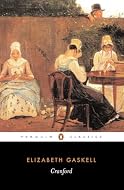
249. Elizabeth Gaskell, Cranford **** Gently witty story about a fundamentally good woman. Warm, sweet, a feel-good book. Although quite short, it rambles in a quirky way that gives it a feeling of immediacy. I listened to it on unabridged CD and enjoyed it a lot.
37annamorphic
250. Sandor Marai, Embers ***** Beautiful, bitter, elegy for things lost–loyalty, friendship, love, youth, a way of life. Brief but immense. This was a great way to hit the 250 mark -- 1/4 of the way there!
40annamorphic
252. E.M. Forster, Where Angels Fear to Tread * Unpleasant story about remarkably selfish & self-satisfied people whom author seems to find gently amusing and sympathetic.
Maybe I've spent too much time in the world of International Adoption where we think seriously about culture clash, the problematics of entitlement, and the needs of the child -- but this book just disgusted me. I cannot figure out why people like it so much. Every character is completely selfish and/or absurdly judgmental of others. The English people have zero ability to actually see those who are unlike them, even when Forster thinks they do; and they feel entirely entitled to do anything, including kidnapping and de facto murder, just because they're English and Always Right.
Moreover, it is clearly a book written by a man who has not only never had a child, but never liked a child or even thought seriously about one. The baby here is treated entirely as a symbolic thing, and its death is meaningless except as a statement about the values and goals of the people vying for its possession--and that is how they see it, too, as just about their own success or failure. Even the people who supposedly care about this baby (Miss Abbott) see it as a work of art, not a human being. The Italian father is the most decent person and even he is basically dismissed as a shallow cad, albeit a very handsome one.
Really, I don't know who I liked less, the book's hero, or the author who made him. I remember quite liking Passage to India and Howard's End but this book -- yuck!
Maybe I've spent too much time in the world of International Adoption where we think seriously about culture clash, the problematics of entitlement, and the needs of the child -- but this book just disgusted me. I cannot figure out why people like it so much. Every character is completely selfish and/or absurdly judgmental of others. The English people have zero ability to actually see those who are unlike them, even when Forster thinks they do; and they feel entirely entitled to do anything, including kidnapping and de facto murder, just because they're English and Always Right.
Moreover, it is clearly a book written by a man who has not only never had a child, but never liked a child or even thought seriously about one. The baby here is treated entirely as a symbolic thing, and its death is meaningless except as a statement about the values and goals of the people vying for its possession--and that is how they see it, too, as just about their own success or failure. Even the people who supposedly care about this baby (Miss Abbott) see it as a work of art, not a human being. The Italian father is the most decent person and even he is basically dismissed as a shallow cad, albeit a very handsome one.
Really, I don't know who I liked less, the book's hero, or the author who made him. I remember quite liking Passage to India and Howard's End but this book -- yuck!
41annamorphic
253. Kazuo Ishiguro, A Pale View of the Hills *** Traumatized people quietly repress the terrible past and harm those around them. Subtle, bizarre, impressive.
SPOILER
In reading this, it actually helped me to know from the beginning that the narrator was deeply unreliable, and that Mariko was really Keiko, with all that that further implies.
SPOILER
In reading this, it actually helped me to know from the beginning that the narrator was deeply unreliable, and that Mariko was really Keiko, with all that that further implies.
42amaryann21
I wish I'd known that before I read it... thanks... that helps make better sense of things!
43annamorphic
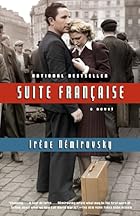
254. Irene Nemirovsky, Suite Francaise ***** Stunning account of ordinary people caught up in extraordinary situations.
I've never read a book like this before -- a novel about history, written during that history, where you know what's going to happen and the author doesn't, in a terribly immediate way. At the end (this isn't really a spoiler) when the Germans are going to be restationed to Russia -- you know that this spells doom for them, but the people in the book don't know that and neither does the writer. The characters throughout are wonderful, incredibly varied but never too stereotyped, always surprising you as they themselves are caught unawares by the events unfolding around them.
I'm also amazed that this work was unfinished, that Nemirovsky intended to sort of novelize the war as it went on, but was killed in a Concentration Camp before she could. The writing is just amazing! Two of the planned four books were completed: the first is more polished, and really incredibly suspenseful and tragic and hilarious all together. The second feels rougher and you know that, had she not been arrested, she'd have done other things with it.
The publisher included, after the text, her notes for the whole "quartet" of books.
Really fascinating both as an historical document and as a work of literature. As a novel it's probably more a four-star work but it gets a fifth for its tragic historical value.
44johnnypies
Suite Francaise isn't the type of thing I'd usually pick up, but your review makes it sound an interesting read in a number of ways. I had no idea of the full context of it - will have to add it to the pending pile. Thanks for the comments.
45annamorphic
255. Muriel Spark, The Girls of Slender Means *** Evocative picture of life in London as WW II was ending.
This is an odd book, quite short, in Spark's typical lapidary style, and nothing much happens in it until the very end which is suddenly quite dramatic. If you didn't like The Prime of Miss Jean Brodie you will hate this one. If you did like that one, this will amuse you.
This is an odd book, quite short, in Spark's typical lapidary style, and nothing much happens in it until the very end which is suddenly quite dramatic. If you didn't like The Prime of Miss Jean Brodie you will hate this one. If you did like that one, this will amuse you.
46annamorphic
256. Ford Madox Ford, The Good Soldier ** So this is what an "Impressionist" novel looks like.
The style works better in painting. This is a curious, bravely experimental novel, annoying on a number of levels. Another book with an "unreliable" narrator and it's almost impossible to figure out what's really happening half the time. The story is odd and the characters not very believable, yet you accept this because it's all just one sad person's confused point of view. Even though the book is less than 200 pages long it somehow feels extremely long. If it had been 50 pages shorter, I'd probably have given it three stars.
The style works better in painting. This is a curious, bravely experimental novel, annoying on a number of levels. Another book with an "unreliable" narrator and it's almost impossible to figure out what's really happening half the time. The story is odd and the characters not very believable, yet you accept this because it's all just one sad person's confused point of view. Even though the book is less than 200 pages long it somehow feels extremely long. If it had been 50 pages shorter, I'd probably have given it three stars.
47annamorphic
257. Gore Vidal, Myra Breckenridge ** Hilarious, vulgar, incredibly bizarre.
Both the embodiment of and a send-up of everything you love to hate about the 1960s, with rape and sex-changes thrown in. Not actually painful to read but definitely not my kind of book.
Both the embodiment of and a send-up of everything you love to hate about the 1960s, with rape and sex-changes thrown in. Not actually painful to read but definitely not my kind of book.
48annamorphic
258. Arthur Golden, Memoirs of a Geisha **** (wonderful evocation of the beauties of a cruel culture)
The writing style, or the narrator's voice, are incredibly well sustained given that this is a book by a western man about a Japanese woman. The story, partly based on a real woman's life history, is remarkable, tragic, rich, and would be almost unbelievable (especially her ultimate realizations and redemption) were it not so well handled. A great balance between sometimes unbearable suspense and rich, slow appreciation of multi-sensoral beauty, in a very Japanese way.
The writing style, or the narrator's voice, are incredibly well sustained given that this is a book by a western man about a Japanese woman. The story, partly based on a real woman's life history, is remarkable, tragic, rich, and would be almost unbelievable (especially her ultimate realizations and redemption) were it not so well handled. A great balance between sometimes unbearable suspense and rich, slow appreciation of multi-sensoral beauty, in a very Japanese way.
49annamorphic

259. J.G. Farrell, Troubles *** (tragicomedy about the decay of a grand hotel and an empire)
I didn't enjoy this one as much as The Siege of Krishnapur, another book in Farrell's "Empire Trilogy" that I also read for the 1001 Books. The thin line between comedy and farce got crossed too much in this book, which is the first in the trilogy, and the characters lacked credibility. An edge of Cold Comfort Farm -- again, a book I like, but here the subject matter was too serious: the Irish uprising, violence, terrorism, murder, stupidity.
However, still a very good book with some wonderful comic writing. Here were a few moments that stood out for me:
"For this was the Major's first night in Ireland and, like a man struggling to retain his consciousness as he inhales the first fumes of chloroform, he had not yet allowed himself to surrender to the country's vast and narcotic inertia." (39)
"...under the compulsion of shortening days the ladies were once more funnelled towards the dreadful gauntlet of December, January and February which most of them had already run over seventy times before, reluctantly forced through it like sheep through a sheep dip..." (235)
50annamorphic
260. James Stephens, The Charwoman’s Daughter * (strange quasi-realist fairytale. I could have died without reading this one)
I have a good 1925 copy of this book that I don't want. If anybody wants it, send a private message on my librarything homepage and I'll mail the book to you for free. I hate to see even a mediocre book go to waste! It's short....
I have a good 1925 copy of this book that I don't want. If anybody wants it, send a private message on my librarything homepage and I'll mail the book to you for free. I hate to see even a mediocre book go to waste! It's short....
51annamorphic
261. Willem Elsschot, Cheese ** (slight, and rather painful humor)
Charlie Chaplin, Walter J. Mitty... you're encountered this sort of loser-hero before, hapless nice guy, gets himself into situation that's over his head, you watch him dig his own grave. For me the book was kind of charming because it was about edam cheese, and about the Belgians and the Dutch, and definitely had a nice familiar feel. But really a very slight work, although also very short!
Charlie Chaplin, Walter J. Mitty... you're encountered this sort of loser-hero before, hapless nice guy, gets himself into situation that's over his head, you watch him dig his own grave. For me the book was kind of charming because it was about edam cheese, and about the Belgians and the Dutch, and definitely had a nice familiar feel. But really a very slight work, although also very short!
52annamorphic
262. Tayeb Salih, Season of Migration to the North **** Poetic, brutal, unsettling.
A rich, complex novel about the aftermath of colonialism, about free will and how little we use it, about that which is universally true in humanity and the ways in which culture and race, place and sex become battlegrounds against truths. A short book that I'll keep thinking about for a long time.
A rich, complex novel about the aftermath of colonialism, about free will and how little we use it, about that which is universally true in humanity and the ways in which culture and race, place and sex become battlegrounds against truths. A short book that I'll keep thinking about for a long time.
53annamorphic
263. J.M. Coetzee, Elizabeth Costello ** (annoyingly boring yet intelligent book about the responsibilities of being a writer and a human being)
I found this book painful to read: a series of lectures tied loosely together as a novel about an elderly famous female writer -- her thoughts, doubts, passions, and possibly her beliefs. Contrary to others I actually found the last chapter, which seems to take place in a sort of writer's purgatory, a bit better than the rest because it did not involve a long lecture. I am an academic and if I wanted to hear lectures, I would attend some; I wouldn't read a novel!
There is much thought in this book if you persevere to the end and then go back and reconsider the whole text in that light. To me, it wasn't worth it.
I found this book painful to read: a series of lectures tied loosely together as a novel about an elderly famous female writer -- her thoughts, doubts, passions, and possibly her beliefs. Contrary to others I actually found the last chapter, which seems to take place in a sort of writer's purgatory, a bit better than the rest because it did not involve a long lecture. I am an academic and if I wanted to hear lectures, I would attend some; I wouldn't read a novel!
There is much thought in this book if you persevere to the end and then go back and reconsider the whole text in that light. To me, it wasn't worth it.
54annamorphic

264. Thomas Hardy, Jude the Obscure ***1/2 (weighty tragedy of lofty ambitions confronting social norms and human weakness)
Incredibly depressing book. For about the first 1/3 I hated it. It helped me to think: Jude has Aspergers -- he is a genius who cannot really comprehend the motives of other people. Sue is an HSP (Highly Sensitive Person) who is melodramatic, manipulative, and totally selfish even as she plays the martyr. Basically we have a pair of wildly ill-matched people who decide that they love one another because they are both brilliant and somewhat against social norms. Result is tragic catastrophe on the scale of the Oresteia. Sometimes Hardy lays the symbolism and despair on with a trowel, as with Jude's eldest son nicknamed "Old Father Time" who looks like an old man at age 10 and thinks he should never have been born. He is not destined for happiness, but neither is anybody else in this book.
Do not read Jude the Obscure if you have depressive tendencies. It could tip you over the edge.
55BekkaJo
LOL - I'm about 40 pages in and it's definitly not the easiest is it! I also know what happens which a) kinda ruins the book for me, but also b) will soften the blow when I get to the really really depressing bit.
56george1295
I have always held the maxim that Jude should remain obscure.
57StevenTX
I like your observations, and we have read many of the same books.
#51 Cheese - I completely agree - a slight work and often more painful than humorous.
#52 Season of Migration to the North - to me it was about the futility of trying to understand fully another culture. Brutal and pessimistic.
#54 Jude the Obscure - I really liked this one, but the artificial symmetry of it bothered me. Jude and Sue each end up philosophically where the other started. Yes, the symbolism is laid on too heavily. My favorite Hardy, so far, is The Return of the Native.
#51 Cheese - I completely agree - a slight work and often more painful than humorous.
#52 Season of Migration to the North - to me it was about the futility of trying to understand fully another culture. Brutal and pessimistic.
#54 Jude the Obscure - I really liked this one, but the artificial symmetry of it bothered me. Jude and Sue each end up philosophically where the other started. Yes, the symbolism is laid on too heavily. My favorite Hardy, so far, is The Return of the Native.
58Deern
#54: Jude the Obscure might have been the most depressing story I've ever read and so far I didn't dare to touch another book by Thomas Hardy.
59BekkaJo
Stay away from Tess of the D'Urbervilles then!
60annamorphic
265. Katherine Mansfield, The Garden Party ** (short story, and not her best)
I'm not a short story fan but this was not the best, not even Katherine Mansfield's best, and at about 20 pages long I don't know why it was on the list at all.
That said, Mansfield is a wonderful writer. Her two interlinked stories, "Prelude" and "At the Bay" (and also "The Doll's House") are incredibly beautiful -- the use of language to evoke characters and settings, the ever-so-delicate shifts in tone as she moves from the point of view of a child to that of an adult. I love her sense of the world of children. The stories in which she tries to explore class relations, as in "The Garden Party," are not as subtle.
I'm not a short story fan but this was not the best, not even Katherine Mansfield's best, and at about 20 pages long I don't know why it was on the list at all.
That said, Mansfield is a wonderful writer. Her two interlinked stories, "Prelude" and "At the Bay" (and also "The Doll's House") are incredibly beautiful -- the use of language to evoke characters and settings, the ever-so-delicate shifts in tone as she moves from the point of view of a child to that of an adult. I love her sense of the world of children. The stories in which she tries to explore class relations, as in "The Garden Party," are not as subtle.
61annamorphic
266. Nikolai Gogol, The Nose ** (political surrealism before its time)
Amusing short story, a curiosity of early 19th-century Russian society. Liked the zany shifts of scale, as The Nose is sometimes nose-sized (baked into a loaf of bread) and sometimes human-sized (wearing a uniform and stepping out of a carriage) with no remark or explanation. The story would probably be even funnier if you understood the social status issues of 1839.
Amusing short story, a curiosity of early 19th-century Russian society. Liked the zany shifts of scale, as The Nose is sometimes nose-sized (baked into a loaf of bread) and sometimes human-sized (wearing a uniform and stepping out of a carriage) with no remark or explanation. The story would probably be even funnier if you understood the social status issues of 1839.
62annamorphic
267. Jules Verne, Around the World in Eighty Days **1/2 (entertaining geographical adventure)
Read this one aloud to my kids, and I think they enjoyed it more than I did. Some wonderful historical details about the American West, and many amusing twists to the plot; but caricatural characters and convoluted language.
Read this one aloud to my kids, and I think they enjoyed it more than I did. Some wonderful historical details about the American West, and many amusing twists to the plot; but caricatural characters and convoluted language.
63annamorphic

268. Boris Pasternak, Doctor Zhivago **** (fate, love, and tragedy in Russia. Especially tragedy.)
This is a Great Novel. It is beautiful, evocative, gripping, and Tragic -- not sad in the little-people-sad way, but grandly wretched. It's also incredibly confusing. You have to read it very, very slowly because new characters are constantly being introduced (even in the last pages of 500+) and every one of them somehow returns -- sometimes with a new, revolutionary name -- to play a fated part in our hero's life. "It's like predestination," says Lara in the unbearably awful conclusion, and this is true throughout.
It was really hard to get into this book but after a few hundred pages I was completely caught up in its odd, detailed, descriptive inexorability and was sorry to see it end. It's a strange book. In the introduction the person says "this is a book that doesn't care what you think of it" and it's exactly true -- it doesn't try to cajole you or direct you, it's just there. It's also just incredibly Russian. Makes a great contrast to the description of civilians at war in Suite Francaise.
Well worth the time it took, but not an easy book.
64BeeQuiet
That's a wonderful description, annamorphic, and one that would not be far off suiting a lot of the very best Russian literature. I know I have made this recommendation elsewhere in this group, but I thought I would pass it along to you as you seemed to have particularly enjoyed the book. Try reading All That is Solid Melts Into Air: The Experience of Modernity by Marshall Berman. It's an incredible book that really sheds some light on some of the great literary figures and periods in time through the lens of the march of modernity. I would say it is one of the best books I have ever read, and from someone working on the list, you know that's really saying something. One of the sections is specifically on St. Petersburg and the effect of modernity passing Russia by on its literature.
65annamorphic
Bee, I actually saw your recommendation of Berman's book on another thread and have already ordered it! I can't understand how I completely missed reading that in graduate school. Maybe by the time it came out I had stopped being a modernist. Anyway, it looks wonderful, thanks.
66BeeQuiet
I'm delighted you decided to give Berman's book a try, it really made me think of modernity differently. What would you describe as being a modernist? Someone that believes we are in a time of modernity as opposed to postmodernity, or someone that believes in the ideas of working towards 'progress'? If it's the latter, I would agree with you and so too would Berman, probably. I would be really interested to see what you think of the book, do let me know when you have read it!
67annamorphic
269. Alexander Pushkin, Eugene Onegin **** (witty, delightful novel-poem, rich in flavor of its time)
Wow. I unexpectedly LOVED this book. I would give it five stars except that I fear it's more my own taste than the book's intrinsic merit that delighted me so. A novella-length poem in a really complicated verse form: you must read the Charles Johnston verse translation, not the literal one by Nabakov -- the charm of the book is partly in its poetry. What else was wonderful? The authorial voice -- I just liked the narrator, who digresses into odd things like a paean of praise to women's feet, or a comparison of champagne and burgundy, all in this in rhyme; who keeps himself present as creator and moderator of his characters in a very genial way.
But most of all, Eugene Onegin is fascinating in the way it conjures up a sense of Russia in the 1820s -- of the weather (cold), the social conventions, the traditions, the attitudes, the cultural touchstones, the expectations. All in only 200 pages. Because I've been studying some Russian history and know a bit about early modern culture in general, it resonated particularly with me.
I'm sorry to be done with it!
Wow. I unexpectedly LOVED this book. I would give it five stars except that I fear it's more my own taste than the book's intrinsic merit that delighted me so. A novella-length poem in a really complicated verse form: you must read the Charles Johnston verse translation, not the literal one by Nabakov -- the charm of the book is partly in its poetry. What else was wonderful? The authorial voice -- I just liked the narrator, who digresses into odd things like a paean of praise to women's feet, or a comparison of champagne and burgundy, all in this in rhyme; who keeps himself present as creator and moderator of his characters in a very genial way.
But most of all, Eugene Onegin is fascinating in the way it conjures up a sense of Russia in the 1820s -- of the weather (cold), the social conventions, the traditions, the attitudes, the cultural touchstones, the expectations. All in only 200 pages. Because I've been studying some Russian history and know a bit about early modern culture in general, it resonated particularly with me.
I'm sorry to be done with it!
68BeeQuiet
Wow, that really sounds wonderful. Definitely one I will keep an eye out for, and I will also take up your recommendation on the translation version. Thanks for the tip there!
69StevenTX
I'll definitely push Eugene Onegin up on my priority list, and I just happen to have the Johnston translation. Thanks for sharing your enthusiasm.
70annamorphic
270. Anthony Burgess, A Clockwork Orange *** (linguistically inventive tale about behavior and morality, individual and state)
I commented on this book at the "book discussion" list, but just to reiterate -- I started out hating this book for the violence, yet also loving it for its really hilarious use of language. As I went on, I understood that the violence was really about amorality (that's why it was mostly directed at the weak and helpless) and the story was about whether behavior can be legislated, in one way or another, in the complete absence of morality. There were aspects of the book that were also, unexpectedly, very funny.
Oh, and the original last chapter (#21) that was removed from the American edition and is now back in the new one -- I get why Burgess wanted it there. SPOILER ALERT It's not a comforting ending about how Alex eventually grows out of violence; it's about the inevitability that violence will continue over the generations because it's part of the human psyche.
I commented on this book at the "book discussion" list, but just to reiterate -- I started out hating this book for the violence, yet also loving it for its really hilarious use of language. As I went on, I understood that the violence was really about amorality (that's why it was mostly directed at the weak and helpless) and the story was about whether behavior can be legislated, in one way or another, in the complete absence of morality. There were aspects of the book that were also, unexpectedly, very funny.
Oh, and the original last chapter (#21) that was removed from the American edition and is now back in the new one -- I get why Burgess wanted it there. SPOILER ALERT It's not a comforting ending about how Alex eventually grows out of violence; it's about the inevitability that violence will continue over the generations because it's part of the human psyche.
71annamorphic
271. Ivan Turgenev, Fathers and Sons ** (hateful hero does nothing worthwhile & that’s the point)
In the end I understand why this book caused a sensation in its time and is still a 1001-er in ours, but it's not a really pleasant read. The main character, Bazarov, is relentlessly selfish and obnoxious, and I felt horribly sorry for his father. People always say that Turgenev is "surprisingly sympathetic" to the son & his generation, and in a sense that is true. Bazarov's awfulness is caused in part by his uselessness: he has no investment in the future, can't do or change anything, so he takes refuge in this arch, sarcastic "nihilism." In the end, it does him in. The alternative, as represented by his friend Arkady, is a kind of lethargic familial sentimentality. Love is great, we learn, but it doesn't really get society anywhere.
In the end I understand why this book caused a sensation in its time and is still a 1001-er in ours, but it's not a really pleasant read. The main character, Bazarov, is relentlessly selfish and obnoxious, and I felt horribly sorry for his father. People always say that Turgenev is "surprisingly sympathetic" to the son & his generation, and in a sense that is true. Bazarov's awfulness is caused in part by his uselessness: he has no investment in the future, can't do or change anything, so he takes refuge in this arch, sarcastic "nihilism." In the end, it does him in. The alternative, as represented by his friend Arkady, is a kind of lethargic familial sentimentality. Love is great, we learn, but it doesn't really get society anywhere.
72annamorphic

272. Henri Barbusse, Under Fire **** (This is war. Incredible book, beautiful & terrible)
More than All Quiet on the Western Front, this is a book of war. It's not a "normal" novel like AQ is, with characters who have life-stories, and a plot arc, and a terrible denoument. This book is grindingly banal in parts, madly chaotic at others. There are too many characters to attach long or deeply to any single one; there are people who matter at one instant and are dead at the next. There is pettiness that inadvertently becomes heart-breaking, but there is no personal tragedy because the enormity of war is beyond individuality. The final scene, which takes place in the trenches during a rainstorm (the fire has already happened; the ending is water), brings home the complete meaninglessness of war more than anything I've ever read before. The writing, at its best moments, is sheer poetry, but poetry in the service of Hell.
What's also amazing is that, unlike AQ, this book was both written and published during the war, by a man who was serving in the front lines. It is an incredible indictment of war, a slap in the face of all those who were still glorifying it on the home front. The last few pages, which turn into a surprising anti-capitalist argument, are a little jarring but clearly heartfelt. An extremely memorable book.
73annamorphic
273. Miguel de Cervantes, Don Quixote ***** (endless and endlessly funny, if in a cruel way)
Everything you think you know about this book is from Book I, and probably from the first 100 pages of Book I. As the book goes on, and on, and on, there are endlessly witty plot variants but basically the premise and the whole narrative structure-lets are always the same. Which doubtless made it charming in a era when one book was supposed to fill a year of evenings, but becomes a little wearing after 1200 or so pages. Yet there is a level at which the main characters just grow on you and you embrace them and their crazy lives, and the humor is amazingly prolific.
Book II has a disturbingly different character. We move away from the friends from Don Quixote's and Sancho's home town, people who actually care about them, and we no longer have accidental misunderstandings (windmills as giants etc.). Instead, DQ and his squire are taken up by a series of nobles who (having read Book I themselves) deliberately trick them in order to laugh at them; the jokes are all elaborately planned, often very harmful, and the Duke and Duchess and their friends all laugh uproariously. Somehow this continues to be extremely funny but it says a lot about Spanish culture around 1600: this was not a kind, tolerant, touchy-feely place. Galley slaves and expelled Moors also figure largely (although sympathetically). Still, in general I often felt extremely uncomfortable in ways I have not felt when reading literature of this period from other cultures.
Everything you think you know about this book is from Book I, and probably from the first 100 pages of Book I. As the book goes on, and on, and on, there are endlessly witty plot variants but basically the premise and the whole narrative structure-lets are always the same. Which doubtless made it charming in a era when one book was supposed to fill a year of evenings, but becomes a little wearing after 1200 or so pages. Yet there is a level at which the main characters just grow on you and you embrace them and their crazy lives, and the humor is amazingly prolific.
Book II has a disturbingly different character. We move away from the friends from Don Quixote's and Sancho's home town, people who actually care about them, and we no longer have accidental misunderstandings (windmills as giants etc.). Instead, DQ and his squire are taken up by a series of nobles who (having read Book I themselves) deliberately trick them in order to laugh at them; the jokes are all elaborately planned, often very harmful, and the Duke and Duchess and their friends all laugh uproariously. Somehow this continues to be extremely funny but it says a lot about Spanish culture around 1600: this was not a kind, tolerant, touchy-feely place. Galley slaves and expelled Moors also figure largely (although sympathetically). Still, in general I often felt extremely uncomfortable in ways I have not felt when reading literature of this period from other cultures.
74Nickelini
endless and endlessly funny, if in a cruel way
You make me laugh! Sounds good, but waaaay tooooo long. I hear that Don Quixote is supposed to be both the best and the most important book ever written. Do you agree? I knew that going into university and was surprised and interested that it never once appeared on any reading list (that I saw) for any course in any of the many faculties that I followed.
I hear it's perfectly acceptable to read an abridge version with this one. Thoughts?
You make me laugh! Sounds good, but waaaay tooooo long. I hear that Don Quixote is supposed to be both the best and the most important book ever written. Do you agree? I knew that going into university and was surprised and interested that it never once appeared on any reading list (that I saw) for any course in any of the many faculties that I followed.
I hear it's perfectly acceptable to read an abridge version with this one. Thoughts?
75annamorphic
I was never assigned it either, nor ever heard of anybody else being assigned it. It would be tough to do as a class because it is SO long yet to get the full sense of it you can't exactly excerpt from it. I can see why it's considered important. I feel as if a lot of other literature came out of this book.
As for abridged, well, it would be different. Even if you just read Book I (which is already very long) you'd miss the darkness that belongs to book II. But hey, life is short. I'm thinking of doing an abridged version of the Tale of Genji because it's just too massive for me to face. Has anybody here read that one unabridged?
As for abridged, well, it would be different. Even if you just read Book I (which is already very long) you'd miss the darkness that belongs to book II. But hey, life is short. I'm thinking of doing an abridged version of the Tale of Genji because it's just too massive for me to face. Has anybody here read that one unabridged?
76annamorphic

274. Mikhail Lermontov, A Hero of Our Time ** (The mid-19th-century Russian novella: Evocative writing. "Extraneous man" = entirely nasty hero. Ennui and a duel. Who cares?)
77StevenTX
#75 - I read The Tale of Genji a few years ago in an unabridged translation. It was slow going at first, as such novels tend to be, but I really enjoyed it after I got into the culture and customs.
You commented recently on my review of A Dream of Red Mansions, so I'll point out that the two novels are really quite similar in style and content. Red Mansions is a bit easier to read (at least in the translations I read), but at least twice as long as Genji.
You commented recently on my review of A Dream of Red Mansions, so I'll point out that the two novels are really quite similar in style and content. Red Mansions is a bit easier to read (at least in the translations I read), but at least twice as long as Genji.
78annamorphic

275. Chimamanda Adichie, Half of a Yellow Sun *** (civilians at war have it even worse in Africa)
This is a good, well-crafted recent novel about a terrible, forgotten historical episode within my own lifetime -- the ill-fated attempt of a bit of Nigeria to become its own nation, Biafra. I listened to this on CD, very well narrated by somebody who knows how to do the various ethnic accents and sentences of dialect really well. A lot of terrible things happen in this book and they are described with truly shocking intensity.
Nevertheless, the book did not impress me at the same level that Suite Francaise or Doctor Zhivago did, two other 1001 books about civilians in wartime that I have read this year. I wondered why -- was I just to Euro-centered, or too jaded? I think in fact that the difference is that while Adichie is a very good writer and cares deeply about this subject, she did not experience it like Nemirovsky and Pasternak did. Her book is an easier read (despite the greater horrors) because at some level we care less about the individuals involved. Also, the individuals are insufficiently changed. They don't do anything that surprises us. Adichie likes her characters too much to test and alter them because they are her creations, while Pasternak's characters are his experiences.
79annamorphic
276. Nikolai Gogol, Dead Souls ** (excessively lengthy though amusing social satire)
Gogol's short story The Nose was clever. Dead Souls is also clever but should have been a short story. The first 50 pages were delightful. Thereafter... well, I think you would have to be more attuned to the nuances of mid-19th-century society and politics than I am to continue appreciating it. I can see why Russian literature specialists love this book. It's really very funny. But the plot is completely repetitive and there is no character development, just amusing stereotypes.
It is terrible to realize that he intended this book to be 2-3 times longer than it is, and just never finished it. I am thankful for what I was spared.
Gogol's short story The Nose was clever. Dead Souls is also clever but should have been a short story. The first 50 pages were delightful. Thereafter... well, I think you would have to be more attuned to the nuances of mid-19th-century society and politics than I am to continue appreciating it. I can see why Russian literature specialists love this book. It's really very funny. But the plot is completely repetitive and there is no character development, just amusing stereotypes.
It is terrible to realize that he intended this book to be 2-3 times longer than it is, and just never finished it. I am thankful for what I was spared.
80annamorphic

277. Amélie Nothomb, Fear and Trembling **½ (slight culture-clash comedy)
Can't figure out why all the fuss about this book. An enjoyable semi-autobiographical novella about a 22-year-old Belgian named Amelie who goes to work in a big Japanese firm, and her comical failure to thrive in Japanese corporate culture. Won all sorts of prizes yet it's not even terribly thought-provoking. Reminded me a bit of Elsschot's Cheese, another slightish list book about the corporate misadventures of a likeable failure, but without the culture-clash element.
The translation, however, was wonderful -- gave a real sense of a certain kind of French writing while also being lovely English.
81annamorphic

278. Paul Auster, The New York Trilogy *** (clever gumshoe take-off: language and the nature and uncertainty of identity)
Liked this more than I expected. Especially the first book had some wonderful intricate intertextuality on historical theories of language (something I happen to know a lot about) and Don Quixote. The three novellas all concern how identity can be questioned and confused. The first two are private-eye stories but in the first (and the third, in fact) an ordinary person slips into that role accidentally. Except that neither is exactly ordinary: both are writers, whose identities are compromised with their own (non)authorship. This all sounds very meta, and it is, in a 1980s kind of way, but Auster manages to make meta quite charming most of the time.
82DorsVenabili
Thanks for the helpful review. I read his In the Country of Last Things a few months ago and have been interested in reading more of his work. Perhaps I will plop this into my 12 in 12 postmodern category next year.
83annamorphic
279. Margaret Atwood, Alias Grace *** (thoughtful. excellent voice. weirdly sensational denoument)
Atwood sustains incredibly well the voice of a poor, uneducated, but not unintelligent woman who has had a relentlessly dreadful life culminating in possibly committing a brutal murder and being sentenced to life in prison. Grace has been in and out of mental hospitals as well. Her story is both very straightforward and full of conflicts that Atwood does not resolve for us. Its denoument is weird and, to me, somehow annoying, though I cannot explain without a major spoiler. The book is beautifully crafted, like all of Atwood's work, and it's even quite thought-provoking, but not fully satisfying. It's kind of a three-minus book on my scale.
Atwood sustains incredibly well the voice of a poor, uneducated, but not unintelligent woman who has had a relentlessly dreadful life culminating in possibly committing a brutal murder and being sentenced to life in prison. Grace has been in and out of mental hospitals as well. Her story is both very straightforward and full of conflicts that Atwood does not resolve for us. Its denoument is weird and, to me, somehow annoying, though I cannot explain without a major spoiler. The book is beautifully crafted, like all of Atwood's work, and it's even quite thought-provoking, but not fully satisfying. It's kind of a three-minus book on my scale.
84annamorphic
280. Thomas Keneally, Schindler’s List (unbearable. Heroism amidst depravity)
I'm not rating this one because, as I explained on the book discussion listing, I found it impossibly painful to read and didn't cover the last 150 pages or so very carefully. On the one hand this is clearly a great book. It is barely, however, a work of fiction. It has been called both sentimental and uplifting, but I found it to be neither of these. To me, it was an endless chain of horrors, torments, sadism and random depravity. The point that was all too well conveyed was that cruelty and torture were a massive, official policy, with an entire system developed to promote them. The system allowed monsters to thrive. Yes, it allowed a hidden, better side of Oskar Schindler to be activated as well. That is not uplifting or sentimental; it is pitifully tiny in the greater picture Keneally presents.
85Yells
84 - I finished but had the same reaction. Good book but every page was more of people slaughtering people indiscriminately. If this were a fictional book, I'd be complaining about the amount of gore and violence. The fact that this actually happens makes me ashamed to be human. It overwhelmed me completely and I was just reading about it. Can't imagine living it.
86annamorphic
281. Marina Lewycka, A Short History of Tractors in Ukranian ** (entertaining, slight)
Thanks to the person who recommended this as a relief after the gloom of Schindler. It was a charming book, but I didn't think it belonged on the 1001 list. Funny books can be thought-provoking too but this one didn't push that far; it avoided dealing with serious things that lingered in the background.
Thanks to the person who recommended this as a relief after the gloom of Schindler. It was a charming book, but I didn't think it belonged on the 1001 list. Funny books can be thought-provoking too but this one didn't push that far; it avoided dealing with serious things that lingered in the background.
87DorsVenabili
#86 - I remember very little about this book, other than it was disappointing and lacked substance. I'm also not sure why it's on the list. It's kind of beach read-y, in my opinion.
88annamorphic

282. J.G. Ballard, Empire of the Sun **** (coming of age through the death of humanity)
I was somewhat torn about this book for a while. I kept thinking how much more meaningful the "death march" scenes (and everything else) about Christa Wolfe's Patterns of Childhood had been. While appreciating the bizarrely even child's view of things, I wanted an adult voice to make sense of things.
Then I realized that this was not a book about making things meaningful -- it was about the end of meaning, the end of sense, the end of humanity -- not the end of human beings as living creatures, but the end of what makes humans different from animals.
I'll put the rest of my thoughts on the book discussion thread. But this is a remarkable book. I'm actually curious to read something else by Ballard, probably Drowned World, because the later works sound too gross and bleak for me. That is unsurprising. After reading Empire of the Sun, you have to think that this kid can never, ever become a normal human being in the terms of the civilized world. In the last chapter, there is something grotesque about the way he stands politely aside to allow some elderly English people past. The superficial civility comes back fast, but what's been deeply twisted will never go away.
89Deern
I just read your comments on the group read thread, and now I'd really like to read this book, too. I couldn't get it in time for the group read, but I will make it one of my tbrs for 2012. And I will try and get over my Christa Wolf anxiety and finally read Patterns of Childhood which now has been sitting on my shelf for years. Thanks for the encouragement! :-)
90Yells
88 - Thanks for clarifying what I have been trying in vain to puzzle out! I finished the book and really didn't take it all that seriously. But when I really stopped to think about what was really happening, it made me sad to think about this innocent kid caught in the middle of it. You could see glimpses at the end just how changed he was.
I found it to be one of those books that doesn't do much for you when reading it but it really makes you think afterwards.
I found it to be one of those books that doesn't do much for you when reading it but it really makes you think afterwards.
91annamorphic

283. Ian McEwan, Saturday ** (most.self-indulgent.novel.ever.)
Maybe worth 2.5 stars by the end, because it's definitely a book with something to say. But the way it says it, and says it, and says it. So self-satisfied. The central character has an annoyingly perfect life, a 7000-sq foot house on a square in central London, a family chateau in France, daughter a gifted poet, son a gifted musician, he's a top brain surgeon -- even his father-in-law is a famous writer. Perfect marriage, devoted wife, complete fidelity. The description of a game of squash that seemed to take up the central 10% of the book almost sent me over the edge. And all the arguments about the Iraq war! Annoying then, annoying now. Plus, hasn't McEwan already begun another book with the main character witnessing an air accident? Once was enough.
But ultimately, as a mediation on the frailty of the Cartesian consciousness that makes us human beings, the book is interesting. The whole episode where he visits his mother is lovely.
Disclaimer: I may have been prejudiced by the fact that the narrator on Books on Tape sounded uncannily like a former colleague of mine, and McEwan's writing style sounds like the way that colleague writes, so I couldn't help thinking of this as "Tim's annoyingly perfect life as meditated on endlessly by Tim" and being, oh, annoyed.
92StevenTX
"Annoyingly perfect" is exactly the way I felt about the doctor's character. I was reluctant to pick up another of McEwan's novels after this one, but fortunately I've enjoyed the others I've read.
93annamorphic

284. Banana Yoshimoto, Kitchen **½ (youth retreiving life after deep loss)
I like this book more in retrospect than I did while reading most of it. It is comprised of a novella and a short story. The latter I liked quite a lot, possibly because I'd gotten the hang of Yoshimoto's writing style; for much of the novella I felt confused by the way that nothing seemed very important and the backstory emerged at unexpected moments. The whole device of Eriko the transexual also seemed oddly artificed.
Eventually I began to relate the book to two other Japanese works I know from the 1001 list: The Pillow Book of Sei Shonagon which I read as a teen-ager but which left a huge impression on me, and the not-really-Japanese Fear and Trembling which is set in Japan and which, I now suppose, represents a French woman's assimilation of a Japanese writing style. Something about the disarming directness of certain types of observation, and the use of natural metaphors, is clearly characteristic.
Anyway, each story here is about a very young woman dealing with a devastating loss, and how she builds bridges to others who have also experienced loss. The stories are both sad and charming.
94BekkaJo
#91 LOL- I totally agree! I think I gave it a very grudging three - but I think this was because I also read some others of his at the same time and liked them even less. And there are so many of the darn things on the 1,001! Bah...
95Deern
Some people clearly shared your opinion, as Saturday has been removed from the 2008 version + 4 more McEwan books, with only three remaining. Sometimes I don't understand those decisions, but here it seems justifiable. Kitchen however is still on the list, it is a nice read, but I don't see the significance.
96annamorphic

285. Graham Greene, The End of the Affair *** (being consumed by hatred or by God)
This book was not quite what I expected. It is SO intense and, in the end, so religious. It overlapped strangely with a movie I just saw, The Descendents --
**SPOILER**
because both were about a woman who has an affair, and dies, and how her life and death affect those who love her. But the book sure makes the film look like a conventional tear-jerker. The main male character in the book is such a, well, unsympathetic fellow. His love has turned into hatred and it sort of tentacles outward and embraces more and more of the world, until finally the battle is over loving or hating God, and how truly similar these might be. And Sarah: is she a "fake and a bitch" or is she a saint? Again, how can the two coexist in the same person, and what does that tell us about God?
It's an intense book. So much of it is internal and conceptual that I cannot quite imagine how they made it into a movie, but I'm looking forward to watching it and seeing.
97annamorphic
286. Kiran Desai, The Inheritance of Loss ** (gorgeous writing, no depth)
In many ways a beautiful book but one that I feel I'll forget pretty soon after putting it down. There's an odd lack of passion, of humanity, even when dealing with extremely passionate and humane subjects. The characters are treated with a distanced casualness so that you cannot really care what happens to them. It's about being alive, but all that is alive here is the prose, not the people or their experiences. Very odd.
98annamorphic

287. Don DeLillo, The Body Artist **** (exquisite evocation of mourning as haunting)
This book was a huge surprise. I liked it a lot, even though it was confusing and didn't have much of a plot or action. It's a gorgeous, unsettling sort of ghost story, a story of mourning and being haunted and remaking the self both through and in spite of memory. A short book, and almost more like reading a poem, except that usually I don't like poems! Thoughtful, slow, and lovely.
99annamorphic
288. Truman Capote, In Cold Blood *** (anatomy of utterly senseless murder)
An odd book, kind of like reading a very protracted New Yorker article. Thought-provoking, sobering, somber. People call this a book about "evil" but I don't think that's entirely true. It starts out with a stark contrast between complete good (the Clutter family) and the horror that ends their lives; yet the murderers, while not exactly sympathetic characters, are somehow too small to be evil. What shocks you in reading the book is how undramatic the whole thing is, how horrible cruelty and death can come appear from nowhere, for no reason, and be quite banal.
100annamorphic

289. Orhan Pamuk, Snow ** (incredibly confusing philosophical/political/romantic thriller)
I was all ready to give this book three stars and then I got to the last chapter and realized that I had no idea why Ka had betrayed Blue, why he'd even want to do that, whether he knew it would cost him Ipek, and how the author knew he'd done it. Therefore I must have completely missed the point of the whole book in spite of having spent over a month reading it which, at only 425 pages, is a very long time. In fact, the whole last few chapters were endlessly odd and confusing. The description of that last performance -- help! The author piecing together all these snippets of Kars life that you, the reader, never wondered about at all. Seriously annoying.
As a whole, this was a book with a lot of texture and I did find the writing compelling. It was a very strange cross between a piece of political philosophy, a thriller, a romance, and the evocation of the life of society in a small, remote Turkish city. But somehow the book lacked the basic signposts needed to guide a foreigner through its labyrinthine plot.
101annamorphic

290. Harriet Beecher Stowe, Uncle Tom’s Cabin ***** (devastating indictment of slavery)
I had my doubts at the beginning of this book -- the stereotypes, and the fundamental racism of 19th-century thought, were hard to handle. I might have given up had it not been a 1001 book, read very well on audiobooks. I only gradually realized that this book is a bloody masterpiece. It is nothing short of amazing that Stowe could think this up, this politically polemical novel, in 1852, with so little to use as precedent. Oh sure, it could have used a sharp editor, and the scene of Little Eva's death is excessive even by Victorian standards.
But the book is brilliant. It is a fantastic indictment of slavery, from every angle. Any possible mitigation, justification, etc is addressed and demolished. The scene of Tom's death, clearly based on accounts of martyrdom and even the crucifixion, is fantastic. In fact, the book is also a strong argument for the political and moral goodness of Christianity. It certainly shows why religion was a kind of psychological necessity to many slaves, but also shows how Christianity can be, and must not be, distorted and abused by those with power.
I will never use the term "an Uncle Tom" again and will correct anybody who does so. Uncle Tom is a great character. He is NOT one of those slaves who side with the master and don't want to be free. On the contrary, Tom longs for freedom. But he believes that personal goodness and basic humanity can guide peoples' actions, even within the sick institution that is slavery. It is the tragedy of the book that he is wrong, that the institution destroys all that is good and human, including Tom himself.
102annamorphic
Actually, even the scene of Little Eva's death was thought-provoking. It made me think about how important a "good death" was in former times, and how sadly we have lost that with our modern (very medically expensive) obsession that people just should not die at all. Little Eva makes her life meaningful through her death and oddly, it was pretty impressive.
103fundevogel
Wow, tantalizing review. I've got the annotated version on my wishlist but I'll have to bump it up after reading that.
104annamorphic

291. Margaret Atwood, Cat’s Eye ***½ (we can never escape the cruelty of childhood “friends”)
A lovely book about an artist struggling to come to terms with a childhood friend who first tormented her and later needed her help. Maybe the most memorable Atwood I've read because it touched several chords for me -- the way we are shaped forever by early relationships, scarred by poisonous comments, controlled by strong characters who don't understand the effect they have on us (nor do outsiders understand it); the problems of trust after childhood trauma; the gap between parents and children, yet the way ones own childhood lives on, even when unwanted, within one. These are not unique themes but this is a wonderful treatment of them. Some of the books that fell off the 1001 list in later editions deserved to, but this one should have kept its place.
105annamorphic

292. Paul Coelho, The Devil and Miss Prym ** (a village succumbs to temptation)
A parable about evil in the world and our questionable power to actually withstand it. Big themes in a simple form that I found lacked complexity. But basically an enjoyable book.
106annamorphic

293. Giuseppe di Lampedusa, The Leopard ***1/2 (an aristocrat observes the end of his era)
A strong, evocative look at late 19th-century Sicily seen through the eyes of the last of the old local nobility as he watches his land being swallowed into a new state called Italy, and his class (the aristocracy) being supplanted by the bourgeoisie. The descriptions of the hot, scorched countryside are powerful. The main character, the Prince, is subtle and intriguing as he is both immense and powerless, not even interested in being engaged, just in observing. The book is an imagined depiction of the author's great-grandfather, so that the writer's own sense of position and nostalgia from the mid-20th century permeates his rendition of the past. The penultimate chapter, describing the death of the Prince, is extremely moving.
An odd book, really. Nothing much happens and yet everything changes -- and yet nothing does. A vast sense of loss balances one of indifference. Well worth reading.
107annamorphic

294. Raymond Chandler, The Big Sleep **** (L.A. noir, beautifully crafted)
I don't think of myself as a noir kind of person but I unreservedly loved this book. OK, the plot got a little over-convoluted around the middle, but somehow I was willing to ignore that and just go along for the ride. The writing is absolutely marvelous, very evocative in this sort of "I don't care what you think of this" way. I completely disagree with the 1001 blurb that claims that this is just a "big city" book without a specific feel for Los Angeles. It's incredibly, almost lovingly, Californian. I'm not a huge fan of the west coast even though I live here, but Chandler made me actually feel like this is a place with a character, a history, that are really interesting and complicated.
The best part is that there are two more Chandler books on the 1001 list!
108annamorphic

295. Joan Didion, Play It As It Lays * (unremittingly nihilistic and vile)
I hated Edna O'Brien's August is a Wicked Month and this book is like an even more depressing, nihilistic, California version of it. Rootless woman whose life lacks meaningful connections to anybody f*cks everybody who comes along, drinks and/or takes various drugs, is forced to have an abortion, has a child who dies/is institutionalized, f*cks a bunch more people, doesn't care, nobody else cares either. A world of utter moral and human emptiness.
I'm surprised that this book isn't required reading in Texas schools to show people what evil California liberals are like, or how women's lives are destroyed by abortion although their lives weren't worth much to begin with. Can you tell that I hated this book? It's more interestingly written than the O'Brien (which is why it remains on the 1001 list and the O'Brien is now gone) and the descriptions of her endless, aimless driving on freeways are memorably chilling. But this is a book I could definitely have died without reading. I cannot see why people like it so much.
109ALWINN
Love your thread.... The last week or so I have been frustrated because I have no idea what Im in the mood for in finding my next read....I have to say this thread with your commentaries have helped..
THANK YOU
THANK YOU
110StevenTX
I'm surprised that this book isn't required reading in Texas schools to show people what evil California liberals are like,...
No, we still read The Grapes of Wrath to show people what evil California conservatives are like. ;-)
No, we still read The Grapes of Wrath to show people what evil California conservatives are like. ;-)
111BeeQuiet
Just caught up with your thread from where I left off months ago when I was last on. Still loving it just as much, great reviews all round. Good work, annamorphic!
112BekkaJo
#108 Wow - I didn't like it but you really really didn't like it. I completely agree with your comments though - I almost regret having read it since certain emotions of it keep getting stuck in my head. Brain poison...
113annamorphic

296. James M. Cain, The Postman Always Rings Twice ** (sex + murder = love + hate + death)
While not as absolutely awful as Joan Didion, this was in no way an uplifting book. It depicts human beings, a whole world, with no moral compass whatsoever. The narrator in particular is at once worthless, brutal, and pathetic in a highly unappealing way, but so is everybody around him. I realize that Raymond Chandler's version of California Noir enchanted me because of Philip Marlowe's clever off-hand poetry and judging eye. Evidently these are not qualities of the rest of the genre!
114annamorphic

297. Anne Radcliffe, The Mysteries of Udolpho ** (rambling High Gothic melodrama)
This was entertaining as an extremely period piece, full of sublimity, fainting young heroines, and rascalish villains. I don't want to judge by the standards of the 21st century, but even so, the plotting and pace were dreadful. Whole endless episodes seemed to have no function, and the "mysteries," so lengthily developed, were hastily wrapped up in the last pages in a really implausible way. Even in the 16th century it was NOT a dire family secret to have a tragically dead aunt! Good grief. The anachronistic attitudes throughout also became quite annoying. Two stars for the exploding glass and for producing what was clearly a big hit in its own time.
115annamorphic

298. Henry David Thoreau, Walden** (embracing nature and the simple life)
I've made my opinion of this book pretty clear on the monthly discussion. Admittedly I did nominate it for our group read, knowing it was a book I would never otherwise read and would have trouble getting through without support backup. How right I was! The first chapter was OK, but unless you are really, really interested in the workings of nature as described in a tone both awe-filled and self-satisfied, this is not an easy or enjoyable book. Thoreau as a narrator just never appealed to me.
116annamorphic
299 Graham Swift, The Light of Day **** (delicate exploration of what makes boundaries break)
SPOILER (but it doesn't really matter, you know the ending pretty much right away)
An amazing, perfectly crafted story of a private detective with a case gone wrong: his client kills the husband he was trailing. Stabs him at the very moment that his affair is over and he returns to her arms. Why? What happened? This haunts the narrator, as he sifts through his memories of that fateful day, alternating with memories of his own childhood when he discovered his father's infidelity. Past, present, and alternate pasts (how could these events have been otherwise?) are interspersed with his visit to the murderess in prison, and imaginings of the day when she is released. What then? What is the nature of their bond -- love, duty, mystery, fate?
The reading, by Graeme Malcolm, was also superlative. One of the most perfect audio books I've ever listened to.
This may not be everybody's four-star read. It touched a deep chord for me. Three years ago somebody I knew a bit, not well (less well than the narrator knew his client, which wasn't well), and also quite liked and respected, snapped. She took a knife and tried to murder her two children and then, like the woman in the book, called the police. When they arrived she was sitting in a pool of blood, having stabbed herself, crying "shoot me, shoot me, I've killed my children."
What made her do it? What is the trigger moment inside a person that will set them off like that, when in some sense it's all wrong, she (and the woman in the book) loved the person they stabbed. So what happens? You could trace some of the pressures and problems, but how do you explain (to yourself) what made that moment happen? How do you tell that terrible story? By the time I heard about my person she was already in prison where, like the woman in the book, she will spend most of her life. All I could do was search newspaper stories and mutual friends for clues.
So I completely understood the man in this book, his obsession with this client, the way her terrible act, which he fails to anticipate or prevent, oddly binds him to her.
117annamorphic
300. Rohinton Mistry, A Fine Balance **** (for the utterly powerless, despair wins most of the time)
Not a bad way to hit 300, clearly at least 4-star book but hardly an uplifting one. For all its dark humor and even lightish moments, this is one of the most depressing works of fiction I've ever read. The "fine balance between hope and despair" is impossible to maintain in a world where the powerful are merciless and the rest are powerless to a degree we in modern western democracies can truly not imagine. Those who manage to connect with others do better, but "better" is really a relative term -- like, their lives are absolutely ruined but they do retain some sense of humanity. Those who cannot connect, like Maneck, are the most doomed of all. Anybody who has the guts and intelligence to attempt to better themselves will be tortured to death or otherwise fail wretchedly.
In some ways I felt like this was the Jude the Obscure of India but with less of a sense, behind it, that things could and should be better in a more just world. In this world there will never be justice. It is just a matter of surviving and enduring.
I'm glad that I read this book but am relieved to be through with it and plan to read something less completely devastating next!
120annamorphic
301. Siegfried Lenz, The German Lesson ***½ (horrors of duty; power and vulnerability of art)
This is a very good book in a lot of ways, but has what I considered some flaws as well, which is why the 3.5 stars instead of 4.
The main story it has to tell is a fascinating and sad study of how, in the waning years of the Third Reich, "duty" becomes something that tears family and friends apart. It puts this theme to work by focusing on painting as a kind of truth-to-self. The village policeman is instructed by the authorities to prevent his old friend, an artist, from painting. His youngest son sees that this is absurd, and takes it upon himself to help the painter conceal his activity. After the war, though, when the origin of this absurdity has been defeated, the father becomes obsessed with continuing in all his duties and beliefs -- they must have been right! The son in turn becomes obsessed with saving artworks and is eventually imprisoned, even though (as he says toward the end) the real problem is the father. And time does not heal all wounds.
The descriptions of their little village in the wetlands of northernmost Germany are wonderful: you feel completely absorbed into the atmosphere of the place. And the story of the boy and the painter is wonderful. What I did not like at all was the framing -- that the boy is now in a prison for youth offenders, is being studied by psychiatrists and is forced to write this German essay on "The Joys of Duty." This all seemed really heavy-handed and unnecessary. Without it the book would have been shorter and much better.
121annamorphic
302. Anne Brontë, Agnes Grey ** (quiet triumph of self-righteous, judgmental governess)
There was just one moment when this book came together for me, and that was when Agnes visits her former pupil Rosalie, now Lady Ashby, who is miserable in her marriage. The annoying Agnes is filled with "I told you so" thoughts, has almost no sympathy, and cannot wait to get away even though Rosalie looks upon her, quite pathetically, as her only friend.
What I realized, though, was that Agnes and Rosalie are oddly alilke. Neither one has any ability to understand others or, really, themselves. And each is peculiarly unprepared to make a huge life decision -- Agnes, to become a governess, and Rosalie, to become a wife. It is Agnes's good fortune that being a governess is a relatively temporary state, while Rosalie is stuck forever with a choice she was in no sense prepared to make. Agnes and Edward realize this, wondering why her mother didn't stop Rosalie from making this choice. Nobody ever asks why Agnes was allowed, at age 18 and with zero real interpersonal experience, to be hired by a family of complete strangers to care for their children. In some sense economics drove each of these choices, of course, but each is a disaster. And it just made me increasingly annoyed at Agnes that she could not muster any empathy for Rosalie. Her self-righteousness becomes entirely distasteful, in my opinion.
122annamorphic

303. Hilary Mantel, Wolf Hall ***** (the slow tides of Tudor history; beautifully written & amazingly plausible)
Won the Booker Prize in 2009 and if it is not in the new edition of the 1001 books, I will lose all faith in their judgement. This is a wonderful, amazing book. Extremely long and in a sense very slow paced, plus of course you knew what was going to happen with most of the major plotlines (if you know about intrigues at the court of Henry VIII) and yet I was mesmerized.
I tend to avoid historical novels about periods I work on because they just annoy me -- I keep subconsciously fact-checking (things like "they didn't use buttons then!" or "there is no way a child would have talked to a parent like that in 1600" or whatever). But this book transcended that sort of response. Occasionally I did have a moment of "that can't be right" but much more often I found myself thinking "that must have been exactly how he was" and "I'm sure that's what x experience was like in the 1530s." It was amazing. And the characterizations were careful, based documented acts and words, yet incredibly vivid and compelling and most of all convincing. From key figures like Wolsey and Henry VIII to more peripheral ones, they just stood out as both historically real (ie., no anachronistic attitudes, so common in historical fiction) and as fully realized human beings.
And of course, to make Thomas Cromwell into the focalizing figure of this whole vast tapestry of history, and to make him understandable, three-dimensional, and sympathetic when history has usually treated him as a cipher and a villain -- this was brilliant and perfectly executed. Likewise it was startling to have Thomas More presented as a completely nasty person.
I can see why a lot of people, especially in the USA, have trouble with this book -- it gets a lot of 1-star reviews that kind of neutralize all the 5-star ones on Amazon. Anybody who has little knowledge of Tudor history is going to be frustrated, because there is so much daily detail and so many characters. If you already know who matters (historically) and who doesn't, you can keep track of the people a lot more easily; and if you already know the main thrust of the historical plot, all the details feel like a fascinating explanation of how those extraordinary things happened, what it was like, what motivated people, etc..
In short, one of the most compelling books I've read (or heard on audiobooks) in a while. I have already gotten the sequel on audiobooks and am starting it today!
123amerynth
Is Wolf Hall currently on the list? I didn't see it on my version.
Yet, you've certainly sold me on it anyway.... I love the Tudors and generally avoid historical fiction for the exact reasons you describe. Putting it on my wishlist regardless of its list status.
Yet, you've certainly sold me on it anyway.... I love the Tudors and generally avoid historical fiction for the exact reasons you describe. Putting it on my wishlist regardless of its list status.
124annamorphic
Amerynth, Wolf Hall is not currently on the list, but I could not wait to read it (partly because I am teaching the Tudors this semester!) so I decided to anticipate the next edition of 1001. I assume they will include it since they always include Booker winners and this was a great one. The sequel is currently on the Booker short list but I will not count that in my 1001 -- unless it wins!
125annamorphic
304. Gabriel Garcia Marquez, One Hundred Years of Solitude ***** (ebullience, madness, tragedy)
It was hard to rate this because for at least the first half of the book I really did not like it, and it took forever to get through -- weeks and weeks -- because somehow you really needed to read every word. But as I persevered into the second half, into the madness of the town's and family's glory years, I realized that I had been sucked into a fabulous, fantastical imaginative world of incredible intensity. And by the time the whole crazy thing fizzled to its close, its demise, I was very sorry that it was over. I almost felt like going back to the beginning and reading it again! But not quite.
So yes, I recognize that this was a masterpiece. But the experience of reading it was by no means completely pleasurable and I'm not sure exactly what I've learned from it, or whether it has changed me.
126ALWINN
One Hundred Years of Solitude is on my re-read list for the up coming year. I remember really liking the book. So looking forward to this one.
127annamorphic

305. Herman Hesse, Siddhartha ** (Om. Oneness. Om.)
Closely I listened to the book. The book was about Siddhartha. It was about Siddhartha's journey to find truth. A journey to find truth, and to find meaning. Why did Siddhartha seek these things? He sought them because he felt they were not yet in his life. They were not in his perfect, wonderful, Brahmin life before his quest. His father did not have them. His friend Govinda did not have them. Nobody could give Siddhartha these things, these things for which his soul, his ego, his self were craving. No teacher could tell Siddhartha the answers. Only the river, the river that runs, the river that carries time in it and with it and through it. The river that the ferryman crosses, crosses daily, crosses with people who cannot hear the river and people who can hear it. The ferryman with the friendly smile, who will find perfection, will find perfection within himself, this ferryman will give Siddhartha a way to find om, find peace, find the oneness of all the universe.
Can you tell that I didn't like this book?
I can see (sort of) how it helped people in a world shattered by World War I to imagine some different, more wholistic world where even time itself had no meaning and where by listening to a river would bring you to peaceful oneness with the universe. But I really don't get why it's remained a huge favorite book throughout nearly a century.
128annamorphic

306. Zadie Smith, White Teeth **½ (sometimes cartoonish human comedy)
Certainly this book was better than On Beauty. Maybe that's because Smith's wild, omnivorous satirical humor works better on a broad scale, covering nearly a century (though flashbacks) and a lot of people from North London, a place she knows well; whereas On Beauty was about a little academic community at Harvard, a place she visited. Anyway, White Teeth was on the whole enjoyable and even coherent in its raucous way. I just don't like her mocking sense of humor, which extends evenly to pretty much all of her characters/caricatures except for Irie, who I take to be the one she most identifies with herself. Irie, who comes to life only midway through the book, is a sympathetic mediator amidst a further cast of nutcases and fanatics. Sometimes this is funny, but often in an unpleasant way that made me uncomfortable.
129JDHomrighausen
> 127
I actually liked this book, as I have other of Hesse's books. But I can see it's not for everyone. It's definitely not a conventional story, not much plot, lots of spiritual musing. It's also interesting to look at it in terms of Western perceptions of Buddhism.
I actually liked this book, as I have other of Hesse's books. But I can see it's not for everyone. It's definitely not a conventional story, not much plot, lots of spiritual musing. It's also interesting to look at it in terms of Western perceptions of Buddhism.
130Deern
I haven't been on LT for a while and am now catching up on threads...
What a wonderful review for WH - just my feelings with this book and it's good to see that even a Tudor expert rates it as highly. I usually don't like historical fiction at all, it's usually just modern fiction in disguise, but this book felt strangely 'honest'.
I had major problems both with the language and the historical details in the first half and in the beginning spent almost as much time over wikipedia as over the book. But it was immensely rewarding and I learned so much. Its' sad that the book gets so many 1star-ratings. If a book were too difficult for me I wouldn't rate it at all and not get angry at the author. And I love this one even more for being challenging, for having to invest a little work.
I liked the Hesse book a lot, but it needs to be read at the right time - ideally when you're just having some kind of prersonal crisis to which it can respond. And imo it isn't great audio material.
What a wonderful review for WH - just my feelings with this book and it's good to see that even a Tudor expert rates it as highly. I usually don't like historical fiction at all, it's usually just modern fiction in disguise, but this book felt strangely 'honest'.
I had major problems both with the language and the historical details in the first half and in the beginning spent almost as much time over wikipedia as over the book. But it was immensely rewarding and I learned so much. Its' sad that the book gets so many 1star-ratings. If a book were too difficult for me I wouldn't rate it at all and not get angry at the author. And I love this one even more for being challenging, for having to invest a little work.
I liked the Hesse book a lot, but it needs to be read at the right time - ideally when you're just having some kind of prersonal crisis to which it can respond. And imo it isn't great audio material.
131annamorphic
Thanks Deern. You are probably right about Hesse and audio. I'm listening now to the sequel to Wolf Hall and again, feel like I'm in Tudor times. I was actually quite relieved for a genuine moment of "that's a mistake" during yesterday's commute: no Englishman would have asked "who's painting that for you?" when shown the in-process frescoes on the Fondaco dei Tedeschi in Venice. Granted, I knew the answer already so I didn't need the information, but it was still wrong to have Him ask.
Apart from that, Bring Up the Bodies is grand. But I don't know how I'll face the final book of the trilogy. Now that I've been brought to like Cromwell so much, how could I bear to see his catastrophic fall? The people who fall in BUtB are quite unlamented.
Apart from that, Bring Up the Bodies is grand. But I don't know how I'll face the final book of the trilogy. Now that I've been brought to like Cromwell so much, how could I bear to see his catastrophic fall? The people who fall in BUtB are quite unlamented.
132annamorphic
307. John Lyly, Euphues: The Anatomy of Wit ** (Friends good. Women bad.)
OK, that was a painful read. Even at less than 60 pages in regular modern font, it was painful. If you can force yourself through the first 10-15 pages an actual plot (of absolutely no complexity) does emerge, but those first pages were truly difficult. In the 1570s I'm sure that the displays of wit and wisdom were very engaging but even a Tudorist like myself has difficulty connecting with that sentiment. You need to really, really love proverbs. And the basic thrust of the plot, as summarized above, is so dreary.
133annamorphic

308. Alessandro Baricco, Silk *** (tiny, delicate tale of passion misdirected)
I was looking for something completely different from eccentric Elizabethan fiction or dense Tudor historicals and I found it. This is a brief work, poetic but also fable-like, modern but richly historical. It tells a spare, sad story of how what you dream of can prevent you from recognizing what you actually have. Very memorable.
134annamorphic

309. Bret Easton Ellis, Less Than Zero ** (sex, drugs, ennui, depravity)
Yet again, the emptiness of life in Los Angeles, now magnified by huge amounts of drugs. If you can have magnified emptiness. Honestly, all these books about the meaninglessness of LA is almost enough to make me want to move there and have a meaningful life. Almost.
This is a disturbing book about a bunch of teenagers who have lots of money but no morality, no feelings, who value neither themselves nor others. It gradually moves from the merely vapid to the completely horrific. The narrator comes vaguely, tentatively, to some realization that there is a kind of yawning vacancy in his home town that has sucked the soul out of him and everybody else there. There are scenes in this book that I will find it hard to forget, although I intend to try.
135fundevogel
I lived in LA for years and would love to go back. You get out what you put in. Ellis is a good writer, but I don't think I would ever hang out with him. I think he likes to find something wrong with everything that catches his attention.
136annamorphic
It's just coming after Play it as it Lays and even The Postman Always Rings Twice -- this whole genre of books that portray The Emptiness of Life in Los Angeles. Nobody has values. Nobody has morals. Nobody cares about anything or anybody. I've just heard it too often! It's too easy.
But the book was clever in that you started out simply thinking that these were ordinary, if spoiled and annoying, teen-agers, and you only gradually realized how completely their lives lacked any underpinning. It made you wonder about your own judgement, especially if you are the parent of a bunch of teen-aged Californian kids (which I am).
But the book was clever in that you started out simply thinking that these were ordinary, if spoiled and annoying, teen-agers, and you only gradually realized how completely their lives lacked any underpinning. It made you wonder about your own judgement, especially if you are the parent of a bunch of teen-aged Californian kids (which I am).
137annamorphic

310. Upton Sinclair, The Jungle *** (journalist’s Socialist polemic)
This was a fascinating book as an historical study. To me, what was compelling here was an early 20th-century vision of how capitalism exploits labor and subverts democracy, with socialism offered as the salvific antidote. The passion behind that message was so real in this period, even though a century later it feels impossibly naive.
For the rest, I found the narrative overly artificed. We move from joy and hope and innocent honesty to anger, despair, and desperate criminality. The relentless annihilation of Jurgis's dreams, youth, strength, and family is unbearable and, while not unbelievable, somehow excessive.
138annamorphic
311. Haruki Murakami, After the Quake ** (distant disaster changes peoples’ view of their lives)
A short story collection that I didn't get much out of. The first few stories felt rather flat to me. The one about "Super-Frog" was very amusing yet at the same time darkly bizarre, but if there was a profound point I didn't get it. The last set of stories, "Honey Pie," were compelling, but really not at the must-read-before-I-die level.
139Nickelini
after the quake was my intro to Japanese literature, and although I liked it more than you did, I completely see what you mean. I've read more Japanese literature since then, and so far it's all had that similar flatness, which I find funny because I don't think of Japanese culture as flat.
After reading the first stories in the book, "Super-frog" really surprised me. How bizarre.
After reading the first stories in the book, "Super-frog" really surprised me. How bizarre.
140annamorphic

312. André Gide, The Immoralist *** (Real Men reject social norms)
It was hard to give 3 stars to a book that in many ways I disliked --disliked the main character, disliked the book's message. Yet Gide is so good a writer that I actually enjoyed reading this and found it quite compelling. It belongs to a genre which, thanks to the 1001 list, I can now recognize -- an early 20th-century attempt to redefine and glorify masculinity as embodied in youth, health, physicality, dominance, and rejection of compassion. I suppose that the first world war kind of ended this quest, at least in the form it was taking in Gide's era.
Gide's book was a more engaging effort than the German works I've read in this vein. For one thing, I just liked the writing which was quite evocative without in the least seeming to try. The interculturality of it made it more complex than novels set only in Europe -- this one takes us around the Maghreb as well. And the ambiguities of homoeroticism, while present in all of these books, were handled interestingly here too, with again both racial and class-based charges. And the plotline involving how a near-death experience makes somebody reevaluate their priorities, pitting the physical and feeling self against emotions and bonds sanctioned by society, was quite effective.
A short book that was definitely worth a read. Not so much thought-provoking as clarifying about certain possible attitudes of a bygone era.
141george1295
Excellent review. You hit the nail on the head!
142annamorphic

313. Kurt Vonnegut, Slaughterhouse Five *** (anarchic surrealist sci-fi meets historical horror)
This was a very, very strange book, one that definitely made me think although not always in a very productive way. I spent a lot of time trying to figure out what Vonnegut was trying to say about war, with all this time/space travel stuff. Once I'd gotten that war is as nonsensical as sci-fi, and that death on the scale of Dresden could not be witnessed or described in any meaningful way because it was too absolute yet meaningless, I wanted something more.
I've found these various 20th-century war books on the 1001 list very interesting. Some, like All Quiet on the Western Front, are tragic but to my mind too normal, as novels, to convey what they want to convey. Others, like Schindler's List, are too horrible to be endured. Both of those books were peopled with very real-seeming individuals whose fates we cared about, whether we knew them for the whole of the book or just for a few pages. Vonnegut's book belongs to another type, one that attempts to encompass the fulness of horror by not depicting empathetic individuals. In this book the only person we really feel with is the schoolteacher who steals a teapot and gets court-martialed, and we are told to feel for him over and over and over but not for anybody else. Many of the other characters are just nonsensical figures, like Montana Wildhack. The main character is both an everyman figure (Pilgrim) and a no-man.
In Under Fire, still my favorite war book, Henri Barbusse does somewhat the same thing. No character is allowed to hold our attention for very long. They come and go. The dead are just the dead. But his book is at once much more horrible than Slaughterhouse Five and entirely readable. This book, what, somehow failed to do justice to the dead of Dresden, whereas Under File completely gave the dead of the trenches their due.
143The_Hibernator
You're making such great progress annamorphic! I was proud to have broken 100 last year. And I only got that boost because of the new edition. :)
144annamorphic

314. Raymond Queneau, Exercises in Style ***** (ingenious linguistic romp)
This is not a novel. It is barely even fiction. But I had a wonderful time reading it, little by little over many days. It consists only of the same simple event told in 99 different styles, but it is delightful. The translation is also brilliant and won an award for best translation of the 20th century! Some of the "styles" are more orthographic, others imitate styles of writing, of speaking, of notating, or they focus on parts of speech, or a type of metaphor, or on telling through a sense perception. Sometimes it was a struggle to figure out what the "style" was! For instance:
Rude: So you want to know what this story was about, huh? Well, it was about a bus! And a hat! Hope that satisfies you, jerk.
Valley Girl: Like, it's about, like, a bus? And this guy? He's got, like, this weird long neck? And then, like, he has this conversation about a button?
Coloristic: A red bus. A white man. A pink neck. A brown hat. A green cord. A flaming altercation. A blue funk. A yellow sun. A green bus. A grey station. A black button.
In the book there are also fabulous initial drawings of people exercising, often in the style of that linguistic exercise. How cool is that?
145StevenTX
I loved Exercises in Style too. It's the sort of thing that one could easily tire of if it's overdone, but Queneau does it perfectly.
146Simone2
I agree! Who would have thought that a not-so-interesting story, written repeatedly, could be so great?!
147BekkaJo
Book jealousy! I tried to get hold of this a while ago and drew a blank. May have to just bite the bullet and buy it.
148annamorphic
Definitely buy it! It's a keeper. I've actually ordered copies to send to several friends, that's how good it is.
149annamorphic

315. Philip Roth, The Plot Against America *** (memoir of frighteningly plausible alternate history)
This book is a compelling, deeply felt memoir about the author's boyhood in the early 1940s -- in a history that never happened. Young Philip, an ordinary Jewish boy from a Jewish neighborhood in New Jersey, sees his family and community torn apart by the growing anti-Semitism in a country that has elected Charles Lindbergh president and signed a treaty with Nazi Germany. Roth walks a very careful line, staying close to what we imagine would have been possible in the United Sates of that era -- how much anti-semitism really did exist (I know about it from my parents), how the Jews felt about their country, what it would have taken to stir up trouble. The depiction of a childhood in some combination of America and Nazi Germany is really pretty great, and everything about the Roth family's experiences, arguments, & anxieties rings totally true. It's a picture that we never get of a Jewish family in Germany because, er, anybody who survived had other things to talk about -- but you kind of realize that this is what it might have been like. What brought the book down to 3 stars for me was the Plot itself. There is one wild chapter near the end that is only a narrative of this supposed political situation, the disappearance of the president, the declaration of martial law. It's like a hiatus from the family saga and the family part was much much more interesting. The plot -- a real actual plot against America -- just didn't grab me.
150Nickelini
Thanks for your comments on the Plot Against America. I bought that a few years ago because I found it for really cheap and knew it was a 1001 book, but really knew nothing about it. Sounds interesting!
151annamorphic

316. Peter Ackroyd, Hawksmoor ***1/2 (unnerving, sometimes brilliant cross-historical demonology)
In the end this was a pretty brilliant book. I'd give it four stars for the 18th-century parts but only two for the modern detective -- but since the modern part is less significant, I ended up with 3.5 stars.
I was very impressed by the way Ackroyd captured the mind of an obsessive, crazed architect of the early 18th century, taking off from the Plague and finally pitting a demonic cult against the Enlightenment. It was by no means comfortable to be caught inside Dyer's mind as his "grand scheme" of church building came to its climax and the murders occurred, yet it was also kind of mesmerizing and the writing was perfect.
I wondered about the historical background here -- like, was there really such a cult in 18th-century London? I know that Ackroyd is giving us a true sense of the actual churches (six, not seven) designed by, yes, an architect named Hawksmoor who worked for Christopher Wren. And the Enlightenment stuff about the Royal Society is all very good. But what about the dark side? Is this something Ackroyd invents, or does he know about it? Ackroyd is a historian who has written many books on London so I a genuinely curious. It seems so plausible, in an unpleasant way. Not that I think the real Hawksmoor was an anti-Christian cultist or anything!
152Nickelini
Interesting comments on Hawksmoor. I bought it years ago because I found a nice edition and it was on the 1001 list, but I could never really figure out what it was about until I read your description. Not sure when I'll get to it--I've read three Ackroyd books and I'm not crazy about his storytelling, although I am impressed with his detail and research.
153BekkaJo
I need to read this too! Specially since I have two copies floating round (I may have got carried away at a car boot sale and not realised I already had it...). Sounds more intriguing than I had thought.
154annamorphic
BekkaJo, if you start right away you can still join in the January group read!
155annamorphic
317. Salman Rushdie, Fury * (awful tragifarce on angst of aging academic)
This was just such a terrible book that I don't really want to waste time explaining why. It's dreadful in too many ways. I hated the writing. I hated the supercilious attitude toward rich white kids who basically just ask to be murdered. I hated the attitude toward women, especially she-spider-like young girls who use their evil wiles to seduce their innocent fathers (!). I hated the whole thing about Neela who is so beautiful that over and over and over again, men are stopped in their tracks at the mere sight of her. And the depths of silly fantasizing unbelievablity -- that both the spiderly seductress girl and the swooningly gorgeous one will fall for this late-middle-aged Anglo-Indian academic doll-maker? The whole "Little Brain" doll subplot was only slightly less absurd than the book's culmination involving a revolution in a corner of India called Lilliput. Oh, how clever and Swiftian!
Just gag.
Anglo writers need to stop visiting America and then trying to write biting satires about its materialistic, racist, hypocritical, corrupt society, like this one and On Beauty. It just makes them look stupid and petty. If you need to do a take-down/send-up of an entire culture, do your own culture.
I assume that his other books are a LOT better than this one. If not, then his incessant Bookers are only rewards for the fatwah, which would be a big disappointment.
156BekkaJo
#154 LOL - I'm up to my eyebrows in the last Wheel of Time novel so eveything else is on the back burner. It can wait :)
#155 I honestly have read no good reviews of this. Dreading it. Still his Midnight's Children is excellent - needs a bit of time and concentration, but excellent nontheless.
#155 I honestly have read no good reviews of this. Dreading it. Still his Midnight's Children is excellent - needs a bit of time and concentration, but excellent nontheless.
157annamorphic
Victor Hugo, Les Miserables ***** (the Great French Novel. Epic.)
There is no way to give this book less than five stars. Its ambitions are almost overwhelming and it pretty much succeeds in fulfilling them. It sweeps through a generation of incredibly fraught and complex history, moving between grand politics and individual drama. It digs its hands deep into the humanity of France and the physical fabric of Paris, and crafts from them a massive epic. It asks questions about every aspect of the human condition, from religion to poverty to the role of the individual in history and the nature of justice, and it does all of this at a length that is often very frustrating. The characters, even pretty major ones, are sometimes more roles being filled than fully complex human beings. Cosette, for instance, just bugged me in her eternal dumb goodness, and Marius was a little sappy too although in more understandable ways.
But Jean Valjean and Javert are masterful in their respective quests for what constitutes justice in an unjust world, as are all the Thernadiers (poor Eponine!), and the fallible Fantine, and M. Gillenormand, and father Bienvenue, and Enjolras who dies for his true love "Patria." I was particularly moved by the three deathbed scenes. Fantine and M. Pontmercy want so badly to see their children before they die and tragicallly neither one does; the book ends with those very two children fulfilling the wishes of a third dying person, a death which is therefore happy. As the end approached I was practically shouting to him "Tell Cosette the name of her mother!" and he did. Perfect.
Put alongside Uncle Tom's Cabin and today's healthcare politics, it kind of makes me want to write something about "good death" in the 19th century and where we've gotten to today. Hugo's problematization of justice and judgement also seemed extremely relevant to modern American society. And how many 19th-century novels are so resonant that they gnaw at your sense of today's world too?
So yes, in spite of its insane length and many digressions, some of which were more entertaining than others (the sewers and convent were totally entertaining, the lists of battles and slang less so) this was a GREAT book.
158StevenTX
Catching up on your reviews...
Your review of Fury was at least fun to read, if the book wasn't, but I confess to being a bit intrigued by these "she-spiders." The only work I've read of Rushdie's is Midnight's Children, which I thought was very good.
Agree with you 100% on Les Miserables. I recently read his Toilers of the Sea, which isn't a 1001 book but is wonderful.
Your review of Fury was at least fun to read, if the book wasn't, but I confess to being a bit intrigued by these "she-spiders." The only work I've read of Rushdie's is Midnight's Children, which I thought was very good.
Agree with you 100% on Les Miserables. I recently read his Toilers of the Sea, which isn't a 1001 book but is wonderful.
159annamorphic
Just finished #319, William Morris's news From Nowhere. An annoying and naive picture of a socialist utopia with a bucketful of nostalgia. Would have been even less compelling if I hadn't been reading it while traveling in England and visiting Morris sites (Red House yesterday). Will post proper review when I am home at my computer.
160annamorphic
319. William Morris, News from Nowhere ** (naïve, nostalgic Utopianism)
So, my full review not from Nowhere but from back home.
This book made me realize that the cynicism and clever realism of the original Utopia by Thomas More were not universal attributes of Utopias. Morris does not have a shred of doubt about the true possibility of a perfect, Utopian, communistic society being possible. Every element that More introduces and then undermines, like the abolition of private property, is held up as a social panacea by Morris. True, More was writing centuries before Marx, and Morris writing is right after him, and capitalism hadn't really begun in More's society whereas by Morris's time people thought they were in something Marx had dubbed "late capitalism." So for those who Believed, the idea that something better was coming to replace the current, obviously bad social order was very much in the air. (And yes, the social order was obviously pretty bad at that point).
Still, Morris's vision is just incredibly naive and trite. It mixes the worst of Marxism with a typical late-19th-century vision of humanity. Everybody in his world is beautiful, strong, fit, and... beautiful. Ugly people were just a product of social corruption and have been erased from Morris's world in a way I found very disturbing. Crime has simply disappeared because without private property, why would anybody commit a crime? The women are all happy to keep beautiful homes. The men just want to work for the good of the community, because there is an abstract beauty in acts of labor. Oddly, the population of England has not increased at all, and people have spread out more, so that London is merely a collection of villages and everything in the countryside is exactly the way it was in Morris's youth, even though it is 200 years in the future.
I was left thinking that Morris was basically much less smart than Thomas More, and should have stuck to designing wallpaper which he did so well. But I suppose this book was interesting as a picture of how people really believed communism might be, although I question how anybody with real intelligence could have believed it. Perhaps it is tragic that so many earnest people were so deeply betrayed by the way communism actually was in the 20th century.
161annamorphic

320. Bram Stoker, Dracula *** (melodramatic high horror)
This book was in many ways a good read. Compared to a lot of 19th-century melodramas it was pretty fast paced and some of the characters, at least, were distinct from one another. Damning with faint praise? A bit. I would not have called this a Great Book. You can see why you have never heard of anything else written by Bram Stoker; he is just not a very good writer. But with Dracula he definitely hit on a tale, and a way of telling it, that captured the popular imagination. He was not the first person to write a vampire story, but he did it in such a wildly dramatic, romantic, Victorian way. You can completely see why this is this book that stands behind all the rubbish like Twilight, behind the Frank Langella & other films, etc.
Yet the book has its problems. For one thing, it is done as a combination of letters and journals and Stoker is absolutely obsessed with explaining how each character manages to record all of his/her thoughts and deeds. They are constantly reflecting on this: "I have crept away to write... I will hide this in my trunk... Thank heavens for my trusty phonograph that will enable me to record what my shaking hand cannot..." Throughout the story they are madly gathering and copying and rereading all these documents although in the end they do not believe that anybody will take them seriously. It gets really annoying.
Also annoying is that although Mina Harker is clearly the smartest and most sensible person in the entire group, the point of the story is that MEN have to do all the vampire-slaying and that they do it to PROTECT the fair, feeble, compromised women who they all adore, love, and reverence. It's like some demented parody of Victorian stereotyping. The brash, bold American man with his guns. The staunch, honorable English nobleman. The sage doctor willing to risk All for his wife. The eccentric but wise Dutch doctor whose pseudo-Dutch accent (which comes and goes randomly, and why are they all recording it anyway?) drove me up a tree. And the women? Bitten by a vampire, and forced in turn to drink his blood, in scenes that are definitely creepily sexual. Becoming, then, inexorably under his deadly sway. They even serve as conduits (through hypnotism) to the thoughts and experiences of the great male Vampire himself. "Unclean, unclean" moans Mina, scrubbing at her bitten body like a totally, utterly passive Lady MacBeth.
But a fairly enjoyable and definitely worthwhile read as a window into a corner of the Victorian psyche that still intrigues and delights many people today.
162annamorphic
321. Ali Smith, The Accidental ** (mysterious visitor causes waves in wretched family)
Somewhat entertaining but in the end not very satisfying. All the characters were miserable, horrible, or both, particularly all of the adults. At first this engenders empathy or amusement but eventually you come simply to dislike them all, or at least that was my reaction.
163katrinasreads
#162 I didn't enjoy this book at all, and had no empathy for a single character. What was more annoying was the unjustified text, lines just dangling ragged on the page - still makes me angry many years after reading it
164annamorphic
322. Haruki Murakami, 1Q84 *1/2 (clever, too long, and in the end somehow empty)
I started out really liking this book but by the end I was thoroughly fed up with it. It became repetitious (how many times do we have to hear about girls' breasts, or a misshapen head?) and overly contrived. I felt as if the author was entranced by his own cleverness but had nothing very important to say, and at some point he realized it but didn't know what to do about it. I also kind of hated the mazha and dohta business. Honestly, 1200 pages and a full month's worth of reading and I just felt annoyed.
165.Monkey.
I'm always thrilled when I see rare negative reviews of massively overhyped books! After reading a different Murakami book recently, I'm inclined to believe I'd view this one more like you're written it up here than like all the overwhelming golden praise it's received.
166amerynth
Totally agree with your thoughts on 1Q84... I'm glad I'm not the only one who didn't love it. I've come to the conclusion that Murakami and I just don't get along. I can never figure out what he's trying to say.
167annamorphic

323. Zhang Jie, Leaden Wings ** (Leaden tale of society trying to emerge from Maoism)
This book was exactly the opposite of 1Q84. That one was all style and no depth; this one was no style but, in its own bizarrely superficial way, a lot of depth. It is a portrayal of Chinese heavy industry in the late 1970s, as bureaucrats and workers alike try to emerge from under the crushing disaster that had been the Maoist regime. All that is clearly past now but nobody can quite see a shape for the future. Nobody can be actually anti-Mao (although they can be against the Gang of Four and they get that the Cultural Revolution was kind of a disaster). They look back rather fondly to the days when courting couples sat in the park reading the Communist Manifesto or the Little Red Book. Of course they all believe in Marxism! Yet... something needs to change.
There is an odd feeling in the book that a lot of people have become zombies performing only as the system demands and looking out for themselves in a tiny, limited purview; few of them seem to have much character beyond that. The flatness of most of the characters isn't only the author's problem; it seems to be a comment on how society is. But it's also, to be frank, the author's problem.
So the book portrays a very interesting situation, and it portrays it right at the moment that it was happening, which must have been a pretty brave thing to do. But it's so dull and so poorly written through most of its mercifully brief length. There are too many characters (27 within the first 50 pages) with names that are incredibly confusing in English (Fang and Feng -- mortal enemies. Wu and Lu and Li and Yi and Ji...) The author has never heard of the concept "show, don't tell." And the writing, yikes. Way too much is like this:
"What else was production for under socialism unless to make the country rich and strong. But had they achieved this? No. Their planning took too little account of objective needs and put too much stress on heavy industry. The feasibility of projects was never scientifically analyzed. Industrial management was still old-fashioned...."
So I would not recommend this book as a novel, but it's quite interesting as a document of Chinese cultural history, which was why I read it.
168annamorphic

324. Zhang Xianliang, Half of Man is Woman *** (communism = castration)
Much better as a novel than Leaden Wings: a fascinating look at another part of China's horrible mid-20th-century experience. In this case instead of heavy industry we are looking at agriculture, but specifically at forced labor camps and "State Farms." There is a wonderful sense of the absurd to this book, as opposed to the confused earnestness of Zhang Jie's book -- it involves a talking horse, for instance, and a long conversation with the ghost of Karl Marx, and quite a lot of meditation on sexual impotence. But the central point is that the people of China are living a mad, absurd existence where up is down and front is back, where doctors are made to clean toilets except when they are sent to a labor camp where they get to be doctors again.
Told in the first person by a writer who is drawing upon his own experiences, this is a powerful story of the effect of mass-brainwashing and overwhelming indoctrination on the core of the individual. The characters are compelling and if sometimes it's hard to understand what motivates them, I think that is exactly the point.
Near the end the narrator says this to the one person with whom he can speak honestly: "If the Chinese people don't stand up and speak, if they don't move to the front line of struggle themselves, then one billion people will no longer have the right to live on this globe. We will have been the most stupid, good for nothing, weak, despicable race on earth... We've been played with for almost twenty years, used like a guinea pig in an experiment -- we've been cheated and tricked. Can it be that when the experiment has utterly failed and we are on the verge of death, we don't even have the guts to shout out 'It hurts'? People who are so numb they can't even yell 'It hurts' are people who are really better off dead."
169annamorphic
325. Edith Wharton, The Age of Innocence ***** (is loving an impossible ideal love?)
The first really great book I've read (or listened to) since Les Mis, both thought-provoking on a human, personal level and beautifully crafted as a novel. Not least of its excellence was that I am left unsure of how to understand the story and the main characters that Wharton created. The narrative is simple, but the characters are complicated; they hide a great deal from one another, and from the reader as well. Things revealed at the end come as more of a surprise to the characters than to us, yet we are still left wondering.
In an odd and subtle way there is some similarity between this book and the Chinese novel I had just read. Both end up showing how life in a rigid society where rules are valued far above individual needs and feelings can end up undercutting a person's strength, their ability to act as s real human being. Newland Archer is just a weak person; has society made him that way? Well, yes. He knows that he needs to get out of the little, narrow, privileged world into which he has been born but he can't manage it, and I felt that the possibilities he thought he had were never really possible. That is, Ellen Olenska represents escape to him. She represents a more exciting, more fulfilling life that he is not actually capable of choosing. He thinks that he loves her but he never actually understands her; he only even vaguely understands what she represents to him. He represents something for her, too -- but she understands a lot more quickly that she cannot have it because the dream (in the form of him) will consume itself if it is realized.
The last chapter, set 30 years after the main story, is really sad because we see, finally, that the illusion or the idea of Ellen is more precious to Newland Archer than a reality could ever have been, and that therefore his life will always have an emptiness at its core.
170annamorphic

326. Lao She, Rickshaw **1/2 (only connect)
Not a pleasant book to read, this novel tells the life story of Hsiang Tzu, a poor Chinese rickshaw puller. Lao had apparently been to England and was impressed by the work of Dickens, but although this work is set among the impoverished people of Peking (Beijing) and certainly argues that the social economy makes it impossible for a poor person to have a decent life, it is not exactly Dickensian. The characters, every one of them, are almost completely unsympathetic. The eponymous hero is entirely unlikeable. He is not just unlucky or hard done by, although he is those things; he is also selfish, stupid, and completely unable to see a world outside the boundaries of his little monomania about owning a rickshaw. He never cares for anybody or shows any real kindness. Other people are just tools to be used.
Evidently Lao She's point was that China was a sick society producing sick individuals who were not really bound to one another, the answer of course being communism (this answer is not stated in the book but the curse of "individualism" is directly argued in the final chapter). Once communism arrived Lao evidently became a fervent supporter, until the Cultural Revolution when even he was beaten up and finally killed himself. So much for the joyous mutual support of a non-capitalist society.
171annamorphic

327. Niccolo Ammaniti, I'm Not Scared *** (what to be afraid of)
In a village in southern Italy, a boy learns a hard lesson about what he should really fear. It's as his father told him: don't be afraid of monsters, be afraid of men. But which men? Who can you trust -- and who can trust you?
This is powerful coming-of-age story. It starts out slow, lyrical, and evocative, and ends dramatic and even chaotic. In between it's really quite good, a great tale told in a compelling voice, redolent of a particular place and a particular kind of life. I don't think it's really a Great Book, but it's charming and a very good read.
172paruline
I love your little commentaries next to the titles. They really capture the essence of each book.
173katrinasreads
I really enjoyed this book, but like you I didn't see it as a Great Book.
174annamorphic
328. Jose Saramago, Baltasar and Blimunda ***1/2 (ungrounded visions)
A really interesting but difficult historical novel in the "magical realist" style, this book tells a relatively simple story with great richness and invention. The King of Portugal wants an heir, and promises to build a monastery if he gets one. A learned priest believes he can build a flying machine but it must be powered by the captured wills of humans. A woman named Blimunda can see through people in a very literal sense. And Baltasar, a soldier, lost a hand but gains the love of Blimunda. In the course of the story the King's vision of his monastery at Mafra grows ever more grandiose, as befits the grandiosity that is his monarchical life. The priest studies and constructs his "passarola" that will fly in the sunlight. Baltasar witnesses many amazing things. That of him which should be earthbound is not, but in the end, that which should not be is, and this is good.
To make the king's vision come true, force is needed. Thousands of men are enslaved, and although each has his own life and story, they are treated as if they are dispensible cogs in a machine. They die and are maimed. To make the priest's vision come true, it only takes the love of Baltasar and the strange vision of Blimunda.
The writing of this book is incredibly rich, often too rich. There is an eight-page description of a Corpus Christi procession that is all one paragraph and, as far as I could tell, all one sentence. This does capture the relentless splendor of such a procession in Baroque Europe but it also makes for an overwhelming reading experience. It's hard to read many pages of this book at once. In fact, if I were to use Amaryann's food reviews for books, I'd say that this one is an overly-rich meal, with too many intense flavors and dishes, and at the end you are not sure you got enough nutrition for the number of calories you have consumed.
175JDHomrighausen
I read Saramago's Cain and he writes in much the same way: page-long paragraphs, direct speech with no quotes or much of any other kind of punctuation. The novel, based on the imagined life of its titular biblical character, had depth and nuance, but when I read an interview with Saramago on the book it was disappointing to hear that he had simplistic views on religion.
176annamorphic

329. Barbara Kingsolver, The Poisonwood Bible * (anti-colonialist sermon)
My friend Zoe spent three years in Zaire doing field work on the Pende people in the 1980s. Ten years later she said to me, "Augh, this book The Poisonwood Bible! People keep trying to give me copies and telling me how they now understand The Congo from reading it. I don't want to read it! It sounds awful!"
Zoe, you were so right.
The main narrative of the book tells about a completely implausible Baptist minister who has zero emotional feelings and cares only about the act of baptism and about punishment, not for souls, belief, love, etc. He takes his family to the Congo to do some baptizing, fails to connect at all with the community, yet also refuses to leave as the country descends into war. His wife and four daughters seem barely to speak to one another. They do not bond or form a team, nor do any of them really go out and connect to the Africans around them. They just stay home trying to pretend they are in Georgia. When one of the children dies, the women from the surrounding community come to share the mourning, and you realize that although all of these African women have lost children in the recent time of disease, the Price family never mourned along with anybody else.
The point is, of course, that white Christian Americans are stupid and evil, trying to impose their will on the fine, intelligent, upright people of Africa. In case you had missed this message in the first 300 pages, the last 200 pages are largely occupied with a very extended post script in which each surviving member of the family becomes an even greater caricature. In particular, Leah (who does most of the narrating) becomes a passionate convert to Africanism, hates America, hates capitalism, and talks to us constantly about the political tragedies of Africa. It so happens that the elected president of Africa was assassinated on the same day her little sister died, and her African husband gently assures her that the death of a nation's freedom was a lot more important than the death of one child among millions. Of course it is! We get it! It just goes on and on like this. Every possible terrible thing that happens to families and children and women in Africa is thrown into Leah's musings and experiences. Meanwhile Rachel, the oldest sister, started the book as a total ditz and ends it as one. The sainted Leah despises Rachel because she's so, well, colonial. From age 15 to age 50 Rachel makes constant malapropisms and is always telling us (or being told) that she's an idiot, although by the end she is running a business and speaks three languages.
Rachel is really the most interesting character in the book, but in part that is because I could not figure out if Kingsolver wanted me to mock and despise her, or if I was supposed to see that she was in fact gutsy, determined, and amazingly adaptable. I started the book thinking she was an implausibly shallow dimwit and ended up actually admiring her. Was the point that none of her sisters ever appreciated her? Or did I just become so sick of her sisters that I had to like her?
Anyway, if I wanted to read a diatribe against colonialism, and in particular against American imperialist aggression, I'd read a history book. As the armature for a work of fiction, it just becomes dreadfully annoying.
177amaryann21
#174 Yay for food comparison! I understand your feeling of the book even better now!
178annamorphic
330. John Galsworthy, The Forsyte Saga **** (Beauty, love, and the “possessive instinct”)
There were aspects of this book that I absolutely could not stand. Many of the characters were nothing but stereotypes. The social criticism of the upper middle class was laid on with a shovel; the notion that the Forsyte family simply represented an omnipresent type within society was not hinted at, it was stated constantly. I got really tired of being offered "irony" as the one way that Forsytes (particularly young Jolyon) could escape the bonds of Forsytism.
Even more problematic was the status of the female characters in the book. Irene, the central woman, has no personality at all. Until Book 3 she is nothing but a cipher, a figure of almost unimaginable beauty whom every man around her desires and nearly worships for that reason alone (desire? love? worship? want? -- how to define the response of men to beauty is the question Galsworthy poses). Since we have absolutely zero access to her thoughts or feelings (even in the end, they are mostly articulated in a very problematic letter written by her "ironic" second husband) it is hard to feel for her. When her personality does emerge, it is vindictive and almost unbelievably manipulative. The intensely Freudian romance between her son and her is quite sick-making, to use a 1920s saying. The second female lead in the last book, Fleur, is also selfish and manipulative although much more sympathetic. I felt that Galsworthy had little understanding of women.
On the other hand, he has enormous understanding of men, particularly of older men. The whole "Interlude" that described the last months of old Jolyon's life was amazing, if marred by the obsession with Irene's Beauty. And Soames -- he is an amazingly complex character who balances between superficiality, selfishness, and a deep inner life that even he finds it hard to access. Unloved and unlovable, considered by others to be unloving and the stolid representative of perfect Forsytism, he won't give the beautiful yet (frankly) cold and nasty Irene her freedom. And yet, he is the one member of the family who constantly takes care of the older generation, and when push comes to shove, he can forgive (though not forget) Irene and can let his beloved daughter pursue her own happiness. He really doesn't understand how he seems to others, why the wife he adored cannot feel affection for him. It's as if he stumbles through life with a huge emotional handicap of which he is not fully aware. This was a five-star literary character in a novel with some flaws. I actually had to go and skim the sixth book of the full Forsyte Chronicles just to find out what happened to Soames; my spoiler-filled summary is on the Group Read page, but suffice to say here that the ending was deeply satisfying.
179annamorphic
331. Charlotte Lennox, The Female Quixote ***1/2 (Don Quixote meets a proto-Jane Austen)
A surprisingly delightful send-up of the effects that romantic novels can have on the world-view of even the most intelligent reader. This is an entirely charming and entertaining book, often hilariously funny and with characters that actually have moments of convincing depth and motivation. Arabella herself is a more compelling person in many ways than her Spanish male predecessor because Lennox builds in an excuse for her oddity: clearly a very intelligent young young woman, she was kept away from all human society by a nutty father and only had these French Romances to give her a frame of reference, a window (so she thought) upon the reality that she never experienced. Over and over we see her as bright (even brilliant), compassionate, kind, and idealistic, really striving to behave according to the high standards that she has absorbed through fiction. Especially she is passionate in her support for other women, from her horrible cousin to stray damsels in distress.
In the end I wondered what Lennox wanted us to make of Arabella's awakening to Reality. As her heroine says, Reality does not come off very well in comparison to Romances, except that men don't really go out and commit slaughter for the sake of their beloved's approval. But what do those beloved women really have instead? We've figured out that in Romance the woman is nothing but a visual lure for men, with no agency or interiority of her own -- this is why Arabella never consults her own heart or her feelings, because that is not what Romantic women do. But reality has nothing better to offer her, in fact. I think that this is why the ending of the book is so notoriously unsatisfying: Lennox could not invent for her heroine a real, complex, human and individual happiness in 18th-century society once the bubble of Romance had been pricked.
180annamorphic

332. Michael Chabon, The Amazing Adventures of Kavalier and Clay *1/2 (over-written superheroes)
This book was a real let-down. Not only was the story kind of ridiculous, but the writing was just dreadful. It was trying way, way too hard to be literary, but just at moments, so there were long stretches of ordinariness and then one sentence that said "look at me, I'm literary!" It wasn't actually a terrible book, just overblown and overhyped and without anything to really say. It won a Pulitzer so obviously not everybody felt this way about it!
181annamorphic

333. J. M. Coetzee, Disgrace * (everybody rapes, everybody kills dogs)
This was a deeply loathsome book. I think it fair to say that I hated every bit of it. I hated every character and everything they did. I hated all the rapes, both the ones that were justified by an idea of "eros" and the ones justified by hatred. I hated the incessant killing of dogs. I hated the arch pretentiousness of David Lurie and the nonsense he tells himself about himself. I hated the bizarre spinelessness of his daughter, and also that of the teen-aged girl Lurie seduces/rapes. I don't even want to list all the other characters I hated but just to say -- the dog killing. This was completely vile! Yes, we end by killing the dog that loves us. I get it!
Ugh. What do people like about this book? Why the Booker Prize?
182annamorphic


334. Sigrid Undset, Kristin Lavransdatter ***** (torment, beauty, and savagery in medieval Norway)
This is an amazing, gorgeous, gripping book. Set in 14th-century Norway, it follows the full life of one woman, Kristen Lavransdatter, from early childhood to her death from the Plague. In between we are caught deeply in her consciousness, her world of passion and devotion, of guilt and anger, of the various men she loves and who love her. It sounds like it could be so trite but it is somehow just incredible, both intense and immense. It seems to take in every aspect of medieval Norway, a land vast in size but with very few people, a place where the population is Catholic with the fervor of the new convert while old pagan beliefs are also perfectly alive and viable. The sense of the cold and the huge empty landscape are conveyed lovingly -- not like in Russian literature, where man battles against harsh nature, but in a deeply embracing way. And the characters are fiercely alive and real. They are both completely separated from us by the framework within which they understand their own experiences and actions, and completely human in their basic emotions.
The writing is also perfect, a strange balance between lush and sparse. It never, ever feels forced. The new translation by Tiina Nunnally, which has won many prizes, is extremely readable but still has a sense of the Middle Ages. The old translation was apparently edited to take out a lot of the intense sexuality -- which is indeed quite extraordinary in a book written by a woman in the early 1920s! In short, a completely great book, and no wonder Undset won a Nobel Prize in 1928. I was sorry to be done with it and even after 1200 or so pages, I feel as if I want to go back to the beginning and read the whole thing again.
183Nickelini
Wow, Kristin Lavransdatter sounds amazing. I can't imagine making time for 1200 pages of any one book, but maybe someday. Those covers are gorgeous.
Disgrace -- I found it deeply disturbing and didn't like it either, so I completely see your point. However, I do think it was artfully and skillfully done, so I can see why it is esteemed. But I'd rather those images weren't in my head now.
Kavalier and Clay -- I read this one last winter for my book club. I'd heard so many raves about it, but always thought it sounded boring. And I was right. I thought in some places that the writing was really good, and I'd be open to reading something else by the author based on that. But this one didn't work for me either and I agree with your "overblown" comment.
Disgrace -- I found it deeply disturbing and didn't like it either, so I completely see your point. However, I do think it was artfully and skillfully done, so I can see why it is esteemed. But I'd rather those images weren't in my head now.
Kavalier and Clay -- I read this one last winter for my book club. I'd heard so many raves about it, but always thought it sounded boring. And I was right. I thought in some places that the writing was really good, and I'd be open to reading something else by the author based on that. But this one didn't work for me either and I agree with your "overblown" comment.
184Simone2
#182 What a great review. I have immediately bought Kristin Lavransdatter in the Dutch translation. I hope this translation is as good as yours. It will have to wait for a while however, I just started Middlemarch.
185annamorphic

335. Iris Murdoch, The Bell **** (questions goodness of truth and efficacy of morality)
A subtle and surprising exploration of the nature of truth (to oneself, to others) and the efficacy of morality. Set in a lay community outside a Benedictine convent, the story is told from three points of view: a kind of wifty young woman who is delightfully lacking in morality; a young man who is extremely innocent when the story begins, and slightly less so when it ends; and an older man who is tormented by his attraction to young men. As the three of them entangle and then disentangle around the advent of a new bell for the neighboring convent, the older man's life is torn apart by his own (very minor) actions and (very major) doubts and feelings; the boy learns a few easy lessons about sexuality; and the girl remains oblivious to all the underlying tensions, caught up in her own unambiguous and at times hilarious life drama.
There is an interesting and slightly artificed feeling to this book, which threw me off at first, as if the characters have each migrated here from a different form of literature. Dora, the female protagonist, is from a comedy of manners; Toby is from a coming-of-age story; Michael, the tormented man, is from some far darker and more intense novel; and the doomed Nick and Catherine are from a Gothic tale. Then there are the nuns hovering in the background, cloistered figures of perfection against which the lay members measure their own inadequacies.
I am making this books sound confusing and dreary but it is neither. It's a delightful story and a completely good read, but in the end you are left wondering about a lot of big things. An entirely satisfying book.
186annamorphic

336. John Steinbeck, Cannery Row *** (friendships on society’s margins)
A short book, sometimes comical and sometimes quietly very sad, about people on society's margins and how they reach out and support one another even in the wost of circumstances. Nobody in this book is a "success" by society's standards but some of them, and not necessarily the ones you'd expect, enjoy a kind of fulness of life by forming bonds with others and really celebrating whatever small things life brings them. Others are twisted and harmed by love and fate, and yet still they are supported by friendships.
The book does not have a lot in the way of a plot. It takes a while to get into the rambling, digressive description of the life of the community. Some of the characters seem really stereotypical (the happy hookers especially annoyed me). There is also, underneath the general comedy and optimism, some searing cruelty, in particular almost everything to do with Frankie. Not everybody gets help -- the book opens with one who does not, and kills himself.
It all adds up to a very clear sense of this community, and of Steinbeck's view of the human condition.
187annamorphic
337. Ivan Goncharov, Oblomov *** (the power of inertia)
Although this is a book in which nothing much happens, it is also quite engaging. The hero, Oblomov, suffers from a debilitating sense of inertia which seems to be linked to perhaps an unwillingness to grow up, a sense of an idyllic childhood to which he only wishes to return. As a result, life sort of passes him by; and while he actually ends up happy, he also ends up without self respect. What do we make of that?
The whole book, and especially its ending, is sometimes hard to fathom because the ways his society judges him and he judges himself are not like the judgements we might make. The class issues at the very end really threw me. The alternatives to laziness and apathy are not always appealing. Also, not to give anything away but while the romantic sections often ring timelessly true, the picture of what I suppose is a "perfect marriage" is pretty unsettling in the age after feminism. Even Goncharov seems to feel that the woman is not, exactly, doing well out of it.
Anyway, a rather lovely book, slow, often humorous, also sad, definitely thought-provoking.
188annamorphic

338. Joaquim Maria Machado de Assis, The Posthumous Memoirs of Brás Cubas **** (strange & enchanting)
Thanks to whoever wrote the review of this recently and inspired me to bump it to the top of my tbr pile. It's just an amazing book, one of those I never would have read without the 1001 list but now I find myself thinking, "Everybody should read this book! It should be taught in schools and laughed over by people on holiday." It's just so innovative, clever, laugh-aloud hilarious, and completely unexpected. It's got a little bit of Tristram Shandy to it (as far as I can remember that long-ago read) but it is both deeply intertextual with all of Western literature, and completely unlike any of it.
Written in 1881 the story is, as its title explains, the memoir of a man who is dead. He tells the whole tale of his life beginning at his death. He has not had a very eventful or successful life, nor do the events he has experienced seem terribly meaningful; in fact, he's a bit like Oblomov in being a sort of genial loser. The greatest accomplishments of his life, as we learn at the end, were never needing to work and having no children! But this man and his story are so entirely charming and disarming. The memoir is told, over 160 very short chapters, in a style that undermines a traditional sense of narrative and keeps the author/narrator's voice always present, contemplating and criticizing his own text. There is a great deal of wit and self-deprecating humor. The book has been called "a literary house of mirrors," and it's one I enjoyed visiting and would like to return to some day.
189annamorphic

339. Aravind Adiga, The White Tiger ** (the worm turns)
A poor but ambitious boy from an Indian village manages to get taken up by the local overlords, moves to the big city, witnesses the incredible corruption of his bosses, and realizes that he too could get ahead by being corrupt and vicious instead of obedient and supine. Murder is the place to start. I give nothing away here: the narrator introduces himself by describing the "Wanted" poster for himself.
This was an enjoyable read, but I didn't think it was really a great book. Perhaps this is personal taste: I'm not taken by books in which the main character turns out to be kind of a sociopath, however ingenious they may be (The Talented Mr. Ripley was more ingenious than this). I did however appreciate the comedy that Adiga brings to subjects that others (say, A Fine Balance) treat as tragedy. So, a good book, just not a favorite.
190annamorphic
340. Dashiell Hammett, Red Harvest ** (wolves to the slaughter)
The first "hard-boiled detective novel" but not my favorite. It does have that lovely careless wit that characterizes the best of the genre, but in terms of action there is really nothing except murder. Pretty much every person you meet, apart from the nameless narrator, is dead by the end of the book. The point seems to be that you can wipe out an entire class of corrupt police and sleazy crooks without actually creating a good future for this equally anonymous town, Personville. As the bodies pile up left and right, the reader doesn't care, is as numbed to senseless deaths of unlikeable individuals as is the narrator. Which is sort of a relief (you wouldn't want to have to care about this many people) but is also a bit soul-scarring.
191annamorphic
341. Elizabeth Bowen, A World of Love *** (time stopped by death is never really stopped)
A beautiful little gem of a book that, although it was written in the 1950s, is really a World War I book in its concept and sentiment. In fact it somehow made me think of The Return of the Soldier which we've been discussing on another thread.
But the point in Bowen's book is that this solider, like so many others, never returns; and because of that, his multitude of possible futures are never resolved into one, leaving two women trapped both with one another and with an unceasing sense of lost possibility. The incredibly acrid situation they have created over time is finally jolted by Jane, the daughter of one woman, who finds a bundle of letters from the dead Guy in the attic of his (now their) decrepit country house, Montefort. Young Jane in a sense brings Guy back to the present and causes, eventually, some revisions to the stories people have been telling themselves about him.
The writing is incredibly lush, quirky, elliptical -- creating and fitting the very dense hot and stifling atmosphere of Montefort. Everything is described, but very oddly, as if from the side; nothing just happens directly. I liked this but it won't be to everybody's taste.
192Nickelini
#191 - See, now you're making me want this one too. And then I'll have another Elizabeth Bowen book that I'm too chicken to read. But you make this one sound so good (you had me at the comparison to Return of the Soldier). I love the cover too. (wandering over to BookDepository.com . . . .)
193annamorphic
342. Thomas Bernhard, Wittgenstein’s Nephew **** (mortality, madness, & friendship)
A very odd book that is quite wonderful in its own way. Presented as a single, 100-page-long paragraph with no particular narrative line, composed of anecdotes and musings, repetitions and contradictions and declarations, the book stands as something between a memoir, a biography, and an apology from the author to his friend Paul Wittgenstein. After years of friendship between these two difficult men, one a great but bitter writer and the other an alternately charming and dangerous madman, the former turns out basically to be too much of a coward to deal with the final decay of his friend, his descent into poverty and insanity and eventually his death. The text is a collection of Bernhard's memories of Paul that is at once compelling and tragic. It gives a great sense of a certain sliver of artistic/intellectual life in Vienna, but also a feeling of how a fallible person experiences the breakdown of somebody they care for and admire.
This is a book I'll be recommending, perhaps even giving, to quite a few friends.
194annamorphic

343. Romain Gary, The Roots of Heaven *** (can mankind salvage its humanity?)
A peculiar and moving book, somewhat lacking in a real center or narrative progress. The story, such as it is, concerns a man whose life mission it is to redeem the goodness of humanity by stopping the slaughter of elephants. This is presented to us mostly through the reactions to and misreadings of his project by a host of varied characters, each of whom has either suffered in some way from the cruelty of mankind, or has been cruel himself. The elephant story is further set against two backdrops: the tragic aftermath World War II in Europe, and the disintegration of France's colonial empire in Africa. In other words, there are a lot of balls being juggled here and I felt that Gary didn't always succeed in keeping them neatly in the air. Things get muddled, repetitive, and confusing. Yet it is also a book with a very powerful message, unique and thought-provoking.
195annamorphic
344. Anna Seghers, Transit *** (If Kafka had written Casablanca…)
A book that serves as a witness to a very particular moment in a particular place, Marseilles in 1940, the site to which from all over Europe people are rushing in hopes of finding a ship -- to Cuba, to Colombia, to Brazil, to Mexico, to the United States, to anywhere far away from the madness that is about to engulf their continent. It all hinges on having a transit visa. And a permanent visa. And a ticket. And proof of where you were born, and what your race is, and that you never crossed the Spanish or German governments. People dash from consulate to prefecture trying to get the right documents in the right sequence, so that they can board a ship that might carry them to safety. Really, everybody is Humphrey Bogart and Ingrid Bergman.
In this sort of sludgy, slow chaos, fate and coincidence do battle to control peoples' lives; or rather, each person tries to figure out which is handling their destiny. Individuals, even identity matter very little. Thus we follow a single man whose name we never know, as he assumes the layered identity of a man he never knew, and gets entangled in that man's afterlife and especially with the man's elusive wife, Marie. Their story is very well done and quite upsetting, and yet because of the unhinged world in which it occurs, and because of Seghers' oddly distanced style of writing, you somehow don't feel very personally involved. You're like another one of these consular officials, judging the paperwork and not getting involved in the emotions behind it.
A very clever and distinctive book.
196annamorphic
345. Sir Walter Scott, Ivanhoe **** (the font of all romantic chivalry)
I wavered a lot about this book as I was going through it and there were definitely points where I did not like it at all. The mockery of Isaac of York was nearly unbearable -- he is a complete parody of a pathetic Jewish miser and sometimes seems to fill a kind of Don Quixote role, the butt of everybody's jokes, mocked and even tortured and despised by all the "good English" people. Even though I recognize that Scott also gives us a good, no a great Jewish character in Rebecca, this depiction of Isaac (which goes on and on and on) is very hard to stomach.
However, this is also a fantastic book in many ways. I wish that I had Arukiyomi's point-by-point system because Ivanhoe has such disparities in his categories. Legacy -- HUGE. I feel like I lived with this book throughout my teens and early 20s without ever realizing it. Heck, I played "Alan a' Dale" in a Robin Hood play in college! And I've read so many other books where Ivanhoe is lurking in the background. On the other hand, "characterization" is all over the map. The title character, Ivanhoe, is a complete wuss who is usually to be found collapsing, or prostrating himself, at somebody's feet. His lady Rowena is equally dreary and shallow. But Brian de Bois-Guilbert. Oh my goodness, what a character. The final confrontation between him and Rebecca must be one of the great scenes of Brit. Lit.
Scott had clearly read a LOT of Shakespeare, both the comedies and the histories, and also Don Quixote and various Arthurian legends. But he made something out of them that is vivid, compelling, and (dash it all) Romantic as heck.
197Nickelini
Hmm. I've been on the fence about this one . . . and now you've spun me around a few times, but I think I'm still on the fence. One day I'll be brave enough for it, just not quite yet. Well done you, though.
198annamorphic


346. Colette, Claudine’s House ** (vignettes of happy childhood)
A random, non-chronological collection of vignettes evoking Colette's happy childhood, her beloved mother, her various cats, and also her own children. Very lushly written and sweet but just completely failed to capture my imagination. I think that if you were very, very French and of a certain age, you'd be drawn in by this book, as clearly people have been; but Colette is not interested in giving the outsider a way into the deeply local/national culture that she so loves.
I also just have to say -- WORST book cover design EVER. I have put here the English edition's cover next to the French one. It is clear to me that the designer of the English one did not read the text at all, just looked at the French cover and thought "sad little girl" and chose an image of some slightly crazed, downtrodden, impoverished Appalachian child. But this is a book about a ridiculously happy and beloved French girl in a bourgeois family with servants and a large home! The jacket design really, really annoyed me every time I picked up the book.
199annamorphic

347. J.M. Machado de Assis, Dom Casmurro ***1/2 (sly, entertaining modernist Othello)
The style of this book is much like the author's The Posthumous Memoirs of Bras Cubas which I loved, but this one is of a different flavor. That earlier work was light-hearted, and driven more by the style itself than by any real plot. Dom Casmurro definitely has a plot, and deals with grander passions of love and friendship and betrayal; yet those passions and even that plot are kind of overwhelmed by the author/narrator's evident enjoyment of writing as a way of trick-playing. You are always being spoken to, as if the narrator knows you rather well, yet you are never sure how well you are really knowing him. He offers to lay everything bare to you -- but how much does he even admit to himself?
The story line is strangely unbalanced, with pretty much all the action happening in the last 40 pages, the rest a slow, digressive building-up of relationships. If you just savor the voice and the writing this is fine, and there are many fantastic passages of writing that make you smile and puzzle and remember.
200annamorphic


348. Albert Camus, The Outsider (The Stranger)
349. Kenzaburo Oe, Nip the Buds, Shoot the Kids *1/2 (total savagery of "civilized" humans)
My brother, visiting for New Years, looked through my 1001 volume and informed me that we had read this Camus in AP French class. I had been thrown off by the use of the title "The Outsider" because I think of the book as "The Stranger." Anyway, I've read it!
Nip the Buds, Shoot the Kids was a pretty gruelling book. A horrible story and to my mind not that well crafted. The tale involves a group of "bad" kids, from a reform school, who are evacuated to a small Japanese mountain village during the late days of World War II. The boys behave pretty decently, on the whole -- they are kind of your "noble savages." But the utter bestial savagery of the villagers is literally incredible. They are so awful that the book would be hard to read were it not even harder to believe. Now, the author is apparently drawing upon his own life -- not things actually experienced, but a sense of how twisted Japanese society had become by the end of the war. This book, his first, was a kind of catharsis. So I give him credit for finding a tale with which to express what he sensed in the world he was living. And having read Empire of the Sun I feel like I have some context in which to place the viciousness that terror and self-preservation produced among civilian populations in Asia. But it was not a book that I enjoyed at all.
201annamorphic

350. Sylvia Townsend Warner, Summer Will Show ** (escape from conventional life to revolution)
This book has huge ambitions which I'm not sure it carries off. It tries to be both a very political novel and a very internal, character-driven novel; it tries to be, in fact, a great novel of French Revolution (the 1848 one) while also being a non-explicit lesbian romance. To my mind, the characters were not really suited to carrying the story of uprising and glorious Communism. Most interesting is the rather unlikeable main character, Sophia, who has remarkably little sentiment or attachment to anything or anybody and a very high opinion of her own capabilities -- none of which really changes in the course of the story. The object of her fascination, Minna, is just the opposite of her: rootless, self-dramatizing, full of variously-directed passions, none of which are necessarily profound. Neither one shows much real empathy for anything but a Cause; the way they both treat Sophia's mixed-race nephew is completely appalling. It made me think of Where Angels Fear to Tread, where the English people seem to have zero ability to recognize that the Other is human too. TW's characters believe in Communism but not in individuals, and I think she feels that this is OK. It says a lot, none of it good, about 1930s radical idealism.
Note: Do NOT read the write-up of this book in the 1001 volume. It completely gives away key points of the plot that ought to come as surprises.
202StevenTX
It sounds like it might be interesting to compare Summer Will Show with Gustave Flaubert's Sentimental Education, which also depicts the 1848 revolution but from a bourgeois perspective.
203annamorphic
StevenTX, that sounds like another book to add to my TBR pile, maybe put near the top. I like reading books that dialogue well with one another close together. Probably should have read the Flaubert first but ah well.
204annamorphic
351. Daniel Kehlmann, Measuring the World ** (great true story, not great novel)
Historical novel about two famous, eccentric geniuses whose backgrounds and ways of approaching life were completely different even as their scientific and mathematical interests intersected. The tale of Alexander von Humboldt is particularly remarkable -- and well known. This book, a best-seller in Germany, has gotten mixed reviews and I am with those who find that he caricatures these two men and cheapens their amazing stories to make a humorous tale. The book might be more amusing in the original German, but it was not that funny in English; I did not like the "witty" ways these geniuses kept foreseeing what life would be like in the future, nor the mocking portrayal of their inhumane obsessiveness. Not actually awful, but a so-so novel based on a great story.
205annamorphic
352. Angus Wilson, No Laughing Matter ***1/2 (dysfunctional family survives the 20th century)
This was not an easy book to read but it was completely worth the effort. It chronicles the lives of the six Matthews children, offspring of a middle class family that is entirely dysfunctional and they are highly aware of that fact. We follow them from their twisted childhood/teen years before World War I until their old age in the 1960s. The writing is carefully crafted and very dense, sometimes hard to follow. Key things are revealed in the form of comical plays that the children put on, taking the roles of their parents and older relatives, and there are also long passages of each child's fantasy life, or things that the novelist-daughter is writing based on her own childhood. So we get these layers of pretending and mocking and rewriting as each child digests his or her life experiences.
Most of the kids become somehow inadequate adults, although not always obviously so, and it's really quite fascinating to watch their desperate attempts to be what they dreamed of being or what their parents dreamed for them, a fate some of them avoid at all costs and others uneasily embrace. All this is interwoven with the tumultuous political events and changing attitudes of Britain's (and its empire's) 20th century; in fact, the inadequacy of the six Matthews' humanity is measured in part by their (in)ability to cope with the pressures of political reality.
So a very ambitious book, a challenging one, but also often a very funny one. Totally worth its place on the 1001 list. More people should read it!
206annamorphic
353. Storm Jameson, A Day Off *1/2 (unpleasant, pathetic woman contemplates her unpleasant life)
A novella consisting of one day of the inner thoughts of a middle aged woman who feels deeply sorry for herself yet has no real connection to or sympathy for anybody else. This is not a reader-friendly book. It thrusts you uncomfortably into the existence of an unlikable, mean-spirited, self-absorbed person whom you both pity and despise by the end. In some sense this is rather well done and the writing is excellent, but I was also glad that the book was short!
A novella consisting of one day of the inner thoughts of a middle aged woman who feels deeply sorry for herself yet has no real connection to or sympathy for anybody else. This is not a reader-friendly book. It thrusts you uncomfortably into the existence of an unlikable, mean-spirited, self-absorbed person whom you both pity and despise by the end. In some sense this is rather well done and the writing is excellent, but I was also glad that the book was short!
207annamorphic
354. Cora Sandel, Alberta and Jacob *** (an icy, painful life)
This autobiographical novel gives a chilling sense of what it is like to be a painfully shy young girl coming of age in an unloving family in the far north of Norway. It was interesting to read after Kristin Lavransdatter, which describes the same place in the middle ages, and with a not entirely dissimilar family. But Sandel is so much less optimistic -- her sense of claustrophobia and a kind of social anguish is utter. The quiet viciousness that masks despair on the part of her family is also agonizing. And nothing good happens to anybody in her nameless, isolated, ingrown small town. Honestly, if I had not known that this was autobiography and that "Alberta" does escape southward to become a successful writer, it would have been unbearable.
208annamorphic
355. Don DeLillo, Falling Man *1/2 (in and out of the Twin Towers)
As we've discussed on another thread, this book has a great opening scene as the main character emerges from the Twin Towers on 9/11; it also has a great closing one while he is still inside of them. But the in between feels like filler, getting us from that beginning to that end. The characters are completely boring, all of them. I know people like these -- cultured upper middle class urban academics, art dealers, European leftists who feel betrayed by America, all that. And they are not that interesting, especially in a book! They actually need a plot that matters, or unique thoughts and attitudes, or something.
I also couldn't stand how the main couple were constantly referring to their child as "the kid." And the parts from the viewpoint of the highjacker felt truly forced, like "watch me try to imagine what his life must have been like." Really, there was much about this book to dislike. The half-star was purely for the opening and closing scenes.
209annamorphic

356. Keith Waterhouse, Billy Liar *** (escaping to a fantasy world to avoid really escaping)
I hugely enjoyed this book in part because the audiobook performance by John Simm was so utterly wonderful. I almost gave an extra star (or at least half of one) just for that, but it seemed unfair.
Billy is a young man who is stuck. He is stuck in a boring town in a family he mocks and despises, in a job he detests; he also has three girlfriends, two of whom he also despairs of but seems to be engaged to (the single traveling engagement ring does a lot of work!). In his mind he escapes to a land he calls Ambrosia, where he is strong and powerful and successful, but in reality he is none of these.
He also lies. Constantly. In his room he has a box called the "guilt chest" where he hides evidence of all his petty deceits and failures.
The book recounts a single day when his lies catch up with him and when escape into fantasy is no longer enough. The first half or even 3/4 of the story is laugh-aloud funny. The end is quietly devastating. The humor stops being funny, the fantasy-land stops being enticing. Reality sucks, and Billy lacks the courage or imagination to really escape it.
210Nickelini
Great to hear that Billy Liar is a good one--it's high on my TBR pile.
211annamorphic
357. B.S. Johnson, Albert Angelo * (writing real reality is a bad idea for fiction)
In this book the author tried to write the truth, life as it really is. The problem is that the truth and life as it really is are boring. Even if you are an architect manque forced to teach terrible students in a bad school, it is uninteresting if simply conveyed the way it is.
I did kind of like Albert's architectural distractions. The way his experience of lecturing to the class about rocks is laid out in different columns to register simultaneously the words he speaks, what he's thinking, and the students' interruptions, is clever.
But do you want to read this? Not much.
***SPOILER although it hardly matters
And then the text disintegrates, and the author justifies what he's doing, and then says "but I can't allow any loose ends" so on the last page he has the students kill Albert. The End.
It's a short book, so that's good.
In this book the author tried to write the truth, life as it really is. The problem is that the truth and life as it really is are boring. Even if you are an architect manque forced to teach terrible students in a bad school, it is uninteresting if simply conveyed the way it is.
I did kind of like Albert's architectural distractions. The way his experience of lecturing to the class about rocks is laid out in different columns to register simultaneously the words he speaks, what he's thinking, and the students' interruptions, is clever.
But do you want to read this? Not much.
***SPOILER although it hardly matters
And then the text disintegrates, and the author justifies what he's doing, and then says "but I can't allow any loose ends" so on the last page he has the students kill Albert. The End.
It's a short book, so that's good.
212hdcclassic
Hmm, I rather enjoyed House Mother Normal by Johnson so I was intrigued by that one too, but now a bit less so...I might still give it a go at some point but I shouldn't get my hopes high...
213QuartInSession
Ahhhh spoiler city on post 211! Not sure why you would blatantly post the ending of the book without at least indicating that a spoiler was coming up?
I have this coming up in my next few reads aaaaaand not so interested now.
I have this coming up in my next few reads aaaaaand not so interested now.
214annamorphic
#213, sorry about that. I added a spoiler alert. Somehow in this book it didn't seem to matter, since the author had spent the previous 10 pages talking about himself as the maker of this real fiction. You were totally disinvested from the character. It was part of the annoyance of the whole thing. The ending also didn't seem very plausible or meaningful since it was (as the author had said) merely a hasty way of wrapping up a constructed (though real) novel. But you can read it and see what you think -- it's definitely a quick book.
#212, I wondered what his other books were like! Two more are on the 1001 list. I was thinking they'd be among my never-reads but maybe not; maybe there is a reason this is the one nobody had read before.
#212, I wondered what his other books were like! Two more are on the 1001 list. I was thinking they'd be among my never-reads but maybe not; maybe there is a reason this is the one nobody had read before.
215hdcclassic
House Mother Normal is also experimenting with the form and goes a bit meta in the end, but it does have a slab of black humour and I definitely didn't find it boring. And it too is quite quick read.
216QuartInSession
Thanks annamorphic. I'm still not excited about it, but moreso because it sounds....annoying. You're right, at least it'll be quick. :)
217annamorphic
358. DBC Pierre, Vernon God Little * (cheap mockery of America centered on school massacre)
The worst 1001-er I have read.
First of all, the entire notion of a comic novel about a school massacre in which countless kids have been slaughtered is so offensive that you should stop reading right there.
Second, it is perfectly clear that the only reason this piece of trash won a Booker is that it was 2003 and every reader of the Guardian, including no doubt all the Booker judges, was hating on America and loved this book -- by an Australian -- about ignorant, fat, juvenile, violent, gun-toting, materialistic, sexually depraved or repressed Americans. The number of fecal jokes, and fantasies about panties, is ghastly beyond endurance; but so is every other aspect of this book.
In order not to waste my time writing a review, I quote one from GoodReads with which I totally agree:
"Everything about this book jars. It's three hundred pages of a radio tuned between channels, of a dentist's drill needling its way into the back of your eye. Vernon's voice is one-note and tuneless, a slurry of fuckens and panties and fuckens and panties that is so basely, heinously foul that even though you know you're meant to be reading the white space in the narrative and appreciating the unreliable nature of his narration you can't summon up the readerly vim to rise above the words on the page....The sheer absence of any, any spark of humanity on these pages is, one supposes, an authorial achievement."
218annamorphic

359. Elizabeth Bowen, To the North **** (gorgeous writing on people who can’t communicate)
I thought I was not going to like this book as much as A World of Love. But even more than Bowen's other books, this one grows on you very slowly until you are completely gripped by it. The writing is sublime. There isn't a very complex plot per se, but the delicacy with which everything is conveyed is mesmerizing.
All this beautiful writing is, essentially, about people who cannot communicate about the way they feel. They may live together and even marry one another but nobody is capable of articulating an attitude or an emotion, if they even understand those things for themselves. Bowen doesn't step in and help you here, either -- you have to struggle to figure out what's happening inside each person. There is a comical adolescent, Pauline, who sometimes visits and is baffled by all these mysterious adults -- but she really stands for us, and for all of the characters in some sad way. So when there is a real disaster, a real crisis, nobody can talk or explain or even escape. They just behave correctly. Which is, let us say, incorrect.
The secondary characters are wonderful and in those parts the writing is sometimes quite hilarious. For example:
"Marcelle did not cease to examine Pauline with distraught intensity. Wrapped thickly in a subjectivity through which the passions like taxi-lamps in a fog shed a murky glow, Marcelle could but be surprised when the mists thinned a moment, showing her something or somebody not herself."
The rest of the writing, when not being funny, is always just as perfect. It's the kind of book you could read over and over. Highly recommended.
219annamorphic
360. Peter Ackroyd, The Lambs of London ** (madness and fraud in 18th-century London)
So much less good than Hawksmoor. In this case he has a lot of real and fascinating historical material to work with and I just don't feel that he made much more of it. An enjoyable novel and, as always with Ackroyd, gives an amazing sense of historical London, both materially and in terms of the characters who inhabit it. But not a really great book.
So much less good than Hawksmoor. In this case he has a lot of real and fascinating historical material to work with and I just don't feel that he made much more of it. An enjoyable novel and, as always with Ackroyd, gives an amazing sense of historical London, both materially and in terms of the characters who inhabit it. But not a really great book.
220annamorphic
361. Victor Hugo, Notre Dame de Paris *** (beauty, obsession, and fate in 15th-century Paris)
Maybe another half a star for the "This Will Destroy That" chapter on how the printing press took over from architecture as the repository of humanity's beliefs and aspirations. But otherwise, a complicated and flawed book. You can see why the basic story has become this great cultural touchstone, but that's exactly all it is. The characters are more archetypes than real persons. The digressions overwhelm the plot. The twists of the plot are forced and implausible.
The key structural element is that both the heroine and the villain are consumed by the same flaw: that they become obsessed with merely superficial beauty and it makes them act in completely (self)-destructive ways. Esmerelda cannot see the good in the hideous Quasimodo because she thinks only of this vapid but handsome Phoebus whom she has met exactly once; Claude Frollo is in turn crazed with longing for this girl who he's seen dancing in the street. Neither emotion makes a lot of sense, but at least his character has some other depth while hers has none.
I tried to think of this book as standing somewhere between the Gothic novel, all drama and horror and delicious implausibility, and the more realistic novel that came to dominate the 19th century. It's Hugo groping toward what he'll be able to do in Les Miserables.
221annamorphic

362. Henry Green, Back *** (mistaken identity or simple substitution – which works better?)
This is a sweet, sad, interesting book. The war is almost over. Everybody has lost somebody they loved. How do they cope with that? Basically, in the course of this book, they start by mistaking others' identity, then they slip into denial, then they accept a substitute. But what does it mean, to rename a living person for the dead, to fight toward a place where you can substitute them? Charley, and ex-POW, and Mrs. Grant go through this in different but parallel ways as they deal with the death of Rose.
222annamorphic
363. Edmund Wilson, I Thought of Daisy * (search for Meaning among roaring 20s Village literati)
Just a totally boring book, self-indulgent examination of meaningful literature & great writing vs. Real Life in Greenwich Village of the flapper era. There is pretty much no plot but each character is described on and on for pages and pages. I suppose that lit critty people like it as a window into lives in a creative era. To me it was excruciatingly boring.
Very glad to be done with it.
Just a totally boring book, self-indulgent examination of meaningful literature & great writing vs. Real Life in Greenwich Village of the flapper era. There is pretty much no plot but each character is described on and on for pages and pages. I suppose that lit critty people like it as a window into lives in a creative era. To me it was excruciatingly boring.
Very glad to be done with it.
223annamorphic
364. Samuel Beckett, Molloy ****1/2 (brilliant dark comedy)
Perhaps I should not write a review while I have a fever. And perhaps that is the only way to write a review of this book.
It is easy to describe this book on a superficial level but it will do no justice to its strange beauty. Half the book is a delightful and often very funny monologue by a crotchety, crippled old geezer named Molloy, recounting his never-to-be-completed journey to visit his aged mother. Blind and deaf, she recognizes him by his pungent smell and he communicates with her by coded raps on the head. Molloy is self-obsessed, highly eccentric, and very isolated despite his boasts of odd and unlikely conquests. He spends a lot of time worrying about his sucking stones. And as with every other mid-century Irish novel, policemen and bicycles put in an appearance. The whole text is one long rambling paragraph but as read aloud on Naxos AudioBooks it was simply charming, even in its darker moments. The voice of Molloy is compelling.
The second half tells of another incomplete quest, a private detective named Moran who has been sent to search for Molloy. This character is much less enchanting than Molloy himself, frankly sadistic toward his son; the tale is therefore less pleasant to hear. But it is in this section that we start to really see the blackness behind Beckett's comedy, how truly alone these sad narrators are despite their efforts to communicate with us.
I enjoyed this book a lot and hope soon to read the next in the sequence, Malone Dies.
224annamorphic
365. Ali Smith, There But For The ** (disconnected study of human connections)
The second half of the book made me dislike this one less than I had at around the mid-point. Maybe it was the echoes of Beckett in the old woman's interior monologue. Maybe it was the surprising charm Smith managed to pull off with her Wise Child, a character type I usually detest. There were moments in this book that were really compelling. And yet the vague resolution at the end made me more annoyed than if there had been no resolution at all. Are we all actually more connected than we realize? Is the horrible splintering of human society, as shown in the ghastly dinner party from which Miles makes his strange and complete exit, somehow redeemable? Is it redeemable by memory, by love, by art, or by playing with words?
Not an actual waste of time but not one of my favorites.
The second half of the book made me dislike this one less than I had at around the mid-point. Maybe it was the echoes of Beckett in the old woman's interior monologue. Maybe it was the surprising charm Smith managed to pull off with her Wise Child, a character type I usually detest. There were moments in this book that were really compelling. And yet the vague resolution at the end made me more annoyed than if there had been no resolution at all. Are we all actually more connected than we realize? Is the horrible splintering of human society, as shown in the ghastly dinner party from which Miles makes his strange and complete exit, somehow redeemable? Is it redeemable by memory, by love, by art, or by playing with words?
Not an actual waste of time but not one of my favorites.
225annamorphic

366. Samuel Beckett, Malone Dies *** (we tell our stories in solitude to nobody)
"My head will be the last to die" muses Malone as this strange book nears its sudden and completely unexpected climax. What had never been a "story" at all, just a series of odd, sometimes melancholy, sometimes humorous ramblings of a man dying (he expects) in a bed, somewhere, alone, actually ends with a bang. And a whimper.
Even more so than Molloy this book really has no plot. Just Malone in bed expecting to die, writing in his exercise book with his stump of a pencil a series of memories (are they about him? Other people?) and an inventory of his meager possessions. He is crotchety, like Molloy (in fact, to distinguish the two characters, or any characters, may be a mistake) but he does nothing and his isolation is total.
And yet, this is a kind of charming book. I still look forward to my next Beckett!
226annamorphic

367. Carmen Laforet, Nada ** (overwrought teen in insanely dysfunctional family)
I don't entirely get why this is a Great Spanish Novel, as I am assured it is. Perhaps (I hope) the translation is bad, but for most of the book it was just this incredibly melodramatic, breathless teenager describing her dramatic angst-filled life in Barcelona after the Spanish civil war. Admittedly her extended family is even more grotesquely dysfunctional than those in modern coming-of-age literature, but still! Finally in the last 50 pages or so there was a hasty plot as if the author finally realized that she ought to have one.
Other people love this book, though, so perhaps I have just read too many YA novels.
227annamorphic

368. Junot Diaz, The Brief and Wondrous Life of Oscar Wao *1/2 (sassy treatment of awful things)
I must admit that I seriously disliked this book. I give an extra half-star for being different, having a distinctive writing style, and for teaching me about the history of the Dominican Republic -- I'd had no idea it was so bad. But basically this is in no way a pleasant book, in spite of its light, full-of-myself tone. It is violent, awful, and completely depressing. The clash between the hyper-macho and sassy narrative voices and the ghastly things they are recounting is really disturbing. Also, Oscar has a relentlessly awful life. Absolutely nothing about it is wondrous. All the beatings and the suicide attempts laid over with obsessions about sex and female body parts, it's unbearable.
Moreover, my basic Spanish (which is good enough to read academic texts in my field) was not sufficient for me to make out the large amounts of colloquial Spanish used in the text, sometimes at pretty crucial moments. Sorry, author, but if you are going to do this, provide a glossary somewhere.
Maybe not the best book to read while recovering from pneumonia. It probably takes more energy than I had to give.
228annamorphic

369. Margaret Drabble, The Red Queen *** (do human values transcend both time and place?)
This was an odd book and hard to pin down. People either seem to love it or hate it, and I wavered between both. It's schizophrenic, ambitious, fussy, oddly detached, carefully crafted and incoherent. There's something precious about the writing, and the whole premise, that is sometimes annoying and sometimes captivating.
The overarching premise in this book is that there is an 18th-century Korean queen whose ghost wants her horrible, fascinating life-story to be told. She has told it before, and tells it again now, but in an oddly detached yet self-justifying way and with the benefit not only of hindsight but also of several hundred years of medical, psychological, and post-colonial theory. Then we switch to a modern academic who has a few experiences in common with this Queen and who reads one version of her memoirs on a very eventful trip to Korea. This part is lighter and more entertaining but with serious undercurrents.
Then ending took me totally by surprise and really grabbed me personally. It's what made the book work for me, but this wouldn't happen to most people. Let's just say (with the book), "red thread."
229annamorphic

370. Jerzy Andrzejewski, Ashes and Diamonds ***1/2 (mankind was deathly sick and weary unto death)
I think this is a flawed book but an important one. It describes life in a small Polish city as the war is ending. Everybody's life has been shattered. Nobody has come through particularly well. Some people think they know what the future ought to be, others are almost completely without direction. So much killing has occurred that it is hard to put a limit on it, to say "the war is over, now this will stop." Because it won't. People have seen, experienced, and also done dreadful things and they can't see a way back to normal life. What is the option?
There are (too) many characters. They are either ruthless, in despair, utterly selfish, or some combination of the above. In victory, both individuals and nation seem completely defeated, because goodness and humanity have been crushed, and ideology isn't going to be enough to fill in that emptiness.
A book I am glad to have read.
230puckers
I recently watched the Polish movie "Ashes and Diamonds" which is one of the 1001 Movies You Must See Before You Die. Andrzejewski wrote the screenplay so I assume it follows the book closely. Death and confusion.
231annamorphic
371. Thomas Bernhard, Concrete *** (delightful ravings of misanthropic hypochondriac)
This was a totally enjoyable book, quite endearing, and I'm surprised that nobody else from our group has read it -- but I don't think we have many Thomas Bernhard fans, because a lot of his are left to read. Anyway, this book is less serious than Wittgenstein's Nephew although it actually refers back to that work. The text of Concrete, though, is a prolonged piece of procrastination by a hilariously self-absorbed, neurotic, misanthropic, hypochondriacal musicologist. For the past 10 years he has been "working on" a study he cannot even begin to write. He is obsessed with his distasteful sister, house, and nation; with the awfulness of Vienna (and most other places); with the impossibility of other people (male and female); with the dirty air, with his medications. He runs on and on about it all in a really hilarious stream of consciousness.
A short book and highly recommended. It's not profound and it won't change you life, but it's fun and you'll remember it.
232annamorphic

372. Nikolai Leskov, The Enchanted Wanderer ** (rollicking picaresque tale)
An entertaining novella in which a man tells his traveling companions the wild, colorful, and implausible story of his life. In the tradition of tall tales and adventure stories. Another good read without much depth.
233hdcclassic
Leskov can spin a good yarn, after that I have read some other books by him and they keep the picaresque spirit, but I'd say Cathedral Folk has more meat in it.
234annamorphic
373. Selma Lagerlöf, Gösta Berling’s Saga ** (how to retrieve goodness?)
A series of short chapters, each of which tells a kind of fable about some event in a year at Ekeby manor in Sweden. The tales add up to the quests of people, and in particular Gösta Berling, to become good -- sometimes of their own accord, sometimes with the connivance of other good people. A few figures are purely evil, of course, but most in some way are hoping, longing for goodness.
An interestingly ambitious book both in style and substance, but not one I particularly enjoyed. Very dated, too.
235annamorphic

374. Philip Roth, Portnoy’s Complaint ** (jerking off while Jewish)
This book is hilariously funny but also quite offensive. I think that to really appreciate it, you'd need to be a Jewish man, preferably of a certain age. I'm Jewish enough to get the Jewish part, but the incredible obsession with sex and especially masturbation was kind of insane. The main character's attitude toward women is horrible, and the final scene when he tries and fails to rape a woman in Israel is a dreadful mixture of humor and plain awfulness. So, I laughed quite a lot at this book, especially toward the beginning, but in the second half the narrator became just too obnoxious.
Also, don't be fooled by the blurb in *1001 Books* on how this book is about the universal condition of the American male. It isn't. It's so, so much about New York Jews in the 1950s, and the fact that the reviewer doesn't see that just shows his British arrogant ignorance. Sorry.
236annamorphic
375. Wyndham Lewis, Self Condemned *1/2 (decline & fall of loathsome man)
I think I would have found Wyndham Lewis a completely unbearable human being. The hero of this book certainly is one, and while I kept hoping that Lewis meant me to detest him, I am pretty sure he was meant to be admirable or at the very least sympathetic.
SPOILER ahead
Our hero, Rene Harding, is the most pretentious, self-obsessed, arrogant, misogynistic human being it has ever been my misfortune to read about, on and on and on and on. Twenty pages at a time are devoted to the explication of his profound philosophy of history, either as read aloud to him by his single, sycophantic friend (!) or as expounded by him to those who are only just becoming convinced of his greatness. Meanwhile he treats his adoring wife like a hopeless idiot, not even consulting her when he decides to quit his job and move to Canada. When after four years she begs him to return to England he flatly refuses in the most insulting way, and when finally she kills herself in despair, he decides that she was a terrible and selfish person (a devious seductress, like all women!) whose suicide was just intended to throw him off his chosen track. I admit that Lewis does not fully approve of this attitude -- it is part of his hero's decline.
During their time in "Momaco" (eg Toronto) the Hardings had bonded through their shared hatred of everything Canadian. For Rene, this is really nothing new: he had despised pretty much everybody and everything in England too, including almost all of his family members; his leave-taking of them is 100 pages of satirizing everybody less brilliantly intellectual than himself. His wife, however, had been relatively normal and happy there. But in Canada he and his wife share the attitude that every person they encounter is hilariously beneath them, unless they are from Britain. They have particular disdain for "fairies" and "pansies" even though such men are the only ones who are kind or helpful to them. They hate the Canadians as racist for dividing English from French (Rene of course being half of each race) but do not see their own virulent prejudices. In fact, every single person who attempts to be friendly to them, in England or on the trans-Atlantic voyage or in Canada, Rene finds laughable and pathetic. Although in theory this is because Rene has consciously and heroically chosen to cut himself off from his "real" home and community in England, there is no actual sign that he ever appreciated anybody anywhere. He even kind of despises the sycophantic friend.
Even the very last line of the book is a dig from the author at all American academics, who don't realize that the Rene Harding who finally comes to a Great American University is a mere shell of his former Genius because they themselves are all nothing but empty academic shells. I mean, honestly, this author is JUST as self-satisfied and arrogant as his hero. I hated them both.
The half star is for the scene of the hotel fire on an ice-cold night, which is really pretty neat, and the Hardings don't even sneer at the neighbor who takes them in afterwards.
237annamorphic
376. Carol Shields, Unless ** (writer muses on contingency, friendship and feminism)
A very self-reflexive book in which the narrator, an author, writes a novel about a woman who is an author, while also musing about her own life, about being a woman, about friendship, and about family. She struggles to deal with the apparent breakdown of her oldest daughter who has radically turned away from the world: the narrator sees this making a kind of moral statement about being female in the world rather than, say, just having a mental illness. At first the book seemed pointless and plotless. While it gradually came together, and I ended up enjoying it, I didn't see it as a great book.
A very self-reflexive book in which the narrator, an author, writes a novel about a woman who is an author, while also musing about her own life, about being a woman, about friendship, and about family. She struggles to deal with the apparent breakdown of her oldest daughter who has radically turned away from the world: the narrator sees this making a kind of moral statement about being female in the world rather than, say, just having a mental illness. At first the book seemed pointless and plotless. While it gradually came together, and I ended up enjoying it, I didn't see it as a great book.
238annamorphic


377. Italo Calvino, The Path to the Spiders’ Nests **1/2 (wartime child’s search for an adult “friend”)
378. James Plunkett, The Trusting and the Maimed ** (depressing tales of post-colonial Ireland)
Both of these are relatively slight works, especially the second. "The Trusting and the Maimed" is the incredibly depressing title story of a collection of relentlessly sad short stories about life in an Irish town in the 1950s. Let's just say you don't even want to be a pigeon in this place.
The Path to the Spiders' Nest is the somewhat awkward first novel by a writer who later took a completely different direction. It tells the story of Pin, a cheeky cobbler's apprentice, who has nobody to care for him and who really, really wants to be loved-- to share his secrets with a "friend" -- but puts on a tough front. He's caught up in the Italian resistance movement, a political situation which neither he nor most of the adults involved actually understand.
Apparently Salman Rushdie criticized this book for having a slushy ending. I don't think he read the text very carefully. The ending is devastating. In fact, I give the book an extra half star for a little subtlety there, though it's probably really only a 2-star book. I've read too many of them recently and am so ready for something really good.
239Simone2
There you go again. Number 8 this month! Please tell me when you've found the 'something really good' because I've also read too many 3-stars lately!
240annamorphic
Admittedly I've read a lot in the last two months, but that is because I've been bedridden with two bouts of pneumonia and pleurisy! Usually I think I read about three books/month, one on audio and two on paper. Currently on audio I am doing Ulysses which will take many months!
241annamorphic

379. Mariama Bâ, So Long a Letter *** (women survive the humiliation of Muslim polygamy)
Touching epistolary novel in which a strong-minded Senegalese woman recalls her husband's crass betrayal and second marriage in a letter to a friend who'd had the same experience. Each woman found her strength through a different reaction: the friend left the country and became an independent person in America, while the narrator chooses to stay. The writing is often incredibly beautiful and asks to be read slowly and savored. Like this, a description of the narrator's memories of her early days as a teacher: "In those children we set in motion waves that, breaking, carried away in their furl a bit of ourselves."
The story is both culturally specific and universal in ways that were very interesting. The manner of narrating, and the voice, were engaging and unusual from my Euro-American perspective. I felt though that the novel was marred, especially in the last quarter, by too obvious a political polemic.
243annamorphic

380. Jan Jacob Slauerhoff, The Forbidden Kingdom **** (losing identity, slipping through time)
A book by a Dutch doctor about a poet in the 16th-century Portuguese empire and an Irish radio operator in the 20th century. Completely not what I expected. It is an adventure story of sorts, with bits of romance, but mostly it is about how easily men can lose identity -- all identity -- and what makes them keep going when that happens. Rather like in The Red Queen, but with less obvious artifice, we follow first a historical character and then a modern one who have a very few things in common. And then, for a moment, for a few moments, they become one person across time, because neither has an identity left to hold on to.
This book was a complete pleasure.The style reminded me a bit of Jose Saramago or even Machado de Assis. I'd be very curious to read it in Dutch, but actually I'd first like to reread it in English. Highly recommended.
244annamorphic

381. Joseph Roth, The Radetzky March ***** (clinging to ideals and duty as an era disintegrates)
I have read so many books about World War I from the German or French or British perspective, but nothing that's really about the Austro-Hungarian Empire and what the end of that empire meant for those who were deeply part of it. This book, lushly descriptive and both authorially detached and emotionally devastating, takes us through generations of a family bound to Austria and its Emperor. One member of the family, "The Hero of Solferino," saved the Emperor's life at that battle and yet, in a flash of insight not shared by his descendents, realized that what he did was trivial and objected to it being woven into the Myth of Imperial Service. His son and grandson grow up lionizing him and the Myth in ways he would never have wanted; and through him, they feel deeply bound to the aging Emperor and his God-created Empire. They therefore do not see, or do not accept, that the empire is an unnatural creation that is destined to crumble into nationalism -- and we even sense that as that happens, the strangely red-headed Jews of eastern Austria will have no nation to shelter them.
The Von Trottas, son and grandson of the Hero, are so bound by codes of honor and duty that they fail almost completely to form real human bonds. They love one another but are terrified to express it. When the son's only friend is about to be killed in an absurd, meaningless duel, the son's cry "Don't die!" is tragic, for all of the "friends" he finds thereafter are no true friends. The evocations of the Emperor himself in the last third of the book are strangely intimate and very touching. And the last few chapters, which I cannot describe without spoilers, are both gorgeous and heartbreaking. I savored every word even while I was almost weeping.
Really a wonderful book. Having reached the end, I suspect that I did not appreciate the beginning parts sufficiently and look forward to a reread after I've read 600 or so other books....
245annamorphic
382. Jamaica Kincaid, Annie John *** (bliss of childhood consumed by anger of adolescence)
A surprisingly compelling and convincing depiction of how the joyous, curious, lovable pleasures of a young girl can be destroyed by the irrational fury that the teen years bring. Even though the book was set in another land and in another era it felt very familiar, both from my own childhood but especially from one of my daughters'. Whereas I found Colette's House, with a similar subject, distant and overly sentimental, this book felt real.
246annamorphic

383. Franz Kafka, The Trial **** (status of “truth” in a surreal world)
This was a much more weird and enjoyable book than I expected. It was definitely not, as I'd thought, just how-we-feel-when-confronted-by-bureaucracy turned into a long novel. It was a story set in a world that seemed normal -- to us, and to the protagonist -- until it turned out to be surreal. Everything about this place and the people in it veers from the ordinary to the surreal; there is no other adequate term for Joseph K's experiences. And while surrealism is about my least favorite period of visual art, it's done very effectively here by Kafka. Fascinating, imaginative, definitely something I'm glad to have read.
247annamorphic

Samuel Beckett, Watt **** (Watt’s Knott Watt. Beautiful, weird, metaphysical logic)
Reading this book was both a painful and a wonderful experience, exhilarating even. It's not exactly a story (obviously, given that the main characters are Watt and Knott...) and yet it is -- a story of the need for understanding in a small, incomprehensible world. Short, but intensely demanding. Hilarious yet completely tragic. A small marvel.
248annamorphic
385. Jeanette Winterson, The Passion ** (trying too hard to be at once profound and dazzling)
A book that feels too fond of its own cleverness. Quite enjoyable but not great.
A book that feels too fond of its own cleverness. Quite enjoyable but not great.
249annamorphic
386. Pat Barker, The Ghost Road *1/2 (attempt to both evoke and anthropologize WWI)
I was underwhelmed by this last book in the Regeneration trilogy. The previous two were clearly better, and I felt that this one had been given a Booker prize in recognition of the first two. In this one, Barker tries to draw extended parallels between the "cultures of death" in Europe and Melanesia, and to evoke life in the trenches through a diary her main character keeps. The first feels like too-simple anthropology. As for the second, suddenly slipping into first person for immediacy after 2.5 books of third person is a cheap trick. And once you've read Barbusse's Under Fire or even All Quiet on the Western Front, anything else pales in comparison.
250annamorphic
387. George and Weedon Grossmith, The Diary of a Nobody ** (gentle satire of middle-classness)
I can see how this is the book that underlies a lot of later British humor and it is often quite funny and charming, but it’s not an enduringly great piece of literature.
251annamorphic

388. Jaan Kross, Professor Martens’ Departure ***1/2 (unheroic justification of a compromised life)
Another read for the Group Challenge; this time, a book I'm glad to have had brought to my attention. It is both a historical novel chronicling with great detail the life of a real person, legal diplomat Friedrich Fromhold Martens working in the service of the Russian czar at the turn of the 20th century, and an exploration of identity and integrity and weakness.
Martens is a famous man in his day, one who has risen from very humble origins to become the architect of international treaties and a candidate for a Nobel Peace Prize. Yet he is never actually awarded it, and is always somehow not quite the success he wants to be. The novel charts his thoughts over the course of a long journey from his home town in Estonia towards St. Petersburg, as he imagines a totally honest conversation he wants to have with his wife, but really struggles to be honest with himself. He moves from elaborate self-justifications, and worries over old slights and grievances, to the edge of the realization that perfect work in the service of an imperfect state (Russia) can only be done with the loss of integrity; that he has allowed and even enabled badness to flourish under the pretext of its theoretical legality.
Yet despite or even because of this man's fallibility, the reader comes to really care about him. A lovely, melancholy book, intimate and at the same time global.
252annamorphic
389. James Joyce, Ulysses ***** (less reading a book than experiencing total brilliance)
Listening to this on audiobooks over a period of almost two months was an amazing experience. Sometimes it was frustrating, sometimes it was captivating, sometimes it was funny, sometimes it was uncomfortable, always it was amazingly inventive. Clearly this is a completely brilliant book. You could spend a year reading it and absorbing all the different styles and references, grappling with the intricacies of the two main (male) characters and then Molly's wild & wonderful monologue that comprises the final chapter. Maybe when I'm retired I will spend a year doing that! But for now, I feel very satisfied, the way you do when you complete a truly unique and marvelous piece of literature.
253Simone2
Wow, your enthusiasm makes me want to read a book of which I always thought it would be my number 1,305. Maybe the audio version is a good idea. Thanks!
254sjmccreary
I tried Ulysses on audio a couple of years ago. The Irish accented reader was delightful to listen to. I think the audio book was about 24 CDs long, and the reader's voice alone accounted for 2 discs completed. I made it to disc 15 or 16 before giving up. Your enthusiasm definitely makes me think I should give it another try. Just after I quit, I thought that it would have been easier if I: A) had a better literary background and understood some of the references, or B) had a reading partner or tutor to help me through.
ETA - congrats on the accomplishment!
ETA - congrats on the accomplishment!
255annamorphic
Here's what made Ulysses manageable on audio (same version you had, sjmccreary): I read the Sparks Notes online before beginning each chapter! That way I knew what was going on, and I understood what Joyce was trying to do stylistically. I also had a Companion to Ulysses that explained the Homeric resonance of each chapter and every reference to Irish history, politics, Dublin geography etc. In the end that was too complicated and I didn't consult it very much, but the Sparks Notes were essential for orientation. Every chapter has a very distinctive character, particularly toward the end. Some were a lot more normal and comprehensible than others. The chapter that is done in a whole lot of different old literary styles I found completely impossible and I kind of skipped through that. The rest were in varying degrees interesting and/or enjoyable, but ONLY because I understood what the basic plot was going to be and why it mattered, and could just enjoy how it was done.
256ipsoivan
I've heard good things of Ulysses and Us: The Art of Everyday Living, as a kind of de-mystification. I thought I would read it alongside Ulysses later this year.
257sjmccreary
#255 That's a perfect option C! I thought I was finished for good, but you may have convinced me to get it another go.
258annamorphic
390. Tove Jansson, The Summer Book **1/2 (sweet evocation of grandmother’s island life)
I appreciated the lack of sentimentality here -- how both the granddaughter and the grandmother are awkward, selfish, crotchety, contrary. The description of the life cycle of summer on a tiny island was also wonderfully intimate. So much in so few words.
This was an enjoyable read, good for a warm summer's weekend. Not a great book but a very lovely little one.
259annamorphic
391. Fyodor Dostoevsky, Notes from the Underground ** (manipulations and humiliations)
Finally finished last month's group read. I think I should have read this back when I was reading a lot of Russian literature and/or before reading the later variants like Thomas Bernhard's Concrete. Like the Bernhard, Dostoevsky's book is a monologue by a self-absorbed, bitter, pathetic, paranoid and self-justifying man. It's even pretty funny in a kind of painful way, but the pain is really what the narrator wants you to experience along with him. After all, as he says in the end, "Which is better -- cheap happiness or exalted suffering?" We know the answer.
Finally finished last month's group read. I think I should have read this back when I was reading a lot of Russian literature and/or before reading the later variants like Thomas Bernhard's Concrete. Like the Bernhard, Dostoevsky's book is a monologue by a self-absorbed, bitter, pathetic, paranoid and self-justifying man. It's even pretty funny in a kind of painful way, but the pain is really what the narrator wants you to experience along with him. After all, as he says in the end, "Which is better -- cheap happiness or exalted suffering?" We know the answer.
260annamorphic
392. Alfredo Bryce Echenique, A World for Julius ***** (Julius’s privileged world utterly fails him)
This book is a masterpiece. I have rarely been so completely and positively surprised by a book from the list, especially one from the Challenge list, books none of us have read. Echenique's work definitely deserves a much wider audience. The style of writing is unique and amazing. It paints a vivid picture of a society about which I knew very little, but which I understand much better now in a kind of horrified way.
We follow the life of Julius, a boy from an extremely wealthy family in 1950s Peru, from when he is a baby until just before his 11th birthday. We mostly see the world from his point of view, in a sort of rambling yet lucid third-person stream of consciousness, although there are passages from many other characters' viewpoints that move clearly and smoothly into one another. Julius's father dies when he is a baby and his "lovely" mother is, well, self-absorbed and vapid and apparently takes a lot of pills. Nevertheless, Julius has a full and emotionally rich world -- two admired older brothers, a sister to whom he is close, and a very colorful cast of servants, especially his nanny and the cook. He loves music and is talented; he also has a rich imaginative life and, once school starts, he excels at that too. He acquires a handsome stepfather whom his mother adores.
The arc of the book is the gradual implosion of Julius's world. No single huge event happens. It's the very banal encroachment of the crappy values of the larger world into his safe and happy world that gives the book its punch. A lot of the people who matter to Julius die or are fired for terrible reasons he has no way of comprehending. His parents are embarrassed by his talents and his failure to be tough and macho. The people who don't actually die seem to have their souls sucked out of them by this loveless, gaudy, superficial society: the last chapter, which focuses on his two spoiled, hyper-macho brothers, is very depressing. It is painful to watch Julius attempt to understand why bad things happen and whether the people they happen to are really good or not. Every signal he gets from his family is, basically, incredibly wrong. For a long time he sees more clearly in spite of them. This cannot, however, go on forever.
I've never read a book quite like this. One book it did remind me of is the very little-known but wonderful The Children of the House which tells the story of four siblings growing up in an English country house with parents who care not at all for them, and servants who do. That book doesn't end well, either.
Anyway, if you are up for a long, slow, lovely and sad read, this is an excellent one.
261annamorphic
393. Ciro Alegria, Broad and Alien is the World ** (idyllic Indian communal life crushed by capital)
Somebody else might have appreciated this book more than I did. Somebody with a knowledge of Peruvian or even general Latin American history, who would appreciate how this protest book resonated with social conflicts around 1940. Because it's a total polemic with zero subtlety. The Indians are all wise and bonded with nature. They live simple yet joyous communal lives, make deeply sensible decisions, and appreciate the ancient natural world around them. The women are fruitful and luscious and giving (like nature, we are constantly told), the men are brave and adventurous when young, sage when old. Then there are the evil ranchers who are rapacious, cruel, selfish, and brutal. None of the characters has any depth nor do they develop in the course of the book because it is not that kind of book.
So just read as a novel, it was pretty unsatisfying; but I see it's an important piece of "indegismo" in Latin American literature.
Somebody else might have appreciated this book more than I did. Somebody with a knowledge of Peruvian or even general Latin American history, who would appreciate how this protest book resonated with social conflicts around 1940. Because it's a total polemic with zero subtlety. The Indians are all wise and bonded with nature. They live simple yet joyous communal lives, make deeply sensible decisions, and appreciate the ancient natural world around them. The women are fruitful and luscious and giving (like nature, we are constantly told), the men are brave and adventurous when young, sage when old. Then there are the evil ranchers who are rapacious, cruel, selfish, and brutal. None of the characters has any depth nor do they develop in the course of the book because it is not that kind of book.
So just read as a novel, it was pretty unsatisfying; but I see it's an important piece of "indegismo" in Latin American literature.
262annamorphic

394. James Kelman, The Busconductor Hines *** (life of a charming working-class slacker)
I read Billy Liar earlier this year for the Group Challenge and this book seems like an updated, Scottish version of it. Rab Hines, the hero of Kelman's book, is older than Billy but equally trapped and insecure. Loves his family, hates to work. His story is hilarious, touching, witty and sad. Even though he's a slacker and, when necessary, a liar, you can't help liking him. It's like what he thinks of his adored wife: she doesn't think much of him, but she loves him.
The Glaswegian dialect takes some getting used to but I came to like that, too, in the course of the book. The blurb in 1001 Books says, “recommended reading for public transport workers” which I thought was kind of hilarious.
It's odd that both of these great novels of British "working-class realism" on the list had never been read by anybody. Both definitely deserve to be read.
263annamorphic
395. Friedrich Dürrenmatt, The Judge and His Hangman **1/2 (disturbing quest for justice)
Short, moderately satisfying and suspenseful detective story that tries also to raise bigger questions about judgment and justice -- who has the right to bring judgement, who has the right to carry out punishment. Who plays God, in some sense. Interesting but not really fantastic.
Short, moderately satisfying and suspenseful detective story that tries also to raise bigger questions about judgment and justice -- who has the right to bring judgement, who has the right to carry out punishment. Who plays God, in some sense. Interesting but not really fantastic.
264annamorphic
396. Philip K. Dick, Do Androids Dream of Electric Sheep? ** (predecessor of many YA dystopias)
397. Saul Bellow, Herzog *1/2 (another middle-aged academic’s midlife crisis)
My ratings for both of these are perhaps unfair. I was judging them against other books I've read and being annoyed, particularly by Herzog. I do realize that it's not just an "academic's mid-life crisis" book but also a complex character study. However, I dislike academic mid-life crisis books and there are too many of them on the 1001 list, from Pnin to Disgrace to Self Condemned to Fury. I also think I would have liked this book more on paper, not audio.
Do Androids Dream of Electric Sheep is actually a pretty cool book and perhaps worth three stars. It seems to stand behind a huge amount of current Young Adult literature, while also being very much of its time, the 1960s. So it's an impressive imaginative feat and an enduring one, yet it also has a lot of rough spots and problems as a novel.
BTW, the person who did the write-up in 1001 had clearly not read the book in a long time, and was confusing it with Blade Runner, the movie inspired by but not identical to the book.
397. Saul Bellow, Herzog *1/2 (another middle-aged academic’s midlife crisis)
My ratings for both of these are perhaps unfair. I was judging them against other books I've read and being annoyed, particularly by Herzog. I do realize that it's not just an "academic's mid-life crisis" book but also a complex character study. However, I dislike academic mid-life crisis books and there are too many of them on the 1001 list, from Pnin to Disgrace to Self Condemned to Fury. I also think I would have liked this book more on paper, not audio.
Do Androids Dream of Electric Sheep is actually a pretty cool book and perhaps worth three stars. It seems to stand behind a huge amount of current Young Adult literature, while also being very much of its time, the 1960s. So it's an impressive imaginative feat and an enduring one, yet it also has a lot of rough spots and problems as a novel.
BTW, the person who did the write-up in 1001 had clearly not read the book in a long time, and was confusing it with Blade Runner, the movie inspired by but not identical to the book.
265M1nks
BTW, the person who did the write-up in 1001 had clearly not read the book in a long time, and was confusing it with Blade Runner, the movie inspired by but not identical to the book.
Well, that's a bit embarrassing.
Well, that's a bit embarrassing.
266Nickelini
BTW, the person who did the write-up in 1001 had clearly not read the book in a long time, and was confusing it with Blade Runner, the movie inspired by but not identical to the book.
That's funny. I read a book review once for The Little Princess by Frances Hodgson Burnett where the reviewer clearly had only seen the movie and had never read the book. Oops, busted!
That's funny. I read a book review once for The Little Princess by Frances Hodgson Burnett where the reviewer clearly had only seen the movie and had never read the book. Oops, busted!
267annamorphic
398. Monika Maron, Pavel’s Letters **1/2 (a grandfather’s tragedy and the barrenness of ideology)
It was hard to read this book and hard to rate it. It is a book with many flaws but with a fascinating and heartbreaking core.
The author is a "war child" born in Berlin, who grew up in East Germany. This book is about her attempt to recover the memories of her grandparents, a couple whose deaths were both uniquely tragic and utterly ordinary for their time and place. Pavel, the grandfather, was a Polish Jew who as a youth rejected his family and converted to the Baptist faith. He married a Catholic girl, Josefa, who had likewise converted, and the two emigrated to Berlin. He was a poor tailor, she was illiterate, they loved each other and their four children. Then Hitler happened and their lives were demolished. He was deported to Poland and she voluntarily followed him. The children, now young adults, stayed in Germany. Pavel's letters, and one dictated by Josefa on her deathbed, are addressed to the children left behind. What Maron wants to explore with these letters is how personal beliefs can be made meaningless by the powers of state and ideology. Pavel believed in Christianity and Josefa believed in him. Neither belief meant anything in terms of their fate and in some cruel way Pavel knows this. Their daughter Hella, the author's mother, believes in Communism. In the end, it too is a terrible betrayer.
This book was like Christa Wolf's Patterns of Childhood from the viewpoint of the next generation. But Wolf's is a much better book. This one is marred by an incredibly confusing non-linear narrative style in the first 2/3, and at the end it slips into an annoying self-justification for the author's adulthood in the communist East. But the story of Pavel himself is compelling and worth hearing.
Cool note: somewhere in the course of the book the author mentions that a visitor to their apartment in Berlin "was Anna Seghers' husband" and I thought wow! Two of my 1001 reads intersecting. Anna Seghers was the author of Transit.
268ursula
>264 annamorphic: I'm curious what the write-up in the book says about Do Androids Dream of Electric Sheep. My copy of the book is in storage several states away.
269annamorphic
399. Duong Thu Huong, Paradise of the Blind ** (patriarchy and communism in toxic brew)
Hang’s uncle’s communist dogmatism has resulted in her father’s death in disgrace. Each of her two mother figures reacts in an extreme way: the doting aunt, fiercely avenging her brother’s death, is consumed by hatred for the man who ruined him even while lavishing endless possessive attention on her brother’s daughter (Hang). Meanwhile Hang’s actual mother utterly sacrifices herself, and her daughter, in favor of the horrible uncle’s two sons. Male family is everything, but when male family cares only about self-advancement through promoting empty political ideology, the result is family destruction.
The writing was often very awkward and obvious but with quick flashes of insight. The narrator tells about her feelings but I rarely had much sense of who she was and what she wanted as an individual. A pretty good, interesting book but not a great one.
Hang’s uncle’s communist dogmatism has resulted in her father’s death in disgrace. Each of her two mother figures reacts in an extreme way: the doting aunt, fiercely avenging her brother’s death, is consumed by hatred for the man who ruined him even while lavishing endless possessive attention on her brother’s daughter (Hang). Meanwhile Hang’s actual mother utterly sacrifices herself, and her daughter, in favor of the horrible uncle’s two sons. Male family is everything, but when male family cares only about self-advancement through promoting empty political ideology, the result is family destruction.
The writing was often very awkward and obvious but with quick flashes of insight. The narrator tells about her feelings but I rarely had much sense of who she was and what she wanted as an individual. A pretty good, interesting book but not a great one.
270annamorphic
#268, I meant to answer this before... I never actually saw the movie but in the book the androids are not called "replicants" so I'm assuming that's taken from the movie. And in the book the main character does not kill his artificial sheep through neglect and suffer intense shame, unless I missed something, so I take that to be from the movie too.
I just pulled down my copy of 1001 because it was time to check off my #400! And on a five-star book, too. Review coming up soon...
I just pulled down my copy of 1001 because it was time to check off my #400! And on a five-star book, too. Review coming up soon...
271annamorphic

400. Gustave Flaubert, Madame Bovary ***** (banality of a woman’s self-inflicted tragedy)
Madame Bovary was voted one of the top 3 novels of all time, and it’s easy to see why. The whole arc of the story is beautifully effective; the picture of provincial French society is compelling; the secondary characters are plausible and entertaining; and Emma herself is a masterpiece of small-scale rebellion or self-centeredness elevated to the heroine of her own tragedy.
The story begins and ends with Charles Bovary, a mild, entirely ordinary, not very bright fellow. In fact, both the beginning and ending are pictures of a plain life – at first a middling boy at school, at last a shattered man in a simple provincial town. They frame the life of Emma, whose refusal to see or accept her life as ordinary dooms her. She thinks she can set her own rules, that life owes her something special, that she should be the heroine of a great romance; when things go against her she experiences various states of torment and hysteria. She has absolutely no ability to step back and look at her self-created problems with any kind of rationality.
Emma is what we today would call a very immature young woman. She is probably about 18 when she marries Charles and now, we wouldn’t be that surprised if an 18-year-old expected life to be a grand romance, or if she was self-centered, or if she raged and became hysterical when she got dumped by a boyfriend. We’d say “stop acting like an adolescent and grow up.” That’s Emma, except that she never gets to grow up. She refuses to live an ordinary life but there is actually no other choice. In the end, the tragedy is that even her tragedy is so banal.
273puckers
Congratulations on the 400, and well done in selecting a five star classic for the milestone!
274annamorphic

401. Joao Guimaraes Rosa, The Devil to Pay in the Backlands ***** (love and the devil)
This is a completely remarkable book, unlike anything I have ever read before. Told as a long, elegaic, rambling narrative spoken by an old man to a nameless visitor, it is slow and dense. Even though it’s an adventure story involving rival gangs of bandits at war with each other in the Brazilian sertão, not that much really happens – at least, there are only a few really dramatic events. And yet you are so caught up in the narrative voice, in the character of Riobaldo the jagunço chief, that you feel immersed in a fantastical world and you just want to let it wash over you. It’s a world of men and manliness, of bravery and killing, of good and of evil; but it’s also a world of tenderness and love. In particular, it is where Riobaldo loves Diadorim.
Diadorim and Riobaldo meet when they are boys. They cross a river together in a rickety boat, and Riobaldo is smitten by Diadorim’s strange combination of absolute fearlessness and gentle understanding. When they meet again, Diadorim is a jagunço and the more educated Riobaldo decides to join the band to be with him, eventually becoming its leader. And throughout the book, Riobaldo recounts the story of their love, which is never articulated between them and which the young Riobaldo struggles to comprehend but which, in distant retrospect, he completely recognizes and values. Remarkably, then, this is a story of two tough, brave, manly men who love one another.
At the beginning of the book there seems to be no plot, just a chaos of names and places and descriptions and philosophy about good and evil, life and death, love and hate, prayer and madness. Gradually the narration reels back in time and a plot emerges, the desolate scenery becomes clearer, and key characters take shape, but the musings about the big themes, particularly the devil, carry through the book. Does the devil exist? Does Riobaldo sell his soul to him? The ending is shocking, satisfying, deeply moving.
Just, really, a wonderful book.
275M1nks
Amazing. I really want to read this now. But, I have no shadow of a clue how to get my hands on a copy.
276annamorphic

402. Vera Brittain, Testament of Youth **** (survival as tragedy)
I found this book remarkable, even stunning, but also quite unlikeable. Vera Brittain's character comes across vividly and even though I recognize and respect much in her, she's a hard one to love. So unforgiving of herself, so relentlessly introspective, so sure her conclusions are right, so incredibly intense. Not to mention so sure that we want to read every thought she ever had and every word she ever wrote. But to some extent, we do, because the story she has to tell is deeply meaningful and in the end, so are her conclusions about it.
Her book is a memorial to four young men who died in the Great War and then, her struggle to come to terms with the meaning of their death and of her own survival. Her own tale is that of a feminist in that fierce first generation, the ones who got women the right to vote and to earn degrees at Oxford and to work after marriage, and this was very interesting. She portrays the somewhat decimated literary and political scene of 1920s England/Europe with excessive detail. But before that, the crushing blows of each beloved person she loses to war, the way she is just torn to shreds by relentless loss and self-imposed deprivation -- this was tough reading in a good way. And her visit to post-war Germany was wonderful, and made me think again what a fearless young woman she was, with what high ideals in spite of everything. I mean, her idealism never dies, but it matures.
In reading about the book, I discovered that her beloved bother Edward was not killed bravely in action, as she was told; he probably killed himself awaiting court-martial for homosexuality. A death even more utterly pointless and awful than dying at the tail-end of a senseless war on the plains of Italy would have been. I wonder if she eventually saw it that way, too.
Although Brittain wrote a lot of poetry and quotes much from it and that of her contemporaries, these lines from Sir Walter Raleigh that she also quotes seemed to sum up the tragedies of this book and these lives:
Even such is Time, that takes in trust
Our youth, our joys, our all we have,
And pays us but with earth and dust.
277Deern
Congrats on 400+!!!
You make me want to reread Madame Bovary which I quite disliked and now I believe I just didn't "get" it then - might also have been partly caused by the German translation.
The Devil to pay in the Backlands in its much cheaper Italian version is on my list for the next amazon order - I just hope I'll get through such a demanding book in that language and can enjoy it.
And then - thank you for putting my feelings re Testament of Youth into words. I quoted your first lines in my review on my thread in the 75group (saying I copied it from you). I can remove it again if you prefer. Poor Edward! Incredible they were able to sacrifice their own people (on all sides - I read similar things about the German troups) during the chaos of war actions for such non-reasons. "You're a great soldier, saved many comrades - thanks for that btw - but sorry now we have to shoot your personal preferences are not in line with our values".
You make me want to reread Madame Bovary which I quite disliked and now I believe I just didn't "get" it then - might also have been partly caused by the German translation.
The Devil to pay in the Backlands in its much cheaper Italian version is on my list for the next amazon order - I just hope I'll get through such a demanding book in that language and can enjoy it.
And then - thank you for putting my feelings re Testament of Youth into words. I quoted your first lines in my review on my thread in the 75group (saying I copied it from you). I can remove it again if you prefer. Poor Edward! Incredible they were able to sacrifice their own people (on all sides - I read similar things about the German troups) during the chaos of war actions for such non-reasons. "You're a great soldier, saved many comrades - thanks for that btw - but sorry now we have to shoot your personal preferences are not in line with our values".
278annamorphic
403. Italo Calvino, If on a winter's night a traveler ** (relentlessly self-reflexive)
A book about reading books, done as a palimpsest of many stories,many books, and told to/about you, the reader. Clever idea and quite compelling for maybe 100 pages but after that it just becomes wearisome and kind of self-indulgent. I actually could not finish it. I loved Exercises in Style which was likewise a play on the act/art of writing but Calvino is less light-hearted, too intricate without actually being interesting.
Other people love this book, though, so perhaps it was just not the work to read on a long airplane flight, packed into a tiny seat and suffering from a cold!
A book about reading books, done as a palimpsest of many stories,many books, and told to/about you, the reader. Clever idea and quite compelling for maybe 100 pages but after that it just becomes wearisome and kind of self-indulgent. I actually could not finish it. I loved Exercises in Style which was likewise a play on the act/art of writing but Calvino is less light-hearted, too intricate without actually being interesting.
Other people love this book, though, so perhaps it was just not the work to read on a long airplane flight, packed into a tiny seat and suffering from a cold!
279puckers
I'm with you on If on a winter's night a traveller. I liked the idea of it but found it dull and gave it a "fail" at 2 stars, and I wasn't flying with a cold!
280annamorphic

404. Julian Barnes, The Sense of an Ending *** (the betrayals of memory)
A short novel (more a novella, really) in which the narrator, Tony, is forced to utterly reevaluate his memories of youthful friendships and relationships, and to recognize that his own nearly-forgotten actions were reprehensible and had enormous consequences. Tony himself is so completely normal, even (as he himself kind of recognizes) mediocre as a person, that it is a struggle for him to understand that he has played a real part in a tragedy. He keeps recalibrating his own history and in the end, filled with remorse, he thinks he understands. But in fact it is not clear that he, or we, will ever fully understand the chain of events in which he once played an unintended but not unimportant role.
I see why this was a Booker-winner although I'm not sure it will stay with me the way a really great book does.
281annamorphic

405. Thomas Bernhard, Extinction *** (eccentric Austrian aristocrat writes his past out of existence)
At once the longest 325 pages I've ever read and completely mesmerizing. Upon learning of the death of his parents and brother, in two endless paragraphs the narrator describes his past in order to destroy it. He is an utterly unreliable source who revels in exaggeration and hyperbole, making it hard to decide what is a brilliant insight and what is a rhetorical flourish. And yet when you emerge from his mind (like coming up for air) you somehow know a lot about him, his home at Wolfsegg, his family, their past, and finally their future.
To quote a perfect review from Goodreads: "The funny thing about Bernhard's style is that because you have no stopping points, no denouements, you consequently just sort of pop in and out of Bernhard-land. And what a land it is! Hey, do you know what sucks? Everything! Do you know what sucks more? Everything IN AUSTRIA! Especially your Mom! She's a child-destroying, anti-intellectual, priest-fucking Nazi HO BAG! This kind of whinging is a more grown-up, more cultivated Holden Caulfield mentality, but fuck it, I worshipped at the altar of Catcher in the Rye when I was 14, and now I discovered this, and I think it's rad too."
That pretty much sums it up.
282amaryann21
Congratulations! You finished it! You give me hope.
284annamorphic
It's indeed a lot of anger and complaining from somebody who is both insecure and insufferably arrogant. A good book to read in little snippets. I can't quite imagine sitting down with it for hours at a time.
285annamorphic

406. Mohsin Hamid, The Reluctant Fundamentalist **1/2 (clever but insufficient 9/11 allegory)
Clever structure and gripping narrative voice but tries to do more than the author is capable of.
It took me longer than it should have to get that this was an allegory, and at the non-allegorical level it was so implausible -- both the narrator's meteoric rise into America's 1%, and the beautiful but damaged woman he falls in love with. Finally I saw: Changez (the narrator) is wooed by the ruthless capitalism of the firm Underwood Samson (US) which cares only about the monetary value of things and not their inner values; he is bewitched by (Am)Erica who is an empty shell, unable to accept the reality that her old love Chris(tianity) is dead. She cannot accept change(z) and he must reject the superficiality of US when confronted by 1) the reality of beauty and poetry in the world that US seeks to monetize, and 2) the truthfulness of History possessed by Pakistan, his homeland, that US refuses to recognize.
The psychological trajectory of the narrator in the period following 9/11 is pretty interesting and plausible, it's the whole armature of the story that seems forced.
But I did enjoy this book, the voice really pulls you along and the ending is creepily unresolved.
286Deern
I didn't get that allegory at all *blushing in embarrassment*. And I didn't understand the very ending. :(
I'll try to get to Extinction in 2015 after having returned it to the library unread a couple of weeks ago. The first time I did that, I always read my library books. But I had been through 2 other Bernhards and just couldn't face another, 3 times as long, uninterrupted rant on all things Austrian.
I disliked Old Masters and found Wittgenstein's Nephew more accessible, although I kept wondering if it isn't sad when ranting becomes your main life and writing purpose and you can't leave your home country because elsewhere as a foreigner your written rants would be most unwelcome and not gain you all those literature prices which you can then dramatically refuse or accept to hold a scandalous (ranting) speech.
I'll try to get to Extinction in 2015 after having returned it to the library unread a couple of weeks ago. The first time I did that, I always read my library books. But I had been through 2 other Bernhards and just couldn't face another, 3 times as long, uninterrupted rant on all things Austrian.
I disliked Old Masters and found Wittgenstein's Nephew more accessible, although I kept wondering if it isn't sad when ranting becomes your main life and writing purpose and you can't leave your home country because elsewhere as a foreigner your written rants would be most unwelcome and not gain you all those literature prices which you can then dramatically refuse or accept to hold a scandalous (ranting) speech.
287annamorphic
#286, I think the ending is deliberately ambiguous; but possibly Changez has been much less honest than we thought.
And I didn't get all of the allegory (like, I totally missed the US part) until I read a review on Goodreads! The name "Changez" tipped me off at the beginning but I couldn't figure out the whole picture without help.
And I didn't get all of the allegory (like, I totally missed the US part) until I read a review on Goodreads! The name "Changez" tipped me off at the beginning but I couldn't figure out the whole picture without help.
288annamorphic
407. Salman Rushdie, Midnight’s Children **** (autobiography of a nation)
Impressive in its ambition, its style, its story, and largely in its achievement, this book seems like Rushdie's attempt at writing Les Miserables for India: the history of a nation's revolutionary struggles told as the story of individuals. It is Rushdie's trick to make the story that of one single person, Saleem Sinai, born on the stroke of midnight as the nation of India is being born and therefore convinced that his destiny is utterly linked to India's agonized emergence. His story is a colorful one, filled with magic and romance, chaos and tragedy, remarkable characters and a vivid setting. Yet in the end I felt that it lacked the humanity of Hugo's masterpiece. It was too full of itself (a characteristic weakness of Rushdie's) and too self-conscious about its mission. A wonderful book but not truly a great one for me.
Also, this was a good book to do on audio. Somehow the digressive style (as in Hugo, or also Don Quixote) is charming rather than irritating when well read.
289annamorphic
408. Toni Morrison, Sula **** (trying to find selfhood, the “me”, as a black girl)
What fool took this book out of the 2008 edition? This is a really wonderful novel. It's all that The Reluctant Fundamentalist fails to be, a gorgeously written book full of humanity, real characters, deep emotions, and yet also an allegory that really has something to say. I mean, when the two main characters are named "Peace" and "Wright" yet fail to live up to those names in massive, tragic ways, you know you are dealing with an allegory. But Sula conveys its ideas by so much more. It doesn't have a message to tell; instead it makes you think and even despair. I took a point off for the too-heavy use of fire/water imagery. Otherwise the characters are remarkable and the writing is truly masterful. Amazing accomplishment in so few words.
290annamorphic
409. Mykhailo Osadchyi, Cataract ** (hapless poets imprisoned in Soviet-era Ukraine)
While I don't think this book belongs on the 1001 list I am glad that I read it, simply because the author was imprisoned for nine years (two recounted in this memoir, and seven afterwards) for basically nothing. So somebody should read his work, although I found it pretty unrewarding. The book is clearly written for a particular public -- other members of the 1960s Ukriainian intelligensia -- and if you're not in that group, you aren't getting the message.
Osadchyi models himself on Tomasso Campanella, a 16th-century philosopher who was tortured by the Inquisition and wrote a book while in prison called The City of the Sun. Campanella plays a bit part in my own book so I liked that detail!
While I don't think this book belongs on the 1001 list I am glad that I read it, simply because the author was imprisoned for nine years (two recounted in this memoir, and seven afterwards) for basically nothing. So somebody should read his work, although I found it pretty unrewarding. The book is clearly written for a particular public -- other members of the 1960s Ukriainian intelligensia -- and if you're not in that group, you aren't getting the message.
Osadchyi models himself on Tomasso Campanella, a 16th-century philosopher who was tortured by the Inquisition and wrote a book while in prison called The City of the Sun. Campanella plays a bit part in my own book so I liked that detail!
291annamorphic
410. Iain Banks, Complicity ** (smart yet horrible thriller about obsession and responsibility)
I could see that this was a very clever book and even well-written but there was just so much torture and violence that I found it hard to read. What was almost worse was how, as you realized how morally reprehensible the victims were, you kind of stopped caring so much. This is exactly what the book wants -- that you make allowances for insane murders if you kind of think the victims deserved to die. And then you, along with the not-very-nice narrator, come up against the question of where it all ends.
I could see that this was a very clever book and even well-written but there was just so much torture and violence that I found it hard to read. What was almost worse was how, as you realized how morally reprehensible the victims were, you kind of stopped caring so much. This is exactly what the book wants -- that you make allowances for insane murders if you kind of think the victims deserved to die. And then you, along with the not-very-nice narrator, come up against the question of where it all ends.
292annamorphic
411. Johann Wolfgang von Goethe, The Sorrows of Young Werther *** (excessive sentiment is fatal)
*spoiler although you know it already*
I had low expectations for this book. We all know the story and it sounded so dreary and melodramatic -- boy meets girl, boy goes crazy over girl, boy suffers grievously, boy determines to kill somebody, preferably self. So I was pleasantly surprised to find it full of sweetness and interest beyond the basic plot. Werther is a very compelling character: yes he is impetuous, self-important, and ridiculously emotional, but he also has an openness and a refreshing sensitivity to the world. Especially for the first half of the book, you can't help liking him and appreciating his beautiful observations. Eventually he does indeed drown in his own sentimentality, to the dismay of all those around him, but you actually kind of feel for him even while you are fed up with him. So, yes, glad I read this one.
293annamorphic
412. Georges Bataille, Blue of Noon ** (weirdly prescient surrealist madness)
I've never liked surrealist art at all and there was equally a lot I didn't like about this book, but altogether it was less bad than I had anticipated. The strange nonsensicality and irrationality were entertaining in an unsettling way. Also, the creepy foreshadowing of a future Bataille could not have known in 1935 added to the modern reading experience. And it was short!
I've never liked surrealist art at all and there was equally a lot I didn't like about this book, but altogether it was less bad than I had anticipated. The strange nonsensicality and irrationality were entertaining in an unsettling way. Also, the creepy foreshadowing of a future Bataille could not have known in 1935 added to the modern reading experience. And it was short!
294annamorphic
413. Doris Lessing, The Grass is Singing **** (searing tale of human disintegration and racial hatred)
This is not a pleasant read -- in fact, I sometimes had trouble sleeping after I'd read a chapter in bed. The plot is simple, the writing too deceptively so, but taken together they create a mesmerizing text.
The story opens with the murder by her African servant of a not-very-extraordinary woman about whom nobody seems to much care, even in death. The rest of the book is how she got there, dead and unmourned. The sad childhood, the time of happy independence, the fatal decision to marry the first person who comes along. And then, the isolation on his farm -- the utter, terrible isolation that is unrelieved and never ends. Until... well, that would be a spoiler. But let's just say, not good.
The first book I've read for my New Year's resolution that was really excellent.
295annamorphic
414. E.L. Doctorow, Billy Bathgate ***1/2 (Billy grows up as Dutch’s gang goes down)
This was one of the most enjoyable books I've read in a long time and I'd give it even more stars except that it doesn't have much depth. It tells a basic '30s New York gangland story with basic NY gangland characters wedded with a coming-of-age tale. The thing is that it tells its story SO well. The writing is just amazing -- the voice, the style, the balance between narrative and description, it's all perfect. The sense of place and time is intense. Although (being about gangs) there was plenty of violence and death, none of it felt gratuitous or unbearable even as you perceived its unbearability for Billy himself. Unexpectedly, the book also had a lovely happy ending.
Highly recommended.
296Kristelh
I've quickly looked through your comments on various books we share. We have very similar reactions.
297annamorphic
415. Milan Kundera, The Unbearable Lightness of Being ** (didactic philosophical/political tale)
Kundera's writing is too obvious and didactic for me. From the first page we're being instructed about Nietzsche and the singularity of events. Throughout the book every decision made by the characters is glossed. The reader is not allowed to find their own way, to make judgements; we are told what motivates each character and even the motivation is explicated -- this character is that kind of person, that kind of person does this kind of thing. It's as if a discussion group about the novel has been folded into the text. I like to be challenged by a novel and there was something deeply unchallenging about this one despite its philosophical core.
Kundera's writing is too obvious and didactic for me. From the first page we're being instructed about Nietzsche and the singularity of events. Throughout the book every decision made by the characters is glossed. The reader is not allowed to find their own way, to make judgements; we are told what motivates each character and even the motivation is explicated -- this character is that kind of person, that kind of person does this kind of thing. It's as if a discussion group about the novel has been folded into the text. I like to be challenged by a novel and there was something deeply unchallenging about this one despite its philosophical core.
298annamorphic
416. William S. Burroughs, Queer * ½ (Gay American drug addict in Mexico fills void with patter)
This book really did nothing for me and I can't see why it's on the list. I assume that his other books are somehow more compelling.
This book really did nothing for me and I can't see why it's on the list. I assume that his other books are somehow more compelling.
300Kristelh
I kind of liked Junkie but I have not heard anything good about Naked Lunch. Maybe stopping at Junkie is a good idea.
301M1nks
I liked Naked Lunch. I didn't at first and I nearly gave up on it, but I did some internet reading and realised, among other things, that it was a comedy. Finding out this and a bit more about the structure of the work enabled me to look at it through a different lens. I ended up enjoying it greatly, rated it 4 stars and bought a copy for myself.
302annamorphic

417. Virginia Woolf, Mrs. Dalloway ***** (our lives interlace without truly connecting)
Amazing book. A comprehensible, intimate, deeply psychological answer to Ulysses -- a day in the life, or lives, of a number of ordinary people (some are rich, one is having a shell-shock breakdown, but none are humanly extraordinary) whose lives have intersected and will intersect but who each remain guarded and apart from the others. In an almost musical way we roam from one mind to another, circling back to Clarissa Dalloway as she thinks about them, about her past, about life, about living, and they think about and judge her, and life, and its value.
Amidst all the incredibly gorgeous writing over which you want to linger and linger, one sentence that stood out to me, Elizabeth Dalloway (Clarissa's daughter) after having a moment of aspiration, ambition: "It was the sort of thing that did sometimes happen, when one was alone -- buildings without architects' names, crowds of people coming back from the city having more power than single clergymen in Kensington, than any of the books Miss Kilman had lent her, to stimulate what lay slumbrous, clumsy, and shy on the mind's sandy floor, to break surface, as a child suddenly stretches its arms; it was just that, perhaps, a sigh, a stretch of the arms, an impluse, a revelation, which has its effects for ever, and then down again it went to the sandy floor."
Miss Kilman was the one character I found unsatisfying. She's a stereotype -- the frustrated, possibly lesbian spinster preying on a younger woman. I think it was a cultural fear in the 1920s, about "surplus women" -- you find them in Dorothy L. Sayers (especially Unnatural Death), and The Well of Loneliness has that feeling too, even while resenting it. Anyway, urgent and self-pitying Miss Kilman was one small negative (although culturally interesting) and was intriguingly balanced by Clarissa's honest, simple recognition of her own feelings for women.
303annamorphic
418. Michel Houellebecq, The Elementary Particles * (Horrible people have sex. Or don’t.)
This was just a bad book.
At first I thought I was going to enjoy it, and Houellebecq is not a bad writer, but his misanthropy, his hatred of western civilization (blame it all on America if you are French, but this is western civ.) and his characters' all-consuming sexual obsessions just become tedious. The Brave-New-World-ish ending is trite.
Houellebecq is a writer who wants to be provocative and to have a high profile as a public intellectual, and apparently he has succeeded in this. Too bad, France, you've been had.
This was just a bad book.
At first I thought I was going to enjoy it, and Houellebecq is not a bad writer, but his misanthropy, his hatred of western civilization (blame it all on America if you are French, but this is western civ.) and his characters' all-consuming sexual obsessions just become tedious. The Brave-New-World-ish ending is trite.
Houellebecq is a writer who wants to be provocative and to have a high profile as a public intellectual, and apparently he has succeeded in this. Too bad, France, you've been had.
304Kristelh
>303 annamorphic: Love your review of The Elementary Particles. I won't be rushing to read this one.
305M1nks
I thought I had this down on my Goodreads Seasonal challenge 3 month reading plan but checking it over I can't see it there. Maybe it was a possible but it ended up not fitting in. Looks like I'm not missing much ;-)
Edit: Oh, no, there it is...
Edit: Oh, no, there it is...
306annamorphic

419. Raymond Chandler, Farewell My Lovely ***1/2 (amazing writing slightly overwhelms story)
I chose to read this because I needed something I knew I'd enjoy, and I was not disappointed. Chandler is just a fabulous writer. Individual sentences, word choices, the whole sense of a voice of this tough detective who talks in a kind of rough poetry, I just love his style. The narrative is fine but not deep or even wildly original -- you read it for the words, the voice, and the setting.
#304 & 305, Hope I have saved you from some seriously wasted hours. Read Chandler instead!
307annamorphic
420. Alberto Moravia, Contempt (A Ghost at Noon) ** (death of a pitiful man’s marriage)
Read for my personal challenge. Moravia's writing style, the monologue of a self-obsessed individual who dislikes and/or mistrusts those around him, reminded me of Thomas Bernhard but without the sometimes charming grumbling of Bernhard's narrators. Riccardo Molteni, narrator of this book, entirely lacks any sort of charm and it's not pleasant to spend 251 pages in his company, listening to him obsess about why his wife does not love him or even about a psychological interpretation of The Odyssey.
Read for my personal challenge. Moravia's writing style, the monologue of a self-obsessed individual who dislikes and/or mistrusts those around him, reminded me of Thomas Bernhard but without the sometimes charming grumbling of Bernhard's narrators. Riccardo Molteni, narrator of this book, entirely lacks any sort of charm and it's not pleasant to spend 251 pages in his company, listening to him obsess about why his wife does not love him or even about a psychological interpretation of The Odyssey.
308annamorphic
421. Joseph von Eichendorff, The Life of a Good-for-Nothing ** (romantic picaresque novella)
I read this because I was traveling in Germany and wanted a slim, entertaining German book. I suppose that it fit the bill but it was not a book that moved or excited me.
Published in the early 19th century, it felt much older than that in many ways -- almost like a 16th century picaresque tale, with little plot and lots of sudden, implausible adventures, happening to a nameless happy wanderer. The Romantic sensibility was certainly clear in things like the moonlight (really endless moonlight) and in the carefree, life-embracing, slight idiocy of the good-for-nothing himself.
I gather that this really is a famous classic in Germany but I cannot quite understand why.
I read this because I was traveling in Germany and wanted a slim, entertaining German book. I suppose that it fit the bill but it was not a book that moved or excited me.
Published in the early 19th century, it felt much older than that in many ways -- almost like a 16th century picaresque tale, with little plot and lots of sudden, implausible adventures, happening to a nameless happy wanderer. The Romantic sensibility was certainly clear in things like the moonlight (really endless moonlight) and in the carefree, life-embracing, slight idiocy of the good-for-nothing himself.
I gather that this really is a famous classic in Germany but I cannot quite understand why.
309annamorphic

422. Guy de Maupassant, Bel Ami **** (amoral cad sleeps his way to the top)
Thoroughly enjoyable tale of a handsome young man driven solely by ambition and envy, who uses and discards one woman after another in his quest for advancement and power. In the beginning George Duroy is poor, insecure, and occasionally somewhat grateful, but the higher he climbs the more ruthless, vindictive, and cruel he becomes. The scene toward the end where he beats his faithful mistress is really vile. Duroy seems to have almost no positive emotions although he is expert at pretending that he does. He loves himself intensely, but nobody else. Of course, most of the people around him are not terribly lovable or even moderately good.
George's original friend, Charles, is an interesting character. Basically he's a good, shallow fellow. As he lays dying, you realize how completely empty his existence has been. He has nothing but fear (as does George on the eve of a duel) -- no feelings for those he is leaving behind, no hope of an afterlife, nothing. I thought of this in comparison to the "good deaths" in British and American literature of the 19th century. It made me realize why people in those places, reading French novels, considered this an incredibly decadent culture. The constant philandering and adultery are just symptoms.
Another wonderful aspect of this book is how vividly it portrays the world of Impressionist Paris. There is a scene at the Folies Bergeres where I felt as if Manet's famous painting was being perfectly described.
310Nickelini
>309 annamorphic: That sounds very interesting. How does it flow? Some novels of that era are such a slog (my expectation), and many are a delight (my joy).
311annamorphic
This one is a very fast read, almost amazingly so. It's not at all like a Dickens (although I love Dickens) where the writing is trying to fill an assigned number of pages with lots of extra words. This book is only moderately long (400 pages) and it flows beautifully. No slogging whatsoever.
312Nickelini
>311 annamorphic: Well, added to my wish list, in that case!
313annamorphic
423. Thomas Pynchon, The Crying of Lot 49 * (gratuitously “clever” & dated surrealist mystery)
There are people who love Pynchon. I am not one of them.
This was my first, and will be my last, attempt to read one of his novels. The plot was not bad at all; it was the writing style, the complete lack of character development, the endless mix of cutsie symbolic names and invented places, entities, and phenomena with their own cutsie names. And I feel this way in spite of having lived in Berkeley and taught in a department that is referenced in this book. If anybody was going to get its witty satire, it should have been me! Instead, the whole thing just felt very 60s, tired and dated. I was not actually able to finish it.
There are people who love Pynchon. I am not one of them.
This was my first, and will be my last, attempt to read one of his novels. The plot was not bad at all; it was the writing style, the complete lack of character development, the endless mix of cutsie symbolic names and invented places, entities, and phenomena with their own cutsie names. And I feel this way in spite of having lived in Berkeley and taught in a department that is referenced in this book. If anybody was going to get its witty satire, it should have been me! Instead, the whole thing just felt very 60s, tired and dated. I was not actually able to finish it.
314annamorphic

424. Michael Cunningham, The Hours *** (the sorrows of writing and reading lives)
A good book, this, a fine homage to Mrs. Dalloway but also maybe too dependent on it to be really great. Cunningham interweaves the stories of three women: Virginia Woolf, who is beginning to write Mrs. Dalloway; a contemporary American woman named Clarissa Vaughan whose dear, dying friend Richard had nicknamed her "Mrs. Dalloway," and a trapped 1940s housewife in California who just wants to read Mrs. Dalloway. The author carefully crafts a day in Clarissa V's life to echo that of her pretend namesake, and he does this rather well; and it is also unnerving to "overhear" Virginia Woolf having the creative thoughts that will end up (in this book) being the life of a modern woman too. Laura Brown, the desperate housewife, is harder to place at first; but eventually all the threads come together in a way that both startled and moved me.
The crafting here, and the writing too, are lovely and smart. But there are more false notes than Woolf would ever have allowed, just moments that feel forced, mostly in the life of our modern heroine but even the V. Woolf part wasn't perfect. Still, a thoughtful book, and really worth reading soon after its original.
315annamorphic
425. Robert Louis Stevenson, Treasure Island *** (plucky hero outwits pirates in first YA adventure story)
I read lots of children's and YA books, but I'm not very fond of the adventure-a-moment type. Treasure Island is so clearly the ancestor of those and I give it three stars for doing a really good job of creating a whole new genre, and doing it with a cast of characters who have rightly taken their place in popular culture: Billy Bones, Long John Silver, Captain Flint, and impulsive, courageous young Jim. It's a good adventure story, and the duplicitous John Silver is a great character, but this really is a work for young boys and doesn't try to be more than that.
I read lots of children's and YA books, but I'm not very fond of the adventure-a-moment type. Treasure Island is so clearly the ancestor of those and I give it three stars for doing a really good job of creating a whole new genre, and doing it with a cast of characters who have rightly taken their place in popular culture: Billy Bones, Long John Silver, Captain Flint, and impulsive, courageous young Jim. It's a good adventure story, and the duplicitous John Silver is a great character, but this really is a work for young boys and doesn't try to be more than that.
316annamorphic
426. Maria Edgeworth, Castle Rackrent ** (Boisterous Irish political farce. A curiosity)
An odd little book, more a historical curiosity than a novel proper. The critical apparatus is as long as the text and it's what makes the book meaningful; otherwise it's just an odd and very short account of the decline and fall of a propertied English Protestant family in 18th-century Ireland. The narrative voice (that of an old local retainer) is good. Otherwise, meh.
An odd little book, more a historical curiosity than a novel proper. The critical apparatus is as long as the text and it's what makes the book meaningful; otherwise it's just an odd and very short account of the decline and fall of a propertied English Protestant family in 18th-century Ireland. The narrative voice (that of an old local retainer) is good. Otherwise, meh.
317annamorphic

427. Anthony Trollope, The Last Chronicle of Barset *** for this book, **** for series
I found this book highly enjoyable yet also very odd, coming after The Warden and Barchester Towers, the first two books in the series. The first of these is a mild send-up of political ambitions and of an altruism that is untethered to actual human beings, all swirling around a completely unambitious and gentle individual. The second followed the same people into a more complex comedy of manners with romance and stronger female characters -- although Trollope's strong women are not in general the "good" ones. Still, the second book was definitely hilarious, beautifully written, and very satisfying.
I skipped over several intervening books that were not about the same main characters and went next to this last one, which is on the 1001 list. Its main character, Josiah Crawley, seems to be a figure out of Thomas Hardy who has mistakenly stumbled into a romantic comedy. He is an impossibly proud and envious, yet self-abnegating and self-destructive individual whom it is truly hard to like, although most of those around him try their best. His performance of martyrdom when he is accused of a crime, which is carried on endlessly throughout the 800-page book, is really insane; the people around him say this too, and even he thinks that he might be mad. At no moment is he ever light, much less amusing. More problematic to the book however is his daughter Grace, the romantic heroine of this tale. We are constantly told that she is exceptionally brilliant (for a girl) yet her behavior is relentlessly obedient and humble -- which wins her points in 19th-century Barsetshire but does nothing to convince any reader that she has a brain in her head. Then there are the loose ends, like what about Bob Crawley? He is mentioned in the first chapter as Josiah's son and Grace's brother, yet he never actually appears. I kept waiting for him to show up in some exciting turn of the plot, but he never did.
There are certainly wonderful moments here. The chapters about London life are pretty terrific, especially the subplot about the painting of Jael and Sisera, and the moneylender's daughter -- other readers find this all extraneous and digressive, but I loved it. And Lily Dale was a satisfyingly strong young woman with an unsatisfactorily weak suitor. I fact, the weakess of both main young suitors is an interesting aspect of Trollope's plot. Even in Barchester Towers all of the key suitors are flawed, some in admirable ways and some in ludicrous ones. It's that earlier book that you should read if you just want to pick up something by Trollope, in my opinion, even though it's not on the 1001. It incidentally seems to contain the prototype for Bertie Wooster and is a treasure for that alone.
318annamorphic
428. Jose Saramago, The Year of the Death of Ricardo Reis **1/2 (unstable identity in time of crisis)
Ricardo Reis, an identity in the form of a person, returns to the country where his creator, a poet, has just died. The country itself is suffering from an identity crisis. Reis attempts to put together an existence in Lisbon but somehow there is not enough to him; neither materially nor emotionally nor professionally is he able to sustain life as an individual. His most genuine connection is to he shade of his dead maker. Meanwhile those around him, swept into the tide of Fascism, are chanting "We are Nobody!" Ultimately, Reis is nobody too.
I think this book would have a great deal of resonance for a Portuguese intellectual. The writing is absolutely wonderful, but that wasn't enough to satisfy me.
Ricardo Reis, an identity in the form of a person, returns to the country where his creator, a poet, has just died. The country itself is suffering from an identity crisis. Reis attempts to put together an existence in Lisbon but somehow there is not enough to him; neither materially nor emotionally nor professionally is he able to sustain life as an individual. His most genuine connection is to he shade of his dead maker. Meanwhile those around him, swept into the tide of Fascism, are chanting "We are Nobody!" Ultimately, Reis is nobody too.
I think this book would have a great deal of resonance for a Portuguese intellectual. The writing is absolutely wonderful, but that wasn't enough to satisfy me.
319annamorphic
429. Angela Carter, Wise Children ** (entertaining but shallow London theatrical romp)
This was an enjoyable light read; a brief, bawdy, raucous, literate theatrical tale with lots of Shakespeare and twins and incest. I cannot for the life of me understand what it's doing on the 1001 list but I recommend it as entertainment after you've been reading Jude the Obscure or some other heavy tome.
This was an enjoyable light read; a brief, bawdy, raucous, literate theatrical tale with lots of Shakespeare and twins and incest. I cannot for the life of me understand what it's doing on the 1001 list but I recommend it as entertainment after you've been reading Jude the Obscure or some other heavy tome.
320annamorphic

430. Primo Levi, The Periodic Table ****1/2 (Brilliant, unique chemical memoir)
By some ghastly oversight this book is not on the 1001 list but in order to assist in the overall justness of that enterprise I am including it here.
This is a unique book written by a master story-teller and chemist. Each chapter is named for an element, and is indeed about that element in some sense, yet they can be as different as are the elements. Most comprise memories of the author's life as a chemist -- a student, a partisan, a prisoner in Auschwitz, a survivor, but always a chemist. Other chapters are short fictions, sort of legends about men and their elements; the final chapter, "Carbon," is about a single atom and yet is the story of the world.
It's not just that Levi has a marvelous passion for the wonders of chemistry, although that is true. He presents the chemist as a kind of detective, searching for the secrets of small, mysterious quirks in the world. Some elements are inert; others insistently form bonds, even chains; they can be rare or ubiquitous, can hide away and refuse to be released. The elements play dramas to the one who is patient with them. But Levi also uses chemistry to unfold, delicately and discretely, a way of thinking about humanity and earthly living. In 2006 this book was voted by the Royal Institution of Great Britain as the best science book of all time (beating out Charles Darwin!); and yet it is also a profoundly humanistic and personal work. This is a book to read before you die.
322annamorphic
431. Jonathan Swift, Gulliver’s Travels *** (Satire made from Utopia plus exaggerated travel literature)
I did not really enjoy this book very much, and the dreadful production by Blackstone Audio did not help at all! However, it's one of those books that one should have read. Before reading it, though, you should also know Thomas More's Utopia (strangely absent from The List -- actually a major oversight) and it would also help to be acquainted with the rhetoric of early modern voyage/discovery literature.
Gulliver, a ship's surgeon, travels to four amazing places never before visited by a European. Each one seems bizarre and even ludicrous: in one the people are tiny, in the next they are giants; in the third they are deep but utterly impractical thinkers; and in the last, the horses are the rational beings and the human "yahoos" are vile, disgusting creatures. Each of the four lands is in its own way a Utopia -- perfect yet problematic, with the perfections of course highlighting aspects of 18th-century society (and of mankind in general) that are absurd or corrupt. By the time we reach the equestrian utopia of the Houyhnhnms, we (and Gulliver) are convinced that European mankind is the most degenerate, vile race that ever was on this planet.
This is a really clever book within the context of its time, and sometimes very funny, but it is much longer and more detailed than it needs to be for the modern reader. By the end, you really don't want any more pages on how nonsensical lawyers, or doctors, or courtiers, are. Also, our interest in the first two lands is sustained by the very visual madness of Gulliver's circumstances; the last two lack that aspect and therefore become a more obvious satire.
323annamorphic
432. Haldor Laxness, Independent People ***1/2 (brilliant, flawed saga of an Icelander & his sheep)
I had to give this 500-page-long book 3.5 stars because I found the beginning 50 pages terribly slow and the last 100 pages just painfully dull and political.
But the middle 350 pages are utterly brilliant in a way that is both ice-hard and intoxicatingly poetical. Even while the story Laxness is telling concerns not just "independence" but a kind of raw isolation to the point of inhumanity, the community and especially the scenery blossom with beauty. Many of the moments involving two of the hero's children, Nonni and Asta, are riveting, moving between hope and the power of imagination (Nonni) and despair and disappointment (Asta). But Bjartur, the independent man, is in many senses incredible, which both made the book what it is and warped it. His brutality toward his family is painful to read; nothing seems to make an impression upon him and while it is moving to realize that ultimately one person did do so, he has already caused too much carnage.
I'm glad that I read this book, the Great Novel of Iceland, but in my opinion it lacks the passion and humanity of that other great Northern saga, Kristen Lavransdatter.
324annamorphic
433. Gertrude Stein, Three Lives ** (experiment in conveying the ordinary lives of women)
A literary experiment that is both compelling to experience and excruciating to read. Stein was evidently trying to change the direction of modern writing. It's good that she did not succeed, or the novel would have died a rapid death.
Stein recounts the lives of three women, two German and one African-American. The story of the African-American "Melanctha" is the longest, most experimental, hardest to get through, and yet it is fascinating. Told in repetitive short sentences and long, barely punctuated paragraphs of dialogue, all in a style based on the patois of Baltimore's black neighborhoods, it details (endlessly) Melanctha's failure to maintain either friendships or romantic relationships. It is hard to summarize since nothing really happens and Melanctha's character is complex and difficult to grasp.
These stories were Stein's attempt to do analytic cubism in literature. Like The Good Soldier, which tried to do Impressionism in literature, it demonstrated to me that things that are brilliant in visual representation don't necessarily do well in verbal form. And yet "Melanctha" is a memorable piece of writing.
A literary experiment that is both compelling to experience and excruciating to read. Stein was evidently trying to change the direction of modern writing. It's good that she did not succeed, or the novel would have died a rapid death.
Stein recounts the lives of three women, two German and one African-American. The story of the African-American "Melanctha" is the longest, most experimental, hardest to get through, and yet it is fascinating. Told in repetitive short sentences and long, barely punctuated paragraphs of dialogue, all in a style based on the patois of Baltimore's black neighborhoods, it details (endlessly) Melanctha's failure to maintain either friendships or romantic relationships. It is hard to summarize since nothing really happens and Melanctha's character is complex and difficult to grasp.
These stories were Stein's attempt to do analytic cubism in literature. Like The Good Soldier, which tried to do Impressionism in literature, it demonstrated to me that things that are brilliant in visual representation don't necessarily do well in verbal form. And yet "Melanctha" is a memorable piece of writing.
325annamorphic
434. Shusako Endo, Silence ***1/2 (merciless conflict between Christian Europe & Japan)
An ambitious book about the strength or weakness of Christian faith and also about the questionable ability of one culture's belief system to translate into the context of another culture.
Endo sets up many parallels between the trials of Father Rodrigues and those of Christ -- indeed, Rodrigues sees many of them himself, and Endo's imagery is always very apparent (cocks crow a lot; the ocean is relentlessly silent...). One of the questions for Rodrigues is actually, what was the nature of Christ? What is it for me, a Christian, to be like Him?
Perhaps it's just because I study this period but to me there were false notes in the way 17th-century understandings of Christianity were portrayed. I was not totally convinced by the nature of doubt, or of conviction, as Endo describes them. But I appreciate that his goal was not to write history, but to write about faith and about the difficulty of cultural transmission. When your enemy uses your moral strength as a weakness, is it still a strength? When your converts' belief is strong, yet only superficially equivalent to your own, are they still of your faith? Good questions. Thoughtful book.
326annamorphic
435. Alfred Kossmann, Geur der droefenis ** (three families survive 20th century)
Sorry to disappoint those awaiting a long and detailed review of this untranslated 1001-er but I was unable to finish it -- a combination of the language, and its (as far as I could tell) essential boringness.
The book follows three boys and their families over a 40-year period as the grow from adolescents to middle age. While there are lots of exciting events (war, suicide, cross-dressing, incest, betrayal) and each character is clearly defined, I was not engaged by any of them at all. There's just an odd evenness to them, even when they are doing bizarre and hysterical things -- or, the women become hysterical while the boys/men just endure.
I was interested to read a book set in Rotterdam during World War II, because it was the city so completely destroyed by German bombing. The boys walk around the morning after the bombardment, almost completely without affect, and ask one another "did you really care about this city, anyway?" No, not really. Nobody seems to care about the 1000 dead and thousands injured, either. They're all too wrapped up with their own lives.
So, meh.
Sorry to disappoint those awaiting a long and detailed review of this untranslated 1001-er but I was unable to finish it -- a combination of the language, and its (as far as I could tell) essential boringness.
The book follows three boys and their families over a 40-year period as the grow from adolescents to middle age. While there are lots of exciting events (war, suicide, cross-dressing, incest, betrayal) and each character is clearly defined, I was not engaged by any of them at all. There's just an odd evenness to them, even when they are doing bizarre and hysterical things -- or, the women become hysterical while the boys/men just endure.
I was interested to read a book set in Rotterdam during World War II, because it was the city so completely destroyed by German bombing. The boys walk around the morning after the bombardment, almost completely without affect, and ask one another "did you really care about this city, anyway?" No, not really. Nobody seems to care about the 1000 dead and thousands injured, either. They're all too wrapped up with their own lives.
So, meh.
327Simone2
>326 annamorphic: I am sorry to hear Smell of Sadness didn't do it for you. I liked it a lot and don't agree with you that the war doesn't affect Thomas and his friends. I think the war permanently marked them in the choices they make in marrying, in friendship, art, career etc. The psychological effects of the war seem to be continually in the background.
I also very much liked the fact that life went on, even after the city being destroyed. A mentality I generally associate with Rotterdam - city of workers and do'ers.
I also very much liked the fact that life went on, even after the city being destroyed. A mentality I generally associate with Rotterdam - city of workers and do'ers.
328annamorphic
436. John Irving, A Prayer for Owen Meany **** (friendship, faith, and embitterment in mid-century America)
I had low expectations for Owen Meany -- I thought of it as being just a popular recentish American book. Yes and no. You can see why it was popular, but it's also thoughtful and challenging. And hilariously funny. And terribly sad.
Owen Meany is an amazing character, a great imaginative feat. He is unbelievable and yet that is the point: everybody is challenged to believe in him as he believes himself. But what is it that has made Owen what he is, what is it to believe (in) him? Many people in this book lie, and are the victims of lies. The narrator finally knows the truth, and lets us know it, and yet behind the truth there are miracles.
I listened to the first half of this book on audio and am glad I did, because it made me go slowly through every word -- and in the end, that paid off. The unlikely threads keep weaving together. One aspect of the book that I did not like, and that kept it from being a 5-star novel, was the adult narrator's bitter anti-Americanism that runs through all the flash-forwards. I see this as part of his sense of betrayal and isolation, and yet I don't quite understand how it happens.
PS, the scene with the school psychiatrist's car and the staircase were some of the funiest 10 pages I've read in my life.
329ursula
>328 annamorphic: I love that book. And when I recommend it to people, I always tell them they can skip the present-day blah blahing about Canadian Anglicanism and all because it's not essential to the plot and it's boring. But oh, the rest of the book - so wonderful.
330annamorphic
327 -- After a talk with Dutch friends about the effects of the war, I'm thinking that I will give this book another shot. Preferably when it's been translated into English! I think I was missing some subtleties.
331Simone2
>330 annamorphic: That's good to hear. I'd like to express my admiration that you are able to read Dutch literature at all! And above, that you are willing to!
I hope Geur der Droefenis will be translated any time soon, although it has been out of print in the Netherlands themselves for quite a while.
I hope Geur der Droefenis will be translated any time soon, although it has been out of print in the Netherlands themselves for quite a while.
332annamorphic
437. Harry Mulisch, The Discovery of Heaven ** (over-ambitious Dutch/Jewish eschatology)
This is a book with big themes -- friendship and betrayal on both personal and cultural levels, guilt and responsibility. It tries to encompass a lot of 20th century Dutch history and politics, including World War II and the extermination of the Jews, as well as a larger sense of eschatology: that is why although it begins in Leiden, Amsterdam, The Hague and Drenthe, it ends up first in Rome and then in Jerusalem. But in that larger ambition, to cover (and resolve) the whole history of mankind as seen from Heaven, it swirls out of control.
The book was for me a very mixed bag. For the first half it was a four-star read. It was smart, witty, and complicated. The characters of Max and Onno were fascinating, and I loved the portrayal of their friendship as well as their very different situations within Dutch culture. There were hilarious set-pieces (like most of the trip to Cuba) and serious undercurrents. Also, it really was the perfect book to read on a trip to Amsterdam. So Dutch! So many familiar places, streets, restaurants, rain. The romantic triangle at its center was never very plausible but so what? I was loving it.
The second half was less good. I started thinking it was a three-star book. From Ada's accident and the birth of Quinten, things became weird. The negative role of women, about which reviewers have complained, stood out more starkly. The eccentric characters in a remote castle who jointly bring up Quinten are too implausible. Quinten himself is just annoying.
But it was the last 150 pages, which contain the whole heart of the story, that really did the book in for me. It just failed to work at all. Hence the low rating. Maybe it deserves closer to 3 stars but I am too annoyed to be fair.
This is a book with big themes -- friendship and betrayal on both personal and cultural levels, guilt and responsibility. It tries to encompass a lot of 20th century Dutch history and politics, including World War II and the extermination of the Jews, as well as a larger sense of eschatology: that is why although it begins in Leiden, Amsterdam, The Hague and Drenthe, it ends up first in Rome and then in Jerusalem. But in that larger ambition, to cover (and resolve) the whole history of mankind as seen from Heaven, it swirls out of control.
The book was for me a very mixed bag. For the first half it was a four-star read. It was smart, witty, and complicated. The characters of Max and Onno were fascinating, and I loved the portrayal of their friendship as well as their very different situations within Dutch culture. There were hilarious set-pieces (like most of the trip to Cuba) and serious undercurrents. Also, it really was the perfect book to read on a trip to Amsterdam. So Dutch! So many familiar places, streets, restaurants, rain. The romantic triangle at its center was never very plausible but so what? I was loving it.
The second half was less good. I started thinking it was a three-star book. From Ada's accident and the birth of Quinten, things became weird. The negative role of women, about which reviewers have complained, stood out more starkly. The eccentric characters in a remote castle who jointly bring up Quinten are too implausible. Quinten himself is just annoying.
But it was the last 150 pages, which contain the whole heart of the story, that really did the book in for me. It just failed to work at all. Hence the low rating. Maybe it deserves closer to 3 stars but I am too annoyed to be fair.
333annamorphic

438. Naguib Mahfouz, Midaq Alley *** (vivid characters live, laugh, suffer, and die in Cairo alley)
A book rich in flavor and in its sense of humanity but weak in plot and depth. I very much enjoyed reading it but didn't find it as compelling as the author's Cairo Trilogy which works in a sustained way with what here is just a bunch of sketches.
334annamorphic

439. Flannery O’Connor, Everything that Rises Must Converge ****1/2 (destructive need for social hierarchy)
This is an amazing collection of short stories that, taken as a whole, give a searing picture of the American south as a society nearly a century after the civil war and the abolition of slavery. Most of the stories deal with intergenerational conflict and yet the feeling you come away with is that this is a culture in which every (white) individual is desperate to prove that they are better than somebody else, and that they have never gotten over the ease with which, back in the day, you were always better than a n****r and life was a lot simpler then.
The stories are populated by people who have spent their whole lives struggling to understand themselves as superior -- or to find somebody whom they can define as inferior to them. Resentment and disdain seem to be the most common emotional registers. Even those who are on the "right" side, the more forward-looking or liberal side, are as arrogant as those whom they despise for their racist views. The reader is not allowed to be an easy judge, any more than the people in the stories are. This is really wonderful writing. My only hesitation was that the stories all seem to have the same pattern, so that after hearing 2 or 3 (on audio) I had a sense that I knew what was coming, even though I was still often shocked when it came.
Highly recommended. The book would also make a great group read.
335annamorphic
440. John Updike, Rabbit, Run ** (really good writing about really mediocre people)
Updike's writing can be brilliant but his characters are profoundly dull and weak. It's an interesting exercise to try to make something fine out of these peoples' lives, but I was not gripped by the result. It's also a real "guy" book in this typical 1950s America way, and Updike's occasional attempts to get into the head of a woman fall short.
**SPOILER ALERT**
One thing that did fascinate me was the aftermath of the drunken Janice's accidental killing of her baby. There is no aftermath! I mean, they don't even call a social worker to check on the family, much less call the police or take her to prison, as happens often these days when parental negligence results in a child's death. Everybody is just sad, and some blame goes around, but not a lot happens. The 1950s. Wild times.
Updike's writing can be brilliant but his characters are profoundly dull and weak. It's an interesting exercise to try to make something fine out of these peoples' lives, but I was not gripped by the result. It's also a real "guy" book in this typical 1950s America way, and Updike's occasional attempts to get into the head of a woman fall short.
**SPOILER ALERT**
One thing that did fascinate me was the aftermath of the drunken Janice's accidental killing of her baby. There is no aftermath! I mean, they don't even call a social worker to check on the family, much less call the police or take her to prison, as happens often these days when parental negligence results in a child's death. Everybody is just sad, and some blame goes around, but not a lot happens. The 1950s. Wild times.
336Kristelh
>335 annamorphic: Updike is great with his writing. Agree about the fifties.
337annamorphic
441. H.G. Wells, The Invisible Man *** (imaginative thriller)
Not a profound book but an extremely enjoyable one. It starts out with a bizarre situation: the innkeepers, and their guests, gradually realize that the eccentric chap staying upstairs is actually -- invisible. The story evolves from there into a suspenseful thriller as we come to understand the invisible man not as a scientific miracle but as a pathologically disturbed individual.
The book reminded me a bit of Frankenstein except that the invisible man, although entirely human, is less sympathetic than Frankenstein's monster. I definitely recommend this book if you need a break after something like, oh, Downriver.
338annamorphic
442. Iain Sinclair, Downriver * (endless, self-consciously clever text aimed at London literati)
I liked this book so little, on so many levels, that it is not worth wasting words describing my response.
The fact that it was removed from the 2008 edition restores some small fraction of my belief in the editors' judgement, although I still resent wasting precious hours of my life reading (& then skimming) its 500+ pages.
I liked this book so little, on so many levels, that it is not worth wasting words describing my response.
The fact that it was removed from the 2008 edition restores some small fraction of my belief in the editors' judgement, although I still resent wasting precious hours of my life reading (& then skimming) its 500+ pages.
339annamorphic
443. Elmore Leonard, Get Shorty *** (smart, entertaining underworld-meets-Hollywood)
Clever and complex plot, suspenseful but also quite funny. A good read. Glad that there are more books by Leonard on the list for when I need something light, as for instance between Downriver and A Pilgrim's Progress.
Clever and complex plot, suspenseful but also quite funny. A good read. Glad that there are more books by Leonard on the list for when I need something light, as for instance between Downriver and A Pilgrim's Progress.
340annamorphic
444. Georges Perec, W, or A Memory of Childhood *** (lost childhood &/as dystopian (non)fiction)
Judging from GoodReads, my experience of this novel was pretty common: at the end, I realized that I needed to reread the whole thing. It's not a long book, but the first half feels disjunctive, odd, even dreary. Then the pieces of the puzzle start making sense, and everything comes together in a great rush in the last 40 pages or so, and the ending is hair-raising. Strangely effective and actually pretty brilliant.
Judging from GoodReads, my experience of this novel was pretty common: at the end, I realized that I needed to reread the whole thing. It's not a long book, but the first half feels disjunctive, odd, even dreary. Then the pieces of the puzzle start making sense, and everything comes together in a great rush in the last 40 pages or so, and the ending is hair-raising. Strangely effective and actually pretty brilliant.
341annamorphic

445. Marguerite Duras, The Vice-Consul **** (strange & lyrical tale of people who have fallen apart)
446. John Bunyan, The Pilgrim’s Progress ** (tedious yet obsessional Christian allegory)
These two books could hardly be more different. The first is weird and wonderful, more poetry than a novel, a penetratingly unsettling story in which nothing actually happens yet everything might (have). An uneasy depiction of late European colonialism, human beings and human society riven apart. I could never quite figure out what was supposed to be happening or what it all meant and yet I was transfixed.
The second book was difficult to endure. My attention often wandered. I was sustained by the fact that my Research Assistant is writing a dissertation chapter on Bunyan, but this now makes me doubt her sanity.
342annamorphic

447. Joyce Carol Oates, them ***1/2 (the numbing, meaningless pain of slum life)
A depressing and disturbing book in which we follow three characters, Loretta and especially her children Jules and Maureen, as they endure the crap that slum life in Detroit throws at them. A terrible picture of how people who start out smart, optimistic, and promising are pretty much destroyed by a complete lack of care, thoughtfulness, and positive sense of direction. They are just tossed about, as if by the fates, with no realistic sense that they can steer their own lives and certainly no support or guidance in doing so. The move that Maureen finally makes to seize control of her fate is itself completely creepy.
Jules and Maureen are fascinating characters, even as children. The first half of the book, which is mostly Maureen's early story, is just devastating; and although she's the one who ends up kind of, sort of, OK, her OK-ness is also terrible. Jules's story is less credible and involves a lot of weirdness. I also really hated the scenes with his radical academic pals, although one presumes that Oates is drawing upon experience here. On the whole, a powerful but inconsistent book. It made a real impression on me. Should be required reading for anybody who thinks that America is a land of equal opportunity for all.
343annamorphic
448. Peter Handke, The Left-Handed Woman * (short book without content)
Kept wondering why on earth I was reading this. Never found an answer. At least it was only 88 pages long.
Kept wondering why on earth I was reading this. Never found an answer. At least it was only 88 pages long.
344annamorphic
449. Emine Özdamar, Life is a Caravanserai ***** (strange, beautiful evocation of a girl’s life in Turkey)
i emerged from reading this book feeling as though I had almost lived this childhood, even though it was completely other from anything I have actually experienced. There is something about the author's writing style that is almost overwhelmingly, perceptually vivid. The sentences are sometimes really strange but if you just go with the flow, everything makes sense. It makes almost hyper-sense. It's brilliant, like poetry.
There isn't a great or meaningful narrative here, just the tale of a girl (the author) growing up in various parts of Turkey until, at the very end, she announces that she is leaving her home and emigrating to Germany (alone, and without so much as a highschool diploma). Usually I don't give five stars to books that don't have a bigger message, but perhaps this one's message is: this is what it was like to be a child, a Muslim girl, in 1950s Turkey. Women were strong. Men were weak. Life and death were close and comfortable.
Highly recommended.
345amerynth
So glad to hear good things about Life is a Caravanserai.... I'm hoping to get it read (finally!) this month.
346hdcanis
Glad to see you liking it. As mentioned, I took a look at the first page and decided to put it on indefinite hold, but maybe I should practice on go-with-the-flow...
347annamorphic
450. Denis Diderot, The Nun * (sadism, lesbianism, and insanity surround pure normal girl in convent)
Such an awful book! The fact that he could imagine all of this really makes me dislike Diderot intensely. Every major character, from our heroine's parents to the Mother Superior and most of the nuns at every convent, is evil to the point of caricature -- except Our Heroine herself, who is pure and innocent beyond that point. It was difficult for me to even read the psychological cruelty to which her mother subjects her, but then I got to the various tortures devised by the nuns to punish her for... not wanting to be a nun! By the time I'd hit the obsessive and manipulative lesbian convent, I could hardly take it any more. OK, I get it! Convents are bizarre and bad places. One of the male confessors, I believe, actually informs our heroine that nuns all go mad from the unnaturalness of their life unless they die first.
It was moderately interesting to learn how difficult it was in the 18th century for a nun to renounce her vows once they were made, but that historical tidbit did not make up for the basic awfulness of this book.
Such an awful book! The fact that he could imagine all of this really makes me dislike Diderot intensely. Every major character, from our heroine's parents to the Mother Superior and most of the nuns at every convent, is evil to the point of caricature -- except Our Heroine herself, who is pure and innocent beyond that point. It was difficult for me to even read the psychological cruelty to which her mother subjects her, but then I got to the various tortures devised by the nuns to punish her for... not wanting to be a nun! By the time I'd hit the obsessive and manipulative lesbian convent, I could hardly take it any more. OK, I get it! Convents are bizarre and bad places. One of the male confessors, I believe, actually informs our heroine that nuns all go mad from the unnaturalness of their life unless they die first.
It was moderately interesting to learn how difficult it was in the 18th century for a nun to renounce her vows once they were made, but that historical tidbit did not make up for the basic awfulness of this book.
348annamorphic

451. Patrick Süskind, The Pigeon ** (bird disrupts life of carefully cultivated monotony)
452. Frances Burney, Evelina **** (girl’s true goodness triumphs over boorish family and London dandies)
The first of these was a well-handled short story about a man who has obsessively cultivated a life of utter, impersonal blandness, only to see it disrupted one day by the arrival of a pigeon in his hallway. Neatly done, not profound.
Evelina was a complete delight, both very much of its time yet often (though not always) transcending it. There is something very modern about Evelina's annoyance at the daft young men who pursue her, at her ridiculous French grandmother, at the Captain and his endless practical jokes. The latter characters are slapstick figures who often manage to be really funny and in fact the whole book is this interesting combination of the raucous humor of some figures and the unsubtle snobism of others, both of which Evelina watches with surprise and navigates with grace. The plot twists are highly implausible but they keep you in suspense (or confusion, which is kind of similar). Only the last chapters, in my opinion, really went over the top.
The picture of London and Bristol society in the mid-18th century is also very vivid, since Evelina's wild cousins and their friends love to go out and be entertained. Altogether most enjoyable, especially as read aloud on Blackstone Audio.
349annamorphic
453. Jeffrey Eugenides, The Virgin Suicides * (creepy, morbid tale of sisters who kill themselves)
I'm sure this is a finely crafted and well-written book and even a clever one, but nothing about it appealed to me and I could not actually finish it. I can see why others like it but I found unbearable the darkness, even the sickness of pretty much everybody in this book, from the dead adolescents to the still-obsessed grown-up narrators. Ugh.
I'm sure this is a finely crafted and well-written book and even a clever one, but nothing about it appealed to me and I could not actually finish it. I can see why others like it but I found unbearable the darkness, even the sickness of pretty much everybody in this book, from the dead adolescents to the still-obsessed grown-up narrators. Ugh.
350annamorphic
454. Tobias Smollett, Humphrey Clinker * (plotless satire of 18th-century Britain)
This book must be fascinating to people who study the social history of 18th-century England and Scotland. So much witty insight! So many points of view! To anybody else, it is boring as hell. There is no plot, only a journey from Bath to London to Edinburgh. Little plotlets leap into view out of nowhere, with absolutely no explanation or preparation, and are over just as suddenly. The many epistolary voices are all caricatures, although some are more entertaining than others.
This was the last book in my "personal challenge" to read something by every author with 3 or more books on the list by whom I had read nothing. Quite a few of these writers have joined Smollett in the "I will never again read anything by them" category, including Houllebecq, Pynchon, Iain Sinclair, Handke, and Burroughs. Stein and Edgeworth may also be in this category. Not sure about Eugenides and Diderot; I have hopes that their other books are less awful than the ones I chose to read this time.
On the other hand, I am looking forward to more O'Connor, Levi, de Maupassant, Trollope, Irving, Swift, Duras, Burney, Doctorow, Stevenson, Leonard, and Goethe. I may also enjoy more Perec, Oates, and Lessing, although I fear that I may have hit on their only enjoyable works in this round.
Banks, Bataille, Kundera, Moravia, Carter, and Updike I'm kind of neutral on. I wouldn't actually refuse to read any of their other works but, for various reasons, I don't expect to hit upon a life-changing favorite as I read more of them.
This book must be fascinating to people who study the social history of 18th-century England and Scotland. So much witty insight! So many points of view! To anybody else, it is boring as hell. There is no plot, only a journey from Bath to London to Edinburgh. Little plotlets leap into view out of nowhere, with absolutely no explanation or preparation, and are over just as suddenly. The many epistolary voices are all caricatures, although some are more entertaining than others.
This was the last book in my "personal challenge" to read something by every author with 3 or more books on the list by whom I had read nothing. Quite a few of these writers have joined Smollett in the "I will never again read anything by them" category, including Houllebecq, Pynchon, Iain Sinclair, Handke, and Burroughs. Stein and Edgeworth may also be in this category. Not sure about Eugenides and Diderot; I have hopes that their other books are less awful than the ones I chose to read this time.
On the other hand, I am looking forward to more O'Connor, Levi, de Maupassant, Trollope, Irving, Swift, Duras, Burney, Doctorow, Stevenson, Leonard, and Goethe. I may also enjoy more Perec, Oates, and Lessing, although I fear that I may have hit on their only enjoyable works in this round.
Banks, Bataille, Kundera, Moravia, Carter, and Updike I'm kind of neutral on. I wouldn't actually refuse to read any of their other works but, for various reasons, I don't expect to hit upon a life-changing favorite as I read more of them.
351puckers
Congratulations - always nice to finish a personal challenge. I quick flick through the app shows I've still got a few authors to read that fall in to the 3+ category - Carter, Diderot, Duras, Fielding, Gaskell, Grass, Hammett, Handke, Hollinghurst....... . Lots in fact. My challenge is to read alphabetically one book by every author on my bookshelves, so the likes of Alice Walker will have to wait a few years before dropping off the 3+ unread list.
Will you be trying all authors with 2 books now?
Will you be trying all authors with 2 books now?
352ursula
I've recently been trying to do the same - tackle some of the unread authors with multiple books on the list. I have lots to go because I didn't focus on it when I had better access to books and now it's a little more difficult. But still, there are enough that I can get to keep me busy for a while. Updike was one of the ones I read recently for that reason, and Kundera is slated for the near future.
353annamorphic
>351 puckers: I'm not spiritually prepared for the 2+ level yet - there would be a lot of those! I'm thinking that my next personal challenge will be to fill in chronological gaps based on the spreadsheet. So when I have more than, say, five or six books in a row that are unread, I will try to read one of them. There are some decades where my reading has been really sparse so this will make me focus on those periods.
354streamsong
Congrats on finishing your personal challenge!
I love reading all the different ways the list is being tackled. Your new challenge is an interesting way to go.
I love reading all the different ways the list is being tackled. Your new challenge is an interesting way to go.
355annamorphic

455. Ivo Andrić, The Bridge on the Drina ***1/2 (chronicle of Bosnian bridge, those it unites and divides)
A masterful book that I read at the wrong time, when I was busy at work and could only read bits at a time. It should be read when one is traveling by train into Eastern Europe, with forests and rivers and towns flashing past outside the windows and lots of leisurely time within the train itself. The book has that dual rhythm, the slow march of time within which huge individual dramas are played out and then vanish. Characters emerge briefly to love, live, die, disappear. You have to accept that chronicle-ish oddity, rather than expecting a conventional "plot" to emerge. As the pace of change picks up in the late 19th century, the pace of the book slows, so that we can see better the effects of imperial struggles, political awareness, transportation, information, and in general modernity on the inhabitants of the town. "Those desires which for hundreds of years had flown before the slow pace of history could now no longer keep pace with it but outdistanced it by some fantastic flight along the road to the most daring realization." To disaster.
On the whole, we see how people of different races and religions muddle through together for centuries, in spite of the conflicts in the cultures around them, until finally the bridge becomes the front line of the cradle of the Great War, and stability is destroyed forever.
356annamorphic
456. Uwe Timm, The Invention of Curried Sausage ** (slight tale of lies and love at war’s end)
457. James Ellroy, The Black Dahlia ** (really messed-up people do even worse things)
The first of these was a novella about a love affair between two very unlikely people in Hamburg in the very last days of World War II. Their relationship is touching yet entirely based on lies: indeed, the older woman keeps the young deserter a "prisoner" of sorts by hiding from him the fact that the war is actually over. Unusual and interesting but really not a Great Book.
The second was a very dark police thriller set in Los Angeles at around the same time. Quite a good book really, and probably worth three stars but it was so violent and gruesome that I knocked off a point. Oh, and I more or less guessed who the killer was practically as soon as the person was introduced, which was a little annoying.
457. James Ellroy, The Black Dahlia ** (really messed-up people do even worse things)
The first of these was a novella about a love affair between two very unlikely people in Hamburg in the very last days of World War II. Their relationship is touching yet entirely based on lies: indeed, the older woman keeps the young deserter a "prisoner" of sorts by hiding from him the fact that the war is actually over. Unusual and interesting but really not a Great Book.
The second was a very dark police thriller set in Los Angeles at around the same time. Quite a good book really, and probably worth three stars but it was so violent and gruesome that I knocked off a point. Oh, and I more or less guessed who the killer was practically as soon as the person was introduced, which was a little annoying.
357annamorphic

458. Tsitsi Dangarembga, Nervous Conditions *** (struggle between native tradition & European freedom)
Compelling story of how a girl's family (especially its women) is torn apart by the conflicts between traditional African values and the promise of freedom held out by (colonialist) European culture. Dangarembga chooses the viewpoint not of the really bi-cultural Nyasha, who is driven to despair by her knowledge of English norms and by the contrary standards to which her patriarchal father holds her, but that of her cousin, Tambu. Tambu wants to be a good African girl but she increasingly wants, and is allowed to have, more than that. Eventually she comes to realize that English culture and values are a huge threat to her relationship with her family, and even to the family itself.
Although the issues of racism and colonialism are downplayed in this text, you can see where Tambu's life is heading, and so (retrospectively) can she. But this book is subtle. The clash of cultures is massive but we're not getting a lecture on the evils of colonialism -- we're only seeing it from the edges, from the viewpoint of a girl who sees Englishness as offering modernity and freedom. She isn't exactly wrong, but only at the very end does she recognize that she should fear, as well as embrace, that offer.
358annamorphic
459. Xosé Neira Vilas, Memoirs of a Peasant Boy * (just a nothing book)
Really don't get why this one is on the list. It's not horrible, it just has no plot and little texture. Good points: it is very short.
Really don't get why this one is on the list. It's not horrible, it just has no plot and little texture. Good points: it is very short.
359annamorphic
460. William Hope Hodgson, The House on the Borderland ** (very strange sci-fi/fantasy/horror)
So deeply not my kind of book that it was hard to read and to rate. Travelers stumble upon eerie ruin and find there the manuscript description of last owner's bizarre hauntings and cosmic visionary travels while he lived there. The end of the universe is imagined at some length and was more interesting than the horror parts. Strangely unsympathetic human characters. Just an odd book.
So deeply not my kind of book that it was hard to read and to rate. Travelers stumble upon eerie ruin and find there the manuscript description of last owner's bizarre hauntings and cosmic visionary travels while he lived there. The end of the universe is imagined at some length and was more interesting than the horror parts. Strangely unsympathetic human characters. Just an odd book.
360Kristelh
I read your last 3 this year, too. I might of rated them a bit higher than you did but the best of the lot was Nervous Conditions.
361annamorphic
>360 Kristelh: I suspect that I chose them based on your reviews! Don't worry, I've certainly read worse ;-). I like figuring out why people like books that I don't like. Nervous Conditions was really thought-provoking, and never would have crossed my radar without your review.
363annamorphic
461. Max Frisch, I’m Not Stiller ***1/2 (do you destroy your self by denying your past?)
This is a fascinating book about whether you can escape your past by rewriting it, retelling it, creating a new self with a new story and denying the old. Stiller tries to step outside of himself, to become a person with another past while also analyzing the past of "Stiller," telling Stiller's stories by stepping into the viewpoints of each of the people closest to him. It's a fascinating ruse but the book moves from charming to unsettling to really tragic. The ending, told from the actual viewpoint of one of his friends, is terrible but also a bit disappointing, because it makes into a regular human story what had been a fascinating anti-story. Without that chapter this would have been a four-star book.
364annamorphic
>362 Cliff-Rhu-Rhubarb:, you do make me reconsider Smollett. The insults are a significant achievement.
366Simone2
>365 Cliff-Rhu-Rhubarb: You are writing a novel? How cool. And how frustrating it must be to notice simular parts in other novels!
367annamorphic
462. Joseph Conrad, Nostromo **** (South American silver enslaves and consumes people)
I've never read a book that had quite this effect on me: I hated it for the first third, started appreciating it in the second third, and loved it by the ending. At first I kept reading reviews and thinking "what on earth are these enthusiastic people talking about? Am I reading the same book as they are?" Yes, but it takes concentration and patience which is eventually rewarded. Eventually you get a complicated story about allegiances and betrayals, about greed and power, and in the end everybody is just completely alone. The silver mine has destroyed human bonds and yet it remains the desired object. Fascinating.
The introduction to my Oxford edition warns that this is "the novel which cannot be read unless one has read it before." I'm certain that it would be much better in the second reading. If we ever do a group read on this one, I will join in!
368M1nks
Sounds like a fascinating read. I'll have to dig out a copy for my next three months of reading!
369puckers
I'm glad you liked it. It was a 4 star read for me and your initial negative comments had me thinking I'd missed something! I'm currently listening to Lord Jim which I couldn't get in to at first but I'm now warming to. Must be a Conrad thing.
370annamorphic

463. Hunter S. Thompson, Fear and Loathing in Las Vegas **** (hilarious tale from drug culture)
Our two heroes journey to Las Vegas, heavily supplied with every sort of drugs, to find the American dream. In a constant drug-induced state close to hysteria, pierced by moments of lucidity when things go over the edge, they end up "representing" (in their own minds) the drug culture at a convention of drug law-enforcement officers.
Yet the dream eludes them.
I really enjoyed listening to this book, read by Ron McLarty. It was absolutely hilarious, yet at the same time an intriguing and (somewhat) serious look at the drug culture of around 1970, and at the larger American culture of that time as well. I'm a big fan of Learning from Las Vegas and it fascinated me to think of these two works being written around the same time about the same place.
372annamorphic
464. Virginia Woolf, The Voyage Out *** (English people observe one another and themselves)
I did not find this to be a great book. You can see the promise in it, and since it's the first novel by Virginia Woolf you know that promise is going to be fulfilled. But as a piece of writing in itself, it's flawed. There are too many characters who move in and out of view, and we get moments of insight into each, or from the viewpoint of each; they connect (or don't) with one another, form alliances, but in this oddly desultory way. They even think about disconnected things. But they all think beautifully, intriguingly, and their moments of connection can be fascinating.
I wondered (on the group read thread) about the whole voyage-to-South-America thing, which is so artificed. But there was a moment half-way through the book when Woolf kind of explains what interests her about throwing strangers and near-strangers together, and I understood that this was her motive. She says,
"Whether too slight or too vague the ties that bind people casually meeting in a hotel at midnight, they possess one advantage at least over the bonds which unite the elderly, who have lived together once and must so live for ever. Slight they may be, but vivid and genuine, merely because the power to break them is within the grasp of each...."
So the way her many characters seem to ricochet off one another or form bonds, the introduction of several established couples of varying degrees of mutual attachment, is all part of a kind of experiment or study in the nature of humankind. Which made it more interesting, but once Woolf figured out how to make things like this happen in London, her books became more satisfying.
373Nickelini
>372 annamorphic: Most excellent thoughts on The Voyage Out.
374annamorphic
465. Thomas Nashe, The Unfortunate Traveller **1/2 (wild times on the Continent with witty Tudor page)
Although in many ways this book was excruciating to read, even to an Elizabethan scholar, it also had some marvelous set pieces. You could see a very amusing book struggling to emerge from the tortuous poetical language. Apparently Nashe invented inordinate numbers of words, making the reader's life quite difficult! But he also invented some crazy situations that actually made me laugh. Definitely a step above Euphues, the last Elizabethan prose fiction that I read for the List.
Although in many ways this book was excruciating to read, even to an Elizabethan scholar, it also had some marvelous set pieces. You could see a very amusing book struggling to emerge from the tortuous poetical language. Apparently Nashe invented inordinate numbers of words, making the reader's life quite difficult! But he also invented some crazy situations that actually made me laugh. Definitely a step above Euphues, the last Elizabethan prose fiction that I read for the List.
375annamorphic
466. Jessica Anderson, The Commandant **** (twisted results of power maintained by brutality)
From a purely objective point of view this is probably a 3-star book, but it's one of those titles that I'll think about for a long time and recommend to a lot of people. A historical novel from the 1970s, it depicts life in an Australian penal colony, Moreton Bay, in 1830. I'd never thought what such a place would be like: hundreds of hardened criminals (for this colony is for the worst of the worst) forced to do hard labor and kept in control by a rather small group of "civilized" folks -- guards, their families, and medical staff whose job seems to consist of OK'ing prisoners for ghastly beatings and then treating their wounds afterwards. Privileged prisoners get cushy jobs as house servants to their gaolers, so they are constantly present in every moment of these people's lives; at the same time, it's unsafe for a woman to walk alone from one house to another, even to use the outdoor privy without an escort. Moreton is several days' journey from any possible help -- they are "marooned" there, prisoners and gaolers, with each other.
In the creepy, threatening atmosphere produced by such power difference and the brutality necessary to maintain it, Moreton Bay reminds me of slavery or the worst of apartheid. The "blacks" here remain out in the bush, another frightening presence just beyond the edges of the settlement, but it's the white convicts who are really terrifying as well as terrorized. It reminds you that the society that held slaves was bizarrely brutal in other ways as well, and capable of rendering its own as "inhuman" too.
The story, simple yet unsettling, is of Frances, a young Irish girl who comes to join her older sister at this colony. The sister is the beloved wife of the Commandant, the otherwise icy and unforgiving man in charge of the penal colony. I couldn't help comparing Frances's voyage to Australia with Rachel's voyage to South America in last month's group read. The book also reminded me of Doris Lessing's The Grass is Singing, in which a young white woman is deeply incapable of dealing with the tensions, injustice, guilt, and hatred born of gross oppression.
A very satisfying read in every way.
376annamorphic
467. Antonio Tabucchi, Pereira Declares **** Late entry into self- and political awareness. Lovely.
I very much enjoyed this short novel about Portugal in the years of Fascism's rise. I've been pleasantly surprised by a lot of Portuguese literature on the list, and this was no exception -- although it's actually by an Italian author!
Our hero, Pereira, is a plump, unassuming widower in late middle age. He lives alone, talks to a picture of his deceased wife, eats omelettes, writes the culture page of a nationalist newspaper, and is oblivious to the threatening political world around him. He worries about death in an abstract way. Then he encounters a young couple who turn out to be very political indeed, and gradually Pereira rethinks his life and his being in the world, until at the end he emerges as a small hero. Yet all of this is accomplished by Tabucchi so lightly, even delightfully. His book is endearing, exciting, and enjoyable even while it's also serious. Just a generally excellent book, and highly recommended.
Oh -- can somebody point me to the .html for adding a picture to an entry like this? I had the page with that info bookmarked on my old, now deceased computer...
>377 puckers: exactly, thanks!
378annamorphic
468. Jeffrey Eugenides, Middlesex **1/2 (overpacked gender identity/immigrant experience novel)
By the end of this book I was ready to give it only two stars. I had to read some other reviews to be reminded of why I had liked it so much for the first half or so. The story that the narrator tells about his immigrant grandparents was actually wonderful -- their flight from Smyrna, their incestuous marriage, the prohibition era liquor-smuggling, the grandmother's time working for the early Nation of Islam.
But the book falters once it hits the parents' generation. And Cal/Callie's own story, while it's fundamentally interesting and even ground-breaking in concerning the identity struggles of a hermaphrodite, is just not presented in a very interesting way. It is painful rather than compelling, and I ceased to like the tone of the narrative either. I stopped listening to the audio and skimmed the paper version for the last 50 pages. So this is a flawed book, in my opinion, and deserved to fall off the list as it has done. It was, however, a big step above Eugenides' The Virgin Suicides.
By the end of this book I was ready to give it only two stars. I had to read some other reviews to be reminded of why I had liked it so much for the first half or so. The story that the narrator tells about his immigrant grandparents was actually wonderful -- their flight from Smyrna, their incestuous marriage, the prohibition era liquor-smuggling, the grandmother's time working for the early Nation of Islam.
But the book falters once it hits the parents' generation. And Cal/Callie's own story, while it's fundamentally interesting and even ground-breaking in concerning the identity struggles of a hermaphrodite, is just not presented in a very interesting way. It is painful rather than compelling, and I ceased to like the tone of the narrative either. I stopped listening to the audio and skimmed the paper version for the last 50 pages. So this is a flawed book, in my opinion, and deserved to fall off the list as it has done. It was, however, a big step above Eugenides' The Virgin Suicides.
379annamorphic

469. Louis Couperus, Eline Vere ***1/2 (Can you be destined to misery in a world of happiness?)
Eline is restless and never quite fits into her lively social set, comprised of a tight-knit group of extended family and friends. She's good at making herself charming to those who appreciate charm -- the old, the young, the men -- but the other girls mistrust her and she is never comfortable with them. She is very much alone in the world even when she is among so many others.
**Some spoilers**
At the middle of the book, she thinks she has found perfect happiness, acceptance, love. But she is afraid -- afraid that it isn't real, that things will change. They do. Everything goes to pieces, for no very clear reason. While all around her are madly pairing off and having happy-ever-after lives, she descends into misery. Her oddity and even hysteria become ever more at odds with the banality of those around her, but even as she tries to travel and find new friends, she is absolutely convinced of her own tragic destiny and it is a self-fulfilling prophecy.
I would probably have found Eline's character implausible were it not for my Dutch friend who adores this book. I can see why she related to Eline's milieu and also to Eline's own alienation from it. In general, this was a very good read, an odd cross between Jane Austen and Madame Bovary. A lovely novel of manners into which a dramatic, unhappy soul has been introduced.
380annamorphic
470. Carl Sagan, Contact *1/2 (philosophy, the angels, the universe)
Sagan is brilliant and erudite, but he's not a great novelist. His characters are flat and his prose is too. If you like this type of book -- aliens reach out to us, scientific, religious, and political communities on earth try to grapple with implications -- then this must be a fascinating read. But I felt about this like I felt about Mulisch's Discovery of Heaven, except maybe even more so -- a book whose ambitions exceed its author's (maybe any author's) capabilities.
Sagan is brilliant and erudite, but he's not a great novelist. His characters are flat and his prose is too. If you like this type of book -- aliens reach out to us, scientific, religious, and political communities on earth try to grapple with implications -- then this must be a fascinating read. But I felt about this like I felt about Mulisch's Discovery of Heaven, except maybe even more so -- a book whose ambitions exceed its author's (maybe any author's) capabilities.
381Nickelini
>380 annamorphic: I doubt I'll read that one just because I've seen the movie so many times. It was okay (really good the first time, gets less so the more I see it).
382annamorphic
471. Milan Kundera, The Book of Laughter and Forgetting ** (philosophizing fables –cum- memoire)
Bad timing that I managed to read two philosophy books posing as novels in the same week. Disliked them both. Kundera got the extra half-star for the section in which a student goes to a gathering of poets who are all given the names of great dead writers, so that Petrarch and Verlaine and Bocaccio and Goethe can all drink and quarrel together -- that was very charming. Otherwise this book was a big, sexist, annoying meh. Kundera will never be my kind of writer.
Bad timing that I managed to read two philosophy books posing as novels in the same week. Disliked them both. Kundera got the extra half-star for the section in which a student goes to a gathering of poets who are all given the names of great dead writers, so that Petrarch and Verlaine and Bocaccio and Goethe can all drink and quarrel together -- that was very charming. Otherwise this book was a big, sexist, annoying meh. Kundera will never be my kind of writer.
383annamorphic
472. Akhil Sharma, An Obedient Father * (Rape, incest, revenge. Awful.)
At first I thought this would be a charming book about a bumbling corrupt official in India. Then it descended into horror. At some point as Ram's daughter is elaborating her revenge upon him he protests "I am not such a bad man." He claims he has changed. But there are things that mark you forever, even in the midst of a world where many bad things are happening. It might have been worth 2 stars for being thought-provoking on such matters, but I could barely read it.
At first I thought this would be a charming book about a bumbling corrupt official in India. Then it descended into horror. At some point as Ram's daughter is elaborating her revenge upon him he protests "I am not such a bad man." He claims he has changed. But there are things that mark you forever, even in the midst of a world where many bad things are happening. It might have been worth 2 stars for being thought-provoking on such matters, but I could barely read it.
384annamorphic

473. Tim O’Brien, The Things they Carried ***** (amazing as novel, meta-fiction, & war story)
From its brilliant and moving opening, a long list/description of what soldiers in Vietnam carried with them -- feelings as well as physical objects -- in their apparently pointless walk toward death, this book never stops surprising. It's not a novel even while it is one; it constantly plays with your sense of its fictional status. It asks how story-telling is a form of baggage-carrying, whether it helps, and when it is necessary whether or not it's helpful. The chain of short stories keep circling back and undermining the previous narratives. Especially O'Brien asks what it is to tell stories about war, and what "truth" is in the midst of war.
At quite a few moments this book reminded me of Henri Barbusse's brilliant Under Fire but O'Brien is a modern writer and thus much more self-referential, which in this case I found a strength. But both books have an almost uncanny way of immersing you in a soldier's experience while also making you utterly aware that you cannot possibly comprehend such experience, no matter how it is told to you.
385ursula
>384 annamorphic: Indeed. It's a masterpiece.
386annamorphic
474. David Leavitt, The Lost Language of Cranes *** (Exploring gay identity in 80s NY. Ambitious)
Really this is a good book. It is trying to do an awful lot and on the whole it carries it off, but you can also feel the effort which is, for me, what kept it from getting a better rating. Leavitt tells the stories of three family members -- Philip, a 20-something gay man in New York; his mother Rose, secure in the dreariness of her life and afraid of real change; and his father Owen, who is trying to come to terms with his own suppressed homosexuality. Philip is both the central focus here and the least interesting as a character. Rose actually inspires a lot of sympathy but I never felt like Leavitt was fully inside her head. Owen's plight is certainly the most interesting in its awfulness. There is a whole cast of other gay characters, male and female, old and young, black and white, each one somehow overly vivid and a bit stereotypical. AIDS lurks in the background. Change threatens everybody.
I enjoyed this and appreciated its ambitions. It speaks well to its own moment. Worth a read.
387annamorphic

475. Jorge Amado, Gabriela, Clove and Cinnamon **1/2 (woman-child remains steady in midst of changing society)
I had extremely mixed feelings about this one. Loved the town and its movement toward modernity, hated the title character.
Gabriela -- what a ridiculous figure. She's all nature and sex. She's like the earth, so elemental, so unbindable. She talks like a 5-year-old. She is balanced out by Malvina, who also cannot bear the traditional role of wives in this society and escapes it; but Gabriela simply remains so perfectly true to nature that everybody else has to adapt to her even while they otherwise adapt to modernity. Simone said on the group read thread that Gabriela is not a woman but a male fantasy and I concur; her symbolic role here doesn't make her any more compelling.
On the other hand, the rest of the book was great. I loved the way that modernity rolls into this town like a gentle tide. The place and its inhabitants really grow on you; the book has a lovely, almost musical sense of pace. The narrative voice pulls you along gently; the characters are charming and compelling. As a whole it's probably a four-star book; Gabriela however is a one-star character at its center. So 2.5 stars.
388annamorphic

476. Chad Harbach, The Art of Fielding *** (passion, failure, & recovery in a modern baseball book)
My elderly uncle writes baseball books, so I was curious to see what a modern one was like. And from that perspective, The Art of Fielding was totally satisfactory. By far the best parts were those that involved baseball, particularly two friends – strong, determined Mike Schwartz, and awkward, uncertain Henry who has a phenomenal gift for playing shortstop. Their mutual journey toward Henry’s triumph, their individual crises and failures, and the sense of their relationship were all wonderfully done. But Harbach wants you also to be involved with three other people’s stories of aspiration, failure, and redemption – college president Affenlight, his daughter Pella, and Henry’s gay roommate Owen. These were all far less compelling than the central story and weakened the book. Owen never failed at anything and in this was just annoying; Affenlight’s weakness (and his failure to be worried about it) was implausible; Pella was OK but not as vivid as Henry and Schwartz.
Another main character in the book was the small college, Westish, that becomes a home to all these characters and binds them together. I liked this as an idea, but you had to buy into it – I didn’t feel it enough, except with Affenlight.
Finally, while the last few pages were great, the real “climax” just before that felt forced. But I don’t want to spoil anything – this is an enjoyable book and definitely worth a read.
389annamorphic
477. Pankaj Mishra, The Romantics ** (the allure and enigma of the Other)
A strangely affectless book in which an Indian man remembers his youth in Benares when he was taken up by a group of expatriate westerners, in particular a Miss West. Yes, it’s that obvious. None of the characters seem very compelling, much less comprehensible, and while in some sense that is the point, it makes for an unsatisfying novel.
Oh, and both the western and Indian women cry a lot, often for no evident reason. They just cry. They’re women.
A strangely affectless book in which an Indian man remembers his youth in Benares when he was taken up by a group of expatriate westerners, in particular a Miss West. Yes, it’s that obvious. None of the characters seem very compelling, much less comprehensible, and while in some sense that is the point, it makes for an unsatisfying novel.
Oh, and both the western and Indian women cry a lot, often for no evident reason. They just cry. They’re women.
390annamorphic

478. Russell Banks, Cloudsplitter ****1/2 (what a fanatic in a good cause does to those around him)
This really remarkable, huge book tells the story of John Brown, about whom I only really knew that his body lies a moulderin' in the grave. The tale of the famed anti-slavery terrorist is recounted by one of his many sons, Owen, the one who survived the family's last stand at Harper's Ferry. For him the story is a confession, about his own responsibility for the family's turn from anti-slavery activists and underground-railway workers to fullblown terrorists and murderers. Which sounds like it should be unbearable. Yet everything is told from a great distance: that of time (50 years have passed; the young man who massacred pro-slavers is now old) and that of space. The grand finale at Harper's Ferry is described from his vantage-point high in a tree and far from the center of action, so that in Banks's writing you feel as if you are seeing a battle between tiny, anonymous ants.
The figure who is giant, larger than life, is John Brown himself. His blazing belief, his certainty that God speaks to him and acts through him, galvanizes his entire family and wins him a small band of fanatical followers. But throughout the book, the real issue is his relationship with Owen, the red-headed, handicapped, true believer whose dreams, ambitions, and very personality are controlled and erased by his overwhelming father, the Abraham to his Isaac. Brown's ultimate role as a hero of the anti-slavery movement, whose deeds certainly helped spark the Civil War, is to be measured against the devastation he wreaks upon his family and particularly upon Owen.
The story is compelling enough. But the book also paints a vivid picture of life in early 19th-century America, the brutality and the sense of death's ever-presentness. I felt incredibly sorry for Brown's two wives (total: 21 children, most of whom died young) as well as for the sons who were variously tormented by their father's dedication -- of them -- to his grand cause. I was fascinated by this book on so many levels: as a study in fanaticism, as a look at the fabric of non-elite life in mid-19th-century America, and as a really well-researched look at the dynamics of the anti-slavery movement in the years leading up to the Civil War.
The book's only flaw was in being too long, longer than was warranted by what it had to say. Oddly, it seemed to drag more as the "action" began. But I loved the narrative voice and that kept me going.
391Kristelh
>390 annamorphic:, read this year too. I agree with you and it was too long.
392annamorphic

479. Margaret Atwood, The Robber Bride *** (rapacious “friend” forces others to self-awareness)
Although I did not think this was a great/profound book, I enjoyed it a lot. A quite suspenseful tale in its own odd way, it tells the stories of three middle-aged women and their earlier encounters with Zenia, the lying, manipulating "Robber Bride" who has stolen a man from each one of them. But she has done more than that: she has discovered and exposed their weaknesses (which were never too well hidden) and, ultimately, forced each one to fall back onto her sometimes peculiar strengths. The ending is oddly satisfying. A very good read.
KIND OF A SPOILER
I don't think this is really a spoiler, but at the very end of the book it's revealed that Zenia grew up in an orphanage. Nobody (in the book or in comments on it) pays any attention to this factoid but I know something about orphanages and their results and so to me it explained so much. I wonder what Atwood intended with that little aside.
393Nickelini
I've read a lot of Atwood, and The Robber Bride is probably my favourite. You're right, it's not profound, but it's a really good read. Atwood wrote a sequel short story a few years ago: "I Dream of Zenia with the Bright Red Teeth"
394annamorphic
480. Anatole France, Thais ** (sinfully ambitious 4th-century hermit corrupted by desire)
A very strange book. It gets good reviews on Amazon for reasons I cannot fathom. Perhaps my translation is very bad; more likely, it is only read by people eager to hear about a problematically ambitious hermit saint in 4th-century Egypt who, after enduring many boring debates with other Egyptians about different moral systems, becomes corrupted by lust for a beautiful courtesan/actress whom he himself has made into a saint.
But I am actually one of those people! I'm all into hermit saints! And I still found it terribly dull and almost unreadable.
A very strange book. It gets good reviews on Amazon for reasons I cannot fathom. Perhaps my translation is very bad; more likely, it is only read by people eager to hear about a problematically ambitious hermit saint in 4th-century Egypt who, after enduring many boring debates with other Egyptians about different moral systems, becomes corrupted by lust for a beautiful courtesan/actress whom he himself has made into a saint.
But I am actually one of those people! I'm all into hermit saints! And I still found it terribly dull and almost unreadable.
395Nickelini
>394 annamorphic: That's one of the 10 Best reviews written about Books I Have No Interest in Reading Ever, Especially After Your Awesome Review.
396annamorphic

481. Giorgio Bassani, The Garden of the Finzi-Continis ***1/2 (doomed idyll carved from corruption)
I see I’ve been doing a lot with corruption lately but there we are. The Finzi-Contini’s garden is an Eden but after the fall: the joyous company that gathers there is already sheltering from a Fascist storm that will soon sweep them all away. They are young and carefree, but a dangerous politics is encroaching on their garden idyll however much they ignore that fact.
The most vivid character in the book, the one who really refuses to be touched by politics, is Micòl Finzi-Contini, younger child of the wealthy Jewish owners of the title’s vast urban paradise. Bassani does a wonderful job of portraying her through his narrator’s eyes as a quirky, delightful, vivid chatterbox, charming and very natural, a kind of rival to Anne Frank who ages just enough to also become a Love Interest while rejecting that role utterly. She is never going to truly grow up. And therein lies the tragedy.
398annamorphic

482. Dino Buzzati, The Tartar Steppe **** (chilling fable of a wasted life)
I was surprised at how much I liked this book. At first I was thinking "oh, Kafka" but it really isn't -- it's more individual than social, about human aspiration and potential and how we can so get caught up in yearning for some special sort of fulfillment that we lose sight of humanity. The Fort is always ominous (the De Chirico painting on the book's jacket is a perfect illustration) and yet it has a seductive side; it means power and glory as well as rigidity and isolation. It twists the ones who cannot resist its lure.
A very impressive small book.
399annamorphic
483. Rousseau, The Confessions ** (peripatetic youth, paranoia & persecution)
A very weird book that I won't be recommending to my friends yet I'm glad to have read it. More than many autobiographies, it assumes that the reader is truly, deeply interested in getting to know every thought, every interaction, every acquaintance in its subject's life. A little like Vera Brittain in Testament of Youth.
The thing is that, unlike Brittain, his life is not always interesting and is often just odd. The deep love affair with the woman he persists in calling "Mama" is... strange. Also, relatively early in his life he begins to think that people are conspiring against him, while constantly assuring us of his own trust in others. The central portion of the book seemed to me endlessly paranoid. And then finally, towards the end, it turns out that everybody really is against him! Which is kind of creepy. This comes about because of things in his later writings which, unfortunately, he never discusses at all and seems to assume we have (recently) read.
One thing I found interesting about this book was its depiction of what it was like in the pre-modern period to rely on the patronage of the very wealthy. Rousseau does earn money with his writings and also with his music, but he's dependent on an endless string of titled patrons to house him and be entertained by him. Even he admits that he avoids at all costs anything resembling work because it is not in his nature.
But what's really horrible is that he forces his partner (the woman he refuses to marry over decades together) to give up each of their five children, at birth, to the foundling home. He does this for idealistic reasons, of course, and is convinced that it is the right thing, although he also thinks that when he tells all his friends and patrons about it, they kind of turn against him. Well, yes.
A very weird book that I won't be recommending to my friends yet I'm glad to have read it. More than many autobiographies, it assumes that the reader is truly, deeply interested in getting to know every thought, every interaction, every acquaintance in its subject's life. A little like Vera Brittain in Testament of Youth.
The thing is that, unlike Brittain, his life is not always interesting and is often just odd. The deep love affair with the woman he persists in calling "Mama" is... strange. Also, relatively early in his life he begins to think that people are conspiring against him, while constantly assuring us of his own trust in others. The central portion of the book seemed to me endlessly paranoid. And then finally, towards the end, it turns out that everybody really is against him! Which is kind of creepy. This comes about because of things in his later writings which, unfortunately, he never discusses at all and seems to assume we have (recently) read.
One thing I found interesting about this book was its depiction of what it was like in the pre-modern period to rely on the patronage of the very wealthy. Rousseau does earn money with his writings and also with his music, but he's dependent on an endless string of titled patrons to house him and be entertained by him. Even he admits that he avoids at all costs anything resembling work because it is not in his nature.
But what's really horrible is that he forces his partner (the woman he refuses to marry over decades together) to give up each of their five children, at birth, to the foundling home. He does this for idealistic reasons, of course, and is convinced that it is the right thing, although he also thinks that when he tells all his friends and patrons about it, they kind of turn against him. Well, yes.
401Nickelini
I had to read Rousseau at uni (not this one, but I can't remember the title at the moment). I was thrilled to sell the book back at the end of the term. Couldn't stand him.
402amerynth
I haven't read Confessions yet but Rousseau's Reveries of a Solitary Walker is filled with the same paranoia you describe... I came away thinking that I could understand why his contemporaries might dislike him.
403annamorphic
484. Eduardo Galeano, Memory of Fire ***** (astounding, horrifying work of history as literature)
An utterly brilliant book that changed my view of the world and sometimes made me ashamed to be human.
Galeano tells the history of the Americas, but mostly South and Central America, in the form of small snippets, fragments, incidental looks at single moments, all told in the present tense. Each fragment is labeled with a place and a date, and followed by a reference number. Occasionally he himself imagines an event that is unreferenced, but usually these are actual moments of history. The telling is brilliant, both poetic and straightforward, never overly dramatized. That's why you can keep reading, on and on, when the subject matter is often almost unbelievably awful. Volume after volume of calm horror.
Brilliantly, the story begins with legends; it begins indeed with creation myths, and goes on to tell stories about different creatures or native plants, stories ranging from endearing to crazy to violent. The tone is set with these native tales so that when encounters with Europe begin, the sense of legend continues, even as you sense yourself slipping from story to history.
For some periods, especially volume 1, I did know something of the history behind Galeano's tales, which was helpful since there is no narrative line in this text. But even in the second volume (18th & 19th centuries), where I knew nothing, it didn't really matter that I could not keep track of individuals. That's not the point of this work. It's really about the cumulative effect of bits and pieces, and a kind of anthropological history that creates an overarching sense of time that is eternal. And nothing about it is good. In fact, the degree to which it is awful, especially in volume 1, would be utterly overwhelming if Galeano didn't handle it so masterfully. I could not even have imagined the degree of slaughter and brutality and dehumanization that went on, for centuries. It's bigger than just "Spanish" or even "Christian" -- I honestly felt ashamed of humanity.
A book I am very, very glad to have read. It's for books like this that I pursue the 1001 list.
404M1nks
Wonderful review; this sounds like an incredible book but not one to be approached lightly!
405annamorphic
Oddly, it's quite easy to read. You only need/want to read a few paragraphs at a time. Each snippet is self-contained. So you can pick it up and put it down, even stop reading for a while (as I did) and then start again a week later and it doesn't matter. I really enjoyed it, in a strange way.
406Henrik_Madsen
>403 annamorphic: Great review of what sounds like a really good book. I realize picking isolated historic events is a different method but the style or the impression the reader appears to get from this long list of actual situations sound a bit like War's Unwomanly Face. Here a large number of eye witness accounts are arranged and presented in a lose thematic framework and the result is something which is neither fiction nor non-fiction - but still an impressive work of art.
407annamorphic
485. Paul Auster, The Music of Chance ** (creepy, slightly surreal thriller)
Almost forgot to record this one. Group read that honestly didn't do much for me. Didin't hate it, but it was by no means up to The New York Trilogy which I really enjoyed. This one lacked the witty self-reflexivity and although it too was playing with a genre, it didn't seem as smart.
Almost forgot to record this one. Group read that honestly didn't do much for me. Didin't hate it, but it was by no means up to The New York Trilogy which I really enjoyed. This one lacked the witty self-reflexivity and although it too was playing with a genre, it didn't seem as smart.
408LisaMorr
I had a look at your thoughts on some of the 1001 books I've read recently. First - love your pithy parenthetical remarks!
Second - I just finished Summer Will Show, and it was quite slow going for a bit (felt like much longer than 400 pages!). So I checked out the comments in the 1001 book, and while there were spoilers, it actually helped me to finish the book because it sounded like at least some interesting things were going to happen!
Second - I just finished Summer Will Show, and it was quite slow going for a bit (felt like much longer than 400 pages!). So I checked out the comments in the 1001 book, and while there were spoilers, it actually helped me to finish the book because it sounded like at least some interesting things were going to happen!
409annamorphic

486. Malcolm Lowry, Under the Volcano **** (incredibly alcoholic Anglo-Mexican Ulysses)
One day in the life of a man, Geoffrey Firmin, who is consumed by his insatiable love of alcohol. An amazing novel in many ways, with lush writing and an intense, compelling main character. Yet it was very hard to read for exactly those reasons. The writing is so thick and also so artificed that you have to struggle through it as through a dense rainforest. And the main character's great flaw is that he is incapable of any action, almost of any decision, so that as the inactions pile up you are utterly frustrated. I both listened to the book on audio and read it on paper at the same time, attempting to actually digest it. Joyce was a major influence on Lowry and you can certainly feel that.
Then there is alcohol. It really plays the star role in this book, because that is its role in Firmin's life, overshadowing his love for his wife, his brother, everything. One thing I learned from reading it is what being a serious, total alcoholic, maybe any kind of addict, feels like. Every unit of time and distance is measured with regard to the next drink; your main acts of judgement concern what sort of drink would be preferable as the next one. Malcolm Lowry was himself this level of alcoholic (a friend of my father's knew him well) and in that sense (and others, too) the book is very autobiographical. Which just makes it more claustrophobic and depressing.
In many ways a great book but not exactly a likeable one.
410annamorphic
487. Isabel Allende, Of Love and Shadows ** (finding human love and political horror)
This was a disappointing book. It had a lot to say about political issues that are very important in South America but it was so consumed with saying those things that it didn't really succeed as a novel. Many good ingredients here -- a lovely heroine, a romantic hero, a great setting (the Will of God Manor was wonderful), a teen-ager whose fits cause miracles to occur, children switched at birth, the Disappeared under a military dictatorship -- but instead of being well developed, these elements are all just pushed along in Allende's haste to get her story told.
This was a disappointing book. It had a lot to say about political issues that are very important in South America but it was so consumed with saying those things that it didn't really succeed as a novel. Many good ingredients here -- a lovely heroine, a romantic hero, a great setting (the Will of God Manor was wonderful), a teen-ager whose fits cause miracles to occur, children switched at birth, the Disappeared under a military dictatorship -- but instead of being well developed, these elements are all just pushed along in Allende's haste to get her story told.
411annamorphic

488. Janet Frame, Faces in the Water **** (the Boschian terror and the humiliation of mental illness)
A wonderful and terrifying look at the experience of being institutionalized as mentally ill. Fantastic writing, truly poetic, about an experience that is so awful, so frightening, so hopeless, that you both can't stop reading and desperately want it to be over. An entirely impressive book, very much unlike anything I have ever read. The mistreatment of the mentally ill in the early and mid-20th-century was dreadful, ranging from neglectful to actively sadistic. I knew that, but this book makes it so immediate and vivid. Incredible.
412Simone2
>411 annamorphic: I had that book in my hands in a bookshop last week in NYC and didn't buy it. Now I am back home and very sorry. Great review.
413annamorphic

489. Philip Roth, Nemesis ***1/2 (Triumph of fate over principle)
While the group is reading Portnoy's Complaint which I did not much like, I have been reading this book -- Roth's last -- and finding it quite marvelous in many ways. Two ways, really. First, it is a stunning portrait of a place, a neighborhood, an era; it feels nostalgic, but also alert and beautiful. Yet over this picture of 1940s Jewish Newark hangs the terrible shadow of polio. It's become too easy in our day to forget the terror that an unvaccinated world felt about, especially, childhood diseases. This book captures perfectly that sense of helplessness before a lurking doom, at this moment when science understood much but not quite enough.
The second strength of the book is harder to discuss without spoilers, but it has to do with real human goodness, or aspiration to moral strength, and how fate or God or whatever you want to call it (this is a quandery within the book itself) challenges and defeats that aspiration. A reviewer called this book a perfect Greek tragedy and that's a good description. Maybe worth 4 stars, as I think about it, and certainly worth a read.
414annamorphic
490. George Saunders, Pastoralia *1/2 (somewhat surreal, often depressing, disturbingly funny)
A collection of New Yorker stories. One story, "Sea Oak," was memorable and pretty funny. The rest, well, I could have died without reading them. This one has justifiably fallen off the list.
A collection of New Yorker stories. One story, "Sea Oak," was memorable and pretty funny. The rest, well, I could have died without reading them. This one has justifiably fallen off the list.
415annamorphic
491. Patrick Hamilton, Hangover Square **1/2 (descent of perennial victim into drunk madness)
Another one of those very alcoholic mid-century British novels, this one a stream-of-consciousness from the viewpoint of a pathetic but essentially nice fellow who is utterly obsessed with a beautiful yet dreadful woman. He also has a severe alcohol-induced split personality and the suspense of the novel concerns which side of him will win out in his relationship with this woman. It's a better book than I'm describing here, and quite creepy in its own relentless way.
Another one of those very alcoholic mid-century British novels, this one a stream-of-consciousness from the viewpoint of a pathetic but essentially nice fellow who is utterly obsessed with a beautiful yet dreadful woman. He also has a severe alcohol-induced split personality and the suspense of the novel concerns which side of him will win out in his relationship with this woman. It's a better book than I'm describing here, and quite creepy in its own relentless way.
417annamorphic
492. Iris Murdoch, A Severed Head ** (Oh what a tangled web we weave…)
This novel started out slow but kind of grew on me. It’s about love, betrayal, and deceit, but in this very early-1960s way and with lots of irony and psychoanalysis thrown in. It’s so carefully crafted as to be implausible at many points. But the writing is beautiful and it paints a very vivid picture of London, which was why I chose to read while visiting that city. Might deserve an extra half star just for that!
This novel started out slow but kind of grew on me. It’s about love, betrayal, and deceit, but in this very early-1960s way and with lots of irony and psychoanalysis thrown in. It’s so carefully crafted as to be implausible at many points. But the writing is beautiful and it paints a very vivid picture of London, which was why I chose to read while visiting that city. Might deserve an extra half star just for that!
418annamorphic
493. Elizabeth Bowen, The Heat of the Day *** (beliefs and betrayals in wartime London)
Woman in love, London at war, man in trouble. I wish I had liked this book more. It was so much my kind of book, but somehow I didn't choose the right moment or read it without the right leisurely appreciation. The descriptions of wartime London were worth the extra star, and in my heart I know it might even be a 4-star book, but to me it was a 2-star read.
Woman in love, London at war, man in trouble. I wish I had liked this book more. It was so much my kind of book, but somehow I didn't choose the right moment or read it without the right leisurely appreciation. The descriptions of wartime London were worth the extra star, and in my heart I know it might even be a 4-star book, but to me it was a 2-star read.
419annamorphic

494. Aleksandr Solzhenitsyn, In the First Circle **** (appropriately endless 3 days in Soviet prison)
This is an amazing book in many ways. It makes three days into many lifetimes, a massive saga from a small slice of the lives of a few individuals caught in a machine that is at once overwhelming and all-powerful, and capricious and incompetent. At the end (this is not really a spoiler) it is brilliant that we know nothing about the completely innocent man who has been destroyed alongside the really guilty one, because guilt - indeed, actions --don't really matter at all. The rules are both inexorable and senseless. The torment is complete and meaningless. And the bonds made in prison are real, distorted, and ruthlessly broken. So many contradictions in this hall of mirrors.
I didn't have an ideal reading experience of this book because for about the first half I was reading it like a textbook (especially the Stalin chapters), and then marking important passages for some work I'd like to do some day on the prison imagination. Then I got annoyed with how long this was taking and started half-skimming. It still took me all month to complete! But a very worthy way to end my year in 1001.
420annamorphic
495. Joseph Heller, Catch 22 **1/2 (insane logic of war)
This book gets points for being consistently entertaining but it's not terribly deep and it's too long for what it has to say. It was quite interesting to read a WWII book from the American point of view after reading so many books about that war from the German or other axis perspectives, and American books on Vietnam. I liked Milo Minderbinder and his obsessive entrepreneurial capitalism; the scene when we finally discover what happened to Snowdon was memorable. But really not, to me, among the great war novels.
This book gets points for being consistently entertaining but it's not terribly deep and it's too long for what it has to say. It was quite interesting to read a WWII book from the American point of view after reading so many books about that war from the German or other axis perspectives, and American books on Vietnam. I liked Milo Minderbinder and his obsessive entrepreneurial capitalism; the scene when we finally discover what happened to Snowdon was memorable. But really not, to me, among the great war novels.
421annamorphic
496. Elena Ferrante, Troubling Love ** (mom had a complicated, sordid life)
Woman uncovers her mother's not-too-pretty past, and her own, while trying to understand her mother's suicide. A book that didn't do a lot for me. The writing really is brilliant and I'm willing to believe that (as others have said) her other books are much better. But this one was just sordid and depressing.
Woman uncovers her mother's not-too-pretty past, and her own, while trying to understand her mother's suicide. A book that didn't do a lot for me. The writing really is brilliant and I'm willing to believe that (as others have said) her other books are much better. But this one was just sordid and depressing.
422BekkaJo
Just catching up (like all of 2016 - I've been a bit awol). Loving the reviews as always :)
What worries me is that we have sort of similar stars for the ones I have read - and I was already nervous about a number you've one starred. Gulp... ah well. If I can endure Sterne, hopefully I can get through Smollett!
What worries me is that we have sort of similar stars for the ones I have read - and I was already nervous about a number you've one starred. Gulp... ah well. If I can endure Sterne, hopefully I can get through Smollett!
423annamorphic

497. Martin Amis, Money: A Suicide Note ***1/2 (smart, hilarious, grubby send-up of fast money)
Yet another highly alcoholic British novel – the 20th century seems to be full of them. Also another British novel that is largely a send-up of the USA and its obsession with fast money, but this book manages to be much less dumb about obsessive, materialist America it than, say, Fury or Vernon God Little. In fact, this is in general a really clever and entertaining book, the writing smart as anything, the set-pieces hilarious. Even the heavy dose of post-modern self-referentiality at the end comes off as surprising and intelligent. Basically this is the story of an improbable, porn-addicted, booze-soaked Londoner who wants to make lots of money making a movie in order to be able to consume. Just to consume. Eventually the quest for money consumes him and yet does not. Good fun.
424M1nks
I've only read one Martin Amis London Fields) but I loved it. I've marked this down as my wanted 'next on the list' but I'm trying to get a copy of in in audiobook form as I think I might appreciate the humour more.
425Nickelini
>423 annamorphic: I haven't read Amis yet, but that sounds great. I might even own it.
426annamorphic
498. Natsume Soseki, Kokoro **1/2 (Quiet isolation, sorrow, betrayal, guilt. And death.)
That was a really downbeat read.
But not a bad one, and it gives you some insight into Japanese culture in the early part of the last century. Feelings kept so close that they are incommunicable; ideals of the self held so high that they are unattainable. These are not a recipe for life success. There's a twist at the middle of the novel that I found quite distressing but no spoilers here!
That was a really downbeat read.
But not a bad one, and it gives you some insight into Japanese culture in the early part of the last century. Feelings kept so close that they are incommunicable; ideals of the self held so high that they are unattainable. These are not a recipe for life success. There's a twist at the middle of the novel that I found quite distressing but no spoilers here!
427annamorphic
499. Oliver Goldsmith, The Vicar of Wakefield ** (tribulations of a Good Man)
A short (!) classic 18th-century novel about all the terrible tragedies a family undergoes before their happy ending. It's like the Book of Job with a larding of 18th-century morality. The plot is wildly improbably and not terribly well organized. For instance, we have totally forgotten about the existence of their older son until he suddenly turns up with a company of traveling players and proceeds to tell where he's been all this time at great length! To detail other unlikely twists would involve spoilers but let's just say -- don't expect probability to play a part here. Still, in its own way kind of sweet, and you can see why it was a hit in its day.
A short (!) classic 18th-century novel about all the terrible tragedies a family undergoes before their happy ending. It's like the Book of Job with a larding of 18th-century morality. The plot is wildly improbably and not terribly well organized. For instance, we have totally forgotten about the existence of their older son until he suddenly turns up with a company of traveling players and proceeds to tell where he's been all this time at great length! To detail other unlikely twists would involve spoilers but let's just say -- don't expect probability to play a part here. Still, in its own way kind of sweet, and you can see why it was a hit in its day.
428annamorphic
500. Pierre Choderlos de Laclos, Les Liaisons dangereuses ***** (ruthless manipulation is dangerous)
A few quasi-spoilers below
This was an amazing book that was fully worthy of being my #500 -- thank you to all who recommended it! Especially in comparison to the epistolary novels of romance and seduction that preceded it (Clarissa is often mentioned) it is clever, subtle, and even compact. Two things that most impressed me: first, the very French playful cynicism which is glorified -- incredibly successfully -- and then punished. And yet although the calculating manipulations of the two main characters don't in the end serve them well, you cannot help adoring them and it's clear that the author adores them too. They are so brilliant in their cleverness, so ruthless in their treatment of others, so determined never to be touched by weakness. Particular the Marquise de Merteuil is just a fantastic character. One wouldn't call her "sympathetic" exactly, but she is divine.
The second great aspect of this book is the voices and characterization. Everybody speaks, since it's an epistolary novel, but everybody's voice is so distinctive and just right for who they are and what they are doing. I was kind of amazed that this 18th-century army officer was able to produce such convincing female characters, and if in the end they do all go a bit farther than is strictly plausible, his feats of characterization and voice are still very impressive.
A great midpoint in my quest for 1001!
432Henrik_Madsen
Congratulations! Cool to reach #500 and it sure sounds like a great read.
435annamorphic
501. Mario Vargas Llosa, The Feast of the Goat ** (explosive ending of terrible dictatorship)
Just too uncomfortable a read in these very unsettling political times. A year or two ago I could have handled this better. Now, too many aspects of it seem like they could be the future and not the past. As a novel it's extremely well-structured, three apparently distinct threads eventually coming together and illuminating each other. The writing is excellent. But I really did not enjoy it at all.
Just too uncomfortable a read in these very unsettling political times. A year or two ago I could have handled this better. Now, too many aspects of it seem like they could be the future and not the past. As a novel it's extremely well-structured, three apparently distinct threads eventually coming together and illuminating each other. The writing is excellent. But I really did not enjoy it at all.
436LisaMorr
Congrats on #500! And #501 looks like a worthwhile read right now, even if it'll be too close to home.
437soffitta1
Congratulations! Great to hit that mile stone! Your review of In the first circle has inspired me to start searching for the book, I have enjoyed other books by the author.
439MartinBodek
>428 annamorphic: Congratulations on your milestone! And with a great book at that! Les Liaisons Dangereuses is the only good epistolary novel ever written. That it happens to be great is just some splendid gravy.
440annamorphic

502. Heinrich Böll, Billiards at Half-Past Nine **** (Fascism’s ruinous legacy)
I waivered between 3 & 4 stars for this book because it was incredibly confusing and yet I recognize its achievement. Although brief, it is hugely ambitious, broad, symbolic, personal and universal. It tells the story of a nation's horror and shame by narrating that of a family. And it's about architecture! That's what pushed me over to the extra full star: I liked the battle between Romanesque and Gothic.
There will be a few SPOILERS here but trust me, it would be helpful to know these things when you start reading. As they unfold, the book becomes clearer. The first few chapters were completely disorienting. The Host of the Beast?? The Abbey -- what, why? How many waiters are there, then and now, and how are they involved? Seriously difficult to tell. Prepare for a different point of view in ever chapter. Sometimes several.
Böll's book is set on a single day, the birthday of the patriarch of the Faehmel family of architects. But it is a day of memories, unearthed fragments, chronicling through them the story of three generations and their conflicts. It braids together several narratives of creation, resistance, and destruction that have been thus connected by members of the family themselves as well as by fate and history. The grandfather, Heinrich (whose name I thought was David for along time!) had his first and formative architectural success when he designed an Abbey, in the Romanesque style, because he understood the real desires of the monks. But apparently the monks were Nazi sympathizers (this is never made clear). So the father, Robert (central character in the book) destroyed the abbey in the last days of the war: his specialty as an architect is statics, which lead him to demolition work for the army. Now his own son is in charge of rebuilding the Abbey. Who actually knows what about one another's deeds in this sequence? More people understand Robert than he thinks, which is kind of sad -- he feels that he has a dreadful secret, but he doesn't, just a deed, a gesture, that people recognize but keep quiet about.
Robert was caught up in the resistance against the Nazis in his youth -- the Lambs, against the Beast. He wasn't a central player, barely a bit player, but he watched those who played (even bit parts) vanish, or die, or go mad. Death (sometimes capitalized, DEATH) is everywhere in this book, but each person mourns in their own way, or their mourning centers on different individuals. A daughter, dead in childhood; a childhood friend, killed for an anti-Nazi prank; a father, disappeared for minor acts of resistance. Why should the destruction of a building even matter against that of human lives? Cologne’s famous Gothic cathedral, which miraculously survived the Allied bombings, always looms in the background here. Why do we celebrate its preservation when human beings around it were slaughtered? But the book keeps slaughter on a very small, personal level – one human at a time – even while architecture rises to the universal – Gothic vs. Romanesque – and yet stays personal, the father building the (modern) Romanesque only for it to be corrupted and then smashed. History moves in terrible cycles.
This is a book that it would help to read a second time. The writing is subtle and thoughtful, often beautiful, and I think I’d get a lot out of a second reading! But one reading was, in fact, worth four stars.
441annamorphic

503. Pär Lagerkvist, Barabbas ****1/2 (intense struggle to be saved before and after death)
At once small and immense, this remarkable book begins with the criminal Barrabas - the one who was saved from death -- watching the crucifixion of the man who was crucified in his place: Jesus Christ. The experience of being saved in this strange way sends Barabbas on a kind of quest to understand who was this man and why did this happen? What had his own role been?
But the answers that Jesus' followers offer him are beyond his power to believe. He wanders through the landscape of Judea and eventually beyond, encountering some historically familiar figures. Particularly memorable is his meeting with Lazarus. It is a testimony to Lagerkvist's imagination that he forces us to ask (as I certainly never had before) -- what is it really like to come back from the dead? Is it a good thing? Resurrection is a constant theme throughout the book, and each one is different, and none fully resolves anything. Belief is too difficult for Barabbas, yet everything about his existence is changed.
The writing is deceptively simple. This is an easy read, but a deeply though-provoking one. Highly recommended.
442Simone2
>441 annamorphic: Great review, looking forward to reading it myself.
443hdcanis
I liked the book too and have since proceeded to read a bunch of other Lagerkvist books, he has a wonderful clarity and returns also elsewhere to this theme of struggle of belief...
444Kristelh
>441 annamorphic:, >443 hdcanis:. I read this a while back but found myself thinking about it during this past Lent period. I also would like to read more Lagerkvist.
445annamorphic
504. Jaroslav Hašek, The Good Soldier Sjvek ** (entertaining but excessively long)
I would have given the first book only an extra star, but this was just a book that went on much too long without any real point that I could discern. The author seems to have been highly eccentric although he was also very funny. Not a book that I would recommend except for dipping into for a taste of 1920s eastern European humor & perspective.
I would have given the first book only an extra star, but this was just a book that went on much too long without any real point that I could discern. The author seems to have been highly eccentric although he was also very funny. Not a book that I would recommend except for dipping into for a taste of 1920s eastern European humor & perspective.
446annamorphic
505. Ivan Turgenev, Torrents of Spring ** (young man is swept away)
I anticipated next month's group read because I have a boxed hardback copy and didn't want to take it traveling with me in May. So I will avoid all spoilers here!
I wasn't a big fan of the last Turgenev I read and this one is similarly just OK, not brilliant. A story of first love, told as the reminiscence of an older man for whom, we know at the beginning, this wonderful episode somehow did not last. The story is one of being carried away, but not (always) in the ways you expect.
The reviewers on Amazon criticize the book's ending but actually, that was to me the most right and satisfying part of the novel, almost raising it another half star. I will look forward to hearing what others think!
Oh -- my illustration here is Allori's Judith in the Pitti Palace version. Turgenev refers to this painting to describe his heroine. His hero has just been to Italy and has seen this work. Two odd things about this. First -- that Turgenev assumes, in 1870 (before the age of mechanical reproduction) that his readers will know what Allori's Judith looks like. Second -- that our hero is somehow attracted to women who decapitate men. Hmmm.
447annamorphic
506. Henning Mankell, Faceless Killers ** (Swedish detective seeks killer among refugees)
I'm a bit baffled as to why this is on the list and even why it gets such stellar reviews on Amazon. Maybe it's that "police procedurals" are not my genre of mystery, but as a mystery this book disappointed me. Too many ends were not wrapped up, key breakthroughs happened with no warning or reason. Perhaps that's how policework really is, but it doesn't make for a great book. The nod to anti-refugee and immigrant issues just sits there and is not developed in any very meaningful way.
However, this was an entertaining and easy read for when you need one of those off the list.
I'm a bit baffled as to why this is on the list and even why it gets such stellar reviews on Amazon. Maybe it's that "police procedurals" are not my genre of mystery, but as a mystery this book disappointed me. Too many ends were not wrapped up, key breakthroughs happened with no warning or reason. Perhaps that's how policework really is, but it doesn't make for a great book. The nod to anti-refugee and immigrant issues just sits there and is not developed in any very meaningful way.
However, this was an entertaining and easy read for when you need one of those off the list.
448annamorphic

507. Haruki Murakami, Kafka on the Shore **** (weird but unique philosophical coming-of-age)
This is not a perfect book by any means but instead of detailing its flaws I want to say first that in general, it’s absolutely fascinating. Very strange, sometimes quite disturbing, but fascinating. It tells the stories of two people – a 15-year-old boy running away from home, and an elderly man with a learning disability acquired through a mysterious (and never truly explained) event when he was a child. Their two stories and viewpoints always alternate but eventually both meet in the Library, treasury of memory. The book treats many big, thoughtful issues, sometimes with a rather heavy hand, but the question of memory, its burden, and its value looms perhaps the largest in a sustained way.
I liked all the sections of the book that were about simple, gentle Nakata and his unlikely partnership with rough Hoshino. Everything that was surreal and magical about the book made sense (if that isn’t an oxymoron) with this pair. The philosophizing was handled a bit more lightly and the change in Hoshino through the eternal sameness of Nakata was kind of lovely. The encounters with Johnnie Walker and Colonel Sanders, the chatty cats, it was all great if sometimes incredibly creepy. The sections about young Kafka, his Oedipal sexuality, his profoundly philosophical pal Oshima (generally a quite annoying character), and the not-very-motherly librarian were a lot less satisfying. Yet there were great moments there as well.
On the whole, a rich book with a lot of texture. I listened to it on audio, which worked very well. Definitely recommended if you don’t mind some incest and animal cruelty.
449annamorphic
508. Saul Bellow, Seize the Day *1/2 (relentlessly downbeat story of a failed human being)
Another entry in that mid-20th century genre of Stories of Failed Men. Little, insignificant men whose lives are just pathetic. Death of a Salesman. John Updike. Wyndham Lewis. Alberto Moravia. I'm sure there is something profound about these works as reflections on masculinty after the Depression. Or something. I just know I am tired of reading them. To be fair, I chose to read this as a New York book since I am in New York this week, and it succeeds in that function!
Another entry in that mid-20th century genre of Stories of Failed Men. Little, insignificant men whose lives are just pathetic. Death of a Salesman. John Updike. Wyndham Lewis. Alberto Moravia. I'm sure there is something profound about these works as reflections on masculinty after the Depression. Or something. I just know I am tired of reading them. To be fair, I chose to read this as a New York book since I am in New York this week, and it succeeds in that function!
450M1nks
Ouch... The only one on that list that I have read is Death of a Salesman which we read for school and it put me off Miller for life. I have been told that I'll enjoy The Crucible but everytime I think about it I just remember how depressing Death of a Salesman was and I put it off again.
451amaryann21
>449 annamorphic: 100% agree. Babbitt is similar for me, but not quite as bad.
452annamorphic

509. Emilia Pardo Bazán, The House of Ulloa *** (naïve priest involved with degenerate family)
In this enjoyable 19th-century Spanish novel, part realist and part Gothic, a naive and earnest priest comes to live with a degenerate and immoral rural pseudo-marquis & his raucous household. The priest, a great character in his very spinelessness, attempts to reform this man by urging him to marry a nice girl, never thinking of what might be best for the girl: the sacrament of marriage will cure all.
The power plays of domestic and village politics are depicted vividly and sometimes hilariously; even rather awful things have an edge of humor -- unless they involve abusing women, which this fascinating early feminist author does not find amusing. A local election forms a wonderful set-piece towards the end.
Not truly brilliant or profound but definitely worth a pleasant read.
453annamorphic

510. Marguerite Yourcenar, Memoirs of Hadrian *** (channeling Roman emperor/ philosopher)
Very odd cross between a history book, a philosophy book, and a novel, in which a Franco-Belgian woman effectively channels a 2nd-century Roman emperor with rather stunning success. In Yourcenar's notes on writing the book I began to understand her motivations in creating such an entirely strange work. In particular she quotes Flaubert: "Just when the gods had ceased to be, and the Christ had not yet come, there was a unique moment in history, between Cicero and Marcus Aurelius, when man stood alone." Yourcenar eventually chose Hadrian to voice the sense of being at that moment, because he is a philosopher: his musings on history, change, power, divinity, mortality, all give us insight into this unique historical period.
So this is all fascinating, but I found the book challenging and not really enjoyable. Possibly that was because in my work life I read many history books, so I found it hard to read this as just a novel. I kept feeling its massive degree of research and I couldn't get around that as I can with, say, Hilary Mantel's carefully researched but more novelistic novels. Here we are so intensely within a single mind, and what Yourcenar wants to recreate are not events or even characters but attitudes and ideas. Events pass by almost unnoticed; no character, even the beloved Antinous, actually has much purchase on our interest. Yet Hadrian's understanding of Antinous's life & death, the way their love is experienced and articulated, and the creation of his cult, are indeed fascinating & strange & sad. I was also fascinated to look at all the illustrated portrayals of Antinous and realize that this was not just some abstract 2nd-century ideal of beauty, but the glorification of an actual human being. Never knew that.
As an aside, the book's translator, Grace Frick, was Yourcenar's life partner. Cool.
A book I'm glad to have read but am not sorry to be done with.
454annamorphic

511. D.H. Lawrence, Lady Chatterley’s Lover ** (only fucking a real man makes you a real woman)
The sexism in this book is really unbearable. People say that Lawrence wrote strong female characters but the only thing that makes Lady C. strong is being fucked by a real man, and even then she is only strong enough to leave her crippled husband. I mean, could this be any more obvious? The aristocratic husband -- in a wheel chair, paralyzed from the waist down. Can't fuck! The working-class game-keeper -- knows how to make a woman into a REAL woman. Women who get pleasure from anything except a REAL MAN deep inside of them are vile secret lesbians. Pardon my language, but this is mild compared to the book.
Throughout this novel, men expound upon what makes good sex and why a woman is a repulsive failure if she fails to conform to their ideal. Lady C's male friend talks about this. Her lover talks about it. Even her father talks about it! The scene where the father, drunk, basically congratulates the game-keeper on turning his daughter into a real woman (he always knew she had it in her!) is horrifying and makes me worry about Lady C's childhood.
This book made me dislike DHL as a human being. It reminded me in that sense of Wyndham Lewis's Self Condemned. Even the writing styles were similar in their relentless insistence: Lawrence keeps repeating words in case you didn't get them the first time, including in dialogue, which is so annoying. Like the crap about literary success being the "bitch goddess," repeated over and over to make sure you notice his clever idea.
The second star here registers my acknowledgment of the book as testimony of an historical moment. May it never return.
455M1nks
I hated this book. I gave it half a star because it made me so very angry. I don't think I've given any other book such a low rating. It's famous for being 'a sexually liberating novel for women' and that is why I loathed it so much.
Firstly it's written by a man which isn't the best way to start but that's nothing compared to 'how' it was written! Gah! Sexually liberating to women?! How the heck can this be thought to be 'sexually liberating to women?!' To me it's like a book being written by a white guy on the racial uplifting of African Americans which talks about how they are all mostly stupid and intrinsically wrong apart from the ones who submit themselves to white men and achieve happiness and a deep sense of inner peace through their subjugation. ARGH!!!! I WANTED TO PUNCH SOMEONE!
Preferably the sexist ****stain who wrote this piece of garbage!
Firstly it's written by a man which isn't the best way to start but that's nothing compared to 'how' it was written! Gah! Sexually liberating to women?! How the heck can this be thought to be 'sexually liberating to women?!' To me it's like a book being written by a white guy on the racial uplifting of African Americans which talks about how they are all mostly stupid and intrinsically wrong apart from the ones who submit themselves to white men and achieve happiness and a deep sense of inner peace through their subjugation. ARGH!!!! I WANTED TO PUNCH SOMEONE!
Preferably the sexist ****stain who wrote this piece of garbage!
456M1nks
(only fucking a real man makes you a real woman)
You got this bit wrong though love :-) It is explicitly stated in the text that a woman who fucks a man is a ball-breaking lesbian. It is only acceptable for a woman to fucked by a man. She must be completely passive and yet also (and this is very important) she must also adore it. Women who fake or don't enjoy it are lesbians as well!
You got this bit wrong though love :-) It is explicitly stated in the text that a woman who fucks a man is a ball-breaking lesbian. It is only acceptable for a woman to fucked by a man. She must be completely passive and yet also (and this is very important) she must also adore it. Women who fake or don't enjoy it are lesbians as well!
457annamorphic

512. William Faulkner, The Hamlet **1/2 (long, digressive book, w/ fab writing but minimal story)
I've enjoyed other books by Faulkner more than this one. It got too caught up in its own cleverness in depicting this small hamlet and the Snopes family's arrival there. The writing is exceedingly gorgeous -- the first few pages are just magical -- but eventually it so overwhelms the plot(s) that they become really hard to follow. And this even though the book consists of four pretty separate shortish stories. The first two were fine, but in the third, "The Long Summer," I was completely lost. Cannot imagine how they made a movie out of it!
But it's also a humorous book, very evocative, and since I'm told that the other Snopes Trilogy books are better than this, I hope to read them some day.
458annamorphic
513. Lydia Davis, The End of the Story *1/2 (study in self-reflexivity, technically fine, WAY too long)
I gather that Davis was an award-winning short story writer before she produced this, her first novel. She should have stuck with short stories. This would have made a fine one; it could even have been a novella. But 230 pages of stark self-reflection on a failed love affair and on the process of writing a novel about it was truly unbearable.
So traumatized that I'm reading a trashy YA novel next because I need plot and dialogue!!
>455 M1nks: BTW, Minks, appreciated your comments on the loathsome Lady C and your correction as well!
I gather that Davis was an award-winning short story writer before she produced this, her first novel. She should have stuck with short stories. This would have made a fine one; it could even have been a novella. But 230 pages of stark self-reflection on a failed love affair and on the process of writing a novel about it was truly unbearable.
So traumatized that I'm reading a trashy YA novel next because I need plot and dialogue!!
>455 M1nks: BTW, Minks, appreciated your comments on the loathsome Lady C and your correction as well!
459annamorphic

514. Laurence Sterne, A Sentimental Journey *** (entirely charming account of foreign travel)
A truly charming short description of a "sentimental" traveler, the delightful Mr. Yorick, journeying mostly through France. I listened to it as wonderfully read on Naxos audio books by Anton Lesser – less a reading than a performance by a fine classical actor, who really makes this little book into a great experience. Apparently he also reads Tristram Shandy for Naxos and I’d turn to that next had I not read it already!
461annamorphic

516. Andrzej Szczypiorski, The Beautiful Mrs. Seidenman ***** (individual understandings of devastation)
I absolutely loved this book. It's not perfect but for me, it was a 5-star achievement. It disappoints others because it's not a narrative, really, but that is why I loved it. It's more like a patchwork quilt in which each square is fantastically worked to be just perfect in what it wants to do. Put together, it gives a panoply of impressions of how the Holocaust affected a bunch of ordinary people from many circumstances in Warsaw, all of whom are in some way connected to Mrs. Seidenman.
Mrs. Seidenman, an Aryan-looking Jew, is betrayed and then rescued the next day. That's all that happens, and it's not actually dramatic at all. What matters is the people involved, even if only peripherally, and how the circumstances of the German occupation of Poland affect each of them, are part of their overall life trajectories. The author tells us, obliquely, the whole life story of each person, so that we know who will die sooner, or later, and how they die -- how they feel about their life and about existence in general when old or when dying. This sounds like it should be dull and philosophical but it's not -- each person's acts, whether they be awful or heroic, and their aging and their deaths, are truly moving. Even their ordinary, personal thoughts, how they frame an understanding of who they have been and what they have done, are moving. At the end of several chapters I had that chill down my spine that you get from something just perfectly right.
This was one of those wonderful surprises that makes the 1001 list worthwhile for me!
462BekkaJo
That looks brilliant *potters off to amazon*
edited to add: for a gleeful moment I thought they had it at my library. Went in my lunch hour only to find that it hasn't been seen for 17 years. Grrrr.
edited to add: for a gleeful moment I thought they had it at my library. Went in my lunch hour only to find that it hasn't been seen for 17 years. Grrrr.
463Kristelh
>462 BekkaJo:, I really liked that one too.
464Henrik_Madsen
>463 Kristelh: Apparantly they got a book thief with good taste, at least.
465LisaMorr
>462 BekkaJo: That does sound like a great read. I'm always amazed at the hidden gems on the list that I keep learning about.
466annamorphic

517. Thomas Bernhard, Old Masters **** (hilarious rant by old man is actually serious, thoughtful)
This was a wonderful Thomas Bernhard and I don't understand why it fell off the list when so many of his works stay on it. Hard to review without spoilers, though, because what's interesting about this book is that you go most of the way through it thinking that it's just the ravings of a misanthropic, crotchety old geezer who hates Austria, is critical of art, literature, lavatories, human beings, pretty much everything really, but in very entertaining and charming ways. And then you gradually realize that it's not funny. But this is done so well that the very thought-provoking ending doesn't mar the pleasure you've had out of the rest.
I have a fondness for books like Bernhard's and Beckett's that are just these crazy geezer rants. Bernhard's, in particular, go on for the entire length of the book without a paragraph break, which can be challenging! But I also find them charming, and this was a really good one.
The picture above is my own photograph of Tintoretto's White-Bearded Man, in the Kunsthistorisches Museum in Vienna, in front of which the protagonists of this book (if you can even call them that) meet. I started the book while I was in Vienna because of this!
467annamorphic
518. Connie Palmen, The Laws * (young women learns about herself through men’s laws)
Just one of those books that did nothing at all for me, like The Left-Handed Woman or Memoirs of a Peasant Boy -- all books whose presence on the list I couldn't understand at all. Completely meh. Some chapters of this one were better than others, but some were truly painful and the effect of the whole was just blah.
Just one of those books that did nothing at all for me, like The Left-Handed Woman or Memoirs of a Peasant Boy -- all books whose presence on the list I couldn't understand at all. Completely meh. Some chapters of this one were better than others, but some were truly painful and the effect of the whole was just blah.
468annamorphic

519. Christoph Ransmayr, The Last World **** (rich, surreal reimagining of Ovid’s Metamorphoses)
I put down this book for a period while traveling and then picked it up again, and it didn't matter because (like Ovid, really), it's not exactly a novel in the sense of being a story with sequence and a plot. It's a book with time, certainly, but what kind of time? Past and present are very loosely separated. Seasons come and go and refuse to behave. Likewise matter, and persons, don't behave. Everything and everybody keeps changing, radically transforming, catalyzed by disruption and brutality and irrational horror.
The book is based in some loose way on Ovid's Metamorphoses but Ransmayr does more than that. There is a politics to this book as well as a philosophy, a story of a world disformed by conflict, dictatorship, despair, decay. There is also an incredible double imagination, Ransmayr's on top of Ovid's, reeling transformation backward and then giving it a new embodiment and context. The descriptions of life in the remote mining town of Tomi are incredibly vivid and yet weirdly fragmentary and impossible. The cast of characters, human beings reperforming the doings of Ovid's divinities, made me contemplate how horrendous Ovid's tales really were.
A book that's hard to summarize. I'd love to read it again!
469paruline
>469 paruline: Do you think it would be better to read Metamorphoses before The Last World?
470annamorphic
>470 annamorphic: it would probably help to at least have a general sense of what the Metamorphoses is like, but you don't need to have read the whole book.
471annamorphic

520. Virginia Woolf, Jacob’s Room **** (how little we know another person, & then they’re dead)
A book in which a man, Jacob, is seen through the eyes of women. The author is one of those women, but she too only ever sees Jacob from the outside, as he lopes along through life being awkward and interesting. A variety of women (and one man) are intrigued by Jacob, or love Jacob, and they watch him and think about him, and so do we, but nobody ever gets really close to him however much they would like to, and we certainly don't. A novel rich in descriptions and places but with almost no plot, and yet that's the point -- this isn't a story, it's a life which is not a "story," and a person, which is not a "character." This book is also a lovely counterpoint to Vera Brittain in being in fact a World War I novel about the women who remain, but executed ever so differently. Enjoyed this book a lot.
472annamorphic
521. Erskine Childers, The Riddle of the Sands ** (ripping adventure if you love coastal sailing)
I can see why this book is dearly beloved by those who spend much of their lives on small boats, sailing in difficult coastal waters. For the rest of us, it's a difficult read, because so much of the text is occupied with describing this activity in minute detail and the plot really depends on it. I attempted to follow along with all the descriptions, using the very small maps & charts at the beginning of my edition and the vocabulary & notes at the end, but towards the latter part of the book I just gave up and trusted that whatever Childers was telling me made sense. This assumption was not really helped by what I found to be leaps of logic taken by our heroes which always turned out to be correct. But I am very willing to believe that I missed clues!
I can see why this book is dearly beloved by those who spend much of their lives on small boats, sailing in difficult coastal waters. For the rest of us, it's a difficult read, because so much of the text is occupied with describing this activity in minute detail and the plot really depends on it. I attempted to follow along with all the descriptions, using the very small maps & charts at the beginning of my edition and the vocabulary & notes at the end, but towards the latter part of the book I just gave up and trusted that whatever Childers was telling me made sense. This assumption was not really helped by what I found to be leaps of logic taken by our heroes which always turned out to be correct. But I am very willing to believe that I missed clues!
473annamorphic

522. Anne Michaels, Fugitive Pieces *** (the pain of survivorhood)
A very beautiful book about those who survive, focused on a single person, Jacob Beer, who in the novel's opening scene survives the massacre of his family by the Nazis. Jacob, like this novel's author, is a poet, and the language in which he describes the lifelong aftermath of that one event is just gorgeous and often heartbreaking. Like any story of surviving the Holocaust, his is both quirky and exceptional, and universal. So many details of what he fears, needs, or grasps onto, ring true.
This part of the book is followed by a section about a man whose parents were survivors, and who crosses paths with Jacob Beer shortly before the latter's death. I felt that this section diluted the force of the first part; and although pieces are neatly (and painfully) tied up at the end, I still thought that the book would have been more powerful without the last 90 pages.
474annamorphic

523. Angela Carter, Nights at the Circus **** (hilarious flight of fancy)
I think I read this book at exactly the right moment because I didn't much like the other Angela Carter on the list and yet I found this one entirely delightful. Given that it's about an aerialiste who hatched from an egg and has wings, you always know it's going to be a bit over the top. Its flights of imaginative fantasy get more and more extravagant and unlikely and yet, often, rather meaningful, as we follow "Fevvers" from London to St. Petersburg to the wilds of Siberia. The humor is boisterous, although there are also moments of discomfort and even cruelty; and then the people who should win, do win, in wild and wonderful ways. Carter's imagination is marvelous. There is also a great dollop of 1980's feminist thinking, made funny but not laughable, that I enjoyed.
A great antidote to some of the more depressing items on the list. If I might do a food comparison like amaryann21, I would say it's a very rummy and creamy and chocolatey tiramisu. Had one of those last night. Suited this book perfectly.
475annamorphic
524. Luis Martin-Santos, Time of Silence *1/2 (under Franco men suffer & girls just die)
The beginning of this book was so deeply confusing that I never really recovered. In fact, the whole book is confusing. There are many small sections in different voices or viewpoints, including some lengthy monologues where it is hard to decide who is speaking. There is poverty, incest, prostitution, and nasty research on live animals exceeded only by the nastiness of humans to one another. After 100+ pages a plot emerges and it is so awful and distressing that I had to skim the rest of the book, until I discovered that the "resolution" to this plot is only more agonizing than its beginning. Honestly, I just could not deal with it. The extra half star is because I am willing to believe that I missed something brilliant here, but definitely not the book for me.
The beginning of this book was so deeply confusing that I never really recovered. In fact, the whole book is confusing. There are many small sections in different voices or viewpoints, including some lengthy monologues where it is hard to decide who is speaking. There is poverty, incest, prostitution, and nasty research on live animals exceeded only by the nastiness of humans to one another. After 100+ pages a plot emerges and it is so awful and distressing that I had to skim the rest of the book, until I discovered that the "resolution" to this plot is only more agonizing than its beginning. Honestly, I just could not deal with it. The extra half star is because I am willing to believe that I missed something brilliant here, but definitely not the book for me.
476hdcanis
Aww, while I don't hail it as a masterpiece I still found it quite charming (even if it was quite dark and dismal), especially considering that it was stream-of-consciousness which is a style I usually actively dislike.
Looking back at my notes on the book (which I read as Finnish translation), I had marked down that the different speakers did have quite distinct voices, but maybe some translators have been more successful than others on that.
Looking back at my notes on the book (which I read as Finnish translation), I had marked down that the different speakers did have quite distinct voices, but maybe some translators have been more successful than others on that.
477annamorphic

525. Cesare Pavese, The Moon and the Bonfires **** (what is it that holds memory?)
A slow, evocative little book that treats sensitively themes of belonging, memory, loss, place, and history. The narrator, a nameless orphan, returns to his little home town in northern Italy after many years spent becoming a successful businessman in America. He wanted, even when leaving, to come home and impress those he'd left behind, but most of them are dead and everything has changed. Or has it? Yes and no. Events have occurred, mostly awful ones. Yet the patterns keep repeating, the comfortable cycles of the moon interrupted by the consuming, cleansing fury of the bonfires.
This is a book with many layers, even within a single sentence or metaphor. One to reread some day.
478annamorphic
526. William Gibson, Neuromancer ** (imaginative, incredibly confusing, & kind of terrifying)
I know that this book is worth more than two stars but it was so deeply, completely not my kind of book that I was incapable of appreciating it. Heck, I was almost incapable of reading it! For about the first 50 pages I thought I'd have to give up, but then I sort of grasped the sense of things and that carried me along for a while. Eventually, though, I just became completely confused and unable to figure out what was real (if anything), who was human/alive/sentient, why I should care...
I understand that in some way this is a brilliant creation, though.
I know that this book is worth more than two stars but it was so deeply, completely not my kind of book that I was incapable of appreciating it. Heck, I was almost incapable of reading it! For about the first 50 pages I thought I'd have to give up, but then I sort of grasped the sense of things and that carried me along for a while. Eventually, though, I just became completely confused and unable to figure out what was real (if anything), who was human/alive/sentient, why I should care...
I understand that in some way this is a brilliant creation, though.
479BekkaJo
>479 BekkaJo: That's a shame - can completely understand that it would not be everyone's cup of tea, but I loved it. But I do have a soft spot for sci-fi...
480annamorphic

527. Juan José Saer, The Witness ***** (what makes the world real?)
An extraordinary book. It's not perfect and yet I will be thinking and talking about it for a long time.
A young orphan boy, in the early 16th century, has signed on to the crew of a ship. He winds up living alone with a tribe of cannibals somewhere in the new world. And then, ten years later, he is picked up by more Europeans and returned to Spain. It should be such an adventure! Instead, it is a slow, philosophical book about outsiderness, and about what experience actually is, and what makes reality real. The narrator has been created, by the cannibals, as their witness. Now, in his old age, that witnessing and their way of making it matter is all that matters, even though he has lived a rich life.
This book bothered me at the beginning because the cannibals seemed so implausible, but gradually they become more, well, real than my reality. Their very particular reality is in fact amazing, moving, and deeply thought-provoking. It's quite a literary feat.
482annamorphic
528. Petros Markaris, The Late-Night News *** (very satisfying mystery)
529. Lorrie Moore, A Gate at the Stairs * (incoherent novel with incredibly annoying narrator)
The first of these was a very satisfying mystery novel. I never know how to rate genre novels like this on the list, because they are so completely unlike the "literary fiction" that makes up most of the entries. They aren't trying to put forth some greater philosophical idea or to be written in a poetic way. But at least I've read a lot of mysteries and so can judge that this was quite good within the genre -- intriguing, suspenseful, likeable main character. A good read. Not brilliant.
The second of these was just awful. Honestly, it makes me deeply doubt the sanity of somebody on the 1001 editorial board. The writing was truly dreadful. The narrator is constantly making lame jokes and annoying unprofound statements about life. I get that it's a "coming of age" novel, of sorts, but there are definitely books about college that aren't utterly inane, like The Art of Fielding. This was utterly inane. The narrator cannot stop with the faux-cleverness, even when recounting very upsetting events. There are too many unconnected plots that just come and go. We are not prepared for really important things, or something huge happens and then the consequences just vanish. And there are multiple glaring inconsistencies that any good editor should easily have spotted. Maybe I was extra annoyed because there is a plot thread about inter-racial adoption which I happen to have experience with, but even without that factor this was just a terrible book.
529. Lorrie Moore, A Gate at the Stairs * (incoherent novel with incredibly annoying narrator)
The first of these was a very satisfying mystery novel. I never know how to rate genre novels like this on the list, because they are so completely unlike the "literary fiction" that makes up most of the entries. They aren't trying to put forth some greater philosophical idea or to be written in a poetic way. But at least I've read a lot of mysteries and so can judge that this was quite good within the genre -- intriguing, suspenseful, likeable main character. A good read. Not brilliant.
The second of these was just awful. Honestly, it makes me deeply doubt the sanity of somebody on the 1001 editorial board. The writing was truly dreadful. The narrator is constantly making lame jokes and annoying unprofound statements about life. I get that it's a "coming of age" novel, of sorts, but there are definitely books about college that aren't utterly inane, like The Art of Fielding. This was utterly inane. The narrator cannot stop with the faux-cleverness, even when recounting very upsetting events. There are too many unconnected plots that just come and go. We are not prepared for really important things, or something huge happens and then the consequences just vanish. And there are multiple glaring inconsistencies that any good editor should easily have spotted. Maybe I was extra annoyed because there is a plot thread about inter-racial adoption which I happen to have experience with, but even without that factor this was just a terrible book.
483annamorphic

530. Don DeLillo, Underworld **1/2 (American saga that tries too hard to be great)
A book about waste, and about art. You knew that the second was interesting, but so is the first. It's also about betrayal and redemption. I almost hate to admit that this book had at least some aspects of greatness because the degree to which it was trying to be Great was really annoying. It would also have been greater had it been considerably shorter. But still, there is much to admire and remember about Underworld.
The backward chronology was fascinating. DeLillo takes characters you "know" back to their pasts and actually surprises you in doing it. The opening chapters, both the baseball one and the art project one, were wonderful in their own ways. But even here, and everywhere else as well, too much verbiage is just gratuitous. Threads appear that may, or may not, ever develop into something important. Characters appear and then vanish, never to be seen again. Or maybe they do, hundreds of pages later, but there often seems no rhyme or reason to this.
Some of the art parts were also just annoying. The Eisenstein movie, the center of the book, was impenetrable & baffled me. I am writing a book about Pieter Bruegel so of course I was happy to see his work emerge in several places but then I thought... why? I also have to say that this was totally a man's book. Every female character just feels invented by a man, to be an adjunct to men. Even Klara, a more-or-less main character, feels that way.
So 2.5 stars. Not sorry I read it, but glad it's over. Finally.
484annamorphic

531. Italo Calvino, Invisible Cities ***** (imagination travels through time & space)
Marco Polo, in the gardens of Kublai Khan, describes all the cities he has visited on his travels. A completely wonderful book, more like poetry than a novel, but wonderful imaginative poetry that takes you through time and space in wild imaginative leaps, to visit a collection of cities that are (as Marco Polo says somewhere) all extensions or variations of Venice yet also all impossible and marvelous. Fantastic excavation of the mind, its fantasies and desires, and even of society and its desires.
Wish I had time to write a more thorough review that would do this little masterpiece justice. A small gem.
486annamorphic

Johann Grimmelshausen, Simplicissimus **** (sometimes hilarious 17th-century soldier’s life)
This will not be a book beloved by everybody, but if you have some sense of early modern humor, literature, and historical circumstances, it's actually kind of brilliant. It lacks the marvelous coherence of Don Quixote -- in fact, it's clearly a more derivative book, including from DQ itself. But it puts all its pieces together well, and adds some wonderful imaginative moments.
We follow our hero, Simplicissimus, from his incredibly protected childhood (he knows NOTHING -- he is the quintessential renaissance fool) to his upbringing by a hermit after his family is destroyed by marauding soldiers, to his own life as a marauding soldier. It's really fascinating to get this inside look at military life in the 17th century! But Simplicissimus isn't just a soldier and his life goes through pretty much every stereotyped situation and occupation from this period, and more.
Two moments really stood out and pushed this book from 3.5 stars to four. One is when, working as an actor in Paris, he is kidnapped and taken to a distant castle where he is forced to have sex with four extremely attractive (although masked) young ladies who fell in love with him when they saw him on the stage. Really! Until he is too exhausted to comply any more! And then, near the book's end, he descends to the center of the earth via a very deep Swiss lake, and learns about all the waters of the planet from the ruler of the Seas. It's a fabulous cross between the Dalkey Archive and Journey to the Center of the Earth before either one.
So I enjoyed this book a lot, but it helped that this period is very familiar to me.
487Henrik_Madsen
>487 Henrik_Madsen: Old titles can be a bit dauting to pick up, but this sounds very interesting and fairly accessible. Thanks for a great review.
488Deern
>486 annamorphic: Great review! I read this one and remember liking it much more than expected, but it seems I've forgotten all of the plot except for the beginning with the family (how horrible that was!) and the hermit.

491annamorphic

533. David Malouf, Remembering Babylon ***1/2 (racism & colonialism vie to define exclusion)
I found this to be an intense and confusing book that was both moving and frustrating. The main plot threads seem to circle around issues of belonging and exclusion, and maybe there is an overarching question of who decides what it is to be human. But everything is so annoyingly elusive and unresolved.
The story concerns a young English man who has, apparently, been living for years among the Australian native people and who stumbles one day into a group of children belonging to a small, isolated European settlement. To whom, with whom, does he belong? One of "us" or one of "them"? What identity does he possess and what will be placed onto him by others? The people within the town, too, struggle with their own ability to belong in this strange place among people who have decided to be there but do not, in a sense, belong to one another. Their counterweight is the bees, all carefully working together as part of an almost mystical system.
When we finally learn the full story of this young man's past, it raises more questions than it answers. Civilized? Savage? Human? How do we make such judgments?
A difficult but interesting book.
492annamorphic
534. Arnold Zweig, The Case of Sergeant Grischa ** (Kafkaesque absurdities of WWI Europe)
Not a bad book in the absurdities-of-war genre. Everybody is innocent. Everybody may or may not die, nevertheless. The path through wartime Europe is capricious. Ones ultimate fate has no rational cause. The whole book is a bit like Kafka, but more boisterous and humorous.
I just wasn't in the mood for this book, alas.
Not a bad book in the absurdities-of-war genre. Everybody is innocent. Everybody may or may not die, nevertheless. The path through wartime Europe is capricious. Ones ultimate fate has no rational cause. The whole book is a bit like Kafka, but more boisterous and humorous.
I just wasn't in the mood for this book, alas.
493annamorphic
535. Yevgeny Zamyatin, We ** (Russian futuristic dystopia strangely full of Victorian melodrama)
This is a fascinating book although not a very good one. Important as a period piece and for its impact, I definitely see that. But while it started off very promisingly, this kind of breathless voice of the narrator overwhelmed the plot for me. I just couldn't bear the melodrama! But it was very interesting to see where a lot of 20th-century dystopian literature (especially Orwell & Huxley) came from, and at least it was short.
This is a fascinating book although not a very good one. Important as a period piece and for its impact, I definitely see that. But while it started off very promisingly, this kind of breathless voice of the narrator overwhelmed the plot for me. I just couldn't bear the melodrama! But it was very interesting to see where a lot of 20th-century dystopian literature (especially Orwell & Huxley) came from, and at least it was short.
494annamorphic

536. Flannery O’Connor, The Violent Bear It Away **** (who can be saved, or redeemed?)
A dark and tragic book about where redemption and innocence lie, what is the source of guilt and death and corruption, and who knows the truth. The book can be read on many levels, and not everybody in our group read saw it the same way I did -- which was very interesting. I thought that every character in this book, while deeply flawed from the inside and from outside, is searching for truth and purpose in the world. The dead uncle has offered both main characters a path, but each in his own way wants to reject it -- but how? The figure of Bishop -- the true innocent -- confuses their sense of universal balance and hierarchy. Both hate him, in ways that are fascinating, yet have passionate engagements with him. The devil stalks the land, and nothing ends up well. The brutality toward the weak in this claustrophobic world is gravely disturbing.
What is Tarwater's final revelation? That he is destined to follow his Uncle's path, or something very different? I honestly don't know.
495annamorphic

537. Willem Frederik Hermans, Beyond Sleep **** (excruciating grad student tragicomedy of errors)
From the Dutch edition of the 1001, this is a wonderfully odd book, very Dutch but set in far northern Norway, in mid-summer when the sun never sets. Lots of discussion about being from a small country with a language nobody else speaks. Lots of disorientation from the lack of day and night.
The story, told in a very deadpan manner, is of a geology graduate student determined to find traces of meteors in the wasteland of the far north, which will prove his advisor's hypothesis and win him fame. From the moment he arrives in Norway, nothing goes well for him. The background material he needs for his quest is mysteriously unavailable. He is himself completely, fundamentally inept at trekking through a mosquito-infested quasi-wasteland. His companions seem not to respect him.
The narrative is horribly hilarious in the way a Woody Allen film is hilarious -- you feel agonized by the main character's failure and inability to prove himself, but you can't look away. And then things go wrong.
I liked this book a lot. It's probably really a 3-star novel but it gets the extra star for being completely unlike any other 1001-er I have read.
496annamorphic

538. D.H. Lawrence, The Rainbow **** (slow but humanly intense story of a family)
I'm finding it hard to think of how to review or in any way summarize this book. It proceeds at a pretty leisurely pace and not much happens. There are only a couple of scenes that are really memorable, and a few episodes that leave a real impression. It's the development and internal lives of the characters that are amazing. In some sense even they are not so memorable, but I think that's because I am jaded by books where characters are made vivid in more flashy ways. Lawrence takes a long, long time over each character, letting a whole lifetime of reactions to often trivial events shape and expose them. The way he does this is kind of amazing. The characters seem so real, not always consistent because always changing, like people do. And finally I see why it is said that Lawrence creates great female characters. Lady Chatterley failed so totally in this respect, but in this book Anna and Ursula are complicated, flawed, plausible persons.
I listened to this book on audio but would really like to read it on paper some day, because I think it would be a different experience.
497annamorphic

539. Iris Murdoch, Under the Net **** (delightful vintage London comedy)
How many ways did I enjoy this lovely book? I laughed out loud, often. I was completely enchanted. I was often surprised by plot twists, and laughed some more. It’s just a kind of screwball comedy, mind you, hence only 4 stars – but it’s excellent at what it’s doing.
As I said on the group read thread, it really is a kind of bridge between P.G. Wodehouse (more intellectual than him) and Martin Amis’s Money (less self-referential than him). The narrator is charmingly hapless – about women, money, human beings in general – but at the end, he has actually learned from the chaos he has hilariously made his way through. In fact, the ending was charming in a very satisfying way.
I liked one of the two other Murdochs I’ve read – The Bell but not A Severed Head. Wonder what the other 3 on the list are like!
498annamorphic
540. Robert Louis Stevenson, Dr. Jekyll & Mr. Hyde **** (corruption is stronger than idealism)
Probably the best Stevenson I've read, because it grapples with a real big question in its science-adventury way: the tension between good and evil within man. Although I more or less knew the basic plot, as most people do, the way the story was told actually made it very suspenseful and the reading by Martin Jarvis was excellent. And it was short!
499annamorphic
541. Kazuo Ishiguro, An Artist of the Floating World *** (regret and justification in post-war Japan)
This was really a very interesting examination of how people lie to themselves, justify themselves, but also examine themselves after a culturally catastrophic event in which they played some small part. The author, an elderly man, sorts through his memories in an attempt to retrieve a sense of his life as having been meaningful. But he made terrible decisions that had real consequences. How important were those consequences? How far does his responsibility reach? He doesn't want to look too closely at those questions. As far as we can tell (and this is definitely an unreliable narrator), he shifts his own ideas onto others, imagines himself as somewhat more courageous than he has been, and tries to see his worst personal acts as merely reflections of things that were done to him, but that happened to get magnified by circumstances.
I have to admire Ishiguro for his ability to hold together books where so much is untrue. In that way this book reminded me of his A Pale View of the Hills, which I read quite a long time ago but remember as rather impressive too.
This was really a very interesting examination of how people lie to themselves, justify themselves, but also examine themselves after a culturally catastrophic event in which they played some small part. The author, an elderly man, sorts through his memories in an attempt to retrieve a sense of his life as having been meaningful. But he made terrible decisions that had real consequences. How important were those consequences? How far does his responsibility reach? He doesn't want to look too closely at those questions. As far as we can tell (and this is definitely an unreliable narrator), he shifts his own ideas onto others, imagines himself as somewhat more courageous than he has been, and tries to see his worst personal acts as merely reflections of things that were done to him, but that happened to get magnified by circumstances.
I have to admire Ishiguro for his ability to hold together books where so much is untrue. In that way this book reminded me of his A Pale View of the Hills, which I read quite a long time ago but remember as rather impressive too.
500annamorphic
Since I have too many messages on this thread I wanted to start a new one; and at the same time, I decided to renumber my whole list (in a Word doc) to absorb the 300 or so books I've read since I started it into the main numbering sequence.
And I came up 10 books short!!
I cannot figure out what is wrong. I've done several types of search to see if somewhere I skipped or duplicated a decile but have found nothing. Short of, say, printing it all out and trying to recount the books without looking at the numbers I assigned them (which is too time-consuming and prone to error) do I
--go with the larger number -- I'm at 541
--go with the new final number -- I'm at 531
My inclination is actually to go with 531. It seems to give me a longer time to live! But what would you do?
And I came up 10 books short!!
I cannot figure out what is wrong. I've done several types of search to see if somewhere I skipped or duplicated a decile but have found nothing. Short of, say, printing it all out and trying to recount the books without looking at the numbers I assigned them (which is too time-consuming and prone to error) do I
--go with the larger number -- I'm at 541
--go with the new final number -- I'm at 531
My inclination is actually to go with 531. It seems to give me a longer time to live! But what would you do?
501puckers
>500 annamorphic: I suppose if you can only find 531 by re-adding your list, then you should go with 531, and then quickly read the next 10 shortest books you can find to get back up to 541.
I use the spreadsheet and the app together and ensure they are both giving the same number as my thread. So far so good. (Can you tell I'm an accountant?)
I use the spreadsheet and the app together and ensure they are both giving the same number as my thread. So far so good. (Can you tell I'm an accountant?)
502Deern
I'd continue with the 531 and re-add the 10 in an extra-post just listing them should I stumble over them later.
I use the old spreadsheet (2008 edition) to which I added new entries, the first version of the app and an extra simple spreadsheet for my two counters (2008 and all) and my yearly stats. The spreadsheets and my thread are in sync, on the app I missed 1 or 2 and am too lazy to go through the whole thing again. :)
Edit: Don't know if it helps because I didn't understand all of your renumbering process, but there's a gap of 10 between A Passage to India #81 and Billy Budd #92 in your post >5 annamorphic:, and in the complete edition there are only 3 or so books between those 2.
And I also recounted mine btw.
I use the old spreadsheet (2008 edition) to which I added new entries, the first version of the app and an extra simple spreadsheet for my two counters (2008 and all) and my yearly stats. The spreadsheets and my thread are in sync, on the app I missed 1 or 2 and am too lazy to go through the whole thing again. :)
Edit: Don't know if it helps because I didn't understand all of your renumbering process, but there's a gap of 10 between A Passage to India #81 and Billy Budd #92 in your post >5 annamorphic:, and in the complete edition there are only 3 or so books between those 2.
And I also recounted mine btw.
503annamorphic
>502 Deern: -- thank you for solving the mystery! I clearly had an error in my original list so when I renumbered everything, I ended up with the correct number which is 10 fewer than my original count. Whew!
So now I'm working on #532, July's People, nice and short.
So now I'm working on #532, July's People, nice and short.
This topic was continued by annamorphic's reads, with even more commentary.

