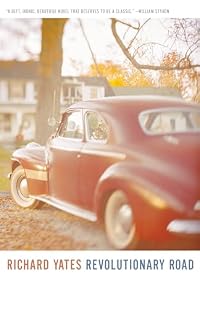
Revolutionary Road
by Richard Yates
On This Page
Description
In the hopeful 1950s, Frank and April Wheeler appear to be a model couple: bright, beautiful, talented, with two young children and a starter home in the suburbs. Perhaps they married too young and started a family too early. Maybe Frank's job is dull. And April never saw herself as a housewife. Yet they have always lived on the assumption that greatness is only just around the corner. But now that certainty is about to crumble.With heartbreaking compassion and remorseless clarity, Richard show more Yates shows how Frank and April mortgage their spiritual birthright, betraying not only each other, but their best selves.From the Trade Paperback edition.
. show less
Tags
Recommendations


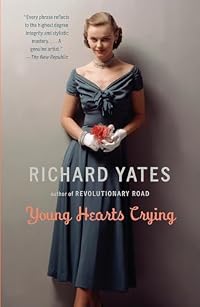
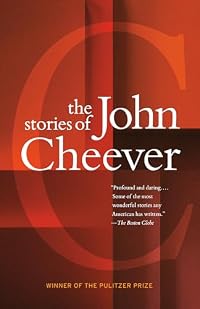
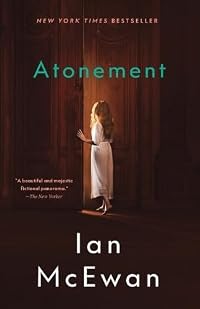
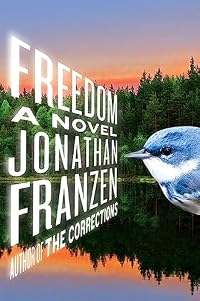

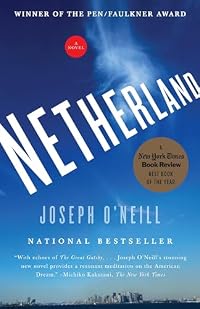
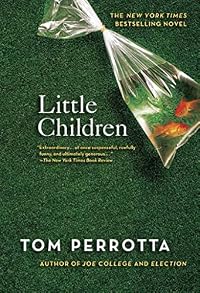
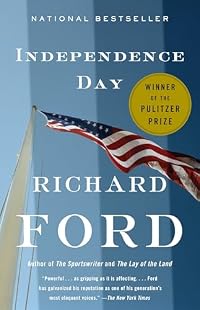
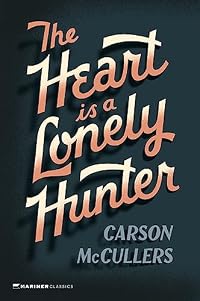
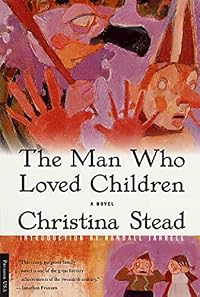
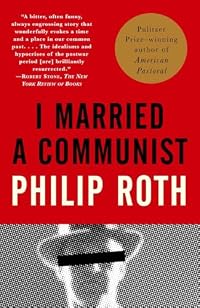
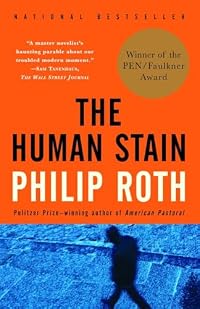
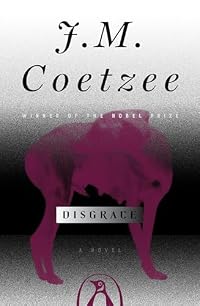
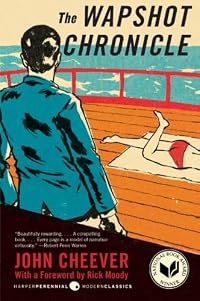
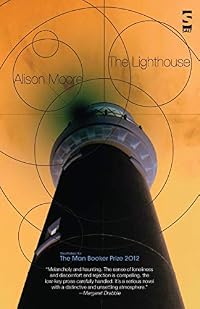
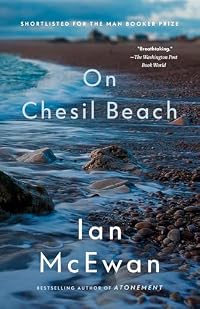
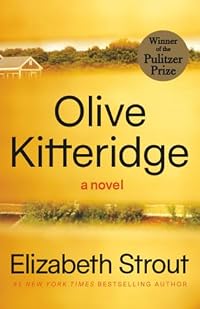

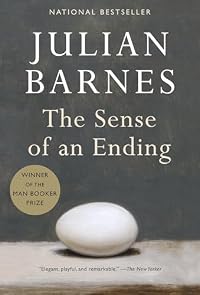
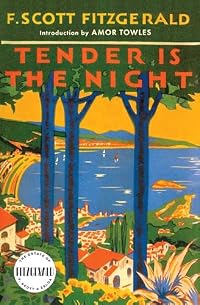
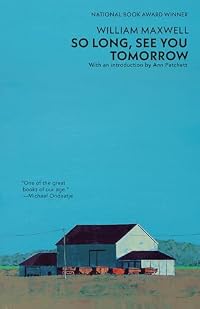
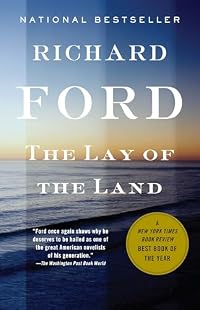
Member Recommendations
JuliaMaria Einen Autor, den Richard Yates, "glühend liebte" und "bei dessen 'Gatsby' er am Ende meistens in Tränen ausbrach".
Also recommended by thesearch
91



by arztriper
JuliaMaria Laut Eva Menasse eine "bewunderswert detaillierte" Biographie zum tragischen Leben von Richard Yates. Zitat: "[...] gnadenlosen Handel: privates Glück gegen künstlerisches Talent, körperliche und geistige Gesundheit gegen Ruhm."

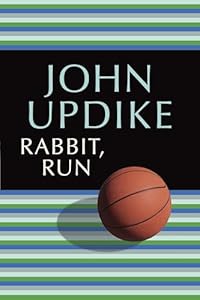
giovannigf Both books (published a year apart) portray immature men with artistic pretentions making selfish decisions that lead to tragic results for their loved ones. Both also share a razor-sharp writing style.

Member Reviews
Revolutionary road è l’ode dell’ ipocrisia americana degli anni ‘60. Ci viene raccontato lo scarto tra il voler essere fuori dagli schemi e allo stesso tempo esserci dentro. È un continuo cercare di fare la differenza, essere diversi e autosabotarsi per rincorrere la strada forse più facile del conformismo.
Frank decisamente odioso e urtante, April non particolarmente simpatica ma vittima della palude dell’inazione del marito e, alla fine, un personaggio molto forte.
Ho trovato bellissima anche la famiglia Givings: la moglie (che nel film è interpretata magistralmente dalla Bates) come simbolo dell’America del periodo, il figlio nel ruolo del fool di shakespeariana memoria, e il marito che subisce la forza dei due. Ho quasi show more apprezzato più loro tre come caratterizzazione, dei personaggi principali: una sorta di sfondo umano a tutta la vicenda.
Un classico che non avrei mai preso in mano senza il gruppo di lettura di Serafina, che anche qui mi ha dato l’occasione di conoscere qualcosa di speciale. show less
Frank decisamente odioso e urtante, April non particolarmente simpatica ma vittima della palude dell’inazione del marito e, alla fine, un personaggio molto forte.
Ho trovato bellissima anche la famiglia Givings: la moglie (che nel film è interpretata magistralmente dalla Bates) come simbolo dell’America del periodo, il figlio nel ruolo del fool di shakespeariana memoria, e il marito che subisce la forza dei due. Ho quasi show more apprezzato più loro tre come caratterizzazione, dei personaggi principali: una sorta di sfondo umano a tutta la vicenda.
Un classico che non avrei mai preso in mano senza il gruppo di lettura di Serafina, che anche qui mi ha dato l’occasione di conoscere qualcosa di speciale. show less
Frank Wheeler may seem as if he is the main character of this tragic story, but it really is his wife, April. And isn't that perfect? Because Frank thinks he's the hero of his own life, when really he is dull, unimaginative, bombastic, a person who talks instead of acts, desperate for constant ego boosting, an adulterer, a wife abuser, completely clueless, and desperately frightened. The book opens on the first performance of an amateur theater company for which April is the star, and that's what April is: an actress at all times, and often not a very good one. She grew up wanting only someone steady she could count on who would tell her that he loves her, and in return she tells Frank what he so desperately wants to hear: that he is show more great, the most interesting man she's met, that he deserves it all. The men in her life put her on a pedestal, but if she at all challenges them, they knock her right down; Frank tells her that he knows what she feels, and when she disagrees, he decides she must be emotionally damaged. Along the way, April has completely lost her sense of who she is and what she wants. She has become an automaton who feeds children and cleans house and smokes cigarettes and hosts vacuous cocktail parties. This is a horror novel, a portrait of a suburban dystopia from which there is no escape. show less
The deliberate devastation, the humdrum of domesticity, the stifling deluded dreams in crumbling crevices of suburban living, Revolutionary Road is a post-war tale of a marred marriage swarmed by deceit and duplicity. Where there is yearning for escape from the past, from one’s self, expectations evaporate into stagnancy; two people disillusioned by matrimony’s happily-ever-afters are drowned in flaws uncompromised, childhood traumas buried, and potentials unrealised where the relationship continuously seesaws in perfect imbalance. More so restricted by heteronormative gender roles (wife stuck at home funnelled by household chores and taking care of the kids, husband’s ego constantly stroke at work, at home, at whoever who can show more give him attention in the midst of his own disdain for such pretences that to pretend is to cope) whilst surrounded by neighbours miserable in their own right. This novel encapsulates an inexorable entrapment. Be this entrapment caused by complete dependency on a spouse, sacrificial tolerance for the sake of the kids, or the legally binding prison of marriage where divorce is a non-existent utterance, Revolutionary Road is a pitifully painful affair. It’s personally easier to sympathise with the wife with her lack of body autonomy, ie., the topic of abortion / physical abuse, the lack of options other than donning the role of a meek, docile homemaker, and subjecting herself to motherhood. This seems to have been portrayed everywhere yet not as magnificent as in Akerman’s cinematic magnum opus Jeanne Dielman, 23 Commerce Quay, 1080 Brussels where the finale, once the threshold is reached, is similar to Revolutionary Road albeit the latter despairs with the inability to change anything / fooling one’s self something has changed / there’s no reason to change anything when everyone around you follows the same blueprint. But I daresay the sensitivities are lost in Yates’ novel which Akerman tackles so seamlessly in her film. Perhaps this is because of how we’re more exposed to the husband’s perspective where there are limited choices yet there are still choices. The lack of drive, contentment with what works (which doesn’t mean any better), contributes to these limitations (and maybe toxic masculinity too). Truth be told, it's always been easier to be a man than to be a woman.
Looking at it all through modern eyes definitely infuriates and frustrates. It’s quite a hard work to remind myself this is set in the 1950s. There are times when the book begs to be thrown across the room. And whilst these issues have somehow improved wives still find themselves unable to be independent and husbands are expected to provide all household income. The loss of one’s self in a relationship is a part of mourning when death is already recognised; if death is ever even recognised; if the idea of separation is even welcomed. If not mourning turns into selfishness where vitriolic hate seeps until an act of killing of whatever’s thought to be still alive is committed. show less
Looking at it all through modern eyes definitely infuriates and frustrates. It’s quite a hard work to remind myself this is set in the 1950s. There are times when the book begs to be thrown across the room. And whilst these issues have somehow improved wives still find themselves unable to be independent and husbands are expected to provide all household income. The loss of one’s self in a relationship is a part of mourning when death is already recognised; if death is ever even recognised; if the idea of separation is even welcomed. If not mourning turns into selfishness where vitriolic hate seeps until an act of killing of whatever’s thought to be still alive is committed. show less
As any lover of the arts knows, an artist's reputation depends not only on what society thinks of their work, but also what they think of it over the passage of time, with many creative professionals' careers dipping up and down over the decades based on changing trends and tastes. Take American author Richard Yates for an excellent example; celebrated by the academic community when he first started writing in the early 1960s, he was considered in the vanguard of the nascent "postmodern" movement, mentioned in the same breath back then as such eventual masters as John Updike and Norman Mailer. (And by the way, I'm defining postmodernism here as developing at the same time and rate as the Vietnam War; so in other words, something only show more intellectuals were aware of when Kennedy first took office, but that had taken over the mainstream by the time Nixon was wearing wide lapels.) But unlike his peers, Yates' career ended up sputtering out about halfway through, with him eventually dying in the '90s on the cusp of obscurity, known if at all only by academes who specifically study the subject of postmodern literature; it wasn't until a series of such scholars started making a case for him in the 2000s that most of his work even went back into print, capped this year with an extremely high-profile Oscar-bait film adaptation of his very first novel, 1961's National Book Award nominated Revolutionary Road.
I just read it myself for the first time this week, in fact; and now that I have, I can easily see not only why Yates was once considered on the forefront of very challenging highbrow lit in the early '60s, but why his work never broke out of the academic gutter while he was alive, and why it's so ripe to revisit at this particular moment in history. Because as many of us now know because of the details behind its film adaptation (it was directed by Sam Mendes, creator of the similarly themed American Beauty), Revolutionary Road turns out to be one of the very first artistic projects in history to have taken on the subject of the Big Bad Suburbs, a topic that eventually became a veritable hallmark of postmodernism and prone to hacky excess by the end of the movement. (That's also something to point out for those who don't know, that I consider postmodernism to have ended on September 11th, and that for the last decade we've actually been living through the beginning of a brand-new artistic age yet to be defined. The Age of Sincerity? The Earnest Era? Literature 2.0?)
And indeed, it was important for the postmodernists to take on the subject of the crumbling suburbs, and of the utter sham they considered the entire concept of the "nuclear family" (a paradigm that was in fact to fall apart precisely during the postmodern years), exactly because it was the paradigm that their parents' generation embraced so whole-heartedly themselves, the sharp lines and unruffled feathers and black-and-white morality of Mid-Century Modernism. And ironically, even that was mostly a reaction to the mainstream paradigm of the generation before them, in this case the moral relativists of the Lost Generation and Great Depression of the 1920s and '30s, the gloomy sex-obsessed nihilists who brought about the ethical murkiness of World War Two and the Holocaust; the entire creation of the "nuclear family" paradigm after the war in the first place was as a direct reaction to those pulp-fiction years, an attempt by an entire society to say that there really is a series of black-and-white ethical values out there that really do apply to every person, not the world of infinite grays presented to us by the artists of the Weimar Era, the screenwriters of film-noir Hollywood and more. Of course, the tropes of Mid-Century Modernism too were found not to work, because humanity is simply more complex than this; and that's what this first wave of "post-Modernist" writers expressly became known for, for pointing out the growing cracks in this shiny plastic Eisenhower facade that most of America had voluntarily slapped on itself in the '50s and early '60s. And that's what led to the counterculture, which led to Watergate, which led to the second age of murky moral relativism that the '70s brought us; and society's reaction to that was once again the good-guy/bad-guy cowboy mentality of the Reagan years. And thus does the great wave of artistic history keep ebbing and flowing, ebbing and flowing.
But, well, okay, you say, that covers half the mystery, of why Yates was so fawned over at the beginning of his career; but what about the other half, of why his work never caught on with the public in the same way as Updike or Mailer (or Vidal or Pynchon or DeLillo for that matter)? And after reading just one book of his now, I'm already starting to see the answer; because when all is said and done, Revolutionary Road is not necessarily a condemnation of the bland soul-killing suburbs themselves (although partly it is -- more on that in a bit), but rather is absolutely for sure a profound and overwhelming criticism of whiny, overeducated, self-declared intellectuals who feel they're "above" such pedestrian environments. It is in fact a big shock about the book, given traditional expectations that the ensuing Postmodern Age has created for such tales about the Big Bad Suburbs, and also given the glee in which movie stars Kate Winslet and Leonardo DiCaprio threw themselves into these roles for the film version; that Frank and Alice Wheeler, the poetry-reading Connecticut couple at the heart of our tale, are far from heroes in the traditional sense of the word, with Alice coming off more like a misguided dupe by the end and Frank more like an out-and-out despicable villain.
And that's because Yates has a different message to convey about the suburbs than you might expect, a much more cynical message than that they're simply bland and soul-killing; he seems to argue that they're not only that, but that this is what most people deserve, and that such plebes can actually have a legitimately decent and happy life within such circumstances as long as they're willing to accept their plebian fate. For example, Yates goes out of his way to show that the young Frank isn't actually an intellectual, not from the stance of being academically trained for the subject, or even naturally talented enough to contribute something legitimately useful to the national conversation of deep thoughts; he's simply the most clever one out of the couple's circle of mostly brain-dead suburban friends, the guy who always seems to be in the center of the spotlight at every Friday-night neighborhood cocktail party. Place most men in such circumstances, Yates seems to argue, men with tiny little dreams and tiny little life expectations, and they will undoubtedly make a nice tiny little life for themselves with such material, undoubtedly become the guy in the neighborhood who always makes the most elaborate Halloween costumes, the guy always asked to head up school-play set designs and workplace book-discussion clubs.
No no, Yates argues, the problem isn't with the people who are simply looking for such a life and not much more, nor the ones who definitively know that such a life simply isn't for them, and quietly decide to live different ones in inner cities without much fuss; no, the problem is with the whiny little "clever" ones, the ones exactly like Frank and Alice, who endlessly bitch and moan about their mouth-breather surroundings but then do nothing about it, who sanctimoniously pass judgment on their ranch-duplex-owning neighbors even while peering at them through the plate-glass windows of their own ranch duplex. That's how the book opens, in fact, with a disastrous premiere by the new neighborhood community theatre company, which wouldn't have been nearly as bad if celebrated as a simple act of creativity, instead of the failed experiment in bringing a highbrow sensibility to the meatsacks that the Wheelers had first pictured it as. It's a debacle for the young family, exacerbated by them being exactly snarky enough to laugh bitterly at the idea of it "at least being a fun experience anyway," and it leads the couple to realizing that something is truly wrong in their relationship, truly and seriously skewed from the unfocused bohemian vision the once Greenwich-Village-living couple had for themselves. (In fact, this is a running joke throughout the manuscript, how the couple wishes to live a creative lifestyle but can't think of anything creative to actually do. "Why is it only painters and writers who are allowed to find themselves?" they're constantly asking in a witty way during cocktail parties, yet another sign of the murky counterculture right around the historical corner.)
But see, this is where the book gets truly interesting, and is the question that consumes most of its very quickly paced 450 pages; because is this unfocused bohemian vision the right one for the couple to have? Just what do the Wheelers want out of life, anyway? For example, it becomes obvious over the course of the novel that Frank doesn't actually mind the minutiae of Corporate America that terribly much, certainly not as much as he complains about, and that his problem is a much more universal one faced by most office workers in their late twenties, to simply have their ideas taken seriously and sometimes implemented, to slowly gain a bit of authority and respect among their co-workers for what they do. And in fact this is a big reason that I consider Frank so despicable to begin with, because he's a moral waffler who doesn't know exactly what he wants, who is too weak to simply sit down and make priorities and then consistently stick to them, even if that means occasional sacrifices. Just take the subject of whether the couple will ever have another child beyond the three that already exist, a running topic throughout the entire manuscript that becomes more and more important as it continues; notice how Frank's opinion on any given day is usually defined in relative opposition to whatever it is that the people around him want, how he will unthinkingly take on contradictory positions sometimes simply so that he can continue to have an excuse to argue with his wife, to feel like he's always "winning" in this hazy competition he sees them having.
In this, then, as mentioned, Alice herself comes off less as a deliberate villain and more like an unfortunate victim; because despite her willingness to revel in the closed-door smugness over their neighbors that Frank so naturally loves, it's obviously that she's at least more ethically consistent over her unhappiness, that their half-baked scheme at the beginning of the book to "move to Paris in the fall" was something she at least took very seriously, not the excuse Frank sees it as to put off real introspection of his life for yet another three months. You can at least feel sympathetic for Alice throughout the course of Revolutionary Road, at least see her as the simple bohemian girl she sees herself as (itself a reaction to her own Frank-and-Zelda out-of-control Jazz-Age parents); it's Frank who's the grand, complex, maddening tragedy-in-waiting, and it's no coincidence that we follow his inner-brain thoughts more than anyone else's throughout.
It's Frank who professes to despise his 9-to-5 job, yet loves that it can afford him a discreet marital affair played out in air-conditioned Manhattan hotel rooms; it's Frank who convinces his wife and their urbane best friends to start hanging out at the local crappy roadhouse for ironic enjoyment (yet another calling card of postmodernism, the act of enjoying crappy things for ironic reasons), yet is the first one to eventually start enjoying the place in a non-ironic way, and to become a legitimate regular there. Or in other words, he's one of those smug, holier-than-thou 29-year-old white-collar 'creative class' weasels you always want to smack when you're around them, the kind who's a major contributor to the problems of that world but claims that he isn't, just because he has a subscription to MAKE magazine and contributes snotty parodies of his day job to AdBusters. Yeah, one of THOSE weasels, like I said, the kind who happily accept all the little perks of the bourgeois lifestyle while still feeling themselves ethically superior to the little acts of banal monstrosity such bourgeois commit on a daily basis, in order to maintain their bourgeois lifestyle.
This is not an easy lesson for most middle-class book lovers to embrace -- that they're either too stupid to understand all the problems their vapid, culture-free lives are creating for society, or are smart enough and simply don't care -- and it makes it easy to see why books like these would be embraced by a doom-and-gloom '60s academic community even while being mostly rejected by the book-buying public. But on the other hand, what Yates warns about here in 1961 is exactly what happened during the Postmodern Age, and it's exactly this clueless vapidity in the '70s, '80s and '90s suburbs that led to the grand post-Bush messes we're facing right this second; and that's why right now might be the best time of all to revisit Yates' work, and to understand the lessons that he was trying to tell us now that we're a generation removed from the activities, now that we don't take his damnations quite so personally. Revolutionary Road turned out to be a better book than I was expecting, albeit a much darker one as well, and one much more critical of its exact target audience than you'd think an award-winner could get away with. It explains much about how American eventually became the trainwreck we now know it as, of how we could so profoundly love touch with such concepts as personal accountability, personal responsibility; it's a shame that it took most of us nearly 50 years to realize this about Yates' remarkable book, but how great that we finally now have. show less
I just read it myself for the first time this week, in fact; and now that I have, I can easily see not only why Yates was once considered on the forefront of very challenging highbrow lit in the early '60s, but why his work never broke out of the academic gutter while he was alive, and why it's so ripe to revisit at this particular moment in history. Because as many of us now know because of the details behind its film adaptation (it was directed by Sam Mendes, creator of the similarly themed American Beauty), Revolutionary Road turns out to be one of the very first artistic projects in history to have taken on the subject of the Big Bad Suburbs, a topic that eventually became a veritable hallmark of postmodernism and prone to hacky excess by the end of the movement. (That's also something to point out for those who don't know, that I consider postmodernism to have ended on September 11th, and that for the last decade we've actually been living through the beginning of a brand-new artistic age yet to be defined. The Age of Sincerity? The Earnest Era? Literature 2.0?)
And indeed, it was important for the postmodernists to take on the subject of the crumbling suburbs, and of the utter sham they considered the entire concept of the "nuclear family" (a paradigm that was in fact to fall apart precisely during the postmodern years), exactly because it was the paradigm that their parents' generation embraced so whole-heartedly themselves, the sharp lines and unruffled feathers and black-and-white morality of Mid-Century Modernism. And ironically, even that was mostly a reaction to the mainstream paradigm of the generation before them, in this case the moral relativists of the Lost Generation and Great Depression of the 1920s and '30s, the gloomy sex-obsessed nihilists who brought about the ethical murkiness of World War Two and the Holocaust; the entire creation of the "nuclear family" paradigm after the war in the first place was as a direct reaction to those pulp-fiction years, an attempt by an entire society to say that there really is a series of black-and-white ethical values out there that really do apply to every person, not the world of infinite grays presented to us by the artists of the Weimar Era, the screenwriters of film-noir Hollywood and more. Of course, the tropes of Mid-Century Modernism too were found not to work, because humanity is simply more complex than this; and that's what this first wave of "post-Modernist" writers expressly became known for, for pointing out the growing cracks in this shiny plastic Eisenhower facade that most of America had voluntarily slapped on itself in the '50s and early '60s. And that's what led to the counterculture, which led to Watergate, which led to the second age of murky moral relativism that the '70s brought us; and society's reaction to that was once again the good-guy/bad-guy cowboy mentality of the Reagan years. And thus does the great wave of artistic history keep ebbing and flowing, ebbing and flowing.
But, well, okay, you say, that covers half the mystery, of why Yates was so fawned over at the beginning of his career; but what about the other half, of why his work never caught on with the public in the same way as Updike or Mailer (or Vidal or Pynchon or DeLillo for that matter)? And after reading just one book of his now, I'm already starting to see the answer; because when all is said and done, Revolutionary Road is not necessarily a condemnation of the bland soul-killing suburbs themselves (although partly it is -- more on that in a bit), but rather is absolutely for sure a profound and overwhelming criticism of whiny, overeducated, self-declared intellectuals who feel they're "above" such pedestrian environments. It is in fact a big shock about the book, given traditional expectations that the ensuing Postmodern Age has created for such tales about the Big Bad Suburbs, and also given the glee in which movie stars Kate Winslet and Leonardo DiCaprio threw themselves into these roles for the film version; that Frank and Alice Wheeler, the poetry-reading Connecticut couple at the heart of our tale, are far from heroes in the traditional sense of the word, with Alice coming off more like a misguided dupe by the end and Frank more like an out-and-out despicable villain.
And that's because Yates has a different message to convey about the suburbs than you might expect, a much more cynical message than that they're simply bland and soul-killing; he seems to argue that they're not only that, but that this is what most people deserve, and that such plebes can actually have a legitimately decent and happy life within such circumstances as long as they're willing to accept their plebian fate. For example, Yates goes out of his way to show that the young Frank isn't actually an intellectual, not from the stance of being academically trained for the subject, or even naturally talented enough to contribute something legitimately useful to the national conversation of deep thoughts; he's simply the most clever one out of the couple's circle of mostly brain-dead suburban friends, the guy who always seems to be in the center of the spotlight at every Friday-night neighborhood cocktail party. Place most men in such circumstances, Yates seems to argue, men with tiny little dreams and tiny little life expectations, and they will undoubtedly make a nice tiny little life for themselves with such material, undoubtedly become the guy in the neighborhood who always makes the most elaborate Halloween costumes, the guy always asked to head up school-play set designs and workplace book-discussion clubs.
No no, Yates argues, the problem isn't with the people who are simply looking for such a life and not much more, nor the ones who definitively know that such a life simply isn't for them, and quietly decide to live different ones in inner cities without much fuss; no, the problem is with the whiny little "clever" ones, the ones exactly like Frank and Alice, who endlessly bitch and moan about their mouth-breather surroundings but then do nothing about it, who sanctimoniously pass judgment on their ranch-duplex-owning neighbors even while peering at them through the plate-glass windows of their own ranch duplex. That's how the book opens, in fact, with a disastrous premiere by the new neighborhood community theatre company, which wouldn't have been nearly as bad if celebrated as a simple act of creativity, instead of the failed experiment in bringing a highbrow sensibility to the meatsacks that the Wheelers had first pictured it as. It's a debacle for the young family, exacerbated by them being exactly snarky enough to laugh bitterly at the idea of it "at least being a fun experience anyway," and it leads the couple to realizing that something is truly wrong in their relationship, truly and seriously skewed from the unfocused bohemian vision the once Greenwich-Village-living couple had for themselves. (In fact, this is a running joke throughout the manuscript, how the couple wishes to live a creative lifestyle but can't think of anything creative to actually do. "Why is it only painters and writers who are allowed to find themselves?" they're constantly asking in a witty way during cocktail parties, yet another sign of the murky counterculture right around the historical corner.)
But see, this is where the book gets truly interesting, and is the question that consumes most of its very quickly paced 450 pages; because is this unfocused bohemian vision the right one for the couple to have? Just what do the Wheelers want out of life, anyway? For example, it becomes obvious over the course of the novel that Frank doesn't actually mind the minutiae of Corporate America that terribly much, certainly not as much as he complains about, and that his problem is a much more universal one faced by most office workers in their late twenties, to simply have their ideas taken seriously and sometimes implemented, to slowly gain a bit of authority and respect among their co-workers for what they do. And in fact this is a big reason that I consider Frank so despicable to begin with, because he's a moral waffler who doesn't know exactly what he wants, who is too weak to simply sit down and make priorities and then consistently stick to them, even if that means occasional sacrifices. Just take the subject of whether the couple will ever have another child beyond the three that already exist, a running topic throughout the entire manuscript that becomes more and more important as it continues; notice how Frank's opinion on any given day is usually defined in relative opposition to whatever it is that the people around him want, how he will unthinkingly take on contradictory positions sometimes simply so that he can continue to have an excuse to argue with his wife, to feel like he's always "winning" in this hazy competition he sees them having.
In this, then, as mentioned, Alice herself comes off less as a deliberate villain and more like an unfortunate victim; because despite her willingness to revel in the closed-door smugness over their neighbors that Frank so naturally loves, it's obviously that she's at least more ethically consistent over her unhappiness, that their half-baked scheme at the beginning of the book to "move to Paris in the fall" was something she at least took very seriously, not the excuse Frank sees it as to put off real introspection of his life for yet another three months. You can at least feel sympathetic for Alice throughout the course of Revolutionary Road, at least see her as the simple bohemian girl she sees herself as (itself a reaction to her own Frank-and-Zelda out-of-control Jazz-Age parents); it's Frank who's the grand, complex, maddening tragedy-in-waiting, and it's no coincidence that we follow his inner-brain thoughts more than anyone else's throughout.
It's Frank who professes to despise his 9-to-5 job, yet loves that it can afford him a discreet marital affair played out in air-conditioned Manhattan hotel rooms; it's Frank who convinces his wife and their urbane best friends to start hanging out at the local crappy roadhouse for ironic enjoyment (yet another calling card of postmodernism, the act of enjoying crappy things for ironic reasons), yet is the first one to eventually start enjoying the place in a non-ironic way, and to become a legitimate regular there. Or in other words, he's one of those smug, holier-than-thou 29-year-old white-collar 'creative class' weasels you always want to smack when you're around them, the kind who's a major contributor to the problems of that world but claims that he isn't, just because he has a subscription to MAKE magazine and contributes snotty parodies of his day job to AdBusters. Yeah, one of THOSE weasels, like I said, the kind who happily accept all the little perks of the bourgeois lifestyle while still feeling themselves ethically superior to the little acts of banal monstrosity such bourgeois commit on a daily basis, in order to maintain their bourgeois lifestyle.
This is not an easy lesson for most middle-class book lovers to embrace -- that they're either too stupid to understand all the problems their vapid, culture-free lives are creating for society, or are smart enough and simply don't care -- and it makes it easy to see why books like these would be embraced by a doom-and-gloom '60s academic community even while being mostly rejected by the book-buying public. But on the other hand, what Yates warns about here in 1961 is exactly what happened during the Postmodern Age, and it's exactly this clueless vapidity in the '70s, '80s and '90s suburbs that led to the grand post-Bush messes we're facing right this second; and that's why right now might be the best time of all to revisit Yates' work, and to understand the lessons that he was trying to tell us now that we're a generation removed from the activities, now that we don't take his damnations quite so personally. Revolutionary Road turned out to be a better book than I was expecting, albeit a much darker one as well, and one much more critical of its exact target audience than you'd think an award-winner could get away with. It explains much about how American eventually became the trainwreck we now know it as, of how we could so profoundly love touch with such concepts as personal accountability, personal responsibility; it's a shame that it took most of us nearly 50 years to realize this about Yates' remarkable book, but how great that we finally now have. show less
I am about one hundred pages short of finishing the novel, and have to begin writing the review now, not because I don’t want to finish the book, but because I think I will have forgotten too many of the things I wanted to mention. Richard Yates has received quite the resurgence in interest recently, especially from online amateur book reviewers, and judging solely from “Revolutionary Road” alone, it is well deserved.
The lives of its two central characters, the married couple April and Frank Wheeler, are dripping with tragic irony. (In many ways, it resembles a modern retelling of something from Euripides or Sophocles.) The entire novel is an investigation into the different modes of irony that deeply infiltrate even the most show more intimate parts of their lives. April and Frank – what two names could better express the blunting dullness of the hope-springs-eternal optimism of the 1950s in which the novel is set? From the very first page, however, Yates is single-minded in his goal to have the reader see that this optimism is simply an illusion. On that first page, we learn that April is an aspiring actress who has been relegated, much to her chagrin, to a suburban amateur theatre group. When her co-actors’ weak performances disappoint her, she goes home to take it out on her husband who at first seems the model of forbearance, putting up with hours of her icy “silent treatment,” but who eventually shows himself to be every bit as cruel and calculating as his wife. To support them, Frank has taken a middle-manager job in the technology company where his father used to work. For whatever reason, and the author never makes it wholly clear, both Frank and April both think that success and everything else they deserve is right around the corner. They have convinced themselves that “these mindless drones working in the sales department don’t think and feel in the same ways we do.” Why should they? “They’re just silly brownnosing ladder-climbers.” They even secretly hold this sense of smug superiority toward their neighbors, who also happen to be their best friends.
Yates is really masterful at describing the profound changes that took place between the time when Frank’s father worked there and now. Frank’s father always worked hard, was always tired – but he seemed satisfied. He was a company man and proud to be identified as one. Frank, twenty years on, does nothing but sit and collect his check; moreover, he’s disgusted by the corporate business mentality that pervades the whole place. Yates wants you to see that the corporate workplace definitely has become more alienating, but I think he also wants to show healthy and unhealthy ways to accommodate it, and that Frank’s attitude of seeing it only as a place where you spend forty hours a week and try to do as little as possible is one of the unhealthy ways. Frank and April either refuse (or perhaps are just incapable) of discovering what they need for themselves.
If there could be anything like one clear, distinct message to be taken away from this novel, it is that meaning – what you want to do with your life, the worth of your relationships, what makes life worth living – is never simply handed to you, an artisan-crafted thing on a silver platter. You have to build it yourself, to make it with your own hands. Meaning is something that we must continually weave for ourselves out of our personal needs, passions, and drives. Waiting for it to arrive means it never will. That, ultimately, is the tragedy for April and Frank Wheeler. show less
The lives of its two central characters, the married couple April and Frank Wheeler, are dripping with tragic irony. (In many ways, it resembles a modern retelling of something from Euripides or Sophocles.) The entire novel is an investigation into the different modes of irony that deeply infiltrate even the most show more intimate parts of their lives. April and Frank – what two names could better express the blunting dullness of the hope-springs-eternal optimism of the 1950s in which the novel is set? From the very first page, however, Yates is single-minded in his goal to have the reader see that this optimism is simply an illusion. On that first page, we learn that April is an aspiring actress who has been relegated, much to her chagrin, to a suburban amateur theatre group. When her co-actors’ weak performances disappoint her, she goes home to take it out on her husband who at first seems the model of forbearance, putting up with hours of her icy “silent treatment,” but who eventually shows himself to be every bit as cruel and calculating as his wife. To support them, Frank has taken a middle-manager job in the technology company where his father used to work. For whatever reason, and the author never makes it wholly clear, both Frank and April both think that success and everything else they deserve is right around the corner. They have convinced themselves that “these mindless drones working in the sales department don’t think and feel in the same ways we do.” Why should they? “They’re just silly brownnosing ladder-climbers.” They even secretly hold this sense of smug superiority toward their neighbors, who also happen to be their best friends.
Yates is really masterful at describing the profound changes that took place between the time when Frank’s father worked there and now. Frank’s father always worked hard, was always tired – but he seemed satisfied. He was a company man and proud to be identified as one. Frank, twenty years on, does nothing but sit and collect his check; moreover, he’s disgusted by the corporate business mentality that pervades the whole place. Yates wants you to see that the corporate workplace definitely has become more alienating, but I think he also wants to show healthy and unhealthy ways to accommodate it, and that Frank’s attitude of seeing it only as a place where you spend forty hours a week and try to do as little as possible is one of the unhealthy ways. Frank and April either refuse (or perhaps are just incapable) of discovering what they need for themselves.
If there could be anything like one clear, distinct message to be taken away from this novel, it is that meaning – what you want to do with your life, the worth of your relationships, what makes life worth living – is never simply handed to you, an artisan-crafted thing on a silver platter. You have to build it yourself, to make it with your own hands. Meaning is something that we must continually weave for ourselves out of our personal needs, passions, and drives. Waiting for it to arrive means it never will. That, ultimately, is the tragedy for April and Frank Wheeler. show less
Watch young Frank Wheeler, husband of April and father-of-two in his late 20s, work in the garden of the Wheeler's home in suburban Connecticut. He's breaking out stones in the backyard, dragging them to the front and using them to build a brand new path from his house down to the driveway. It's tough, sweaty work, the kids keep getting in the way and it's doubtful if he's ever going to finish it, but that's what it means to be a Man; you do the job, you support your family.
Watch young April Wheeler, wife of Frank and mother-of-two in her late 20s, acting in the local community theatre's production of The Petrified Forest. Despite having given up her naive ideas of becoming a model or actress when she married, we're told she's the only show more good thing about the play; she knows her lines, she understands her part, she's the last one to fall apart when everything starts going wrong and the play ends in disaster. Not that she doesn't eventually fall apart; everyone's an amateur here, after all.
She must have spent the morning in an agony of thought, pacing up and down the rooms of a dead-silent, dead-clean house and twisting her fingers at her waist until they ached; she must have spent the afternoon in a frenzy of action at the shopping center, lurching her car imperiously through mazes of NO LEFT TURN signs...
There's been a ton of films and novels about American suburbian angst in the past 15 years or so, so it stands to reason that Revolutionary Road (set in 1953, published in 1960) has had a revival. But in a weird way, though Revolutionary Road predates all the other stories, it also anticipates them: Frank and April are very well aware of their situation. They're not the ones to blithely settle down and wait for promotions, grandkids and death while the rose bushes grow; they're self-described intellectuals, goddamnit, they know what their parents got wrong, they have plans and aspirations, they know that there's so much more to life than being good neighbours and following the flock. They're the post-war generation, they're the perfect family on the cusp of a brand new world, they're the ones who are going to build a new road out of old stones.
And it's all going to go to hell.
Revolutionary Road is easily one of the best reads of the year for me. I don't know what it is that does it; the stark realism; the beautiful prose that stays down to earth without ever becoming dull, descriptive without being flowery, with just enough sneaky irony to underline the earnestness, show-don't-tell like very few can do it; the multi-faceted, well-drawn characters and the way he sets them up against each other without using any far-fetched plot elements - just lets it play out and coldly takes them where they need to go, not for the sake of making a heavy-handed point but just because that's what happens to these people. One of the blurbs has Kurt Vonnegut declaring it the Great Gatsby of his generation, which is a perfectly valid comparison, though personally I can't help thinking of Rabbit, Run - with the added twist that Yates gives the story a more interesting (and by extension horriffic) spin than Updike; where it's hard not to think that Rabbit Angstrom is an asshole who deserves what he gets, and the people who suffer from his shenanigans are victims, there aren't really any bad guys in Revolutionary Road. Sure, they have their less admirable sides - Frank especially - but there's no conscious malice here, at least not to start with. The road isn't paved only with good intentions but also with a certain set of deeply set ideals, ideas, power structures and personal backgrounds that slowly but surely bring everything crashing down. And what makes it all the more chilling is that these are the sort of people who are supposed to know better, who think they have the intellect, education and fresh ideas to do things in a new way - and given everything they've come from, everything they still don't see, can't not end up where they're headed.
We tend to forget that "revolution" means "full circle"; the very word itself belies the notion of forging a brand-new path. And even the best intentions for how to make the world better tend to end in a reign of terror. Revolutionary Road is so deliciously detailed, so subtle, and yet hits me like a ton of bricks. show less
Watch young April Wheeler, wife of Frank and mother-of-two in her late 20s, acting in the local community theatre's production of The Petrified Forest. Despite having given up her naive ideas of becoming a model or actress when she married, we're told she's the only show more good thing about the play; she knows her lines, she understands her part, she's the last one to fall apart when everything starts going wrong and the play ends in disaster. Not that she doesn't eventually fall apart; everyone's an amateur here, after all.
She must have spent the morning in an agony of thought, pacing up and down the rooms of a dead-silent, dead-clean house and twisting her fingers at her waist until they ached; she must have spent the afternoon in a frenzy of action at the shopping center, lurching her car imperiously through mazes of NO LEFT TURN signs...
There's been a ton of films and novels about American suburbian angst in the past 15 years or so, so it stands to reason that Revolutionary Road (set in 1953, published in 1960) has had a revival. But in a weird way, though Revolutionary Road predates all the other stories, it also anticipates them: Frank and April are very well aware of their situation. They're not the ones to blithely settle down and wait for promotions, grandkids and death while the rose bushes grow; they're self-described intellectuals, goddamnit, they know what their parents got wrong, they have plans and aspirations, they know that there's so much more to life than being good neighbours and following the flock. They're the post-war generation, they're the perfect family on the cusp of a brand new world, they're the ones who are going to build a new road out of old stones.
And it's all going to go to hell.
Revolutionary Road is easily one of the best reads of the year for me. I don't know what it is that does it; the stark realism; the beautiful prose that stays down to earth without ever becoming dull, descriptive without being flowery, with just enough sneaky irony to underline the earnestness, show-don't-tell like very few can do it; the multi-faceted, well-drawn characters and the way he sets them up against each other without using any far-fetched plot elements - just lets it play out and coldly takes them where they need to go, not for the sake of making a heavy-handed point but just because that's what happens to these people. One of the blurbs has Kurt Vonnegut declaring it the Great Gatsby of his generation, which is a perfectly valid comparison, though personally I can't help thinking of Rabbit, Run - with the added twist that Yates gives the story a more interesting (and by extension horriffic) spin than Updike; where it's hard not to think that Rabbit Angstrom is an asshole who deserves what he gets, and the people who suffer from his shenanigans are victims, there aren't really any bad guys in Revolutionary Road. Sure, they have their less admirable sides - Frank especially - but there's no conscious malice here, at least not to start with. The road isn't paved only with good intentions but also with a certain set of deeply set ideals, ideas, power structures and personal backgrounds that slowly but surely bring everything crashing down. And what makes it all the more chilling is that these are the sort of people who are supposed to know better, who think they have the intellect, education and fresh ideas to do things in a new way - and given everything they've come from, everything they still don't see, can't not end up where they're headed.
We tend to forget that "revolution" means "full circle"; the very word itself belies the notion of forging a brand-new path. And even the best intentions for how to make the world better tend to end in a reign of terror. Revolutionary Road is so deliciously detailed, so subtle, and yet hits me like a ton of bricks. show less
April è una moderna Bovary, una Bovary americana, ammesso che sia concepibile un bovarysmo di stampo nazionale. E' nevrotica, insoddisfatta, senza radici, priva di morale.
Suo marito è il classico americano medio, un uomo venuto dal nulla e di nulla fatto, un vuoto rivestito di manierismi, in perenne battaglia con la moglie per il predominio intellettuale nella coppia, un predominio che alla fine si esplicita nell'assenza (questi sono affari miei, questi sono affari tuoi).
Ovviamente entrambi avranno delle relazioni extraconiugali, altrettanto ovviamente queste relazioni non saranno veri e propri tradimenti, dato che non si può tradire ciò che non esiste.
Penseranno di emigrare in Europa, come panacea alla loro insoddisfazione, e alla show more fine investiranno una gravidanza imprevista del ruolo di salvatrice dalle conseguenze di un'idea che dentro di loro sentono balorda. Quando il folle vicino di casa li costringerà a porsi delle domande, April, la più sensibile dei due, non reggerà, e tutto finirà tragicamente.
Allora la provincia americana, gli americani medi, si chiuderanno come un'acqua oleosa e puzzolente sulla fine dei Wheeler, togliendole anche la parvenza di una dignità. show less
Suo marito è il classico americano medio, un uomo venuto dal nulla e di nulla fatto, un vuoto rivestito di manierismi, in perenne battaglia con la moglie per il predominio intellettuale nella coppia, un predominio che alla fine si esplicita nell'assenza (questi sono affari miei, questi sono affari tuoi).
Ovviamente entrambi avranno delle relazioni extraconiugali, altrettanto ovviamente queste relazioni non saranno veri e propri tradimenti, dato che non si può tradire ciò che non esiste.
Penseranno di emigrare in Europa, come panacea alla loro insoddisfazione, e alla show more fine investiranno una gravidanza imprevista del ruolo di salvatrice dalle conseguenze di un'idea che dentro di loro sentono balorda. Quando il folle vicino di casa li costringerà a porsi delle domande, April, la più sensibile dei due, non reggerà, e tutto finirà tragicamente.
Allora la provincia americana, gli americani medi, si chiuderanno come un'acqua oleosa e puzzolente sulla fine dei Wheeler, togliendole anche la parvenza di una dignità. show less
Members
- Recently Added By
Published Reviews
ThingScore 100
Writing in controlled, economical prose, Mr. Yates delineates the shape of these disintegrating lives without lapsing into sentimentality or melodrama. His ear for dialogue enables him to infuse the banal chitchat of suburbia with a subtext of Pinteresque proportions, and he proves equally skilled at reproducing the pretentious, status-conscious talk of people brought up on Freud and Marx.
added by jlelliott
Lists

The Guardian's 1000 Novels Everyone Must Read
1,005 works; 549 members

Read the book and saw the movie
1,170 works; 195 members

Great American Novels
158 works; 40 members

Best Love Stories
107 works; 14 members

Top Five Books of 2013
1,562 works; 721 members

Favourite Books
1,817 works; 309 members
Best Family Stories
241 works; 22 members
20th Century Literature
1,161 works; 54 members
Time Magazine's "All-Time 100"
113 works; 15 members
1960s, Best books published therein
254 works; 22 members

Canon de la narrativa universal del siglo XX
254 works; 6 members
National Book Award Finalists - Fiction
377 works; 12 members

New England Books
101 works; 10 members

The American Experience
173 works; 18 members
Time's All-Time 100 Novels
100 works; 27 members

Love and Marriage
93 works; 10 members

Top Five Books of 2022
736 works; 272 members

1960s
281 works; 16 members

Love Triangles in Literature
108 works; 15 members

Dysfunctional Families
133 works; 7 members
USA Road Trip
50 works; 3 members
Books Set in Small Towns and Villages
278 works; 16 members
Best Domestic Fiction
77 works; 6 members
Literary Travelogue of the United States Challenge
133 works; 6 members
First Novels
373 works; 16 members

Books Read in 2022
5,164 works; 113 members

Books Set in Connecticut
6 works; 1 member
Literature About Adultery
69 works; 10 members
American Lit for Eng 11 Research Project
368 works; 6 members

Alphabetical Books
211 works; 3 members

A Novel Cure
742 works; 23 members

Novels/Poems/Short Stories/Anything Storytelling Related
112 works; 2 members

The Art of Manliness' 100+ Books Every Man Should Read
108 works; 2 members

Canon de la narrativa universal del s. XX (cicutadry)
499 works; 3 members
Author Information

46+ Works 12,600 Members
Richard Yates is the author of the novels "Revolutionary Road", "A Special Providence", "Disturbing the Peace", "The Easter Parade", "A Good School", "Young Hearts Crying", & "Cold Spring Harbor". He died in 1992. (Bowker Author Biography) Richard Yates was born in Yonkers, New York in 1926. Yates was a well-known American novelist and short-story show more writer. Yates first became interested in writing and journalism while attending Avon Old Farms School in Avon, Connecticut. After Yates' return from France and Germany after serving in the army, he worked as a journalist, publicity writer, and freelance ghost writer. It was not until 1961 that his career as a novelist was officially launched with the publication of his first novel, Revolutionary Road. Revolutionary Road was a finalist for the National Book Award and was subsequently made into a movie in 2008. Yates also taught writing at several universities and institutions including Columbia University, Boston University, Wichita State University, and the University of Southern California Master of Professional Writing Program. Yates was divorced twice and has three daughters: Sharon, Monica, and Gina. He died in 1992 in Birmingham, Alabama of emphysema and complications from a minor surgery. show less
Awards and Honors
Awards
Notable Lists
Series
Belongs to Publisher Series
Biblioteca Sábado (48)
Work Relationships
Has the adaptation
Common Knowledge
- Canonical title
- Revolutionary Road
- Original title
- Revolutionary Road
- Alternate titles*
- Das Jahr der leeren Träume
- Original publication date
- 1961
- People/Characters
- Frank Wheeler; April Wheeler; Milly Campbell; Shep Campbell; Helen Givings; Howard Givings (show all 8); John Givings; Maureen Grube
- Important places
- Connecticut, USA; New York, New York, USA; USA; New York, USA
- Related movies
- Revolutionary Road (2008 | IMDb)
- Epigraph
- Alas! when passion is both meek and wild!
– John Keats - Dedication
- To Sheila
- First words
- The final dying sounds of their dress rehearsal left the Laurel Players with nothing to do but stand there, silent and helpless, blinking out over the footlights of the empty auditorium.
- Quotations
- Nobody thinks or feels or cares any more; nobody gets excited or believes in anything except their own comfortable little God damn mediocrity.
- Last words
- (Click to show. Warning: May contain spoilers.)But from there on Howard Givings heard only a welcome, thunderous sea of silence. He had turned off his hearing aid.
- Blurbers
- Vonnegut, Kurt; Kakutani, Michiko; Williams, Tennessee; Styron, William
- Original language*
- English
*Some information comes from Common Knowledge in other languages. Click "Edit" for more information.
Classifications
Statistics
- Members
- 7,405
- Popularity
- 1,549
- Reviews
- 259
- Rating
- (4.01)
- Languages
- 22 — Catalan, Chinese, Czech, Danish, Dutch, English, Finnish, French, German, Greek, Hebrew, Italian, Korean, Lithuanian, Norwegian (Bokmål), Polish, Portuguese, Romanian, Russian, Slovenian, Spanish, Swedish
- Media
- Paper, Audiobook, Ebook
- ISBNs
- 90
- ASINs
- 41