On This Page
Description
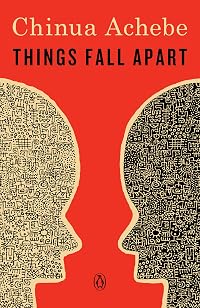
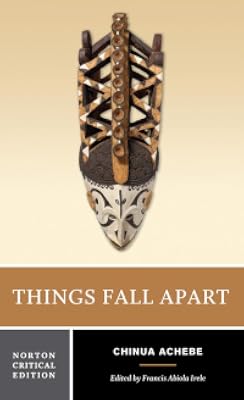
First published in 1958, this novel tells the story of Okonkwo, the leader of an Igbo (Ibo) community who is banished for accidentally killing a clansman. The novel covers the seven years of his exile to his return, providing an inside view of the intrusion of white missionaries and colonial government into tribal Igbo society in the 1890s.Tags
Recommendations
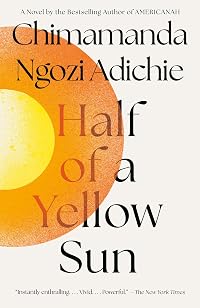
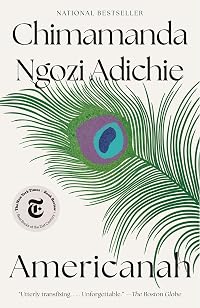
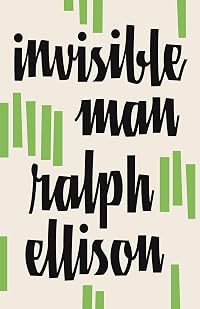
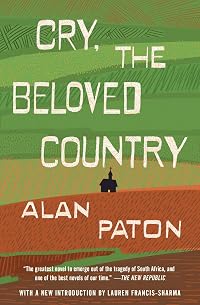

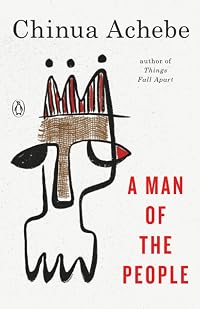
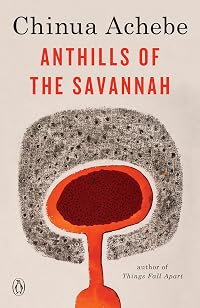
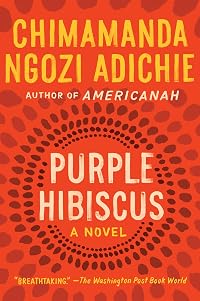
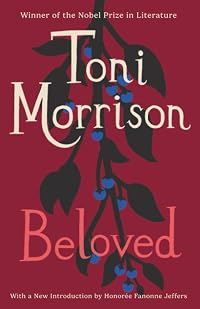
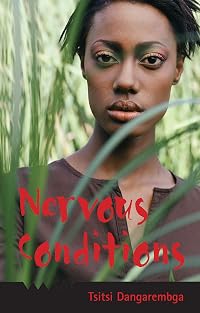
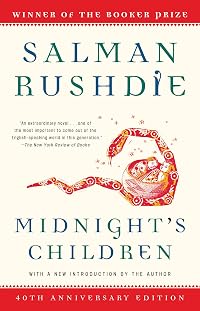
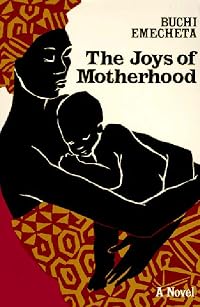
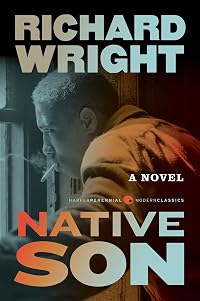
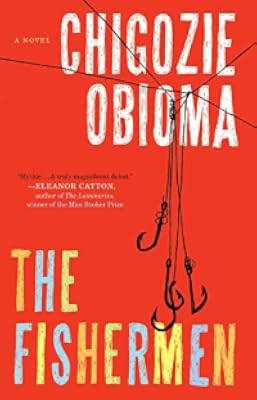
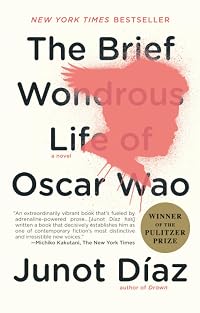
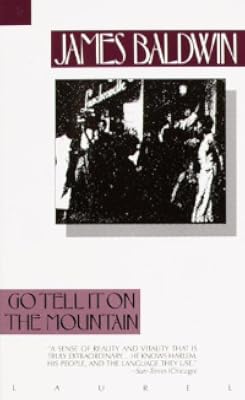
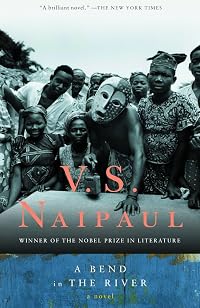
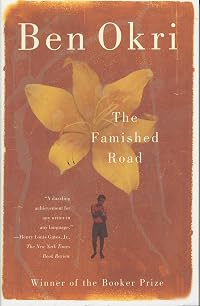
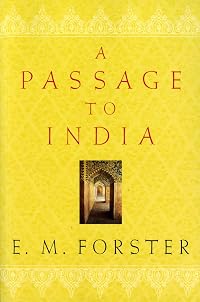
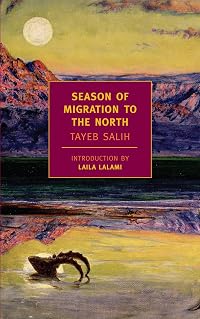
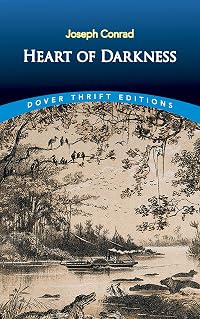
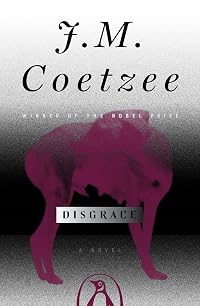
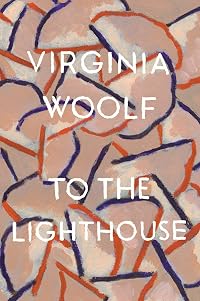
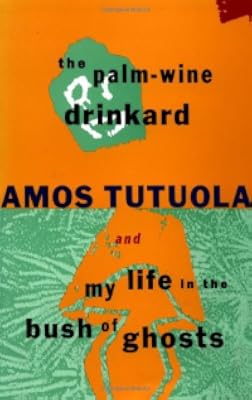
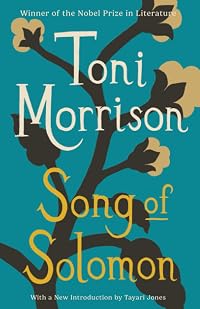
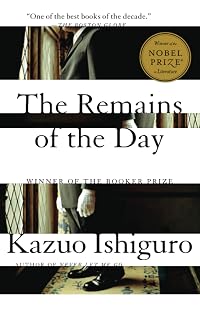
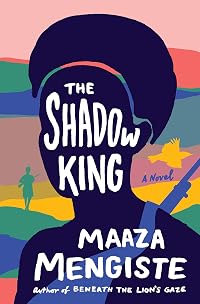
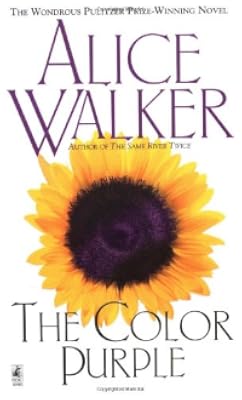

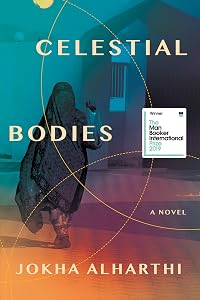
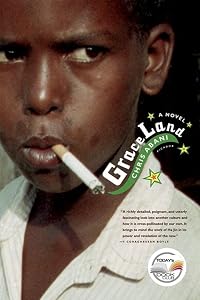
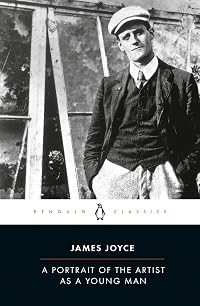
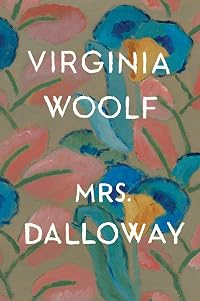
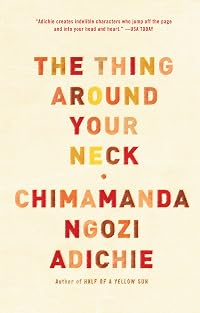
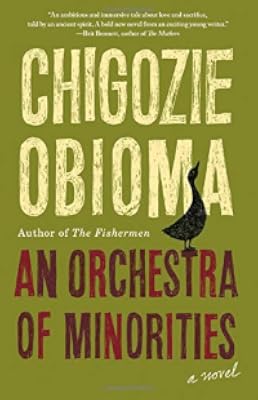

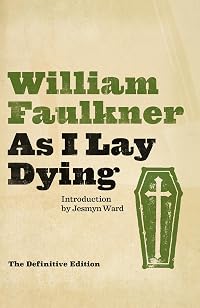
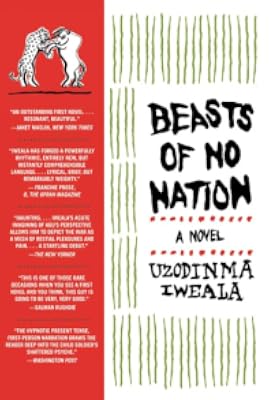
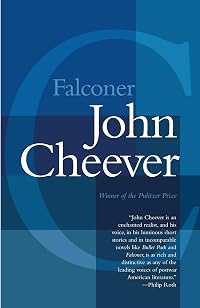
Member Recommendations
Ellen_Elizabeth Another classic, historical fiction novel that explores traditional culture through the story and of one man and his family. Both were written in English and illustrate the author's perceived strengths and weaknesses of the subject culture in a way that is accessible to western readers.
75


andomck Both books are about colonization. One is from the perspective of colonizer, the other the colonized.
18
TuesdayNovember Both follow the fall of a callous man - one great, one not quite so.
214
Member Reviews
1959 novel set in an Igbo (or, as it's rendered here, Ibo) village, both before and after the coming of Christian missionaries and colonial rulers. I found it an interesting and rewarding glimpse into a culture largely unfamiliar to me, as it brings this place and its people and its customs to vivid, and very human, life. I'm sort of struck by how, despite the differences in time, place and culture, the main character, Okonkwo feels so recognizable to me as a particular, familiar type of man. One who, in modern American culture, we might describe as "poisoned by toxic masculinity." Despite which, one feels real sympathy for him, and the ending of his story is incredibly poignant on any number of levels. Achebe doesn't shrink from show more depicting Okonkwo's violent nature or the way the customs of his people can be terribly cruel, but he also makes your heart ache at what is coming for them. And Okonkwo sees what is coming for them. show less
The first three-quarters of Things Fall Apart is immersed in the clan culture of eastern Nigeria (we don't actually learn the specific setting - the events of the novel can presumably be transferred to any sub-Saharan pre- and post-colonial setting). The society that Achebe describes can be brutally violent and superstitious, and the protagonist, or anti-hero, Okonkwo is so single-minded and angry that it's difficult to sympathize with him. I think that Achebe chose to show the clan society with all of its flaws to counter any nationalist or tribal tendency to romanticize an idyllic past. Despite these flaws, there is a well-defined system of ethics in place that is necessary to keeping the society intact. Things do indeed fall apart show more when the British colonial administrators and missionaries arrive on the scene.
Achebe doesn't place judgment on either culture; the point is that whenever two systems collide and contend for power, tragedy is unavoidable.
Revised 2.3.12
After another reading, what strikes me is the juxtaposition of the two cultures. The Western reader is shocked by some of the extremes of the tribal culture, but they make sense in context. They make no sense at all when confronted with British, imperial, Christian forces.
Revised 3/26/18
What makes this novel so brilliant is that it is unflinching. The animistic cultural traditions of the Igbo are treated matter-of-factly, with the contact with European Christians laying bare the internal tensions of the tribe. Achebe avoids value judgments here. In fact, it is Okonkwo's inability to really critique his own culture to be his downfall. He is a true believer; he cannot adapt. The Christians are just as rigid in their dogma - but they have the guns, germs and steel on their side. show less
Achebe doesn't place judgment on either culture; the point is that whenever two systems collide and contend for power, tragedy is unavoidable.
Revised 2.3.12
After another reading, what strikes me is the juxtaposition of the two cultures. The Western reader is shocked by some of the extremes of the tribal culture, but they make sense in context. They make no sense at all when confronted with British, imperial, Christian forces.
Revised 3/26/18
What makes this novel so brilliant is that it is unflinching. The animistic cultural traditions of the Igbo are treated matter-of-factly, with the contact with European Christians laying bare the internal tensions of the tribe. Achebe avoids value judgments here. In fact, it is Okonkwo's inability to really critique his own culture to be his downfall. He is a true believer; he cannot adapt. The Christians are just as rigid in their dogma - but they have the guns, germs and steel on their side. show less
Okonkwo is an Igbo man whose greatest desire is to be the successful man his father wasn't. Tragically for Okonkwo, the rules for success change during his lifetime with the arrival of British colonial government and the influence of Christian missionaries.
Achebe gives the reader an insider's perspective on the culture of Umuofia, Okonkwo's Nigerian village. Viewed from the inside, one can discern the source of many of the traditions and values of Okonkwo's world. The life and stability of the community takes precedence over individual rights, and men take precedence over women and children. In Umuofia, an entire village bears the weight of guilt for one man's crime, and it is considered just to execute an innocent man as payment for show more this collective guilt. Under such circumstances a clash with Western/European culture is inevitable.
Achebe's novel addresses universal themes of family, generational conflict, fear of failure, fear of change, friendship, religion, and social conflict. It's a must-read for anyone preparing to live and work in a cross cultural setting. show less
Achebe gives the reader an insider's perspective on the culture of Umuofia, Okonkwo's Nigerian village. Viewed from the inside, one can discern the source of many of the traditions and values of Okonkwo's world. The life and stability of the community takes precedence over individual rights, and men take precedence over women and children. In Umuofia, an entire village bears the weight of guilt for one man's crime, and it is considered just to execute an innocent man as payment for show more this collective guilt. Under such circumstances a clash with Western/European culture is inevitable.
Achebe's novel addresses universal themes of family, generational conflict, fear of failure, fear of change, friendship, religion, and social conflict. It's a must-read for anyone preparing to live and work in a cross cultural setting. show less
This is an extraordinary book in its ability to narrate both a story of cultural dissonance and an overarching tale about the human condition. Achebe's novel broaches the subject of morality, but demonstrates that even the concept of "evil" is subject to a cultural interpretive context.
Okonkwo, the book's tragic hero, is an emblem of tradition, but also represents how tradition can be subject to the inner turmoil of the human soul. While the Ibo people must face the threat of European missionaries, Okonkwo must confront the threat of his own misplaced hubris. Achebe is a sympathetic voice, but is unafraid to reveal the flaws of his characters as a commentary upon our own imperfect existence.
This is probably one of the best introductions show more to African fiction, precisely because the story does not limit itself to the African context. The author's investigation of tragedy is pragmatic, yet emotionally stimulating without being romanticized. It is a book that will help the western reader more easily understand not only Nigerian tribal culture, but the power of ideas and their institutions. show less
Okonkwo, the book's tragic hero, is an emblem of tradition, but also represents how tradition can be subject to the inner turmoil of the human soul. While the Ibo people must face the threat of European missionaries, Okonkwo must confront the threat of his own misplaced hubris. Achebe is a sympathetic voice, but is unafraid to reveal the flaws of his characters as a commentary upon our own imperfect existence.
This is probably one of the best introductions show more to African fiction, precisely because the story does not limit itself to the African context. The author's investigation of tragedy is pragmatic, yet emotionally stimulating without being romanticized. It is a book that will help the western reader more easily understand not only Nigerian tribal culture, but the power of ideas and their institutions. show less
The book starts off with what seems at first to be vignettes of Nigerian life in a village, stories strung together by its inhabitants. Part II quickens the pace and the hero emerges more clearly, not as a saviour but as a tragic hero who seems to live in the past. Part III delivers the final blow and what was a snippet of a life suddenly become the emblem of an entire nation, indeed of an entire continent. Masterful and unforgettable.
Okonkwo’s father was not industrious, or manly, or wise, or wealthy. He was everything that Okonkwo swore that he would not be. And he wasn’t. From a very early age he established himself as a great wrestler, warrior, farmer of yams, and keeper of the traditions of his clan. Admittedly he was hard on his wives and his children. But no harder than he was with himself. His pride was easily offended and he feared even the hint of his father’s fecklessness. For a time his rise is unstoppable. But events, or his actions, or fate, or his chi conspire against him and he finds himself falling in the eyes of others and more importantly in his own eyes. Worse, the world in which he found his worth is itself changing out of all recognition show more with the appearance of white men and the white man's god.
This is a deceptively simple story, subtly told and curiously worked. Story threads recur in successive chapters, sometimes in successive paragraphs, but altered. It’s as though narrative itself is unstable in Okonkwo’s world. And ultimately the point of view shifts at the very end to the white district commissioner contemplating writing his memoir of his time in Africa in which, he muses, Okonkwo may merit part of one paragraph. Or he may simply be a detail that will need to be cut out.
Such narrative sophistication presented as a simple folk history of an unlucky man is what warrants the continued praise that this novel receives. I’m very glad that I finally took the opportunity to read it.
Highly recommended. show less
This is a deceptively simple story, subtly told and curiously worked. Story threads recur in successive chapters, sometimes in successive paragraphs, but altered. It’s as though narrative itself is unstable in Okonkwo’s world. And ultimately the point of view shifts at the very end to the white district commissioner contemplating writing his memoir of his time in Africa in which, he muses, Okonkwo may merit part of one paragraph. Or he may simply be a detail that will need to be cut out.
Such narrative sophistication presented as a simple folk history of an unlucky man is what warrants the continued praise that this novel receives. I’m very glad that I finally took the opportunity to read it.
Highly recommended. show less
I found this a smooth, good read. Absorbing, well-paced, engrossing and not at all long--novella length. Sad to say, I don't as a rule expect good reads in those books upheld as modern classics, but this pulled me in. Someone who saw me reading it told me they found the style "Romper Room" and some reviews seem to echo that. I didn't feel that way. I'd call the style "spare"--which befits a writer who when asked which writers he admired and who influenced him named Hemingway along with Conrad and Graham Greene. And I loved how Achebe wove in folk tales and sayings and Ibo customs into the narrative. Things Fall Apart is considered a classic in African literature, and according to the introduction, Achebe wrote it to rehabilitate and show more counter what he called "the tarnished image of Africa," to give human dimension to the colonized.
The first part gives us a nuanced and detailed picture of life in a pre-colonial Ibo village during the late Victorian era. To Achebe's credit, he doesn't present that life as idyllic and his central character, Okonkwu, who embodies the tribal values, is deeply flawed. Okonkwu equates manliness with violence, and has used violence on his own family. In an interview after the text, Achebe said his "sympathies were not entirely with Okonkwu." Achebe presents the ills that the colonists brought to the traditional village society--the division between families, the imposition of foreign rule, the corruption and brutality endemic in the system which even destroys an entire village in reprisal for the death of one white missionary.
But Achebe also depicts what attracted people to the Christian missionaries beyond the schools and the hospitals, the trade. Among the first and most fervent converts are Oknokwu's own son Nwoye, bitter that his father killed his childhood friend who had tried to flee his fate as a human sacrifice, a pregnant woman who had lost several children because of the practice of twin infanticide, and two people from a taboo caste who find their first respect and equal treatment among the Christians. Frankly--and I know this is as un-PC as un-PC can be--but given Achebe's depiction of the brutal, superstitious, misogynist tribal culture, I was finding it very hard to see its destruction as tragic. Although, given all the different iterations I've seen and read of the "Dances With Wolves" motif, I did appreciate Achebe's willingness to show the unattractive side of a traditional culture.
At the same time Oknokwu's friend Obierika says "the white man... has put a knife on the things that held us together and we have fallen apart." And just as Oknokwu upheld that old center, when it falls apart he does too. And whatever ambivalence I might have felt for his fate and the values he stood for, few contemporary readers can read that last paragraph from the point of view of the white colonizing District Commissioner without disquiet or miss Achebe's sharp and bitter irony. show less
The first part gives us a nuanced and detailed picture of life in a pre-colonial Ibo village during the late Victorian era. To Achebe's credit, he doesn't present that life as idyllic and his central character, Okonkwu, who embodies the tribal values, is deeply flawed. Okonkwu equates manliness with violence, and has used violence on his own family. In an interview after the text, Achebe said his "sympathies were not entirely with Okonkwu." Achebe presents the ills that the colonists brought to the traditional village society--the division between families, the imposition of foreign rule, the corruption and brutality endemic in the system which even destroys an entire village in reprisal for the death of one white missionary.
But Achebe also depicts what attracted people to the Christian missionaries beyond the schools and the hospitals, the trade. Among the first and most fervent converts are Oknokwu's own son Nwoye, bitter that his father killed his childhood friend who had tried to flee his fate as a human sacrifice, a pregnant woman who had lost several children because of the practice of twin infanticide, and two people from a taboo caste who find their first respect and equal treatment among the Christians. Frankly--and I know this is as un-PC as un-PC can be--but given Achebe's depiction of the brutal, superstitious, misogynist tribal culture, I was finding it very hard to see its destruction as tragic. Although, given all the different iterations I've seen and read of the "Dances With Wolves" motif, I did appreciate Achebe's willingness to show the unattractive side of a traditional culture.
At the same time Oknokwu's friend Obierika says "the white man... has put a knife on the things that held us together and we have fallen apart." And just as Oknokwu upheld that old center, when it falls apart he does too. And whatever ambivalence I might have felt for his fate and the values he stood for, few contemporary readers can read that last paragraph from the point of view of the white colonizing District Commissioner without disquiet or miss Achebe's sharp and bitter irony. show less
Members
- Recently Added By
Published Reviews
ThingScore 100
Set in the late 19th century, at the height of the "Scramble" for African territories by the great European powers, Things Fall Apart tells the story of Okonkwo, a proud and highly respected Igbo from Umuofia, somewhere near the Lower Niger. Okonkwo's clan are farmers, their complex society a patriarchal, democratic one. Achebe suggests that village life has not changed substantially in show more generations.
The first part of a trilogy, Things Fall Apart was one of the first African novels to gain worldwide recognition: half a century on, it remains one of the great novels about the colonial era. show less
added by kidzdoc
[Achebe] describes the many idyllic features of pre-Christian native life with poetry and humor. But his real achievement is his ability to see the strengths and weaknesses of his characters with a true novelist's compassion.
added by Shortride
Lists

1001 Books You Must Read Before You Die
1,448 works; 1,134 members

The Guardian's 1000 Novels Everyone Must Read
1,005 works; 551 members

Classics you know you should have read but probably haven't
421 works; 409 members

Best Historical Fiction
620 works; 261 members

Best of World Literature
436 works; 52 members

Radcliffe's 100 Best Novel of the 20th Century
100 works; 32 members
501 Must-Read Books
529 works; 72 members
Best African Books
126 works; 46 members
20th Century Literature
1,161 works; 55 members

The 100 Best Books of All Time by Norwegian Book Club (World Library)
104 works; 23 members

Literature About Social Class
134 works; 19 members
The Top Ten: Writers Pick Their Favorite Books
240 works; 31 members
Newsweek's Top 100 Books: The Meta-List
100 works; 18 members
Favourite Books
1,820 works; 316 members

Philip Ward's Lifetime Reading Plan
592 works; 22 members
New York Public Library's Books of the Century
120 works; 20 members
Historical Fiction
889 works; 91 members
PBS The Great American Read
100 works; 21 members
BBC's 100 Novels That Shaped Our World
100 works; 22 members

Recommend the 20 best books you've read in the last five years
2,168 works; 606 members

1950s
340 works; 22 members

Must-Read Books by Black Authors
114 works; 92 members
New York Public Library's Books of the Century - All
170 works; 14 members

100 books to read in a lifetime
102 works; 37 members

Books recommended by Barack Obama
295 works; 28 members
Harold Bloom - The Western Canon: D. The Chaotic Age
833 works; 24 members

Top Five Books of 2013
1,562 works; 721 members

The Guardian's 100 greatest novels of all time
100 works; 16 members
Best Family Stories
241 works; 22 members
Folio Society
831 works; 49 members
Time Magazine's "All-Time 100"
113 works; 15 members

Canon de la narrativa universal del siglo XX
254 works; 6 members

Black Authors
384 works; 32 members
Short and Sweet
246 works; 24 members
LibraryThingers' 1001 Books You Must Read Before You Die
442 works; 30 members

Books That Made Me Cry
199 works; 104 members

Top Five Books of 2014
1,064 works; 398 members
r/AskHistorians' Recommended Books
1,068 works; 19 members
Blue Pyramid 1,276 Best Books of All Time
1,248 works; 32 members

Best family sagas
244 works; 32 members
Time's All-Time 100 Novels
100 works; 27 members

Mensa for Kids Excellence in Reading Award Program (Grades 9-12)
116 works; 5 members

Dishonourable Mentions of 2013
189 works; 62 members

Pleasant Surprises: Books That Exceeded Our Expectations
418 works; 143 members
Lithub: 50 Great Classic Novels Under 200 pages
50 works; 10 members

Readable Classics
110 works; 15 members

This is the Canon: Decolonize Your Bookshelf in 50 Books
51 works; 5 members
1,001 BYMRBYD Concensus
723 works; 27 members

Books You Read During High School (For School)
301 works; 53 members

Africa
109 works; 8 members

A Novel Cure
742 works; 23 members

Literature by People of Color
81 works; 9 members
The Greatest Books
99 works; 5 members

Top Five Books of 2017
757 works; 231 members
Best African and African diaspora books
111 works; 4 members
TML 200 Best Books 1950-1999
202 works; 10 members

Summer Reads 2014
207 works; 69 members

Best Antiheroes and Antiheroines
119 works; 7 members
Books tagged favorites
390 works; 29 members
The College Board: 101 Great Books Recommended for College-Bound Readers
111 works; 7 members

2017 Goal
18 works; 2 members
Mensa for Kids Excellence in Reading Award Program (Grades 9-12)
116 works; 3 members
College Reads (Lit Edition)
75 works; 5 members
Five star books
1,767 works; 110 members
Books Featured on Readers' Review of the Diane Rehm Show
161 works; 8 members
First Novels
373 works; 16 members
Most Popular Books Tagged Africa
35 works; 3 members
Overdue Podcast
808 works; 9 members
African Settings
4 works; 1 member

The Guardian's best novels in English: Readers' alternative list
15 works; 2 members

100 books that changed the world
31 works; 2 members
Racism and Race Relations in Literature
48 works; 9 members

Books Set In Africa
81 works; 4 members

99 Bücher, die man gelesen haben muss
37 works; 1 member

Obama Reads
181 works; 3 members

Will Durant's 100 Books: An Update
46 works; 4 members

Books Read in 2017
4,249 works; 130 members

Books you should read before you die
12 works; 1 member

Books Read in 2020
4,379 works; 124 members

Nifty Fifties
129 works; 13 members

recalling favorites...
105 works; 2 members
Blackwell's Five Foot Bookshelf
72 works; 4 members

Favorite Books from the 1950s
33 works; 2 members

Plan to Read Books
75 works; 1 member

Literature which inspired Pop songs
85 works; 9 members
http://thegreatestbooks.org's Greatest Fiction Books
59 works; 1 member

Books Read in 2022
5,226 works; 115 members
.
396 works; 1 member
Books You Read For University
184 works; 3 members
Great Short Books: A Year of Reading-Briefly
59 works; 4 members

World Book Club (BBC World Service)
212 works; 1 member

BBC World Book Club
267 works; 5 members

The Modern Library (The Two Hundred Best Novels....
202 works; 1 member

top 100
39 works; 1 member

WBS - Classics Book Club
10 works; 1 member
Best literature ever!
39 works; 1 member

Barack Obama's Favorite Books of 2018
29 works; 2 members
Widely acclaimed, one book per year
105 works; 3 members
Canon de la narrativa universal del s. XX (cicutadry)
499 works; 3 members

Recommended Reading : 600 Classics Reviewed, Editors of Salem Press, 2015
634 works; 6 members

Schomburg Centennial Reading List
100 works; 4 members
Classics Reading List
16 works; 1 member

el
1,139 works; 1 member

Books That Changed Our Perspective
423 works; 168 members
Read For Your Life
157 works; 1 member
School Made Us Read It
380 works; 196 members
.
194 works; 2 members
DigitalDreamDoor top 300
300 works; 4 members
New Lifetime Reading Plan by Fadiman and Major
225 works; 5 members
Fiction about missionaries
34 works; 5 members

Mustich's 1000 Books to Read Before You Die: A Life Changing List
1,001 works; 20 members

Best books I read in 2013
152 works; 3 members
Tagged 20th Century
33 works; 4 members

Literary Works Read in College
316 works; 15 members

Books With Complete Sentence Titles
501 works; 17 members

Penguin Random House
458 works; 4 members

To Read
617 works; 7 members
Read These Too
458 works; 9 members

The Black Archives: All Power To the People! Reading List
79 works; 10 members

Books Read in 2018
4,360 works; 110 members

Christianity Books You've Read
179 works; 19 members

My TBR
371 works; 3 members

Around the World in 80 Books
79 works; 4 members

AP Lit
363 works; 6 members

Ambleside Books
459 works; 18 members

Read
293 works; 4 members
Fave Books
27 works; 1 member

Books Read in 2011
684 works; 20 members

Books Read in 2021
5,361 works; 114 members
Novels/Poems/Short Stories/Anything Storytelling Related
112 works; 2 members
Global Reads: Books Set in Africa
19 works; 3 members

Greatest Books, allegedly
484 works; 9 members
Books and authors mentioned by Le Clézio in his Nobel Prize speech
87 works; 3 members

Recommended Literary Books
111 works; 1 member

NTS Book Channel
316 works; 1 member

Unread books
1,063 works; 87 members
Talk Discussions
Past Discussions
Things Fall Apart Chapters 18-25/END in Geeks who love the Classics (February 2022)
Things Fall Apart Chapters 9-17 in Geeks who love the Classics (February 2022)
Things Fall Apart Chapters 1-8 in Geeks who love the Classics (January 2022)
Things Fall Apart Jan-March 2022 Housekeeping Items in Geeks who love the Classics (January 2022)
November 2020: Chinua Achebe in Monthly Author Reads (December 2020)
Author Information

61+ Works 32,895 Members
Albert Chinualumogu Achebe was born on November 16, 1930 in Ogidi, Nigeria. He studied English, history and theology at University College in Ibadan from 1948 to 1953. After receiving a second-class degree, he taught for a while before joining the Nigeria Broadcasting Service in 1954. He was working as a broadcaster when he wrote his first two show more novels, and then quit working to devote himself to writing full time. Unfortunately his literary career was cut short by the Nigerian Civil War. During this time he supported the ill-fated Biafrian cause and served abroad as a diplomat. He and his family narrowly escaped assassination. After the civil war, he abandoned fiction for a period in favor of essays, short stories, and poetry. His works include Things Fall Apart, Arrow of God, No Longer at Ease, A Man of the People, Anthills of the Savannah, and There Was a Country. He also wrote four children's books including Chike and the River and How the Leopard Got His Claws. In 2007, he won the Man Booker International Prize for his "overall contribution to fiction on the world stage." He also worked as a professor of literature in Nigeria and the United States. He died following a brief illness on March 21, 2013 at the age of 82. (Bowker Author Biography) show less
Some Editions
Awards and Honors
Distinctions
Notable Lists
Series

Belongs to Publisher Series
Work Relationships
Is contained in
Has the adaptation
Is a reply to
Has as a reference guide/companion
Has as a study
Has as a commentary on the text
Has as a student's study guide
Common Knowledge
- Canonical title*
- Een wereld valt uiteen
- Original title
- Things Fall Apart
- Alternate titles*
- Le cose crollano
- Original publication date
- 1958-01-01
- People/Characters
- Okonkwo; Ikemefuna; Nwoye; Ezinma; Obierika; Ekwefi (show all 28); Chielo; Unoka; Maduka; Akueke; Ibe; Ukegbu; Machi; Okagbue Uyanwa; Mgbafo; Uzowulu; Odukwe; Uchendu; Amikwu; Njide; Akueni; Mr. Kiaga; Nneka; Mr. Brown; Enoch; Rev James Smith; Okeke; Ajofia
- Important places
- Umuofia, Nigeria; Africa; Umuachi; Umuike; Iguedo; Mbanta (show all 7); Nigeria
- Related movies
- Things Fall Apart (1971 | IMDb); Things Fall Apart (1987 | IMDb)
- Epigraph
- Turning and turning in the widening gyre
The falcon cannot hear the falconer;
Things fall apart; the centre cannot hold;
Mere anarchy is loosed upon the world.
—W.B. Yeats, "The Second Coming" - First words
- Okonkwo was well-known throughout the nine villages and even beyond. His fame rested on solid personal achievements. As a young man of eighteen he had brought honour to his village by throwing Amalinze the Cat.
- Quotations
- The white man is very clever. He came quietly and peaceably with his religion. We were amused at his foolishness and allowed him to stay. Now he has won our brothers, and our clan can no longer act like one. He has put a knif... (show all)e on the things that held us together and we have fallen apart.
There is no story that is not true.
The world has no end, and what is good among one people is an abomination with others.
If I hold her hand she says, Don't Touch!. If I hold her foot she says Don't Touch! But when I hold her waist-beads she pretends not to know.
A man who calls his kinsmen to a feast does not do so to save them from starving. They all have food in their own homes. When we gather together in the moonlit village ground it is not because of the moon. Every man can see i... (show all)t in his own compound. We come together because it is good for kinsmen to do so.
If you don't like my story, write your own. - Last words
- (Click to show. Warning: May contain spoilers.)He had already chosen the title of the book, after much thought: The Pacification of the Primitive Tribes of the Lower Niger.
- Blurbers
- Botstein, Leon; Gordimer, Nadine
- Original language
- English
- Canonical DDC/MDS
- 823
- Canonical LCC
- PR9387.9.A3
*Some information comes from Common Knowledge in other languages. Click "Edit" for more information.
Classifications
Statistics
- Members
- 23,430
- Popularity
- 215
- Reviews
- 461
- Rating
- (3.77)
- Languages
- 28 — Acoli, Afrikaans, Basque, Bosnian, Catalan, Czech, Danish, Dutch, English, Estonian, Finnish, French, German, Galician, Hungarian, Indonesian, Italian, Korean, Norwegian (Bokmål), Norwegian, Romanian, Shona, Spanish, Swahili, Swedish, Thai, Turkish, Portuguese (Portugal)
- Media
- Paper, Audiobook, Ebook
- ISBNs
- 127
- UPCs
- 2
- ASINs
- 77