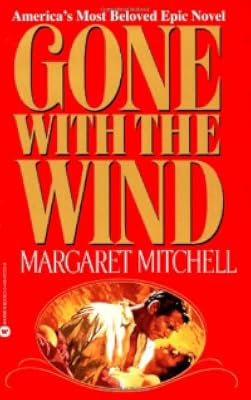
Gone with the Wind
by Margaret Mitchell
On This Page
Description
After the Civil War sweeps away the genteel life to which she has been accustomed, Scarlett O'Hara sets about to salvage her plantation home.Tags
Recommendations

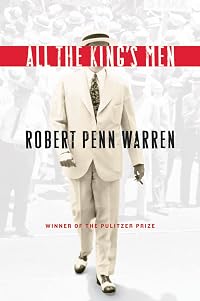
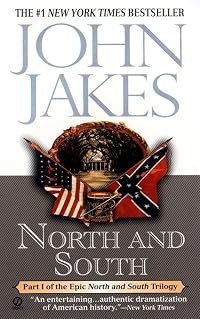
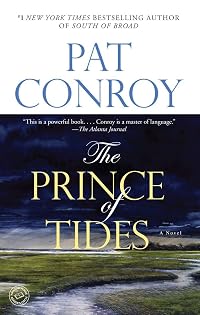
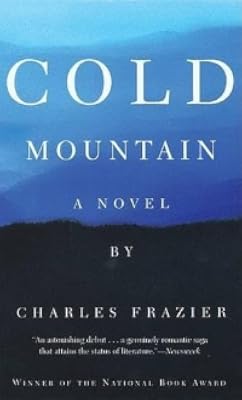
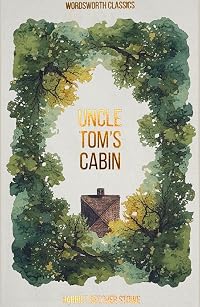
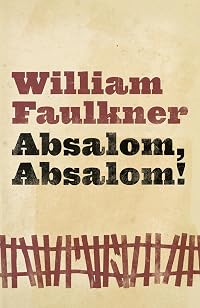

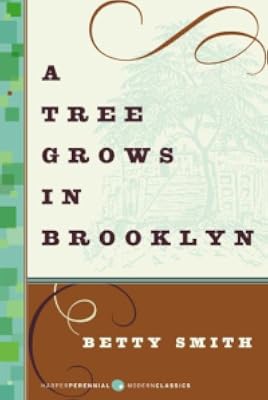
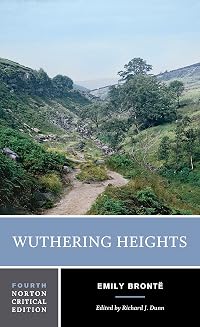

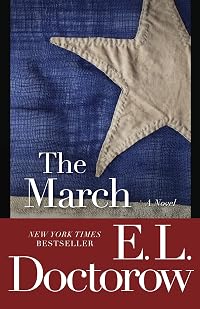
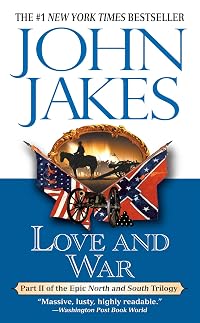
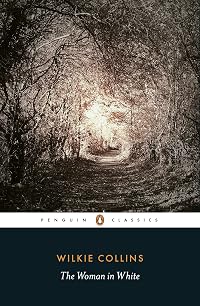
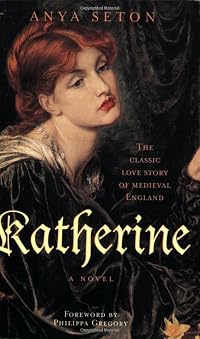
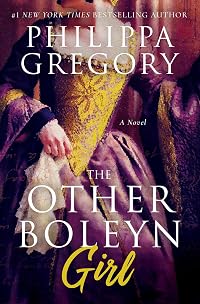
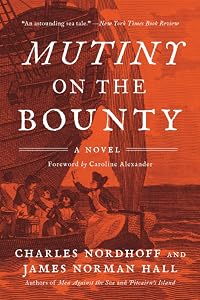
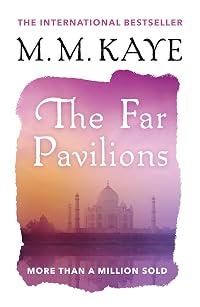
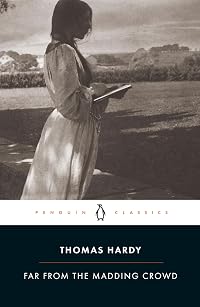
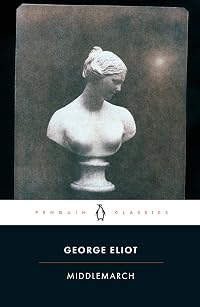
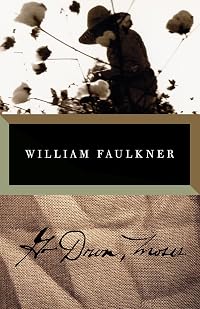
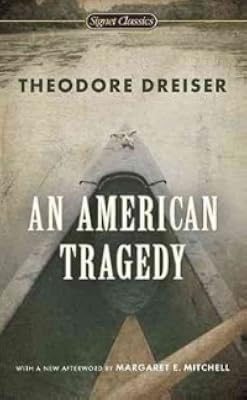
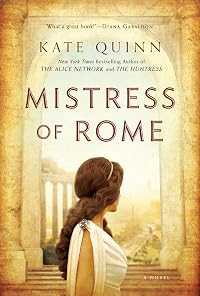
Member Recommendations
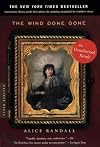
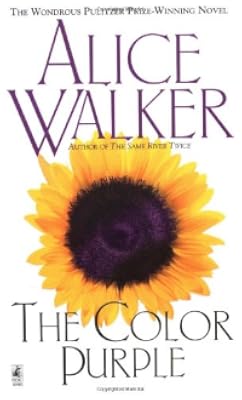
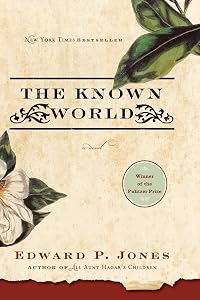
lquilter This work was rewritten to tell the other side of Gone With the Wind, the story that Mitchell elided with her romanticized view of racism and slavery and its "happier when they were slaves" survivors.
The Mitchell estate chose to sue for copyright infringement, but lost because the court recognized that this work is an important critical commentary on Gone with the Wind, and the beliefs that animated the original.
Also recommended by petersonvl
90
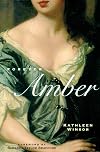
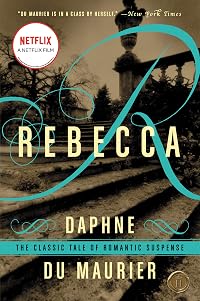
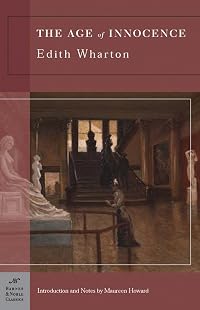
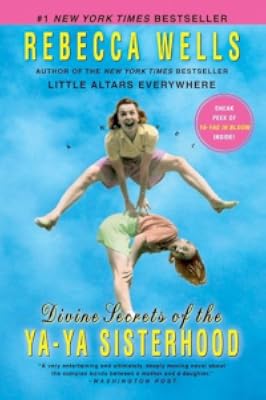
avalon_today They are both scandalous women. It’s a love hate relationship.
50
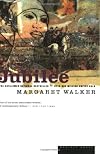
lquilter Jubilee is the true story of the author's great grandmother, a woman born to slavery as the daughter of a slave and a white slave-owner. She acted as servant to her white sister, and was a witness to antebellum life, the Civil War, and Reconstruction.
30
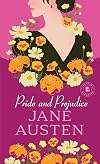
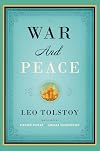
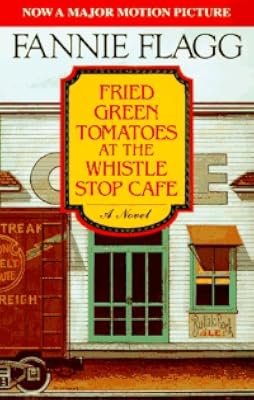
GCPLreader melodrama in the midst of war and the invasion (and burning!) of a major city
fulner rich people sit around and talk about war as if it didn't matter
31
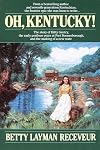
blonderedhead Strong female heroine in a sweeping, romantic and exciting historical fiction novel. I loved both books...and think others might, too.
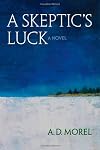
A.D.Morel There's this feeling of longing, that she will not quite get there, yet we are passionately rooting for the main character, we go through her travails with her.
11

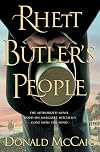
avalon_today Its about having to deal with a very strong, charismatic man. *Sigh*
03
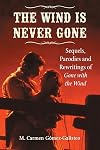
The Wind Is Never Gone: Sequels, Parodies and Rewritings of Gone with the Wind by M. Carmen Gomez-galisteo
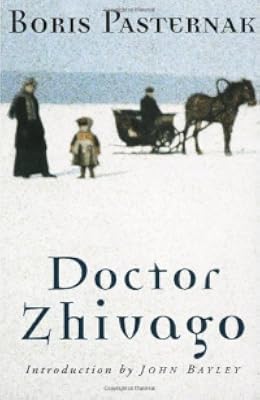
Prinzipessa This book explains Gone with the Wind and analyzes its sequels, parodies as well as the fan fiction stories based on Gone With the Wind.
Also recommended by Prinzipessa
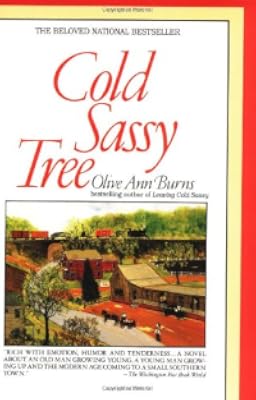
theshadowknows These books share a similar epic, sweeping feel in bringing to life a lost and fading ideal (the American frontier in Heart of the West and the old, genteel south in Gone with the Wind.)

veracity 'Winds of Tara' is an unauthorised sequel to 'Gone with the Wind'.
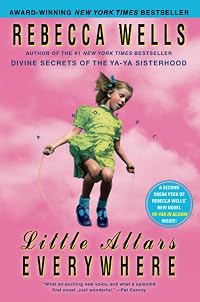
Lapsus_Linguae Both main heroines are strong-willed independent women who take up entrepreneurship.
fulner The amount of similarities between the girls of antebellum South in Gone with the Wind and the Indian girls in Erotic Stories for Punjabi widows is striking.
Member Reviews
A very well-written blockbuster of a novel. It's DECADES since I saw the movie, so came to it with very vague recollections of the story.
Firstly I liked Scarlett more than I was expecting to. Unsentimental- well, over most things- driven, and utterly out for herself...especially when the Civil War brings an end to her pampered Southern lifestyle.
As a Brit, I'd never really considered what life was like in the immediate aftermath. How did all those Southerners feel about the North ending slavery? I learnt a great deal from reading this- there's history alongside a fast-paced storyline - and the Yankees certainly werent only about bringing in an ethical society. Much corruption, disenfranchisement of Southern whites, overnight empowerment show more of former slaves...all resulting in a fractured, angry society....and the beginnings of the Ku Klux Klan (made me think of post WW1 Germany,fiercely policed and impoverished by the rest of Europe...and the anger and resentment finding vent in escalating anti-semitism.
But this is primarily a story of people...Scarlett O'Hara, the feisty Irish/Creole plantation owner, her two weak husbands, Ashley Hamilton, on whom she pins all her drreams for years, and his wife- and Scarlett's friend....the good-natured Melanie.
And Rhett Butler, the wealthy, handsome, sardonic character- a goodie or a thoroughly bad man? - always around on the fringes...
Stonking good read. show less
Firstly I liked Scarlett more than I was expecting to. Unsentimental- well, over most things- driven, and utterly out for herself...especially when the Civil War brings an end to her pampered Southern lifestyle.
As a Brit, I'd never really considered what life was like in the immediate aftermath. How did all those Southerners feel about the North ending slavery? I learnt a great deal from reading this- there's history alongside a fast-paced storyline - and the Yankees certainly werent only about bringing in an ethical society. Much corruption, disenfranchisement of Southern whites, overnight empowerment show more of former slaves...all resulting in a fractured, angry society....and the beginnings of the Ku Klux Klan (made me think of post WW1 Germany,fiercely policed and impoverished by the rest of Europe...and the anger and resentment finding vent in escalating anti-semitism.
But this is primarily a story of people...Scarlett O'Hara, the feisty Irish/Creole plantation owner, her two weak husbands, Ashley Hamilton, on whom she pins all her drreams for years, and his wife- and Scarlett's friend....the good-natured Melanie.
And Rhett Butler, the wealthy, handsome, sardonic character- a goodie or a thoroughly bad man? - always around on the fringes...
Stonking good read. show less
“Scarlett was not beautiful”. That’s the opening of the great Margaret Mitchell's novel Gone With the Wind that I just finished. The main character, Scarlett, acted not “beautifully” in many instances, it’s true. Vanity, jealousy, lies, avarice count among her flaws. Yet her attitude toward adversity and her strength to recover after being defeated is the main lesson and source of inspiration I took from this piece of enchanting narrative.
Not being a Southerner, neither an American reader, there are many layers that escape my appreciation. Nonetheless, I made this story my story, I read it eagerly, I took sides in many occasions and judged what I regarded right or wrong. But I also learnt a bit more to comprehend the show more contexts, the passions and all the circumstances that sorround human decisions.
Scarlett was not beautiful… but she wasn’t irrelevant either. She transcended. show less
Not being a Southerner, neither an American reader, there are many layers that escape my appreciation. Nonetheless, I made this story my story, I read it eagerly, I took sides in many occasions and judged what I regarded right or wrong. But I also learnt a bit more to comprehend the show more contexts, the passions and all the circumstances that sorround human decisions.
Scarlett was not beautiful… but she wasn’t irrelevant either. She transcended. show less
***NO PLOT SPOILERS***
Gone With the Wind won the Pulitzer Prize and boasts countless fans. I enjoyed it for its sweep and journey and for its array of lively characters. But no work is sacrosanct. It isn’t exempted from criticism just because it was published when it was, which implies that people of the past were timid lemmings lacking consciences, empathy, and critical-thinking skills. It has a KKK storyline. It has a sanitized portrayal of slavery. It has an underage and dysfunctional relationship between Rhett and Scarlett. It has Rhett abusing Scarlett. It has an unabashedly biased portrayal of the Civil War, with a love of Robert E. Lee and a rooting for the Confederacy. It has a proud Southern sensibility oozing with classism, show more racism, and sexism. Those are just a few of its many serious flaws, problematic now and problematic then.
It also has big personalities, a vivacious protagonist, dashing men, a stately plantation home, ostentatious gowns and frilly bonnets, travels on horseback and in carriages, a sometimes-resourceful Scarlett. It has atmosphere and takes readers places. I enjoyed these—but one has to work hard to ignore the outrageously shameful elements, and a review that doesn’t condemn these is incomplete. show less
Gone With the Wind won the Pulitzer Prize and boasts countless fans. I enjoyed it for its sweep and journey and for its array of lively characters. But no work is sacrosanct. It isn’t exempted from criticism just because it was published when it was, which implies that people of the past were timid lemmings lacking consciences, empathy, and critical-thinking skills. It has a KKK storyline. It has a sanitized portrayal of slavery. It has an underage and dysfunctional relationship between Rhett and Scarlett. It has Rhett abusing Scarlett. It has an unabashedly biased portrayal of the Civil War, with a love of Robert E. Lee and a rooting for the Confederacy. It has a proud Southern sensibility oozing with classism, show more racism, and sexism. Those are just a few of its many serious flaws, problematic now and problematic then.
It also has big personalities, a vivacious protagonist, dashing men, a stately plantation home, ostentatious gowns and frilly bonnets, travels on horseback and in carriages, a sometimes-resourceful Scarlett. It has atmosphere and takes readers places. I enjoyed these—but one has to work hard to ignore the outrageously shameful elements, and a review that doesn’t condemn these is incomplete. show less
https://nwhyte.livejournal.com/2959081.html
https://nwhyte.livejournal.com/2971924.html
Having watched the film, it took me ages to get through the book, which at 1056 pages is the longest I have read since A Suitable Boy. I can see why it was such a best-seller in its day (it tops the Publisher's Weekly lists for both 1936 and 1937, and won the Pulitzer Prize); it's a great story of a strong woman in adverse times, which is both very feminist and also thoroughly racist.
Although it's so long, it wears its length much better than the film. The second half in particular, once the war is over, gels much more effectively plot-wise, with Scarlett becoming tougher and tougher to the point where she steals her sister's lover, uses forced labour show more in her mills, and puts profit above reputation by cultivating the occupiers of Atlanta. The O'Hara family background is given more detail, explaining the oddity of an Irish Catholic immigrant who is also a slaveholder (he won the land in a poker game). There is a lot more about the politics of the time (while making clear Scarlett's own rather limited interest in that side of things). The film jumps between the high points of the second half of the story (skipping only the scene where Tara is raided by Union troops, which perhaps was a bit much for general distribution); it might have been better to concentrate more on a smaller number of plot strands. A couple of really interesting characters in the book are omitted from the film, notably Will Benteen, the Confederate veteran who ends up managing Tara and marrying Scarlett's sister Suellen.
The book's treatment of race and slavery is much worse than the film's. Slavery was a good system, especially for the house slaves, and the field hands were too stupid to deserve anything better. Silly Northerners take Uncle Tom's cabin seriously. The Ku Klux Klan are heroic gentlemen who act only to restore order when the Northern occupiers fail (and Scarlett's carelessness is anyway responsible for them killing people). The end of slavery means a nastier and less civilised society (as personified in Scarlett's journey from Southern belle to hard-nosed entrepreneur); the old days are gone with the wind. show less
https://nwhyte.livejournal.com/2971924.html
Having watched the film, it took me ages to get through the book, which at 1056 pages is the longest I have read since A Suitable Boy. I can see why it was such a best-seller in its day (it tops the Publisher's Weekly lists for both 1936 and 1937, and won the Pulitzer Prize); it's a great story of a strong woman in adverse times, which is both very feminist and also thoroughly racist.
Although it's so long, it wears its length much better than the film. The second half in particular, once the war is over, gels much more effectively plot-wise, with Scarlett becoming tougher and tougher to the point where she steals her sister's lover, uses forced labour show more in her mills, and puts profit above reputation by cultivating the occupiers of Atlanta. The O'Hara family background is given more detail, explaining the oddity of an Irish Catholic immigrant who is also a slaveholder (he won the land in a poker game). There is a lot more about the politics of the time (while making clear Scarlett's own rather limited interest in that side of things). The film jumps between the high points of the second half of the story (skipping only the scene where Tara is raided by Union troops, which perhaps was a bit much for general distribution); it might have been better to concentrate more on a smaller number of plot strands. A couple of really interesting characters in the book are omitted from the film, notably Will Benteen, the Confederate veteran who ends up managing Tara and marrying Scarlett's sister Suellen.
The book's treatment of race and slavery is much worse than the film's. Slavery was a good system, especially for the house slaves, and the field hands were too stupid to deserve anything better. Silly Northerners take Uncle Tom's cabin seriously. The Ku Klux Klan are heroic gentlemen who act only to restore order when the Northern occupiers fail (and Scarlett's carelessness is anyway responsible for them killing people). The end of slavery means a nastier and less civilised society (as personified in Scarlett's journey from Southern belle to hard-nosed entrepreneur); the old days are gone with the wind. show less
The annual airing of [Gone with the Wind] was a big event in our home with my older sisters glued to the television for two nights, aflutter with every smirk and every eyebrow twitch from Clark Gable. I tried to be somewhere else when the opening credits rolled – I still have a vivid memory of an brilliant fire-orange sky silhouetting a large barren tree and an extremely grave orchestral production playing in the background that gives me an urge to run. My sisters on an old, uncomfortable couch – it was orange, as well, now that I think of it – were the ones really glued to the screen. My mother always had something else to do, sewing in her lap or shelling pecans into a bowl. And, like me, this was one of those rare times when my show more father disappeared from his ‘easy chair,’, though I’m not sure where he went or what he did for those two nights.
Scampering through the living room and into the kitchen for a snack – always upsetting the girls who were worried that I might obscure Rhett’s striking profile for two seconds as I ran in front of the television – I captured a few other long lasting perceptions. Women resembled the tiny figurines from grandma’s house, dangerously swollen hoop skirts around cinched-in waists and garish, oversized hats framing china doll skin. The men were as preposterously dressed, at least through a young boy’s eyes, peacocking in bright, shiny suits; they acted funny, too, these strange men, always flitting around the women, one minute grabbing them up in violent embraces and then shoving them away or ignoring them altogether. And the black people spoke a foreign language, as far as I could tell.
Over the years, I always associated [Gone with the Wind] with my sisters. It never occurred to me that my mother was really paying attention, that she followed the story or that it had any impact on her. I found out I was wrong as I read the book for the first time and found Scarlett declaring, “I’ll think about that tomorrow. Tomorrow’s another day.” Countless times mom used those words to soothe me through some adolescent fit. She’d smile at me, fix me with her black, Irish eyes, and say, “Don’t worry, honey. Just remember, tomorrow’s another day.” So, every time I read Scarlett’s mantra in the book, I saw my mother’s face again, felt her calloused, work-worn hands around mine.
Of course, my mother identified with [Gone with the Wind], though I can’t say whether it was the book or the movie that captured her. But it wasn’t that handsome rogue Rhett Butler that drew her in – it was Scarlett. After all, mom was a West Texas rancher’s daughter. She was strong-willed and wild – my grandmother recalled spanking her nearly every morning before she walked down the dirt road to school. After one whipping, she told Gra’am, “When I grow up, I’m going to have baby girl and I’m going to name her ‘mother’ and I’m going to whip her every day.” I can see Scarlett’s defiance in my mother’s steely gaze, feel the same independent grit radiating off them both. But it wasn’t the pre-Civil war Scarlett she saw herself in, not the spoiled child in frills – it was the reconstruction Scarlett, chapped hands and sun-burnt from picking cotton in a near barren field. When Scarlett swears never to be hungry again, my mother’s recycling of useless things and keeping of food long past its freshness made sense to me, because mom was also a depression child. She and her siblings wore cardboard soled shoes, handing them down through five children regardless the size or number of worn through holes. They drank goat’s milk and ate beans and scraped at the dirt for whatever would grow. “Tomorrow is another day,” allowed Scarlett, and my mother, to forget about the day’s hunger and pain by focusing on the next day’s hope, even if it was a dim and vague hope.
Like Scarlett and my mother, Mitchell was a rare breed, penning a book about the Civil War and setting it around a female heroine. The book is as deeply researched and detailed as any other on the war between the states, offering a rich history of the shifting momentums in the war with each battle and a skilled commentary, through Rhett and Ashley’s eyes, on the seeds of the South’s ultimate destruction. Yet the book’s focus never wavers from those who were left behind when the bullets began to fly. We don’t see the battles through the soldier’s eyes, we learn about them as families did, through gossip and word of mouth. We don’t lie on the battlefields with the wounded and dying, we wait on the street outside the newspaper office with the whole of Atlanta for the dead’s names to be published. We don’t march with the hungry, exhausted soldiers, we hide in the house with the women and children, afraid and paranoid as the invading Yankees ride the roads. Woven through it all is Mitchell’s view on life as a Southern woman, relegated to be an object of beauty and desire but required by circumstances to be the independent, powerful nucleus that could sustain a family’s survival. I suspect my mother saw herself, and her own mother, in that incongruity, and reveled in the power that making your place in the world brings.
Bottom Line: Not just your mother’s bodice ripper – there’s untold depths to this classic.
5 bones!!!!!
A favorite for the year. show less
Scampering through the living room and into the kitchen for a snack – always upsetting the girls who were worried that I might obscure Rhett’s striking profile for two seconds as I ran in front of the television – I captured a few other long lasting perceptions. Women resembled the tiny figurines from grandma’s house, dangerously swollen hoop skirts around cinched-in waists and garish, oversized hats framing china doll skin. The men were as preposterously dressed, at least through a young boy’s eyes, peacocking in bright, shiny suits; they acted funny, too, these strange men, always flitting around the women, one minute grabbing them up in violent embraces and then shoving them away or ignoring them altogether. And the black people spoke a foreign language, as far as I could tell.
Over the years, I always associated [Gone with the Wind] with my sisters. It never occurred to me that my mother was really paying attention, that she followed the story or that it had any impact on her. I found out I was wrong as I read the book for the first time and found Scarlett declaring, “I’ll think about that tomorrow. Tomorrow’s another day.” Countless times mom used those words to soothe me through some adolescent fit. She’d smile at me, fix me with her black, Irish eyes, and say, “Don’t worry, honey. Just remember, tomorrow’s another day.” So, every time I read Scarlett’s mantra in the book, I saw my mother’s face again, felt her calloused, work-worn hands around mine.
Of course, my mother identified with [Gone with the Wind], though I can’t say whether it was the book or the movie that captured her. But it wasn’t that handsome rogue Rhett Butler that drew her in – it was Scarlett. After all, mom was a West Texas rancher’s daughter. She was strong-willed and wild – my grandmother recalled spanking her nearly every morning before she walked down the dirt road to school. After one whipping, she told Gra’am, “When I grow up, I’m going to have baby girl and I’m going to name her ‘mother’ and I’m going to whip her every day.” I can see Scarlett’s defiance in my mother’s steely gaze, feel the same independent grit radiating off them both. But it wasn’t the pre-Civil war Scarlett she saw herself in, not the spoiled child in frills – it was the reconstruction Scarlett, chapped hands and sun-burnt from picking cotton in a near barren field. When Scarlett swears never to be hungry again, my mother’s recycling of useless things and keeping of food long past its freshness made sense to me, because mom was also a depression child. She and her siblings wore cardboard soled shoes, handing them down through five children regardless the size or number of worn through holes. They drank goat’s milk and ate beans and scraped at the dirt for whatever would grow. “Tomorrow is another day,” allowed Scarlett, and my mother, to forget about the day’s hunger and pain by focusing on the next day’s hope, even if it was a dim and vague hope.
Like Scarlett and my mother, Mitchell was a rare breed, penning a book about the Civil War and setting it around a female heroine. The book is as deeply researched and detailed as any other on the war between the states, offering a rich history of the shifting momentums in the war with each battle and a skilled commentary, through Rhett and Ashley’s eyes, on the seeds of the South’s ultimate destruction. Yet the book’s focus never wavers from those who were left behind when the bullets began to fly. We don’t see the battles through the soldier’s eyes, we learn about them as families did, through gossip and word of mouth. We don’t lie on the battlefields with the wounded and dying, we wait on the street outside the newspaper office with the whole of Atlanta for the dead’s names to be published. We don’t march with the hungry, exhausted soldiers, we hide in the house with the women and children, afraid and paranoid as the invading Yankees ride the roads. Woven through it all is Mitchell’s view on life as a Southern woman, relegated to be an object of beauty and desire but required by circumstances to be the independent, powerful nucleus that could sustain a family’s survival. I suspect my mother saw herself, and her own mother, in that incongruity, and reveled in the power that making your place in the world brings.
Bottom Line: Not just your mother’s bodice ripper – there’s untold depths to this classic.
5 bones!!!!!
A favorite for the year. show less
Gone with the Wind stands as one of the greatest American Civil War sagas from the point of view of the Confederates. Southern belle Scarlett O'Hara is the protagonist readers just love to hate (or at least be annoyed by). We first meet Scarlett as a scrappy sixteen year old teenager, manipulative and naïve. She enjoys causing other people pain and thrives on their jealousies. Even at this tender age, she is beyond selfish and spoiled. Scarlett is not beneath marrying the first boy she could, just to make the true love of her young life jealous. Of course it backfires when her beloved Ashley marries Melanie Hamilton instead.
Even after losing her teenage husband to illness during the American Civil War, Scarlett continues to live a show more lie. At seventeen and a new mother, she is not in mourning for poor lost Charles. He did not even die a heroic death that she could brag about! Scarlett does not swell with patriotic pride for the Confederate cause, nor is she grateful for Melanie and her family's generosity and friendship. Instead, she hold a steadfast and unrequited love for Ashley. Enter Rhett Butler, the dashing and controversial blockade runner. Scarlett's life gets a whole lot more complicated and emotionally confusing when he shows up. They are bound together in unconventional ways. He knows her secret. Together, they share the same sarcastic opinion of the war; one they cannot voice. They both use people (even family) for the betterment of themselves. They both do not give a damn what others say.
While I (obviously) did not care for Scarlett, Mitchell's writing is spectacular. She was the master of stylized descriptions. Take Melanie's brown eyes, for a simple example. Mitchell describes them as "a forest pool of water in winter when brown leaves shine up through quiet water" (p 102). A word of warning. While Mitchell has a way with words, she is also an author true to the times. Some language may not be suitable for the easily offended. show less
Even after losing her teenage husband to illness during the American Civil War, Scarlett continues to live a show more lie. At seventeen and a new mother, she is not in mourning for poor lost Charles. He did not even die a heroic death that she could brag about! Scarlett does not swell with patriotic pride for the Confederate cause, nor is she grateful for Melanie and her family's generosity and friendship. Instead, she hold a steadfast and unrequited love for Ashley. Enter Rhett Butler, the dashing and controversial blockade runner. Scarlett's life gets a whole lot more complicated and emotionally confusing when he shows up. They are bound together in unconventional ways. He knows her secret. Together, they share the same sarcastic opinion of the war; one they cannot voice. They both use people (even family) for the betterment of themselves. They both do not give a damn what others say.
While I (obviously) did not care for Scarlett, Mitchell's writing is spectacular. She was the master of stylized descriptions. Take Melanie's brown eyes, for a simple example. Mitchell describes them as "a forest pool of water in winter when brown leaves shine up through quiet water" (p 102). A word of warning. While Mitchell has a way with words, she is also an author true to the times. Some language may not be suitable for the easily offended. show less
I hate Scarlett O'Hara. She is a sociopath. Rhett Butler is Ayn Rand with a penis. They're meant for each other. (I guess that's the point of the book.)Melanie and her Aunt Pittypat are the only truly innocent and likable people in the entire book. (Although Archie cracks me up.) Of course, there's many other decent people in the book, like Mammy, but of the central characters there's a distinct lack of character. [b:Gone With the Wind|18405|Gone With the Wind|Margaret Mitchell|http://photo.goodreads.com/books/1166913011s/18405.jpg|3358283] is wonderfully written, and if you can put up with 959 pages of Scarlett, tells an important story. It really gives insight into the hearts and minds of Georgians during the civil war era. In my show more opinion, it overly discounts the evil of slavery, having most of the slaves being loyal and caring to their masters, even after the war. But it also unflinchingly looks at the lives of the freed slaves after the war, and as they struggle to form lives of their own.With all its faults, it's still a tremendous, if long, read, and well worth the effort if you can keep from hurling the book in disgust as Scarlett acts as rotten as imaginable throughout the book. show less
Members
- Recently Added By
Published Reviews
ThingScore 100
This is beyond a doubt one of the most remarkable first novels produced by an American writer. It is also one of the best.
added by Shortride
Lists

1001 Books You Must Read Before You Die
1,448 works; 1,134 members

The Guardian's 1000 Novels Everyone Must Read
1,005 works; 550 members

Best Historical Fiction
620 works; 261 members

Read the book and saw the movie
1,170 works; 195 members

Classics you know you should have read but probably haven't
421 works; 407 members

Pulitzer Prize Winners for Fiction
102 works; 54 members

Radcliffe's 100 Best Novel of the 20th Century
100 works; 32 members
Southern Fiction
212 works; 52 members
BBC Big Read
191 works; 46 members
Historical Fiction
889 works; 91 members

Great American Novels
158 works; 42 members

Recommend the 20 best books you've read in the last five years
2,168 works; 606 members
Banned Books Week 2014
268 works; 63 members
PBS The Great American Read
100 works; 21 members
Le Monde - Les 100 livres du siècle
121 works; 25 members

Favorite Long Books
330 works; 42 members
Newsweek's Top 100 Books: The Meta-List
100 works; 18 members

Female Author
1,235 works; 67 members

Favorite Literary Love Stories
182 works; 101 members
20th Century Literature
1,161 works; 55 members
New York Public Library's Books of the Century
120 works; 20 members
Favourite Books
1,819 works; 316 members
Female Protagonist
1,056 works; 57 members
Books I've Read More Than Once
602 works; 49 members
The Telegraph's 110 Best Books: The Perfect Library
101 works; 18 members

New York Public Library's Books of the Century - All
170 works; 14 members
BBC Big Read
100 works; 10 members
Time Magazine's "All-Time 100"
113 works; 15 members

Best family sagas
244 works; 34 members

Best War Stories
87 works; 16 members
Banned or Challenged Books
400 works; 41 members
The American Experience
173 works; 18 members

Western World's Greatest Books - Project Gutenberg
295 works; 15 members

Books Featured on Gilmore Girls
307 works; 21 members

Pleasant Surprises: Books That Exceeded Our Expectations
418 works; 143 members

Watched the Movie, Probably Won't Read the Book
185 works; 34 members

Top 10 Historical Fiction
10 works; 4 members

Top Five Books of 2022
736 works; 272 members

Books You Read During High School (For School)
301 works; 52 members

Best Book Club Selections
26 works; 8 members
Time's All-Time 100 Novels
100 works; 27 members

In or About the 1930s
198 works; 27 members

War Literature
101 works; 19 members
Love and Marriage
93 works; 10 members

Anti-heroines in fiction
59 works; 9 members
1,001 BYMRBYD Concensus
723 works; 27 members

Blue Pyramid 1,276 Best Books of All Time
1,248 works; 32 members

A Novel Cure
742 works; 23 members

Bibliography for Among Others
159 works; 15 members
Top 100 to Read before you Die
109 works; 7 members
Daria Morgendorffer's Bookshelf
70 works; 5 members
Books tagged favorites
390 works; 30 members

Plantations
12 works; 1 member

Best Antiheroes and Antiheroines
119 works; 7 members
Page Turners
185 works; 11 members

Publisher's Weekly Bestsellers - Part II - 1940 - 1979
355 works; 5 members

Carole's List
445 works; 13 members
The Greatest Books
99 works; 5 members
Bibliography for How to be a Heroine
148 works; 12 members

You Couldn't Pay Me to Read That
25 works; 8 members

End of Your Life Book Club
134 works; 4 members

Liked the Movie Better
12 works; 5 members

Accessible Classics
8 works; 1 member
First Novels
373 works; 17 members
Overdue Podcast
806 works; 9 members

SHOULD Read Books!
354 works; 9 members

Maybe This Year? Books to Look Forward To
412 works; 9 members

1930s
262 works; 5 members
Literary Travelogue of the United States Challenge
133 works; 6 members

Some of my Favourite Historical Fiction
15 works; 1 member
Racism and Race Relations in Literature
48 works; 9 members

Books Read in 2015
3,299 works; 126 members

aijowenuwaneaw
10 works; 1 member

Books I've read
87 works; 2 members

Books Read in 2017
4,249 works; 130 members
CCE 1000 Good Books List
1,033 works; 12 members
Books Read in 2016
4,666 works; 199 members

Books Read in 2022
5,168 works; 114 members
American Lit for Eng 11 Research Project
368 works; 6 members

Race and Racism in America
23 works; 1 member
Books We Love to Reread
688 works; 296 members
'Books You Can't Live Without: The Top 100', The Guardian, 2007
156 works; 7 members

The 150 Greatest Novels of All Time
150 works; 6 members

Books Read in 2012 (Numbered)
168 works; 6 members

Books in The Club Dumas
72 works; 1 member

Retrospective of 20th- and 21st-century literature
154 works; 1 member
DigitalDreamDoor top 300
300 works; 4 members

.
396 works; 1 member
Book Worlds We'd Like To Visit
322 works; 158 members
The Complete Rory Gilmore Reading List
506 works; 5 members
Books We Couldn't Put Down
443 works; 197 members

.
194 works; 2 members
School Made Us Read It
380 works; 196 members

Guilty Pleasures
223 works; 86 members
BitLife
212 works; 4 members

The Five Books That Represent Us
391 works; 148 members

Books referenced in the Astral Library
60 works; 1 member

The Playful Pioneers
166 works; 1 member

100 knjiga
100 works; 1 member
Library List - Pulitzer
18 works; 1 member

Books Read in 2024
4,623 works; 126 members

Favorite Childhood Books
1,646 works; 518 members

THE WAR ROOM
813 works; 24 members

Great Films Based on Books
319 works; 140 members
Elevenses
316 works; 88 members

Books Read in 2014
2,343 works; 89 members
Books referenced in A Very Great Profession: The Woman's Novel 1914-39
199 works; 6 members

Tagged 19th Century
104 works; 7 members
Read These Too
458 works; 9 members

Unshelved Book Clubs
579 works; 5 members
Favourite Love Stories
53 works; 1 member
Books available on Open Library
171 works; 4 members

Rebel Women Reading List
25 works; 2 members

Books Read in 2012
816 works; 34 members
Daniel S. Burt's recommended historical novels
8 works; 1 member
Best War Fiction Books
41 works; 4 members
Favorite Romance Fiction
247 works; 115 members

Recommended Literary Books
111 works; 1 member

Mustich's 1000 Books to Read Before You Die: A Life Changing List
1,001 works; 19 members

Publisher's Weekly Bestsellers Part I - 1895-1939
399 works; 8 members
Books With the Most Memorable Titles
478 works; 158 members
Gilmore Girls Complete Reading List
30 works; 1 member
NPRs audience picks: 100 best beach reads
105 works; 12 members
Five star books
1,757 works; 108 members
Unread books
1,063 works; 83 members

Best of World Literature
434 works; 51 members
Talk Discussions
Past Discussions
New book, author in Book talk (April 2025)
Author Information

60+ Works 27,297 Members
Margaret Mitchell, 1900 - 1949 Novelist Margaret Mitchell was born November 8, 1900 in Atlanta, Georgia to Eugene Muse Mitchell, a prominent attorney, and Maybelle Stephens Mitchell, a suffragette. She attended Smith College from 1918-1919 to study psychiatry, but she had to return to Atlanta when her mother died during the great flu epidemic of show more 1918. In 1922, she married Red Upshaw but left him three months later and had the marriage annulled. In 1925, she married John Marsh, the best man at her first wedding. He died in 1952. Mitchell joined the prestigious Debutante Club, but her public drinking, smoking and her performance of an Apache dance in a sensual costume, ended that for her. She was refused membership to the Atlanta Junior League. She began her writing career as a feature writer for the Atlanta Journal. She authored a freelance column for the paper called Elizabeth Bennett's Gossip. Mitchell is the author of the best selling novel of all time, "Gone with the Wind" (1936). In 1939, the film version was a smash hit and it received ten Academy Awards. Scarlett's original name was Pansy, which was also the book's working title, but editors insisted that it would be changed because of its use in the North to refer to homosexuals. Other early titles of the book were "Tote the Weary Load" and "Tomorrow Is Another Day." It is believed that the character Rhett Butler was inspired by her first husband Red Upshaw, and the character Ashley Wilkes was inspired by her first fiance, the attractive and idealistic Lieutenant Clifford Henry. Henry was killed in France during World War I and Mitchell declared him as the one great love of her life. On August 16, 1949, Margaret Mitchell died of injuries she received when she was hit by an intoxicated cabdriver while crossing Peachtree Street in Atlanta. She was mourned by so many that tickets had to be distributed for the funeral. Published posthumously was "Lost Laysen" (1996), which was a novella Mitchell wrote in 1915, at the age of fifteen, as a gift for her boyfriend. (Bowker Author Biography) show less
Some Editions
Awards and Honors
Awards
Distinctions
Notable Lists
BBC's Big Read (21)
Whitcoulls Top 100 Books (20 – 2008)
Whitcoulls Top 100 Books (47 – 2010)
Daniel S. Burt's Novel 100 (100 – 100)
Bulgarian Big Read (14)
Hungarian Big Read (22)
Series
Belongs to Publisher Series
Limited Editions Club (S:36.02)
rororo (1027-1032)
Gallimard, Folio (54/66-740/741/742)
Work Relationships
Is contained in
Contains
Is retold in
Has the (non-series) sequel
Has the (non-series) prequel
Has the adaptation
Is parodied in
Is replied to in
Has as a reference guide/companion
Has as a study
Has as a supplement
Common Knowledge
- Canonical title*
- Gejaagd door de wind
- Original title
- Gone With the Wind
- Original publication date
- 1936-06-30
- People/Characters
- Scarlett O'Hara; Rhett Butler; Mammy; Melanie Hamilton Wilkes; Ashley Wilkes; Gerald O'Hara (show all 25); Charles Hamilton; Frank Kennedy; Aunt Pittypat Hamilton; Ellen Robillard O'Hara; Suellen O'Hara; Carreen O'Hara; Pork; Dilcey; Prissy; Uncle Peter; Wade Hampton Hamilton; Beauregard Wilkes; Ella Kennedy; Eugenia Victoria "Bonnie Blue" Butler; India Wilkes; Belle Watling; Will Benteen; Brent Tarelton; Stuart Tarelton
- Important places
- Atlanta, Georgia, USA; Clayton County, Georgia, USA; Fulton County, Georgia, USA; Georgia, USA; Jonesboro, Georgia, USA; Tara Plantation, Clayton County, Georgia, USA (show all 8); Twelve Oaks plantation, Clayton County, Georgia, USA; New Orleans, Louisiana, USA
- Important events
- American Civil War (1861 | 1865); Reconstruction (1865 | 1877); 19th century
- Related movies
- Gone with the Wind (1939 | IMDb)
- Epigraph*
- Ein Mensch ist in seinem Leben wie Gras/er blühet wie eine Blume auf dem Felde;/wenn der Wind darüber geht, so ist sie nimmer da,/ und ihre Stätte kennet sie nicht mehr. Psalm 103
- Dedication
- To J. R. M.
- First words
- Scarlett O'Hara was not beautiful, but men seldom realized it when caught by her charm, as the Tarleton twins were.
- Quotations
- As God is my witness, I'll never be hungry again. (Scarlett)
I don't know nothin' 'bout birthin' babies. (Prissy)
After all, tomorrow is another day.
My dear, I don't give a damn. - Last words
- (Click to show. Warning: May contain spoilers.)After all, to-morrow is another day.
- Original language
- English
- Canonical DDC/MDS
- 813.52
- Canonical LCC
- PS3525.I972; 36-27334
- Disambiguation notice
- This LT work is for Margaret Mitchell's original 1936 novel, Gone with the Wind. Please distinguish it both from partial copies of the work (one or another volume from a 2, 3 or 4-volume set) and from the 1939 movie ve... (show all)rsion of the same name. Thank you.
*Some information comes from Common Knowledge in other languages. Click "Edit" for more information.
Classifications
- Genres
- Romance, Fiction and Literature, General Fiction, Historical Fiction
- DDC/MDS
- 813.52 — Literature & rhetoric American literature in English American fiction in English 1900-1999 1900-1945
- LCC
- PS3525 .I972 — Language and Literature American literature American literature Individual authors 1900-1960
- BISAC
Statistics
- Members
- 26,059
- Popularity
- 169
- Reviews
- 477
- Rating
- (4.26)
- Languages
- 27 — Chinese, Czech, Danish, Dutch, English, Estonian, Finnish, French, German, Greek, Hungarian, Indonesian, Italian, Korean, Latvian, Lithuanian, Norwegian (Bokmål), Norwegian, Farsi/Persian, Polish, Romanian, Russian, Croatian, Spanish, Swedish, Turkish, Portuguese (Portugal)
- Media
- Paper, Audiobook, Ebook
- ISBNs
- 310
- UPCs
- 4
- ASINs
- 407