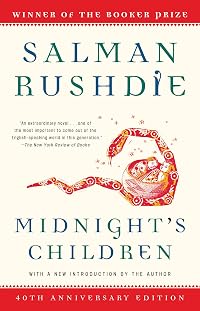
Midnight's Children
by Salman Rushdie
On This Page
Description
Salman Rushdie holds the literary world in awe with a jaw-dropping catalog of critically acclaimed novels that have made him one of the world's most celebrated authors. Winner of the prestigious Booker of Bookers, Midnight's Children tells the story of Saleem Sinai, born on the stroke of India's independence.Tags
Recommendations

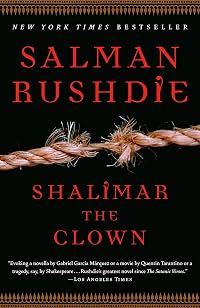
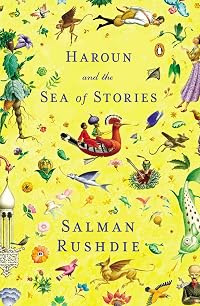
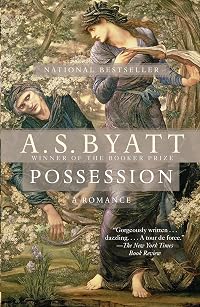
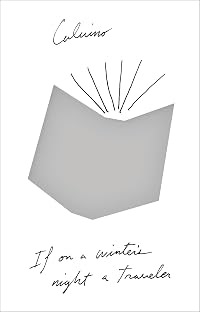
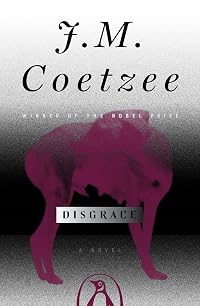
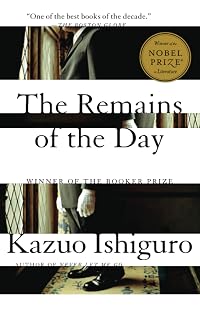
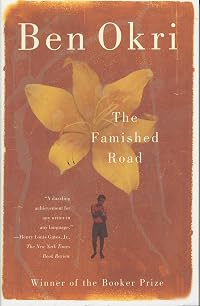
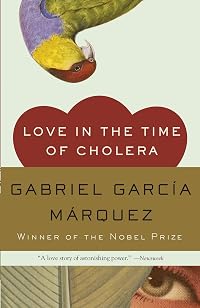


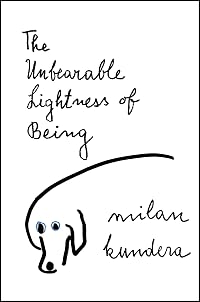

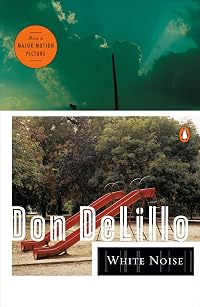
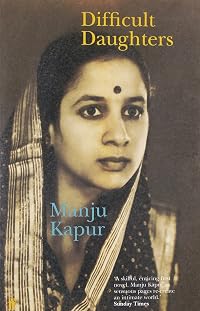
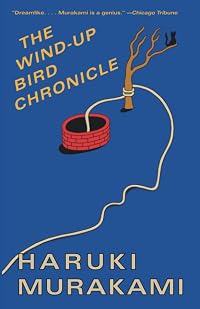
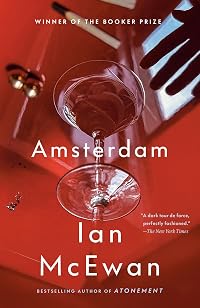
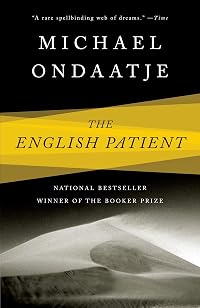
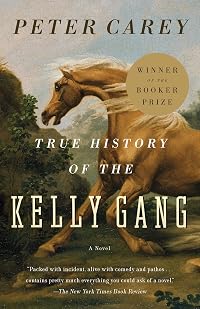
Member Recommendations
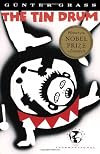
GabrielF I think Rushdie based a lot of his style in Midnight's Children on The Tin Drum. Both books are historical epics told through the perspective of a child with strange powers.
CGlanovsky A boy bound to the destiny of his birthplace. Surreal elements.
81
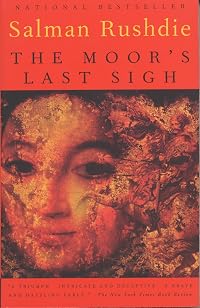
wrmjr66 I think The Moor's Last Sigh is Rushdie's best book since Midnight's Children.
21
Gregorio_Roth The book is a modern interpretation of KIM in a number of ways. I think it will complete your point of view on Imperialism and India.
Member Reviews
I couldn't quite shake the idea that Salman Rushdie worked with an open copy of The Tin Drum by his side. But where Tin Drum felt to me like rich and moving reading experience, Midnight's Children felt clownish and empty. Reading it was like listening to the author shout LOOK AT ME LOOK AT ME for hundreds of pages...and then it was over.
I can fully admit the writing itself is masterful, but I found myself wondering with almost every sentence: How can great writing be so empty of purpose and meaning? And also: How can such a skilled writer make the topic of Indian independence, and the resulting partition of India, such a dull reading experience?
Let me say more about this nagging Tin Drum echo that I heard throughout Midnight's show more Children--and why Midnight's children could mimic, but totally fail to capture the mastery of Tin Drum. Each book has countless minor characters who appear, play their part, and go away again. But in Tin Drum the characters are deeply felt, no matter how unrealistically portrayed, and in Midnight's Children the characters feel like windup toys. I think of Sigismund Markus in Tin Drum, a very minor character, the Jewish shopkeeper who commits suicide during Kristalnacht, versus Ilse Luben, who drowns herself in a lake before she makes any impression on the reader whatsoever, or Tai, a boatman who takes up many pages of narrative and who suffers an equally meaningless death. The death of Sigismund still moves me when I think about it, and the deaths of Ilse and Tai left nothing more than a great, boring, ho-hum, glad-they-are-gone-so-we-can-get-on-with-the-story feeling. Worse is the death of Vanita in childbirth--again my only feeling was that I had none.
Then I tried to frame the book as post-modern so of course it would use distancing effects as a way to call attention to its own fictions...but again the book compares so poorly with other postmodern novels, like those of Nabokov or Barthelme, which manage to use the same distancing effects to somehow bring a reader closer to all the beauty and tragedy of the human condition. This book in contrast just distances the reader.
So I'm left with a great wonderment that this is the book that wins the Booker of Bookers. show less
I can fully admit the writing itself is masterful, but I found myself wondering with almost every sentence: How can great writing be so empty of purpose and meaning? And also: How can such a skilled writer make the topic of Indian independence, and the resulting partition of India, such a dull reading experience?
Let me say more about this nagging Tin Drum echo that I heard throughout Midnight's show more Children--and why Midnight's children could mimic, but totally fail to capture the mastery of Tin Drum. Each book has countless minor characters who appear, play their part, and go away again. But in Tin Drum the characters are deeply felt, no matter how unrealistically portrayed, and in Midnight's Children the characters feel like windup toys. I think of Sigismund Markus in Tin Drum, a very minor character, the Jewish shopkeeper who commits suicide during Kristalnacht, versus Ilse Luben, who drowns herself in a lake before she makes any impression on the reader whatsoever, or Tai, a boatman who takes up many pages of narrative and who suffers an equally meaningless death. The death of Sigismund still moves me when I think about it, and the deaths of Ilse and Tai left nothing more than a great, boring, ho-hum, glad-they-are-gone-so-we-can-get-on-with-the-story feeling. Worse is the death of Vanita in childbirth--again my only feeling was that I had none.
Then I tried to frame the book as post-modern so of course it would use distancing effects as a way to call attention to its own fictions...but again the book compares so poorly with other postmodern novels, like those of Nabokov or Barthelme, which manage to use the same distancing effects to somehow bring a reader closer to all the beauty and tragedy of the human condition. This book in contrast just distances the reader.
So I'm left with a great wonderment that this is the book that wins the Booker of Bookers. show less
For me, a successful piece of magical realism is possible when the constraints and opportunities for the characters are set in some impossible way, which you promptly forget is artificial and become invested in. This is absolutely the case with the way the Midnight's Children can hear each other's voices, and is even mostly the case with the special powers of the main characters. At the end, when we learn about the rush of powers possessed by other Midnight's Children, it did all seem a bit artificial, but it didn't matter so much at that point. Within the world established at the start, it was a lot of fun to watch Saleem buffeted around by the various voices in his life.
https://fromtheheartofeurope.eu/midnights-children-by-salman-rushdie/
My copy of Midnight’s Children was given to me 35 years ago by a dear friend who I have since fallen out of touch with. Opening it again was a return to the better times of that relationship, and I felt a warm glow of nostalgia just from the title page. I enjoyed it over Christmas in 1987, and I enjoyed it again now.
The book is the story of India in the last years of British rule and the first thirty-odd years of independence, and it covers also Pakistan and Bangladesh, because you can’t tell the full story otherwise. We know we are onto a good thing in the second chapter, when hereditary nasal problems prove an unexpected blessing to the narrator’s grandfather show more during the Amritsar massacre:
"As the fifty-one men march down the alleyway a tickle replaces the itch in my grandfather’s nose. The fifty-one men enter the compound and take up positions, twenty-five to Dyer’s right and twenty-five to his left; and Adam Aziz ceases to concentrate on the events around him as the tickle mounts to unbearable intensities. As Brigadier Dyer issues a command the sneeze hits my grandfather full in the face. ‘Yaaaakh-thoooo!’ he sneezes and falls forward, losing his balance, following his nose and thereby saving his life."
The protagonist, Saleem Sinai, is one of the thousand children born in the first hour of India’s independence, all of whom are endowed with supernatural powers of one kind or another. He is perpetually conflicted about his own identity, unaware that in fact he was swapped at birth with the child of a poorer neighbour. His life loops in and out of Indian (and Pakistani and Bangladeshi) history; his powers prove more a curse than a blessing; the political becomes personal and the personal political. It is tremendously engaging; sometimes funny, sometimes very bleak, sometimes both.
If you don’t know a lot about India (or Pakistan or Bangladesh), as I did not in 1987, you’ll learn a lot from this and enjoy the process. If you do know a bit more, I think you’d still enjoy it. I think the one point that has not aged all that well is that the protagonist is actually not a very pleasant person, especially to the women in his life (who are in general as well drawn as the men), and that gets a bit tiresome. But overall I can see why it was acclaimed at the time and why it remains popular. show less
My copy of Midnight’s Children was given to me 35 years ago by a dear friend who I have since fallen out of touch with. Opening it again was a return to the better times of that relationship, and I felt a warm glow of nostalgia just from the title page. I enjoyed it over Christmas in 1987, and I enjoyed it again now.
The book is the story of India in the last years of British rule and the first thirty-odd years of independence, and it covers also Pakistan and Bangladesh, because you can’t tell the full story otherwise. We know we are onto a good thing in the second chapter, when hereditary nasal problems prove an unexpected blessing to the narrator’s grandfather show more during the Amritsar massacre:
"As the fifty-one men march down the alleyway a tickle replaces the itch in my grandfather’s nose. The fifty-one men enter the compound and take up positions, twenty-five to Dyer’s right and twenty-five to his left; and Adam Aziz ceases to concentrate on the events around him as the tickle mounts to unbearable intensities. As Brigadier Dyer issues a command the sneeze hits my grandfather full in the face. ‘Yaaaakh-thoooo!’ he sneezes and falls forward, losing his balance, following his nose and thereby saving his life."
The protagonist, Saleem Sinai, is one of the thousand children born in the first hour of India’s independence, all of whom are endowed with supernatural powers of one kind or another. He is perpetually conflicted about his own identity, unaware that in fact he was swapped at birth with the child of a poorer neighbour. His life loops in and out of Indian (and Pakistani and Bangladeshi) history; his powers prove more a curse than a blessing; the political becomes personal and the personal political. It is tremendously engaging; sometimes funny, sometimes very bleak, sometimes both.
If you don’t know a lot about India (or Pakistan or Bangladesh), as I did not in 1987, you’ll learn a lot from this and enjoy the process. If you do know a bit more, I think you’d still enjoy it. I think the one point that has not aged all that well is that the protagonist is actually not a very pleasant person, especially to the women in his life (who are in general as well drawn as the men), and that gets a bit tiresome. But overall I can see why it was acclaimed at the time and why it remains popular. show less
His life is an allegory for the post-colonial history of his homeland, but is it real? is he insane? is he suffering from PTSD? Yes. Midnight’s Children by Salman Rushdie follows the life of man born at the exact moment that India became an independent nation-state and how his life reflected that of the nation.
Rushdie writes the book from the perspective of its protagonist, Saleem Sinai, whose origins are as muddled as that of the nation itself at the time of independence. Throughout the book, the magical elements of Saleem’s familial—hereditary attributes and emotional pollution—and personal life are related by the character himself but instead of simply not mentioning the illogicalness of this Saleem addresses these magical show more connections directly at several points. As I said above Saleem’s life mirrors that of India’s from its independence in 1947 through the 1980s even though he himself doesn’t stay in India the entire time—living in Pakistan almost a decade until the Bangladesh Independence War of 1971—but that doesn’t stop their connection. Unlike Isabel Allende’s The House of the Spirits, this magical realism novel kept me engaged throughout whether because Rushdie’s actual references to historical events compared to Allende’s allusions to Chilean history thus getting to the history addict in me or simply me liking Rushdie’s writing style over Allende’s. Not only was this Rushdie’s first novel, but it was also my first exposure to his writing, and it makes me interested in others of his work.
Midnight’s Children is an engaging read of how not only a nation, but individuals related to the end of the British Raj and an independent nations early history handled the change. show less
Rushdie writes the book from the perspective of its protagonist, Saleem Sinai, whose origins are as muddled as that of the nation itself at the time of independence. Throughout the book, the magical elements of Saleem’s familial—hereditary attributes and emotional pollution—and personal life are related by the character himself but instead of simply not mentioning the illogicalness of this Saleem addresses these magical show more connections directly at several points. As I said above Saleem’s life mirrors that of India’s from its independence in 1947 through the 1980s even though he himself doesn’t stay in India the entire time—living in Pakistan almost a decade until the Bangladesh Independence War of 1971—but that doesn’t stop their connection. Unlike Isabel Allende’s The House of the Spirits, this magical realism novel kept me engaged throughout whether because Rushdie’s actual references to historical events compared to Allende’s allusions to Chilean history thus getting to the history addict in me or simply me liking Rushdie’s writing style over Allende’s. Not only was this Rushdie’s first novel, but it was also my first exposure to his writing, and it makes me interested in others of his work.
Midnight’s Children is an engaging read of how not only a nation, but individuals related to the end of the British Raj and an independent nations early history handled the change. show less
i did not expect this to be funny, but it is, in many places. it's also full of lyrical language and also weirdness. it's also dense and i know that there were many parts that were way over my head. i definitely enjoyed parts of this but overall i'm just not smart enough to really appreciate it. (i also had no idea that the indians did to the chinese what we did to the japanese and had internment camps. i always hate learning that other places in the world are just as bad as we are.)
fwiw, the narrator, lyndam gregory, is absolutely fantastic.
fwiw, the narrator, lyndam gregory, is absolutely fantastic.
“Memory’s truth, because memory has its own special kind. It selects, eliminates, alters, exaggerates, minimizes, glorifies, and vilifies also; but in the end it creates its own reality, its heterogeneous but usually coherent versions of events; and no sane human being ever trusts someone else’s version more than his own.”
Born at the stroke of midnight at the exact moment of India's independence, Saleem Sinai, is a special child. However, this coincidence of birth has consequences he is isn't prepared for: telepathic powers connect him to 1,000 other 'midnight children' all of whom have unusual gifts.
‘Midnight’s Children’ is an epic novel that opens up with a child being born at midnight on 15th August, 1947 and is show more divided in to three parts, the novel begins with the story of Sinai’s family and the various events that lead to India’s independence and eventually to partition.
Rushdie is undoubtedly an extraordinary writer and 'Midnight’s Children' is a complex novel told by an unreliable, at times annoying, but fascinating narrator. It is a story in which reality meets myth, in which dreams turn into facts, in which countries live lives resembling closely those of human beings that inhabit them. A story that highlights the relation between father and son and a nation yet in its pubescent stage. Saleem's story is a family saga like no other, a whirlwind of disasters and triumphs that mirrors the course of modern India.
Finally, there is a very human dimension to this book. There are glimpses into souls of people living in India, Kashmir and Pakistan. There is rich and poor, powerful and helpless, loyalty and betrayal, love and heart break, and above all there is a little boy questioning his identity who grows into a man who loves his country but isn’t afraid to examine its issues.
Rushdie is without doubt a bold writer and I'm usually a big fan of historical fiction, so why didn't I enjoy it more. Firstly Rushie’s style of writing took some adjusting to, it took an awful lot of effort and concentration. Secondly, its humour whilst unique was so dark that it was at times really uncomfortable to read. But most importantly it felt self-indulgent at times, as if Rushdie was deliberately trying to confuse his reader. Rushdie sometimes seemed to go off on tangents, which partially contributed unnecessarily to the novel’s considerable length. show less
Born at the stroke of midnight at the exact moment of India's independence, Saleem Sinai, is a special child. However, this coincidence of birth has consequences he is isn't prepared for: telepathic powers connect him to 1,000 other 'midnight children' all of whom have unusual gifts.
‘Midnight’s Children’ is an epic novel that opens up with a child being born at midnight on 15th August, 1947 and is show more divided in to three parts, the novel begins with the story of Sinai’s family and the various events that lead to India’s independence and eventually to partition.
Rushdie is undoubtedly an extraordinary writer and 'Midnight’s Children' is a complex novel told by an unreliable, at times annoying, but fascinating narrator. It is a story in which reality meets myth, in which dreams turn into facts, in which countries live lives resembling closely those of human beings that inhabit them. A story that highlights the relation between father and son and a nation yet in its pubescent stage. Saleem's story is a family saga like no other, a whirlwind of disasters and triumphs that mirrors the course of modern India.
Finally, there is a very human dimension to this book. There are glimpses into souls of people living in India, Kashmir and Pakistan. There is rich and poor, powerful and helpless, loyalty and betrayal, love and heart break, and above all there is a little boy questioning his identity who grows into a man who loves his country but isn’t afraid to examine its issues.
Rushdie is without doubt a bold writer and I'm usually a big fan of historical fiction, so why didn't I enjoy it more. Firstly Rushie’s style of writing took some adjusting to, it took an awful lot of effort and concentration. Secondly, its humour whilst unique was so dark that it was at times really uncomfortable to read. But most importantly it felt self-indulgent at times, as if Rushdie was deliberately trying to confuse his reader. Rushdie sometimes seemed to go off on tangents, which partially contributed unnecessarily to the novel’s considerable length. show less
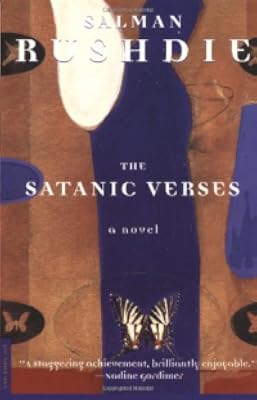
The Satanic Verses is arguably Rushdie's most famous book, perhaps because it was the one that landed a fatwa on his head, but this one is my favorite. Every, single, word, is delicious. As a warning, my mother, who is my best reader friend, found his style too florid. I, however, could soak in it until my fingers get pruny, and never get tired. If you like sagas, sarcasm, fated coincidences, and utterly beautiful, imaginative, lustrous writing, read this right away in case you get hit by a bus tomorrow. One of my top favorite books of all time.
Members
- Recently Added By
Published Reviews
ThingScore 100
Midnight's Children is a teeming fable of postcolonial India, told in magical-realist fashion by a telepathic hero born at the stroke of midnight on the day the country became independent. First published in 1981, it was met with little immediate excitement.
added by mikeg2
Lists

1001 Books You Must Read Before You Die
1,448 works; 1,134 members

The Guardian's 1000 Novels Everyone Must Read
1,005 works; 547 members

Classics you know you should have read but probably haven't
421 works; 407 members

Best Contemporary Literary Fiction (Around the Last 30 Years)
388 works; 124 members
BBC Big Read
191 works; 46 members

Radcliffe's 100 Best Novel of the 20th Century
100 works; 32 members
Le Monde - Les 100 livres du siècle
121 works; 25 members

Best of World Literature
434 works; 51 members

Magic Realism
371 works; 52 members
20th Century Literature
1,161 works; 54 members

Favorite Long Books
330 works; 42 members

The 100 Best Books of All Time by Norwegian Book Club (World Library)
104 works; 23 members

Newsweek's Top 100 Books: The Meta-List
100 works; 18 members

Best Historical Fiction
620 works; 261 members
Booker Prize
491 works; 62 members
Favourite Booker Prize contenders
73 works; 21 members
Literature About Social Class
134 works; 19 members
Favourite Books
1,819 works; 316 members

Recommend the 20 best books you've read in the last five years
2,168 works; 606 members
Larry McCaffery's 20th Century Greatest Hits: 100 English-Language Books
103 works; 12 members
Best Family Stories
241 works; 22 members

All Things India
95 works; 21 members

Philosophical Fiction
97 works; 27 members

100 books to read in a lifetime
102 works; 37 members
Best Political Fiction
92 works; 12 members

Top Five Books of 2013
1,562 works; 715 members
Folio Society
831 works; 53 members

Stream of Consciousness
87 works; 7 members
1980s
356 works; 23 members
Canon de la narrativa universal del siglo XX
254 works; 6 members
Unreliable Narrators
170 works; 43 members
Favorite Coming of Age Novels.
164 works; 51 members

Unread books
1,063 works; 87 members
Booker Prize Shortlist: Titles Read
103 works; 10 members
Time Magazine's "All-Time 100"
113 works; 15 members

Slipstream or Interstitial Fiction
160 works; 19 members
Harold Bloom - The Western Canon: D. The Chaotic Age
833 works; 24 members

Best family sagas
244 works; 32 members
Blue Pyramid 1,276 Best Books of All Time
1,248 works; 32 members

Experimental Literature
141 works; 18 members

magic realism novels
44 works; 11 members
Time's All-Time 100 Novels
100 works; 27 members
LibraryThingers' 1001 Books You Must Read Before You Die
442 works; 29 members

50 Books from the Past 50 Years
50 works; 8 members

Most Popular Books Tagged India
36 works; 5 members

A Novel Cure
742 works; 23 members

Big Jubilee List
70 works; 3 members

Five star books
1,757 works; 107 members

Top Five Books of 2016
795 works; 228 members

BBC Radio 4 Bookclub
340 works; 13 members

Best Antiheroes and Antiheroines
119 works; 7 members

40 Books to Read Before You’re 40
40 works; 4 members
1,001 BYMRBYD Concensus
723 works; 27 members
The Guardian's 100 Best Novels Written in English
105 works; 13 members
BBC Big Read
100 works; 10 members
Asia
178 works; 7 members

Top 100 to Read before you Die
109 works; 7 members

Man Booker Prize Longlist 1981
7 works; 2 members
TML 200 Best Books 1950-1999
202 works; 10 members

The Greatest Books
99 works; 5 members
My list of 100 books to read next
100 works; 4 members
Elegant Prose
80 works; 4 members

BBC Top Books
78 works; 3 members
I Can't Finish This Book
189 works; 22 members

Top 50 Favourite Books
50 works; 2 members
Fake Top 100 Fiction
81 works; 4 members

Revolutions
72 works; 5 members

Speculative Fiction from around the World
610 works; 18 members

hopes
34 works; 1 member

History novels (not too romancey)
37 works; 5 members

1960s
281 works; 16 members

What Makes This Book So Great
102 works; 16 members

A Good Read (Radio 4)
221 works; 1 member
Speculative Fiction to Read
706 works; 32 members

Books Read in 2020
4,379 works; 123 members
My Favourite Books
86 works; 5 members

Books Read in 2022
5,168 works; 114 members
http://thegreatestbooks.org's Greatest Fiction Books
59 works; 1 member

Top Five Books of 2024
795 works; 264 members

Retrospective of 20th- and 21st-century literature
154 works; 1 member
The Modern Library's 100 Best Novels: The Board's List
85 works; 6 members
DigitalDreamDoor top 300
300 works; 4 members

.
194 works; 2 members
.
396 works; 1 member

Book Riot Read Harder 2026
80 works; 1 member

Magical Realism
23 works; 2 members

The 150 Greatest Novels of All Time
150 works; 6 members
Modern Library's 100 Best Novels
100 works; 2 members

Books Read in 2026
1,933 works; 66 members

The Modern Library (The Two Hundred Best Novels....
202 works; 1 member

World Book Club (BBC World Service)
181 works; 1 member
Canon de la narrativa universal del s. XX (cicutadry)
499 works; 3 members

Books Read in 2024
4,623 works; 126 members

Recommended Reading : 600 Classics Reviewed, Editors of Salem Press, 2015
634 works; 6 members

Biggest Disappointments
606 works; 168 members
'Books You Can't Live Without: The Top 100', The Guardian, 2007
156 works; 7 members

Reading Glasses Podcast
410 works; 3 members
Books We Love to Reread
688 works; 296 members

BBC World Book Club
265 works; 5 members
Witchy Fiction
253 works; 126 members

Books With the Most Memorable Titles
478 works; 158 members
Franklit
95 works; 1 member

Yet another list
67 works; 1 member

Mustich's 1000 Books to Read Before You Die: A Life Changing List
1,001 works; 19 members

AP Lit
363 works; 6 members

Greatest Books, allegedly
484 works; 9 members
Books I Loved
17 works; 1 member
Tonikat reading completed on Librarything journals
329 works; 2 members

Recommended Literary Books
111 works; 1 member
Talk Discussions
Past Discussions
**Group Read: Midnight's Children General Thread** in 75 Books Challenge for 2010 (April 2010)
Author Information

92+ Works 69,935 Members
Salman Rushdie was born in India on June 19, 1947. He was raised in Pakistan and educated in England. His novels include Grimus, Shame, The Satanic Verses, Haroun and the Sea of Stories, The Moor's Last Sigh, The Ground Beneath Her Feet, Fury, Shalimar the Clown, The Enchantress of Florence, Luka and the Fire of Life, and The Golden House. His show more non-fiction works include Joseph Anton, Imaginary Homelands, The Jaguar Smile, and Step across This Line. He also wrote a collection of short stories entitled East, West. He has received numerous awards including the Whitbread Prize for Best Novel twice, the James Tait Black Prize, the French Prix du Meilleur Livre Étranger, the Booker Prize in 1981 for Midnight's Children, and the 2014 PEN/Pinter Prize. (Bowker Author Biography) show less
Some Editions
Awards and Honors
Awards
Distinctions
Notable Lists
Series
Belongs to Publisher Series
Work Relationships
Is contained in
Has the adaptation
Has as a study
Has as a student's study guide
Common Knowledge
- Canonical title*
- Middernachtskinderen
- Original title
- Midnight's Children
- Original publication date
- 1981
- People/Characters
- Saleem Sinai; Jamila Singer; Aadam Aziz; Tai; Naseem Ghani; Ghani (show all 49); Padma Mangroli; Oskar; Ilse Lubin; Alia; Amina Sinai; Mumtaz; Hanif; Pia; Mustapha; Emerald; Mian Abdullah; Hummingbird; Nadir Khan ; Rashid; General Zulfikar; Lifafa Das; Shri Ramram Seth; William Methwold; Ahmed Sinai; Wee Willie Winkie; Vanita; Mary Pereira; Doctor Narlikar; Doctor Bose; Evie Lilith Burns ; Sonny Ibrahim; Joseph D'Costa; Shiva; Parvati-the-witch; Homi Catrack; Lila Sabarmati ; Commander Sabarmati ; Alice Pereira; Uncle Puffs; Tai Bibi; Farooq; Shaheed; Ayooba; Sonia; Durga; Aadam Sinai; Picture Singh; Musa
- Important places
- India; Pakistan; Arabian Sea
- Important events
- Partition of India; Indo-Pakistani War of 1965
- Related movies
- Midnight's Children (2012 | IMDb)
- Dedication
- For Zafar Rushdie
who, contrary to all expectations,
was born in the afternoon. - First words
- I was born in the city of Bombay . . . once upon a time.
- Quotations
- The insurance money came; January ended; and in time it took to close down their affairs in Delhi and move to the city in which - Dr Narlikat the gynecologist knew - property was temporarily as cheap as dirt, my mother concen... (show all)trated on her segmented scheme to love her husband.
- Last words
- (Click to show. Warning: May contain spoilers.)Yes, they will trample me underfoot, the numbers marching one two three, four hundred million five hundred six, reducing me to specks of voiceless dust, just as, in all good time, they will trample my son who is not my son, and his son who will not be his, and his who will not be his, until the thousand and first generation, until a thousand and one midnights have bestowed their terrible gifts and a thousand and one children have died, because it is the privilege and the curse of midnight’s children to be both masters and victims of their times, to forsake privacy and be sucked into the annihilating whirlpool of the multitudes, and to be unable to live or die in peace.
- Original language
- English UK
- Canonical DDC/MDS
- 823.914
- Canonical LCC
- PR6058.U757 M5
- Disambiguation notice
- Please distinguish among:
– Salman Rushdie's original 1981 novel, Midnight's Children;
– Rushdie's 1999 screenplay adaptation (with introduction) of the novel, having the same title; and
– The 2003 stage... (show all) play, Salman Rushdie's Midnight's Children, adapted for theater by Rushdie, Tim Supple and Simon Reade.
Thank you.
*Some information comes from Common Knowledge in other languages. Click "Edit" for more information.
Classifications
Statistics
- Members
- 15,556
- Popularity
- 444
- Reviews
- 270
- Rating
- (4.04)
- Languages
- 29 — Catalan, Chinese, Czech, Danish, Dutch, English, Estonian, Finnish, French, German, Greek, Hindi, Hungarian, Icelandic, Italian, Lithuanian, Norwegian (Bokmål), Norwegian, Polish, Portuguese, Romanian, Russian, Serbian, Slovenian, Spanish, Swedish, Turkish, Ukrainian, Vietnamese
- Media
- Paper, Audiobook, Ebook
- ISBNs
- 157
- UPCs
- 2
- ASINs
- 60