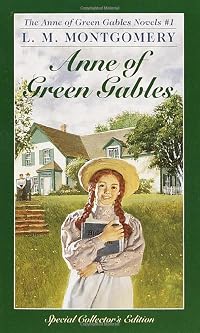
On This Page
Description
Anne, an eleven-year-old orphan, is sent by mistake to live with a lonely, middle-aged brother and sister on a Prince Edward Island farm and proceeds to make an indelible impression on everyone around her.Tags
Recommendations

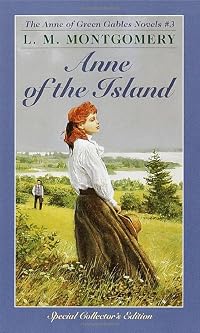
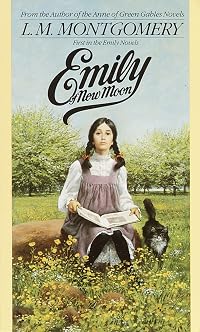
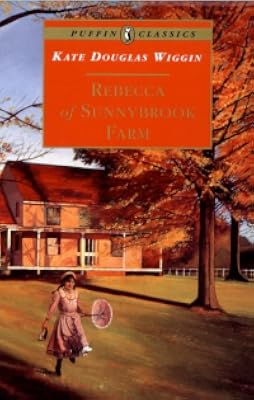
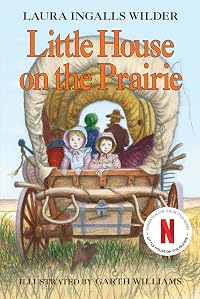
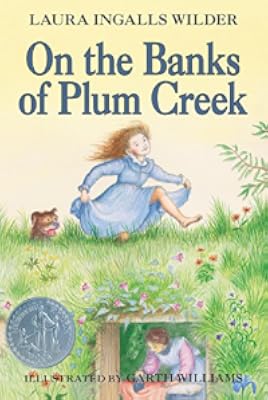
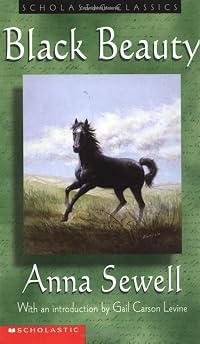
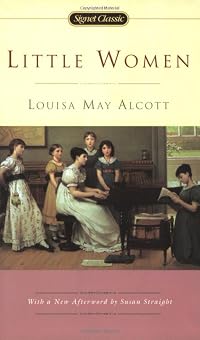
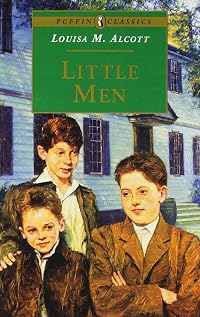
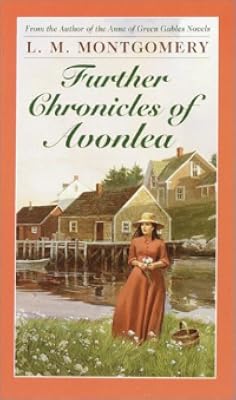
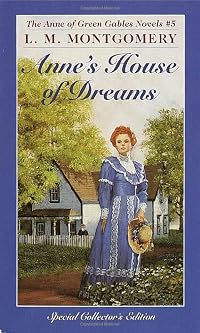
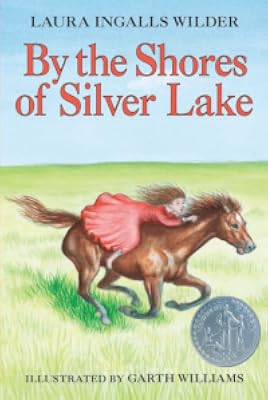
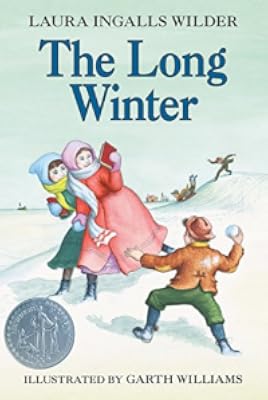

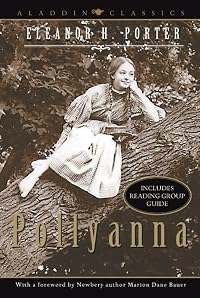
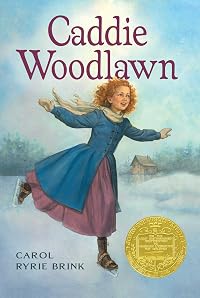
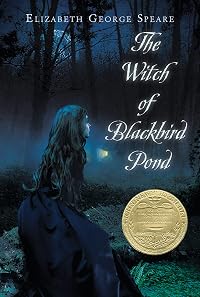
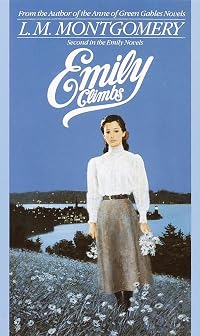
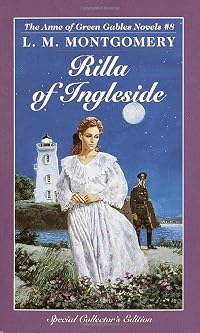
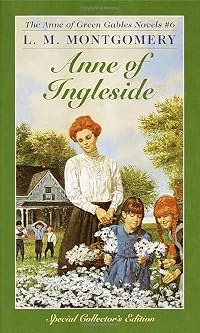

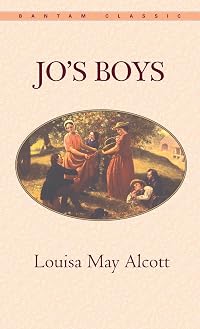
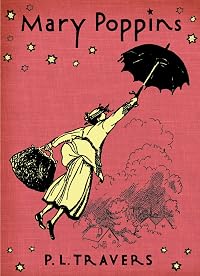
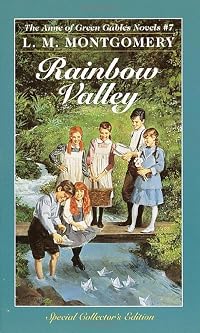
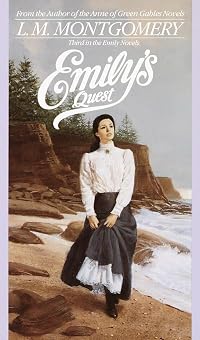


Member Recommendations
FranklyMyDarling Lots of fascinating notes, photographs and insight for the real Anne fan.
170
lloannna There are sequels! Lots and LOTS of sequels. This is one of them.
101


atimco Similar setting and local color. Johnston is grittier than Montgomery, but their heroines have a lot of similarities.
50

cransell The Country of Pointed Firs really reminded me of Anne of Green Gables - although not at all focused of a child or growing up. But if you enjoy one, you'll likely enjoy the other.
41
casvelyn The protagonists have a similar voice and outlook on life.
41

cbl_tn There are similarities between characters (young girl taken in by a stern older woman) and an island setting.
20
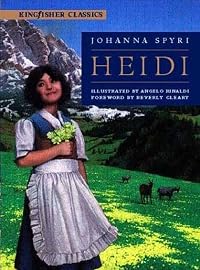
zottel Both books describe childhoods of orphan girls, one high up in the Alps, one in rural Canada. Many parallels.
02
Member Reviews
This is one of many well-known and much-loved classics that I have never read before. I have family members who really like it, so I decided that with my recent reading revolution, it was time to give it a try. I'm so glad I did, as I really enjoyed this book!
Anne has such a fiery spirit, and while I would probably be a bit frustrated to be around her much in person, I liked reading her monologues. The reactions by both of her guardians often produced a smile from me too. Though as a parent who is currently dealing with a strong-willed child who tends to melt down when she doesn't get her way, some of scenes where Anne threw a fit made me cringe. To see Anne change as she aged 5 years in this book was wonderful and realistic, and while show more she lost some of her loquaciousness, she remained the same kind, generous girl at heart.
I absolutely loved Matthew, and really liked seeing Marilla's character change throughout the book. When tragedy struck, even though I could guess what was coming, I was devastated with Anne. I am really looking forward to reading the further books in this series. show less
Anne has such a fiery spirit, and while I would probably be a bit frustrated to be around her much in person, I liked reading her monologues. The reactions by both of her guardians often produced a smile from me too. Though as a parent who is currently dealing with a strong-willed child who tends to melt down when she doesn't get her way, some of scenes where Anne threw a fit made me cringe. To see Anne change as she aged 5 years in this book was wonderful and realistic, and while show more she lost some of her loquaciousness, she remained the same kind, generous girl at heart.
I absolutely loved Matthew, and really liked seeing Marilla's character change throughout the book. When tragedy struck, even though I could guess what was coming, I was devastated with Anne. I am really looking forward to reading the further books in this series. show less
Anne of Green Gables, published in 1908, is a classic known the world around for its irrepressible, lovable heroine and great good humor. In Anne, L. M. Montgomery has created one of those iconic, inimitable literary characters who take on a life outside their stories. It is my all-time favorite comfort read, a book I nearly memorized as a child because I revisited it so often. I remember how rich I felt when my mother gave me the complete set.
When the brother and sister Matthew and Marilla Cuthbert decide to adopt a boy to help with the chores, Anne Shirley is sent to them by mistake. They decide to keep her, to her great joy, and soon learn that Anne is not like other children. As an orphan thrown on charity, she has sustained her show more dreary existence with a strange dream-life, comforting herself with the fancies of her mobile imagination. She is a passionate lover of beauty and romance, but that doesn't prevent her from getting into the most embarrassing and ridiculous scrapes. Anne manages to set her best friend drunk, dye her hated red hair green, flavor a cake with anodyne liniment instead of vanilla, and commit many other mistakes that make Marilla despair of her — and all with the most innocent intentions! But though this is a very funny book, that isn't all it is. Books with only humor to recommend them don't inspire the kind of lifelong love Anne fans have for the series.
Montgomery's characterizations are one of the main strengths of the book. Characters like officious Mrs. Rachel Lynde, repressed Marilla, shy Matthew — even minor characters like severe Mrs. Barry and coquettish Ruby Gillis — are drawn with such skill. Montgomery lets her characters be themselves, even if that means that sympathetic characters are foolish, prejudiced, or ridiculous at times. Avonlea may seem idyllic with its homey, warm atmosphere, but its people are not perfect by any stretch. They gossip, argue, backbite, act selfishly and self-righteously, and in general behave like people everywhere else. This is a far cry from the type of children's fiction that paints all adults as wise, understanding beings. Oh no! The people in Avonlea are shown with all their flaws, often through the medium of Mrs. Lynde's busy tongue.
And what delightful speeches Montgomery gives her characters! Each has a distinct voice, and Anne especially is wonderful. Much of the story is told through the characters' speeches. This gives us a feel for the context of the community; often the characters will discuss people we never see except when they are mentioned in the gossipy dialogue. And that's completely natural for this kind of story. It never becomes cumbersome with all the names, places, and histories that are related. They fade together into a complete and rounded backdrop for the main characters.
What keeps Anne from becoming an irrelevant, impossible goody-two-shoes is her humor and Montgomery's brilliant, wryly hilarious narration. Flights of fancy are beloved and the land of faerie certainly receives its due, but Montgomery keeps her story grounded by her keen eye for all that is funny in people. And there is plenty of it. This is one of the bigger themes of the story, the tension between the romance of poetry and the humdrum, unpoetical events of everyday life. As Anne says after her lily-maid adventure comes to a soggy end, "I have come to the conclusion that it is no use trying to be romantic in Avonlea. It was probably easy enough in towered Camelot hundreds of years ago, but romance is not appreciated now" (p. 227). Much of the humor also comes from Montgomery's many literary and biblical allusions, some of which I am just now understanding.
The author's love for Prince Edward Island is evident in the lovely nature descriptions that grace each chapter. Some people complain of these frequent descriptions, but I love them. They are probably responsible for more than half of the troops of tourists that descend upon Prince Edward Island each year to visit where Montgomery lived. I would love to visit there someday and see the red roads for myself.
I can't close this review without a word on Kevin Sullivan's 1985 miniseries starring Megan Follows. Megan Follows is Anne. In some parts the script is not faithful to the letter of Montgomery's books, but it certainly fulfills the spirit. The second part especially fudges and compresses many of the books' events, but I have never felt that it violates the author's intent. The same cannot be said for Kevin Sullivan's attempt at a third part, "The Continuing Story." If you haven't seen it, DON'T. Anne is time-warped into World War I, hasn't married Gilbert yet, thinks about having an affair with her publisher, and then ends up roaming Europe looking for Gilbert, who is missing in action. Outrage is too weak a word to describe my feelings toward this travesty, and I hear that Follows wasn't too hot on the script herself. I read somewhere online a comment from another fan, who asked if an evil alien had taken possession of Kevin Sullivan while he made this thing. No other explanation seems possible.
But back to Anne — the real Anne. Thankfully, a dreadful butchery (I won't call it adaptation) like that can't touch the original. Mark Twain, that crusty old cynic, called Anne "the sweetest creation of child life yet written," and I have to agree with him. I am thankful that this is one of the books that shaped me, and I look forward to introducing Anne to my own children. I know they will love her as I do. A wonderful, wonderful book. show less
When the brother and sister Matthew and Marilla Cuthbert decide to adopt a boy to help with the chores, Anne Shirley is sent to them by mistake. They decide to keep her, to her great joy, and soon learn that Anne is not like other children. As an orphan thrown on charity, she has sustained her show more dreary existence with a strange dream-life, comforting herself with the fancies of her mobile imagination. She is a passionate lover of beauty and romance, but that doesn't prevent her from getting into the most embarrassing and ridiculous scrapes. Anne manages to set her best friend drunk, dye her hated red hair green, flavor a cake with anodyne liniment instead of vanilla, and commit many other mistakes that make Marilla despair of her — and all with the most innocent intentions! But though this is a very funny book, that isn't all it is. Books with only humor to recommend them don't inspire the kind of lifelong love Anne fans have for the series.
Montgomery's characterizations are one of the main strengths of the book. Characters like officious Mrs. Rachel Lynde, repressed Marilla, shy Matthew — even minor characters like severe Mrs. Barry and coquettish Ruby Gillis — are drawn with such skill. Montgomery lets her characters be themselves, even if that means that sympathetic characters are foolish, prejudiced, or ridiculous at times. Avonlea may seem idyllic with its homey, warm atmosphere, but its people are not perfect by any stretch. They gossip, argue, backbite, act selfishly and self-righteously, and in general behave like people everywhere else. This is a far cry from the type of children's fiction that paints all adults as wise, understanding beings. Oh no! The people in Avonlea are shown with all their flaws, often through the medium of Mrs. Lynde's busy tongue.
And what delightful speeches Montgomery gives her characters! Each has a distinct voice, and Anne especially is wonderful. Much of the story is told through the characters' speeches. This gives us a feel for the context of the community; often the characters will discuss people we never see except when they are mentioned in the gossipy dialogue. And that's completely natural for this kind of story. It never becomes cumbersome with all the names, places, and histories that are related. They fade together into a complete and rounded backdrop for the main characters.
What keeps Anne from becoming an irrelevant, impossible goody-two-shoes is her humor and Montgomery's brilliant, wryly hilarious narration. Flights of fancy are beloved and the land of faerie certainly receives its due, but Montgomery keeps her story grounded by her keen eye for all that is funny in people. And there is plenty of it. This is one of the bigger themes of the story, the tension between the romance of poetry and the humdrum, unpoetical events of everyday life. As Anne says after her lily-maid adventure comes to a soggy end, "I have come to the conclusion that it is no use trying to be romantic in Avonlea. It was probably easy enough in towered Camelot hundreds of years ago, but romance is not appreciated now" (p. 227). Much of the humor also comes from Montgomery's many literary and biblical allusions, some of which I am just now understanding.
The author's love for Prince Edward Island is evident in the lovely nature descriptions that grace each chapter. Some people complain of these frequent descriptions, but I love them. They are probably responsible for more than half of the troops of tourists that descend upon Prince Edward Island each year to visit where Montgomery lived. I would love to visit there someday and see the red roads for myself.
I can't close this review without a word on Kevin Sullivan's 1985 miniseries starring Megan Follows. Megan Follows is Anne. In some parts the script is not faithful to the letter of Montgomery's books, but it certainly fulfills the spirit. The second part especially fudges and compresses many of the books' events, but I have never felt that it violates the author's intent. The same cannot be said for Kevin Sullivan's attempt at a third part, "The Continuing Story." If you haven't seen it, DON'T. Anne is time-warped into World War I, hasn't married Gilbert yet, thinks about having an affair with her publisher, and then ends up roaming Europe looking for Gilbert, who is missing in action. Outrage is too weak a word to describe my feelings toward this travesty, and I hear that Follows wasn't too hot on the script herself. I read somewhere online a comment from another fan, who asked if an evil alien had taken possession of Kevin Sullivan while he made this thing. No other explanation seems possible.
But back to Anne — the real Anne. Thankfully, a dreadful butchery (I won't call it adaptation) like that can't touch the original. Mark Twain, that crusty old cynic, called Anne "the sweetest creation of child life yet written," and I have to agree with him. I am thankful that this is one of the books that shaped me, and I look forward to introducing Anne to my own children. I know they will love her as I do. A wonderful, wonderful book. show less
When I was a pre-teen girl, I was in love with reading Sweet Valley High and Christopher Pike’s thrillers. By some fortunate turn, a thoughtful family member gifted me the first 3 books of this series. The simple fact that these are the books I still treasure and am insisting on reading to my own children, while Mr. Pike and Ms. Pascal have been relegated to distant memories and a knowing shake of the head underscore the difference between quality literature and twaddle.
Anne and Diana became kindred spirits to me growing up, their joys were my joys, their sorrows my sorrows. I learned and grew and laughed, and kept coming back for more. I had my favorite parts that I would revisit if I needed a thrill or a laugh or wanted to feel sad. show more The funny thing was, it took me until I was an adult and reading the book to my own kids that I realized just how beautiful the language of the book was, how Montgomery would paint scenes or evoke so many emotions with her words. I had used those words to imagine Avonlea and its denizens in great detail, and I didn’t even realize it.
I fully admit my bias in my love for this book. It was a formative part of my youth and as such is a work to which I am fiercely loyal. It also stands up as a book that is at least as enjoyable in adulthood as it was in my youth, which according to CS Lewis is the mark of a good story. show less
Anne and Diana became kindred spirits to me growing up, their joys were my joys, their sorrows my sorrows. I learned and grew and laughed, and kept coming back for more. I had my favorite parts that I would revisit if I needed a thrill or a laugh or wanted to feel sad. show more The funny thing was, it took me until I was an adult and reading the book to my own kids that I realized just how beautiful the language of the book was, how Montgomery would paint scenes or evoke so many emotions with her words. I had used those words to imagine Avonlea and its denizens in great detail, and I didn’t even realize it.
I fully admit my bias in my love for this book. It was a formative part of my youth and as such is a work to which I am fiercely loyal. It also stands up as a book that is at least as enjoyable in adulthood as it was in my youth, which according to CS Lewis is the mark of a good story. show less
First sentence: MRS. Rachel Lynde lived just where the Avonlea main road dipped down into a little hollow, fringed with alders and ladies’ eardrops and traversed by a brook that had its source away back in the woods of the old Cuthbert place; it was reputed to be an intricate, headlong brook in its earlier course through those woods, with dark secrets of pool and cascade; but by the time it reached Lynde’s Hollow it was a quiet, well-conducted little stream, for not even a brook could run past Mrs. Rachel Lynde’s door without due regard for decency and decorum; it probably was conscious that Mrs. Rachel was sitting at her window, keeping a sharp eye on everything that passed, from brooks and children up, and that if she noticed show more anything odd or out of place she would never rest until she had ferreted out the whys and wherefores thereof.
ETA: My November reading of Anne of Green Gables was by audio book checked out by the library. Dreamscape Media. I enjoyed the narration of the book.
Premise/plot: Anne of Green Gables introduces readers to Anne Shirley, Marilla and Matthew Cuthbert, Rachel Lynde, Diana Barry, and Gilbert Blythe. And that's just naming a few. By the time you've read and reread this one a couple of times, the whole community seems to come alive.
The absolute basics: Anne Shirley is an eleven year old orphan who arrives in Avonlea on Prince Edward Island. Marilla and Matthew are a brother-and-sister looking to adopt...a boy. Earlier miscommunication ultimately leads our heroine, young Ann-with-an-e, to the depths of despair. But Matthew, even before he arrives back at Green Gables with Anne, has decided HE WANTS TO KEEP HER FOREVER AND EVER. Marilla is not ready to say "yes" that quickly. Though as you might predict, she does end up keeping her...and loving her dearly.
The book relates to readers her adventures and misadventures. There is never a dull moment because our heroine never makes the same mistake twice. Here are a few additional characters you should know:
Diana Barry is Anne's bosom friend. These two are inseparable from their first meeting on. The two are not all that alike, but, they get along so splendidly. Anne forgives Diana her lack of imagination as I would imagine most readers do as well.
Gilbert Blythe is swoon-worthy. Wait, that's me talking. Gilbert is technically the cutest boy in Avonlea. When he first sees Anne, he calls her "Carrots." He desperately wants her attention. But he ends up making an enemy. Anne may forgive Diana her lack of imagination, but, she won't forgive the oh-so-cute boy who called her CARROTS. For most of the book, these two are academic rivals.
Rachel Lynde is Marilla's best friend, for better or worse, and without a doubt the town's biggest gossip. Her first impression of Anne is quickly replaced with a much nicer one after Anne apologizes beautifully. Rachel has a 'soft spot' for Anne, and is, in fact, the one who sews up Anne's first dress with puffed sleeves.
The book is written from multiple points of view. Readers get to know Anne, of course, but also Matthew and Marilla. (The first chapter is told from Rachel Lynde's point of view.) I didn't really pay much attention to how much Marilla we get in this first book in the series until I was an adult. But in many ways, this is Marilla's "coming of age" story just as much as it is Anne's.
My thoughts: I first 'discovered' Anne Shirley through watching the 1985 and 1987 films by Kevin Sullivan/Wonderworks when they aired on my local PBS station. As far as I'm concerned, these two are the ONLY films that are 'real.' Meaning that the monstrosity of a film released in 2000 doesn't exist at all. It's something that should be avoided at all costs. It is evil, evil, pure evil.
It would have been around sixth or seventh grade (1989-1990 or 1990-1991) that I 'discovered' the Anne of the books by L.M. Montgomery. It was love at first sight pure and simple. I loved Anne of Green Gables, yes, but I loved all of the Anne books. Then I moved from loving all the Anne books to loving all the Emily books. And then I started loving all the stand-alone novels too...like Tangled Web and Blue Castle. And then I discovered the short story collections. My sister started it, I suppose. She was the official owner of all the L.M. Montgomery books. And she never let me forget it either. I simply loved and adored L.M. Montgomery. She was the best of the best as far as I was concerned.
What is there to love about Anne Shirley? Everything! She's creative, imaginative, bright, vibrant, contagiously fun, good-spirited, and lovable. In a word she is charming. Oh to see the world through the eyes of Anne. There is something so wonderfully innocent and optimistic about Anne.
Did you know that the Anne series was written out of order?!
Anne of Green Gables (1908)
Anne of Avonlea (1909)
Anne of the Island (1915)
Anne's House of Dreams (1917)
Rainbow Valley (1919)
Rilla of Ingleside (1921)
Anne of Windy Poplars (1936)
Anne of Ingleside (1939)
Quotes:
The long platform was almost deserted; the only living creature in sight being a girl who was sitting on a pile of shingles at the extreme end. Matthew, barely noting that it WAS a girl, sidled past her as quickly as possible without looking at her. Had he looked he could hardly have failed to notice the tense rigidity and expectation of her attitude and expression. She was sitting there waiting for something or somebody and, since sitting and waiting was the only thing to do just then, she sat and waited with all her might and main.
A child of about eleven, garbed in a very short, very tight, very ugly dress of yellowish-gray wincey. She wore a faded brown sailor hat and beneath the hat, extending down her back, were two braids of very thick, decidedly red hair. Her face was small, white and thin, also much freckled; her mouth was large and so were her eyes, which looked green in some lights and moods and gray in others.
"Would you rather I didn’t talk? If you say so I’ll stop. I can STOP when I make up my mind to it, although it’s difficult.”
But if you call me Anne please call me Anne spelled with an E.” “What difference does it make how it’s spelled?” asked Marilla with another rusty smile as she picked up the teapot. “Oh, it makes SUCH a difference. It LOOKS so much nicer. When you hear a name pronounced can’t you always see it in your mind, just as if it was printed out? I can; and A-n-n looks dreadful, but A-n-n-e looks so much more distinguished.
It’s all very well to read about sorrows and imagine yourself living through them heroically, but it’s not so nice when you really come to have them, is it?
“Do you never imagine things different from what they really are?” asked Anne wide-eyed. “No.” “Oh!” Anne drew a long breath. “Oh, Miss — Marilla, how much you miss!”
Somehow, things never are so good when they’re thought out a second time.
“Saying one’s prayers isn’t exactly the same thing as praying,” said Anne meditatively.
Boiled pork and greens are so unromantic when one is in affliction.
Isn’t it good just to be alive on a day like this? I pity the people who aren’t born yet for missing it. They may have good days, of course, but they can never have this one.
“I think your Gilbert Blythe IS handsome,” confided Anne to Diana, “but I think he’s very bold. It isn’t good manners to wink at a strange girl.” But it was not until the afternoon that things really began to happen.
Gilbert Blythe wasn’t used to putting himself out to make a girl look at him and meeting with failure. She SHOULD look at him, that red-haired Shirley girl with the little pointed chin and the big eyes that weren’t like the eyes of any other girl in Avonlea school. Gilbert reached across the aisle, picked up the end of Anne’s long red braid, held it out at arm’s length and said in a piercing whisper: “Carrots! Carrots!” Then Anne looked at him with a vengeance! She did more than look. She sprang to her feet, her bright fancies fallen into cureless ruin. She flashed one indignant glance at Gilbert from eyes whose angry sparkle was swiftly quenched in equally angry tears. “You mean, hateful boy!” she exclaimed passionately. “How dare you!”
“I’m so glad I live in a world where there are Octobers. It would be terrible if we just skipped from September to November, wouldn’t it? Look at these maple branches. Don’t they give you a thrill — several thrills? I’m going to decorate my room with them.”
I love bright red drinks, don’t you? They taste twice as good as any other color.
Well, I suppose I must finish up my lessons. I won’t allow myself to open that new book Jane lent me until I’m through. But it’s a terrible temptation, Matthew. Even when I turn my back on it I can see it there just as plain. Jane said she cried herself sick over it. I love a book that makes me cry. But I think I’ll carry that book into the sitting room and lock it in the jam closet and give you the key. And you must NOT give it to me, Matthew, until my lessons are done, not even if I implore you on my bended knees. It’s all very well to say resist temptation, but it’s ever so much easier to resist it if you can’t get the key.
You didn’t know just how I felt about it, but you see Matthew did. Matthew understands me, and it’s so nice to be understood, Marilla.
“It’s because you’re too heedless and impulsive, child, that’s what. You never stop to think — whatever comes into your head to say or do you say or do it without a moment’s reflection.” “Oh, but that’s the best of it,” protested Anne. “Something just flashes into your mind, so exciting, and you must out with it. If you stop to think it over you spoil it all. Haven’t you never felt that yourself, Mrs. Lynde?”
When Miss Barry went away she said: “Remember, you Anne-girl, when you come to town you’re to visit me and I’ll put you in my very sparest spare-room bed to sleep.” “Miss Barry was a kindred spirit, after all,” Anne confided to Marilla. “You wouldn’t think so to look at her, but she is. You don’t find it right out at first, as in Matthew’s case, but after a while you come to see it. Kindred spirits are not so scarce as I used to think. It’s splendid to find out there are so many of them in the world.”
There’s such a lot of different Annes in me. I sometimes think that is why I’m such a troublesome person. If I was just the one Anne it would be ever so much more comfortable, but then it wouldn’t be half so interesting.
“Yes; but cakes have such a terrible habit of turning out bad just when you especially want them to be good,” sighed Anne.
“Marilla, isn’t it nice to think that tomorrow is a new day with no mistakes in it yet?” “I’ll warrant you’ll make plenty in it,” said Marilla.
Mrs. Lynde says I’m full of original sin. No matter how hard I try to be good I can never make such a success of it as those who are naturally good. It’s a good deal like geometry, I expect. But don’t you think the trying so hard ought to count for something?
It isn’t very pleasant to be laid up; but there is a bright side to it, Marilla. You find out how many friends you have.
Mrs. Allan says we should never make uncharitable speeches; but they do slip out so often before you think, don’t they? I simply can’t talk about Josie Pye without making an uncharitable speech, so I never mention her at all. You may have noticed that. I’m trying to be as much like Mrs. Allan as I possibly can, for I think she’s perfect.
“Isn’t this evening just like a purple dream, Diana? It makes me so glad to be alive. In the mornings I always think the mornings are best; but when evening comes I think it’s lovelier still.”
Mr. Allan says everybody should have a purpose in life and pursue it faithfully. Only he says we must first make sure that it is a worthy purpose. I would call it a worthy purpose to want to be a teacher like Miss Stacy, wouldn’t you, Marilla? I think it’s a very noble profession.
Why can’t women be ministers, Marilla? I asked Mrs. Lynde that and she was shocked and said it would be a scandalous thing. She said there might be female ministers in the States and she believed there was, but thank goodness we hadn’t got to that stage in Canada yet and she hoped we never would. But I don’t see why. I think women would make splendid ministers. When there is a social to be got up or a church tea or anything else to raise money the women have to turn to and do the work. I’m sure Mrs. Lynde can pray every bit as well as Superintendent Bell and I’ve no doubt she could preach too with a little practice.” “Yes, I believe she could,” said Marilla dryly. “She does plenty of unofficial preaching as it is. Nobody has much of a chance to go wrong in Avonlea with Rachel to oversee them.”
There are so many things to be thought over and decided when you’re beginning to grow up. It keeps me busy all the time thinking them over and deciding what is right. It’s a serious thing to grow up, isn’t it, Marilla? But when I have such good friends as you and Matthew and Mrs. Allan and Miss Stacy I ought to grow up successfully, and I’m sure it will be my own fault if I don’t.
As Mrs. Lynde says, ‘If you can’t be cheerful, be as cheerful as you can.’
It’s good advice, but I expect it will be hard to follow; good advice is apt to be, I think.
“No, I wasn’t crying over your piece,” said Marilla, who would have scorned to be betrayed into such weakness by any poetry stuff. “I just couldn’t help thinking of the little girl you used to be, Anne. And I was wishing you could have stayed a little girl, even with all your queer ways. You’ve grown up now and you’re going away; and you look so tall and stylish and so — so — different altogether in that dress — as if you didn’t belong in Avonlea at all — and I just got lonesome thinking it all over.”
It won’t make a bit of difference where I go or how much I change outwardly; at heart I shall always be your little Anne, who will love you and Matthew and dear Green Gables more and better every day of her life.
“Wouldn’t Matthew be proud if I got to be a B.A.? Oh, it’s delightful to have ambitions. I’m so glad I have such a lot. And there never seems to be any end to them — that’s the best of it. Just as soon as you attain to one ambition you see another one glittering higher up still. It does make life so interesting.”
“That Anne-girl improves all the time,” she said. “I get tired of other girls — there is such a provoking and eternal sameness about them. Anne has as many shades as a rainbow and every shade is the prettiest while it lasts. I don’t know that she is as amusing as she was when she was a child, but she makes me love her and I like people who make me love them. It saves me so much trouble in making myself love them.”
For we pay a price for everything we get or take in this world; and although ambitions are well worth having, they are not to be cheaply won, but exact their dues of work and self-denial, anxiety and discouragement.
“Well now, I’d rather have you than a dozen boys, Anne,” said Matthew patting her hand. “Just mind you that — rather than a dozen boys. Well now, I guess it wasn’t a boy that took the Avery scholarship, was it? It was a girl — my girl — my girl that I’m proud of.” He smiled his shy smile at her as he went into the yard. Anne took the memory of it with her when she went to her room that night and sat for a long while at her open window, thinking of the past and dreaming of the future.
It was the last night before sorrow touched her life; and no life is ever quite the same again when once that cold, sanctifying touch has been laid upon it.
Marilla, I’ve almost decided to give up trying to like Josie Pye. I’ve made what I would once have called a heroic effort to like her, but Josie Pye won’t BE liked.
When I left Queen’s my future seemed to stretch out before me like a straight road. I thought I could see along it for many a milestone. Now there is a bend in it. I don’t know what lies around the bend, but I’m going to believe that the best does. It has a fascination of its own, that bend, Marilla. I wonder how the road beyond it goes — what there is of green glory and soft, checkered light and shadows — what new landscapes — what new beauties — what curves and hills and valleys further on.
“Dear old world,” she murmured, “you are very lovely, and I am glad to be alive in you.”
“‘God’s in his heaven, all’s right with the world,’” whispered Anne softly. softly. show less
ETA: My November reading of Anne of Green Gables was by audio book checked out by the library. Dreamscape Media. I enjoyed the narration of the book.
Premise/plot: Anne of Green Gables introduces readers to Anne Shirley, Marilla and Matthew Cuthbert, Rachel Lynde, Diana Barry, and Gilbert Blythe. And that's just naming a few. By the time you've read and reread this one a couple of times, the whole community seems to come alive.
The absolute basics: Anne Shirley is an eleven year old orphan who arrives in Avonlea on Prince Edward Island. Marilla and Matthew are a brother-and-sister looking to adopt...a boy. Earlier miscommunication ultimately leads our heroine, young Ann-with-an-e, to the depths of despair. But Matthew, even before he arrives back at Green Gables with Anne, has decided HE WANTS TO KEEP HER FOREVER AND EVER. Marilla is not ready to say "yes" that quickly. Though as you might predict, she does end up keeping her...and loving her dearly.
The book relates to readers her adventures and misadventures. There is never a dull moment because our heroine never makes the same mistake twice. Here are a few additional characters you should know:
Diana Barry is Anne's bosom friend. These two are inseparable from their first meeting on. The two are not all that alike, but, they get along so splendidly. Anne forgives Diana her lack of imagination as I would imagine most readers do as well.
Gilbert Blythe is swoon-worthy. Wait, that's me talking. Gilbert is technically the cutest boy in Avonlea. When he first sees Anne, he calls her "Carrots." He desperately wants her attention. But he ends up making an enemy. Anne may forgive Diana her lack of imagination, but, she won't forgive the oh-so-cute boy who called her CARROTS. For most of the book, these two are academic rivals.
Rachel Lynde is Marilla's best friend, for better or worse, and without a doubt the town's biggest gossip. Her first impression of Anne is quickly replaced with a much nicer one after Anne apologizes beautifully. Rachel has a 'soft spot' for Anne, and is, in fact, the one who sews up Anne's first dress with puffed sleeves.
The book is written from multiple points of view. Readers get to know Anne, of course, but also Matthew and Marilla. (The first chapter is told from Rachel Lynde's point of view.) I didn't really pay much attention to how much Marilla we get in this first book in the series until I was an adult. But in many ways, this is Marilla's "coming of age" story just as much as it is Anne's.
My thoughts: I first 'discovered' Anne Shirley through watching the 1985 and 1987 films by Kevin Sullivan/Wonderworks when they aired on my local PBS station. As far as I'm concerned, these two are the ONLY films that are 'real.' Meaning that the monstrosity of a film released in 2000 doesn't exist at all. It's something that should be avoided at all costs. It is evil, evil, pure evil.
It would have been around sixth or seventh grade (1989-1990 or 1990-1991) that I 'discovered' the Anne of the books by L.M. Montgomery. It was love at first sight pure and simple. I loved Anne of Green Gables, yes, but I loved all of the Anne books. Then I moved from loving all the Anne books to loving all the Emily books. And then I started loving all the stand-alone novels too...like Tangled Web and Blue Castle. And then I discovered the short story collections. My sister started it, I suppose. She was the official owner of all the L.M. Montgomery books. And she never let me forget it either. I simply loved and adored L.M. Montgomery. She was the best of the best as far as I was concerned.
What is there to love about Anne Shirley? Everything! She's creative, imaginative, bright, vibrant, contagiously fun, good-spirited, and lovable. In a word she is charming. Oh to see the world through the eyes of Anne. There is something so wonderfully innocent and optimistic about Anne.
Did you know that the Anne series was written out of order?!
Anne of Green Gables (1908)
Anne of Avonlea (1909)
Anne of the Island (1915)
Anne's House of Dreams (1917)
Rainbow Valley (1919)
Rilla of Ingleside (1921)
Anne of Windy Poplars (1936)
Anne of Ingleside (1939)
Quotes:
The long platform was almost deserted; the only living creature in sight being a girl who was sitting on a pile of shingles at the extreme end. Matthew, barely noting that it WAS a girl, sidled past her as quickly as possible without looking at her. Had he looked he could hardly have failed to notice the tense rigidity and expectation of her attitude and expression. She was sitting there waiting for something or somebody and, since sitting and waiting was the only thing to do just then, she sat and waited with all her might and main.
A child of about eleven, garbed in a very short, very tight, very ugly dress of yellowish-gray wincey. She wore a faded brown sailor hat and beneath the hat, extending down her back, were two braids of very thick, decidedly red hair. Her face was small, white and thin, also much freckled; her mouth was large and so were her eyes, which looked green in some lights and moods and gray in others.
"Would you rather I didn’t talk? If you say so I’ll stop. I can STOP when I make up my mind to it, although it’s difficult.”
But if you call me Anne please call me Anne spelled with an E.” “What difference does it make how it’s spelled?” asked Marilla with another rusty smile as she picked up the teapot. “Oh, it makes SUCH a difference. It LOOKS so much nicer. When you hear a name pronounced can’t you always see it in your mind, just as if it was printed out? I can; and A-n-n looks dreadful, but A-n-n-e looks so much more distinguished.
It’s all very well to read about sorrows and imagine yourself living through them heroically, but it’s not so nice when you really come to have them, is it?
“Do you never imagine things different from what they really are?” asked Anne wide-eyed. “No.” “Oh!” Anne drew a long breath. “Oh, Miss — Marilla, how much you miss!”
Somehow, things never are so good when they’re thought out a second time.
“Saying one’s prayers isn’t exactly the same thing as praying,” said Anne meditatively.
Boiled pork and greens are so unromantic when one is in affliction.
Isn’t it good just to be alive on a day like this? I pity the people who aren’t born yet for missing it. They may have good days, of course, but they can never have this one.
“I think your Gilbert Blythe IS handsome,” confided Anne to Diana, “but I think he’s very bold. It isn’t good manners to wink at a strange girl.” But it was not until the afternoon that things really began to happen.
Gilbert Blythe wasn’t used to putting himself out to make a girl look at him and meeting with failure. She SHOULD look at him, that red-haired Shirley girl with the little pointed chin and the big eyes that weren’t like the eyes of any other girl in Avonlea school. Gilbert reached across the aisle, picked up the end of Anne’s long red braid, held it out at arm’s length and said in a piercing whisper: “Carrots! Carrots!” Then Anne looked at him with a vengeance! She did more than look. She sprang to her feet, her bright fancies fallen into cureless ruin. She flashed one indignant glance at Gilbert from eyes whose angry sparkle was swiftly quenched in equally angry tears. “You mean, hateful boy!” she exclaimed passionately. “How dare you!”
“I’m so glad I live in a world where there are Octobers. It would be terrible if we just skipped from September to November, wouldn’t it? Look at these maple branches. Don’t they give you a thrill — several thrills? I’m going to decorate my room with them.”
I love bright red drinks, don’t you? They taste twice as good as any other color.
Well, I suppose I must finish up my lessons. I won’t allow myself to open that new book Jane lent me until I’m through. But it’s a terrible temptation, Matthew. Even when I turn my back on it I can see it there just as plain. Jane said she cried herself sick over it. I love a book that makes me cry. But I think I’ll carry that book into the sitting room and lock it in the jam closet and give you the key. And you must NOT give it to me, Matthew, until my lessons are done, not even if I implore you on my bended knees. It’s all very well to say resist temptation, but it’s ever so much easier to resist it if you can’t get the key.
You didn’t know just how I felt about it, but you see Matthew did. Matthew understands me, and it’s so nice to be understood, Marilla.
“It’s because you’re too heedless and impulsive, child, that’s what. You never stop to think — whatever comes into your head to say or do you say or do it without a moment’s reflection.” “Oh, but that’s the best of it,” protested Anne. “Something just flashes into your mind, so exciting, and you must out with it. If you stop to think it over you spoil it all. Haven’t you never felt that yourself, Mrs. Lynde?”
When Miss Barry went away she said: “Remember, you Anne-girl, when you come to town you’re to visit me and I’ll put you in my very sparest spare-room bed to sleep.” “Miss Barry was a kindred spirit, after all,” Anne confided to Marilla. “You wouldn’t think so to look at her, but she is. You don’t find it right out at first, as in Matthew’s case, but after a while you come to see it. Kindred spirits are not so scarce as I used to think. It’s splendid to find out there are so many of them in the world.”
There’s such a lot of different Annes in me. I sometimes think that is why I’m such a troublesome person. If I was just the one Anne it would be ever so much more comfortable, but then it wouldn’t be half so interesting.
“Yes; but cakes have such a terrible habit of turning out bad just when you especially want them to be good,” sighed Anne.
“Marilla, isn’t it nice to think that tomorrow is a new day with no mistakes in it yet?” “I’ll warrant you’ll make plenty in it,” said Marilla.
Mrs. Lynde says I’m full of original sin. No matter how hard I try to be good I can never make such a success of it as those who are naturally good. It’s a good deal like geometry, I expect. But don’t you think the trying so hard ought to count for something?
It isn’t very pleasant to be laid up; but there is a bright side to it, Marilla. You find out how many friends you have.
Mrs. Allan says we should never make uncharitable speeches; but they do slip out so often before you think, don’t they? I simply can’t talk about Josie Pye without making an uncharitable speech, so I never mention her at all. You may have noticed that. I’m trying to be as much like Mrs. Allan as I possibly can, for I think she’s perfect.
“Isn’t this evening just like a purple dream, Diana? It makes me so glad to be alive. In the mornings I always think the mornings are best; but when evening comes I think it’s lovelier still.”
Mr. Allan says everybody should have a purpose in life and pursue it faithfully. Only he says we must first make sure that it is a worthy purpose. I would call it a worthy purpose to want to be a teacher like Miss Stacy, wouldn’t you, Marilla? I think it’s a very noble profession.
Why can’t women be ministers, Marilla? I asked Mrs. Lynde that and she was shocked and said it would be a scandalous thing. She said there might be female ministers in the States and she believed there was, but thank goodness we hadn’t got to that stage in Canada yet and she hoped we never would. But I don’t see why. I think women would make splendid ministers. When there is a social to be got up or a church tea or anything else to raise money the women have to turn to and do the work. I’m sure Mrs. Lynde can pray every bit as well as Superintendent Bell and I’ve no doubt she could preach too with a little practice.” “Yes, I believe she could,” said Marilla dryly. “She does plenty of unofficial preaching as it is. Nobody has much of a chance to go wrong in Avonlea with Rachel to oversee them.”
There are so many things to be thought over and decided when you’re beginning to grow up. It keeps me busy all the time thinking them over and deciding what is right. It’s a serious thing to grow up, isn’t it, Marilla? But when I have such good friends as you and Matthew and Mrs. Allan and Miss Stacy I ought to grow up successfully, and I’m sure it will be my own fault if I don’t.
As Mrs. Lynde says, ‘If you can’t be cheerful, be as cheerful as you can.’
It’s good advice, but I expect it will be hard to follow; good advice is apt to be, I think.
“No, I wasn’t crying over your piece,” said Marilla, who would have scorned to be betrayed into such weakness by any poetry stuff. “I just couldn’t help thinking of the little girl you used to be, Anne. And I was wishing you could have stayed a little girl, even with all your queer ways. You’ve grown up now and you’re going away; and you look so tall and stylish and so — so — different altogether in that dress — as if you didn’t belong in Avonlea at all — and I just got lonesome thinking it all over.”
It won’t make a bit of difference where I go or how much I change outwardly; at heart I shall always be your little Anne, who will love you and Matthew and dear Green Gables more and better every day of her life.
“Wouldn’t Matthew be proud if I got to be a B.A.? Oh, it’s delightful to have ambitions. I’m so glad I have such a lot. And there never seems to be any end to them — that’s the best of it. Just as soon as you attain to one ambition you see another one glittering higher up still. It does make life so interesting.”
“That Anne-girl improves all the time,” she said. “I get tired of other girls — there is such a provoking and eternal sameness about them. Anne has as many shades as a rainbow and every shade is the prettiest while it lasts. I don’t know that she is as amusing as she was when she was a child, but she makes me love her and I like people who make me love them. It saves me so much trouble in making myself love them.”
For we pay a price for everything we get or take in this world; and although ambitions are well worth having, they are not to be cheaply won, but exact their dues of work and self-denial, anxiety and discouragement.
“Well now, I’d rather have you than a dozen boys, Anne,” said Matthew patting her hand. “Just mind you that — rather than a dozen boys. Well now, I guess it wasn’t a boy that took the Avery scholarship, was it? It was a girl — my girl — my girl that I’m proud of.” He smiled his shy smile at her as he went into the yard. Anne took the memory of it with her when she went to her room that night and sat for a long while at her open window, thinking of the past and dreaming of the future.
It was the last night before sorrow touched her life; and no life is ever quite the same again when once that cold, sanctifying touch has been laid upon it.
Marilla, I’ve almost decided to give up trying to like Josie Pye. I’ve made what I would once have called a heroic effort to like her, but Josie Pye won’t BE liked.
When I left Queen’s my future seemed to stretch out before me like a straight road. I thought I could see along it for many a milestone. Now there is a bend in it. I don’t know what lies around the bend, but I’m going to believe that the best does. It has a fascination of its own, that bend, Marilla. I wonder how the road beyond it goes — what there is of green glory and soft, checkered light and shadows — what new landscapes — what new beauties — what curves and hills and valleys further on.
“Dear old world,” she murmured, “you are very lovely, and I am glad to be alive in you.”
“‘God’s in his heaven, all’s right with the world,’” whispered Anne softly. softly. show less
I'm the wrong demographic for this but it was surprisingly enjoyable. Anne was written in 1908 but feels surprisingly modern for a more than a century old book about an even earlier age. The precocious kid with a big mouth and head full of dreams is relatable, and Montgomery manages to track her changes from child to teenager quite well. You really feel Anne is a person, however much at odds with her own time, changing through the trials and tribulations into someone more mature. This is still a work marked by time as to what's considered proper, but Anne is not exactly a demure wallflower despite her great sense of romantic drama.
Summary: Middle-aged Matthew Cuthbert and his sister Marilla meant to adopt a boy to help them around their farm, so they were rather surprised when the 11-year-old red-headed Anne Shirley shows up on their doorstop instead. Anne immediately loves the little house at Green Gables, and wants more than anything for it to be home, and for Matthew and Marilla to be her family. But what are the two of them going to do with an imaginative, talkative, and boisterous young girl? And how will Anne fit in with Matthew and Marilla, not to mention in school, and in town, when her lively spirit leads her to get into more scrapes and adventures than is entirely proper for a young woman in the early 1900s?
Review: This was always a book that I thought show more I had read in childhood. I owned a copy (still do, at my parents' house), and I would have sworn up and down to you that I'd read it. But when my book club selected it and I started listening to it, it turns out that if I had ever read it before, then ALL of the details had completely abandoned me in the intervening years, much worse than is usually the case with my terrible memory. So I don't think I'd ever read it as a child (I probably never got past that first sentence, damn!), and this review is therefore from the perspective of someone reading it for the first time in her mid-30s. And while I enjoyed it, it didn't bowl me over, although I can certainly see how if I'd encountered this book as a kid I would have loved it - Anne gets into plenty of scrapes and adventures, and it's funny and charming and just old-fashioned enough that my 10-year-old self would have eaten it up.
I couldn't help but compare it to my actual favorite book from childhood, A Little Princess. Both are about imaginative, kind, plucky orphans, but while Sara Crewe is largely defined by her self-contained nature, Anne is much more of an extrovert. And I think this explains whatever difference in my reactions to the two books can't be explained by the ages at which I read them. I recognized a lot of my own introverted ways in A Little Princess, whereas I am nothing like Anne Shirley, and her constant blathering actually started to wear on my nerves more than once. (I'm firmly in Marila's camp on this one - maybe because I listened to the audiobook, but ye gods, girl, pipe down for ten seconds, please?)
I also found the structure kind of strange. The book takes place over a substantially longer time span than I was expecting. Anne goes from 11 to 18 (or so) over the course of the book, but most of the book is told in a very episodic fashion focusing on her varied misadventures. As a result, time moves somewhat unevenly throughout the course of the book, and the latter sections, when Anne is older and a little more mature, seems a little at odds with the earlier, funnier sections when she was a kid. I also found some of the foreshadowing to be rather unsubtle (maybe not surprising; it is a book for kids, after all), but I also simultaneously found the ending to be rather abrupt in some ways.
Overall, though, I had a fun time listening to this book, and I can see why it's a children's classic, even if I read it 25 years too late for it to be a personal favorite. 4 out of 5 stars.
Recommendation: If this *was* a childhood favorite for you, you're probably already lining up with pitchforks to tell me why I'm wrong for not loving it. If you didn't get to it in childhood, give it to your kids, and maybe dive into it yourself when you're needing something charming and cute. show less
Review: This was always a book that I thought show more I had read in childhood. I owned a copy (still do, at my parents' house), and I would have sworn up and down to you that I'd read it. But when my book club selected it and I started listening to it, it turns out that if I had ever read it before, then ALL of the details had completely abandoned me in the intervening years, much worse than is usually the case with my terrible memory. So I don't think I'd ever read it as a child (I probably never got past that first sentence, damn!), and this review is therefore from the perspective of someone reading it for the first time in her mid-30s. And while I enjoyed it, it didn't bowl me over, although I can certainly see how if I'd encountered this book as a kid I would have loved it - Anne gets into plenty of scrapes and adventures, and it's funny and charming and just old-fashioned enough that my 10-year-old self would have eaten it up.
I couldn't help but compare it to my actual favorite book from childhood, A Little Princess. Both are about imaginative, kind, plucky orphans, but while Sara Crewe is largely defined by her self-contained nature, Anne is much more of an extrovert. And I think this explains whatever difference in my reactions to the two books can't be explained by the ages at which I read them. I recognized a lot of my own introverted ways in A Little Princess, whereas I am nothing like Anne Shirley, and her constant blathering actually started to wear on my nerves more than once. (I'm firmly in Marila's camp on this one - maybe because I listened to the audiobook, but ye gods, girl, pipe down for ten seconds, please?)
I also found the structure kind of strange. The book takes place over a substantially longer time span than I was expecting. Anne goes from 11 to 18 (or so) over the course of the book, but most of the book is told in a very episodic fashion focusing on her varied misadventures. As a result, time moves somewhat unevenly throughout the course of the book, and the latter sections, when Anne is older and a little more mature, seems a little at odds with the earlier, funnier sections when she was a kid. I also found some of the foreshadowing to be rather unsubtle (maybe not surprising; it is a book for kids, after all), but I also simultaneously found the ending to be rather abrupt in some ways.
Overall, though, I had a fun time listening to this book, and I can see why it's a children's classic, even if I read it 25 years too late for it to be a personal favorite. 4 out of 5 stars.
Recommendation: If this *was* a childhood favorite for you, you're probably already lining up with pitchforks to tell me why I'm wrong for not loving it. If you didn't get to it in childhood, give it to your kids, and maybe dive into it yourself when you're needing something charming and cute. show less
No matter how many times I’ve read this, it never loses its charm.
Episodic doesn’t always work for me, it’s partly why I’ve yet to push all the way through Windy Poplars and beyond in this series, but this first novel doesn’t feel as labored in that respect as some of its sequels do. Rather than the stop-start choppiness that can be problematic for me in this style of storytelling, the transitions between “episodes” here feel smooth, as does the arc they create.
Anne might be a bit much for some readers with her melodramatic emotions and romanticism, but to me, she’s ever so lovable, particularly in the moments where you feel her longing and appreciation for home, family, and friendship. And from the girl who struggles show more with her temper, who falls into one calamity after another, to the poised young woman we’re left with in the end, Anne’s growth is impeccably paced, between that and her endearing personality, it’s really no wonder that she feels so real to so many of us.
The secondary characters are so rewarding to spend time with, too, I love how shy Matthew absolutely adores chatterbox Anne to the point where he’s willing to venture out of his comfort zone for her, then there’s Marilla with her hard shell and squishy center, and even someone like Rachel Lynde, who gets off to a rocky start with Anne and the reader, yet you come to enjoy her prickly know-it-all presence.
The romance isn’t overt here since Anne & Gilbert are quite young through most of it, plus she’s harboring a grudge against him, still, their chemistry crackles in even the tiniest moments they share, and with each gesture he makes towards her, you can’t help falling in love with this boy even before Anne does. show less
Episodic doesn’t always work for me, it’s partly why I’ve yet to push all the way through Windy Poplars and beyond in this series, but this first novel doesn’t feel as labored in that respect as some of its sequels do. Rather than the stop-start choppiness that can be problematic for me in this style of storytelling, the transitions between “episodes” here feel smooth, as does the arc they create.
Anne might be a bit much for some readers with her melodramatic emotions and romanticism, but to me, she’s ever so lovable, particularly in the moments where you feel her longing and appreciation for home, family, and friendship. And from the girl who struggles show more with her temper, who falls into one calamity after another, to the poised young woman we’re left with in the end, Anne’s growth is impeccably paced, between that and her endearing personality, it’s really no wonder that she feels so real to so many of us.
The secondary characters are so rewarding to spend time with, too, I love how shy Matthew absolutely adores chatterbox Anne to the point where he’s willing to venture out of his comfort zone for her, then there’s Marilla with her hard shell and squishy center, and even someone like Rachel Lynde, who gets off to a rocky start with Anne and the reader, yet you come to enjoy her prickly know-it-all presence.
The romance isn’t overt here since Anne & Gilbert are quite young through most of it, plus she’s harboring a grudge against him, still, their chemistry crackles in even the tiniest moments they share, and with each gesture he makes towards her, you can’t help falling in love with this boy even before Anne does. show less
Members
- Recently Added By
Lists

Favorite Childhood Books
1,651 works; 519 members

Best Children's Books You've Read
197 works; 74 members
1001 Children's Books You Must Read Before You Grow Up
774 works; 101 members

Top-Rated Books on LibraryThing
272 works; 117 members

Books That Made Me Cry
199 works; 105 members

BBC Big Read
191 works; 46 members

Best L.M. Montgomery novels
20 works; 8 members
501 Must-Read Books
529 works; 72 members

Classics you know you should have read but probably haven't
421 works; 408 members

Top-Rated Children's Books
87 works; 16 members

Elevenses
316 works; 88 members

Read the book and saw the movie
1,170 works; 195 members

Best middle grade books
130 works; 24 members

Comfort Reads
221 works; 41 members

1900s (Decade, not century)
73 works; 17 members
NPRs Ultimate Backseat Bookshelf: 100 Must-Reads for kids 9-14
222 works; 30 members

Childhood Favorites
427 works; 24 members

PBS The Great American Read
100 works; 21 members

Best School Stories
219 works; 22 members
Best Family Stories
241 works; 22 members

The Best of Canadian Literature
235 works; 33 members
Mensa for Kids Excellence in Reading Award Program (Grades 4-6)
64 works; 9 members
my children books reading list-from 100 great books
101 works; 7 members
Honey For a Child's Heart
1,152 works; 25 members
Female Protagonist
1,056 works; 57 members

Children's Classics Worth Reading
68 works; 9 members
Ambleside Books
459 works; 18 members
Favorite Coming of Age Novels.
164 works; 51 members

Books About Girls
219 works; 17 members
BBC Big Read
100 works; 10 members
CBC's 100 Young Adult Books
100 works; 4 members
Fiction with Women's Names in the Title
378 works; 15 members
NPRs your favorites: 100 Best Ever Teen Novels
237 works; 49 members
Canada
42 works; 3 members

New Canadian Library
191 works; 7 members

Sonlight Books
1,487 works; 25 members
Books with Colourful Titles
171 works; 8 members

Bibliography for How to be a Heroine
148 works; 12 members
Folio Society
831 works; 53 members
Movie Adaptations
111 works; 4 members
Books with a Character's Name as the Title
129 works; 9 members

CBC's Great Canadian Reading List
149 works; 5 members

Necessary & Exquisite
30 works; 4 members

Best Young Adult
399 works; 101 members
One-room schools -- children's/young adult fiction
52 works; 5 members
Spring Books
12 works; 2 members
LibraryThingers' 1001 Books You Must Read Before You Die
442 works; 29 members

KID BOOKS
54 works; 1 member

Quirky Characters
24 works; 7 members

Out of Copyright
244 works; 14 members
Small Town Fiction
66 works; 13 members

Accessible Classics
8 works; 1 member

6th Grade
68 works; 4 members
Most Popular Young Adult Lit on LT
100 works; 4 members

Puffin Books 70th anniversary handbook recommendations
537 works; 10 members
Books Mentioned in The Wedding Planner's Daughter series
107 works; 2 members

el
1,139 works; 1 member

1970s
657 works; 23 members

.
396 works; 1 member

The Worst Bestsellers Podcast
295 works; 5 members

Read Aloud Revival
108 works; 4 members
EGBERTINA'S List of childhood books worthy of merit or unspeakable delight
155 works; 6 members

Books Read in 2021
5,361 works; 114 members

Books Read in 2023
5,547 works; 145 members

Fiction With Familiar Settings
280 works; 93 members
Children's Literature 1900 - 1950 in order
413 works; 8 members
The Five Books That Represent Us
391 works; 148 members

Spring Reading
11 works; 1 member

Books referenced in the Astral Library
60 works; 1 member

Canadian Historical Fiction 🇨🇦
157 works; 8 members
Read For Your Life
157 works; 1 member

Classics Book Club 2024
9 works; 1 member

HMS: Make Your Child a Lover of Books, Ages 9 & up
111 works; 2 members

Book Worlds We'd Like To Visit
322 works; 158 members

Recommended Young Adult Books
12 works; 1 member

Ambleside Year 5
55 works; 1 member
'Books You Can't Live Without: The Top 100', The Guardian, 2007
156 works; 7 members
Books Set in Small Towns and Villages
278 works; 16 members

Books That Made Us Cry
278 works; 145 members
Books We Love to Reread
688 works; 296 members
Our Favorite Comfort Reads
334 works; 200 members

The Story of the World: Activity Book Four: The Modern Age
333 works; 2 members

Top Five Books of 2023
767 works; 317 members

Favourite Virago Modern Classics
183 works; 38 members
The Story of the World: Activity Book Three: Early Modern Times
191 works; 3 members

Recommended Reading List
219 works; 1 member
.
194 works; 2 members
Books We Loved As Children
603 works; 252 members
Books We Want To Read Again For The First Time
384 works; 160 members
Recommended Reading : 600 Classics Reviewed, Editors of Salem Press, 2015
634 works; 6 members

Mustich's 1000 Books to Read Before You Die: A Life Changing List
1,001 works; 19 members

Top Five Books of 2017
757 works; 230 members
Before Austen Comes Aesop
318 works; 9 members

Top 10 Teen Fiction
10 works; 1 member

Writers as Characters in Fiction
120 works; 18 members
Literature About Women and Girls
394 works; 39 members
Recommend the 20 best books you've read in the last five years
2,168 works; 606 members
First Novels
373 works; 17 members
Unshelved Book Clubs
579 works; 5 members

Books Featured on Readers' Review of the Diane Rehm Show
161 works; 8 members

A Novel Cure
742 works; 23 members

children's/y.a. reclist
43 works; 2 members
Female Author
1,234 works; 67 members

20th Century Literature
1,161 works; 55 members
Historical Fiction
889 works; 91 members
Female Friendship
54 works; 12 members

Books Read in 2012
816 works; 34 members
Books tagged favorites
390 works; 30 members
Favourite Books
1,819 works; 308 members

Books I Wanna Read Before 2016 is Over
7 works; 1 member
Alphabetical Books
211 works; 3 members

SYES Library Wishlist
1,080 works; 4 members

Books Read in 2020
4,379 works; 124 members
Hazel & Katniss & Harry & Starr Podcast
195 works; 1 member
Books I Re-read (...and re-read... and re-read)
25 works; 2 members

r/History Recommended Reading List
603 works; 12 members
Sense of place
156 works; 13 members

READ IN 2021
239 works; 4 members
Shelf 101
60 works; 1 member
Five star books
1,767 works; 110 members

Books Read in 2019
4,052 works; 110 members
Overdue Podcast
806 works; 9 members

Books tagged "feel good"
129 works; 20 members
Books Read in 2011
684 works; 20 members

Watched the Movie, Probably Won't Read the Book
185 works; 34 members

A Rainbow of Books: Colors in the Title
570 works; 24 members

Books Read in 2018
4,360 works; 110 members

Unmarried women
66 works; 6 members

Books Read in 2017
4,249 works; 129 members

The Best Of
8 works; 1 member
Talk Discussions
Past Discussions
Welcome and Introductions in Group Read: Anne of Green Gables and L.M. Montgomery (October 2020)
February Group Read: Anne of Green Gables in 2014 Category Challenge (March 2014)
Anne of Green Gables: lasting popularity in Group Read: Anne of Green Gables and L.M. Montgomery (February 2010)
Author Information

384+ Works 159,408 Members
One of the best-loved children's/young adult authors, Lucy Maud Montgomery was born on November 30, 1874 in Clifton, Prince Edward Island, Canada, the daughter of Hugh John and Clara Woolner. After attending Prince of Wales College and Dalhouse College in Halifax, she became a certified teacher, eventually teaching in Bideford, Prince Edward show more Island. She also served as an assistant at the post office and as a writer for the local newspaper, The Halifax Daily Echo. Best known for her Anne of Avonlea and Anne of Green Gables books, Montgomery received many high honors. She was named a Fellow of the Royal Society of Arts in 1923 and a Canadian stamp commemorates Montgomery and Anne of Green Gables. In addition, various museums dedicated to the book series and Montgomery's life dot Prince Edward Island. The books in the Anne series follow the growth and adventures of a red-haired, spritely, high-spirited and imaginative orphan named Anne who lives on Prince Edward Island. The success of these books rested in Montgomery's ability to vividly recollect childhood and her easy storytelling ability. They are tremendously popular to this day and have been translated into more than 35 languages and adapted as movies and PBS television productions. On July 5, 1911, L.M. Montgomery married Ewan Macdonald, a Presbyterian minister, and the marriage produced three children. She died on April 24, 1942. (Bowker Author Biography) show less
All Editions
Some Editions
Awards and Honors
Awards
Notable Lists
BBC's Big Read (41)
Whitcoulls Top 100 Books (78 – 2008)
Series

Belongs to Publisher Series
Work Relationships
Is contained in
Children's Classic Compendium: Anne of Green Gables / Little Princess / Wizard of Oz by Lucy Maud Montgomery
Anne of Green Gables Collection: 11 Books (Anne of Green Gables, #1-3, #5, #7-8) by L. M. Montgomery
Anne of Green Gables Collection: Anne of Green Gables, Anne of the Island, and More Anne Shirley Books (Xist Classics) by Lucy Maud Montgomery
Contains
Is retold in
Is a (non-series) sequel to
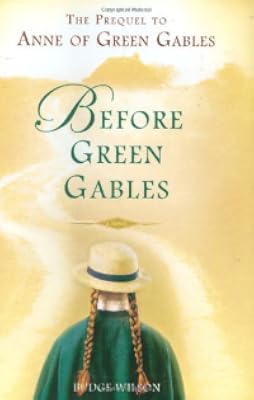
Has the (non-series) prequel
Has the adaptation
Is abridged in
Is expanded in
Is parodied in
Inspired
Has as a student's study guide
Common Knowledge
- Canonical title
- Anne of Green Gables
- Original title
- Anne of Green Gables
- Alternate titles
- Anne… la maison aux pignons verts
- Original publication date
- 1908; 1996 (Nouvelle édition française, Presses de la Cité) (Nouvelle é | dition franç | aise, Presses de la Cité | )
- People/Characters
- Anne Shirley; Marilla Cuthbert; Matthew Cuthbert; Diana Barry; Gilbert Blythe; Rachel Lynde (show all 21); Muriel Stacy (teacher); Josie Pye; Jane Andrews; Ruby Gillis; Reverend Allan; Mrs. Allan; Minnie May Barry; Mr. Barry; Mrs. Barry; Josephine Barry; Teddy Phillips (teacher); Moody Spurgeon MacPherson; Prissy Andrews; Charlie Sloane; Billy Andrews
- Important places
- Avonlea, Prince Edward Island, Canada; Prince Edward Island, Canada; Canada; Green Gables, Cavendish, Prince Edward Island, Canada; Charlottetown, Prince Edward Island, Canada
- Related movies
- Anne of Green Gables (1919 | IMDb); Anne of Green Gables (1934 | IMDb); Anne of Green Gables (1972 | IMDb); Anne of Green Gables (1979 | IMDb); Anne of Green Gables (1985 | IMDb); Anne of Green Gables: The Continuing Story (2000 | IMDb) (show all 8); Anne of Green Gables (2016 | IMDb); AnnE (2017 | IMDb)
- Epigraph
- The good stars met in your horoscope,
Made you of spirit and fire and dew.
- Browning - Dedication
- To the memory of my Father and Mother
- First words
- Mrs. Rachel Lynde lived just where the Avonlea main road dipped down into a little hollow, fringed with alders and ladies' eardrops and traversed by a brook that had its source away back in the woods of the old Cuthbert place... (show all); it was reputed to be an intricate, headlong brook in its earlier course through those woods, with dark secrets of pool and cascade; but by the time it reached Lynde's Hollow it was a quiet well-conducted little stream, for not even a brook could run past Mrs. Rachel Lynde's door without due regard for decency and decorum; it probably was conscious that Mrs. Rachel was sitting at her window, keeping a sharp eye on everything that passed, from brooks and children up, and that if she noticed anything odd or out of place she would never rest until she had ferreted out the whys and wherefores thereof.
- Quotations
- "Marilla, isn't it nice to think that tomorrow is a new day with no mistakes in it yet? … Oh, don't you see, Marilla? There must be a limit to the mistakes one person can make, and when I get to the end of them, then... (show all) I'll be through with them. That's a very comforting thought."
"There's such a lot of different Annes in me. I sometimes think that is why I'm such a troublesome person. If I was just the one Anne it would be ever so much more comfortable, but then it wouldn't be half so interesting."
Marilla felt more embarrassed than ever. She had intended to teach Anne the childish classic, "Now I lay me down to sleep". But she had, as I have told you, the glimmerings of a sense of humor – which is simply another name... (show all) for a sense of the fitness of things.
"Oh, but it's good to be alive and to be going home," breathed Anne.
But if the path set before her feet was to be narrow, she knew that flowers of quiet happiness would bloom along it.
Worrying helps you some - it seems as if you were doing something when you're worrying.
"Mrs. Lynde says they've never had a female teacher in Avonlea before and she thinks it is a dangerous innovation. But I think it will be splendid to have a lady teacher, and I really don't see how I'm going to live through t... (show all)he two weeks before school begins, I'm so impatient to see her."
"I wouldn't give a dog I liked to that Blewett woman."
"Do you never imagine things different from what they really are?" asked Anne wide-eyed.
"No."
"Oh!" Anne drew a long breath. "Oh, Miss--Marilla, how much you miss!" - Last words
- (Click to show. Warning: May contain spoilers.)"'God's in his heaven, all's right with the world,'" whispered Anne softly.
- Publisher's editor*
- McClelland-Bantam Inc.
- Original language
- English
- Canonical DDC/MDS
- 813.52
- Canonical LCC
- PZ7.M768
- Disambiguation notice
- This book was first published in 1908. This edition uses the original, unabridged text, which reflects the language and attitude of the time in which it was written."
The isbn 0553153277 is not associated with Penguin ... (show all)readers, but with the unabridged version of Anne of Green Gables.
The ISBN 0448060302 is the Illustrated Junior Library edition of Anne of Green Gables.
*Some information comes from Common Knowledge in other languages. Click "Edit" for more information.
Classifications
- Genres
- Children's Books, Fiction and Literature, Kids
- DDC/MDS
- 813.52 — Literature & rhetoric American literature in English American fiction in English 1900-1999 1900-1945
- LCC
- PZ7 .M768 — Language and Literature Fiction and juvenile belles lettres Fiction and juvenile belles lettres Juvenile belles lettres
- BISAC
Statistics
- Members
- 35,996
- Popularity
- 84
- Reviews
- 631
- Rating
- (4.33)
- Languages
- 39 — Arabic, Catalan, Chinese, Czech, Danish, Dutch, English, Esperanto, Estonian, Finnish, French, German, Scottish Gaelic, Galician, Hebrew, Hindi, Hungarian, Icelandic, Indonesian, Italian, Japanese, Korean, Latvian, Lithuanian, Norwegian (Bokmål), Norwegian, Polish, Romanian, Russian, Serbian, Slovak, Slovenian, Spanish, Swedish, Thai, Turkish, Ukrainian, Urdu, Portuguese (Portugal)
- Media
- Paper, Audiobook, Ebook
- ISBNs
- 955
- UPCs
- 23
- ASINs
- 357
