On This Page
Description
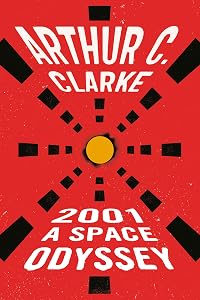
On the moon, an enigma is uncovered. So great are the implications that, for the first time, men are sent deep into our solar system. But before they can reach their destination, things begin to go very wrong. The classic science fiction novel that captures and expands on the vision of Stanley Kubrick?s immortal film?and? changed the way we look at the stars and ourselves . From the savannas of Africa at the dawn of mankind to the rings of Saturn as man ventures to the outer rim of our solar show more system,? 2001: A Space Odyssey ?is a journey unlike any other. This allegory about humanity?s exploration of the universe?and the universe?s reaction to humanity?is a hallmark achievement in storytelling that follows the?crew of the spacecraft? Discovery as they embark on a mission to Saturn. Their vessel is controlled by HAL 9000, an artificially intelligent supercomputer capable of the highest level of cognitive functioning that rivals?and perhaps threatens?the human mind. Grappling with space exploration, the perils of technology, and the limits of human power,? 2001: A Space Odyssey ?continues to be an enduring classic of cinematic scope. show lessTags
Recommendations

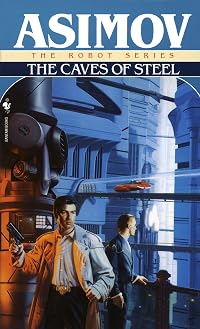
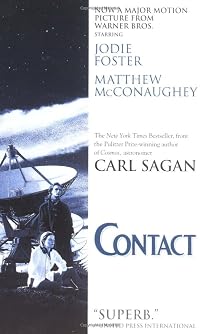
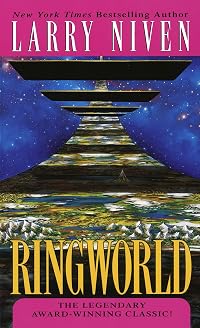
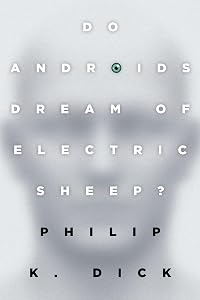









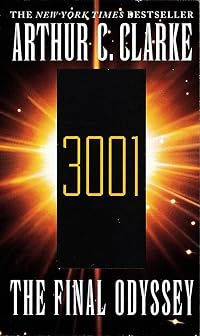
Member Recommendations
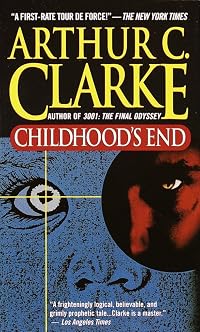
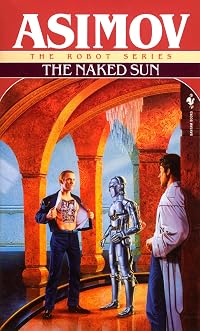
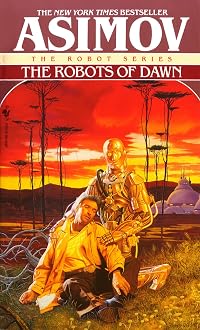
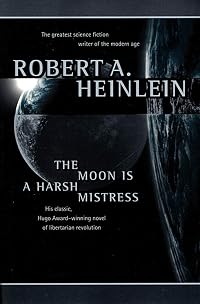
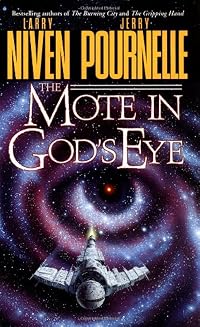
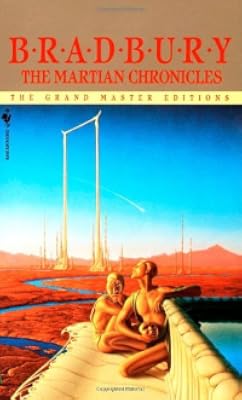
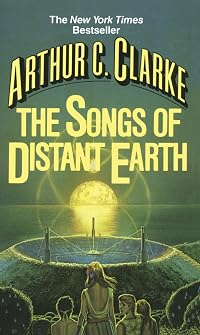
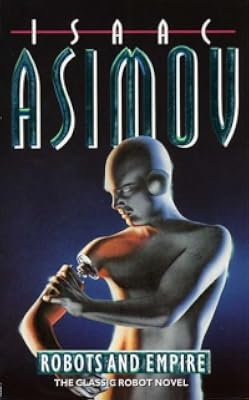
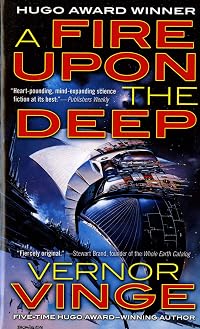
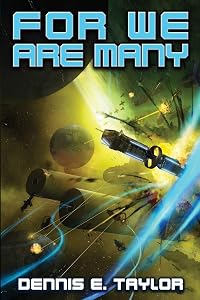
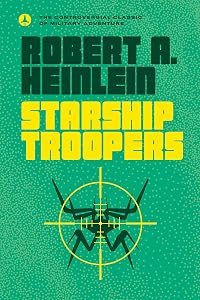
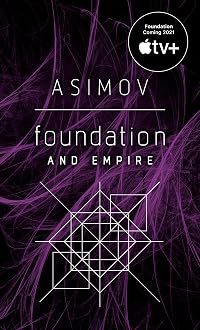
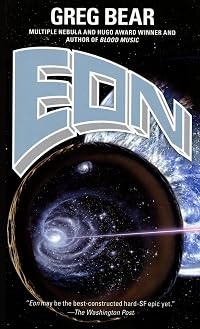
Valashain Robinson's work shows the same kind of optimism in the future that Clarke seems to have. The style and subject of The Memory of Whiteness reminded me of Clarke most but this goes for other works by Robinson as well.

by MinaKelly


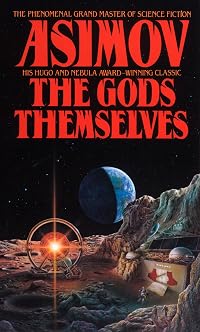
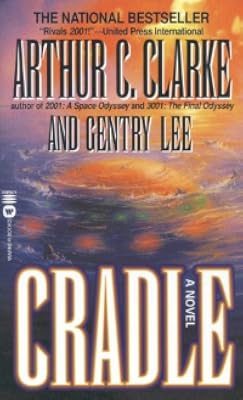
jseger9000 The stories have many similarities (mainly a manned expedition to Saturn), though Baxter's story is much darker.
23
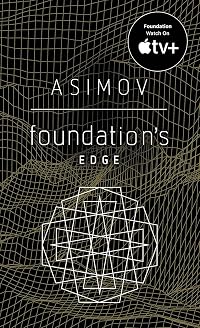
themulhern Both seek to explain why humans differ so astonishingly from their nearest living relatives.

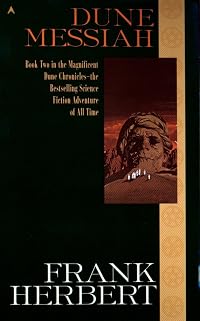
artturnerjr Another 60s SF tale that takes the notion of malevolent AI to nightmarish extremes.
24

Member Reviews
Whatever you might think of the movie, and I didn't like it, this is a great book. It's a weird history, the book developing as the movie was being written and filmed, but it makes clear that Kubrick, again, didn't share Clarke's vision, or couldn't bring it to the screen anyway. The book takes way more time with man in its infancy, where this part of the film just doesn't make sense without the book's narrative. It makes so much more sense. And Hal, while voiced wonderfully in the movie, is way creepier, and a good deal more complicated in the book. Finally, Dave's journey into the portal makes sense here in the book, while Kubrick just substitutes some psychedelic colors and music. Is it clear I don't like Kubrick - will never forgive show more him for missing the point in [The Shining], like he misses the point here.
Read the book.
4 bones!!!!
Recommended show less
Read the book.
4 bones!!!!
Recommended show less
This read of 2001: A Space Odyssey was my first, and I last watched the film over thirty years ago. The edition in hand is the 1999 "millennium" pocket paperback, with retrospective front matter by Arthur C. Clarke discussing the authorial process. In light of that introduction, I'm a little surprised that Stanley Kubrick didn't get a byline on the novel as a co-author. The book was plotted as a stage of the development of the screenplay, drawing on earlier stories by Clarke and incorporating Kubrick's ideas and ambitions for the film. Then the two parallel media products were completed in dialog with each other. In the end there are some significant differences between the novel and the movie, but the book certainly exposes and show more clarifies many of the ideas behind the film.
Clarke wrote "hard" sf, with an effort to maintain scientific and social plausibility. So, with the passage of time, his projected world of "2001" now set a generation in our past has come to represent an alternate history, and it's one that makes me nostalgic for turns not taken in our cultural and technological paths. Clarke's 2001 has a manned moon base, and in general space exploration has progressed in preference to the technologies of simulation and social control that have come to dominate our 21st century to this point. He imagined a better diversion of the military-industrial complex into the work of peaceful extraterrestrial inquiry than we have been able to achieve. His geopolitical scenario failed to foresee the collapse of the USSR, but credibly made the USA and USSR allies in tension with China, as the USA and Russia arguably were in our actual 2001.
It was interesting to reflect that one of the conceits of this novel has come to dominate a lot of 21st-century sf: a "first contact" with extra-solar intelligence that is mediated by some sort of archaeological remains. I see this trope in a lot of recent space opera, including MacLeod's Newton's Wake, Harrison's Kefahuchi Tract books, the Expanse series, and even Wells' Murderbot books. I wonder if my library catalog needs an "exo-archaeology" tag to tie these works together.
Another notable feature was the epistemological feint in Chapter 15, whereDave Bowman recovers from an earthbound training simulation thinking at first he is being awoken from hibernation in space . This passage stands as a foil for the protagonist's later alien-curated experiences in the final section of the book, and together they offer a sfnal interrogation of human subjectivity that is not quite phildickian but still savory.
2001 has very short chapters; I usually read three or more in a sitting. These in turn are grouped into six parts: Primeval Night, TMA-1, Between Planets, Abyss, The Moons of Saturn, and Through the Star Gate. The structure suggests an initiatory ascent according to the symbol systems of modern Hermetic Kabbala: Malkuth/Earth (Neophyte), path of tav to Yesod/Luna (Zelator), path of samekh to Tiphareth/Sol (Adeptus Minor), path of gimel and Da'ath (Babe of the Abyss), Binah/Saturn (Magister Templi), and Chokmah/Zodiac (Magus). The initiand in this case would be humanity as a whole, and the viewpoint characters differ from section to section in the first half of the book.
The relationship of Clarke and Kubrick's 2001 to Homer's original Odyssey is not fully obvious. It seems to have been widely understood merely in the sense of episodic adventure over a journey, but my reading of the novel reassured me that the more specific sense of a homeward journey was intended, and this gist is consistent with the mystical progression that I inferred from the divisions of the text. "With eyes that already held more than human intentness, the baby stared into the depths of the crystal monolith, seeing--but not yet understanding--the mysteries that lay beyond. It knew that it had come home, that here was the origin of many races beyond its own; but it also knew that it could not stay" (293, emphasis added). I plan to read further in Clarke's "Odyssey Sequence," and I am curious to see whether the esoteric themes are perpetuated in the later books. show less
Clarke wrote "hard" sf, with an effort to maintain scientific and social plausibility. So, with the passage of time, his projected world of "2001" now set a generation in our past has come to represent an alternate history, and it's one that makes me nostalgic for turns not taken in our cultural and technological paths. Clarke's 2001 has a manned moon base, and in general space exploration has progressed in preference to the technologies of simulation and social control that have come to dominate our 21st century to this point. He imagined a better diversion of the military-industrial complex into the work of peaceful extraterrestrial inquiry than we have been able to achieve. His geopolitical scenario failed to foresee the collapse of the USSR, but credibly made the USA and USSR allies in tension with China, as the USA and Russia arguably were in our actual 2001.
It was interesting to reflect that one of the conceits of this novel has come to dominate a lot of 21st-century sf: a "first contact" with extra-solar intelligence that is mediated by some sort of archaeological remains. I see this trope in a lot of recent space opera, including MacLeod's Newton's Wake, Harrison's Kefahuchi Tract books, the Expanse series, and even Wells' Murderbot books. I wonder if my library catalog needs an "exo-archaeology" tag to tie these works together.
Another notable feature was the epistemological feint in Chapter 15, where
2001 has very short chapters; I usually read three or more in a sitting. These in turn are grouped into six parts: Primeval Night, TMA-1, Between Planets, Abyss, The Moons of Saturn, and Through the Star Gate. The structure suggests an initiatory ascent according to the symbol systems of modern Hermetic Kabbala: Malkuth/Earth (Neophyte), path of tav to Yesod/Luna (Zelator), path of samekh to Tiphareth/Sol (Adeptus Minor), path of gimel and Da'ath (Babe of the Abyss), Binah/Saturn (Magister Templi), and Chokmah/Zodiac (Magus). The initiand in this case would be humanity as a whole, and the viewpoint characters differ from section to section in the first half of the book.
The relationship of Clarke and Kubrick's 2001 to Homer's original Odyssey is not fully obvious. It seems to have been widely understood merely in the sense of episodic adventure over a journey, but my reading of the novel reassured me that the more specific sense of a homeward journey was intended, and this gist is consistent with the mystical progression that I inferred from the divisions of the text.
2001: A Space Odyssey is a classic science fiction novel divided into three parts. The first follows the ancestors of humanity as they have a strange encounter that changes the course of human history. The second follows a scientist who journeys to the moon to investigate a top-secret discovery. And the last follows an astronaut on a journey to Saturn, although the real purpose of his mission is not told to him until disaster strikes.
I should mention that I've never seen the movie that was developed at the same time as this novel. I typically prefer books to movies, and therefore I was interested in reading this book but feel no particular compulsion to watch the movie. As such, this review will not contain any comparisons or an answer show more to the question of which is better. If you haven't seen the movie either and are considering whether to read the book, I hope this will be helpful to you.
I will admit that I was aware of the movie going into this, and I knew one particular plot point from what is the third portion of the book (I think I saw a clip at some point), so I was surprised to find that the opening is not about space travel at all. That being said, once I got into it, I quite enjoyed reading about the man-apes, as Clarke envisioned them. It was fascinating to see what he thought they were like or what he thought they might have been like and to wonder about the mystery that begins unfolding here. The second section was, to my mind, a little slow, while the third started slow, picked way up, then disappointed me. I don't recommend reading this if you're looking for an exciting or action-packed plot.
What did the book have instead? Lots of descriptions of space, space travel, and the technology that humans use to live in and travel through space. I'm no expert on the science shown here, but it read to me as being quite believable, and there were many times when I did believe the author was presenting details as they truly are. If you haven't read or watched much science fiction, perhaps many of the ideas would surprise you and catch your interest as well. I suspect that at the time it was written this was a large part of the appeal, as of course no one had created anything inspired by it yet.
I couldn't help but notice that it is very much a product of its time, both in terms of the level of advancement of the scientific ideas and the portrayal of female characters. The latter wasn't at the level where it was upsetting, but it was certainly noticeable to this reader. One line that gives a good idea of what I'm talking about is this: "[Space pods] were usually christened with feminine names, perhaps in recognition of the fact that their personalities were sometimes slightly unpredictable." Coming from the omniscient narrator, that certainly helps explain in my mind why this depiction of "the future" focuses so heavily on men and seems to put them in every single position of power or influence in society. Some readers, I'm sure, will not mind this in the slightest. Others like myself will likely find it interesting, a view into the mindsets of the past as well as the futuristic speculations of the past. In the year 2022, I personally find it interesting to consider how the real 2001 turned out so differently than what Clarke predicted.
In the end, I found this book enjoyable enough. I'm glad I read it in order to understand the cultural relevance and the impact it's had on what has come since. I also enjoyed seeing the writing techniques used and was intrigued to find that the book is so beloved in spite of what I wouldn't have expected to be widely considered a compelling plot structure. If you like space and space travel or if you're a science fiction buff, a lover of classic literature, or an aspiring science fiction writer, I would recommend giving this one a read. If you're looking for good representation, action, or new ideas, I'd go with a modern science fiction book instead. show less
I should mention that I've never seen the movie that was developed at the same time as this novel. I typically prefer books to movies, and therefore I was interested in reading this book but feel no particular compulsion to watch the movie. As such, this review will not contain any comparisons or an answer show more to the question of which is better. If you haven't seen the movie either and are considering whether to read the book, I hope this will be helpful to you.
I will admit that I was aware of the movie going into this, and I knew one particular plot point from what is the third portion of the book (I think I saw a clip at some point), so I was surprised to find that the opening is not about space travel at all. That being said, once I got into it, I quite enjoyed reading about the man-apes, as Clarke envisioned them. It was fascinating to see what he thought they were like or what he thought they might have been like and to wonder about the mystery that begins unfolding here. The second section was, to my mind, a little slow, while the third started slow, picked way up, then disappointed me. I don't recommend reading this if you're looking for an exciting or action-packed plot.
What did the book have instead? Lots of descriptions of space, space travel, and the technology that humans use to live in and travel through space. I'm no expert on the science shown here, but it read to me as being quite believable, and there were many times when I did believe the author was presenting details as they truly are. If you haven't read or watched much science fiction, perhaps many of the ideas would surprise you and catch your interest as well. I suspect that at the time it was written this was a large part of the appeal, as of course no one had created anything inspired by it yet.
I couldn't help but notice that it is very much a product of its time, both in terms of the level of advancement of the scientific ideas and the portrayal of female characters. The latter wasn't at the level where it was upsetting, but it was certainly noticeable to this reader. One line that gives a good idea of what I'm talking about is this: "[Space pods] were usually christened with feminine names, perhaps in recognition of the fact that their personalities were sometimes slightly unpredictable." Coming from the omniscient narrator, that certainly helps explain in my mind why this depiction of "the future" focuses so heavily on men and seems to put them in every single position of power or influence in society. Some readers, I'm sure, will not mind this in the slightest. Others like myself will likely find it interesting, a view into the mindsets of the past as well as the futuristic speculations of the past. In the year 2022, I personally find it interesting to consider how the real 2001 turned out so differently than what Clarke predicted.
In the end, I found this book enjoyable enough. I'm glad I read it in order to understand the cultural relevance and the impact it's had on what has come since. I also enjoyed seeing the writing techniques used and was intrigued to find that the book is so beloved in spite of what I wouldn't have expected to be widely considered a compelling plot structure. If you like space and space travel or if you're a science fiction buff, a lover of classic literature, or an aspiring science fiction writer, I would recommend giving this one a read. If you're looking for good representation, action, or new ideas, I'd go with a modern science fiction book instead. show less
Simplesmente fantástico e um ótimo companheiro pro filme, porque permite entendê-lo melhor e ao mesmo tempo ter visuais claros do que está acontecendo no livro. Não pude evitar de ler os momentos chave do livro com o tema principal de Interestelar na minha cabeça, apesar de Zarathustra.
Acho que duas sensações que tive com esse livro foram absolutamente sensacionais, além de algo que eu tive com livros de ficção científica muito bons: a primeira foi finalmente ter a sensação de quão vasto o Universo é, de quão absurdo e maravilhoso é que o ser humano tenha conseguido ir até a Lua e além. Puta merda, nós mandamos robôs até Marte, meu deus do céu.
A outra foi muito mais pessoal, e não sei quanto ela tem a ver com show more o momento de vida que estou. Sei que eu estava num chalé aqui no Canadá, perto de Montreal; o chalé pertence ao amigo do meu primo, é enorme, todo confortável, e nele eu percebi que pela primeira vez, minha frase brincalhona fazia sentido: 'Acabou a casa de boneca'. Sou um adulto, com sonhos, uma missão, apenas mais um humilde membro da raça humana; acabou a era de ter férias escolares fazendo nada, porque o ano começa comigo sendo celetista e é isso aí. Ao me olhar no espelho, senti todo o pouco tempo que vivi escorrendo; o melhor ano de minha vida está chegando ao fim, e em algum ponto, todas as pessoas que admiro devem ter se sentido assim. Parece um conceito óbvio, e em algum nível racional, é óbvio que eu e qualquer pessoa racional sabe que todo mundo já foi adolescente, jovem adulto, etc, até chegar à velhice. Mas eu nunca havia SENTIDO na pele essa verdade. Nunca tinha conseguido olhar e pensar 'caramba, aquela pessoa bem sucedida já teve esse momento'. E acho que esse livro, com sua enorme jornada em busca de vida e um sentido maior, me fez perceber quão vastas são nossas histórias, como somos universos reais entrelaçados e, ao mesmo tempo, somos um pedaço irrelevante do Cosmos. Somos humanos, compartilhando de uma experiência tão básica e real quanto estar encarnados em um pedaço de carne que envelhece e, ao mesmo tempo, somos poeira. E isso me deu paz. show less
Acho que duas sensações que tive com esse livro foram absolutamente sensacionais, além de algo que eu tive com livros de ficção científica muito bons: a primeira foi finalmente ter a sensação de quão vasto o Universo é, de quão absurdo e maravilhoso é que o ser humano tenha conseguido ir até a Lua e além. Puta merda, nós mandamos robôs até Marte, meu deus do céu.
A outra foi muito mais pessoal, e não sei quanto ela tem a ver com show more o momento de vida que estou. Sei que eu estava num chalé aqui no Canadá, perto de Montreal; o chalé pertence ao amigo do meu primo, é enorme, todo confortável, e nele eu percebi que pela primeira vez, minha frase brincalhona fazia sentido: 'Acabou a casa de boneca'. Sou um adulto, com sonhos, uma missão, apenas mais um humilde membro da raça humana; acabou a era de ter férias escolares fazendo nada, porque o ano começa comigo sendo celetista e é isso aí. Ao me olhar no espelho, senti todo o pouco tempo que vivi escorrendo; o melhor ano de minha vida está chegando ao fim, e em algum ponto, todas as pessoas que admiro devem ter se sentido assim. Parece um conceito óbvio, e em algum nível racional, é óbvio que eu e qualquer pessoa racional sabe que todo mundo já foi adolescente, jovem adulto, etc, até chegar à velhice. Mas eu nunca havia SENTIDO na pele essa verdade. Nunca tinha conseguido olhar e pensar 'caramba, aquela pessoa bem sucedida já teve esse momento'. E acho que esse livro, com sua enorme jornada em busca de vida e um sentido maior, me fez perceber quão vastas são nossas histórias, como somos universos reais entrelaçados e, ao mesmo tempo, somos um pedaço irrelevante do Cosmos. Somos humanos, compartilhando de uma experiência tão básica e real quanto estar encarnados em um pedaço de carne que envelhece e, ao mesmo tempo, somos poeira. E isso me deu paz. show less
Ancient aliens guide the evolution of mankind through mysterious monoliths.
Even though the book was released after the famous film directed by Stanley Kubrick debuted, it would be a mistake to consider it a novelization of the movie. Actually, Clarke and Kubrick collaborated on both the screenplay and the novel, and Kubrick’s name was originally supposed to appear on the cover as co-author. But Kubrick got caught up with filming, and Clarke finished the novel on his own. That’s why there are some noticeable — but not, in my opinion, critical — differences between the novel and the film. Some details were changed during filming for story purposes or because the original idea was too difficult to shoot. For instance, the location show more of the second monolith was moved from one of Saturn’s moons to orbit around Jupiter because Kubrick could not figure out how to realistically depict Saturn’s rings on film. (This was before Cassini, remember.)
However, if you somehow missed both the movie and the book, I would recommend reading the novel only after seeing the movie first, and only if you don’t mind a lot of explanation for what happens in the movie. For me, Clarke’s novel augments my understand of Kubrick’s film and helps me understand the movie’s many abstract concepts: What are the aliens? What are their motives? Why did the HAL 9000 go crazy? How was Dave Bowman transformed and what is the significance of his transformation?
Clarke’s writing style is restrained and focused, making this short novel very readable. The best sections are the final two, aboard the spaceship Discovery during HAL’s breakdown and Dave’s encounter with the monolith. Clarke effectively conveys the paradoxical emotions of space travel: the boredom and tedium of space flight; the thrill of exploring worlds so beautiful and alien that it is almost impossible to comprehend them; and the extreme isolation and loneliness of being millions of miles from all other members of the human race. The sequence where the HAL 9000 computer loses its mind is particularly chilling, just as in the movie. And the description of Dave’s journey into the monolith is awe-inspiring, yet Clarke keeps us tethered to the universe and concepts we can understand.
It’s rare that both a great film and a great book can be produced in tandem; I can’t really come up with another example. The only flaw is perhaps the dated title. We’re now a decade past the pivotal title year, and about as far from building a moon base or putting people on Mars as we could be, much less mounting a manned expedition to the outer solar system. Well, just ignore the date, or consider this an alternate history instead of a vision of the future. What if our evolution had been guided by godlike aliens undertaking a multi-million-year experiment? Would be better off today, post-2001? show less
Even though the book was released after the famous film directed by Stanley Kubrick debuted, it would be a mistake to consider it a novelization of the movie. Actually, Clarke and Kubrick collaborated on both the screenplay and the novel, and Kubrick’s name was originally supposed to appear on the cover as co-author. But Kubrick got caught up with filming, and Clarke finished the novel on his own. That’s why there are some noticeable — but not, in my opinion, critical — differences between the novel and the film. Some details were changed during filming for story purposes or because the original idea was too difficult to shoot. For instance, the location show more of the second monolith was moved from one of Saturn’s moons to orbit around Jupiter because Kubrick could not figure out how to realistically depict Saturn’s rings on film. (This was before Cassini, remember.)
However, if you somehow missed both the movie and the book, I would recommend reading the novel only after seeing the movie first, and only if you don’t mind a lot of explanation for what happens in the movie. For me, Clarke’s novel augments my understand of Kubrick’s film and helps me understand the movie’s many abstract concepts: What are the aliens? What are their motives? Why did the HAL 9000 go crazy? How was Dave Bowman transformed and what is the significance of his transformation?
Clarke’s writing style is restrained and focused, making this short novel very readable. The best sections are the final two, aboard the spaceship Discovery during HAL’s breakdown and Dave’s encounter with the monolith. Clarke effectively conveys the paradoxical emotions of space travel: the boredom and tedium of space flight; the thrill of exploring worlds so beautiful and alien that it is almost impossible to comprehend them; and the extreme isolation and loneliness of being millions of miles from all other members of the human race. The sequence where the HAL 9000 computer loses its mind is particularly chilling, just as in the movie. And the description of Dave’s journey into the monolith is awe-inspiring, yet Clarke keeps us tethered to the universe and concepts we can understand.
It’s rare that both a great film and a great book can be produced in tandem; I can’t really come up with another example. The only flaw is perhaps the dated title. We’re now a decade past the pivotal title year, and about as far from building a moon base or putting people on Mars as we could be, much less mounting a manned expedition to the outer solar system. Well, just ignore the date, or consider this an alternate history instead of a vision of the future. What if our evolution had been guided by godlike aliens undertaking a multi-million-year experiment? Would be better off today, post-2001? show less
I read this book decades ago, and of course I've seen the movie numerous times. But the story remains one of the most compelling and interesting that I have ever read.
What's compelling, I think, is its inscrutability. The featureless, impenetrable black monolith, left on the Moon and on Saturn's moon, Iapetus ("Japetus" in the book) represent an otherness that confronts us with our own limits. Although in the book much more is explained about the monolith and its makers than in the movie, it remains mysterious and beyond reach. Amidst popular images of aliens as just like us, only different, Clarke's unseen aliens are utterly beyond and utterly different. Their image stimulates humility.
2001, the book, does differ in some details from show more 2001, the movie. For one, the journey of the Discovery is to the Saturn system, not the Jupiter system. More significantly, Clarke explains what Dave Bowman experiences and learns rather than, as in the movie, allowing images to tease us with hints but no definitive account. I have to say that I prefer the movie on that score. Many people complained, and still do, that they can't figure out what is going on in the movie's final sequences. But that seemed to me to be the point -- we just don't understand.
Another point that is explained in the book more definitively than in the movie is Hal's breakdown. Here it is plain that Hal is unable to cope with keeping his knowledge of the Discovery's true mission from Bowman and Poole, having to lie to them, at the same time as his own mission is to serve them. Hal begins acting unpredictably, and he begins covering his tracks to keep his secrets and protect himself, for the sake of his own dedication to the mission.
All in all, more is explained, and less is left mysterious, and I do prefer the movie although I love the book -- maybe the only time I have ever preferred a movie to a book. In this case, though, it's not entirely true to say that the movie is based on the book. Both were written at the same time, and it's not clear that Clarke ever would have written the book if not for the movie project. For us as readers, it's hard not to read the book with the images of the movie in mind. If you are interested in the part of the story that was not occasioned by the movie project, find a copy of Clarke's short story, "The Sentinel" -- a precursor to the story of the alien monolith. show less
What's compelling, I think, is its inscrutability. The featureless, impenetrable black monolith, left on the Moon and on Saturn's moon, Iapetus ("Japetus" in the book) represent an otherness that confronts us with our own limits. Although in the book much more is explained about the monolith and its makers than in the movie, it remains mysterious and beyond reach. Amidst popular images of aliens as just like us, only different, Clarke's unseen aliens are utterly beyond and utterly different. Their image stimulates humility.
2001, the book, does differ in some details from show more 2001, the movie. For one, the journey of the Discovery is to the Saturn system, not the Jupiter system. More significantly, Clarke explains what Dave Bowman experiences and learns rather than, as in the movie, allowing images to tease us with hints but no definitive account. I have to say that I prefer the movie on that score. Many people complained, and still do, that they can't figure out what is going on in the movie's final sequences. But that seemed to me to be the point -- we just don't understand.
Another point that is explained in the book more definitively than in the movie is Hal's breakdown. Here it is plain that Hal is unable to cope with keeping his knowledge of the Discovery's true mission from Bowman and Poole, having to lie to them, at the same time as his own mission is to serve them. Hal begins acting unpredictably, and he begins covering his tracks to keep his secrets and protect himself, for the sake of his own dedication to the mission.
All in all, more is explained, and less is left mysterious, and I do prefer the movie although I love the book -- maybe the only time I have ever preferred a movie to a book. In this case, though, it's not entirely true to say that the movie is based on the book. Both were written at the same time, and it's not clear that Clarke ever would have written the book if not for the movie project. For us as readers, it's hard not to read the book with the images of the movie in mind. If you are interested in the part of the story that was not occasioned by the movie project, find a copy of Clarke's short story, "The Sentinel" -- a precursor to the story of the alien monolith. show less
Es curioso como este libro escrito en origen en 1968 nos hable de un futuro, que ya nos alacanzó, eso me llama tanto la atención, como se imaginaban que sería el siglo XXI y como en muchos sentidos todo lo que aquí se describe sigue siendo, eso, ciencia ficción.
En fin, a lo que voy, en éste, el primero de cuatro libros, la historia comienza al mismo tiempo que cuando se desarrolla la raza humana, en base a que circunstancias lo llevan a desarrollar capacidades de inteligencia hasta llegar a ser lo que es hoy en dia.
Por otro lado, hay vida en la luna, grandes ciudades creadas por el hombre donde habitan seres humanos y en donde actualmente hay una crisis, nadie sabe cual es, pero pronto lo descubriremos.
Al mismo tiempo se nos show more relata como comienza el viaje de la nave espacial Discovery rumbo a Saturno a explorar en misión secreta una de sus lunas.
La travesía, los problemas que pasan durante el viaje y lo que encuentran al llegar es de lo que trata este libro.
Absolutamente fascinante, soy una amante de la Ciencia Ficción, tenía muchos años queriendo leer este libro y al menos este primer tomo, no me ha defraudado ni un milimetro, ni en narración, ni en argumento, ni en historia, ni en personajes.
Fascinante la manera en que Clarke nos muestra este mundo creado por él y por supuesto sus teorías sobre el inicio de la raza humana y lo que falta por venir, una travesía espacial maravillosa, bien contada, con acción pero no del tipo de "Viaje a las estrellas" o de "Star Wars" si no mas bien al estilo de Orson Wells donde todo lo que cuenta pareciera tan verídico como posible.
Ciencia Ficción en su estado puro. Voy por los demás, espero leerlos todos este mes, ya le contaré conforme avance. show less
En fin, a lo que voy, en éste, el primero de cuatro libros, la historia comienza al mismo tiempo que cuando se desarrolla la raza humana, en base a que circunstancias lo llevan a desarrollar capacidades de inteligencia hasta llegar a ser lo que es hoy en dia.
Por otro lado, hay vida en la luna, grandes ciudades creadas por el hombre donde habitan seres humanos y en donde actualmente hay una crisis, nadie sabe cual es, pero pronto lo descubriremos.
Al mismo tiempo se nos show more relata como comienza el viaje de la nave espacial Discovery rumbo a Saturno a explorar en misión secreta una de sus lunas.
La travesía, los problemas que pasan durante el viaje y lo que encuentran al llegar es de lo que trata este libro.
Absolutamente fascinante, soy una amante de la Ciencia Ficción, tenía muchos años queriendo leer este libro y al menos este primer tomo, no me ha defraudado ni un milimetro, ni en narración, ni en argumento, ni en historia, ni en personajes.
Fascinante la manera en que Clarke nos muestra este mundo creado por él y por supuesto sus teorías sobre el inicio de la raza humana y lo que falta por venir, una travesía espacial maravillosa, bien contada, con acción pero no del tipo de "Viaje a las estrellas" o de "Star Wars" si no mas bien al estilo de Orson Wells donde todo lo que cuenta pareciera tan verídico como posible.
Ciencia Ficción en su estado puro. Voy por los demás, espero leerlos todos este mes, ya le contaré conforme avance. show less
Members
- Recently Added By
Lists

1001 Books You Must Read Before You Die
1,448 works; 1,134 members

Best Science Fiction Novels
816 works; 430 members
Survey of Classic Science Fiction
171 works; 48 members

Read the book and saw the movie
1,170 works; 195 members
501 Must-Read Books
529 works; 72 members
NPRs your picks: top 100 Sci-Fi/Fantasy books
297 works; 80 members

Classics you know you should have read but probably haven't
421 works; 409 members

Best First Contact Stories
33 works; 16 members

Amazon's 100 Science Fiction & Fantasy Books to Read in a Lifetime
87 works; 23 members

The Telegraph's 110 Best Books: The Perfect Library
101 works; 17 members

Bibliography for Among Others
159 works; 15 members
Futurism Works
25 works; 6 members

Essential Reading for Continuing Professional Development
11 works; 5 members
Survey of Science Fiction and Fantasy
101 works; 13 members
Best Books About Journeys and Quests
117 works; 30 members

1960s, Best books published therein
254 works; 22 members

20th Century Literature
1,161 works; 55 members

Favorite Series
238 works; 94 members

Easton Press Masterpieces of Science Fiction
30 works; 2 members

Top Five Books of 2013
1,562 works; 721 members

Books I've Read More Than Once
602 works; 49 members

The Novels of Arthur C. Clarke
21 works; 2 members

Space Colonization
100 works; 26 members

S.F. Masterworks (Complete)
229 works; 15 members
LibraryThingers' 1001 Books You Must Read Before You Die
442 works; 30 members
Page Turners
185 works; 11 members
Top 100 to Read before you Die
109 works; 7 members
One Book, Many Authors
441 works; 39 members
Моноліт
4 works; 1 member
Epic Science Fiction
15 works; 4 members

Nonhuman Protagonists
243 works; 35 members

Books Set in Outer Space
39 works; 9 members

Books With Numbers in the Title
308 works; 13 members

Isaac Arthur’s Book Recommendations
98 works; 3 members
Best Books With Aliens
67 works; 10 members

Books Read in 2024
4,727 works; 128 members

SF - To Read
17 works; 2 members

al.vick-series
381 works; 2 members

Check Library
177 works; 1 member
Read For Your Life
157 works; 1 member
Novels/Poems/Short Stories/Anything Storytelling Related
112 works; 2 members
Folio Society
831 works; 53 members

Simulated Reality in Fiction
124 works; 7 members
Classic Sci-Fi
27 works; 1 member

Books Read in 2023
5,638 works; 147 members

Ranking
66 works; 1 member
um actually
76 works; 3 members

The Guardian's 100 Best Novels Written in English
105 works; 13 members

Best Sellers / Popular 1968
237 works; 5 members

La Bibliothèque idéale de la SF (Éditions Albin Michel, 1988)
52 works; 1 member

1,001 BYMRBYD Concensus
723 works; 27 members
Les 100 principaux titres de la science-fiction (1981)
126 works; 3 members
Favourite Books
1,820 works; 316 members

Books With Time Words in the Title
160 works; 4 members

Books I Own But Haven't Read
144 works; 2 members

Unread books
1,063 works; 87 members
1960s
281 works; 16 members

Epic Fiction
42 works; 12 members

I See the Moon and the Moon Sees Me
24 works; 7 members

Solar System
12 works; 3 members

A Novel Cure
742 works; 23 members

Books Read in 2014
2,344 works; 86 members

Allie's Wishlist
217 works; 2 members

My TBR
371 works; 3 members
Works referenced in The Turk by Tom Standage
37 works; 1 member
Five star books
1,767 works; 110 members

Books read in 2015
213 works; 5 members

Huxley's reading log 2016
84 works; 3 members

Books Read in 2016
4,666 works; 197 members

Books Read in 2017
4,249 works; 130 members

Books Read in 2011
684 works; 20 members
Books Tagged Artificial Intelligence
17 works; 1 member
Favorite Science Fiction
456 works; 219 members
Author Information

Arthur C. Clarke was born in Minehead, Somerset, England, on December 16, 1917. During World War II, he served as a radar specialist in the RAF. His first published piece of fiction was Rescue Party and appeared in Astounding Science, May 1946. He graduated from King's College in London with honors in physics and mathematics, and worked in show more scientific research before turning his attention to writing fiction. His first book, Prelude to Space, was published in 1951. He is best known for his book 2001: A Space Odyssey, which was later turned into a highly successful and controversial film under the direction of Stanley Kubrick. His other works include Childhood's End, Rendezvous with Rama, The Garden of Rama, The Snows of Olympus, 2010: A Space Odyssey II, 2062: Odyssey III, and 3001: The Final Odyssey. During his lifetime, he received at least three Hugo Awards and two Nebula Awards. He died of heart failure on March 19, 2008 at the age of 90. (Bowker Author Biography) show less
All Editions
Some Editions
Awards and Honors
Awards
Distinctions
Notable Lists
Series

Belongs to Publisher Series
Work Relationships
Is contained in
Is an adaptation of
Has the adaptation
Is an expanded version of
Has as a supplement
Common Knowledge
- Canonical title
- 2001: A Space Odyssey
- Original title
- 2001 - A Space Odyssey
- Alternate titles*
- 2001 : een ruimte-odyssee; 2001 : ruimte odyssee 1 (rug- en omslagtitel) (rug- en omslagtitel)
- Original publication date
- 1968-06; 1968
- People/Characters
- Heywood Floyd (Dr.); H.A.L.; David Bowman; Francis Poole; Moon-Watcher; the Star Child
- Important places
- The Moon (Luna); Iapetus; The Stargate (the Monolith); Africa; Clavius Base, Luna; Tycho, Luna (show all 13); Discovery One; Mission Control Center; Grand Central Station of the Universe; Milky Way Galaxy; Jupiter; Saturn; Earth
- Important events
- Tycho Magnetic Anomaly One; Tycho Magnetic Anomaly Two
- Related movies
- 2001: A Space Odyssey (1968 | IMDb)
- Dedication
- To Stanley
- First words
- The drought had lasted now for ten million years, and the reign of the terrible lizards had long since ended. Here on the Equator, in the continent which would one day be known as Africa, the battle for existence had reached ... (show all)a new climax of ferocity, and the victor was not yet in sight.
Behind every man now alive stand thirty ghosts, for that is the ratio by which the dead outnumber the living. (Foreword) - Quotations
- I'm sorry, Dave, I'm afraid I can't do that.
Look Dave, I can see you're really upset about this. I honestly think you ought to sit down calmly, take a stress pill, and think things over.
Now they were lords of the galaxy, and beyond the reach of time. They could rove at will among the stars, and sink like a subtle mist through the very interstices of space. But despite their godlike powers, they had not wholl... (show all)y forgotten their origin, in a worm slime of a vanished sea.
"The thing's hollow--it goes on forever--and--oh my God!--it's full of stars!" - Last words
- (Click to show. Warning: May contain spoilers.)He was back, precisely where he wished to be, in the space that men called real.
- Publisher's editor*
- Longanesi & C., Milano
- Original language
- English
- Disambiguation notice
- Do not under any circumstances combine the film adaptation (DVDs and other video recordings) with the book. These are considered separate and distinct works for LibraryThing cataloging. Also please be careful when editing and... (show all) deleting information in Common Knowledge, since this is common data that affects everyone in LibraryThing. The film is not an adaptation of the novel. They were worked on at the same time and the film was released first.
*Some information comes from Common Knowledge in other languages. Click "Edit" for more information.
Classifications
Statistics
- Members
- 15,226
- Popularity
- 469
- Reviews
- 247
- Rating
- (4.01)
- Languages
- 25 — Catalan, Chinese, Czech, Danish, Dutch, English, Estonian, Finnish, French, German, Hungarian, Italian, Japanese, Korean, Lithuanian, Polish, Romanian, Russian, Serbian, Croatian, Spanish, Swedish, Turkish, Portuguese (Portugal), Portuguese (Brazil)
- Media
- Paper, Audiobook, Ebook
- ISBNs
- 190
- UPCs
- 5
- ASINs
- 111