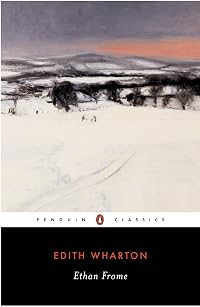
Ethan Frome
by Edith Wharton
On This Page
Description
Ethan Frome, a poor, downtrodden New England farmer is trapped in a loveless marriage to his invalid wife, Zeena. His ambition and intelligence are oppressed by Zeena's cold, conniving character. When Zeena's young cousin Mattie arrives to help care for her, Ethan is immediately taken by Mattie's warm, vivacious personality. They fall desperately in love as he realizes how much is missing from his life and marriage. Tragically, their love is doomed by Zeena's ever-lurking presence and by the show more social conventions of the day. Ethan remains torn between his sense of obligation and his urge to satisfy his heart's desire up to the suspenseful and unanticipated conclusion. show lessTags
Recommendations






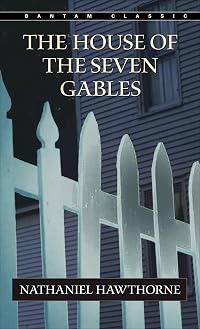
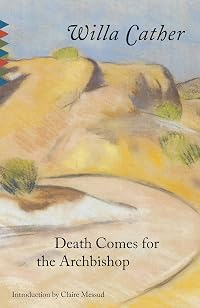
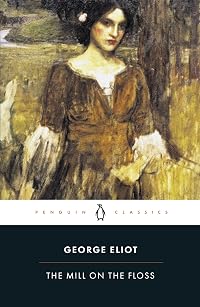
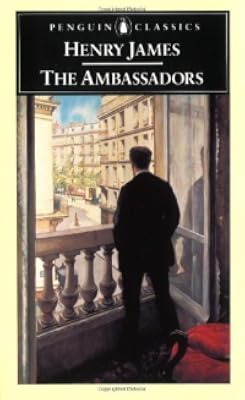
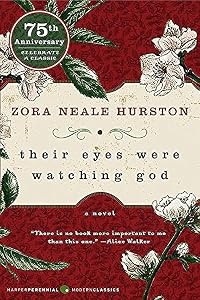


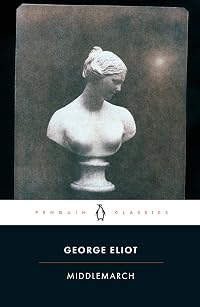
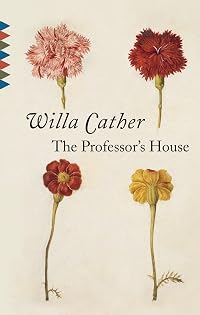

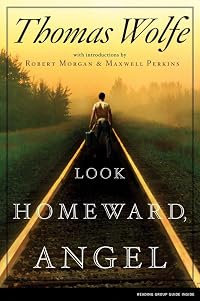


Member Recommendations
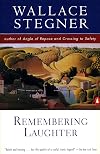
BookshelfMonstrosity In Remembering Laughter a woman confronts her husband's escalating use of alcohol; in Ethan Frome the title character's wife is difficult and demanding. Both novels elegantly depict a husband obsessed with his wife's sister, resulting in a love triangle with tragic consequences.
20
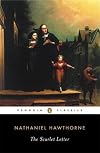
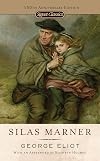
PilgrimJess Another tale of a character seeming weighed down by social and moral constraints.
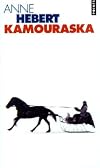
charlie68 Similar themes



Member Reviews
There's more than a measure of sardonic irony to this tragic tale. Distancing narrative techniques are used by author uses at key story points, so the central protagonist comes off as a hapless loser by design, regardless of whether the reader is sympathetic or not. The startling end is so steeped in irony, almost manevolently so, that it's hard not to read this thing as a secret warning to women readers of the world : "Don't depend on a pimple brain like this guy." And you can almost hear the author cackling as she pens the fate of the hypochondriacal wife. Such a deliberately constructed, loathsome character.
Worth reading, though. The romance aspects are very effectively done.
Worth reading, though. The romance aspects are very effectively done.
I do not know how to review this book.
I could write about the snow and the cold and the hard work and the sick wife. I could mention a persistent lack of money and an even more persistent lack of hope for any change in the future.
Or, I could write about a rich internal life, full to the brim and ready to spill. The delight of anticipation and the bittersweet memory of a few exchanges with the other. The quality of observing the other: a laugh, an inflection of the voice, a gleam in the eye.
Better yet, I could write about Edith and how she put together her Ethan and how she gave him an impossible task, she asked a question that did not have a right answer, she posed a problem that did not have a solution. And then she watched him and let show more us readers watch together with her. When we knew everything, when the story was told and there was nothing left to share, she turned towards us and masterfully delivered her final blow.
No, Edith Wharton did not need modernism and its flashy new gimmicks, she had at her disposal all the tools needed to smash her characters and her readers to pieces. show less
I could write about the snow and the cold and the hard work and the sick wife. I could mention a persistent lack of money and an even more persistent lack of hope for any change in the future.
Or, I could write about a rich internal life, full to the brim and ready to spill. The delight of anticipation and the bittersweet memory of a few exchanges with the other. The quality of observing the other: a laugh, an inflection of the voice, a gleam in the eye.
Better yet, I could write about Edith and how she put together her Ethan and how she gave him an impossible task, she asked a question that did not have a right answer, she posed a problem that did not have a solution. And then she watched him and let show more us readers watch together with her. When we knew everything, when the story was told and there was nothing left to share, she turned towards us and masterfully delivered her final blow.
No, Edith Wharton did not need modernism and its flashy new gimmicks, she had at her disposal all the tools needed to smash her characters and her readers to pieces. show less
Digital audio narrated by C M Hebert
From the book jacket: Ethan Frome works his unproductive farm and struggles to maintain a bearable existence with his difficult, suspicious, and hypochondriac wife, Zeena. But when Zeena’s vivacious cousin enters their household as a hired girl, Ethan finds himself obsessed with her and with the possibilities for happiness she comes to represent.
My reactions:
I love Edith Wharton’s writing. I love the way she explores relationships and unfulfilled desires. The tension is palpable, the yearning almost unendurable.
She’s a little heavy-handed with the allegory / metaphor in this case. The setting is Starkfield, Massachusetts, in winter; as if the reader needs a reminder of how depressing and show more lacking in color Ethan’s life is. Though I was reading in the midst of a summer heat wave, I felt chilled. And then I felt that spark of attraction between Ethan and Mattie. Felt Ethan’s heart soar with the possibilities, only to sink with the realization that he was trapped in a device of his own making.
C M Hebert does a fine job narrating the audio book. He reads at a fine pace, and his tone is suitable to the material. After listening, however, I also picked up the text and read through several passages. I think I prefer the text so that I can savor Wharton’s writing. show less
From the book jacket: Ethan Frome works his unproductive farm and struggles to maintain a bearable existence with his difficult, suspicious, and hypochondriac wife, Zeena. But when Zeena’s vivacious cousin enters their household as a hired girl, Ethan finds himself obsessed with her and with the possibilities for happiness she comes to represent.
My reactions:
I love Edith Wharton’s writing. I love the way she explores relationships and unfulfilled desires. The tension is palpable, the yearning almost unendurable.
She’s a little heavy-handed with the allegory / metaphor in this case. The setting is Starkfield, Massachusetts, in winter; as if the reader needs a reminder of how depressing and show more lacking in color Ethan’s life is. Though I was reading in the midst of a summer heat wave, I felt chilled. And then I felt that spark of attraction between Ethan and Mattie. Felt Ethan’s heart soar with the possibilities, only to sink with the realization that he was trapped in a device of his own making.
C M Hebert does a fine job narrating the audio book. He reads at a fine pace, and his tone is suitable to the material. After listening, however, I also picked up the text and read through several passages. I think I prefer the text so that I can savor Wharton’s writing. show less
I decided to download this novel because a character in my favourite film refers to it as 'a horrible book' that should be taken off the curriculum; apart from that, I was only on nodding acquaintance with the title. Though depressing, Ethan Frome is not a horrible book - stark, yes, but also evocative and powerful. (My nomination for the 'Horrible Book' award goes to Moby Dick.) Opening with a pointless narrator like Wuthering Heights, Frome's Yorkshire stable mate, Ethan Frome tells the story of a miserable husband so frustrated that he drives himself and the object of his affections into a tree. Personally, I would have strapped the wife to the sleigh, but then none of the characters are perfect. Ethan is weak, Zeena manipulative, show more and Mattie immature. Still, I was hoping for a more satisfying ending, or at least an escape route for Ethan, but hey ho. show less
That was a smash-up conclusion at the climax of this claustrophobic chamber drama. The central characters include not only Ethan, Zenobia, and Mattie but Winter as well. It casts its heavy mantle on half of each Berkshire year, driving people indoors, turning them inward, and occasionally tempting them to sled down the hill on crisp moonlit nights. At the bottom, a large elm looms; its role as nemesis is clear. From the first mention, the reader is as sure as when a rifle hangs over the fireplace in a Chekhov play that this will play a crucial role in the plot. The suspense lies in not knowing how until the end.
Wharton’s depiction of a loveless couple locked in a malignant embrace had me siding with Ethan (after all, the novella show more isn’t named Zenobia) until I realized that Wharton had mentioned in passing that nearly every woman in town was ailing. She never explores why; it’s just the way it was. Coupled with winter was a grinding poverty and the desperation it brought with it. The result is as ineluctable as Greek tragedy. show less
Wharton’s depiction of a loveless couple locked in a malignant embrace had me siding with Ethan (after all, the novella show more isn’t named Zenobia) until I realized that Wharton had mentioned in passing that nearly every woman in town was ailing. She never explores why; it’s just the way it was. Coupled with winter was a grinding poverty and the desperation it brought with it. The result is as ineluctable as Greek tragedy. show less
7.0/10
I do love me some melodrama -- I really do -- and sometimes one just savours it.
But there are times when you just toss the book back into the library slot, and Pffft! like a bad dream, it's already forgotten, except for a faint echo of the doom-and-gloom wintery landscape.
I'm being completely irreverent, I realize, when I suggest a better name for Ethan might have been Eeyore, and so I bow with humility in the face of all those who loved and lost -- and raved about Ethan. But. My. God.
While I understand, very well, that the forces that shape us are often unseen and unexpected; that our lives hang by Fates more often than they hang by our own design, in this instance Wharton failed her character completely; or conversely he failed show more her. I don't think Wharton had enough of a grasp of the Fromes of the world -- she was just one second behind the beat, at every turn: just couldn't synchronize true poverty and despair with anguish and defeat, for the life of her. She might have understood the anguish of the "rich and famous", but she's a step behind on that "poverty thing."
The novel sounds so hopelessly contrived, that I'm surprised I'm giving her such a high rating.
I think the language moved me -- the language of landscape, that is: for that, Wharton has a keen eye, deep appreciation and true understanding.
As for Eeyore, ahem ... Ethan ... there are straw scarecrows with more backbone and substance.
To marry someone because she was ... there?? Obviously, Ethan left all the wit he had back at Worcester college where he studied; and so it seems to me this book would be better termed Just Desserts.
He's not a sympathetic character for me because he bears the signs of a creature observed, and painted, rather than of someone whom one knows and understands.
Perhaps unwittingly, Wharton herself avows this approach to the novel. In discussing her work with Daniel Berkeley Updike, from Merrymount Press, Wharton said to him:
One wintry autumn afternoon we were driving in the country near Lenox, and on the top of a hill on the left of the road stood a battered two-story house, unpainted, with a neglected door-yard tenanted by hens and chickens and a few bedraggled children sitting on the stone steps before the door. 'It is about a place like that,' said Mrs. Wharton, 'that I mean to write a story.' Only last week I went to the village meeting-house [church] and sat there for an hour alone, trying to think what such lives would be and some day I shall write a book about it.'
Sat there for an hour.
I've given more thought to this review than she gave to the likes of Frome.
Unfair on my part? Undoubtedly.
Still ... it's the kind of thing that we pick up on, and nit pick, a century after the fact. But it's not completely unwarranted on my part.
While writers glean inspiration from everything in life, it feels much too contrived to me, to sit and "observe a population", like a scientist and then try to deliver a moral tale on the subject. It seems to me that two disparate forces are at play, and that's probably why this doesn't work for me. It's jarring. It's inauthentic.
I read Wharton's own marital debacle, in this novel, more than I read a true portrait of Ethan. Zeenia seems to be an exorcism of Teddy Wharton, her hubby, who suffered from horrific depression; was more than a little bit of a cad even when he was sane; and, ultimately, in the nut-house department would have given even Mrs. Rochester a run for her money.
Frome is weak and lazily sketched; Zeenia, Xenophobia, Zenobia* is a caricature (even if not a downright literary assassination) of her hubby; and Mattie is barely a ghost in all of this, representing Ethan's ephemeral longing for a last hurrah for freedom. Even in this, he proves to be rather spineless -- but in the end manages only to damage Mattie's spine. What (silly, silly) irony!
And so, to wrap up this review like a proper grammar-school essay, "I like Wharton quite a bit when she sticks to things she knows something about."
* Wikipedia tells me: Zenobia was a cultured monarch and fostered an intellectual environment in her court, which was open to scholars and philosophers. She was tolerant toward her subjects and protected religious minorities. The queen maintained a stable administration which governed a multicultural multiethnic empire. Zenobia died after 274, and many tales have been recorded about her fate. Her rise and fall have inspired historians, artists and novelists, and she is a patriotic symbol in Syria.
Huh. Who knew?!
In this delicious irony, maybe it's the one point Wharton got right. show less
I do love me some melodrama -- I really do -- and sometimes one just savours it.
But there are times when you just toss the book back into the library slot, and Pffft! like a bad dream, it's already forgotten, except for a faint echo of the doom-and-gloom wintery landscape.
I'm being completely irreverent, I realize, when I suggest a better name for Ethan might have been Eeyore, and so I bow with humility in the face of all those who loved and lost -- and raved about Ethan. But. My. God.
While I understand, very well, that the forces that shape us are often unseen and unexpected; that our lives hang by Fates more often than they hang by our own design, in this instance Wharton failed her character completely; or conversely he failed show more her. I don't think Wharton had enough of a grasp of the Fromes of the world -- she was just one second behind the beat, at every turn: just couldn't synchronize true poverty and despair with anguish and defeat, for the life of her. She might have understood the anguish of the "rich and famous", but she's a step behind on that "poverty thing."
The novel sounds so hopelessly contrived, that I'm surprised I'm giving her such a high rating.
I think the language moved me -- the language of landscape, that is: for that, Wharton has a keen eye, deep appreciation and true understanding.
As for Eeyore, ahem ... Ethan ... there are straw scarecrows with more backbone and substance.
To marry someone because she was ... there?? Obviously, Ethan left all the wit he had back at Worcester college where he studied; and so it seems to me this book would be better termed Just Desserts.
He's not a sympathetic character for me because he bears the signs of a creature observed, and painted, rather than of someone whom one knows and understands.
Perhaps unwittingly, Wharton herself avows this approach to the novel. In discussing her work with Daniel Berkeley Updike, from Merrymount Press, Wharton said to him:
One wintry autumn afternoon we were driving in the country near Lenox, and on the top of a hill on the left of the road stood a battered two-story house, unpainted, with a neglected door-yard tenanted by hens and chickens and a few bedraggled children sitting on the stone steps before the door. 'It is about a place like that,' said Mrs. Wharton, 'that I mean to write a story.' Only last week I went to the village meeting-house [church] and sat there for an hour alone, trying to think what such lives would be and some day I shall write a book about it.'
Sat there for an hour.
I've given more thought to this review than she gave to the likes of Frome.
Unfair on my part? Undoubtedly.
Still ... it's the kind of thing that we pick up on, and nit pick, a century after the fact. But it's not completely unwarranted on my part.
While writers glean inspiration from everything in life, it feels much too contrived to me, to sit and "observe a population", like a scientist and then try to deliver a moral tale on the subject. It seems to me that two disparate forces are at play, and that's probably why this doesn't work for me. It's jarring. It's inauthentic.
I read Wharton's own marital debacle, in this novel, more than I read a true portrait of Ethan. Zeenia seems to be an exorcism of Teddy Wharton, her hubby, who suffered from horrific depression; was more than a little bit of a cad even when he was sane; and, ultimately, in the nut-house department would have given even Mrs. Rochester a run for her money.
Frome is weak and lazily sketched; Zeenia, Xenophobia, Zenobia* is a caricature (even if not a downright literary assassination) of her hubby; and Mattie is barely a ghost in all of this, representing Ethan's ephemeral longing for a last hurrah for freedom. Even in this, he proves to be rather spineless -- but in the end manages only to damage Mattie's spine. What (silly, silly) irony!
And so, to wrap up this review like a proper grammar-school essay, "I like Wharton quite a bit when she sticks to things she knows something about."
* Wikipedia tells me: Zenobia was a cultured monarch and fostered an intellectual environment in her court, which was open to scholars and philosophers. She was tolerant toward her subjects and protected religious minorities. The queen maintained a stable administration which governed a multicultural multiethnic empire. Zenobia died after 274, and many tales have been recorded about her fate. Her rise and fall have inspired historians, artists and novelists, and she is a patriotic symbol in Syria.
Huh. Who knew?!
In this delicious irony, maybe it's the one point Wharton got right. show less
"He seemed a part of the mute melancholy landscape, an incarnation of its frozen woe, with all that was warm and sentient in him fast bound below the surface....he lived in a depth of moral isolation too remote for casual access."
This is one of those classics that is assigned reading in U.S. high schools, probably because it is so short. At least it was in my 10th grade back in the 1960's. And I hated it then, and I've heard from others how had to read it as a young teenager who also hated it. However, many years later, in older middle age, I read it again, and loved it. I recently reread it again as part of the Wharton buddy read on Litsy, and yes, it's still an excellent book.
New England farmer, Ethan Frome, is living a life of show more isolation and quiet despair. In an unhappy marriage with his invalid wife Zeena, the only bright spot in his life is Zeena's cousin Mattie Silver, who is Zeena's caregiver. The harsh environment of a New England winter in an isolated village plays a big part in the tale.
Unlike many of Wharton's better-known books in which characters are members of NYC high society and the American aristocracy, in Ethan Frome, her characters are the struggling poor and rural underclass. In many ways, I admire the books in which Wharton focuses on the lower classes more than those in which she focuses on the upper classes.
Highly recommended.
4 stars
First line: "I had the story, bit by bit, from various people, and, as generally happens in such cases, each time it was a different story show less
This is one of those classics that is assigned reading in U.S. high schools, probably because it is so short. At least it was in my 10th grade back in the 1960's. And I hated it then, and I've heard from others how had to read it as a young teenager who also hated it. However, many years later, in older middle age, I read it again, and loved it. I recently reread it again as part of the Wharton buddy read on Litsy, and yes, it's still an excellent book.
New England farmer, Ethan Frome, is living a life of show more isolation and quiet despair. In an unhappy marriage with his invalid wife Zeena, the only bright spot in his life is Zeena's cousin Mattie Silver, who is Zeena's caregiver. The harsh environment of a New England winter in an isolated village plays a big part in the tale.
Unlike many of Wharton's better-known books in which characters are members of NYC high society and the American aristocracy, in Ethan Frome, her characters are the struggling poor and rural underclass. In many ways, I admire the books in which Wharton focuses on the lower classes more than those in which she focuses on the upper classes.
Highly recommended.
4 stars
First line: "I had the story, bit by bit, from various people, and, as generally happens in such cases, each time it was a different story show less
Members
- Recently Added By
Published Reviews
ThingScore 100
It will only take you the afternoon, but it’s shocking snowy ending will leave you pondering it for days.
added by tim.taylor
Lists

1001 Books You Must Read Before You Die
1,448 works; 1,133 members

Radcliffe's 100 Best Novel of the 20th Century
100 works; 32 members

Great American Novels
158 works; 42 members

Female Author
1,235 works; 67 members

1910s
90 works; 16 members

20th Century Literature
1,161 works; 54 members

Recommend the 20 best books you've read in the last five years
2,168 works; 606 members

Unread books
1,063 works; 87 members

Winter Books
127 works; 16 members

Favourite Virago Modern Classics
183 works; 38 members

Best Love Stories
107 works; 14 members

New England Books
101 works; 10 members
Best 20th Century Books as of 1924
100 works; 6 members

Favourite Books
1,819 works; 309 members
Harold Bloom - The Western Canon: D. The Chaotic Age
833 works; 24 members

Short and Sweet
246 works; 24 members

Books Featured on Gilmore Girls
307 works; 21 members

Books I've Read More Than Once
602 works; 49 members
Love and Marriage
93 works; 10 members

Books You Read During High School (For School)
301 works; 53 members
Lithub: 50 Great Classic Novels Under 200 pages
50 works; 10 members

Blue Pyramid 1,276 Best Books of All Time
1,248 works; 32 members
Books Set in Massachusetts
41 works; 8 members
Out of Copyright
244 works; 14 members
1,001 BYMRBYD Concensus
723 works; 27 members
Love Triangles in Literature
108 works; 15 members

Top Five Books of 2018
802 works; 264 members
Best First Lines
133 works; 8 members
100 World Classics
99 works; 15 members

Troublesome bodies
110 works; 6 members

The bookshelf of Lisa Simpson
23 works; 4 members
Daria Morgendorffer's Bookshelf
70 works; 5 members

100 Best Books by American Women During the Past 100 Years, 1833-1933
27 works; 5 members
Best of American Literature
146 works; 9 members

Books Read in 2023
5,547 works; 145 members

Reader's Digest 50 Best Horror Books to Read
50 works; 3 members

Most Depressing Books
69 works; 16 members
Best Domestic Fiction
77 works; 6 members
Overdue Podcast
806 works; 9 members

Books Featured on Readers' Review of the Diane Rehm Show
161 works; 8 members
Books with a Character's Name as the Title
129 works; 9 members
Carole's List
445 works; 13 members

Willoyd's Tour of the USA
25 works; 1 member
Trinity College Booklist (1951): Class Ten, English Literature
358 works; 5 members

Books Read in 2017
4,249 works; 129 members
Literature About Adultery
69 works; 10 members

Books on my Kindle
162 works; 3 members

Books Read in 2022
5,166 works; 112 members
Books Set in Small Towns and Villages
278 works; 16 members

For Further Reading: A List of 160 Novels from 15 Literatures
160 works; 4 members

Books Read in 2020
4,379 works; 124 members
American Lit for Eng 11 Research Project
368 works; 6 members

Lion's Mane Hardcover Wishlist
19 works; 1 member

Books Read in 2019
4,052 works; 108 members
Great Short Books: A Year of Reading-Briefly
59 works; 4 members
School Made Us Read It
380 works; 196 members

American Realism
15 works; 1 member
The Complete Rory Gilmore Reading List
506 works; 5 members

DigitalDreamDoor top 300
300 works; 4 members

Recommended Reading : 600 Classics Reviewed, Editors of Salem Press, 2015
634 works; 6 members

Books Read in 2013
1,630 works; 51 members

Greatest Books, allegedly
484 works; 9 members
AP Lit
363 works; 6 members

Rory Gilmore Challenge 101-200
33 works; 1 member
Accidents in Fiction
22 works; 5 members

Fiction with Men's Given Names in the Title
302 works; 11 members
Short Books to Read
14 works; 2 members

Armed Services Editions
150 works; 1 member
Books available on Open Library
171 works; 4 members
In Our Time books
4,934 works; 2 members
Five star books
1,757 works; 107 members

Watched the Movie, Probably Won't Read the Book
185 works; 34 members
Author Information

377+ Works 63,627 Members
Edith Wharton was a woman of extreme contrasts; brought up to be a leisured aristocrat, she was also dedicated to her career as a writer. She wrote novels of manners about the old New York society from which she came, but her attitude was consistently critical. Her irony and her satiric touches, as well as her insight into human character, show more continue to appeal to readers today. As a child, Wharton found refuge from the demands of her mother's social world in her father's library and in making up stories. Her marriage at age 23 to Edward ("Teddy") Wharton seemed to confirm her place in the conventional role of wealthy society woman, but she became increasingly dissatisfied with the "mundanities" of her marriage and turned to writing, which drew her into an intellectual community and strengthened her sense of self. After publishing two collections of short stories, The Greater Inclination (1899) and Crucial Instances (1901), she wrote her first novel, The Valley of Decision (1902), a long, historical romance set in eighteenth-century Italy. Her next work, the immensely popular The House of Mirth (1905), was a scathing criticism of her own "frivolous" New York society and its capacity to destroy her heroine, the beautiful Lily Bart. As Wharton became more established as a successful writer, Teddy's mental health declined and their marriage deteriorated. In 1907 she left America altogether and settled in Paris, where she wrote some of her most memorable stories of harsh New England rural life---Ethan Frome (1911) and Summer (1917)---as well as The Reef (1912), which is set in France. All describe characters forced to make moral choices in which the rights of individuals are pitted against their responsibilities to others. She also completed her most biting satire, The Custom of the Country (1913), the story of Undine Spragg's climb, marriage by marriage, from a midwestern town to New York to a French chateau. During World War I, Wharton dedicated herself to the war effort and was honored by the French government for her work with Belgian refugees. After the war, the world Wharton had known was gone. Even her Pulitzer Prize-winning novel, The Age of Innocence (1920), a story set in old New York, could not recapture the former time. Although the new age welcomed her---Wharton was both a critical and popular success, honored by Yale University and elected to The National Institute of Arts and Letters---her later novels show her struggling to come to terms with a new era. In The Writing of Fiction (1925), Wharton acknowledged her debt to her friend Henry James, whose writings share with hers the descriptions of fine distinctions within a social class and the individual's burdens of making proper moral decisions. R.W.B. Lewis's biography of Wharton, published in 1975, along with a wealth of new biographical material, inspired an extensive reevaluation of Wharton. Feminist readings and reactions to them have focused renewed attention on her as a woman and as an artist. Although many of her books have recently been reprinted, there is still no complete collected edition of her work. (Bowker Author Biography) show less
Some Editions
Awards and Honors
Notable Lists
Series
Belongs to Publisher Series
Limited Editions Club (S:10.03)
Penguin Books (173)
Penguin English Library, 2012 series (2012-10)
Centopaginemillelire (131)
Virago Modern Classics (365)
Work Relationships
Is contained in
Has the adaptation
Has as a study
Has as a student's study guide
Common Knowledge
- Canonical title
- Ethan Frome
- Original title
- Ethan Frome
- Alternate titles*
- Ethan Frome; Un caso terribile; Amore disperato
- Original publication date
- 1911
- People/Characters
- Ethan Frome; Mattie Silver; Zenobia Frome (Zeena)
- Important places
- Starkfield, Massachusetts, USA; Massachusetts, USA
- Important events
- Winter
- Related movies
- Ethan Frome (1993 | John Madden | IMDb)
- First words
- Introduction
I had known something of New England village life long before I made my home in the same county as my imaginary Starkfield; though, during the years spent there, certain of its aspects become much more fam... (show all)iliar to me.
I had the story, bit by bit, from various people, and, as generally happens in such cases, each time it was a different story. (Author's Introductory Note)
The village lay under two feet of snow, with drifts at the windy corners. - Quotations
- He never turned his face to mine, or answered, except in monosyllables, the questions I put, or such slight pleasantries as I ventured. He seemed a part of the mute melancholy landscape, an incarnation of its frozen woe, wit... (show all)h all that was warm and sentient in him fast bound below the surface; but there was nothing unfriendly in his silence. I simply felt that he lived in a depth of moral isolation too remote for casual access, and I had the sense that his loneliness was not merely the result of his personal plight, tragic as I guessed that to be, but had in it, as Harmon Gow had hinted, the profound accumulated cold of many Starkfield winters.
...we came to an orchard of starved apple-trees writing over a hillside among outcroppings of slate that nuzzled up through the snow like animals pushing out their noses to breathe. Beyond the orchard lay a field or two, the... (show all)ir boundaries lost under drifts, and above the fields, huddled against the white immensities of land and sky, one of those lonely New England farmhouses that make the landscape lonelier. - Last words
- (Click to show. Warning: May contain spoilers.)She took off her spectacles again, leaned toward me across the bead-work table-cover, and went on with lowered voice: “There was one day, about a week after the accident, when they all thought Mattie couldn’t live. Well, I say it’s a pity she did. I said it right out to our minister once, and he was shocked at me. Only he wasn’t with me that morning when she first came to… And I say, if she’d ha’ died, Ethan might ha’ lived; and the way they are now, I don’t see’s there’s much difference between the Fromes up at the farm and the Fromes down in the graveyard; ’cept that down there they’re all quiet, and the women have got to hold their tongues.”
- Original language
- English
*Some information comes from Common Knowledge in other languages. Click "Edit" for more information.
Classifications
Statistics
- Members
- 10,668
- Popularity
- 892
- Reviews
- 241
- Rating
- (3.63)
- Languages
- 15 — Catalan, Chinese, Danish, Dutch, English, Estonian, French, German, Galician, Italian, Norwegian (Nynorsk), Portuguese, Spanish, Swedish, Turkish
- Media
- Paper, Audiobook, Ebook
- ISBNs
- 421
- UPCs
- 4
- ASINs
- 134