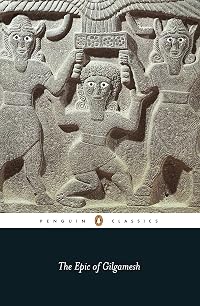
The Epic of Gilgamesh
by Gilgamesh Poet
There is 1 current discussion about this work.
On This Page
Description
A poem for the ages, freshly and accessibly translated by an international rising star, bringing together scholarly precision and poetic grace.Tags
Recommendations



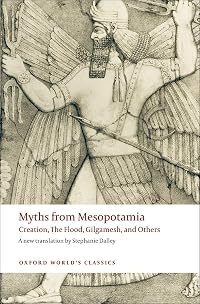





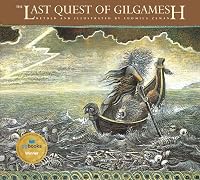



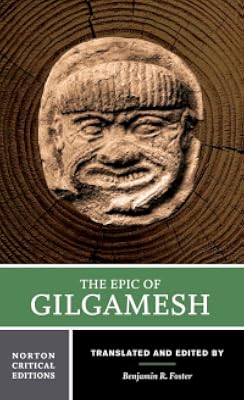






Member Recommendations
Member Reviews
Some stories never grow old. The Epic of Gilgamesh has stayed fresh for 4,000 years. There’s love, loss, epic battle, and a quest to learn how you are supposed to live, knowing you will someday die. All the elements, in short, of a gripping tale. Gilgamesh may be an ancient Mesopotamian king—part god, part man—but he acts and sounds like a disaffected modern. Humankind has undergone many profound transformations. The human condition, meanwhile, with all its attendant hopes and fears, stays constant.
I read this only for the sake of saying I did, but it's on par with Greek mythology for entertainment and has actual plot twists that surprise. Not bad for a story that went missing for more than two millenia until it was rediscovered in the 19th century. Gilgamesh has the strength of a god but the mortality of a man. This anguish leads him to unjustly lord it over his people until a friend almost equal to him in strength is sent to correct his ways. Adventures ensue, and Gilgamesh learns more bitter lessons about loss and death. There's some intriguing parallels to stories from the Bible and echoes of Homer. I took the epic as a whole to be the story of human grappling with mortality: we feel like gods in our youth, strive to make show more names for ourselves, then endure the humbling of our pride and the hollows of tragedy that weather us, leading to maturity and eventually an acceptance of death. show less
If you can read it in just a few hours, does it qualify as epic? If the introduction is longer than the actual text, is it still epic? With regards to The Epic of Gilgamesh, yes it is. Size doesn't matter here. One of the oldest stories extant concerns Gilgamesh, king of Uruk. His people finally get tired of him bedding all the young women and beating the crap out of all the men (apparently he was a cross between the Incredible Hulk and Bill Clinton). They beseech the gods to come up with a companion who can equal him in strength, so they can have a bit of a break. Enter Enkidu, and a beautiful friendship is born. They have a blast beating the hell out of each other, and have some great adventures. I think something else was going on show more too, since it kept mentioning Gilgamesh loving him like a woman. Not that there's anything wrong with that.
But what really impressed me about him was that even though he was the biggest, baddest mo-fo on the planet, that didn't preclude him from realizing, “hey, I'm not going to be here forever. One of these days, I'm gonna die. That scares me.” That brought him down to earth, and made him someone I could relate to. And for me, that's what really made it epic. show less
But what really impressed me about him was that even though he was the biggest, baddest mo-fo on the planet, that didn't preclude him from realizing, “hey, I'm not going to be here forever. One of these days, I'm gonna die. That scares me.” That brought him down to earth, and made him someone I could relate to. And for me, that's what really made it epic. show less
L'epopea di Gilgamesh si è rivelata molto diversa da come me l'immaginavo. Io, forse con troppa naif-ità mi aspettavo un'impresa eroica stile epica greca. Invece il nostro seppure semidio si comporta tutt'altro che da tale. È un anti-eroe, che fallisce e quando non lo fa è solo grazie all'appoggio suo fedele amico Enkidu. Gilgamesh è un semidio che è ossessionato dall'idea di morire dimenticato, e questo è il suo unico successo: ancora oggi parliamo e leggiamo di lui. La cosa più affascinante, che per me è rappresentativa dell'originalità di questo racconto, è la struttura anti-climax del tutto. Ogni volta che ci si aspetta una sopraffazione di Gilgamesh sulle avversità del fato, ecco invece che la narrazione vira verso show more conclusioni veramente inaspettate. L'esempio più eclatante è alla sua prima prova di forza contro il guardiano della foresta. Dopo pagine e pagine di un viaggio il nostro è di fronte alla bestia e... si addormenta. Ho riso per 5 minuti netti. Ma a ben pensarci... chi non lo farebbe, semidio o no, dopo giorni e giorni di viaggio?!
Altro aspetto assolutamente inaspettato per me è stato quello della cattiveria degli dei, della loro puerile isteria, in questo ricorda molto il Dio dell'antico testamento, che agisce più per ripicca che per altro, come agiscono per ripicca anche questi "Dei vicini". Anche da questo punto di vista il testo è assolutamente affascinante, l'impossibilità del genere umano di comprendere l'atteggiamento ermetico del divino.
Valutazione 4 show less
Altro aspetto assolutamente inaspettato per me è stato quello della cattiveria degli dei, della loro puerile isteria, in questo ricorda molto il Dio dell'antico testamento, che agisce più per ripicca che per altro, come agiscono per ripicca anche questi "Dei vicini". Anche da questo punto di vista il testo è assolutamente affascinante, l'impossibilità del genere umano di comprendere l'atteggiamento ermetico del divino.
Valutazione 4 show less
I find the epic of Gilgamesh intriguing for two reasons: because the themes it deals with are universal and timeless, and because it foreshadows important aspects of the Christian story which many want to believe is unique; it's not. There are direct translations of the epic from the cuneiform, and then there are renditions in poetic form that draw upon these translations. This book by David Ferry is one of the latter, as is the other version I own, and the first I read, by David Mitchell. I also have a translation by Andrew George and am going to seek out others.
I see two principal themes in the epic: first, dealing with the fact of mortality and what, if anything, will live on after our lives; secondly, the power and necessity of show more friendship. However, there is a very large number of themes or ideas either developed, or adumbrated, through out the story any one of which could be traced through the thousands of years to come in literature and other arts, such as: the effect of tyranny on a people (Gilgamesh in his early days); a fall from grace that was a state of nature (Enkidu); the mysterious and sometimes threatening power of sex that women hold (Enkidu's fall from nature by being seduced by the temple harlot for seven days of sex); defending the oppressed (Enkidu fighting Gilgamesh over his right to sleep with a bride on her first night); the humanity of even the great ones who also experience fear (Gilgamesh and Enkidu in the cedar forest to take on the monster Huwawa ; Gilgamesh in the mountain tunnel of darkness), doubt (Gilgamesh wants to go back at one point in the forest, but Enkidu strengthens his resolve), grief (Gilgamesh for Enkidu); the fleeting nature of fame ("The life of man is short/What he accomplishes is but the wind"); punishment or retribution for unjustified actions or reaching too far (Gilgamesh was right in hesitating to kill Huwawa who had done them no harm, but was urged on by Enkidu); the power of divine intervention (they would not have subdued Huwawa without the help of a god); sexual temptation (the goddess Ishtar trying to seduce Gilgamesh ); the power of a woman scorned (Ishtar's fury at being spurned with harsh terms); hubris and the downfall of tempting fate (Enkidu's death); life as fate preordained by the gods; fear of death (Enkidu on his death bed); the ultimate futility of trying to escape the fate of mortality (the loss of the fountain-of-youth plant that Gilgamesh had retrieved); the futility of railing against one's past because what's done is done (Enkidu on his death bed).
The supporting power of friendship is a strong theme. Enkidu's first reaction after his "fall" now that his "heart was beginning to know itself", was his longing "for a companion", hence his cry to the harlot to take him to Uruk, the city of Gilgamesh. The two fight, but then become fast, inseparable friends. They support and encourage each other; when one has doubts, the other is strong. Together they enter the terrifying cedar forest and take on Huwawa; together they kill the Bull of Heaven sent by Ishtar to kill Gilgamesh after he spurned her, as they cried together: "Two people, companions, they can prevail together". (So, Gilgamesh is the original buddy-story, a theme still much alive today!)
There is an early echo of Odysseus and Hercules's labours in Gilgamesh's voyage in search for Utnapishtim, the one mortal who has achieved immortality, having been blessed by the gods.
The pre-Christian echoes: a fall from grace and state of bliss in nature because of knowledge gained that precludes one from going back (Enkidu cannot return to the animals, they run away from him, after he has gained knowledge of human life through sex); a flood that wipes out all living things on earth except for Utnapishtim and his wife and a sample of every living creature that he was instructed, by a god, to bring on board the boat he was told to build, complete with measurements; the release of birds when the boat finally settles on a mountain as the waters recede; Gilgamesh himself is the child of a mortal coming together with a god; and a nice final touch: it is a snake that steals the fountain-of-youth plant that Gilgamesh is trying to take back to Uruk as kind of a consolation prize for not having obtained the immortality enjoyed by Utnapishtim.
The epic is very much something to enjoyed and pondered. show less
I see two principal themes in the epic: first, dealing with the fact of mortality and what, if anything, will live on after our lives; secondly, the power and necessity of show more friendship. However, there is a very large number of themes or ideas either developed, or adumbrated, through out the story any one of which could be traced through the thousands of years to come in literature and other arts, such as: the effect of tyranny on a people (Gilgamesh in his early days); a fall from grace that was a state of nature (Enkidu); the mysterious and sometimes threatening power of sex that women hold (Enkidu's fall from nature by being seduced by the temple harlot for seven days of sex); defending the oppressed (Enkidu fighting Gilgamesh over his right to sleep with a bride on her first night); the humanity of even the great ones who also experience fear (Gilgamesh and Enkidu in the cedar forest to take on the monster Huwawa ; Gilgamesh in the mountain tunnel of darkness), doubt (Gilgamesh wants to go back at one point in the forest, but Enkidu strengthens his resolve), grief (Gilgamesh for Enkidu); the fleeting nature of fame ("The life of man is short/What he accomplishes is but the wind"); punishment or retribution for unjustified actions or reaching too far (Gilgamesh was right in hesitating to kill Huwawa who had done them no harm, but was urged on by Enkidu); the power of divine intervention (they would not have subdued Huwawa without the help of a god); sexual temptation (the goddess Ishtar trying to seduce Gilgamesh ); the power of a woman scorned (Ishtar's fury at being spurned with harsh terms); hubris and the downfall of tempting fate (Enkidu's death); life as fate preordained by the gods; fear of death (Enkidu on his death bed); the ultimate futility of trying to escape the fate of mortality (the loss of the fountain-of-youth plant that Gilgamesh had retrieved); the futility of railing against one's past because what's done is done (Enkidu on his death bed).
The supporting power of friendship is a strong theme. Enkidu's first reaction after his "fall" now that his "heart was beginning to know itself", was his longing "for a companion", hence his cry to the harlot to take him to Uruk, the city of Gilgamesh. The two fight, but then become fast, inseparable friends. They support and encourage each other; when one has doubts, the other is strong. Together they enter the terrifying cedar forest and take on Huwawa; together they kill the Bull of Heaven sent by Ishtar to kill Gilgamesh after he spurned her, as they cried together: "Two people, companions, they can prevail together". (So, Gilgamesh is the original buddy-story, a theme still much alive today!)
There is an early echo of Odysseus and Hercules's labours in Gilgamesh's voyage in search for Utnapishtim, the one mortal who has achieved immortality, having been blessed by the gods.
The pre-Christian echoes: a fall from grace and state of bliss in nature because of knowledge gained that precludes one from going back (Enkidu cannot return to the animals, they run away from him, after he has gained knowledge of human life through sex); a flood that wipes out all living things on earth except for Utnapishtim and his wife and a sample of every living creature that he was instructed, by a god, to bring on board the boat he was told to build, complete with measurements; the release of birds when the boat finally settles on a mountain as the waters recede; Gilgamesh himself is the child of a mortal coming together with a god; and a nice final touch: it is a snake that steals the fountain-of-youth plant that Gilgamesh is trying to take back to Uruk as kind of a consolation prize for not having obtained the immortality enjoyed by Utnapishtim.
The epic is very much something to enjoyed and pondered. show less
I love how relevant the themes remain to today's world. I love seeing the obvious influence this story had on the Bible and other ancient works (but not as ancient as Gilgamesh ). I love the gorgeous lines like "You will be left alone, unable to understand in a world where nothing lives anymore as you thought it did" (Enkidu telling Gilgamesh what will happen upon his death) and "The only nourishment he knew was grief, endless in its hidden source yet never ending hunger." Worth a reread for its beautiful simplicity.
This was my first experience of Gilgamesh, the ancient Sumerian epic that predates Homer's Odyssey by about 1500 years. What a brilliant, simple story; no wonder it has survived. I found Herbert Mason's verse narrative brief and easy to read, but deeply impactful.
Gilgamesh is a king of Uruk (historically, fifth in line after the Great Flood, which the poem mentions). He lives a self-absorbed life, driving his people harshly or neglecting them, using the women, building the walls, but mostly just being idle. He awakens from this life when he meets Enkidu, a man from the wild who has been tamed by a prostitute. Enkidu and Gilgamesh become friends in the most inseparable sense, equals in all.
When Gilgamash is possessed by a desire to show more destroy the brutish god Humbaba, Enkidu is seized with fear. He knows from his time in the forest of Humbaba's dark power, and pleads with his friend not to go. But Gilgamesh is resolved, and Enkidu accompanies him. Enkidu is killed, and Gilgamesh finally discovers what human sorrow is. Spent with grief, he embarks on a winding quest to bring his friend back to life. What will be the end?
I love the prayer of Ninsun, Gilgamesh's mother who was a minor goddess. She says to the god Shamash,
...Why did you give my son
A restless heart, and now you touch him
With this passion to destroy Humbaba,
And you send him on a journey to a battle
He may never understand, to a door
He cannot open. You inspire him to end
The evil of the world which you abhor
And yet he is a man for all his power
And cannot do your work. You must protect
My son from danger. (33)
It captures the futility of humanity in our quest for transcendence, our spiritual discontent which we cannot remedy. All our good deeds come to nothing, and the last appeal is always to the deity. Striking also to me was the monotheism of Utnapishtim, the wise man Gilgamesh seeks out to save his friend. Mason hints in the afterword that this expression of monotheism may cause some controversy among scholars... interesting.
Casual readers like me always wonder, when we pick up a work like this of which there are so many versions and translations, if we have chosen The Right One. If we have maximized our reading experience, if we have latched on to something of which those who know would approve. I have to let worries like this go and simply enjoy the book, whichever version it is, that has fallen to me. I don't know what other translations are like, but I found this one intensely human and accessible.
Strangely powerful, from across thousands of years Gilgamesh draws us into its story and remains with us. It is, of course, the universality of loss, the desperation of sorrow, and the long road home of acceptance that make Gilgamesh's journey ours. Recommended. show less
Gilgamesh is a king of Uruk (historically, fifth in line after the Great Flood, which the poem mentions). He lives a self-absorbed life, driving his people harshly or neglecting them, using the women, building the walls, but mostly just being idle. He awakens from this life when he meets Enkidu, a man from the wild who has been tamed by a prostitute. Enkidu and Gilgamesh become friends in the most inseparable sense, equals in all.
When Gilgamash is possessed by a desire to show more destroy the brutish god Humbaba, Enkidu is seized with fear. He knows from his time in the forest of Humbaba's dark power, and pleads with his friend not to go. But Gilgamesh is resolved, and Enkidu accompanies him. Enkidu is killed, and Gilgamesh finally discovers what human sorrow is. Spent with grief, he embarks on a winding quest to bring his friend back to life. What will be the end?
I love the prayer of Ninsun, Gilgamesh's mother who was a minor goddess. She says to the god Shamash,
...Why did you give my son
A restless heart, and now you touch him
With this passion to destroy Humbaba,
And you send him on a journey to a battle
He may never understand, to a door
He cannot open. You inspire him to end
The evil of the world which you abhor
And yet he is a man for all his power
And cannot do your work. You must protect
My son from danger. (33)
It captures the futility of humanity in our quest for transcendence, our spiritual discontent which we cannot remedy. All our good deeds come to nothing, and the last appeal is always to the deity. Striking also to me was the monotheism of Utnapishtim, the wise man Gilgamesh seeks out to save his friend. Mason hints in the afterword that this expression of monotheism may cause some controversy among scholars... interesting.
Casual readers like me always wonder, when we pick up a work like this of which there are so many versions and translations, if we have chosen The Right One. If we have maximized our reading experience, if we have latched on to something of which those who know would approve. I have to let worries like this go and simply enjoy the book, whichever version it is, that has fallen to me. I don't know what other translations are like, but I found this one intensely human and accessible.
Strangely powerful, from across thousands of years Gilgamesh draws us into its story and remains with us. It is, of course, the universality of loss, the desperation of sorrow, and the long road home of acceptance that make Gilgamesh's journey ours. Recommended. show less
Members
- Recently Added By
Lists

Fiction Set in Ancient Mesopotamia
7 works; 6 members

1970s
657 works; 23 members

r/History Recommended Reading List
603 works; 12 members

Mythical Monsters of the World
199 works; 79 members

Western Canon
206 works; 2 members

Greatest Books, allegedly
484 works; 9 members

Mustich's 1000 Books to Read Before You Die: A Life Changing List
1,001 works; 20 members
scav
54 works; 2 members
Book wishlist
78 works; 1 member

New Lifetime Reading Plan by Fadiman and Major
225 works; 5 members

Western Canon
24 works; 1 member

Books You Read For University
184 works; 3 members

Ryan Holiday's Books To Base Your Life On
97 works; 2 members
A Reading List
100 works; 3 members

The Well-Educated Mind, Susan Wise Bauer, 2016
179 works; 3 members

Recommended Reading : 600 Classics Reviewed, Editors of Salem Press, 2015
634 works; 6 members

Reading LIst
648 works; 1 member
Books in the Bibliography of Humans: A Monstrous History by Surekha Davies
346 works; 1 member

Top Five Books of 2025
954 works; 303 members

el
1,139 works; 1 member

.
396 works; 1 member
Books in the Bibliography of The History of Hell by Alice K. Turner
155 works; 1 member

Philip Ward's Lifetime Reading Plan
592 works; 22 members

Books cited in Progress by Samuel McDonald
160 works; 1 member

Take Four Books
130 works; 1 member

100 books that changed the world
31 works; 2 members

Sonlight Books
1,487 works; 25 members

Unread books
1,063 works; 87 members

Best Mythic Fiction
35 works; 6 members

Classics you know you should have read but probably haven't
421 works; 409 members
Narrative verse for pleasure
75 works; 8 members

Folio Society
831 works; 53 members

Epic Fiction
42 works; 11 members

Best of World Literature
437 works; 52 members

Best Books About Journeys and Quests
117 works; 30 members

The 100 Best Books of All Time by Norwegian Book Club (World Library)
104 works; 23 members
501 Must-Read Books
529 works; 72 members

100 Books to Read in a Lifetime (That Are Older Than 200 Years)
415 works; 174 members

Books written in uncommon languages
97 works; 8 members

GreatBooks Worldview Academy Lists
133 works; 4 members

Literary Works Read in College
316 works; 15 members

Books Read in 2020
4,379 works; 124 members
Truly old classics
63 works; 6 members

Western World's Greatest Books - Project Gutenberg
295 works; 15 members

Myth (Reuse and Retelling)
188 works; 24 members

Harold Bloom - The Western Canon: A. The Theocratic Age
97 works; 13 members
1001 Books You Must Read Before You Die
1,448 works; 1,136 members
Reading Agenda 2017+
2 works; 1 member

Books Read in 2018
4,360 works; 110 members

Five star books
1,767 works; 110 members

National Book Award winners
65 works; 11 members
Readable Classics
110 works; 15 members

Top Five Books of 2020
982 works; 348 members

Books Cited in Blueprint by Nicholas Christakis
261 works; 1 member
Talk Discussions
Current Discussions
New Deluxe Edition of Gilgamesh in Easton Press Collectors (October 2025)
Past Discussions
Epic of Gilgamesh in Ancient History (February 2021)
Kirconnell: The Journey Begins-2010 in The Well-Educated Mind by Susan Wise-Bauer (February 2010)
Author Information
1+ Work 10,467 Members
Some Editions
Awards and Honors
Awards
Notable Lists
Series
Belongs to Publisher Series
Work Relationships
Is retold in
Has the adaptation
Is abridged in
Inspired
Has as a reference guide/companion
Common Knowledge
- Canonical title
- The Epic of Gilgamesh
- Original title
- Sha naqba īmuru; Gilgameš, Rey de Uruk
- Alternate titles
- The epic of Gilgamesh : a new translation; The epic of Gilgamesh : the Babylonian epic poem and other texts in Akkadian and Sumerian; Gilgamesh : a new English version; An Old Babylonian Version of the Gilgamesh Epic
- Original publication date
- circa 2100 BC; 1200 BCE; 2005
- People/Characters
- Gilgamesh; Enkidu; Ishtar (Deity); Anu; Shamhat; Ea (show all 16); Uta-napishti; Enlil; Humbaba; Ishtar; Ishullanu; Utnapishtim; Ninsun; Shamash; Siduri; Urshanabi
- Important places
- Uruk, Mesopotamia; Mesopotamia
- Important events
- The Deluge (Great Flood)
- Related movies
- The Epic of Gilgamesh (2009 | IMDb)
- First words
- I will proclaim to the world the deeds of Gilgamesh. ...
trans. N.K. Sandars (1960)
It is an old story
But one that can still be told
About a man who loved
And lost a friend to death
And learned he lacked the power
To bring him back to life.
trans. Mason (1972)
The Story
of him who knew the most of all men know;
who made the journey; heartbroken; reconciled;
who knew the way things were before the Flood,
the secret things, the mystery; who went
to the e... (show all)nd of the earth, and over; who returned,
and wrote the story on a tablet of stone.
trans. Ferry (1992)
He who saw the Deep, the country's foundation,
(who) knew . . . , was wise in all matters!
(Gilgamesh, who) saw the Deep, the country's foundation
(who) knew . . . , was wise in all matters!
(He) . ... (show all). . everywhere . . .
and (learnt) of everything the sum of wisdom.
He saw what was secret, discovered what was hidden.
he brought back a tale of before the Deluge.
trans. George (1999)
He had seen everything, had experienced all emotions,
from exaltation to despair, had been granted a vision
into the great mystery, the secret places,
the primeval days before the Flood. ...
trans. Mitchell... (show all) (2004) - Quotations
- To be sure, the lonely frustrations of the survivors is the same after every death, immorally or otherwise caused. And everyone is wise in saying, There is nothing you can do; but such wisdom does not reconcile any of us real... (show all)ly to loss, for we knew the other as a person in himself not as an abstraction we could do without. We lost the one who we didn't realize enabled us to live in other people's worlds; now we have only our own private world and the almost herculean task of constructing a human reentry. [...]
Two friends in Paris helped me to understand two essential ingredients of Wisdom, the third ingredient being acceptance, referred to before, which one can only come by within oneself on one's return.
(Herbert Mason's Afterword to the Mariner edition, pp. 110-111)
(Utnapishtim speaking to Gilgamesh) [...]I would grieve
At all that may befall you still
If I did not know you must return
And bury your own loss and build
Your world anew with your own hands.
(from the He... (show all)rbert Mason translation) - Last words
- (Click to show. Warning: May contain spoilers.)O Gilgamesh, lord of Kullab, great is thy praise.
trans. Sandars (1960)
(Click to show. Warning: May contain spoilers.)He looked at the walls,
Awed at the heights
His people had achieved
And for a moment - just a moment -
All that lay behind him
Passed from view.
(Click to show. Warning: May contain spoilers.)Three leagues and the temple precinct of Ishtar measure Uruk, the city of Gilgamesh.
(Click to show. Warning: May contain spoilers.)'O Ur-shanabi, climb Uruk's wall and walk back and forth!
Survey its foundations, examine the brickwork!
Were its bricks not fired in an oven?
Did the Seven Sages not lay its foundations?
'A square mile is city, a square mile date-grove, a square mile is
clay-pit, half a square mile the temple of Ishtar:
three square miles and a half is Uruk's expanse.'
trans. George (1999)
(Click to show. Warning: May contain spoilers.)When at last they arrived, Gilgamesh
said to Urshanabi, 'This is
the wall of Uruk, which no city on earth can equal.
See how its ramparts gleam like copper in the sun.
Climb the stone staircase, more ancient than the mind can imagine,
approach the Eanna Temple, sacred to Ishtar,
a temple no king has equalled in size and beauty,
walk on the wall of Uruk, follow its course
around the city, inspect its mighty foundations,
examine its brickwork, how masterfully it is built,
observe the land it encloses: the palm trees, the gardens,
the orchards, the glorious palaces and temples, the shops
and marketplaces, the houses, the public squares'.
trans. Mitchell (2004) - Blurbers
- Bloom, Harold; Matthiessen, Peter; Pagels, Elaine
- Original language
- Akkadian
- Canonical DDC/MDS
- 892.191
- Canonical LCC
- PJ3771.G5
- Disambiguation notice
- This work is any complete, unabridged translation of the Standard Version of The Epic of Gilgamesh. To quote the FAQ on combining - "A work brings together all different copies of a book, regardless of edition, title v... (show all)ariation, or language." Translations of the Old Babylonian Versions should remain separate, as should translations of the early Sumerian Gilgamesh stories and poems from which the epic came to be.
Based on currently accepted LibraryThing convention, the Norton Critical Edition is treated as a separate work, ostensibly due to the extensive additional, original material included.
Classifications
- Genres
- Poetry, Fiction and Literature
- DDC/MDS
- 892.191 — Literature & rhetoric Literatures of other languages Afro-Asiatic literatures Akkadia, Babylon, Mesopotamia, and Sumer
- LCC
- PJ3771 .G5 — Language and Literature Oriental languages and literatures Oriental philology and literature Assyriology. Akkadian Literature. Inscriptions
- BISAC
Statistics
- Members
- 10,483
- Popularity
- 928
- Reviews
- 135
- Rating
- (3.78)
- Languages
- 22 — Akkadian, Catalan, Czech, Danish, Dutch, English, Estonian, Finnish, French, German, Greek (Ancient), Italian, Norwegian (Bokmål), Norwegian, Portuguese, Romanian, Russian, Serbian, Slovak, Spanish, Swedish, Turkish
- Media
- Paper, Audiobook, Ebook
- ISBNs
- 126
- UPCs
- 2
- ASINs
- 74
