On This Page
Description
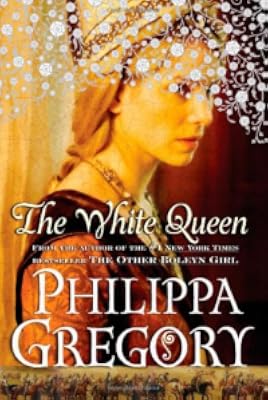
In this account of the wars of the Plantagenets, a woman of extraordinary beauty and ambition, Elizabeth Woodville, catches the eye of the newly crowned boy king, marries him in secret and ascends to royalty. While Elizabeth rises to the demands of her exalted position and fights for the success of her family, her two sons become central figures in a mystery that has confounded historians for centuries: the missing princes in the Tower of London whose fate is still unknown.Tags
Recommendations

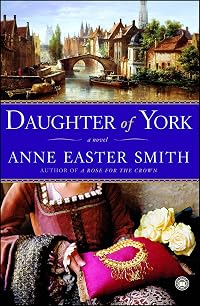
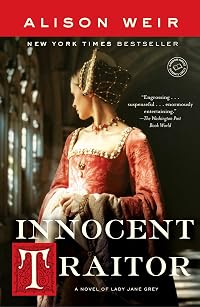
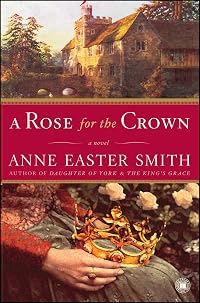
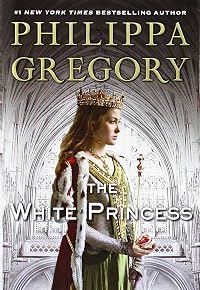
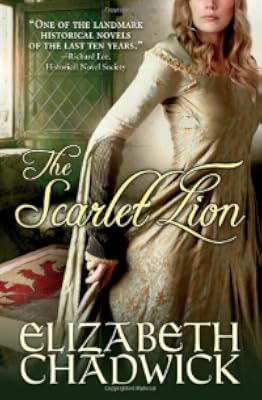
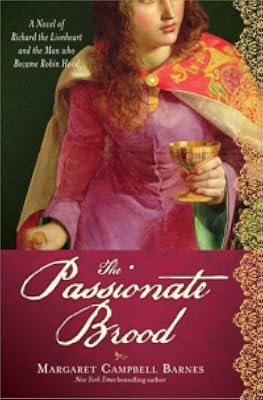
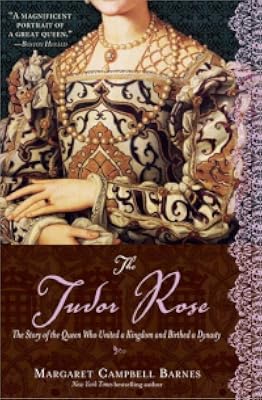
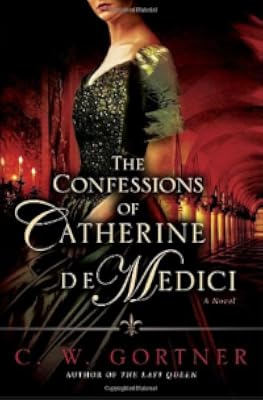

Member Recommendations
DevourerOfBooks Perhaps the best historical fiction on The War of the Roses.
kraaivrouw This is the one to read about the War of the Roses.
60

Sakerfalcon Another novel focusing on Elizabeth Woodville.
30


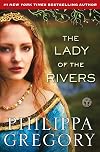

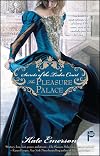
BookshelfMonstrosity Both lushly descriptive, compelling historical fiction series take place in Tudor-era England. Strong, well-developed female protagonists anchor these character-driven stories full of romantic drama, royal intrigue, and evocative period atmosphere.
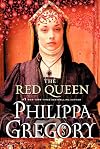
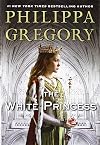
Member Reviews
First Line: My father is Sir Richard Woodville, Baron Rivers, an English nobleman, a landholder and a supporter of the true kings of England, the Lancastrian line.
This is the first entry in a new historical series by Gregory centering on the English War of the Roses. My "history" with Philippa Gregory has been a bit uneven. Some of her novels I've enjoyed a great deal, others didn't do much for me. I am not a purist when it comes to reading historical fiction. I always pick up a book in this genre believing that the story will take precedence over the history. As long as there are no glaring errors that throw me out of the story, I am content.
What really makes the world go round? No matter how much we may sing about it or want it, it's show more certainly not love. No, what makes the world go round are greedy, grasping individuals/families/clans whose thoughts seldom rise from the rut of "I, Me, Mine". A case in point is The White Queen. Gregory tells us of the world as seen through the eyes of Elizabeth Woodville, a young widow whose beauty captivated King Edward IV. As you read, never once forget that Elizabeth's view of her world is a distorted one.
Did you read the first sentence of the book above? From the very first, Elizabeth is shown as a woman who is supremely concerned with position and wealth. When she stood out in the road to wait for the king to ride by, she was merely wanting her husband's lands restored so she wouldn't have to live on the charity of others. When she saw the look on Edward's face, she immediately knew that, if she played her cards right, she might very well obtain a lot more.
Does it sound like I didn't like Elizabeth? It should, because I didn't. When she becomes Queen of England, she and her mother busy themselves giving everyone in the family important positions and power. That's the way it's always been done. They laugh when they marry off young male relatives to old wealthy widows so that they can inherit vast estates and further the family's ambitions. Never once did they seem to think that this behavior would have any repercussions.
When sending her three-year-old son to Wales (the Tudor stronghold), Elizabeth appoints her brother Anthony as the boy's chief advisor. What are her first words about this to her brother? Are they about keeping her little boy safe? Are they about his education, his diet, his happiness? No. "Anthony, there is much profit to be won from Wales." It is to Anthony's credit that, when he accepts the position, he speaks of the little boy and his well-being.
At her husband's death bed, Elizabeth's thoughts are not on losing Edward, but the best way to get her choice as Lord Protector of England accepted.
She calls herself a realist and her brother, Anthony, a dreamer, but Anthony is the one who sees the truth in the court of Elizabeth and Edward. Anthony is the character that I like in this book. He says the symbol of the House of York should not be the white rose, but the old sign of eternity-- the snake eating itself. "They are a house which has to have blood and they will shed their own if they have no other enemy."
Given that I've already admitted to not liking the main character, you'll be forgiven if you think I didn't like the book. But if you saw my rating at the top, you know that's not so. I don't have to like the main character to enjoy the book. All I ask is that the main character is multi-faceted and interesting. Elizabeth is certainly both those things. She is strong-willed, knows exactly what she wants, and grabs for it with both hands-- ultimately bringing disaster down upon her entire family.
There has been talk of Elizabeth and her mother, Jacquetta, using magic several times in the book. Gregory walked a very fine line throughout but in the end, she didn't overplay the magic for me. What did irritate me was the habit Elizabeth had of always referring to the sons of her first marriage as her "Grey sons". But a woman as conscious of wealth, power and position as she would do that. After all, those boys weren't as important as her sons by the King of England-- the Princes in the Tower.
This is a very strong start to Gregory's new series. I certainly look forward to reading the other books as they are published. show less
This is the first entry in a new historical series by Gregory centering on the English War of the Roses. My "history" with Philippa Gregory has been a bit uneven. Some of her novels I've enjoyed a great deal, others didn't do much for me. I am not a purist when it comes to reading historical fiction. I always pick up a book in this genre believing that the story will take precedence over the history. As long as there are no glaring errors that throw me out of the story, I am content.
What really makes the world go round? No matter how much we may sing about it or want it, it's show more certainly not love. No, what makes the world go round are greedy, grasping individuals/families/clans whose thoughts seldom rise from the rut of "I, Me, Mine". A case in point is The White Queen. Gregory tells us of the world as seen through the eyes of Elizabeth Woodville, a young widow whose beauty captivated King Edward IV. As you read, never once forget that Elizabeth's view of her world is a distorted one.
Did you read the first sentence of the book above? From the very first, Elizabeth is shown as a woman who is supremely concerned with position and wealth. When she stood out in the road to wait for the king to ride by, she was merely wanting her husband's lands restored so she wouldn't have to live on the charity of others. When she saw the look on Edward's face, she immediately knew that, if she played her cards right, she might very well obtain a lot more.
Does it sound like I didn't like Elizabeth? It should, because I didn't. When she becomes Queen of England, she and her mother busy themselves giving everyone in the family important positions and power. That's the way it's always been done. They laugh when they marry off young male relatives to old wealthy widows so that they can inherit vast estates and further the family's ambitions. Never once did they seem to think that this behavior would have any repercussions.
When sending her three-year-old son to Wales (the Tudor stronghold), Elizabeth appoints her brother Anthony as the boy's chief advisor. What are her first words about this to her brother? Are they about keeping her little boy safe? Are they about his education, his diet, his happiness? No. "Anthony, there is much profit to be won from Wales." It is to Anthony's credit that, when he accepts the position, he speaks of the little boy and his well-being.
At her husband's death bed, Elizabeth's thoughts are not on losing Edward, but the best way to get her choice as Lord Protector of England accepted.
She calls herself a realist and her brother, Anthony, a dreamer, but Anthony is the one who sees the truth in the court of Elizabeth and Edward. Anthony is the character that I like in this book. He says the symbol of the House of York should not be the white rose, but the old sign of eternity-- the snake eating itself. "They are a house which has to have blood and they will shed their own if they have no other enemy."
Given that I've already admitted to not liking the main character, you'll be forgiven if you think I didn't like the book. But if you saw my rating at the top, you know that's not so. I don't have to like the main character to enjoy the book. All I ask is that the main character is multi-faceted and interesting. Elizabeth is certainly both those things. She is strong-willed, knows exactly what she wants, and grabs for it with both hands-- ultimately bringing disaster down upon her entire family.
There has been talk of Elizabeth and her mother, Jacquetta, using magic several times in the book. Gregory walked a very fine line throughout but in the end, she didn't overplay the magic for me. What did irritate me was the habit Elizabeth had of always referring to the sons of her first marriage as her "Grey sons". But a woman as conscious of wealth, power and position as she would do that. After all, those boys weren't as important as her sons by the King of England-- the Princes in the Tower.
This is a very strong start to Gregory's new series. I certainly look forward to reading the other books as they are published. show less
In 1464 Elizabeth Woodville is a twenty seven year old widow with two young sons. Her family have been staunch supporters of the Lancastrians and her father and brothers have fought numerous battles in the wars that have raged since the death of Edward III, called the Cousins' War since the rival claimants for the throne are all cousins, descendants of the late King. Elizabeth lost her husband in one of the battles and her lands and income reverted to the ultimate victor, the new York king, Edward IV.
Elizabeth is not a woman to sit by and allow events to happen to her. She knows that she is one of the most beautiful women in the country, so she contrives a meeting with the new King to ask for the return of her lands. He is well known to show more be swayed by an attractive face, and Elizabeth proves to be no exception. But she has something that others don't, a mind that matches her beauty and intrigues Edward from the moment he meets her. He marries her, despite every single one of his supporters being against the match, despite her family's position against him in the recent wars, despite everything.
Though the time they live in is turbulent and dangerous, they truly love each other and have a fruitful marriage that is blessed with many children. As Queen of England, Elizabeth is in a position of power, she would be less than human if she did not use her position to better the lives of those she loves. Her relatives receive honors and wealth, the family's rise creates ill will and outright enemies. She and her mother are both accused of witchcraft as the tide of opinion swells against them. Though both she and Edward rule in the hope of peace, they are unable to escape the factions that crave power. The Cousins' War is far from over.
This is the Philippa Gregory that we love! It is a fantastic historical novel about that most reviled English Queen, Elizabeth Woodville. I have never read any book, fiction or non, that does not portray her as a scheming bitch. Here, at last, is a balanced look at a woman who rose to the pinnacle of power in her world. Did it take some plotting? Yes, of course it did, no one got anywhere in those days without some scheming. Could she be nasty, petty, ambitious? Yes, to those too. She was envied, she was beautiful, she was fighting for the people she loved: her husband and children. The picture here is of a normal woman, not perfect, not evil. Just doing what she thought she had to do to save her family and ensure their place in the world. There is no question that her reputation was spread by people who hated her. The world will never know the truth, but the great fun of historical fiction is the speculation, and the author does that here, giving us another exceptional story.
This book is the first in a planned trilogy that will revolve around the Cousins' War and relate the events from different points of view. The next book will be The Red Queen and will be the story of Margaret Beaufort, the mother of Henry Tudor. I can't wait to read it, I'm excited about it already! One person in history that comes off looking worse than Elizabeth Woodville is definitely Margaret Beaufort! Again, always portrayed as a nasty you-know-what. Writing about the same time period from the points of view of rival factions is just an inspired idea! More, please!! show less
Elizabeth is not a woman to sit by and allow events to happen to her. She knows that she is one of the most beautiful women in the country, so she contrives a meeting with the new King to ask for the return of her lands. He is well known to show more be swayed by an attractive face, and Elizabeth proves to be no exception. But she has something that others don't, a mind that matches her beauty and intrigues Edward from the moment he meets her. He marries her, despite every single one of his supporters being against the match, despite her family's position against him in the recent wars, despite everything.
Though the time they live in is turbulent and dangerous, they truly love each other and have a fruitful marriage that is blessed with many children. As Queen of England, Elizabeth is in a position of power, she would be less than human if she did not use her position to better the lives of those she loves. Her relatives receive honors and wealth, the family's rise creates ill will and outright enemies. She and her mother are both accused of witchcraft as the tide of opinion swells against them. Though both she and Edward rule in the hope of peace, they are unable to escape the factions that crave power. The Cousins' War is far from over.
This is the Philippa Gregory that we love! It is a fantastic historical novel about that most reviled English Queen, Elizabeth Woodville. I have never read any book, fiction or non, that does not portray her as a scheming bitch. Here, at last, is a balanced look at a woman who rose to the pinnacle of power in her world. Did it take some plotting? Yes, of course it did, no one got anywhere in those days without some scheming. Could she be nasty, petty, ambitious? Yes, to those too. She was envied, she was beautiful, she was fighting for the people she loved: her husband and children. The picture here is of a normal woman, not perfect, not evil. Just doing what she thought she had to do to save her family and ensure their place in the world. There is no question that her reputation was spread by people who hated her. The world will never know the truth, but the great fun of historical fiction is the speculation, and the author does that here, giving us another exceptional story.
This book is the first in a planned trilogy that will revolve around the Cousins' War and relate the events from different points of view. The next book will be The Red Queen and will be the story of Margaret Beaufort, the mother of Henry Tudor. I can't wait to read it, I'm excited about it already! One person in history that comes off looking worse than Elizabeth Woodville is definitely Margaret Beaufort! Again, always portrayed as a nasty you-know-what. Writing about the same time period from the points of view of rival factions is just an inspired idea! More, please!! show less
Philippa Gregory is always wonderful. I knew that the new series started this month and wanted to read the book before watching the tv version. Books continue to outshine television's take on the same set of details. I guess my imagination or the author's descriptions/info fulfill the entire scope of the story. It's very difficult for tv to reproduce what we can read as the characters thoughts.
As for this book's content, I know that the author used her imagined conversations and feelings of characters to give a more complete picture of this time in history. As for the actual facts......these people make our current political arena seem faint-hearted and weak. They were very opportunistic and driven to gain their goals. Family and show more friends were easily used as pawns to further themselves, without much regret, it seems. Conspiracies were everywhere. No wonder most of them died much younger than we do.......the stress level must have killed them. Who could live very long when you are always wondering who is trying to kill you or use you? Not to mention the apparent acceptance of men having multiple mistresses and visiting whorehouses. Blows my mind!!
Don't let the deep historical theme deter you from reading any of Philippa Gregory's series. They are quick reads and keep you guessing what will happen next. (And digging for facts to verify what you read. It's hard to google these people and not read ALL of their life story before you've finished the book. Sometimes I just wanted to understand one thing and had to stop myself from reading the outcome of the person's life so that I didn't ruin the book's story.) show less
As for this book's content, I know that the author used her imagined conversations and feelings of characters to give a more complete picture of this time in history. As for the actual facts......these people make our current political arena seem faint-hearted and weak. They were very opportunistic and driven to gain their goals. Family and show more friends were easily used as pawns to further themselves, without much regret, it seems. Conspiracies were everywhere. No wonder most of them died much younger than we do.......the stress level must have killed them. Who could live very long when you are always wondering who is trying to kill you or use you? Not to mention the apparent acceptance of men having multiple mistresses and visiting whorehouses. Blows my mind!!
Don't let the deep historical theme deter you from reading any of Philippa Gregory's series. They are quick reads and keep you guessing what will happen next. (And digging for facts to verify what you read. It's hard to google these people and not read ALL of their life story before you've finished the book. Sometimes I just wanted to understand one thing and had to stop myself from reading the outcome of the person's life so that I didn't ruin the book's story.) show less
I am a big fan of Philippa Gregory. Her historical novels pull me in and keep me there until the last word on the last page. This is book 1 of the Cousin's War series. I have been reading them out of order, but now that I have done book 1 I might reread so that I can take the stories in order.
This is the story of Elizabeth Woodville, queen of King Edward of the House of York and mother of the famous princes in the towers. I have always loved the history of the English kings and am therefore familiar with all the stories in broad stoke. Gregory remains true to the history, but she paints in detail the possible personalities and emotions that these iconic characters must have experienced as human beings (albeit more ambitious and ruthless show more than your average man).
One of my favorite English history characters is Richard III. I fell in love with his mystery and the controversy of whether he was either deformed, evil or falsely accused the first time I read Shakespeare's account of his life. So many possible interpretations and so many gaps in the actual history of events. Richard is here, and it was fascinating to see what slant Gregory could offer to his character.
One of the things I love about Gregory is how consistent she is in keeping the voice of the individual and not lapsing into other points of view. When she is telling the story from the York side, she shows us what that side would have thought and felt, when she is telling from the Lancaster view it is the same. As is so true in life, there are two sides to the story and no two people involved sees everything clearly or the same. Regardless of which person she is portraying, she gives them depth and believability.
In this story, there was the historical element of Elizabeth and her mother having been accused of witchcraft, and their purported descendancy from the goddess Melusina. Gregory decided to build that belief that they may certainly have had that they were "seers" into the thread of the story and did so deftly. We may not believe that Elizabeth can whistle up a storm against her enemies, but I can certainly believe that a convenient storm that she has wished will come would seem to her like a proof of her inherited occult skills.
I have never sat down with a Gregory novel and come away dissatisfied. I almost sigh with pleasure before I have even flipped the first page. show less
This is the story of Elizabeth Woodville, queen of King Edward of the House of York and mother of the famous princes in the towers. I have always loved the history of the English kings and am therefore familiar with all the stories in broad stoke. Gregory remains true to the history, but she paints in detail the possible personalities and emotions that these iconic characters must have experienced as human beings (albeit more ambitious and ruthless show more than your average man).
One of my favorite English history characters is Richard III. I fell in love with his mystery and the controversy of whether he was either deformed, evil or falsely accused the first time I read Shakespeare's account of his life. So many possible interpretations and so many gaps in the actual history of events. Richard is here, and it was fascinating to see what slant Gregory could offer to his character.
One of the things I love about Gregory is how consistent she is in keeping the voice of the individual and not lapsing into other points of view. When she is telling the story from the York side, she shows us what that side would have thought and felt, when she is telling from the Lancaster view it is the same. As is so true in life, there are two sides to the story and no two people involved sees everything clearly or the same. Regardless of which person she is portraying, she gives them depth and believability.
In this story, there was the historical element of Elizabeth and her mother having been accused of witchcraft, and their purported descendancy from the goddess Melusina. Gregory decided to build that belief that they may certainly have had that they were "seers" into the thread of the story and did so deftly. We may not believe that Elizabeth can whistle up a storm against her enemies, but I can certainly believe that a convenient storm that she has wished will come would seem to her like a proof of her inherited occult skills.
I have never sat down with a Gregory novel and come away dissatisfied. I almost sigh with pleasure before I have even flipped the first page. show less
The 15th century story of Elizabeth Woodville, a young Lancastrian widow who married King Edward in secret and was crowned Queen of England. This is her complicated and tumultuous story that is more than pointed conical hats and big frocks. The novel brings to life the War of the Roses between the houses of York and Lancaster, as alliances change, all seen through the eyes of Elizabeth. Well researched and always interesting and gripping, this is a great read. Edward and Elizabeth's mistakes as monarchs are laid bare, Elizabeth is shown as more than a mother and wife. Her relationships and willingness to lie for the sake of power are written about.
Any book that gets you really excited about history is a great book in my opinion, and so far I have not been disappointed with Philippa Gregory's work. I especially enjoy seeing history told from a female perspective, and in this case it is Elizabeth Woodville, the woman who wins the heart of Edward of York. To marry her he defies his ally, Richard Neville --thus sowing the seeds of discord that will grow into rebellion years later. This book is full of mystery and intrigue, as Edward and his brothers vie for power, and the women use whatever means they can to advance their own cause--including prayers and/or spells. At first Edward, Elizabeth and the Woodville family ascend to dizzying heights of power and influence, however show more resentment against them rises and eventually threatens Elizabeth's own sons--who become the famed "princes in the tower". The author does take a lot of artistic license with this point of history, and with the inclusion of supernatural elements within the story--and some readers may feel that she stretched things too far. (This makes for a lively discussion if you choose to do this with a book group, by the way). However I do think that her vivid writing style makes history come alive in a memorable and exciting way. So whether or not you agree with how she interpreted the facts available to us, you aren't likely to forget who Elizabeth Woodville was or that she was a living breathing passionate human being after reading Gregory's depiction of her. show less
Delving into any of Ms. Gregory's novels is like visiting a good friend. One partially knows what to expect but the exact details remain unknown, lending an air of anticipation to the proceedings. With Ms. Gregory, the main character is going to be a strong female lead. While the main historical backdrop may be familiar, one knows that Ms. Gregory will find a way to twist the details of the historical period in such a way that heightens the tension. The White Queen follows this formula perfectly and yet still retains the ability to entertain and thrill readers.
The White Queen is the first novel of a three-part arc regarding the Cousins' War, or as Americans are taught in history class the War of the Roses. While most Gregory fans know show more that she does not always maintain historical accuracy in her novels, The White Queen follows the trend of giving enough detail to be able to paint a fairly accurate picture of what life was like during this time. The reader gets a clear understanding of the fuedal system and what it meant to be a peasant during the Cousins' War - having to maintain an allegiance to the feudal lord, even if that lord changes after every battle, or having to go fight in battle because the owner of the land says so. It was a treacherous time; the political atmosphere is intriguing in that the nobility think nothing of drawing swords to gain more political power. Can you imagine today's politicians doing the same?
The love shared between Elizabeth and Edward has been well-documented, even if it is the makings of a stereotypical fairy tale. Even though Ms. Gregory took liberties by filling in the blanks behind their courtship and secret marriage, this part of the story is truly the highlight of the novel. Elizabeth and Edward together are so sweet and so caring about each other. It is refreshing to know that monarchs truly did marry for love every once in a while.
Historians have documented Elizabeth as power-hungry and a bit of a despot, as well as a witch. Interestingly enough, while Ms. Gregory chose to portray Elizabether as a much more sympathetic figure in history, there still remains a coldness to her that implies that need for power. She is truly the most ambitious of her entire family and takes whatever steps she deems necessary to obtain, then maintain that power. The references to her mythological ancestry and to her powers belies her strength of character. Yet, it is also a testament to her belief in her power and her status as the most beloved queen in England that she felt comfortable enough to show her powers in front of others while knowing that she could be taken and tried for being a witch at any point in time. Elizabeth Woodville is definitely a study of contrasts, and Ms. Gregory does a stellar job of portraying this.
The White Queen does not have the lushness and sensuality of her Tudor novels, yet because this is such a different era, the reader cannot find a fault with this. Given the political turmoil of the time, the focus on the political machinations and power struggles behind the Crown are necessary for true understanding of Elizabeth's decisions and conflicts. Overall, The White Queen is a strong beginning to an intriguing new series. Fans of Ms. Gregory will not be disappointed. Better yet, those who have not yet enjoyed one of Ms. Gregory's stories will be drawn to the unique subject matter with its political intrigue and touching love story. The White Queen is definitely one to be enjoyed by all. show less
The White Queen is the first novel of a three-part arc regarding the Cousins' War, or as Americans are taught in history class the War of the Roses. While most Gregory fans know show more that she does not always maintain historical accuracy in her novels, The White Queen follows the trend of giving enough detail to be able to paint a fairly accurate picture of what life was like during this time. The reader gets a clear understanding of the fuedal system and what it meant to be a peasant during the Cousins' War - having to maintain an allegiance to the feudal lord, even if that lord changes after every battle, or having to go fight in battle because the owner of the land says so. It was a treacherous time; the political atmosphere is intriguing in that the nobility think nothing of drawing swords to gain more political power. Can you imagine today's politicians doing the same?
The love shared between Elizabeth and Edward has been well-documented, even if it is the makings of a stereotypical fairy tale. Even though Ms. Gregory took liberties by filling in the blanks behind their courtship and secret marriage, this part of the story is truly the highlight of the novel. Elizabeth and Edward together are so sweet and so caring about each other. It is refreshing to know that monarchs truly did marry for love every once in a while.
Historians have documented Elizabeth as power-hungry and a bit of a despot, as well as a witch. Interestingly enough, while Ms. Gregory chose to portray Elizabether as a much more sympathetic figure in history, there still remains a coldness to her that implies that need for power. She is truly the most ambitious of her entire family and takes whatever steps she deems necessary to obtain, then maintain that power. The references to her mythological ancestry and to her powers belies her strength of character. Yet, it is also a testament to her belief in her power and her status as the most beloved queen in England that she felt comfortable enough to show her powers in front of others while knowing that she could be taken and tried for being a witch at any point in time. Elizabeth Woodville is definitely a study of contrasts, and Ms. Gregory does a stellar job of portraying this.
The White Queen does not have the lushness and sensuality of her Tudor novels, yet because this is such a different era, the reader cannot find a fault with this. Given the political turmoil of the time, the focus on the political machinations and power struggles behind the Crown are necessary for true understanding of Elizabeth's decisions and conflicts. Overall, The White Queen is a strong beginning to an intriguing new series. Fans of Ms. Gregory will not be disappointed. Better yet, those who have not yet enjoyed one of Ms. Gregory's stories will be drawn to the unique subject matter with its political intrigue and touching love story. The White Queen is definitely one to be enjoyed by all. show less
Members
- Recently Added By
Published Reviews
ThingScore 100
[A] highly professional, highly enjoyable novel: stylistically plain, rhetorically straightforward, infinitely more interested in drawing readers into the life and immediacy of history than in pedantically mimicking period idioms.
added by Shortride
Set in the last years of England's infamous Wars of the Roses (so called for the emblems of the competing claimants to the throne: a red rose for the adherents of the House of Lancaster, a white one for the House of York), "The White Queen" deals with the life of Elizabeth, a widowed commoner who married Edward of York (Edward IV) and became not only a queen but one more pawn in the spasmodic, show more bloody civil war for the English throne. show less
added by KayCliff
Gregory's exhaustive research, lush detail and deft storytelling are all in top form here, making The White Queen both mesmerizing and historically rich.
added by Shortride
Lists

Best Historical Fiction
620 works; 257 members

Female Author
1,234 works; 67 members

Recommend the 20 best books you've read in the last five years
2,168 works; 606 members

Top Five Books of 2013
1,562 works; 715 members

Best 21st Century Books (So Far)
670 works; 86 members
Books tagged favorites
390 works; 30 members

Books with Noble Titles
179 works; 11 members

Books with Colourful Titles
171 works; 8 members

Authors from England
147 works; 4 members

Best books I read in 2013
152 works; 3 members

Books Read in 2012
816 works; 34 members

A Rainbow of Books: Colors in the Title
570 works; 24 members

KayStJ's to-read list
1,616 works; 11 members

Books Read in 2025
4,128 works; 98 members

Wilson
6 works; 1 member
Talk Discussions
Past Discussions
The White Queen ~ Philippa Gregory in Quote Keepers (June 2025)
Author Information

129+ Works 86,601 Members
Philippa Gregory was born in Nairobi, Kenya on January 9, 1954. She received a B.A. in history at Sussex University in 1982 and a Ph.D. in 18th-century literature from the University of Edinburgh in 1984. She has taught at numerous universities and was made a fellow of Kingston University in 1994. Her historical novels include: Wideacre, The show more Queen's Fool, The Virgin's Lover, The Constant Princess, The Boleyn Inheritance, The Other Queen, The White Queen, The Red Queen, The Lady of the Rivers and The White Princess. She has also written several contemporary fiction works including Perfectly Correct, The Little House and Zelda's Cut. She adapted her novel A Respectable Trade, about the slave trade in England, into a four-part series for BBC television. Her script won an award from the Committee for Racial Equality. She won the Feminist Book Fortnight Award in 1990 and the Romantic Novelist of the Year Award in 2002. Her book, The Other Boleyn Girl, won the Parker Romantic Novel of the Year award and was adapted into a major feature film in 2008 starring Natalie Portman and Scarlett Johansson. The White Queen was adapted into an original cable series on the Starz nertwork in 2013 starring Max Irons and Rebecca Ferguson. Her title The Kings Curse made the New York Times bestseller list in 2014. Her title, The Taming of the Queen, made the New York Times bestseller list in 2015. Her latest bestseller is Three Sisters, Three Queens. Gregory also writes children's books, is a regular contributor to newspapers and magazines, a frequent broadcaster for radio and television, and runs a small charity that builds wells in schoolyards in Gambia. (Bowker Author Biography) show less
Some Editions
Awards and Honors
Distinctions
Series


Work Relationships
Is contained in
The Other Boleyn Girl / The Virgin's Lover / The Queen's Fool / The Constant Princess / The Other Queen / The White Queen by Philippa Gregory
Philippa Gregory Cousins' War Series Box set: Includes White Queen, Red Queen, Lady of the Rivers, and Kingmaker's Daughter by Philippa Gregory
Philippa Gregory's The Cousins' War 3-Book Boxed Set: The Red Queen, The White Queen, and The Lady of the Rivers by Philippa Gregory
The Cousins' War Collection: White Queen, Red Queen, Lady of the Rivers, Kingmaker's Daughter, The White Princess by Philippa Gregory
Common Knowledge
- Canonical title
- The White Queen
- Original title
- The White Queen
- Original publication date
- 2009-08-18
- People/Characters
- Elizabeth Woodville, Queen Consort of England; Edward IV, King of England; Richard III, King of England; Jacquetta of Bedford; Richard Woodville, 1st Earl Rivers; Anne Neville, Queen Consort of England (show all 18); George, Duke of Clarence; Isabel Neville, Duchess of Clarence; Katherine Woodville, Duchess of Buckingham; Henry Stafford, 2nd Duke of Buckingham; Richard Grey; Thomas Grey, 1st Marquis of Dorset; Anthony Woodville, Earl Rivers; Cecily Neville, Duchess of York; Sir Edward Brampton; Richard, Duke of York (child); Edward V, King of England; Elizabeth of York
- Important places
- Yorkshire, England, UK; England, UK
- Important events
- Wars of the Roses (1455 | 1485)
- Related movies
- The White Queen (2013 | IMDb)
- Dedication
- For Anthony
- First words
- In the darkness of the forest the young knight could hear the splashing of the fountain long before he could see the glimmer of moonlight reflected on the still surface. He was about to step forward, longing to dip his head, ... (show all)drink in the coolness, when he caught his breath at the sight of something dark, moving deep in the water. There was a greenish shadow in the sunken bowl of the fountain, something like a great fish, something like a drowned body. Then it moved and stood upright and he saw, frighteningly naked: a bathing woman. Her skin as she rose up, water coursing down her flanks, was even paler than the white marble bowl, her wet hair dark as a shadow.
She is Melusina, the water goddess, and she is found in hidden springs and waterfalls in any forest in Christendom, even in those as far away as Greece. She bathes in the Moorish fountains too. They know her by another name in the northern countries, where the lakes are glazed with ice and it crackles when she rises. A man may love her if he keeps her secret and lets her alone when she wants to bathe, and she may love him in return until he breaks his word, as men always do, and she sweeps him into the deeps, with her fishy tail, and turns his faithless blood to water.
The tragedy of Melusina, whatever language tells it, whatever tune it sings, is that a man will always promise more than he can do to a woman he cannot understand. - Quotations
- Richard on my other side kneels too and mutters, as if he cannot be heard, "Is this the king? Really? He is the tallest man I have ever seen in my life!"
"Know this: ... we put into your dark depths this curse, that whoever took our firstborn son from us, that you take his firstborn son from him.... take his murderer's son while he is yet a boy ... And then take his grandson ... (show all)too ... and this is payment for the loss of our son." - Last words
- (Click to show. Warning: May contain spoilers.)It is only when I feel the weight of his warm head against my knees that I realize he is truly home, a prince come to his kingdom; and that when battle is met and won, thw white rose of York will bloom once more in the hedgerows of England.
- Original language
- English
Classifications
Statistics
- Members
- 5,870
- Popularity
- 2,220
- Reviews
- 231
- Rating
- (3.64)
- Languages
- 13 — Danish, Dutch, English, Finnish, French, German, Hungarian, Italian, Lithuanian, Norwegian (Bokmål), Portuguese, Spanish, Swedish
- Media
- Paper, Audiobook, Ebook
- ISBNs
- 76
- UPCs
- 2
- ASINs
- 28