
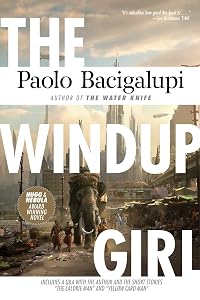
The Windup Girl
by Paolo Bacigalupi
On This Page
Description
What happens when bio-terrorism becomes a tool for corporate profits? And what happens when this forces humanity to the cusp of post-human evolution? This is a tale of Bangkok struggling for survival in a post-oil era of rising sea levels and out-of-control mutation.Tags
Recommendations
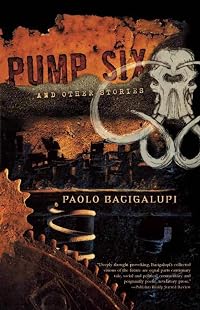
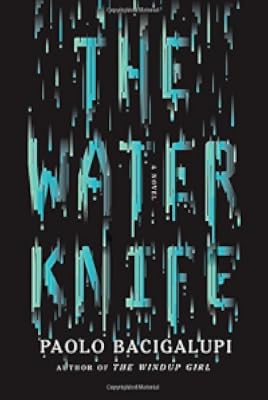
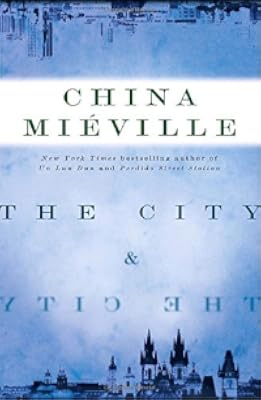

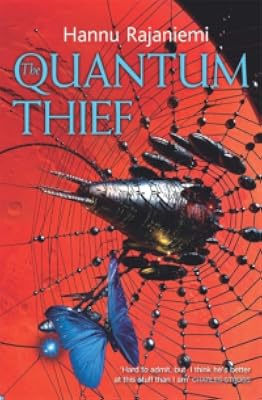
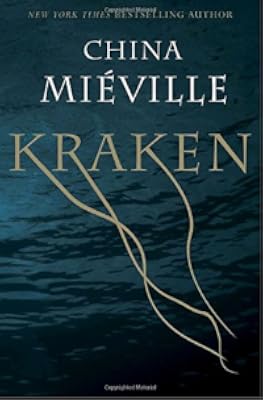
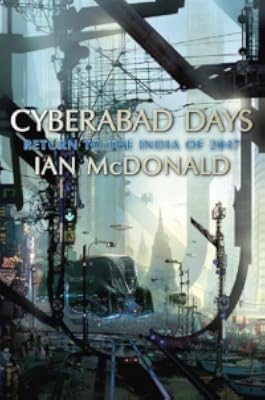
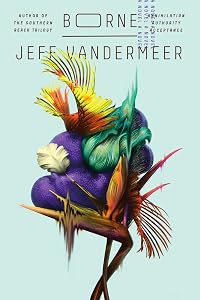

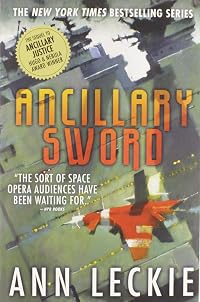
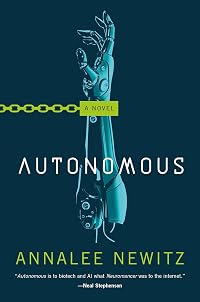
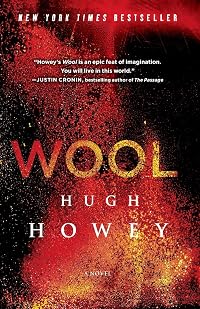
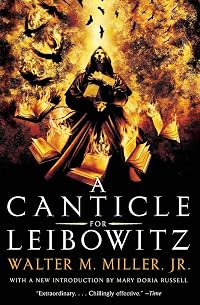
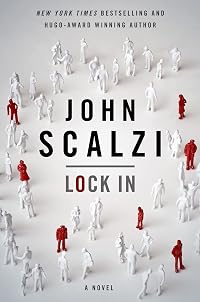
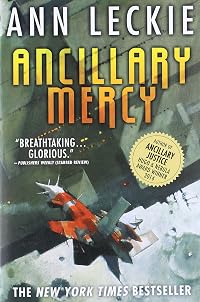
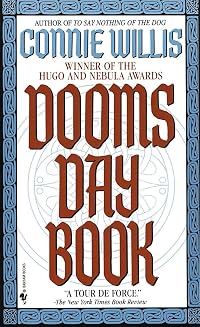

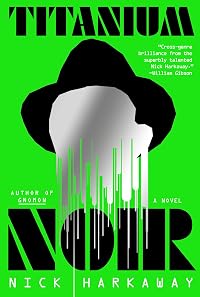


Member Recommendations
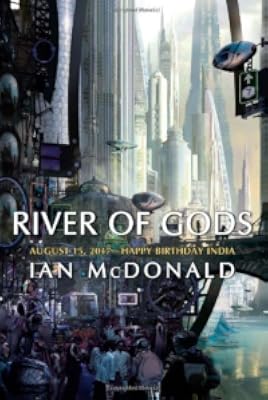
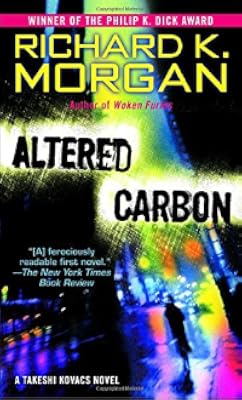
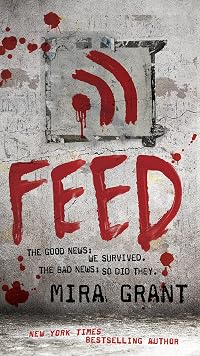
santhony Very similar dystopian view of the near future in a third world environment.
151
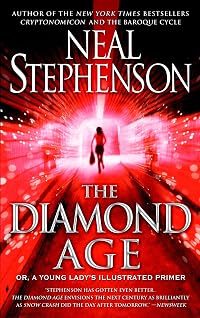
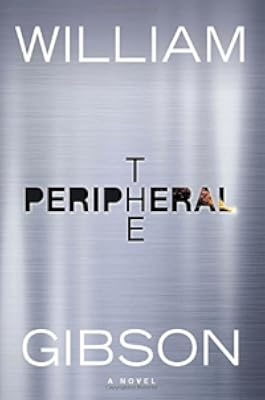
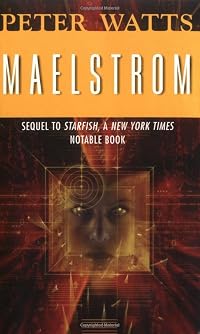
rrees Gibson's global world of dirty cities and high technology are generally more optimistic that that of the Windup Girl but the styling is similar and the weaving stories of people and corporate interests are similar.
101
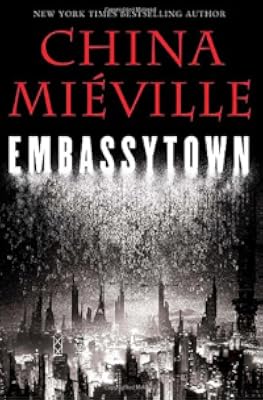
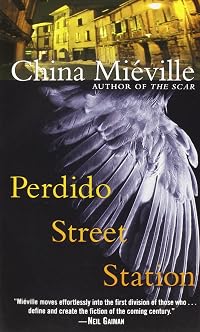
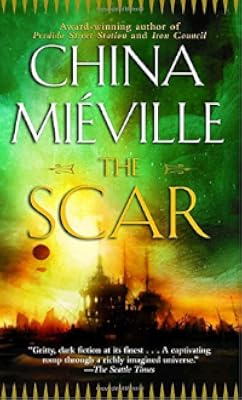
souloftherose Although Perdido Street Station is more fantasy than science fiction, I felt there were similarities in the exoticness of the world-building and readers who enjoyed The Windup Girl may also enjoy Perdido Street Station.
168
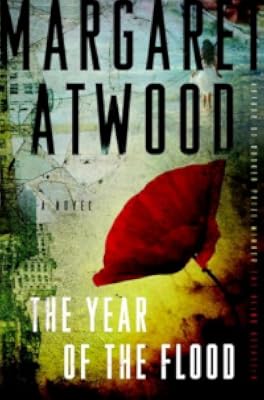
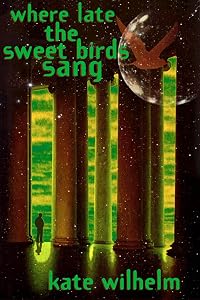
souloftherose Another novel about a dystopian future with strong environmental themes.
124
bridgitshearth I find I can't say it better than some of the reviewers on Amazon. Enthralling, riveting, compelling....
60
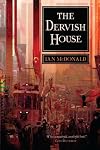
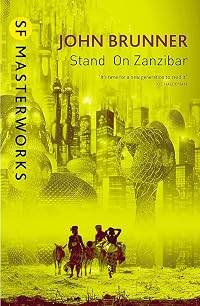
AlanPoulter These two powerful, well-plotted novels each give detailed, dark visions of two different cities in the nearish future.
50
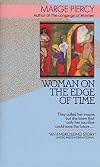
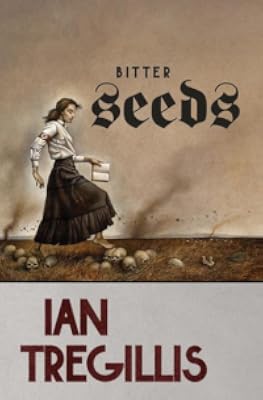
bridgitshearth This book seems to be overlooked: very quiet, no flash or catastrophe, very down to earth vision of a future with limited resources. It's one of my favorites, ever!
31
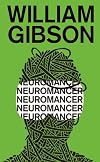
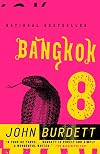

vwinsloe Just a couple of bots yearning to be free.
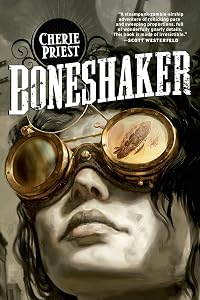
sturlington Steampunk
Shrike58 I'm making the cross-reference for reasons of setting (SE Asia), issues (food and the environment), and matters of post-human intelligence.
Member Reviews
First of all I love all things “Dystopian”, but in The Windup Girl the author took this whole concept to an entirely new level. Such amazing world building, I could smell the smells and feel the heat, and felt like I was rubbing shoulders with all manners of people on these busy streets and back alleys. Set in Thailand of the 22nd century after global warming and resource depletion, this is a world that has seen different bio-diseases sweep through crops and now natural food is just about impossible to find. Large, overly powerful corporations, bio-terrorism, calories as currency, all these concepts have a terrible ring of truth about them that at times made this book difficult to read.
The story is richly, deeply layered and we show more move between a number of characters. Each character has his own distinct voice from Anderson Lake, the American who works for the giant corporation of AgriGen, to sly Hock Seng, an immigrant that works for Anderson, to Emiko, a Japanese windup girl who has been genetically engineered with a predisposition to serve real humans, and Jaidee, Tiger of Bangkok, a leader in the White Shirts terror organization whose destiny is to become a catalyst in the ever changing political power swings by the corrupt Ministries that are meant to be protecting the Kingdom of Thailand but are, in fact, building their own power base. These characters and many more come together, interact and separate in their ongoing bribery deals, backroom politics, plots and overthrows.
I admire that author Paolo Bacigalupi never allows the story to become preachy, just as he doesn’t allow his characters to be simply good or bad, they are fully formed and real. Not an easy read, being intense, violent and grim, but a convincing and well-crafted story with a strong environmental message. show less
The story is richly, deeply layered and we show more move between a number of characters. Each character has his own distinct voice from Anderson Lake, the American who works for the giant corporation of AgriGen, to sly Hock Seng, an immigrant that works for Anderson, to Emiko, a Japanese windup girl who has been genetically engineered with a predisposition to serve real humans, and Jaidee, Tiger of Bangkok, a leader in the White Shirts terror organization whose destiny is to become a catalyst in the ever changing political power swings by the corrupt Ministries that are meant to be protecting the Kingdom of Thailand but are, in fact, building their own power base. These characters and many more come together, interact and separate in their ongoing bribery deals, backroom politics, plots and overthrows.
I admire that author Paolo Bacigalupi never allows the story to become preachy, just as he doesn’t allow his characters to be simply good or bad, they are fully formed and real. Not an easy read, being intense, violent and grim, but a convincing and well-crafted story with a strong environmental message. show less
This is one of those sorts I'm going to be processing for a while. While this build is frustratingly slow, I love that it's a narrative that is writing against traditional narrative structure. We get a full world-building experience and limited access to characters, so the story is fragmented, but solidly situated in time and space, which is a very experimental way of constructing a story. In all, I found myself more and more engrossed in the twists and turns of the narrative, and beyond place with the beautiful prose, which had an oral tradition like feel to it.
I'd absolutely recommend giving this one a go! Just be patient for a while.
I'd absolutely recommend giving this one a go! Just be patient for a while.
There is a scene early in Paolo Bacigalupi’s novel The Windup Girl in which a giant, bioengineered elephant (a “megodont”) goes on a rampage. The people near the animal scatter in fear. That’s how you’ll fear for the first hundred pages of the book, as Bacigalupi drops you into late twenty-second century Bangkok and tramples you with his Big Ideas.
The future Bacigalupi envisions is a grim place. Global warming has forever altered the landscape; Bangkok is preserved only by giant pumps that keep the sea from flooding the city. The end of oil led to “the Contraction,” the collapse of the global economy and the old political order, including the United States and the European Union. Corporations bent on profits at any cost show more have unleashed on the world bioengineered plagues that have ruined entire ecosystems.
Bacigalupi’s characters vie for power against this grim backdrop. Anderson Lake, corporate shill, is looking for a way to open the Thai market to his company’s produce. Hock Seng, a Chinese refugee from Malaya, is trying to rebuild the shipping empire he lost when his countrymen were butchered by native Malaysians. Emiko, the titular “windup girl,” who takes her nickname from the stuttering movements programmed into her bioengineered DNA, seeks a home. But nothing comes easy to anyone in Bacigalup’s world, and one would be hard pressed to separate the winners from the losers.
Bacigalupi does not make it easy for the reader. The narration is not intrusive, taking for granted the facts of the world of The Windup Girl. The effect is disorienting, which is as it should be: It’s part of Bacigalupi’s Big Idea to confront the reader with the world we’re all helping to create every day. And yes, it’s horrifying not because it’s so alien, but because it’s so recognizable. Still, the shifting perspectives, from Anderson to Hock Seng, and so onward, quickly situate the reader. Indeed, by revealing the knowledge of what humanity has done to the world throughout the book, rather than with an introductory chapter, makes the story more discomfiting. The reader knows that, with each turn of the page, some gruesome new revelation is at hand.
Bacigalupi is at his best when setting the scene. If there is a weak point in The Windup Girl, it’s the plot, which comes unwound like the springs that are manufactured at Anderson’s facility. The story heads one way and then another, never quite resolving into a cohesive unit. It may be that Bacigalupi was trying to follow too many characters, or it may be that his Big Idea was too big to fit into less than 400 pages. The reader gets the sense that the story is meandering. Still, given the scope of the book, concern over the plot is a minor quibble. After all, Bacigalupi’s characters are little people adrift on the currents of history. It’s not surprising that events pan out in ways that neither the characters nor the reader could have anticipated.
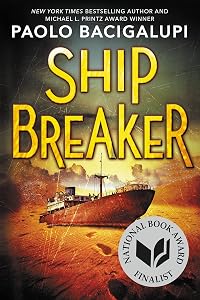
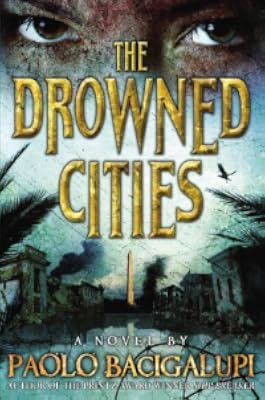
Bacigalupi followed The Windup Girl with two spiritual, if not direct, successors. Both Ship Breaker and The Drowned Cities, which are young adult titles, have shades of The Windup Girl, including some graphic violence, but they lack some of the nuance of Bacigalupi’s first book. Highly recommended for fans of dystopian science fiction. show less
The future Bacigalupi envisions is a grim place. Global warming has forever altered the landscape; Bangkok is preserved only by giant pumps that keep the sea from flooding the city. The end of oil led to “the Contraction,” the collapse of the global economy and the old political order, including the United States and the European Union. Corporations bent on profits at any cost show more have unleashed on the world bioengineered plagues that have ruined entire ecosystems.
Bacigalupi’s characters vie for power against this grim backdrop. Anderson Lake, corporate shill, is looking for a way to open the Thai market to his company’s produce. Hock Seng, a Chinese refugee from Malaya, is trying to rebuild the shipping empire he lost when his countrymen were butchered by native Malaysians. Emiko, the titular “windup girl,” who takes her nickname from the stuttering movements programmed into her bioengineered DNA, seeks a home. But nothing comes easy to anyone in Bacigalup’s world, and one would be hard pressed to separate the winners from the losers.
Bacigalupi does not make it easy for the reader. The narration is not intrusive, taking for granted the facts of the world of The Windup Girl. The effect is disorienting, which is as it should be: It’s part of Bacigalupi’s Big Idea to confront the reader with the world we’re all helping to create every day. And yes, it’s horrifying not because it’s so alien, but because it’s so recognizable. Still, the shifting perspectives, from Anderson to Hock Seng, and so onward, quickly situate the reader. Indeed, by revealing the knowledge of what humanity has done to the world throughout the book, rather than with an introductory chapter, makes the story more discomfiting. The reader knows that, with each turn of the page, some gruesome new revelation is at hand.
Bacigalupi is at his best when setting the scene. If there is a weak point in The Windup Girl, it’s the plot, which comes unwound like the springs that are manufactured at Anderson’s facility. The story heads one way and then another, never quite resolving into a cohesive unit. It may be that Bacigalupi was trying to follow too many characters, or it may be that his Big Idea was too big to fit into less than 400 pages. The reader gets the sense that the story is meandering. Still, given the scope of the book, concern over the plot is a minor quibble. After all, Bacigalupi’s characters are little people adrift on the currents of history. It’s not surprising that events pan out in ways that neither the characters nor the reader could have anticipated.
Bacigalupi followed The Windup Girl with two spiritual, if not direct, successors. Both Ship Breaker and The Drowned Cities, which are young adult titles, have shades of The Windup Girl, including some graphic violence, but they lack some of the nuance of Bacigalupi’s first book. Highly recommended for fans of dystopian science fiction. show less
My kind of story. Sort of a futuristic 'steampunk' style although machinery and weapons are powered mostly by super-tightly coiled springs instead of steam, (SpringPunk?).
There are some deep characters here. The story sprawls out at first and it is therefore a bit of a chore to keep track of everyone. As the narrative develops though, several things are revealed about the protagonists that are not readily apparent at the beginning. For instance, it's difficult to tell who the good guys and the bad guys are. I would go so far as to say that there are very few such caricatures in this book. While there are some peripheral characters that may as well be cardboard cutouts, by contrast, the main characters are portrayed as individuals with show more their own motivations and dreams. You know, kind of like real life. I liked the way the ending wrapped up and I hope that Mr. Bacigalupi manages a sequel. There was definitely an opening for one at the end of the epilogue. show less
There are some deep characters here. The story sprawls out at first and it is therefore a bit of a chore to keep track of everyone. As the narrative develops though, several things are revealed about the protagonists that are not readily apparent at the beginning. For instance, it's difficult to tell who the good guys and the bad guys are. I would go so far as to say that there are very few such caricatures in this book. While there are some peripheral characters that may as well be cardboard cutouts, by contrast, the main characters are portrayed as individuals with show more their own motivations and dreams. You know, kind of like real life. I liked the way the ending wrapped up and I hope that Mr. Bacigalupi manages a sequel. There was definitely an opening for one at the end of the epilogue. show less
I was charmed by the abstract sci-fi ideas (and clear influences of Gibson, Stephenson, and most especially Ballard) while simultaneously bored/annoyed by the banal scaffolding of plot and characters. This book has too many adjectives ("His dark face is a sweat-streaked combination of grit and palm-oil spray." [11]) and wayyyyy too much "Exotic Orient" sign-posting ("Even though his blue gajin eyes are like pools chemical bath acid and his face is kabuki pale, he has presence." [41]). Worst, of course, is the sexualizing of Emiko within her own POV: no person in the history of time taking a shower has ever thought, to themselves: "Water courses down her face, runs over breasts and ribs and thighs, trickles onto hot concrete. Another show more ladleful, soaking her black hair, coursing down her spine and curling around her buttocks." [102] Gross! show less
Now I know how SF readers in the 60's must have felt when authors wrote about the world after a nuclear apocalypse. Bacigalupi's description of a world that has endured all sorts of ecological disasters evokes visceral fears--you want to convince yourself that this isn't where our world is heading, but it's difficult. The story follows a number of characters all with very different motivations in a near-future Bangkok, but I found it difficult as reader to sympathize with or even like any of them. Despite that, the story ended with a resolution that was really to none of the characters' likings; it was as if the whole book was an exercise in futility. I wonder how much attention that author intends that we pay to the very minor show more character Gi Bu Sen. He's portrayed as abhorrent, and literally every character in the book hates him, but he's the only one who can escape the myopia of his own situation and think globally--even if his philosophies are anathema to modern environmental thinking. In any case, this book was a little bit difficult for an optimist like myself to stomach, but it certainly provides plenty to think about... show less
The Windup Girl by Paolo Bacigalupi is the Coen Brothers meets Blade Runner.
It's the 23rd century and global warming has run amok. The great cities of the world are under water. Enormous corporate conglomerates genetically manipulate strains of wheat and rice to feed the world while extorting the last bit of cash and blood. Countries incessantly war over resources. Genetically created diseases ravish societies. And the Japanese genetically generate the New People, their perfect servants to support a rapidly aging and non-replenishing society.
Set in Bangkok, Thailand, the book follows the stories of four main characters "Song of Ice and Fire"-like: Anderson Lake, the American 'calorie man' coming for Thailand's stock of genetic show more diversity, Hong Seck a Chinese Refugee from the US, Jaidee Rojjanasukchai a "white shirt" Tiger of Bangkok who works for the ministry that polices the health of the country and Emiko, a discarded "windup," a genetically modified human turned into the perfect servant but now without a master.
The four main plotlines sort of wander along telling four parallel stories that cross over and intersect and explode in exciting ways while exploring this science fiction future of ecological devastation. This is not an uplifting or positive book -- it is /very/ Coen Brothers where people are generally awful in an ever increasing tide of awfulness until the plot explodes on everyone in a mess of fiasco.
It definitely does move. As a book, it is well written, if not meandering at times. The problem is that the plot does meander and some of the stories don't feel terrifically satisfying. The story of Emiko the Windup Girl is by far the best of the four stories in the book but the other three tend to fall flat at times without drive.
I knock it one star for occasionally losing its point. As a science fiction book its a thinker. A downer, but a thinker. show less
It's the 23rd century and global warming has run amok. The great cities of the world are under water. Enormous corporate conglomerates genetically manipulate strains of wheat and rice to feed the world while extorting the last bit of cash and blood. Countries incessantly war over resources. Genetically created diseases ravish societies. And the Japanese genetically generate the New People, their perfect servants to support a rapidly aging and non-replenishing society.
Set in Bangkok, Thailand, the book follows the stories of four main characters "Song of Ice and Fire"-like: Anderson Lake, the American 'calorie man' coming for Thailand's stock of genetic show more diversity, Hong Seck a Chinese Refugee from the US, Jaidee Rojjanasukchai a "white shirt" Tiger of Bangkok who works for the ministry that polices the health of the country and Emiko, a discarded "windup," a genetically modified human turned into the perfect servant but now without a master.
The four main plotlines sort of wander along telling four parallel stories that cross over and intersect and explode in exciting ways while exploring this science fiction future of ecological devastation. This is not an uplifting or positive book -- it is /very/ Coen Brothers where people are generally awful in an ever increasing tide of awfulness until the plot explodes on everyone in a mess of fiasco.
It definitely does move. As a book, it is well written, if not meandering at times. The problem is that the plot does meander and some of the stories don't feel terrifically satisfying. The story of Emiko the Windup Girl is by far the best of the four stories in the book but the other three tend to fall flat at times without drive.
I knock it one star for occasionally losing its point. As a science fiction book its a thinker. A downer, but a thinker. show less
Members
- Recently Added By
Published Reviews
ThingScore 81
It is a reasonably convincing vision of a future rendered difficult and more threatening than even our troubled present.
added by jackdeighton — edited by karenb
The Windup Girl embodies what SF does best of all: it remakes reality in compelling, absorbing and thought-provoking ways, and it lives on vividly in the mind.
added by souloftherose
But the third reason to pick up "The Windup Girl" is for its harrowing, on-the-ground portrait of power plays, destruction and civil insurrection in Bangkok.
Clearly, Paolo Bacigalupi is a writer to watch for in the future. Just don't wait that long to enjoy the darkly complex pleasures of "The Windup Girl."
Clearly, Paolo Bacigalupi is a writer to watch for in the future. Just don't wait that long to enjoy the darkly complex pleasures of "The Windup Girl."
added by SimoneA
Lists

Best Science Fiction Novels
816 works; 426 members

Best Dystopias
280 works; 276 members

Science fiction novels with a female protagonist
105 works; 30 members

Hugo Award Winning Novels
63 works; 23 members

ALA The Reading List
490 works; 28 members

Best Post-Apocalyptic Stories
143 works; 88 members

Favourite Science Fiction Books of the 21st Century
47 works; 8 members

Best 21st Century Books (So Far)
670 works; 86 members

Amazon's 100 Science Fiction & Fantasy Books to Read in a Lifetime
87 works; 23 members
Hugo Awards - Best Novel
69 works; 10 members

Most thought-provoking novels
30 works; 28 members

Recommend the 20 best books you've read in the last five years
2,168 works; 606 members
Broderick and Di Filippo's Science Fiction: The 101 Best Novels 1985-2010
103 works; 7 members
Dystopian and Apocalyptic Literature
350 works; 74 members

Top Five Books of 2013
1,562 works; 721 members

Beginner's Guide to Climate Fiction
24 works; 7 members

Favourite Steampunk Books
80 works; 16 members

Diversity in Fantasy and Science Fiction
219 works; 32 members

Nebula Award
111 works; 14 members
Science Fiction
42 works; 7 members

Jean's Sci Fi/Fantasy Reading list
189 works; 12 members

David Brin: Dire Warnings And Self-Preventing Prophecies
17 works; 3 members

An End of the World Reading List
63 works; 4 members
Unbound Worlds 100 Best SF Books
100 works; 8 members

Strange Cities
30 works; 7 members

Best Survival Stories
97 works; 15 members

Top Five Books of 2016
795 works; 229 members

Top Five Books of 2018
802 works; 264 members

Speculative Fiction to Read
706 works; 32 members
Books Tagged Clones
14 works; 6 members

Readers Guide to Steampunk
65 works; 1 member

Character-driven SF
59 works; 1 member
5 Best 5 Years
71 works; 4 members
Books Read in 2018
4,360 works; 110 members

Favourite Books
1,817 works; 316 members

Books with racist aspects you wished you had been warned about
29 works; 10 members
Books With Girls in Titles
27 works; 2 members

Unread books
1,063 works; 84 members

Favorite Books from the 2000s
35 works; 3 members

A Smorgasbord of Culinary Fiction
221 works; 94 members

Good (mostly) modern science fiction
40 works; 4 members

Vlogbrothers Book Recommendations
307 works; 4 members

Books Read in 2010
631 works; 10 members

2000s (the decade, not the century)
184 works; 11 members

Asia
178 works; 6 members

io9 Book Club
70 works; 4 members

Books You Couldn't Finish
202 works; 32 members

Books Read in 2016
4,666 works; 197 members
First Novels
373 works; 17 members

Post-Apocalyptic Fiction
57 works; 3 members

Global Reads: Books Set in East Asia
139 works; 12 members

Elephants in Books
55 works; 5 members

Ghosts
278 works; 18 members
Income Inequality
20 works; 4 members
SantaThing 2014 Gifts
299 works; 17 members

Urban Fiction
74 works; 7 members

Fiction to Read for Earth Day
50 works; 7 members
Favorite Science Fiction
454 works; 217 members

Slipstream or Interstitial Fiction
160 works; 19 members
Talk Discussions
Past Discussions
GROUP READ -- THE WINDUP GIRL by Paolo Bacigalupi in The 12 in 12 Category Challenge (August 2012)
THE WINDUP GIRL - Discussion Thread ***Possible SPOILERS*** in The 12 in 12 Category Challenge (March 2012)
Author Information

43+ Works 17,496 Members
Paolo Bacigalupi won the Hugo, Nebula, Locus, Compton Crook, and John W. Campbell Memorial Awards for his debut novel, The Windup Girl, which was published in 2009. His short story collection Pump Six and Other Stories was a 2008 Locus Award winner for Best Collection and his young adult novel Ship Breaker won the Michael L. Printz Award for show more Excellence in Young Adult Literature and was finalist for the National Book Award. His work has also appeared in High Country News, Salon.com, The Magazine of Fantasy and Science Fiction, and Asimov's Science Fiction Magazine. (Bowker Author Biography) show less
Some Editions
Awards and Honors
Awards
Distinctions
Notable Lists
Work Relationships
Is contained in
Common Knowledge
- Canonical title
- The Windup Girl
- Original title
- The Windup Girl
- Alternate titles
- Nejimaki Shojo, ge - ねじまき少女 (下); Nejimaki Shojo, jo - ねじまき少女 (上)
- Original publication date
- 2009-09-15
- People/Characters
- Anderson Lake; Emiko; Tan Hock Seng; Jaidee Rojjanasukchai; Kanya; Richard Carlyle (show all 37); Akkarat; Gibbons; Yates; Banyat; Somdet Chaopraya; Pom; Kannika; Raleigh; Somchai; Chaya; Hafiz; Laughing Chan; Dog Fucker; Otto; Lucy Nguyen; Quoile Napier; Hagg; Lao Gu; General Pracha; Kit; Mai; Dung Lord; Narong; Ratana; Pai; Kip; Pak Eng; Yashimoto; Hiroko; Old Bones; Elizabeth Boudry
- Important places
- Bangkok, Thailand; Thailand
- Dedication
- For Anjula
- First words
- "No! I don't want the mangosteen."
- Quotations*
- Rien n'est permanent. C'est l'enseignement central du Bouddha. Pas une carrière, pas une institution, pas une épouse, pas un arbre... Tout est changement, et le changement est la seule vérité.
- Last words
- (Click to show. Warning: May contain spoilers.)"I can do that for you, and much, much more."
- Publisher's editor
- Ulman, Juliet
- Blurbers
- Finlay, C.C.; Sawyer, Robert J.; Hand, Elizabeth; Link, Kelly; Bisson, Terry; Grossman, Lev
- Original language
- English
- Canonical DDC/MDS
- 813.6
- Canonical LCC
- PS3602.A3446
*Some information comes from Common Knowledge in other languages. Click "Edit" for more information.
Classifications
Statistics
- Members
- 6,940
- Popularity
- 1,713
- Reviews
- 323
- Rating
- (3.74)
- Languages
- 12 — Czech, English, French, German, Greek, Hungarian, Italian, Polish, Romanian, Russian, Spanish, Turkish
- Media
- Paper, Audiobook, Ebook
- ISBNs
- 42
- UPCs
- 1
- ASINs
- 33