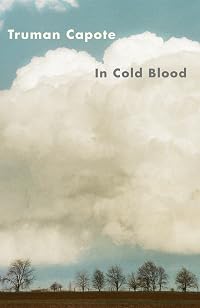
In Cold Blood
by Truman Capote
On This Page
Description
On November 15, 1959, in the small town of Holcomb, Kansas, four members of the Clutter family were savagely murdered by blasts from a shotgun held a few inches from their faces. There was no apparent motive for the crime, and there were almost no clues. As Truman Capote reconstructs the murder and the investigation that led to the capture, trial, and execution of the killers, he generates both mesmerizing suspense and astonishing empathy. In Cold Blood is a work that transcends its moment, show more yielding poignant insights into the nature of American violence. show lessTags
Recommendations

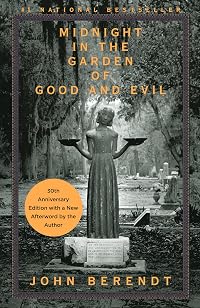
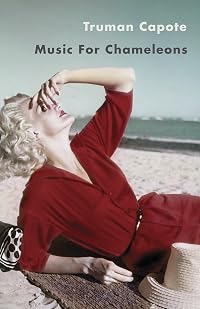

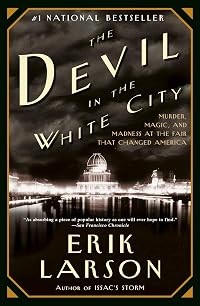
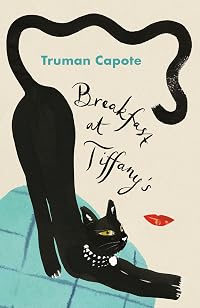

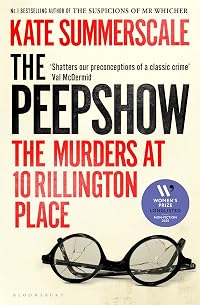
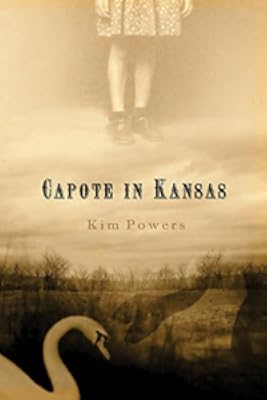
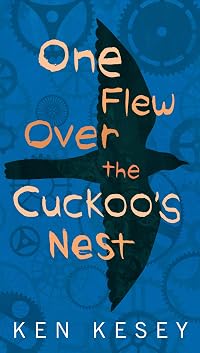
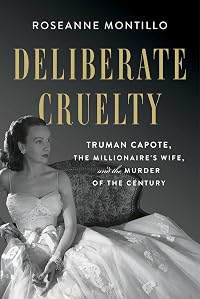
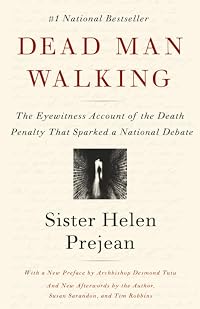
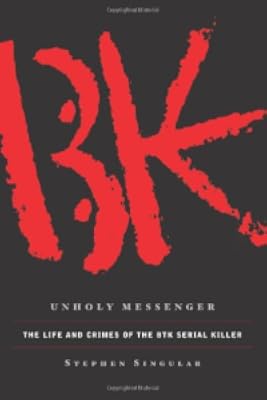
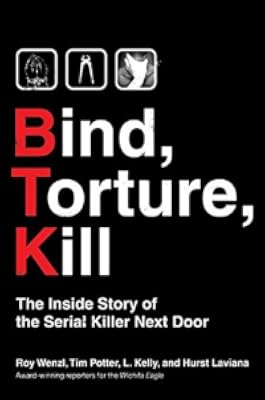
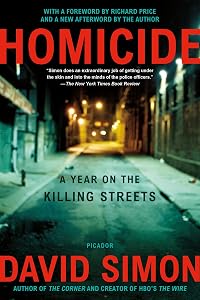
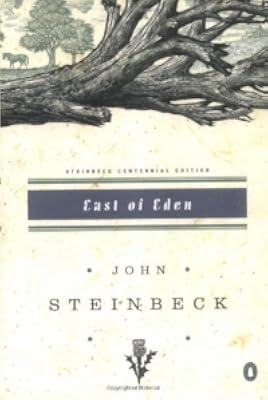


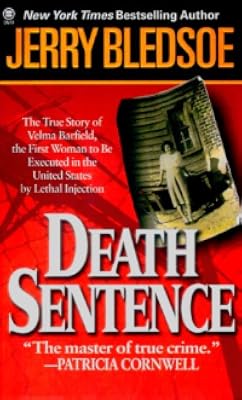
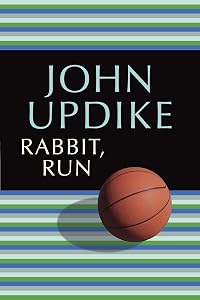
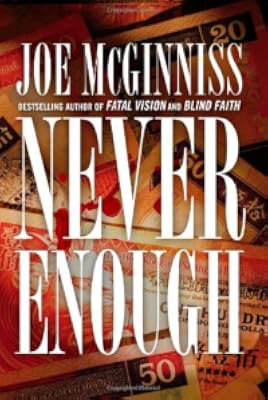
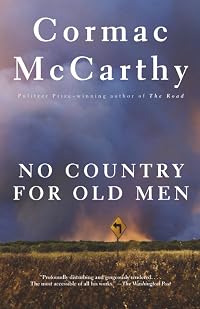
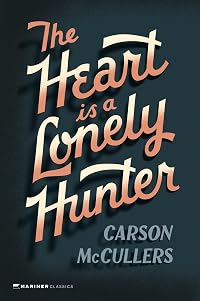
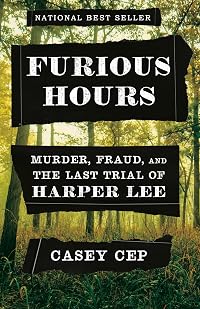
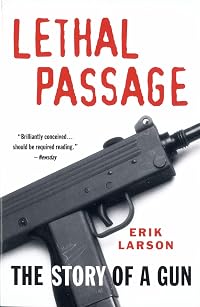
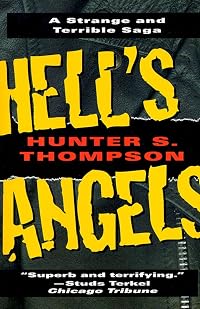
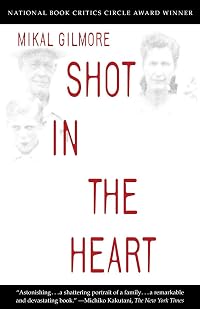

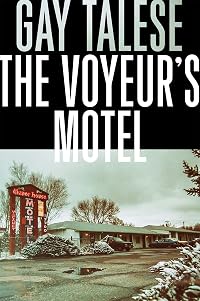
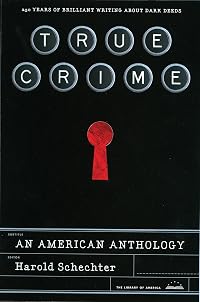

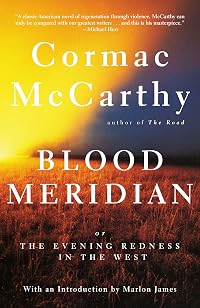
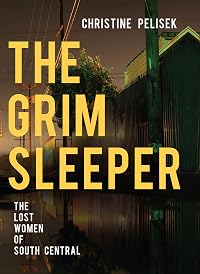


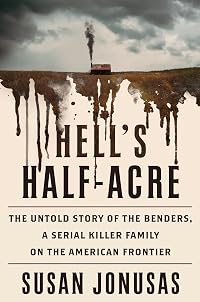
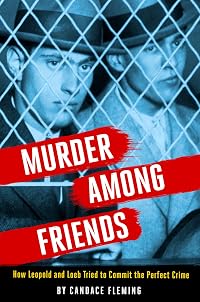

Member Recommendations

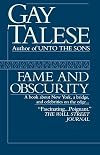
chrisharpe 'Operation Massacre' by Rodolfo Walsh predates 'In Cold Blood' and is regarded as the work originating modern 'true crime'. In this case, the reportage covers the 1956 police execution of a group of men in Buenos Aires during the 'Dirty War'.
30
caflores Dos historias sobre violencia provocada por el ambiente, y dos narraciones crudas y frías.
11
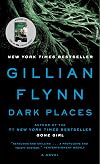
anonymous user Dark Places was undoubtedly influenced by In Cold Blood, but brings an interesting form of storytelling to superficially similar plot lines.
11
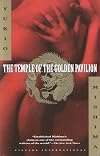
GYKM In 1956, Yukio Mishima not only conducted background research into the crime that he would base his psychological novel on but he also interviewed the arsonist. The Temple of the Golden Pavilion is a melding of fiction, fact, and autobiography.
01
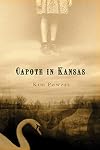
by Othemts
Voracious_Reader Not a true crime story. It is part of the New Journalism body of work.
08
Member Reviews
As a big true crime reader for almost 30 years, I don't know why it's taken me so long to get to the book that has so heavily influenced the genre. It's extremely well-written, well-researched, and reads like a thriller novel. Very dark, and even disturbing at times, when in the murderers' POV, it's nonetheless a gripping book. It takes you through the crime, manhunt, arrest, and trial, but not in a "facts and figures" sort of way, but rather in a very human way. This one is not for the faint of heart, but it is an incredibly moving narrative.
Truman Capote brings to life this horrific murder. Many of the conversations were fictionalized, but by and large I think they move the story forward without detracting from the validity of the crime. Capote captured the character of not only the victims, but also the perpetrators. The backstories on Perry Smith an Dick Hickock were especially interesting, their upbringing and the psychology. Smith captured my attention the most, perhaps because I was most horrified by him. And I loved how Capote intertwined actual letters and other artifacts relevant to the case. For instance, I found the article "Murder Without Apparent Motive--A study in Personality Disorganization" completely fascinating and very disturbing. Here are a few thoughts show more and outtakes to give the reader a feel for what's in store:
I was duly impressed by Perry Smith's vocabulary: Thanatoid=deathlike; amerce=punishment, amount fixed by court; facinorous=atrociously wicked; hagiophobia=a morbid fear of holy places, etc. And his "diary" which really was just a place he kept favorite quotes and interesting tidbits of information. Whew!! The man was smart, but only book smart. He was morally bankrupt. I am horrified that his upbringing could have so warped him that he could go on to kill the Clutter family, especially when the prime instigator, Dick Hickock, seemed to back off the crime.
"The crime was a psychological accident, virtually an impersonal act; the victims might as well have been killed by lightening. Except for one thing: they had experienced terror, they had suffered." (Dewey)
And Perry's response? "'Am I sorry? If that's what you mean--I'm not. I don't feel anything about it. I wish I did. But nothing about it bothers me a bit. half an hour after it happened, Dick was making jokes and I was laughing at them. Maybe we are not human. I'm human enough to feel sorry for myself. Sorry I can't walk out of here when you walk out. But that's all.' Sullivan could scarcely credit so detached an attitude; Perry was confused, mistaken, it was not possible for any man to be that devoid of conscience or compassion."
A very compelling, if chilling read. Recommended. show less
I was duly impressed by Perry Smith's vocabulary: Thanatoid=deathlike; amerce=punishment, amount fixed by court; facinorous=atrociously wicked; hagiophobia=a morbid fear of holy places, etc. And his "diary" which really was just a place he kept favorite quotes and interesting tidbits of information. Whew!! The man was smart, but only book smart. He was morally bankrupt. I am horrified that his upbringing could have so warped him that he could go on to kill the Clutter family, especially when the prime instigator, Dick Hickock, seemed to back off the crime.
"The crime was a psychological accident, virtually an impersonal act; the victims might as well have been killed by lightening. Except for one thing: they had experienced terror, they had suffered." (Dewey)
And Perry's response? "'Am I sorry? If that's what you mean--I'm not. I don't feel anything about it. I wish I did. But nothing about it bothers me a bit. half an hour after it happened, Dick was making jokes and I was laughing at them. Maybe we are not human. I'm human enough to feel sorry for myself. Sorry I can't walk out of here when you walk out. But that's all.' Sullivan could scarcely credit so detached an attitude; Perry was confused, mistaken, it was not possible for any man to be that devoid of conscience or compassion."
A very compelling, if chilling read. Recommended. show less
A great read with a well-deserved reputation. The events of this book took place in the decade before I was born, but it seems older than that. Capote captures the flavor of Kansan language used by these characters, and the mentality as well. I certainly felt like I got in the heads of both murderers. Dick was a piece of work, probably brain injured in his car crash and damaged goods thereafter. But Perry is a real tragedy. Hearing about his upbringing made you really feel for him, cold blooded killer though he was. There is a sensitive, artistic side to him that, unfortunately, his temper would not allow to win.
Three are lots of interesting details discovered throughout the book. The investigators caught a lot of lucky breaks, I'd say. show more Capote doesn't look away at the most horrific moments either, so the book isn't sanitized for the reader of 1965. Kansas in this period is a little Stepford Wives-ish, a little apple pie American that I find both nostalgic and annoying. Capote is a man of his time and doesn't really notice it much as a narrator, but I was expecting a little more social commentary as a gay man. Regardless, the book did not disappoint. show less
Three are lots of interesting details discovered throughout the book. The investigators caught a lot of lucky breaks, I'd say. show more Capote doesn't look away at the most horrific moments either, so the book isn't sanitized for the reader of 1965. Kansas in this period is a little Stepford Wives-ish, a little apple pie American that I find both nostalgic and annoying. Capote is a man of his time and doesn't really notice it much as a narrator, but I was expecting a little more social commentary as a gay man. Regardless, the book did not disappoint. show less
Here is what I wonder: what exactly did Truman Capote mean, when he came up with the title for this book? Obviously, the murders at the heart of the story were done in cold blood - but was he also thinking of the legislators and judges that murder the murderers? To the jurors who agreed that death was the only suitable punishment?
Or maybe, and this is pretty chilling to me, he might also have been referring to himself - to the lengths that he went to in order to elicit such a story from Perry Smith and Dick Hickock, to the sympathy he must have pretended. To his impatience each time the executions were delayed because by God, he had a book to publish.
Yikes.
Or maybe, and this is pretty chilling to me, he might also have been referring to himself - to the lengths that he went to in order to elicit such a story from Perry Smith and Dick Hickock, to the sympathy he must have pretended. To his impatience each time the executions were delayed because by God, he had a book to publish.
Yikes.
DNF'd 2024
I got big issues with this.
Capote's innovation to overlay fiction techniques onto nonfiction sounds good on paper but in reality lacks integrity, beginning here: "As Mr. Clutter contemplated this superior specimen of the season, he was joined by a part-collie mongrel."
Who told Capote that Mr. Clutter was contemplating the Indian summer? The dog? And just like that, I was snapped out of the narrative into distrust. I can't suspend my disbelief because it's a true story. And I can't believe what I'm reading when it's the inconsequential thoughts of a real, now dead man. Apparently Capote thought this was a clever innovation; he gave it the name of "non-fiction novel."
I see that as intrinsically problematic. It's like AI. Like show more gaslighting. Like Trump—just look at the huge effect that's had. Deceptive mixing of the truth and lies can do harm, even if it isn't your intention to harm.
Fiction inserted into non-fiction is a lie. Adding literary style is one thing (aka James Elroy), but fudging the truth, well that's not the same thing.
Capote's deluded mix in the service of an artistic "break-through" was dangerous: psychologically to Smith and Perry who believed they had a friend who also didn't want to see them to hang, to the Swans who told him their deepest secrets in confidence then outed to all of NYC, and to Harper Lee who gave him the cover of normalcy for Holcomb but got bupkis from her friend who lied about her contributions and couldn't be bothered about her own successes. His Art was his only moral compass.
The ultimate danger was to Capote himself, the result of his betrayals for Art are he died shut out of the high society he so craved and lived the last years high as a kite.
So why am I still reading this hot mess "classic" that I'm finding repugnant?
I'm not any more. DNF 2024 show less
I got big issues with this.
Capote's innovation to overlay fiction techniques onto nonfiction sounds good on paper but in reality lacks integrity, beginning here: "As Mr. Clutter contemplated this superior specimen of the season, he was joined by a part-collie mongrel."
Who told Capote that Mr. Clutter was contemplating the Indian summer? The dog? And just like that, I was snapped out of the narrative into distrust. I can't suspend my disbelief because it's a true story. And I can't believe what I'm reading when it's the inconsequential thoughts of a real, now dead man. Apparently Capote thought this was a clever innovation; he gave it the name of "non-fiction novel."
I see that as intrinsically problematic. It's like AI. Like show more gaslighting. Like Trump—just look at the huge effect that's had. Deceptive mixing of the truth and lies can do harm, even if it isn't your intention to harm.
Fiction inserted into non-fiction is a lie. Adding literary style is one thing (aka James Elroy), but fudging the truth, well that's not the same thing.
Capote's deluded mix in the service of an artistic "break-through" was dangerous: psychologically to Smith and Perry who believed they had a friend who also didn't want to see them to hang, to the Swans who told him their deepest secrets in confidence then outed to all of NYC, and to Harper Lee who gave him the cover of normalcy for Holcomb but got bupkis from her friend who lied about her contributions and couldn't be bothered about her own successes. His Art was his only moral compass.
The ultimate danger was to Capote himself, the result of his betrayals for Art are he died shut out of the high society he so craved and lived the last years high as a kite.
So why am I still reading this hot mess "classic" that I'm finding repugnant?
I'm not any more. DNF 2024 show less
"I didn't want to harm the man. I thought he was a very nice gentleman. Soft-spoken. I thought so right up to the moment I cut his throat." (pg. 237)
There's been some disquiet recently about the enduring public appetite for 'true crime' as entertainment, with Netflix – among others – pushing themselves into increasingly suspect commissions in order to meet the demand. But, in truth, this is nothing new. There has always been controversy surrounding the genre, a dilemma over whether the horrific suffering of real people should be packaged as, broadly speaking, 'entertainment'. This is evident even in one of the earliest – and finest – examples of the genre: Truman Capote's In Cold Blood.
It's a brilliant book, no doubt about it. show more Originally serialized in The New Yorker while the killers were still on death row, it is a stellar piece of narrative journalism and one which pioneered a new, commercially-successful recipe for 'true crime'. There's never any real doubt about who the killers are, no grand mystery or plot twist; instead, the winning formula involves the writer – a technically-excellent writer – gradually revealing the details of the murders, the motivations of the killers, and the investigation over the course of his narrative. It grips. Tightly. And it's thrilling; not only in the assured way Capote unfolds the crimes but in the way that, I imagine, the lions mauling Christians was thrilling to the audience in the Colosseum. There's an edge – which should make anyone feel slightly queasy – about knowing this wasn't a story, that this was real.
I purposely avoided googling the crime until after I had finished In Cold Blood – no skipping ahead and, importantly, no photographs, either of the criminals or their victims. There was only what Truman Capote could conjure for me with his words – and, by God, he can. But I have to say, once I did finish the book and got to googling, the spell was somewhat broken. I felt a bit of shame at having enjoyed the book after seeing what the Clutter family really looked like; ordinary people who, through no will of their own, had undergone a brutal ordeal and had, let's be honest, suffered the further indignity of being reduced to performing for the reader. I'm not resolved about these feelings – and maybe I'm just a hypocrite – but there's always that shadow lurking about a piece of 'true crime', something that makes it seem shabby and inappropriate, for all that it is vivid and intoxicating.
And the googling also brought forward two other spell-breakers: the photographs of the criminals and the written criticisms of Capote's inaccuracies in the story. It makes sense, sometimes, that Capote would embellish or invent in order to move the story along, unethical as this may sometimes appear. But the googled photographs of the two criminals cut right through one of Capote's successes in In Cold Blood: sympathy (or at least reluctant empathy) with the murderers. The book is fascinated with its two killers, particularly the 'gentle', 'sensitive' Perry Smith, but the photographs of these warped individuals (Dick Hickock being the other) brought me back down to earth. It's one thing to understand a killer's motivations, his journey and his past, but it's quite another to be taken in. Capote appears, at times, taken in, and his enthusiasm and his writing ability helps ensure the reader is taken in too. But in the cold light of day, separated from Capote's deceptively simple prose, those photographs remind us that these men coldly and brutally murdered an entire family, who were innocent and terrified and pleading for their lives. The reader wrestles with how the crime appals as much as it enthrals.
This is not to say that Capote is dishonest in his approach. The discomfort, the "sorrow and profound fatigue" that we share with the investigators when the criminals recount the details of their crime (pg. 239), are part of the deal with the devil we make when we seek entertainment in 'true crime'. Capote himself is even-handed (though not exactly neutral), and we find ourselves sharing the view of the criminals that one detective's wife offers: she is "reminded of a childhood incident – of a bobcat she'd once seen caught in a trap, and of how, though she'd wanted to release it, the cat's eyes, radiant with pain and hatred, had drained her of pity and filled her with terror" (pg. 157). The author's hand might well be involved here, for it is a perfect analogy. That hand is certainly involved when Capote delivers the final scene of the book. This scene is invented but, after the brutality of the previous 300 pages, it's a perfectly measured piece of relief and gentleness.
Perhaps the most creditable achievement of In Cold Blood is to be found in the unease it generates. Capote does not shy away from the messiness and uses the disquiet – the taboo, if you will – of discussing the crime to really make us reflect on the nature of crime and criminals. Like that bobcat in the trap mentioned above, we want to relieve but we also know that there is rage in the world that cannot be controlled, and certainly not by good or noble intentions. The Clutters were good people, by all accounts, but it didn't prevent cruel chance from destroying them in a horrible, drawn-out way. Mercy for the killers wouldn't have helped them, and certainly wouldn't have helped any future victims. Similarly, the fact that I feel unease about reading this, and feel a desire to be noble about it, doesn't prevent me from reading it as salaciously as everyone else.
For better or worse, Capote uses these emotions, dilemmas and taboos as fuel. The cracks in our worldview are where he finds his most potent material. When the killers point out that they're not the only killers in the courtroom, seeing as the jurors are contemplating the death penalty, there's some truth in it, however self-pitying. Hanging them is "pretty goddam cold-blooded too" (pg. 298) – perhaps an intentional counterpoint to Capote's chosen title. When the detectives, the jurors, the community – and we, the reader – want to hear the "morbid details from the killer's own terrible lips" (pg. 260), there's a sort of cold-bloodedness in this desire too. These two killers belong in hell, if there is one, but the reader still feels an unease at sending them there, at being the one to sift through the gory detail and judging them – and worse, at enjoying it. All the moreso because the killers are very much human and relatable; their evil cannot be attributed to a cosmic force. One of Capote's great successes in the book is in demonstrating how "the crime would not have occurred except for a certain frictional interplay between the perpetrators" (pg. 290). Horrible chance and an even more horrible – and entirely human – accumulation of malice meant the innocent Clutter family had to pay.
And, for the reader, this is disturbing. When one local resident suggests that the most appropriate punishment for the two murderers is to "be locked in the same cell for the rest of their lives. Never allowed any visitors. Just sit there staring at each other till the day they die" (pg. 241), he unwittingly hits upon why crimes like this one are so frightening and so compelling at the same time. There's no more terrifying fate than having to face up to reality. Monsters can be dismissed, defended against, our fears of them rationalized; human beings, unfortunately, have to be dealt with. When one of the killers converses with the bound, frightened young Nancy Clutter ("really nice… Said next to dancing what she liked best was to gallop a horse, so I mentioned my mother had been a champion rodeo rider" (pg. 236)), it's almost obscene that these two people are in the same room, that their two worlds have converged, and that the wrong one has the power of life and death over the other. The thrill of In Cold Blood lasts only as a memory; the enduring sense after reading the book is one of profound unease. If the entertainment of 'true crime' really is a deal with the devil, Capote is on hand to make sure we pay up. show less
There's been some disquiet recently about the enduring public appetite for 'true crime' as entertainment, with Netflix – among others – pushing themselves into increasingly suspect commissions in order to meet the demand. But, in truth, this is nothing new. There has always been controversy surrounding the genre, a dilemma over whether the horrific suffering of real people should be packaged as, broadly speaking, 'entertainment'. This is evident even in one of the earliest – and finest – examples of the genre: Truman Capote's In Cold Blood.
It's a brilliant book, no doubt about it. show more Originally serialized in The New Yorker while the killers were still on death row, it is a stellar piece of narrative journalism and one which pioneered a new, commercially-successful recipe for 'true crime'. There's never any real doubt about who the killers are, no grand mystery or plot twist; instead, the winning formula involves the writer – a technically-excellent writer – gradually revealing the details of the murders, the motivations of the killers, and the investigation over the course of his narrative. It grips. Tightly. And it's thrilling; not only in the assured way Capote unfolds the crimes but in the way that, I imagine, the lions mauling Christians was thrilling to the audience in the Colosseum. There's an edge – which should make anyone feel slightly queasy – about knowing this wasn't a story, that this was real.
I purposely avoided googling the crime until after I had finished In Cold Blood – no skipping ahead and, importantly, no photographs, either of the criminals or their victims. There was only what Truman Capote could conjure for me with his words – and, by God, he can. But I have to say, once I did finish the book and got to googling, the spell was somewhat broken. I felt a bit of shame at having enjoyed the book after seeing what the Clutter family really looked like; ordinary people who, through no will of their own, had undergone a brutal ordeal and had, let's be honest, suffered the further indignity of being reduced to performing for the reader. I'm not resolved about these feelings – and maybe I'm just a hypocrite – but there's always that shadow lurking about a piece of 'true crime', something that makes it seem shabby and inappropriate, for all that it is vivid and intoxicating.
And the googling also brought forward two other spell-breakers: the photographs of the criminals and the written criticisms of Capote's inaccuracies in the story. It makes sense, sometimes, that Capote would embellish or invent in order to move the story along, unethical as this may sometimes appear. But the googled photographs of the two criminals cut right through one of Capote's successes in In Cold Blood: sympathy (or at least reluctant empathy) with the murderers. The book is fascinated with its two killers, particularly the 'gentle', 'sensitive' Perry Smith, but the photographs of these warped individuals (Dick Hickock being the other) brought me back down to earth. It's one thing to understand a killer's motivations, his journey and his past, but it's quite another to be taken in. Capote appears, at times, taken in, and his enthusiasm and his writing ability helps ensure the reader is taken in too. But in the cold light of day, separated from Capote's deceptively simple prose, those photographs remind us that these men coldly and brutally murdered an entire family, who were innocent and terrified and pleading for their lives. The reader wrestles with how the crime appals as much as it enthrals.
This is not to say that Capote is dishonest in his approach. The discomfort, the "sorrow and profound fatigue" that we share with the investigators when the criminals recount the details of their crime (pg. 239), are part of the deal with the devil we make when we seek entertainment in 'true crime'. Capote himself is even-handed (though not exactly neutral), and we find ourselves sharing the view of the criminals that one detective's wife offers: she is "reminded of a childhood incident – of a bobcat she'd once seen caught in a trap, and of how, though she'd wanted to release it, the cat's eyes, radiant with pain and hatred, had drained her of pity and filled her with terror" (pg. 157). The author's hand might well be involved here, for it is a perfect analogy. That hand is certainly involved when Capote delivers the final scene of the book. This scene is invented but, after the brutality of the previous 300 pages, it's a perfectly measured piece of relief and gentleness.
Perhaps the most creditable achievement of In Cold Blood is to be found in the unease it generates. Capote does not shy away from the messiness and uses the disquiet – the taboo, if you will – of discussing the crime to really make us reflect on the nature of crime and criminals. Like that bobcat in the trap mentioned above, we want to relieve but we also know that there is rage in the world that cannot be controlled, and certainly not by good or noble intentions. The Clutters were good people, by all accounts, but it didn't prevent cruel chance from destroying them in a horrible, drawn-out way. Mercy for the killers wouldn't have helped them, and certainly wouldn't have helped any future victims. Similarly, the fact that I feel unease about reading this, and feel a desire to be noble about it, doesn't prevent me from reading it as salaciously as everyone else.
For better or worse, Capote uses these emotions, dilemmas and taboos as fuel. The cracks in our worldview are where he finds his most potent material. When the killers point out that they're not the only killers in the courtroom, seeing as the jurors are contemplating the death penalty, there's some truth in it, however self-pitying. Hanging them is "pretty goddam cold-blooded too" (pg. 298) – perhaps an intentional counterpoint to Capote's chosen title. When the detectives, the jurors, the community – and we, the reader – want to hear the "morbid details from the killer's own terrible lips" (pg. 260), there's a sort of cold-bloodedness in this desire too. These two killers belong in hell, if there is one, but the reader still feels an unease at sending them there, at being the one to sift through the gory detail and judging them – and worse, at enjoying it. All the moreso because the killers are very much human and relatable; their evil cannot be attributed to a cosmic force. One of Capote's great successes in the book is in demonstrating how "the crime would not have occurred except for a certain frictional interplay between the perpetrators" (pg. 290). Horrible chance and an even more horrible – and entirely human – accumulation of malice meant the innocent Clutter family had to pay.
And, for the reader, this is disturbing. When one local resident suggests that the most appropriate punishment for the two murderers is to "be locked in the same cell for the rest of their lives. Never allowed any visitors. Just sit there staring at each other till the day they die" (pg. 241), he unwittingly hits upon why crimes like this one are so frightening and so compelling at the same time. There's no more terrifying fate than having to face up to reality. Monsters can be dismissed, defended against, our fears of them rationalized; human beings, unfortunately, have to be dealt with. When one of the killers converses with the bound, frightened young Nancy Clutter ("really nice… Said next to dancing what she liked best was to gallop a horse, so I mentioned my mother had been a champion rodeo rider" (pg. 236)), it's almost obscene that these two people are in the same room, that their two worlds have converged, and that the wrong one has the power of life and death over the other. The thrill of In Cold Blood lasts only as a memory; the enduring sense after reading the book is one of profound unease. If the entertainment of 'true crime' really is a deal with the devil, Capote is on hand to make sure we pay up. show less
I have mixed feelings about In Cold Blood. On one hand, this is a book that pioneered interesting and elegantly-crafted non-fiction. Although there are moments when the story gets bogged down by legal or court details, for the most part In Cold Blood reads like a novel. On the other hand, the success of this book ushered in an era of over-sensationalized true crime and non-fiction works that speculated and outright lied about what really happened.
On its own, In Cold Blood is certainly riveting and, at times, gorgeously rendered. Some of the scenes come across as masterfully written fiction; of course, if you research the book after reading it, you'll find that some actually were fiction. Veracity aside, I was intrigued and disgusted by show more the Clutter family crime. I think having always lived in Kansas (though I'd never heard of Holcomb prior to reading this book) helped keep my interest. As I mentioned earlier, the story does drag from time to time, but not horribly so. Also, I'd have liked to have known more about Harper Lee's involvement, but I guess that's material for a different book. show less
On its own, In Cold Blood is certainly riveting and, at times, gorgeously rendered. Some of the scenes come across as masterfully written fiction; of course, if you research the book after reading it, you'll find that some actually were fiction. Veracity aside, I was intrigued and disgusted by show more the Clutter family crime. I think having always lived in Kansas (though I'd never heard of Holcomb prior to reading this book) helped keep my interest. As I mentioned earlier, the story does drag from time to time, but not horribly so. Also, I'd have liked to have known more about Harper Lee's involvement, but I guess that's material for a different book. show less
Members
- Recently Added By
Published Reviews
ThingScore 100
If nothing else, In Cold Blood justifies another Capote conviction: that when reportage commands the highest literary skills, it can approach the level of art.
added by Shortride
Lists

True Crime Books
62 works; 15 members

Books Featured on Gilmore Girls
307 works; 21 members

Rory Gilmore Book Club
193 works; 5 members

Jones & Newman: Best Horror Books Further Recommended Reading
577 works; 4 members

Julie Parson’s Old Books
52 works; 4 members

DELETE
48 works; 2 members

My Favourite Books
86 works; 5 members

Novels/Poems/Short Stories/Anything Storytelling Related
112 works; 2 members

True Crime as seen on Televison or Movies
53 works; 1 member

SHOULD Read Books!
354 works; 9 members
1,001 BYMRBYD Concensus
723 works; 27 members

Top 100 Mystery Novels of All Time
98 works; 9 members
Folio Society
831 works; 53 members

Books Read in 2022
5,226 works; 115 members

KIB Non-Fiction Book Cloud
41 works; 1 member
Books About Murder
313 works; 7 members

SomethingAwful TBB BOTM
66 works; 2 members

Movie Adaptations
111 works; 4 members

Books mentioned in Julian Symons’ Bloody Murder
438 works; 6 members

Books With Body Parts in the Title
153 works; 9 members

40 Books to Read Before You’re 40
40 works; 4 members

Alphabetical Books
211 works; 3 members
Literary Travelogue of the United States Challenge
133 works; 6 members

Edgar Award
418 works; 15 members
The Guardian's 100 Best Novels Written in English
105 works; 13 members
discontinued
6 works; 3 members
Page Turners
185 works; 11 members
test list
1 work; 1 member

Take Four Books
130 works; 1 member

.
396 works; 1 member

GREAT 1960s BOOKS
37 works; 1 member

el
1,139 works; 1 member

LIT - Il Bookclub Della McMusa
51 works; 1 member
David Bowie’s Top 100 Favourite Reads
100 works; 3 members
Wishlist
99 works; 1 member
.
194 works; 2 members

Books We Couldn't Put Down
443 works; 197 members

The Complete Rory Gilmore Reading List
506 works; 5 members
Weirdo Nonfiction
138 works; 3 members

Books Read in 2023
5,638 works; 147 members

Retrospective of 20th- and 21st-century literature
154 works; 1 member
Books in Riverdale
123 works; 3 members
Canon de la narrativa universal del s. XX (cicutadry)
499 works; 3 members

Recommended Reading : 600 Classics Reviewed, Editors of Salem Press, 2015
634 works; 6 members

Top Five Books of 2023
767 works; 317 members

Great Films Based on Books
319 works; 140 members
Franklit
95 works; 1 member

Publisher's Weekly NON-Fiction list - 1912 - 1975
486 works; 4 members

Mustich's 1000 Books to Read Before You Die: A Life Changing List
1,001 works; 20 members

Favorite Books from the 1960s
34 works; 3 members

Pageturners
40 works; 6 members

Top Five Books of 2016
795 works; 229 members

Non-Fiction Worth Reading
1,016 works; 256 members
Books Set in Small Towns and Villages
278 works; 16 members

New York Public Library's Books of the Century - All
170 works; 14 members
Canon de la narrativa universal del siglo XX
254 works; 6 members
New York Public Library's Books of the Century
120 works; 20 members
Newsweek's Top 100 Books: The Meta-List
100 works; 18 members

20th Century Literature
1,161 works; 55 members
Great American Novels
158 works; 40 members
David Bowie's Top 100
97 works; 23 members
David Bowie's List of Top 100 Books
94 works; 6 members

Books Read By artturnerjr - 2013
24 works; 1 member
Legal Stories
84 works; 12 members
1960s, Best books published therein
254 works; 22 members

Top Five Books of 2013
1,562 works; 721 members

Survey of Classic Crime
39 works; 7 members

Books Read in 2013
1,630 works; 51 members
1001 Books You Must Read Before You Die
1,448 works; 1,134 members

Shakespeare Quote Titles
112 works; 12 members

1960s
281 works; 16 members
Banned or Challenged Books
400 works; 41 members

Books That Will Keep You on the Edge of Your Seat
73 works; 20 members
Favourite Books
1,820 works; 316 members

Books tagged favorites
390 works; 30 members

Unread books
1,063 works; 87 members
Radcliffe's 100 Best Novel of the 20th Century
100 works; 32 members

NPRs your picks: top 100 Killer Thrillers
100 works; 17 members
LibraryThingers' 1001 Books You Must Read Before You Die
442 works; 30 members

Five star books
1,767 works; 110 members
Death and Mystery (with some Adventure)
69 works; 1 member

Amanda's Guaranteed Books
110 works; 5 members

100 Mysteries and Thrillers to Read in a Lifetime
99 works; 22 members
Overdue Podcast
808 works; 9 members
Harold Bloom - The Western Canon: D. The Chaotic Age
833 works; 24 members
Southern Fiction
212 works; 52 members

Most Disturbing Books
124 works; 27 members

75 Books Challenge 2015 Halloween Read long list
45 works; 4 members

Modern Library 100 Best Nonfiction Books
100 works; 8 members

Blue Pyramid 1,276 Best Books of All Time
1,248 works; 32 members

Read
293 works; 4 members
Books Set in Kansas
19 works; 7 members
American Lit for Eng 11 Research Project
368 works; 6 members

True Crime
216 works; 16 members

Read the book and saw the movie
1,170 works; 195 members
Banned Books Week 2014
268 works; 63 members

Books Bought & Received as Gifts in 2014
81 works; 1 member

Books I Own But Haven't Read
144 works; 2 members
Best of American Literature
146 works; 9 members
Read These Too
458 works; 9 members

100 books to read in a lifetime
102 works; 37 members

Most Depressing Books
69 works; 16 members
Nifty Fifties
129 works; 14 members

Read 2026 Ranked
17 works; 1 member
Talk Discussions
Past Discussions
June 2015: Truman Capote in Monthly Author Reads (February 2019)
In Cold Blood, by Truman Capote (Bowie's Top 100) in 75 Books Challenge for 2016 (March 2016)
Author Information

176+ Works 57,274 Members
Truman Capote, 1924 - 1984 Novelist and playwright Truman Streckfus Person was born in 1924 in New Orleans to a salesman and a 16-year-old beauty queen. His parents divorced when he was four years old and was then raised by relatives for a few years in Monroeville. His mother was remarried to a successful businessman, moved to New York, and Truman show more adopted his stepfather's surname. He attended Greenwich High School and never went to college. When he was 17, Capote's formal education ended when he was employed at The New Yorker magazine. He belived he did not need to go to college to be a writer, since he was writing seriously since age 11. Capote's first novel was "Other Voices, Other Rooms" (1948), which told the story of a boy growing up in the Deep South. "The Grass Harp" (1951) is about a young boy and his elderly cousin discovering that some compromise is necessary for people to live together in a community and was adapted to screen in 1996. The play "The House of Flowers" (1954) is a musical set in a West Indies bordello. Capote then wrote, "Breakfast at Tiffanys" (1958), which tells the story of how Holly Golightly goes to New York seeking happiness. Capote became preoccupied with journalism and, sparked by the murder of a wealthy family in Holcomb, Kansas, began interviewing the locals to recreate the lives of the murderers and their victims. The research and writing for this novel, "In Cold Blood" (1966), took six years for him to complete. Other works of Capote's include the classic "A Christmas Memory" (1966), which is an autobiographical account of a seven-year-old boy, his cousin, and an eccentric old lady, "Music for Chameleons" (1981), which is a collection of short pieces, interviews, stories and conversations that were published in several magazines, and "One Christmas" (1982). On August 26, 1984 in Los Angeles, Truman Capote died of liver disease complicated by phlebitis and multiple drug intoxication. Published after his death were "Conversations With Capote" (1985) and "Answered Prayers: The Untitled Novel" (1986). (Bowker Author Biography) show less
Some Editions
Awards and Honors
Awards
Distinctions
Notable Lists
Series
Belongs to Publisher Series
Club Bruguera (1)
Európa Zsebkönyvek (36)
Compactos Anagrama (26)
A tot vent (240)
rororo (1176-1177)
Grote ABC (500)
Gallimard, Folio (59)
Work Relationships
Is contained in
Has the adaptation
Is abridged in
Has as a study
Has as a student's study guide
Has as a teacher's guide
Common Knowledge
- Canonical title
- In Cold Blood
- Original title
- In Cold Blood: A True Account of a Multiple Murder and Its Consequences
- Alternate titles*
- In koelen bloede : het ware verhaal van een meervoudige moord en zijn gevolgen
- Original publication date
- 1966
- People/Characters
- Truman Capote; Richard Eugene Hickock (Dick); Perry Edward Smith; Nancy Clutter; Alvin Dewey; Herb Clutter (show all 14); Bonnie Clutter; Kenyon Clutter; Harold Nye; Clarence Duntz; Roy Church; Bobby Rupp; Susan Kidwell; Roland H. Tate
- Important places
- Holcomb, Kansas, USA; Lansing, Kansas, USA; Kansas, USA; Mexico
- Important events
- Clutter family murders (1959-11-15); 1950s; 1959
- Related movies
- In Cold Blood (1967 | IMDb); In Cold Blood (1996 | IMDb); Capote (2005 | IMDb)
- Epigraph
- Een waar verslag van een viervoudige moord en zijn gevolgen.
Freres humains qui apres nour vivez,
N'ayez les cuers contre nous endurcis,
Car, se pitie de nous povres avez,
Dieu en aura plus tost de vous mercis.
Francois Villon
Ballade des pendus
Brothers, men who live after us,
Let not your hearts be hardened against us,
Because, if you have pity for us poor men,
God will have more mercy toward you. - Dedication
- FOR Jack Dunphy AND Harper Lee
WITH MY LOVE AND GRATITUDE - First words
- The village of Holcomb stands on the high wheat plains of western Kansas, a lonesome area that other Kansans call 'out there'.
- Quotations
- Mensenbroeders, gij die na ons leeft, wil niet verbitterd aan ons denken, want wie erbarmen met ons armen heeft, zal God veel eerder zijn genade schenken. (François Villon - Ballade der gehangenen)
In over three months I practically never left the Broadway area. For one thing, I didn't have the right clothes. Just Western clothes - jeans and boots. But there on Forty-second Street nobody cares, it all rides - any... (show all)thing. My whole life, I never met so many freaks. - Last words
- (Click to show. Warning: May contain spoilers.)Then, starting home, he walked towards the trees, leaving behind him the big sky, the whisper of wind voices in the wind-bent wheat.
- Publisher's editor*
- Garzanti; Anagrama
- Original language
- English
- Canonical DDC/MDS
- 364.15230978144
- Canonical LCC
- HV6533.K3
*Some information comes from Common Knowledge in other languages. Click "Edit" for more information.
Classifications
- DDC/MDS
- 364.15230978144 — Society, government, & culture Social problems and social services Crime Criminal offenses Offenses against the person Homicide Murder History, geographic treatment, biography North America
- LCC
- HV6533 .K3 — Social sciences Social pathology. Social and public welfare. Criminology Social pathology. Social and public welfare. Criminology Crimes and offenses
- BISAC
Statistics
- Members
- 26,962
- Popularity
- 155
- Reviews
- 518
- Rating
- (4.13)
- Languages
- 25 — Arabic, Catalan, Czech, Danish, Dutch, English, Estonian, Finnish, French, German, Greek, Hungarian, Indonesian, Italian, Japanese, Norwegian (Bokmål), Norwegian, Polish, Portuguese, Romanian, Russian, Croatian, Spanish, Swedish, Turkish
- Media
- Paper, Audiobook, Ebook
- ISBNs
- 198
- UPCs
- 2
- ASINs
- 187