The Dress Lodger
by Sheri Holman
On This Page
Description
A New York Times Notable Book from the author of A Stolen Tongue: A tale of crime and survival in nineteenth-century England "as unsettling as it is brilliant" (The Washington Post Book World).In Sunderland, England, a city quarantined by the cholera epidemic of 1831, a defiant, fifteen-year-old beauty in an elegant blue dress sells her body to feed her only love: a fragile baby boy. When the surgeon Henry Chiver offers Gustine a different kind of work, she hopes to finally change her show more terrible circumstances.
But Chiver was recently implicated in the famous case of Burke and Hare, who murdered beggars and sold their corpses for medical research. And soon, Gustine's own efforts to secure cadavers for Chiver's anatomy school will threaten the very things she's working so hard to protect . . .
"Reminiscent of Wuthering Heights . . . or the novels of Dickens . . . An even better book than Holman's first, with prose that's more limber and vivid—and with, appropriately, even more heart." —The New York Times Book Review
"As unsettling as it is brilliant. Holman attempts Herculean feats of plot and character, and the resulting novel is seamlessly crafted." —The Washington Post Book World
"Holman seduces you. Her prose, tart, racy and somber, will sing in your soul a long while." —Frank McCourt, author of Angela's Ashes
"Holman's style is risky and direct . . . with unflinching emotional precision. This dazzlingly researched epic is an uncommon read." —Publisher Weekly, starred review
. show less
Tags
Recommendations


































Member Recommendations


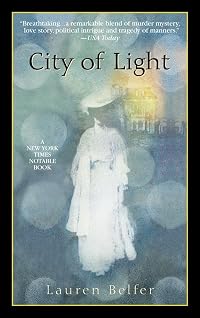
whymaggiemay Both these books reminded me of how lucky I was to be born in the latter part of the 20th Century when medicine had been so greatly improved.


Member Reviews
Sheri Holman is an astonishing writer, and this is the first of her novels that I'd read. Part Dickens in its depiction of lives of poverty and social injustice, part Bram Stoker in its gothicness at times. Holman creates unique and memorable, even haunting, characters, both sympathetic and unsavory, and lets us see their hearts without imposing her judgments on us. The introductory scene with Foz and Les Chats Savants is truly one of the most memorable things I've ever read.
The abject poverty of life for those without means in 1830s England is described so vividly that you feel yourself in the midst of the wretchedness with Ms. Holman's characters. The cholera epidemic of 1831, grave robbing for medical research, and prostitution all figure into this work of historical fiction. The plight of workers in that era – matchstick painters with phosphorous poisoning, potters with potters' cough, pottery painters with lead poisoning, dock workers and prostitutes and the pitfalls awaiting them – are also graphically pictured. I wouldn't call this an enjoyable read, but it was definitely well written and educative.
I loved the subject matter of this story, but the tense changes were frequently confusing. I get that some of that may have been intentional so as to add to the disjointedness of connecting prostitution, cholera epidemics, and grave-robbing, but it still made the flow of the story a little tricky. I found the plot itself fascinating though, and found myself conflicted on who to root for, if anyone. Overall, it was an intriguing historical read!
Prostitution, grave-robbing, disease that makes people's skin turn blue... combine all this with a one-eyed hag, a child whore, a baby with a grotesque chest deformity, and a hot-headed doctor = one heck of a gritty look at 1830s England. Not for the faint-of-heart but a compelling, historically valid (much researched) look at the underclass in the 'bad old days.' This historical fiction takes a hard look at the epicenter of the cholera epidemic, Sunderland, England and the lengths people who have little will go to to survive.
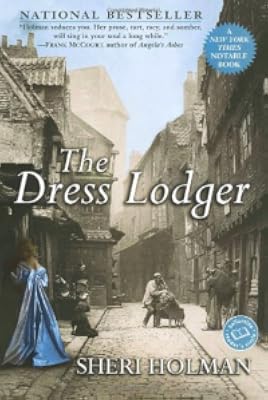
An omniscient narrator implores a young matchstick painter to describe Gustine for the reader… “She is a sumptuous, fantastical wedding cake. A walking confection. A tasty morsel.” This is one book that lives up to its book cover. You can see Gustine as a dainty young woman with pale blonde hair done up in a complicated style wearing her blinding blue dress against the gritty backdrop of an English city. Despite her evening garb, we are told that on her feet are mud-spattered, worn-heeled work boots. Yup, Gustine is a “lady of the night” in a rented gown.
For the most part, I liked this Gothic horror story. The Dickensian atmosphere of dark and dingy 19th century Sunderland, England on the brink of a cholera outbreak set a show more bleak tone. Gustine hopes to win a lifesaving favor by procuring bodies for the training of medical students under the tutelage of Dr. Henry Chiver. This is not a book for the squeamish.
The author goes into grisly detail about Dr. Chiver’s work that borders on obsession. The story is based on fact about early medical research and the cholera epidemic of 1831. I enjoyed the creative use of the narrators’ voice(s), although I can see where it makes the book difficult to follow at times. In the spirit of Dickens, Ms. Holman created some deliciously descriptive names including the Labour in Vain Pub, a crone called “The Eyeball” or frequently just “Eye,” and Mag Scurr’s Pawnshop/morgue - “a shrine to hope.” There is little hope to be found in these pages, but they provide an insightful contrast to the stories of the gentry in Victorian England. show less
For the most part, I liked this Gothic horror story. The Dickensian atmosphere of dark and dingy 19th century Sunderland, England on the brink of a cholera outbreak set a show more bleak tone. Gustine hopes to win a lifesaving favor by procuring bodies for the training of medical students under the tutelage of Dr. Henry Chiver. This is not a book for the squeamish.
The author goes into grisly detail about Dr. Chiver’s work that borders on obsession. The story is based on fact about early medical research and the cholera epidemic of 1831. I enjoyed the creative use of the narrators’ voice(s), although I can see where it makes the book difficult to follow at times. In the spirit of Dickens, Ms. Holman created some deliciously descriptive names including the Labour in Vain Pub, a crone called “The Eyeball” or frequently just “Eye,” and Mag Scurr’s Pawnshop/morgue - “a shrine to hope.” There is little hope to be found in these pages, but they provide an insightful contrast to the stories of the gentry in Victorian England. show less
Turn the pages of The Dress Lodger and you’re turning the dial on a time machine. Destination: England, 1831.
Sheri Holman’s novel is one of those rare pieces of historical fiction which thrust you so completely into another time, another place, that the modern world—with all its bright, sparkly conveniences—melts away. Welcome to the Industrial Revolution, dear reader. You’ll feel the mud, you’ll smell the rotting wharf life, you’ll taste the bitter cholera on your tongue. You’ll also want to shower afterwards.
The Dress Lodger is part thriller, part character study, part social treatise. But it’s all good.
Written in the florid style of Charles Dickens, but with the darkly ick-factor of a modern-day Stephen King, the show more book follows several characters through the port town of Sunderland during a horrific cholera epidemic in the fall of 1831. Gustine is a potter’s assistant by day, a 15-year-old prostitute by night. As she walks the streets of Sunderland looking for a “quick pokeâÂ? from any man with coins in his pocket, sheâÂÂs trailed by an ugly old hag known only as the Eye. The one-eyed crone is paid by GustineâÂÂs pimp to âÂÂkeep an eyeâÂ? on her while she plies her private wares. Gustine is one of those prostitutes whoâÂÂs known as a âÂÂdress lodgerâÂ?âÂÂeach night, she wears a blue gown to attract men. Her pimp hires the Eye spy to make sure the valuable dress isnâÂÂt stolen. HereâÂÂs how Holman describes the arrangement:
Dress lodging works on this basic principle: a cheap whore is given a fancy dress to pass as a higher class of prostitute. The higher the class of prostitute, the higher the station, the higher the price. In return, the girl is given a roof over her head and a few hours of make-believe. Everyone is happy.
Except everyone in Sunderland is miserable. The town has been quarantined, strangling the cityâÂÂs economy. Ships must remain off-shore while their cargo rots in the holds below. Meanwhile, most of the residents believe the cholera epidemic is a government conspiracy created to scare the poor classes. Most people donâÂÂt even believe thereâÂÂs such a thing as the deadly disease. To the working class citizens, doctors are the real villains in early 19th-century EnglandâÂÂafter all, theyâÂÂre the ones who go around robbing graves and dissecting corpses, all in the name of science.
This brings us to our next character: Dr. Henry Chiver, a zealous young surgeon whoâÂÂs recently fled Edinburgh where he was involved in a famous case of two anatomistsâÂÂBurke and HareâÂÂwho were convicted of murder and grave robbing. Holman paints Henry in some pretty unflattering lightâÂÂheâÂÂs selfish, self-righteous and chillingly devoted to the pursuit of scienceâ¦even at the expense of human life.
Henry and Gustine collide early in the course of the novel as each discovers the other has something they want. For Henry, itâÂÂs a chance for more bodies as Gustine leads him to corpses she discovers during her street peddling. For Gustine, the possibly deranged doctor represents her last best hope for her infant, a little boy who was born with his heart on the outside of his body (yes, literallyâ¦you have to read it to believe it).
The novel is filled with bodysnatching, crude dissections and scenes of primitive medical horror that Hannibal Lecter would probably read like pornography. The weak-stomached are warned that some pages are rather hard toâ¦well, stomach. But, thanks to HolmanâÂÂs incredible eye for detail, the language is always vivid and rich. Here, for instance, is one particularly memorable grave-robbing scene:
Henry drops the body sharply against the coffin and scrambles back to the surface. This isnâÂÂt happening. Calm down. Calm down, he tells himself. Men far less competent and careful than you have dug up bodies and not been driven mad by it. Reach in, feel under her armpits. Pull. Yes, this is not the smell of rye, but merely a ripening body not yet preserved in salt. This heaviness I understand; it is not a frantic pulling back to the grave but the purely scientific phenomenon of blood pooling in the extremities. He lies flat on his belly and tugs the young woman free of the earth.
HolmanâÂÂs way with words is so good that it overshadows some of the bookâÂÂs problemsâÂÂnamely, the unlikable Henry who takes center stage in the narrative like a raving Dr. Frankenstein, and the pitiable Gustine who blindly and resolutely walks toward tragedy even as weâÂÂre clenching our fingers where they grip the book and calling out, âÂÂNo, no, no!âÂ? The Dress Lodger ends in a heap of grim, cluttered tragedy which almost literally hurts to read. But I can see HolmanâÂÂs point: this wasnâÂÂt the best of times, it was the worst of times. show less
Sheri Holman’s novel is one of those rare pieces of historical fiction which thrust you so completely into another time, another place, that the modern world—with all its bright, sparkly conveniences—melts away. Welcome to the Industrial Revolution, dear reader. You’ll feel the mud, you’ll smell the rotting wharf life, you’ll taste the bitter cholera on your tongue. You’ll also want to shower afterwards.
The Dress Lodger is part thriller, part character study, part social treatise. But it’s all good.
Written in the florid style of Charles Dickens, but with the darkly ick-factor of a modern-day Stephen King, the show more book follows several characters through the port town of Sunderland during a horrific cholera epidemic in the fall of 1831. Gustine is a potter’s assistant by day, a 15-year-old prostitute by night. As she walks the streets of Sunderland looking for a “quick pokeâÂ? from any man with coins in his pocket, sheâÂÂs trailed by an ugly old hag known only as the Eye. The one-eyed crone is paid by GustineâÂÂs pimp to âÂÂkeep an eyeâÂ? on her while she plies her private wares. Gustine is one of those prostitutes whoâÂÂs known as a âÂÂdress lodgerâÂ?âÂÂeach night, she wears a blue gown to attract men. Her pimp hires the Eye spy to make sure the valuable dress isnâÂÂt stolen. HereâÂÂs how Holman describes the arrangement:
Dress lodging works on this basic principle: a cheap whore is given a fancy dress to pass as a higher class of prostitute. The higher the class of prostitute, the higher the station, the higher the price. In return, the girl is given a roof over her head and a few hours of make-believe. Everyone is happy.
Except everyone in Sunderland is miserable. The town has been quarantined, strangling the cityâÂÂs economy. Ships must remain off-shore while their cargo rots in the holds below. Meanwhile, most of the residents believe the cholera epidemic is a government conspiracy created to scare the poor classes. Most people donâÂÂt even believe thereâÂÂs such a thing as the deadly disease. To the working class citizens, doctors are the real villains in early 19th-century EnglandâÂÂafter all, theyâÂÂre the ones who go around robbing graves and dissecting corpses, all in the name of science.
This brings us to our next character: Dr. Henry Chiver, a zealous young surgeon whoâÂÂs recently fled Edinburgh where he was involved in a famous case of two anatomistsâÂÂBurke and HareâÂÂwho were convicted of murder and grave robbing. Holman paints Henry in some pretty unflattering lightâÂÂheâÂÂs selfish, self-righteous and chillingly devoted to the pursuit of scienceâ¦even at the expense of human life.
Henry and Gustine collide early in the course of the novel as each discovers the other has something they want. For Henry, itâÂÂs a chance for more bodies as Gustine leads him to corpses she discovers during her street peddling. For Gustine, the possibly deranged doctor represents her last best hope for her infant, a little boy who was born with his heart on the outside of his body (yes, literallyâ¦you have to read it to believe it).
The novel is filled with bodysnatching, crude dissections and scenes of primitive medical horror that Hannibal Lecter would probably read like pornography. The weak-stomached are warned that some pages are rather hard toâ¦well, stomach. But, thanks to HolmanâÂÂs incredible eye for detail, the language is always vivid and rich. Here, for instance, is one particularly memorable grave-robbing scene:
Henry drops the body sharply against the coffin and scrambles back to the surface. This isnâÂÂt happening. Calm down. Calm down, he tells himself. Men far less competent and careful than you have dug up bodies and not been driven mad by it. Reach in, feel under her armpits. Pull. Yes, this is not the smell of rye, but merely a ripening body not yet preserved in salt. This heaviness I understand; it is not a frantic pulling back to the grave but the purely scientific phenomenon of blood pooling in the extremities. He lies flat on his belly and tugs the young woman free of the earth.
HolmanâÂÂs way with words is so good that it overshadows some of the bookâÂÂs problemsâÂÂnamely, the unlikable Henry who takes center stage in the narrative like a raving Dr. Frankenstein, and the pitiable Gustine who blindly and resolutely walks toward tragedy even as weâÂÂre clenching our fingers where they grip the book and calling out, âÂÂNo, no, no!âÂ? The Dress Lodger ends in a heap of grim, cluttered tragedy which almost literally hurts to read. But I can see HolmanâÂÂs point: this wasnâÂÂt the best of times, it was the worst of times. show less
Talk about unexpected.
This novel starts off most peculiarly, with a distinct narrative voice that seems at once intimate but disjoint. Like so many of the small plot threads that are introduced in the opening chapters, the reason for that voice is never made clear until near the very end -- at which point the novel has become something radically different and deeply affecting.
While the plot here is fascinating, with its potent mix of poverty, prostitution, cholera, and vivisection, it eventually becomes far less important than the characters, who suddenly become complex and involving right when you least suspect it; passages near the end of the book almost brought me to tears.
In the end, there are no easy solutions, no static show more characters, and no true sense of right, wrong, or justice. But it's a thought-provoking and engaging read all the way, and well worth the time to examine it. show less
This novel starts off most peculiarly, with a distinct narrative voice that seems at once intimate but disjoint. Like so many of the small plot threads that are introduced in the opening chapters, the reason for that voice is never made clear until near the very end -- at which point the novel has become something radically different and deeply affecting.
While the plot here is fascinating, with its potent mix of poverty, prostitution, cholera, and vivisection, it eventually becomes far less important than the characters, who suddenly become complex and involving right when you least suspect it; passages near the end of the book almost brought me to tears.
In the end, there are no easy solutions, no static show more characters, and no true sense of right, wrong, or justice. But it's a thought-provoking and engaging read all the way, and well worth the time to examine it. show less
Members
- Recently Added By
Lists

Best Historical Fiction
620 works; 261 members

Favourite Books
1,819 works; 309 members
Historical Fiction
889 works; 91 members
LibraryThingers' 1001 Books You Must Read Before You Die
442 works; 30 members

seedy victorian novels
16 works; 4 members

Five star books
1,767 works; 110 members

Books Read in 2006
421 works; 8 members

Authors from the United States
245 works; 3 members

Florida
366 works; 3 members
Author Information

7+ Works 3,581 Members
Awards and Honors
Awards
Series
Belongs to Publisher Series
Common Knowledge
- Canonical title
- The Dress Lodger
- Original title
- The Dress Lodger
- Original publication date
- 1998
- People/Characters
- Gustine; Henry Chiver
- Important places
- Sunderland, England, UK
- Epigraph
- "Grave: A place where the dead are laid to await the coming of the medical student." -Ambrose Bierce, The Devil's Dictionary
- Dedication
- For my mother, my best friend.
- First words
- The boys down on the low Quay know a hundred ways to see bad fish.
- Last words
- (Click to show. Warning: May contain spoilers.)"Nothing without labour."
- Blurbers
- Frazier, Charles; Atkinson, Kate
Classifications
Statistics
- Members
- 1,911
- Popularity
- 11,172
- Reviews
- 47
- Rating
- (3.52)
- Languages
- 5 — Dutch, English, Finnish, German, Hebrew
- Media
- Paper, Audiobook, Ebook
- ISBNs
- 21
- ASINs
- 16