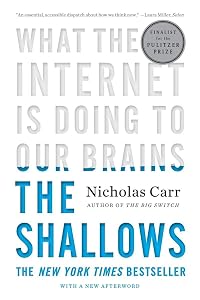
The Shallows: What the Internet Is Doing to Our Brains
by Nicholas Carr
On This Page
Description
As we enjoy the Internet's bounties, are we sacrificing our ability to read and think deeply? Carr describes how human thought has been shaped through the centuries by "tools of the mind"--from the alphabet to maps, to the printing press, the clock, and the computer--and interweaves recent discoveries in neuroscience. Now, he expands his argument into a compelling exploration of the Internet's intellectual and cultural consequences. Our brains, scientific evidence reveals, change in response show more to our experiences. Building on insights of thinkers from Plato to McLuhan, Carr makes a case that every information technology carries a set of assumptions about the nature of knowledge and intelligence. The printed book served to focus our attention, promoting deep and creative thought. In contrast, the Internet encourages rapid, distracted sampling of small bits of information. As we become ever more adept at scanning and skimming, are we losing our capacity for concentration, contemplation, and reflection?--From publisher description. show lessTags
Recommendations

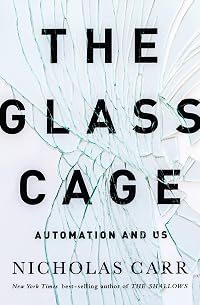
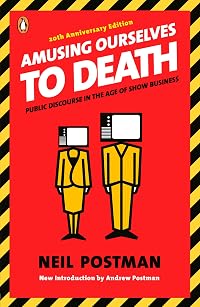
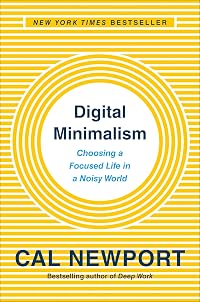
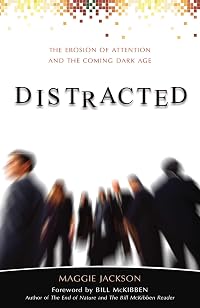
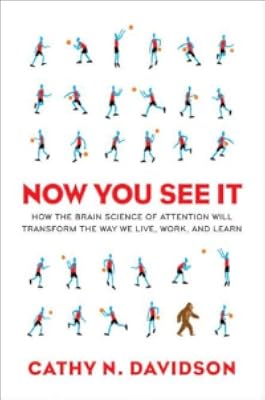
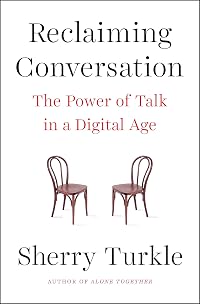
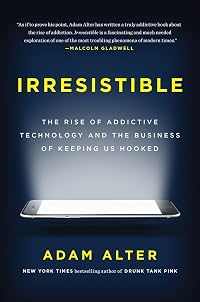
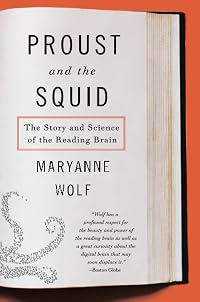
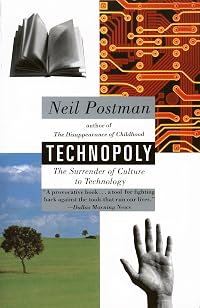
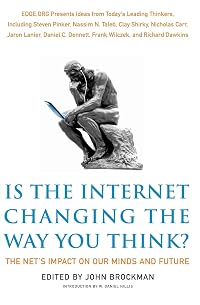
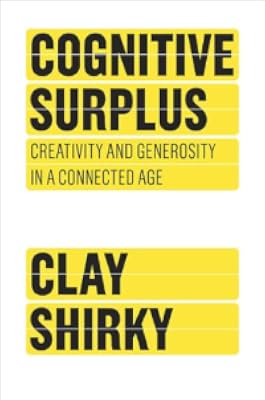
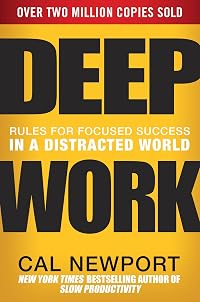
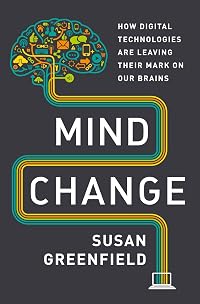
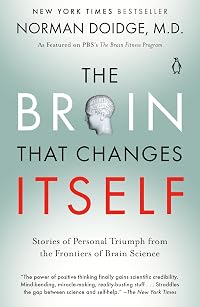
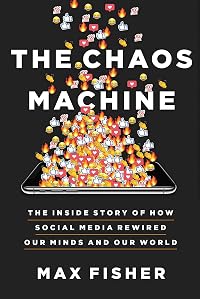
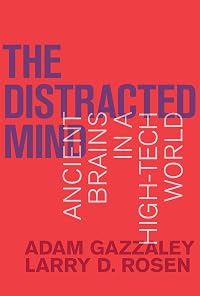
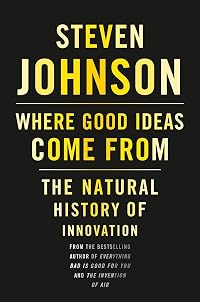
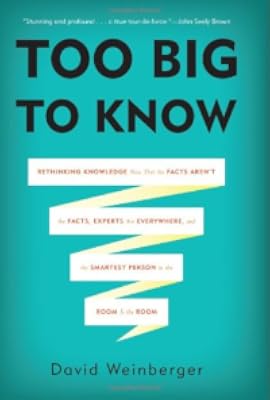
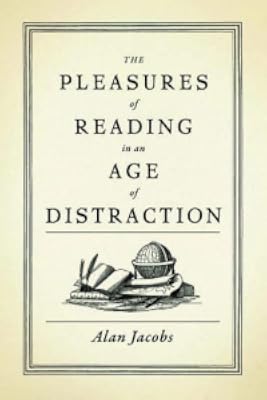
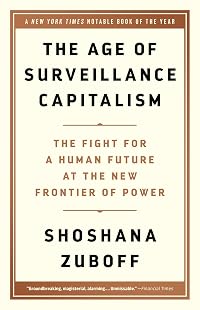
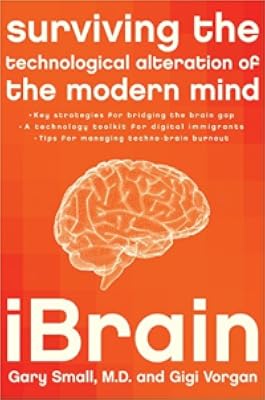
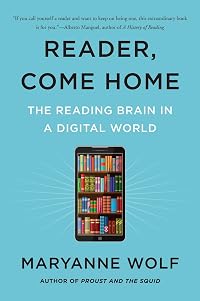
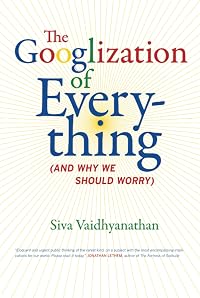
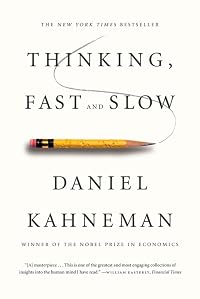
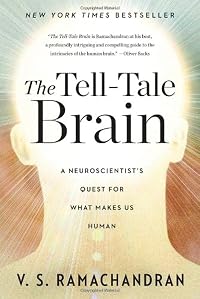
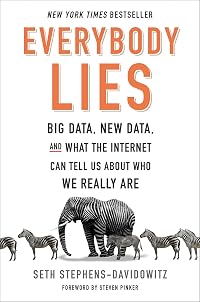
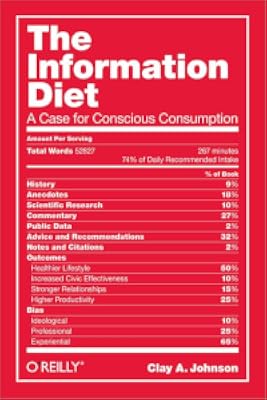

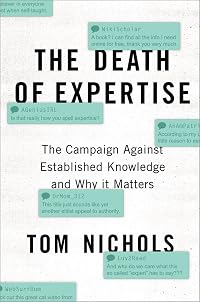
Member Recommendations
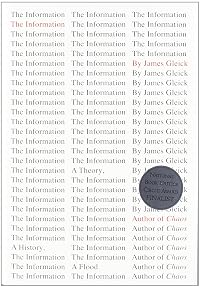
StephenBarkley Carr refers to McLuhan's landmark work throughout his book.
50
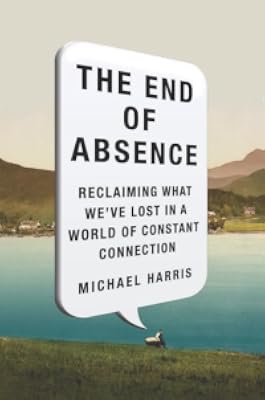
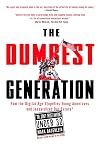
BenTreat If you found Carr's work overly broad and unfocused, you may enjoy reading this book, which is focused on the author's own studies of traditional-aged college students.
infiniteletters Clay Shirky and Nicholas Carr have very different perspectives about the Internet; read both for the pros and cons.
12
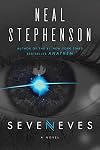
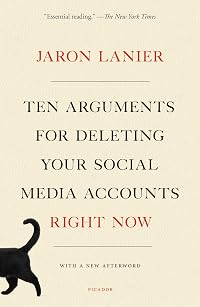
themulhern Both books are about social media and connectedness turning people into bad decision makers.
Member Reviews
At the risk of politicizing a book that has nothing to do with politics, the Shallows really helps explain my frustration with the past election. The premise of the book is that our internet browsing habits are stripping us of the deep contemplative thinking skills that were a hallmark of civilization since the creation of writing. In the last election, there were amazingly important issues to discuss about the environment, drone warfare, and budget deficits, but the actual debate was dominated by trivial gotcha memes like "binders full of women" and "you didn't build that."
As an author, this is one of the most depressing books I've ever read, tracking very closely with my fear that book readers will become increasingly rare. But, if show more you value your own brain and want to devolop strategies to preserve it from the ever growing assault of distraction and trivia that our culture throws at it, this book is a must read. show less
As an author, this is one of the most depressing books I've ever read, tracking very closely with my fear that book readers will become increasingly rare. But, if show more you value your own brain and want to devolop strategies to preserve it from the ever growing assault of distraction and trivia that our culture throws at it, this book is a must read. show less
This thoroughly-researched book answers my question of why I can get distracted very easily. Like Carr wrote in the first chapter, I feel like a human HAL from 2001: A Space Odyssey lamenting, "Dave, my mind is going. I can feel it." It's no surprise that our heavy use of the internet may have caused it. In this book, Carr examines the way technologies have affected humans throughout civilization, synthesizing neuroscience, philosophy, and media theory.
However, Carr is no Luddite. He still acknowledges the convenience of using the internet, especially looking in today's situation. But as McLuhan once said, the medium's content is "the juicy piece of meat carried by the burglar to distract the watchdog of the mind." The content and the show more efficiency that the internet carries blind us from what it's doing to us. "The tight bonds we form with our tools go both ways. Even as our technologies become extensions of ourselves, we become extensions of our technologies."
The recent discoveries on neuroscience have proved that our brain is very malleable, and it has the ability to remapping and reorganizing itself. Neurons that are frequently used develop stronger connections and those that aren't. In the digital age, it's getting easier to access infinite information and constant connectivity, overwhelming our minds with stimuli. Our brain is being rewired to adapt to this situation so that we're better at multitasking, skimming, and scanning. But that new abilities come with a price. Carr argues that our technology may be diminishing the very skills and traits that make us human. One of them is our ability to think deeper.
Perhaps, there is only a little we can do to stop the alteration of our brain altogether. What we can do is lessen the adverse impact. Carr proposes that we must be mindful of how we're using technologies and how it affects us. It reminds me of repurposing social media as a platform for me to improve my writing and to learn deep-reading again, not for mindless and endless scrolling. I admit it's much harder now than many years ago. Nevertheless, it's a small step to bolster my brain's malleability reshapes itself as the way it was. show less
However, Carr is no Luddite. He still acknowledges the convenience of using the internet, especially looking in today's situation. But as McLuhan once said, the medium's content is "the juicy piece of meat carried by the burglar to distract the watchdog of the mind." The content and the show more efficiency that the internet carries blind us from what it's doing to us. "The tight bonds we form with our tools go both ways. Even as our technologies become extensions of ourselves, we become extensions of our technologies."
The recent discoveries on neuroscience have proved that our brain is very malleable, and it has the ability to remapping and reorganizing itself. Neurons that are frequently used develop stronger connections and those that aren't. In the digital age, it's getting easier to access infinite information and constant connectivity, overwhelming our minds with stimuli. Our brain is being rewired to adapt to this situation so that we're better at multitasking, skimming, and scanning. But that new abilities come with a price. Carr argues that our technology may be diminishing the very skills and traits that make us human. One of them is our ability to think deeper.
Perhaps, there is only a little we can do to stop the alteration of our brain altogether. What we can do is lessen the adverse impact. Carr proposes that we must be mindful of how we're using technologies and how it affects us. It reminds me of repurposing social media as a platform for me to improve my writing and to learn deep-reading again, not for mindless and endless scrolling. I admit it's much harder now than many years ago. Nevertheless, it's a small step to bolster my brain's malleability reshapes itself as the way it was. show less
Carr makes a strong case that the internet is diminishing our ability to think deeply and focus. It's well argued, and a bit disturbing. I've been feeling it in my life, and unfortunately there's good evidence I'm not imagining it. Next is figuring out how to adjust my life to stop it. Being able to get through a solid book is a step in the right direction.
“What the net seems to be doing is chipping away my ability for concentration and contemplation. Whether I’m online or not my mind now expects to take in information in the way the net distributes it, in a constantly moving stream of particles. Once I was a scuba diver in the sea of words, now I zip along the surface like a guy on a jet ski.”
The author expresses concern that the internet is reducing our ability to process and retain information. He cites many scientific studies to make his point that it is, in fact, rewiring our brains. He examines the many distractions offered by the internet, and how following hyperlinks can result in an unexpected adverse impact on memory.
“When we read a book, the information faucet provides show more a steady drip, which we can control by the pace of our reading. Through our single-minded concentration on the text, we can transfer all or most of the information into long-term memory and forge the rich associations essential to the creation of schemas. With the net we face many information faucets all going full blast.”
In addition to brain science, he relates a history of communications. It is quite informative about the history of language, alphabets, early printing presses, books, the typewriter, word processing. Each of these advances have impacted the way humans process information. He looks at trends in writing and publishing. I sincerely hope his statements about the future of the book (in any format) does not come to pass. This book was published in 2010, so I imagine what has happened since then would reinforce his message.
Prior to reading this book, I had already quit all social media except Goodreads. The author does not advocate such “extreme” measures, but my peace of mind has improved immensely. This is definitely a book that will prompt people to reevaluate their usage of the internet. show less
The author expresses concern that the internet is reducing our ability to process and retain information. He cites many scientific studies to make his point that it is, in fact, rewiring our brains. He examines the many distractions offered by the internet, and how following hyperlinks can result in an unexpected adverse impact on memory.
“When we read a book, the information faucet provides show more a steady drip, which we can control by the pace of our reading. Through our single-minded concentration on the text, we can transfer all or most of the information into long-term memory and forge the rich associations essential to the creation of schemas. With the net we face many information faucets all going full blast.”
In addition to brain science, he relates a history of communications. It is quite informative about the history of language, alphabets, early printing presses, books, the typewriter, word processing. Each of these advances have impacted the way humans process information. He looks at trends in writing and publishing. I sincerely hope his statements about the future of the book (in any format) does not come to pass. This book was published in 2010, so I imagine what has happened since then would reinforce his message.
Prior to reading this book, I had already quit all social media except Goodreads. The author does not advocate such “extreme” measures, but my peace of mind has improved immensely. This is definitely a book that will prompt people to reevaluate their usage of the internet. show less
This book does three big things. First, it highlights the fact that brain plasticity is now accepted science -- our brains can change, even into old age. Second, it shows how means of communication have affected thought: first the oral tradition emphasized memory, then the written (and printed) word favored slow reasoning, and now the internet favors fast reactive thinking. Finally, it reviews recent research to see what the impact of internet use on thinking (depth, speed, and many other dimensions) has actually been. The results are not encouraging. The author concludes that there is no way we can go back from the internet, so we will have to learn to live with it. Most of the book is compelling and interesting, despite a few show more longueurs. At the end, however, the conclusion may be no more than "Oh well, too bad". show less
“What the net seems to be doing is chipping away my ability for concentration and contemplation. Whether I’m online or not my mind now expects to take in information in the way the net distributes it, in a constantly moving stream of particles. Once I was a scuba diver in the sea of words, now I zip along the surface like a guy on a jet ski.”
The author expresses concern that the internet is reducing our ability to process and retain information. He cites many scientific studies to make his point that it is, in fact, rewiring our brains. He examines the many distractions offered by the internet, and how following hyperlinks can result in an unexpected adverse impact on memory.
“When we read a book, the information faucet provides show more a steady drip, which we can control by the pace of our reading. Through our single-minded concentration on the text, we can transfer all or most of the information into long-term memory and forge the rich associations essential to the creation of schemas. With the net we face many information faucets all going full blast.”
In addition to brain science, he relates a history of communications. It is quite informative about the history of language, alphabets, early printing presses, books, the typewriter, word processing. Each of these advances have impacted the way humans process information. He looks at trends in writing and publishing. I sincerely hope his statements about the future of the book (in any format) does not come to pass. This book was published in 2010, so I imagine what has happened since then would reinforce his message.
Prior to reading this book, I had already quit all social media except Goodreads. The author does not advocate such “extreme” measures, but my peace of mind has improved immensely. This is definitely a book that will prompt people to reevaluate their usage of the internet.
“It would not be rash to suggest that as the net reroutes our vital paths and diminishes our capacity for contemplation, it is altering the depth of our emotions as well as our thoughts.” show less
The author expresses concern that the internet is reducing our ability to process and retain information. He cites many scientific studies to make his point that it is, in fact, rewiring our brains. He examines the many distractions offered by the internet, and how following hyperlinks can result in an unexpected adverse impact on memory.
“When we read a book, the information faucet provides show more a steady drip, which we can control by the pace of our reading. Through our single-minded concentration on the text, we can transfer all or most of the information into long-term memory and forge the rich associations essential to the creation of schemas. With the net we face many information faucets all going full blast.”
In addition to brain science, he relates a history of communications. It is quite informative about the history of language, alphabets, early printing presses, books, the typewriter, word processing. Each of these advances have impacted the way humans process information. He looks at trends in writing and publishing. I sincerely hope his statements about the future of the book (in any format) does not come to pass. This book was published in 2010, so I imagine what has happened since then would reinforce his message.
Prior to reading this book, I had already quit all social media except Goodreads. The author does not advocate such “extreme” measures, but my peace of mind has improved immensely. This is definitely a book that will prompt people to reevaluate their usage of the internet.
“It would not be rash to suggest that as the net reroutes our vital paths and diminishes our capacity for contemplation, it is altering the depth of our emotions as well as our thoughts.” show less
A thought-provoking book, although it does jump around quite a bit, with chapters about the evil of Google and a history of memory. All of the diversions were well researched and well written, though, so I really didn't mind them. In fact I think the chapter about memory was one of my favorites.Anyway, the gist of Carr's argument is that prolific use of the Internet changes the brain in such a way as to make it more difficult for complicated and deep thinking. I tend to agree with him, as I've felt some of the same things. When I sit down to read a book, I often feel jumpy. Sometimes I'll skim text and have a hard time focusing. All of this is unavoidable to a point for me, because I work at home and I'm necessarily on the Internet all show more day. But in my off-hours I'm going to try to stay away from the Internet as much as possible. Of course, right now it's 8 a.m. on a Saturday and I'm on the Internet writing this. So the plan is failing thus far. show less
Members
- Recently Added By
Published Reviews
ThingScore 75
Like the majority of contemporary books, then, The Shallows does not justify its length: its natural form was always that of a pithy provocation, so as an argument for the superiority of book-length prose it is rather self-defeating.
added by mikeg2
Carr’s ability to crosscut between cognitive studies involving monkeys and eerily prescient prefigurations of the modern computer opens a line of inquiry into the relationship between human and technology. Hopefully, other writers will follow.
added by lorax
His new book is an expanded survey of the science and history of human cognition. ... Mr Carr’s contribution is to offer the most readable overview of the science to date. It is clearly not intended as a jeremiad. Yet halfway through, he can’t quite help but blurt out that the impact of this browsing on our brains is “even more disturbing” than he thought.
added by tim.taylor
Lists

Books recommended by Barack Obama
295 works; 28 members

Ten Books That Have Stayed With Me
160 works; 30 members

Worst books read in 2011
36 works; 20 members

Biggest Disappointments
606 works; 163 members

Books for HS summer reading
21 works; 2 members

Exposing the Man Behind the Curtain
28 works; 3 members

Books referenced in David Weinberger's Too Big to Know
65 works; 2 members

Adult Books for YA Readers
194 works; 6 members

Mind Expanding Books by hackerkid
581 works; 8 members

Books & Films Referenced by Cal Newport's Deep Work
43 works; 1 member

Blindpill
20 works; 2 members

Not the NYT list of top 100 21st century books
100 works; 6 members

Barack Obama's Summer Reading List 2019
10 works; 2 members

Books That Changed Our Perspective
423 works; 168 members

Non-Fiction
68 works; 1 member

Books in the Bibliography of The Alchemy of Us by Ainissa Ramirez
181 works; 1 member
Author Information

12+ Works 5,384 Members
Some Editions
Awards and Honors
Awards
Distinctions
Series
Belongs to Publisher Series
Work Relationships
Is contained in
Common Knowledge
- Canonical title*
- Internet ci rende stupidi? Come la rete sta cambiando il nostro cervello
- Original title
- The Shallows: What the Internet Is Doing to Our Brains
- Alternate titles
- The Shallows: How the Internet is Changing the Way We Think, Read and Remember
- Original publication date
- 2010
- Epigraph
- And in the midst of this wide quietness
A rosy sanctuary will I dress
With the wreath'd trellis of a working brain...
- JOHN KEATS, "Ode to Psyche" - Dedication
- to my mother
and in memory of my father - First words
- In 1964, just as the Beatles were launching their invasion of America's airwaves, Marshall McLuhan published Understanding Media: The Extensions of Man and transformed himself from an obscure academic into a star.
- Last words
- (Click to show. Warning: May contain spoilers.)That's the essence of Kubrick's dark prophecy: as we come to rely on computers to mediate our understanding of the world, it is our own intelligence that flattens into artificial intelligence.
- Canonical DDC/MDS
- 612.80285
- Canonical LCC
- QP360.C377
*Some information comes from Common Knowledge in other languages. Click "Edit" for more information.
Classifications
- Genres
- Technology, Sociology, General Nonfiction, Science & Nature, Nonfiction
- DDC/MDS
- 612.80285 — Applied science & technology Medicine & health Human Body Systems Nervous system Nervous System Action of Nervous System on Chemic Phenomena
- LCC
- QP360 .C377 — Science Physiology Physiology Neurophysiology and neuropsychology
- BISAC
Statistics
- Members
- 3,842
- Popularity
- 4,127
- Reviews
- 185
- Rating
- (3.89)
- Languages
- 14 — Chinese, Dutch, English, Estonian, Finnish, French, German, Hungarian, Italian, Polish, Romanian, Spanish, Vietnamese, Portuguese (Portugal)
- Media
- Paper, Audiobook, Ebook
- ISBNs
- 44
- UPCs
- 1
- ASINs
- 21