On This Page
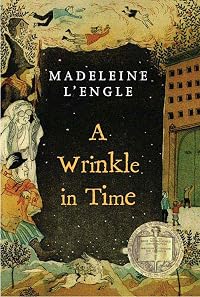
Description
Meg Murry and her friends become involved with unearthly strangers and a search for Meg's father, who has disappeared while engaged in secret work for the government.Tags
Recommendations
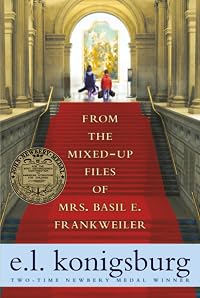
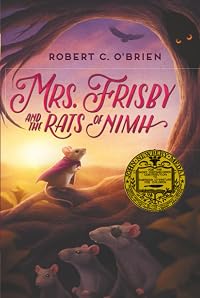
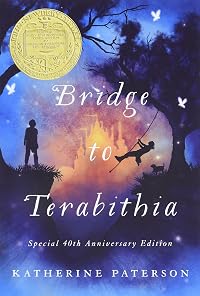
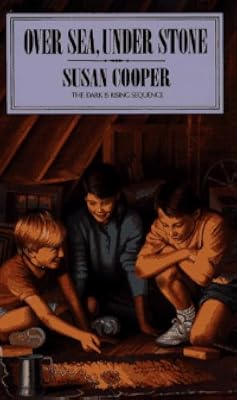
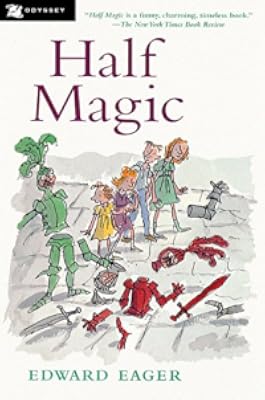
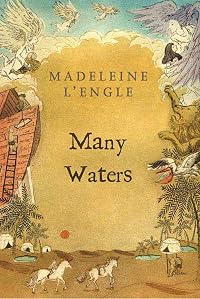
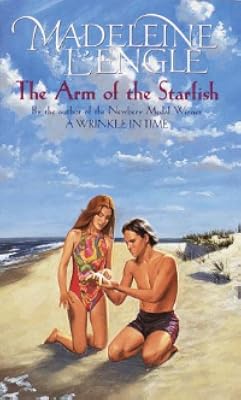
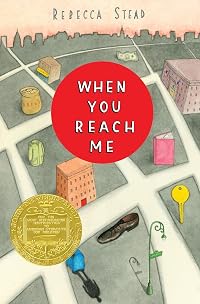
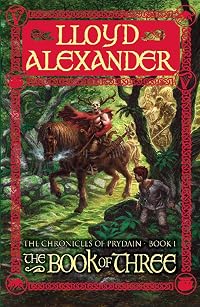
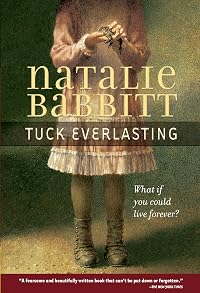
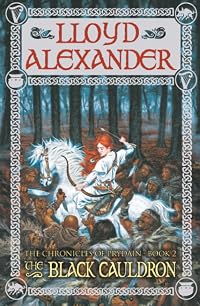

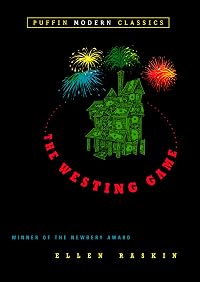
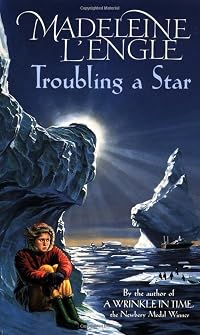
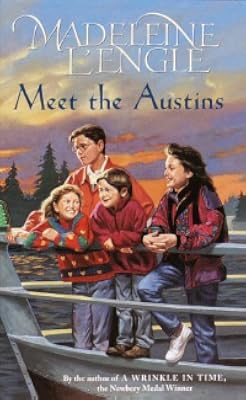
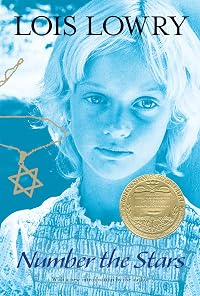
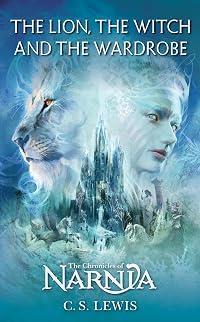

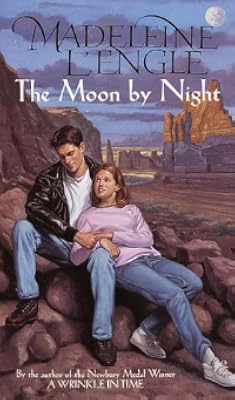
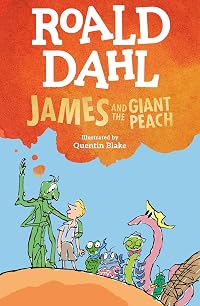
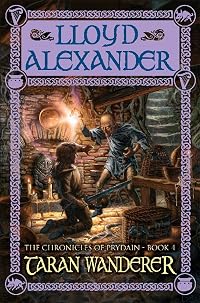
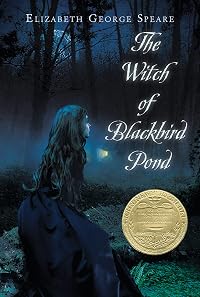
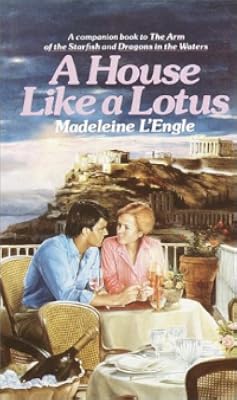
Member Recommendations
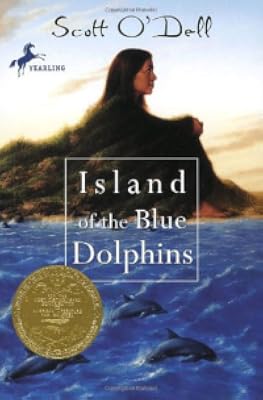
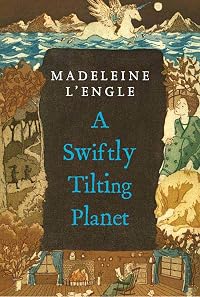
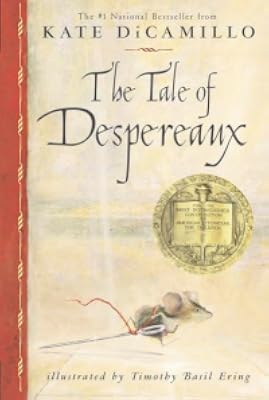
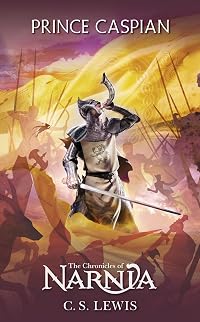
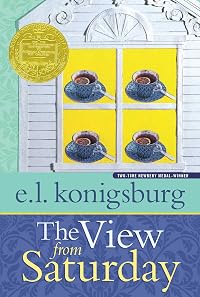
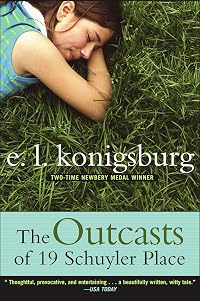
BookshelfMonstrosity Time is a key component in both of these compelling, coming-of-age fantasies with complex plots centered on girls who share absent fathers and the struggle to save the life of a boy near-and-dear to them.
Also recommended by Ciruelo
71

aaronius More comic, more Earthbound, but still fantastic writing with life lessons equally appropriate for intelligent youngsters and their parents.
21
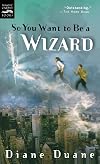
sandstone78 For the socially awkward girls who come into their own and fight against evil
43
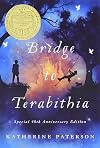

bmlg similar themes of the loving relationship between an awkward, insecure older sister and her odd younger brother, and her efforts to protect him from supernatural danger
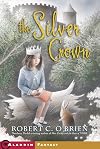
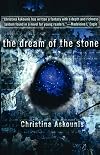
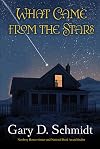
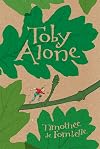


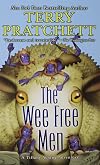
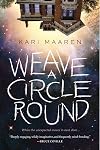
Member Reviews
Years ago, kid-me loved this book. Adult-me, on the other hand, isn’t feeling the love. I think this book really speaks to people like Meg—young, slightly awkward, unsure of themselves. It affirms that they might grow into wonderful adults, even if they don’t feel wonderful as adolescents. However, as an adult, I simply feel judged. The adults in the story aren’t terribly realistic: the mom, in particular, is such a wonderful person because she’s extremely beautiful, young, poised, in control, dignified, brilliant, professional, and scientific. Kid-me was uncertain of things, but seeing as how I didn’t quite turn out to be a physicist-with-flawless-skin-and-a-genius-husband-and-four-kids, adult-me feels like a letdown. So show more yes, there’s an empowering message, but there are also impossible standards. For what it’s worth, I didn’t particularly like the mother. She is admired for not showing her emotions in front of her children, but she just comes off as distant and detached. And I was slightly bugged by the kitchen scene at the beginning: Meg, her brother Charles Wallace, and their mother all come down to the kitchen in the middle of the night for snacks. When the mom wants a sandwich, Charles Wallace prepares it for her. (He’s too young to be in school, so he’s, what? Four? Five at the most?) And the super-dignified, stoic mother somehow has no problem plopping herself down in the chair and letting him wait on her. I know this was supposed to show how capable and responsible the boy was (he spends most of his time taking care of his family), but it just makes the mom come off as lazy (with regard to the food) and inept (with regard to the family’s emotional well-being).
Some good points:
Once the journey really begins, the story gets a lot better. The characters are interesting and believable, and the sci-fi elements work really well. I won’t give anything away, but there is a legit sense of wonder, and then the tension builds, and the whole experience is remarkably well-crafted. It doesn’t fall into the YA trap of having the parents be really stupid so the teens can shine. Here, the parents are respected and wise—but they still can’t save Meg all the time. She has to save herself. I liked the friend Calvin very much, and I think general optimism and straightforwardness elevated every scene he was in. Some of the story’s didacticism got a little heavy-handed, and I don’t think that all of their lessons (such as the one on free will) were necessarily supported by the story. Even so, it was an inspiring story in many respects. Meg’s anger is believable, and her character’s growth is solid and fun to read. Finally, the religious elements in the story are very well-handled. The Bible quotes really fit well into the story, without being too preachy. The religious themes are incorporated smoothly into the sci-fi world, and they give the story its heart. Meg is fighting the darkness; a sort of evil shadow. And what are her words of encouragement? “And the light shineth in the darkness, and the darkness comprehendeth it not.” Beautiful.
Kid-me would have given this four or five stars. Grownup-me would give it three, except that the religious elements work so well in the story that I’m upping it a notch. :) Not as good as I remembered it, maybe, but still a wonderful adventure. show less
Some good points:
Once the journey really begins, the story gets a lot better. The characters are interesting and believable, and the sci-fi elements work really well. I won’t give anything away, but there is a legit sense of wonder, and then the tension builds, and the whole experience is remarkably well-crafted. It doesn’t fall into the YA trap of having the parents be really stupid so the teens can shine. Here, the parents are respected and wise—but they still can’t save Meg all the time. She has to save herself. I liked the friend Calvin very much, and I think general optimism and straightforwardness elevated every scene he was in. Some of the story’s didacticism got a little heavy-handed, and I don’t think that all of their lessons (such as the one on free will) were necessarily supported by the story. Even so, it was an inspiring story in many respects. Meg’s anger is believable, and her character’s growth is solid and fun to read. Finally, the religious elements in the story are very well-handled. The Bible quotes really fit well into the story, without being too preachy. The religious themes are incorporated smoothly into the sci-fi world, and they give the story its heart. Meg is fighting the darkness; a sort of evil shadow. And what are her words of encouragement? “And the light shineth in the darkness, and the darkness comprehendeth it not.” Beautiful.
Kid-me would have given this four or five stars. Grownup-me would give it three, except that the religious elements work so well in the story that I’m upping it a notch. :) Not as good as I remembered it, maybe, but still a wonderful adventure. show less
On the occasion of a major motion picture adaptation of Madeleine L'Engle's A Wrinkle In Time 56 years after its publication, I decided to tesser through the fifth dimension back to 1962 to learn about the novel's apparent durability among middle-grade literati. What I discovered is a mid-generational artifact wedged right between the 60's feminist movement and McCarthy era preoccupations.
Meg is a twelve-year-old science nerd and bullied weirdo at school. However, at home she is the fulcrum of her weirdo science nerd family, including her unusual five-year-old brother, Charles Wallace, who hides his amazing intellectual gifts from other children. After Meg's father, a physicist, mysteriously vanishes during a top secret experiment, a show more trio of intergalactic ferry-like women - Mrs. Who, Mrs. Which, and Mrs. Whatsit - arrive offering to help find him. They lead Meg, Charles Wallace, and a teenage friend, Calvin, on a dangerous mission to rescue the father, and introduce the children to the Tesseract, a method of space travel that involves folding (or wrinkling) time. From a luminous spot in the cosmos, the children are shown Camazotz, a dark planet shrouded by a malevolent cloud called The Black Thing and inhabited by people whose minds are controlled by IT. The authoritarian IT, is a disfleshed, mechanical brain, imposing total social conformity among Camazotz population. IT also holds Meg's father prisoner. Meg and the other children are the only beings capable of traveling through The Black Thing to Camazotz, and risk being indoctrinated into ITs ethos of homogeneity. Through Meg's journey two major themes emerge, the indicated one, appointing a young girl as progressive protagonist and hero of individualism, the other a subtextual bulwark of anti-communist zealotry and prevailing conservative values.
Meg begins the story as a hesitater and social outcast among her peers. Because she does not fit it, she is considered stupid, (a missummation also applied to Charles Wallace). Although, the three missuses celebrate Meg's differentness and individual gifts, ultimately saving her family and the world from galactic evil is something she accomplishes alone. They provide the vehicle of the Tesseract, the mission, and the encouragement, but Meg's strongest tool is her inner ability to overcome self-doubt. That is the novel's timely, broad-minded wrinkle.
Within the same pages a second, less forward-looking theme lurks. The nebulous Black Thing is slowly encompassing planet Earth, as it has to completion the less resistant planet Camazotz, a name which happens to rhyme obliquely with communist. Citizens of Camazotz live in identical suburban houses, where all children play games in unison and parents fearfully obey an average routine. The Black Thing suppresses individuality itself, replacing its importance with the false bliss of social equality. Camazotzians are not starved, or deprived of civil rights. Sameness, civic efficiency and the provision of equal economic resources are depicted as worse deprivations. "[Meg] held on to her moment of revelation. Like and equal are two entirely different things." Children of Camazotz are bereft because they have been absorbed philosophically by IT. The literal brain IT takes over independent thought making a person not just part of IT but turning them into an IT, and IT takes over Charles Wallace's mind. Depriving Charles Wallace of self-determination is described as an act hate, so Meg resolves to give Charles Wallace what ITs vacuous equality cannot - love. That is, nonsectarian Christian love, which is moderately referenced throughout novel.
Besides Economic Liberalism and Christianity, there are other quaint ideological convictions touted. Intellectualism is a bogeyman as demonstrated when Charles Wallace, the most erudite of the children, falls into ITs mind control most easily because he has the arrogance to think he can defeat IT with logic alone. Meg's father admits to irresponsible scientific exploration of the Tesseract - "we're children playing with dynamite" - a reference to nuclear weapons. Also, L'Engle's composition has a formal, fairy tale cadence that was perhaps the culture of children's books in 1962 - a lot of dears and darlings and Faaathers.
On the whole, A Wrinkle In Time is a novel from which young people will still draw relevant positivity. It is a story about a girl possessing the ability to solve problems with interior powers even the immortal, interstellar traveling women do not have. Maybe its 1962 first-world triumphalism does not hold up, but the message of children, particularly female children, learning to respect themselves is enduring. show less
Meg is a twelve-year-old science nerd and bullied weirdo at school. However, at home she is the fulcrum of her weirdo science nerd family, including her unusual five-year-old brother, Charles Wallace, who hides his amazing intellectual gifts from other children. After Meg's father, a physicist, mysteriously vanishes during a top secret experiment, a show more trio of intergalactic ferry-like women - Mrs. Who, Mrs. Which, and Mrs. Whatsit - arrive offering to help find him. They lead Meg, Charles Wallace, and a teenage friend, Calvin, on a dangerous mission to rescue the father, and introduce the children to the Tesseract, a method of space travel that involves folding (or wrinkling) time. From a luminous spot in the cosmos, the children are shown Camazotz, a dark planet shrouded by a malevolent cloud called The Black Thing and inhabited by people whose minds are controlled by IT. The authoritarian IT, is a disfleshed, mechanical brain, imposing total social conformity among Camazotz population. IT also holds Meg's father prisoner. Meg and the other children are the only beings capable of traveling through The Black Thing to Camazotz, and risk being indoctrinated into ITs ethos of homogeneity. Through Meg's journey two major themes emerge, the indicated one, appointing a young girl as progressive protagonist and hero of individualism, the other a subtextual bulwark of anti-communist zealotry and prevailing conservative values.
Meg begins the story as a hesitater and social outcast among her peers. Because she does not fit it, she is considered stupid, (a missummation also applied to Charles Wallace). Although, the three missuses celebrate Meg's differentness and individual gifts, ultimately saving her family and the world from galactic evil is something she accomplishes alone. They provide the vehicle of the Tesseract, the mission, and the encouragement, but Meg's strongest tool is her inner ability to overcome self-doubt. That is the novel's timely, broad-minded wrinkle.
Within the same pages a second, less forward-looking theme lurks. The nebulous Black Thing is slowly encompassing planet Earth, as it has to completion the less resistant planet Camazotz, a name which happens to rhyme obliquely with communist. Citizens of Camazotz live in identical suburban houses, where all children play games in unison and parents fearfully obey an average routine. The Black Thing suppresses individuality itself, replacing its importance with the false bliss of social equality. Camazotzians are not starved, or deprived of civil rights. Sameness, civic efficiency and the provision of equal economic resources are depicted as worse deprivations. "[Meg] held on to her moment of revelation. Like and equal are two entirely different things." Children of Camazotz are bereft because they have been absorbed philosophically by IT. The literal brain IT takes over independent thought making a person not just part of IT but turning them into an IT, and IT takes over Charles Wallace's mind. Depriving Charles Wallace of self-determination is described as an act hate, so Meg resolves to give Charles Wallace what ITs vacuous equality cannot - love. That is, nonsectarian Christian love, which is moderately referenced throughout novel.
Besides Economic Liberalism and Christianity, there are other quaint ideological convictions touted. Intellectualism is a bogeyman as demonstrated when Charles Wallace, the most erudite of the children, falls into ITs mind control most easily because he has the arrogance to think he can defeat IT with logic alone. Meg's father admits to irresponsible scientific exploration of the Tesseract - "we're children playing with dynamite" - a reference to nuclear weapons. Also, L'Engle's composition has a formal, fairy tale cadence that was perhaps the culture of children's books in 1962 - a lot of dears and darlings and Faaathers.
On the whole, A Wrinkle In Time is a novel from which young people will still draw relevant positivity. It is a story about a girl possessing the ability to solve problems with interior powers even the immortal, interstellar traveling women do not have. Maybe its 1962 first-world triumphalism does not hold up, but the message of children, particularly female children, learning to respect themselves is enduring. show less
It has been years since I read A Wrinkle in Time and it still holds up well on re-reading it. I care about Meg and her fierce love of her family. Calvin is there, steady and rock-fast. And Charles Wallace is so well drawn, with his intellect and his love. As I read the book as an adult, this quotation caught my mind:
“You mean you’re comparing our lives to a sonnet? A strict form, but freedom within it?”
“Yes.” Mrs. Whatsit said. “You’re given the form, but you have to write the sonnet yourself. What you say is completely up to you.”
I do like the message there and the message in the book. While written for young adults, the book is worth visiting or revisiting as an adult.
“You mean you’re comparing our lives to a sonnet? A strict form, but freedom within it?”
“Yes.” Mrs. Whatsit said. “You’re given the form, but you have to write the sonnet yourself. What you say is completely up to you.”
I do like the message there and the message in the book. While written for young adults, the book is worth visiting or revisiting as an adult.
Rating: 4* of five
The Book Report: Meg Murry's daddy left home unexpectedly and without saying goodbye. The adored parent left behind an adolescent daughter, three sons, and a beautiful and smart wife. Meg cannot make herself get used to his absence and can't even pretend that she's not hurt by the town's opinion that he ran off leaving her mother. This, plus braces, wildly curly hair, an intelligence far greater than her contemporaries', and glasses, isolate the girl with her even weirder little brother Charles Wallace against their normal brothers and the rest of the world.
In time-honored tradition, these misfits are actually being prepared to fight the ultimate battle of Good Versus Evil, no pressure on the children no no no, and show more save their Daddy, not like it's gettin' piled even higher oh no! One fine day, Meg and Charles Wallace are called to their destiny by Mrs Which, Mrs Who, and Mrs Whatsit, the eccentric old ladies who prove to be avatars of interdimensional good beings with the agenda of making the Universe safe for goodness and happiness again.
The children are joined by fellow misfit Calvin, a popular boy athlete in their town whose hidden depths have tormented him all his life, in the quest to make the evil entity, a disembodied brain called "IT," that slowly takes over planets and compels all life thereon to submit to being in a group mind, erasing individuality and leaching away happiness.
This is a YA novel, so all turns out well, with Mr. Murry coming home and the children being brought home all safe and sound.
My Review: But how they get home is very interesting: They travel via tesseract, a geometric figure that extends into a fifth dimension beyond spacetime. Mr. and Mrs. Murry have been researching this in their roles as scientists, and Mr. Murry has used the tesseract to get to the planet from which he's rescued. The Mrs Who/Which/Whatsit interdimensional beings use the tesseract to "tesser" or wrinkle the fabric of spacetime to get the children there as well.
Fascinating stuff for a Christian housewife to be writing about in 1960-1961! And make no mistake, the book is a very Christianity-infested Message about the perils of brains without hearts leading to Communistic group-think. Mrs. Murry, a capable scientist, stays home with the kiddos and makes dinner over Bunsen burners so she can keep working while she stays home to be a wife and mom. Ew.
And Meg, poor lamb, worries that she's not pretty enough because she needs braces and glasses and she's not all gorgeous like her mom is. Then Calvin, a popular boy and an athlete, shows hidden depths and falls for little Meg. So bells ring, doves coo, and hands are held, so all is well. Ew.
But it ain't Twilight, so I'm good with it. In fact, because I first read it before I was ten, I'm good with all of it. The stiff, unrealistic dialogue, the socially regressive and reprehensible messages, the religiosity...all get a benign half-smile and an indulgent wink.
Because sometimes you just need to know that someone out there believes that good CAN triumph over evil. show less
The Book Report: Meg Murry's daddy left home unexpectedly and without saying goodbye. The adored parent left behind an adolescent daughter, three sons, and a beautiful and smart wife. Meg cannot make herself get used to his absence and can't even pretend that she's not hurt by the town's opinion that he ran off leaving her mother. This, plus braces, wildly curly hair, an intelligence far greater than her contemporaries', and glasses, isolate the girl with her even weirder little brother Charles Wallace against their normal brothers and the rest of the world.
In time-honored tradition, these misfits are actually being prepared to fight the ultimate battle of Good Versus Evil, no pressure on the children no no no, and show more save their Daddy, not like it's gettin' piled even higher oh no! One fine day, Meg and Charles Wallace are called to their destiny by Mrs Which, Mrs Who, and Mrs Whatsit, the eccentric old ladies who prove to be avatars of interdimensional good beings with the agenda of making the Universe safe for goodness and happiness again.
The children are joined by fellow misfit Calvin, a popular boy athlete in their town whose hidden depths have tormented him all his life, in the quest to make the evil entity, a disembodied brain called "IT," that slowly takes over planets and compels all life thereon to submit to being in a group mind, erasing individuality and leaching away happiness.
This is a YA novel, so all turns out well, with Mr. Murry coming home and the children being brought home all safe and sound.
My Review: But how they get home is very interesting: They travel via tesseract, a geometric figure that extends into a fifth dimension beyond spacetime. Mr. and Mrs. Murry have been researching this in their roles as scientists, and Mr. Murry has used the tesseract to get to the planet from which he's rescued. The Mrs Who/Which/Whatsit interdimensional beings use the tesseract to "tesser" or wrinkle the fabric of spacetime to get the children there as well.
Fascinating stuff for a Christian housewife to be writing about in 1960-1961! And make no mistake, the book is a very Christianity-infested Message about the perils of brains without hearts leading to Communistic group-think. Mrs. Murry, a capable scientist, stays home with the kiddos and makes dinner over Bunsen burners so she can keep working while she stays home to be a wife and mom. Ew.
And Meg, poor lamb, worries that she's not pretty enough because she needs braces and glasses and she's not all gorgeous like her mom is. Then Calvin, a popular boy and an athlete, shows hidden depths and falls for little Meg. So bells ring, doves coo, and hands are held, so all is well. Ew.
But it ain't Twilight, so I'm good with it. In fact, because I first read it before I was ten, I'm good with all of it. The stiff, unrealistic dialogue, the socially regressive and reprehensible messages, the religiosity...all get a benign half-smile and an indulgent wink.
Because sometimes you just need to know that someone out there believes that good CAN triumph over evil. show less
It's hard for me to be objective about this book. I've read A Wrinkle in Time more times than I can recall, but can't recall when I last read it - I suspect it was at least twenty years ago, meaning it's been far too long. I decided that Banned Books Week would be a good time to reacquaint myself with a novel that I have frequently listed among my all-time favorites, although I was a little nervous - would it still have a spot on that list after I finished it?
I needn't have worried. This is a novel that never gets old, but it seems that as I've gotten older, I've found more ways to appreciate it. The story of a fairly ordinary family - well, both parents are brilliant scientists, the eldest child's a misfit, and the youngest is more show more than a little unusual, but they're fairly ordinary aside from that - and a very out-of-the-ordinary adventure, A Wrinkle in Time incorporates elements of science fiction and fantasy and considers matters of philosophy and morality, and is written with appeal to readers of all ages. While this book won the Newbery Award, Madeleine L'Engle said that she didn't intentionally write it for children; at any rate, she certainly didn't write it down to children.
There are many things I have always loved about this book. Meg and Calvin are two of my favorite characters in any fiction, but I think I've grown fonder of Meg's parents - both Dr. Murrys - since I last saw them. Charles Wallace, however, strikes me as more enigmatic than I remembered; he's not exactly convincing as a five-year-old, but I'm pretty sure he's not supposed to be. Parents are imperfect and fallible, and children struggle to figure things out, but even under great stress and strain, the love and respect between family members can help hold things together.
In the Author's Introduction to this edition of A Wrinkle in Time, L'Engle says that "In the Time novels, Meg...asks some big questions. Many of us ask these questions as we're growing up, but we tend to let them go because there's so much else to do. I write the books I do because I'm still asking the questions." It's handling those Big Questions that have made this book a modern classic - faith and reason, individuality and community, Good and Evil - and kept it a fixture on the banned/challenged books lists. However, one thing that's never struck me as being in question - in this novel or in others by the author - is that religious belief and scientific thought can not only coexist, they can inform and reinforce one another.
Revisiting A Wrinkle in Time put me in mind of another novel I've grown to love that also considers the Big Questions and the relationship between science and spirituality, Mary Doria Russell's The Sparrow. Seeing the commonalities between them may have made me love A Wrinkle in Time even more. show less
I needn't have worried. This is a novel that never gets old, but it seems that as I've gotten older, I've found more ways to appreciate it. The story of a fairly ordinary family - well, both parents are brilliant scientists, the eldest child's a misfit, and the youngest is more show more than a little unusual, but they're fairly ordinary aside from that - and a very out-of-the-ordinary adventure, A Wrinkle in Time incorporates elements of science fiction and fantasy and considers matters of philosophy and morality, and is written with appeal to readers of all ages. While this book won the Newbery Award, Madeleine L'Engle said that she didn't intentionally write it for children; at any rate, she certainly didn't write it down to children.
There are many things I have always loved about this book. Meg and Calvin are two of my favorite characters in any fiction, but I think I've grown fonder of Meg's parents - both Dr. Murrys - since I last saw them. Charles Wallace, however, strikes me as more enigmatic than I remembered; he's not exactly convincing as a five-year-old, but I'm pretty sure he's not supposed to be. Parents are imperfect and fallible, and children struggle to figure things out, but even under great stress and strain, the love and respect between family members can help hold things together.
In the Author's Introduction to this edition of A Wrinkle in Time, L'Engle says that "In the Time novels, Meg...asks some big questions. Many of us ask these questions as we're growing up, but we tend to let them go because there's so much else to do. I write the books I do because I'm still asking the questions." It's handling those Big Questions that have made this book a modern classic - faith and reason, individuality and community, Good and Evil - and kept it a fixture on the banned/challenged books lists. However, one thing that's never struck me as being in question - in this novel or in others by the author - is that religious belief and scientific thought can not only coexist, they can inform and reinforce one another.
Revisiting A Wrinkle in Time put me in mind of another novel I've grown to love that also considers the Big Questions and the relationship between science and spirituality, Mary Doria Russell's The Sparrow. Seeing the commonalities between them may have made me love A Wrinkle in Time even more. show less
I was actually on another book cataloguing site before coming here. I was looking for a site to write about books that wasn't Goodreads, and after I signed up I went to write my first review, which was for A Wrinkle In Time, after I had just gotten done reading it yesterday. I was confronted with a series of questions before the text box for my own commentary, one of them being "Were the character likeable?" For THIS book, no less. I was so offended that I went to find another cataloguing site and came here. It wasn't offensive to me just because the question is so reductive and an indication of how booktok and twitter discourse files down what's enjoyable about literature, even genre lit, to sanded down nubs that can fit into an show more algorithm. No, in this case, it goes against one of the main points of the book.
Are the characters in A Wrinkle In Time likeable? What a question when you want to talk about...well, most of the characters, but especially a character like Margaret Murry. My God. Where do I even start?
How about this: Meg and Charles Wallace are neurodivergent siblings traveling in wildly opposite directions, at least mentally. Reading this as an adult now in the 2020s, it's obvious that Charles Wallace can be read, maybe even intentionally, as autistic, in addition to whatever psychic powers are going on with him. Maybe that read is reductive, but I can't help but take that into consideration with the entire thesis of the book, the fact that L'engle's version of hell is one of mental conformity and bureaucracy, and that the idea of people who fight for the Light aren't only people like Jesus, but artists and thinkers and inventors who think differently. Like and Equal are not the same thing. If we really consider this and the fact that autism is a different way of thinking, this book may have been the best way of promoting this idea at the time it was published, even if Charles Wallace being a little professor is a little dated or on the nose. But if we need to consider this as a theme regarding Charles, we absolutely have to take that into consideration for Meg.
Meg has ADHD. This was crystal clear to me when I first read the book, and, in my opinion, wasn't made all that clear in the movie. Sure, the book never says that Meg or Charles have ADHD or autism, but it's all in the actions and traits. Meg is smart but does terribly in a structured setting like school, or with subjects that don't really interest her. She has a pervasive fear of being a weird freak and has fully internalized that she's stupid. Even with her best subject, math, she's constantly dinged by taking the shortcuts she's used to instead of doing things the Proper Way. She learns best when it's framed as play. She gets into fights, she's stubborn, she has a hair trigger temper, and she can't help but be direct and overly sensitive and show her emotions constantly. She has a persecution complex that she needs to learn to control and is stuck in a negative mental space through most of the story. She's in high school, but is constantly leaning on Charles Wallace, who is five, or Calvin, who is another vaguely neurodiverse person much better at masking than her and that she just met, or her father, who she has to learn is just another fallible human and not an omnipotent savior.
Is Meg a likeable character? Gee, I dunno. Not really, and this is because Meg doesn't even like herself. That's the whole story, where Meg has to learn that others love her, and that the way her mind works, too, is critical to fighting against the Dark. Even if it doesn't make you into a little professor. Even if it makes you seem like a perpetual child. That's okay. There's still love for you, and love you can give to the world. A brain like yours can make a stranger feel completely at home and still deserves to be cherished.
Meg was unlikable and I desperately needed her when I was younger. Maybe I would have felt like her depiction was a little too close to home, but A Wrinkle in Time is one of those books that's a breeze to read through, and yet you can't stop mulling it over in your head, turning the imagery over again and again. It's comforting that an openly Christian writer wrote this love letter to kids that was so open and freeing regarding freedom of thought and how uniqueness should be cherished. The explanation of free will, framing it as a sonnet, was well done and something I'll be thinking about for a long time. I'll look at the other novels soon, but I usually space out going through a series to refresh my palette. show less
Are the characters in A Wrinkle In Time likeable? What a question when you want to talk about...well, most of the characters, but especially a character like Margaret Murry. My God. Where do I even start?
How about this: Meg and Charles Wallace are neurodivergent siblings traveling in wildly opposite directions, at least mentally. Reading this as an adult now in the 2020s, it's obvious that Charles Wallace can be read, maybe even intentionally, as autistic, in addition to whatever psychic powers are going on with him. Maybe that read is reductive, but I can't help but take that into consideration with the entire thesis of the book, the fact that L'engle's version of hell is one of mental conformity and bureaucracy, and that the idea of people who fight for the Light aren't only people like Jesus, but artists and thinkers and inventors who think differently. Like and Equal are not the same thing. If we really consider this and the fact that autism is a different way of thinking, this book may have been the best way of promoting this idea at the time it was published, even if Charles Wallace being a little professor is a little dated or on the nose. But if we need to consider this as a theme regarding Charles, we absolutely have to take that into consideration for Meg.
Meg has ADHD. This was crystal clear to me when I first read the book, and, in my opinion, wasn't made all that clear in the movie. Sure, the book never says that Meg or Charles have ADHD or autism, but it's all in the actions and traits. Meg is smart but does terribly in a structured setting like school, or with subjects that don't really interest her. She has a pervasive fear of being a weird freak and has fully internalized that she's stupid. Even with her best subject, math, she's constantly dinged by taking the shortcuts she's used to instead of doing things the Proper Way. She learns best when it's framed as play. She gets into fights, she's stubborn, she has a hair trigger temper, and she can't help but be direct and overly sensitive and show her emotions constantly. She has a persecution complex that she needs to learn to control and is stuck in a negative mental space through most of the story. She's in high school, but is constantly leaning on Charles Wallace, who is five, or Calvin, who is another vaguely neurodiverse person much better at masking than her and that she just met, or her father, who she has to learn is just another fallible human and not an omnipotent savior.
Is Meg a likeable character? Gee, I dunno. Not really, and this is because Meg doesn't even like herself. That's the whole story, where Meg has to learn that others love her, and that the way her mind works, too, is critical to fighting against the Dark. Even if it doesn't make you into a little professor. Even if it makes you seem like a perpetual child. That's okay. There's still love for you, and love you can give to the world. A brain like yours can make a stranger feel completely at home and still deserves to be cherished.
Meg was unlikable and I desperately needed her when I was younger. Maybe I would have felt like her depiction was a little too close to home, but A Wrinkle in Time is one of those books that's a breeze to read through, and yet you can't stop mulling it over in your head, turning the imagery over again and again. It's comforting that an openly Christian writer wrote this love letter to kids that was so open and freeing regarding freedom of thought and how uniqueness should be cherished. The explanation of free will, framing it as a sonnet, was well done and something I'll be thinking about for a long time. I'll look at the other novels soon, but I usually space out going through a series to refresh my palette. show less
I didn't purchase this book, I won it...however, I would have bought it eventually. But I didn't have to, so woo-hoo for me! Now, to the review:
I enjoyed this book quite a bit! Being that it was first published about 50 years ago, I didn't know what to expect, but I was pleasantly surprised. I was hooked from, "It was a dark and stormy night."
The story is centered around Meg and Charles who (along with their friend, Calvin) are looking for their father. The kids are helped by an amazing cast of characters (including Mrs. Whatsit, Mrs. Who, Mrs. Which, and Aunt Beast), some of whom can actually morph into other creatures. Evidently, dad has successfully traveled through time and space and is trapped somewhere far, far away by a force show more from which he cannot escape - a force which, it seems, can hijack your mind and alter your sense of reality. Meg is the older sister to Charles - who has special, and perhaps unnerving, gifts. "Ordinary" Meg seems to feel inferior because of this and sometimes doubts herself. These gifts Charles has may put him in danger on their quest to reclaim their father, however. Can Meg save him? Can she save them both? You will have to read it to find out because I am not going to tell you. Heheheh.
There were several allusions made to biblical texts and principles throughout the book. I have no problem with this - I read the Bible. It's the only book I read every day. I did have a little issue with the author equating Jesus with famous, dead philosophers, scientists, composers - great men, but men nonetheless. If you are a Christian (as I am), you might take issue with this as well - as if the author is suggesting that Christ was not divine. I've read that Madeleine L'Engle was a Christian, so I wonder if this was actually the intention. However, aside from this one thing, I enjoyed the book enough to give it four stars. show less
I enjoyed this book quite a bit! Being that it was first published about 50 years ago, I didn't know what to expect, but I was pleasantly surprised. I was hooked from, "It was a dark and stormy night."
The story is centered around Meg and Charles who (along with their friend, Calvin) are looking for their father. The kids are helped by an amazing cast of characters (including Mrs. Whatsit, Mrs. Who, Mrs. Which, and Aunt Beast), some of whom can actually morph into other creatures. Evidently, dad has successfully traveled through time and space and is trapped somewhere far, far away by a force show more from which he cannot escape - a force which, it seems, can hijack your mind and alter your sense of reality. Meg is the older sister to Charles - who has special, and perhaps unnerving, gifts. "Ordinary" Meg seems to feel inferior because of this and sometimes doubts herself. These gifts Charles has may put him in danger on their quest to reclaim their father, however. Can Meg save him? Can she save them both? You will have to read it to find out because I am not going to tell you. Heheheh.
There were several allusions made to biblical texts and principles throughout the book. I have no problem with this - I read the Bible. It's the only book I read every day. I did have a little issue with the author equating Jesus with famous, dead philosophers, scientists, composers - great men, but men nonetheless. If you are a Christian (as I am), you might take issue with this as well - as if the author is suggesting that Christ was not divine. I've read that Madeleine L'Engle was a Christian, so I wonder if this was actually the intention. However, aside from this one thing, I enjoyed the book enough to give it four stars. show less
Members
- Recently Added By
Lists

Gateway Book: Science Fiction
21 works; 26 members

Books I Re-read (...and re-read... and re-read)
25 works; 2 members

One Book, Many Authors
441 works; 40 members

Books I Read in Middle School
18 works; 1 member

Fave Books
27 works; 1 member

4th Grade Books
312 works; 5 members

Literature for Children and Teens
41 works; 2 members

Books Read in 2022
5,166 works; 114 members

Newbery Medal Winners - By Year
105 works; 7 members

Favorite Science Fiction by Women Authors
737 works; 196 members

New England Books
101 works; 10 members

Books Read in 2014
2,343 works; 86 members

Books Read in 2017
4,249 works; 130 members

Favorite Books from the 1960s
34 works; 3 members

Romalda Spalding's Writing Road To Reading
213 works; 3 members

Recommended Young Adult Books
12 works; 1 member

Favorite children's chapter books
15 works; 1 member

The 100 Best Fantasy Books of All Time
100 works; 15 members

um actually
76 works; 3 members

Mensa for Kids Excellence in Reading Award Program (Grades 7-8)
62 works; 3 members

Overdue Podcast
806 works; 9 members
my children books reading list-from 100 great books
101 works; 7 members
Books Read in 2018
4,360 works; 110 members

Movie Adaptations
111 works; 4 members

Books Read in 2009
464 works; 11 members
The Joe Rogan Experience Library
254 works; 3 members

Dystopian Novels you should read
25 works; 2 members

al.vick-series
381 works; 2 members

Unbound Worlds 100 Best SF Books
100 works; 8 members
Readable Classics
110 works; 15 members
GCS 6th grade summer reading list
171 works; 4 members

Books Read in 2019
4,052 works; 110 members

Mensa for Kids Excellence in Reading Award Program (Grades 7-8)
62 works; 1 member
Books With Time Words in the Title
160 works; 4 members
6th Grade
68 works; 4 members

SYES Library Wishlist
1,080 works; 4 members
Before Austen Comes Aesop
318 works; 9 members
Books for Fans of Stranger Things
84 works; 7 members

Books talked about in Pamela Dean's Tam Lin
74 works; 1 member
My Favorite Books
26 works; 1 member
Books We Want To Read Again For The First Time
384 works; 160 members
School Made Us Read It
380 works; 196 members

AbeBooks: 50 essential science fiction books
50 works; 6 members

Hazel & Katniss & Harry & Starr Podcast
195 works; 1 member

Favorite Kids Books (chapter, middle grade)
168 works; 4 members

Bookshelf from Interstellar
62 works; 1 member
.
194 works; 2 members
el
1,139 works; 1 member

GREAT 1960s BOOKS
37 works; 1 member

.
396 works; 1 member

The Five Books That Represent Us
391 works; 148 members

Favorite Science Fiction
456 works; 218 members

Youth: Spirituality
115 works; 1 member

Books We Loved As Children
603 works; 252 members

Widely acclaimed, one book per year
105 works; 3 members

Mustich's 1000 Books to Read Before You Die: A Life Changing List
1,001 works; 19 members

Mo's Reading List
218 works; 1 member
Books With Our Favorite First Lines
168 works; 104 members

Books With the Most Memorable Titles
478 works; 158 members

Books Read in 2023
5,547 works; 145 members

Time Travel Stories
64 works; 6 members
Witchy Fiction
253 works; 126 members

1970s
657 works; 23 members

The Atlantic's The Great American Novel
136 works; 12 members
Our Favorite Comfort Reads
334 works; 200 members

Recommended Reading List
219 works; 1 member
BitLife
212 works; 4 members

Books We Love to Reread
688 works; 296 members
Our Favorite Banned Books
138 works; 122 members

EGBERTINA'S List of childhood books worthy of merit or unspeakable delight
155 works; 6 members

Recommended Reading : 600 Classics Reviewed, Editors of Salem Press, 2015
634 works; 6 members

Books That Changed Our Perspective
423 works; 168 members

Bookriot's 100 Must-Read Sci-Fi Fantasy Novels By Female Authors
100 works; 9 members

PS: 43 Books to Read Before They're Movies
18 works; 5 members
Favorite Childhood Books
1,646 works; 518 members

Best Friendship Stories
205 works; 16 members
Best Books About Journeys and Quests
117 works; 30 members
Children's Classics Worth Reading
68 works; 9 members

Mind-Benders: Fiction that Hurts Your Head
34 works; 8 members
1960s, Best books published therein
254 works; 22 members
Stories of Good Versus Evil
22 works; 7 members
Children's Fantasy
73 works; 10 members
Novels featuring Fathers
56 works; 7 members
Best Fantasy Novels
821 works; 361 members

Books About Girls
219 works; 17 members
Children's Science Fiction
33 works; 3 members
Books I've Read More Than Once
602 works; 49 members

20th Century Literature
1,161 works; 55 members

Female Author
1,235 works; 65 members
Female Protagonist
1,056 works; 57 members

Science fiction novels with a female protagonist
105 works; 30 members
Childhood Favorites
427 works; 23 members
Best books I read in 2013
152 works; 3 members

Unread books
1,063 works; 86 members
Best Science Fiction Novels
816 works; 426 members
Best middle grade books
130 works; 24 members

Best Time Travel Novels
165 works; 125 members
Best Young Adult
399 works; 101 members

Books about characters you'd like to know
34 works; 13 members
Favourite Books
1,819 works; 316 members
Best Newbery Medal Winners
94 works; 52 members
Time travel -- children's/young adult fiction
231 works; 10 members
Books tagged favorites
390 works; 30 members
Best Children's Books You've Read
197 works; 75 members

Classics you know you should have read but probably haven't
421 works; 408 members

Banned or Challenged Books
400 works; 41 members
1960s
281 works; 16 members
1001 Children's Books You Must Read Before You Grow Up
774 works; 101 members

Books Read in 2013
1,630 works; 51 members
501 Must-Read Books
529 works; 72 members

Novels featuring siblings
133 works; 8 members

Read the book and saw the movie
1,170 works; 192 members

Books Featured on Readers' Review of the Diane Rehm Show
161 works; 8 members
Puffin Books 70th anniversary handbook recommendations
537 works; 10 members
Books I Wish I’d Read as a Kid
32 works; 4 members
American Lit for Eng 11 Research Project
368 works; 6 members
Speculative Fiction to Read
706 works; 32 members
Five star books
1,755 works; 107 members

Blue Pyramid 1,276 Best Books of All Time
1,248 works; 32 members

recalling favorites...
105 works; 2 members
Banned Books Week 2014
268 works; 61 members
LibraryThingers' 1001 Books You Must Read Before You Die
442 works; 30 members
Amazon's 100 Science Fiction & Fantasy Books to Read in a Lifetime
87 works; 23 members

Recommend the 20 best books you've read in the last five years
2,168 works; 606 members
Elevenses
316 works; 88 members

BingoDOG - Scientists in Fiction
111 works; 17 members
Most Popular Young Adult Lit on LT
100 works; 4 members

Book Talks 9/13/17
46 works; 1 member
Survey of Science Fiction and Fantasy
101 works; 13 members

Satori Smiles Children's Book List
262 works; 7 members
Shannon's Read-Alikes List
71 works; 8 members

100 books to read in a lifetime
102 works; 37 members

Stories About Other Worlds
145 works; 12 members
Best Family Stories
241 works; 22 members
NPRs Ultimate Backseat Bookshelf: 100 Must-Reads for kids 9-14
222 works; 30 members

Christianity Books You've Read
179 works; 19 members
Honey For a Child's Heart
1,152 works; 25 members

Geek Dad Read to Your Kids List
79 works; 4 members
A Novel Cure
742 works; 23 members

sandstone78's AI Reading List
34 works; 4 members
Literature About Women and Girls
394 works; 39 members
Best Books of the 20th Century
193 works; 5 members

Top 50 Books That Have Shaped Evangelical Christians
49 works; 6 members

Novels of Great Adventures
34 works; 6 members
Best Books With Aliens
67 works; 10 members
Stories Featuring Passages, Gateways and Doors
39 works; 11 members
Fiction for Readers Who Love Science and Math
57 works; 15 members

Books We Resisted Reading
177 works; 110 members
Talk Discussions
Past Discussions
Juvenile SciFi Book Group Visits Multiple Worlds in Name that Book (December 2018)
A Wrinkle in Time in Tattered but still lovely (March 2018)
Young adultish age book fantasy book in Name that Book (August 2012)
Book Discussion: A Wrinkle in Time ~CAUTION~ Contains Spoilers in The Green Dragon (May 2010)
Author Information

Author Madeleine L'Engle was born in New York City on November 29, 1918. She graduated from Smith College. She is best known for A Wrinkle in Time (1962), which won the 1963 Newbery Medal for best American children's book. While many of her novels blend science fiction and fantasy, she has also written a series of autobiographical books, including show more Two Part Invention: The Story of a Marriage, which deals with the illness and death of her husband, soap opera actor Hugh Franklin. In 2004, she received a National Humanities Medal from President George W. Bush. She died on September 6, 2007 of natural causes. Since 1976, Wheaton College in Illinois has maintained a special collection of L'Engle's papers, and a variety of other materials, dating back to 1919. (Bowker Author Biography) show less
Some Editions
Awards and Honors
Series


Belongs to Publisher Series
Work Relationships
Is contained in
Madeleine L'Engle: The Kairos Novels: The Wrinkle in Time and Polly O'Keefe Quartets: A Library of America Boxed Set by Madeleine L'Engle (indirect)
Has the adaptation
Is abridged in
Inspired
Has as a reference guide/companion
Has as a student's study guide
Has as a teacher's guide
Common Knowledge
- Canonical title*
- Een rimpel in de tijd
- Original title
- A Wrinkle in Time
- Alternate titles*
- Pułapka Czasu
- Original publication date
- 1962-01-01
- People/Characters
- Margaret "Meg" Murry; Charles Wallace Murry; Calvin O'Keefe; Aunt Beast; Mrs. Who; Mrs. Whatsit (show all 19); Mrs. Which; IT; Alexander Murry Sr.; Katherine "Kate" Murry; Dennys Murry; Happy Medium; Alexander "Sandy" Murry Jr.; the Black Thing; Fortinbras; Mrs. Buncombe; Mr. Jenkins [The Time Quintet]; Miss. Porter; Hinky O'Keefe
- Important places
- New England, USA; Earth; Uriel (planet); Ixchel (planet); Orion's Belt; Camazotz (planet)
- Related movies
- A Wrinkle in Time (2003 | IMDb); A Wrinkle in Time (2009 | IMDb); A Wrinkle in Time (2018 | IMDb)
- Dedication
- For Charles Wadsworth Camp and Wallace Collin Franklin
- First words
- It was a dark and stormy night.
- Quotations
- "The tesseract--" Mrs. Murry whispered. "What did she mean? How could she have known?" [p.27]
Well, the fifth dimension's a tesseract...In other words, to put it into Euclid, or old-fashioned plane geometry, a straight line is not the shortest distance between two points. [p.75]
“Maybe I don’t like being different,” Meg said. “but I don’t want to be like everybody else, either.”
“You mean you’re comparing our lives to a sonnet? A strict form, but freedom within it?”
“Yes.” Mrs. Whatsit said. “You’re given the form, but you have to write the sonnet yourself. What you say is compl... (show all)etely up to you.”
The middle beast, a tremor of trepidation in his words, said "You aren't from a dark planet, are you?"
"The foolishness of God is wiser than men; and the weakness of God is stronger than men. For ye see your calling, brethren, how that not many wise men after the flesh, not many mighty, not many noble, are called, but God hat... (show all)h chosen the foolish things of the world to confound the wise; and God hath chosen the weak things of the world to confound the things which are mighty. And base things of the world, things which are despised, hath God chosen, yea, and things which are not, to bring to nought things that are." - Mrs. Who's second gift to Meg is a quote from 1st Corinthians 1:25-29
Don't be afraid to be afraid. We will try to have courage for you. That is all we can do.
Like and equal are not the same thing at all. - Last words
- (Click to show. Warning: May contain spoilers.)But they never learned what it was that Mrs. Whatsit, Mrs. Who, and Mrs. Which had to do, for there was a gust or wind, and they were gone.
- Publisher's editor
- Vursell, Hal
- Original language
- English
- Canonical DDC/MDS
- 813.54
- Canonical LCC
- PZ7.L5385
*Some information comes from Common Knowledge in other languages. Click "Edit" for more information.
Classifications
Statistics
- Members
- 45,511
- Popularity
- 53
- Reviews
- 1,039
- Rating
- (4.02)
- Languages
- 17 — Chinese, Danish, Dutch, English, Finnish, French, German, Hungarian, Italian, Korean, Polish, Russian, Spanish, Swedish, Thai, Vietnamese, Portuguese (Portugal)
- Media
- Paper, Audiobook, Ebook
- ISBNs
- 190
- UPCs
- 1
- ASINs
- 120