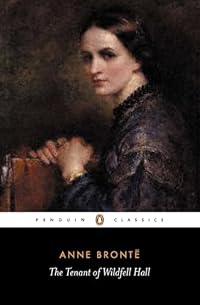
The Tenant of Wildfell Hall
by Anne Brontë
On This Page
Description
Helen Huntingdon flees a disastrous marriage and retreats to the desolate, half-ruined moorland mansion, Wildfell Hall. With her small son, Arthur, she adopts an assumed name and makes her living as a painter. The inconvenience of the house is outweighed by the fact that she and Arthur are removed from her drunken, degenerate husband. Although the house is isolated, she seeks to avoid the attentions of the neighbors. However, it is difficult to do so. All too soon she becomes an object of show more speculation, then cruel gossip. show lessTags
Recommendations






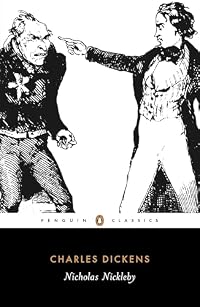
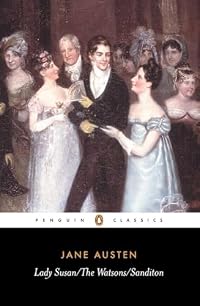
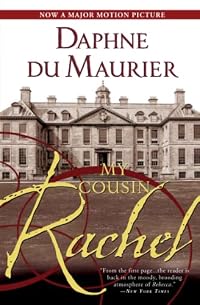

Member Recommendations
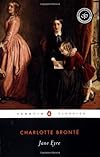
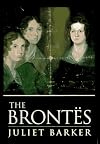
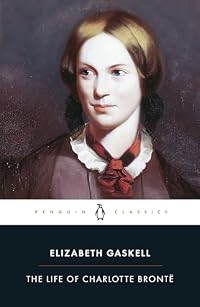
amerynth Great biography of the Bronte sisters and their brother Branwell
60
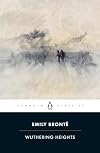
Lapsus_Linguae Both novels feature a strong female protagonist trapped in an abusive marriage. Endings are also pretty similar.
50
Lapsus_Linguae Both novels start with the arrival of a new person in small rural community... Anne Bronte's style is often compared to Austen's.
40
Lapsus_Linguae A self-righteous heroine leaves the place where she lived for many years, gets wrongly accused of "immoral behavior", has strong Christian views, and so on.
30
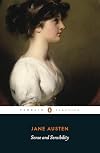
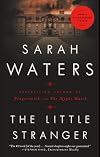
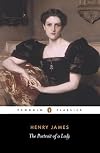
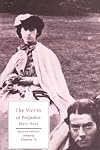
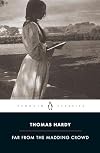
Lapsus_Linguae Both stories feature a failed marriage and social ostracism. Both were considered "immoral" when published. Both criticise the institution of marriage in their own way. Anne Bronte and Thomas Hardy have many similar topics in their novels.
11

Member Reviews
When a mysterious and reticent young woman moves into the country abode of Wildfell Hall, with a young son but no husband, the interest and suspicions of the villagers are soon aroused. Gilbert Markham, a young farmer in the village is intrigued by the newcomer, Helen Graham. They become friends and before long Gilbert falls for Helen. However, the other residents of the village start imagining all kind of things about Helen’s past and start spreading gossip and half-truths, especially regarding her apparent relationship with her landlord Mr Lawrence. Gilbert confronts Helen, and it is only when she allows him to read her diary that he understands her relucatance to make friends or discuss her past – Helen has left her alcoholic and show more cruel husband, and has taken their son in order that her husband cannot be a bad influence upon him. But can she ever escape the spectre of her unhappy marriage, and find happiness again…?
Anne Bronte is far less celebrated than her two sisters, Charlotte and Emily. Most readers are familiar wtih Charlotte’s most famous novel, Jane Eyre (one of my personal favourites), and Emily’s only novel, Wuthering Heights. (Even people who have not read the books usually have an idea of the storylines,due to the numerous television and film adaptations.) This is the first time I have read Anne Bronte, and I am at a loss as to why she is less well known than her sisters, because I thought this book was superb.
The narrative has three distinct parts – the first and third take the forms of letters written to an unseen friend, by Gilbert Markham, in which he tells his friend about the mysterious stranger who has taken up tenancy in Wildfell Hall, and the events surrounding her arrival in the village. The middle section consists of Helen’s diary entries, which detail the events in her marriage and her flight from her husband.
For the time it was written, this was a very brave subect to tackle – no matter how badly a husband treated his wife, a wife was simply not expected to leave him. Indeed at the time, it was not possible for a woman to obtain a divorce from her husband – although there was nothing to stop a husband divorcing his wife. Helen comes across as a strong character, reluctantly but necessarily flying in the face of social convention, and finding herself the subject of salacious gossip rather than sympathy for her troubles.
Comparisons to the works of Charlotte and Emily Bronte are inevitable, and whereas Emily depicted Heathcliff as a passionate and incredibly romantic hero, Anne portrays a far more realistic picture of life with such a man – her husband is certainly attractive and passionate in the beginning, but she soon realises that he is selfish, cruel and concerned more for himself than anybody else. I rather admire Anne for daring to show this less than savoury aspect of his character.
The characters were extremely well drawn, and while Helen verges on being overly pious and religious, it is important to remember the time that the book was written, when people were expected to be devoutly Christian, and not to go to church was seen as a serious transgression (early on in the book, the local Vicar calls on Helen to admonish her for her non-attenance at church). Helen does however come across as wilful and strong in extrremely difficult circumstances, and is determined to do what she believes to be right, even if it is not what others believe to be right. She was an admirable heroine.
Gilbert was a very likable and believable haracter. He was essentially a decent young man, but perhaps due to his mother who pandered to his every whim, he sometimes could behave in a selfish or childish manner – a fact that he himself was not blind to. However, this just served to make him all the more believable and realistic.
The other main character is that of Arthur Huntingdon, Helen’s husband. He does not narrate any of the book himself, but is fully brought to life in Helen’s diary, and was a despicable and ultimately rather pathetic character.
The story had sufficient twists and turns to suprise me on many occasions, and the ending was very satisfying. There were also moments of unexpected humour, although unlike some other reviewers, I did not see any similarity with the humour of Jane Austen.
Above all, this is an exciting story, with a heroine who was ahead of her time in many ways, but trapped by the social conventions of the time in which she lived. The book kept me gripped throughout, and I would recommend this without hesitation, especially to anyone who may have read books by the other Bronte sisters, but have yet to give Anne’s work a try. show less
Anne Bronte is far less celebrated than her two sisters, Charlotte and Emily. Most readers are familiar wtih Charlotte’s most famous novel, Jane Eyre (one of my personal favourites), and Emily’s only novel, Wuthering Heights. (Even people who have not read the books usually have an idea of the storylines,due to the numerous television and film adaptations.) This is the first time I have read Anne Bronte, and I am at a loss as to why she is less well known than her sisters, because I thought this book was superb.
The narrative has three distinct parts – the first and third take the forms of letters written to an unseen friend, by Gilbert Markham, in which he tells his friend about the mysterious stranger who has taken up tenancy in Wildfell Hall, and the events surrounding her arrival in the village. The middle section consists of Helen’s diary entries, which detail the events in her marriage and her flight from her husband.
For the time it was written, this was a very brave subect to tackle – no matter how badly a husband treated his wife, a wife was simply not expected to leave him. Indeed at the time, it was not possible for a woman to obtain a divorce from her husband – although there was nothing to stop a husband divorcing his wife. Helen comes across as a strong character, reluctantly but necessarily flying in the face of social convention, and finding herself the subject of salacious gossip rather than sympathy for her troubles.
Comparisons to the works of Charlotte and Emily Bronte are inevitable, and whereas Emily depicted Heathcliff as a passionate and incredibly romantic hero, Anne portrays a far more realistic picture of life with such a man – her husband is certainly attractive and passionate in the beginning, but she soon realises that he is selfish, cruel and concerned more for himself than anybody else. I rather admire Anne for daring to show this less than savoury aspect of his character.
The characters were extremely well drawn, and while Helen verges on being overly pious and religious, it is important to remember the time that the book was written, when people were expected to be devoutly Christian, and not to go to church was seen as a serious transgression (early on in the book, the local Vicar calls on Helen to admonish her for her non-attenance at church). Helen does however come across as wilful and strong in extrremely difficult circumstances, and is determined to do what she believes to be right, even if it is not what others believe to be right. She was an admirable heroine.
Gilbert was a very likable and believable haracter. He was essentially a decent young man, but perhaps due to his mother who pandered to his every whim, he sometimes could behave in a selfish or childish manner – a fact that he himself was not blind to. However, this just served to make him all the more believable and realistic.
The other main character is that of Arthur Huntingdon, Helen’s husband. He does not narrate any of the book himself, but is fully brought to life in Helen’s diary, and was a despicable and ultimately rather pathetic character.
The story had sufficient twists and turns to suprise me on many occasions, and the ending was very satisfying. There were also moments of unexpected humour, although unlike some other reviewers, I did not see any similarity with the humour of Jane Austen.
Above all, this is an exciting story, with a heroine who was ahead of her time in many ways, but trapped by the social conventions of the time in which she lived. The book kept me gripped throughout, and I would recommend this without hesitation, especially to anyone who may have read books by the other Bronte sisters, but have yet to give Anne’s work a try. show less
My first outing in the writing of Anne Bronte, a powerful and thought provoking tale about the injustices women faced in the time period.
Synopsis:
When Helen Graham moves into the long abandoned Wildfell Hall, everyone is curious about her story and her past. Intensely secretive, she raises her son in relative seclusion, but there is one in the local area who seeks to know more about Helen, and quickly a friendship between Helen and Gilbert arises. Mrs Graham becomes the speculation of much local gossip, and in order to clear her name in the eyes of Gilbert, she permits him to read her diary, and learn the shocking truth of the life she left behind.
Review:
Let me start off by saying Jane Eyre is one of my favourite books. Until recently show more that was the only book by the Bronte sisters I had read. In a recent women’s writing module at University one of the required texts was Wuthering Heights, which I loved (you can see the review here.) I then decided to read The Tenant of Wildfell Hall as a result of some comparisons made between the two novels. All three books achieved greatness for different things, but the thing that struck me most was the bravery it must have taken Anne to write such a book in the 19th century, not only highlighting the abusive nature of her marriage, but also chronicling the story of a woman reaching out on her own and raising her son as a single parent.
It’s an astounding book, especially given the overall happy ending - the majority of texts featuring single mothers tended to end in death and despair, but Anne’s protagonist stays strong throughout her hardship, and ultimately gets the life she deserves. Many feminists claim this to be an early example of a feminist text, and I think it did much in showcasing how little freedoms women had, and how little protection they had in abusive relationships.
There are a whole host of characters - much more than that of Wuthering Heights and Jane Eyre, and Bronte uses that to expand into many different sub plots as well as exploring different themes and different marriages. She highlights alcohol abuse, unmarried women feeling like a burden on their family and the inability to stand up to your husband in very subtle ways. Much of the text is written through the form of letters and diaries, which puts an interesting perspective on the story.
I feel the Tenant of Wildfell Hall is somewhat overshadowed by the books of her sisters, in fact I had never previously heard of the novel. It is an immensely powerful thought provoking tale and although I felt some chapters were a little long winded for my liking, it is a book that will stay with me for a long time. show less
Synopsis:
When Helen Graham moves into the long abandoned Wildfell Hall, everyone is curious about her story and her past. Intensely secretive, she raises her son in relative seclusion, but there is one in the local area who seeks to know more about Helen, and quickly a friendship between Helen and Gilbert arises. Mrs Graham becomes the speculation of much local gossip, and in order to clear her name in the eyes of Gilbert, she permits him to read her diary, and learn the shocking truth of the life she left behind.
Review:
Let me start off by saying Jane Eyre is one of my favourite books. Until recently show more that was the only book by the Bronte sisters I had read. In a recent women’s writing module at University one of the required texts was Wuthering Heights, which I loved (you can see the review here.) I then decided to read The Tenant of Wildfell Hall as a result of some comparisons made between the two novels. All three books achieved greatness for different things, but the thing that struck me most was the bravery it must have taken Anne to write such a book in the 19th century, not only highlighting the abusive nature of her marriage, but also chronicling the story of a woman reaching out on her own and raising her son as a single parent.
It’s an astounding book, especially given the overall happy ending - the majority of texts featuring single mothers tended to end in death and despair, but Anne’s protagonist stays strong throughout her hardship, and ultimately gets the life she deserves. Many feminists claim this to be an early example of a feminist text, and I think it did much in showcasing how little freedoms women had, and how little protection they had in abusive relationships.
There are a whole host of characters - much more than that of Wuthering Heights and Jane Eyre, and Bronte uses that to expand into many different sub plots as well as exploring different themes and different marriages. She highlights alcohol abuse, unmarried women feeling like a burden on their family and the inability to stand up to your husband in very subtle ways. Much of the text is written through the form of letters and diaries, which puts an interesting perspective on the story.
I feel the Tenant of Wildfell Hall is somewhat overshadowed by the books of her sisters, in fact I had never previously heard of the novel. It is an immensely powerful thought provoking tale and although I felt some chapters were a little long winded for my liking, it is a book that will stay with me for a long time. show less
This is an interesting novel, but is not, I think, destined to be one of my favourites. The story itself is fascinating for showing a failing marriage. Helen marries Arthur Huntingdon as she believe she sees something in him and can change him for the better. This is despite the best advice of her aunt, who can see right through Huntingdon's facade from the start. Mind you we can't necessarily blamed Helen for that; which of us has not ignored advice when it does not meet with our own inclination. Thought not.
From the marriage things begin to go downhill. At first slowly, but then with increasing speed. Huntingdon is a drunk, a bully and generally behaves bady, showing a complete lack of care for his wife, who can do nothing right for show more him, and embarking on an affair with her friend, who has married one of his friends. It's not a pleasant portrait of life, but it is a very real one. It is, however, the behaviour towards her young son, also Arthur, that finally causes Helen to get the hell out of there and so she plots to leave Huntingdon. And this is actually where we see her first, as the new tenant of the house on the fell, calling herself Mrs Graham.
I was not convinced by the manner in which this was told. It is set as a letter from our narrator to his brother in law, and tells of how he meets Mrs Graham and falls for her. She then geives him her diary, which is then related to the letter's recipient. It just doesn;t hang together and leaves everything at third hand. while both the letter and the diary are told in the first person, they are curiously flat and distant, somehow. I never really felt for them in any immediate way.
Helen herself is a bit of an enigma, she leaves Huntingdon primarily for the sake of her son, not herself. She refuses the advances of any suitor while she is married, for the sake of their souls. Then she returns to nurse her husband. It's all very contradictory.
I'm glad that I have finally read it, and I like the way that there is no sugar coating, this is a portrait of a failing marrige, it is not supposed to be nice or much of a romance. It's a warning to others, if you like, to not be taken in by appearances and to seek something stable and satisfyng. There's enough in here to keep the interest and make you want to know where the characters end up, I'm just not entirely conviced that this was the most effective way of telling the story. show less
From the marriage things begin to go downhill. At first slowly, but then with increasing speed. Huntingdon is a drunk, a bully and generally behaves bady, showing a complete lack of care for his wife, who can do nothing right for show more him, and embarking on an affair with her friend, who has married one of his friends. It's not a pleasant portrait of life, but it is a very real one. It is, however, the behaviour towards her young son, also Arthur, that finally causes Helen to get the hell out of there and so she plots to leave Huntingdon. And this is actually where we see her first, as the new tenant of the house on the fell, calling herself Mrs Graham.
I was not convinced by the manner in which this was told. It is set as a letter from our narrator to his brother in law, and tells of how he meets Mrs Graham and falls for her. She then geives him her diary, which is then related to the letter's recipient. It just doesn;t hang together and leaves everything at third hand. while both the letter and the diary are told in the first person, they are curiously flat and distant, somehow. I never really felt for them in any immediate way.
Helen herself is a bit of an enigma, she leaves Huntingdon primarily for the sake of her son, not herself. She refuses the advances of any suitor while she is married, for the sake of their souls. Then she returns to nurse her husband. It's all very contradictory.
I'm glad that I have finally read it, and I like the way that there is no sugar coating, this is a portrait of a failing marrige, it is not supposed to be nice or much of a romance. It's a warning to others, if you like, to not be taken in by appearances and to seek something stable and satisfyng. There's enough in here to keep the interest and make you want to know where the characters end up, I'm just not entirely conviced that this was the most effective way of telling the story. show less
Fértiles descripciones con dosis de devoción y austeridad
La inquilina de Wildfell Hall de Anne Brontë
Una joya literaria de la que tenía muchas expectativas y no me ha decepcionado en absoluto; sus descripciones, sus diálogos, sus personajes, sus paisajes... incluso con ese halo de aridez en sus textos, todo ha sido un disfrute.
La historia tiene tres partes: la primera cuando el señor Markham cuenta su historia de forma epistolar, su vida y los cambios que experimenta con la llegada de la misteriosa dama a Wildfell Hall. Aquí la narrativa al ser desde el punto de vista de Markham es más lírico, con humor y mucha chispa.
La segunda parte, Helen narra su historia también de manera epistolar a través de su diario. El estilo es show more más austero, sin adornos, sin florituras, una descripción de los hechos con cierta crudeza.
Y la tercera parte, vuelve al señor Markham, contando desde su punto de vista, siempre de manera epistolar; por un lado, la salida de Helen para atender a su esposo enfermo y por el otro su propia vida: el cambio de simple granjero enamorado de la vida, a un hombre devotamente enamorado de una mujer casada y su lucha por ser correspondido, su espera, su desasosiego, sus miedos e inseguridades hasta casi no tener esperanza.
La novela tiene fuerza, se respira cierto feminismo, Helen, una mujer preparada, generosa, reflexiva, extremadamente devota, se enamora de Arthur, totalmente opuesto a ella (irreverente, mujeriego, jugador, bebedor, pagano, etc.) y nos enseña cómo su amor y toda su paciencia no es suficiente para alcanzar la felicidad.
Una novela que nos brinda reflexiones intensas de la sensatez humana, de la severidad cristiana en la actuación de cada individuo y la falta de equidad para juzgar a un hombre y una mujer ante un mismo "pecado".
Las palabras están siempre impresas con ese toque melancólico, resentido e incluso frustrante ante la injustica de ser mujer y ser esposa. Es duro ver el maltrato físico y psicológico al que es sometida la mujer, en aquella época y en cualquiera. Abusos de todo tipo, a lo largo de la historia, las mujeres han soportado durante toda su existencia, sobre todo en el matrimonio, y aquí Anne Brontë retrata muy bien estos hechos. Describe dos tipos de mujer afrontando estas situaciones: por un lado la señora Huntingdon y la señora Hattersley; dos mujeres tan distintas para enfrentar sus vidas con dos esposos tan parecidos en la superficie. Y ahí está la diferencia. Helen Huntingdon, mujer tenaz, talentosa e inteligente es una ofensa para la mente ramplona de Arthur, su esposo, saca lo peor de él (violencia psicológica, crueldad, abusos, infidelidades y autoritarismo); y por el otro frente la señora Hattersley, totalmente sumisa, golpeada, maltratada y siempre poniendo la otra mejilla, sin ningún reproche, ni censura a la actitud de su esposo ¿os imagináis una mujer así? me quito el sombrero por las dos. El final de ambas parejas fue totalmente diferente y sorprendente.
Definitivamente, Anne Brontë hace una magistral reflexión de las personalidades de los distintos personajes, sus mentes, sus debilidades, sus cualidades, es una excelente fisonomista del carácter a través de sus principales personajes: Helen Huntingdon y Gilbert Markham. Muchas de sus reflexiones tienen una alta dosis de religiosidad y devoción que en una primera lectura es difícil asimilarlo, sobre todo para los que estamos poco familiarizados con tanta religiosidad. Lo que más me llamó la atención es su estilo directo sin adornos, realista y con cierta melancolía que dejaba connotar entre sus líneas.
Está claro que para Anne Brontë el título de caballeros no era sinónimo de ser buenos hombres, buenos cristianos y así lo remarca en la descripción que hace de personajes como Grimsby, Huntingdon, Hattersley e incluso Hargrave (que era más instruido y moderado que los otros pero resentido y vanidoso); o un Lowborough (que a pesar de su cambio, era débil de carácter) frente a un simple granjero como el señor Gilbert Markham que era todo un caballero sin tener ese título.
El otro tema importante que toca en su novela epistolar es el alcoholismo y todo lo que esa enfermedad desencadena en la vida de las personas que conviven con personas que sufren ese mal.
En definitiva una obra sobria y deliciosa en descripciones de personajes, lugares y pensamientos, dejando un halo de aspereza y melancolía en sus textos pero no por ello deja de encandilarte entre sus letras tan ingeniosamente puestas en papel a través de sus personajes.
http://warmisunquausten.blogspot.com.es/2013/10/fertiles-descripciones-con-dosis... show less
La inquilina de Wildfell Hall de Anne Brontë
Una joya literaria de la que tenía muchas expectativas y no me ha decepcionado en absoluto; sus descripciones, sus diálogos, sus personajes, sus paisajes... incluso con ese halo de aridez en sus textos, todo ha sido un disfrute.
La historia tiene tres partes: la primera cuando el señor Markham cuenta su historia de forma epistolar, su vida y los cambios que experimenta con la llegada de la misteriosa dama a Wildfell Hall. Aquí la narrativa al ser desde el punto de vista de Markham es más lírico, con humor y mucha chispa.
La segunda parte, Helen narra su historia también de manera epistolar a través de su diario. El estilo es show more más austero, sin adornos, sin florituras, una descripción de los hechos con cierta crudeza.
Y la tercera parte, vuelve al señor Markham, contando desde su punto de vista, siempre de manera epistolar; por un lado, la salida de Helen para atender a su esposo enfermo y por el otro su propia vida: el cambio de simple granjero enamorado de la vida, a un hombre devotamente enamorado de una mujer casada y su lucha por ser correspondido, su espera, su desasosiego, sus miedos e inseguridades hasta casi no tener esperanza.
La novela tiene fuerza, se respira cierto feminismo, Helen, una mujer preparada, generosa, reflexiva, extremadamente devota, se enamora de Arthur, totalmente opuesto a ella (irreverente, mujeriego, jugador, bebedor, pagano, etc.) y nos enseña cómo su amor y toda su paciencia no es suficiente para alcanzar la felicidad.
Una novela que nos brinda reflexiones intensas de la sensatez humana, de la severidad cristiana en la actuación de cada individuo y la falta de equidad para juzgar a un hombre y una mujer ante un mismo "pecado".
Las palabras están siempre impresas con ese toque melancólico, resentido e incluso frustrante ante la injustica de ser mujer y ser esposa. Es duro ver el maltrato físico y psicológico al que es sometida la mujer, en aquella época y en cualquiera. Abusos de todo tipo, a lo largo de la historia, las mujeres han soportado durante toda su existencia, sobre todo en el matrimonio, y aquí Anne Brontë retrata muy bien estos hechos. Describe dos tipos de mujer afrontando estas situaciones: por un lado la señora Huntingdon y la señora Hattersley; dos mujeres tan distintas para enfrentar sus vidas con dos esposos tan parecidos en la superficie. Y ahí está la diferencia. Helen Huntingdon, mujer tenaz, talentosa e inteligente es una ofensa para la mente ramplona de Arthur, su esposo, saca lo peor de él (violencia psicológica, crueldad, abusos, infidelidades y autoritarismo); y por el otro frente la señora Hattersley, totalmente sumisa, golpeada, maltratada y siempre poniendo la otra mejilla, sin ningún reproche, ni censura a la actitud de su esposo ¿os imagináis una mujer así? me quito el sombrero por las dos. El final de ambas parejas fue totalmente diferente y sorprendente.
Definitivamente, Anne Brontë hace una magistral reflexión de las personalidades de los distintos personajes, sus mentes, sus debilidades, sus cualidades, es una excelente fisonomista del carácter a través de sus principales personajes: Helen Huntingdon y Gilbert Markham. Muchas de sus reflexiones tienen una alta dosis de religiosidad y devoción que en una primera lectura es difícil asimilarlo, sobre todo para los que estamos poco familiarizados con tanta religiosidad. Lo que más me llamó la atención es su estilo directo sin adornos, realista y con cierta melancolía que dejaba connotar entre sus líneas.
Está claro que para Anne Brontë el título de caballeros no era sinónimo de ser buenos hombres, buenos cristianos y así lo remarca en la descripción que hace de personajes como Grimsby, Huntingdon, Hattersley e incluso Hargrave (que era más instruido y moderado que los otros pero resentido y vanidoso); o un Lowborough (que a pesar de su cambio, era débil de carácter) frente a un simple granjero como el señor Gilbert Markham que era todo un caballero sin tener ese título.
El otro tema importante que toca en su novela epistolar es el alcoholismo y todo lo que esa enfermedad desencadena en la vida de las personas que conviven con personas que sufren ese mal.
En definitiva una obra sobria y deliciosa en descripciones de personajes, lugares y pensamientos, dejando un halo de aspereza y melancolía en sus textos pero no por ello deja de encandilarte entre sus letras tan ingeniosamente puestas en papel a través de sus personajes.
http://warmisunquausten.blogspot.com.es/2013/10/fertiles-descripciones-con-dosis... show less
I was totally spellbound by The Tenant of Wildfell Hall, the second and final novel of Anne Bronte. This Victorian story opens in a rural community that has it’s focus on the newest arrival, a young widow, Helen Graham, who has taken up the tenancy at Wildfell Hall with her young son. As the community tried to unravel the truth behind Helen’s background, malicious gossip and innuendo arises accusing her of being an immoral woman. A local gentleman farmer, Gilbert Markham, finds himself becoming more enamoured by the widow and although they have obviously formed an attachment, he is frustrated by her resistance to his romantic advances and torn by jealousy. When she finally allows him to read about her life from her diary her show more troubled past is revealed.
Helen’s previous life had been ruled by her alcoholic adulterous husband who made her life a living hell and seemed bent on teaching her son to follow in his debauchery. The book gives the reader a clear look at Victorian sensibilities, and although extremely shocking at the time of publication, has been lauded over the years for exposing the hypocrisy of hiding away scandals for appearance sake. I cannot imagine trying to live up to the ridge code of behaviour that was applied to Victorian women.
I loved this story and grew to admire Helen immensely. Gilbert, on the other hand, although far better than her husband, was not my idea of the perfect man as he exhibited a childish, petulant side with a wicked temper. The story is told in an epistolary manner as Gilbert writes to a friend and then the pages of Helen’s diary. I got totally caught up in this revealing early feminist novel that was quite simply an exquisite read. show less
Helen’s previous life had been ruled by her alcoholic adulterous husband who made her life a living hell and seemed bent on teaching her son to follow in his debauchery. The book gives the reader a clear look at Victorian sensibilities, and although extremely shocking at the time of publication, has been lauded over the years for exposing the hypocrisy of hiding away scandals for appearance sake. I cannot imagine trying to live up to the ridge code of behaviour that was applied to Victorian women.
I loved this story and grew to admire Helen immensely. Gilbert, on the other hand, although far better than her husband, was not my idea of the perfect man as he exhibited a childish, petulant side with a wicked temper. The story is told in an epistolary manner as Gilbert writes to a friend and then the pages of Helen’s diary. I got totally caught up in this revealing early feminist novel that was quite simply an exquisite read. show less
WARNING: This review contains spoilers.
****
It's a pity that Anne Brontë has only two novels to her credit, but at least the two she has are very good, and this one, her last, is extremely well done. Anne writes well, with plenty of description that sets the scene but does not encumber the story at all. The narrative voices of Gilbert Markham and the titular tenant are clearly distinguishable and both very believable. I became fully immersed in Helen's story, especially as she was planning to leave Mr. Huntingdon and he had the nerve to thwart her plans at first, and then Mr. Huntingdon's eventual illness and death. Those parts of the story were so absorbing that when I stopped reading I didn't quite know where I was at first. Such show more absorbing writing, even with the multitude of endnotes. For the most part I was able to follow along without flipping to the back, but there were some Scripture references that required a bit of clarification.
Overall this was a very good read. If you like classic fiction with solid description and a smooth execution (and a rather satisfying ending), then pick this up. And even though she's a Brontë, Anne writes very differently from Emily and Charlotte, so perhaps you may like her even if Emily and Charlotte's works don't do anything for you. show less
****
It's a pity that Anne Brontë has only two novels to her credit, but at least the two she has are very good, and this one, her last, is extremely well done. Anne writes well, with plenty of description that sets the scene but does not encumber the story at all. The narrative voices of Gilbert Markham and the titular tenant are clearly distinguishable and both very believable. I became fully immersed in Helen's story, especially as she was planning to leave Mr. Huntingdon and he had the nerve to thwart her plans at first, and then Mr. Huntingdon's eventual illness and death. Those parts of the story were so absorbing that when I stopped reading I didn't quite know where I was at first. Such show more absorbing writing, even with the multitude of endnotes. For the most part I was able to follow along without flipping to the back, but there were some Scripture references that required a bit of clarification.
Overall this was a very good read. If you like classic fiction with solid description and a smooth execution (and a rather satisfying ending), then pick this up. And even though she's a Brontë, Anne writes very differently from Emily and Charlotte, so perhaps you may like her even if Emily and Charlotte's works don't do anything for you. show less
Published in 1848, The Tenant of Wildfell Hall is a remarkable work for its time. The storyline covers domestic abuse, female agency, and moral corruption. It is structured in dual perspectives: Gilbert Markham writes letters to his friend Halford, and Helen Huntingdon composes diary entries. We first get Gilbert’s view of what is going on with Helen, the titular “tenant,” who has moved into the community and is the subject of gossip. We then obtain Helen’s perspective, which provides the full picture.
Helen impulsively marries Athur Huntingdon, a man of many flaws, against her aunt’s advice. She marries based on physical attraction, the feeling of being “in love,” and youthful exuberance. Her diary entries provide a show more gradual realization that she has made a big mistake. She refuses to be defined by male authority, despite receiving much advice to the contrary. These choices were radical for the time, as married women had no legal rights to their children or property until the late 19th century.
Brontë criticizes Victorian marriage customs and gender inequality. She probes into the double-standard, where Helen suffers social scorn, while her husband’s outrageous behavior is excused. I’m sure the novel's depictions of alcoholism, domestic abuse, and infidelity were shocking for its time. It is one of the earliest examples of feminist writing.
I am amazed that the book reads so much like a contemporary novel, particularly the (mostly) straight-forward language. My typical experience with Victorian literature requires wading through ornate prose. But here, the dialogue feels natural, and the storytelling direct. The characters are well developed, and I found it easy to root for Helen. It is very much a novel of realism, which seems fitting for the subject matter. I did not expect to enjoy this book as much as I did! It certainly deserves its place as a literary classic. show less
Helen impulsively marries Athur Huntingdon, a man of many flaws, against her aunt’s advice. She marries based on physical attraction, the feeling of being “in love,” and youthful exuberance. Her diary entries provide a show more gradual realization that she has made a big mistake. She refuses to be defined by male authority, despite receiving much advice to the contrary. These choices were radical for the time, as married women had no legal rights to their children or property until the late 19th century.
Brontë criticizes Victorian marriage customs and gender inequality. She probes into the double-standard, where Helen suffers social scorn, while her husband’s outrageous behavior is excused. I’m sure the novel's depictions of alcoholism, domestic abuse, and infidelity were shocking for its time. It is one of the earliest examples of feminist writing.
I am amazed that the book reads so much like a contemporary novel, particularly the (mostly) straight-forward language. My typical experience with Victorian literature requires wading through ornate prose. But here, the dialogue feels natural, and the storytelling direct. The characters are well developed, and I found it easy to root for Helen. It is very much a novel of realism, which seems fitting for the subject matter. I did not expect to enjoy this book as much as I did! It certainly deserves its place as a literary classic. show less
Members
- Recently Added By
Published Reviews
ThingScore 63
"profane expressions, inconceivably coarse language, and revolting scenes and descriptions by which its pages are disfigured"
added by GYKM
"a morbid love for the coarse, not to say the brutal"
added by GYKM
"The reader of Acton Bell gains no enlarged view of mankind, giving a healthy action to his sympathies, but is confined to a narrow space of life, and held down, as it were, by main force, to witness the wolfish side of his nature literally and logically set forth."
added by GYKM
Lists

1001 Books You Must Read Before You Die
1,448 works; 1,132 members

Read the book and saw the movie
1,170 works; 193 members

Classics you know you should have read but probably haven't
421 works; 407 members

Favourite 19th century fiction
257 works; 60 members
Best of British Literature
226 works; 41 members

Unread books
1,063 works; 86 members

...read all, pay nowt (Books set in Yorkshire)
86 works; 14 members
Female Author
1,235 works; 65 members

BBC's 100 Novels That Shaped Our World
100 works; 22 members

Books featuring alcoholics
103 works; 18 members

Best Feminist Literature
188 works; 26 members

Books Set in Great Britain
191 works; 13 members
Folio Society
831 works; 53 members

Best Love Stories
107 works; 14 members

19th Century
190 works; 15 members
500 Great Books by Women
507 works; 60 members

Western World's Greatest Books - Project Gutenberg
295 works; 15 members

Epistolary Books
105 works; 24 members

Blue Pyramid 1,276 Best Books of All Time
1,248 works; 32 members

Global Reads: Books Set in the United Kingdom and Ireland
109 works; 5 members
Women's reading list
50 works; 7 members

Top Five Books of 2015
811 works; 240 members

Sense of place
156 works; 13 members

A Novel Cure
742 works; 23 members

1,001 BYMRBYD Concensus
723 works; 27 members
Love Triangles in Literature
108 works; 15 members
Literature About Women and Girls
391 works; 39 members
Out of Copyright
244 works; 14 members

Houses and Buildings as Characters in Fiction
182 works; 29 members

75 Books Challenge 2015 Halloween Read long list
45 works; 4 members
Victorian Period
113 works; 10 members
Overdue Podcast
803 works; 9 members

SHOULD Read Books!
354 works; 9 members
1840s
10 works; 2 members

Books Read in 2017
4,248 works; 129 members

Books Read in 2006
417 works; 8 members

Novels featuring Mothers
64 works; 8 members

Books I Own But Haven't Read
144 works; 2 members
Most Popular Penguins
70 works; 4 members

Which house?
423 works; 16 members

Read in 2006
140 works; 1 member
Our Favorite Comfort Reads
334 works; 200 members

Physical TBR List
68 works; 1 member

Classics Reading List
16 works; 1 member
Best Audiobooks
240 works; 114 members

Top Five Books of 2023
767 works; 317 members

Books Read in 2024
4,623 works; 126 members

Rachel's Lifetime reading list
1 work; 1 member

Books Read in 2018
4,360 works; 110 members

Recommended Literary Books
111 works; 1 member
My TBR
371 works; 3 members

Books Read in 2019
4,052 works; 110 members

A Reading List
100 works; 3 members

Tagged 19th Century
104 works; 7 members
Reading LIst
648 works; 1 member
Talk Discussions
Past Discussions
Group Read, November 2019: The Tenant of Wildfell Hall in 1001 Books to read before you die (December 2019)
The Tenant of Wildfell Hall: March group read in 75 Books Challenge for 2017 (March 2017)
Tenant in The Brontës (March 2013)
September: Bronte: the Tenant of Wildfell hall in Monthly Author Reads (September 2010)
Author Information

119+ Works 18,270 Members
Anne Bronte was the daughter of an impoverished clergyman of Haworth in Yorkshire, England. Considered by many critics as the least talented of the Bronte sisters, Anne wrote two novels. Agnes Grey (1847) is the story of a governess, and The Tenant of Wildfell Hall (1848), is a tale of the evils of drink and profligacy. Her acquaintance with the show more sin and wickedness shown in her novels was so astounding that Charlotte Bronte saw fit to explain in a preface that the source of her sister's knowledge of evil was their brother Branwell's dissolute ways. A habitue of drink and drugs, he finally became an addict. Anne Bronte's other notable work is her Complete Poems. Anne Bronte died in 1849. (Bowker Author Biography) show less
Some Editions
Awards and Honors
Series
Belongs to Publisher Series
Work Relationships
Is contained in
The Complete Novels: Agnes Grey / Jane Eyre / The Professor / Shirley / The Tenant of Wildfell Hall / Villette / Wuthering Heights by Charlotte Brontë
Vilette / Jane Eyre / Shirley / The Tenant of Wildfell Hall / Agnes Grey / Wuthering Heights by Charlotte Brontë
The Brontë Collection: Includes Jane Eyre, The Professor, Shirley, Villette, Wuthering Heights, Agnes Grey, The Tenant of Wildfell Hall, Cottage Poems and More by Charlotte Brontë
6 Volume Set Jane Eyre, Tenant of Wildfell Hall, Wuthering Heights, Agnes Grey, Professor, Poems, Miscellanea, Shirley, Villete by Charlotte Brontë
Brontë Sisters: The Professor / Angrian Tales and Poems / The Tenant of Wildfell Hall / Agnes Grey / Wuthering Heights / Jane Eyre / Villette / Shirley by Anne Brontë
Agnes Grey / The Tenant of Wildfell Hall / Jane Eyre / The Professor / Villette / Wuthering Heights / Poems by Currer, Ellis, and Acton Bell by Anne Brontë
Contains
Has the adaptation
Is abridged in
Inspired
Has as a student's study guide
Common Knowledge
- Canonical title
- The Tenant of Wildfell Hall
- Original title
- The Tenant of Wildfell Hall
- Alternate titles*
- Il segreto della signora in nero, La misteriosa signora Graham
- Original publication date
- 1848
- People/Characters
- Gilbert Markham; Helen Huntingdon (aka Helen Graham); Frederick Lawrence; Arthur Graham; Arthur Huntingdon; Eliza Millward (show all 33); Mary Millward; Reverend Michael Millward; Rose Markham; Fergus Markham; Mrs. Markham; Annabella Wilmot; Milicent Hargrave; Esther Hargrave; Walter Hargrave; Mrs. Hargrave; Ralph Hattersley; Mr. Grimsby; Lord Lowborough; Mr. Boarham; Mr. Wilmot; Mr. Maxwell; Margaret 'Peggy' Maxwell; Rachel; Alice Myers; Benson; John; Mrs. Greaves; Jane Wilson; Richard Wilson; Robert Wilson; Mrs. Wilson; Jack Halford
- Important places
- Yorkshire, England, UK
- Related movies
- The Tenant of Wildfell Hall (1996 | IMDb); The Tenant of Wildfell Hall (1968 | IMDb)
- First words
- To J. Halford, Esq.
Dear Halford,
When we were together last, you gave me a very particular and interesting account of the most remarkable occurrences of your early life, previous to our acquaintance; and then y... (show all)ou requested a return of confidence from me. - Last words
- (Click to show. Warning: May contain spoilers.)Till then, farewell.
- Original language
- English UK
- Canonical DDC/MDS
- 823.8
- Canonical LCC
- PR4162.T4
*Some information comes from Common Knowledge in other languages. Click "Edit" for more information.
Classifications
Statistics
- Members
- 9,059
- Popularity
- 1,170
- Reviews
- 196
- Rating
- (3.95)
- Languages
- 29 — Bulgarian, Catalan, Czech, Danish, Dutch, English, Estonian, Finnish, French, German, Hungarian, Italian, Japanese, Latvian, Macedonian, Norwegian, Farsi/Persian, Polish, Romanian, Serbian, Croatian, Slovak, Slovenian, Spanish, Swedish, Turkish, Portuguese (Portugal), Portuguese (Brazil), Chinese, simplified
- Media
- Paper, Audiobook, Ebook
- ISBNs
- 339
- UPCs
- 3
- ASINs
- 117