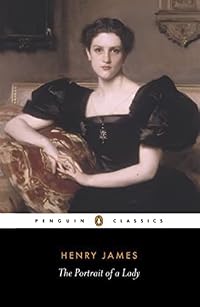
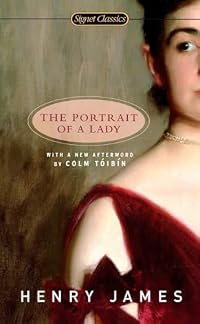
The Portrait of a Lady
by Henry James
On This Page
Description
The Portrait of a Lady is perhaps Henry James' greatest novel. It tells the story of Isabel Archer, a young American heiress who "affronts her destiny". Dealing with one of James' recurrent themes, the American in Europe, and the differences between the two cultures, The Portrait of a Lady is a tale of the conspiracy to separate Isabel from her fortune and the value of autonomy and accountability..
Tags
Recommendations
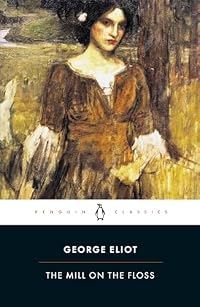
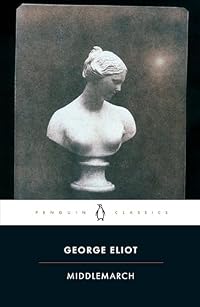
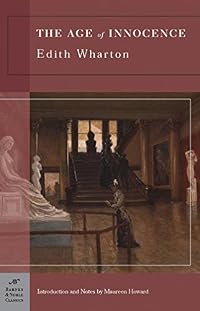

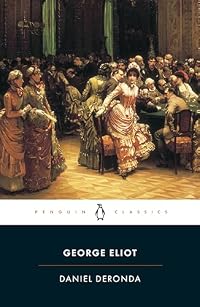
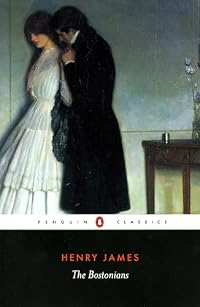

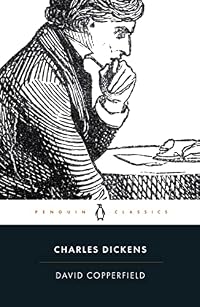
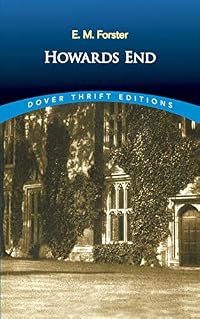







Member Recommendations
ncgraham Surprised this recommendation hasn't already been made ... scholars throughout the years have noted Gwendolen Harleth's influence upon James in creating Isabel Archer.
90


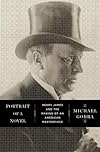
Cecrow Non-fiction work detailing the story behind the novel's writing.
20

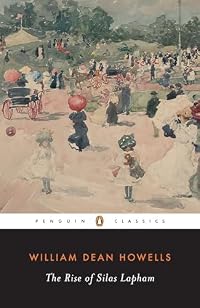
Bjace Howells ventures into Henry James territory with this tale of an American expatriate in Florence who is caught between two women. Howells teases the reader by starting to write a Henry James ending and then doing something quite different.
11
Member Reviews
American Henry James thought long and hard before putting pen to paper to write The Portrait of a Lady. He was determined to answer his critics by producing a literary masterpiece. He likened his process of writing this novel to the erection of a particularly fine building: a classical building of course. In his preface to the novel James was at pains to point out this process:
“So far I reasoned, and it took nothing less than that technical rigour. I now easily see, to inspire me with the right confidence for erecting on a plot of ground the neat and careful and proportioned pile of bricks that arches over it and that was thus to form, constructionally speaking a literary monument…………That solicitude was to be accordingly show more expressed in the artful patience with which as I have said I piled brick upon brick. The bricks for the whole counting over - putting for bricks little touches and inventions and enhancements by the way - affect me in truths well nigh innumerable and as ever so scrupulously fitted together and packed in.”
This extraordinary preface prepares the reader for the long haul, but it also confidently claims that the reader will be in the safe hands of a master craftsman and storyteller, one who is blessed with a gift that can reveal aspects of the human condition to the patient reader. Patience is perhaps the supreme virtue for Henry James as the last sentence of this monument of a novel is:
“She walked him away with her, however, as if she had given him now the key to patience.”
Patience is what a modern reader will need for the first three quarters of this novel, but as Henry James says it will have it’s rewards. He moves his readers crablike through the first chapters where he introduces some of the main characters and sets them in a beautiful old Country House in England. His writing is delicate and fine and when we meet his central character: Miss Isabel Archer we are soon lost in admiration for her independence and wit, expressed in some splendid conversation exchanges with her hosts at Gardencourt. Miss Archer is a young American lady of exceptional talent who values her independence above all things and one can’t help feeling that Henry James imbued much of his own character in the portrait of this lady. Fine, splendid, delicate are words that we could use to describe the society that James is portraying here. These are people with independent incomes living in mid nineteenth century England, who have impeccable manners and who can call on titled individuals as their friends. Miss Archer from America can fit into this society through her intelligence and wit and because of her good American breeding. This book is about upstairs people, nobody from downstairs gets a look in.
The story line of the novel follows the career of Miss Archer. She dazzles almost everybody she meets. She has offers of marriage from Lord Warburton a fine Englishman with radical ideas who is forging a career as a diplomat and also from Casper Goodwood a leading American industrialist. She rejects them both in pursuit of something finer for herself. When her protector old Mr Touchett dies, on the advice of his invalid son Ralph he leaves Miss Archer a fortune and so suddenly she is even more attractive on the marriage market. She travels to the Italian home of Mrs Touchett, where under guidance from Madame Merle she meets Gilbert Osmond, the embodiment of fine taste and culture. After a courtship she decides to accept Gilbert Osmond waiving away Lord Warburton and Casper Goodwood who have followed her to Italy. Osmond has been married before and has a young daughter Pansy who has just left the convent to live with him and his new wife. It doesn't work well for Isabel Archer, who after the first year of marriage becomes estranged from her traditionalist husband, but she soon grows to love his young daughter. It is Pansy’s prospects on the marriage market that bring Isabel Archer’s big mistake to a head and the novel’s main theme then becomes how Isabel can come to terms with her future.
The novel was originally serialised in Atlantic Monthly and Macmillan’s magazine before being released as a novel a year later in 1881. The novel gains both power and depth as you read through; the almost painstaking preparatory work in the first sections of the novel reap rewards once the story starts to unfold. It is the quality of James’s writing that kept me reading; his descriptions, conversations and character building are first class and once the story gets rolling the groundwork provides an excellent reference for the characters and their actions. Henry James valued his own independence and so one feels he is speaking from the heart when he is describing Isabel Archers point of view. He never married himself and it is therefore no surprise to learn of Isabel Archer’s mistake once she falls into that trap. There may be some evidence for thinking that the author of The portrait of a lady was a misogynist. For example his heroine for all her intelligence, manners and charm has an inherent character fault: it is her pride that in the end leads her into a miserable existence. Most of the other female characters are shown as manipulative and uncaring or dull and it is only the young virginal Pansy that can claim to be good. By contrast there are plenty of good and upstanding male characters; Lord Warburton, Casper Goodwood, Ralph and old Mr Touchett, although the most evil characterisation is reserved for Gilbert Osmond.
This is a slow moving novel whose storyline can be pretty well predicted, but this is not why we read Henry James. We read him for his characterisation, his brilliant descriptions and his observations on the human condition as well as his skill as a novel writer. There is no evidence of his rather mannered and tortured sentence structures that he favoured in his later novels. An added bonus for readers today is the depiction of life in mid nineteenth century England, even if it is reserved for the top tier of society. Yes James can sound snobbish and a little prissy at times and this in the end makes me think that his excellent novel is not a great novel. 4.5 stars show less
“So far I reasoned, and it took nothing less than that technical rigour. I now easily see, to inspire me with the right confidence for erecting on a plot of ground the neat and careful and proportioned pile of bricks that arches over it and that was thus to form, constructionally speaking a literary monument…………That solicitude was to be accordingly show more expressed in the artful patience with which as I have said I piled brick upon brick. The bricks for the whole counting over - putting for bricks little touches and inventions and enhancements by the way - affect me in truths well nigh innumerable and as ever so scrupulously fitted together and packed in.”
This extraordinary preface prepares the reader for the long haul, but it also confidently claims that the reader will be in the safe hands of a master craftsman and storyteller, one who is blessed with a gift that can reveal aspects of the human condition to the patient reader. Patience is perhaps the supreme virtue for Henry James as the last sentence of this monument of a novel is:
“She walked him away with her, however, as if she had given him now the key to patience.”
Patience is what a modern reader will need for the first three quarters of this novel, but as Henry James says it will have it’s rewards. He moves his readers crablike through the first chapters where he introduces some of the main characters and sets them in a beautiful old Country House in England. His writing is delicate and fine and when we meet his central character: Miss Isabel Archer we are soon lost in admiration for her independence and wit, expressed in some splendid conversation exchanges with her hosts at Gardencourt. Miss Archer is a young American lady of exceptional talent who values her independence above all things and one can’t help feeling that Henry James imbued much of his own character in the portrait of this lady. Fine, splendid, delicate are words that we could use to describe the society that James is portraying here. These are people with independent incomes living in mid nineteenth century England, who have impeccable manners and who can call on titled individuals as their friends. Miss Archer from America can fit into this society through her intelligence and wit and because of her good American breeding. This book is about upstairs people, nobody from downstairs gets a look in.
The story line of the novel follows the career of Miss Archer. She dazzles almost everybody she meets. She has offers of marriage from Lord Warburton a fine Englishman with radical ideas who is forging a career as a diplomat and also from Casper Goodwood a leading American industrialist. She rejects them both in pursuit of something finer for herself. When her protector old Mr Touchett dies, on the advice of his invalid son Ralph he leaves Miss Archer a fortune and so suddenly she is even more attractive on the marriage market. She travels to the Italian home of Mrs Touchett, where under guidance from Madame Merle she meets Gilbert Osmond, the embodiment of fine taste and culture. After a courtship she decides to accept Gilbert Osmond waiving away Lord Warburton and Casper Goodwood who have followed her to Italy. Osmond has been married before and has a young daughter Pansy who has just left the convent to live with him and his new wife. It doesn't work well for Isabel Archer, who after the first year of marriage becomes estranged from her traditionalist husband, but she soon grows to love his young daughter. It is Pansy’s prospects on the marriage market that bring Isabel Archer’s big mistake to a head and the novel’s main theme then becomes how Isabel can come to terms with her future.
The novel was originally serialised in Atlantic Monthly and Macmillan’s magazine before being released as a novel a year later in 1881. The novel gains both power and depth as you read through; the almost painstaking preparatory work in the first sections of the novel reap rewards once the story starts to unfold. It is the quality of James’s writing that kept me reading; his descriptions, conversations and character building are first class and once the story gets rolling the groundwork provides an excellent reference for the characters and their actions. Henry James valued his own independence and so one feels he is speaking from the heart when he is describing Isabel Archers point of view. He never married himself and it is therefore no surprise to learn of Isabel Archer’s mistake once she falls into that trap. There may be some evidence for thinking that the author of The portrait of a lady was a misogynist. For example his heroine for all her intelligence, manners and charm has an inherent character fault: it is her pride that in the end leads her into a miserable existence. Most of the other female characters are shown as manipulative and uncaring or dull and it is only the young virginal Pansy that can claim to be good. By contrast there are plenty of good and upstanding male characters; Lord Warburton, Casper Goodwood, Ralph and old Mr Touchett, although the most evil characterisation is reserved for Gilbert Osmond.
This is a slow moving novel whose storyline can be pretty well predicted, but this is not why we read Henry James. We read him for his characterisation, his brilliant descriptions and his observations on the human condition as well as his skill as a novel writer. There is no evidence of his rather mannered and tortured sentence structures that he favoured in his later novels. An added bonus for readers today is the depiction of life in mid nineteenth century England, even if it is reserved for the top tier of society. Yes James can sound snobbish and a little prissy at times and this in the end makes me think that his excellent novel is not a great novel. 4.5 stars show less
I met Isabel Archer for the first time a couple of years ago. She was highly admired by those close to her and had a few suitors of high standing competing for her attention. I was mildly puzzled by all the high praise heaped upon this young lady. She was certainly pretty and carried some charm and freshness often attributed to Americans, yet she did not appear to have any particularly interesting ideas or plans. Who at her age and with her resources would not want to travel more and experience everything! At the same time she didn't care much about art or history beyond what was expected at a social gathering. Her aristocratic aspirations were quite annoying, she clearly did not distinguish between appearance and substance. She was show more very kind but frankly did not seem very intelligent. At some point we broke off any sort of connection and I felt all the better for it.
Last year I spent some time in the company of Ms Archer's compatriot Mr Strether in Paris. We became good friends as I discovered that behind a stern facade that this man presented to the world there was a sensitive and humble human being, full of sublime care and concern for others. I wondered then if I had been too rush in forming my opinion of Isabel, she too could have been hiding behind a well-manufactured front. I rushed to Rome where I knew she was spending her time having married some pretentious nonentity Mr Osmond.
Mrs Osmond was very reserved when we met again. She was an epitome of propriety, stately, correct, as always charming - it was obvious to me it was another wall she constructed to keep the world out of what was tormenting her within. This time I often stayed in her company and eventually on one of our drives through the deserted streets of Rome she broke down and told me everything. She was profoundly unhappy, her husband turned out to be a controlling, calculating monster - eager to show her off as a prize item in his extensive collection of valuable objects but depriving her of any attempt at an interest of her own. He kept her suffocating in the dark dungeon of their palazzo. And even then she did not blame him, she still believed in his initial sincerity and love for her. She did not even blame herself - it did appear that she had done everything right when choosing to marry him, with the knowledge that she had at the time. Was it not true that our deepest mistakes and regrets were not consequences of malice from someone but just the outcomes of unfortunate but natural developments from a potentially favorable starting point? How detailed, how nuanced, how touching her story was, what a depth of understanding it revealed, what an inherent belief in the goodness of human nature she possessed! She would learn more about the circumstances of her downfall later, could she still be kind to others and retain her idealistic beliefs?
I would not tell you about the development of her story as I lost her from view again, this time not on my own accord. I do hear that my old friend Mr Banville has been in regular contact with Mrs Osmond. I intend to meet my friend soon and will learn everything he knows about Isabel's curent choices and her state of mind. show less
Last year I spent some time in the company of Ms Archer's compatriot Mr Strether in Paris. We became good friends as I discovered that behind a stern facade that this man presented to the world there was a sensitive and humble human being, full of sublime care and concern for others. I wondered then if I had been too rush in forming my opinion of Isabel, she too could have been hiding behind a well-manufactured front. I rushed to Rome where I knew she was spending her time having married some pretentious nonentity Mr Osmond.
Mrs Osmond was very reserved when we met again. She was an epitome of propriety, stately, correct, as always charming - it was obvious to me it was another wall she constructed to keep the world out of what was tormenting her within. This time I often stayed in her company and eventually on one of our drives through the deserted streets of Rome she broke down and told me everything. She was profoundly unhappy, her husband turned out to be a controlling, calculating monster - eager to show her off as a prize item in his extensive collection of valuable objects but depriving her of any attempt at an interest of her own. He kept her suffocating in the dark dungeon of their palazzo. And even then she did not blame him, she still believed in his initial sincerity and love for her. She did not even blame herself - it did appear that she had done everything right when choosing to marry him, with the knowledge that she had at the time. Was it not true that our deepest mistakes and regrets were not consequences of malice from someone but just the outcomes of unfortunate but natural developments from a potentially favorable starting point? How detailed, how nuanced, how touching her story was, what a depth of understanding it revealed, what an inherent belief in the goodness of human nature she possessed! She would learn more about the circumstances of her downfall later, could she still be kind to others and retain her idealistic beliefs?
I would not tell you about the development of her story as I lost her from view again, this time not on my own accord. I do hear that my old friend Mr Banville has been in regular contact with Mrs Osmond. I intend to meet my friend soon and will learn everything he knows about Isabel's curent choices and her state of mind. show less
I'd heard mention of the main character, Isabel Archer over the years, and was delighted to finally get the chance to figure her out for myself and I will say, she was one complicated character. But then, they were all complicated characters. Early in the novel, Isabel, (an American) travels to Great Britain to stay with her aunt and cousin in the English countryside. Somehow, she manages to have not just one but two manic suitors, one of which followed her across the Atlantic to beg her to marry him. But Isabel has other ideas. And when she inherits a lot of money she decides to travel and play the field.
In Italy, she meets Madame Merle, who becomes a close friend and in no time Isabel has another potential husband. Decisions show more decisions. I'll leave it there for the half dozen people left in the world who haven't already read the book. But why do these Victorian female characters always have so many men to choose from???
A couple of words about point of view because in this novel it's important. James explores and makes evident several points of view and not everybody is who they seem to be. It's what makes this psychological novel so darn compelling. Honestly, I could barely put it down. The pacing is absolutely wonderful. And I really don't know if there is another more endearing character in literature than Ralph Touchette ( is that a play on words?). Or a more annoying character than Henrietta Stackpole (again with the name).
But the language, the salubrious, evocative, beautiful, sometimes overbearing language. Oh my. Yes, it takes some getting used to but after fifty pages or so you're on your way.
So much to ponder, a mystery to figure out although I admit I had it pegged from fairly early on, and the ever present question: what will Isabel do? Absolutely glorious. show less
In Italy, she meets Madame Merle, who becomes a close friend and in no time Isabel has another potential husband. Decisions show more decisions. I'll leave it there for the half dozen people left in the world who haven't already read the book. But why do these Victorian female characters always have so many men to choose from???
A couple of words about point of view because in this novel it's important. James explores and makes evident several points of view and not everybody is who they seem to be. It's what makes this psychological novel so darn compelling. Honestly, I could barely put it down. The pacing is absolutely wonderful. And I really don't know if there is another more endearing character in literature than Ralph Touchette ( is that a play on words?). Or a more annoying character than Henrietta Stackpole (again with the name).
But the language, the salubrious, evocative, beautiful, sometimes overbearing language. Oh my. Yes, it takes some getting used to but after fifty pages or so you're on your way.
So much to ponder, a mystery to figure out although I admit I had it pegged from fairly early on, and the ever present question: what will Isabel do? Absolutely glorious. show less
Did you ever meet a character so charming and fun that you wished you knew them in real life? I would have liked to pal around with Isabel Archer, American heiress and orphan. When her father dies, Isabel makes the journey to visit her aunt, Mrs. Touchett. Despite being outspoken and extremely independent, Isabel makes fast friends with her European cousin, Ralph, an older woman named Mrs. Merle and a few eligible bachelors who express an interest in Isabel. Everyone bores Isabel until she meets dashing suitor, Gilbert Osmond. For the life of me, I couldn't figure out what she saw in him. Ignoring the warnings of her family and friends, Isabel throws caution to the wind and marries Mr. Osmond, only to discover he control over her is show more fueled by jealousy and greed. When he forbids her to see her dying cousin, I just about lost my mind. Who does that? Obviously, this is not the end of the story, but The Portrait of a Lady is a classic so you know what happens next. show less
Isabel Archer refuses to follow a life that is too prescribed by classical romantic notions. She is determined to find and follow her own path, or remain unsatisfied. This characteristic rules her as a number of suitors make themselves known. The story is primarily about what leads to the choice she makes, and its repercussions. Several other characters are intriguing and their roles each become clear. I had trouble placing the relevancy of Henrietta's story; I believe it clarifies that James' message was not about refusing women the right to make independent choices, but about ensuring illusions are fully dispelled before a choice is made. I really enjoyed this novel for its being chock full of people who make sharp observations, if show more not always accurate. There is no comedy of misunderstandings here, only analysis that is either lacking or overdone. Henry James knows how to get inside characters' heads and make himself at home, offering strong, natural motives for actions and dialogue that is brilliant both for what is said and what is not. The ending is very satisfying and comes together beautifully. I'm open to reading more of James' novels, but I suspect this will remain my favourite. show less
The Portrait of a Lady dispelled for me the notion that Henry James wrote impenetrable, stuffy novels. Instead, this was a beautifully written series of character studies, full of an understated humor. Isabel Archer comes to England at the invitation of her aunt, to stay at Gardencourt, where she grows close to her uncle and her cousin, the kind and sickly Ralph. She's young and full of herself (really, she's wonderfully self-involved and in love with her own charms), but she's also determined to forge her own independent path, despite her lack of means and society's expectations. To that end, she turns down marriage proposals from eligible men and plans to travel with her aunt.
This book is chock-a-block with great character studies. show more There's Henrietta, a brash, out-spoken young woman working as a journalist. She's a comic character, but James writes of her with open affection, despite the things she says. Then there's Madame Merle, a femme fatale as calculating as any found in a hardboiled crime novel, and the character you can't (and shouldn't) look away from. And, of course, Isabel, who acts erratically and is misled, but who longs so much for freedom, even as she's uncertain of what that would look like.
So, once again, I read a Victorian novel, expecting it to be a slog and finding, instead, a page turner with delicious pacing. show less
This book is chock-a-block with great character studies. show more There's Henrietta, a brash, out-spoken young woman working as a journalist. She's a comic character, but James writes of her with open affection, despite the things she says. Then there's Madame Merle, a femme fatale as calculating as any found in a hardboiled crime novel, and the character you can't (and shouldn't) look away from. And, of course, Isabel, who acts erratically and is misled, but who longs so much for freedom, even as she's uncertain of what that would look like.
So, once again, I read a Victorian novel, expecting it to be a slog and finding, instead, a page turner with delicious pacing. show less
I'd never read any James before, but in his ability to depict interiority, he reminds me of George Eliot. And the first half of this novel is fantastic; I know why everyone is in love with Isabel Archer because I'm in love with Isabel Archer. The coolest character, however, is of course Ralph Touchett, the cynical invalid who refuses to let anyone know what he truly thinks on the inside, content to just disagree with whatever propositions everyone else brings up. What's unfortunate, given James's adeptness with character, is that we skip over a number of pivotal character moments, especially Isabel's decision to get married and the deterioration of her marriage, slipping to an outside perspective at this point. James cleverly brings us show more closer and closer to her over the remainder of the novel, but it was too late for me by then; I'd already lost the investment I'd made during the first half of the book. The central dilemma is fascinating, however: can a women remain aimless and independent? Not if she doesn't have any money... but not if she does have money, either. Man, it sucks being a girl. show less
Members
- Recently Added By
Lists

1001 Books You Must Read Before You Die
1,448 works; 1,132 members

The Guardian's 1000 Novels Everyone Must Read
1,005 works; 549 members

Classics you know you should have read but probably haven't
421 works; 407 members

Radcliffe's 100 Best Novel of the 20th Century
100 works; 32 members
501 Must-Read Books
508 works; 72 members

Favourite 19th century fiction
257 works; 60 members

The Telegraph's 110 Best Books: The Perfect Library
101 works; 18 members

Unread books
1,063 works; 87 members

Favorite Long Books
330 works; 42 members
20th Century Literature
1,161 works; 54 members

The Top Ten: Writers Pick Their Favorite Books
240 works; 30 members
Philip Ward's Lifetime Reading Plan
592 works; 22 members

Favourite Books
1,817 works; 308 members
Female Protagonist
1,056 works; 56 members

Best Psychological Fiction
81 works; 16 members
Literature About Social Class
134 works; 19 members
Stream of Consciousness
87 works; 7 members

Books Set in Italy
167 works; 19 members

Best Love Stories
107 works; 14 members

Western World's Greatest Books - Project Gutenberg
295 works; 15 members
Harold Bloom - The Western Canon: C. The Democratic Age
336 works; 15 members
LibraryThingers' 1001 Books You Must Read Before You Die
442 works; 29 members

Out of Copyright
244 works; 14 members
The Well-Educated Mind Reading Challenge
75 works; 7 members

Top Five Books of 2022
736 works; 272 members
Blue Pyramid 1,276 Best Books of All Time
1,248 works; 32 members

A Novel Cure
742 works; 23 members
Best of American Literature
146 works; 9 members
19th Century
190 works; 16 members
Newark Public Library's 1904 List of a Thousand of the Best Novels
95 works; 5 members
Banned or Challenged Books
400 works; 41 members
1,001 BYMRBYD Concensus
723 works; 27 members
The Greatest Books
99 works; 5 members

One Book, Many Authors
441 works; 40 members
Victorian Period
113 works; 10 members
Best First Lines
133 works; 8 members
Lamont's Hundred Best Novels (1947)
100 works; 4 members
Literature About Women and Girls
391 works; 39 members
Elegant Prose
80 works; 4 members

Modernism
140 works; 8 members
Five star books
1,755 works; 108 members
My list of 100 books to read next
100 works; 4 members
The College Board: 101 Great Books Recommended for College-Bound Readers
111 works; 7 members

Well-Educated Mind
150 works; 3 members

Fish Out of Water: The Perils of Abroad
25 works; 5 members
Love Triangles in Literature
108 works; 15 members

1880s
14 works; 2 members

What are your favourite books?
121 works; 11 members
Realism
9 works; 1 member

Books Read in 2022
5,164 works; 111 members

Books Read in 2023
5,547 works; 144 members
Best Domestic Fiction
77 works; 6 members

SHOULD Read Books!
354 works; 9 members

Europe
205 works; 6 members

Books set in Firenze (Florence, Italy)
35 works; 1 member

aborted books in 2022
14 works; 1 member

Books I want to read
25 works; 3 members
American Lit for Eng 11 Research Project
368 works; 6 members
Literature About Adultery
69 works; 10 members

Americans Abroad
11 works; 6 members

American Realism
15 works; 1 member

The 150 Greatest Novels of All Time
150 works; 6 members
Books With Our Favorite First Lines
168 works; 104 members
Reading LIst
648 works; 1 member

el
1,139 works; 1 member
The Well-Educated Mind, Susan Wise Bauer, 2016
179 works; 3 members

DigitalDreamDoor top 300
300 works; 4 members

Classics Reading List
16 works; 1 member

Art of Reading
188 works; 5 members

Mustich's 1000 Books to Read Before You Die: A Life Changing List
1,001 works; 18 members

AP Lit
363 works; 6 members

Greatest Books, allegedly
484 works; 9 members

Books Read in 2021
5,361 works; 113 members

Books Read in 2011
684 works; 19 members

Global Reads: Books Set in Western Europe
186 works; 10 members
Fiction (Mostly) in Selective Bibliography of American Literature 1775-1900
431 works; 3 members

Inheritance and Succession Literature
24 works; 5 members

Read
293 works; 4 members
Tagged 19th Century
104 works; 7 members
.
396 works; 1 member
Talk Discussions
Past Discussions
February Group Read: Portrait of a Lady by Henry James in 2015 Category Challenge (February 2015)
Group Read: The Portrait of a Lady by Henry James in 2013 Category Challenge (August 2013)
June 2011: What are you reading? in 1001 Books to read before you die (July 2011)
***Group Read: The Portrait of a Lady, Chapters 45-55 in 75 Books Challenge for 2011 (April 2011)
***Group Read: The Portrait of a Lady, Chapters 34-44 in 75 Books Challenge for 2011 (March 2011)
***Group Read: The Portrait of a Lady, Chapters 13-33 in 75 Books Challenge for 2011 (March 2011)
***Group Read: The Portrait of a Lady, Chapters 12-22 in 75 Books Challenge for 2011 (March 2011)
***Group Read: The Portrait of a Lady, Chapters 1-11 in 75 Books Challenge for 2011 (March 2011)
***Group Read: The Portrait of a Lady, by Henry James in 75 Books Challenge for 2011 (March 2011)
Author Information

1,061+ Works 87,953 Members
Some Editions
Awards and Honors
Notable Lists
Daniel S. Burt's Novel 100 (029 – 29)
Series
Belongs to Publisher Series
The Bodley Head Henry James (Volume V)
Penguin Clothbound Classics (2014)
Penguin English Library, 2012 series (2012-12)
Airmont Classics (98)
The World's Classics (509)
Penguin Modern Classics (1921)
dtv (14454)
Work Relationships
Is contained in
Daisy Miller | Washington Square | The Portrait of a Lady | The Turn of the Screw | The Wings of the Dove by Henry James
Daisy Miller | Washington Square | Portrait of a Lady | The Bostonians | The Aspern Papers by Henry James
Has the (non-series) sequel
Has the adaptation
Is abridged in
Has as a reference guide/companion
Has as a study
Has as a supplement
Has as a commentary on the text
Has as a student's study guide
Has as a teacher's guide
Common Knowledge
- Canonical title
- The Portrait of a Lady
- Original title
- The Portrait of a Lady
- Alternate titles
- Portrait of a Lady
- Original publication date
- 1881
- People/Characters
- Isabel Archer; Ralph Touchett; Henrietta Stackpole; Mr. Gilbert Osmond; Madame Serena Merle; Lord Warburton (show all 13); Caspar Goodwood; Mr. Touchett; Mrs. Touchett; Pansy Osmond; Edward Rosier; Mr. Bantling; Countess Gemini
- Important places
- River Thames, England, UK; Sanremo, Liguria, Italy; Florence, Tuscany, Italy; Rome, Lazio, Italy
- Related movies
- The Portrait of a Lady (1968 | IMDb); The Portrait of a Lady (1996 | Jane Campion | IMDb)
- First words
- Under certain circumstances there are few hours in life more agreeable than the hour dedicated to the ceremony known as afternoon tea.
- Quotations
- Her reputation of reading a great deal hung about her like the cloudy envelope of a goddess in an epic.
It may be affirmed without delay that Isabel was probably very liable to the sin of self-esteem....
You are rich when you can meet the demands of your imagination. - Last words
- (Click to show. Warning: May contain spoilers.)She walked him away with her, however, as if she had given him now the key to patience.
- Original language
- English
- Disambiguation notice
- This is the New York edition, published in 1908. Do not combine with the original 1881 version, which is substantially different.
Classifications
Statistics
- Members
- 12,120
- Popularity
- 703
- Reviews
- 139
- Rating
- (3.90)
- Languages
- 22 — Catalan, Chinese, Czech, Dutch, English, Estonian, Finnish, French, German, Greek, Hungarian, Italian, Lithuanian, Norwegian (Bokmål), Polish, Portuguese, Romanian, Serbian, Slovenian, Spanish, Swedish, Turkish
- Media
- Paper, Audiobook, Ebook
- ISBNs
- 431
- UPCs
- 10
- ASINs
- 208