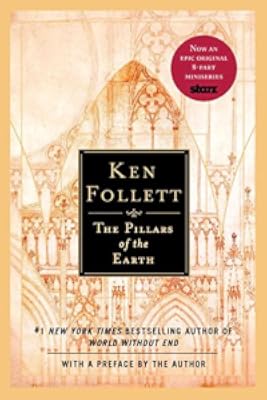
The Pillars of the Earth
by Ken Follett
Kingsbridge {Chronological Order} (2), Kingsbridge {Publication Order} (1)
On This Page
Description
Set in twelfth-century England, this epic of kings and peasants juxtaposes the building of a magnificent church with the violence and treachery that often characterized the Middle Ages.Tags
Recommendations



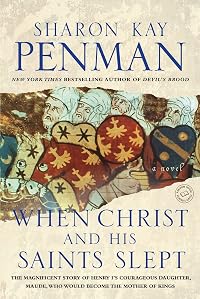
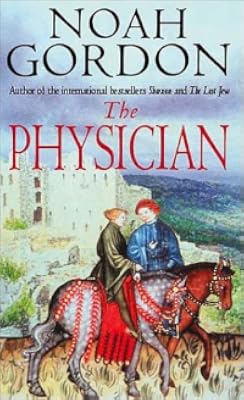
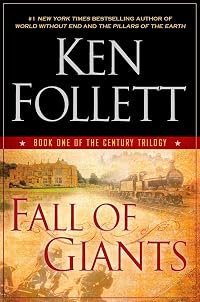

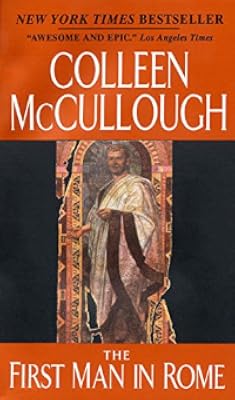
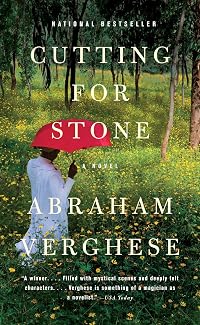
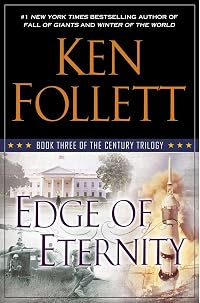
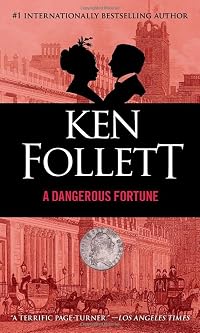
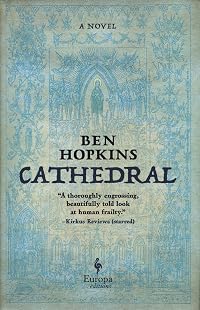
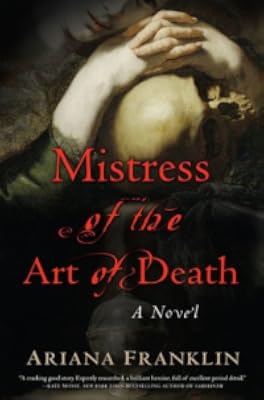
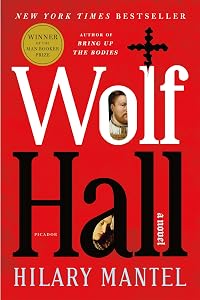
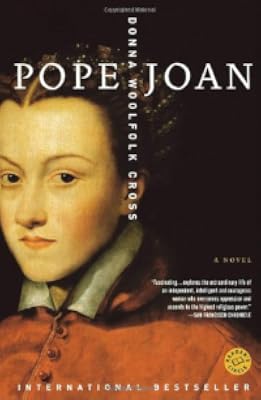
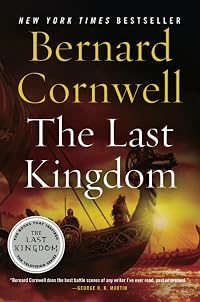
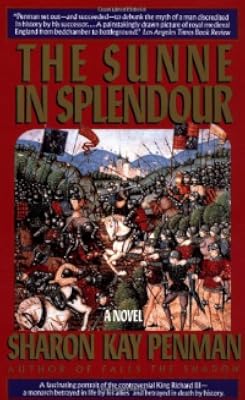
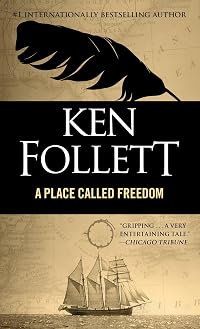
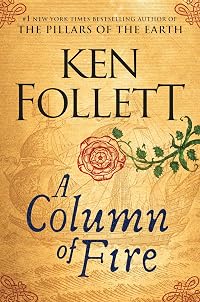
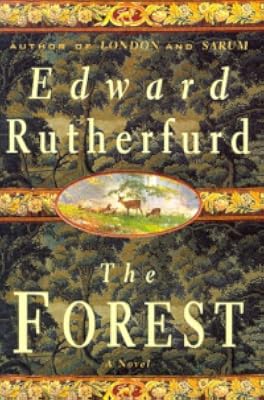
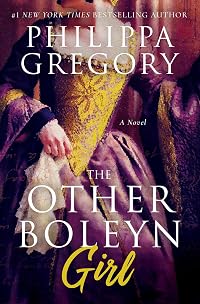
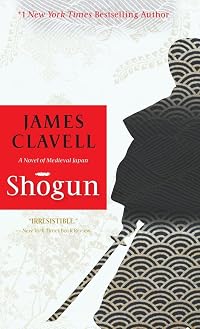
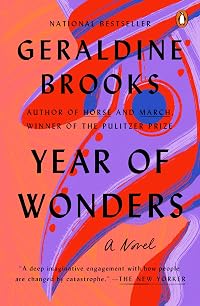
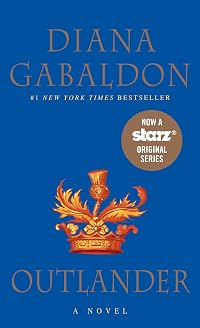
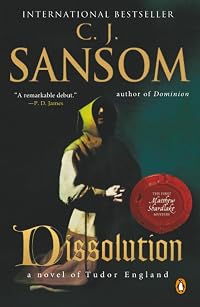
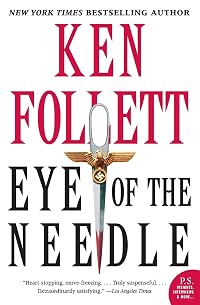
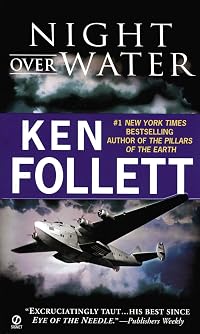
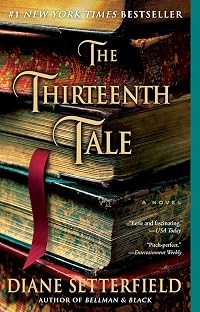
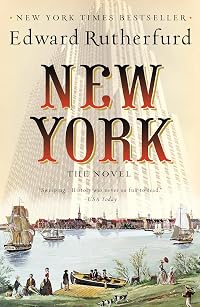
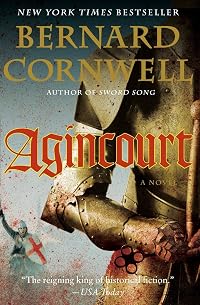


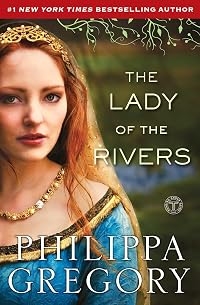
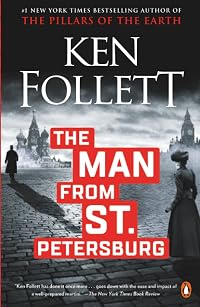
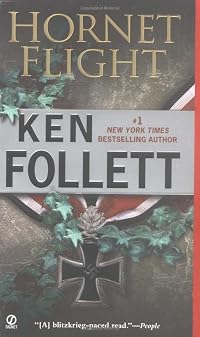
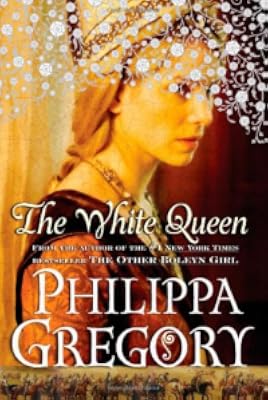
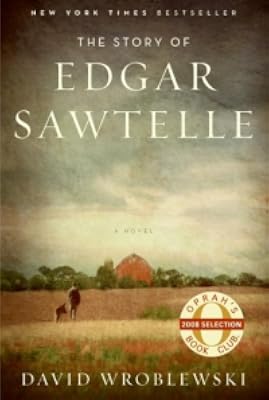
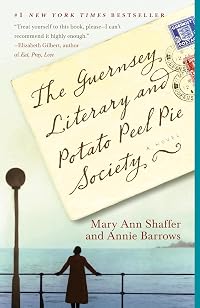
Member Recommendations

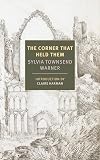
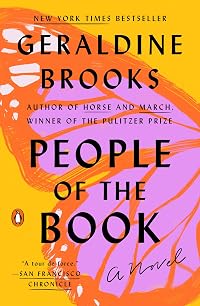
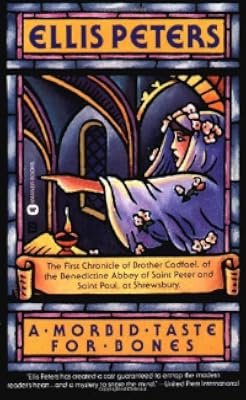
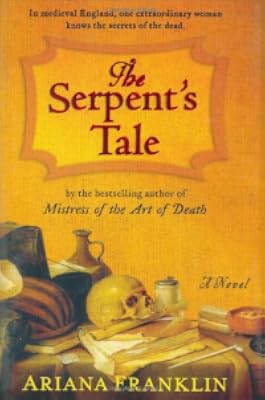
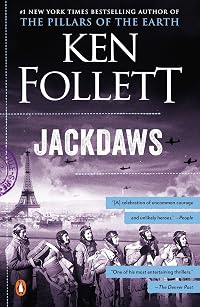
nessreader CTHT is another medieval-set, multiple generation, religous institution novel, about a minor convent in England, sprawling over multiple generations and giving a sense of time passing, lightly touching on the lives of the nuns, but with the institution as the main character.
20
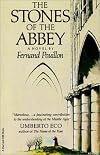
Stbalbach Novel about a 12thC medieval master builder in France
20
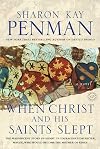
by anonymous user
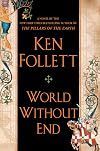
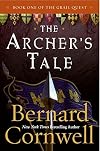
Cecrow Similar period, albeit more battle oriented.
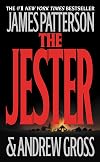
BookshelfMonstrosity The Jester and The Pillars of Earth are intricately plotted, suspenseful tales set in the Middle Ages. These books focus on the treachery and drama of the period.
02

Stepn As good, if not better.
by aprille
Member Reviews
This book wrecked me. The characters are beaten down again and again and it seems impossible that the cathedral will ever be built, or even if it is worth it in the first place. It's brutal and graphic and depicts medieval life in vivid and often horrifying detail. It was often difficult to read.
When I finished it I felt relief more than anything. Relief that the characters would not have to suffer any longer, and sorrow that so many people lived similar lives throughout history. I was really struck by how similar its depictions of war, pillaging are poverty are to incidents I've read about in modern history and current times. It's very tragic, and there is little justice.
Yet the emotional devastation of this book is a testament to its show more quality. I will wait a while before reading its sequel however, considering how much this book took out of me. show less
When I finished it I felt relief more than anything. Relief that the characters would not have to suffer any longer, and sorrow that so many people lived similar lives throughout history. I was really struck by how similar its depictions of war, pillaging are poverty are to incidents I've read about in modern history and current times. It's very tragic, and there is little justice.
Yet the emotional devastation of this book is a testament to its show more quality. I will wait a while before reading its sequel however, considering how much this book took out of me. show less
While I definitely enjoyed reading this book, I’m also of two minds about it. It’s good, solid historical fiction, well-researched, with a good cast of characters and an epic scope and through-line. Follett’s good at holding reader interest and excellent with pacing and tense scenes, and I was not only caught up with the emotions the characters were feeling, but able to feel sympathy even for the villains in places. I enjoyed seeing faith and Christianity play such a central role in the story too, and that there was a range of beliefs in God.
Follett’s also done a good job at weaving in bits of historical detail and trivia, such as different styles of architecture or the food on the table, that other writers might have passed show more over or taken the lazy route with, and an equally good job explaining why things were done as they were, and how certain stock features of medieval life, like town walls, came to be.
I also appreciated the underlying themes of the novel. Follett critiques power structures a lot—lord vs. peasant, man vs. woman, bishop vs. prior, king vs. subject—both saying to the reader “this is how it was” and having his characters strive against the system. There’s a lot about abuse of power and corruption, and the role of hatred, vendettas, and family honour in perverting and ruining lives. This comes out at times in a surprisingly feminist way, in that Follett’s women tend to call men out on bullshit and do their own thing, much more than the men call out each other. There is also a lot of nuance—nobody is always right or always wrong, and nobody
However, I hesitate to say that I learned anything from this, except maybe about how to build a cathedral, because, well, this isn’t a new book. What was current historical knowledge in the 1980s is not the knowledge now, and while Follett’s definitely done research into domestic life, it’s also pretty clear that he is/was more interested in the “male side” of the world (trades, feudalism, violence, etc.). I found myself pausing to reflect on other histories and medieval settings I’ve read, in a “but didn’t they say ______?” way. Follett isn’t wrong, but he’s not exactly right either.
And I also hesitate to call this a feminist or otherwise progressive novel because again, this was written in the 1980s. The male gaze is strong, and the men are pretty clear about owning women and being owed obedience. One of the villains gets off on rape. One of the things that made me pause was the age of the average bride. That said, one of the heroes is great about things like consent and female autonomy, and the woman who’s most objectified has agency, so … a mixed bag.
I’m actually glad I was warned about the maleness of the book going in, because it helped me see past it. (The last historical epic that did this stuff I ended up hating because the misogyny blindsided me.) Overall, I enjoyed the read and was kind of surprised that it took me two weeks because it really didn’t feel that long. I liked a lot about the book, and I liked the journey it took me on. A lot of the themes and characters resonated, and I’ve always been a fan of nuance. I don’t think I’ll keep reading the series because I know Follett’s style now and also the books are long, but I’m pretty happy to rec it to people as long as they know about the flaws.
To bear in mind: This was published in the late 1980s and as a result, the history and the views on gender and romance are about equally dated. Follett is clearly trying to be feminist, etc., but he does occasionally miss the mark. See: serial rapist villain, heroic women being gorgeous and villainous women being so “deformed” men can’t look at them, and other things in that vein. Also, it does the “Jews are moneylenders only” thing, has (called-out) brownface, and has a pretty accurate depiction of depression at one point.
5/10 (was probably about a 7 or 7.5 before the stuff in the warning) show less
Follett’s also done a good job at weaving in bits of historical detail and trivia, such as different styles of architecture or the food on the table, that other writers might have passed show more over or taken the lazy route with, and an equally good job explaining why things were done as they were, and how certain stock features of medieval life, like town walls, came to be.
I also appreciated the underlying themes of the novel. Follett critiques power structures a lot—lord vs. peasant, man vs. woman, bishop vs. prior, king vs. subject—both saying to the reader “this is how it was” and having his characters strive against the system. There’s a lot about abuse of power and corruption, and the role of hatred, vendettas, and family honour in perverting and ruining lives. This comes out at times in a surprisingly feminist way, in that Follett’s women tend to call men out on bullshit and do their own thing, much more than the men call out each other. There is also a lot of nuance—nobody is always right or always wrong, and nobody
However, I hesitate to say that I learned anything from this, except maybe about how to build a cathedral, because, well, this isn’t a new book. What was current historical knowledge in the 1980s is not the knowledge now, and while Follett’s definitely done research into domestic life, it’s also pretty clear that he is/was more interested in the “male side” of the world (trades, feudalism, violence, etc.). I found myself pausing to reflect on other histories and medieval settings I’ve read, in a “but didn’t they say ______?” way. Follett isn’t wrong, but he’s not exactly right either.
And I also hesitate to call this a feminist or otherwise progressive novel because again, this was written in the 1980s. The male gaze is strong, and the men are pretty clear about owning women and being owed obedience. One of the villains gets off on rape. One of the things that made me pause was the age of the average bride. That said, one of the heroes is great about things like consent and female autonomy, and the woman who’s most objectified has agency, so … a mixed bag.
I’m actually glad I was warned about the maleness of the book going in, because it helped me see past it. (The last historical epic that did this stuff I ended up hating because the misogyny blindsided me.) Overall, I enjoyed the read and was kind of surprised that it took me two weeks because it really didn’t feel that long. I liked a lot about the book, and I liked the journey it took me on. A lot of the themes and characters resonated, and I’ve always been a fan of nuance. I don’t think I’ll keep reading the series because I know Follett’s style now and also the books are long, but I’m pretty happy to rec it to people as long as they know about the flaws.
To bear in mind: This was published in the late 1980s and as a result, the history and the views on gender and romance are about equally dated. Follett is clearly trying to be feminist, etc., but he does occasionally miss the mark. See: serial rapist villain, heroic women being gorgeous and villainous women being so “deformed” men can’t look at them, and other things in that vein. Also, it does the “Jews are moneylenders only” thing, has (called-out) brownface, and has a pretty accurate depiction of depression at one point.
5/10 (was probably about a 7 or 7.5 before the stuff in the warning) show less
This book shows such a stark view of poverty, that people would actually starve to death because they couldn't find work. It's hard to contemplate. I thought it was quite a good commentary on libertarian values - from the father who wouldn't intervene in the bullying of one child by another to the royalty who wouldn't stop earls and knights from killing and raping at will. It shows when people are allowed to do whatever the want what often gets done is horrific.
This is an odd book. It reads like a combination of historical fiction, fantasy, airport suspense thriller, architecture textbook, and Looney Tunes. The plot largely moves in the serialized cycles of a television show: building is progressing on the cathedral, something bad happens to set the building back, one of the good characters comes up with a solution, and the danger is (temporarily) abated. This might not be a major flaw if the book made up for it with a epic and engrossing story and with vibrant characterization. However, I think the book falls short on both of these fronts.
The story itself feels claustrophobic--which is an indictment of a work of historical fiction. Almost all of the book's 973 (973!) pages focus on a small show more handful of locations. Either we're talking about Shiring, Kingsbridge, or somewhere in the forest thereabouts. The cast of characters is small as well, and, for the purposes of the plot, they seem almost exclusively concerned with one another. Every event in the book is driven by the relationships between these characters. And while a narrow focus can be beneficial in a shorter book, maintaining this tight of a scope for this long means that the book gets tiresome very quickly.
This still might not be an issue if the characters themselves were rich and compelling. Unfortunately, they're not. The characterization is two-dimensional, opaque, and utterly implausible. The 'bad' characters in the book maintain an unbelievable focus of fucking over their rivals. Take, for example, the character of Alfred. From the start of the novel, when both characters are children, Alfred has some kind of rivalry with his step-brother Jack. Alfred repeatedly gets in small scuffles with Jack, and the two clearly don't like each other. The reasons for their rivalry are never made clear, although their step-father later thinks that it might have something vaguely to do with Jack being excused from working because he was too young. Somehow, 30 years later, Alfred maintains an insane hatred of Jack strong enough to force the woman Jack loves to marry himself. That is, Alfred willingly subjects himself to a loveless marriage and ruins his life for no reason other than to spite Jack. Who does this? All the 'bad' characters in the novel think this way. They have a singleminded devotion to ruining the lives of the main characters for reasons that are mystifying. It's never really clear what they want other than to make the other characters miserable. Beyond this motivation, these 'bad' characters are given no redeeming qualities, interesting character traits, or complex motivations. They simply do evil things over and over again.
The 'good' characters are almost as frustrating. They are clearly intended to be likable, hardscrabble underdogs who build up the town of Kingsbridge through hard work and scruples. But their motivations are so underdeveloped that the reader never really understands who these characters are, or why they do what they do. Why does Tom want to build a Cathedral? Good question. In a moment of perhaps unintentional humor, the author even seems to admit that Tom has no idea why he's doing the thing around which the entire novel is structured. Follett gives us some clues--for example, that Tom loves the challenge of his craft, and that he has a deep-seated piety. But we never really get a look into his head, or an explanation of why he's willing to subject his family to starvation and misery on the off chance that he'll find a cathedral that needs building. Characters seems to fall head over heels into love at the drop of a hat. Why does Ellen fall in love with Tom? Because he was tall? Because Jack 'needs a man' in his life? These reasons are flimsy and unsatisfying, to my mind. Why does Jack fall in love with Aliena? Because she looked like a princess when he saw her once when he was 10? What?
The result of this unsatisfying characterization is that the plot never seems to have a consistent sense of its own logic. The reader can tell where the story is going, but only because it seems like the kind of story where all the good guys will win. There's no good reason, for example, for the priory to be poor one year and rich the next year. There's no reason for William to survive all his military endeavours unscathed. There's no reason for Martha to be a character at all. Things just happen because they happen, and the characters react with concern and then make a plan. Then the story decides to end and all the bad guys suddenly lose for real.
This is all to say nothing of the prose. Follett's writing is serviceable but uninspiring. He tends to focus on description and exposition, and frequently repeats himself. Towards the end of the novel, he would offer explanations for objects or events that happened hundreds of pages earlier, which is doubly frustrating. All subtext is made text, with characters often reiterating their history and relationships with one another in hair-pulling prose. 800 pages in, we don't need to be reminded that William's rape of Aliena happened--it's an event that hangs over the entire novel. Any detail that is introduced--with the exception of architectural description--is only introduced because it is relevant to the plot. This means, for example, that if Follett lets you know that Alfred is going to change the design of the church, that means he will fail in some spectacular way. This is not to say that foreshadowing is bad--but rather that the novel is so singleminded in prosecuting its plot that the writing is rendered flavourless.
The result of all of this is a deeply frustrating book. I think Follett has a really great idea. A medieval generation-spanning epic about the building of a cathedral is a concept ripe for drama and intrigue. But the way it plays out here is as a tedious, plotty slog through contrived conflict to a conclusion that you could anticipate from the first chapter. show less
The story itself feels claustrophobic--which is an indictment of a work of historical fiction. Almost all of the book's 973 (973!) pages focus on a small show more handful of locations. Either we're talking about Shiring, Kingsbridge, or somewhere in the forest thereabouts. The cast of characters is small as well, and, for the purposes of the plot, they seem almost exclusively concerned with one another. Every event in the book is driven by the relationships between these characters. And while a narrow focus can be beneficial in a shorter book, maintaining this tight of a scope for this long means that the book gets tiresome very quickly.
This still might not be an issue if the characters themselves were rich and compelling. Unfortunately, they're not. The characterization is two-dimensional, opaque, and utterly implausible. The 'bad' characters in the book maintain an unbelievable focus of fucking over their rivals. Take, for example, the character of Alfred. From the start of the novel, when both characters are children, Alfred has some kind of rivalry with his step-brother Jack. Alfred repeatedly gets in small scuffles with Jack, and the two clearly don't like each other. The reasons for their rivalry are never made clear, although their step-father later thinks that it might have something vaguely to do with Jack being excused from working because he was too young. Somehow, 30 years later, Alfred maintains an insane hatred of Jack strong enough to force the woman Jack loves to marry himself. That is, Alfred willingly subjects himself to a loveless marriage and ruins his life for no reason other than to spite Jack. Who does this? All the 'bad' characters in the novel think this way. They have a singleminded devotion to ruining the lives of the main characters for reasons that are mystifying. It's never really clear what they want other than to make the other characters miserable. Beyond this motivation, these 'bad' characters are given no redeeming qualities, interesting character traits, or complex motivations. They simply do evil things over and over again.
The 'good' characters are almost as frustrating. They are clearly intended to be likable, hardscrabble underdogs who build up the town of Kingsbridge through hard work and scruples. But their motivations are so underdeveloped that the reader never really understands who these characters are, or why they do what they do. Why does Tom want to build a Cathedral? Good question. In a moment of perhaps unintentional humor, the author even seems to admit that Tom has no idea why he's doing the thing around which the entire novel is structured. Follett gives us some clues--for example, that Tom loves the challenge of his craft, and that he has a deep-seated piety. But we never really get a look into his head, or an explanation of why he's willing to subject his family to starvation and misery on the off chance that he'll find a cathedral that needs building. Characters seems to fall head over heels into love at the drop of a hat. Why does Ellen fall in love with Tom? Because he was tall? Because Jack 'needs a man' in his life? These reasons are flimsy and unsatisfying, to my mind. Why does Jack fall in love with Aliena? Because she looked like a princess when he saw her once when he was 10? What?
The result of this unsatisfying characterization is that the plot never seems to have a consistent sense of its own logic. The reader can tell where the story is going, but only because it seems like the kind of story where all the good guys will win. There's no good reason, for example, for the priory to be poor one year and rich the next year. There's no reason for William to survive all his military endeavours unscathed. There's no reason for Martha to be a character at all. Things just happen because they happen, and the characters react with concern and then make a plan. Then the story decides to end and all the bad guys suddenly lose for real.
This is all to say nothing of the prose. Follett's writing is serviceable but uninspiring. He tends to focus on description and exposition, and frequently repeats himself. Towards the end of the novel, he would offer explanations for objects or events that happened hundreds of pages earlier, which is doubly frustrating. All subtext is made text, with characters often reiterating their history and relationships with one another in hair-pulling prose. 800 pages in, we don't need to be reminded that William's rape of Aliena happened--it's an event that hangs over the entire novel. Any detail that is introduced--with the exception of architectural description--is only introduced because it is relevant to the plot. This means, for example, that if Follett lets you know that Alfred is going to change the design of the church, that means he will fail in some spectacular way. This is not to say that foreshadowing is bad--but rather that the novel is so singleminded in prosecuting its plot that the writing is rendered flavourless.
The result of all of this is a deeply frustrating book. I think Follett has a really great idea. A medieval generation-spanning epic about the building of a cathedral is a concept ripe for drama and intrigue. But the way it plays out here is as a tedious, plotty slog through contrived conflict to a conclusion that you could anticipate from the first chapter. show less
This book is astonishing. Truly a work of staggering genius. It's an entirely absorbing work of historical fiction... that doesn't constantly feel like you're reading historical fiction. It feels like you're reading about very real people -- the good guys have their flaws, but you root for them anyway, because the villains of the piece are so abhorrent that you really just want to see them pounded into the dust. The themes this book explores are so deeply rooted in the human psyche -- things like the balance between independence and companionship, like forgiveness and compassion towards your fellow man, and like what living a life of bitterness and resentment will do to you. The plot rivets along at an absolutely thrilling pace, and I show more was completely riveted, desperate to know if my favourites were going to succeed against tremendous odds. I can't recommend this book strongly enough. show less
I know I'm going to be in the minority here, but this is truly one of the worst books I have ever read. I came so close to throwing the book across the room on several occasions, and ended up skipping through many pages just to get to the final and not too surprising finish.
The characters were flat and lifeless and seemed to have been transplanted from the 20th century into medieval England. The book was rife with unnecessary profanity that in no way enhanced the storyline and obscene gratuitous sex (I mean how many times did William have to rape someone to prove that he was a really really bad guy?). I noticed that at least one other reviewer commented that this book was required reading in his child's school, which if you are a show more parent I would recommend you take a good look at this book and perhaps take issue with your school district. As an adult I was shocked at the language and violence in this book, and find it totally inappropriate for a child and/or young adult.
I also noticed comments about the historical accuracy and research that must have been involved in writing this book. If that is so, it must only be in regards to the building of the cathedral and the civil war between Stephen and Maud. As for the rest, I must disagree, I have read many well written and researched books of medieval times (thank you Sharon Kay Penman and Elizabeth Chadwick for such awesome reads), and I was infuriated on numerous discrepancies in this book. Examples and anyone may correct me if I'm mistaken as I am not a history major:
* Aliena is frequently described as having long, curling loose flowing hair. Women in those days wore their hair braided and covered, it being quite scandalous for any man other than her husband or lover to see it loose.
* After the attack on the castle, and the imprisonment of their father Aliena and Richard are allowed to live alone in the castle with only the steward? I doubt that the king would punish the children so for the sins of their fathers, and most likely would have been made wards of the king until they reached their majority. This was most desirable as the king could then skim the proceeds off the estates and funnel them to the crown's use. Sometimes a king would give ward ship to another party as a reward for service, etc.
* Young boys of the noble class were typically sent to another noble household to be raised and educated, first as squires and then trained in that household as a knight. What on earth was a teenaged Richard doing living at home?
* Much was made of William's warhorse. These were formidable beasts that were not easily handled by strangers. Yet Aliena and Richard were able to not only saddle the warhorse, but to get right on and ride it? I don't think so.
* The English nobility of that period were Norman French and did not speak the language of the peasant class. So how did Aliena manage to not only communicate with them, but could set up a successful business in that atmosphere?
I could go on with more examples if I had remembered to take notes, but there were many similar instances to this throughout the book. show less
The characters were flat and lifeless and seemed to have been transplanted from the 20th century into medieval England. The book was rife with unnecessary profanity that in no way enhanced the storyline and obscene gratuitous sex (I mean how many times did William have to rape someone to prove that he was a really really bad guy?). I noticed that at least one other reviewer commented that this book was required reading in his child's school, which if you are a show more parent I would recommend you take a good look at this book and perhaps take issue with your school district. As an adult I was shocked at the language and violence in this book, and find it totally inappropriate for a child and/or young adult.
I also noticed comments about the historical accuracy and research that must have been involved in writing this book. If that is so, it must only be in regards to the building of the cathedral and the civil war between Stephen and Maud. As for the rest, I must disagree, I have read many well written and researched books of medieval times (thank you Sharon Kay Penman and Elizabeth Chadwick for such awesome reads), and I was infuriated on numerous discrepancies in this book. Examples and anyone may correct me if I'm mistaken as I am not a history major:
* Aliena is frequently described as having long, curling loose flowing hair. Women in those days wore their hair braided and covered, it being quite scandalous for any man other than her husband or lover to see it loose.
* After the attack on the castle, and the imprisonment of their father Aliena and Richard are allowed to live alone in the castle with only the steward? I doubt that the king would punish the children so for the sins of their fathers, and most likely would have been made wards of the king until they reached their majority. This was most desirable as the king could then skim the proceeds off the estates and funnel them to the crown's use. Sometimes a king would give ward ship to another party as a reward for service, etc.
* Young boys of the noble class were typically sent to another noble household to be raised and educated, first as squires and then trained in that household as a knight. What on earth was a teenaged Richard doing living at home?
* Much was made of William's warhorse. These were formidable beasts that were not easily handled by strangers. Yet Aliena and Richard were able to not only saddle the warhorse, but to get right on and ride it? I don't think so.
* The English nobility of that period were Norman French and did not speak the language of the peasant class. So how did Aliena manage to not only communicate with them, but could set up a successful business in that atmosphere?
I could go on with more examples if I had remembered to take notes, but there were many similar instances to this throughout the book. show less
This book was recommended to me by a college professor, but I hesitated to read it because of its size. However, once I started it I wondered why I was ever worried! It is one of the best books I have ever read. I love it when books can completely transport me to a different place and time and this one certainly does. Ken Follett combines real historical figures with his fictional characters in a really interesting way. The way the ending came together and incorporated a real life murder was genius. I don't think I have ever been so invested in the characters in a book as I was in this one. I have always been interested in the middle ages, but I was never really interested in the architecture of that period until I read the book. The show more process of building a cathedral is actually very fascinating. This book is emotional and at times violent and hard to read but it is definitely worth it. I would recommend it to anyone, but I would not recommend watching the mini series based on the book. It was a real disappointment after reading the book. show less
Members
- Recently Added By
Published Reviews
ThingScore 75
Great literature? Of course not. To begin with, the plot relies far too heavily on coincidence, and the characters tend to be chiseled into predictability. The writing depends heavily on dialogue - and although it's well-done dialogue, it's the stuff of escapism, not of the ages. But so what? It's a long, rich and rewarding story, full of glory and violence told in the tradition of medieval show more troubadors. Few among us could turn away from a tale that begins: ''The small boys came early to the hanging.'' show less
added by Shortride
A novel of majesty and power.
added by Shortride
Lists

Best Historical Fiction
620 works; 257 members

Recommend the 20 best books you've read in the last five years
2,168 works; 601 members

BBC Big Read
191 works; 45 members

Historical Fiction
889 works; 90 members

Unread books
1,063 works; 82 members

Best Contemporary Literary Fiction (Around the Last 30 Years)
388 works; 124 members

Favorite Long Books
330 works; 41 members

20th Century Literature
1,161 works; 55 members
Favourite Books
1,819 works; 316 members

Oprah's Book Club (original and 2.0)
91 works; 21 members

PBS The Great American Read
100 works; 21 members
Books That Changed Me
158 works; 46 members
Banned Books Week 2014
268 works; 63 members

Books featuring monks and/or nuns
166 works; 33 members
Best Family Stories
241 works; 22 members
1980s
356 works; 22 members
Banned or Challenged Books
400 works; 38 members

Favourite Medieval Books
49 works; 17 members

War Literature
101 works; 19 members

Best family sagas
244 works; 34 members

NPRs audience picks: 100 best beach reads
105 works; 12 members

Adult Books for YA Readers
194 works; 6 members

End of Your Life Book Club
134 works; 4 members

Books tagged favorites
390 works; 30 members

Carole's List
445 works; 13 members

Best Historical Fiction authors
41 works; 9 members

Amanda's Guaranteed Books
110 works; 5 members

Mind Expanding Books by hackerkid
581 works; 8 members
Page Turners
185 works; 11 members

Books To Get From The Library
115 works; 5 members
Best of American Literature
146 works; 9 members

Books Read in 2023
5,547 works; 145 members

BBC Top Books
78 works; 3 members
SantaThing 2014 Gifts
299 works; 17 members

United Kingdom
82 works; 4 members

Books Read in 2017
4,249 works; 129 members

Plan to Read Books
75 works; 1 member

Books Read in 2009
464 works; 11 members

Set in the Middle Ages
42 works; 9 members

2020
21 works; 1 member

Books We Want To Read Again For The First Time
384 works; 160 members

Florida
366 works; 3 members

Physical TBR List
68 works; 1 member
Books We'd Want on a Desert Island
203 works; 131 members

Very Long Novels
15 works; 1 member

Gen X Library
245 works; 4 members
Widely acclaimed, one book per year
105 works; 3 members

B-B to Get
131 works; 1 member

al.vick-series
381 works; 2 members
Books available on Open Library
171 works; 4 members

History in the long view
55 works; 3 members

KayStJ's to-read list
1,616 works; 11 members

Best Architecture Books
87 works; 14 members

Best British Empire History Books
39 works; 8 members

Blue Pyramid 1,276 Best Books of All Time
1,248 works; 32 members

Best historical fiction set in the ancient world
126 works; 40 members

You Couldn't Pay Me to Read That (Take 2)
203 works; 81 members
Author Information

Ken Follett was born in Wales, United Kingdom on June 5, 1949. He received an Honours degree in philosophy from University College, London. He began his career as a newspaper reporter for the South Wales Echo and later with the London Evening News. He decided to switch to publishing and worked for a small London publishing house, Everest Books, show more eventually becoming Deputy Managing Director. His first bestselling novel, Eye of the Needle, was published in 1978 and won the Edgar Award. His other works include Triple, The Key to Rebecca, The Man from St. Petersburg, Lay Down with Lions, The Pillars of the Earth, The Third Twin, The Hammer of Eden, Code to Zero, Whiteout, World Without End, The Century Trilogy, and A Column of Fire. Many of his novels have been adapted into films and television miniseries. He has won numerous awards including the Corine Prize in 2003 for Jackdaws. His nonfiction works include On Wings of Eagles. (Bowker Author Biography) show less
Some Editions
Awards and Honors
Distinctions
Notable Lists
BBC's Big Read (33)
Whitcoulls Top 100 Books (9 – 2008)
Whitcoulls Top 100 Books (22 – 2010)
Hungarian Big Read (69)
Series


Work Relationships
Is contained in
Ken Follett The Kingsbridge Novels Stories Collection 3 Books Set (The Pillars of the Earth, World Without End, A Column of Fire) by Ken Follett (indirect)
Set of 16 Techno-Thrillers by Ken Follett (Whiteout, Hornet Flight, Jackdaws, Code to Zero, Hammer of Eden, Third Twin, A Place Called Freedom, A Dangerous Fortune, Night Over Water, Lie Down with Lions, Man from St. Petersburg, Key to Rebecca, Triple, Eye of the Needle, Pillars of the Earth) by Ken Follett
Contains
Has the adaptation
Is abridged in
Has as a student's study guide
Common Knowledge
- Canonical title
- The Pillars of the Earth
- Original title
- The Pillars of the Earth
- Alternate titles*
- De kathedraal
- Original publication date
- 1989
- People/Characters
- Aliena; Richard; Tom Builder; Ellen; Jack Jackson; Philip of Gwynedd (Prior Philip) (show all 12); Jonathan; William Hamleigh; Waleran Bigod; Jack Builder (Jack Jackson); Empress Maud; Henry II, King of England
- Important places
- Kingsbridge, England, UK; Lincoln, Lincolnshire, England, UK; Lincolnshire, England, UK; Shiring, England, UK; England, UK
- Important events
- Nineteen Year Winter (1135 | 1154); The Anarchy (1135 | 1153)
- Related movies
- The Pillars of the Earth (2010 | IMDb)
- Epigraph
- Le nuit du 25 novembre 1120, le Vaisseau blanc appareilla à destination de l'Angleterre et sombra corps et biens au large de Barfleur: il n'y eut qu'un survivant... Le vaisseau représentait le dernier cri en matière de tra... (show all)nsport maritime et il était muni des plus récents perfectionnements connus de la construction navale d'alors... Si l'on a beaucoup parlé de ce naufrage, c'est en raison du grand nombre de personnalités qui se trouvaient à bord; outre le fils du roi, héritier présomptif du trône, il y avait deux bâtards de sang royal, plusieurs comtes et barons et presque toute la maison du roi... Cela eut pour conséquence historique de laisser Henry sans héritier... Cela provoqua la guerre de succession et la période d'anarchie qui suivit la mort d'Henry.
A. L. Poole
From Doomsday Book to Magna Carta
On the night of 25 November 1120 the White Ship set out for England and foundered off Barfleur with all hands save one. ... The vessel was the latest thing in marine transport, fitted with all the devices known to the shipbui... (show all)lder of the time. ... The notoriety of this wreck is due to the very large number of distinguished persons on board; beside the king's son and heir, there were two royal bastards, several earls and barons, and most of the royal household ... its historical significance is that it left Henry without an obvious heir ... its ultimate result was the disputed succession and the period of anarchy which followed Henry's death.
-A. L. Poole,
From Doomsday Book to Magna Carta - Dedication
- To Marie-Claire,
the apple of my eye - First words
- Preface
The small boys came early to the hanging.
Chapter 1
In a broad valley, at the foot of a sloping hillside, beside a clear bubbling stream, Tom was building a house. - Quotations
- The baby cried, and the sound tugged at his heartstrings like a well-loved hymn. p.89
All birds and men are sure to die, But songs last forever. - Last words
- (Click to show. Warning: May contain spoilers.)After today, he thought, the world will never be quite the same.
- Publisher's editor*
- DeBolsillo
- Original language
- English
- Disambiguation notice
- Norwegian translation is split into two parts: Stormenes tid I
sverdet og korset AND Stormenes tid II katedralen
Please do not combine an abridged audio with the complete work. Thank you.
*Some information comes from Common Knowledge in other languages. Click "Edit" for more information.
Classifications
Statistics
- Members
- 30,406
- Popularity
- 115
- Reviews
- 806
- Rating
- (4.17)
- Languages
- 24 — Catalan, Czech, Danish, Dutch, English, Finnish, French, German, Hebrew, Hungarian, Italian, Japanese, Lithuanian, Norwegian (Bokmål), Norwegian, Polish, Portuguese, Romanian, Russian, Serbian, Spanish, Swedish, Turkish, Chinese, traditional
- Media
- Paper, Audiobook, Ebook
- ISBNs
- 220
- UPCs
- 6
- ASINs
- 136