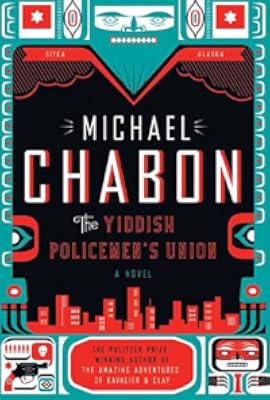
The Yiddish Policemen's Union
by Michael Chabon
On This Page
Description
In a world in which Alaska, rather than Israel, has become the homeland for the Jews following World War II, Detective Meyer Landsman and his half-Tlingit partner Berko investigate the death of a heroin-addled chess prodigy.Tags
Recommendations
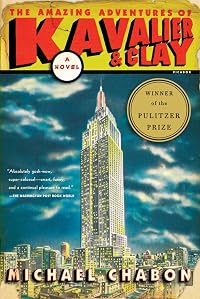
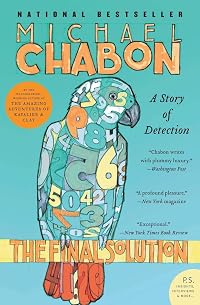
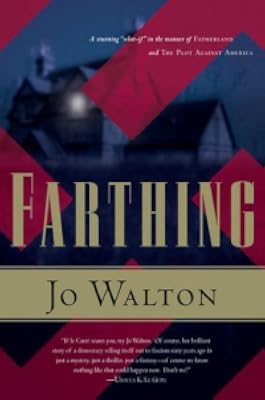
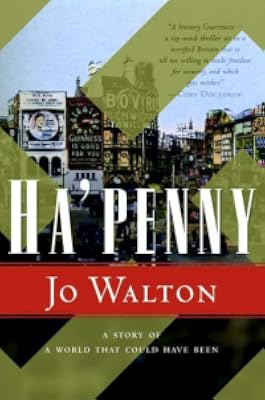

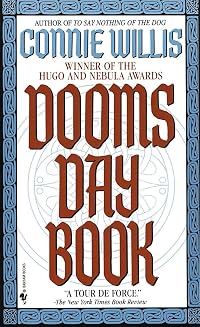
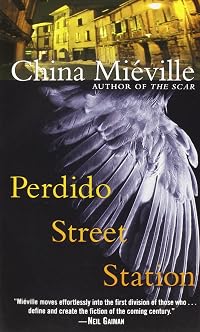
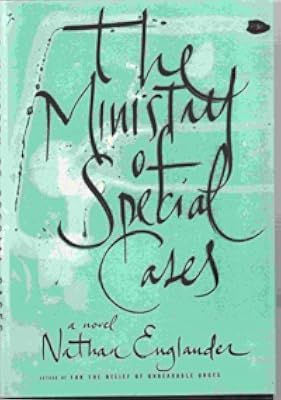

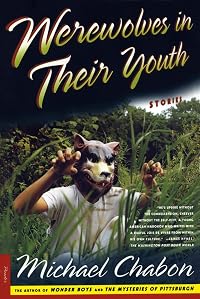
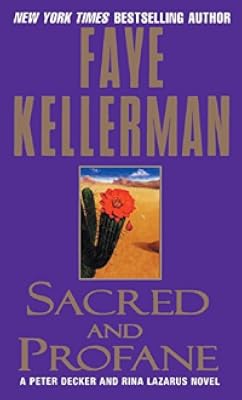
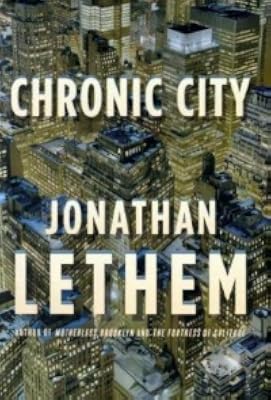
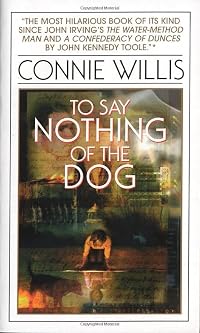



Member Recommendations
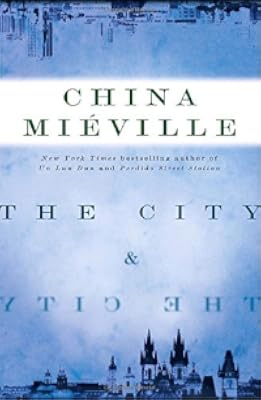
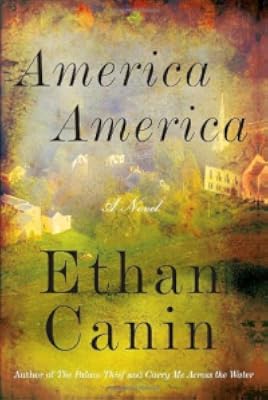
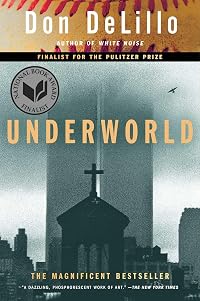
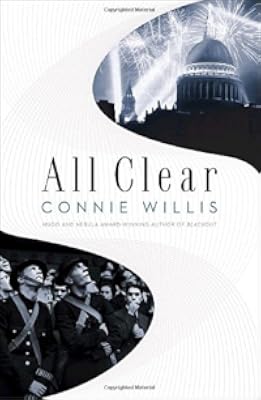
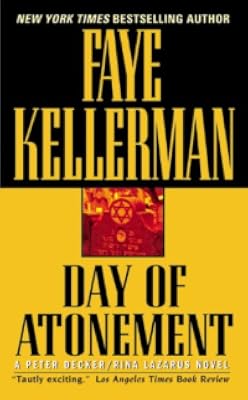
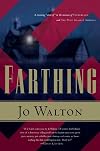
grizzly.anderson Both are police procedural mysteries set in slightly alternate worlds.
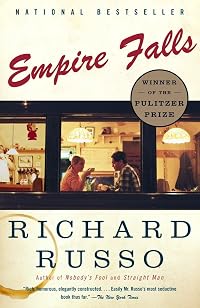
RagnarOlafson Both are detective tales in alternate settings
112
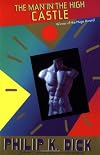
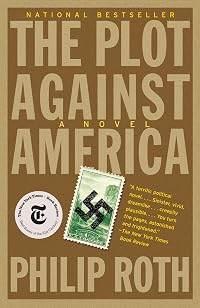
AlanPoulter Both are alternate histories set in a USA changed by World War Two.
62
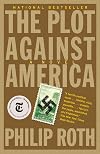
ljbwell Alternate history based in the US where WWII has had a different outcome.
41

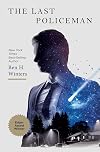
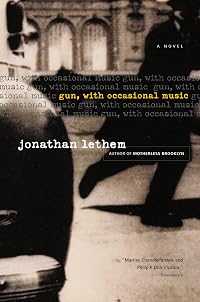
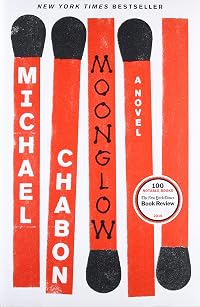
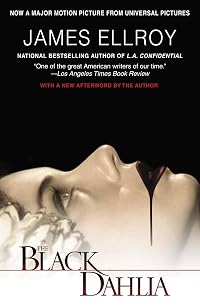
EerierIdyllMeme Noir mysteries exploring interesting hypothetical settings with ticking timers.
20
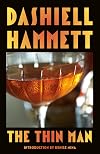
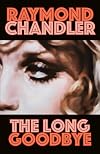
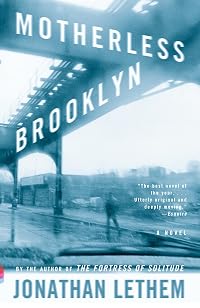
melmore Another book with a detective protagonist attempting to come to terms with his life and his relationships.
32
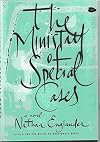
hairball While one is an alternative history and the other is based around historical fact (Argentina's disappeared), they have a similar flavor to them.
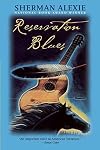
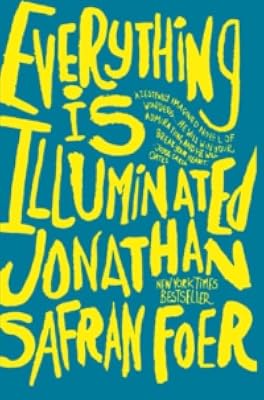
PghDragonMan Both deal with ethnic conflict and searching for identity.
Member Reviews
Chabon is one of those indisputable geniuses, who manages to garner praise from the literary elite, genre audiences, and the popular press. The Yiddish Policemen's Union is a stylish alternate history novel and noir thriller centered around Jewish Alaska and human destiny.
Yeah, Jewish Alaska. In 1940 the United States decided to settle Jewish Refugees around Sikta, a plan that in our timeline was blocked by Anthony Dimond. With the influx of refugees, the Holocaust only killed 2 million Jews, Israel lost its war for independence, and the timeline diverged in a thousand small ways. Though they live in Alaska, the Sitka Jews certainly aren't Americans, and in two months their Yiddish-speaking quasi-nation will cease to exist, as it show more reverts back to the United States at the end of the 60 year treaty.
Meyer Landsman is a homicide detective with the Sikta police force, who's slow-motion suicide via plum brandy is interrupted when one of the other residents in his fleabag motel is murdered. It's just another heroin junkie dead, but he's a neighbor, and Meyer makes it a mission to give the young man some peace, despite the warnings of his partner and cousin Johnny Berko (a massive half-Indian Jew) and his new boss and ex-wife Bima, who's trying to hand the transition authority a clean desk. Meyer stumbles into something much bigger than he is. The dead man is Mendel Shpilman, estranged son of the Orthodox Rabbi/Organized Crime Boss, and a plausible candidate for Tzadik ha-Dor, a potential Messiah born every generation. Hardboiled detective work mixes with international espionage, applied eschatology, and the blend of love and betrayal that means family.
The idea that is at heart of this book is "a twist in his soul", a beautiful phrase used to describe the dead Mendel, which refers to both his Messianic blessings, his easy genius, his homosexuality, and his eventual addiction and death. The twist is in Meyer, in his obsession with homicide work, the deep wounds that he believes he inflicted on his father and ex-wife, in the whole topsy-turney world of Jewish Sitka and the deals that threaten to make it and unmake. Chabon writes in a way that implies that we are all twists; little vortexes in the great flow of life.
And of course, he's a fantastic descriptive writer, a miracle worker of his own with metaphor and the senses. Jewish Sikta feels alive in a way that is rare in literature, in all of its rich contradictions. It's a modern city and an overgrown shtetl where everyone is related and tied into a rich web of gossip; the chief divine is also the chief gangster; and escape from the past is impossible even as it's being obliterated.
I could gripe (I always can), that perhaps the pastiche of noir is little more than pastiche, that the women in this world, Meyer's ex-wife Bina, dead sister Naomi, and the Rabbi's wife Batsheva, are more interesting than the men, and sadly under-served by the story. Perhaps even that the alternate history is a mere gloss that does little to expand the discussion of Jewishness. But this are minor complaints against the power of this masterpiece.
*****
August 2012 review
One part Philip Roth Jewish kvetching, one part Raymond Chandler hardboiled detective, and a dash of Philip K Dick alt-history, this book is a wonder. I won't ruin the plot, but all I can say is that Chabon is an undisputed grandmaster of sensual writing. Jewish Sitka is one of the realist fictional places I've read about, the predicament of its fundamentally lost characters all too familiar.
Who needs sleep when you have literature? show less
Yeah, Jewish Alaska. In 1940 the United States decided to settle Jewish Refugees around Sikta, a plan that in our timeline was blocked by Anthony Dimond. With the influx of refugees, the Holocaust only killed 2 million Jews, Israel lost its war for independence, and the timeline diverged in a thousand small ways. Though they live in Alaska, the Sitka Jews certainly aren't Americans, and in two months their Yiddish-speaking quasi-nation will cease to exist, as it show more reverts back to the United States at the end of the 60 year treaty.
Meyer Landsman is a homicide detective with the Sikta police force, who's slow-motion suicide via plum brandy is interrupted when one of the other residents in his fleabag motel is murdered. It's just another heroin junkie dead, but he's a neighbor, and Meyer makes it a mission to give the young man some peace, despite the warnings of his partner and cousin Johnny Berko (a massive half-Indian Jew) and his new boss and ex-wife Bima, who's trying to hand the transition authority a clean desk. Meyer stumbles into something much bigger than he is. The dead man is Mendel Shpilman, estranged son of the Orthodox Rabbi/Organized Crime Boss, and a plausible candidate for Tzadik ha-Dor, a potential Messiah born every generation. Hardboiled detective work mixes with international espionage, applied eschatology, and the blend of love and betrayal that means family.
The idea that is at heart of this book is "a twist in his soul", a beautiful phrase used to describe the dead Mendel, which refers to both his Messianic blessings, his easy genius, his homosexuality, and his eventual addiction and death. The twist is in Meyer, in his obsession with homicide work, the deep wounds that he believes he inflicted on his father and ex-wife, in the whole topsy-turney world of Jewish Sitka and the deals that threaten to make it and unmake. Chabon writes in a way that implies that we are all twists; little vortexes in the great flow of life.
And of course, he's a fantastic descriptive writer, a miracle worker of his own with metaphor and the senses. Jewish Sikta feels alive in a way that is rare in literature, in all of its rich contradictions. It's a modern city and an overgrown shtetl where everyone is related and tied into a rich web of gossip; the chief divine is also the chief gangster; and escape from the past is impossible even as it's being obliterated.
I could gripe (I always can), that perhaps the pastiche of noir is little more than pastiche, that the women in this world, Meyer's ex-wife Bina, dead sister Naomi, and the Rabbi's wife Batsheva, are more interesting than the men, and sadly under-served by the story. Perhaps even that the alternate history is a mere gloss that does little to expand the discussion of Jewishness. But this are minor complaints against the power of this masterpiece.
*****
August 2012 review
One part Philip Roth Jewish kvetching, one part Raymond Chandler hardboiled detective, and a dash of Philip K Dick alt-history, this book is a wonder. I won't ruin the plot, but all I can say is that Chabon is an undisputed grandmaster of sensual writing. Jewish Sitka is one of the realist fictional places I've read about, the predicament of its fundamentally lost characters all too familiar.
Who needs sleep when you have literature? show less
Have just finished my second time through the book and remain dazzled. In this outing more than any of the others that came before, Chabon modernizes and Americanizes the magical realism of Gabriel Garcia Marquez to create a work that seamlessly blends fantasy and reality to create an alternate universe that is at once exotic, meticulous, poignant, and brutal.
What starts off as a fairly familiar-seeming plot (morally and emotionally bankrupt detective with nothing left to believe in but the truth, no matter how devastating, investigates a crime, uncovering layers of duplicity, brutality, and betrayal) soon assume entirely unfamiliar contours when you realize that the setting is an alternate universe (in which the Jews, post-WWII, have show more been settled not in Israel, but in Alaska); the crooks are a sect of ultra-conservative Jews; the locals are Tlingit Indians; and the murdered man may be the world's long-awaited Messiah. Now add chess, espionage, ancient Jewish law, snow-streaked streets, bush pilots, heroin, love, yiddish slang, wolves, red cows, and miracles ... top with Chabon's brilliant prose ... mix thoroughly, and watch something brilliant happen.
Ultimately, this book isn't about a crime: it's about a succession of rootless people yearning for a place to belong. It's the timeless search of the Jews for a homeland, of Meyer Landsdown for a reason to believe, of a boy messiah to be accepted for who he is rather than who everyone wants him to be, that elevates the book to something much, much more ambitious than simply an exercise in yiddish noir. As anyone who has read Kavalieri and Clay knows, Chabon is as deft at creating fully-realized, sympathetic characters as he is at crafting dazzling metaphors. You don't have to believe Chabon's alternate history to understand that beneath the literary fireworks, this is a story about diaspora and the fundamental yearning of all living things to find their way back to the place where they belong. show less
What starts off as a fairly familiar-seeming plot (morally and emotionally bankrupt detective with nothing left to believe in but the truth, no matter how devastating, investigates a crime, uncovering layers of duplicity, brutality, and betrayal) soon assume entirely unfamiliar contours when you realize that the setting is an alternate universe (in which the Jews, post-WWII, have show more been settled not in Israel, but in Alaska); the crooks are a sect of ultra-conservative Jews; the locals are Tlingit Indians; and the murdered man may be the world's long-awaited Messiah. Now add chess, espionage, ancient Jewish law, snow-streaked streets, bush pilots, heroin, love, yiddish slang, wolves, red cows, and miracles ... top with Chabon's brilliant prose ... mix thoroughly, and watch something brilliant happen.
Ultimately, this book isn't about a crime: it's about a succession of rootless people yearning for a place to belong. It's the timeless search of the Jews for a homeland, of Meyer Landsdown for a reason to believe, of a boy messiah to be accepted for who he is rather than who everyone wants him to be, that elevates the book to something much, much more ambitious than simply an exercise in yiddish noir. As anyone who has read Kavalieri and Clay knows, Chabon is as deft at creating fully-realized, sympathetic characters as he is at crafting dazzling metaphors. You don't have to believe Chabon's alternate history to understand that beneath the literary fireworks, this is a story about diaspora and the fundamental yearning of all living things to find their way back to the place where they belong. show less
What if in 1948 the newly established state of Israel collapsed? And what if the Alaskan panhandle(named Sitka) became the home for 4 million Jews instead? And what if, after 60 years, this "home" reverted back to the Alaskan Indians and left those Jews looking for a place to live? This is the premise of Michael Chabon's fascinating novel.
The protagonist, Meyer Landsman, is a police detective with a drinking problem, an estranged wife who has suddenly become his boss, a moral compass that prevents him from going with the flow and no idea what will become of him when the reversion is complete. He is half-heartedly trying to solve the mystery surrounding the murder of Mendel Shpilman, a flophouse junkie, who just might be the Tzaddik show more Ha-Dor,that individual who, according to the Hsaidic concept, is a special, saintly person, born once in a generation, who could become the Jewish Messiah if conditions are right in the world. "Landsman feels a profound ebb in his will to pursue the matter of the dead yid in 208. What difference will it make if he catches the killer? A year fron now, Jews will be Africans, and this old ballroom will be filled with tea-dancing gentiles, and every case that ever was opened or closed by a Sitka policeman will be filed in cabinet nine."
There is so much action and so many characters to keep straight, and so much history to these characters, everything sprinkled with lots of Yiddish vocabulary that it takes a good hundred pages to begin to appreciate Chabon's genius. The alternate history has you second guessing your own knowledge of the past and the character development, especially of Landsman and his wife, Bina is so thoughtfully done that you empathize with them completely. And you root for them! Oh do you root for them because what they're up against is so much bigger than a murder.
At one point in the story, after Landsman has been interrogated for over 24 hours, the author gives us this: "The night is a cold sticky stuff that beads up on the sleeves of his overcoat. Korczak Place is a bowlful of bright mist, smeared here and there with the pawprints of sodium lamps. Half-blind and cold in his bones, he trudges along Monastir Street to Berlevi Street, then over to Max Nordau Street, with a kink in his back and an ache in his neck and a sharp throbbing pain in his dignity. The space recently occupied by his mind hisses like the fog in his ears, hums like a bank of fluorescent tubes. He feels that he suffers from tinnitis of the soul." Wow. Beautiful language is the name of the game throughout. Highly recommended. show less
The protagonist, Meyer Landsman, is a police detective with a drinking problem, an estranged wife who has suddenly become his boss, a moral compass that prevents him from going with the flow and no idea what will become of him when the reversion is complete. He is half-heartedly trying to solve the mystery surrounding the murder of Mendel Shpilman, a flophouse junkie, who just might be the Tzaddik show more Ha-Dor,that individual who, according to the Hsaidic concept, is a special, saintly person, born once in a generation, who could become the Jewish Messiah if conditions are right in the world. "Landsman feels a profound ebb in his will to pursue the matter of the dead yid in 208. What difference will it make if he catches the killer? A year fron now, Jews will be Africans, and this old ballroom will be filled with tea-dancing gentiles, and every case that ever was opened or closed by a Sitka policeman will be filed in cabinet nine."
There is so much action and so many characters to keep straight, and so much history to these characters, everything sprinkled with lots of Yiddish vocabulary that it takes a good hundred pages to begin to appreciate Chabon's genius. The alternate history has you second guessing your own knowledge of the past and the character development, especially of Landsman and his wife, Bina is so thoughtfully done that you empathize with them completely. And you root for them! Oh do you root for them because what they're up against is so much bigger than a murder.
At one point in the story, after Landsman has been interrogated for over 24 hours, the author gives us this: "The night is a cold sticky stuff that beads up on the sleeves of his overcoat. Korczak Place is a bowlful of bright mist, smeared here and there with the pawprints of sodium lamps. Half-blind and cold in his bones, he trudges along Monastir Street to Berlevi Street, then over to Max Nordau Street, with a kink in his back and an ache in his neck and a sharp throbbing pain in his dignity. The space recently occupied by his mind hisses like the fog in his ears, hums like a bank of fluorescent tubes. He feels that he suffers from tinnitis of the soul." Wow. Beautiful language is the name of the game throughout. Highly recommended. show less
So, why should you read this?
"Reading The Yiddish Policemen's Union is like watching a gifted athlete invent a sport using elements of every other sport there is -- balls, bats, poles, wickets, javelins and saxophones."-Elizabeth McCracken
or this:
As the bookstore host at Chabon's recent reading said in his introduction:"In this era where fiction just reads like memoir, and memoir seems fictional, it's entirely refreshing to read a work that has been rendered whole cloth from the imagination."
That's why.
Chabon brilliantly uses alternate history and detective-noir to explore not only modern Jews and their relationship to faith and Israel, but the more universal theme of a sense of place and belonging.
The novel is so well realized, this show more Jewish refuge of Sitka, Alaska; its odd politics, even odder residents, gun-toting hasids, yiddish slang, culture-clash and deliciously 'different' historical events (Did you ever see Orson Welles' Heart of Darkness on the big screen? What about when they dropped the Big Bomb on Berlin in WWII?).
Chabon's playfulness leaps off the page in his wordplay and the wit of his characters--I want to go back to the beginning for another trip through this Yiddish Sitka--and as the hard-boiled element peals away, and the larger issues loom before the reader, this fascinating timeline shockingly and abruptly begins to mirror our world and the terrors we face.
Thus The Yiddish Policeman's Union--at first glance disguised as whimsical thought-experiment--evolves into a profound and haunting work, extremely relevant to our times. show less
"Reading The Yiddish Policemen's Union is like watching a gifted athlete invent a sport using elements of every other sport there is -- balls, bats, poles, wickets, javelins and saxophones."-Elizabeth McCracken
or this:
As the bookstore host at Chabon's recent reading said in his introduction:"In this era where fiction just reads like memoir, and memoir seems fictional, it's entirely refreshing to read a work that has been rendered whole cloth from the imagination."
That's why.
Chabon brilliantly uses alternate history and detective-noir to explore not only modern Jews and their relationship to faith and Israel, but the more universal theme of a sense of place and belonging.
The novel is so well realized, this show more Jewish refuge of Sitka, Alaska; its odd politics, even odder residents, gun-toting hasids, yiddish slang, culture-clash and deliciously 'different' historical events (Did you ever see Orson Welles' Heart of Darkness on the big screen? What about when they dropped the Big Bomb on Berlin in WWII?).
Chabon's playfulness leaps off the page in his wordplay and the wit of his characters--I want to go back to the beginning for another trip through this Yiddish Sitka--and as the hard-boiled element peals away, and the larger issues loom before the reader, this fascinating timeline shockingly and abruptly begins to mirror our world and the terrors we face.
Thus The Yiddish Policeman's Union--at first glance disguised as whimsical thought-experiment--evolves into a profound and haunting work, extremely relevant to our times. show less
Michael Chabon‘s book has been optioned by the Coen brothers, and that seems entirely appropriate. It is like a Jewish Sopranos episode seasoned by a Marx Brothers writer with a predilection for noir and a Fargo cast of characters, all baked into a tzimmes - the quintessential Jewish dish of endless variety, surprise, and subtle unexpected flavors.
The story takes some getting used to: as you would expect a Coen-friendly script to be, it can be rude, crude, and a little jarring. After all, in this imaginary Jewish Homeland of Sitka, Alaska, not only are the police Jews, but the gangsters as well. The official language of Sitka is Yiddish, and it is presumed that the characters speak it; non-translatable words are not translated (there show more is a glossary in the back), and at times, especially when savory cursing is needed, the characters “speak American.”
Chabon's premise that Israel as a refuge didn’t pan out, and that Alaska did, has an actual historical basis. Harold Ickes (Department of Interior Secretary in 1940) proposed that Alaska be established as a temporary sanctuary for Jewish refugees. Stout opposition from Alaskans quashed the idea before it even made it out of congressional committee.
In Chabon’s alternate universe, Jews have been living in Alaska for almost sixty years, since 1948; they are “the frozen chosen.” But sixty years also marks the end of the congressional mandate, and the land is about to go back to Alaskan control: “The Reversion.” Many of the Jews have nowhere to go; there is only a short list of places in which they will be welcome. As Meyer Landsman, the main character observes, “Nothing is clear about the upcoming Reversion, and that is why these are strange times to be a Jew.” (Later he observes also that it’s pretty much always a strange time to be a Jew.)
Landsman (Yiddish slang for “member of the tribe”) is a homicide detective, as is his faithful partner and cousin, Berko Shemets, who is half-Jewish and half Tlingit (Alaskan native peoples), and who also has the Indian name Johnny “the Jew” Bear. As the novel starts, Landsman is rousted out of a post-divorce alcoholic stupor to investigate the murder of a mysterious man in his own apartment building. He calls upon Shemets to help him, and the two get involved in a dangerous, but also humorous and poignant quest to find the killer. Their supervisor at work, Bina, who happens to be Landsman’s ex, joins in as the complications accelerate.
But this is not only a detective story. It is also a story of an imaginary city, and what Jewish life might be like if Jews lived in a different place than one surrounded by hostile Arabs. Sitka is not a utopia, but it’s home. It’s a love story. It’s a story of the struggle for identity. And it’s a book of soaring, clever prose that lets you fly over Sitka like a Chagall couple in love, sensing colors and patterns and emotions you would never have seen tethered to the ground.
An example: at one point, Landsman encounters an ashtray from a former neighborhood store, Krasny’s.
“Krasny’s, with its lending library and encyclopedic humidor and annual poetry prize, was crushed by American chain stores years ago, and at the sight of this homely ashtray, the squeeze box of Landsman’s heart gives a nostalgic wheeze.”
Or this: Landsman, when he’s facing Bina across the desk:
“He tries and fails not to observe the way her heavy breasts, each of whose moles and freckles he can still project like constellations against the planetarium dome of his imagination, strain against the placket and pockets of her shirt.”
Chabon starts the book with his dedication to his wife, whom he calls “Bashert” (destiny). The idea of bashert, that everything is meant to be, “the foolish coyote faith that could keep you flying as long as you kept kidding yourself that you could fly” is a recurring theme in the story; indeed, it is a recurring theme for the Jews. It ends the book as well.
Evaluation: This is a book that should not be missed, from a writer whose prose of disguised poetry should not go unheard. show less
The story takes some getting used to: as you would expect a Coen-friendly script to be, it can be rude, crude, and a little jarring. After all, in this imaginary Jewish Homeland of Sitka, Alaska, not only are the police Jews, but the gangsters as well. The official language of Sitka is Yiddish, and it is presumed that the characters speak it; non-translatable words are not translated (there show more is a glossary in the back), and at times, especially when savory cursing is needed, the characters “speak American.”
Chabon's premise that Israel as a refuge didn’t pan out, and that Alaska did, has an actual historical basis. Harold Ickes (Department of Interior Secretary in 1940) proposed that Alaska be established as a temporary sanctuary for Jewish refugees. Stout opposition from Alaskans quashed the idea before it even made it out of congressional committee.
In Chabon’s alternate universe, Jews have been living in Alaska for almost sixty years, since 1948; they are “the frozen chosen.” But sixty years also marks the end of the congressional mandate, and the land is about to go back to Alaskan control: “The Reversion.” Many of the Jews have nowhere to go; there is only a short list of places in which they will be welcome. As Meyer Landsman, the main character observes, “Nothing is clear about the upcoming Reversion, and that is why these are strange times to be a Jew.” (Later he observes also that it’s pretty much always a strange time to be a Jew.)
Landsman (Yiddish slang for “member of the tribe”) is a homicide detective, as is his faithful partner and cousin, Berko Shemets, who is half-Jewish and half Tlingit (Alaskan native peoples), and who also has the Indian name Johnny “the Jew” Bear. As the novel starts, Landsman is rousted out of a post-divorce alcoholic stupor to investigate the murder of a mysterious man in his own apartment building. He calls upon Shemets to help him, and the two get involved in a dangerous, but also humorous and poignant quest to find the killer. Their supervisor at work, Bina, who happens to be Landsman’s ex, joins in as the complications accelerate.
But this is not only a detective story. It is also a story of an imaginary city, and what Jewish life might be like if Jews lived in a different place than one surrounded by hostile Arabs. Sitka is not a utopia, but it’s home. It’s a love story. It’s a story of the struggle for identity. And it’s a book of soaring, clever prose that lets you fly over Sitka like a Chagall couple in love, sensing colors and patterns and emotions you would never have seen tethered to the ground.
An example: at one point, Landsman encounters an ashtray from a former neighborhood store, Krasny’s.
“Krasny’s, with its lending library and encyclopedic humidor and annual poetry prize, was crushed by American chain stores years ago, and at the sight of this homely ashtray, the squeeze box of Landsman’s heart gives a nostalgic wheeze.”
Or this: Landsman, when he’s facing Bina across the desk:
“He tries and fails not to observe the way her heavy breasts, each of whose moles and freckles he can still project like constellations against the planetarium dome of his imagination, strain against the placket and pockets of her shirt.”
Chabon starts the book with his dedication to his wife, whom he calls “Bashert” (destiny). The idea of bashert, that everything is meant to be, “the foolish coyote faith that could keep you flying as long as you kept kidding yourself that you could fly” is a recurring theme in the story; indeed, it is a recurring theme for the Jews. It ends the book as well.
Evaluation: This is a book that should not be missed, from a writer whose prose of disguised poetry should not go unheard. show less
I liked it even better than the Amazing
Adventures of Kavalier & Clay.
Alternate history meets noir mystery - but Chabon's writing definitely
transcends the conventions of any genre. He intentionally takes the stock
noir character of the beaten-down, alcoholic policeman - and makes him not
a stock character at all, but a fully-realized, memorable character, Meyer
Landsman.
Said character is a policeman to the Jewish territory of Alaska, where,
after WWII, refugees were allowed to settle. (And no, the native Alaskans
weren't that delighted with it.) However, now, Reversion is
(Hong-Kong-like) approaching. The Alaskan territory is going back to the
USA, the settlers will have to relocate, and angst and uncertainty are
everywhere. Well, except for in show more the Orthodox/organized-crime-run
community. Against this background, a man is found murdered in Landsman's
flophouse hotel, an unfinished chess game on the table next to him.
Murders aren't too uncommon in Sitka, Alaska, but this one, Landsman feels
obligated to solve, as it happened literally on his home turf. He feels
that obligation even when his ex-wife, also a cop, comes back to town -
after being appointed his supervisor - and orders him to stop the
investigation. In mysteries, does the cop ever stop investigating when
told to? Of course not!
Really, a great book. Everyone should read it. show less
Adventures of Kavalier & Clay.
Alternate history meets noir mystery - but Chabon's writing definitely
transcends the conventions of any genre. He intentionally takes the stock
noir character of the beaten-down, alcoholic policeman - and makes him not
a stock character at all, but a fully-realized, memorable character, Meyer
Landsman.
Said character is a policeman to the Jewish territory of Alaska, where,
after WWII, refugees were allowed to settle. (And no, the native Alaskans
weren't that delighted with it.) However, now, Reversion is
(Hong-Kong-like) approaching. The Alaskan territory is going back to the
USA, the settlers will have to relocate, and angst and uncertainty are
everywhere. Well, except for in show more the Orthodox/organized-crime-run
community. Against this background, a man is found murdered in Landsman's
flophouse hotel, an unfinished chess game on the table next to him.
Murders aren't too uncommon in Sitka, Alaska, but this one, Landsman feels
obligated to solve, as it happened literally on his home turf. He feels
that obligation even when his ex-wife, also a cop, comes back to town -
after being appointed his supervisor - and orders him to stop the
investigation. In mysteries, does the cop ever stop investigating when
told to? Of course not!
Really, a great book. Everyone should read it. show less
I always feel a little sad upon finishing one of Michael Chabon’s novels. The Berkeley author weaves such wonderfully detailed tapestries of language and imagery that a feeling of loss is inevitable once the Big Finish has come and gone. That same feeling pervades The Yiddish Policemen’s Union from the beginning as the world the characters have inhabited for 60 years is about to be flung on the trash heap of history.
The alternative-history conceit is as follows: after the horror of World War II, and a collapse of the stillborn State of Israel, Jewish refuges were settled in an American Federal District hastily carved out of the Alaskan wilderness—and now the lease is up.
As alcoholic policeman Meyer Landsman begins the search for show more who may have killed a fellow tenant of his own down-at-the-heels hotel, he heads toward the basement and this throw-away bit of narration: “[Landsman] checks behind the hot-water tanks, lashed to one another with scraps of steel like comrades in a doomed adventure.”
The metaphor could be stretched to represent Landsman himself and his ex-wife/new-supervisor Bina Gelbfish. Gelbfish has been sent to tidy up all the loose ends at Sitka Central and Landman’s investigation is one big throbbing nerve of a loose end.
Drowning in the machinations of the District’s Hasidic mafia and a cold ocean of slivovitz, Landsman is haunted by a complex chess problem left by the dead tenant. Is it a clue? Is it just a reflection of his own hang-up caused by his chess champion father’s disappointment in him and resultant suicide?
Chabon has explored these themes before. He revels in the arcane details of modern Judaica, and I was waiting past the 200-page mark for his patented Big Gay Character to show (he does, although posthumously). As Chabon has repeatedly shown—in his on-going bid to become a one-man Coen Brothers of the literary world, chewing up and spitting out genre after genre—it’s not the materials, plot points, or archetypes you start with, it’s how you play the familiar pieces that wins the game. show less
The alternative-history conceit is as follows: after the horror of World War II, and a collapse of the stillborn State of Israel, Jewish refuges were settled in an American Federal District hastily carved out of the Alaskan wilderness—and now the lease is up.
As alcoholic policeman Meyer Landsman begins the search for show more who may have killed a fellow tenant of his own down-at-the-heels hotel, he heads toward the basement and this throw-away bit of narration: “[Landsman] checks behind the hot-water tanks, lashed to one another with scraps of steel like comrades in a doomed adventure.”
The metaphor could be stretched to represent Landsman himself and his ex-wife/new-supervisor Bina Gelbfish. Gelbfish has been sent to tidy up all the loose ends at Sitka Central and Landman’s investigation is one big throbbing nerve of a loose end.
Drowning in the machinations of the District’s Hasidic mafia and a cold ocean of slivovitz, Landsman is haunted by a complex chess problem left by the dead tenant. Is it a clue? Is it just a reflection of his own hang-up caused by his chess champion father’s disappointment in him and resultant suicide?
Chabon has explored these themes before. He revels in the arcane details of modern Judaica, and I was waiting past the 200-page mark for his patented Big Gay Character to show (he does, although posthumously). As Chabon has repeatedly shown—in his on-going bid to become a one-man Coen Brothers of the literary world, chewing up and spitting out genre after genre—it’s not the materials, plot points, or archetypes you start with, it’s how you play the familiar pieces that wins the game. show less
Members
- Recently Added By
Published Reviews
ThingScore 75
Chabon is a spectacular writer. He does a witty turn reinventing Yiddish for the modern Alaskan Jews - of course the lingua franca of Jews without an Israel - just a little of which I, with only faintly remembered childhood Yiddish, could grasp. A mobile phone is a shoyfer (perhaps because, like the ram's horn, it calls you), a gun is a sholem (a Yiddish version of a Peacemaker?). Chabon is a show more language magician, turning everything into something else just for the delight of playing tricks with words. He takes the wry, underbelly vision of the ordinary that the best of noir fiction offers and ratchets it up to the limit. Nothing is allowed to be itself; all people and events are observed as an echo of something else. Voices are like "an onion rolling in a bucket", or rusty forks falling. An approaching motorcycle is "a heavy wrench clanging against a cold cement floor. The flatulence of a burst balloon streaking across the living room and knocking over a lamp." Chabon's ornate prose makes Chandler's fruity observations of the world look quite plain. Nothing is described as just the way it is. Nothing is let be. He writes like a dream and has you laughing out loud, applauding the fun he has with language and the way he takes the task of a writer and runs delighted rings around it.
For the most part, Chabon's writing serves the knotted mystery that is being unravelled, but there is eventually a point where it begins to weary the mind, where the elaborations of things get in the way of the things themselves and the narrative gets sucked under by style. The compulsory paragraph of Byzantine physical description whenever another character arrives on the scene starts to seem an irritating interlude; another over-reaching cadenza. Though it seems churlish to complain about such a vivid talent, a little less would have been enough already. show less
For the most part, Chabon's writing serves the knotted mystery that is being unravelled, but there is eventually a point where it begins to weary the mind, where the elaborations of things get in the way of the things themselves and the narrative gets sucked under by style. The compulsory paragraph of Byzantine physical description whenever another character arrives on the scene starts to seem an irritating interlude; another over-reaching cadenza. Though it seems churlish to complain about such a vivid talent, a little less would have been enough already. show less
added by souloftherose
It’s obvious that the creation of this strange, vibrant, unreal world is Chabon’s idea of heaven. He seems happy here, almost giddy, high on the imaginative freedom that has always been the most cherished value in his fiction.
added by DieFledermaus
Some of the pleasures of The Yiddish Policemen’s Union are, actually, distinctly Dan Brown–ish. Mr. Chabon often ends chapters with cliffhangers that might be tiresome in the hands of a lesser writer (say, Dan Brown). Here, they’re over-the-top suspenseful, savory and delicious.
added by MikeBriggs
Lists

Best Science Fiction Novels
816 works; 430 members

Best Dystopias
280 works; 277 members

Best Alternate History
111 works; 60 members

Best 21st Century Books (So Far)
670 works; 85 members

Best Contemporary Literary Fiction (Around the Last 30 Years)
388 works; 124 members

Hugo Award Winning Novels
63 works; 23 members

Noirvember: The Best Noir
113 works; 56 members

Slipstream or Interstitial Fiction
160 works; 19 members

Jewish Books
367 works; 24 members

Top Five Books of 2013
1,562 works; 721 members

Best Crime Fiction
262 works; 39 members

Magic Realism
371 works; 52 members

Best Noir Fiction
160 works; 14 members

Favourite Books
1,819 works; 316 members

Top Cops (Detectives in Fiction)
86 works; 24 members

Books about/set in Alaska
51 works; 12 members

Speculative Fiction: Slipstream Literature
166 works; 16 members

Crime and Mysteries to Read
746 works; 31 members
Broderick and Di Filippo's Science Fiction: The 101 Best Novels 1985-2010
103 works; 7 members

Hugo Awards - Best Novel
69 works; 10 members
2008-2012 Notable Books for Adults
127 works; 10 members

Survey of Mysteries and Crime Fiction
96 works; 17 members
Locus Award for Best Novel/SF Novel
53 works; 6 members

Significant works of postmodern fiction
86 works; 25 members

Dishonourable Mentions of 2013
189 works; 63 members

One Book, Many Authors
441 works; 40 members
Survey of Science Fiction and Fantasy
101 works; 13 members
LibraryThingers' 1001 Books You Must Read Before You Die
442 works; 30 members

Top Five Books of 2019
387 works; 111 members

2000s (the decade, not the century)
184 works; 11 members

Top Five Books of 2018
802 works; 265 members

Murder Mysteries
57 works; 11 members

Nebula Award
111 works; 14 members

jewish themed novels
25 works; 5 members

Dark Books for Winter Reading
71 works; 11 members

Urban Fiction
74 works; 7 members

Majkia's Mystery/ Thriller TBR
86 works; 3 members

Book Riot's 100 must-read works of Jewish Fiction
100 works; 8 members

Great Audiobooks
96 works; 10 members

Speculative Fiction to Read
706 works; 32 members

Genre Benders: Alternate History + Crime
10 works; 4 members

Tagged by Tim or Meh!
91 works; 9 members

Books Read in 2007
326 works; 8 members
USA Road Trip
50 works; 3 members
Emily's Reviews
14 works; 1 member

Books About Murder
313 works; 7 members
Overdue Podcast
806 works; 9 members

Books Read in 2017
4,249 works; 129 members
Detective Stories
343 works; 5 members

Reading Group 2008
3 works; 1 member

Books Read in 2016
4,666 works; 199 members

Unread books
1,063 works; 87 members

American Lit for Eng 11 Research Project
368 works; 6 members

TBR of Books I Don't Own
132 works; 1 member
Books With the Most Memorable Titles
478 works; 158 members

Neuro Pride Book Club Book Shares
98 works; 1 member

.
184 works; 1 member
Vlogbrothers Book Recommendations
307 works; 4 members

Books We Want To Read Again For The First Time
384 works; 160 members
Audio Books
29 works; 3 members

Books Read in 2019
4,052 works; 110 members

Biggest Disappointments
606 works; 163 members

Recommended AltHist
24 works; 1 member

Books Read in 2013
1,630 works; 51 members

Allie's List of Books I Want To Read
93 works; 1 member
Protagonists - Men
32 works; 2 members
Speculative Fiction
40 works; 2 members

Authors from the United States
245 works; 3 members
Alternate Americas
15 works; 7 members

Tonikat reading completed on Librarything journals
329 works; 2 members
BingoDOG - Genre Benders
74 works; 14 members
Disco Elysium
19 works; 1 member
Author Information

74+ Works 67,799 Members
Michael Chabon was born in Washington, D.C. on May 24, 1963. He received a B.A. in English literature from the University of Pittsburgh in 1985 and a Master of Fine Arts degree in English writing at the University of California at Irvine in 1987. Chabon found success at the age of 24, when William Morrow publishing house offered him $155,000, a show more near-record sum, for the rights to his first novel The Mysteries of Pittsburgh, which was his thesis in graduate school. After The Mysteries of Pittsburgh became a national bestseller, he began writing a series of short stories about a little boy dealing with his parents' divorce. The stories, which in part appeared in The New Yorker and G.Q., were bound together in 1991 into a volume titled A Model World and Other Stories. His other works include Wonder Boys, The Astonishing Secret of Awesome Man, Telegraph Avenue, and Pop: Fatherhood in Pieces. In 2001 he won the Pulitzer Prize for fiction for his novel The Amazing Adventures of Kavalier and Clay. He and Ayelet Waldman are co-editors of, Kingdom of Olives and Ash: Writers Confront the Occupation.. (Bowker Author Biography) show less
Some Editions
Awards and Honors
Awards
Distinctions
Notable Lists
Work Relationships
Is contained in
Is abridged in
Common Knowledge
- Canonical title*
- Le club des policiers yiddish
- Original title
- The Yiddish Policemen's Union
- Original publication date
- 2007-05-01
- People/Characters
- Meyer Landsman; Berko Shemets; Alter Litvak; Hertz Shemets; Bina Gelbfish; Aryeh Baronshteyn (show all 28); Laurie Jo Bear; Dennis Brennan; Rudolph Buchbinder; Cashdollar; Wilfred Dick; Moish Fligler; Frum; Melekh Gaystick; Gold; Naomi Landsman; Max Roboy; Shprintzl Rudashevsky; Ester-Malke Shemets; Batsheva Shpilman; Heskel Shpilman; Mendel Shpilman; Spade; Katherine Sweeney; Tenenboym; Turteltoyb; Micky Vayner; Itzik Zimbalist
- Important places
- Sitka, Alaska, USA; Federal District of Sitka
- Important events
- Establishment of Israel (1948); Holocaust (1939 | 1945); COINTELPRO
- Epigraph
- "And they went to sea in a sieve."
- Edward Lear - Dedication
- To Ayelet, bashert
- First words
- Nine months Landsman's been flopping at the Hotel Zamenhof without any of his fellow residents managing to get themselves murdered. Now somebody has put a bullet in the brain of the occupant of 208, a yid who was calling hims... (show all)elf Emanuel Lasker.
- Quotations
- He likes the leash ... Without it, he doesn't sleep.
It has nothing to do with religion ... It has everything to do, God damn it, with fathers.
A Messiah who actually arrives is no good to anybody.
I don't care what is written. I don't care what supposedly got promised to some sandal-wearing idiot whose claim to fame is that he was ready to cut his own son's throat for the sake of a hare-brained idea. I don't care about... (show all) red heifers and patriarchs and locusts. A bunch of old bone in the sand. My homeland is in my hat. It's in my ex-wife's tote bag.
God damn them all. I always knew they were there. Down there in Washington. Up there ever our heads. Holding the strings. Setting the agenda. Of course I knew that. We all knew that. We all grew up knowing that, right? We are... (show all) here on sufferance. Houseguests. But they ignored us for so long. Left us to our own devices. It was easy to kid yourself. Make you think you had a little autonomy, in a small way, nothing fancy. I thought I was working for everyone. You know. Serving the public. Upholding the law. But really I was just working for Cashdollar. - Last words
- (Click to show. Warning: May contain spoilers.)"Brennan," Landsman says. "I have a story for you."
- Blurbers
- Moorcock, Michael; Kakutani, Michiko; McKracken, Elizabeth; Freeman, John; Ulin, David L.; Rafferty, Terrence (show all 7); Grossman, Lev
- Original language
- English
- Canonical DDC/MDS
- 813.6
- Canonical LCC
- PS3553.H15
*Some information comes from Common Knowledge in other languages. Click "Edit" for more information.
Classifications
Statistics
- Members
- 11,217
- Popularity
- 816
- Reviews
- 446
- Rating
- (3.79)
- Languages
- 18 — Catalan, Chinese, Czech, Danish, Dutch, English, French, German, Hebrew, Hungarian, Italian, Korean, Norwegian (Bokmål), Polish, Portuguese, Russian, Slovenian, Spanish
- Media
- Paper, Audiobook, Ebook
- ISBNs
- 66
- ASINs
- 31