
Giovanni's Room
by James Baldwin
On This Page
Description
"Set in the 1950s Paris of American expatriates, liaisons, and violence, a young man finds himself caught between desire and conventional morality."--Page 4 of cover.Tags
Recommendations















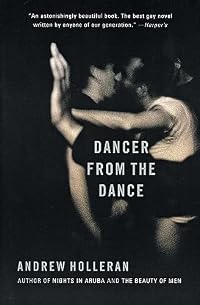













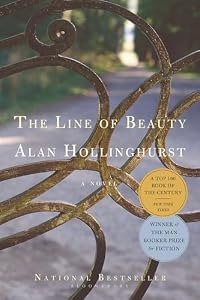
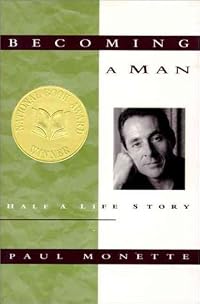



















Member Recommendations






bookwormelf Internalized homophobia and beautiful writing


charlie68 Some similar themes


Member Reviews
This tightly written sensual novel touches on many issues that probably would have caused many readers in 1956: the year it was published, to look again at the world around them, perhaps a world that was hidden to them, but which David our hero has to face in his pursuit of love. Themes of homo/bisexuality, expatriate Americans, claustrophobia and a release of emotions, shame and guilt, and the dirt and filth that haunts our character's every step, jostle one another in the mind of our hero. From the very beginning of the novel when David is thinking about a train journey he must take to Paris, the reader is enveloped in masterful prose that hardly falters throughout this short novel. The descriptions of Paris in the 1950's are lively show more and serve to contrast with David's unshakeable Americanisms
David tells his story in the first person in an extended flashback. We know from the start that he is a deeply unhappy man, his friend and lover Giovanni is on death row in Paris awaiting execution, his girlfriend has deserted him and he is preparing to leave France perhaps for good, very much a defeated man. Some months previously Hella his girlfriend has taken herself off to Spain to clear her head after David's marriage proposal and he has spent his evenings frittering his money away in various bars. One eventful night he taps up Jaques to lend him some money and Jaques takes him to a gay bar where he meets the barman Giovanni and there is a love at first sight moment. They drink all night and along with the manager Guillaume catch a taxi for breakfast at Les Halles (Paris's huge wholesale market place). More drinks follow and an exhausted David goes back to Giovanni's small one roomed flat where he spends most of his days while Giovanni goes out to work. David becomes restless, he has trouble in getting money from home and Hella is about to return to Paris to meet an increasingly anxious David.
The telling of David's first meeting with Giovanni and the subsequent morning drinking champagne and brandy at Les Halles is a tour de force. Characters in the gay bar and later those at Les Halles are a realistic background that heightens Giovanni's seduction of David. Our hero finds himself in a world without moorings, he is all at sea, but clings onto Giovanni almost in desperation, his excitement is palpable and is followed by a day of passion in Giovanni's bed. David's experience's in the gay bar are both sleazy and exciting at the same time, he is disturbed by the clientele, he feels in danger and when he gets to Les Halles he is upset by the wasted people that gather round Jaques, Guillaume and Giovanni.
David is in love with Giovanni, but the small room is claustrophobic, he can't wait to walk the streets of Paris and then is confused by the young men and women that he sees walking by. When Hella returns they have nights of heterosexual passion, but when he thinks of the lover he has left behind he starts to feel the sourness of Hella's skin, he sees her as dirty and even sordid, but he had also felt that with Giovanni when he looks back on his days in bed with him. Giovanni had resorted to taking bricks out of the wall of their room perhaps in an effort to make it bigger and David embarked on a massive cleaning operation, but it all served no purpose.
David becomes increasingly ambivalent to Paris. He sees Jaques as belonging to this strange city but says 'it does not belong to me.' He feels like a refugee, but he continues to be fascinated by the frenchness all around him. He listens to the language spoken in the bars:
"there seemed to be more chatter - in that curiously measured and vehement language, which sometimes reminds me of stiffening egg white and sometimes of stringed instruments, but always of the underside and aftermath of passion."
The underside of passion is deeply disturbing for David and when he deserts both Giovanni and then Hella he cannot stay in France and live with the shame; he will make his escape back home to America, but as a deeply disturbed individual.
It is interesting to think about the character of David after all, it is him telling his story in the first person and so the first question: is he a reliable witness? There is no reason to think otherwise with the amount of anguish he suffers and with the snapshots of his background that he reveals; is he unlucky to lose Giovanni and Hella, two characters who are in love with him? It is more likely that it is they who are the unlucky ones as are other characters that come into contact with David. At the end of the day it is David himself that makes his own problems, but in extenuation; he is a white middle class American trying to understand his feeling in a culture and a city alien to him, he has to deal with his sexuality and the ambivalence of falling in love, and many of us know how difficult that can be.
There are many sides to this novel that bowls the reader along with some wonderful prose. James Baldwin lived in Paris and recreates the atmosphere of that city which I particularly enjoyed. OK so we know the ending almost from the start of the novel, but it is all about the getting there and I enjoyed every step of the journey: 5 stars. show less
David tells his story in the first person in an extended flashback. We know from the start that he is a deeply unhappy man, his friend and lover Giovanni is on death row in Paris awaiting execution, his girlfriend has deserted him and he is preparing to leave France perhaps for good, very much a defeated man. Some months previously Hella his girlfriend has taken herself off to Spain to clear her head after David's marriage proposal and he has spent his evenings frittering his money away in various bars. One eventful night he taps up Jaques to lend him some money and Jaques takes him to a gay bar where he meets the barman Giovanni and there is a love at first sight moment. They drink all night and along with the manager Guillaume catch a taxi for breakfast at Les Halles (Paris's huge wholesale market place). More drinks follow and an exhausted David goes back to Giovanni's small one roomed flat where he spends most of his days while Giovanni goes out to work. David becomes restless, he has trouble in getting money from home and Hella is about to return to Paris to meet an increasingly anxious David.
The telling of David's first meeting with Giovanni and the subsequent morning drinking champagne and brandy at Les Halles is a tour de force. Characters in the gay bar and later those at Les Halles are a realistic background that heightens Giovanni's seduction of David. Our hero finds himself in a world without moorings, he is all at sea, but clings onto Giovanni almost in desperation, his excitement is palpable and is followed by a day of passion in Giovanni's bed. David's experience's in the gay bar are both sleazy and exciting at the same time, he is disturbed by the clientele, he feels in danger and when he gets to Les Halles he is upset by the wasted people that gather round Jaques, Guillaume and Giovanni.
David is in love with Giovanni, but the small room is claustrophobic, he can't wait to walk the streets of Paris and then is confused by the young men and women that he sees walking by. When Hella returns they have nights of heterosexual passion, but when he thinks of the lover he has left behind he starts to feel the sourness of Hella's skin, he sees her as dirty and even sordid, but he had also felt that with Giovanni when he looks back on his days in bed with him. Giovanni had resorted to taking bricks out of the wall of their room perhaps in an effort to make it bigger and David embarked on a massive cleaning operation, but it all served no purpose.
David becomes increasingly ambivalent to Paris. He sees Jaques as belonging to this strange city but says 'it does not belong to me.' He feels like a refugee, but he continues to be fascinated by the frenchness all around him. He listens to the language spoken in the bars:
"there seemed to be more chatter - in that curiously measured and vehement language, which sometimes reminds me of stiffening egg white and sometimes of stringed instruments, but always of the underside and aftermath of passion."
The underside of passion is deeply disturbing for David and when he deserts both Giovanni and then Hella he cannot stay in France and live with the shame; he will make his escape back home to America, but as a deeply disturbed individual.
It is interesting to think about the character of David after all, it is him telling his story in the first person and so the first question: is he a reliable witness? There is no reason to think otherwise with the amount of anguish he suffers and with the snapshots of his background that he reveals; is he unlucky to lose Giovanni and Hella, two characters who are in love with him? It is more likely that it is they who are the unlucky ones as are other characters that come into contact with David. At the end of the day it is David himself that makes his own problems, but in extenuation; he is a white middle class American trying to understand his feeling in a culture and a city alien to him, he has to deal with his sexuality and the ambivalence of falling in love, and many of us know how difficult that can be.
There are many sides to this novel that bowls the reader along with some wonderful prose. James Baldwin lived in Paris and recreates the atmosphere of that city which I particularly enjoyed. OK so we know the ending almost from the start of the novel, but it is all about the getting there and I enjoyed every step of the journey: 5 stars. show less
What do you do when you want something so badly it scares you half to death? And when you don't understand why you want it in the first place?
David is an American who has run off to Europe to explore and learn new things. (Though some might say he's running from what his life would be if he stayed in the states.) While on his travels, he's met Hella, a woman from Minnesota, and he expects he'll marry her someday. That's what he should do.
But while Hella is off exploring in Spain, David does some exploring of his own. He meets Giovanni, a young bartender, one evening and the two hit it off. Before long, David moves in with Giovanni, sharing the small room he's renting, and what the two of them have goes well beyond friendship.
For David, show more this all feels so right but so incredibly wrong at the same time. He cares dearly for Giovanni, but the thought of being with him forever is frightening. And there's still Hella. Hella feels safe for David. And she will be coming back someday.
David will need to make a choice, and he knows what the easy decision would be. But it's all complicated by the fact that Giovanni has fallen in love with him. And David just might be too frightened to admit that he loves Giovanni back. If he abandons Giovanni, he knows his world will fall apart, but what's his responsibility to this other man anyway? He can live with the guilt, right?
---
The 1950s were certainly not an easy time to be gay. But that's true for much of history. And the struggles that some men went through, trying to reconcile who they were with society's expectations, were certainly heart wrenching. And we get a good glimpse of that here.
When reading this, it's easy to think of it as historical fiction. But that diminishes the significance of James Baldwin writing this contemporary to the time it takes place. In that regard, it's a truly groundbreaking work, although it's not exactly the most uplifting piece of literature.
I definitely give this one a recommendation, though I need to put a caveat that it's not a happiness and sunshine story. It's gritty. And it will definitely make you think. show less
David is an American who has run off to Europe to explore and learn new things. (Though some might say he's running from what his life would be if he stayed in the states.) While on his travels, he's met Hella, a woman from Minnesota, and he expects he'll marry her someday. That's what he should do.
But while Hella is off exploring in Spain, David does some exploring of his own. He meets Giovanni, a young bartender, one evening and the two hit it off. Before long, David moves in with Giovanni, sharing the small room he's renting, and what the two of them have goes well beyond friendship.
For David, show more this all feels so right but so incredibly wrong at the same time. He cares dearly for Giovanni, but the thought of being with him forever is frightening. And there's still Hella. Hella feels safe for David. And she will be coming back someday.
David will need to make a choice, and he knows what the easy decision would be. But it's all complicated by the fact that Giovanni has fallen in love with him. And David just might be too frightened to admit that he loves Giovanni back. If he abandons Giovanni, he knows his world will fall apart, but what's his responsibility to this other man anyway? He can live with the guilt, right?
---
The 1950s were certainly not an easy time to be gay. But that's true for much of history. And the struggles that some men went through, trying to reconcile who they were with society's expectations, were certainly heart wrenching. And we get a good glimpse of that here.
When reading this, it's easy to think of it as historical fiction. But that diminishes the significance of James Baldwin writing this contemporary to the time it takes place. In that regard, it's a truly groundbreaking work, although it's not exactly the most uplifting piece of literature.
I definitely give this one a recommendation, though I need to put a caveat that it's not a happiness and sunshine story. It's gritty. And it will definitely make you think. show less
David, the narrator, and Giovanni, in whose room he (re)finds the core of himself with which he cannot be at peace, are stripped down to a purpose. This is a story about fundamental alienation, where two displaced men discover truth in unaccepted physical connection, which is all they have to offer anyone. Giovanni accepts his own needs, but David, more fortunately situated, cannot.
The book is successful in making the reader feel for these men without resources, but not enough to provide any enjoyment in their company. And that was almost certainly the intent.
The book is successful in making the reader feel for these men without resources, but not enough to provide any enjoyment in their company. And that was almost certainly the intent.
When you say yes to fear…
Giovanni’s Room is an unflinching, uncompromising, emotionally wrecking book. Baldwin’s words play on strings inside readers that only great writing can reach.
David is a young American in Paris, Hella, his fiancée, is away. David is gay, and he hates himself for that. Once upon a time, he made a choice out of fear and denial, and ended what might have been a first love. ”It was like holding in my hand some rare, exhausted, nearly doomed bird which I had miraculously happened to find.” He tells himself many lies, and it warps and sickens all his relationships to come.
”…for nothing is more unbearable, once one has it, than freedom.”
The interplay, the little lies, the big lies, moments of truth, show more hurt, malice and desire are all living, breathing monsters on these pages.
When David meets Giovanni, it’s beautiful:
”Ah!” cried Giovanni. ”Don’t you know when you have made a friend?”
I knew I must look foolish and that my question was foolish too: ”So soon?”
David had said yes to fear, and no to life and freedom of the spirit. And so David, Giovanni, Hella are all doomed, in various ways, while the reader watches helplessly.
(I need a hug now.) show less
Giovanni’s Room is an unflinching, uncompromising, emotionally wrecking book. Baldwin’s words play on strings inside readers that only great writing can reach.
David is a young American in Paris, Hella, his fiancée, is away. David is gay, and he hates himself for that. Once upon a time, he made a choice out of fear and denial, and ended what might have been a first love. ”It was like holding in my hand some rare, exhausted, nearly doomed bird which I had miraculously happened to find.” He tells himself many lies, and it warps and sickens all his relationships to come.
”…for nothing is more unbearable, once one has it, than freedom.”
The interplay, the little lies, the big lies, moments of truth, show more hurt, malice and desire are all living, breathing monsters on these pages.
When David meets Giovanni, it’s beautiful:
”Ah!” cried Giovanni. ”Don’t you know when you have made a friend?”
I knew I must look foolish and that my question was foolish too: ”So soon?”
David had said yes to fear, and no to life and freedom of the spirit. And so David, Giovanni, Hella are all doomed, in various ways, while the reader watches helplessly.
(I need a hug now.) show less
This is the first time I ever read this book, but it’s been really important to me for eight years now. Let me explain. When I was 15 and so closeted I was living in Narnia, I read a book for English class, and in the back there were blurbs of a bunch of other books by the same publisher, and one of those books was Giovanni’s Room. It was about a man who had a confused, passionate love affair with another man, and I saw that and went “I must read it”. I was stunned by the realisation that there could be books about that; books that were advertised where schoolchildren could see, as if they were legitimate literature and not forbidden or obscene! So I memorised the title and author and kept a subtle eye out in libraries and show more bookstores for years. (Actually telling a relative or librarian that I wanted a copy was out of the question. They might ask why it was so important that I read a gay book, and I couldn’t even answer that to myself yet.) And I came across other LGBT books, but never this one, until this year when I remembered my unfulfilled quest and bought it.
I’m really glad I read it. It’s short and ends miserably, the characters aren’t very nice people and they’re all bursting with internalised homophobia, but it’s beautiful and meaningful and not something I’ll forget in a hurry. However, I’m even gladder that I read it now, when I’m 23 and secure in my bisexual identity and involved in the queer community, when I’ve been to Pride and seen a bunch of countries legalise equal marriage and experienced a healthy, loving relationship with a wonderful woman. This would have been such a painful, depressing read back when I first became aware of it! show less
I’m really glad I read it. It’s short and ends miserably, the characters aren’t very nice people and they’re all bursting with internalised homophobia, but it’s beautiful and meaningful and not something I’ll forget in a hurry. However, I’m even gladder that I read it now, when I’m 23 and secure in my bisexual identity and involved in the queer community, when I’ve been to Pride and seen a bunch of countries legalise equal marriage and experienced a healthy, loving relationship with a wonderful woman. This would have been such a painful, depressing read back when I first became aware of it! show less
Some books linger in your soul long after the final page, and Giovanni’s Room by James Baldwin is one such haunting classic. For years, it was suggested to me, its reputation both enticing and intimidating. I had hesitated, wary of mid-century love stories burdened by societal repression. But upon reading it, I discovered not dread, but an uncanny mirror—a reflection of struggles that remain eerily relevant today.
Set in post-war Paris, Baldwin's world felt intimately familiar, having lived in Europe myself. The smoky bars, narrow streets, and secretive meetings brought the city alive, not as mere scenery but as a character itself, vibrating with the same tension as the men who inhabit it. Baldwin’s Paris is where desire is show more whispered and shame hangs in the air, creating an atmosphere as rich as it is suffocating.
The characters, especially David and Giovanni, leap off the page, their conflict raw and contemporary. Baldwin masterfully portrays the timeless struggle between living authentically and yielding to the safety of societal norms. Giovanni’s Room is not merely about forbidden love—it is about the quiet destruction that comes from denying one’s truth, and the heavy cost of conformity.
There are no easy answers here. Baldwin forces us to confront that razor’s edge between longing and repression, love and fear. The story walks that perilous tightrope, refusing to let us look away from the painful consequences of denying who we are.
Despite being published in 1956, Giovanni’s Room feels startlingly relevant. Its themes of internal conflict and societal pressure remain deeply resonant. Baldwin’s prose has not aged; his writing remains a poignant reminder of the price we pay when we bury our true selves, and the liberation that can come from embracing who we are, no matter the cost. show less
Set in post-war Paris, Baldwin's world felt intimately familiar, having lived in Europe myself. The smoky bars, narrow streets, and secretive meetings brought the city alive, not as mere scenery but as a character itself, vibrating with the same tension as the men who inhabit it. Baldwin’s Paris is where desire is show more whispered and shame hangs in the air, creating an atmosphere as rich as it is suffocating.
The characters, especially David and Giovanni, leap off the page, their conflict raw and contemporary. Baldwin masterfully portrays the timeless struggle between living authentically and yielding to the safety of societal norms. Giovanni’s Room is not merely about forbidden love—it is about the quiet destruction that comes from denying one’s truth, and the heavy cost of conformity.
There are no easy answers here. Baldwin forces us to confront that razor’s edge between longing and repression, love and fear. The story walks that perilous tightrope, refusing to let us look away from the painful consequences of denying who we are.
Despite being published in 1956, Giovanni’s Room feels startlingly relevant. Its themes of internal conflict and societal pressure remain deeply resonant. Baldwin’s prose has not aged; his writing remains a poignant reminder of the price we pay when we bury our true selves, and the liberation that can come from embracing who we are, no matter the cost. show less
David is desperately trying to find himself in the years following the Second World War. As a young American man who is confused about so many things—his professional future, a strained relationship with his father, his sexual orientation—he has escaped to Paris where he meets Hella, another ex-pat from the United States. David proposes to Hella despite not really loving her; she responds by leaving for Spain to think things over. In her absence, David makes the acquaintance of Giovanni, a young Italian man working in a prominent gay bar. The two men strike up a friendship and, soon enough, they become lovers, although David’s confusion over his identity prevents him from fully committing to the relationship. As he has no other show more financial means, David moves into Giovanni’s small one-room apartment, where he allows himself to explore his true feelings and attitudes for the first time. However, when Hella returns from Spain to accept his marriage proposal, David leaves Giovanni in a cruel and heartbreaking way, which sets the latter on a destructive path that ultimately leads him to commit a tragic act. The story ends with David being a lot sadder but not any wiser, while Giovanni awaits his final fate.
In Giovanni’s Room, James Baldwin has crafted a taut, masterful examination of the myriad pitfalls that befall someone on their journey to personal enlightenment. The author was justly celebrated for developing themes of race, class, and sexual orientation in his writing and this book stands out for its focus on the dilemmas and introspections of an all-white cast of characters. That becomes a powerful stylistic choice that allows the story to concentrate on David’s struggle to come to grips with his own definition of masculinity and the shame that drives his daily behaviors without conflating those subjects with issues of racial identity. In a novel written about seven decades ago, I can only imagine that these were extremely controversial topics that were neither vogue nor comfortable to confront. The tale is told from David’s first-person perspective, in both flashbacks and the present tense, which is frequently the choice of a writer who wants to present the reader with an unreliable narrator. And, to be sure, David is a very unreliable narrator, if only because he knows—or is willing to accept—so little about himself. The gritty realism and melancholy tone of Giovanni’s Room make it a difficult novel to read at times, but it is rightly considered a classic and one that has definitely stood the test of time. show less
In Giovanni’s Room, James Baldwin has crafted a taut, masterful examination of the myriad pitfalls that befall someone on their journey to personal enlightenment. The author was justly celebrated for developing themes of race, class, and sexual orientation in his writing and this book stands out for its focus on the dilemmas and introspections of an all-white cast of characters. That becomes a powerful stylistic choice that allows the story to concentrate on David’s struggle to come to grips with his own definition of masculinity and the shame that drives his daily behaviors without conflating those subjects with issues of racial identity. In a novel written about seven decades ago, I can only imagine that these were extremely controversial topics that were neither vogue nor comfortable to confront. The tale is told from David’s first-person perspective, in both flashbacks and the present tense, which is frequently the choice of a writer who wants to present the reader with an unreliable narrator. And, to be sure, David is a very unreliable narrator, if only because he knows—or is willing to accept—so little about himself. The gritty realism and melancholy tone of Giovanni’s Room make it a difficult novel to read at times, but it is rightly considered a classic and one that has definitely stood the test of time. show less
Members
- Recently Added By
Published Reviews
ThingScore 100
what draws lovers of the book to its story of betrayal and the possibility of redemption through truth and, ultimately, to the question of the body as home, is the vision of Baldwin stumbling through it, sure-footed and alone, walking toward the idea that love may come attached with different ideas of what it should look like, feel like, but in the end, it’s what you do with its show more responsibilities that renders you genderless — and human. show less
added by danielx
added by gsc55
Lists

1001 Books You Must Read Before You Die
1,448 works; 1,132 members

The Guardian's 1000 Novels Everyone Must Read
1,005 works; 549 members
501 Must-Read Books
508 works; 72 members

Pre-1969 LGBTQ Literature
182 works; 66 members

Novels from The Guardian's Great American Novelist Tournament
148 works; 24 members

Great American Novels
158 works; 40 members

Recommend the 20 best books you've read in the last five years
2,168 works; 601 members

1950s
340 works; 22 members

Must-Read Books by Black Authors
114 works; 90 members

BBC's 100 Novels That Shaped Our World
100 works; 22 members
20th Century Literature
1,161 works; 54 members

French Books
102 works; 15 members

Best Love Stories
107 works; 14 members
National Book Award Finalists - Fiction
377 works; 12 members

Black Authors
381 works; 32 members
Best LGBT Fiction
144 works; 25 members

One Book, Many Authors
441 works; 40 members

Publishing Triangle 100 Best Lesbian and Gay Novels
97 works; 6 members
Lithub: 50 Great Classic Novels Under 200 pages
50 works; 10 members
Phi Beta Kappa reading list
260 works; 8 members

Blue Pyramid 1,276 Best Books of All Time
1,248 works; 32 members

Five star books
1,755 works; 108 members
1,001 BYMRBYD Concensus
723 works; 27 members

Good LGBT fiction for LGBT folk and friends
537 works; 54 members
Paris, City of Lights
103 works; 17 members

Migliori Libri GLBT Internazionali
5 works; 1 member

Undiscovered Classics to Read
70 works; 15 members
Overdue Podcast
803 works; 9 members

Best of 2014
8 works; 1 member

SHOULD Read Books!
354 works; 9 members

Nifty Fifties
129 works; 14 members

Books Read in 2022
5,164 works; 111 members

My TBR
371 works; 3 members

Meditations on Death
18 works; 3 members
Read These Too
458 works; 9 members

.
396 works; 1 member

Schomburg Centennial Reading List
100 works; 4 members

Top Five Books of 2025
954 works; 303 members

Guilty Pleasures
223 works; 86 members
Widely acclaimed, one book per year
105 works; 3 members

The Atlantic's The Great American Novel
136 works; 12 members

Retrospective of 20th- and 21st-century literature
154 works; 1 member
Top Five Books of 2024
795 works; 264 members
Books That Made Us Cry
278 works; 145 members

Books Read in 2024
4,623 works; 126 members

Books Mentioned in the A+ Autostraddle Pop Up Discords Nov 2022 & Dec 2022
223 works; 3 members

Books Read in 2021
5,361 works; 113 members

Global Reads: Books Set in Western Europe
186 works; 10 members

Fiction with Men's Given Names in the Title
302 works; 10 members

Take Four Books
130 works; 1 member
Author Information

120+ Works 41,816 Members
James Baldwin was born on August 2, 1924, in New York. Baldwin's father was a pastor who subjected his children to poverty, abuse, and religious fanaticism. As a result, many of Baldwin's recurring themes, such as alienation and rejection, are attributable to his upbringing. Living the life of a starving artist, Baldwin went through numerous jobs, show more including dishwasher, office boy, factory worker, and waiter. In 1948, he moved to France, where much work originated. Baldwin published Go Tell It on the Mountain in 1953. A largely autobiographical work, it tells of the religious awakening of a fourteen-year-old. In addition to his childhood experiences, his experiences as a black man and a homosexual provided inspiration for such works as Giovanni's Room, Nobody Knows My Name, and Another Country. Baldwin holds a distinguished place in American history as one of the foremost writers of both black and gay literature. He was an active participant in the Civil Rights movement. Baldwin succumbed to cancer on December 1, 1987. (Bowker Author Biography) show less
Some Editions
Awards and Honors
Awards
Notable Lists
The Great American Novels (1956)
Series
Belongs to Publisher Series
Work Relationships
Is contained in
Inspired
Common Knowledge
- Canonical title*
- Giovanni's kamer
- Original title
- Giovanni's Room
- Original publication date
- 1956
- People/Characters
- David; Giovanni; Jacques; Hella; Guillaume
- Important places
- Nice, Alpes-Maritimes, Provence-Alpes-Côte d'Azur, France; Paris, France
- Epigraph
- I am the man, I suffered, I was there.
- Whitman - Dedication
- FOR LUCIEN
- First words
- I stand at the window of this great house in the south of France as night falls, the night which is leading me to the most terrible morning of my life. I have a drink in my hand, there is a bottle at my elbow. I watch my refl... (show all)ection in the darkening gleam of the window pane. My reflection is tall, perhaps rather like ab arrow, my blond hair gleams. My face is like a face you have seen many times. My ancestors conquered a continent, pushing across death-laden plains, until they came to an ocean which faced away from Europe into a darker past. - Chapter One
- Quotations*
- Gleich darauf aber, als ich auf die wartenden Menschen zugehe, treibt der Wind ein paar Fetzen zu mir zurück.
- Last words
- (Click to show. Warning: May contain spoilers.)Yet, as I turn and begin walking toward the waiting people, the wind blows some of them back on me.
- Publisher's editor*
- Delta Trade Paperbacks
- Blurbers
- Kazin, Alfred; Hughes, Langston; Mailer, Norman
- Original language
- English
- Canonical DDC/MDS
- 813.54
- Canonical LCC
- PS3552.A45
*Some information comes from Common Knowledge in other languages. Click "Edit" for more information.
Classifications
Statistics
- Members
- 7,625
- Popularity
- 1,494
- Reviews
- 177
- Rating
- (4.19)
- Languages
- 16 — Catalan, Danish, Dutch, English, Estonian, Finnish, French, German, Italian, Norwegian (Bokmål), Polish, Portuguese, Russian, Spanish, Swedish, Turkish
- Media
- Paper, Audiobook, Ebook
- ISBNs
- 79
- UPCs
- 1
- ASINs
- 67