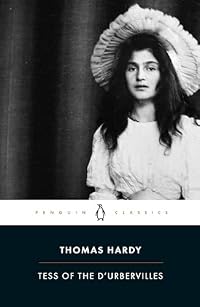
Tess of the D'Urbervilles
by Thomas Hardy
On This Page
Description
Tess Durbeyfield, the daughter of an impoverished family, must navigate a world of desire and romance once she meets Alec d'Urberville. The son of a rich widow, he takes a fancy to her and gets her a position as the poultry keeper on his family's estate. However, her good fortune is soon complicated by Alec's libertine ways, and Tess returns home shamed. Once recovered, she separates herself from the gossip by finding work at a dairy farm outside the village. There, she meets and falls for show more Angel Clare, the eligible youngest son of the local reverend. But as her life begins to change for the better, she is troubled by a moral dilemma: whether or not to tell Angel about her past. Set in the fictional county of Wessex, Tess of the d'Urbervilles reflects on issues of classism, industrialism, hypocrisy, and virtue. Often considered to be Thomas Hardy's masterpiece, it received mixed reviews upon its publication due to its frank discussion of female sexuality and the hypocrisy of Victorian morality. show lessTags
Recommendations








Member Recommendations
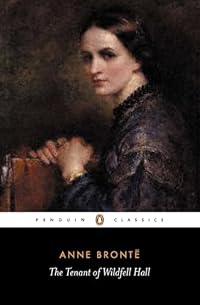
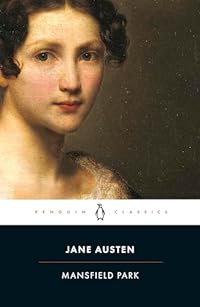
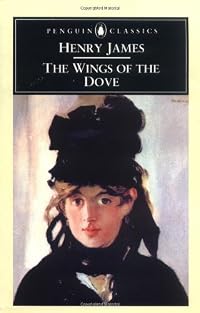
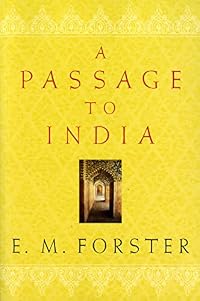
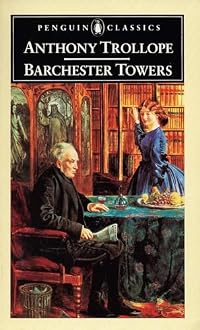
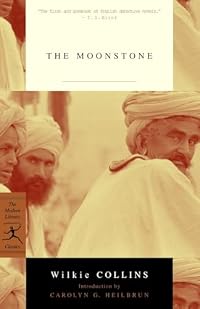
alaudacorax At the moment, I think this is the finest of Hardy's novels - if you've read and liked any of the others I'm sure you'll like this. If you've been turned-off by the grimness of some of his others - Tess ..., for instance - you might well find this more palatable.
80

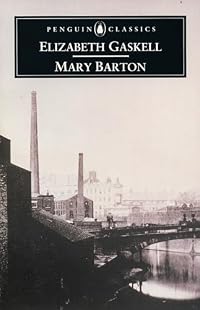
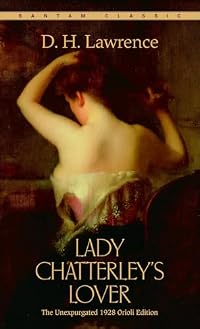
Lapsus_Linguae Both novels depict an attractive young woman who becomes an outcast because of society's sexual mores.
40
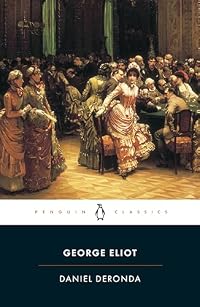
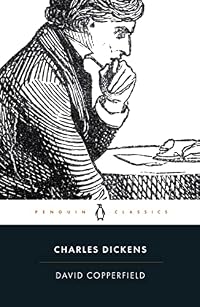
Johanna11 Both books write about people with expectations for their future, both are very well written at the end of the nineteenth century.
42
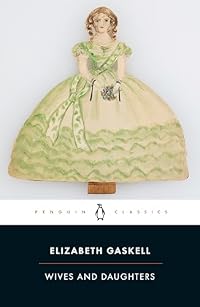
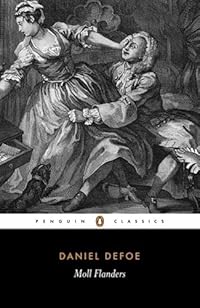
Heather39 Both books tell the story of a young, working class woman who enters into a relationship with a gentleman, eventually to her downfall.
11

edwinbcn Written by a woman, "The Quarry Wood" explores the awakening sexuality and awareness of the young Martha. More outspoken than Thomas Hardy, but not yet as free as D.H. Lawrence.
12

lucyknows Muriel's Wedding could be paired with Tess of the D'Urbervilles as well as several other novels, such as, My Brilliant Career by Miles Franklin, Pride and Prejudice by Jane Austen and even with Shakespeare's play Much Ado About Nothing
14
by Cecrow
Member Reviews
This is an enjoyable read, and I found ‘The Maiden’, the first of six ‘phases’, to be five star, really getting it off to a great start. I’ll describe the main elements of its plot (mini spoiler alert), but not too much beyond that. We’re first introduced to Tess Durbeyfield’s father, who is somewhat lazy and a drinker; when he finds out he has a connection to an ancient family in the region, he comes to have some unrealistic, high falutin’ hopes about falling into fortune. One night when he can’t drive his beehives to the market for the following morning’s sales, Tess goes in his place. Unfortunately, she falls asleep at the reins, which Hardy describes cosmically: “With no longer a companion to distract her, Tess show more fell more deeply into reverie than ever, her back leaning against the hives. The mute procession past her shoulders of trees and hedges became attached to fantastic scenes outside reality and the occasional heave of the wind became the sigh of some immense sad soul, conterminous with the universe in space, and with history in time.”
Shortly afterward, in a shocking sequence, Tess gets into a violent accident with a wagon coming the other direction, which kills the family horse. The resulting financial hardship encourages her parents all the more to send her off to the distant d’Urberville family, to work on their property and form a connection with them, but there she becomes the prey of the dastardly Alec d’Urberville. Hardy hints at Alec’s intentions in ways that make the reader cringe, and in an absolutely brilliant sequence late at night after a dance, he rapes Tess. In the morality of the time, this stains Tess; she feels guilty over it for the rest of the novel and unworthy of a future husband, while Alec happily goes on with his life. Grrr.
Hardy was a transitional writer in the late 19th century, including old school melodrama in his writing, but also modernist psychology, and challenges to religion and the morality of the day which deeply offended Victorians. As an extension of that, his (ostensible) protagonist Angel Clare, the more enlightened gentleman who finds Tess and falls for her, is a transitional thinker. On the one hand, Angel is aware of evolution and flouts religion and conventionality, but on the other hand, he has old-fashioned about a woman’s virtue. Between the outright evil of Alec, who Tess has fled, and Alec’s hypocrisy, it’s hard to like either character, or to know who is worse, but I think that’s part of Hardy’s point. The unfairness of life for women will almost certainly make you grit your teeth, and Hardy may go on a teeny bit too long in the center sections of the book, but there is a lot to like here.
Quotes:
On art:
“She thought, without exactly wording the thought, how strange and godlike was a composer’s power, who from the grave could lead through sequences of emotion, which he alone had felt at first, a girl like her who had never heard of his name, and never would have a clue to his personality.”
On beauty:
“How very lovable her face was to him. Yet there was nothing ethereal about it; all was real vitality, real warmth, real incarnation. And it was in her mouth that this culminated. Eyes almost as deep and speaking he had seen before, and cheeks perhaps as fair; brows as arched, a chin and throat almost as shapely; her mouth he had seen nothing to equal on the face of the earth. To a young man with the least fire in him that little upward lift in the middle of her red top lip was distracting, infatuating, maddening. He had never before seen a woman’s lips and teeth which forced upon his mind with such persistent iteration the old Elizabeth simile of roses filled with snow. Perfect, he, as a lover, might have called them off-hand. But no – they were not perfect. And it was the touch of the imperfect upon the would-be perfect that gave the sweetness, because it was that which gave the humanity.”
On death, I thought this was an interesting perspective, and yes, our ‘deathday’ is out there somewhere for all of us:
“She philosophically noted dates as they came past in the revolution of the year; the disastrous night of her undoing at Tantridge with its dark background of The Chase; also the dates of the baby’s birth and death; also her own birthday; and every other day individualized by incidents in which she had taken some share. She suddenly thought one afternoon, when looking in the glass at her fairness, that there was yet another date, of greater importance to her than those; that of her own death, when all these charms would have disappeared; a day which lay sly and unseen and among all the other days of the year, giving no sign or sound when she annually passed over it; but not the less surely there. When was it? Why did she not feel the chill of each yearly encounter with such a cold relation? She had Jeremy Taylor’s thought that some time in the future those who had known her would say, ‘It is the- th, the day that poor Tess Durbeyfield died’; and there would be nothing singular to their minds in the statement. Of that day, doomed to her terminus in time through all the ages, she did not know the place in month, week, season, or year.”
On knowledge:
“’Because what’s the use of learning that I am one of a long row only – finding out that there is set down in some old book somebody just like me, and to know that I shall only act her part; making me sad, that’s all. The best is not to remember that your nature and past doings have been just like thousands’ and thousands’, and that your coming life and doings’ll be like thousands’ and thousands’.’
‘What, really, then, you don’t want to learn anything?’
‘I shouldn’t mind learning why – why the sun do shine on the just and the unjust alike,’ she answered, with a slight quaver in her voice. ‘But that’s what the books will not tell me.’”
On religion, harkening back to worship of the sun:
“The sun, on account of the mist, had a curious sentient, personal look, demanding the masculine pronoun for its adequate expression. His present aspect, coupled with the lack of all human forms in the scene, explained the old-time heliolatries in a moment. One could feel that a saner religion had never prevailed under the sky. The luminary was a golden-haired, beaming, mild-eyed, God-like creature, gazing down in the vigour and intentness of youth upon an earth that was brimming with interest for him.”
And this one, questioning God in a world of cruelty:
“The calmness which had possessed Tess since the christening remained with her in the infant’s loss. In the daylight, indeed, she felt her terrors about his soul to have been somewhat exaggerated; whether well founded or not she had no uneasiness now, reasoning that if Providence would not ratify such an act of approximation she, for one, did not value the kind of heaven lost by the irregularity – either for herself or for her child.”
And:
“Once upon a time Angel had been so unlucky as to say to his father, in a moment of irritation, that it might have resulted far better for mankind if Greece had been the source of the religion of modern civilization, and not Palestine; and his father’s grief was of that blank description which could not realize that there might lurk a thousandth part of a truth, much less a half truth or a whole truth, in such a proposition.”
Lastly this one, an example of Hardy taking a simple scene on a dairy farm and both putting it in perspective in the bigger picture, but also pointing out it’s no less important than scenes of royalty; this quote really has it all, compared to how simply it may have been put:
“Long thatched sheds stretched round the enclosure, their slopes encrusted with vivid green moss, and their eaves supported by wooden posts rubbed to a glossy smoothness by the flanks of infinite cows and calves of bygone years, now passed to an oblivion almost inconceivable in its profundity. Between the posts were ranged the milchers, each exhibiting herself at the present moment to a whimsical eye in the rear as a circle on two stalks, down the centre of which a switched moved pendulum-wise; while the sun, lowering itself behind this patient row, threw their shadows accurately inwards upon the wall. Thus it threw shadows of these obscure and homely figures every evening with as much care over each contour as if it had been the profile of a Court beauty on a palace wall; copied them as diligently as it had copied Olympian shades on marble facades long ago, or the outline of Alexander, Caesar, and the Pharaohs.” show less
Shortly afterward, in a shocking sequence, Tess gets into a violent accident with a wagon coming the other direction, which kills the family horse. The resulting financial hardship encourages her parents all the more to send her off to the distant d’Urberville family, to work on their property and form a connection with them, but there she becomes the prey of the dastardly Alec d’Urberville. Hardy hints at Alec’s intentions in ways that make the reader cringe, and in an absolutely brilliant sequence late at night after a dance, he rapes Tess. In the morality of the time, this stains Tess; she feels guilty over it for the rest of the novel and unworthy of a future husband, while Alec happily goes on with his life. Grrr.
Hardy was a transitional writer in the late 19th century, including old school melodrama in his writing, but also modernist psychology, and challenges to religion and the morality of the day which deeply offended Victorians. As an extension of that, his (ostensible) protagonist Angel Clare, the more enlightened gentleman who finds Tess and falls for her, is a transitional thinker. On the one hand, Angel is aware of evolution and flouts religion and conventionality, but on the other hand, he has old-fashioned about a woman’s virtue. Between the outright evil of Alec, who Tess has fled, and Alec’s hypocrisy, it’s hard to like either character, or to know who is worse, but I think that’s part of Hardy’s point. The unfairness of life for women will almost certainly make you grit your teeth, and Hardy may go on a teeny bit too long in the center sections of the book, but there is a lot to like here.
Quotes:
On art:
“She thought, without exactly wording the thought, how strange and godlike was a composer’s power, who from the grave could lead through sequences of emotion, which he alone had felt at first, a girl like her who had never heard of his name, and never would have a clue to his personality.”
On beauty:
“How very lovable her face was to him. Yet there was nothing ethereal about it; all was real vitality, real warmth, real incarnation. And it was in her mouth that this culminated. Eyes almost as deep and speaking he had seen before, and cheeks perhaps as fair; brows as arched, a chin and throat almost as shapely; her mouth he had seen nothing to equal on the face of the earth. To a young man with the least fire in him that little upward lift in the middle of her red top lip was distracting, infatuating, maddening. He had never before seen a woman’s lips and teeth which forced upon his mind with such persistent iteration the old Elizabeth simile of roses filled with snow. Perfect, he, as a lover, might have called them off-hand. But no – they were not perfect. And it was the touch of the imperfect upon the would-be perfect that gave the sweetness, because it was that which gave the humanity.”
On death, I thought this was an interesting perspective, and yes, our ‘deathday’ is out there somewhere for all of us:
“She philosophically noted dates as they came past in the revolution of the year; the disastrous night of her undoing at Tantridge with its dark background of The Chase; also the dates of the baby’s birth and death; also her own birthday; and every other day individualized by incidents in which she had taken some share. She suddenly thought one afternoon, when looking in the glass at her fairness, that there was yet another date, of greater importance to her than those; that of her own death, when all these charms would have disappeared; a day which lay sly and unseen and among all the other days of the year, giving no sign or sound when she annually passed over it; but not the less surely there. When was it? Why did she not feel the chill of each yearly encounter with such a cold relation? She had Jeremy Taylor’s thought that some time in the future those who had known her would say, ‘It is the- th, the day that poor Tess Durbeyfield died’; and there would be nothing singular to their minds in the statement. Of that day, doomed to her terminus in time through all the ages, she did not know the place in month, week, season, or year.”
On knowledge:
“’Because what’s the use of learning that I am one of a long row only – finding out that there is set down in some old book somebody just like me, and to know that I shall only act her part; making me sad, that’s all. The best is not to remember that your nature and past doings have been just like thousands’ and thousands’, and that your coming life and doings’ll be like thousands’ and thousands’.’
‘What, really, then, you don’t want to learn anything?’
‘I shouldn’t mind learning why – why the sun do shine on the just and the unjust alike,’ she answered, with a slight quaver in her voice. ‘But that’s what the books will not tell me.’”
On religion, harkening back to worship of the sun:
“The sun, on account of the mist, had a curious sentient, personal look, demanding the masculine pronoun for its adequate expression. His present aspect, coupled with the lack of all human forms in the scene, explained the old-time heliolatries in a moment. One could feel that a saner religion had never prevailed under the sky. The luminary was a golden-haired, beaming, mild-eyed, God-like creature, gazing down in the vigour and intentness of youth upon an earth that was brimming with interest for him.”
And this one, questioning God in a world of cruelty:
“The calmness which had possessed Tess since the christening remained with her in the infant’s loss. In the daylight, indeed, she felt her terrors about his soul to have been somewhat exaggerated; whether well founded or not she had no uneasiness now, reasoning that if Providence would not ratify such an act of approximation she, for one, did not value the kind of heaven lost by the irregularity – either for herself or for her child.”
And:
“Once upon a time Angel had been so unlucky as to say to his father, in a moment of irritation, that it might have resulted far better for mankind if Greece had been the source of the religion of modern civilization, and not Palestine; and his father’s grief was of that blank description which could not realize that there might lurk a thousandth part of a truth, much less a half truth or a whole truth, in such a proposition.”
Lastly this one, an example of Hardy taking a simple scene on a dairy farm and both putting it in perspective in the bigger picture, but also pointing out it’s no less important than scenes of royalty; this quote really has it all, compared to how simply it may have been put:
“Long thatched sheds stretched round the enclosure, their slopes encrusted with vivid green moss, and their eaves supported by wooden posts rubbed to a glossy smoothness by the flanks of infinite cows and calves of bygone years, now passed to an oblivion almost inconceivable in its profundity. Between the posts were ranged the milchers, each exhibiting herself at the present moment to a whimsical eye in the rear as a circle on two stalks, down the centre of which a switched moved pendulum-wise; while the sun, lowering itself behind this patient row, threw their shadows accurately inwards upon the wall. Thus it threw shadows of these obscure and homely figures every evening with as much care over each contour as if it had been the profile of a Court beauty on a palace wall; copied them as diligently as it had copied Olympian shades on marble facades long ago, or the outline of Alexander, Caesar, and the Pharaohs.” show less
Tess was the second Thomas Hardy novel I read and probably overall his best. The characters are deeply drawn, with complex motivations. It's a deeply tragic work, but the tragedy seems to flow realistically, arising from the social norms of the day and from the characters own failings, which are often indistinguishable from their virtues. Tess's pride and independence keep her from asking for help from those who would have been willing to provide it, for instance. The final pages were the books only unrealistic turn for me, with Tess's husband seemingly ready to start his live anew with Tess's sister. I guess such things might actually happen in real life, but it held and unpleasant creepiness for me.
The setting is probably the real show more star of this book. Hardy is meticulous in his description of life on an English dairy, but he as a deft hand that doesn't allow the description to distract from the plot. Hardy also produces stunningly beautiful prose, but his books never feel overwritten. Highly recommended. show less
The setting is probably the real show more star of this book. Hardy is meticulous in his description of life on an English dairy, but he as a deft hand that doesn't allow the description to distract from the plot. Hardy also produces stunningly beautiful prose, but his books never feel overwritten. Highly recommended. show less
Tess of the D’Ubervilles is a beautiful, haunting masterpiece.
When Tess’s family fall on hard times, Tess is forced to go and see family she has never heard of before – the well off D’Ubervilles. On arriving she is met with Alec D’Uberville, the man who will be her downfall. After losing her child to illness, Tess receives employment as a milkmaid, and falls in love with Angel Clare, but will Tess be able to tell him about the dark past that she has so long kept secret? And if the truth is revealed, will Angel Clare still feel the same way?
I absolutely loved this book. I’m actually sad that I haven’t read it before. I read if for classes, but so many of my classmates had read it before, and I envied being able to read it show more without studying it. It’s such a beautiful book with such an immense plot. I kept having to put it down and come back to it, purely so I could give myself time to process what I’d read. Hardy has that ability to describe something in detail, pages covering the same thing, but it’s never repetitious and it’s never boring.
Tess of the D’Ubervilles is famous for being scandalous and shocking when it was first published, and I can see why. Though not really shocking to us now, I can imagine the horror at a story of women with a child out of marriage, and the idea of concealing that child from her suitor. Hardy certainly has a lot to say about social conventions and the way women were treated at that time.
I think Tess is a really fascinating character, she’s strong willed, stubborn and utterly loyal. She makes lots of mistakes throughout the story – and more often than not she pays the price for them. Her story is an immensely sad one. She is a survivor, continuing on even when her life seems the most hopeless.
No matter what I write about Tess of the D’Ubervilles, this review will be woefully understating how wonderful this novel is (but that’s not going to stop me trying!) The language in the novel is beautiful and poetic, and I loved the descriptions of nature. Tess is closely linked to nature throughout the plot – something I found particularly interesting. She is seen as almost part of nature herself, a pure, earthy country girl.
It’s a very bleak and depressing story, but it is definitely worth reading. This was my first outing in the novels of Thomas Hardy – although I am told The Mayor of Casterbridge is by far his best novel, I really enjoyed Tess of the D’Ubervilles and all its wonderful comments on society. show less
When Tess’s family fall on hard times, Tess is forced to go and see family she has never heard of before – the well off D’Ubervilles. On arriving she is met with Alec D’Uberville, the man who will be her downfall. After losing her child to illness, Tess receives employment as a milkmaid, and falls in love with Angel Clare, but will Tess be able to tell him about the dark past that she has so long kept secret? And if the truth is revealed, will Angel Clare still feel the same way?
I absolutely loved this book. I’m actually sad that I haven’t read it before. I read if for classes, but so many of my classmates had read it before, and I envied being able to read it show more without studying it. It’s such a beautiful book with such an immense plot. I kept having to put it down and come back to it, purely so I could give myself time to process what I’d read. Hardy has that ability to describe something in detail, pages covering the same thing, but it’s never repetitious and it’s never boring.
Tess of the D’Ubervilles is famous for being scandalous and shocking when it was first published, and I can see why. Though not really shocking to us now, I can imagine the horror at a story of women with a child out of marriage, and the idea of concealing that child from her suitor. Hardy certainly has a lot to say about social conventions and the way women were treated at that time.
I think Tess is a really fascinating character, she’s strong willed, stubborn and utterly loyal. She makes lots of mistakes throughout the story – and more often than not she pays the price for them. Her story is an immensely sad one. She is a survivor, continuing on even when her life seems the most hopeless.
No matter what I write about Tess of the D’Ubervilles, this review will be woefully understating how wonderful this novel is (but that’s not going to stop me trying!) The language in the novel is beautiful and poetic, and I loved the descriptions of nature. Tess is closely linked to nature throughout the plot – something I found particularly interesting. She is seen as almost part of nature herself, a pure, earthy country girl.
It’s a very bleak and depressing story, but it is definitely worth reading. This was my first outing in the novels of Thomas Hardy – although I am told The Mayor of Casterbridge is by far his best novel, I really enjoyed Tess of the D’Ubervilles and all its wonderful comments on society. show less
I have a great admiration for this novel. Hardy doesn’t hold back with this one; it’s edgy, it’s dark and it’s merciless. In this allegorical tale, Tess is your loveable scapegoat, the Christ-figure if you will, that evokes our inmost pity. All she innocently desires is to do the right thing, and we martyr her because we won’t compromise our "armoured" regulations. Yes, Hardy goes way over the top here, and some may criticize him as overly romantic, but considering he was working within the confines of Victorian censorship and he didn't have much choice, this novel was ground-breaking for cleverly breaking the rules.
As a feminist, I consider this novel seminal to the movement in the late 19th century, much like I consider show more Huckleberry Finn seminal to racial awareness of the same period. They may not sound robust enough to our modern ears, but they were amongst the ideas that got the gears turning in the first place. show less
As a feminist, I consider this novel seminal to the movement in the late 19th century, much like I consider show more Huckleberry Finn seminal to racial awareness of the same period. They may not sound robust enough to our modern ears, but they were amongst the ideas that got the gears turning in the first place. show less
I've seen a few adaptions but I finally sat down and read the actual book and it is amazing. I've been reading a bunch of Hardy lately and I am so struck by how well he writes women characters. They have so much agency, even though they are imbeded in the system that was already past in the time Hardy was writing. It was a hard read, knowing that it was just getting worse and worse for Tess no matter what. But of all the men who mess her over, I think I am most angry about her useless father. If he could possibly act like a reasonably responsible adult even a small percentage of the time, the compounding tragedies would have no starting point. What a brilliant book.
I truly believe that this is the greatest book ever written. There is nothing about this book that I can criticise - it has drama, romance, betrayal, violence, tragedy and every part of it lulls you in. What the truly great thing about the book is that all the characters are flawed - Tess, even as a great literary heroine is naive to a fault, almost to the point of stupidity at times. She's selfless to a fault and because of her inexperience she never truly fights for what she wants, and it's a trait that sometimes makes you want to shake her and tell her she's worth more, that she deserves happiness and that she's got to fight for it more, but her naivety is a trait that you find yourself accepting and wanting to protect her from.
She's show more a victim of circumstance, and whether you buy into her being raped or merely seduced by Alex, the undeniable fact is that she was taken advantage of. Alex is a character who comes in with the air of a stereotypical victim complete with the evocative language designed to show how worldly wise and sleazy he is compared to Tess' ignorance and innocence. He, in a lot of ways though is an honest villain - he does her wrong, attempts to attone before basically backing her into a corner in her weakest moments and looking after her and her family when the hero of the piece has left her abandoned. Make no mistakes though, Alex is never a guy you like, or fully trust and even when he's 'good' there is still the dangerous air about him and the way he plays on her doubts, insecurities and fears shows that even as a changed character, at the end of the day he is still just a predator.
Perhaps the most interesting character is Angel - the love interest and one more man who does her wrong. He meets and falls in love with her and pursues her relentlessly until she agrees to marry him and then, when she eventually agrees he casts her aside with such stunning hypocrisy that you want desperately to hate him for it. He admits that prior to their marriage that he had taken another lover and that confession leads to Tess confessing what happened in her own past and the scene where she's begging his forgiveness is heartbreaking.
Angel, deciding he can't be with Tess due to her 'sins' decides to separate for her until he can forgive her, and Tess, in her shame at hurting him agrees to every term he demands. Angel, after separating from her decides to go to Brazil but in his heartbreak he considers taking a mistress with him and propositions Tess' friend and it is only when she admits that Tess loves him more than she ever could he realises his folly, but it's a sign of the utter hypocrisy of the times.
The return of Angel, and the culmination of the Tess,Angel,Alex dynamic is heartbreaking. You want so badly for Angel and Tess to have their happily ever after, you want Tess to have good things happen for once in her life, but ultimately you know that it's not going to happen. I remember reading this for the first time as a kid and being shocked and heartbroken how it ended despite the clues throughout, and even after multiple re-readings and knowing how it ends, I still read it and get shocked and heartbroken because I will never stop wanting Tess and Angel to get away. There's something about tragedy and soulmates being wrenched asunder under such tragic circumstances after wasting so much time due to stupid things that will never not be relevant be it in 19th Century Wessex, or 21st century anywhere.
If you haven't read it, please do. It's an amazing book with amazing characters and everyone should read it at least once in their lives. show less
She's show more a victim of circumstance, and whether you buy into her being raped or merely seduced by Alex, the undeniable fact is that she was taken advantage of. Alex is a character who comes in with the air of a stereotypical victim complete with the evocative language designed to show how worldly wise and sleazy he is compared to Tess' ignorance and innocence. He, in a lot of ways though is an honest villain - he does her wrong, attempts to attone before basically backing her into a corner in her weakest moments and looking after her and her family when the hero of the piece has left her abandoned. Make no mistakes though, Alex is never a guy you like, or fully trust and even when he's 'good' there is still the dangerous air about him and the way he plays on her doubts, insecurities and fears shows that even as a changed character, at the end of the day he is still just a predator.
Perhaps the most interesting character is Angel - the love interest and one more man who does her wrong. He meets and falls in love with her and pursues her relentlessly until she agrees to marry him and then, when she eventually agrees he casts her aside with such stunning hypocrisy that you want desperately to hate him for it. He admits that prior to their marriage that he had taken another lover and that confession leads to Tess confessing what happened in her own past and the scene where she's begging his forgiveness is heartbreaking.
Angel, deciding he can't be with Tess due to her 'sins' decides to separate for her until he can forgive her, and Tess, in her shame at hurting him agrees to every term he demands. Angel, after separating from her decides to go to Brazil but in his heartbreak he considers taking a mistress with him and propositions Tess' friend and it is only when she admits that Tess loves him more than she ever could he realises his folly, but it's a sign of the utter hypocrisy of the times.
The return of Angel, and the culmination of the Tess,Angel,Alex dynamic is heartbreaking. You want so badly for Angel and Tess to have their happily ever after, you want Tess to have good things happen for once in her life, but ultimately you know that it's not going to happen. I remember reading this for the first time as a kid and being shocked and heartbroken how it ended despite the clues throughout, and even after multiple re-readings and knowing how it ends, I still read it and get shocked and heartbroken because I will never stop wanting Tess and Angel to get away. There's something about tragedy and soulmates being wrenched asunder under such tragic circumstances after wasting so much time due to stupid things that will never not be relevant be it in 19th Century Wessex, or 21st century anywhere.
If you haven't read it, please do. It's an amazing book with amazing characters and everyone should read it at least once in their lives. show less
“I felt a little like a man reading a very grim book. A Thomas Hardy novel, say. You know how it’s going to end, but instead of spoiling things, that somehow increases your fascination. It’s like watching a kid run his electric train faster and faster and waiting for it to derail on one of the curves.”Stephen King, [b:11/22/63|10644930|11/22/63|Stephen King|https://d.gr-assets.com/books/1327876792s/10644930.jpg|15553789]When I was reading King’s [b:11/22/63|10644930|11/22/63|Stephen King|https://d.gr-assets.com/books/1327876792s/10644930.jpg|15553789] I noted down this line because I was planning to read Tess of the d'Urbervilles soon and from its reputation and the two other Thomas Hardy novels that I read I expected that it show more will probably make me at least a little melancholy, if not downright miserable. Why read it then? Just as books by [a:Neal Stephenson|545|Neal Stephenson|https://d.gr-assets.com/authors/1430920344p2/545.jpg] is a workout for the mind I think that Hardy’s books are a good workout for the emotion (or what we on the interweb call the feels these days).
The initial plot trajectory from the moment Tess meets the obvious degenerate (and proud of it) Alec d'Urberville with his fancy sports car dog-cart is predictable. It is clearly telegraphed by the author and you just know it is not going to well for poor Tess. After being turned into “damaged goods,” she puts up a brave face and soldiers on with her life, taking a minimum wage job as a milkmaid. As luck (or misfortune) would have it she meets Angel Clare a nice young man who relentlessly courted her and she falls in love with to devastating effect.
Tess of the d'Urbervilles is a character study and also a social commentary of the time of Hardy’s writing. The characterization of the main protagonists is quite complex. Tess herself starts off a naturally beautiful naïve girl who Hardy puts through the wringer and emerges no less beautiful in spite of spiritual damage. The only truly indomitable thing about her seems to be her beauty. She makes a one poor decision after another and the goodness of her heart is eventually her undoing as misadventures are heaped upon her by the author (shakes fist at Hardy).
As for Angel Clare, the romantic lead of this tale of woe, although he evidently a good man he is in some ways worse than Alec d'Urberville. The devastation he wrought upon Tess on the basis of his self-righteous conception of morality makes him entirely unsympathetic. While Alec is basically just a garden variety womanizer Angel is what Monty Python once described as a “silly bunt” (if that makes no sense you may want to google it).
So as expected it all ends in tears, this novel is no less miserable than the mirthless [b:Jude the Obscure|50798|Jude the Obscure|Thomas Hardy|https://d.gr-assets.com/books/1389403264s/50798.jpg|41342119] (if you want to read a relatively happy Hardy you may want to check out [b:Far from the Madding Crowd|31463|Far from the Madding Crowd |Thomas Hardy|https://d.gr-assets.com/books/1388279695s/31463.jpg|914540]). Thomas Hardy’s writing flows as beautifully as ever but if he was still alive today I probably wouldn’t want to invite him to a birthday party. I have [b:The Return of the Native|32650|The Return of the Native |Thomas Hardy|https://d.gr-assets.com/books/1403182613s/32650.jpg|3140534] in my TBR though. Like Tess, I must be a sucker for punishment.
Anyway, highly recommended; read this and you may never laugh again (LOL!).
_________________________________
Note:
I read the audiobook version of this book, beautifully narrated by Davina Porter, got it really cheap from Amazon at $0.99! show less
The initial plot trajectory from the moment Tess meets the obvious degenerate (and proud of it) Alec d'Urberville with his fancy sports car dog-cart is predictable. It is clearly telegraphed by the author and you just know it is not going to well for poor Tess. After being turned into “damaged goods,” she puts up a brave face and soldiers on with her life, taking a minimum wage job as a milkmaid. As luck (or misfortune) would have it she meets Angel Clare a nice young man who relentlessly courted her and she falls in love with to devastating effect.
Tess of the d'Urbervilles is a character study and also a social commentary of the time of Hardy’s writing. The characterization of the main protagonists is quite complex. Tess herself starts off a naturally beautiful naïve girl who Hardy puts through the wringer and emerges no less beautiful in spite of spiritual damage. The only truly indomitable thing about her seems to be her beauty. She makes a one poor decision after another and the goodness of her heart is eventually her undoing as misadventures are heaped upon her by the author (shakes fist at Hardy).
As for Angel Clare, the romantic lead of this tale of woe, although he evidently a good man he is in some ways worse than Alec d'Urberville. The devastation he wrought upon Tess on the basis of his self-righteous conception of morality makes him entirely unsympathetic. While Alec is basically just a garden variety womanizer Angel is what Monty Python once described as a “silly bunt” (if that makes no sense you may want to google it).
So as expected it all ends in tears, this novel is no less miserable than the mirthless [b:Jude the Obscure|50798|Jude the Obscure|Thomas Hardy|https://d.gr-assets.com/books/1389403264s/50798.jpg|41342119] (if you want to read a relatively happy Hardy you may want to check out [b:Far from the Madding Crowd|31463|Far from the Madding Crowd |Thomas Hardy|https://d.gr-assets.com/books/1388279695s/31463.jpg|914540]). Thomas Hardy’s writing flows as beautifully as ever but if he was still alive today I probably wouldn’t want to invite him to a birthday party. I have [b:The Return of the Native|32650|The Return of the Native |Thomas Hardy|https://d.gr-assets.com/books/1403182613s/32650.jpg|3140534] in my TBR though. Like Tess, I must be a sucker for punishment.
Anyway, highly recommended; read this and you may never laugh again (LOL!).
_________________________________
Note:
I read the audiobook version of this book, beautifully narrated by Davina Porter, got it really cheap from Amazon at $0.99! show less
Members
- Recently Added By
Published Reviews
ThingScore 100
Daring in its treatment of conventional ideas, pathetic in its sadness, and profoundly stirring by its tragic power. The very title, "Tess of the D'Urbervilles: A Pure Woman", is a challenge to convention.
added by Shortride
Lists

The Guardian's 1000 Novels Everyone Must Read
1,005 works; 546 members

1001 Books You Must Read Before You Die
1,448 works; 1,131 members
BBC Big Read
191 works; 46 members
Best of British Literature
226 works; 41 members

Favourite 19th century fiction
257 works; 60 members

Favorite Long Books
330 works; 42 members

Literature About Social Class
134 works; 19 members

The Telegraph's 110 Best Books: The Perfect Library
101 works; 18 members
Female Protagonist
1,056 works; 56 members

Recommend the 20 best books you've read in the last five years
2,167 works; 601 members

The Top Ten: Writers Pick Their Favorite Books
240 works; 31 members

Unread books
1,063 works; 86 members

Best Feminist Literature
188 works; 26 members

Best high-school English books reread later in life
30 works; 21 members
Folio Society
831 works; 53 members

Women's Stories
88 works; 13 members
Favorite Literary Love Stories
182 works; 100 members
Love and Marriage
93 works; 10 members
BBC Big Read
100 works; 10 members

Harold Bloom - The Western Canon: D. The Chaotic Age
833 works; 24 members

Western World's Greatest Books - Project Gutenberg
295 works; 15 members
Didactic Fiction
29 works; 3 members

Books Set in Great Britain
191 works; 13 members
LibraryThingers' 1001 Books You Must Read Before You Die
442 works; 30 members
Blue Pyramid 1,276 Best Books of All Time
1,248 works; 32 members
Favourite Books
1,817 works; 309 members
Books I've Read More Than Once
602 works; 49 members
Literature About Women and Girls
391 works; 39 members

1964 College Preparatory Reading List
202 works; 8 members
Women's reading list
50 works; 7 members

19th Century
190 works; 15 members

A Novel Cure
742 works; 23 members

Books You Read During High School (For School)
301 works; 53 members
Love Triangles in Literature
108 works; 15 members
1,001 BYMRBYD Concensus
723 works; 27 members
100 Most Recommended Works
100 works; 11 members
Newark Public Library's 1904 List of a Thousand of the Best Novels
95 works; 5 members
Mensa for Kids Excellence in Reading Award Program (Grades 9-12)
116 works; 5 members
100 World Classics
99 works; 15 members

Fiction with Women's Names in the Title
378 works; 15 members
Victorian Period
113 works; 10 members
My list of 100 books to read next
100 works; 4 members

Most Depressing Books
69 works; 16 members
The College Board: 101 Great Books Recommended for College-Bound Readers
111 works; 7 members

BBC Top Books
78 works; 3 members
Bibliography for How to be a Heroine
148 works; 12 members

Books I've read
87 works; 2 members
Mensa for Kids Excellence in Reading Award Program (Grades 9-12)
116 works; 3 members

1890s
49 works; 6 members

Books on my Kindle
162 works; 3 members

Books Read in 2017
4,248 works; 129 members
Books with a Character's Name as the Title
129 works; 9 members
United Kingdom
82 works; 5 members

100
56 works; 1 member

Books Read in 2020
4,379 works; 124 members

University literature
145 works; 5 members
Literature About Adultery
69 works; 10 members

Books Read in 2022
5,164 works; 113 members

http://thegreatestbooks.org's Greatest Fiction Books
59 works; 1 member

Books About Murder
313 works; 7 members

The 150 Greatest Novels of All Time
150 works; 6 members

Recommended Reading : 600 Classics Reviewed, Editors of Salem Press, 2015
634 works; 6 members

DigitalDreamDoor top 300
300 works; 4 members

Read in 2006
140 works; 1 member
In Our Time books
4,934 works; 2 members

.
194 works; 2 members
Reading LIst
648 works; 1 member
School Made Us Read It
380 works; 196 members
.
396 works; 1 member

Classics
31 works; 1 member
el
1,139 works; 1 member
Books That Made Us Cry
278 works; 145 members
'Books You Can't Live Without: The Top 100', The Guardian, 2007
156 works; 7 members
KayStJ's to-read list
1,616 works; 11 members
Books We Love to Reread
688 works; 296 members

Books Read in 2006
417 works; 8 members
Books You Read For University
184 works; 3 members

Books With the Most Memorable Titles
478 works; 158 members
AP Lit
363 works; 6 members
Favorite Romance Fiction
247 works; 115 members

Greatest Books, allegedly
484 works; 9 members
Country Life
13 works; 3 members

Books Read in 2021
5,361 works; 114 members

Books Tagged Abuse
152 works; 4 members

Tagged 19th Century
104 works; 7 members
Books referenced in A Very Great Profession: The Woman's Novel 1914-39
199 works; 6 members

Literary Works Read in College
316 works; 15 members
Puffin Books 70th anniversary handbook recommendations
537 works; 10 members
bound
100 works; 1 member
Author Information

Thomas Hardy was born on June 2, 1840, in Higher Bockhampton, England. The eldest child of Thomas and Jemima, Hardy studied Latin, French, and architecture in school. He also became an avid reader. Upon graduation, Hardy traveled to London to work as an architect's assistant under the guidance of Arthur Bloomfield. He also began writing poetry. show more How I Built Myself a House, Hardy's first professional article, was published in 1865. Two years later, while still working in the architecture field, Hardy wrote the unpublished novel The Poor Man and the Lady. During the next five years, Hardy penned Desperate Remedies, Under the Greenwood Tree, and A Pair of Blue Eyes. In 1873, Hardy decided it was time to relinquish his architecture career and concentrate on writing full-time. In September 1874, his first book as a full-time author, Far from the Madding Crowd, appeared serially. After publishing more than two dozen novels, one of the last being Tess of the d'Urbervilles, Hardy returned to writing poetry--his first love. Hardy's volumes of poetry include Poems of the Past and Present, The Dynasts: Part One, Two, and Three, Time's Laughingstocks, and The Famous Tragedy of the Queen of Cornwall. From 1833 until his death, Hardy lived in Dorchester, England. His house, Max Gate, was designed by Hardy, who also supervised its construction. Hardy died on January 11, 1928. His ashes are buried in Poet's Corner at Westminster Abbey. (Bowker Author Biography) show less
All Editions
Some Editions
Awards and Honors
Notable Lists
BBC's Big Read (26)
Greatest Books algorithm (101)
Daniel S. Burt's Novel 100 (034 – 34)
Series
Belongs to Publisher Series
Penguin Clothbound Classics (2008)
The Pocket Library (PL-25)
Alianza Tres (49)
Penguin English Library, 2012 series (2012-10)
Airmont Classics (82)
A tot vent (188)
Modern Library (72)
Reclams Universal-Bibliothek (9935)
Work Relationships
Is contained in
Far from the Madding Crowd / The Mayor of Casterbridge / Tess of the d'Urbervilles / Wessex Tales / The Woodlanders (Omnibus) by Thomas Hardy
Tess of the d’Urbervilles: Complete, Authoritative Text with Biographical and Historical Contexts, Critical History, and Essays from Five Contemporary Critical Perspectives by Thomas Hardy
Far From the Madding Crowd / Jude the Obscure / The Mayor of Casterbridge / The Return of the Native / Tess of the d'Urbervilles (Five Novels) by Thomas Hardy
Works of Thomas Hardy. (200 Works) The Return of the Native, Desperate Remedies, Tess of the d'Urbervilles, Jude the Obscure & more (Mobi Collected Works) by Thomas Hardy
Far from the Madding Crowd / Jude the Obscure / The Mayor of Casterbridge / The Return of the Native / Tess of the d'Urbervilles / The Woodlanders (The Wessex Novels) by Thomas Hardy
The Thomas Hardy Collection: Far from the Madding Crowd / The Mayor of Casterbridge / Tess of the D'Urbervilles by Thomas Hardy
Far from the Madding Crowd / The Mayor of Casterbridge / The Return of the Native / Tess of the D'Urbervilles / The Trumpet Major / Under the Greenwood Tree (6 Wessex novels) by Thomas Hardy
Contains
Is retold in
Has the adaptation
Is abridged in
One hundred best novels condensed: 3 of 4 see note: Adam Bede; Tess of the D'Urbervilles; Don Quixote; East Lynne; Count of Monte Cristo; Paul and Virginia; Tom Brown's School Days; Waverley; Dombey and Son; Romola; Legend of Sleepy Hollow; Last of the Mohicans; Wreck of the "Grosvenor"; Right of Way; Coniston; Far from the Madding Crowd; Woman in White; Deemster; Waterloo; Hypatia; Kidnapped; Oliver Twist; Gil Blas; Peg Woffington; Virginians by Edwin Atkins Grozier
Has as a reference guide/companion
Has as a study
Has as a commentary on the text
Has as a student's study guide
Common Knowledge
- Canonical title
- Tess of the D'Urbervilles
- Original title
- Tess of the D'Urbervilles. A pure woman
- Alternate titles*
- Tess van de d'Urbervilles
- Original publication date
- 1891
- People/Characters
- Tess Durbeyfield; Alec d'Urberville; Angel Clare
- Important places
- Wessex, England, UK (fictional); England, UK; Stonehenge, Wiltshire, England, UK
- Related movies
- Tess of the D'Urbervilles (1998 | IMDb); Tess of the D'Urbervilles (2008 | IMDb); Tess of the D'Urbervilles (1913 | IMDb); Tess of the D'Urbervilles (1924 | IMDb); Tess of the D'Urbervilles (1952 | IMDb); Tess d'Urberville (1959 | IMDb)
- Epigraph
- '...Poor wounded name! My bosom as a bed
Shall lodge thee.',
—W. Shakespeare (Two Gentlemen of Verona, Act 1, Scene 2, 111/12) - First words
- On an evening in the latter part of May a middle-aged man was walking homeward from Shaston to the village of Marlott, in the adjoining Vale of Blakemore or Blackmoor.
- Last words
- (Click to show. Warning: May contain spoilers.)As soon as they had strength they arose, joined hands again, and went on.
- Original language
- English
*Some information comes from Common Knowledge in other languages. Click "Edit" for more information.
Classifications
Statistics
- Members
- 21,554
- Popularity
- 254
- Reviews
- 265
- Rating
- (3.82)
- Languages
- 28 — Arabic, Bulgarian, Catalan, Chinese, Czech, Danish, Dutch, English, Estonian, Finnish, French, German, Greek, Hungarian, Italian, Korean, Lithuanian, Norwegian (Bokmål), Farsi/Persian, Polish, Portuguese, Romanian, Russian, Slovenian, Spanish, Swedish, Thai, Turkish
- Media
- Paper, Audiobook, Ebook
- ISBNs
- 628
- UPCs
- 8
- ASINs
- 398