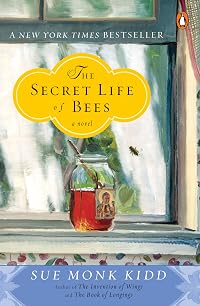
The Secret Life of Bees
by Sue Monk Kidd
On This Page
Description
Fourteen-year-old Lily and her companion, Rosaleen, an African-American woman who has cared from Lily since her mother's death ten years earlier, flee their home after Rosaleen is victimized by racist police officers, and find a safe haven in Tiburon, South Carolina at the home of three beekeeping sisters, May, June, and August.Tags
Recommendations
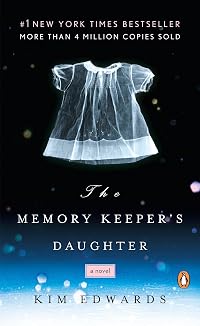
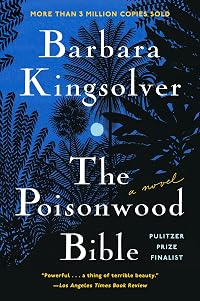
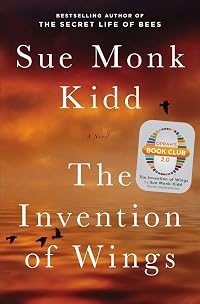
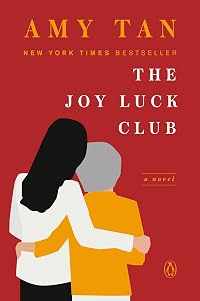
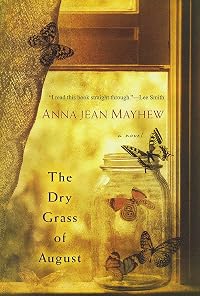
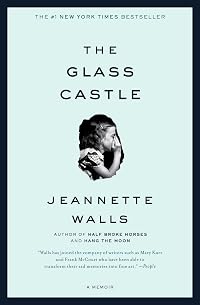
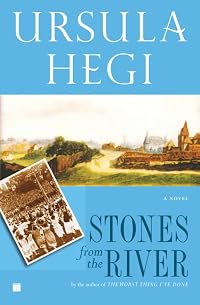
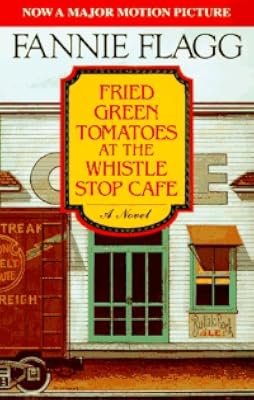

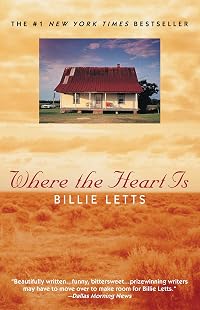
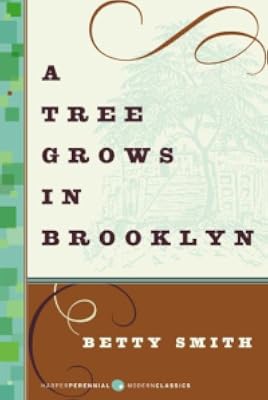
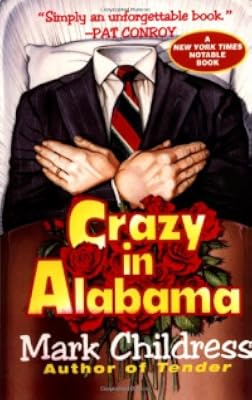
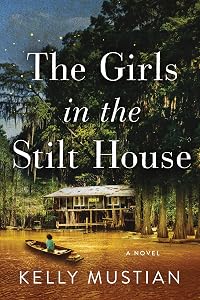
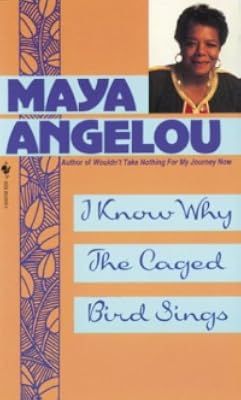
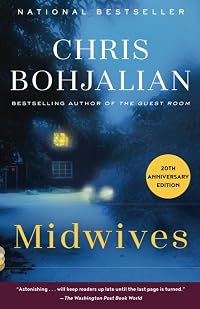
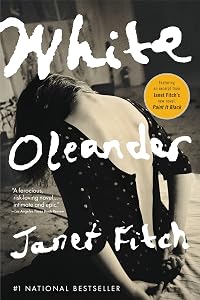
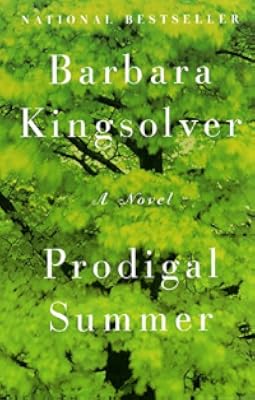
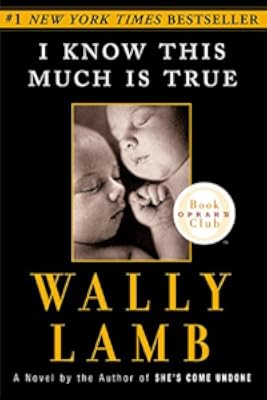
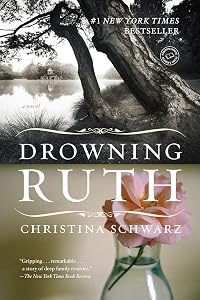
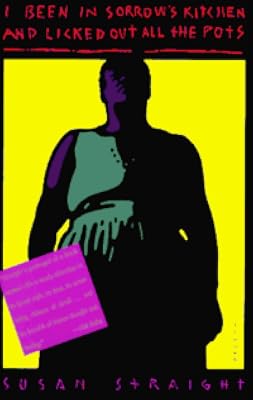

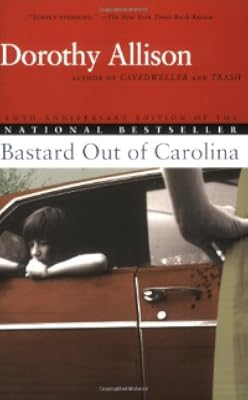
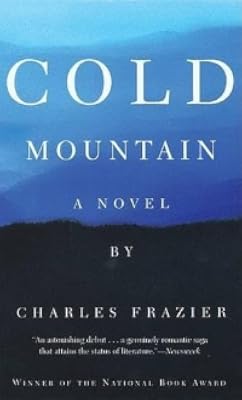
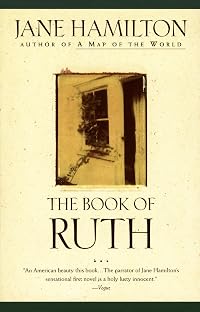
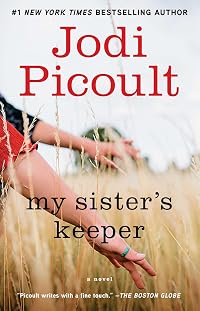
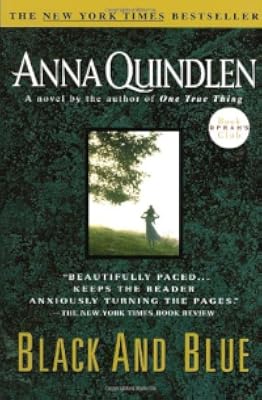
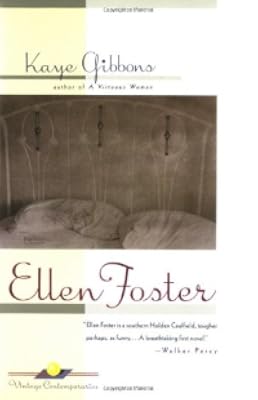
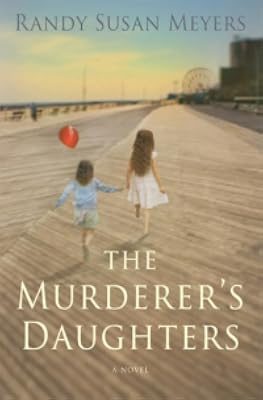
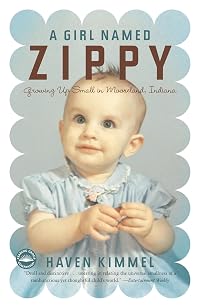
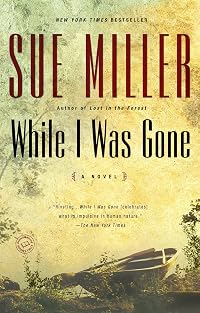
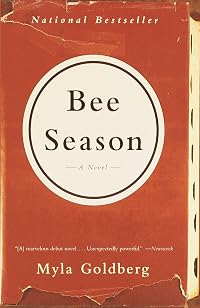
Member Recommendations
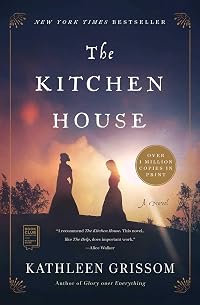
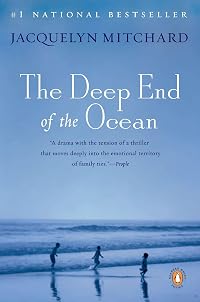
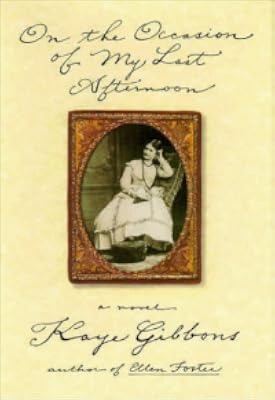
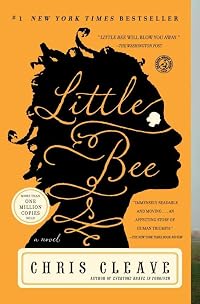
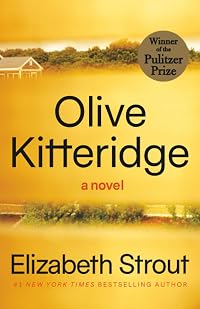
Caramellunacy Both stories are about a young girl in the South coming to terms with racism. Secret Life of Bees features an teenaged protagonist whereas To Kill a Mockingbird's Scout is quite a bit younger, but I thought there were themes that resonated between the two.
Also recommended by rosylibrarian
422
Neale Both deal with racial issues and are slow moving but enjoyable
261
SimoneA Both well written books about the strength of women and forgiveness.
116

HazardMain both books, though set in totally different surroundings, tell the story of a teenage girl who finds a place to call "home" for the first time in her life
20
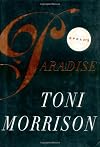
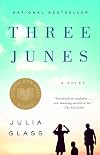

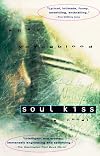
greytone The larger-than-life black women of both novels provided the young girls an example and a moral anchor to which they could fasten their drifting life rafts. Both novels are fine examples of how important these silent members of the community are, and how critical these things are to forming successful and productive lives.

EmJay Both books are set in the South, and both involve motherless daughters coming to terms with their past and finding a community.
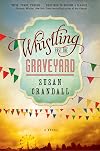
BookshelfMonstrosity Set in the American South during the 1960s, these moving coming-of-age stories star motherless white girls whose strong bonds with older African-American women result in dangerous yet eye-opening journeys that unfold against the backdrop of the burgeoning civil rights movement.
Also recommended by Iudita
Member Reviews
This book surprised me. When I started it, I kept reading because it seemed like something I would enjoy, but I never would have thought that I would feel as deeply as I did during this story. It was a book that portrayed grief through someone who didn't even realize she needed to process and grieve, and that was so beautiful to me. Lily, the main character, grew and matured and healed throughout these pages and it was refreshing to see her embrace her authentic feelings, even when she didn't want to. Anger, sadness, joy, [real, "I choose you in your mess"] love, infatuation, grief, belonging, emptiness, persistence, and so many more real and raw feelings were so beautifully written down on paper and I just absolutely loved it.
One of show more my favorite quotes that I can't seem to stop thinking about is pasted below. Lily was talking about the hurt you go through in life and her ponderings were thought provoking it me:
"I wanted to know what happened when two people felt it. Would it divide the hurt in two, make it lighter to bear, the way feeling someone's joy seemed to double it?" show less
One of show more my favorite quotes that I can't seem to stop thinking about is pasted below. Lily was talking about the hurt you go through in life and her ponderings were thought provoking it me:
"I wanted to know what happened when two people felt it. Would it divide the hurt in two, make it lighter to bear, the way feeling someone's joy seemed to double it?" show less
Although The Secret Life of Bees is a work of fiction, this is a beautifully written honest portrayal of life in unfairly segregated South Carolina with the Jim Crow laws, through the signing in 1964 of revised Civil Rights laws to end segregation, allowing registration to vote to African Americans and other minorities. A time of civil disobedience and riots still happening, and in the midst of it comes this wonderful story of love, color-blindness, joy and happiness. Sue Monk Kidd is an amazing author, with a gift of feeling her characters and creating them in such a way the reader feels all the nuances, too. This book is very difficult to put down once begun.
There is also a mystery running through the book, as Lily, a young white girl show more tries to find solace in her difficult life and protection for the only woman she has had love from, Rosaleen, a black woman who has been brought in from the orchards to raise her after her mother dies while Lily is just a toddler. With a volatile father who has no parenting instincts, her life is nothing but fear and pain. When Rosaleen learns that she can now go and register to vote, as long as she could write legibly, the two of them walk into town where Rosaleen gets into a ruckus with some white men who are out for trouble, is beaten then both she and Lily are packed off to jail. Lily's father gets her out and punishes her and the next day Lily hears that Rosaleen is in the hospital from a further beating while in jail, and through some quick thinking manages to rescue her and run away together.
Lily has no idea where they should go, but she had found some things of her mother's and one item, a picture of a "Black Mary" fastened to wood with the name of a small town on it, seemed to guide her, so that is where they head. Once they finally find their way into the town, a chance visit to a small grocery store brings Lily face to face with stacks of honey with the exact same face pasted on it. Finding out where the person lives who supplies this opens great new doors for the two runaways.
Here is a new world, with kindness, love, caring, hominess, and a honey farm. From this point on, both Lily and Rosaleen find the peace and caring they need and are absorbed into the family for an unspecified time. The things they learn about life, and indeed about bees and beekeeping gradually open up their hearts and minds to possibilities. While still fearing her father or the police will catch them, they cannot bring themselves to talk about their own lives, and no one pushes them to. This is the beauty of the story. Heart-warming yet the veil of danger at all times. Love flows from all around as the honey flows from the supers when they are full. There are many quotes about bees, one for each chapter, that link the life of bees with human life, which is fascinating.
When Lily's father finally finds her, the overwhelming force of love from so many beats him back and he heads for home at last. There is so much to be learned from this book in so many ways. Soul-searching and finding one's soul; the optimism for the future, the freedom of being oneself, the peace, love, and joy available when we are ready to accept it. This is a remarkable book and I would recommend it to everyone. 5 stars. show less
There is also a mystery running through the book, as Lily, a young white girl show more tries to find solace in her difficult life and protection for the only woman she has had love from, Rosaleen, a black woman who has been brought in from the orchards to raise her after her mother dies while Lily is just a toddler. With a volatile father who has no parenting instincts, her life is nothing but fear and pain. When Rosaleen learns that she can now go and register to vote, as long as she could write legibly, the two of them walk into town where Rosaleen gets into a ruckus with some white men who are out for trouble, is beaten then both she and Lily are packed off to jail. Lily's father gets her out and punishes her and the next day Lily hears that Rosaleen is in the hospital from a further beating while in jail, and through some quick thinking manages to rescue her and run away together.
Lily has no idea where they should go, but she had found some things of her mother's and one item, a picture of a "Black Mary" fastened to wood with the name of a small town on it, seemed to guide her, so that is where they head. Once they finally find their way into the town, a chance visit to a small grocery store brings Lily face to face with stacks of honey with the exact same face pasted on it. Finding out where the person lives who supplies this opens great new doors for the two runaways.
Here is a new world, with kindness, love, caring, hominess, and a honey farm. From this point on, both Lily and Rosaleen find the peace and caring they need and are absorbed into the family for an unspecified time. The things they learn about life, and indeed about bees and beekeeping gradually open up their hearts and minds to possibilities. While still fearing her father or the police will catch them, they cannot bring themselves to talk about their own lives, and no one pushes them to. This is the beauty of the story. Heart-warming yet the veil of danger at all times. Love flows from all around as the honey flows from the supers when they are full. There are many quotes about bees, one for each chapter, that link the life of bees with human life, which is fascinating.
When Lily's father finally finds her, the overwhelming force of love from so many beats him back and he heads for home at last. There is so much to be learned from this book in so many ways. Soul-searching and finding one's soul; the optimism for the future, the freedom of being oneself, the peace, love, and joy available when we are ready to accept it. This is a remarkable book and I would recommend it to everyone. 5 stars. show less
Lily Owens lives with her father, T-Ray, on his peach farm, and Lily has grown up believing that she killed her mother, since that's what T-Ray has always told her. She only has vague memories of her mother hurriedly packing a bag and telling Lily to be quick to get ready to leave, then her father entering the room, some shouting, a gun, and a loud blast as it goes off. Her stand-in mother, Rosaleen, the black woman who comes into clean house for T-Ray, decides one day to walk into town and register to vote. This goes over about as well as you think it would in 1960s South Carolina. Rosaleen and Lily both end up in jail, and when T-Ray bails out only Lily, she fears both for her own safety and Rosaleen's, breaks her friend/surrogate show more momma out of the clink, and they both hit the road south. With only an old sticker of a black virgin Mary to guide her, Lily heads to a town she's convinced her mother knew in search of answers. What she finds is a new if unconventional family, one that helps her work through more questions than she knew she had.
On the surface I loved the story and the characters. And the writing is gorgeous. But the more I think about it, the more issues I see. Lily's age doesn't seem well defined, for one; we learn at some point that she's 14, but she really doesn't seem that old in her thoughts and actions, which makes her relationship with Zach - a high school boy - seem off. But more importantly, the black sisters with whom Lily and Rosaleen stay (and Rosaleen herself), although it seems obvious that we're meant to see them as Strong Black Women in a time when SBW were not safe in the South, come off more as a modern version of the Noble Savage, glorified caricatures of the Mammy type, old, wise for their hardships, but still safely quirky and living at the margins of Real Society. So in the end I both loved and kinda loathed the novel. It has lovely moments, but ultimately the main character is a white girl benefiting from nurturing of black women while not really understanding them or their lives. show less
On the surface I loved the story and the characters. And the writing is gorgeous. But the more I think about it, the more issues I see. Lily's age doesn't seem well defined, for one; we learn at some point that she's 14, but she really doesn't seem that old in her thoughts and actions, which makes her relationship with Zach - a high school boy - seem off. But more importantly, the black sisters with whom Lily and Rosaleen stay (and Rosaleen herself), although it seems obvious that we're meant to see them as Strong Black Women in a time when SBW were not safe in the South, come off more as a modern version of the Noble Savage, glorified caricatures of the Mammy type, old, wise for their hardships, but still safely quirky and living at the margins of Real Society. So in the end I both loved and kinda loathed the novel. It has lovely moments, but ultimately the main character is a white girl benefiting from nurturing of black women while not really understanding them or their lives. show less
In a well-written and poignant book, Sue Monk Kidd tells the story of Lily Owens, a fourteen-year-old girl living in South Carolina in 1964. Lily is abused by her redneck father, whom she calls T. Ray rather than “Daddy” or some other family name that would indicate closeness and protection. Lily feels unloved and misses her mother, who died when Lily was only four years old. The only person in her life who seems to love her is Rosaleen, her black nanny. Lily cherishes and keeps hidden a few items once owned by her mother, one of which is a jar of honey featuring a black Madonna on the label and referring to Tiburon, a nearby town.
When Rosaleen runs into trouble for trying to vote, she and Lily run away and head for Tiburon. Aside show more from securing safety for Rosaleen, Lily hopes to find out something about her mother.
In Tiburon, Lily and Rosaleen are taken in and given succor by the Boatwright sisters: May, June, and August (jocularly referred to as the “calendar girls”). The women are beekeepers and sell their honey under a label featuring a black Madonna, just like the one found among Lily’s mother’s things. The Boatwrights are black, which doesn’t bother them or Lily, but their white neighbors are sorely troubled by that fact.
The Boatwrights and some of their friends practice some odd religious-like behaviors featuring devotion to a black Madonna. Lily comes to realize that the strength of the black Madonna actually lies within those who honor her. Similarly, Lily sees that she herself has to be the source of her own strength. But she also learns from studying the social interactions of bees in their hives that the ability to be effective and realize power can come from collaboration as well as from individual efforts.
Evaluation: This is a creative coming-of-age story nested inside a social and racial justice parable. It begins as a tale of a teenager who is unloved (by her father), and possibly abandoned (by her mother). She ultimately finds love and self worth by running away from what would traditionally be considered "home," and finding “real” family with a group of nurturing women. All of the characters are well-wrought and either sympathetic or, where appropriate, despicable.
(JAB) show less
When Rosaleen runs into trouble for trying to vote, she and Lily run away and head for Tiburon. Aside show more from securing safety for Rosaleen, Lily hopes to find out something about her mother.
In Tiburon, Lily and Rosaleen are taken in and given succor by the Boatwright sisters: May, June, and August (jocularly referred to as the “calendar girls”). The women are beekeepers and sell their honey under a label featuring a black Madonna, just like the one found among Lily’s mother’s things. The Boatwrights are black, which doesn’t bother them or Lily, but their white neighbors are sorely troubled by that fact.
The Boatwrights and some of their friends practice some odd religious-like behaviors featuring devotion to a black Madonna. Lily comes to realize that the strength of the black Madonna actually lies within those who honor her. Similarly, Lily sees that she herself has to be the source of her own strength. But she also learns from studying the social interactions of bees in their hives that the ability to be effective and realize power can come from collaboration as well as from individual efforts.
Evaluation: This is a creative coming-of-age story nested inside a social and racial justice parable. It begins as a tale of a teenager who is unloved (by her father), and possibly abandoned (by her mother). She ultimately finds love and self worth by running away from what would traditionally be considered "home," and finding “real” family with a group of nurturing women. All of the characters are well-wrought and either sympathetic or, where appropriate, despicable.
(JAB) show less
“Sunset is the saddest light there is.”
“Above all, send the bees love. Every little thing wants to be loved.”
“That night in my bed in the honey house, when I closed my eyes, bee hum ran through my body. Ran through the whole earth. It was the oldest sound there was. Souls flying away.”
“I’d traded in a pack of lies for a pack of truth, and I didn’t know which one was heavier. Which one took the most strength to carry around? It was a ridiculous question, though, because once you know the truth, you can’t ever go back and pick up your suitcase of lies.”
I’m a bit late to the party with this one but enjoyed how beautifully written and easy this was to read, despite dealing with some significant issues that are as show more relevant today as in 1964. The storyline was strong and gripping, with a good pace that kept me intrigued. The symbolisation of bees was a perfect backdrop, covering topics such as community, relationships, life and death.
The characters were interesting and thought provoking. Lily was initially naïve, such as thinking that a change in law would easily change the mindset of others, even those who were meant to enforce it. However, we witness Lily mature and grow, recognising her own internal prejudices and taking steps to correct them. Rosaleen was loud, proud and stubborn, but also loving and self-sacrificing. Each of the Boatwright sisters had their own place in the novel and their individual personalities, history and beliefs created a loving and welcoming sisterhood. Each character had their own strengths and flaws which made them all the more realistic and endearing. I would thoroughly recommend this book. show less
“Above all, send the bees love. Every little thing wants to be loved.”
“That night in my bed in the honey house, when I closed my eyes, bee hum ran through my body. Ran through the whole earth. It was the oldest sound there was. Souls flying away.”
“I’d traded in a pack of lies for a pack of truth, and I didn’t know which one was heavier. Which one took the most strength to carry around? It was a ridiculous question, though, because once you know the truth, you can’t ever go back and pick up your suitcase of lies.”
I’m a bit late to the party with this one but enjoyed how beautifully written and easy this was to read, despite dealing with some significant issues that are as show more relevant today as in 1964. The storyline was strong and gripping, with a good pace that kept me intrigued. The symbolisation of bees was a perfect backdrop, covering topics such as community, relationships, life and death.
The characters were interesting and thought provoking. Lily was initially naïve, such as thinking that a change in law would easily change the mindset of others, even those who were meant to enforce it. However, we witness Lily mature and grow, recognising her own internal prejudices and taking steps to correct them. Rosaleen was loud, proud and stubborn, but also loving and self-sacrificing. Each of the Boatwright sisters had their own place in the novel and their individual personalities, history and beliefs created a loving and welcoming sisterhood. Each character had their own strengths and flaws which made them all the more realistic and endearing. I would thoroughly recommend this book. show less
“Stories have to be told or they die, and when they die, we can't remember who we are or why we're here.”
Lily Owens is a fourteen-year-old white teenager growing up in Sylvan, South Carolina abused, and misused by her brutal father, T-Ray, who owns a peach farm. At the age of four, Lily accidentally killed her mother while witnessing an argument between her parents. Lily runs away with her nanny, Rosaleen who was beaten up and the imprisoned by while racists whilst on her way to register to vote.
When T. Ray tells her that Rosaleen will probably die at the hands of racists, Lily takes no time to even question saving her. Lily finds a picture owned by her mother with the place name Tilburon written on the back so she and Rosaleen show more abscond to there in the hope of following in her mother's footsteps. There they are taken in by three black spinster Boatright sisters who keep bees and make their living from selling honey. There she falls for a black teenage boy Zach.
Racism is a central element of this book. President Johnson says just passed a law giving blacks the vote for the first time. Lily comes to realize that whites do not think she should live with the Boatrights and certainly would frown on any liaison with a black boy. She also realizes that June, one of the Boatright sisters, is prejudiced against her because of whiteness. However, Zach encourages her to imagine a colour-free world.
Throughout her story, Lily feels a deep sense of longing for her mother. She reflects on the and compares herself to her unknown mother imagining her romantically, doing things ideal mothers do. The Boatright home and sisters show her what it is to be part of a community who loves her giving her the courage to stand up to her father.
At the end Lily becomes a better person. All her life, she has beaten herself up mentally for her mother's death bitter and angry about her mother's leaving her.In the end, Lily finds a way to forgive both her mother and father when she realises that the mother's death affected T-Ray badly as well. Lily reaches out to him, but he can't see his own way to forgiveness.
This is not the sort of book that I would normally read but I found it an enjoyable diversion and not a little thought provoking. There is a real warmth throughout this book and I can imagine it going nicely around at a poolside. show less
Lily Owens is a fourteen-year-old white teenager growing up in Sylvan, South Carolina abused, and misused by her brutal father, T-Ray, who owns a peach farm. At the age of four, Lily accidentally killed her mother while witnessing an argument between her parents. Lily runs away with her nanny, Rosaleen who was beaten up and the imprisoned by while racists whilst on her way to register to vote.
When T. Ray tells her that Rosaleen will probably die at the hands of racists, Lily takes no time to even question saving her. Lily finds a picture owned by her mother with the place name Tilburon written on the back so she and Rosaleen show more abscond to there in the hope of following in her mother's footsteps. There they are taken in by three black spinster Boatright sisters who keep bees and make their living from selling honey. There she falls for a black teenage boy Zach.
Racism is a central element of this book. President Johnson says just passed a law giving blacks the vote for the first time. Lily comes to realize that whites do not think she should live with the Boatrights and certainly would frown on any liaison with a black boy. She also realizes that June, one of the Boatright sisters, is prejudiced against her because of whiteness. However, Zach encourages her to imagine a colour-free world.
Throughout her story, Lily feels a deep sense of longing for her mother. She reflects on the and compares herself to her unknown mother imagining her romantically, doing things ideal mothers do. The Boatright home and sisters show her what it is to be part of a community who loves her giving her the courage to stand up to her father.
At the end Lily becomes a better person. All her life, she has beaten herself up mentally for her mother's death bitter and angry about her mother's leaving her.In the end, Lily finds a way to forgive both her mother and father when she realises that the mother's death affected T-Ray badly as well. Lily reaches out to him, but he can't see his own way to forgiveness.
This is not the sort of book that I would normally read but I found it an enjoyable diversion and not a little thought provoking. There is a real warmth throughout this book and I can imagine it going nicely around at a poolside. show less
Sue Monk Kidd has written a touching, coming of age story set in a newly segregated South Carolina in the sixties. Orphaned at age four, Lily Owens lives with a harsh and neglectful father whose form of punishment, beside the usual backhander, is to force her to kneel on hard grits for hours at a time. A pair of white gloves and a picture of a Black Madonna are the only connections Lily has left of her dead mother. Her nanny and surrogate black mother, Rosaleen, gets into trouble with the law when she tries to exercise her right to register her vote. Fourteen-year-old Lily sneaks Rosaleen away from the clutches of the police and they escape detection by living with three black sisters who operate a bee keeping outfit.
This is a moving show more story of a young girl searching for clues to validate her dead mother's love. The author's style is brilliant and her characters vivid and endearing. After rereading this book twice, I can, with great confidence, recommend it to both teens and adults, and to teachers who are looking for a great class read that will present both the historical and emotional spirit of that era. show less
This is a moving show more story of a young girl searching for clues to validate her dead mother's love. The author's style is brilliant and her characters vivid and endearing. After rereading this book twice, I can, with great confidence, recommend it to both teens and adults, and to teachers who are looking for a great class read that will present both the historical and emotional spirit of that era. show less
Members
- Recently Added By
Published Reviews
ThingScore 100
Lily is a wonderfully petulant and self-absorbed adolescent, and Kidd deftly portrays her sense of injustice as it expands to accommodate broader social evils. At the same time, the political aspects of Lily's growth never threaten to overwhelm the personal.
added by Shortride
Lists

Read the book and saw the movie
1,170 works; 195 members

Favourite Women's Prize for Fiction, Orange & Bailey's Prize contenders
132 works; 52 members

Southern Fiction
212 works; 52 members

Best Contemporary Literary Fiction (Around the Last 30 Years)
400 works; 123 members
Favorite Coming of Age Novels.
164 works; 51 members

Best 21st Century Books (So Far)
679 works; 85 members

Female Author
1,234 works; 65 members

Recommend the 20 best books you've read in the last five years
2,168 works; 603 members
Historical Fiction
889 works; 90 members

Top Five Books of 2013
1,562 works; 715 members

Women's Stories
88 works; 13 members
Female Protagonist
1,056 works; 57 members

Best Book Club Selections
26 works; 8 members

Books Featured on Gilmore Girls
307 works; 21 members

Top Five Books of 2014
1,064 works; 398 members

Dysfunctional Families
133 works; 7 members

Books tagged "feel good"
129 works; 20 members

Adult Books for YA Readers
194 works; 6 members
Books tagged favorites
390 works; 30 members

A Novel Cure
742 works; 23 members
Carole's List
445 works; 13 members
Animals in the Title
498 works; 11 members

Great Audiobooks
96 works; 10 members

Rory Gilmore Book Club
193 works; 5 members

Books Set in South Carolina
6 works; 3 members

Pageturners
40 works; 6 members
Independent Reading Suggestions
69 works; 3 members

Books Read in 2004
212 works; 7 members
First Novels
373 works; 17 members

Secrets Books
94 works; 3 members

Allie's List of Books I Want To Read
93 works; 1 member

American Lit for Eng 11 Research Project
368 works; 6 members

Makes Me Want to Eat (or Drink)
39 works; 12 members

Queen Camilla's Reading Room
65 works; 6 members

Books Read in 2025
4,128 works; 98 members

The Complete Rory Gilmore Reading List
506 works; 5 members

Read in 2007
55 works; 1 member

Best Young Adult
413 works; 102 members

Coming of Age
33 works; 1 member
Books Read in 2007
326 works; 8 members
Required Reading Summer Reading 23
16 works; 2 members
Penguin Random House
458 works; 4 members

Summer Reading
30 works; 1 member

AP Lit
363 works; 6 members

Books About Girls
219 works; 17 members
Books Tagged Abuse
152 works; 4 members

Books You Couldn't Finish
202 works; 32 members
Which Books Made You Cry?
11 works; 1 member

The "A" List
67 works; 8 members

You Couldn't Pay Me to Read That (Take 2)
213 works; 85 members
Author Information

Sue Monk Kidd was born in Sylvester, Georgia on August 12, 1948. She received a B.S. in nursing from Texas Christian University in 1970 and worked throughout her twenties as a registered nurse and college nursing instructor. She got her start in writing at the age of 30 when a personal essay she wrote for a writing class was published in show more Guideposts and reprinted in Reader's Digest. She went on to become a contributing editor at Guideposts and a freelancer. She primarily writes non-fiction, but is best known for her novel, The Secret Life of Bees, which won the 2004 Book Sense Paperback book of the Year. The book was made into a movie in 2008. Her other works include God's Joyful Surprise, When the Heart Waits, The Dance of the Dissident Daughter, Firstlight, and Traveling with Pomegranates: A Mother-Daughter Story. The Mermaid Chair won the 2005 Quill Award for General Fiction and was adapted into a television movie by Lifetime. Sue's title, The Invention of Wings, was selected as the Oprah Book Club 2.0 read in January, 2014. This title also made The New York Times Best Seller List. (Bowker Author Biography) show less
Some Editions
Awards and Honors
Awards
Distinctions
Series
Belongs to Publisher Series
btb (73281)
Work Relationships
Is contained in
Has the adaptation
Is abridged in
Has as a study
Common Knowledge
- Canonical title*
- Mehiläisten salaisuudet
- Original title
- The Secret Life of Bees
- Original publication date
- 2002
- People/Characters
- Lily Owens; T. Ray Owens (Terrence Ray Owens); Rosaleen Daise; Deborah Fontanel Owens; May Boatwright; June Boatwright (show all 15); August Boatwright; Zachary Taylor; Queenie (The Daughters of Mary); Violet (The Daughters of Mary); Mabelee (The Daughters of Mary); Cressie (The Daughters of Mary); Lunelle (The Daughters of Mary); Sugar-Girl (The Daughters of Mary); Otis (The Daughters of Mary)
- Important places
- South Carolina, USA; Tiburon, South Carolina, USA
- Important events
- Civil Rights Act of 1964
- Related movies
- The Secret Life of Bees (2008 | IMDb)
- Epigraph
- The queen, for her part, is the unifying force of the community; if she is removed from the hive, the workers very quickly sense her absence. After a few hours, or even less, they show unmistakable signs of queenlessness. - M... (show all)an and Insects.
- Dedication
- For my son, Bob, and Ann and Sandy with all my love.
- First words
- At night I would lie in bed and watch the show, how bees squeezed through the cracks of my bedroom wall and flew circles around the room making that propeller sound, a high-pitched zzzzzz that hummed along my skin.
- Quotations
- The secret of a good lie is don't overly explain, and throw in one good detail.
"She liked to tell everybody that women made the best beekeepers, 'cause they have a special ability built into them to love creatures that sting. 'It comes from years of loving children and husbands,' she'd say." - Last words
- (Click to show. Warning: May contain spoilers.)They are the moons shining over me.
- Blurbers
- Shreve, Anita; Siddons, Anne Rivers; Rice, Luanne; Hegi, Ursula; Hearon, Shelby; Fowler, Connie May (show all 10); Isaacs, Susan; Schwarz, Christina; Trollope, Joanna; Humphreys, Josephine
- Original language*
- Anglais (Etats-Unis) (Etats-Unis)
- Canonical DDC/MDS
- 813.6
- Canonical LCC
- PS3611.I44
- Disambiguation notice
- This "work" contains copies without enough information. The title might refer to the book or the movie adaptation, so this "work" should not be combined with either of them. If you are an owner of one of these copies, please ... (show all)add information such as author/director name or ISBN that can help identify its rightful home. After editing your copy, it might still need further separation and recombination work. Feel free to ask in the Combiners! group if you have questions or need help. Thanks.
*Some information comes from Common Knowledge in other languages. Click "Edit" for more information.
Classifications
Statistics
- Members
- 29,470
- Popularity
- 125
- Reviews
- 615
- Rating
- (3.91)
- Languages
- 22 — Chinese, Danish, Dutch, English, Estonian, Finnish, French, German, Hebrew, Hungarian, Icelandic, Indonesian, Italian, Korean, Norwegian (Bokmål), Polish, Portuguese, Romanian, Russian, Serbian, Spanish, Swedish
- Media
- Paper, Audiobook, Ebook
- ISBNs
- 121
- UPCs
- 5
- ASINs
- 55