On This Page
Description
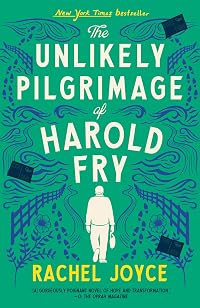
Harold Fry is convinced that he must deliver a letter to an old love in order to save her, meeting various characters along the way and reminiscing about the events of his past and people he has known, as he tries to find peace and acceptance.Tags
Recommendations
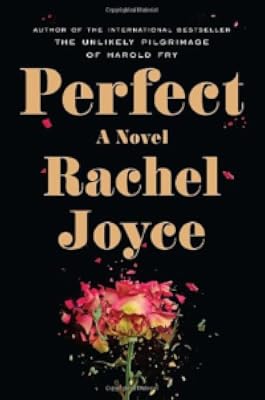
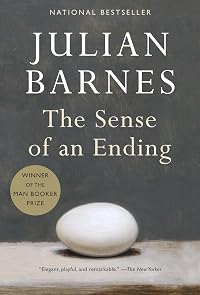
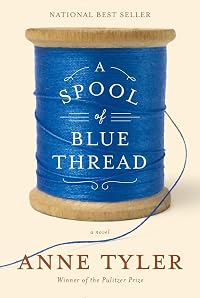
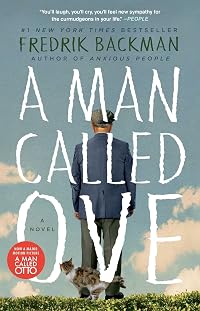


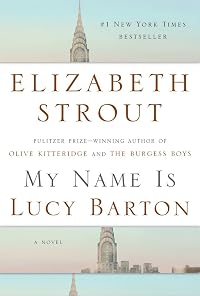
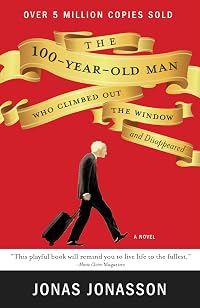
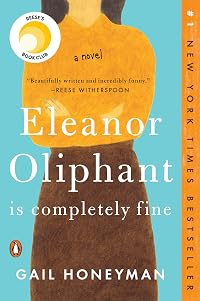
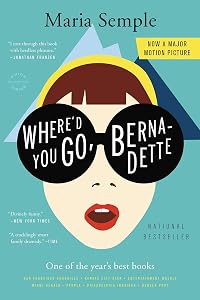
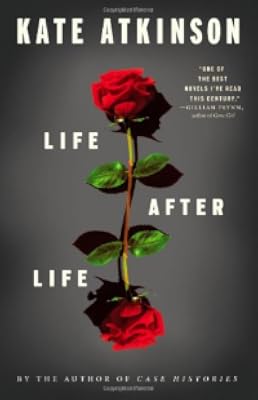
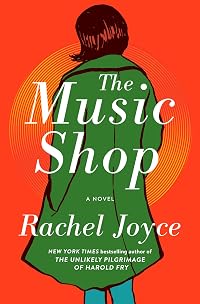
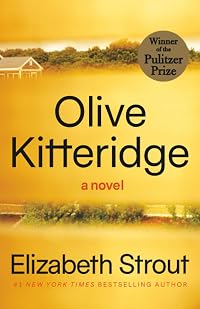
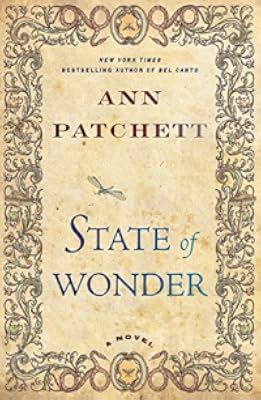
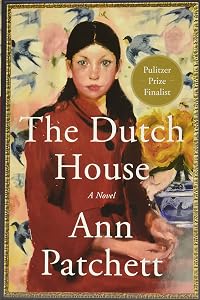
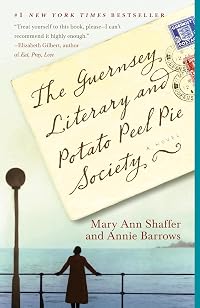
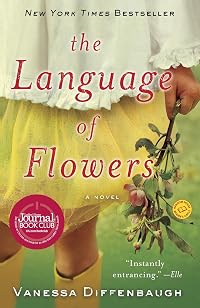
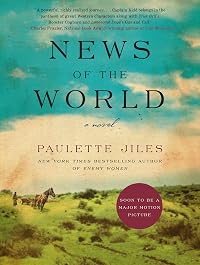

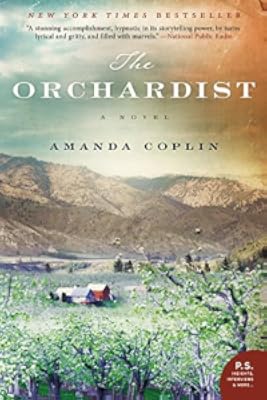
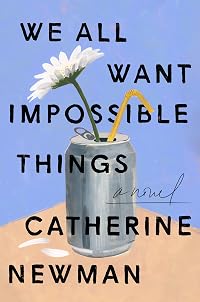
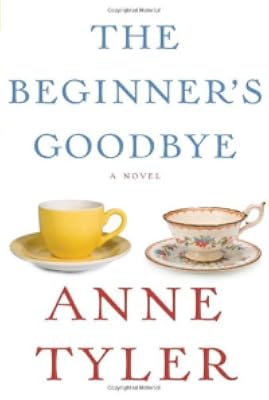
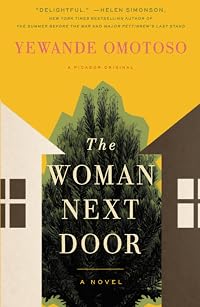
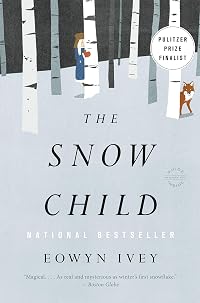
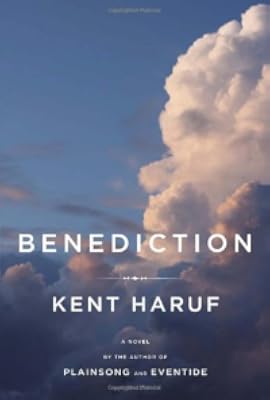
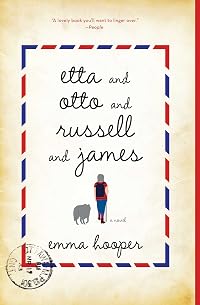
Member Recommendations
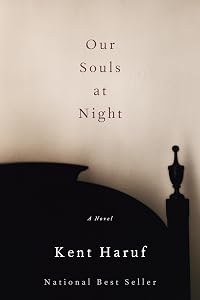
tangledthread The story and the writing style are very similar.
90
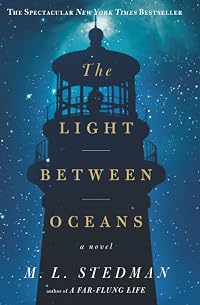
Alliebadger Both uniquely British reflections on a unique life lived.
31
someproseandcons From the book's description: Uncomfortable with the fit of her life, now that she's in the middle of it, Nan gets into her car and just goes--driving across the country on back roads, following the moon; and stopping to talk to people.
BookshelfMonstrosity Brimming with quirky Britishness, these novels take on the transformative powers of doing something different. While the more humorous, satirical Uncommon Reader imagines the Queen as an increasingly sophisticated reader, the more reflective Unlikely Pilgrimage is moving and poignant.
21
divinenanny Another person who decides something needs to change in life and amasses a great big following without him/her wanting to.
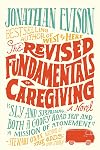
ReluctantTechie Both books deal with long-term issues of grief and the protagonists both come to closure following a journey. The situations presented are unusual but the human emotions ring true.
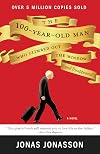
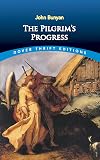
charlie68 Similar themes


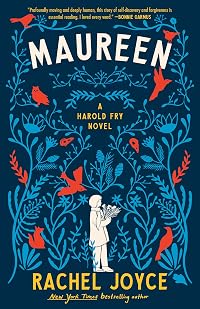
Ciruelo An unassuming and quiet man in retirement suddenly leaves his home. Long held secrets are slowed revealed.
11
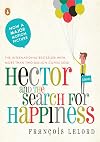
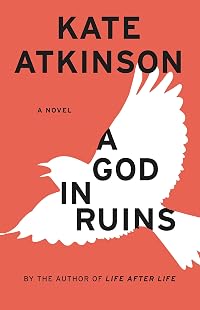
Alliebadger Both interesting journeys about a search for meaning in life.
MurphyWaggoner Both are quests of men seeking to break through a self-imposed shell of isolation to find healing and do so by setting out on a trek across country.
Also recommended by julienne_preacher
12
gypsysmom Another story of a voyage of discovery by an older person.

Member Reviews
What a perfectly wonderful little book about aging, alienation, connection, commitment, rejection, friendship, life, death, acquisitiveness, religion and the lack thereof, and the importance of humor. Surprisingly, there was some very helpful advice given by the surly son. The point of good novels seems to be to discuss the question, "How should I live?" Harold doesn't know that's what he's asking when he starts out on his walk, but he involves us all in his contemplation.
This little book packs a powerful punch. Perhaps it is the time in my life and recent family events, but this story resonated with me in a way nothing has recently. Ms. Joyce is a spare writer. She slips in something profound amid a simple description. I was blown away by her ability to take Harold's walk from the south to the north of England and fill it with memorable moments. His wife, Maureen, left behind has her own powerful story. When a couple of surprises were revealed at the end, I was truly shaken. I recommend this book be read slowly even though it is easy prose and can be read quickly. It is absolutely to be savored.
Not since Tolkien has so much walking been so exhaustively recounted, yet been almost completely tangential to the actual story. (And though there weren't any eagles, there were, like, cars and stuff to explain away.)
Harold is quintessentially British. I completely lost count of the times where he did something like walk into a shop and feel compelled to buy something because the worker was staring at him, and he was the reason they weren't able to close yet.
When he finds out an old friend with whom he's lost touch is dying of cancer, he finds that he can't find the words to say. I'd blame this on the Britishness, but I really don't know that any nationality has the proper phrasing for this, with exception of possibly hakuna matata, show more which is actually Swahili but not the phrasing anyone who speaks Swahili would actually use.
Anyway.
He goes to mail a trite letter, only when he gets to the postbox he decides he's going to walk to her instead. 600-some miles away.
That's probably enough of the plot. It's not about the destination, it's about the journey. Except it's not really about the journey, either. It's more about Harold's life, and the walk is a penance for all of it. It's purgatory for his wife, who's at home and has held Harold in a subconscious begrudging resentment. And it's a little slice of heaven for the neighbor, Rex, who hasn't had so utility for or interaction with other people in months.
The heartache and emotion that's screwed out of Harold with every step is riveting, if punctuated with several gut-punches. The plotting of the walk itself gets fairly repetitious, as Harold vacillates between rapture and despair with numbing regularity. But peoples' reaction to Harold, his walk and the inevitable nonsense that encircles all of it are eminently believable, especially in the age of social media. And the ending, while not exactly Disney-happy, feels satisfying and earned.
I'm not saying I'd want to read a whole trilogy about the walk (and we're already two-thirds of the way there), but it's worth the effort to amble through. show less
Harold is quintessentially British. I completely lost count of the times where he did something like walk into a shop and feel compelled to buy something because the worker was staring at him, and he was the reason they weren't able to close yet.
When he finds out an old friend with whom he's lost touch is dying of cancer, he finds that he can't find the words to say. I'd blame this on the Britishness, but I really don't know that any nationality has the proper phrasing for this, with exception of possibly hakuna matata, show more which is actually Swahili but not the phrasing anyone who speaks Swahili would actually use.
Anyway.
He goes to mail a trite letter, only when he gets to the postbox he decides he's going to walk to her instead. 600-some miles away.
That's probably enough of the plot. It's not about the destination, it's about the journey. Except it's not really about the journey, either. It's more about Harold's life, and the walk is a penance for all of it. It's purgatory for his wife, who's at home and has held Harold in a subconscious begrudging resentment. And it's a little slice of heaven for the neighbor, Rex, who hasn't had so utility for or interaction with other people in months.
The heartache and emotion that's screwed out of Harold with every step is riveting, if punctuated with several gut-punches. The plotting of the walk itself gets fairly repetitious, as Harold vacillates between rapture and despair with numbing regularity. But peoples' reaction to Harold, his walk and the inevitable nonsense that encircles all of it are eminently believable, especially in the age of social media. And the ending, while not exactly Disney-happy, feels satisfying and earned.
I'm not saying I'd want to read a whole trilogy about the walk (and we're already two-thirds of the way there), but it's worth the effort to amble through. show less
This book was so much more than I thought it would be. I had read short blurbs about it here and there: Elderly man walks across England to save woman, et cetera. I thought, okay, interesting, character-driven novel. Should be good. Well, it far outreached any expectations I had about the book. It was heartbreaking and heartwarming, never ran short on surprises, and had some of the most real-life and honest characters I've seen written in a long time. And...I cried. More than once. Absolutely loved this story and will be thinking about Harold and Maureen for a long time.
Rachel Joyce has written a novel which, despite its improbable premise, quickly gathers the reader into a story both uplifting and shattering. On its most basic level The Unlikely Pilgrimage of Harold Fry is about a man who receives news of an old friend who is dying, and decides upon a whim to walk a ridiculous distance to visit her on her death bed, and thereby keep her alive just a little longer.
What starts out as a whim and ill-considered journey quickly becomes a pilgrimage in the truest meaning of the word, visited by physical, moral and spiritual pain; by travellers seeking solidarity, redemption and notoriety; and in the end by a very private journey into the depths of Harold's personal inferno.
Joyce crafts this story with show more simple elegance, employing a witty, unpretentious style which is highly readable, utterly captivating. Her characterization reveals an insightful understanding of human motivation and foibles.
For the tender of heart, like me, you will weep, you will laugh, and in the end close the cover of the book somehow edified and transmuted. Which is what the best storytellers cause to occur. show less
What starts out as a whim and ill-considered journey quickly becomes a pilgrimage in the truest meaning of the word, visited by physical, moral and spiritual pain; by travellers seeking solidarity, redemption and notoriety; and in the end by a very private journey into the depths of Harold's personal inferno.
Joyce crafts this story with show more simple elegance, employing a witty, unpretentious style which is highly readable, utterly captivating. Her characterization reveals an insightful understanding of human motivation and foibles.
For the tender of heart, like me, you will weep, you will laugh, and in the end close the cover of the book somehow edified and transmuted. Which is what the best storytellers cause to occur. show less
Harold and Maureen are an older retired couple in England. When he hears that his old coworker and friend, Queenie, is dying, he decides to walk hundreds of miles to visit her in hospice. That simple premise leads to unexpected friendships and quiet processing of painful moments in the past. It's not a book with big plot twists, but instead is an introspective novel about how our choices and the people around us shape our world. It was lovely to spend time with Harold.
I can't help but compare this to "Stoner", which I just finished. Both books deal with one man's quiet life. Both men are in unhappy marriages and had one child. But the marked difference is the way Harold's action in this one changed the trajectory of his world. Also, show more his wife Maureen is not a cruel woman, unlike Stoner's wife. Fascinating to read such similar books so close together. show less
I can't help but compare this to "Stoner", which I just finished. Both books deal with one man's quiet life. Both men are in unhappy marriages and had one child. But the marked difference is the way Harold's action in this one changed the trajectory of his world. Also, show more his wife Maureen is not a cruel woman, unlike Stoner's wife. Fascinating to read such similar books so close together. show less
Harold Fry is an aging, unassuming man who lives in an English village with his wife Maureen. His days slip by with little variation. Then, one day over toast, the mail arrives with a letter from a woman Harold has not heard from in twenty years. Queenie Hennessy is writing to tell Harold she is dying in a Hospice far away in the town of Berwick upon Tweed. Harold pens a response, and walks to the end of his driveway to mail the letter. But something strange happens. Instead of posting his letter, Harold keeps walking and walking and walking. And thus begins his pilgrimage – a mission to walk nearly 600 miles to Queenie in the belief that as long as he walks, she will live.
The Unlikely Pilgrimage of Harold Fry is a deeply moving story show more of loss, regret and ultimately forgiveness and redemption. Harold’s walk unleashes memories he has buried for years, and uncovers the cracks in his marriage to Maureen, a woman who has retreated behind a wall of anger and accusation as a way to protect her own fragile emotions.
The novel takes the reader on a journey not only forward to Berwick upon Tweed, but backwards into Harold and Maureen’s past where lives filled with joy, sorrow, misunderstanding, and loneliness are revealed.
As Harold walks, he encounters many people who support and encourage him. His journey is as much about touching the lives of others as it is about understanding himself – in fact, the connection to other ordinary people provides Harold with a deeper sense of his own regrets and a better understanding of the human heart.
The world was made up of people putting one foot in front of the other; and a life might appear ordinary simply because the person living it had been doing so for a long time. Harold could no longer pass a stranger without acknowledging the truth that everyone was the same, and also unique; and that this was the dilemma of being human. - from the ARE of The Unlikely Pilgrimage of Harold Fry -
Rachel Joyce’s narrative moves between Harold and Maureen and gradually begins to connect the dots in the lives of these ordinary yet extraordinary people. This is not a fast-paced plot, but it is compelling drama which propels the reader through its pages to an emotional conclusion. I found my throat constricting and tears welling in my eyes in the last pages of this beautifully written novel. Joyce captures the fragility of the human spirit and the complexity of marriage and love in the face of loss. She reminds us of the need for connection to others to enrich and bring meaning to our own lives.
The Unlikely Pilgrimage of Harold Fry is simply outstanding literature. I am glad I took Harold’s journey with him. It is not a straight path from Harold’s tiny village to the northern shore of England – it weaves and hesitates, it falters and slows, it is a struggle…but ultimately Harold’s pilgrimage delivers the reader to a satisfying conclusion. Harold and Maureen, and certainly Queenie, will keep the reader company long after the final page of their story has been turned.
This novel which was recently long listed for the prestigious 2012 Booker Prize, is highly recommended. show less
The Unlikely Pilgrimage of Harold Fry is a deeply moving story show more of loss, regret and ultimately forgiveness and redemption. Harold’s walk unleashes memories he has buried for years, and uncovers the cracks in his marriage to Maureen, a woman who has retreated behind a wall of anger and accusation as a way to protect her own fragile emotions.
The novel takes the reader on a journey not only forward to Berwick upon Tweed, but backwards into Harold and Maureen’s past where lives filled with joy, sorrow, misunderstanding, and loneliness are revealed.
As Harold walks, he encounters many people who support and encourage him. His journey is as much about touching the lives of others as it is about understanding himself – in fact, the connection to other ordinary people provides Harold with a deeper sense of his own regrets and a better understanding of the human heart.
The world was made up of people putting one foot in front of the other; and a life might appear ordinary simply because the person living it had been doing so for a long time. Harold could no longer pass a stranger without acknowledging the truth that everyone was the same, and also unique; and that this was the dilemma of being human. - from the ARE of The Unlikely Pilgrimage of Harold Fry -
Rachel Joyce’s narrative moves between Harold and Maureen and gradually begins to connect the dots in the lives of these ordinary yet extraordinary people. This is not a fast-paced plot, but it is compelling drama which propels the reader through its pages to an emotional conclusion. I found my throat constricting and tears welling in my eyes in the last pages of this beautifully written novel. Joyce captures the fragility of the human spirit and the complexity of marriage and love in the face of loss. She reminds us of the need for connection to others to enrich and bring meaning to our own lives.
The Unlikely Pilgrimage of Harold Fry is simply outstanding literature. I am glad I took Harold’s journey with him. It is not a straight path from Harold’s tiny village to the northern shore of England – it weaves and hesitates, it falters and slows, it is a struggle…but ultimately Harold’s pilgrimage delivers the reader to a satisfying conclusion. Harold and Maureen, and certainly Queenie, will keep the reader company long after the final page of their story has been turned.
This novel which was recently long listed for the prestigious 2012 Booker Prize, is highly recommended. show less
Members
- Recently Added By
Published Reviews
ThingScore 80
That marvelous note of absurdity tempers the pain that runs beneath this whole novel. Joyce has no interest in mocking Harold; she just describes his quixotic trek in a gentle, matter-of-fact voice, mile after mile. At 65, he’s never walked farther than his own driveway. He has no map, cellphone or change of clothes, and his thin yachting shoes couldn’t be less appropriate for such a show more journey across England. “Harold would have been the first to admit that there were elements to his plan that were not finely tuned,” Joyce writes. But when the idea of saving Queenie blooms in the fallow soil of his mind, he can’t be stopped. “I will keep walking,” he declares, “and she must keep living.” show less
added by danielx
Very rarely, you come upon a novel that feels less like a book than a poignant passage of your own life, and the protagonist like an acquaintance who has gently corrected your path. Never mind that the protagonist possesses all the realism of a painted clown and his tale the moral fibre of a fable.
Rachel Joyce’s The Unlikely Pilgrimage of Harold Fry starts off in just this way. A rumpled show more retiree determines to walk 500 miles, believing his hope-filled steps will keep his dying friend alive. The premise seems quaint and predictable, but morphs gracefully into a smart, subtle, funny, painful, weirdly personal novel. show less
Rachel Joyce’s The Unlikely Pilgrimage of Harold Fry starts off in just this way. A rumpled show more retiree determines to walk 500 miles, believing his hope-filled steps will keep his dying friend alive. The premise seems quaint and predictable, but morphs gracefully into a smart, subtle, funny, painful, weirdly personal novel. show less
added by vancouverdeb
The unlikely but lovable hero of Rachel Joyce's remarkable debut novel, The Unlikely Pilgrimage of Harold Fry, doesn't call his walk a pilgrimage. He never even calls it a hike, which would suggest planning, a map and hiking boots, all of which Harold lacks....Pilgrimage, one of the 12 novels just long-listed for the Man Booker Prize, Britain's top literary award, is a gentle adventure with an show more emotional wallop. It's a smart, feel-good story that doesn't feel forced. show less
added by vancouverdeb
Lists

Top Five Books of 2013
1,562 works; 715 members

Recommend the 20 best books you've read in the last five years
2,168 works; 602 members

Fiction Featuring Cranky, Eccentric Old Folks
80 works; 35 members

Booker Prize
491 works; 62 members

Best 21st Century Books (So Far)
670 works; 86 members

2013 Notable Books for Adults
26 works; 5 members

Favourite Books
1,819 works; 310 members

Top Five Books of 2014
1,064 works; 398 members

Favourite books by Female Authors
43 works; 4 members

Books Read in 2014
2,343 works; 86 members

BBC Radio 4 Bookclub
340 works; 13 members

A Novel Cure
742 works; 23 members

Books Read in 2016
4,666 works; 197 members

Man Booker Prize Longlist 2012
12 works; 2 members

Carole's List
445 works; 13 members
Five star books
1,757 works; 108 members

Llibres que he llegit el 2014
23 works; 1 member
Books Read in 2015
3,299 works; 129 members
SantaThing 2014 Gifts
299 works; 17 members
World Books
51 works; 4 members

Books Read in 2012
59 works; 1 member

Books We Love to Reread
688 works; 296 members

Books Read in 2021
5,361 works; 113 members

Books Read in 2019
4,052 works; 108 members

National Book Award winners
65 works; 11 members

Allie's Wishlist
217 works; 2 members

Books Read in 2018
4,360 works; 110 members

Books Read in 2013
1,630 works; 51 members

Fiction with Men's Given Names in the Title
302 works; 10 members
To Read
617 works; 7 members
Shirley's Top Reads
9 works; 1 member

IMPAC Dublin Literary Award 2014 longlist
150 works; 3 members

Read in 2016
107 works; 7 members

Books read in 2015
213 works; 5 members

Books Read in 2025
4,091 works; 97 members
Talk Discussions
Past Discussions
The Unlikely Pilgrimage of Harold Fry by Rachel Joyce in Booker Prize (February 2015)
Author Information

17 Works 11,191 Members
Rachel Joyce is an author who was born in London in 1962. She started her career writing plays for the BBC Radio Four. She was part of the duo that won the 2007 Tinnis wood Award for "To Be A Pilgrim". She was longlisted for the 2012 Man Booker Prize with her debut novel The Unlikely Pilgrimage of Harold Fry. She later won the New Writer of the show more Year Award in 2012 from the National Book Awards for this same title. Her other works include: Perfect, The Love Song of Miss. Queenie Hennessy, A Snow Garden and Other Stories and The Music Shop. (Bowker Author Biography) show less
Some Editions
Awards and Honors
Awards
Distinctions
Series

Belongs to Publisher Series
Fischer Taschenbuch (19536)
Work Relationships
Is contained in
Has the adaptation
Common Knowledge
- Canonical title
- The Unlikely Pilgrimage of Harold Fry
- Original title
- The unlikely pilgrimage of Harold Fry
- Original publication date
- 2012
- People/Characters
- Harold Fry; Maureen Fry; Queenie Hennessy; David Fry; Mr. Napier; Rich Lion (show all 12); Kate; Wilf; Martina; The Girl at the Garage; Rex; Joan Fry
- Important places
- Kingsbridge, Devon, England, UK; Berwick-upon-Tweed, Northumberland, England, UK; Exeter, Devon, England, UK; Bath, Somerset, England, UK; Dartmoor, Devon, England, UK
- Related movies
- The Unlikely Pilgrimage of Harold Fry (2023 | IMDb)
- Epigraph
- Who would true valour see,
Let him come hither;
One here will constant be
Come wind, come weather.
There's no discouragement
Shall make him once relent
His first avowed intent
To be a pilgrim.
John... (show all) Bunyan, The Pilgrim's Progress - Dedication
- For Paul, who walks with me, and for my father,
Martin Joyce (1936-2005) - First words
- The letter that would change everything arrived on a Tuesday.
- Quotations
- He fell silent, and so did Martina. He felt safe with what he had confided. It had been the same with Queenie. You can say things in the car and know she had tucked them somewhere safe among her thoughts, and that she would n... (show all)ot judge him for them, or hold it against him in years to come. He supposed that was what friendship was, and regretted all the years he had spent without it.
He had learned it was the smallness of people that filled him with wonder and tenderness, and the loneliness of that too. The world was made up of people putting one foot in front of the other; and a life might appear ordinar... (show all)y simply because the person living it had been doing so for a long time. Harold could no longer pass a stranger without acknowledging the truth that everyone was the same, and also unique; and that this was the dilemma of being human.
He watched the squares of buttery light inside the houses, and people going about their business. He thought of how they would settle in their beds and try to sleep through their dreams. It struck him again how much he cared,... (show all) and how relieved he was that they were somehow safe and warm, while he was free to keep walking. After all, it had always been this way; that he was a little apart.
If he kept looking at the things that were bigger than himself, he knew he would make it to Berwick.
You could think you were starting something afresh, when actually what you were doing was carrying on as before. He had faced his shortcomings and overcome them, and so the real business of walking was happening only now. - Last words
- (Click to show. Warning: May contain spoilers.)They stood at the water's edge, not letting go, and rocked with laughter.
- Blurbers
- Simonson, Helen; Tomalin, Claire; Freud, Esther; Moggach, Deborah; Paula McLain; Erica Wagner (show all 7); Nancy Horan
- Original language
- English
Classifications
Statistics
- Members
- 5,960
- Popularity
- 2,161
- Reviews
- 494
- Rating
- (3.95)
- Languages
- 18 — Catalan, Chinese, Czech, Danish, Dutch, English, Estonian, Finnish, French, German, Italian, Japanese, Norwegian (Bokmål), Polish, Portuguese, Spanish, Swedish, Turkish
- Media
- Paper, Audiobook, Ebook
- ISBNs
- 89
- ASINs
- 27
