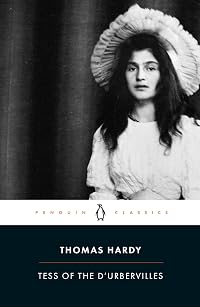
Tess of the D'Urbervilles
by Thomas Hardy
On This Page
Description
Tess Durbeyfield, the daughter of an impoverished family, must navigate a world of desire and romance once she meets Alec d'Urberville. The son of a rich widow, he takes a fancy to her and gets her a position as the poultry keeper on his family's estate. However, her good fortune is soon complicated by Alec's libertine ways, and Tess returns home shamed. Once recovered, she separates herself from the gossip by finding work at a dairy farm outside the village. There, she meets and falls for show more Angel Clare, the eligible youngest son of the local reverend. But as her life begins to change for the better, she is troubled by a moral dilemma: whether or not to tell Angel about her past. Set in the fictional county of Wessex, Tess of the d'Urbervilles reflects on issues of classism, industrialism, hypocrisy, and virtue. Often considered to be Thomas Hardy's masterpiece, it received mixed reviews upon its publication due to its frank discussion of female sexuality and the hypocrisy of Victorian morality. show lessTags
Recommendations

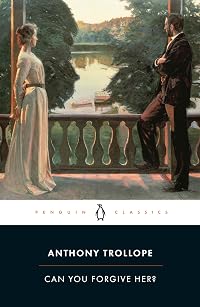
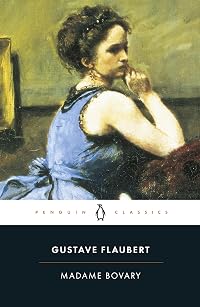
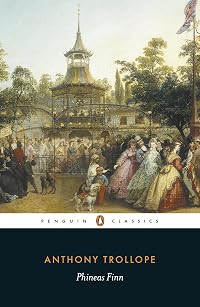
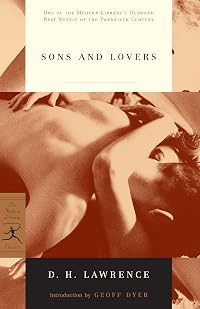


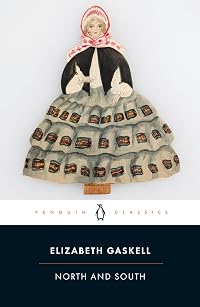
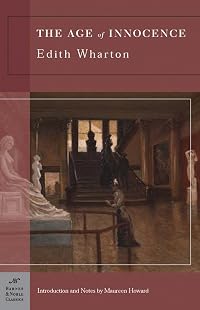
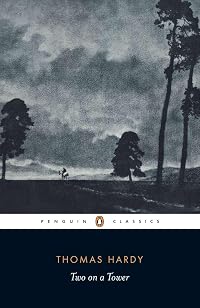
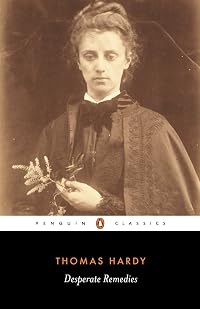




Member Recommendations
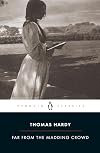
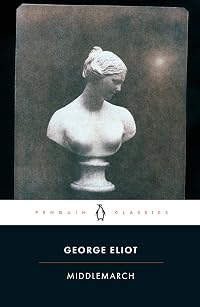
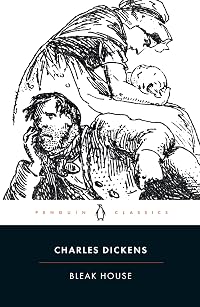
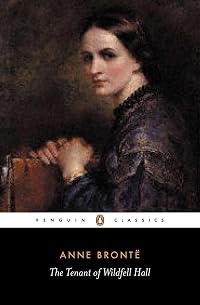
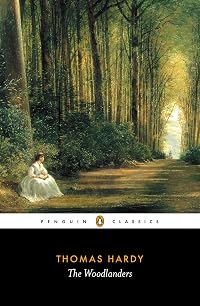
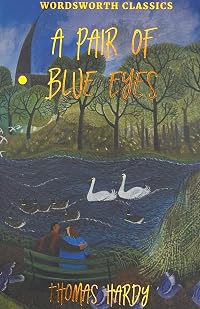
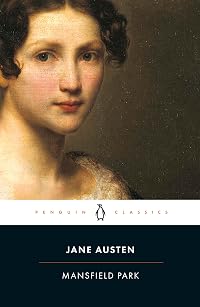
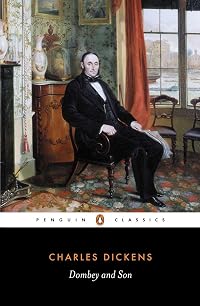
alaudacorax At the moment, I think this is the finest of Hardy's novels - if you've read and liked any of the others I'm sure you'll like this. If you've been turned-off by the grimness of some of his others - Tess ..., for instance - you might well find this more palatable.
80

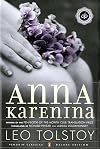
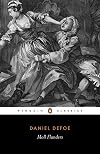
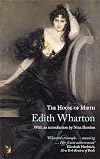
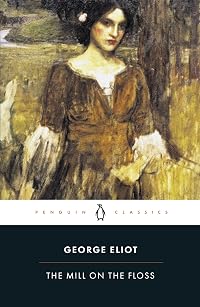
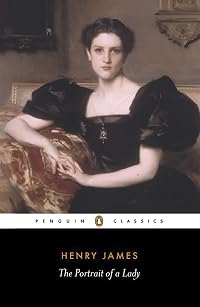
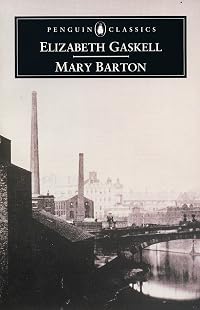
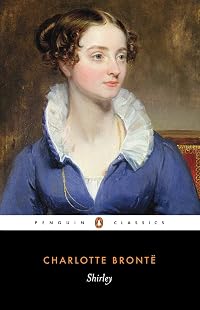
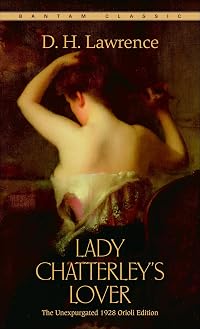
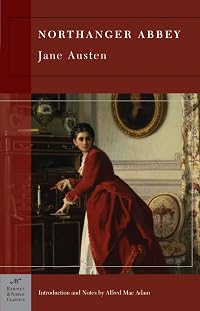
Lapsus_Linguae Both novels depict an attractive young woman who becomes an outcast because of society's sexual mores.
40
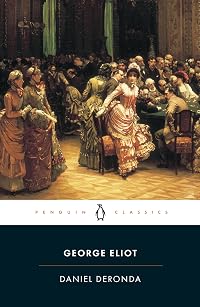
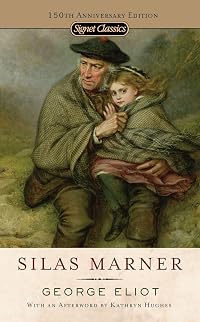
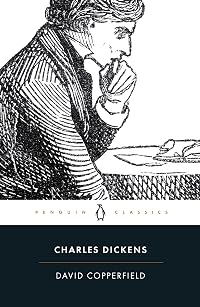
Johanna11 Both books write about people with expectations for their future, both are very well written at the end of the nineteenth century.
42
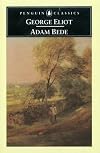
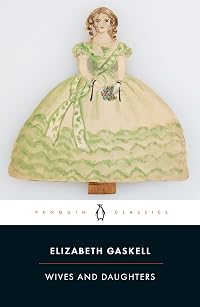
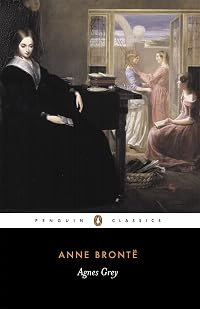
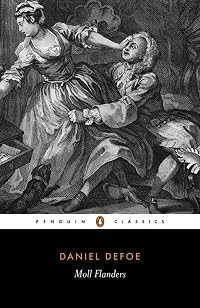
Heather39 Both books tell the story of a young, working class woman who enters into a relationship with a gentleman, eventually to her downfall.
11

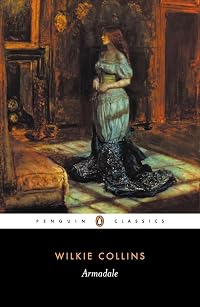
edwinbcn Written by a woman, "The Quarry Wood" explores the awakening sexuality and awareness of the young Martha. More outspoken than Thomas Hardy, but not yet as free as D.H. Lawrence.
12
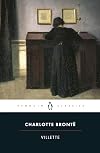

lucyknows Muriel's Wedding could be paired with Tess of the D'Urbervilles as well as several other novels, such as, My Brilliant Career by Miles Franklin, Pride and Prejudice by Jane Austen and even with Shakespeare's play Much Ado About Nothing
14
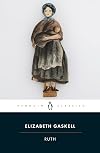
by Cecrow
Member Reviews
I have a great admiration for this novel. Hardy doesn’t hold back with this one; it’s edgy, it’s dark and it’s merciless. In this allegorical tale, Tess is your loveable scapegoat, the Christ-figure if you will, that evokes our inmost pity. All she innocently desires is to do the right thing, and we martyr her because we won’t compromise our "armoured" regulations. Yes, Hardy goes way over the top here, and some may criticize him as overly romantic, but considering he was working within the confines of Victorian censorship and he didn't have much choice, this novel was ground-breaking for cleverly breaking the rules.
As a feminist, I consider this novel seminal to the movement in the late 19th century, much like I consider show more Huckleberry Finn seminal to racial awareness of the same period. They may not sound robust enough to our modern ears, but they were amongst the ideas that got the gears turning in the first place. show less
As a feminist, I consider this novel seminal to the movement in the late 19th century, much like I consider show more Huckleberry Finn seminal to racial awareness of the same period. They may not sound robust enough to our modern ears, but they were amongst the ideas that got the gears turning in the first place. show less
What can I say-I love Hardy. Why do I love an author whose books seem to move from one heartbreak to another? He is definitely not one you read for a light pick-me-up, that is for certain. But his writing is so nuanced that it feels as if I am floating down a quiescent rural stream; I know turbulent water lies ahead-I can feel the increasing pull beneath me-yet there seems to be no urgency to try to pull away in opposition. Going there just seems to be the natural flow of life. So why do I love this man whose plots I willingly follow into the very depths of despondency? Because the prose...oh, the prose!
Thomas Hardy is a master of every literary element. For him, setting, especially, takes on such presence that it becomes an show more amalgamation of every place you have ever been. All of your senses become engaged. You hear the church bells peal across the meadow. The flank of the cow against Tess' cheek feels warm and fluid beneath your own. As she toils in the field you feel the grit of harvested grain in the sweaty crease of your neck and taste its dryness in your mouth. You feel refreshed by the wind and gladdened by the birds in flight.
When it comes to character, Hardy is the consummate teacher. We don't just know that Tess' mother is hard at work on wash day. Her weariness is palpable. We aren't told that Tess is a good daughter. She pitches in just where she is needed, time and time again. Each character, major and minor, is presented so completely through their speech and actions that the narrator need fill in very little. For me they each even acquire a distinctive voice in my head.
So if you have shied away from Hardy for lack of interest in his wrenching plots, I urge you to give one of his novels a try and experience the power of his incomparable prose. show less
Thomas Hardy is a master of every literary element. For him, setting, especially, takes on such presence that it becomes an show more amalgamation of every place you have ever been. All of your senses become engaged. You hear the church bells peal across the meadow. The flank of the cow against Tess' cheek feels warm and fluid beneath your own. As she toils in the field you feel the grit of harvested grain in the sweaty crease of your neck and taste its dryness in your mouth. You feel refreshed by the wind and gladdened by the birds in flight.
When it comes to character, Hardy is the consummate teacher. We don't just know that Tess' mother is hard at work on wash day. Her weariness is palpable. We aren't told that Tess is a good daughter. She pitches in just where she is needed, time and time again. Each character, major and minor, is presented so completely through their speech and actions that the narrator need fill in very little. For me they each even acquire a distinctive voice in my head.
So if you have shied away from Hardy for lack of interest in his wrenching plots, I urge you to give one of his novels a try and experience the power of his incomparable prose. show less
I've seen a few adaptions but I finally sat down and read the actual book and it is amazing. I've been reading a bunch of Hardy lately and I am so struck by how well he writes women characters. They have so much agency, even though they are imbeded in the system that was already past in the time Hardy was writing. It was a hard read, knowing that it was just getting worse and worse for Tess no matter what. But of all the men who mess her over, I think I am most angry about her useless father. If he could possibly act like a reasonably responsible adult even a small percentage of the time, the compounding tragedies would have no starting point. What a brilliant book.
A very interesting read, though not a particularly enjoyable one. Thomas Hardy is invited to my dead authors fantasy dinner; I'd love to discuss with him all of the unfortunate ways in which Western civilization has upheld this tradition of victim blaming, slut shaming, double standards, etc.
Rarely have I ever had such a visceral reaction to a book. I have read a few other Hardy novels and so at this point I expect tragedy. But this one still blew me away. It broke my heart in so many ways, but Hardy’s writing made the whole experience oddly beautiful, despite the inevitable disaster that you know if coming.
The brilliance of his writing is just breathtaking. The scenes he creates are incredibly beautiful. Alec is such a brilliant villain because of the very fact that he is so relatable to different men. As Hardy himself says, Tess’ own male ancestors probably did the same thing to peasant girls. It's so horrifying and common at the same time and Alec has no real understanding that what he's doing is wrong. He knows show more what he wants he decides he's going to take it. There's no consideration for anything else.
Tess’ family is poor, but they discover they are descendants of a wealthy local family. She is sent to befriend the family and see if they can improve her own family’s situation. She meets Alec D'Urbervilles and soon her life is changed forever. I can’t say too much more without spoilers, except that it’s a powerful book, but not a cheery one.
**SPOILERS**
I’ve never hated a character as much as I hated Alec. He is a rapist, a manipulator, and worst of all, he honestly doesn’t think he’s done much wrong in the first half of the novel. At one point Alec says something about how Tess shouldn’t have worn a certain dress and bonnet because it made her too pretty. The “you were asking for it” mentality was present even back then when dress was far more modest. It was so frustrating and infuriating. He manipulated every situation, forcing her to be alone with him, to rely on him for help, etc.
His condescending nicknames made my skin crawl. When he calls her “Tessie” or “my little pretty” it made me nauseous because she was shrinking away from him and begging him quietly to stop touching her. She said again and again that she did not love him and she was scared of him. She never feels comfortable with him. From their very first interaction, as he makes her eat strawberries from his hand, she is uncomfortable and wants to go home immediately. There was no infatuation only a feeling in her gut that he was not someone to be trusted.
On top of that, Angel’s absurd double standard for his actions and her actions was infuriating. The worst part is that both men, the “good” one and the “bad” one share the same mentality about the situation. Both blame Tess but never themselves. The same attitude is around today, even though women have many more options, they are often shamed when they are sexually assaulted.
The book is split into different phases and the second one begins after the infamous event. Tess is so broken; she's not even scared of him anymore because he's already done the worst to her that he could possibly do. She's resigned to her fate and full of sorrow. I kept thinking about how many other women over hundreds of years have gone through the same thing and are just completely broken afterwards and no one understands why. The man took something from her that she did not want to give and society treats it as if he didn't really do anything wrong. They justify it and say things like, maybe she gave off the wrong signals or put herself in a bad situation. It's just horrible.
**SPOILERS OVER**
BOTTOM LINE: This is not a cheerful book. Every time Tess’ situation improves, heartache is just around the corner. But Hardy deals with it in such a raw and personal way that it is relevant even a century later. His writing transcends the subject matter and I’ve learned that I’ll read whatever he’s written.
** My Penguin Clothbound Classic edition discusses the different versions of the novel that were released. The original release presented a much harsher version of Hardy. Apparently he toned it down and made him more appealing in later versions, which is interesting.
“‘I shouldn’t mind learning why the sun do shine on the just and the unjust alike,’ she answered with a slight quaver in her voice. ‘But that’s what books will not tell me.’”
“The beauty or ugliness of a character lay not only in its achievements, but in its aims and impulses; its true history lay, not among things done, but among things willed.” show less
The brilliance of his writing is just breathtaking. The scenes he creates are incredibly beautiful. Alec is such a brilliant villain because of the very fact that he is so relatable to different men. As Hardy himself says, Tess’ own male ancestors probably did the same thing to peasant girls. It's so horrifying and common at the same time and Alec has no real understanding that what he's doing is wrong. He knows show more what he wants he decides he's going to take it. There's no consideration for anything else.
Tess’ family is poor, but they discover they are descendants of a wealthy local family. She is sent to befriend the family and see if they can improve her own family’s situation. She meets Alec D'Urbervilles and soon her life is changed forever. I can’t say too much more without spoilers, except that it’s a powerful book, but not a cheery one.
**SPOILERS**
I’ve never hated a character as much as I hated Alec. He is a rapist, a manipulator, and worst of all, he honestly doesn’t think he’s done much wrong in the first half of the novel. At one point Alec says something about how Tess shouldn’t have worn a certain dress and bonnet because it made her too pretty. The “you were asking for it” mentality was present even back then when dress was far more modest. It was so frustrating and infuriating. He manipulated every situation, forcing her to be alone with him, to rely on him for help, etc.
His condescending nicknames made my skin crawl. When he calls her “Tessie” or “my little pretty” it made me nauseous because she was shrinking away from him and begging him quietly to stop touching her. She said again and again that she did not love him and she was scared of him. She never feels comfortable with him. From their very first interaction, as he makes her eat strawberries from his hand, she is uncomfortable and wants to go home immediately. There was no infatuation only a feeling in her gut that he was not someone to be trusted.
On top of that, Angel’s absurd double standard for his actions and her actions was infuriating. The worst part is that both men, the “good” one and the “bad” one share the same mentality about the situation. Both blame Tess but never themselves. The same attitude is around today, even though women have many more options, they are often shamed when they are sexually assaulted.
The book is split into different phases and the second one begins after the infamous event. Tess is so broken; she's not even scared of him anymore because he's already done the worst to her that he could possibly do. She's resigned to her fate and full of sorrow. I kept thinking about how many other women over hundreds of years have gone through the same thing and are just completely broken afterwards and no one understands why. The man took something from her that she did not want to give and society treats it as if he didn't really do anything wrong. They justify it and say things like, maybe she gave off the wrong signals or put herself in a bad situation. It's just horrible.
**SPOILERS OVER**
BOTTOM LINE: This is not a cheerful book. Every time Tess’ situation improves, heartache is just around the corner. But Hardy deals with it in such a raw and personal way that it is relevant even a century later. His writing transcends the subject matter and I’ve learned that I’ll read whatever he’s written.
** My Penguin Clothbound Classic edition discusses the different versions of the novel that were released. The original release presented a much harsher version of Hardy. Apparently he toned it down and made him more appealing in later versions, which is interesting.
“‘I shouldn’t mind learning why the sun do shine on the just and the unjust alike,’ she answered with a slight quaver in her voice. ‘But that’s what books will not tell me.’”
“The beauty or ugliness of a character lay not only in its achievements, but in its aims and impulses; its true history lay, not among things done, but among things willed.” show less
Tess of the D'Urbervilles is the kind of book that makes you wish you were back in one of your Brit Lit classes debating it with equally enthusiastic classmates. An erudite novel replete with Biblical, mythological and cultural references left as clues for the close reader to interpret in Thomas Hardy's exploration of whether we are defined by our actions or our intentions.
Hardy's eponymous heroine is a sixteen-year-old country girl at the story's outset, just removed from school and under the guidance of her uneducated parents who have recently discovered their noble ancestry. At their behest, she travels to the nearby estate of a wealthy relative to seek employment and a financially beneficial match. Unfortunately, the supposed show more relatives have in fact appropriated the family name, rather than being born into it, and the naive Tess is set upon and disgraced by the scoundrel son, Alec. Her self-assessed punishment is to run away from family and friends, working in anonymity as milkmaid on a faraway farm.
The remainder of Tess's story is a disheartening reminder that one's past cannot be left behind. She finds love, only to be scorned by a hypocritical husband guilty of her same crime (absent an out of wedlock birth). Her shiftless parents burden her for money in their ignorance regarding her impoverished life. Worst of all, she suffers the renewed advances of the irredeemable Alec.
Tess of the D'Urbervilles is a critical analysis of late 18th century England morals and manners with a healthy dose of Ecclesiastical philosophy thrown in: the repetitive nature of Tess's sad life is mere proof that there is nothing new under the sun. show less
Hardy's eponymous heroine is a sixteen-year-old country girl at the story's outset, just removed from school and under the guidance of her uneducated parents who have recently discovered their noble ancestry. At their behest, she travels to the nearby estate of a wealthy relative to seek employment and a financially beneficial match. Unfortunately, the supposed show more relatives have in fact appropriated the family name, rather than being born into it, and the naive Tess is set upon and disgraced by the scoundrel son, Alec. Her self-assessed punishment is to run away from family and friends, working in anonymity as milkmaid on a faraway farm.
The remainder of Tess's story is a disheartening reminder that one's past cannot be left behind. She finds love, only to be scorned by a hypocritical husband guilty of her same crime (absent an out of wedlock birth). Her shiftless parents burden her for money in their ignorance regarding her impoverished life. Worst of all, she suffers the renewed advances of the irredeemable Alec.
Tess of the D'Urbervilles is a critical analysis of late 18th century England morals and manners with a healthy dose of Ecclesiastical philosophy thrown in: the repetitive nature of Tess's sad life is mere proof that there is nothing new under the sun. show less
This is an incredible book. Heartbreaking and painstaking in drawing of the main character Tess Durbeyfield (i.e., d’Ubervilles). To start off I am not a big fan of extended poetic descriptions of imaginary lands even if they are loosely based on southern England. That the book ends at Stonehenge seems both fitting and absurd for this reason. The story takes place in Wessex, which is a real locale in the south of England, but the story locations are given pseudonyms. England is now broken up into the South, Midlands, the North, the Borders, Wales, and Scotland.
Although the main character is given so much attention by the omnipotent narrator and Tess herself the reader feels betrayed by how horribly Tess is treated in the story. show more Everything in the story, narrator, Hardy, Fate, Fortune, History, and Family all doom one of the most beautiful, intelligent, well meaning, and innocent women in literature. For that reason, I now have a grudge against Hardy because I was really invested in the story and the final chapters did not sit well with me. I total understand what he was doing but the book comes off now as misogynistic even though I know he probably did not have that intention while writing it. The excellent Introduction to the Bantam edition by Hellman calls Hardy ironic in how he criticizes English customs and morals. In that sense, unknowing Tess is willingly sacrificed on the altar of Irony because Hardy’s opinions are so strong. Hardy is an excellent writer, although maybe not the best stylist. Hardy is very good at describing the words for certain motivations according to class status. It shows that he listened to people’s conversations and what they are trying to say or how they disguised what they are meaning to say. Taking Hellman’s point of view as valid, Hardy understood that common folk people were being fleeced by the upper class all the time. It never ended, and Hardy disapproved. But the class struggle was never ending and would continue. That was the way of the world. Hardy’s narrator even says that Tess’ ancestors may have themselves taken advantage of commoners in their ancient heyday. That cannot be a justification for Tess’ tragic end. That is a presumption about cycles of history and morally fallacious about people being individuals. But that sentiment does appear several times in the book. Hardy for this reason seems to be a pagan believer in gods, and wheels of fate and fortune. Not the Boethius type, but the type that has no Christian element at all. It is my own opinion that Hardy, in Tess, does loathe, social strata in England during the Empire and colonial period. Hardy also seems to distrust the Evangelical and Anglican church as well as heraldry and specious family histories. Ultimately, I believe Hardy wrote this book as a weapon against the established and reform English churches of his day. He appears in his language to be a nonbeliever himself but agreeable to it for convenience and solicitude. Hardy gives the impression that all is fated for good or for ill depending on one’s state in life even though he presents lives lived this way “ironically” (according to Hellman). Reading this was one of the best and most intense reading experiences I’ve ever had, and I am grateful to have finally read it with attention. Was destroying Tess worth of Hardy’s disfavor of religion? As an artistic creation of Hardy’s, we have to say yes. Readers wouldn’t have known her without her story. Does the world owe Hardy anything for doing this to a fictional woman of moral purity? I would say no.
This book, while still fresh in my mind, compares well with Waugh’s, Brideshead Revisited. Oxford education, class distinctions, family ties or lack thereof, loneliness and the lack of confidants to help in personal emergency situations. show less
Although the main character is given so much attention by the omnipotent narrator and Tess herself the reader feels betrayed by how horribly Tess is treated in the story. show more Everything in the story, narrator, Hardy, Fate, Fortune, History, and Family all doom one of the most beautiful, intelligent, well meaning, and innocent women in literature. For that reason, I now have a grudge against Hardy because I was really invested in the story and the final chapters did not sit well with me. I total understand what he was doing but the book comes off now as misogynistic even though I know he probably did not have that intention while writing it. The excellent Introduction to the Bantam edition by Hellman calls Hardy ironic in how he criticizes English customs and morals. In that sense, unknowing Tess is willingly sacrificed on the altar of Irony because Hardy’s opinions are so strong. Hardy is an excellent writer, although maybe not the best stylist. Hardy is very good at describing the words for certain motivations according to class status. It shows that he listened to people’s conversations and what they are trying to say or how they disguised what they are meaning to say. Taking Hellman’s point of view as valid, Hardy understood that common folk people were being fleeced by the upper class all the time. It never ended, and Hardy disapproved. But the class struggle was never ending and would continue. That was the way of the world. Hardy’s narrator even says that Tess’ ancestors may have themselves taken advantage of commoners in their ancient heyday. That cannot be a justification for Tess’ tragic end. That is a presumption about cycles of history and morally fallacious about people being individuals. But that sentiment does appear several times in the book. Hardy for this reason seems to be a pagan believer in gods, and wheels of fate and fortune. Not the Boethius type, but the type that has no Christian element at all. It is my own opinion that Hardy, in Tess, does loathe, social strata in England during the Empire and colonial period. Hardy also seems to distrust the Evangelical and Anglican church as well as heraldry and specious family histories. Ultimately, I believe Hardy wrote this book as a weapon against the established and reform English churches of his day. He appears in his language to be a nonbeliever himself but agreeable to it for convenience and solicitude. Hardy gives the impression that all is fated for good or for ill depending on one’s state in life even though he presents lives lived this way “ironically” (according to Hellman). Reading this was one of the best and most intense reading experiences I’ve ever had, and I am grateful to have finally read it with attention. Was destroying Tess worth of Hardy’s disfavor of religion? As an artistic creation of Hardy’s, we have to say yes. Readers wouldn’t have known her without her story. Does the world owe Hardy anything for doing this to a fictional woman of moral purity? I would say no.
This book, while still fresh in my mind, compares well with Waugh’s, Brideshead Revisited. Oxford education, class distinctions, family ties or lack thereof, loneliness and the lack of confidants to help in personal emergency situations. show less
Members
- Recently Added By
Published Reviews
ThingScore 100
Daring in its treatment of conventional ideas, pathetic in its sadness, and profoundly stirring by its tragic power. The very title, "Tess of the D'Urbervilles: A Pure Woman", is a challenge to convention.
added by Shortride
Lists

The Guardian's 1000 Novels Everyone Must Read
1,005 works; 551 members

1001 Books You Must Read Before You Die
1,448 works; 1,133 members
BBC Big Read
191 works; 46 members
Best of British Literature
226 works; 41 members

Favourite 19th century fiction
257 works; 60 members

Favorite Long Books
330 works; 42 members

Literature About Social Class
134 works; 19 members

The Telegraph's 110 Best Books: The Perfect Library
101 works; 18 members
Female Protagonist
1,056 works; 57 members

The Top Ten: Writers Pick Their Favorite Books
240 works; 31 members

Recommend the 20 best books you've read in the last five years
2,168 works; 601 members

Unread books
1,063 works; 87 members

Best Feminist Literature
188 works; 26 members

Best high-school English books reread later in life
30 works; 21 members
Folio Society
831 works; 49 members

Women's Stories
88 works; 13 members
Favorite Literary Love Stories
182 works; 100 members
Love and Marriage
93 works; 10 members
BBC Big Read
100 works; 10 members

Harold Bloom - The Western Canon: D. The Chaotic Age
833 works; 24 members

Western World's Greatest Books - Project Gutenberg
295 works; 15 members
Didactic Fiction
29 works; 3 members

Books Set in Great Britain
191 works; 13 members
LibraryThingers' 1001 Books You Must Read Before You Die
442 works; 30 members
Blue Pyramid 1,276 Best Books of All Time
1,248 works; 32 members
Favourite Books
1,819 works; 316 members
Books I've Read More Than Once
602 works; 49 members
Literature About Women and Girls
394 works; 39 members

1964 College Preparatory Reading List
202 works; 8 members
Women's reading list
50 works; 7 members

19th Century
190 works; 16 members

A Novel Cure
742 works; 23 members

Books You Read During High School (For School)
301 works; 52 members
Love Triangles in Literature
108 works; 15 members
1,001 BYMRBYD Concensus
723 works; 27 members
100 Most Recommended Works
100 works; 11 members
Newark Public Library's 1904 List of a Thousand of the Best Novels
95 works; 5 members
100 World Classics
99 works; 15 members
Mensa for Kids Excellence in Reading Award Program (Grades 9-12)
116 works; 5 members

Fiction with Women's Names in the Title
378 works; 15 members
Victorian Period
113 works; 10 members
My list of 100 books to read next
100 works; 4 members

Most Depressing Books
69 works; 16 members
The College Board: 101 Great Books Recommended for College-Bound Readers
111 works; 7 members

BBC Top Books
78 works; 3 members
Bibliography for How to be a Heroine
148 works; 12 members

Books I've read
87 works; 2 members
Mensa for Kids Excellence in Reading Award Program (Grades 9-12)
116 works; 3 members

1890s
49 works; 6 members

Books on my Kindle
162 works; 3 members
Books with a Character's Name as the Title
130 works; 10 members

Books Read in 2017
4,249 works; 129 members
United Kingdom
82 works; 5 members

100
56 works; 1 member

Books Read in 2020
4,379 works; 124 members

University literature
145 works; 5 members
Literature About Adultery
69 works; 10 members

Books Read in 2022
5,226 works; 112 members

http://thegreatestbooks.org's Greatest Fiction Books
59 works; 1 member

Books About Murder
313 works; 7 members

The 150 Greatest Novels of All Time
150 works; 6 members

Recommended Reading : 600 Classics Reviewed, Editors of Salem Press, 2015
634 works; 6 members

DigitalDreamDoor top 300
300 works; 4 members

Read in 2006
140 works; 1 member
In Our Time books
4,934 works; 2 members

.
194 works; 2 members
Reading LIst
648 works; 1 member
School Made Us Read It
380 works; 196 members
.
396 works; 1 member

Classics
31 works; 1 member
el
1,139 works; 1 member
Books That Made Us Cry
278 works; 145 members
'Books You Can't Live Without: The Top 100', The Guardian, 2007
156 works; 7 members
KayStJ's to-read list
1,616 works; 11 members
Books We Love to Reread
688 works; 296 members

Books Read in 2006
422 works; 8 members
Books You Read For University
184 works; 3 members

Books With the Most Memorable Titles
478 works; 158 members
AP Lit
363 works; 6 members
Favorite Romance Fiction
247 works; 115 members

Greatest Books, allegedly
484 works; 9 members
Country Life
13 works; 3 members

Books Read in 2021
5,361 works; 114 members

Books Tagged Abuse
152 works; 4 members

Tagged 19th Century
104 works; 7 members
Books referenced in A Very Great Profession: The Woman's Novel 1914-39
199 works; 6 members

Literary Works Read in College
316 works; 15 members
Puffin Books 70th anniversary handbook recommendations
537 works; 10 members
bound
100 works; 1 member
Author Information

Thomas Hardy was born on June 2, 1840, in Higher Bockhampton, England. The eldest child of Thomas and Jemima, Hardy studied Latin, French, and architecture in school. He also became an avid reader. Upon graduation, Hardy traveled to London to work as an architect's assistant under the guidance of Arthur Bloomfield. He also began writing poetry. show more How I Built Myself a House, Hardy's first professional article, was published in 1865. Two years later, while still working in the architecture field, Hardy wrote the unpublished novel The Poor Man and the Lady. During the next five years, Hardy penned Desperate Remedies, Under the Greenwood Tree, and A Pair of Blue Eyes. In 1873, Hardy decided it was time to relinquish his architecture career and concentrate on writing full-time. In September 1874, his first book as a full-time author, Far from the Madding Crowd, appeared serially. After publishing more than two dozen novels, one of the last being Tess of the d'Urbervilles, Hardy returned to writing poetry--his first love. Hardy's volumes of poetry include Poems of the Past and Present, The Dynasts: Part One, Two, and Three, Time's Laughingstocks, and The Famous Tragedy of the Queen of Cornwall. From 1833 until his death, Hardy lived in Dorchester, England. His house, Max Gate, was designed by Hardy, who also supervised its construction. Hardy died on January 11, 1928. His ashes are buried in Poet's Corner at Westminster Abbey. (Bowker Author Biography) show less
All Editions
Some Editions
Awards and Honors
Notable Lists
BBC's Big Read (26)
Greatest Books algorithm (101)
Daniel S. Burt's Novel 100 (034 – 34)
Series
Belongs to Publisher Series
Penguin Clothbound Classics (2008)
The Pocket Library (PL-25)
Alianza Tres (49)
Penguin English Library, 2012 series (2012-10)
Airmont Classics (82)
A tot vent (188)
Modern Library (72)
Reclams Universal-Bibliothek (9935)
Work Relationships
Is contained in
Far from the Madding Crowd / The Mayor of Casterbridge / Tess of the d'Urbervilles / Wessex Tales / The Woodlanders (Omnibus) by Thomas Hardy
Tess of the d’Urbervilles: Complete, Authoritative Text with Biographical and Historical Contexts, Critical History, and Essays from Five Contemporary Critical Perspectives by Thomas Hardy
Far From the Madding Crowd / Jude the Obscure / The Mayor of Casterbridge / The Return of the Native / Tess of the d'Urbervilles (Five Novels) by Thomas Hardy
Works of Thomas Hardy. (200 Works) The Return of the Native, Desperate Remedies, Tess of the d'Urbervilles, Jude the Obscure & more (Mobi Collected Works) by Thomas Hardy
Far from the Madding Crowd / Jude the Obscure / The Mayor of Casterbridge / The Return of the Native / Tess of the d'Urbervilles / The Woodlanders (The Wessex Novels) by Thomas Hardy
The Thomas Hardy Collection: Far from the Madding Crowd / The Mayor of Casterbridge / Tess of the D'Urbervilles by Thomas Hardy
Far from the Madding Crowd / The Mayor of Casterbridge / The Return of the Native / Tess of the D'Urbervilles / The Trumpet Major / Under the Greenwood Tree (6 Wessex novels) by Thomas Hardy
Contains
Is retold in
Has the adaptation
Is abridged in
One hundred best novels condensed: 3 of 4 see note: Adam Bede; Tess of the D'Urbervilles; Don Quixote; East Lynne; Count of Monte Cristo; Paul and Virginia; Tom Brown's School Days; Waverley; Dombey and Son; Romola; Legend of Sleepy Hollow; Last of the Mohicans; Wreck of the "Grosvenor"; Right of Way; Coniston; Far from the Madding Crowd; Woman in White; Deemster; Waterloo; Hypatia; Kidnapped; Oliver Twist; Gil Blas; Peg Woffington; Virginians by Edwin Atkins Grozier
Has as a reference guide/companion
Has as a study
Has as a commentary on the text
Has as a student's study guide
Common Knowledge
- Canonical title
- Tess of the D'Urbervilles
- Original title
- Tess of the D'Urbervilles. A pure woman
- Alternate titles*
- Tess van de d'Urbervilles
- Original publication date
- 1891
- People/Characters
- Tess Durbeyfield; Alec d'Urberville; Angel Clare
- Important places
- Wessex, England, UK (fictional); England, UK; Stonehenge, Wiltshire, England, UK
- Related movies
- Tess of the D'Urbervilles (1998 | IMDb); Tess of the D'Urbervilles (2008 | IMDb); Tess of the D'Urbervilles (1913 | IMDb); Tess of the D'Urbervilles (1924 | IMDb); Tess of the D'Urbervilles (1952 | IMDb); Tess d'Urberville (1959 | IMDb)
- Epigraph
- '...Poor wounded name! My bosom as a bed
Shall lodge thee.',
—W. Shakespeare (Two Gentlemen of Verona, Act 1, Scene 2, 111/12) - First words
- On an evening in the latter part of May a middle-aged man was walking homeward from Shaston to the village of Marlott, in the adjoining Vale of Blakemore or Blackmoor.
- Last words
- (Click to show. Warning: May contain spoilers.)As soon as they had strength they arose, joined hands again, and went on.
- Original language
- English
*Some information comes from Common Knowledge in other languages. Click "Edit" for more information.
Classifications
Statistics
- Members
- 21,693
- Popularity
- 253
- Reviews
- 265
- Rating
- (3.82)
- Languages
- 28 — Arabic, Bulgarian, Catalan, Chinese, Czech, Danish, Dutch, English, Estonian, Finnish, French, German, Greek, Hungarian, Italian, Korean, Lithuanian, Norwegian (Bokmål), Farsi/Persian, Polish, Portuguese, Romanian, Russian, Slovenian, Spanish, Swedish, Thai, Turkish
- Media
- Paper, Audiobook, Ebook
- ISBNs
- 628
- UPCs
- 8
- ASINs
- 398