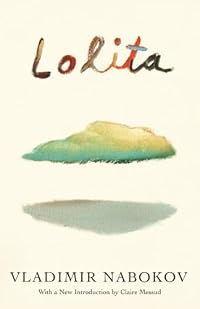
Lolita
by Vladimir Nabokov
There is 1 current discussion about this work.
On This Page
Description
When it was published in 1955, Lolita immediately became a cause celebre because of the freedom and sophistication with which it handled the unusual erotic predilections of its protagonist. But Vladimir Nabokov's wise, ironic, elegant masterpiece owes its stature as one of the twentieth century's novels of record not to the controversy its material aroused but to its author's use of that material to tell a love story almost shocking in its beauty and tenderness. Awe and exhilaration--along show more with heartbreak and mordant wit--abound in this account of the aging Humbert Humbert's obsessive, devouring, and doomed passion for the nymphet Dolores Haze. Lolita is also the story of a hypercivilized European colliding with the cheerful barbarism of postwar America, but most of all, it is a meditation on love--love as outrage and hallucination, madness and transformation. show lessTags
Recommendations
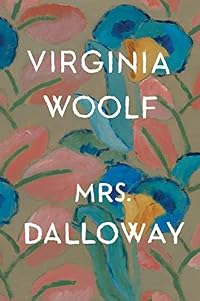
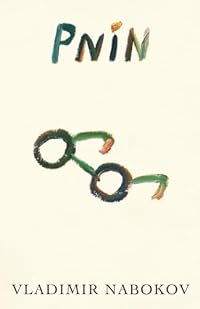
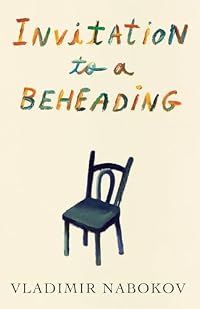
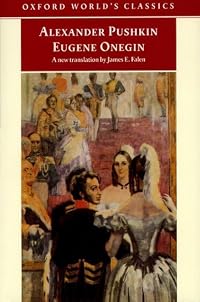
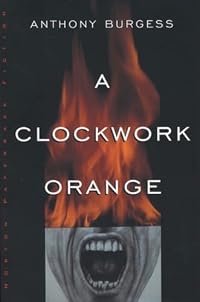
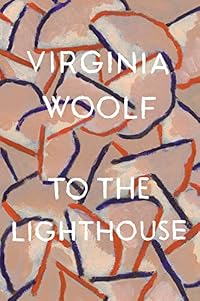
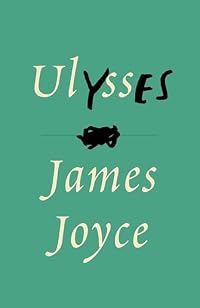

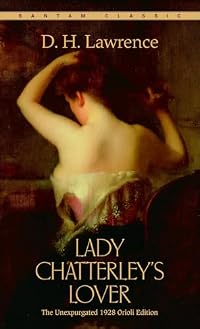
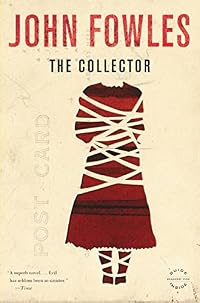
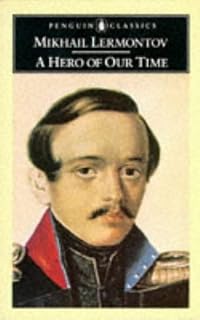
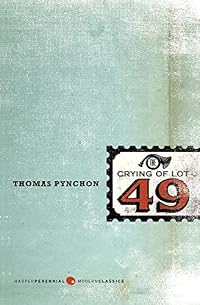
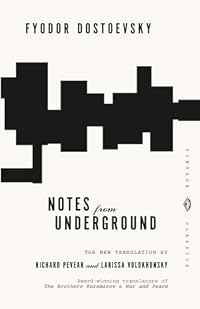
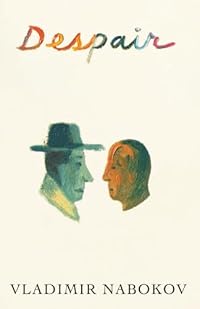
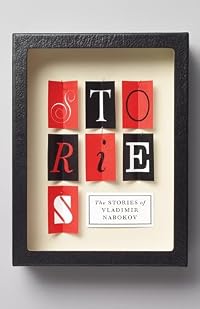
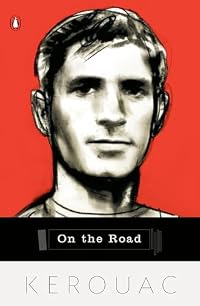
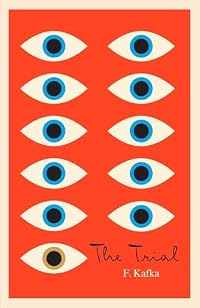
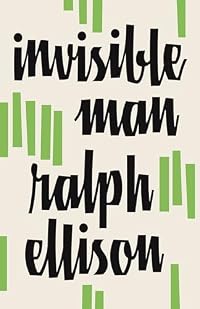
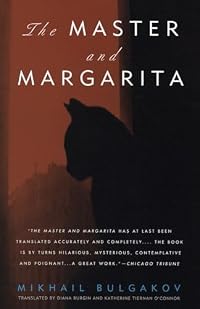
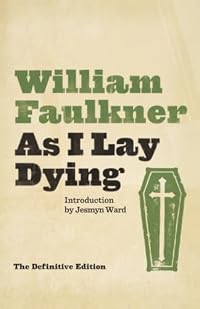
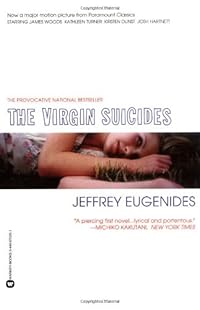
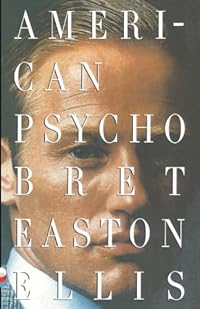
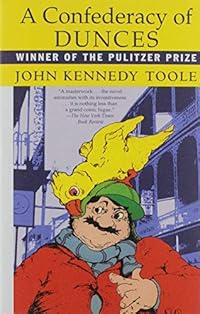
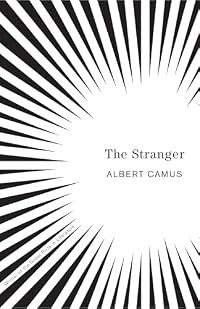
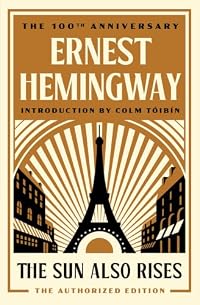
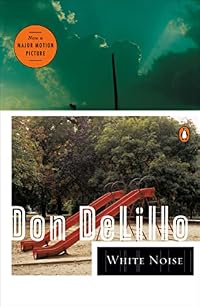
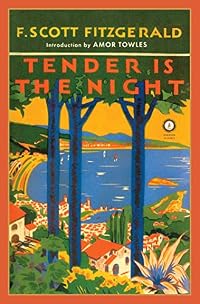
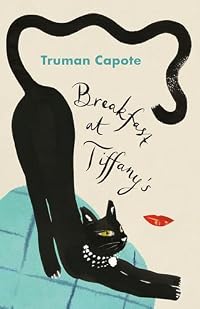
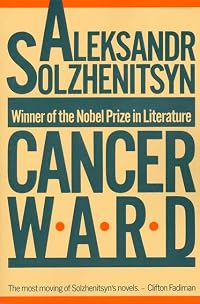
Member Recommendations
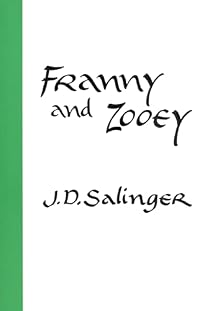
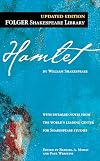
heidialice Possibly too obvious of a recommendation? Very different takes on this central theme....
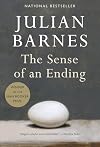
browner56 Two different views of obsession masquerading as love; both books are so well written that you almost forget the sordid nature of the theme they share.
51
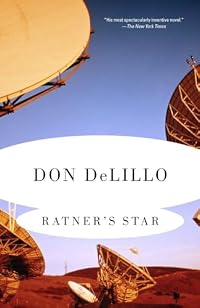
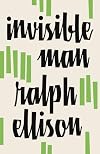
Cecrow Another villain made sympathetic by a talented author.
41
Queenofcups I heard many echoes of Lolita in reading The Black Prince. Anyone else find this to be the case?
20
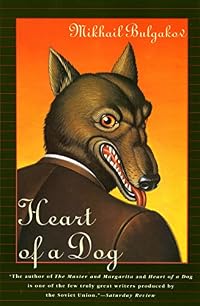
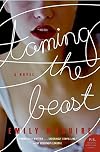
Cecrow A contemporary retelling of Lolita, from the viewpoint of the schoolgirl.
20
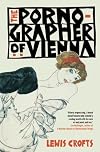
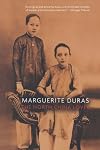
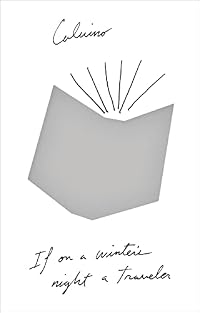
edwinbcn Another story of a man with a passion for a young girl.
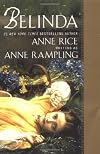
rcc IF you're "shocked" by Nabokov's Lolita, you surely should read Belinda. It takes off where Lolita ends. What I mean to say is that Anne Rice showed herself to be much more adpet - and daring - at writing about this "taboo" concerning the sexual adventures of a very young girl. Also, Belinda is so much more her "own woman" than Lolita.
07
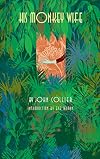
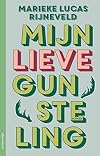
SnootyBaronet Euphuistic narratives of forbidden love
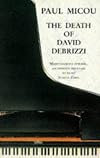
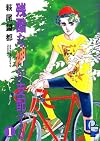
by anonymous user
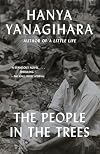
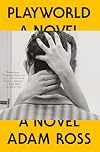
tmrps Both stories about older men who fall in love with young girls.
Member Reviews
this is the great american novel. no prose will ever be able to touch what nabokov does here; the final sequence was particularly riveting, but then, so was the whole thing - the tennis! the road tripping! and yes, even the horrifying parts, the parts that i seriously struggled to read. i suspect the trick to understanding this book is that H.H. doesn't really love lolita - he loves himself, and he loves what she adds to his self-image. when that fractures, the whole world fractures; he can't parse life when he is no longer the person he thought he was, and suddenly all the rules of the game are void. he knows that he's a monster and what else can a monster do? when it goes off the rails, it's thrilling. villain of all time.
Well.
It's a strange experience to enjoy a book that society tells you to hate. Yes, the subject matter is horrific, but, I mean...no one flipped out on Robert Louis Stevenson when he wrote Jekyll and Hyde. (Or maybe they did. I wasn't there.) Anyway, Nabokov's prose is exquisitely sensual, and not just when the narrator is talking about nymphets. It really is a master class in setting a mood through descriptions of the mundane. (And Jeremy Irons's dulcet tones didn't hurt, either.)
Prose aside, I do have a few complaints, namely uneven pacing and the most anticlimactic ending I've read in a long time. It really fizzled to a close and focused on characters that just didn't matter, which was a total disappointment.
Am I glad I read it? Yes. show more Would I read it again? No. It was kind of a slog. A beautiful one, but still.
For everyone who says the book is terrible and Nabokov is terrible and blah blah blah -- I don't know anything about the author's personal life or proclivities, but the book makes it enormously clear that Humbert's actions are reprehensibly harmful. He knows it the entire time. He says it himself! There's no romanticizing of pedophilia. The narrator is the first to say that he's a mentally ill beast. I think that's what makes the book so interesting. He's an unlikable narrator who knows exactly how terrible he is and doesn't give a shit. But no one is going to read this and be like, hey, Humbert, great idea. show less
It's a strange experience to enjoy a book that society tells you to hate. Yes, the subject matter is horrific, but, I mean...no one flipped out on Robert Louis Stevenson when he wrote Jekyll and Hyde. (Or maybe they did. I wasn't there.) Anyway, Nabokov's prose is exquisitely sensual, and not just when the narrator is talking about nymphets. It really is a master class in setting a mood through descriptions of the mundane. (And Jeremy Irons's dulcet tones didn't hurt, either.)
Prose aside, I do have a few complaints, namely uneven pacing and the most anticlimactic ending I've read in a long time. It really fizzled to a close and focused on characters that just didn't matter, which was a total disappointment.
Am I glad I read it? Yes. show more Would I read it again? No. It was kind of a slog. A beautiful one, but still.
I almost don't want to try and sort out exactly how I feel about this book, because I don't want to give it that degree of attention now that I've finished. If the book is hard for me to process, the reviews of it are maybe even worse. Yes, of course, the prose is elegant. Yes, the perspective is unique and sickeningly... well, interesting, for lack of a better word. No, I do not understand why people call it a love story. I am truly baffled by how many times I've seen the word "tender" used to describe it. I think I'd give it one star for my opinion of it, so I'll give it an extra star for the skill in writing.
Have I ever read a character as self-indulgent and self-pitying as Humbert Humbert? Poor Humbert, poor meek, abject, massive, show more pathetic, desperate clawed Humbert, simultaneously a monster and a hero in his own mind, turned on by the ankles and skin and "stippled armpit" of a twelve-year-old girl who picks her nose while he makes her sit on his naked erection. He fantasizes about having sex with his own future daughter and granddaughter, congratulating himself on how "tender" he is, how great a "father," how miserable and courageous. He craves Lolita, but that is not the same as love. He hurts her, physically and emotionally, routinely and deliberately. That is not tenderness. It's abuse.
He may even actually love her—how would I know?—but that does not make this story a story about love. It is the story of an intensely troubled adult man who rapes his twelve-year-old stepdaughter, taking her hostage around the entire country, lying in bed listening to her cry as soon as he feigns sleep every night for two years. It's the story of obsession and total self-absorption. Frankly, looking at the real-world reception of the book, I think it's the story of everything and everyone that is casually sacrificed to the "art" of the "White Widowed Male." Because as it says in the pseudonymous foreword of the book, actually just part of the book, written by Nabokov as John Ray, Jr.:
"The learned may . . . [assert] that 'H.H.'s impassioned confession is a tempest in a test tube; that at least 12 percent of American males—a 'conservative' estimate according to Dr. Blanche Schwarzman (verbal communication)—enjoy yearly, in one way or another, the special experience 'H.H.' describes with such despair; that had our demented diarist gone, in the fatal summer of 1947, to a competent psychopathologist, there would have been no disaster; but then, neither would there have been this book."
Equal tragedies, apparently. Because what's the life of a girl compared to Art? show less
Have I ever read a character as self-indulgent and self-pitying as Humbert Humbert? Poor Humbert, poor meek, abject, massive, show more pathetic, desperate clawed Humbert, simultaneously a monster and a hero in his own mind, turned on by the ankles and skin and "stippled armpit" of a twelve-year-old girl who picks her nose while he makes her sit on his naked erection. He fantasizes about having sex with his own future daughter and granddaughter, congratulating himself on how "tender" he is, how great a "father," how miserable and courageous. He craves Lolita, but that is not the same as love. He hurts her, physically and emotionally, routinely and deliberately. That is not tenderness. It's abuse.
He may even actually love her—how would I know?—but that does not make this story a story about love. It is the story of an intensely troubled adult man who rapes his twelve-year-old stepdaughter, taking her hostage around the entire country, lying in bed listening to her cry as soon as he feigns sleep every night for two years. It's the story of obsession and total self-absorption. Frankly, looking at the real-world reception of the book, I think it's the story of everything and everyone that is casually sacrificed to the "art" of the "White Widowed Male." Because as it says in the pseudonymous foreword of the book, actually just part of the book, written by Nabokov as John Ray, Jr.:
"The learned may . . . [assert] that 'H.H.'s impassioned confession is a tempest in a test tube; that at least 12 percent of American males—a 'conservative' estimate according to Dr. Blanche Schwarzman (verbal communication)—enjoy yearly, in one way or another, the special experience 'H.H.' describes with such despair; that had our demented diarist gone, in the fatal summer of 1947, to a competent psychopathologist, there would have been no disaster; but then, neither would there have been this book."
Equal tragedies, apparently. Because what's the life of a girl compared to Art? show less
A novel of infinite elegance and ambiguity. In a famous interview with _Playboy_, Nabokov himself said about _Lolita_ that ''There is a queer, tender charm about that mythical nymphet'' (1964), and I have to concur. The same can be said about Humbert, for if the title and purpose of the book appear to be Lolita herself, I thought of it as primarily revolving around the ego of its narrator and main antagonist, Humbert. As the fictitious author of the Foreword writes it: “No doubt, he is horrible, he is abject, he is a shining example of moral leprosy, a mixture of ferocity and jocularity that betrays supreme misery perhaps, but is not conducive to attractiveness. … But how magically is singing violin can conjure up a tendresse, a show more compassion for Lolita that makes us entranced with the book while abhorring his author.”
I read _Lolita_ for the first time when I was around Lolita's fatal age (thirteen, if I remember well), and it left me a strong impression that I could not clearly define at the time. I came back to it years later, at nineteen, for a thesis I needed to write on a work of 'foreign' literature. This is, I think, the mark of a book one's truly loved, this impulse to go back, to delight in well-known passages and discover new ones.
_Lolita_ is a novel that never 'left' me; 'haunting' has a sinister tone that doesn't apply to my relationship to that book - _Lolita_ evokes in my mind light and lightness, wit, style, grandeur and decadence in the midst of suburban America, trickery, deceit, playful perversion, poisonous appeal. I might outgrow it one day - so far though, I have remained under the spell. show less
I read _Lolita_ for the first time when I was around Lolita's fatal age (thirteen, if I remember well), and it left me a strong impression that I could not clearly define at the time. I came back to it years later, at nineteen, for a thesis I needed to write on a work of 'foreign' literature. This is, I think, the mark of a book one's truly loved, this impulse to go back, to delight in well-known passages and discover new ones.
_Lolita_ is a novel that never 'left' me; 'haunting' has a sinister tone that doesn't apply to my relationship to that book - _Lolita_ evokes in my mind light and lightness, wit, style, grandeur and decadence in the midst of suburban America, trickery, deceit, playful perversion, poisonous appeal. I might outgrow it one day - so far though, I have remained under the spell. show less
A lot of readers have avoided Lolita by Vladimir Nabokov because it is written from a pedophile's perspective, and I have to admit that I would have certainly have passed up reading it if I wasn't expecting something much different. It turns out that I love Lolita.
One of the best things about reading is that you don't have to agree with a characters morals, or lack there of, in order to learn, grow, and enjoy a book. In this case, Humbert is more than immoral, he is dark, twisted, and quite obviously mentally ill. Which is why I allowed myself to love this book as much as I do. Nabokov quite obviously wasn't trying to pass Humbert off as someone who simply had a lifestyle preference, but instead puts the reader in the head of a show more seriously deranged predator.
As a long time child advocate, and someone who has worked in a field where I saw first hand the effects of sexual abuse, I have to say that I am amazed at Nabokov's ability to get it so right. He gets it so right in fact, that I was almost convinced that he might have been a pedophile himself, but that would be grossly unfair for me to make such an assumption, because honestly, he nailed writing the character of Lolita, the victim, and her behavior. Which is all very impressive for a book that was penned in a time when the cycle of sexual abuse was less discussed, and thus less known than it is even today.
You know what else I loved? The way that the author doesn't treat his reader like a ninny. He has this wonderful way of making suggestions and allowing the reader to understand via crafty writing.
Lolita by Vladimir Nabokov is a remarkable book that has the capability of making the reader see past preconceived notions and the fear of liking something that feels like maybe one shouldn't. show less
One of the best things about reading is that you don't have to agree with a characters morals, or lack there of, in order to learn, grow, and enjoy a book. In this case, Humbert is more than immoral, he is dark, twisted, and quite obviously mentally ill. Which is why I allowed myself to love this book as much as I do. Nabokov quite obviously wasn't trying to pass Humbert off as someone who simply had a lifestyle preference, but instead puts the reader in the head of a show more seriously deranged predator.
As a long time child advocate, and someone who has worked in a field where I saw first hand the effects of sexual abuse, I have to say that I am amazed at Nabokov's ability to get it so right. He gets it so right in fact, that I was almost convinced that he might have been a pedophile himself, but that would be grossly unfair for me to make such an assumption, because honestly, he nailed writing the character of Lolita, the victim, and her behavior. Which is all very impressive for a book that was penned in a time when the cycle of sexual abuse was less discussed, and thus less known than it is even today.
You know what else I loved? The way that the author doesn't treat his reader like a ninny. He has this wonderful way of making suggestions and allowing the reader to understand via crafty writing.
Lolita by Vladimir Nabokov is a remarkable book that has the capability of making the reader see past preconceived notions and the fear of liking something that feels like maybe one shouldn't. show less
I...I don't know how to explain how this book made me feel. In summary, it is one of the most beautifully crafted and well written novels about the most vile and heinous person. It is a beautiful book about absolute ugliness.
I'm not sure anything will ever be written like this, or has been written like this. And I know that some people won't be able to read it. It isn't graphic or pornographic, but it is still hard to read at points. And what makes it tricky is that fact that we, the reader, are reading his account and it is almost certainly full of lies and subtle deceits to portray the situation the way he perceived it.
Ugh. This one will hang with me for a while.
I'm not sure anything will ever be written like this, or has been written like this. And I know that some people won't be able to read it. It isn't graphic or pornographic, but it is still hard to read at points. And what makes it tricky is that fact that we, the reader, are reading his account and it is almost certainly full of lies and subtle deceits to portray the situation the way he perceived it.
Ugh. This one will hang with me for a while.
I found it really hard to rate this book. When I look at the relatively few books to which I have given five stars, this one doesn’t quite fit. I don’t love the characters and I don’t love the plot. As I listened to the audiobook - quite wonderfully narrated by Jeremy Irons - I often felt visceral disgust and horror. However, the work has wormed its way into my consciousness and I have a feeling it will be there for some time to come. The fact that it’s not a book to read and then forget but rather a book which will remain with me means that five stars is appropriate, notwithstanding how angry it made me feel.
What can I write about Lolita which hasn’t been written a million times before? There is probably nothing, but I can show more at least try to convey how and why the work made me react so strongly. First, from a literary point of view, it is a tour de force. The language is sublime: poetic and rhythmic, full of alliteration, puns and other wordplay – both in English and in French - all conveyed with biting irony and wit. The descriptive language is beautiful: Nabokov uses metaphor and simile to convey meaning in a way which is extraordinary, all the more so because English was not his first language. The literary allusions with which the narrative is peppered also add appeal to the work, if for no other reason than it’s fun to play "spot the allusion".
Secondly, Nabokov’s creation of Humbert is masterly. I loathe him: he made me angry and he made me feel physically sick. However, at the same time his wit made me laugh. Humbert is the ultimate unreliable narrator. I completely reject most of what he says, particularly about himself and even more so about Dolores*. That Humbert lies is clear from the narrative. That he lies to the reader is hard to deny. Humbert uses every trick in the book to create sympathy for himself and part of Nabokov’s genius is that some readers will fall for his tricks. Even readers like me who desperately want to see Humbert get his comeuppance will be moved by the poignancy of his final encounter with Dolores. Thirdly, even though she is only seen from Humbert’s distorted perspective, Dolores Haze is a memorable character. Nabokov’s writing allowed me to see beyond Humbert’s vision of her to the abused, knowing, resilient and brave child that she is. My heart ached for Dolores - the victim of a vain, egotistical and ultimately doomed monster.
This was not a pleasant or easy experience and I’m not sure that I could bring myself to go through it again. However, after avoiding the book for years because of its subject matter, I’m glad to have finally tackled it. I can't say that I "love" this book, but it’s an amazing literary achievement and on that basis alone I have to give it five stars.
* I will not call Dolores Haze “Lolita”. Referring to Dolores as “Lolita” is part of Humbert’s process of objectifying and diminishing her. For most of the time Humbert associates with her, Dolores is not a person - a person whose name signficantly means “sorrows” – but a collection of characteristics which spark his sexual desire. I am (just) prepared to accept that when Humbert encounters her again he finally sees her as a real person and realises the enormity of his crime against her. However, that part of me which distrusts Humbert still suspects that this is a ploy to obtain sympathy from the reader. show less
Members
- Recently Added By
Published Reviews
ThingScore 100
Haven’t we been conditioned to feel that Lolita is sui generis, a black sheep, a bit of tasteful, indeed ‘beautiful’ erotica, and that Nabokov himself, with this particular novel, somehow got ‘carried away’? Great writers, however, never get carried away. Even pretty average writers never get carried away. People who write one novel and then go back to journalism or accountancy show more (‘Louder, bitch!’) – they get carried away. Lolita is more austere than rapturous, as all writing is; and I have come to see it, with increasing awe, as exactly the kind of novel that its predecessors are pointing towards...
At one point, comparing himself to Joyce, Nabokov said: ‘my English is patball to [his] champion game’. At another, he tabulated the rambling rumbles of Don Quixote as a tennis match (the Don taking it in four hard sets). And we all remember Lolita on the court, her form ‘excellent to superb’, according to her schoolmistress, but her grace ‘so sterile’, according to Humbert, ‘that she could not even win from panting me and my old fashioned lifting drive’. Now, although of course Joyce and Nabokov never met in competition, it seems to me that Nabokov was the more ‘complete’ player. Joyce appeared to be cruising about on all surfaces at once, and maddeningly indulged his trick shots on high-pressure points – his drop smash, his sidespun half-volley lob. Nabokov just went out there and did the business, all litheness, power and touch. Losing early in the French (say), Joyce would be off playing exhibitions in Casablanca with various arthritic legends, and working on his inside-out between-the-legs forehand dink; whereas Nabokov and his entourage would quit the rusty dust of Roland Garros for somewhere like Hull or Nailsea, to prepare for Wimbledon on our spurned and sodden grass. show less
At one point, comparing himself to Joyce, Nabokov said: ‘my English is patball to [his] champion game’. At another, he tabulated the rambling rumbles of Don Quixote as a tennis match (the Don taking it in four hard sets). And we all remember Lolita on the court, her form ‘excellent to superb’, according to her schoolmistress, but her grace ‘so sterile’, according to Humbert, ‘that she could not even win from panting me and my old fashioned lifting drive’. Now, although of course Joyce and Nabokov never met in competition, it seems to me that Nabokov was the more ‘complete’ player. Joyce appeared to be cruising about on all surfaces at once, and maddeningly indulged his trick shots on high-pressure points – his drop smash, his sidespun half-volley lob. Nabokov just went out there and did the business, all litheness, power and touch. Losing early in the French (say), Joyce would be off playing exhibitions in Casablanca with various arthritic legends, and working on his inside-out between-the-legs forehand dink; whereas Nabokov and his entourage would quit the rusty dust of Roland Garros for somewhere like Hull or Nailsea, to prepare for Wimbledon on our spurned and sodden grass. show less
added by SnootyBaronet
Massive, unflagging, moral, exqusitely shaped, enormously vital, enormously funny - Lolita iscertain of a permanent place on the very highest shelf of the world's didactic literature.
added by Sylak
Above all Lolita seems to me an assertion of the power of the comic spirit to wrest delight and truth from the most outlandish materials. It is one of the funniest serious novels I have ever read.
added by Sylak
Lists

1001 Books You Must Read Before You Die
1,448 works; 1,132 members

The Guardian's 1000 Novels Everyone Must Read
1,005 works; 547 members

Classics you know you should have read but probably haven't
421 works; 407 members

Recommend the 20 best books you've read in the last five years
2,167 works; 605 members

Radcliffe's 100 Best Novel of the 20th Century
100 works; 32 members

Top Five Books of 2013
1,564 works; 716 members
501 Must-Read Books
508 works; 71 members
Le Monde - Les 100 livres du siècle
121 works; 25 members
David Bowie's Top 100
97 works; 23 members
BBC Big Read
191 works; 45 members

The Top Ten: Writers Pick Their Favorite Books
240 works; 31 members

Newsweek's Top 100 Books: The Meta-List
100 works; 18 members
Novels from The Guardian's Great American Novelist Tournament
148 works; 24 members
The 100 Best Books of All Time by Norwegian Book Club (World Library)
104 works; 21 members

Russian Literature
184 works; 35 members
Favourite Books
1,817 works; 311 members
20th Century Literature
1,161 works; 55 members
New York Public Library's Books of the Century
120 works; 20 members

Metafiction
84 works; 21 members
Banned Books Week 2014
268 works; 62 members
Larry McCaffery's 20th Century Greatest Hits: 100 English-Language Books
103 works; 12 members

New York Public Library's Books of the Century - All
170 works; 14 members
1950s
340 works; 22 members

100 books to read in a lifetime
102 works; 37 members

The Guardian's 100 greatest novels of all time
100 works; 16 members
Harold Bloom - The Western Canon: D. The Chaotic Age
833 works; 24 members
Time Magazine's "All-Time 100"
113 works; 15 members

Canon de la narrativa universal del siglo XX
254 works; 6 members

Great American Novels
158 works; 42 members

TED 2013 Summer Reading List
190 works; 13 members
Unreliable Narrators
170 works; 43 members

Love and Marriage
93 works; 10 members
Banned or Challenged Books
400 works; 41 members
The American Experience
173 works; 18 members
National Book Award Finalists - Fiction
377 works; 11 members
LibraryThingers' 1001 Books You Must Read Before You Die
442 works; 29 members
BBC Big Read
100 works; 10 members
Time's All-Time 100 Novels
100 works; 27 members

New England Books
101 works; 10 members
Blue Pyramid 1,276 Best Books of All Time
1,248 works; 32 members

40 Books to Read Before You’re 40
40 works; 4 members
1,001 BYMRBYD Concensus
723 works; 27 members

Most Disturbing Books
124 works; 27 members

Top Five Books of 2017
757 works; 231 members

Best Antiheroes and Antiheroines
119 works; 6 members
Top 100 to Read before you Die
109 works; 7 members
Best First Lines
133 works; 8 members
The Greatest Books
99 works; 5 members

Fiction with Women's Names in the Title
378 works; 15 members
TML 200 Best Books 1950-1999
202 works; 10 members
Fake Top 100 Fiction
81 works; 4 members

Movie Adaptations
111 works; 4 members
Elegant Prose
80 works; 4 members

Amanda's Guaranteed Books
110 works; 5 members

A Novel Cure
742 works; 23 members

The Guardian's 100 Best Novels Written in English
105 works; 13 members

I Can't Finish This Book
189 works; 22 members
David Bowie's List of Top 100 Books
94 works; 6 members

Modernism
140 works; 8 members

Books Read in 2017
4,248 works; 130 members
The Modern Library's 100 Best Novels: The Board's List
85 works; 6 members

Books Read in 2016
4,666 works; 199 members

Publisher's Weekly Bestsellers - Part II - 1940 - 1979
355 works; 5 members

Discontinued
19 works; 4 members

99 Bücher, die man gelesen haben muss
37 works; 1 member

Literature which inspired Pop songs
85 works; 9 members

Erotic Fiction
53 works; 5 members

To Read Shortlist
20 works; 1 member
Overdue Podcast
800 works; 9 members

recalling favorites...
105 works; 2 members

Must read
30 works; 2 members

Favorite Books from the 1950s
33 works; 2 members

Plan to Read Books
75 works; 1 member

Books I want to read
25 works; 3 members

Main Character is aged 10-19
361 works; 6 members

Blackwell's Five Foot Bookshelf
72 works; 4 members

Nifty Fifties
129 works; 14 members
The 150 Greatest Novels of All Time
150 works; 6 members
Michael Dirda's 100 Best Comic Novels
100 works; 1 member

Recommended Reading : 600 Classics Reviewed, Editors of Salem Press, 2015
634 works; 6 members
Books recommended by Calgary Public Library staff
1,588 works; 4 members
'Books You Can't Live Without: The Top 100', The Guardian, 2007
156 works; 7 members
Our Favorite Banned Books
138 works; 122 members
Best Audiobooks
240 works; 114 members
BitLife
212 works; 4 members
Banned Books
40 works; 2 members
Canon de la narrativa universal del s. XX (cicutadry)
499 works; 3 members
The Complete Rory Gilmore Reading List
506 works; 5 members
Books in Riverdale
123 works; 3 members
Reading LIst
648 works; 1 member

Books Read in 1995
15 works; 1 member

100 knjiga
100 works; 1 member

Books We Resisted Reading
173 works; 102 members

The Modern Library (The Two Hundred Best Novels....
202 works; 1 member
Modern Library's 100 Best Novels
100 works; 2 members

Buddy Reads
5 works; 1 member
.
396 works; 1 member
School Made Us Read It
380 works; 196 members

Retrospective of 20th- and 21st-century literature
154 works; 1 member
David Bowie’s Top 100 Favourite Reads
100 works; 3 members
Wishlist
99 works; 1 member

Books We Couldn't Put Down
443 works; 197 members
Widely acclaimed, one book per year
105 works; 3 members
DigitalDreamDoor top 300
300 works; 4 members

Books to buy
4 works; 1 member

Books That Changed Our Perspective
423 works; 166 members

The Atlantic's The Great American Novel
136 works; 12 members
Read
28 works; 1 member

Lucy's Long List
69 works; 1 member

Novels that you shouldn't waste your time on
94 works; 52 members

Books About Girls
219 works; 17 members

Watched the Movie, Probably Won't Read the Book
185 works; 34 members

Books You Couldn't Finish
202 works; 29 members

Tonikat reading completed on Librarything journals
329 works; 2 members

Books worth rereading
21 works; 1 member
Read These Too
458 works; 9 members

Books Read in 2013
1,629 works; 51 members

Books I Own But Haven't Read
144 works; 2 members

Read
293 works; 4 members
New Lifetime Reading Plan by Fadiman and Major
225 works; 5 members

Art of Reading
188 works; 5 members

Banging Book Club
36 works; 1 member

Books Read in 2019
4,052 works; 110 members

Books Read in 2021
5,361 works; 113 members

Mitski!
25 works; 1 member
sad girl books
41 works; 2 members

Michael Dirda's Desert Island Books
62 works; 5 members

Greatest Books, allegedly
484 works; 9 members

sad girl books
51 works; 3 members
books featured on the book struggles twt
97 works; 2 members

AP Lit
363 works; 6 members

Mustich's 1000 Books to Read Before You Die: A Life Changing List
1,001 works; 18 members
Books With Our Favorite First Lines
168 works; 104 members

Books With the Most Memorable Titles
478 works; 158 members

Biggest Disappointments
606 works; 163 members

Books About Older People
50 works; 11 members
NPRs audience picks: 100 best beach reads
105 works; 12 members

Worst books read in 2011
36 works; 20 members
Five star books
1,755 works; 108 members

Unread books
1,063 works; 85 members
You Couldn't Pay Me to Read That (Take 2)
203 works; 86 members
Talk Discussions
Current Discussions
Folio Archives 449: Lolita by Vladimir Nabokov 2015 in Folio Society Devotees (October 2025)
Past Discussions
**Lolita Group Read in 2013 Category Challenge (February 2022)
Author Information

Vladimir Vladimirovich Nobokov was born April 22, 1899 in St. Petersburg, Russia to a wealthy family. He attended Trinity College, Cambridge. When he left Russia, he moved to Paris and eventually to the United States in 1940. He taught at Wellesley College and Cornell University. Nobokov is revered as one of the great American novelists of the show more 20th Century. Before he moved to the United States, he wrote under the pseudonym Vladimir Serin. Among those titles, were Mashenka, his first novel and Invitation to a Beheading. The first book he wrote in English was The Real Life of Sebastian Knight. He is best know for his work Lolita which was made into a movie in 1962. In addition to novels, he also wrote poetry and short stories. He was a finalist for the National Book Award for Fiction seven times, but never won it. Nabokov died July 2, 1977. show less
Some Editions
Awards and Honors
Awards
Distinctions
Notable Lists
BBC's Big Read (178)
The Great American Novels (1955)
Daniel S. Burt's Novel 100 (047 – 47)
Bulgarian Big Read (100)
Series
Belongs to Publisher Series
Work Relationships
Is contained in
Contains
Has the adaptation
Has as a reference guide/companion
Has as a study
Has as a commentary on the text
Has as a student's study guide
Common Knowledge
- Canonical title*
- Lolita
- Original title
- Lolita
- Alternate titles
- La confessione di un vedovo di razza bianca [Italian]; Лолита [Russian]
- Original publication date
- 1955-09-01
- People/Characters
- Dolores Haze; Humbert Humbert; Charlotte Haze; Clare Quilty; Vivian Darkbloom; Annabel Leigh (show all 7); Rita
- Important places
- The Enchanted Hunters; Ramsdale, New England, USA; Paris, France; Mesker Zoo, Evansville, Indiana, USA; New York, New York, USA; Beardsley, Minnesota, USA (show all 7); Alaska, USA
- Important events
- World War II
- Related movies
- Lolita (1962 | IMDb); Lolita (1997 | IMDb)
- Dedication
- To Véra
- First words
- Lolita, light of my life, fire of my loins. My sin, my soul. Lo-lee-ta: the tip of the tongue taking a trip of three steps down the palette to tap, at three, on the teeth.
- Quotations
- He did not use a fountain pen which fact, as any psycho-analyst will tell you, meant that the patient was a repressed undinist.
Then I pulled out my automatic - I mean, this is the kind of fool thing a reader might suppose I did. It never even occurred to me to do it.
My father was a gentle, easy-going person, a salad of racial genes: a Swiss citizen, of mixed French and Austrian descent, with a dash of the Danube in his veins. - Last words
- (Click to show. Warning: May contain spoilers.)And this is the only immortality you and I may share, my Lolita.
- Publisher's editor
- Weidenfeld, George
- Blurbers
- Updike, John
- Original language
- English
- Canonical DDC/MDS
- 813.54
- Canonical LCC
- PS3527.A15
- Disambiguation notice
- Please do not combine Lolita with The Annotated Lolita.
*Some information comes from Common Knowledge in other languages. Click "Edit" for more information.
Classifications
Statistics
- Members
- 35,122
- Popularity
- 87
- Reviews
- 632
- Rating
- (4.07)
- Languages
- 38 — Arabic, Armenian, Bulgarian, Catalan, Chinese, Czech, Danish, Dutch, English, Estonian, Finnish, French, German, Galician, Greek, Hebrew, Hindi, Hungarian, Italian, Japanese, Korean, Lithuanian, Malayalam, Norwegian (Bokmål), Panjabi, Polish, Portuguese, Romanian, Russian, Serbian, Croatian, Slovenian, Spanish, Swedish, Thai, Turkish, Ukrainian, Vietnamese
- Media
- Paper, Audiobook, Ebook
- ISBNs
- 343
- UPCs
- 1
- ASINs
- 187