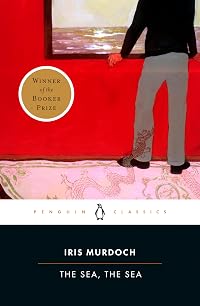
The Sea, the Sea
by Iris Murdoch 
On This Page
Description
Charles Arrowby, leading light of England's theatrical set, retires from glittering London to an isolated home by the sea. He plans to write a memoir about his great love affair with Clement Makin, his mentor both professionally and personally, and to amuse himself with Lizzie, an actress he has strung along for many years. None of his plans work out, and his memoir evolves into a riveting chronicle of the strange events and unexpected visitors - some real, some spectral - that disrupt his show more world and shake his oversized ego to its very core. show lessTags
Recommendations
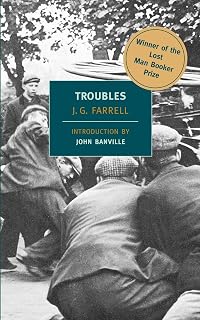

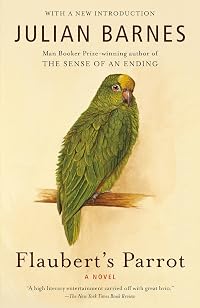
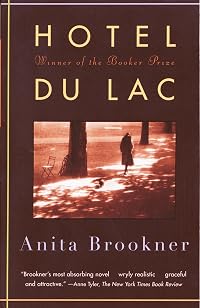
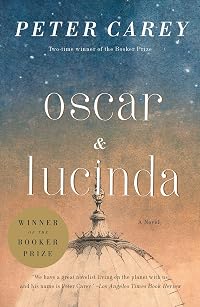




Member Recommendations
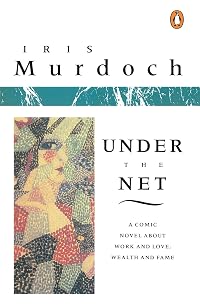
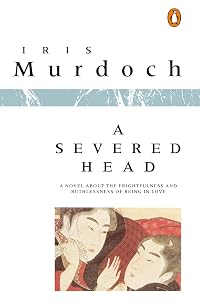
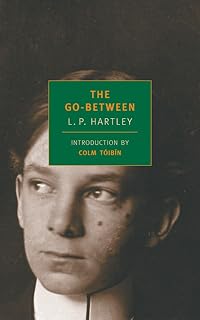
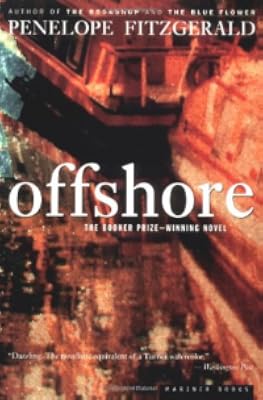
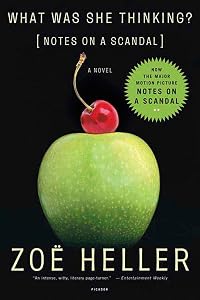
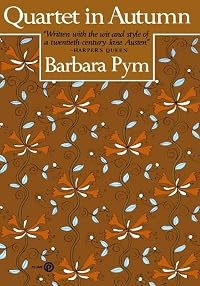
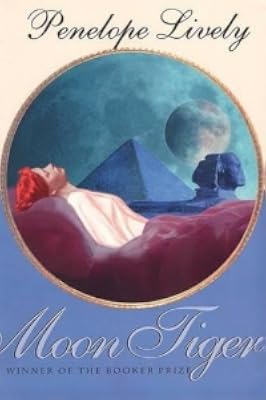
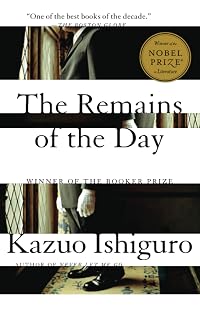
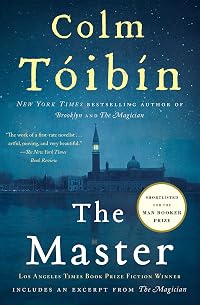
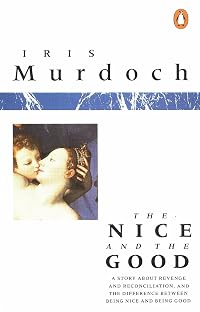
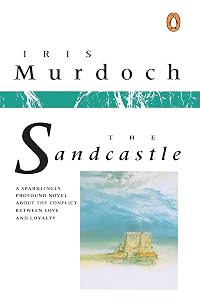
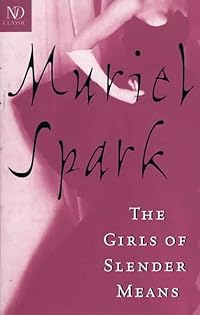
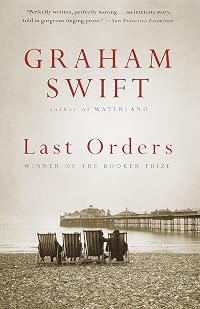
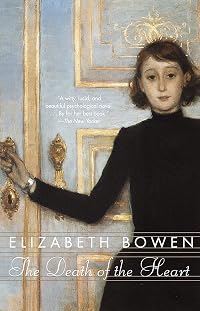
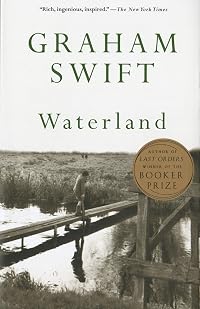
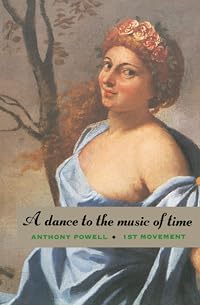
thorold Two books that demonstrate that it's possible to use a Buddhist holy man to power the plot of a complex modern novel without getting all mystical and Hermann Hesse.
32

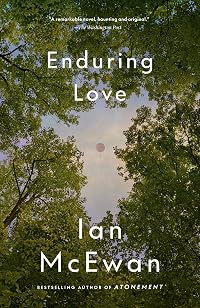
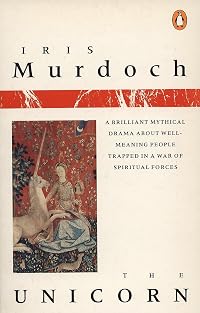
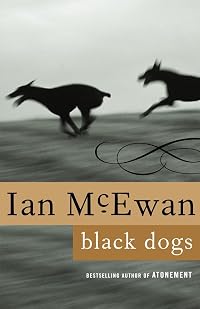
PilgrimJess Another book that looks at obsessive love.
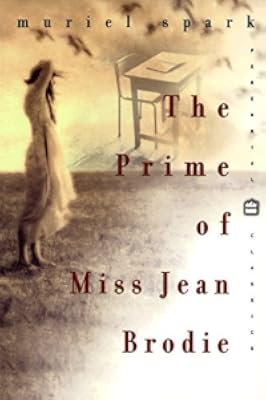
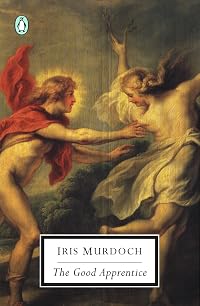
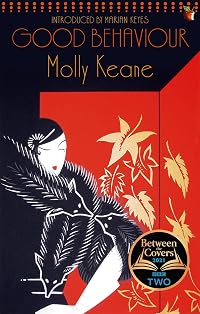
aprille Obsession and an unreliable narrator
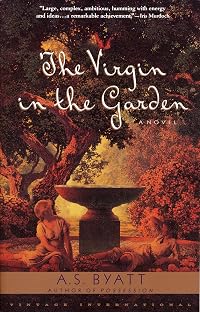
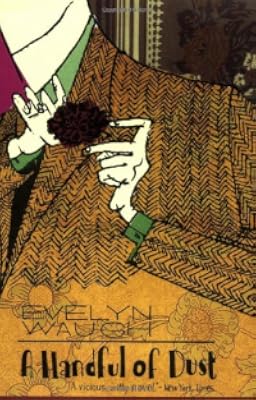
aprille Charles explicitly identifies with Prospero.
Member Reviews
There are some people who get frustrated when they see characters make bad decisions. People who scream "don't do that!" in the theater when they realize that the brunette in a horror movie has decided to investigate the spooky house all by herself, for instance. (Not the blonde; she's always the one who survives until the very end.) Iris Murdoch's "The Sea, The Sea" is not recommended to those sorts of people. If you've ever wanted to slap a fictional character for acting stupid, you could probably wear your palms out on Charles Arrowby.
If you can get past that and the fact that, as per usual, all of Murdoch's characters seem ridiculously improbable and somehow true-to-life at the exact same time, and the fact that this book's about show more six hundred pages long, well, "The Sea, The Sea" is a pretty good novel. In an age where we tend to think of mental disorders as a mere accident of the brain's chemistry, this novel's a remarkable study of obsession. At the heart of it is the aforementioned Charles Arrowby's obsession with a teenage love he meets again by accident in old age. Charles is wrong to pursue her again, and he's even got the presence of mind to tell himself so. But that doesn't stop him. One begins to ask what's actually driving him: is it vanity, or an inability to live in the present, or a desire to recover a purer state of being while in old age? These are real questions, and Murdoch investigates them bravely, if perhaps for too long: whatever virtues she had as a writer, economy was not one of them. Frankly, I suspect that the book's length, coupled with its main character's stubbornness, may get in the way of some of the book's deeper symbolism. There's the sea, a witch, a tower, and a cauldron in this book, but it's hard to consider what all of these might mean when Charles is acting like a thoughtless, monomaniacal jerk for four hundred straight pages.
This novel also offers a few other pleasures: there are, fittingly, startling descriptions of the sea and stars, descriptions, both touching and awful, of family life, some wonderful meditations on Buddhist philosophy, and a handsome young man. But this one pretty much wore me out regardless. Recommended to those who like Iris Murdoch, or a challenge. show less
If you can get past that and the fact that, as per usual, all of Murdoch's characters seem ridiculously improbable and somehow true-to-life at the exact same time, and the fact that this book's about show more six hundred pages long, well, "The Sea, The Sea" is a pretty good novel. In an age where we tend to think of mental disorders as a mere accident of the brain's chemistry, this novel's a remarkable study of obsession. At the heart of it is the aforementioned Charles Arrowby's obsession with a teenage love he meets again by accident in old age. Charles is wrong to pursue her again, and he's even got the presence of mind to tell himself so. But that doesn't stop him. One begins to ask what's actually driving him: is it vanity, or an inability to live in the present, or a desire to recover a purer state of being while in old age? These are real questions, and Murdoch investigates them bravely, if perhaps for too long: whatever virtues she had as a writer, economy was not one of them. Frankly, I suspect that the book's length, coupled with its main character's stubbornness, may get in the way of some of the book's deeper symbolism. There's the sea, a witch, a tower, and a cauldron in this book, but it's hard to consider what all of these might mean when Charles is acting like a thoughtless, monomaniacal jerk for four hundred straight pages.
This novel also offers a few other pleasures: there are, fittingly, startling descriptions of the sea and stars, descriptions, both touching and awful, of family life, some wonderful meditations on Buddhist philosophy, and a handsome young man. But this one pretty much wore me out regardless. Recommended to those who like Iris Murdoch, or a challenge. show less
Another reviewer found himself 'repulsed' and this book is repulsive, definitely. Charles Arrowby is repulsive and makes me shudder and I couldn't stand him from the start. As in [b:The Black Prince|120182|The Black Prince|Iris Murdoch|https://d.gr-assets.com/books/1422802904s/120182.jpg|892836] we've got an unreliable narrator with a very twisted and selfish agenda who constantly thinks his behaviour is in the right. Now, Murdoch is pretty fantastic about making their instability clear without compromising the fact that this is first-person narration and they aren't going to tell us directly how dangerous they are to those around them. They constantly justify their actions and cast off things lightly that are setting warning bells off show more in my head.
I had to take a break from this novel. In part because I couldn't stand Charles, he reminded me of someone I once knew who used the same tactics of manipulation and entrapment on me, and in part because it seemed a little too like The Black Prince and so I wasn't feeling especially curious about it. This was exacerbated by the fact I was also reading [b:The Line of Beauty|139087|The Line of Beauty|Alan Hollinghurst|https://d.gr-assets.com/books/1172099924s/139087.jpg|918312] which, after two Hollinghurst novels, also felt terribly repetitive and left me in a restless mood for something fresh instead. Still, I came back and it didn't get any easier, really, as Charles' manipulation only got worse and that first motive for stopping persisted, but I just had to know what happened. It seems clear to me that Murdoch must have observed people like him, what with the behaviours he performs. Hiding the car out of sight so that Mary wouldn't believe it was an available option to return home by made me so uncomfortable. Being denied transportation, being denied a way out, rang familiar. That was an obvious one, but there were smaller ways too. He takes her basket in the church, it's got her shopping in it, he mentions it off-hand almost like he's just being a gentleman, but it holds her there because it's not like she's going to leave without the basket, and it's manipulation played off as generosity. It's the kind of thing that leaves the victim feeling guilty or ungrateful or whatever. I could not get past this and I think it'll take me a bit of time to get Arrowby out of my head. I hated that he was narrating, that his voice was always there for five hundred pages, because it felt like he had his hands all over me.
I loved the presence of the sea, though, and I liked how there was enough of James to make you want more (while knowing more would've made it too much about him). I'm very curious to read a Murdoch with a main female character and narrator, if there are some, because obviously writing unlikeable people is Murdoch's forte. The male leads in the two Murdoch books I've read are misogynists, low-key self-hating probable-homosexuals, and women told through their view just don't make sense to me and don't seem like real women at all. show less
I had to take a break from this novel. In part because I couldn't stand Charles, he reminded me of someone I once knew who used the same tactics of manipulation and entrapment on me, and in part because it seemed a little too like The Black Prince and so I wasn't feeling especially curious about it. This was exacerbated by the fact I was also reading [b:The Line of Beauty|139087|The Line of Beauty|Alan Hollinghurst|https://d.gr-assets.com/books/1172099924s/139087.jpg|918312] which, after two Hollinghurst novels, also felt terribly repetitive and left me in a restless mood for something fresh instead. Still, I came back and it didn't get any easier, really, as Charles' manipulation only got worse and that first motive for stopping persisted, but I just had to know what happened. It seems clear to me that Murdoch must have observed people like him, what with the behaviours he performs. Hiding the car out of sight so that Mary wouldn't believe it was an available option to return home by made me so uncomfortable. Being denied transportation, being denied a way out, rang familiar. That was an obvious one, but there were smaller ways too. He takes her basket in the church, it's got her shopping in it, he mentions it off-hand almost like he's just being a gentleman, but it holds her there because it's not like she's going to leave without the basket, and it's manipulation played off as generosity. It's the kind of thing that leaves the victim feeling guilty or ungrateful or whatever. I could not get past this and I think it'll take me a bit of time to get Arrowby out of my head. I hated that he was narrating, that his voice was always there for five hundred pages, because it felt like he had his hands all over me.
I loved the presence of the sea, though, and I liked how there was enough of James to make you want more (while knowing more would've made it too much about him). I'm very curious to read a Murdoch with a main female character and narrator, if there are some, because obviously writing unlikeable people is Murdoch's forte. The male leads in the two Murdoch books I've read are misogynists, low-key self-hating probable-homosexuals, and women told through their view just don't make sense to me and don't seem like real women at all. show less
I think this is Irish Murdoch's best novel, and its not so much unreliable as reliably deluded narrator, retired theatre director Charles Arrowby, the most perfect of her self-sabotaging middle-aged male protagonists. Arrowby casts himself as Prospero in his seaside retreat (characters enter and exit Shruff End the way they do a stage), but unlike in the theatre, his power over other people is limited. He's a wizard whose staff has been broken; as his cousin James, the mystic who is also the only character in touch with reality, says to him of the idolised, idealised first love whom he takes captive, "she does not coincide with your dream figure. You were not able to transform her." Charles is a visionary — his hallucination of the show more sea monster opens our eyes, if not his, to the untrustworthiness of his vision — and his visions of himself and his friends and lovers are all that is real to him. But James again, of Charles' elaborate self-serving narrative of himself and Hartley: "you've made it into a story, and stories are false." Life isn't theatre, subject to the unifying vision of the director; it isn't a story written by an all-seeing third-person. Puppetteering has its limits, is actually rather ridiculous when practised on the stage of life. One of the many people abused and betrayed by Charles in the course of his lifelong rampage of egotism, his friend Peregrine, sums up his status as failed conjuror, ironically echoing the monster motif:
2. The passive construction, with the twilight (Arrowby's favourite kind of light, one suspects) foregrounded, although the object rather than the subject.
3. Adjective order upending (size would normally come first), which combined with the use of "fierce" somehow gives the moon agency, renders it like a person or a malevolent sprite. It's like Charles is judging the moon, like he judges, in his frustrated paternalism, everyone. (As the vengeful Rosina sticks it to him, "you say you 'always wanted a son'. That's just a sentimental lie, you didn't want trouble, you didn't want to know. You never put yourself in a situation where you could have a REAL son. Your sons are fantasies, they're easier to deal with.")
4. Now the sparkling heart of the image, the "metallic brilliant" and the stunning verbs "animating" and "entertaining". The sky is like a theatre, an arena for the narrator's monstrous ego to cavort in.
5. The delicious "unillumined" — and then back to earth in that last dull, contemptuous sentence with its unappealing "thick fuzzy brown".
I adore the absurd comedy of Charles' food diaries ("for dinner I had an egg poached in hot scrambled egg, then the coley braised with onions and lightly dusted with curry powder, and served with a little tomato ketchup and mustard. Then a heavenly rice pudding") and his dicta on the same subject ("I am not a great friend of your peach, but I suspect the apricot is the king of fruit.") I love Murdoch's rich compulsive irony, her itching desire to pull the rug out from under characters and reader alike, and — the mark of many a great wrier, in my opinion — her sadism, how unflinchingly she watches these people careen around her carousel plots, bruising and breaking themselves almost beyond endurance. I love this clever, funny, and beautiful novel from the bottom of my heart. show less
Your work wasn't any bloody good, it was just a pack of pretentious tricks, as everyone can see now that they aren't mesmerised any more, so the glitter's fading fast and you'll find yourself alone and you won't even be a monster in anybody's mind any more.Mudoch's exquisite style is ever-present, in her iridescent, Protean descriptions of air, land, and especially sea; in her habit of evoking the passing of time (always from the perspective of her mad creation) through successive actions, like stage directions setting the pace of a play; in her facility with stacked adjectives and virtuosic variation of English adjective order: "the wet shorn moon-grey lawn" and "the gentle crafty lapping of the calm sea against the yellow rocks". She's an intensely visual writer (aptly for her name), especially in this novel of visions, so we get scalp-tingling sentences like "the sun was descending through a blue celebration of cloudless light" and motley adjective combos like "big lazy chryselephantine clouds that loafed around over the water exuding light". I'm going to quote a passage and try to explain why I think it's utterly brilliant:
There was no fog now. Twilight had been overtaken by darkness, and a bright fierce little moon was shining, dimming the stars and pouring metallic brilliance onto the sea and animating the land with the ghostly intent presences of quiet rocks and trees. The sky was a clear blackish-blue, entertaining the abundant light of the moon but unillumined by it. The earth and its objects were a thick fuzzy brown.1. That peremptory first sentence. Five words, five syllables. A declaration.
2. The passive construction, with the twilight (Arrowby's favourite kind of light, one suspects) foregrounded, although the object rather than the subject.
3. Adjective order upending (size would normally come first), which combined with the use of "fierce" somehow gives the moon agency, renders it like a person or a malevolent sprite. It's like Charles is judging the moon, like he judges, in his frustrated paternalism, everyone. (As the vengeful Rosina sticks it to him, "you say you 'always wanted a son'. That's just a sentimental lie, you didn't want trouble, you didn't want to know. You never put yourself in a situation where you could have a REAL son. Your sons are fantasies, they're easier to deal with.")
4. Now the sparkling heart of the image, the "metallic brilliant" and the stunning verbs "animating" and "entertaining". The sky is like a theatre, an arena for the narrator's monstrous ego to cavort in.
5. The delicious "unillumined" — and then back to earth in that last dull, contemptuous sentence with its unappealing "thick fuzzy brown".
I adore the absurd comedy of Charles' food diaries ("for dinner I had an egg poached in hot scrambled egg, then the coley braised with onions and lightly dusted with curry powder, and served with a little tomato ketchup and mustard. Then a heavenly rice pudding") and his dicta on the same subject ("I am not a great friend of your peach, but I suspect the apricot is the king of fruit.") I love Murdoch's rich compulsive irony, her itching desire to pull the rug out from under characters and reader alike, and — the mark of many a great wrier, in my opinion — her sadism, how unflinchingly she watches these people careen around her carousel plots, bruising and breaking themselves almost beyond endurance. I love this clever, funny, and beautiful novel from the bottom of my heart. show less
Can't believe I'd never read an Iris Murdoch novel before this one. It was better than I could have imagined. It is very funny, the descriptions of Charles's mad meals and various farcical situations he gets into. The characters are colourful and unpredictable and the whole thing thing just plays out wonderfully.
I re-read this after 5 years and it was still marvellous. Charles is such a monstrous character, so self-centred. But then all his friends are fairly awful too, but all oh so entertaining. This copy is completely falling apart so I'm sadly bidding it farewell and have bought a new copy.
I re-read this after 5 years and it was still marvellous. Charles is such a monstrous character, so self-centred. But then all his friends are fairly awful too, but all oh so entertaining. This copy is completely falling apart so I'm sadly bidding it farewell and have bought a new copy.
Charles Arrowby, retired playwright, actor and director, purchases a lonesome home on the English seacoast. There he begins a diary in which he reflects back upon his life and the people he has known. Abruptly the novel then becomes like a bizarre episode of "This Is Your Life" as several of these people show up on his doorstep. Charles Arrowby handles himself with perfect aplomb, until the most unexpected person of all appears.
I can nearly relate to Charles' age, and certainly to his love for solitude. I hope I can't relate to his self-centeredness and insensitivity, his quick judgements that dismiss others as more shallow than himself. Other than his father there is no one he has revered, except for one woman - the one person he will show more only mention in passing and not write about at all. If you can recall a moment of love in your life that went left instead of going right, this novel stems from that kind of moment. If an opportunity comes that feels like a second chance, what then? Strange things begin to happen in and around Charles' home. A sea monster surfaces on the ocean. Decorations tumble and self-destruct. A face appears in a window and then is gone. And Charles gets his second chance.
Charles is not a nice man. His explanations for his renewed obsession are more like rationalizations, and there's a clear hypocricy in his reasoning. So long as it is others who are feeling driven to approach him and he who wants nothing to do with them, his responses are merely loathsome and unvarnished. When the shoe is on the other foot, he expects to be granted his desire and becomes a threatening figure. Lizzie and Rosina are fascinating externalizations of his own emerging issues: his blind indulgence in love, his jealous anger and irrationalism.
Memories and dreams are his primary drivers - like the sea, a wide placid surface into which he dives and swims, a sea that lets him go only reluctantly, often threatening to drown him, sometimes surprising with what rises to the surface. Mortality and rejection conspire to confront him with his egotism, but he is not remorseful even when he comes closest to penetrating his own illusions: "We must live by the light of our own self-satisfaction, through that secret vital busy inwardness which is even more remarkable than our reason." What doesn't accord can be shied away from, and there are always other illusions to be had. show less
I can nearly relate to Charles' age, and certainly to his love for solitude. I hope I can't relate to his self-centeredness and insensitivity, his quick judgements that dismiss others as more shallow than himself. Other than his father there is no one he has revered, except for one woman - the one person he will show more only mention in passing and not write about at all. If you can recall a moment of love in your life that went left instead of going right, this novel stems from that kind of moment. If an opportunity comes that feels like a second chance, what then? Strange things begin to happen in and around Charles' home. A sea monster surfaces on the ocean. Decorations tumble and self-destruct. A face appears in a window and then is gone. And Charles gets his second chance.
Charles is not a nice man. His explanations for his renewed obsession are more like rationalizations, and there's a clear hypocricy in his reasoning. So long as it is others who are feeling driven to approach him and he who wants nothing to do with them, his responses are merely loathsome and unvarnished. When the shoe is on the other foot, he expects to be granted his desire and becomes a threatening figure. Lizzie and Rosina are fascinating externalizations of his own emerging issues: his blind indulgence in love, his jealous anger and irrationalism.
Memories and dreams are his primary drivers - like the sea, a wide placid surface into which he dives and swims, a sea that lets him go only reluctantly, often threatening to drown him, sometimes surprising with what rises to the surface. Mortality and rejection conspire to confront him with his egotism, but he is not remorseful even when he comes closest to penetrating his own illusions: "We must live by the light of our own self-satisfaction, through that secret vital busy inwardness which is even more remarkable than our reason." What doesn't accord can be shied away from, and there are always other illusions to be had. show less
This sorta-classic and Booker Prize winner is truly special and makes a wonderful audiobook.
That voice. All these voices. But especially Charles Arrowby, our disturbed and disturbing narrator. His voice is eloquent, precise, performative. He's our dark magician, our mage, our Prospero, our stage director, our monster. And he's consumed and fired by a sea monster of jealousy. The fire is lit.
Everything in this book is the diary of Arrowby, retired stage director and playwright. So all past tense, but without a future awareness. But he quotes everyone in such a manner that implies a precise accuracy. He gives us the stage, the spare cliffs along England's northeast coast, and characters, his friends, frenemies, lovers, admirers. He show more gives each of them a distinct and revealing voice. Whatever their hate, resentment, awareness or admiration, they are under his spell. Prospero is in control over everything. We cannot trust Arrowby, and yet we do, we must. And he gives us everything.
Arrowby has left the stage behind and come to his obscure house outside this little village to hide. His plays aren't published and wants them all to disappear, and he feels they were momentary illusions without real substance (and his colleagues agree). He wants to be alone. The house rests among the cliffs, a circa-1900 house in poor shape and with no electricity. There is an old tower of uncertain origin on the property. The town is a walk away. He doesn't know anyone and doesn't interact, and yet he goes into the pubs, famous enough to cause a silence, which he both welcomes and ignores, and then leaves, the door closing to the sound of laughter. But he has a gravity. People come to him, and they are immediately under his spell, and he takes full advantage of his powers, creating harm for selfish and momentary reasons.
This is truly and amazing novel. That voice and the language, first of all, is so striking. But Murdoch was a philosopher, and she weaves in endless complexity into what is maybe a simple story. Her control of the narrative never did not leave me in some awe. She plays on mythology, Shakespeare (Prospero!), psychology, and philosophy. It all feels like a stage presentation. Everything a performance. But we can see the cliffs come alive in grotesque forms. Andromeda lives here in this book, tied to the rocks without ever being mentioned, awaiting her Perseus, which Arrowby relates to himself. But Arrowby is love-struck. He is more like the dragon, which seems to have consumed him. And we can only watch him play that out, in his words. We are powerless. And how much can go wrong.
Published in 1978, I'm not sure I've read anything as well written as this published since.
2026
https://www.librarything.com/topic/378447#9165020 show less
That voice. All these voices. But especially Charles Arrowby, our disturbed and disturbing narrator. His voice is eloquent, precise, performative. He's our dark magician, our mage, our Prospero, our stage director, our monster. And he's consumed and fired by a sea monster of jealousy. The fire is lit.
Everything in this book is the diary of Arrowby, retired stage director and playwright. So all past tense, but without a future awareness. But he quotes everyone in such a manner that implies a precise accuracy. He gives us the stage, the spare cliffs along England's northeast coast, and characters, his friends, frenemies, lovers, admirers. He show more gives each of them a distinct and revealing voice. Whatever their hate, resentment, awareness or admiration, they are under his spell. Prospero is in control over everything. We cannot trust Arrowby, and yet we do, we must. And he gives us everything.
Arrowby has left the stage behind and come to his obscure house outside this little village to hide. His plays aren't published and wants them all to disappear, and he feels they were momentary illusions without real substance (and his colleagues agree). He wants to be alone. The house rests among the cliffs, a circa-1900 house in poor shape and with no electricity. There is an old tower of uncertain origin on the property. The town is a walk away. He doesn't know anyone and doesn't interact, and yet he goes into the pubs, famous enough to cause a silence, which he both welcomes and ignores, and then leaves, the door closing to the sound of laughter. But he has a gravity. People come to him, and they are immediately under his spell, and he takes full advantage of his powers, creating harm for selfish and momentary reasons.
This is truly and amazing novel. That voice and the language, first of all, is so striking. But Murdoch was a philosopher, and she weaves in endless complexity into what is maybe a simple story. Her control of the narrative never did not leave me in some awe. She plays on mythology, Shakespeare (Prospero!), psychology, and philosophy. It all feels like a stage presentation. Everything a performance. But we can see the cliffs come alive in grotesque forms. Andromeda lives here in this book, tied to the rocks without ever being mentioned, awaiting her Perseus, which Arrowby relates to himself. But Arrowby is love-struck. He is more like the dragon, which seems to have consumed him. And we can only watch him play that out, in his words. We are powerless. And how much can go wrong.
Published in 1978, I'm not sure I've read anything as well written as this published since.
2026
https://www.librarything.com/topic/378447#9165020 show less
"The novel concerns a retired theater director who moves to the seashore in order to contemplate his life. He recalls how an adolescent love which he greatly idealized prohibited him from committing himself completely to any of the important women in his life. Coincidentally, he meets the woman again and tries to resume his love affair but she won't have him..." Some evocative prose from Iris Murdoch. As she explores the potent mixture of power, illusion, and self-delusion in retired actor, playwright, and theater director Charles Arrowby (based in part on Elias Canetti) , Murdoch narrates a series of startling events. Old love affairs revive and die again, friendships sour into attempted murder, hallucinations (or are they?) portend show more ominous happenings, and the drowning embrace of the sea waits restlessly in the background. An intricate portrait is drawn of a man bewitched and bewildered by his own powers of self-promotion and manipulation. Intermixed are fascinating characters including Mary Hartley Smith Fitch , Lizzie Scherer , Rosina Vamburgh , and Gilbert Opian. Murdoch is at her best with these characters and the cottage by the sea. show less
Members
- Recently Added By
Published Reviews
ThingScore 50
The book that finally won Iris Murdoch a Booker is at least as ludicrous as it is brilliant...The surprise isn't so much that she failed to scoop the prize three times in a row, but that a jury managed to unite behind one of her books – especially one as variously sublime, ridiculous, difficult, facile, profound and specious as The Sea, the Sea....So there it is, a book that has left me show more thoroughly divided. It's as flawed as it is wonderful and it took a brave jury to give it the prize. Or, at least, a very forgiving one. show less
added by souloftherose
Lists

1001 Books You Must Read Before You Die
1,448 works; 1,137 members

Classics you know you should have read but probably haven't
421 works; 409 members

Recommend the 20 best books you've read in the last five years
2,168 works; 608 members
501 Must-Read Books
529 works; 71 members

Philosophical Fiction
97 works; 26 members

Favourite Booker Prize contenders
73 works; 21 members
Booker Prize
491 works; 62 members

Favourite Books
1,820 works; 316 members

Female Author
1,234 works; 66 members

Unread books
1,063 works; 83 members
Folio Society
831 works; 53 members

Best Beach Reads
99 works; 61 members

50 Books by Women Authors
50 works; 10 members

20th Century Literature
1,161 works; 55 members
Booker Prize Shortlist: Titles Read
103 works; 10 members

1970s
657 works; 23 members

Nobel non-laureates, non-male
30 works; 10 members

Unreliable Narrators
170 works; 43 members
LibraryThingers' 1001 Books You Must Read Before You Die
442 works; 29 members
Didactic Fiction
29 works; 3 members

Best Friendship Stories
205 works; 16 members

Five star books
1,767 works; 110 members

Best 21st Century Books (So Far)
679 works; 86 members
Favourite books by Female Authors
43 works; 4 members

Man Booker Prize Longlist 1978
6 works; 2 members
1,001 BYMRBYD Concensus
723 works; 27 members

Big Jubilee List
70 works; 3 members

A Novel Cure
742 works; 23 members

Books Read in 2023
5,638 works; 147 members

Allie's Favourite 150 Books
145 works; 3 members

Julie Parson’s Old Books
52 works; 4 members

What are your favourite books?
121 works; 11 members
Best Books of the 20th Century
193 works; 5 members


Summer Books
82 works; 9 members

5 Best 5 Years
71 works; 4 members
My favourite books
96 works; 3 members

Books You Couldn't Finish
202 works; 32 members

Books With Water Words in the Title
186 works; 12 members

Swinging Seventies
255 works; 18 members

Mustich's 1000 Books to Read Before You Die: A Life Changing List
1,001 works; 20 members
Franklit
95 works; 1 member

Books We Love to Reread
695 works; 298 members
Our Favorite Comfort Reads
334 works; 200 members

DigitalDreamDoor top 300
300 works; 4 members

Books We Resisted Reading
178 works; 113 members

To read
37 works; 1 member
Talk Discussions
Past Discussions
Group Read, June 2022: The Sea, the Sea in 1001 Books to read before you die (July 2022)
The Sea, the Sea in Iris Murdoch readers (September 2015)
Author Information

80+ Works 29,365 Members
Iris Murdoch was one of the twentieth century's most prominent novelists, winner of the Booker Prize for The Sea. She died in 1999. (Publisher Provided) Iris Murdoch was born in Dublin, Ireland on July 15, 1919. She was educated at Badminton School in Bristol and Oxford University, where she read classics, ancient history, and philosophy. After show more several government jobs, she returned to academic life, studying philosophy at Newnham College, Cambridge. In 1948, she became a fellow and tutor at St. Anne's College, Oxford. She also taught at the Royal College of Art in London. A professional philosopher, she began writing novels as a hobby, but quickly established herself as a genuine literary talent. She wrote over 25 novels during her lifetime including Under the Net, A Severed Head, The Unicorn, and Of the Nice and the Good. She won several awards including the James Tait Black Memorial Prize for The Black Prince in 1973 and the Booker Prize for The Sea, The Sea in 1978. She died on February 8, 1999 at the age of 79. (Bowker Author Biography) show less
Iris Murdoch has a Legacy Library. Legacy libraries are the personal libraries of famous readers, entered by LibraryThing members from the Legacy Libraries group.
Some Editions
Awards and Honors
Awards
Distinctions
Notable Lists
Series
Belongs to Publisher Series
Work Relationships
Is contained in
Has as a student's study guide
Common Knowledge
- Canonical title
- The Sea, the Sea
- Original title
- The Sea, the Sea
- Original publication date
- 1978
- People/Characters
- Charles Arrowby; Mary Hartley Fitch; James Arrowby; Titus Fitch; Peregrine Arbelow; Lizzie Scherer (show all 9); Gilbert Opian; Rosina Vamburgh; Ben Fitch
- Important places
- England, UK
- Dedication
- To Rosemary Cramp
- First words
- The sea which lies before me as I write glows rather than sparkles in the bland May sunshine.
- Quotations
- The chagrin, the ferocious ambition, which James I am sure quite unconsciously prompted in me was something which came about gradually and raged intermittently.
- Last words
- (Click to show. Warning: May contain spoilers.)Upon the demon-ridden pilgrimage of human life, what next I wonder?
- Original language
- English
Classifications
Statistics
- Members
- 4,163
- Popularity
- 3,711
- Reviews
- 107
- Rating
- (3.93)
- Languages
- 20 — Catalan, Danish, Dutch, English, Estonian, Finnish, French, German, Greek, Italian, Korean, Latvian, Lithuanian, Polish, Romanian, Russian, Spanish, Swedish, Turkish, Portuguese (Portugal)
- Media
- Paper, Audiobook, Ebook
- ISBNs
- 58
- ASINs
- 20