On This Page
Description
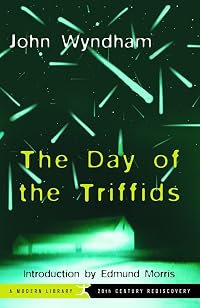
Bill Masen works with triffids - an animalistic plant with poisonous venom, a wicked stinger and the ability to move around on three 'legs'. Hospitalised when he succumb to triffid venom in a lab accident, Masen misses seeing a world-changing night - a quirk of fate may just save his influenced by H.G. Wells' The War of the Worlds, Wyndham's post-apocalyptic novel displays some similarities to Wells' seminal sci-fi work. Yet, it remains an enduring classic in its own right, bursting with show more imagination and startling inventiveness. show lessTags
Recommendations

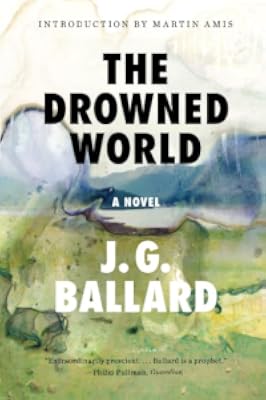
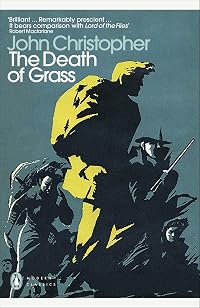
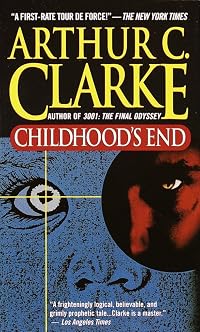
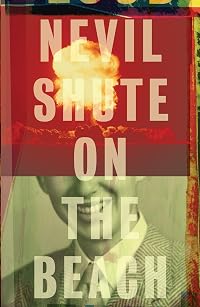
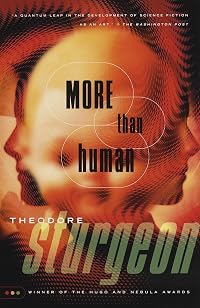
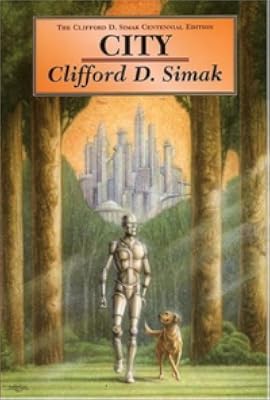



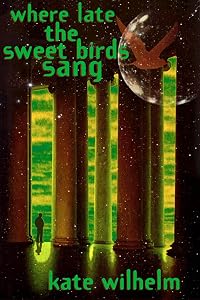
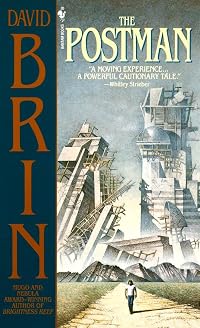
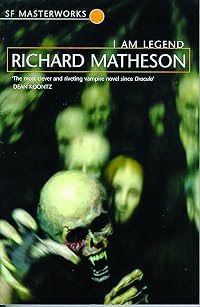
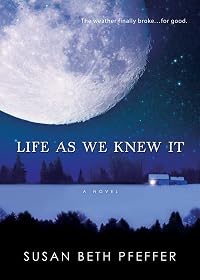


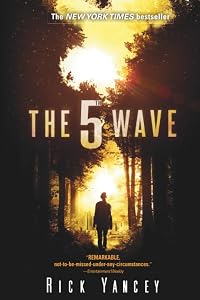
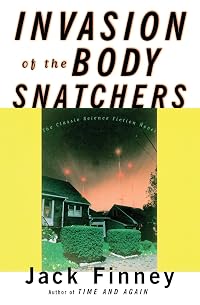


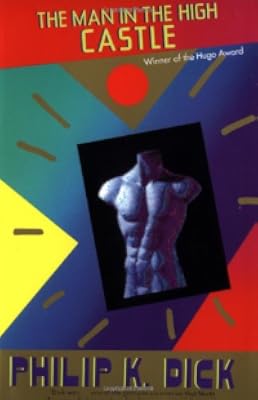
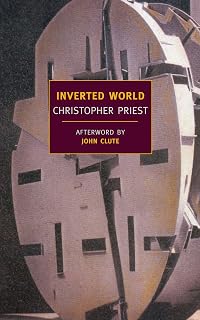

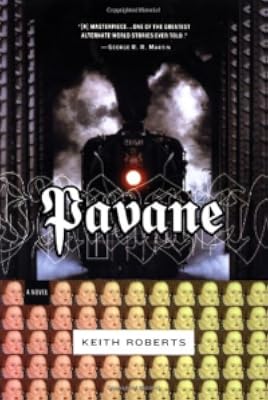
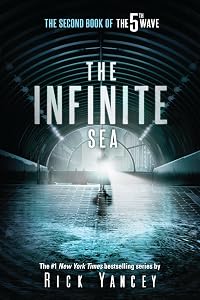
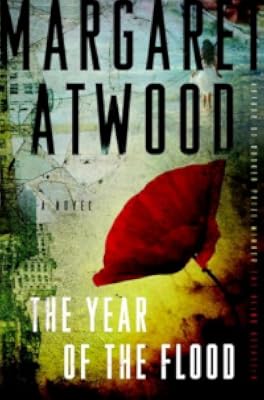

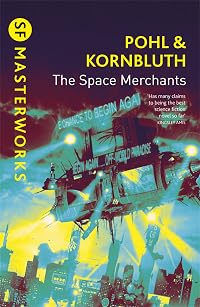

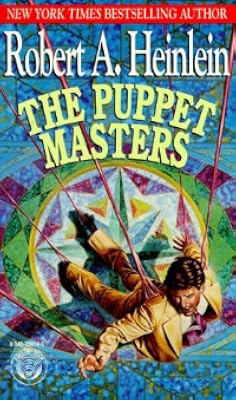
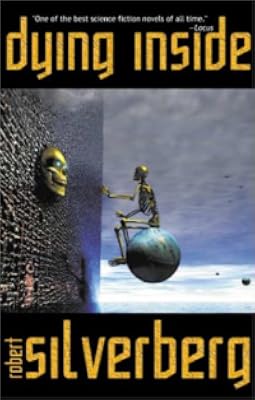
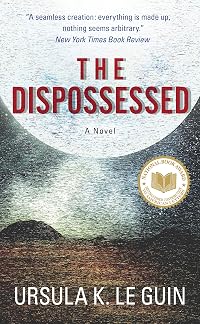
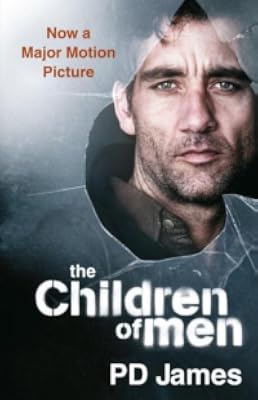
Member Recommendations
juan1961 Escritas con muchos años de diferencia, no cabe la menor duda de que enel argumento existen grandes similitudes, lo cual no quiere decir que tengan algo que ver. A quien le guste la ciencia-ficción, no debería desdeñar esta obra de Saramago, más centrada en la ciencia-ficción política o social.
Also recommended by infiniteletters
92

sturlington Alluded to in the novel.
40
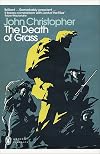

DisassemblyOfReason What The Day of the Triffids does with plants, Dark Piper may be said to do with animals. In both stories, a world has been given to large-scale experimentation with dangerous creatures - for commercial reasons with the triffids, while for more military applications with the animals on Beltane in Dark Piper. Both stories carry the suggestion that someone (possibly deliberately) turned loose various weapons of germ warfare not long after a major catastrophe, and both stories follow a small group through territory largely abandoned by humans, although unfortunately not by everything...
20
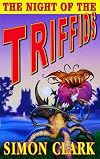
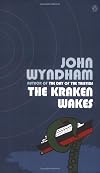
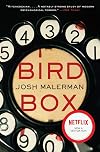
sturlington Blindness and monsters

infiniteletters The Furies is definitely on the hokier side.

hazzabamboo Two post-apocalyptic masterpieces, with much of their power coming from their focus on a couple of characters and the exotic horrors that threaten them.
11

Cecrow Hothouse might be imagined as the aftermath of Triffids, projected centuries into the future.
Member Reviews
The opening chapter does a wonderful job of playing up fears about what mysterious thing has gone wrong with the world, but then I felt it was undercut by the general population's extreme reaction to blindness. Throwing themselves out windows? Gassing their children? What's wrong with these people? It turns out they better foresaw what was to come than I did. For one, there's the eventual proof that the effect is worldwide (though they might have waited to confirm that). For another, as the title indicates, there's the triffids. If you ever found sunflowers creepy, this novel presents the stuff of nightmares: a mobile, carnivorous, semi-sentient sunflower capable of striking you down with a well-aimed and poisonous whip vine from ten show more feet away.
But the nastiest and most horrific element of the whole story is the moral quandary, the recurring question of what obligation the few remaining sighted have towards millions upon millions of blind. Wyndham posits in this scenario that there are two overriding facts: whatever help is provided the millions it will only delay the inevitable, and that if the sighted are to have any hope of survival they must immediately concentrate upon supporting themselves to achieve it. This does not make the question go away, and it keeps cropping up in the most awful ways.
Of course, having been published in the 1950s, the novel has many dated elements but it is written with such skill that the tension is still palpable as if it were happening today. There's many parallels with today's most popular zombie stories, including the battles over views about the best way forward as the enemy closes in. There's the same theme about the human race having brought doom upon itself by means far beyond the average person's knowledge or ability to control, a mind state that nearly anyone can relate to despite its pessimism. And there is always the hope that somehow and someway the survivors can avoid repeating those mistakes if only they can learn from them. show less
But the nastiest and most horrific element of the whole story is the moral quandary, the recurring question of what obligation the few remaining sighted have towards millions upon millions of blind. Wyndham posits in this scenario that there are two overriding facts: whatever help is provided the millions it will only delay the inevitable, and that if the sighted are to have any hope of survival they must immediately concentrate upon supporting themselves to achieve it. This does not make the question go away, and it keeps cropping up in the most awful ways.
Of course, having been published in the 1950s, the novel has many dated elements but it is written with such skill that the tension is still palpable as if it were happening today. There's many parallels with today's most popular zombie stories, including the battles over views about the best way forward as the enemy closes in. There's the same theme about the human race having brought doom upon itself by means far beyond the average person's knowledge or ability to control, a mind state that nearly anyone can relate to despite its pessimism. And there is always the hope that somehow and someway the survivors can avoid repeating those mistakes if only they can learn from them. show less
After a passing meteor blinds most of the Earth's population, man-eating plants called Triffids begin to take over.
Note: There are some spoilers in this review.
I've seen this apocalyptic novel referred to as a "cozy catastrophe." It's easy to see why the term cozy would be applied to it. For a large part of the book, the main characters hunker down in an English farmhouse in the lush countryside. The only thing that spoils their pastoral post-apocalyptic life are the hordes of Triffids -- giant, carnivorous, locomotive plants with deadly stingers whose origins are unknown but appear to have been genetically engineered -- besieging the gates. But while the Triffids are more numerous than the surviving humans, they are not more clever, show more and they can be kept at bay with diligence. By today's standards for apocalyptic fiction, this story does seem quaint. Violence and death are present, but kept at arm's length. Still, I think The Day of the Triffids is far too unsettling to qualify as "cozy"; it's just more subtle that what we're used to.
I remember how shocked I was when I read this for the first time many years ago, and realized that even before the Triffids lurched on the scene, everyone in the world goes blind as the result of watching a peculiar green meteor shower. This is the real catastrophe that destroys civilization and gives the Triffids the upper hand (so to speak). All of our advances and progress as a species are wiped out literally overnight by such a simple thing. This is not the only apocalyptic book to explore blindness as a catalyzing event, but it was the first one that I read. It wasn't that the idea was so terrifying, but that it was so isolating. Even the few remaining sighted are cut off because they can't reveal their ability to see for fear of being conscripted by the blind.
Bill Masen is in the hospital, eyes bandaged from a recent Triffid attack (he works with them), when the calamity occurs. The first few chapters, when he realizes the extent of what has happened and then wanders through an eerily quiet London observing small but heartbreaking scenes of the newly blind, are bleak and disquieting. The overwhelming feeling of The Day of the Triffids is not terror or coziness, but resignation and a gloomy sense of loss. Also regret, as the characters come to realize that humankind must be responsible for what has happened to them.
The Triffids are never a truly terrifying threat, as zombies might have been (although they resemble zombies in many ways). They just are able to multiply and relentlessly besiege the survivors. It doesn't seem cozy to imagine how tiring it must be, always keeping your guard up against millions of persistent plants. And the novel offers no satisfying resolution (unlike the movie), only a determination by the characters to take their world back. We don't know if they will succeed. show less
Note: There are some spoilers in this review.
I've seen this apocalyptic novel referred to as a "cozy catastrophe." It's easy to see why the term cozy would be applied to it. For a large part of the book, the main characters hunker down in an English farmhouse in the lush countryside. The only thing that spoils their pastoral post-apocalyptic life are the hordes of Triffids -- giant, carnivorous, locomotive plants with deadly stingers whose origins are unknown but appear to have been genetically engineered -- besieging the gates. But while the Triffids are more numerous than the surviving humans, they are not more clever, show more and they can be kept at bay with diligence. By today's standards for apocalyptic fiction, this story does seem quaint. Violence and death are present, but kept at arm's length. Still, I think The Day of the Triffids is far too unsettling to qualify as "cozy"; it's just more subtle that what we're used to.
I remember how shocked I was when I read this for the first time many years ago, and realized that even before the Triffids lurched on the scene, everyone in the world goes blind as the result of watching a peculiar green meteor shower. This is the real catastrophe that destroys civilization and gives the Triffids the upper hand (so to speak). All of our advances and progress as a species are wiped out literally overnight by such a simple thing. This is not the only apocalyptic book to explore blindness as a catalyzing event, but it was the first one that I read. It wasn't that the idea was so terrifying, but that it was so isolating. Even the few remaining sighted are cut off because they can't reveal their ability to see for fear of being conscripted by the blind.
Bill Masen is in the hospital, eyes bandaged from a recent Triffid attack (he works with them), when the calamity occurs. The first few chapters, when he realizes the extent of what has happened and then wanders through an eerily quiet London observing small but heartbreaking scenes of the newly blind, are bleak and disquieting. The overwhelming feeling of The Day of the Triffids is not terror or coziness, but resignation and a gloomy sense of loss. Also regret, as the characters come to realize that humankind must be responsible for what has happened to them.
The Triffids are never a truly terrifying threat, as zombies might have been (although they resemble zombies in many ways). They just are able to multiply and relentlessly besiege the survivors. It doesn't seem cozy to imagine how tiring it must be, always keeping your guard up against millions of persistent plants. And the novel offers no satisfying resolution (unlike the movie), only a determination by the characters to take their world back. We don't know if they will succeed. show less
(purchased at Powell's bookstore in Portland, OR; at the famous GR Portland Babes' Reunion)
I don’t mean to nitpick but the story introduces us to triffids- motile plants with lethal stings, which feed on human flesh. Nobody knows where they came from. Outer space? An engineered bio-weapon? They just sort of show up. At first, their threat isn’t appreciated; they are even harvested for the useful oils they produce. But eventually the stinging and man-eating part comes to light. That's a pretty big premise, but it's only the set-up. The story really only takes off after a mysterious comet blinds everybody and throws human civilization into a tailspin. Now we’re getting somewhere. Now the triffids are real hazard, because- you know- show more once you’ve been blinded, you could easily walk into one.
For a long time reading this, this double premise (triffids and a blinding comet) bothered me. Science-fiction has been rightly described as the literature of thought experimentation. "What if X happened?… " At the beginning of the story, the triffids are the "X", and that’s a strong premise for a story. But then Wyndham evokes the comet -a second fictional event , and to me that’s essentially introducing a second variable, which you should never do. Any good scientist will tell you that you shouldn’t conduct an experiment with two unknowns. I’m not as versed in sci-fi as many GoodReaders, but this strikes me as a sort of heresy… and The Day of the Triffids is supposed to be one of the genre’s classics. I kept faith and didn’t give up. Sometimes great works break the rules and part with convention. I reserved judgment and pressed on, expecting to be completely dazzled by what lay in store… but the payoff to redeem all the rulebreaking was a bit weak. Once most of the population was blinded, the reader is treated to 150 pages of post-apocalyptic wandering about, looking for food, and occasionally hooking up with other survivors… Cormack McCarthey’s The Road, but with less cannibalism (well, no cannibalism actually) and lots more alcohol. Remind me again why this story is such a classic.
Since I’m feeling charitable, I’ll admit there are comedic moments in here. When our protagonist Bill Masen breaks into a London apartment, looking for food and shelter, he launches into an improbably detailed critique of the interior decorating (p.67):
I may be making too much of this, but around page 150 or so, our hero Bill and some friends are wandering around the countryside, looking for some fellow survivors they’ve been separated from. A minor character comes up with the idea of finding a helicopter, to make an aerial search. Improbable as it is, the group not only locates a functional helicopter with a full complement of fuel, but -despite nobody having experience flying- one of the group "figures it out" easily enough, with no mishaps. Sorry, that’s a bit too convenient for me, and what’s most outrageous is that Wyndham didn’t have to write it like that! He could have made one of the survivors a former helicopter pilot. That would have also neatly explained how a fully-fueled helicopter was so easily located. Another improbable stroke of luck: the group discovers military-issue flamethrowers. *Groan* What is this? A Schwarzenegger film? (Quip for the movie: Arnold, playing Bill Masen, asks the triffid "Want a light?" before turning the flamethrower on it ...these scripts practically write themselves!) I had such inflated expectations for this novel, yet we’re getting dangerously close to "Shit shelf" territory here! The only thing that could save this novel by page 200 was if Wyndam provided a satisfying explanation for where the triffids came from, and what the comet was exactly. In the last twenty pages or so, he sort-of does that, and it goes a long way towards rescuing the story. Suddenly things start to make a little more sense, and I’m feeling a lot better about Day of the Triffids. The double premise is explained by a single unifying plot point which makes it all go down a bit easier. It's not great, but better than I was thinking most of the way through. Still, my strongest overall impression is that The Day of the Triffids is proto-zombie lit, and that doesn't really excite me.
So what’s the final assessment? Well, on one hand, the novel is filled to the point of fetishism with ponderous descriptions of a post-disaster Earth falling into disrepair and decay. On the other hand, the end really brings it together. The book has some historic interest, just because it’s one of the earlier in a long line of cautionary Cold War stories. Unfortunately, most of the book isn‘t very engaging, and until the very end, the most interesting aspects of the premise are ignored. Honestly, I think The Day of the Triffids is only so well regarded only because it got in at the ground floor of the genre, having been published in 1951. show less
I don’t mean to nitpick but the story introduces us to triffids- motile plants with lethal stings, which feed on human flesh. Nobody knows where they came from. Outer space? An engineered bio-weapon? They just sort of show up. At first, their threat isn’t appreciated; they are even harvested for the useful oils they produce. But eventually the stinging and man-eating part comes to light. That's a pretty big premise, but it's only the set-up. The story really only takes off after a mysterious comet blinds everybody and throws human civilization into a tailspin. Now we’re getting somewhere. Now the triffids are real hazard, because- you know- show more once you’ve been blinded, you could easily walk into one.
For a long time reading this, this double premise (triffids and a blinding comet) bothered me. Science-fiction has been rightly described as the literature of thought experimentation. "What if X happened?… " At the beginning of the story, the triffids are the "X", and that’s a strong premise for a story. But then Wyndham evokes the comet -a second fictional event , and to me that’s essentially introducing a second variable, which you should never do. Any good scientist will tell you that you shouldn’t conduct an experiment with two unknowns. I’m not as versed in sci-fi as many GoodReaders, but this strikes me as a sort of heresy… and The Day of the Triffids is supposed to be one of the genre’s classics. I kept faith and didn’t give up. Sometimes great works break the rules and part with convention. I reserved judgment and pressed on, expecting to be completely dazzled by what lay in store… but the payoff to redeem all the rulebreaking was a bit weak. Once most of the population was blinded, the reader is treated to 150 pages of post-apocalyptic wandering about, looking for food, and occasionally hooking up with other survivors… Cormack McCarthey’s The Road, but with less cannibalism (well, no cannibalism actually) and lots more alcohol. Remind me again why this story is such a classic.
Since I’m feeling charitable, I’ll admit there are comedic moments in here. When our protagonist Bill Masen breaks into a London apartment, looking for food and shelter, he launches into an improbably detailed critique of the interior decorating (p.67):
"…the decorators had been, I guessed, elegant young men with just that ingenious gift for combining taste with advanced topicality which is so expensive. Consciousness of fashion was the mainspring of the place. Here and there were certain unmistakable derniers cris, some of them undoubtedly destined- had the world pursued its expected course- to become the rage of tomorrow; others, I would say, a dead loss from their inception. The overall effect…"It actually goes on for another paragraph about the luxurious sofa and the delicate cream carpeting. I kind of love that. If civilization crumbles and the world as I know it descends into a primal chaos, I don’t imagine I’ll spend much time critiquing the wallpaper some long-dead stranger selected to put up in his guest bedroom; but I like that John Wyndham apparently would. (side note: Masen harshly dismisses the mirror on the ceiling above the master bed as tacky and ostentatious. I’m just saying, don’t knock it until you’ve tried it; that‘s some fun shit right there.)
I may be making too much of this, but around page 150 or so, our hero Bill and some friends are wandering around the countryside, looking for some fellow survivors they’ve been separated from. A minor character comes up with the idea of finding a helicopter, to make an aerial search. Improbable as it is, the group not only locates a functional helicopter with a full complement of fuel, but -despite nobody having experience flying- one of the group "figures it out" easily enough, with no mishaps. Sorry, that’s a bit too convenient for me, and what’s most outrageous is that Wyndham didn’t have to write it like that! He could have made one of the survivors a former helicopter pilot. That would have also neatly explained how a fully-fueled helicopter was so easily located. Another improbable stroke of luck: the group discovers military-issue flamethrowers. *Groan* What is this? A Schwarzenegger film? (Quip for the movie: Arnold, playing Bill Masen, asks the triffid "Want a light?" before turning the flamethrower on it ...these scripts practically write themselves!) I had such inflated expectations for this novel, yet we’re getting dangerously close to "Shit shelf" territory here! The only thing that could save this novel by page 200 was if Wyndam provided a satisfying explanation for where the triffids came from, and what the comet was exactly. In the last twenty pages or so, he sort-of does that, and it goes a long way towards rescuing the story. Suddenly things start to make a little more sense, and I’m feeling a lot better about Day of the Triffids. The double premise is explained by a single unifying plot point which makes it all go down a bit easier. It's not great, but better than I was thinking most of the way through. Still, my strongest overall impression is that The Day of the Triffids is proto-zombie lit, and that doesn't really excite me.
So what’s the final assessment? Well, on one hand, the novel is filled to the point of fetishism with ponderous descriptions of a post-disaster Earth falling into disrepair and decay. On the other hand, the end really brings it together. The book has some historic interest, just because it’s one of the earlier in a long line of cautionary Cold War stories. Unfortunately, most of the book isn‘t very engaging, and until the very end, the most interesting aspects of the premise are ignored. Honestly, I think The Day of the Triffids is only so well regarded only because it got in at the ground floor of the genre, having been published in 1951. show less
"When a day that you happen to know is Wednesday starts off by sounding like Sunday, there is something seriously wrong somewhere."
With this memorable line, John Wyndham's 1951 post-apocalyptic disaster novel The Day of the Triffids opens. The central character, Bill, wakes up in a hospital bed having seemingly missed the apocalypse all together, listening to eerily quiet streets of London outside his window. An iconic moment that has inspired so many that followed in both novel and film form, cementing its place as a 'classic' of the sub-genre. The Day of the Triffids has proven to be Wyndham's most enduring work, and fortunately for him, because this was the first of his works which he attached his real name to.
Bill discovers that show more he was one of the lucky few not blinded by a mysterious meteor shower the night before. Most Londoners now awkwardly shuffle the streets whimpering in fear, on the search for food and a place of refuge. The complicating and surprising factor for the blinded populace is the titular Triffids; a motile, enormous, and carnivorous plant with a deadly venom, which despite their mysterious origins were farmed for their superior oil. It doesn't take long for the escaped Triffids to multiply and prey upon unsuspecting humans, which they do with increasing fervor as the novel progresses.
The Day of the Triffids bares a lot of comparisons to John Christopher's The Death of Grass, published five years later. In the later, it is the extinction of a plant species that causes calamity - here, the introduction of a new one. Where as in the later, the main character John and his feamily head immediately into the countryside, the solitary Bill turns inward towards the heart of London. John has a goal in mind from the start; reaching his brother's defensible farm in the country. Bill's aims are far less defined. He rescues a woman from rape at the hands of her blind captor, and once they have a bracing shot of booze in a run-down bar, they meet a group of academics planning to start a society based on what is best described as objectivism/meritocracy... and forced polygamy.
Despite their top-billing, the Triffids themselves play but a small role in most of the book, outside of the fear they create in the characters. They are rather easily dispatched by an able-bodied, seeing person, and because most humans are hopelessly (often suicidally) incompetent without their sight, the sighted characters can easily take what spoils they want from the unmanned storefronts in London. This gives the characters ample time to speculate on what form society should take in this new paradigm, and it is here that we spend most of our time.
The events of the plot take Bill and his disaster bride-to-be Josella on what more-or-less amounts to a tour of the different cultural nuclei among the survivors. Along with the aforementioned objectivism that is assumed to be the most 'correct', we get glimpses of religious fundamentalism, a kind of neo-feudalism, and outright slavery of the sighted at the hands of the blind. As for the blind, most of the sighted choose to detach from them instead of showing the slightest of sympathy:
"Should we spend our time prolonging misery when we believe that there is no chance of saving the people (or ourselves) in the end?"
We are left to wonder how many of the morals and ideals common today are necessary, even prudent, for our potential as a species to be maximized. We are also left wondering how Wyndham can believe that the loss of sight will render someone completely dependent on others, and that, faced with that reality, many would rather kill themselves.
Wyndham is, on the surface, also commenting on the thin veneer that separates our modern culture from barbarism, wishing that we wouldn't conflate familiarity with stability. Both the Triffids themselves, and the plague that sweeps the populace that follows them, are creations of our own hubris in times of excess. Punishment for our sins perhaps? Though, the book is notably secular, clear on the fact that nobody (not even God, or the Americans) will eventually rescue the beleaguered bands of survivors. There's a palpable sense of post-WWII angst, and a real fear of the mounting pressure of the Cold War.
The central male characters lament western culture which they believe has fostered women into becoming dependent parasites. This is pared with Wyndham's insentient sexual objectification, and postulating that women should/will become broodmares for repopulation purposes. Despite Josella's basic competency and reflective personality, I'm not entirely impressed on this front, even given its publication date.
The Day of the Triffids was sadly a disappointment for me. Ignoring the questionable cultural hypotheses and rampant misogyny, Wyndham writes about these events with the cold emotional vacancy of an amateur reporter. The characterization could charitably be described as thin, the narrative meanders frequently, and the Triffids are underutilized in my opinion. Yes, there are moments of forlorn, and melancholic prose that reminded me of why I enjoyed The Chrysalids, and perhaps my disappointment may lay partially at the feet of its positive reputation, but the fact is that I know he can/did do better than this. show less
What a surprise! This is the first classic apocalyptic sci-fi that I've read that I'd actually call a good book - and I've read a lot of them (The Drowned World, The Plague, Alas Babylon, On the Beach, World Abides, etc).
It was written in the 50's and yet it is as "modern" feeling as any post 1980s apocalyptic novel (well, other than the smoking part maybe). And, unlike Blindness by Saramago (which has a similar theme), this story is realistic in the depiction of human behavior. Sure, there will be violence; sure there will be death; but also there will be people who help others, and people will survive and people will be "human".
Kudos to the author for stepping out of his era and writing a novel that was mostly free of sexism and show more cultural/ethnocentrism. Not that these topics weren't covered - they were - but they were treated with intelligence and an acknowledgment that these would all be issues to be addressed in a "new world order". show less
It was written in the 50's and yet it is as "modern" feeling as any post 1980s apocalyptic novel (well, other than the smoking part maybe). And, unlike Blindness by Saramago (which has a similar theme), this story is realistic in the depiction of human behavior. Sure, there will be violence; sure there will be death; but also there will be people who help others, and people will survive and people will be "human".
Kudos to the author for stepping out of his era and writing a novel that was mostly free of sexism and show more cultural/ethnocentrism. Not that these topics weren't covered - they were - but they were treated with intelligence and an acknowledgment that these would all be issues to be addressed in a "new world order". show less
Day of the Triffids has languished on the permanent to-read pile for decades now, with the only excuse to pick it up being its selection as an 'eco-horror' classic for the local horror book club.
There's a part of me that's happy to have read it despite my low rating, and despite the fact that I think its day is long past. There're too many books in the world, and we shouldn't all waste our time with supposed classics simply because they did something first. Triffids would not -- could not -- be published today. It's a clunky mess of a book, full of holes and characterisation that defies logic, of no real strong narrative, of an ecological understanding that's dated itself in the extreme.
The voice of the novel, Bill, is classically show more uninteresting as a narrator. He does almost nothing but react and observe the world around him. He experiences no real struggles, but simply observes others struggling around him. The only personality that ever seems to squeak through is when he puts on his professorial glasses (as all the 'good' men in the book do, with Coker being the worst of them) and explains how things work to the ignorant masses and the women around him. Obnoxious, particularly as their explanations for how the world works are so silly and rooted in the past.
Published in 1951, of course ignorant treatment of disability and women is promoted on every page until someone forward-thinking stops and explains that no, being blind or being a woman does not make you worthless (except, in the latter case, of making babies). Only the book then reverts to promoting that that is the case. In the vein of Robert Heinlein, it even promotes that a strong woman is just a (young and gorgeous) woman who wants to experience free love (preferably with the author's stand-in). It's frustrating and embarrassing, particularly as an unbelievable love story is central to the plot.
This book carries two merits, I think: 1) Descriptions of triffids waiting in the shadows for unsuspecting people to pass by are genuinely creepy, and 2) it's one of the earliest examples of the genre. Some of the first descriptions of nature overtaking the streets and buildings (however succinct they are). Despite this, I have no doubt the classic status of Triffids will continue to diminish over time. show less
There's a part of me that's happy to have read it despite my low rating, and despite the fact that I think its day is long past. There're too many books in the world, and we shouldn't all waste our time with supposed classics simply because they did something first. Triffids would not -- could not -- be published today. It's a clunky mess of a book, full of holes and characterisation that defies logic, of no real strong narrative, of an ecological understanding that's dated itself in the extreme.
The voice of the novel, Bill, is classically show more uninteresting as a narrator. He does almost nothing but react and observe the world around him. He experiences no real struggles, but simply observes others struggling around him. The only personality that ever seems to squeak through is when he puts on his professorial glasses (as all the 'good' men in the book do, with Coker being the worst of them) and explains how things work to the ignorant masses and the women around him. Obnoxious, particularly as their explanations for how the world works are so silly and rooted in the past.
Published in 1951, of course ignorant treatment of disability and women is promoted on every page until someone forward-thinking stops and explains that no, being blind or being a woman does not make you worthless (except, in the latter case, of making babies). Only the book then reverts to promoting that that is the case. In the vein of Robert Heinlein, it even promotes that a strong woman is just a (young and gorgeous) woman who wants to experience free love (preferably with the author's stand-in). It's frustrating and embarrassing, particularly as an unbelievable love story is central to the plot.
This book carries two merits, I think: 1) Descriptions of triffids waiting in the shadows for unsuspecting people to pass by are genuinely creepy, and 2) it's one of the earliest examples of the genre. Some of the first descriptions of nature overtaking the streets and buildings (however succinct they are). Despite this, I have no doubt the classic status of Triffids will continue to diminish over time. show less
This story haunted my thoughts from the first time I read it. It shaped how I think a good futurist story is best written. The terrible events unfolding are set off against laconic, quiet prose. To this day I look at certain plants (The Western Australian Grass Tree in particular) and think, "triffid."
Members
- Recently Added By
Lists

The Guardian's 1000 Novels Everyone Must Read
1,005 works; 548 members

Best Science Fiction Novels
816 works; 430 members

1001 Books You Must Read Before You Die
1,448 works; 1,134 members
Best Dystopias
280 works; 277 members

Best Post-Apocalyptic Stories
143 works; 88 members
Survey of Classic Science Fiction
171 works; 48 members

Best Horror Books
281 works; 85 members

Recommended Apocalyptic Novels
53 works; 24 members
BBC Big Read
191 works; 45 members

Classics you know you should have read but probably haven't
421 works; 409 members
501 Must-Read Books
529 works; 72 members

Read the book and saw the movie
1,170 works; 195 members

Survey of Classic Fantastic Fiction
36 works; 8 members
Best of British Literature
226 works; 41 members

S.F. Masterworks (Complete)
229 works; 15 members

Dystopian and Apocalyptic Literature
350 works; 74 members

Survey of Science Fiction and Fantasy
101 works; 13 members

SF Masterworks
193 works; 8 members

It's the end of the world as we know it!
90 works; 23 members
20th Century Literature
1,161 works; 55 members
Science Fiction
42 works; 7 members

Best Books Set in London
157 works; 42 members

The Telegraph's 110 Best Books: The Perfect Library
101 works; 18 members
David Pringle's Science Fiction: The 100 Best Novels
101 works; 9 members

Nightmare Magazine's Top 100 Horror Books
100 works; 7 members
Year 9 Reading List
29 works; 3 members

Stephen King's 'Danse Macabre' reading list
111 works; 25 members
One Book, Many Authors
441 works; 40 members

LibraryThingers' 1001 Books You Must Read Before You Die
442 works; 30 members

To Read - Horror
137 works; 14 members

75 Books Challenge 2015 Halloween Read long list
45 works; 4 members

Dystopian Novels you should read
25 works; 2 members

Truly alien aliens (SF)
42 works; 3 members
Apocalyptic Classics
11 works; 4 members
Best Survival Stories
97 works; 15 members

Kayla
11 works; 1 member

Differently Abled Horror
64 works; 4 members

Speculative Fiction to Read
706 works; 32 members
Best Books of the 20th Century
193 works; 5 members
Books That Go Bump in the Night
42 works; 6 members

Speculative Fiction: The Classics
36 works; 5 members

Books With Time Words in the Title
160 works; 4 members

1,001 BYMRBYD Concensus
723 works; 27 members
Nifty Fifties
129 works; 14 members

Books Read in 2021
5,361 works; 113 members

Mustich's 1000 Books to Read Before You Die: A Life Changing List
1,001 works; 19 members

A Novel Cure
742 works; 23 members

Kate & Cheyanne's Horror Extravaganza
144 works; 6 members
Les 100 principaux titres de la science-fiction (1981)
126 works; 3 members

Books Read in 2025
4,128 works; 98 members
Classic Sci-Fi
27 works; 1 member
School Made Us Read It
380 works; 196 members

Stephen King Danse Macabre Appendix Starred List
53 works; 1 member
Stephen King's Danse Macabre Full Appendix List
110 works; 2 members

Top Five Books of 2025
954 works; 303 members
BlackDog's Complete Paperbacks From Hell List
639 works; 3 members
Favorite Science Fiction
456 works; 218 members
Books We Love to Reread
688 works; 296 members
Speculative Fiction
40 works; 2 members

Apocalyptic Horror
4 works; 3 members
Books tagged favorites
390 works; 30 members
Read These Too
458 works; 9 members

It Came From the Skies!
7 works; 3 members
Ten Books That Have Stayed With Me
160 works; 30 members

Books Read in 2012
816 works; 34 members

Five star books
1,767 works; 110 members

Books Set in Great Britain
191 works; 13 members

Works Referenced in The League of Extraordinary Gentlemen
122 works; 6 members

What are your favourite books?
121 works; 11 members
The League of Extraordinary Gentlemen
87 works; 4 members
Creatures of Various Kinds
15 works; 3 members

Books Read in 2016
4,666 works; 199 members

Elevenses
316 works; 88 members

Fictional Characters With Disabilities
43 works; 9 members
1950s
340 works; 22 members
Tagged Cold War
10 works; 2 members
Folio Society
831 works; 48 members

SomethingAwful TBB BOTM
66 works; 2 members
Favourite Books
1,819 works; 316 members

Unread books
1,063 works; 87 members
Talk Discussions
Past Discussions
OCTOBER READ - NO SPOILERS - The Day of the Triffids in The Green Dragon (September 2014)
OCTOBER READ - SPOILERS - The Day of the Triffids in The Green Dragon (December 2013)
Chat about... The Day of the Triffids by John Wyndham in The SF&F Book Chat (August 2011)
The Day of the Triffids in Group Reads - Sci-Fi (May 2009)
Author Information

Some Editions
Awards and Honors
Awards
Notable Lists
BBC's Big Read (120)
Series

Belongs to Publisher Series
L'Altra Tribu (3)
Penguin Clothbound Classics (2016)
Mirabilia (61)
SF Masterworks (New design)
Gallimard, Folio SF (267)
Science Fiction Book Club (3365)
Work Relationships
Is contained in
Penguin Modern Classics: 10 books set Breakfast at Tiffany's, The Day of the Triffids, The Jungle Books, One Flew Over the Cuckoo's Nest, A Room with a View, Goldfinger, A Clockwork Orange, A Kestrel for a Knave, Lolita and Orlando by Penguin
Has the (non-series) sequel
Has the adaptation
Is abridged in
Has as a study
Has as a student's study guide
Common Knowledge
- Canonical title
- The Day of the Triffids
- Original title
- The Day of the Triffids
- Alternate titles
- Revolt of the Triffids
- Original publication date
- 1951
- People/Characters
- Bill Masen; Josella Playton; Wilfred Coker; Florence Durrant; Susan; Michael Beadley (show all 8); Torrence; Walter Lucknor
- Important places
- London, England, UK; Tynsham, Wiltshire, England, UK; Sussex, England, UK; Isle of Wight, England, UK; England, UK
- Related movies
- The Day of the Triffids (1962 | IMDb); The Day of the Triffids (1981 | IMDb); The Day of the Triffids (2009 | IMDb)
- First words
- When a day that you happen to know is Wednesday starts off by sounding like Sunday, there is something seriously wrong somewhere.
- Last words
- (Click to show. Warning: May contain spoilers.)We believe now that we can see our way, but there is still a lot of work and research to be done before the day when we, or our children, or their children, will cross the narrow straits on a great crusade to drive the triffids back and back with ceaseless destruction until we have wiped out the last one of them from the face of the land that they have usurped.
- Publisher's editor*
- Senftbauer, E.
- Original language
- English
- Canonical DDC/MDS
- 823.0876222
*Some information comes from Common Knowledge in other languages. Click "Edit" for more information.
Classifications
- Genres
- Science Fiction, Fiction and Literature, Horror
- DDC/MDS
- 823.0876222 — Literature & rhetoric English & Old English literatures English fiction By type Genre fiction Adventure fiction Speculative fiction Science fiction Post-apocalypse Environmental apocalypse
- LCC
- PR6015 .A6425 — Language and Literature English English Literature 1900-1960
- BISAC
Statistics
- Members
- 8,421
- Popularity
- 1,314
- Reviews
- 240
- Rating
- (3.97)
- Languages
- 23 — Catalan, Chinese, Czech, Danish, Dutch, English, Estonian, Finnish, French, German, Greek, Hungarian, Italian, Lithuanian, Norwegian (Bokmål), Norwegian, Polish, Romanian, Russian, Slovak, Spanish, Swedish, Turkish
- Media
- Paper, Audiobook, Ebook
- ISBNs
- 127
- UPCs
- 1
- ASINs
- 110