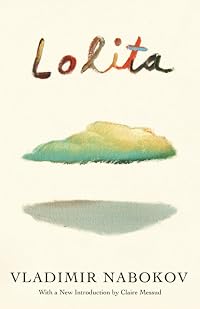
Lolita
by Vladimir Nabokov
There is 1 current discussion about this work.
On This Page
Description
When it was published in 1955, Lolita immediately became a cause celebre because of the freedom and sophistication with which it handled the unusual erotic predilections of its protagonist. But Vladimir Nabokov's wise, ironic, elegant masterpiece owes its stature as one of the twentieth century's novels of record not to the controversy its material aroused but to its author's use of that material to tell a love story almost shocking in its beauty and tenderness. Awe and exhilaration--along show more with heartbreak and mordant wit--abound in this account of the aging Humbert Humbert's obsessive, devouring, and doomed passion for the nymphet Dolores Haze. Lolita is also the story of a hypercivilized European colliding with the cheerful barbarism of postwar America, but most of all, it is a meditation on love--love as outrage and hallucination, madness and transformation. show lessTags
Recommendations
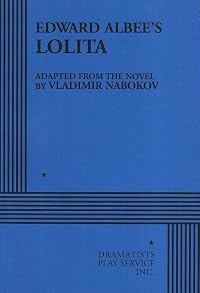

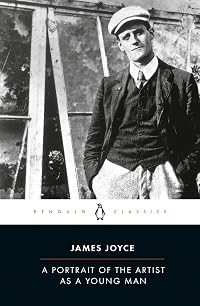
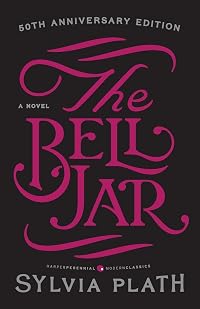
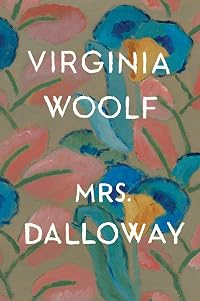
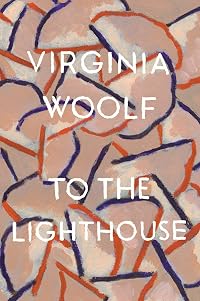
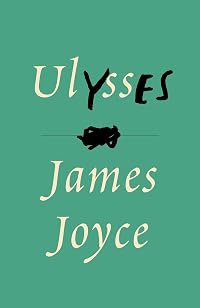

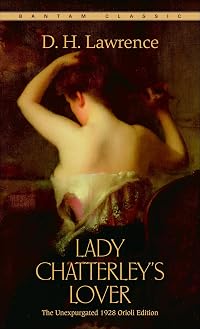
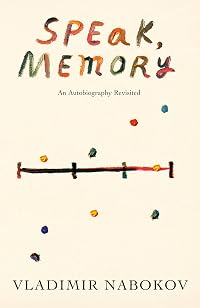
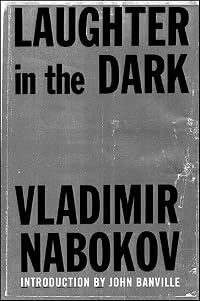
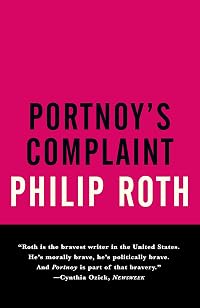
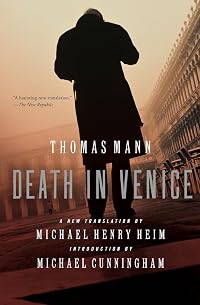
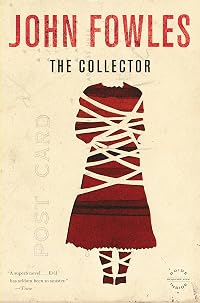
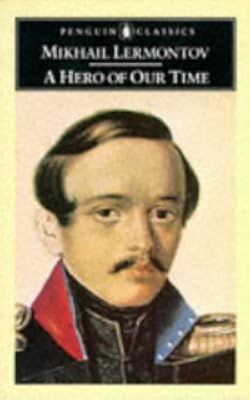
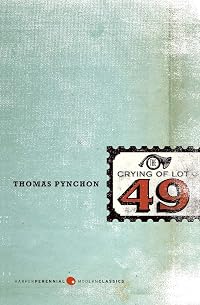
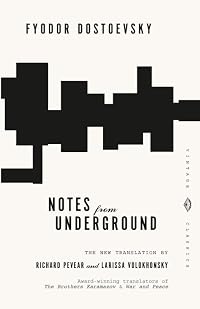
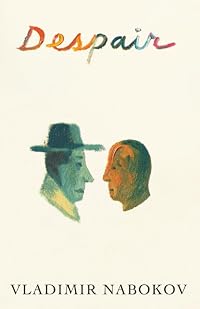
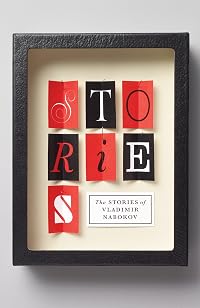
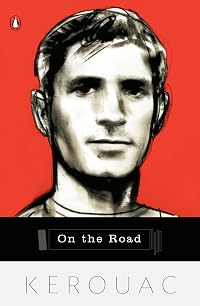
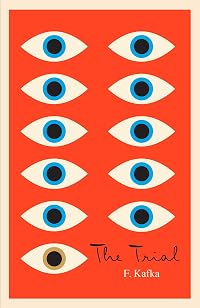
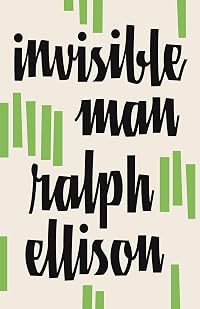
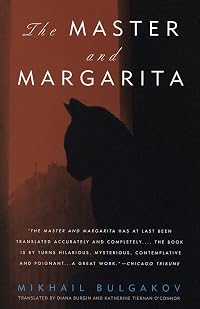
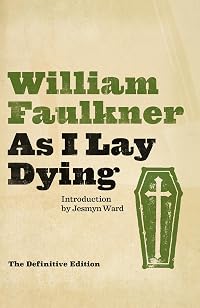
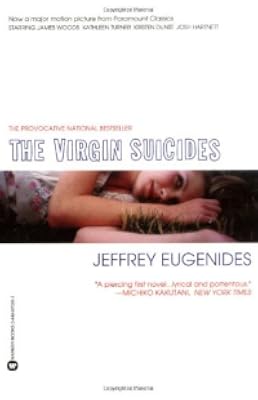
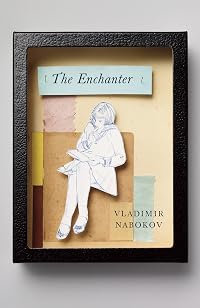
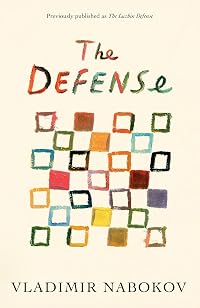
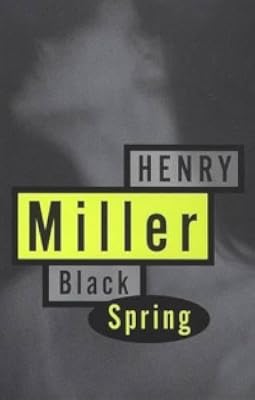
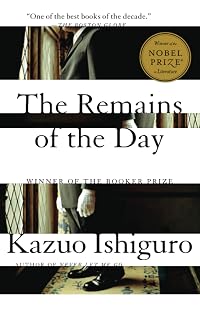
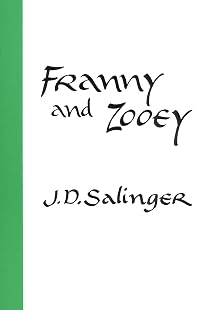
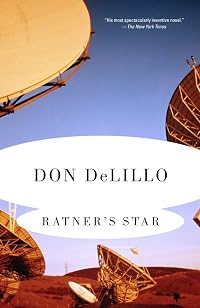
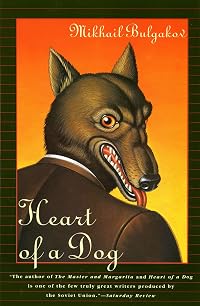
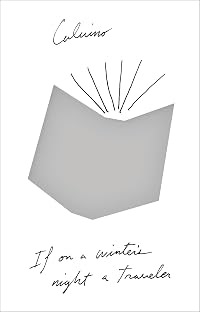
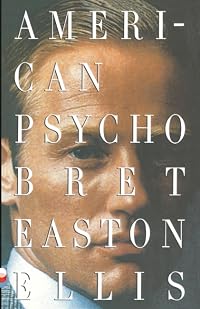
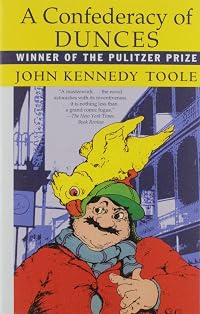
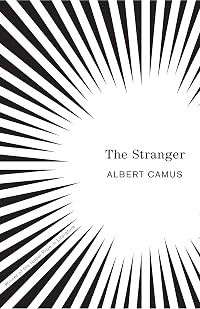
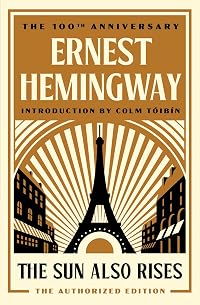
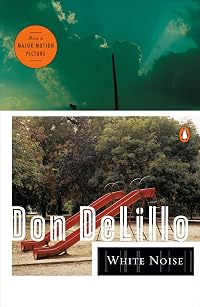
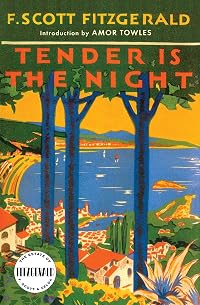
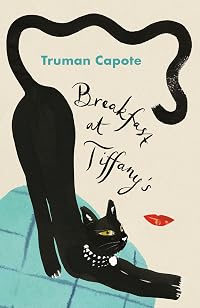

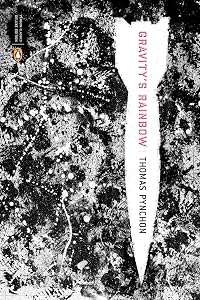
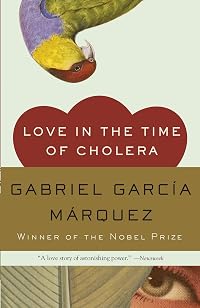
Member Recommendations
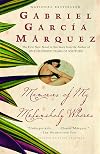
heidialice Possibly too obvious of a recommendation? Very different takes on this central theme....
browner56 Two different views of obsession masquerading as love; both books are so well written that you almost forget the sordid nature of the theme they share.
51
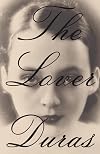
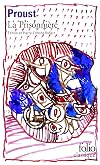
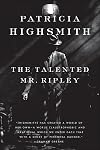
Cecrow Another villain made sympathetic by a talented author.
41
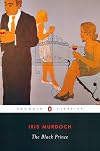
Queenofcups I heard many echoes of Lolita in reading The Black Prince. Anyone else find this to be the case?
20
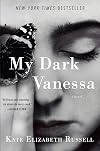
Cecrow A contemporary retelling of Lolita, from the viewpoint of the schoolgirl.
20
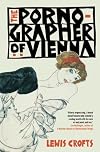
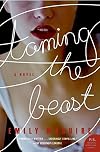
edwinbcn Another story of a man with a passion for a young girl.


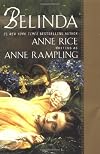
rcc IF you're "shocked" by Nabokov's Lolita, you surely should read Belinda. It takes off where Lolita ends. What I mean to say is that Anne Rice showed herself to be much more adpet - and daring - at writing about this "taboo" concerning the sexual adventures of a very young girl. Also, Belinda is so much more her "own woman" than Lolita.
07
SnootyBaronet Euphuistic narratives of forbidden love


by anonymous user

tmrps Both stories about older men who fall in love with young girls.
Member Reviews
I think what the scariest thing about this book is not what actually happens in it (which is thankfully fictional), but what it reveals about ourselves. We, the readers, are the real jury here, with the power of either condemning or acquitting Humbert ditto. But Humbty-Dumbty is so suave and such a smooth operator that he spellbinds us into his little game of sensational excuses and slippery lies. I'm ashamed to admit at times I actually found myself sympathizing with old wily Humblepie. Like a demon he tempts us with poisoned candy apples and Turkish delights and we gormandize them ravenously, and we only realize what we've done once it's too late. What a exceptional, ghastly book.
Sí, la historia es interesante, estás pendiente página tras página de lo que les sucede a los personajes, de qué perversidad perpetrará Humbert, pero lo más grande de esta novela es cómo está contada. La poderosa prosa de Nabokov es excepcional y bella, su utilización del lenguaje sublime. Es casi como poesía narrada. Hay párrafos que son verdadera música, de verdad.
Hace años empecé este libro y, acabada la primera parte, abandoné su lectura por otra. Pensaba que el germen de la historia ya estaba explicada y que el resto no sería tan interesante. Me equivocaba.
No nos equivoquemos, estamos ante las memorias póstumas de un pederasta, que ya en la primera página del prólogo, se nos cuenta que ha cometido un crimen, por show more lo que dichas memorias nos llegan desde prisión. Humbert Humbert es un bastardo, no cabe duda. Y aun así, ejerce tal fascinación en el lector que es imposible no sentirse atraído por su historia y personalidad. Porque Humbert es un enfermo, con un deseo enfermizo, y como tal, llega un momento en que es digno de lástima, al igual que Lolita.
Humbert es un europeo que se establece en Norteamérica. Es un profesor dedicado a traducir obras del francés, y decide buscar una pensión donde vivir. Entonces conoce a Lolita, una niña de 12 años que lo trastorna y obsesiona por completo. Su misión a partir de entonces será seducirla...
La novela empieza con un 6, sube hasta un 9, baja hasta un 7, vuelve a subir a un 8, y en los capítulos finales llega al 10. Humbert Humbert deja una huella indeleble en la memoria del lector. Es, sin lugar a dudas, uno de los personajes más logrados de la literatura universal.
'Lolita' es una novela-con-temporizador, es decir, tiempo después de haberla terminado, tu memoria es a-saltada por imágenes y detales que, curiosamente, no son los más trascendentales. Y ésto es maravilloso. show less
Hace años empecé este libro y, acabada la primera parte, abandoné su lectura por otra. Pensaba que el germen de la historia ya estaba explicada y que el resto no sería tan interesante. Me equivocaba.
No nos equivoquemos, estamos ante las memorias póstumas de un pederasta, que ya en la primera página del prólogo, se nos cuenta que ha cometido un crimen, por show more lo que dichas memorias nos llegan desde prisión. Humbert Humbert es un bastardo, no cabe duda. Y aun así, ejerce tal fascinación en el lector que es imposible no sentirse atraído por su historia y personalidad. Porque Humbert es un enfermo, con un deseo enfermizo, y como tal, llega un momento en que es digno de lástima, al igual que Lolita.
Humbert es un europeo que se establece en Norteamérica. Es un profesor dedicado a traducir obras del francés, y decide buscar una pensión donde vivir. Entonces conoce a Lolita, una niña de 12 años que lo trastorna y obsesiona por completo. Su misión a partir de entonces será seducirla...
La novela empieza con un 6, sube hasta un 9, baja hasta un 7, vuelve a subir a un 8, y en los capítulos finales llega al 10. Humbert Humbert deja una huella indeleble en la memoria del lector. Es, sin lugar a dudas, uno de los personajes más logrados de la literatura universal.
'Lolita' es una novela-con-temporizador, es decir, tiempo después de haberla terminado, tu memoria es a-saltada por imágenes y detales que, curiosamente, no son los más trascendentales. Y ésto es maravilloso. show less
Yeah, I think you've likely heard of Lolita. It's astonishing however how this novel seems to get characterized, in blurbs such as the one here on Goodreads. The "freedom and sophistication" in the telling of "a love story almost shocking in its beauty and tenderness", and "most of all, it is a meditation on love". How different and much less appealing the novel would seem I guess if advertised as a story told from inside the head of a child rapist. That would be irresponsible commercial blurbing.
It's an excellent novel, but a love story it is not. The protagonist is written in a way that certainly causes Nabokov controversy, because the character is writing this story to the reader from his prison cell and wants the reader to, yes, show more view it as a doomed love story. But that's what the character is doing, not what Nabokov is doing. Nabokov is tricky, I mean this is the 13th novel of his that I've read now, I know he's tricky and an extremely erudite writer, but still, this should be apparent.
Humbert tells us from the start of his journey with Lolita that he won her compliance by threatening her with what would become of her as an orphan child if she tries to escape him. He writes of withholding breakfast from her until she "performs her morning duties". He writes of "her sobs in the night - every night, every night - the moment I feigned sleep."
Humbert himself, despite his other self-delusions, seems pretty clear that the "love" in this situation is entirely one-sided, it's just that though he makes performative nods in his telling of the story to feeling guilt on occasion, he's entirely self-centered. He feels love, therefore this is a love story. The reader should obviously know better. It's not a love story, it's a story from the point of view of a child rapist. show less
It's an excellent novel, but a love story it is not. The protagonist is written in a way that certainly causes Nabokov controversy, because the character is writing this story to the reader from his prison cell and wants the reader to, yes, show more view it as a doomed love story. But that's what the character is doing, not what Nabokov is doing. Nabokov is tricky, I mean this is the 13th novel of his that I've read now, I know he's tricky and an extremely erudite writer, but still, this should be apparent.
Humbert tells us from the start of his journey with Lolita that he won her compliance by threatening her with what would become of her as an orphan child if she tries to escape him. He writes of withholding breakfast from her until she "performs her morning duties". He writes of "her sobs in the night - every night, every night - the moment I feigned sleep."
Humbert himself, despite his other self-delusions, seems pretty clear that the "love" in this situation is entirely one-sided, it's just that though he makes performative nods in his telling of the story to feeling guilt on occasion, he's entirely self-centered. He feels love, therefore this is a love story. The reader should obviously know better. It's not a love story, it's a story from the point of view of a child rapist. show less
THIS BOOK WAS SO GOOD (absolutely disgusting and vile ofc, but ykwim). The way the author gets you to sympathize with a pedophile is completely insane. You would NEVER think you could feel bad for a pedophile, yet somehow the author forces you to empathize and really, deeply understand his emotions and why he thinks and feels what he does. Despite the book being quite gross, a bit hard to read, and HIGHLY controversial, you simply CANNOT deny the absolute GENIUS that is Nobakov.
This is a novel which should be approached and dealt with very, very carefully indeed. What Nabokov has done here remains as liable to detonate and rip the world apart now as it did when it was first published nearly 50 years ago.
In particular because child sexual abuse is more in the headlines that it ever has been, Lolita is a novel that is likely to divide popular opinion. In much the same way as Imre Kertesz' Fateless does, it forces the reader to face the dilemma of what you do when something so repugnant is depicted so skilfully. With such sensitivity to the protagonists in the writing, you can't help but sympathise with them while at the same time having to constantly wrestle back to the forefront of your mind the reality of what show more is laid before you.
Lolita is a well-known story of a man's affair with a 12-year-old girl and the escapades they go to in order to maintain the secrecy of their relationship. It is astonishingly well written. Nabokov is one of the best writers of prose I think I've ever read. Of that there is no doubt, and I am very much looking forward to reading more of his novels. But it's the fact that it's so well written that brings about the dilemma that I've mentioned and the novel is pure genius for this construction.
The novel is also genius for the fact that it is just as (if not more) relevant for us today as it was on publication. Back when this was written, it wasn't only paedophilia that was taboo. Homosexuality was also very much something people would hide from the authorities. Today, one of these has now become perfectly acceptable to popular culture in the United States, the setting of Nabokov's novel, while he other is still regarded as a criminal offence.
One might argue that homosexuality and paedophilia differ in that the former occurs, at least in society's accepted form, between consenting adults whereas the latter does not. But Nabokov also challenges this assumption. How reliable a narrator Humbert Humbert really is we will never know. But, according to him, it is he that is seduced by Lolita, not the other way around. Does this then justify it? At what age are we able to make choices about what we do with our bodies? Homosexuality in the UK used to be a criminal offence and was then legalised for consenting adults over 21... then 18... and now 16 years of age. How did this reduction happen? Have we evolved to become more mature sexually at a younger age or is this simply based on society's view of what is acceptable or not? How can sex at 15 years 11 months of age be a crime when, a month later, it is a right?
So, will 2065 see a US society that accepts a 42 year old marrying a 12 year old? Maybe it will. And if you find this repugnant, what do you think will prevent it? Why will your grandchildren not find your current 'prudish' and 'bigoted' views about paedophilia derisory and so, oh, Old Testament? When society makes its moral rules simply through democratic opinion, all you need is a majority for it to be acceptable. When Lolita was published, it was unthinkable to many that a 16 year old boy could ever legally have sex with another and yet we live in such a time. What is unthinkable to us now will almost certainly be permissible in the future. History has taught us that and the novel as an art form has been its voice.
This has not only made my Hall of Fame (the first since Growth of the Soil over two years ago), but it has equalled the highest ever rating that I've ever given a book tying with Cry, the Beloved Country at 95%. That is quite an achievement, but definitely a deserved one. show less
In particular because child sexual abuse is more in the headlines that it ever has been, Lolita is a novel that is likely to divide popular opinion. In much the same way as Imre Kertesz' Fateless does, it forces the reader to face the dilemma of what you do when something so repugnant is depicted so skilfully. With such sensitivity to the protagonists in the writing, you can't help but sympathise with them while at the same time having to constantly wrestle back to the forefront of your mind the reality of what show more is laid before you.
Lolita is a well-known story of a man's affair with a 12-year-old girl and the escapades they go to in order to maintain the secrecy of their relationship. It is astonishingly well written. Nabokov is one of the best writers of prose I think I've ever read. Of that there is no doubt, and I am very much looking forward to reading more of his novels. But it's the fact that it's so well written that brings about the dilemma that I've mentioned and the novel is pure genius for this construction.
The novel is also genius for the fact that it is just as (if not more) relevant for us today as it was on publication. Back when this was written, it wasn't only paedophilia that was taboo. Homosexuality was also very much something people would hide from the authorities. Today, one of these has now become perfectly acceptable to popular culture in the United States, the setting of Nabokov's novel, while he other is still regarded as a criminal offence.
One might argue that homosexuality and paedophilia differ in that the former occurs, at least in society's accepted form, between consenting adults whereas the latter does not. But Nabokov also challenges this assumption. How reliable a narrator Humbert Humbert really is we will never know. But, according to him, it is he that is seduced by Lolita, not the other way around. Does this then justify it? At what age are we able to make choices about what we do with our bodies? Homosexuality in the UK used to be a criminal offence and was then legalised for consenting adults over 21... then 18... and now 16 years of age. How did this reduction happen? Have we evolved to become more mature sexually at a younger age or is this simply based on society's view of what is acceptable or not? How can sex at 15 years 11 months of age be a crime when, a month later, it is a right?
So, will 2065 see a US society that accepts a 42 year old marrying a 12 year old? Maybe it will. And if you find this repugnant, what do you think will prevent it? Why will your grandchildren not find your current 'prudish' and 'bigoted' views about paedophilia derisory and so, oh, Old Testament? When society makes its moral rules simply through democratic opinion, all you need is a majority for it to be acceptable. When Lolita was published, it was unthinkable to many that a 16 year old boy could ever legally have sex with another and yet we live in such a time. What is unthinkable to us now will almost certainly be permissible in the future. History has taught us that and the novel as an art form has been its voice.
This has not only made my Hall of Fame (the first since Growth of the Soil over two years ago), but it has equalled the highest ever rating that I've ever given a book tying with Cry, the Beloved Country at 95%. That is quite an achievement, but definitely a deserved one. show less
One of the aspects I enjoyed about Lolita is the awareness that it is a narration. I was fascinated by Humbert's self-analysis. To me, it felt like the character was offering the reader "explanations" of why/how he was what he was. However, at the same time he was undermining the explanation by posing it as a rhetorical question and answer.
Nabokov depicted Humbert as an unreliable narrator -- the story we are reading is framed as Humbert's defense statement. Clearly Humbert has a motive to present his story with a particular bias. So, we are only shown his version of events. At times it is an an exaggerated/distorted version of reality, dropping hints that he was delusional, paranoid, etc. But if the narration is a defense statement, it show more throws into question the reliability of the presentation of Humbert's paranoia....
I was also fascinated by how Nabokov's use of language allows me to either gloss over the horrific acts or be completely creeped out. On the page, it is much easier to lose the acts in the beauty of the language (my first reading many years ago), but listening to a fantastic audio version by J. Irons, the meaning and emotion conveyed by intonations overpowers the language (and his Humbert really creeped me out).
Overall, the book made me question the nature of fiction -- we use stories to make sense of the world and to create a reality we believe is "true" -- but Lolita demonstrates that you can never know what it true; you can't know what really happened or why someone is the way they are. show less
Nabokov depicted Humbert as an unreliable narrator -- the story we are reading is framed as Humbert's defense statement. Clearly Humbert has a motive to present his story with a particular bias. So, we are only shown his version of events. At times it is an an exaggerated/distorted version of reality, dropping hints that he was delusional, paranoid, etc. But if the narration is a defense statement, it show more throws into question the reliability of the presentation of Humbert's paranoia....
I was also fascinated by how Nabokov's use of language allows me to either gloss over the horrific acts or be completely creeped out. On the page, it is much easier to lose the acts in the beauty of the language (my first reading many years ago), but listening to a fantastic audio version by J. Irons, the meaning and emotion conveyed by intonations overpowers the language (and his Humbert really creeped me out).
Overall, the book made me question the nature of fiction -- we use stories to make sense of the world and to create a reality we believe is "true" -- but Lolita demonstrates that you can never know what it true; you can't know what really happened or why someone is the way they are. show less
this grew into far more epic a story than i had initially thought it'd be; i don't know if the author had ever been to america or just really did the research necessary, but taking a swedish?/french pedophile across the states and their attractions with the perfect victim (no strings attached apart from her childish disposition) is a pretty novel idea. stories of misogynistic and patriarchal sexual abuse are usually told from the perspective of the victim, so being subjected to the perpertrator's firsthand account—methodical, gratuitous, unrepentant sexuality all bared—is an interesting experience. It's especially interesting that nabokov recognizes that hearing from the creep how exactly their sexuality works ad nauseum would delve show more into self-indulgent edginess that no one would enjoy—instead, we hear justifications and gain a complete picture of our narrator's character by how he chooses to describe his assumed paternity of his victim and the manner in which he uses the power it grants him. in every one of his intimate relationships, he uses the power vested in him by the nature of the family to make the women and girls in his life completely dependent on him—a fact that he takes complete advantage of to fulfill his sexual desires. i'm using all these em dashes because nabokov did. i think what's really striking about this book is how familiar it all is; i'd expected it to be very russian, but the audience is almost immediately whisked off to mid-twentieth-century america, complete with rustic, backwater towns and only a superfluous engagement with the law necessary to get away with adopting and making a concubine out of a random woman's daughter. the narrator blends into every community he joins, all the while plagued with his scientific desire for sexual release. if the reader wasn't privy to his thoughts, this guy would come off as more or less an average father—or so he'd have you believe. i've no doubt that there is always something off about him that everyone else can pick up on, based on how paranoid he gets of others suspecting his crimes. his possessiveness and obsession make up half of his account, and while he moves on from talking about the scientific basis for the nymph's appeal, he certainly becomes grating to listen to. in that way, i think that a movie adaptation could capture the story really well, but would likely lack the essence of his pedophilic psychosis. show less
Members
- Recently Added By
Published Reviews
ThingScore 100
Haven’t we been conditioned to feel that Lolita is sui generis, a black sheep, a bit of tasteful, indeed ‘beautiful’ erotica, and that Nabokov himself, with this particular novel, somehow got ‘carried away’? Great writers, however, never get carried away. Even pretty average writers never get carried away. People who write one novel and then go back to journalism or accountancy show more (‘Louder, bitch!’) – they get carried away. Lolita is more austere than rapturous, as all writing is; and I have come to see it, with increasing awe, as exactly the kind of novel that its predecessors are pointing towards...
At one point, comparing himself to Joyce, Nabokov said: ‘my English is patball to [his] champion game’. At another, he tabulated the rambling rumbles of Don Quixote as a tennis match (the Don taking it in four hard sets). And we all remember Lolita on the court, her form ‘excellent to superb’, according to her schoolmistress, but her grace ‘so sterile’, according to Humbert, ‘that she could not even win from panting me and my old fashioned lifting drive’. Now, although of course Joyce and Nabokov never met in competition, it seems to me that Nabokov was the more ‘complete’ player. Joyce appeared to be cruising about on all surfaces at once, and maddeningly indulged his trick shots on high-pressure points – his drop smash, his sidespun half-volley lob. Nabokov just went out there and did the business, all litheness, power and touch. Losing early in the French (say), Joyce would be off playing exhibitions in Casablanca with various arthritic legends, and working on his inside-out between-the-legs forehand dink; whereas Nabokov and his entourage would quit the rusty dust of Roland Garros for somewhere like Hull or Nailsea, to prepare for Wimbledon on our spurned and sodden grass. show less
At one point, comparing himself to Joyce, Nabokov said: ‘my English is patball to [his] champion game’. At another, he tabulated the rambling rumbles of Don Quixote as a tennis match (the Don taking it in four hard sets). And we all remember Lolita on the court, her form ‘excellent to superb’, according to her schoolmistress, but her grace ‘so sterile’, according to Humbert, ‘that she could not even win from panting me and my old fashioned lifting drive’. Now, although of course Joyce and Nabokov never met in competition, it seems to me that Nabokov was the more ‘complete’ player. Joyce appeared to be cruising about on all surfaces at once, and maddeningly indulged his trick shots on high-pressure points – his drop smash, his sidespun half-volley lob. Nabokov just went out there and did the business, all litheness, power and touch. Losing early in the French (say), Joyce would be off playing exhibitions in Casablanca with various arthritic legends, and working on his inside-out between-the-legs forehand dink; whereas Nabokov and his entourage would quit the rusty dust of Roland Garros for somewhere like Hull or Nailsea, to prepare for Wimbledon on our spurned and sodden grass. show less
added by SnootyBaronet
Massive, unflagging, moral, exqusitely shaped, enormously vital, enormously funny - Lolita iscertain of a permanent place on the very highest shelf of the world's didactic literature.
added by Sylak
Above all Lolita seems to me an assertion of the power of the comic spirit to wrest delight and truth from the most outlandish materials. It is one of the funniest serious novels I have ever read.
added by Sylak
Lists

1001 Books You Must Read Before You Die
1,448 works; 1,134 members

The Guardian's 1000 Novels Everyone Must Read
1,005 works; 551 members

Classics you know you should have read but probably haven't
421 works; 409 members

Recommend the 20 best books you've read in the last five years
2,168 works; 606 members

Radcliffe's 100 Best Novel of the 20th Century
100 works; 32 members
501 Must-Read Books
529 works; 72 members

Top Five Books of 2013
1,562 works; 721 members
Le Monde - Les 100 livres du siècle
121 works; 25 members
David Bowie's Top 100
97 works; 23 members
BBC Big Read
191 works; 46 members

The Top Ten: Writers Pick Their Favorite Books
240 works; 31 members

Newsweek's Top 100 Books: The Meta-List
100 works; 18 members
Novels from The Guardian's Great American Novelist Tournament
148 works; 24 members
The 100 Best Books of All Time by Norwegian Book Club (World Library)
104 works; 23 members
Favourite Books
1,820 works; 316 members

Russian Literature
184 works; 35 members
20th Century Literature
1,161 works; 55 members
New York Public Library's Books of the Century
120 works; 20 members

Metafiction
86 works; 23 members
Banned Books Week 2014
268 works; 63 members
Larry McCaffery's 20th Century Greatest Hits: 100 English-Language Books
103 works; 12 members

New York Public Library's Books of the Century - All
170 works; 14 members
1950s
340 works; 22 members

100 books to read in a lifetime
102 works; 37 members

The Guardian's 100 greatest novels of all time
100 works; 16 members
Harold Bloom - The Western Canon: D. The Chaotic Age
833 works; 24 members
Time Magazine's "All-Time 100"
113 works; 15 members

Canon de la narrativa universal del siglo XX
254 works; 6 members

Great American Novels
158 works; 40 members

TED 2013 Summer Reading List
190 works; 13 members
Unreliable Narrators
170 works; 43 members

Love and Marriage
93 works; 10 members
Banned or Challenged Books
400 works; 41 members
The American Experience
173 works; 18 members
National Book Award Finalists - Fiction
377 works; 12 members
LibraryThingers' 1001 Books You Must Read Before You Die
442 works; 30 members
BBC Big Read
100 works; 10 members
Time's All-Time 100 Novels
100 works; 27 members

New England Books
101 works; 10 members
Blue Pyramid 1,276 Best Books of All Time
1,248 works; 32 members

40 Books to Read Before You’re 40
40 works; 4 members
1,001 BYMRBYD Concensus
723 works; 27 members

Most Disturbing Books
124 works; 27 members

Top Five Books of 2017
757 works; 231 members

Best Antiheroes and Antiheroines
119 works; 7 members
Top 100 to Read before you Die
109 works; 7 members
Best First Lines
133 works; 8 members
The Greatest Books
99 works; 5 members

Fiction with Women's Names in the Title
378 works; 15 members
TML 200 Best Books 1950-1999
202 works; 10 members
Fake Top 100 Fiction
81 works; 4 members

Movie Adaptations
111 works; 4 members
Elegant Prose
80 works; 4 members

Amanda's Guaranteed Books
110 works; 5 members

A Novel Cure
742 works; 23 members

The Guardian's 100 Best Novels Written in English
105 works; 13 members

I Can't Finish This Book
189 works; 22 members

Modernism
140 works; 8 members
David Bowie's List of Top 100 Books
94 works; 6 members

Books Read in 2017
4,249 works; 130 members
The Modern Library's 100 Best Novels: The Board's List
85 works; 6 members

Books Read in 2016
4,666 works; 199 members

Publisher's Weekly Bestsellers - Part II - 1940 - 1979
355 works; 5 members

Discontinued
19 works; 4 members

99 Bücher, die man gelesen haben muss
37 works; 1 member

Literature which inspired Pop songs
85 works; 9 members

Erotic Fiction
53 works; 5 members

To Read Shortlist
20 works; 1 member
Overdue Podcast
808 works; 9 members

recalling favorites...
105 works; 2 members

Must read
30 works; 2 members

Favorite Books from the 1950s
33 works; 2 members

Plan to Read Books
75 works; 1 member

Main Character is aged 10-19
363 works; 6 members

Books I want to read
25 works; 3 members

Blackwell's Five Foot Bookshelf
72 works; 4 members

Nifty Fifties
129 works; 14 members
The 150 Greatest Novels of All Time
150 works; 6 members
Michael Dirda's 100 Best Comic Novels
100 works; 1 member

Recommended Reading : 600 Classics Reviewed, Editors of Salem Press, 2015
634 works; 6 members
Books recommended by Calgary Public Library staff
1,588 works; 4 members
'Books You Can't Live Without: The Top 100', The Guardian, 2007
156 works; 7 members
Our Favorite Banned Books
138 works; 122 members
Best Audiobooks
240 works; 114 members
BitLife
212 works; 4 members
Banned Books
40 works; 2 members
Canon de la narrativa universal del s. XX (cicutadry)
499 works; 3 members
The Complete Rory Gilmore Reading List
506 works; 5 members
Books in Riverdale
123 works; 3 members
Reading LIst
648 works; 1 member

Books Read in 1995
26 works; 1 member

100 knjiga
100 works; 1 member

Books We Resisted Reading
178 works; 110 members

The Modern Library (The Two Hundred Best Novels....
202 works; 1 member
Modern Library's 100 Best Novels
100 works; 2 members

Buddy Reads
5 works; 1 member
.
396 works; 1 member
School Made Us Read It
380 works; 196 members

Retrospective of 20th- and 21st-century literature
154 works; 1 member
David Bowie’s Top 100 Favourite Reads
100 works; 3 members
Wishlist
99 works; 1 member

Books We Couldn't Put Down
443 works; 197 members
Widely acclaimed, one book per year
105 works; 3 members
DigitalDreamDoor top 300
300 works; 4 members

Books to buy
4 works; 1 member

Books That Changed Our Perspective
423 works; 168 members

The Atlantic's The Great American Novel
136 works; 12 members
Read
28 works; 1 member

Lucy's Long List
69 works; 1 member

Novels that you shouldn't waste your time on
94 works; 52 members

Books About Girls
219 works; 17 members

Watched the Movie, Probably Won't Read the Book
185 works; 34 members

Books You Couldn't Finish
202 works; 32 members

Tonikat reading completed on Librarything journals
329 works; 2 members

Books worth rereading
21 works; 1 member
Read These Too
458 works; 9 members

Books Read in 2013
1,630 works; 51 members

Books I Own But Haven't Read
144 works; 2 members

Read
293 works; 4 members
New Lifetime Reading Plan by Fadiman and Major
225 works; 5 members

Art of Reading
188 works; 5 members

Banging Book Club
36 works; 1 member

Books Read in 2019
4,052 works; 110 members

Books Read in 2021
5,361 works; 114 members

Mitski!
25 works; 1 member
sad girl books
41 works; 2 members

Michael Dirda's Desert Island Books
62 works; 5 members

Greatest Books, allegedly
484 works; 9 members

sad girl books
51 works; 3 members
books featured on the book struggles twt
97 works; 2 members

AP Lit
363 works; 6 members

Mustich's 1000 Books to Read Before You Die: A Life Changing List
1,001 works; 20 members
Books With Our Favorite First Lines
168 works; 104 members

Books With the Most Memorable Titles
478 works; 158 members

Biggest Disappointments
606 works; 168 members

Books About Older People
50 works; 11 members
NPRs audience picks: 100 best beach reads
105 works; 12 members

Worst books read in 2011
36 works; 20 members
Five star books
1,767 works; 110 members

Unread books
1,063 works; 87 members
You Couldn't Pay Me to Read That (Take 2)
203 works; 86 members
Talk Discussions
Current Discussions
Folio Archives 449: Lolita by Vladimir Nabokov 2015 in Folio Society Devotees (October 2025)
Past Discussions
**Lolita Group Read in 2013 Category Challenge (February 2022)
Author Information

Vladimir Vladimirovich Nobokov was born April 22, 1899 in St. Petersburg, Russia to a wealthy family. He attended Trinity College, Cambridge. When he left Russia, he moved to Paris and eventually to the United States in 1940. He taught at Wellesley College and Cornell University. Nobokov is revered as one of the great American novelists of the show more 20th Century. Before he moved to the United States, he wrote under the pseudonym Vladimir Serin. Among those titles, were Mashenka, his first novel and Invitation to a Beheading. The first book he wrote in English was The Real Life of Sebastian Knight. He is best know for his work Lolita which was made into a movie in 1962. In addition to novels, he also wrote poetry and short stories. He was a finalist for the National Book Award for Fiction seven times, but never won it. Nabokov died July 2, 1977. show less
Some Editions
Awards and Honors
Awards
Distinctions
Notable Lists
BBC's Big Read (178)
The Great American Novels (1955)
Daniel S. Burt's Novel 100 (047 – 47)
Bulgarian Big Read (100)
Series
Belongs to Publisher Series
Work Relationships
Is contained in
Contains
Has the adaptation
Has as a reference guide/companion
Has as a study
Has as a commentary on the text
Has as a student's study guide
Common Knowledge
- Canonical title*
- Lolita
- Original title
- Lolita
- Alternate titles
- La confessione di un vedovo di razza bianca [Italian]; Лолита [Russian]
- Original publication date
- 1955-09-01
- People/Characters
- Dolores Haze; Humbert Humbert; Charlotte Haze; Clare Quilty; Vivian Darkbloom; Annabel Leigh (show all 7); Rita
- Important places
- The Enchanted Hunters; Ramsdale, New England, USA; Paris, France; Mesker Zoo, Evansville, Indiana, USA; New York, New York, USA; Beardsley, Minnesota, USA (show all 7); Alaska, USA
- Important events
- World War II
- Related movies
- Lolita (1962 | IMDb); Lolita (1997 | IMDb)
- Dedication
- To Véra
- First words
- Lolita, light of my life, fire of my loins. My sin, my soul. Lo-lee-ta: the tip of the tongue taking a trip of three steps down the palette to tap, at three, on the teeth.
- Quotations
- He did not use a fountain pen which fact, as any psycho-analyst will tell you, meant that the patient was a repressed undinist.
Then I pulled out my automatic - I mean, this is the kind of fool thing a reader might suppose I did. It never even occurred to me to do it.
My father was a gentle, easy-going person, a salad of racial genes: a Swiss citizen, of mixed French and Austrian descent, with a dash of the Danube in his veins. - Last words
- (Click to show. Warning: May contain spoilers.)And this is the only immortality you and I may share, my Lolita.
- Publisher's editor
- Weidenfeld, George
- Blurbers
- Updike, John
- Original language
- English
- Canonical DDC/MDS
- 813.54
- Canonical LCC
- PS3527.A15
- Disambiguation notice
- Please do not combine Lolita with The Annotated Lolita.
*Some information comes from Common Knowledge in other languages. Click "Edit" for more information.
Classifications
Statistics
- Members
- 35,393
- Popularity
- 87
- Reviews
- 636
- Rating
- (4.07)
- Languages
- 38 — Arabic, Armenian, Bulgarian, Catalan, Chinese, Czech, Danish, Dutch, English, Estonian, Finnish, French, German, Galician, Greek, Hebrew, Hindi, Hungarian, Italian, Japanese, Korean, Lithuanian, Malayalam, Norwegian (Bokmål), Panjabi, Polish, Portuguese, Romanian, Russian, Serbian, Croatian, Slovenian, Spanish, Swedish, Thai, Turkish, Ukrainian, Vietnamese
- Media
- Paper, Audiobook, Ebook
- ISBNs
- 343
- UPCs
- 1
- ASINs
- 187