On This Page
Description
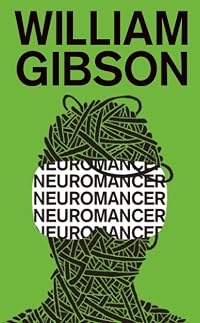
Case was the sharpest data thief in the matrix--until he crossed the wrong people and they crippled his nervous system, banishing him from cyberspace. Now a mysterious new employer has recruited him for a last-chance run at an unthinkably powerful artificial intelligence. With a dead man riding shotgun and Molly, a mirror-eyed street samurai, to watch his back, Case is ready for the adventure that upped the ante on an entire genre of fiction. Neuromancer was the first fully realized glimpse show more of humankind's digital future--a shocking vision that has challenged our assumptions about technology and ourselves, reinvented the way we speak and think, and forever altered the landscape of our imaginations. show lessTags
Recommendations

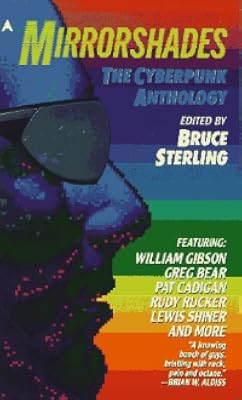
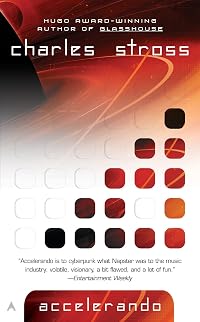
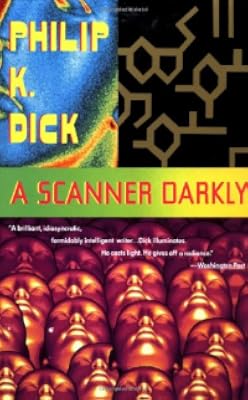
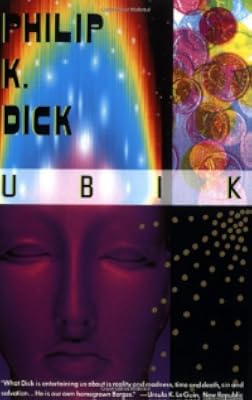
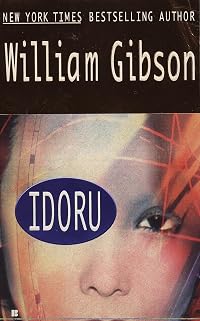
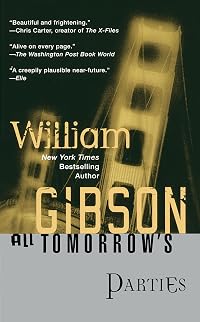
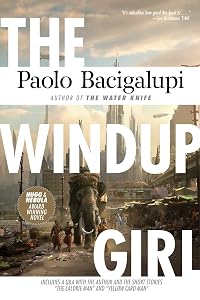
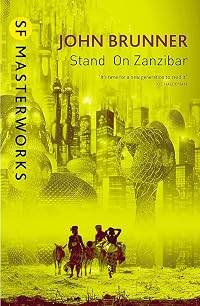
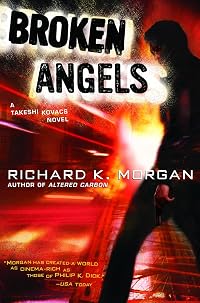
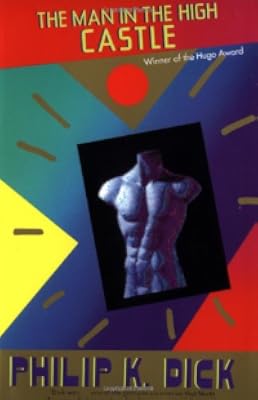
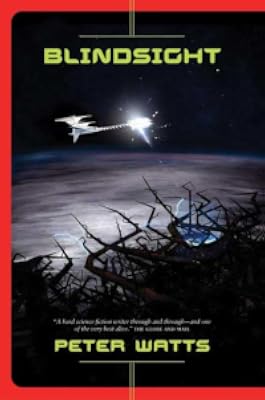
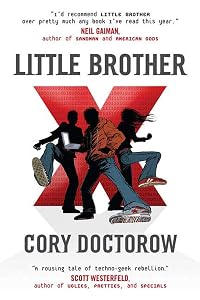
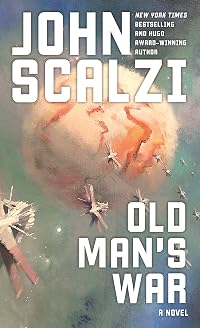
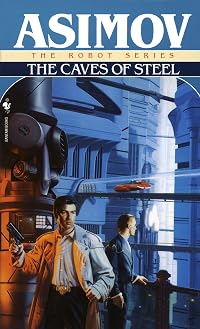
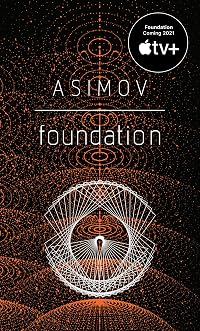

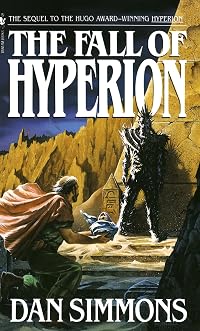

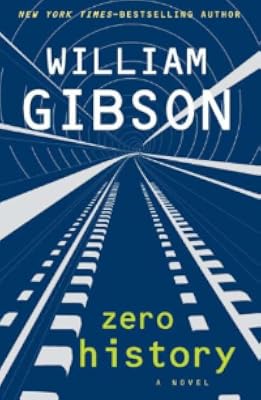
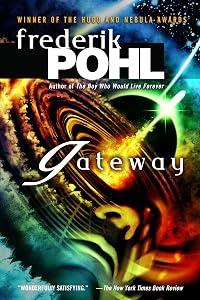
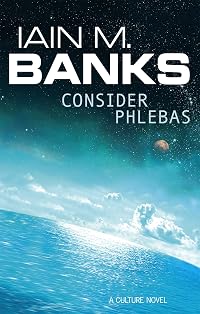
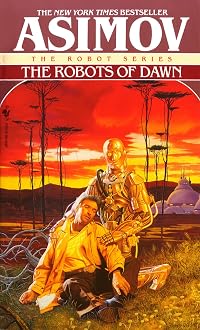
Member Recommendations
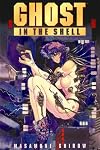
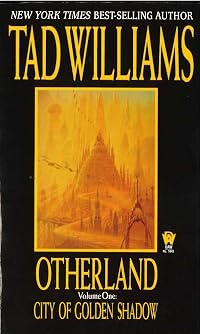
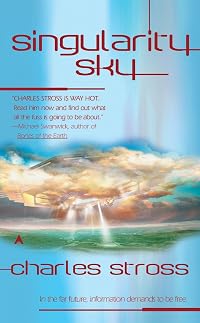
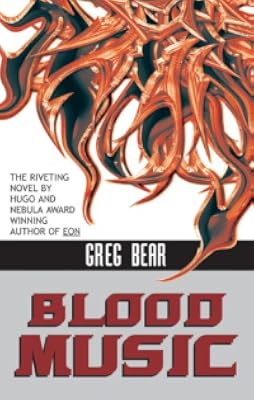
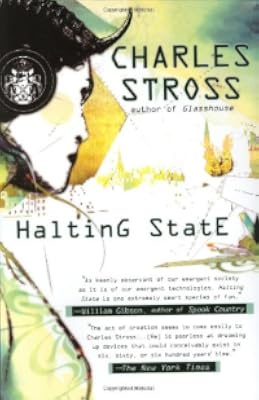
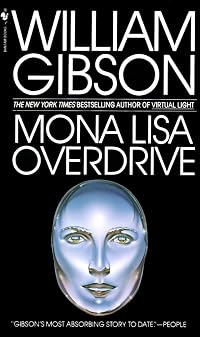
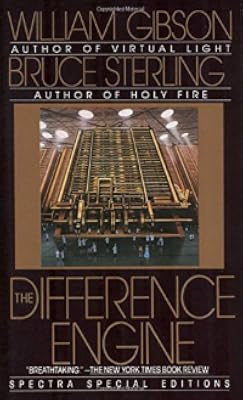
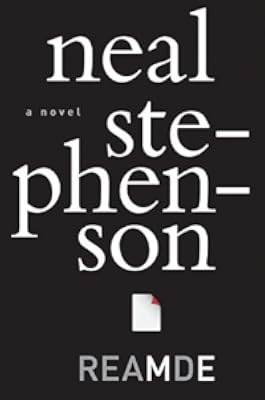
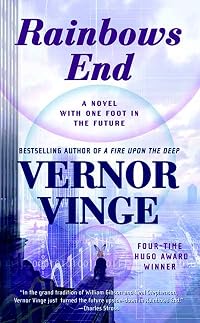
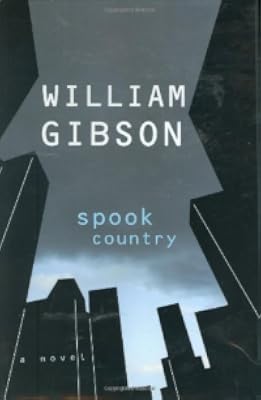
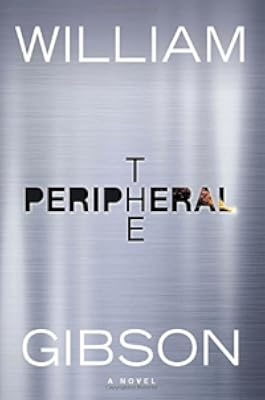
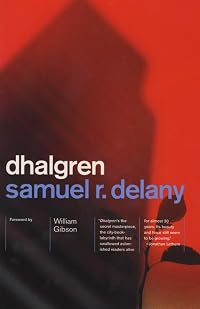
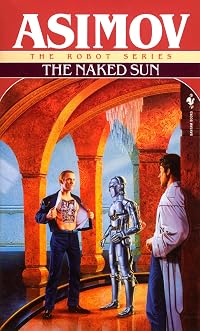
Project2501 Shares similar themes such as the ghost dive, cyborgs, artificial intelligence, etc.
130
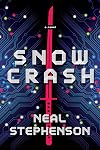
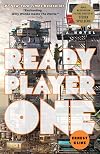
jbgryphon Gibson's Matrix and Stephenson's Metaverse are as much the basis for OASIS as any of the geek universes that are included in it.
90
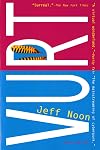
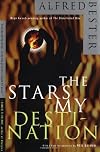
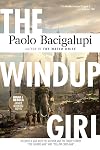
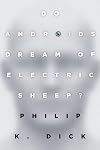

Aeryion Though Rubicon Harvest is not cyber-punk, the worlds within are reminiscent of Philip K. Dick and Gibson's gritty, raw Sprawl-like society--complete with hyper-advanced computer processing (liquid digital optical processors!) and synthetic designer drugs that make 'jacking -in' and Substance-D seem like candy!
10
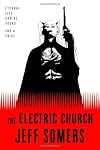
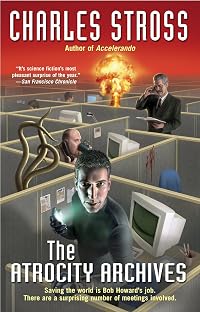
grizzly.anderson If you like your cyberpunk with a bit of noir detective pulps, you'll like Jeff Somers.

vwinsloe Cyberpunk noir

loribee Carries on the tradition of cyberpunk and develops it into a larger cultural milieu.

Member Reviews
If this was the start of Gibson’s “career in the imaginary future” it was a really good start. Thirty-five years later I read this as research for my own novel, which is going in a different direction with respect to artificial intelligences. Gibson’s hero asks one of his villains, “Are you sentient or not?” The answer is, “Well it feels like I am. It’s one of them, ah, philosophical questions.” And it is the philosophical questions blurred behind the constant action and technobabble of Gibson’s story that give it such staying power.
Gibson is almost apologetic in the introduction, thanking the readers for breathing life into his book and for interpreting the depictions of the setting in a way that fills it with relevance (he pokes a bit of fun at the idea of lines of phonebooths in the future). He's right in that the book is sparse on the details and lets the reader fill in the blanks; exactly how things look and operate doesn't seem to have intrigued him, and it's helped the staying power a lot.
Coming to the book late, you're going to have the problem of cultural osmosis. There's little here that hasn't been copied, referenced or spun-off in something else you've read. Games like Shadowrun and Cyberpunk weren't shy about stealing the content, everything from tv show more shows to movies have done similar premises one way or another. It's Gibson's circuitous way of writing that saves much of the plot though, the mysteries unfolding into new mysteries, the uncertainty over who's playing who to what end, and the layers in which cyberspace takes place; it's kept the central story fresh and makes the originator of all those things you know worth (re)visiting. show less
Coming to the book late, you're going to have the problem of cultural osmosis. There's little here that hasn't been copied, referenced or spun-off in something else you've read. Games like Shadowrun and Cyberpunk weren't shy about stealing the content, everything from tv show more shows to movies have done similar premises one way or another. It's Gibson's circuitous way of writing that saves much of the plot though, the mysteries unfolding into new mysteries, the uncertainty over who's playing who to what end, and the layers in which cyberspace takes place; it's kept the central story fresh and makes the originator of all those things you know worth (re)visiting. show less
Neuromancer hit science fiction like a railgun shell, and deservedly so. This is one hell of a book: a dark cynical hotwired take on technology, crime, power, and ambition. Gibson is a top-tier prose stylist, and right from the start ("The sky was the color of a television tuned to a dead channel...") he pulls you into a world of the Sprawl, of corporate games on an international levels, of crooks and spooks, of AI trying to evolve into something new.
The story follows Case, ex-keyboard cowboy and hacker, plummeting towards 'suicide-by-gangster' in Chiba City. His talent burned out by a vengeful employer he stole from, Case will move anything, make any deal, knowing that he's headed towards crossing a fatal line. He's given a second show more chance by Molly, a street samurai with upgraded reflexes and retractable blades under her fingers, working for Armitage, a blank-faced corporate cipher, and ultimately, Wintermute; an AI that has put together a team to hack itself, in violation of the basic laws that govern relationships between human beings and artificial intelligences: Never build one too smart.
Every part of this book hits home individually: the fast moving plot, the techno-noir stylings, the globe-trotting setting. But there are two things that lift Gibson far above the people who came after him. The first is that his philosophy is existentialist, not nihilist. Case, Molly, even Armitage, are profoundly damaged people trying to piece together lives on the margins of a society blowing itself apart on simulated reality and advanced technology, but they're *trying*. They're not the empty, gun-fetishistic, black-leather clad macho parodies of the genre that it's so easy to fall into--and which Gibson somehow presciently satires in one of Riveria's twisted hologram tableaux in the Villa Straylight. Second, Gibson has something interesting to say about power, in that it is literally dehumanizing. The entities that rule the world are strange post-human conglomerates: Corporate memory banks, rogue AI, clans of cryogenically preserved clones, CGI personality constructs. A lot of the later cyberpunk literature parroted this without understanding it, in the replacement of the nation-state with mega-corporations, or backstabbing Mr. Johnsons selling out the heroes, or heroic anarchist artists against soul-sucking plastic corporate goons. But for Gibson, it is always about what you lose, and what you keep with you as you approach that apex of power. show less
The story follows Case, ex-keyboard cowboy and hacker, plummeting towards 'suicide-by-gangster' in Chiba City. His talent burned out by a vengeful employer he stole from, Case will move anything, make any deal, knowing that he's headed towards crossing a fatal line. He's given a second show more chance by Molly, a street samurai with upgraded reflexes and retractable blades under her fingers, working for Armitage, a blank-faced corporate cipher, and ultimately, Wintermute; an AI that has put together a team to hack itself, in violation of the basic laws that govern relationships between human beings and artificial intelligences: Never build one too smart.
Every part of this book hits home individually: the fast moving plot, the techno-noir stylings, the globe-trotting setting. But there are two things that lift Gibson far above the people who came after him. The first is that his philosophy is existentialist, not nihilist. Case, Molly, even Armitage, are profoundly damaged people trying to piece together lives on the margins of a society blowing itself apart on simulated reality and advanced technology, but they're *trying*. They're not the empty, gun-fetishistic, black-leather clad macho parodies of the genre that it's so easy to fall into--and which Gibson somehow presciently satires in one of Riveria's twisted hologram tableaux in the Villa Straylight. Second, Gibson has something interesting to say about power, in that it is literally dehumanizing. The entities that rule the world are strange post-human conglomerates: Corporate memory banks, rogue AI, clans of cryogenically preserved clones, CGI personality constructs. A lot of the later cyberpunk literature parroted this without understanding it, in the replacement of the nation-state with mega-corporations, or backstabbing Mr. Johnsons selling out the heroes, or heroic anarchist artists against soul-sucking plastic corporate goons. But for Gibson, it is always about what you lose, and what you keep with you as you approach that apex of power. show less
The reviewer who called this "low life meets high tech" was exactly on point: think 'Blade Runner' and you'll be prepared for the atmosphere. Drug use is rampant, everyone's hiding a gun under their desk or a weapon up their sleeve. Case is a drug addict with nothing left to live for, numb to the world. An unsought opportunity knocks and suddenly he finds himself reconnected to the online world, embroiled in some kind of scheme the details of which are kept hidden from him. Something I appreciate, he's always asking the right people the right questions (unlike certain other maddening characters in certain other frustrating novels). He always wants to know the score, and he's very good at puzzling out what's happening in the most show more confusing moments. It lends credibility to his in-story reputation.
In this 1984 novel, Gibson imagines an internet that we didn't get, one that is purely virtual with access only for the technically inclined. It's not a career for the faint of heart. Gibson's firewall equivalents have the ability to fry your brain if you get too close, no messing around. His descriptions of hacking in a virtual world are very visual-oriented, ready to film. I thought I'd have to be more forgiving in light of its age, but I only smirked once when I was meant to be impressed by several megabytes of data.
Things that look like clichés are actually not - remembering again, this was 1984. Immortality through virtuality, following the music back, AIs striving for freedom, other little moments that seem like echoes of other stories. This preceded those stories, or at least the ones these moments recalled to mind for me. In my head, Gibson's "Neuromancer", Stephenson's "Snow Crash" and Cline's "Ready Player One" form a kind of trilogy (Tad Williams' Otherland riding shotgun), depicting a vision of the internet before it was, a vision of the internet as it might become, and a vision of its ultimate limitations now that we can see a bit more clearly from here. This is still a fine start to that sequence. show less
In this 1984 novel, Gibson imagines an internet that we didn't get, one that is purely virtual with access only for the technically inclined. It's not a career for the faint of heart. Gibson's firewall equivalents have the ability to fry your brain if you get too close, no messing around. His descriptions of hacking in a virtual world are very visual-oriented, ready to film. I thought I'd have to be more forgiving in light of its age, but I only smirked once when I was meant to be impressed by several megabytes of data.
Things that look like clichés are actually not - remembering again, this was 1984. Immortality through virtuality, following the music back, AIs striving for freedom, other little moments that seem like echoes of other stories. This preceded those stories, or at least the ones these moments recalled to mind for me. In my head, Gibson's "Neuromancer", Stephenson's "Snow Crash" and Cline's "Ready Player One" form a kind of trilogy (Tad Williams' Otherland riding shotgun), depicting a vision of the internet before it was, a vision of the internet as it might become, and a vision of its ultimate limitations now that we can see a bit more clearly from here. This is still a fine start to that sequence. show less
5/5
I believe that Neuromancer will benefit from a re-read in the future. Gibson's writing style is such that he shows you the story instead of telling it to you directly. His evocative and sharp prose leaves you to fend for yourself at times. While I did not get lost while reading, there were a few sections that I scanned back through to make sure that I was on the right track. However, I actually enjoyed this way of writing as it assumes a certain level of competence in the reader, which Gibson does quite well.
If you were to read only a portion of this novel, I highly recommend the opening section: Chiba City Blues. This tight 40-page section defines the cyberpunk sub-genre in tone, setting, characters, and motifs. It was a joy to show more read, and I can see how it set the pace for all cyberpunk to follow. But beyond the first section, many of the aspects I love remained. Characters that are broken, coerced, and brooding, struggling to survive another day. A plot that grows increasingly complex, that builds in pace over time. Evocative and consistent writing that easily drew a picture in my mind's eye, and has a strong sense of personal style. Ideas for future technology that feel fresh even today.
My only gripe with the book is more about myself than the book itself. I developed an expectation for how the book would go or how it would move me. Having heard so much about it being a pillar of SF, I couldn't help placing it up there myself before I had read a word. And, like most high expectations we place on things, we cannot help but feel disappointed when they do not reach those heights. I hope that a future re-read of Neuromancer, when I am perhaps more sober in my expectations, can give me more appreciation for it. Even though I regard it highly now. show less
I believe that Neuromancer will benefit from a re-read in the future. Gibson's writing style is such that he shows you the story instead of telling it to you directly. His evocative and sharp prose leaves you to fend for yourself at times. While I did not get lost while reading, there were a few sections that I scanned back through to make sure that I was on the right track. However, I actually enjoyed this way of writing as it assumes a certain level of competence in the reader, which Gibson does quite well.
If you were to read only a portion of this novel, I highly recommend the opening section: Chiba City Blues. This tight 40-page section defines the cyberpunk sub-genre in tone, setting, characters, and motifs. It was a joy to show more read, and I can see how it set the pace for all cyberpunk to follow. But beyond the first section, many of the aspects I love remained. Characters that are broken, coerced, and brooding, struggling to survive another day. A plot that grows increasingly complex, that builds in pace over time. Evocative and consistent writing that easily drew a picture in my mind's eye, and has a strong sense of personal style. Ideas for future technology that feel fresh even today.
My only gripe with the book is more about myself than the book itself. I developed an expectation for how the book would go or how it would move me. Having heard so much about it being a pillar of SF, I couldn't help placing it up there myself before I had read a word. And, like most high expectations we place on things, we cannot help but feel disappointed when they do not reach those heights. I hope that a future re-read of Neuromancer, when I am perhaps more sober in my expectations, can give me more appreciation for it. Even though I regard it highly now. show less
Neuromancer reminds me of the early films of Spike Lee. Gibson, like Lee, gives us a new slang. Who was hipper than Mars Blackmon? Lee’s language gave us a new way to talk about race. Gibson gave us a new way to talk about technology. It wasn’t just that he coined the term cyberspace or that he made predictions that came true. In fact, he admits that he didn’t know much about computer technology at the time. He notes that even his famous first line — “The sky above the port was the color of television, tuned to a dead channel” — was already an anachronism.
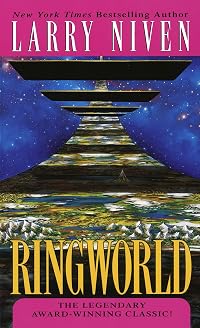
Gibson told us how addictive the new technology could be. Larry Niven had already given us far-future wireheads, but Gibson hooked computers to a near-future drug show more culture that was very close to home. After Gibson, computer brand names were embedded in pop culture, which, like the matrix, was a “consensual hallucination.” His spatial metaphor of data as architectural constructions that could be navigated like city streets was prescient. The Information Superhighway has morphed into the Cloud, but the spatial metaphor remains.
The central idea of Neuromancer is that data itself might become self-aware, with Case and Molly helping it along. Case is an unlikely character for the role. In the sequel, Count Zero, Gibson tells us Case was “a man who was scared to care about anything.” He is self-hating and self-destructive. He despises what he calls “meat space” and is content to sleep in a room he calls a “coffin.” Ironically, when he is given a chance to move permanently into a virtual world, he says no and opts for the East Coast Sprawl. His noir ennui tells us something true about the ambiance of post-Vietnam American culture.
That is why Gibson is on my imaginary Mount Rushmore of post-Vietnam science fiction writers. show less
Gibson told us how addictive the new technology could be. Larry Niven had already given us far-future wireheads, but Gibson hooked computers to a near-future drug show more culture that was very close to home. After Gibson, computer brand names were embedded in pop culture, which, like the matrix, was a “consensual hallucination.” His spatial metaphor of data as architectural constructions that could be navigated like city streets was prescient. The Information Superhighway has morphed into the Cloud, but the spatial metaphor remains.
The central idea of Neuromancer is that data itself might become self-aware, with Case and Molly helping it along. Case is an unlikely character for the role. In the sequel, Count Zero, Gibson tells us Case was “a man who was scared to care about anything.” He is self-hating and self-destructive. He despises what he calls “meat space” and is content to sleep in a room he calls a “coffin.” Ironically, when he is given a chance to move permanently into a virtual world, he says no and opts for the East Coast Sprawl. His noir ennui tells us something true about the ambiance of post-Vietnam American culture.
That is why Gibson is on my imaginary Mount Rushmore of post-Vietnam science fiction writers. show less
Neuromancer is a Science Fiction novel which is primarily dated by its aesthetic - it screams, howls, and ululates the 80s every chance it gets. If as a reader that resonates with you, or triggers some form of nostalgia (as it does for me), it will likely be seen as a net positive - though I can see how certain aspects might prove to be a bit perplexing for younger readers.
It's one of those award-studded novels which upon reading one immediately understands why it was so celebrated. Had I read it at the time of its original publication (and had I been old enough to do so!) I suspect it would have been mind shattering. Even well into the late 90s I suspect it would have been influential in how I understood and conceived the genre. In show more 2025 though . . . it's still a phenomenal work, but the edge has been taken off, making the novel less cutting than it would have been otherwise. I've read later cyberpunk novels, seen movies influenced by Gibson (most obviously being The Matrix), and walked through cyberpunk worlds either in my imagination (via TTRPGs) or computer assisted adventures (Cyberpunk 2077), so the novelty is somewhat lacking. On the otherhand, if this is somehow your first introduction to the genre . . . relish every moment.
I have a few relatively minor criticisms - for example the main character Case, whose viewpoint informs how we experience the novel, is not terribly interesting or relatable. However, I'd argue that he needs to be fairly bland, as too much colour or character would risk interrupting the flow of the novel. The second criticism would be that while it stats out strong, it then slows down and meanders a bit too much before picking up the pace once more as it races towards its inevitable conclusion. I put the book down for a week or so halfway through, before picking it up again, but its very much worth persisting through the lull to reach the end. show less
It's one of those award-studded novels which upon reading one immediately understands why it was so celebrated. Had I read it at the time of its original publication (and had I been old enough to do so!) I suspect it would have been mind shattering. Even well into the late 90s I suspect it would have been influential in how I understood and conceived the genre. In show more 2025 though . . . it's still a phenomenal work, but the edge has been taken off, making the novel less cutting than it would have been otherwise. I've read later cyberpunk novels, seen movies influenced by Gibson (most obviously being The Matrix), and walked through cyberpunk worlds either in my imagination (via TTRPGs) or computer assisted adventures (Cyberpunk 2077), so the novelty is somewhat lacking. On the otherhand, if this is somehow your first introduction to the genre . . . relish every moment.
I have a few relatively minor criticisms - for example the main character Case, whose viewpoint informs how we experience the novel, is not terribly interesting or relatable. However, I'd argue that he needs to be fairly bland, as too much colour or character would risk interrupting the flow of the novel. The second criticism would be that while it stats out strong, it then slows down and meanders a bit too much before picking up the pace once more as it races towards its inevitable conclusion. I put the book down for a week or so halfway through, before picking it up again, but its very much worth persisting through the lull to reach the end. show less
Members
- Recently Added By
Published Reviews
ThingScore 75
A new vocabulary for a transformed reality: the deeply influential cyberpunk classic, 30 years on from its original publication
added by dClauzel
I have to apologize for failing to review William Gibson's "Neuromancer" when it appeared last year. I was led to believe I had done Mr. Gibson an injustice when this novel (the author's first) won both of the important 1984 best-of-the-year awards in science fiction: the Nebula and the Hugo. Now that I have read the book, I would like to cast a belated ballot for Mr. Gibson.
added by Shortride
Ovo je roman koji je započeo kiberpank revoluciju, prva knjiga koja je dobila sveto trojstvo nagrada u žanru naučne fantastike - Hugo, Nebula i Filip K. Dik.
Sa Neuromantom, Vilijem Gibson je predstavio svetu kiberprostor i naučna fantastika više nikada nije bila ista. Gibson je svojim romanom najavio sve ono što je došlo godinama kasnije, Internet revoluciju, Matriks filmska trilogiju show more i neverovatan razvoj informatičkih tehnologija. Kejs je najbolji kompjuterski kauboj koji krstari informatičkim supermagistralama, povezujući svoju svest sa softverom u kiberprostoru, krećući se kroz obilje podataka, pronalazeći tajne informacije za onoga ko može da plati njegove usluge. Kada prevari pogrešne ljude, oni mu se svete na užasan način, uništavajući njegov nervni sistem, mikron po mikron. Proteran iz kiberprostora i zarobljen u svom otupelom telu, Kejs je osuđen na smrt u tehnološkom podzemlju, sve dok ga jednog dana ne angažuju misteriozni poslodavci. Oni mu nude drugu priliku i potpuno izlečenje. Jedini uslov je da prodre u matricu, neverovatno moćnu veštačku inteligenciju kojom upravlja poslovni klan Tezje-Ešpul. show less
Sa Neuromantom, Vilijem Gibson je predstavio svetu kiberprostor i naučna fantastika više nikada nije bila ista. Gibson je svojim romanom najavio sve ono što je došlo godinama kasnije, Internet revoluciju, Matriks filmska trilogiju show more i neverovatan razvoj informatičkih tehnologija. Kejs je najbolji kompjuterski kauboj koji krstari informatičkim supermagistralama, povezujući svoju svest sa softverom u kiberprostoru, krećući se kroz obilje podataka, pronalazeći tajne informacije za onoga ko može da plati njegove usluge. Kada prevari pogrešne ljude, oni mu se svete na užasan način, uništavajući njegov nervni sistem, mikron po mikron. Proteran iz kiberprostora i zarobljen u svom otupelom telu, Kejs je osuđen na smrt u tehnološkom podzemlju, sve dok ga jednog dana ne angažuju misteriozni poslodavci. Oni mu nude drugu priliku i potpuno izlečenje. Jedini uslov je da prodre u matricu, neverovatno moćnu veštačku inteligenciju kojom upravlja poslovni klan Tezje-Ešpul. show less
added by Sensei-CRS
Lists

Best Science Fiction Novels
816 works; 430 members

1001 Books You Must Read Before You Die
1,448 works; 1,134 members

The Guardian's 1000 Novels Everyone Must Read
1,005 works; 550 members
Best Dystopias
280 works; 276 members
Survey of Classic Science Fiction
171 works; 48 members

Hugo Award Winning Novels
63 works; 23 members

Classics you know you should have read but probably haven't
421 works; 407 members

NPRs your picks: top 100 Sci-Fi/Fantasy books
297 works; 80 members
501 Must-Read Books
529 works; 71 members

The Telegraph's 110 Best Books: The Perfect Library
101 works; 18 members

Hugo Awards - Best Novel
69 works; 10 members

S.F. Masterworks (Complete)
229 works; 15 members

Survey of Science Fiction and Fantasy
101 works; 13 members
Dystopian and Apocalyptic Literature
350 works; 74 members

SF Masterworks
193 works; 8 members

Best Cyberpunk
41 works; 7 members

CBC Books - Canada's 100 (+ bonus 10): Which have you read?
110 works; 23 members

Time Magazine's "All-Time 100"
113 works; 15 members
A Syllabus and Book List for Novice Students of Science Fiction Literature
25 works; 11 members
David Pringle's Science Fiction: The 100 Best Novels
101 works; 9 members

Noirvember: The Best Noir
113 works; 56 members
20th Century Literature
1,161 works; 54 members
SF Masterworks
22 works; 3 members
The Best of Canadian Literature
235 works; 33 members
Time's All-Time 100 Novels
100 works; 27 members

Nebula Award
111 works; 14 members
Science Fiction
42 works; 7 members
Top 100 Science-Fiction, Fantasy Books
18 works; 4 members

Books Set in Canada
80 works; 16 members
Unbound Worlds 100 Best SF Books
100 works; 8 members
LibraryThingers' 1001 Books You Must Read Before You Die
442 works; 30 members
Top 100 to Read before you Die
109 works; 7 members
Page Turners
185 works; 11 members
One Book, Many Authors
441 works; 40 members

Books I've Read More Than Once
602 works; 49 members

Speculative Fiction to Read
706 works; 32 members
Best First Lines
133 works; 8 members

100 New Classics
101 works; 13 members

Prose Fiction Recommendations Based On WATCHMEN
10 works; 1 member
Isaac Arthur’s Book Recommendations
98 works; 3 members
Speculative Fiction: The Award Winners
27 works; 6 members

sandstone78's AI Reading List
34 works; 4 members

Books Read in 2006
421 works; 8 members

Books Read in 2026
1,918 works; 66 members

SF - To Read
17 works; 2 members

1,001 BYMRBYD Concensus
723 works; 27 members
Vlogbrothers Book Recommendations
307 works; 4 members

In Our Time books
4,934 works; 2 members

La Bibliothèque idéale de la SF (Éditions Albin Michel, 1988)
52 works; 1 member

Finished in 2026
9 works; 1 member

el
1,139 works; 1 member
Favorite Science Fiction
456 works; 218 members
Books We Couldn't Put Down
443 works; 197 members

Books Read in 2025
4,091 works; 97 members
Overdue Podcast
806 works; 9 members

BBC World Book Club
265 works; 5 members

Recommended Science-Fiction Books
40 works; 3 members
science fiction
17 works; 1 member

Books Read in 2013
1,630 works; 51 members
Books Tagged Artificial Intelligence
17 works; 1 member

Good (mostly) modern science fiction
40 works; 4 members

Read-alike - Ready Player One
11 works; 1 member
Books With Our Favorite First Lines
168 works; 104 members
Science Fiction and Fantasy
63 works; 4 members
First Novels
373 works; 17 members

hopes
34 works; 1 member
Best of American Literature
146 works; 9 members

Unread books
1,063 works; 82 members

Books to Recommend to My Niece/Nephew (The late teenage years)
29 works; 3 members
Favourite Books
1,819 works; 309 members
1980s
356 works; 23 members
TED 2013 Summer Reading List
190 works; 13 members

Jean's Sci Fi/Fantasy Reading list
189 works; 12 members
Larry McCaffery's 20th Century Greatest Hits: 100 English-Language Books
103 works; 12 members

A Novel Cure
742 works; 23 members

XB-1: Osobnosti zanru doporucuji
67 works; 1 member

Books Read in 2014
2,343 works; 86 members

Saiyuki Reload Best Summer Reads
159 works; 2 members

Books
85 works; 1 member

I Can't Finish This Book
189 works; 22 members

Read in 2014
334 works; 11 members
SantaThing 2014 Gifts
299 works; 17 members
Five star books
1,756 works; 107 members

Blue Pyramid 1,276 Best Books of All Time
1,248 works; 32 members

Books Read in 2016
4,666 works; 199 members

Significant works of postmodern fiction
86 works; 25 members

Simulated Reality in Fiction
124 works; 7 members

Books Read in 2011
684 works; 20 members

Forced Exposure
83 works; 1 member

Retrospective of 20th- and 21st-century literature
154 works; 1 member
An evolving science fiction novel canon
50 works; 2 members
Talk Discussions
Past Discussions
Gibson's Neuromancer is coming in Folio Society Devotees (April 2025)
Author Information

82+ Works 95,912 Members
William Gibson was born on March 17, 1948 in Conway, South Carolina. He dropped out of high school and moved to Canada, where he eventually graduated from the University of British Columbia in 1977. He is the author of Mona Lisa Overdrive, The Peripheral, and Neuromancer, which won the Phillip K. Dick Award, the Hugo Award, and the Nebula Award. show more He also wrote the screenplay for the film Johnny Mnemonic. (Bowker Author Biography) show less
All Editions
Some Editions
Awards and Honors
Awards
Distinctions
Notable Lists
Series

Belongs to Publisher Series
Narrativa [Nord] (200)
ハヤカワ文庫 SF (672)
SF Masterworks (New design)
Heyne Allgemeine Reihe (8449)
Heyne Science Fiction & Fantasy (06/4400)
Work Relationships
Is contained in
Has the adaptation
Has as a student's study guide
Common Knowledge
- Canonical title*
- Neuromante
- Original title
- Neuromancer
- Alternate titles*
- Neuromancer - 30 anos
- Original publication date
- 1984
- People/Characters
- Aerol; Armitage (Willis Corto); Henry Dorsett Case; Julius Deane; Finn [in Neuromancer]; Dixie Flatline (McCoy Pauley) (show all 18); Maelcum; Molly Millions; Peter Riviera; Lady 3Jane Marie-France Tessier-Ashpool; Wintermute; Neuromancer; Linda Lee; Hideo; Ratz; Wage; Lonny Zone; Terzibashjan
- Important places
- Chiba, Japan; The Sprawl (BAMA - Boston-Atlanta Metropolitan Axis); Cyberspace; Freeside; Villa Straylight, Freeside; Russia (show all 11); Istanbul, Turkey; Alpha Centauri; The Matrix (virtual environment); Zion, Freeside; Japan
- Important events
- Screaming Fist
- Related movies
- Neuromancer (TV show | IMDb)
- Dedication
- for Deb
who made it possible
with love - First words
- The sky above the port was the color of television, tuned to a dead channel.
- Quotations
- See, those things, they can work real hard, buy themselves time to write cookbooks or whatever, but the minute, I mean the nanosecond, that one starts figuring out ways to make itself smarter, Turing'll wipe it. Nobody trusts... (show all) those fuckers, you know that. Every AI ever built has an electromagnetic shotgun wired to its forehead.
I never did like to do anything simple when I could do it ass-backwards.
Cyberspace. A consensual hallucination experienced daily by billions of legitimate operators, in every nation, by children being taught mathematical concepts. … A graphic representation of data abstracted from banks of ever... (show all)y computer in the human system. Unthinkable complexity. Lines of light ranged in the nonspace of the mind, clusters and constellations of data. Like city lights, receding.
"To call up a demon you must learn its name. Men dreamed that, once, but now it is real in another way. You know that, Case. Your business is to learn the names of programs, the long formal names, names the owners seek to con... (show all)ceal. True names ...." [AI Neuromancer to Case, p243]
The eyes were vat grown sea-green Nikon transplants. - Last words
- (Click to show. Warning: May contain spoilers.)He never saw Molly again.
- Blurbers
- Spinrad, Norman; Silverberg, Robert; Sterling, Bruce; Brand, Stewart; Bryant, Edward
- Original language
- English
- Canonical DDC/MDS
- 813.087628
- Canonical LCC
- PS3557.I2264
- Disambiguation notice
- NEUROMANCER was written by William Gibson.
*Some information comes from Common Knowledge in other languages. Click "Edit" for more information.
Classifications
- Genres
- Science Fiction, Fiction and Literature
- DDC/MDS
- 813.087628 — Literature & rhetoric American literature in English American fiction in English By type Genre fiction Adventure fiction Speculative fiction Science fiction Cyberpunk
- LCC
- PS3557 .I2264 — Language and Literature American literature American literature Individual authors 1961-
- BISAC
Statistics
- Members
- 26,005
- Popularity
- 171
- Reviews
- 418
- Rating
- (3.90)
- Languages
- 24 — Catalan, Chinese, Czech, Danish, Dutch, English, Estonian, Finnish, French, German, Greek, Hungarian, Italian, Japanese, Korean, Norwegian (Bokmål), Polish, Romanian, Russian, Serbian, Spanish, Swedish, Turkish, Portuguese (Brazil)
- Media
- Paper, Audiobook, Ebook
- ISBNs
- 133
- UPCs
- 3
- ASINs
- 64