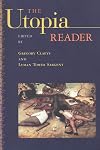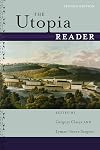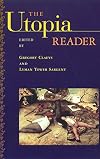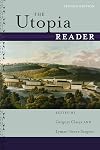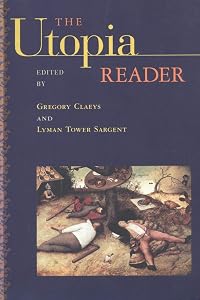
The Utopia Reader
by Gregory Claeys (Editor), Lyman Tower Sargent (Editor)
On This Page
Description
"The Utopia Reader compiles primary texts from a variety of authors and movements across history that have explored how to envision different ways of life, and why we do so. The volume includes texts ranging from classical Greek literature, the Old Testament, and Plato's Republic, to Sir Thomas More's Utopia, to George Orwell's Nineteen Eighty-Four and beyond. By balancing well-known and obscure examples, this volume provides a comprehensive and definitive collection of the various ways show more Utopias have been conceived throughout history and how Utopian ideals have served as criticisms of existing sociocultural conditions. This second edition includes many historically well-known works, little-known-but-influential texts, and contemporary writings, providing more expansive coverage of the varieties of approaches and responses to the concept of utopia in the past, present, and even the future. In this edition are more classic feminist writings and work by authors of color, as well as recent new trends such as ecological ideals of Utopia. Furthermore, Claeys and Sargent highlight popular twenty-first century narrative explorations of Utopias through the genres of young adult dystopias, survivalist dystopias, and non-print utopias. Covering a range of original theories of utopianism and revealing the nuances and concerns of writers across history as they attempt to envision different, ideal societies, The Utopia Reader remains an essential resource for students and scholars alike"--Page 4 of cover. show lessTags
Recommendations













Member Reviews
From God's Eden to Ursula LeGuin's Odonians, with all sorts of paradises in between --
Ovid's Golden Age, where untilled earth produces corn, milk arrives in rivers, and honey drips from the holmoak tree.
Prester John's magic spring which allows a man to remain age 32 however long he might live.
The land of Cockaigne where the jolly people drink only wine because "Water serveth there no thing/ but for sight and for washing."
Thomas More's UTOPIA (which started the Utopian genre) where "none of their cities may contain above six thousand families" and "they have no lawyers" considering them "as a sort of people whose profession it is to disguise matters."
Samuel Butler's amazing parody contains the "Colleges of Unreason" where the word show more "idiot" is defined as "a person who forms his opinions for himself."
The 19th century Shakers live in celibacy and dance like crazy to release sexual tension, yet their neighbors at Oneida practice "complex marriage," every man married to every woman.
Then there are the dystopias, my favorite being Zamyatin's WE, living total transparency in glass houses. show less
Ovid's Golden Age, where untilled earth produces corn, milk arrives in rivers, and honey drips from the holmoak tree.
Prester John's magic spring which allows a man to remain age 32 however long he might live.
The land of Cockaigne where the jolly people drink only wine because "Water serveth there no thing/ but for sight and for washing."
Thomas More's UTOPIA (which started the Utopian genre) where "none of their cities may contain above six thousand families" and "they have no lawyers" considering them "as a sort of people whose profession it is to disguise matters."
Samuel Butler's amazing parody contains the "Colleges of Unreason" where the word show more "idiot" is defined as "a person who forms his opinions for himself."
The 19th century Shakers live in celibacy and dance like crazy to release sexual tension, yet their neighbors at Oneida practice "complex marriage," every man married to every woman.
Then there are the dystopias, my favorite being Zamyatin's WE, living total transparency in glass houses. show less
Ratings
Members
- Recently Added By
Author Information
All Editions
Some Editions
Common Knowledge
- Dedication
- To Evan, Jennifer, Ian, and Kieran Sargent and Christine Lattek and Anna, Christopher, and Daniel Claeys
- First words
- Utopianism generally is the imaginative projection, positive or negative, of a society that is substantially different from the one in which the author lives.
Classifications
- Genres
- Fiction and Literature, Literature Studies and Criticism
- DDC/MDS
- 809.93372 — Literature & rhetoric Literature, rhetoric & criticism History, description, critical appraisal of more than two literatures Literature displaying specific features, miscellaneous writings Literature displaying other aspects Literature dealing with specific themes and subjects Supernatural, mythological, legendary themes
- LCC
- PN6071 .U85 .U88 — Language and Literature Literature (General) Literature (General) Collections of general literature
- BISAC
Statistics
- Members
- 125
- Popularity
- 260,214
- Reviews
- 1
- Rating
- (3.06)
- Languages
- English
- Media
- Paper, Ebook
- ISBNs
- 6