2666
by Roberto Bolaño
On This Page
Description
An American sportswriter, an elusive German novelist, and a teenage student interact in an urban community on the U.S.-Mexico border where hundreds of young factory workers have disappeared.Tags
Recommendations
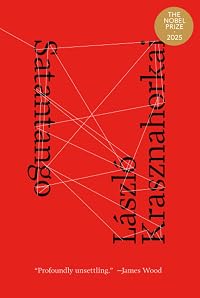
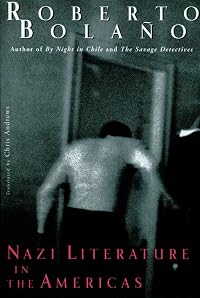
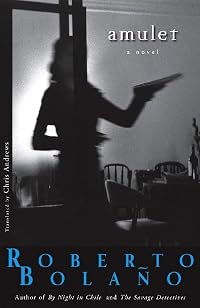
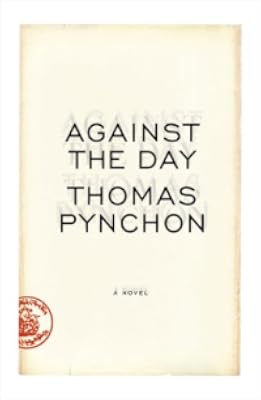





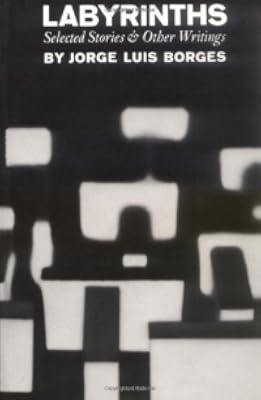
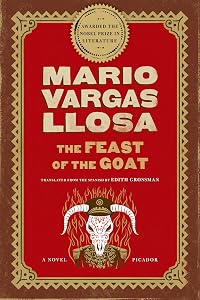
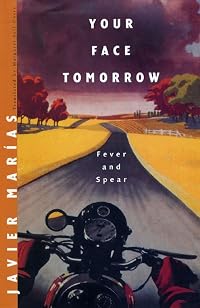
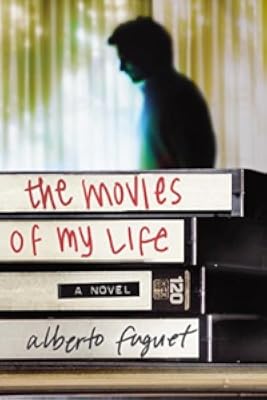
Member Recommendations


charlie68 Similar themes
knomad equally at home with meandering through the complex imperatives of love and hate
03
southernbooklady Despite the differences in the authors' origins, settings, and writing styles, there is something in each that reminds me of the other. Scale, breadth, maybe. Sharp and wise characterizations, sure. But more the sort of conflicted feelings of compassion, horror, and futility that each writer rouses in the reader.
Member Reviews
Day after day, you keep reading as the spent words and pages continue to mount. The better part of a month will pass before you finally finish this massive, sprawling novel and it will leave you in a very different frame of mind than you were in when you started. Over the course of 900 pages, Roberto Bolaño’s remarkable writing will show you the very face of evil and force you to contemplate sorrows and depravities of almost unspeakable dimensions. Throughout the entire experience, one thought keeps occurring to you: Welcome to Hell.
The structure of 2666 is straightforward enough, even if nothing else about the book really is. The narrative is divided into five distinct sections—The Part About the Critics, The Part About show more Amalfitano, The Part About Fate, The Part About the Crimes, and The Part About Archimboldi—all of which are connected, although frequently in a loose and tangential way. The main action in the book is set in Mexico in the fictional border town of Santa Teresa, a thinly veiled replica of Ciudad Juarez. The first and last sections bookend the novel’s central themes with story arcs based in Europe, both in the present day and during World War II.
The plot ostensibly involves the search for Benno von Archimboldi, a prolific yet reclusive German novelist who has been mentioned as a possible Nobel Prize winner. This quest leads a group of three scholars from their respective universities in England, Spain, and France to Mexico City and, eventually, to Santa Teresa where the trail goes cold. (In fact, we will not learn more about Archimboldi until the last part of the book, which fills in a considerable amount of his backstory during the war years.) Despite their association with Amalfitano, a Chilean ex-pat on the faculty of the local college, the critics remain largely unaware of the brutal murders of an alarming number of young women that are taking place in the area.
These murders are the real focal point of the book and they are presented to the reader in an interesting way. In The Part About Amalfitano and The Part About Fate, these horrific crimes are always just beneath the surface as the author describes the effect that being in Santa Teresa has on two of his protagonists and their families. This leads to The Part About the Crimes, by far the longest section of the book and the one in which the discovery of more than 100 tortured and murdered women are listed in a dispassionate, almost clinical, style, as if they were facts to be reported rather than heartbreaking stories to be told.
This was easily the most difficult portion for me to get through, especially given the mind-numbing and repetitive nature of the material. Bolaño’s detached approach to chronicling the on-going brutalities was no doubt intentional; it actually ends up being an eerily effective way to underscore the corruption and lack of regard amongst politicians and law enforcement professionals in the city toward the femicide that was taking place in their midst. In fact, the closest we come to being “witnesses” to the crimes occurs in the third part when Oscar Fate, an African-American sportswriter in town to cover a boxing match, saves Amalfitano’s daughter Rosa from being yet another victim.
Needless to say, this was not a particularly easy novel to read and it was certainly one that required a major commitment to both start and finish. However, I would also have to say that it was one of the most challenging and rewarding books that I have ever read. For all the intensity of its content, I found Bolaño’s writing style to be quite accessible and engaging. He manages to weave into the main plot line literally scores of short passages and side stories that add a great deal of depth to the overall experience. Above all else, he was a marvelous storyteller and an author with an impressive talent for creating realistic dialogue. He also possessed a unique vision of the human condition, although I cannot pretend that a single reading of this complex work was sufficient for me to fully appreciate all of its many nuances.
Finally, much has been made about the cryptic nature of the novel’s title, given that the number (or date) 2666 does not appear anywhere in the book. Fortunately, the thoughtfully written Afterword provides a critical clue to the mystery by citing a passage from Amulet, an earlier Bolaño book in which a street in Mexico City is described as follows: “[A]t that time of night, it is more like a cemetery than an avenue, not a cemetery in 1974 or in 1968, or 1975, but a cemetery in the year 2666, a forgotten cemetery under the eyelid of a corpse…that tried so hard to forget one particular thing that it ended up forgetting everything else”. No image could be a more appropriate way of summarizing such a magnificently harrowing story. show less
The structure of 2666 is straightforward enough, even if nothing else about the book really is. The narrative is divided into five distinct sections—The Part About the Critics, The Part About show more Amalfitano, The Part About Fate, The Part About the Crimes, and The Part About Archimboldi—all of which are connected, although frequently in a loose and tangential way. The main action in the book is set in Mexico in the fictional border town of Santa Teresa, a thinly veiled replica of Ciudad Juarez. The first and last sections bookend the novel’s central themes with story arcs based in Europe, both in the present day and during World War II.
The plot ostensibly involves the search for Benno von Archimboldi, a prolific yet reclusive German novelist who has been mentioned as a possible Nobel Prize winner. This quest leads a group of three scholars from their respective universities in England, Spain, and France to Mexico City and, eventually, to Santa Teresa where the trail goes cold. (In fact, we will not learn more about Archimboldi until the last part of the book, which fills in a considerable amount of his backstory during the war years.) Despite their association with Amalfitano, a Chilean ex-pat on the faculty of the local college, the critics remain largely unaware of the brutal murders of an alarming number of young women that are taking place in the area.
These murders are the real focal point of the book and they are presented to the reader in an interesting way. In The Part About Amalfitano and The Part About Fate, these horrific crimes are always just beneath the surface as the author describes the effect that being in Santa Teresa has on two of his protagonists and their families. This leads to The Part About the Crimes, by far the longest section of the book and the one in which the discovery of more than 100 tortured and murdered women are listed in a dispassionate, almost clinical, style, as if they were facts to be reported rather than heartbreaking stories to be told.
This was easily the most difficult portion for me to get through, especially given the mind-numbing and repetitive nature of the material. Bolaño’s detached approach to chronicling the on-going brutalities was no doubt intentional; it actually ends up being an eerily effective way to underscore the corruption and lack of regard amongst politicians and law enforcement professionals in the city toward the femicide that was taking place in their midst. In fact, the closest we come to being “witnesses” to the crimes occurs in the third part when Oscar Fate, an African-American sportswriter in town to cover a boxing match, saves Amalfitano’s daughter Rosa from being yet another victim.
Needless to say, this was not a particularly easy novel to read and it was certainly one that required a major commitment to both start and finish. However, I would also have to say that it was one of the most challenging and rewarding books that I have ever read. For all the intensity of its content, I found Bolaño’s writing style to be quite accessible and engaging. He manages to weave into the main plot line literally scores of short passages and side stories that add a great deal of depth to the overall experience. Above all else, he was a marvelous storyteller and an author with an impressive talent for creating realistic dialogue. He also possessed a unique vision of the human condition, although I cannot pretend that a single reading of this complex work was sufficient for me to fully appreciate all of its many nuances.
Finally, much has been made about the cryptic nature of the novel’s title, given that the number (or date) 2666 does not appear anywhere in the book. Fortunately, the thoughtfully written Afterword provides a critical clue to the mystery by citing a passage from Amulet, an earlier Bolaño book in which a street in Mexico City is described as follows: “[A]t that time of night, it is more like a cemetery than an avenue, not a cemetery in 1974 or in 1968, or 1975, but a cemetery in the year 2666, a forgotten cemetery under the eyelid of a corpse…that tried so hard to forget one particular thing that it ended up forgetting everything else”. No image could be a more appropriate way of summarizing such a magnificently harrowing story. show less
Olyan most írni ezt az értékelést, mintha tojásokkal zsonglőrködnék – óvatosan kell hát csinálni. Ennek a könyvnek ugyanis olyan sok síkja van, hogy az ember bármerre indul el, a végtelenbe tart, és nem tudni, eljut-e valahová: beszélhet női (meg úgy általában: emberi) kiszolgáltatottságról, Mexikó szociográfiájáról, irodalom és élet egymásban tükröződéséről, ésatöbbi – az értelmezési lehetőségek számtalanok, olyannyira számtalanok, hogy az már arra csábít néhány olvasót, hogy az „értelmetlen” szóval írja majd körül. Szerintem amúgy ennek az olvasónak nem lesz igaza, mindenesetre ez is jelzi, hogy egy könyv értelme vagy értelmetlensége legalább annyira az olvasó show more kvalitásainak (szebben: szándékainak) függvénye, mint az író képességeinek.
A 2666 öt darab önállóan is felfogható regény párbeszéde, a központban látszólag egy német író, Benno von Archimboldi figurájával, ám ő csak a gumicsont, a zsákutca, mert az igazi főszereplő Santa Teresa, a démoni mexikói város*, ami felfal mindent és mindenkit, kit így, kit úgy. Bolaño szövege maga a tökéletesen megkonstruált nyugtalanság**, mesteri álombéli tereivel, zseniális kitérőivel, életteli szereplőivel és pontos leírásaival úgy építi fel önmagát, mint egy félelmetes, mégis szép szörnyeteg. És hogy ne ragadjunk bele a szövegbe, az író a zsánerektől kölcsönöz dinamikát (ahogy Bolaño más könyveiben is tapasztalhatjuk), pont annyi információval kecsegtetve az olvasót, hogy az elhiggye, létezik megfejtés. De Bolaño tud valamit, amit a legtöbb krimiszerző nem tud: hogy a megfejtett titok lezárt építmény, ami a megfejtéssel megszűnik titoknak lenni, és lomtárba kerül – a megfejtetlen titok viszont velünk marad. És tudja azt is, amit a legtöbb kortárs szépíró nem tud: hogy a kilátástalanság puszta ábrázolásában nincs elég erő, az pusztán mocsár, amibe beleragadunk, amiben leszűkül a tér dimenziója, mert nem lehetséges a mozgás. Arra van szükség, hogy az író érzékeltesse: létezik boldogság, létezik harmónia, és a szereplők képesek (lennének) birtokolni azt, lehetnek barátaik, szerelmeik például – ám ez a harmónia törékeny, így az olvasó érzi, hogy van mit elveszíteniük/elveszítenie. És az ettől (az elveszítéstől) való félelem sokkal erősebb hatást kelt, mint a puszta nyomor. És ettől, ezektől érzi magát úgy, mintha egy láthatatlan kéz taszigálná egy bizonytalan végkifejlet felé – egy olyan helyre, ahová fél odaérni, de ugyanakkor mégis: minél hamarabb ott akar lenni.
Pont olyan könyv ez, amilyen akar lenni. És pont olyan, amilyennek lennie kell. Nincs benne hiba.
* A minap olvastam egy lakonikus értékelést a Mester és Margarita-ról, miszerint ez a „Twin Peaks Moszkvában” – nos, Santa Teresa meg olyan város, ami mellett Twin Peaks szemüveges, introvertált kisöcsinek tűnik.
** Nyugtalanság – a negyedik könyv fényében ez a szó kifejezetten eufemizmusnak tűnik. A gyilkosságok könyve ugyanis a legdeprimálóbb szövegek egyike, amit valaha olvastam: a gonosz mantraként ismétlődő tárgyszerű gyilkosságleírások olyan fájdalmasan monoton sormintaként kísérik végig cselekményt (illetőleg a cselekmény szilánkjait), amitől az ember törvényszerűen érzi úgy magát, mint (Bolaño találó szóképével) az időhurokba került katona, aki újra és újra elindul, hogy megvívja ugyanazt a vesztes csatát***.
*** De hogy valami jót is mondjak: a negyedik könyvet az ötödik követi (Archimboldi könyve), ami a maga sokkal hagyományosabb, sokkal epikusabb eszköztárával úgy hat az olvasó idegeire (minden benne foglalt fájdalom ellenére), akár a gyógybalzsam. show less
A 2666 öt darab önállóan is felfogható regény párbeszéde, a központban látszólag egy német író, Benno von Archimboldi figurájával, ám ő csak a gumicsont, a zsákutca, mert az igazi főszereplő Santa Teresa, a démoni mexikói város*, ami felfal mindent és mindenkit, kit így, kit úgy. Bolaño szövege maga a tökéletesen megkonstruált nyugtalanság**, mesteri álombéli tereivel, zseniális kitérőivel, életteli szereplőivel és pontos leírásaival úgy építi fel önmagát, mint egy félelmetes, mégis szép szörnyeteg. És hogy ne ragadjunk bele a szövegbe, az író a zsánerektől kölcsönöz dinamikát (ahogy Bolaño más könyveiben is tapasztalhatjuk), pont annyi információval kecsegtetve az olvasót, hogy az elhiggye, létezik megfejtés. De Bolaño tud valamit, amit a legtöbb krimiszerző nem tud: hogy a megfejtett titok lezárt építmény, ami a megfejtéssel megszűnik titoknak lenni, és lomtárba kerül – a megfejtetlen titok viszont velünk marad. És tudja azt is, amit a legtöbb kortárs szépíró nem tud: hogy a kilátástalanság puszta ábrázolásában nincs elég erő, az pusztán mocsár, amibe beleragadunk, amiben leszűkül a tér dimenziója, mert nem lehetséges a mozgás. Arra van szükség, hogy az író érzékeltesse: létezik boldogság, létezik harmónia, és a szereplők képesek (lennének) birtokolni azt, lehetnek barátaik, szerelmeik például – ám ez a harmónia törékeny, így az olvasó érzi, hogy van mit elveszíteniük/elveszítenie. És az ettől (az elveszítéstől) való félelem sokkal erősebb hatást kelt, mint a puszta nyomor. És ettől, ezektől érzi magát úgy, mintha egy láthatatlan kéz taszigálná egy bizonytalan végkifejlet felé – egy olyan helyre, ahová fél odaérni, de ugyanakkor mégis: minél hamarabb ott akar lenni.
Pont olyan könyv ez, amilyen akar lenni. És pont olyan, amilyennek lennie kell. Nincs benne hiba.
* A minap olvastam egy lakonikus értékelést a Mester és Margarita-ról, miszerint ez a „Twin Peaks Moszkvában” – nos, Santa Teresa meg olyan város, ami mellett Twin Peaks szemüveges, introvertált kisöcsinek tűnik.
** Nyugtalanság – a negyedik könyv fényében ez a szó kifejezetten eufemizmusnak tűnik. A gyilkosságok könyve ugyanis a legdeprimálóbb szövegek egyike, amit valaha olvastam: a gonosz mantraként ismétlődő tárgyszerű gyilkosságleírások olyan fájdalmasan monoton sormintaként kísérik végig cselekményt (illetőleg a cselekmény szilánkjait), amitől az ember törvényszerűen érzi úgy magát, mint (Bolaño találó szóképével) az időhurokba került katona, aki újra és újra elindul, hogy megvívja ugyanazt a vesztes csatát***.
*** De hogy valami jót is mondjak: a negyedik könyvet az ötödik követi (Archimboldi könyve), ami a maga sokkal hagyományosabb, sokkal epikusabb eszköztárával úgy hat az olvasó idegeire (minden benne foglalt fájdalom ellenére), akár a gyógybalzsam. show less
This novel is thoroughly brilliant, puzzling, elusive, fantastic, and full of such life and energy and love of literature itself. It's infectious. It makes you read all over new again, to see the life in the pages you missed before. It's indelible in both a phenomenal and a horrible way -- confronting you with the despicable iniquity in "Santa Teresa" in a form that's ultimately going to be inadequate to confront. Bolaño was without a doubt the finest living writer before he died, and this book may just be the finest novel of the decade I've read (presuming we count "The Savage Detectives" as the 1990s, where it'd duke out the title with "Infinite Jest." Only a very few writers change how I look at novels--Melville, Wallace, McCarthy show more -- and Bolaño is one of them. show less
 This review was written for LibraryThing Early Reviewers.
My biggest accomplishment of 2018, to be exact the latter months of 2018 with a bit of 2019 attached, is that I have read 2666 by Roberto Bolaño. I recommend that you give this book a try and allow the vicissitudes of many lives unfold in your mind.
Any words to describe what the book is about or what makes it so great would do no justice. To be honest, I dare not try.
But I am tempted to describe what reading 2666 has done to me. I am a better person now that I have read the novel than I was before. By better I mean there rests in me the added richness of human creativity, which is to say there lies an added range, a vast range, of possibility of human life that spans from the most destitute and destructive and despicable to the most show more fulfilling and wholesome and beautiful, from elusive to tangible, from the most mundane to the most extraordinary, and everything in between. How do I embrace all of this? I don’t. Much of it will soon flee from my mind as it has already. But while I was reading, I was for sure moved and stirred in all sorts of ways by the mastery of the author. This book I'm sure will do the same to you should you give it the time and attention it well deserves.
It is one of the most ambitious works I have come across, although, my exposure to any kind of literary works is only beginning to expand, and because I have seen the possibility of what one can accomplish in one's lifetime and in the characters of the novel within which live and die, it only leaves me to look for more, to consume more, and to pour more richness to my already privileged yet indigent life.
Reading 2666 was an experience worth the investment of time and mental gymnastics. 2666 was good, terrible, grand, and granular, and it was all of these things and more. It was magnificent and as a result, paradoxically, I am both content and unfulfilled. show less
Any words to describe what the book is about or what makes it so great would do no justice. To be honest, I dare not try.
But I am tempted to describe what reading 2666 has done to me. I am a better person now that I have read the novel than I was before. By better I mean there rests in me the added richness of human creativity, which is to say there lies an added range, a vast range, of possibility of human life that spans from the most destitute and destructive and despicable to the most show more fulfilling and wholesome and beautiful, from elusive to tangible, from the most mundane to the most extraordinary, and everything in between. How do I embrace all of this? I don’t. Much of it will soon flee from my mind as it has already. But while I was reading, I was for sure moved and stirred in all sorts of ways by the mastery of the author. This book I'm sure will do the same to you should you give it the time and attention it well deserves.
It is one of the most ambitious works I have come across, although, my exposure to any kind of literary works is only beginning to expand, and because I have seen the possibility of what one can accomplish in one's lifetime and in the characters of the novel within which live and die, it only leaves me to look for more, to consume more, and to pour more richness to my already privileged yet indigent life.
Reading 2666 was an experience worth the investment of time and mental gymnastics. 2666 was good, terrible, grand, and granular, and it was all of these things and more. It was magnificent and as a result, paradoxically, I am both content and unfulfilled. show less
This is a five-part novel with loosely connected storylines. The title is not specifically referenced, but I assume it points to a future dystopia that will occur if we do not do anything about it. The introductory information indicates that this was the author’s last work, and he asked for it to be published as five separate novels (to support his family), but for the sake of “literature” this request was overridden.
The first part tells of four academics, three men and a woman, who are obsessed with the works of an obscure German writer, Benno von Archimboldi. Part-way through, Archimboldi disappears, and the narrative is a quasi-mystery of what happened to him. Other than that, it focuses on the sexual tensions among the three show more men and the woman. Toward the end, they arrive in Mexico, and dream sequences take over the storyline. We get a foreshadowing of the increasingly violent content when two of the seemingly innocuous academics beat their cab driver within an inch of his life.
“After that moment, reality for Pelletier and Espinoza seemed to tear like paper scenery, and when it was stripped away it revealed what was behind it: a smoking landscape, as if someone, an angel, maybe, was tending hundreds of barbeque pits for a crowd of invisible beings.”
Part Two follows expat Professor Oscar Amalfitano. He performs a supporting role in the first story and becomes the protagonist of the second. He and his young adult daughter, Rosa, travel to (fictional) Santa Teresa (which is based on the real Ciudad Juárez), Mexico. It begins with the background of Amalfitano’s mentally unstable wife, Lola, who abandoned the family when Rosa was a toddler. This is where we become aware of the violence plaguing the city. Murders of women are becoming a regular occurrence. Amalfitano fears for his daughter’s safety but finds himself unable to leave. He appears to be “catching” his wife’s mental illness. He argues with the voices in his head.
Part Three follows a Harlem reporter nicknamed Oscar Fate. Fate is assigned to cover a boxing match in Santa Teresa, where he hears about the murders. He interacts with Oscar and Rosa Amalfitano. He interviews a man being held in custody who is believed to be responsible for the serial killings.
Part Four is a forensic recounting of over a hundred (I didn’t count them) rape-murders of women, interspersed with vignettes about the investigation. It is a series of gruesome facts about these deaths told in a detached (and stomach-turning) manner. It did not surprise me that this section was coming, since the previous three had gradually ramped up the violence and disturbing content. I am not the right audience for this type of subject matter, but I got the point.
Part Five returns to Archimboldi. This section is the most likely to have succeeded as a stand-alone novel. We learn Archimboldi’s origin story, how he became an author, and why he went to Mexico. It covers his experiences during World War II. There are many literary references. The truth about the writer is different from what the critics (from Part One) believed and perpetuated. It is my favorite of the five.
Overall, this is a sprawling 900-page densely written, complex, and occasionally meandering social commentary. It recounts in detail the murders, individual victims, and possible perpetrators of the crimes, but it is not a “murder mystery.” It is more focused on the social factors that enable these types of crimes to take place, including economic, cultural, and political systems. It touches on many disparate topics (e.g., literature, academia, misogyny, madness, violence), and brings them together into a scathing indictment. As a society, unrelenting violence leads to desensitization and apathy. There is no closure here, similar to the lack of closure for the families of the victims. I cannot say I “enjoyed” this book, but I appreciate the viewpoint.
“The style was strange. The writing was clear and sometimes even transparent, but the way the stories followed one after another didn’t lead anywhere: all that was left were the children, their parents, the animals, some neighbors, and in the end, all that was really left was nature, a nature that dissolved little by little in a boiling cauldron until it vanished completely.” - 2666, Roberto Bolaño show less
The first part tells of four academics, three men and a woman, who are obsessed with the works of an obscure German writer, Benno von Archimboldi. Part-way through, Archimboldi disappears, and the narrative is a quasi-mystery of what happened to him. Other than that, it focuses on the sexual tensions among the three show more men and the woman. Toward the end, they arrive in Mexico, and dream sequences take over the storyline. We get a foreshadowing of the increasingly violent content when two of the seemingly innocuous academics beat their cab driver within an inch of his life.
“After that moment, reality for Pelletier and Espinoza seemed to tear like paper scenery, and when it was stripped away it revealed what was behind it: a smoking landscape, as if someone, an angel, maybe, was tending hundreds of barbeque pits for a crowd of invisible beings.”
Part Two follows expat Professor Oscar Amalfitano. He performs a supporting role in the first story and becomes the protagonist of the second. He and his young adult daughter, Rosa, travel to (fictional) Santa Teresa (which is based on the real Ciudad Juárez), Mexico. It begins with the background of Amalfitano’s mentally unstable wife, Lola, who abandoned the family when Rosa was a toddler. This is where we become aware of the violence plaguing the city. Murders of women are becoming a regular occurrence. Amalfitano fears for his daughter’s safety but finds himself unable to leave. He appears to be “catching” his wife’s mental illness. He argues with the voices in his head.
Part Three follows a Harlem reporter nicknamed Oscar Fate. Fate is assigned to cover a boxing match in Santa Teresa, where he hears about the murders. He interacts with Oscar and Rosa Amalfitano. He interviews a man being held in custody who is believed to be responsible for the serial killings.
Part Four is a forensic recounting of over a hundred (I didn’t count them) rape-murders of women, interspersed with vignettes about the investigation. It is a series of gruesome facts about these deaths told in a detached (and stomach-turning) manner. It did not surprise me that this section was coming, since the previous three had gradually ramped up the violence and disturbing content. I am not the right audience for this type of subject matter, but I got the point.
Part Five returns to Archimboldi. This section is the most likely to have succeeded as a stand-alone novel. We learn Archimboldi’s origin story, how he became an author, and why he went to Mexico. It covers his experiences during World War II. There are many literary references. The truth about the writer is different from what the critics (from Part One) believed and perpetuated. It is my favorite of the five.
Overall, this is a sprawling 900-page densely written, complex, and occasionally meandering social commentary. It recounts in detail the murders, individual victims, and possible perpetrators of the crimes, but it is not a “murder mystery.” It is more focused on the social factors that enable these types of crimes to take place, including economic, cultural, and political systems. It touches on many disparate topics (e.g., literature, academia, misogyny, madness, violence), and brings them together into a scathing indictment. As a society, unrelenting violence leads to desensitization and apathy. There is no closure here, similar to the lack of closure for the families of the victims. I cannot say I “enjoyed” this book, but I appreciate the viewpoint.
“The style was strange. The writing was clear and sometimes even transparent, but the way the stories followed one after another didn’t lead anywhere: all that was left were the children, their parents, the animals, some neighbors, and in the end, all that was really left was nature, a nature that dissolved little by little in a boiling cauldron until it vanished completely.” - 2666, Roberto Bolaño show less
Dear Lord, spare me. Another title from Latin/South America and yet another novel that I could have done without. What the heck is it with that continent that I just can’t abide?
The title either refers to the number of pages you have to wade through to finish this tome or the number of times you have second thoughts about picking this up in the first place. Thankfully, Audible read this to me on my daily commute. If I’d had to actually pick up and get through a physical copy, I don’t think I would have made it. The book is in five lengthy parts which are apparently related although some of the connections are tenuous at best.
Each part starts out reasonably enough but Bolaño is so verbose and the story so rambling that unless you show more let yourself go with the flow, you’ll be wondering what the heck is going on. Don’t fight it. There’s enough here to keep a reader entertained, but you never get the feeling that you’re in the presence of a literary genius.
The most memorable and controversial part is the one that details the murder of each and every one of 112 women. Almost all of these involve the woman being sexually abused in some way. It’s 200 pages of sheer joy. Now, a writer who wants to give us an idea of how morally debauched society and needs 112 victims to slay in the process seems, to me, to be struggling to get his point across. A skilled writer could do this much more efficiently.
The various supposedly random characters that began the novel are kind of tied together in various relationships to each other by the time you stagger to the end of the fifth section of the novel. By then though, any normal reader simply doesn’t care. It’s only those who have set out from the start with the opinion that this is great writing who think that this is somehow genius. It’s not though. It truly isn’t.
Of course, when I look online, I see tons of praise for 2666. My normal reaction when the world loves a book and I don’t is to conceded that I simply don’t know enough about literature to recognise greatness when it stares me in the face. Even so, with this novel, I have my suspicions that there is a bandwagon here and a lot of people on it.
There is so much truly great literature out there that I honestly don’t think anyone should bother with this book. For those of you pursuing the 1001 Books list, you might as well put this somewhere in the high 900s in the reading order because you could die quite peacefully having never opened its cover. show less
The title either refers to the number of pages you have to wade through to finish this tome or the number of times you have second thoughts about picking this up in the first place. Thankfully, Audible read this to me on my daily commute. If I’d had to actually pick up and get through a physical copy, I don’t think I would have made it. The book is in five lengthy parts which are apparently related although some of the connections are tenuous at best.
Each part starts out reasonably enough but Bolaño is so verbose and the story so rambling that unless you show more let yourself go with the flow, you’ll be wondering what the heck is going on. Don’t fight it. There’s enough here to keep a reader entertained, but you never get the feeling that you’re in the presence of a literary genius.
The most memorable and controversial part is the one that details the murder of each and every one of 112 women. Almost all of these involve the woman being sexually abused in some way. It’s 200 pages of sheer joy. Now, a writer who wants to give us an idea of how morally debauched society and needs 112 victims to slay in the process seems, to me, to be struggling to get his point across. A skilled writer could do this much more efficiently.
The various supposedly random characters that began the novel are kind of tied together in various relationships to each other by the time you stagger to the end of the fifth section of the novel. By then though, any normal reader simply doesn’t care. It’s only those who have set out from the start with the opinion that this is great writing who think that this is somehow genius. It’s not though. It truly isn’t.
Of course, when I look online, I see tons of praise for 2666. My normal reaction when the world loves a book and I don’t is to conceded that I simply don’t know enough about literature to recognise greatness when it stares me in the face. Even so, with this novel, I have my suspicions that there is a bandwagon here and a lot of people on it.
There is so much truly great literature out there that I honestly don’t think anyone should bother with this book. For those of you pursuing the 1001 Books list, you might as well put this somewhere in the high 900s in the reading order because you could die quite peacefully having never opened its cover. show less
Imagine a whale – a great blue whale – then imagine examining every cell of the body of that whale. Following the whale is a 20 pound striped bass. Every once in a while, the striper passes near the eye of the whale, but it is hardly noticed. As we approach the tale of the whale, the striper appears and accompanies us during the last of the examination. That striper is the end of 2666. Furthermore, there are all sorts of threads and lines trailing off from the whale. These all lead to other novels by Bolaño.
This massive – 900 page – work is a puzzle of the first order. It begins with the story of four literature professors. Three of them hail from Turin, Italy, Paris, France, and Madrid, Spain. All independently discover and show more become obsessed with Benno von Archimboldi. They begin to appear at conferences, and slowly gather a tight-knit yet enthusiastic group of followers. Liz Norton, from London England, joins the obsession and becomes a close friend of all three.
Benno von Archimboldi disappears, but remains in contact with his publisher. Eventually, he becomes wealthy and is shortlisted for the Nobel Prize in Literature. The professors decide to try and track down Archimboldi. They end up visiting a mysterious German in a Mexican prison accused of the murders of six women. This is part one (of five) of the novel.
Part two involves the life story of a Mexican pharmacist who is a book collector and also obsessed with Archimboldi. He appears briefly in part one to help the three critics. This book is his life story.
Part three is about a man named Fate. It details the death of his mother, and his confusion and lack of concern parallels Camus’ The Stranger. I am not sure how this part fits into the overall novel. I will have to read 2666 a second time, and take much more detailed notes. I think this book is an allegory for the whole novel and a philosophical discourse on fate – lower case.
Part four is a catalogue of crimes committed in the fictional town of Santa Theresa, Mexico. During the 1990s, 343 women were strangled, stabbed, raped, and mutilated their bodies dumped in various places around Santa Theresa – actually a stand-in for Juárez, Mexico near the US Border -- where 300 plus actual murders took place. Only a handful were ever solved, largely due to the incompetence, corruption, and lack of concern of the police. This part was difficult to read, and I kept asking myself why I was reading all this horror. However, I could not stop, even though I felt I would only read one more case.
Part five, entitled “The Part about Archimboldi,” details the life of Hans Reiter, born in Germany in 1920, Wehrmacht soldier on the eastern front, who survives the war and becomes a writer. He changes his name to Benno von Archimboldi because he believes the American and German police are looking for him. “Reiter” in German means “riddle.” Archimboldi, Hans Reiter, and Klaus Haas – the prisoner in Mexico -- are all described as tall, blue-eyed, blond Germans.
All these threads are carefully and cleverly woven into a thick, thick hawser that ties this story together. The novel is a gigantic puzzle, and will require at least one more reading to get a full grasp of its true meaning.
Roberto Bolaño died at the age of 50 in 2003. He frantically tried to finish the novel before he died. He considered it his masterpiece. The prose is engaging and the book is difficult to put down. The hyper detail Bolaño employs in his story is also curious. Sometimes he will use three words or phrases to describe something. For example, when Archimboldi began his search for a publisher, he notes one
“in Cologne, a house that from time to time published some novel or volume of poetry or history, but whose catalog mainly consisted of practical manuals that might just as easily provide instruction on the proper care of a garden as on the correct administration of first aid or the reconstruction of the shells of destroyed houses” (793).
The story has many, many digressions that seem to trail off the main story line, but the purpose of some became clear when I finished the novel. One digression is the story of a “shadowy Swabian writer…who knew quite a bit about contemporary German Literature” (18-22). He tells the four professors about meeting Archimboldi. The story is five pages, with only commas for punctuation. Bolaño wrote this in the style of someone trying to piece together the memory of an event he knows is of supreme importance to the listeners. Some of the other digressions trail off into art, literature, mathematics, and even Greek mythology. One interesting digression involves Giuseppe Arcimboldo, a 16th-century painter known for his bizarre portraits entirely formed by fruit, vegetables, plant material, and the occasional insect.
The characters also dream – all of them, all the time. A dissertation might be the best place to explore the significance of these dreams to the story line. Here is a fragment of one of the shorter dreams. Florita Almada is a television psychic who has visions of some of the murders:
“Sometimes she dreamed she was a schoolteacher and she lived in the country. Her school was at the top of a hill with a view of the town, the brown and white houses, the dusky yellow roofs where the old folks sometimes settled to gaze down on the dirt streets. From the schoolyard she could see the girls on their way to class. Black hair gathered in ponytails or held back with bands. Dark-skinned faces and white smiles. In the distance, the peasants worked on the land, reaped fruit from the desert, tended flocks of goats.” (456)
This truly is an epic masterpiece. It ranks up there with Joyce’s Ulysses and Pynchon’s Gravity’s Rainbow, incidentally by a reclusive writer who only contacts his publisher by mail. I want to read more of Bolaño, but I will need a seriously long break before I dive into more of his work. Ten stars out of five.
--Jim, 7/10/10 show less
This massive – 900 page – work is a puzzle of the first order. It begins with the story of four literature professors. Three of them hail from Turin, Italy, Paris, France, and Madrid, Spain. All independently discover and show more become obsessed with Benno von Archimboldi. They begin to appear at conferences, and slowly gather a tight-knit yet enthusiastic group of followers. Liz Norton, from London England, joins the obsession and becomes a close friend of all three.
Benno von Archimboldi disappears, but remains in contact with his publisher. Eventually, he becomes wealthy and is shortlisted for the Nobel Prize in Literature. The professors decide to try and track down Archimboldi. They end up visiting a mysterious German in a Mexican prison accused of the murders of six women. This is part one (of five) of the novel.
Part two involves the life story of a Mexican pharmacist who is a book collector and also obsessed with Archimboldi. He appears briefly in part one to help the three critics. This book is his life story.
Part three is about a man named Fate. It details the death of his mother, and his confusion and lack of concern parallels Camus’ The Stranger. I am not sure how this part fits into the overall novel. I will have to read 2666 a second time, and take much more detailed notes. I think this book is an allegory for the whole novel and a philosophical discourse on fate – lower case.
Part four is a catalogue of crimes committed in the fictional town of Santa Theresa, Mexico. During the 1990s, 343 women were strangled, stabbed, raped, and mutilated their bodies dumped in various places around Santa Theresa – actually a stand-in for Juárez, Mexico near the US Border -- where 300 plus actual murders took place. Only a handful were ever solved, largely due to the incompetence, corruption, and lack of concern of the police. This part was difficult to read, and I kept asking myself why I was reading all this horror. However, I could not stop, even though I felt I would only read one more case.
Part five, entitled “The Part about Archimboldi,” details the life of Hans Reiter, born in Germany in 1920, Wehrmacht soldier on the eastern front, who survives the war and becomes a writer. He changes his name to Benno von Archimboldi because he believes the American and German police are looking for him. “Reiter” in German means “riddle.” Archimboldi, Hans Reiter, and Klaus Haas – the prisoner in Mexico -- are all described as tall, blue-eyed, blond Germans.
All these threads are carefully and cleverly woven into a thick, thick hawser that ties this story together. The novel is a gigantic puzzle, and will require at least one more reading to get a full grasp of its true meaning.
Roberto Bolaño died at the age of 50 in 2003. He frantically tried to finish the novel before he died. He considered it his masterpiece. The prose is engaging and the book is difficult to put down. The hyper detail Bolaño employs in his story is also curious. Sometimes he will use three words or phrases to describe something. For example, when Archimboldi began his search for a publisher, he notes one
“in Cologne, a house that from time to time published some novel or volume of poetry or history, but whose catalog mainly consisted of practical manuals that might just as easily provide instruction on the proper care of a garden as on the correct administration of first aid or the reconstruction of the shells of destroyed houses” (793).
The story has many, many digressions that seem to trail off the main story line, but the purpose of some became clear when I finished the novel. One digression is the story of a “shadowy Swabian writer…who knew quite a bit about contemporary German Literature” (18-22). He tells the four professors about meeting Archimboldi. The story is five pages, with only commas for punctuation. Bolaño wrote this in the style of someone trying to piece together the memory of an event he knows is of supreme importance to the listeners. Some of the other digressions trail off into art, literature, mathematics, and even Greek mythology. One interesting digression involves Giuseppe Arcimboldo, a 16th-century painter known for his bizarre portraits entirely formed by fruit, vegetables, plant material, and the occasional insect.
The characters also dream – all of them, all the time. A dissertation might be the best place to explore the significance of these dreams to the story line. Here is a fragment of one of the shorter dreams. Florita Almada is a television psychic who has visions of some of the murders:
“Sometimes she dreamed she was a schoolteacher and she lived in the country. Her school was at the top of a hill with a view of the town, the brown and white houses, the dusky yellow roofs where the old folks sometimes settled to gaze down on the dirt streets. From the schoolyard she could see the girls on their way to class. Black hair gathered in ponytails or held back with bands. Dark-skinned faces and white smiles. In the distance, the peasants worked on the land, reaped fruit from the desert, tended flocks of goats.” (456)
This truly is an epic masterpiece. It ranks up there with Joyce’s Ulysses and Pynchon’s Gravity’s Rainbow, incidentally by a reclusive writer who only contacts his publisher by mail. I want to read more of Bolaño, but I will need a seriously long break before I dive into more of his work. Ten stars out of five.
--Jim, 7/10/10 show less
Members
- Recently Added By
Published Reviews
ThingScore 100
”2066” är en av dessa sällsynta romaner man skulle kunna bosätta sig i.
added by Jannes
Nu bör alla som inte redan skaffat och läst den ha slängt på sig halsduken i farten, störtat ut i hösten och vara i fullt fläng på väg mot närmaste bokhandel.
(Note: this is not the same review as the other one by the same reviewer. It concerns a different translation.)
(Note: this is not the same review as the other one by the same reviewer. It concerns a different translation.)
added by Jannes
Lever han upp till sina ambitioner? Tveklöst. ”2066” är en av dessa sällsynta romaner man skulle kunna bosätta sig i.
added by Jannes
Lists

1001 Books You Must Read Before You Die
1,448 works; 1,134 members

Best Contemporary Literary Fiction (Around the Last 30 Years)
388 works; 124 members

Best 21st Century Books (So Far)
670 works; 85 members

Best of World Literature
435 works; 52 members

Favorite Long Books
330 works; 42 members

Top Five Books of 2013
1,562 works; 721 members

Recommend the 20 best books you've read in the last five years
2,168 works; 601 members

Best Crime Fiction
262 works; 39 members

Metafiction
86 works; 23 members

50 Tough Books for Extreme Readers
71 works; 40 members

2000s (the decade, not the century)
184 works; 11 members

Significant works of postmodern fiction
86 works; 25 members

Magic Realism
371 works; 52 members

Favourite Books
1,819 works; 316 members
Latin American Literature
50 works; 11 members

Unread books
1,063 works; 87 members

Most difficult novels
68 works; 27 members

Vulture's 100 Best Books of the 21st Century (So Far)
98 works; 9 members

Most Disturbing Books
124 works; 27 members

Experimental Literature
141 works; 18 members

Favourite Science Fiction Books of the 21st Century
47 works; 8 members

2000s decade
85 works; 7 members

Literature in Translation
113 works; 5 members

To Read - Literature / Fiction
26 works; 1 member

Elegant Prose
80 works; 4 members

Books With Numbers in the Title
308 works; 13 members

Spanish Language in English Translation
19 works; 2 members

SHOULD Read Books!
354 works; 9 members

Diverse Horror
262 works; 6 members

My TBR
371 works; 3 members

Favorite Books in Translation
320 works; 133 members
Disco Elysium
19 works; 1 member
Read These Too
458 works; 9 members
.
396 works; 1 member

contemporary literary fiction list to check out
47 works; 1 member

.
184 works; 1 member

Finished in 2025
23 works; 1 member

Personal 2025 reads
18 works; 1 member

NYT Readers best of 21st C
100 works; 8 members

Books to Read
9 works; 1 member
Speculative Fiction from around the World
610 works; 18 members
NYT 100 best books of 21st C
100 works; 31 members

Stuff from Bard
70 works; 1 member

Top Five Books of 2023
767 works; 317 members

Mustich's 1000 Books to Read Before You Die: A Life Changing List
1,001 works; 19 members
Los 100 mejores libros en español de los últimos 25 años
26 works; 1 member

To Read
617 works; 7 members

100 knjiga
100 works; 1 member
Talk Discussions
Past Discussions
2666 GROUP READ - Part 4 DISCUSSION THREAD ***Possible SPOILERS*** in The 12 in 12 Category Challenge (November 2012)
2666 GROUP READ - Part 3 DISCUSSION THREAD ***Possible SPOILERS*** in The 12 in 12 Category Challenge (July 2012)
2666 GROUP READ - Part 2 DISCUSSION THREAD ***Possible SPOILERS*** in The 12 in 12 Category Challenge (May 2012)
GROUP READ -- 2666 By Roberto Bolaño in The 12 in 12 Category Challenge (May 2012)
2666 GROUP READ - Part 1 DISCUSSION THREAD ***Possible SPOILERS*** in The 12 in 12 Category Challenge (April 2012)
2666 GROUP READ - Part 5 DISCUSSION THREAD ***Possible SPOILERS*** in The 12 in 12 Category Challenge (March 2012)
¡ 2 6 6 6 ! in Le Salon Littéraire du Peuple pour le Peuple (October 2011)
2666 in Literary Snobs (September 2010)
Author Information

95+ Works 28,058 Members
Some Editions
Awards and Honors
Awards
Distinctions
Notable Lists
Series
Belongs to Publisher Series
Fabula [Adelphi] (188)
Common Knowledge
- Canonical title
- 2666
- Original title
- 2666
- Original publication date
- 2004 (Original Spanish) (Original Spanish); 2004; 2009 (Nederlands) (Nederlands)
- People/Characters
- Benno von Archimboldi; Jean-Claude Pelletier; Manuel Espinoza; Liz Norton; Quincy Williams (Oscar Fate); Klaus Haas (show all 119); Piero Morini; Óscar Amalfitano; Oscar Fate; Lola; Rebeca; Rosa Amalfitano; Charly Cruz; Chucho Flores; Barry Seaman; Marco Antonio Guerra; Olegario Cura Expósito (Lalo Cura); Epifanio Galindo; Elvira Campos; Juan de Dios Martínez; Florita Almada; José Márquez; Ernesto Ortiz Rebolledo; Lino Rivera; Ángel Fernández; Efraín Bustelo; Sergio González; Hugo Halder; Baroness Von Zumpe; Boris Abramovich Ansky; Ingeborg Bauer; Abraham (Conan) Mitchell (Conan); Albert Kessler; Alex Pritchard; Alexander Fürst Pückler; Ángel Martínez Mesa; Antonio Ulises Jones; Augusto Guerra; Azucena Esquivel Plata; Borchmeyer; Captain Gercke; Carlos Marín; Chuck Campbell; Chuy Pimental; Count Pickett; Demetrio Águila; Dieter Hellfeld; Edwin Johns; Efraín Rebolledo; Emilio Garibay; Erica Delmore; Ernesto Luis Castillo Jiménez; Eulogio; Fritz Leube; Füchler; General Entrescu; General Von Berenberg; Grete Bauer; Grete von Joachimstahler; Guadalupe Roncal; Gustav; Hans Reiter; Harry Magaña; Héctor Enrique Almendro (El Cerdo); Heinz Vogel; Hermes Popescu; Hilde Bauer; Humberto Paredes; Ibrahim; Ingrid; Inmaculada; Isabel Santolaya; Jaime Sánchez; Jeff Roberts; José Patricio; Juan Arredondo; Juan Corona; Juan Pablo Castañón; Khalil; Kruse; Kurt A. Banks; Leo Sammer (Zeller); López; Lotte Reiter; Luis Miguel Loya; Macario López Santos; María del Mar Enciso Montes; Mary-Sue Bravo; Merolino Fernández; Mr. Bubis; Mrs. Anna Bubis; Neitzke; Noburo Nisamata; Omar Abdul; Otto; Pat O'Bannion; Pedro Negrete; Pedro Rengifo; Pohl; Rafael Pérez; Raúl Ramírez Cerezo; Rector Pablo Negrete; Rigoberto Frías; Rodolfo Alatorre; Rory Campuzano; Rosa María Medina; Rosa Márquez; Rosa Méndez; Rosalind; Schnell; Schwarz; Silvia Pérez; Tremayne; Vanessa; Víctor García; Voss; Wilke; Yolanda Palacio; Zamudio
- Important places
- Ciudad Juárez, Chihuahua, Mexico; Cologne, North Rhine-Westphalia, Germany; Mexico; Santa Teresa, Sonora, Mexico; London, England, UK; Madrid, Spain (show all 41); Germany; England, UK; Spain; Paris, Île-de-France, France; France; Munich, Bavaria, Germany; Bavaria, Germany; Turin, Piedmont, Italy; Piedmont, Italy; Italy; Berlin, Germany; Bremen, Germany; Avignon, Bouches-du-Rhône, Provence-Alpes-Côte d'Azur, France; Amsterdam, North Holland, Netherlands; The Netherlands; Hamburg, Germany; Salonika, Greece; Greece; Salzburg, Austria; Austria; Bologna, Emilia Romagna, Italia; Toulouse, Haute-Garonne, Occitanie, France; Mexico City, Mexico; Hermosillo, Sonora, Mexico; Sonora, Mexico; Tucson, Arizona, USA; Arizona, USA; USA; New York, USA; Detroit, Michigan, USA; Michigan, USA; Chucarit, Mexico; Tijuana, Baja California, Mexico; Baja California, Mexico; Romania
- Important events
- World War II (1939 | 1945)
- Epigraph
- An oasis of horror in a desert of boredom. -Charles Baudelaire
- Dedication
- For Alexandra Bolaño and Lautaro Bolaño
- First words
- The first time that Jean-Claude Pelletier read Benno von Archimboldi was Christmas 1980, in Paris, when he was nineteen years old and studying German literature. The book in question was D'Arsonval. The young Pelletier... (show all) didn't realize at the time that the novel was part of a trilogy (made up of the English-themed The Garden and the Polish-themed The Leather Mask, together with the clearly French-themed D'Arsonval, but this ignorance or lapse of bibliographical lacune, attributable only to his extreme youth, did nothing to diminish the wonder and admiration that the novel stirred in him. -Part 1, The Part About the Critics
- Last words
- (Click to show. Warning: May contain spoilers.)And so farewell.
- Publisher's editor*
- Adelphi
- Blurbers
- Wood, James
- Original language
- Spanish
- Canonical DDC/MDS
- 868.9933
- Canonical LCC
- PQ8098.O38 A12213
- Disambiguation notice
- Volume 1 of the Italian edition of 2666 in two parts: La parte de los críticos; La parte de Amalfitano; La parte de Fate
*Some information comes from Common Knowledge in other languages. Click "Edit" for more information.
Classifications
- Genres
- Fiction and Literature, General Fiction, Mystery
- DDC/MDS
- 868.9933 — Literature & rhetoric Spanish Literature Spanish miscellaneous writings Spanish language literature outside of Spain Hispanic South America Chile
- LCC
- PQ8098 .O38 .A12213 — Language and Literature French, Italian, Spanish and Portuguese literatures Spanish literature Provincial, local, colonial, etc. Spanish America
- BISAC
Statistics
- Members
- 7,789
- Popularity
- 1,451
- Reviews
- 213
- Rating
- (4.12)
- Languages
- 25 — Bosnian, Chinese, Czech, Danish, Dutch, English, Finnish, French, German, Greek, Hebrew, Hungarian, Italian, Japanese, Korean, Lithuanian, Polish, Romanian, Russian, Croatian, Spanish, Swedish, Turkish, Vietnamese, Portuguese (Portugal)
- Media
- Paper, Audiobook, Ebook
- ISBNs
- 83
- ASINs
- 30
