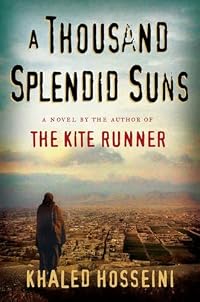
A Thousand Splendid Suns
by Khaled Hosseini
On This Page
Description
Two women born a generation apart witness the destruction of their home and family in war-torn Kabul, losses incurred over the course of thirty years that test the limits of their strength and courage.Tags
Recommendations
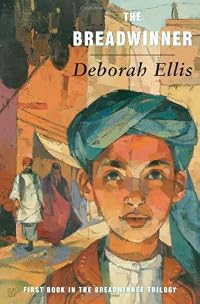
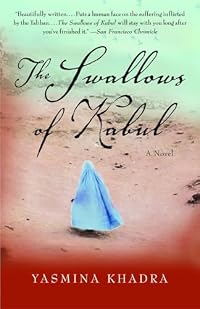
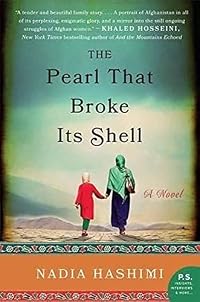
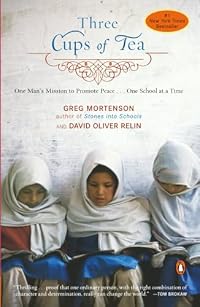
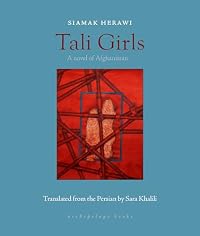
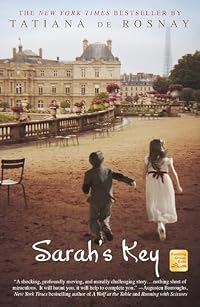


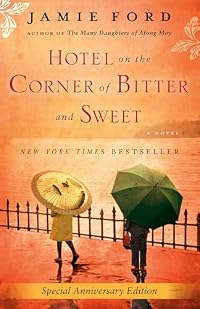
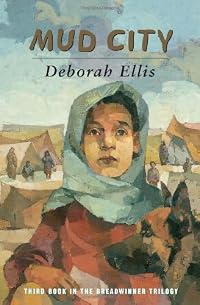
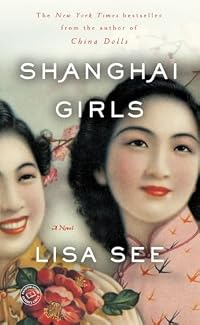
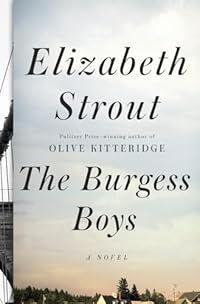
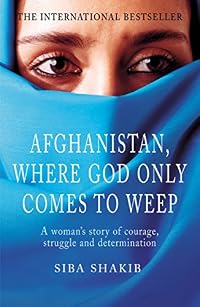
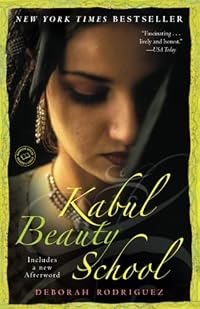
Member Recommendations
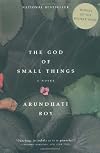
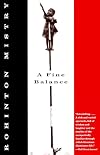
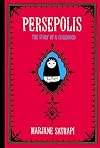
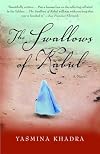

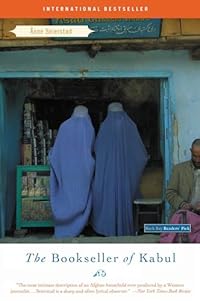
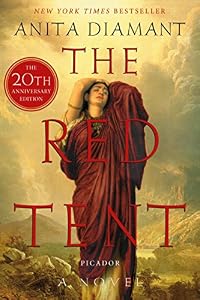
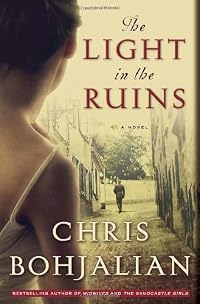
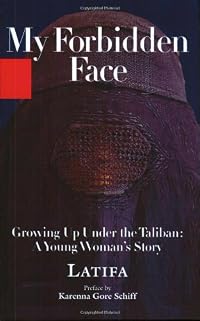
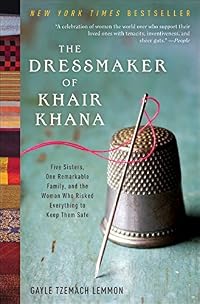
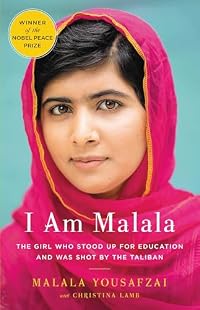
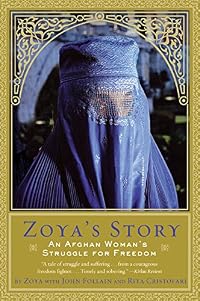
KnowWhatILike Both A Thousand Veils, situated in Iraq, and A Thousand Splendid Suns, situated in Afghanistan, are the stories of Muslim women who try to confront the repressive environments in their countries and who are persecuted as a result.
20
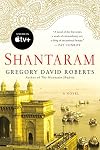
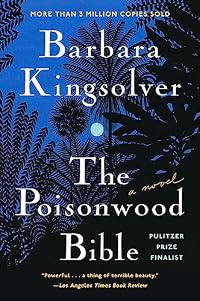
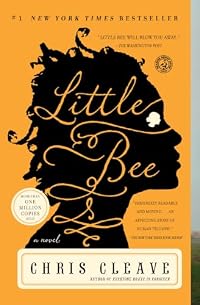
charlie68 This book is set mostly in India, but in section diverts to the Mujahideen in Afghanistan. An engrossing account of the story.
20
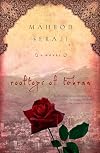
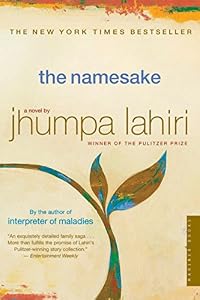
BookLizard A beautiful coming of age story set in Tehran during the 1970s. Pasha spends one unforgettable summer playing football (soccer) with the kids in the alley, talking politics and philosophy with his best friend Ahmed, and falling in love with his beautiful neighbor, a girl promised in marriage to Pasha's friend and mentor.


by andress


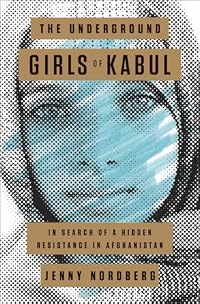
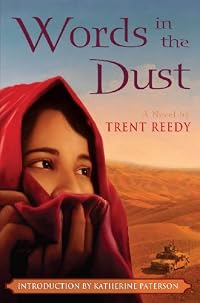
charlie68 Both take place in Afghanistan and capture the ethos of the region.
Member Reviews
*If you attempt any political or religious comment, you’re in trouble. Trust me, you don’t want to mess with one of my rants…’’
‘’Learn this now and learn it well, my daughter. Like a compass needle that points north, a man’s accusing finger always finds a woman. Always.’’
‘’This is what it means to be a woman in this world.’’
It is difficult, so difficult to read a book you don’t want to touch. A book that gnaws at your heart and spits out the pieces with glee. Because even though you know the truth, you don’t want to face it. You are not ready, you are not prepared. You refuse to ‘’live’’ in a world that jumps from the pages, so eloquently depicted, so horrifying and tangible. You refuse to believe show more that there are still parts in the world where women’s value is lower than a speck of dust, a drop of urine. You refuse to face the reality of a world where Rasheeds and Jalils exist instead of being torn apart and thrown to the dogs.
Words are cheap when it comes to this novel. Every literary remark is void and pretentious. Read it and feel privileged that we live in lands where women are respected, equal to men, even though the road is still long. Political correctness be damned. This is living Hell…
‘’Where I come from, one wrong look, one improper word, and blood is spilled. Where I come from, a woman’s face is her husband’s business only.’’
‘’You will not, under any circumstances, show your face. You will cover with burqa when outside.
If you do not, you will be severely beaten.
Cosmetics are forbidden.
Jewelry is forbidden.
You will not wear charming clothes.
You will not speak unless spoken to.
You will not make eye contact with men.
You will not laugh in public. If you do, you will be beaten.
You will not paint your nails. If you do, you will lose a finger.
Girls are forbidden from attending school. All schools for girls will be closed immediately.
Women are forbidden from working.
If you are found guilty of adultery, you will be stoned to death.
Listen. Listen well. Obey. Allah-u-Akbar’’
My reviews can also be found on https://theopinionatedreaderblog.wordpress.com/ show less
‘’Learn this now and learn it well, my daughter. Like a compass needle that points north, a man’s accusing finger always finds a woman. Always.’’
‘’This is what it means to be a woman in this world.’’
It is difficult, so difficult to read a book you don’t want to touch. A book that gnaws at your heart and spits out the pieces with glee. Because even though you know the truth, you don’t want to face it. You are not ready, you are not prepared. You refuse to ‘’live’’ in a world that jumps from the pages, so eloquently depicted, so horrifying and tangible. You refuse to believe show more that there are still parts in the world where women’s value is lower than a speck of dust, a drop of urine. You refuse to face the reality of a world where Rasheeds and Jalils exist instead of being torn apart and thrown to the dogs.
Words are cheap when it comes to this novel. Every literary remark is void and pretentious. Read it and feel privileged that we live in lands where women are respected, equal to men, even though the road is still long. Political correctness be damned. This is living Hell…
‘’Where I come from, one wrong look, one improper word, and blood is spilled. Where I come from, a woman’s face is her husband’s business only.’’
‘’You will not, under any circumstances, show your face. You will cover with burqa when outside.
If you do not, you will be severely beaten.
Cosmetics are forbidden.
Jewelry is forbidden.
You will not wear charming clothes.
You will not speak unless spoken to.
You will not make eye contact with men.
You will not laugh in public. If you do, you will be beaten.
You will not paint your nails. If you do, you will lose a finger.
Girls are forbidden from attending school. All schools for girls will be closed immediately.
Women are forbidden from working.
If you are found guilty of adultery, you will be stoned to death.
Listen. Listen well. Obey. Allah-u-Akbar’’
My reviews can also be found on https://theopinionatedreaderblog.wordpress.com/ show less
"Devastating" and "beautiful" often sound cliché when they are paired together, but in the case of A Thousand Splendid Suns, these words are more than apt. Part of the power of the book is to that there are many Mariams and Lailas all over the world for whom this story is not a fiction. Hosseini manages to passionately advocate for them without hyperbole or an excess of drama, spinning a tale that is tragic, but so human. The horrors in the book are at times almost unreadable, but Hosseini compels you to read further because you feel you owe it to the characters who persevere. Ultimately, you realize you owe it to the many people in the world for whom bombs are a daily reality, and the frightening relativism of terrorism inside a house show more vs. outside a house is perhaps the sharpest edge of the knife.
In a book with so little that is redemptive, I was startled by the ending. It is perfect--not happy, nor sad, but the perfect way to let us know that the story goes on well beyond the last page of any book. show less
In a book with so little that is redemptive, I was startled by the ending. It is perfect--not happy, nor sad, but the perfect way to let us know that the story goes on well beyond the last page of any book. show less
A captivating book. From the outset, like Scheherazade, Khaled Hosseini neatly punctuates each step of this harrowing story with an enticement to read on. Only sleep, made me close this book. My heart is wrenched not just for what these women (and children and men) had lived through, but for what is to come, for what unfolds after 2007, when the book was written.
Khaled Hosseini is not just a fine writer
Khaled Hosseini is not just a fine writer
Everyone – the guards, the inmates, the children, Mariam – burrowed their faces in the hook of their elbows, but the dust would not be denied. It made homes of ear canals and nostrils, of eyelashes and skin folds, of the space between molars. Only at dusk did the winds die down. And then if a night breeze blew, it did so timidly, asshow more
if to atone for the excesses of its daytime sibling. P.326.but a skilful storyteller. Curiously, having just finished George Orwell’s 1984, I can’t help but contrast the similar deaths of Winston and Mariam. Both accepting the inevitable totalitarian bullets but Winston perversely accepting oppression and Mariam finding and giving Laila some freedom from oppression. There are many other parallels to think on.
She had passed these years in a distant corner of her mind. A dry barren field, out beyond wish and lament, beyond dream and disillusionment. There, the future did not matter. And the past held only this wisdom: that love was a damaging mistake, and its accomplice, hope, a treacherous illusion. And whenever those twin poisonous flowers began to sprout in the parched land of that field, Mariam uprooted them. She uprooted them and ditched them before they took hold. p. 229.show less
Wow, a really emotional rollercoaster. Intriguing, horrifying, upsetting, tragic, it shows the tenacity of life and how even in its horrors there can be love and compassion.
This is a story about two very different women, Mariam and Laila, who learn to trust, love and care for each other. It portrays the power struggles seen in Kabul and Afghanistan during one woman’s lifetime. The resilience and bravery shown by these two women in the face of the changes and the cruelty and injustices they suffer is amazing and humbling. I was aware of the Taliban’s strict enforcement of Sharia law but hadn’t really appreciated what the effect on normal Afghans might be, so was quite horrified at the strict rules and the punishments meted out. It show more seems so inhuman, to obliterate the freedoms of any part of a society as the Taliban did with women, and I cannot imagine how people managed to survive under such a regime.
The characters were beautifully portrayed, they felt real so I became immersed in their world, thinking about them during the day as though they were people I knew. I found Mariam’s life extremely sad but I liked and marvelled at the person she became. Her’s is an amazing portrayal of a ‘regrettable accident’ who has never been wanted, but who finds her place, where she can be of use. It is really heartrending, the ultimate sacrifice she makes, the love she shows despite all she has suffered. Laila, brought up in a loving family, has her world tragically ripped apart, but her determination, hope and strength feel formidable and you know she will fulfil her destiny, just as her father predicted. The end of the book feels like emerging from a long dark tunnel, like a phoenix rising from the ashes.
My feelings about this book are reminiscent of those I experienced when I read Apeirigon by Colum McCann. Delving into other worlds, completely different from my own, is shocking and leaves me feeling ashamed at not only my own ignorance, but also what humans are capable of doing to fellow humans because they are deemed different in some way. This is not a comfortable or easy read, but like Colom McCann, Khaled Hosseini’s writing is informative and thought provoking and stays with you long after the book has been read. show less
This is a story about two very different women, Mariam and Laila, who learn to trust, love and care for each other. It portrays the power struggles seen in Kabul and Afghanistan during one woman’s lifetime. The resilience and bravery shown by these two women in the face of the changes and the cruelty and injustices they suffer is amazing and humbling. I was aware of the Taliban’s strict enforcement of Sharia law but hadn’t really appreciated what the effect on normal Afghans might be, so was quite horrified at the strict rules and the punishments meted out. It show more seems so inhuman, to obliterate the freedoms of any part of a society as the Taliban did with women, and I cannot imagine how people managed to survive under such a regime.
The characters were beautifully portrayed, they felt real so I became immersed in their world, thinking about them during the day as though they were people I knew. I found Mariam’s life extremely sad but I liked and marvelled at the person she became. Her’s is an amazing portrayal of a ‘regrettable accident’ who has never been wanted, but who finds her place, where she can be of use. It is really heartrending, the ultimate sacrifice she makes, the love she shows despite all she has suffered. Laila, brought up in a loving family, has her world tragically ripped apart, but her determination, hope and strength feel formidable and you know she will fulfil her destiny, just as her father predicted. The end of the book feels like emerging from a long dark tunnel, like a phoenix rising from the ashes.
My feelings about this book are reminiscent of those I experienced when I read Apeirigon by Colum McCann. Delving into other worlds, completely different from my own, is shocking and leaves me feeling ashamed at not only my own ignorance, but also what humans are capable of doing to fellow humans because they are deemed different in some way. This is not a comfortable or easy read, but like Colom McCann, Khaled Hosseini’s writing is informative and thought provoking and stays with you long after the book has been read. show less
An intense read from a true storyteller (not in the sense that the author made up everything in the book - although I also cannot claim complete understanding of the history of Afghanistan beyond what I have heard about on the news so I take the author at his words). The book is about relationships, predominantly the one between Mariam and Laila, and the inevitable, intertwining paths they are sent upon, set against the turbulent backdrop of Afghanistan.
I am actually not sure if I enjoyed the book as I spent more than half of it completely frustrated by the situations Mariam and Laila inevitably find themselves in for the sole reason that they are women. Lately, there has been more exposure on issues that women face (domestic violence - show more the why-I-left/stayed stories, anti-feminism - which means anti-equality, by the way -, female education - Malala Yousafzai was awarded the Nobel Peace Prize just a few days ago, etc) which are especially compounded in cultures where women are regarded as inferior than men. This environment made it a perfect - or at least extremely relevant - storm to read this book published seven years ago. (Also, I only recently got up to The Sopranos episode, The Knight in White Satin Armour which somehow convinced me that the same thing was going to have to happen in the book and I could not stop getting extremely anxious because neither Mariam nor Laila have mob-boss-brothers which meant something else inevitable had to happen.)
Sometimes when books use ongoing controversial issues/settings to frame their stories , I feel like I am being manipulated into viewing the book in a good light, i.e., I cannot condemn the book without condemning the important points they are bringing up. However, I appreciated the awareness that the author is raising for these issues and I appreciated the Afghanistan that the author illustrates with his words, so rich with history and culture beyond what we unfortunately only see now on the news.
(In light of the number of times I have used variations of the word "inevitable" in this review, I can only defend it by saying the book is very well plotted. The only bit of storytelling that I was not convinced of washow quickly Zalmai seems to have taken to Tariq afterwards but the scene where Zalmai inevitably rats out Tariq's visit, unaware of its larger implications and only realising when it was too late was just so well done)
Recommendation: Read between two light-hearted books. show less
I am actually not sure if I enjoyed the book as I spent more than half of it completely frustrated by the situations Mariam and Laila inevitably find themselves in for the sole reason that they are women. Lately, there has been more exposure on issues that women face (domestic violence - show more the why-I-left/stayed stories, anti-feminism - which means anti-equality, by the way -, female education - Malala Yousafzai was awarded the Nobel Peace Prize just a few days ago, etc) which are especially compounded in cultures where women are regarded as inferior than men. This environment made it a perfect - or at least extremely relevant - storm to read this book published seven years ago. (Also, I only recently got up to The Sopranos episode, The Knight in White Satin Armour which somehow convinced me that the same thing was going to have to happen in the book and I could not stop getting extremely anxious because neither Mariam nor Laila have mob-boss-brothers which meant something else inevitable had to happen.)
Sometimes when books use ongoing controversial issues/settings to frame their stories , I feel like I am being manipulated into viewing the book in a good light, i.e., I cannot condemn the book without condemning the important points they are bringing up. However, I appreciated the awareness that the author is raising for these issues and I appreciated the Afghanistan that the author illustrates with his words, so rich with history and culture beyond what we unfortunately only see now on the news.
(In light of the number of times I have used variations of the word "inevitable" in this review, I can only defend it by saying the book is very well plotted. The only bit of storytelling that I was not convinced of was
Recommendation: Read between two light-hearted books. show less
This book was a gut-punch.
I have to admit I didn't do as much decompressing with this book as much as I would have liked, but I'm totally chalking it up to the mild depression this book left me with. I can't remember the last thing I read where an overriding thought was "we're all just meat" floated about, and for better or for worse I'm fine with that.
This book was a lot, but I'm glad I read it. It strengthened my outlook on the urgency of women's rights and not to take them for granted, and made me realize everything I should be thankful for. Having so many experiences written in such detail to characters I grew to care about made me remember that people go through this to this day and that even though that reality is in the back of show more my mind, it's a fuzzy entity away from real thought. This definitely woke me up to it though.
I really liked the parallels between the two women's lives and the arc for them both as well. It was a bit of clarity in the chaos of these people's lives and I could feel the power in that. The stark reality of having a life without a clean cut meaning is real and often neglected in literature–hell even I'm afraid to write anything like that–but that discomfort you're left at worked wonders with the story. Anyways I really liked this book and totally recommend, but beware of a lot of uncomfy stuff. It's an important story that's worth your time. show less
I have to admit I didn't do as much decompressing with this book as much as I would have liked, but I'm totally chalking it up to the mild depression this book left me with. I can't remember the last thing I read where an overriding thought was "we're all just meat" floated about, and for better or for worse I'm fine with that.
This book was a lot, but I'm glad I read it. It strengthened my outlook on the urgency of women's rights and not to take them for granted, and made me realize everything I should be thankful for. Having so many experiences written in such detail to characters I grew to care about made me remember that people go through this to this day and that even though that reality is in the back of show more my mind, it's a fuzzy entity away from real thought. This definitely woke me up to it though.
I really liked the parallels between the two women's lives and the arc for them both as well. It was a bit of clarity in the chaos of these people's lives and I could feel the power in that. The stark reality of having a life without a clean cut meaning is real and often neglected in literature–hell even I'm afraid to write anything like that–but that discomfort you're left at worked wonders with the story. Anyways I really liked this book and totally recommend, but beware of a lot of uncomfy stuff. It's an important story that's worth your time. show less
I think the most important skill that reading imparts on readers is the ability to discern an author's intentions when writing. One learns to constantly question why a phrase is put a certain way, why a plot reaches a certain conclusion, etc. in a never-ending string of interrogations. Of course, readers bring their own biases into the fold; their preconceptions may warp their idea of what a novel or an author are trying to say, and their analysis of a story isn't as critical as they'd want it to be. In A Thousand Splendid Suns, Hosseini's deep love and reverence for the women of Afghanistan is embedded in every passage. You are meant to feel perpetually outraged at the suffocating world the resolutely ordinary female protagonists are show more subjected to by an aging, stupid, patriarchal tyrant who lacks any of the two's finer qualities but has complete authority over them as decreed by the anachronistic, religious military rule established by the Taliban. Even prior to their rise to power, however, the cultural norm of rural Afghan was the same oppressive, patriarchal rule that deprived women of their right to self-determination. As the author, it is Hosseini who subjects his protagonists to their daily terrors; as the reader, I got it in my head that he absolutely hated to nudge his characters to the doom you knew they would inevitably face—like when Mariam and Laila finally try to escape into Pakistan via train, where you knew that no matter which man they turned to for aid, they would be given up and sent back to the minuscule prison in which Rasheed kept them. Yet it was his lived experience, his understanding that the women of his home country went through horrors that he could never, that prompts him to remain steadfast in his depiction of the lives Mariam and Laila ended up living. What's really important to me, as an audience member, is that the trials that characters go through in realistic or true-to-life settings are able to be believed, especially so in a historical fiction. I'm sure Hosseini had the same doubts when he went about writing this novel—that while he wanted to do justice to the hellish lives Afghani women led in this time period, he would not want the experiences he wrote to appear contrived. Inevitably, as with most well-written stories subject to the possibility of this oversight, I become pliable as a reader by the reality the author demands me to expect over the course of their novel. It's why Mariam's execution is every bit as sorrowful and full of love as Hosseini would hope it to be. I think that's the real sign of a good fiction writer—the ability to coax readers towards accepting situations that may seem larger than life in order to get a good idea of how life can be in the real world. The extents of horror and beauty are stretched thin as life in the patriarchal hell Hosseini reconstructs from the lived experiences of Afghani women, and the tender yet resolute desire in Mariam to wish for more life in her last moments instill in you a respect and deep appreciation for a woman's claim over her right to live, no matter how torturous her life has been. show less
Members
- Recently Added By
Published Reviews
ThingScore 75
Hosseini doesn’t seem entirely comfortable writing about the inner lives of women and often resorts to stock phrases. Yet Hosseini succeeds in carrying readers along because he understands the power of emotion as few other popular writers do.
added by SqueakyChu
Anyone whose heart strings were pulled by Khaled Hosseini's first, hugely successful novel, The Kite Runner, should be more than satisfied with this follow-up. Hosseini is skilled at telling a certain kind of story, in which events that may seem unbearable - violence, misery and abuse - are made readable.
added by mikeg2
Vi følger to afghanske kvinners liv gjennom tre tiår med krig og Talibans tyranni. Mariam er en harami – uekte datter av en rik forretningsmann. Laila en oppvakt og moderne jente fra Kabul.
Gjennom skjebnens luner forenes deres veier, og de blir allierte i kamp mot en brutal ektemann og et krigersk, kvinneundertrykkende samfunn.
Hosseini gir en brutal, men nyansert beskrivelse av den show more patriarkalske despotismen som gjør kvinner avhengige av fedre, ektemenn og sønner. Men tross all sorg og urettferdighet, vold og fattigdom, mord og henrettelser, løfter Hosseini og hans kvinnelige hovedpersoner leseren med seg videre og nekter oss å gi opp håpet.
"Nok en kunstnerisk triumf og garantert bestselger fra denne fryktløse forfatteren."
Kirkus Review
"I tilfelle du skulle lure på om Khaled Hosseinis Tusen strålende soler er like god som Drageløperen er svaret: Nei. Den er bedre."
Washington Post
"En uimotståelig beretning."
NRK Kulturnytt show less
Gjennom skjebnens luner forenes deres veier, og de blir allierte i kamp mot en brutal ektemann og et krigersk, kvinneundertrykkende samfunn.
Hosseini gir en brutal, men nyansert beskrivelse av den show more patriarkalske despotismen som gjør kvinner avhengige av fedre, ektemenn og sønner. Men tross all sorg og urettferdighet, vold og fattigdom, mord og henrettelser, løfter Hosseini og hans kvinnelige hovedpersoner leseren med seg videre og nekter oss å gi opp håpet.
"Nok en kunstnerisk triumf og garantert bestselger fra denne fryktløse forfatteren."
Kirkus Review
"I tilfelle du skulle lure på om Khaled Hosseinis Tusen strålende soler er like god som Drageløperen er svaret: Nei. Den er bedre."
Washington Post
"En uimotståelig beretning."
NRK Kulturnytt show less
added by kirstenlund
Lists

Best Contemporary Literary Fiction (Around the Last 30 Years)
388 works; 124 members

Top Five Books of 2013
1,564 works; 716 members

Best of World Literature
431 works; 51 members

Recommend the 20 best books you've read in the last five years
2,167 works; 606 members

Historical Fiction
889 works; 89 members

Best 21st Century Books (So Far)
670 works; 86 members
Favourite Books
1,817 works; 316 members
Literature About Social Class
134 works; 19 members

Female Protagonist
1,056 works; 56 members

Top Five Books of 2018
802 works; 265 members
BBC's 100 Novels That Shaped Our World
100 works; 22 members

Five star books
1,755 works; 108 members
LibraryThingers' 1001 Books You Must Read Before You Die
442 works; 30 members

40 Books to Read Before You’re 40
40 works; 4 members

Top Five Books of 2019
387 works; 107 members

One Book, Many Authors
441 works; 40 members

Best Friendship Stories
205 works; 16 members

Women's Stories
88 works; 13 members

Blue Pyramid 1,276 Best Books of All Time
1,248 works; 32 members

Top Five Books of 2014
1,064 works; 397 members

Best Book Club Selections
26 works; 8 members
Books tagged favorites
390 works; 30 members

Asia
178 works; 7 members
Top Five Books of 2017
757 works; 230 members

2000s decade
85 works; 7 members

A Novel Cure
742 works; 23 members

Best family sagas
244 works; 33 members
Carole's List
445 works; 13 members

End of Your Life Book Club
134 works; 4 members

Books Read in 2017
4,248 works; 130 members
Literature About Women and Girls
391 works; 39 members

2016 Book Club Choices
52 works; 7 members

Books With Numbers in the Title
308 works; 13 members

Mind Expanding Books by hackerkid
581 works; 8 members

Books Read in 2023
5,547 works; 145 members
Deena's Favorites--How Many have you read?
102 works; 3 members

SHOULD Read Books!
354 works; 9 members

Books Read in 2016
4,666 works; 197 members
My TBR list
38 works; 1 member

Books I've read
87 works; 2 members

What are your favourite books?
121 works; 11 members

Reading Globally
136 works; 16 members

Required Reading Summer Reading 23
16 works; 2 members

Survey suggestions
16 works; 2 members

NYT Readers best of 21st C
100 works; 8 members

Arab and Arab Diaspora Literature We Recommend
112 works; 53 members

Florida
366 works; 3 members

Books With the Most Memorable Titles
478 works; 158 members

.
184 works; 1 member

Allie's Wishlist
217 works; 2 members

AP Lit
363 works; 6 members
Rebel Women Reading List
25 works; 2 members

Best books I read in 2013
152 works; 3 members

Books Read in 2019
4,052 works; 110 members

Books Tagged Abuse
152 works; 4 members

Swinging Seventies
255 works; 16 members
Afghanistan
42 works; 2 members
Fictional Biographies
17 works; 3 members

storage
51 works; 1 member
Author Information

28+ Works 101,585 Members
Khaled Hosseini was born in Kabul, Afghanistan on March 4, 1965. He received a bachelor's degree in biology from Santa Clara University in 1988 and a medical degree from the University of California-San Diego's School of Medicine in 1993. He was a practicing internist from 1996 to 2004. While in medical practice, he began writing his first novel, show more The Kite Runner, which was published in 2003. His other books include A Thousand Splendid Suns and And the Mountains Echoed. In 2006, he was named a Goodwill Envoy to UNHCR, the United Nations Refugee Agency. He established The Khaled Hosseini Foundation, a nonprofit that provides humanitarian assistance to the people of Afghanistan. (Bowker Author Biography) show less
Some Editions
Awards and Honors
Awards
Distinctions
Notable Lists
Whitcoulls Top 100 Books (25 – 2008)
Whitcoulls Top 100 Books (36 – 2010)
Series
Belongs to Publisher Series
Work Relationships
Is contained in
Has the adaptation
Has as a student's study guide
Common Knowledge
- Canonical title*
- Mille Soleils Splendides
- Original title
- A Thousand Splendid Suns
- Original publication date
- 2007
- People/Characters
- Mariam Khan; Jalil Khan; Rasheed; Laila; Tariq; Aziza (show all 7); Zalmai
- Important places
- Afghanistan; Kabul, Afghanistan
- Important events
- Afghan Civil War; Operation Enduring Freedom
- Dedication
- This book is dedicated to Haris and Farah, both the noor of my eyes, and to the women of Afghanistan.
- First words
- Mariam was five years old the first time she heard the word harami.
[Afterword] For almost three decades now, the Afghan refugee crisis has been one of the most severe around the globe. - Quotations
- Nobody could count the moons that shined on her roofs,
or the thousand splendid suns that hid behind her walls - Last words
- (Click to show. Warning: May contain spoilers.)Because, if it's a girl, Laila has already named her.
(Click to show. Warning: May contain spoilers.)[Afterword] To help, or simply to learn more about UNHCR, its work, or the plight of refugees in general, please visit: www.UNrefugees.org. Thank you. - Publisher's editor
- Davis, Tony; McGrath, Sarah
- Original language
- English
*Some information comes from Common Knowledge in other languages. Click "Edit" for more information.
Classifications
Statistics
- Members
- 33,926
- Popularity
- 93
- Reviews
- 933
- Rating
- (4.28)
- Languages
- 44 — Albanian, Arabic, Basque, Bosnian, Bulgarian, Catalan, Czech, Danish, Dutch, English, Estonian, Finnish, French, German, Galician, Greek, Hebrew, Hungarian, Icelandic, Indonesian, Italian, Japanese, Korean, Macedonian, Marathi, Norwegian (Bokmål), Norwegian, Farsi/Persian, Polish, Romanian, Russian, Serbian, Croatian, Slovak, Slovenian, Spanish, Swedish, Tamil, Turkish, Urdu, Welsh, Portuguese (Portugal), Portuguese (Brazil), Chinese, traditional
- Media
- Paper, Audiobook, Ebook
- ISBNs
- 204
- UPCs
- 2
- ASINs
- 84