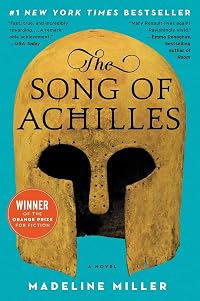
The Song of Achilles
by Madeline Miller
On This Page
Description
"At once a scholar's homage to The Iliad and startlingly original work of art by an incredibly talented new novelist....A book I could not put down." --Ann Patchett "Mary Renault lives again!" declares Emma Donoghue, author of Room, referring to The Song of Achilles, Madeline Miller's thrilling, profoundly moving, and utterly unique retelling of the legend of Achilles and the Trojan War. A tale of gods, kings, immortal fame, and the human heart, The Song of Achilles is a dazzling literary show more feat that brilliantly reimagines Homer's enduring masterwork, The Iliad. An action-packed adventure, an epic love story, a marvelously conceived and executed page-turner, Miller's monumental debut novel has already earned resounding acclaim from some of contemporary fiction's brightest lights--and fans of Mary Renault, Bernard Cornwell, Steven Pressfield, and Colleen McCullough's Masters of Rome series will delight in this unforgettable journey back to ancient Greece in the Age of Heroes. show lessTags
Recommendations


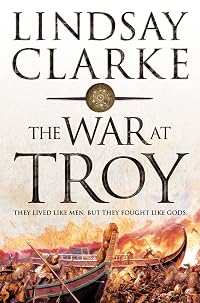
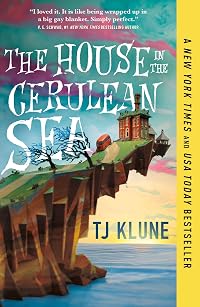
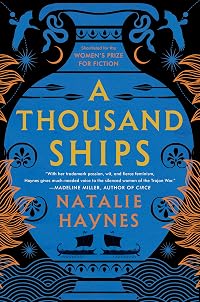
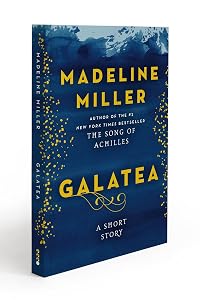
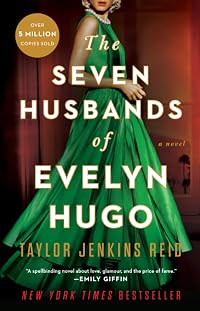
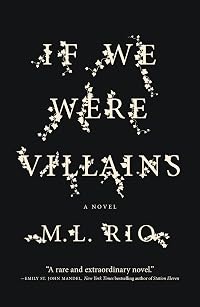
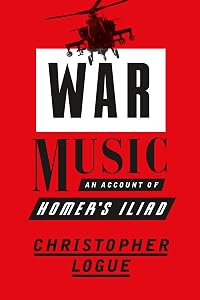
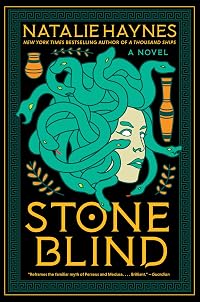
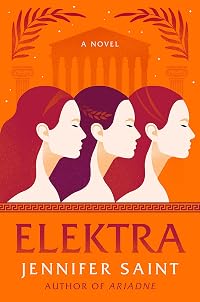
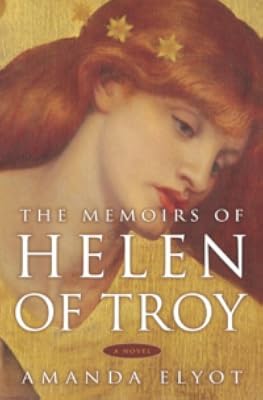

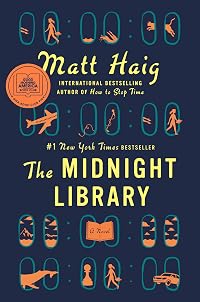
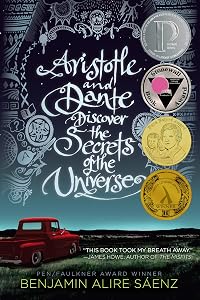





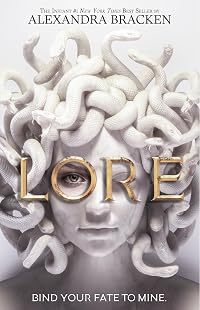
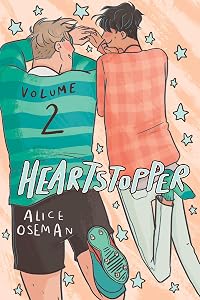
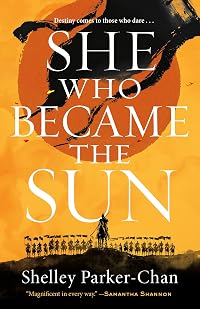
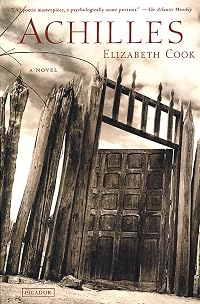
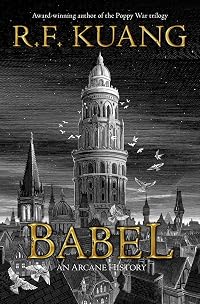
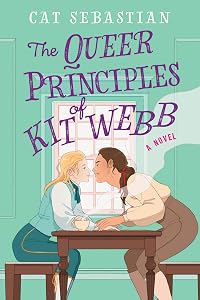
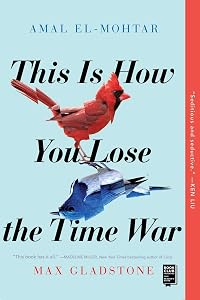
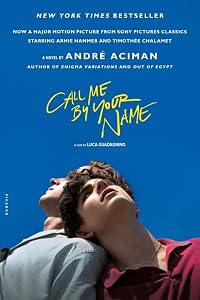


Member Recommendations

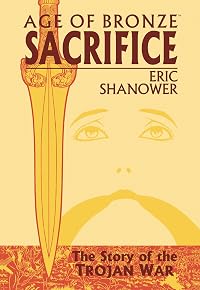
konallis A very different view of Achilles, from the point of view of his captured prize, Briseis.
51
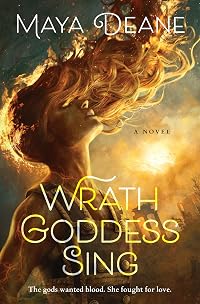
emanate28 Maybe they are too similar... But both The Persian Boy and The Song of Achilles are heartbreaking and beautiful stories of legendary heroes told from the perspective of their devoted boy lovers. The ancient heroes come alive and one is transported back into those times.
40

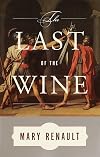
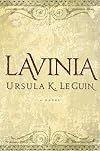
knhaydon Modern retelling of a classical myth, narrated by a character with a less central part in the original source text(s).
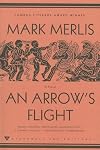
marq Mark Merlis also takes up the story of Pyrrhus (or Neoptolemus), Achilles’ son with Deidamia when he was in disguise as a woman on Scyros. A very different kind of novel, steampunk, wild anachronism, graphically homoerotic, brilliant.
10
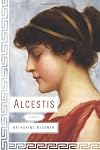
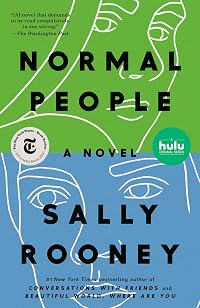
novelcommentary Similar narrative idea
TomWaitsTables Because Song of Achilles is Homer's Illiad as a Twilight novel. Sorry.
445
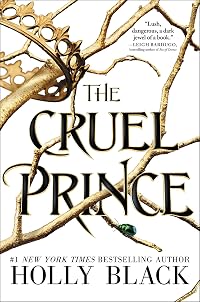
quartzite Set in Bronze Age Greece about descendants of Hercules seeking to reclaim their patrimony.
Member Reviews
This is such a gorgeous retelling of The Iliad (which I read in August 2024), and coming back to this story a year later was so comforting. I already knew how it would end, and that made it even more heartbreaking. I was crying embarrassingly early just from the knowing. I loved the narrowed focus on Patroclus and Achilles. The whole world is filtered through Patroclus’ eyes, and it makes Achilles so much easier to love and understand. He’s not just the prideful, arrogant hero, he’s gentle, trusting, loving, and deeply aware of his destiny. I loved Briseis’ characterization. My biggest frustration in The Iliad is the same here: the moment I wanted to scream at Patroclus don’t go, don’t do it. But of course, none of it show more matters, you can only delay the inevitable. The meddling gods, the sense of humans constantly interpreting divine chaos, it all felt rich and tragic and indulgent. I’m curious how it hits readers unfamiliar with the story. I loved this book. Now to finally read The Odyssey, hopefully not a full year from now. show less
DNF @ 10%.
Content warnings (that I encountered in the few pages I read):
- rape and taking the side & pov of the rapist
- misogyny
- fatphobia
Warning:
Discussions of rape in this review.
I was so excited for this book. It seems to be everywhere, and everyone loves it. My disappointment is … massive.
My first impression was that the writing was, in fact, very good. I have seen quotes from The Song of Achilles around my socials, so I know Madeline Miller can write, but her prose really is gorgeous. Unfortunately it all became flowery and empty when her lovely writing was reserved for describing Achilles, and that only. It left a sweetly sick taste in my mouth.
But I could live with that, of course.
What made me stop reading was the show more overwhelming presence of misogyny and the rape. I understand this takes place in ancient Greece, and that women didn’t have the best lives, I do, but this is also supposed to be a YA book, and I think the author maybe forgot who she was writing for when trying to make her book … I don’t know, historically accurate or something. I’m well aware Zeus, for example, “ravished” many mortal women, and the book does mention his “conquests”, too, but at one point early on in the backstory, a human man rapes a goddess, and we see the man’s side. [Spoiler used for disturbing content:]We hear about the men advising him how to do it … how to catch her and hold her down. We hear about how for a year she had to stay with him and be raped over and over again. And after all that, the narration has the audacity to say, “An ordinary wife would have counted herself lucky to find a husband with Peleus’ mildness …”
I’m a survivor, and I just can’t handle this. I don’t really care how great the love story of Patroclus and Achilles is. I’m going to read something else. show less
Content warnings (that I encountered in the few pages I read):
- rape and taking the side & pov of the rapist
- misogyny
- fatphobia
Warning:
Discussions of rape in this review.
I was so excited for this book. It seems to be everywhere, and everyone loves it. My disappointment is … massive.
My first impression was that the writing was, in fact, very good. I have seen quotes from The Song of Achilles around my socials, so I know Madeline Miller can write, but her prose really is gorgeous. Unfortunately it all became flowery and empty when her lovely writing was reserved for describing Achilles, and that only. It left a sweetly sick taste in my mouth.
But I could live with that, of course.
What made me stop reading was the show more overwhelming presence of misogyny and the rape. I understand this takes place in ancient Greece, and that women didn’t have the best lives, I do, but this is also supposed to be a YA book, and I think the author maybe forgot who she was writing for when trying to make her book … I don’t know, historically accurate or something. I’m well aware Zeus, for example, “ravished” many mortal women, and the book does mention his “conquests”, too, but at one point early on in the backstory, a human man rapes a goddess, and we see the man’s side. [Spoiler used for disturbing content:]
I’m a survivor, and I just can’t handle this. I don’t really care how great the love story of Patroclus and Achilles is. I’m going to read something else. show less
I knew how this book would end since I knew the story, but the way Miller writes it just destroyed me. This books was not what I thought it was going to be, in a good way. I thought it was mostly going to focus on the war, but I love that it shows the whole life of the characters. The novel format of this makes the story much more accessible for people. Miller paints the relationship so beautifully and boldly that I couldn't help but wish for a different end. This book absolutely lives up to the hype.
3.5 Stars
Unpopular opinion alert!
Chosen for a specific reading challenge, admittedly, this isn’t my typical reading fare as Greek mythology and the arrogant gods who love to meddle, as well as this being a tragedy doomed from the start, will never be my first choice.
Vivid in its rendering of one destined for greatness, Gods touched for the promise of glory but with such a promise, there’s always a steep price. Ultimately, there's no glory here. Achilles may be remembered for eternity but wasting a decade fighting a pointless war only to succumb and fall was quite pointless to me.
Regardless, I do see what all the fuss is about. This is no doubt a beautifully written book, rich with nuance and a detailed retelling of the doomed show more Patroclus and his equally doomed Achilles. The story between these two stands the test of time as their love is loyal, devoted, and unwavering, despite any and all (including fate and prophecy) that conspire against them.
I appreciate this for what it is, and I’m not surprised that it has won many accolades and awards. Miller obviously has a way with words but when it comes down to it, ultimately for me, this was just not personally enjoyable despite the stellar, talented prose. show less
Unpopular opinion alert!
Chosen for a specific reading challenge, admittedly, this isn’t my typical reading fare as Greek mythology and the arrogant gods who love to meddle, as well as this being a tragedy doomed from the start, will never be my first choice.
Vivid in its rendering of one destined for greatness, Gods touched for the promise of glory but with such a promise, there’s always a steep price. Ultimately, there's no glory here. Achilles may be remembered for eternity but wasting a decade fighting a pointless war only to succumb and fall was quite pointless to me.
Regardless, I do see what all the fuss is about. This is no doubt a beautifully written book, rich with nuance and a detailed retelling of the doomed show more Patroclus and his equally doomed Achilles. The story between these two stands the test of time as their love is loyal, devoted, and unwavering, despite any and all (including fate and prophecy) that conspire against them.
I appreciate this for what it is, and I’m not surprised that it has won many accolades and awards. Miller obviously has a way with words but when it comes down to it, ultimately for me, this was just not personally enjoyable despite the stellar, talented prose. show less
Updated Review
I absolutely have no rational reason for not having read this book till now. It’s been on my TBR for more than an year, I own the book in three different formats and I knew I would love it. So, I really don’t know what was stopping me, except maybe that I didn’t want my heart to be broken. And I also recently watched the TV show Troy on Netflix, so I decided to read the book finally while some of the characters names were still fresh in my mind.
I am one of those readers who likes my books to be written in a simple way, poetic language and purple prose doesn’t really work for me and I have DNFd quite a few books for being written that way. However, this book was a pleasant surprise. The author’s writing is the show more definition of poetic but I fell in love with the beauty of it. The development of the relationship between Patroclus and Achilles, the tenderness and unconditional nature of their friendship and love is just so all encompassing that I felt every single emotion that they felt. While the first half deals with this progression, the second half was about the Trojan War. However, the author manages to finely balance this and provides enough action to keep us on the edge of our seats but the relationship is always at the forefront.
I frankly have no words to describe the characters. Patroclus is such a good person and after having been exiled by his father, his whole life literally revolves around Achilles. He does everything he can to ensure Achilles gets the honor and fame that he wants, whatever the consequences might be for himself and his love. I loved him right from the get go and seeing Achilles from his perspective, it’s difficult not to fall in love with him too. However, we also see the change in Achilles, how he can’t really escape his fate and how much role his own hubris plays in his downfall, but through all of it, Patroclus’s love for him never wavers and that kind of love is only possible in myths.
I am sorry everyone, I have no clue what I am writing here. I think I just don’t have words to review how much I loved this book. This book is an embodiment of knowing what the ending is but still reading the book because the journey is magical. I cried and cried towards the end and had to take a break from reading for a couple of days because I couldn’t get it out of my head. If you enjoy mythology or a great love story, then I highly recommend this one. It might be a Greek tragedy, but I promise you, the experience is worth it.
Initial thoughts
I’m too busy weeping right now...😭😭😭😭😭
RTC when I’m able to... show less
I absolutely have no rational reason for not having read this book till now. It’s been on my TBR for more than an year, I own the book in three different formats and I knew I would love it. So, I really don’t know what was stopping me, except maybe that I didn’t want my heart to be broken. And I also recently watched the TV show Troy on Netflix, so I decided to read the book finally while some of the characters names were still fresh in my mind.
I am one of those readers who likes my books to be written in a simple way, poetic language and purple prose doesn’t really work for me and I have DNFd quite a few books for being written that way. However, this book was a pleasant surprise. The author’s writing is the show more definition of poetic but I fell in love with the beauty of it. The development of the relationship between Patroclus and Achilles, the tenderness and unconditional nature of their friendship and love is just so all encompassing that I felt every single emotion that they felt. While the first half deals with this progression, the second half was about the Trojan War. However, the author manages to finely balance this and provides enough action to keep us on the edge of our seats but the relationship is always at the forefront.
I frankly have no words to describe the characters. Patroclus is such a good person and after having been exiled by his father, his whole life literally revolves around Achilles. He does everything he can to ensure Achilles gets the honor and fame that he wants, whatever the consequences might be for himself and his love. I loved him right from the get go and seeing Achilles from his perspective, it’s difficult not to fall in love with him too. However, we also see the change in Achilles, how he can’t really escape his fate and how much role his own hubris plays in his downfall, but through all of it, Patroclus’s love for him never wavers and that kind of love is only possible in myths.
I am sorry everyone, I have no clue what I am writing here. I think I just don’t have words to review how much I loved this book. This book is an embodiment of knowing what the ending is but still reading the book because the journey is magical. I cried and cried towards the end and had to take a break from reading for a couple of days because I couldn’t get it out of my head. If you enjoy mythology or a great love story, then I highly recommend this one. It might be a Greek tragedy, but I promise you, the experience is worth it.
Initial thoughts
I’m too busy weeping right now...😭😭😭😭😭
RTC when I’m able to... show less
WOW! I had read Circe by Madeline miller first and although enjoyable, I didn't get the hype. Because of that, I went into this book with low expectations, but I have never been so glad to be wrong! The way that Miller breathed life into these characters is unparalleled. Often with mythology retellings there is little added value or content, and for those that are familiar with the stories the book can get predictable and dry. But the song of Achilles almost made me want to go read the Iliad again! The words were crafted so beautifully that I found myself rereading sentences ten times over just to let the depth of them sink in. I love these characters and I love this book, despite how many tears were shed at the end!
Happily ensconced in my sleeping bag I lost myself in this wonderful début novel for hours on end. In Miller’s careful creation we experience the excitement and tragedy of the Trojan War in all its golden glory, narrated by the deeply invested bystander Patroclus; exiled prince, great friend and lover of Achilles. As well as exploring the legendary relationship between these two mythical figures, those rusty on their Homer can sink their teeth into the gory, glamorous details and follow golden boy Achilles as he hurtles towards his fate. Forget Brad Pitt, this is the real(ish) deal. Miller knows her onions and uses her impressive knowledge as a classicist, combined with very natural story-telling skills to create a seamless show more narrative, colourful world and characters you can really become invested with.
This was the perfect holiday read. Unadulterated entertainment with brains. Miller’s concept; which takes the story of The Iliad, embellishes it and makes it more accessible for modern readers, is genius. Although I am no classicist myself, the impression left was one of great research and consideration (down to the last accuracy) yet of writing skilled enough to avoid becoming overwhelmed by this detail. The Patroclus – Achilles relationship reigns supreme throughout, at times becoming too slushy for words, however the splendid writing and the efficacy of the bystander-narrative saves this wonderful début novel from veering over into the realms of slash fiction. Thank GOD.
An excellent début and thoroughly deserved winner of what once was the Orange Prize for Fiction.
http://relishreads.wordpress.com/2012/11/13/the-song-of-achilles/ show less
This was the perfect holiday read. Unadulterated entertainment with brains. Miller’s concept; which takes the story of The Iliad, embellishes it and makes it more accessible for modern readers, is genius. Although I am no classicist myself, the impression left was one of great research and consideration (down to the last accuracy) yet of writing skilled enough to avoid becoming overwhelmed by this detail. The Patroclus – Achilles relationship reigns supreme throughout, at times becoming too slushy for words, however the splendid writing and the efficacy of the bystander-narrative saves this wonderful début novel from veering over into the realms of slash fiction. Thank GOD.
An excellent début and thoroughly deserved winner of what once was the Orange Prize for Fiction.
http://relishreads.wordpress.com/2012/11/13/the-song-of-achilles/ show less
Members
- Recently Added By
Published Reviews
ThingScore 63
That The Song of Achilles offers a different take on the epic story of Achilles and the Trojan War is not, in itself, anything particularly out of the ordinary. People have been putting their own spins on The Iliad from the instant Homer finished reciting it. What's startling about this sharply written, cleverly re-imagined, enormously promising debut novel from Madeline Miller is how fresh show more and moving her take on the tale is — how she has managed to bring Achilles and his companion Patroclus to life in our time without removing them from their own. show less
added by Shortride
But in the case of Miller, who earned undergraduate and graduate degrees in classics at Brown, the epic reach exceeds her technical grasp. The result is a book that has the head of a young adult novel, the body of the “Iliad” and the hindquarters of Barbara Cartland.
added by 1morechapter
Lists

Favourite Women's Prize for Fiction, Orange & Bailey's Prize contenders
132 works; 52 members

1001 Books You Must Read Before You Die
1,448 works; 1,134 members

Favourite books from the 2012 Orange Prize for fiction longlist
20 works; 15 members

Top Five Books of 2013
1,562 works; 721 members

Best Historical Fiction
620 works; 261 members

Recommend the 20 best books you've read in the last five years
2,168 works; 606 members

Best 21st Century Books (So Far)
670 works; 86 members

ALA The Reading List
490 works; 28 members

Historical Fiction
889 works; 91 members

Favorite Literary Love Stories
182 works; 101 members

Best historical fiction set in the ancient world
126 works; 40 members

Top Five Books of 2020
982 works; 350 members

Women's Prize for Fiction
29 works; 5 members

Top Five Books of 2016
795 works; 229 members

Best LGBT Fiction
144 works; 25 members

Mix Tape 📚
12 works; 2 members

Top Five Books of 2019
387 works; 111 members

Favorite Books Published in 2011
14 works; 5 members

BBC Radio 4 Bookclub
340 works; 13 members

Historical Fantasy
93 works; 14 members

Books Read in 2015
3,299 works; 126 members

Diversity in Fantasy and Science Fiction
219 works; 33 members

LGBTQ+ Speculative Fiction
821 works; 51 members

2022 Christmas Gifts
60 works; 13 members

The 100 Best Fantasy Books of All Time
100 works; 15 members

Books from December 2021 to December 2022
5 works; 1 member

Best books read in the first half of 2012
38 works; 6 members

Lit Lattes Ep 004
13 works; 1 member

Myth (Reuse and Retelling)
188 works; 24 members

SHOULD Read Books!
354 works; 9 members

Good LGBT fiction for LGBT folk and friends
546 works; 54 members
Recommended Speculative Fiction by Women and People of Color
298 works; 45 members
Overdue Podcast
806 works; 9 members

Phi Beta Kappa reading list
260 works; 8 members

Retrospective of Historical Fiction
48 works; 7 members

once upon a time ~ ancient world
46 works; 7 members
Top Five Books of 2012
55 works; 11 members

Books Read in 2022
5,168 works; 114 members

Reading Group 2012 Fall
8 works; 1 member

Evan's Reading List 2022
18 works; 1 member

Books on my Kindle
162 works; 3 members

Stories Inspired by Other Fiction
127 works; 24 members
Books Read in 2016
4,666 works; 199 members

Books read in 2023
9 works; 2 members

Plan to Read Books
75 works; 1 member

2015 Reading List
9 works; 1 member

SantaThing 2014 Gifts
299 works; 17 members

LGBTQIA+ TBR
33 works; 1 member

READ in 2024
262 works; 1 member

el
1,139 works; 1 member

Books Read in 2024
4,623 works; 126 members
Favorite Romance Fiction
247 works; 115 members

Books recommended by Calgary Public Library staff
1,588 works; 4 members
Best Audiobooks
240 works; 114 members
Books That Made Us Cry
278 works; 145 members

.
184 works; 1 member

2022 Challenge
24 works; 1 member
Our Favorite Comfort Reads
334 works; 200 members

Read in 2024
23 works; 1 member

NYT Readers best of 21st C
100 works; 8 members

Fiction with Men's Given Names in the Title
302 works; 11 members
Booktok Books
69 works; 8 members

Books Read in 2019
4,052 works; 109 members

Books Read in 2013
1,630 works; 51 members

Best Mythic Fiction
35 works; 6 members
BingoDOG - Genre Benders
74 works; 14 members

KayStJ's to-read list
1,616 works; 11 members

Biggest Disappointments
606 works; 163 members
Books Read in 2018
4,360 works; 110 members

War Literature
101 works; 19 members
Character-driven SF
59 works; 1 member
Rethinking Myths and Fairy Tales
13 works; 1 member
Stories Inspired by Myth
8 works; 1 member

The Trojan War
109 works; 13 members
Diverse Reading Challenge 2020
31 works; 1 member
16 Books About Gods and Mythology
16 works; 1 member

Books Read in 2021
5,361 works; 114 members
BookTok Adult
115 works; 2 members
sad girl books
41 works; 2 members

Illumicrates 100 Best Sci-Fi, Fantasy & Horror Books of the 21st Century
27 works; 1 member
Talk Discussions
Past Discussions
More books similar to The Song of Achilles? in Book talk (August 2022)
Le Salon reads the Iliad in Le Salon Littéraire du Peuple pour le Peuple (April 2020)
GROUP READ - The Song of Achilles in 2013 Category Challenge (June 2013)
The Song of Achilles, Madeline Miller in World Reading Circle (February 2013)
The Song of Achilles by Madeline Miller in Orange January/July (July 2012)
Author Information

Madeline Miller is a novelist who was born in 1978 in Boston. She earned her Bachelor's and Masters Degrees in Classics from Brown University. She soon began teaching Latin, Greek, and Shakespeare to high school students. She also took classes at the University of Chicago's Committee on Socila Thought and at the Yale School of Drama. Her debut show more novel,The Song of Achilles, was released in 2011. It won the 17th annual Orange Prize for Fiction and was shortlisted for the 2013 Chautauqua Prize. Her next title, Circe, made the bestseller list in 2018. (Bowker Author Biography) show less
Some Editions
Awards and Honors
Awards
Distinctions
Notable Lists
Series
Belongs to Publisher Series
Work Relationships
Is contained in
Common Knowledge
- Canonical title
- The Song of Achilles
- Original title
- The Song of Achilles
- Alternate titles
- The Song of Achilles: A Novel (cover) (cover)
- Original publication date
- 2011
- People/Characters
- Achilles; Patroclus; Odysseus; Thetis (deity); Peleus; Agamemnon (show all 9); Menelaus; Pyrrhus; Briseis
- Important places
- Troy; Phthia; Mount Pelion, Thessaly, Greece; Scyros
- Important events
- Trojan War
- Dedication
- To my mother, Madeline, and Nathaniel
- First words
- My father was a king and the son of kings.
- Quotations
- I could recognize him by touch alone, by smell; I would know him blind, by the way his breaths came and his feet struck the earth. I would know him in death, at the end of the world.
We were like gods at the dawning of the world, and our joy was so bright we could see nothing else but the other.
"That is — your friend?"
"Philtatos," Achilles replied, sharply. Most beloved. - Last words
- (Click to show. Warning: May contain spoilers.)Their hands meet, and light spills in a flood like a hundred golden urns pouring out of the sun.
- Publisher's editor
- Boudreaux, Lee
- Blurbers
- Donoghue, Emma; Patchett, Ann; Mason, Zachary; Palliser, Charles; Tartt, Donna; Simonson, Helen (show all 7); Conybeare, Catherine
- Original language
- American English
Classifications
Statistics
- Members
- 20,566
- Popularity
- 279
- Reviews
- 616
- Rating
- (4.22)
- Languages
- 17 — Chinese, Czech, Danish, Dutch, English, Finnish, French, German, Hungarian, Italian, Korean, Polish, Romanian, Spanish, Swedish, Turkish, Portuguese (Portugal)
- Media
- Paper, Audiobook, Ebook
- ISBNs
- 102
- ASINs
- 38