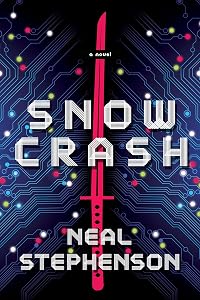
Snow Crash
by Neal Stephenson
There is 1 current discussion about this work.
On This Page
Description
In twenty-first-century America, a teenaged computer hacker finds himself fighting a computer virus that battles virtual reality technology and a deadly drug that turns humans into zombies.Tags
Recommendations
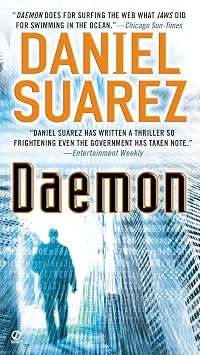
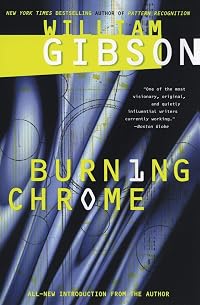
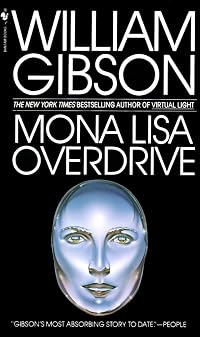
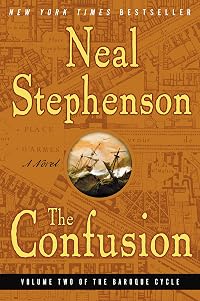
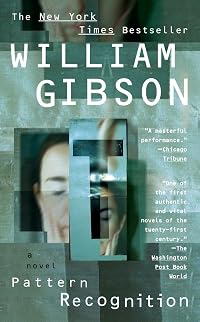
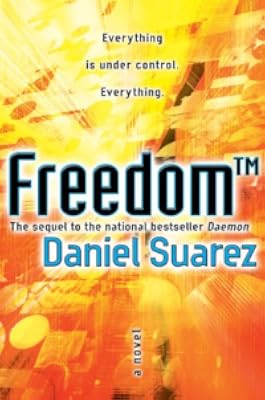
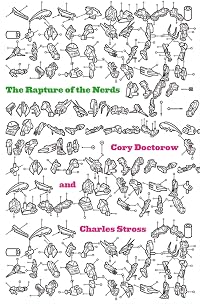
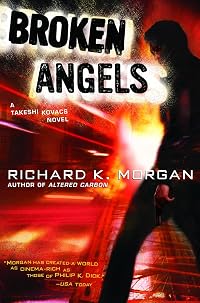
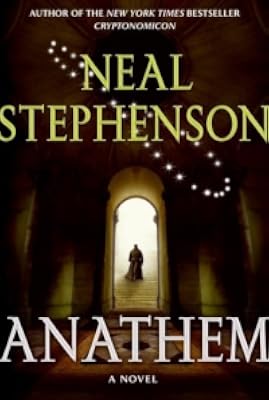
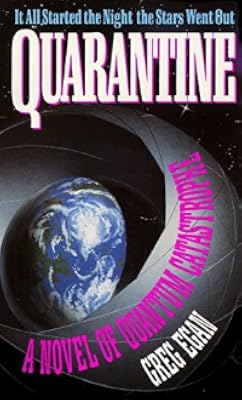
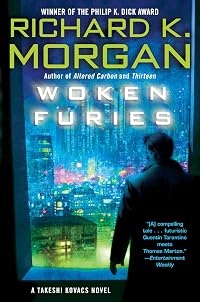
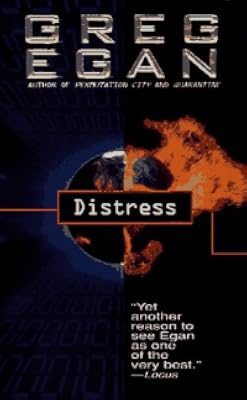

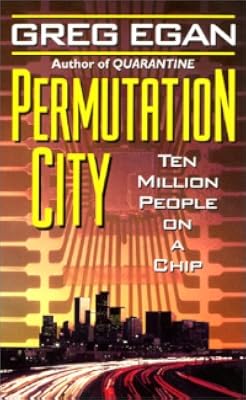

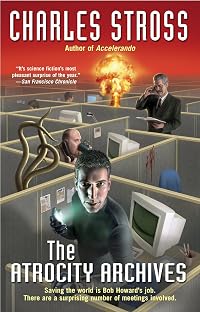
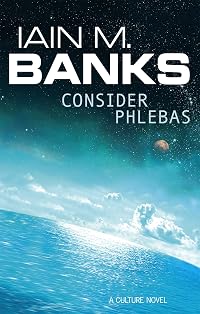
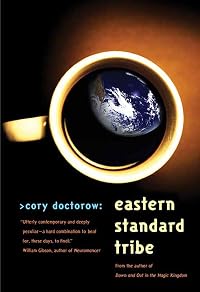
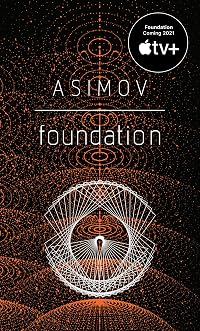
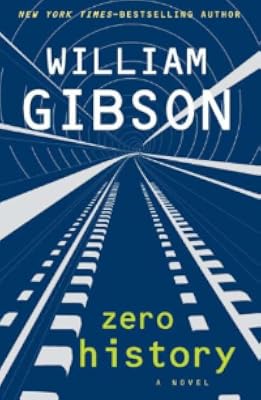
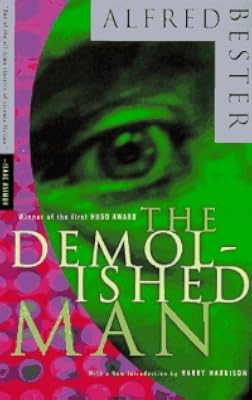
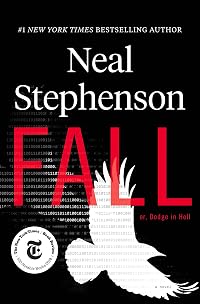
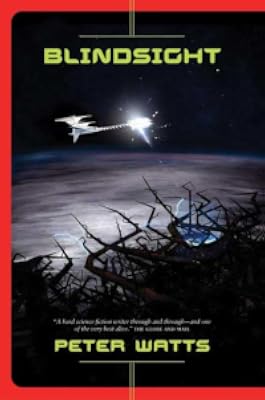
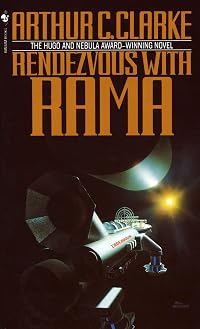
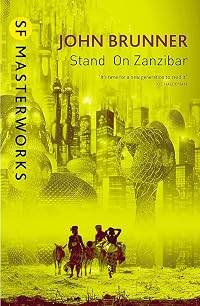
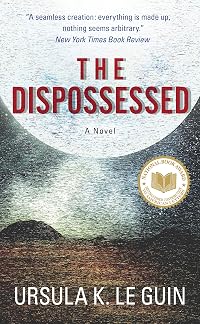
Member Recommendations
davesmind Although Snow Crash is a classic of cyberpunk, I think Ready Player One has a more captivating story - especially if you played video games in the 80's
jbgryphon RPO's OASIS owes it's existence as much to Neil Stephenson's Metaverse as to the miriad of geek universes that are included in it.
fulner Ready player one is what Snow crash should have been. A story focused primarily on the inter-personal-relationships of others "online" in a futuristic version of the internet in which we live in a 3-D world as the real world around us crashes and burns.
The biggest difference is Ready Player One Doesn't Suck. Still somewhat heretical, but its heresy can be easily dismissed on that the protagonist is an atheist.
201
Noisy Anarchy viewed from both sides of the fence. 'Snow Crash' offers the capitalist view and 'The Star Fraction' offers the socialist counterpart.
20
pammab To explore the possibilities of virtual reality in the near future. Duane's is much more traditional and pro-corporate fantasy; Stephenson's is more humor-based anti-corporate cyberpunk.
20
Cecrow Sci-fi stories that separately touch on the Tower of Babel and the role of language.
Member Reviews
Estive quase a largar o livro ao fim de 5 páginas. Neste momento não consigo parar de ler. Terminei de ler Snow Crash e tenho dificuldade em descrevê-lo. Este escritor torna-se ao mesmo tempo viciante e desgastante: viciante pois constroí uma trama que prende pelo fascínio das personagens e da vontade de perceber como Snow Crash surge, mas desgastante pela construção e invenção de termos e gadgets num futuro que parece muito longínquo mas que mistura referências dos dias de hoje.
O livro aborda uma pseudo-droga chamado "Snow Crash" (estática numa TV partida) que está a atacar o mundo virtual Multiverse (uma espécie de Second Life muito mais elaborado) em particular os Hackers. As duas personagens principais Hiro Protaganist show more e Y.T. acabam por trabalhar juntos para tentar descobrir e parar a causa de algo que é muito mais visto e que pode ser relacionado aos primórdios linguísticos da humanidade, nomeadamente a Suméria. Gostei muito da ligação feita entre o nosso cérebro e hardware e a introdução de dados novos (0 e 1 como os hackers) via hacking ou software, em que somos totalmente manipuláveis e editáveis e o conceito de vírus em analogia com as religiões, que programa as pessoas a acreditarem e pensarem duma forma totalmente formatada. Este é um escritor que fascina pela forma como vê tecnologicamente o futuro sem se desligar totalmente do presente. show less
O livro aborda uma pseudo-droga chamado "Snow Crash" (estática numa TV partida) que está a atacar o mundo virtual Multiverse (uma espécie de Second Life muito mais elaborado) em particular os Hackers. As duas personagens principais Hiro Protaganist show more e Y.T. acabam por trabalhar juntos para tentar descobrir e parar a causa de algo que é muito mais visto e que pode ser relacionado aos primórdios linguísticos da humanidade, nomeadamente a Suméria. Gostei muito da ligação feita entre o nosso cérebro e hardware e a introdução de dados novos (0 e 1 como os hackers) via hacking ou software, em que somos totalmente manipuláveis e editáveis e o conceito de vírus em analogia com as religiões, que programa as pessoas a acreditarem e pensarem duma forma totalmente formatada. Este é um escritor que fascina pela forma como vê tecnologicamente o futuro sem se desligar totalmente do presente. show less
Rereading this for the first time since some time in the nineties just as Zuckerberg rechristens Facebook as Meta and it turns out there are actual Sacrifice Zones in the US is a slightly disorienting experience, not many books that seemed zeitgeisty in 1993 can do it again so spectacularly in 2021. All sorts of aspects of Stephenson's cyberpunk satire diverge widly from actuality, in that 'the future imagined at a particular time tells you more about that time than about the future' way, but all sorts of aspects, themes, pieces of tech, ideas, beam through with a kind of mutated relevance. Probably tells you a fair bit about masculinity, too, and what was considered cool and alpha and righteous and bad-ass at the time and which seems show more to have been the basis of a variety of different computer game archetypes. Most chilling aspect is the fascist/feudal micromanaged work practices of the Feds, which assorted young preppy techbros apparently read at a formative age and decided to run with for their warehouses, coding mills and assorted industry-disrupting strategies. Before a certain type of guy was missing the point about Fight Club, I think they may have been missing the point about Snow Crash. show less
The best thing about Snow Crash is that it paints a convincingly eerie picture of a potential future society (or perhaps alternative reality), where laws don't exist anymore and the entire planet is ruled by corporations. Everything is incorporated now, including the Mafia, the churches, the police and the military (you can choose between General Bob's Private Army or Admiral Jim's Navy), all the highways are run by two competing corporations and the President of the United States of America is so unimportant most people don't even know his name.
A major component of this cyberpunkish universe is a virtual reality world, called the Metaverse, reminiscent of our Second Life (or even World of Warcraft) online communities. Our main show more character, Hiro Protagonist (heh) is a skilled hacker who knows his way around the Metaverse and uses that to his advantage when thrown into a frenzy of events. These events mostly have to do with programmers being infected with some sort of virus, apparently transmitted both physically and, even more strangely, virtually (that is online through the Metaverse). Along the way, he encounters help from some interesting characters, most notably a bratty 15-year old skater courier called YT.
In order to establish the origins of the virus Hiro has has these long, drawn out conversations with the Multiverse librarian daemon. This is my biggest gripe. These conversations are a mishmash of Sumerian mythology, biblical and Kabbalistic references and who knows what else. I found them to be suspense-killing and simply not too interesting. Perhaps people who are into Sumerian mythology could find these more interesting, but at times I thought it sounded just like some random mythical and mystical references being tied together in order to produce a reason for the virus' existence.
The ending was slightly disappointing as well, as I thought the whole thing came to a rather abrupt halt, especially when compared to how detailedly the mythical virus background was explained. In the end, though, I would still recommend Snow Crash to sci-fi/cyberpunk fans, as the world Stephenson creates is enthralling enough to spend these few hours there. show less
A major component of this cyberpunkish universe is a virtual reality world, called the Metaverse, reminiscent of our Second Life (or even World of Warcraft) online communities. Our main show more character, Hiro Protagonist (heh) is a skilled hacker who knows his way around the Metaverse and uses that to his advantage when thrown into a frenzy of events. These events mostly have to do with programmers being infected with some sort of virus, apparently transmitted both physically and, even more strangely, virtually (that is online through the Metaverse). Along the way, he encounters help from some interesting characters, most notably a bratty 15-year old skater courier called YT.
In order to establish the origins of the virus Hiro has has these long, drawn out conversations with the Multiverse librarian daemon. This is my biggest gripe. These conversations are a mishmash of Sumerian mythology, biblical and Kabbalistic references and who knows what else. I found them to be suspense-killing and simply not too interesting. Perhaps people who are into Sumerian mythology could find these more interesting, but at times I thought it sounded just like some random mythical and mystical references being tied together in order to produce a reason for the virus' existence.
The ending was slightly disappointing as well, as I thought the whole thing came to a rather abrupt halt, especially when compared to how detailedly the mythical virus background was explained. In the end, though, I would still recommend Snow Crash to sci-fi/cyberpunk fans, as the world Stephenson creates is enthralling enough to spend these few hours there. show less
The sky and ground are black, like a computer screen that hasn't had anything drawn into it yet; it is always nighttime in the Metaverse and the street is always garish and brilliant, like Las Vegas freed from constraints of physics and finance.
I bought this book for my father for Christmas since he has been known to read science fiction from time to time, and the virus of the title is based on ideas from one of his favourite non-fiction books, "The Origin of Consciousness in the breakdown of the Bicameral Mind" by Julian Jaynes. Now that he has read it, he has passed it on to me with the comment that he liked the bits about the Sumerian mythology, which I assume means that he didn't like the cyberpunk framework of the story. Oh well, show more you can't win them all.
Anyway, this book is set in a near-future America which is divided into a patchwork of burbclaves and city states such as Mr Lee's Greater Hong Kong and Nova Sicilia, run on a franchise basis by big business and organisations such as the Mafia. Aptly named pizza delivery man and freelance hacker Hiro Protagonist and teenage skateboarding Kourier Y.T. become involved in investigating a drug called Snow Crash that has recently appeared both in the real world and on the Street in the virtual reality Metaverse (where drugs had been thought to be impossible). They tangle with communications mogul L. Bob Rife, the Asian refugees of the Raft, the Mafia and an Evangelical church whose members speak in tongues in their efforts to work out what exactly is going on and find an antidote to Snow Crash. The only downside that I found to this very exciting story is that I thought that the ending just tailed off and then the book was over. show less
I bought this book for my father for Christmas since he has been known to read science fiction from time to time, and the virus of the title is based on ideas from one of his favourite non-fiction books, "The Origin of Consciousness in the breakdown of the Bicameral Mind" by Julian Jaynes. Now that he has read it, he has passed it on to me with the comment that he liked the bits about the Sumerian mythology, which I assume means that he didn't like the cyberpunk framework of the story. Oh well, show more you can't win them all.
Anyway, this book is set in a near-future America which is divided into a patchwork of burbclaves and city states such as Mr Lee's Greater Hong Kong and Nova Sicilia, run on a franchise basis by big business and organisations such as the Mafia. Aptly named pizza delivery man and freelance hacker Hiro Protagonist and teenage skateboarding Kourier Y.T. become involved in investigating a drug called Snow Crash that has recently appeared both in the real world and on the Street in the virtual reality Metaverse (where drugs had been thought to be impossible). They tangle with communications mogul L. Bob Rife, the Asian refugees of the Raft, the Mafia and an Evangelical church whose members speak in tongues in their efforts to work out what exactly is going on and find an antidote to Snow Crash. The only downside that I found to this very exciting story is that I thought that the ending just tailed off and then the book was over. show less
Neal Stephenson's Snow Crash was his breakout novel in 1992, and it was a seminal piece of cyberpunk fiction. According to his appended acknowledgments in the 2017 edition that I read, he originally wrote it as the text of a graphic novel or comics series, for which the art was to be entirely computer-produced. He does not describe how that project collapsed into the novel, but the subsequent transmedia influence of the book on such works as The Matrix (1999) is unmistakable.
Set in the early 21st century, the story offers a surprisingly durable technological prognosis, despite its political overshoot postulating the capitalist/libertarian obsolescence of nation-states. Shortcomings include the persistence of payphones along with video show more and audio tape. The description of a virtual reality mediating the global internet comes across as somewhat primerish, given its subsequent development in both fiction and fact. And the bits of jargon that might seem alarmingly dead-on, such as "avatars" and the "Metaverse," are of course largely a function of the book's own influence.
Hiro Protagonist is the hacker/swordsman who serves as one of the book's two viewpoint characters. The other is the fifteen-year-old girl Y.T., who skateboards down expressways by hitching to motor vehicles via an electromagnetic harpoon. These are set against two villains: Raven, with whom the two characters have a series of personal interactions, and the shadowy tech mogul L. Bob Rife. Snow Crash certainly contributed to the 1990s cultivation of a hacker mystique. Unfortunately, our society has become saddled with a number of Rifes who seem to imagine that they are Hiros.
On the whole, the style of the novel is entertaining and fast-moving. The third-person voice is in present tense, and there are a number of high-action set pieces. Stephenson uses assorted techniques to insert the necessary exposition to support his speculative setting. The most conspicuous of these is the artificial personality ("daemon") of the Librarian, a high-end piece of research software, with whom Hiro converses at length. The book has no denouement at all. As soon as the climax is resolved, the text ends. show less
Set in the early 21st century, the story offers a surprisingly durable technological prognosis, despite its political overshoot postulating the capitalist/libertarian obsolescence of nation-states. Shortcomings include the persistence of payphones along with video show more and audio tape. The description of a virtual reality mediating the global internet comes across as somewhat primerish, given its subsequent development in both fiction and fact. And the bits of jargon that might seem alarmingly dead-on, such as "avatars" and the "Metaverse," are of course largely a function of the book's own influence.
Hiro Protagonist is the hacker/swordsman who serves as one of the book's two viewpoint characters. The other is the fifteen-year-old girl Y.T., who skateboards down expressways by hitching to motor vehicles via an electromagnetic harpoon. These are set against two villains: Raven, with whom the two characters have a series of personal interactions, and the shadowy tech mogul L. Bob Rife. Snow Crash certainly contributed to the 1990s cultivation of a hacker mystique. Unfortunately, our society has become saddled with a number of Rifes who seem to imagine that they are Hiros.
On the whole, the style of the novel is entertaining and fast-moving. The third-person voice is in present tense, and there are a number of high-action set pieces. Stephenson uses assorted techniques to insert the necessary exposition to support his speculative setting. The most conspicuous of these is the artificial personality ("daemon") of the Librarian, a high-end piece of research software, with whom Hiro converses at length. The book has no denouement at all. As soon as the climax is resolved, the text ends. show less
snow crash
[snoh-krash]
verb
1. when a computer crashes at such a fundamental level that it can no longer control the CRT in the monitor, thus the monitor displays a screen of static.
The United States is a thing of the past. The west coast has been carved up by private organizations and entrepreneurs. Gated, heavily guarded communities have become their own sovereign territories. What little remains of the government is limited to small enclaves. Things are just this side of anarchy. Hyperinflation has devalued the dollar so that people use trillion dollar bills or cyber currency. That hyperinflation as had a negative impact on most of the rest of the world as well causing refugees to flee in the hope that someplace else, any place else, show more may be better. Only virtual reality offers an escape from reality. That is until the discovery of Snow Crash.
Hiro Protagonist's business card reads "Last of the freelance hackers" and "Greatest sword fighter in the world." But that's in the Metaverse. In reality he works as a pizza delivery guy. During a botched delivery he meets and befriends Y.T., a streetwise fifteen-year-old girl and skateboard courier. The two become partners in the intelligence business, gathering information to sell. While jacked in to the Metaverse Hiro discovers a virus that is infecting hackers both both their avatars in cyberspace and in the physical world. Soon it becomes a race to stop the spread of the virus before it's too late.
Snow Crash is a futuristic cyberpunk novel by Neal Stephenson. It has a complicated and ambitious plot covering a variety of topics: religion, the nature of language and linguistics, ancient Sumerian civilization, archaeology, computer science, virology, politics, globalization and philosophy. The most fascinating part is how Stephenson used the Sumerian myth and the Tower of Babel to create a nuerolinguistic virus. Some of the technology parts are starting to feel dated, though that's not unexpected for a book written in 1992. That said, it's amazing how culturally relevant the story is. Given the current state of politics, it is easy to imagine our society devolving in such a manner.
The characters take a little time to build. Hiro Protagonist (such a silly name) is an out of work hacker trying to make ends meet as a pizza delivery driver. Y.T., which stands for Yours Truly, is a teen aged skateboard courier. Y.T. reminds Hiro of himself when he was fifteen so he befriends her and they form an unlikely partnership. Gradually their personalities and motivations are filled in. Just as they're starting to feel like fleshed out characters, Stephenson lets it all go and they become more like cardboard cutouts used to prop up the plot by the end of the novel.
I listened to the audiobook over the course of two months during random long commutes made for work. This is definitely NOT the ideal way to get through such a complicated story. A couple times I had to look up the Sumerian myths because I had forgotten what some of the terms meant. This is not necessarily a bad thing as I enjoy mythology and did not know much about the Sumerian's prior to the novel, but it didn't help me keep the continuity of the story. The narrator, Jonathan Davies, does a great job. There were times I forgot only one person was doing the reading! show less
[snoh-krash]
verb
1. when a computer crashes at such a fundamental level that it can no longer control the CRT in the monitor, thus the monitor displays a screen of static.
The United States is a thing of the past. The west coast has been carved up by private organizations and entrepreneurs. Gated, heavily guarded communities have become their own sovereign territories. What little remains of the government is limited to small enclaves. Things are just this side of anarchy. Hyperinflation has devalued the dollar so that people use trillion dollar bills or cyber currency. That hyperinflation as had a negative impact on most of the rest of the world as well causing refugees to flee in the hope that someplace else, any place else, show more may be better. Only virtual reality offers an escape from reality. That is until the discovery of Snow Crash.
Hiro Protagonist's business card reads "Last of the freelance hackers" and "Greatest sword fighter in the world." But that's in the Metaverse. In reality he works as a pizza delivery guy. During a botched delivery he meets and befriends Y.T., a streetwise fifteen-year-old girl and skateboard courier. The two become partners in the intelligence business, gathering information to sell. While jacked in to the Metaverse Hiro discovers a virus that is infecting hackers both both their avatars in cyberspace and in the physical world. Soon it becomes a race to stop the spread of the virus before it's too late.
Snow Crash is a futuristic cyberpunk novel by Neal Stephenson. It has a complicated and ambitious plot covering a variety of topics: religion, the nature of language and linguistics, ancient Sumerian civilization, archaeology, computer science, virology, politics, globalization and philosophy. The most fascinating part is how Stephenson used the Sumerian myth and the Tower of Babel to create a nuerolinguistic virus. Some of the technology parts are starting to feel dated, though that's not unexpected for a book written in 1992. That said, it's amazing how culturally relevant the story is. Given the current state of politics, it is easy to imagine our society devolving in such a manner.
The characters take a little time to build. Hiro Protagonist (such a silly name) is an out of work hacker trying to make ends meet as a pizza delivery driver. Y.T., which stands for Yours Truly, is a teen aged skateboard courier. Y.T. reminds Hiro of himself when he was fifteen so he befriends her and they form an unlikely partnership. Gradually their personalities and motivations are filled in. Just as they're starting to feel like fleshed out characters, Stephenson lets it all go and they become more like cardboard cutouts used to prop up the plot by the end of the novel.
I listened to the audiobook over the course of two months during random long commutes made for work. This is definitely NOT the ideal way to get through such a complicated story. A couple times I had to look up the Sumerian myths because I had forgotten what some of the terms meant. This is not necessarily a bad thing as I enjoy mythology and did not know much about the Sumerian's prior to the novel, but it didn't help me keep the continuity of the story. The narrator, Jonathan Davies, does a great job. There were times I forgot only one person was doing the reading! show less
After a slightly grim failed attempt at Anathem, I was a little worried about starting Snow Crash. I needn't have been! Enough quirky, humorous, and just downright fascinating elements to avoid reading as straight sci-fi cyberpunk, there were a lot of moments that just made me grin. I love his ability to take a crazy, slightly surreal idea and just run with it, and all of the early world building in particular was just good fun. Towards the end, all of the fight scenes and lengthy expositions had me verging on dropping the rating, but it all pulled together into a fun and interesting read.
Members
- Recently Added By
Published Reviews
ThingScore 75
Hiro Protagonist (who has chosen his own name, of course) turns out to be entertaining company, and Mr. Stephenson turns out to be an engaging guide to an onrushing tomorrow that is as farcical as it is horrific.
added by Shortride
Stephenson has not stepped, he has vaulted onto the literary stage with this novel.
added by GYKM
A cross between Neuromancer and Thomas Pynchon's Vineland. This is no mere hyperbole.
added by GYKM
Lists

Best Science Fiction Novels
816 works; 430 members

The Guardian's 1000 Novels Everyone Must Read
1,005 works; 550 members

Best Dystopias
280 works; 276 members
Survey of Classic Science Fiction
171 works; 47 members

NPRs your picks: top 100 Sci-Fi/Fantasy books
297 works; 80 members

Amazon's 100 Science Fiction & Fantasy Books to Read in a Lifetime
87 works; 23 members

Diversity in Fantasy and Science Fiction
219 works; 33 members
Dystopian and Apocalyptic Literature
350 works; 74 members

S.F. Masterworks (Complete)
229 works; 15 members

Survey of Science Fiction and Fantasy
101 works; 13 members

Time Magazine's "All-Time 100"
113 works; 15 members

Recommend the 20 best books you've read in the last five years
2,168 works; 606 members
20th Century Literature
1,161 works; 55 members

Arthur C. Clarke Award Winners and Shortlisted Books
219 works; 14 members

Jean's Sci Fi/Fantasy Reading list
189 works; 12 members

Exploration of alternative economical systems
40 works; 3 members
Time's All-Time 100 Novels
100 works; 27 members

Best Cyberpunk
41 works; 7 members
Unbound Worlds 100 Best SF Books
100 works; 8 members
Top 100 to Read before you Die
109 works; 7 members

Speculative Fiction to Read
706 works; 32 members
One Book, Many Authors
441 works; 40 members

Top Five Books of 2019
387 works; 111 members
Isaac Arthur’s Book Recommendations
98 works; 3 members

Prose Fiction Recommendations Based On WATCHMEN
10 works; 1 member

Genre Benders: Comic Science Fiction
37 works; 5 members

Favorite Books from the 1990s
32 works; 3 members

Books We Resisted Reading
178 works; 110 members

Books Read in 2025
4,091 works; 97 members
Favorite Science Fiction
456 works; 218 members

SF - To Read
17 works; 2 members

Books featured on I Don't Even Own a Television
167 works; 3 members

100
15 works; 1 member

Good (mostly) modern science fiction
40 works; 4 members
um actually
76 works; 3 members

Books Read in 2021
5,361 works; 114 members
Books Tagged Artificial Intelligence
17 works; 1 member

Unreliable Narrators
170 works; 43 members

Linguistics in Science Fiction
27 works; 4 members

fictional librarians
53 works; 19 members

LIBROS DE CIENCIA FICCIÓN Y FANTASIA
60 works; 1 member
Mind Expanding Books by hackerkid
581 works; 8 members
Rereads list from my library
23 works; 1 member

Books Read in 2016
4,666 works; 199 members
GWFKegel's Dystopia Suggestions
12 works; 1 member

Cryptology - non-fiction and fiction
57 works; 4 members

Tagged by Tim or Meh!
91 works; 9 members

Unread books
1,063 works; 87 members

1990s
309 works; 17 members
Humorous Science Fiction and Fantasy
28 works; 6 members
Science and Techno Thrillers
9 works; 2 members

Books With Winter Words in the Title
42 works; 6 members

XB-1: Osobnosti zanru doporucuji
67 works; 1 member

Books Set in Los Angeles
40 works; 8 members
SantaThing 2014 Gifts
299 works; 17 members
Protagonists - Men
32 works; 2 members
American Lit for Eng 11 Research Project
368 works; 6 members
Books Read in 2015
3,299 works; 129 members

Blue Pyramid 1,276 Best Books of All Time
1,248 works; 32 members
Favourite Books
1,819 works; 316 members

recalling favorites...
105 works; 2 members
Overdue Podcast
806 works; 9 members

Simulated Reality in Fiction
124 works; 7 members

Books Read in 2017
4,249 works; 130 members

Books Read in 2018
4,360 works; 110 members
An evolving science fiction novel canon
50 works; 2 members
Talk Discussions
Current Discussions
The Role of Language in Snow Crash by Neal Stephenson in Science Fiction Fans (October 2025)
Author Information

80+ Works 118,743 Members
Neal Stephenson, the science fiction author, was born on October 31, 1959 in Maryland. He graduated from Boston University in 1981 with a B.A. in Geography with a minor in physics. His first novel, The Big U, was published in 1984. It received little attention and stayed out of print until Stephenson allowed it to be reprinted in 2001. His second show more novel was Zodiac: The Eco-Thriller was published in 1988, but it was his novel Snow Crash (1992) that brought him popularity. It fused memetics, computer viruses, and other high-tech themes with Sumerian mythology. Neal Stephenson has won several awards: Hugo for Best Novel for The Diamond Age (1996), the Arthur C. Clarke for Best Novel for Quicksilver (2004), and the Prometheus Award for Best Novel for The System of the World (2005). He recently completed the The Baroque Cycle Trilogy, a series of historical novels. It consists of eight books and was originally published in three volumes and Reamde. His latest novel is entitled The Rise and Fall of D. O. D. O. Stephenson also writes under the pseudonym Stephen Bury. (Bowker Author Biography) show less
Some Editions
Awards and Honors
Awards
Notable Lists
Series
Belongs to Publisher Series
Work Relationships
Is contained in
Has as a student's study guide
Common Knowledge
- Canonical title
- Snow Crash
- Original title
- Snow Crash
- Original publication date
- 1992
- People/Characters
- Hiro Protagonist; Y. T.; Dmitri Ravinoff (Raven); The Librarian; Juanita Marquez; Da5id Meier (show all 15); Dr. Emanuel Lagos; Uncle Enzo; Mr. Lee; Mr. Ng; Unit #A-367 (Fido); L. Bob Rife; Reverend Wayne Bedford; The Mafia; Fisheye
- Important places
- Metaverse; Burbclaves; Mr. Lee's Greater Hong Kong; The Raft; Black Sun (virtual nightclub); Reverend Wayne's Pearly Gates (show all 9); Los Angeles, California, USA; California, USA; Oregon, USA
- Epigraph
- snow n. . . . 2.a. Anything resembling snow. b. The white specks on a television screen resulting from weak reception.
crash v....--intr. . . . 5. To fail suddenly, as a business or ... (show all)an economy.
---The American Heritage Dictionary
virus. . . . [L. virus slimy liquid, poison, offensive odor or taste.] 1. Venom, such as is emitted by a poisonous animal. 2. Path a. A morbid principle or poisonous substance produced in the body as the result of some disease, esp. one capable of being introduced into other persons or animals by inoculations or otherwise and of developing the same disease in them. . . . 3. fig. A moral or intellectual poison, or poisonous influence.
--The Oxford English Dictionary - First words
- The Deliverator belongs to an elite order, a hallowed subcategory. He's got esprit up to here.
- Quotations
- HIRO PROTAGONIST
Last of the freelance hackers
Greatest sword fighter in the world
Stringer, Central Intelligence Corporation
Specializing in software-related intel
(music, movies & microcode)
When you are wrestling for possession of a sword, the man with the handle always wins.
"Did you win your sword fight?"
"Of course I won the fucking sword fight," Hiro says. "I'm the greatest sword fighter in the world."
"And you wrote the software."
"Yeah. That, too," Hiro says.
"Look, all I've got is one-and-a-half quadrillion dollars." - Last words
- (Click to show. Warning: May contain spoilers.)"Home?" Mom says.
"Yeah, home seems about right." - Blurbers
- Gibson, William; Leary, Timothy; Morrow, James; Rucker, Rudy
- Original language
- English
- Canonical DDC/MDS
- 813.087628
- Canonical LCC
- PS3569.T3868
Classifications
- Genres
- Science Fiction, Fiction and Literature
- DDC/MDS
- 813.087628 — Literature & rhetoric American literature in English American fiction in English By type Genre fiction Adventure fiction Speculative fiction Science fiction Cyberpunk
- LCC
- PS3569 .T3868 — Language and Literature American literature American literature Individual authors 1961-
- BISAC
Statistics
- Members
- 21,980
- Popularity
- 245
- Reviews
- 436
- Rating
- (4.08)
- Languages
- 17 — Czech, Dutch, English, Estonian, French, German, Hungarian, Italian, Lithuanian, Norwegian (Bokmål), Polish, Romanian, Russian, Spanish, Turkish, Ukrainian, Portuguese (Portugal)
- Media
- Paper, Audiobook, Ebook
- ISBNs
- 69
- UPCs
- 2
- ASINs
- 33