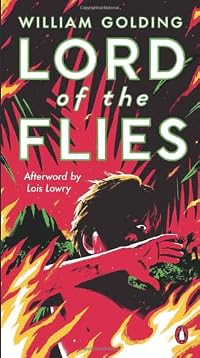
Lord of the Flies
by William Golding
On This Page
Description
The classic study of human nature which depicts the degeneration of a group of schoolboys marooned on a desert island.Tags
Recommendations
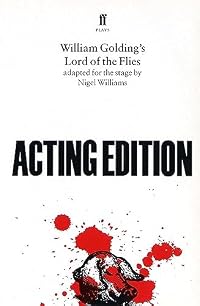
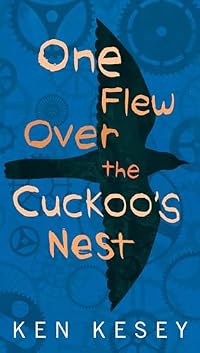
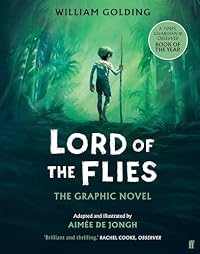
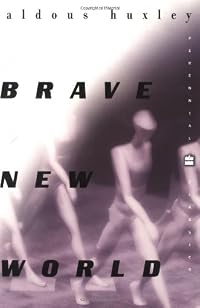

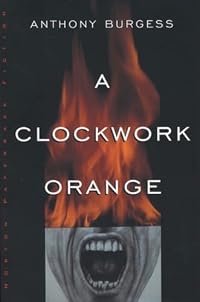
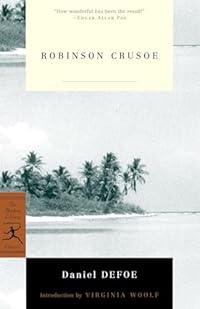
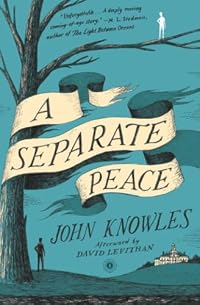
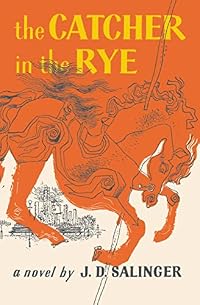
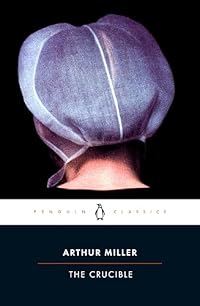
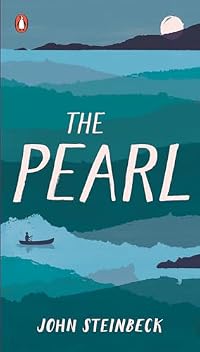
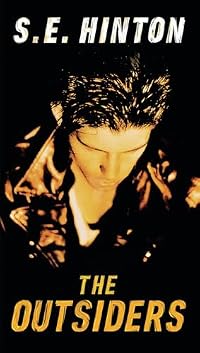
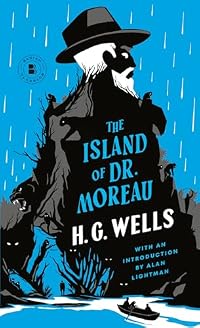
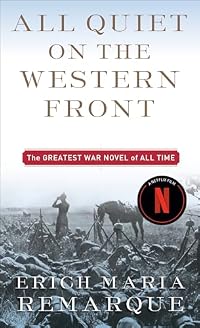
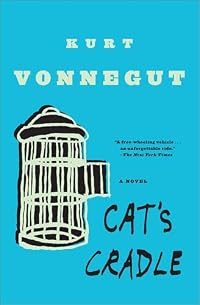

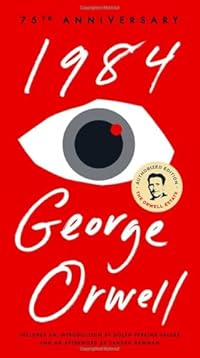

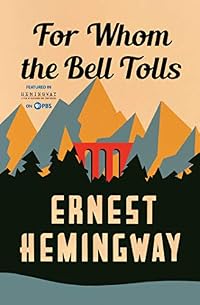
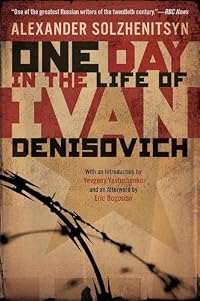
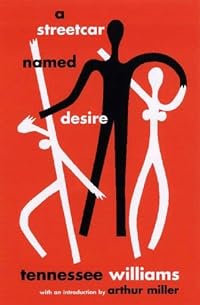
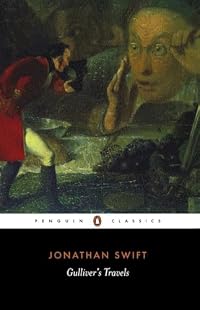
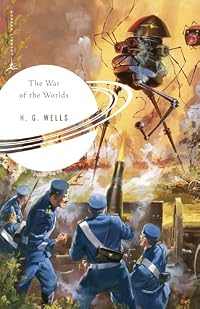
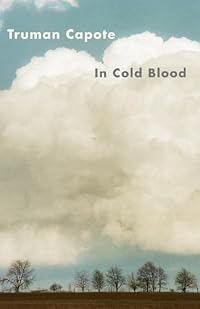
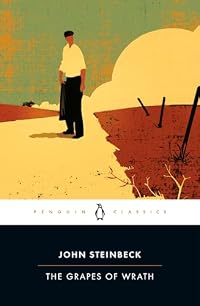
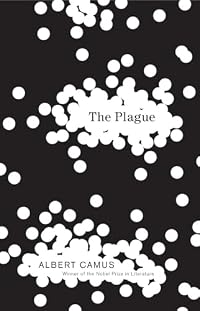
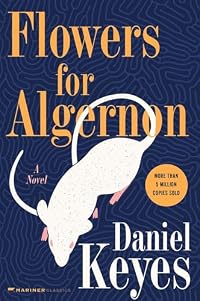
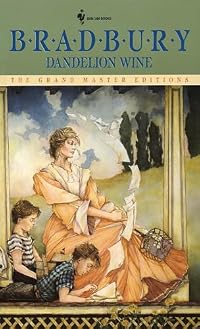
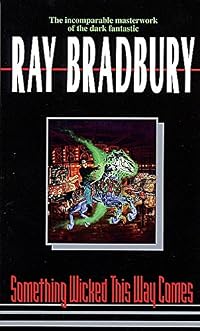
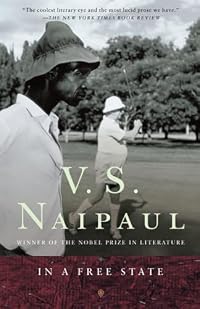
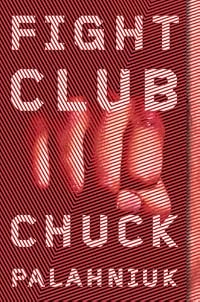
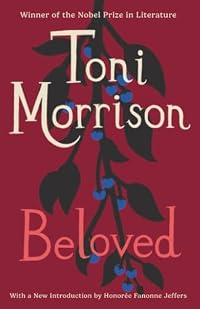

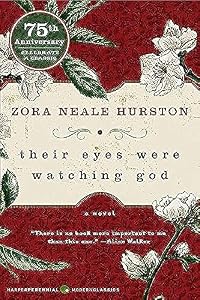
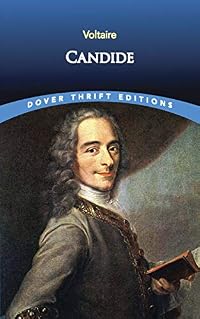
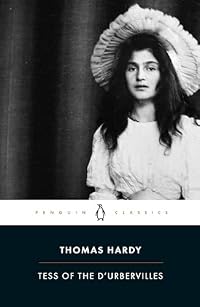
Member Recommendations
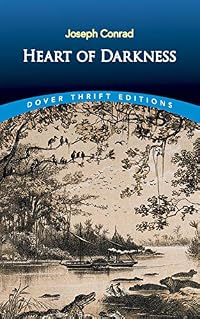
Panairjdde Two books that explore the survival instinct of people, even at youg age, as fueled by fear and lust for violence
Also recommended by JGKC
194
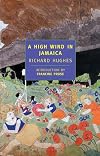
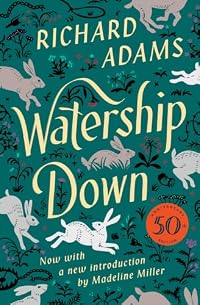
pitjrw Similar outlook on youth but a lot funnier and great description of a hurricane that plays the same role as the nuclear holacaust in Lord.
61
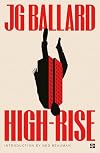
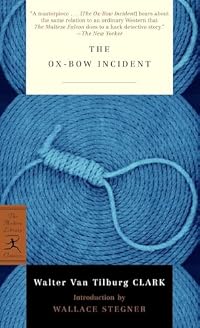
bertilak Two books about 'civilized' people becoming tribal and violent. However, Ballard is a disinterested diagnostician and Golding is a moralist.
50
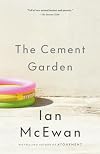
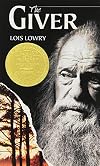

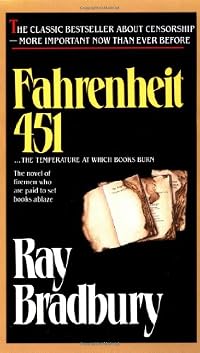
sandstone78 A more optimistic view of young people in a society of their own- I read this on my own from the school library a few years before Lord of the Flies was required reading, and it seemed much more reasonable to me.
30
JuliaMaria Kinder auf sich allein gestellt - was sagt es über die Gesellschaft aus?
20
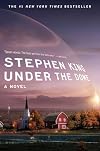
sturlington Under the Dome is an adult version of Lord of the Flies.
21
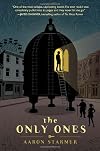
anonymous user A world without adults with some differences and similarities.
10
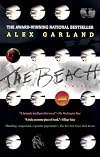
booklove2 The Beach is like Lord of the Flies for adults, starring adults.
Also recommended by mcenroeucsb
32

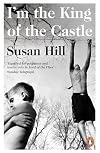

scotchpenicillin Comment des enfants confontés à une situation extraordinaire re-construisent un semblant de société...
01

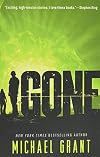
wordcauldron Maze Runner has a feeling of Lord of the Flies, except it's a controlled experiment and, therefore, orchestrated.
02
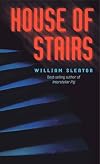
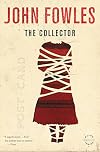
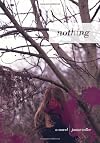
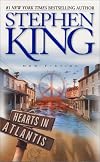
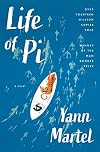
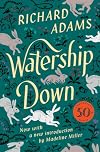
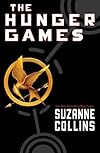

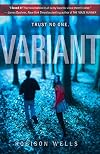
by anonymous user
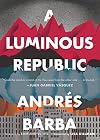
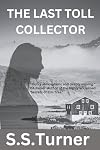
riverwanderer Both books explore what happens when a group of flawed humans try to create a new civilization from scratch.
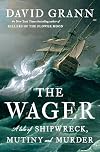
Morryman84 The breakdown of culture when a number of groups are try8ihng to rule
Member Reviews
Gosh, this is even bleaker than my hazy memories remember! Is this the message we want to impart to all GCSE children out of all the books in the world?
In the unlikely event that there are people left out there who don't know the plot, this is the story of a posse of school children who are stranded on a tropical island, after their plane crashes when they are being evacuated (there is a hazy WWIII theme going on in the background).
Despite some initial good will the boys soon schism - Ralph, the athletic upstanding son of a navel officer and all around Hero representing civilisation and keeping the fire going in the hope of rescue, and Jack representing savagery and hunting and the barbaric darkness in the heart of man if civilisation show more should ever falter.
The book powers on and is unputdownable. Despite the characters being cyphers to tell the story, you still find yourself feeling for them. Poor Simon, with his deep intuitive understanding, too terrified to speak. Piggy, with his weight and his asthma and his spectacles, being the main force for educated reason, but also mocked by all.
Like many books of its time, the most interesting characters are killed to help the Hero have his story arc. Yes, I'm pleased that brave Ralph makes it out alive, but the fat ones and the weak ones are foils to show the evilness of humanity and add terror to Ralph's story.
It is of course, deeply racist. The drawing of the loss of civilisation is deeply entwined with images of n*ggers, island savages, face paint and hunting with spears. As though civilisation and reason and caring for the weak are a White Mans prerogative, and all island people were savage reasonless hunters.
I found myself more inclined to read it as a christian allegory this time. The fire must be kept burning, because our eyes must be on Rescue from the Island, not on indulging our base desires for meat and hunting.
And I know the point is to set up a false dichotomy to tell a morality tale about the darkness of the human condition, but really, you can't help but think there is a huge excluded middle if you face onto it as a story, not an analogy. Ralph is sensible to want to build a fire, but there is some chance all other humans have been wiped out, and Jack is right that hunting has a place in survival as well.
It definitely felt like it had been written by someone well versed in office politics. The slow sliding away, the slights, the factions, the half-had arguments with no resolution that turn into bitter burning hatred...
Anyway, I definitely see why it is a classic, and it is an unputdownable and moving read. But wow, it's dark! show less
In the unlikely event that there are people left out there who don't know the plot, this is the story of a posse of school children who are stranded on a tropical island, after their plane crashes when they are being evacuated (there is a hazy WWIII theme going on in the background).
Despite some initial good will the boys soon schism - Ralph, the athletic upstanding son of a navel officer and all around Hero representing civilisation and keeping the fire going in the hope of rescue, and Jack representing savagery and hunting and the barbaric darkness in the heart of man if civilisation show more should ever falter.
The book powers on and is unputdownable. Despite the characters being cyphers to tell the story, you still find yourself feeling for them. Poor Simon, with his deep intuitive understanding, too terrified to speak. Piggy, with his weight and his asthma and his spectacles, being the main force for educated reason, but also mocked by all.
It is of course, deeply racist. The drawing of the loss of civilisation is deeply entwined with images of n*ggers, island savages, face paint and hunting with spears. As though civilisation and reason and caring for the weak are a White Mans prerogative, and all island people were savage reasonless hunters.
I found myself more inclined to read it as a christian allegory this time. The fire must be kept burning, because our eyes must be on Rescue from the Island, not on indulging our base desires for meat and hunting.
And I know the point is to set up a false dichotomy to tell a morality tale about the darkness of the human condition, but really, you can't help but think there is a huge excluded middle if you face onto it as a story, not an analogy. Ralph is sensible to want to build a fire, but there is some chance all other humans have been wiped out, and Jack is right that hunting has a place in survival as well.
It definitely felt like it had been written by someone well versed in office politics. The slow sliding away, the slights, the factions, the half-had arguments with no resolution that turn into bitter burning hatred...
Anyway, I definitely see why it is a classic, and it is an unputdownable and moving read. But wow, it's dark! show less
The conch shell never stood a chance.
I first read this book in high school, trapped in a classroom with fluorescent lights and the smell of chalk dust. I hated it. The boys were cruel, the ending felt cheap, and I was convinced Golding had never met an actual child.
I reread it last week, fifteen years later, and now I cannot stop thinking about it. That is the mark of a book that earned its place.
What it is:
A plane crashes on a deserted island. The only survivors are a group of British schoolboys, ages roughly six to twelve. No adults. No rules. At first, they celebrate: no parents, no homework, no bedtime. They elect a leader (Ralph), establish a signal fire, and use a conch shell to govern who gets to speak. But another boy, Jack, show more wants to hunt. Not for survival, for the thrill of the kill. Slowly, the veneer of civilization peels away. The conch shatters. The fire dies. And by the final chapter, the island is burning and the boys are hunting Ralph like an animal.
The brilliance (and why it haunted me):
1. The descent is gradual and terrifying. Golding does not turn the boys into monsters overnight. They start as recognizable children: scared, bored, eager to please. Piggy is the rational one, mocked for his weight and his glasses. Simon is the quiet, mystical one, who sees the truth and is killed for it. Jack is the charismatic bully who promises meat and freedom. The horror is not that they become evil. The horror is how natural it feels. One small compromise. Then another. Then you are painting your face and sharpening a stick on both ends.
2. The symbolism is heavy but earned. The conch is democracy. Piggy's glasses are reason and technology. The beast is the darkness inside each of them. Some readers find this too obvious. But Golding was writing in the shadow of World War II, the Holocaust, and Hiroshima. He was not trying to be subtle. He was trying to warn us.
3. The prose is lean and muscular. Golding writes with a journalist's clarity and a poet's ear for rhythm. Descriptions of the island: the pink granite, the platform, the creepers are vivid without being decorative. The dialogue sounds like real children, which makes their cruelty even more unsettling.
4. The ending is controversial, and that is the point. A naval officer arrives, sees the burning island and the painted savages, and says: "I should have thought that a pack of British boys... would have been able to put up a better show than that." He is relieved to have saved them. He does not realize he is looking into a mirror. The adult world, after all, had just finished dropping atomic bombs.
Where it stumbles (and why I cannot give it five stars):
1. The characterization is uneven. Ralph and Jack are fully realized. Piggy is memorable but almost a caricature (the fat, asthmatic intellectual who is always right and always ignored). Simon is barely a character at all; he exists mostly as a Christ figure who sees the truth and is sacrificed. The "littluns" are a nameless, faceless mob. Golding is more interested in the group than the individuals, which is fine, but it left me wanting more from the supporting cast.
2. The middle drags. The novel is short (about 200 pages), but there is a stretch where the conflict between Ralph and Jack becomes repetitive: Ralph calls a meeting, Jack defies him, the signal fire goes out, rinse, repeat. The momentum stalls until Simon's death.
3. The treatment of the "beast" is muddled. The dead parachutist is a brilliant image, but the transition from "external monster" to "internal darkness" is abrupt. The scene where Simon confronts the Lord of the Flies (the pig's head on a stick) is iconic, but it also feels like Golding explaining his thesis rather than trusting the reader to find it.
4. The lack of girls is not a flaw, but it is worth noting. Golding was writing about a specific kind of male socialization. The book is not universal, and that is fine. But modern readers (especially young women) may feel the absence keenly.
Who should read this:
Anyone who wants to understand why "civilization is a thin veneer" is a cliché that refuses to die.
Students of psychology, political science, and ethics.
Readers who appreciate allegory over realism.
People who want to be disturbed, not entertained.
Who should skip it:
If you need sympathetic characters to root for (there are none).
If heavy-handed symbolism frustrates you.
If you prefer your darkness with a side of hope (there is none).
Final verdict:
Lord of the Flies is not a pleasant book. It is not a subtle book. It is a necessary book; a cold shower of a novel that forces you to look at what happens when the structures of authority vanish and the only thing left is the naked human animal. Golding wrote it as a rebuttal to The Coral Island, a Victorian adventure novel where British boys on an island remain noble and Christian. He wanted to say: That is a lie. This is the truth.
I still do not like this book. But I respect it more than most novels I love. Four stars, because it is flawed and repetitive and occasionally preachy.
The conch shell is broken. Piggy's glasses are ground into sand. And the officer who rescues the boys turns his ship away from the burning island, never understanding that he is looking at his own reflection. show less
I first read this book in high school, trapped in a classroom with fluorescent lights and the smell of chalk dust. I hated it. The boys were cruel, the ending felt cheap, and I was convinced Golding had never met an actual child.
I reread it last week, fifteen years later, and now I cannot stop thinking about it. That is the mark of a book that earned its place.
What it is:
A plane crashes on a deserted island. The only survivors are a group of British schoolboys, ages roughly six to twelve. No adults. No rules. At first, they celebrate: no parents, no homework, no bedtime. They elect a leader (Ralph), establish a signal fire, and use a conch shell to govern who gets to speak. But another boy, Jack, show more wants to hunt. Not for survival, for the thrill of the kill. Slowly, the veneer of civilization peels away. The conch shatters. The fire dies. And by the final chapter, the island is burning and the boys are hunting Ralph like an animal.
The brilliance (and why it haunted me):
1. The descent is gradual and terrifying. Golding does not turn the boys into monsters overnight. They start as recognizable children: scared, bored, eager to please. Piggy is the rational one, mocked for his weight and his glasses. Simon is the quiet, mystical one, who sees the truth and is killed for it. Jack is the charismatic bully who promises meat and freedom. The horror is not that they become evil. The horror is how natural it feels. One small compromise. Then another. Then you are painting your face and sharpening a stick on both ends.
2. The symbolism is heavy but earned. The conch is democracy. Piggy's glasses are reason and technology. The beast is the darkness inside each of them. Some readers find this too obvious. But Golding was writing in the shadow of World War II, the Holocaust, and Hiroshima. He was not trying to be subtle. He was trying to warn us.
3. The prose is lean and muscular. Golding writes with a journalist's clarity and a poet's ear for rhythm. Descriptions of the island: the pink granite, the platform, the creepers are vivid without being decorative. The dialogue sounds like real children, which makes their cruelty even more unsettling.
4. The ending is controversial, and that is the point. A naval officer arrives, sees the burning island and the painted savages, and says: "I should have thought that a pack of British boys... would have been able to put up a better show than that." He is relieved to have saved them. He does not realize he is looking into a mirror. The adult world, after all, had just finished dropping atomic bombs.
Where it stumbles (and why I cannot give it five stars):
1. The characterization is uneven. Ralph and Jack are fully realized. Piggy is memorable but almost a caricature (the fat, asthmatic intellectual who is always right and always ignored). Simon is barely a character at all; he exists mostly as a Christ figure who sees the truth and is sacrificed. The "littluns" are a nameless, faceless mob. Golding is more interested in the group than the individuals, which is fine, but it left me wanting more from the supporting cast.
2. The middle drags. The novel is short (about 200 pages), but there is a stretch where the conflict between Ralph and Jack becomes repetitive: Ralph calls a meeting, Jack defies him, the signal fire goes out, rinse, repeat. The momentum stalls until Simon's death.
3. The treatment of the "beast" is muddled. The dead parachutist is a brilliant image, but the transition from "external monster" to "internal darkness" is abrupt. The scene where Simon confronts the Lord of the Flies (the pig's head on a stick) is iconic, but it also feels like Golding explaining his thesis rather than trusting the reader to find it.
4. The lack of girls is not a flaw, but it is worth noting. Golding was writing about a specific kind of male socialization. The book is not universal, and that is fine. But modern readers (especially young women) may feel the absence keenly.
Who should read this:
Anyone who wants to understand why "civilization is a thin veneer" is a cliché that refuses to die.
Students of psychology, political science, and ethics.
Readers who appreciate allegory over realism.
People who want to be disturbed, not entertained.
Who should skip it:
If you need sympathetic characters to root for (there are none).
If heavy-handed symbolism frustrates you.
If you prefer your darkness with a side of hope (there is none).
Final verdict:
Lord of the Flies is not a pleasant book. It is not a subtle book. It is a necessary book; a cold shower of a novel that forces you to look at what happens when the structures of authority vanish and the only thing left is the naked human animal. Golding wrote it as a rebuttal to The Coral Island, a Victorian adventure novel where British boys on an island remain noble and Christian. He wanted to say: That is a lie. This is the truth.
I still do not like this book. But I respect it more than most novels I love. Four stars, because it is flawed and repetitive and occasionally preachy.
The conch shell is broken. Piggy's glasses are ground into sand. And the officer who rescues the boys turns his ship away from the burning island, never understanding that he is looking at his own reflection. show less
I'd never read this before, not on the sylabus when I did English. I usually read in bed, and this is not a bedtime book. So I finished it in the morning instead. It tells of a group of boys who come to be lost on an island and the way that the thin veneer of civility can so easily be fractured and shattered. Not one for a restful night.
I do wonder how this would differ had the group been mixed - and then I think it might not have been any better.
I do wonder how this would differ had the group been mixed - and then I think it might not have been any better.
I believe that this book is the ultimate testament to how an ending can soil an amazing book.
When I was younger, fiction didn't really do it for me. I was, admittedly edgy, and wanted to step into the disturbing when I had free time. I think that is why horror movies and video games appealed to me so much. Stuff like 'Cabin in the Woods' and 'COD: Zombies' I gave reading many chances, and outside of a couple titles, The Hunger Games and The Road (odd combination I know), nothing hit that real, teenage angst disturbing that I wanted. But this book reawakened that in me, and I see now that myself as a teenager would have loved this. It is a shame I was never assigned to read it in school.
The premise is all too real for me. I can suspend show more my disbelief that all these kids survived a plane crash, because after that, there is no supernatural or unrealistic aspect to the story. Everything that happens is exactly what would happen in real life with a bunch of twelve-year-olds. The fighting over a leader, over priorities, and over control. The realism of one bad apple in the bunch ruining everything hits hard for me.
The characters are well written, not in crazy backstory or deep motivations and purpose, but just in their actions. They are, once again with the strength of this story, real. Ralph, our "hero" is still a jerk to the fat kid like most preteens would be. Jack, the villain, is a classic, but real bully, someone who knows how to have people on his side, and can convince them to commit very deep violence just because he is charismatic.
The events are meaningful as well. The deaths we see, though I won't spoil them, happen in a way that can be believed when you mix in the pressures the kids are dealing with. The first death is caused by a combination of fear/paranoia, and delirium brought on by malnourishment and exhaustion. The second death is forced by a young boy, who is beginning his journey in the way of manipulation, and on his way to becoming an adult devoid of empathy and emotion.
The ending, as I mentioned, is what killed me in the end. I know I am not the author, and I hate when people suggest different endings to works they didn't write, but the end feels like a cop out to me. I won't 'suggest' anything, I will simply say that Golding didn't hold back on realism and brutality until the end, where stories like this need that most. I can appreciate the thematic importance the ending has, but not much beyond that.
As I mentioned, I never read this in high school, so when one of my students wanted to read this on his own, then came to me asking questions about the characters, I had to take the weekend to lock in, and lock in I did. show less
When I was younger, fiction didn't really do it for me. I was, admittedly edgy, and wanted to step into the disturbing when I had free time. I think that is why horror movies and video games appealed to me so much. Stuff like 'Cabin in the Woods' and 'COD: Zombies' I gave reading many chances, and outside of a couple titles, The Hunger Games and The Road (odd combination I know), nothing hit that real, teenage angst disturbing that I wanted. But this book reawakened that in me, and I see now that myself as a teenager would have loved this. It is a shame I was never assigned to read it in school.
The premise is all too real for me. I can suspend show more my disbelief that all these kids survived a plane crash, because after that, there is no supernatural or unrealistic aspect to the story. Everything that happens is exactly what would happen in real life with a bunch of twelve-year-olds. The fighting over a leader, over priorities, and over control. The realism of one bad apple in the bunch ruining everything hits hard for me.
The characters are well written, not in crazy backstory or deep motivations and purpose, but just in their actions. They are, once again with the strength of this story, real. Ralph, our "hero" is still a jerk to the fat kid like most preteens would be. Jack, the villain, is a classic, but real bully, someone who knows how to have people on his side, and can convince them to commit very deep violence just because he is charismatic.
The events are meaningful as well. The deaths we see, though I won't spoil them, happen in a way that can be believed when you mix in the pressures the kids are dealing with. The first death is caused by a combination of fear/paranoia, and delirium brought on by malnourishment and exhaustion. The second death is forced by a young boy, who is beginning his journey in the way of manipulation, and on his way to becoming an adult devoid of empathy and emotion.
The ending, as I mentioned, is what killed me in the end. I know I am not the author, and I hate when people suggest different endings to works they didn't write, but the end feels like a cop out to me. I won't 'suggest' anything, I will simply say that Golding didn't hold back on realism and brutality until the end, where stories like this need that most. I can appreciate the thematic importance the ending has, but not much beyond that.
As I mentioned, I never read this in high school, so when one of my students wanted to read this on his own, then came to me asking questions about the characters, I had to take the weekend to lock in, and lock in I did. show less
"Kill the beast! Cut his throat! Spill his blood!"
One of my all-time favorites! I read this again, as my daughter will be in a young adult play version of this, starting next week. It's so different to read it now, as a parent of a child who is about the same age as the older boys in here! It seems even more likely to me now, knowing who that age group is, and how some of them might react to being in a situation such as this! I can see Ralph, Piggy, Jack, Samneric, and the littluns in many of her friends and classmates today.
And I can see our political crisis in here too! Jack appeals to the same baser instincts that Trump and his cronies do. Fear over logic. Might over right. And, trying to excuse oneself for the actions one has show more participated in. I think a huge strength of this story lies in the last three pages. The shift of responsibility happens so fast in those paragraphs. From chiefs in a lethal power struggle to boys playing a game, just like that.
"... and Ralph wept for the end of innocence, the darkness of man's heart..."
I do too. show less
One of my all-time favorites! I read this again, as my daughter will be in a young adult play version of this, starting next week. It's so different to read it now, as a parent of a child who is about the same age as the older boys in here! It seems even more likely to me now, knowing who that age group is, and how some of them might react to being in a situation such as this! I can see Ralph, Piggy, Jack, Samneric, and the littluns in many of her friends and classmates today.
And I can see our political crisis in here too! Jack appeals to the same baser instincts that Trump and his cronies do. Fear over logic. Might over right. And, trying to excuse oneself for the actions one has show more participated in. I think a huge strength of this story lies in the last three pages. The shift of responsibility happens so fast in those paragraphs. From chiefs in a lethal power struggle to boys playing a game, just like that.
"... and Ralph wept for the end of innocence, the darkness of man's heart..."
I do too. show less
I am at a loss to explain how I made it through my secondary schooling without having Lord of the Flies handed to me by a single English teacher. Perhaps they all assumed I had read it? There does indeed seem to be a sort of automatic reverence for this novel, with its ability to lift the curtain on the ‘darkness of man’s heart’. My central criterion, therefore, from the moment I turned the first page, was ‘How well does Golding convince me of his scenario?’ In other words, how completely does he maintain the realism necessary to generalise his ‘moral’ to all men, everywhere? The answer: I am almost convinced.
I say ‘almost’ for a reason. From the moment Golding’s characters are introduced, they have the feel of show more stereotypes. Ralph the rebellious and daring protagonist, Piggy the overweight, visually impaired, asthmatic nerd who eats ‘ever so many sweets’, (a line that Golding’s editor should have scratched without a moment’s hesitation,) and, of course, Jack, the bombastic prefect. As the novel progresses and the characters become more familiar, the authenticity does improve, but there are still occasional moments where Golding oversteps and pulls free from realism rather than leading it along gently; for example, Ralph’s inability to remember the importance of the fire. To compound this, the writing has inevitably dated. Readers of fifty years ago might not have batted an eyelid at the bigoted similarities between Golding’s savages and the Native American peoples, but the readers of today certainly will.
That said, the quality of the writing is generally very high. Golding’s evocation of the island in all its humours is particularly skilful, as are his breadth of symbols and his subtle replacing of names to indicate the boys’ changing attitudes. His depiction of group psychology, though overly blunt at times, is interesting, and his exploration of the nature of power, in all its capriciousness and fragility, is a definite highlight. Between this richness and the reasonably brisk pace, Lord of the Flies might almost be called a gripping and absorbing read.
So, considering that this novel is almost convincing and almost a page-turner, I might almost recommend it. Almost. show less
I say ‘almost’ for a reason. From the moment Golding’s characters are introduced, they have the feel of show more stereotypes. Ralph the rebellious and daring protagonist, Piggy the overweight, visually impaired, asthmatic nerd who eats ‘ever so many sweets’, (a line that Golding’s editor should have scratched without a moment’s hesitation,) and, of course, Jack, the bombastic prefect. As the novel progresses and the characters become more familiar, the authenticity does improve, but there are still occasional moments where Golding oversteps and pulls free from realism rather than leading it along gently; for example, Ralph’s inability to remember the importance of the fire. To compound this, the writing has inevitably dated. Readers of fifty years ago might not have batted an eyelid at the bigoted similarities between Golding’s savages and the Native American peoples, but the readers of today certainly will.
That said, the quality of the writing is generally very high. Golding’s evocation of the island in all its humours is particularly skilful, as are his breadth of symbols and his subtle replacing of names to indicate the boys’ changing attitudes. His depiction of group psychology, though overly blunt at times, is interesting, and his exploration of the nature of power, in all its capriciousness and fragility, is a definite highlight. Between this richness and the reasonably brisk pace, Lord of the Flies might almost be called a gripping and absorbing read.
So, considering that this novel is almost convincing and almost a page-turner, I might almost recommend it. Almost. show less
Perhaps as a mother I could read this as a story of children abandoned on an island and left to survive in any way they can.
I could read it as a story illustrating that children, unsupervised by adults, revert to a state of nature, which, because of the inherent violence of humanity, ignores all logic and reason for the allure of superstition, tribalism, and destruction.
I could read it as a story of how a crowd of children can be influenced to follow a despotic ruler, who offers chants and fun and jeers at those over whom the crowd would like to feel powerful rather than following the boring logic of democracy and the drudge of working toward a common, rational goal, while the majority, unnamed, unnumbered, and unconsidered, sit by show more without using their voices outside of mindlessly echoing the words of those in power, without action besides the basics of human existence.
I could read this story and think how tragic it is that children left to their own devices might act in a way contrary to their own self preservation.
I could wish that someone from a rational civilization that's above the squabbles of a handful of boys on an island would come and save them.
I could wish that there were anything left to be saved.
I could wish that I believed in salvation. show less
I could read it as a story illustrating that children, unsupervised by adults, revert to a state of nature, which, because of the inherent violence of humanity, ignores all logic and reason for the allure of superstition, tribalism, and destruction.
I could read it as a story of how a crowd of children can be influenced to follow a despotic ruler, who offers chants and fun and jeers at those over whom the crowd would like to feel powerful rather than following the boring logic of democracy and the drudge of working toward a common, rational goal, while the majority, unnamed, unnumbered, and unconsidered, sit by show more without using their voices outside of mindlessly echoing the words of those in power, without action besides the basics of human existence.
I could read this story and think how tragic it is that children left to their own devices might act in a way contrary to their own self preservation.
I could wish that someone from a rational civilization that's above the squabbles of a handful of boys on an island would come and save them.
I could wish that there were anything left to be saved.
I could wish that I believed in salvation. show less
Members
- Recently Added By
Published Reviews
ThingScore 88
35 livres cultes à lire au moins une fois dans sa vie
Quels sont les romans qu'il faut avoir lu absolument ? Un livre culte qui transcende, fait réfléchir, frissonner, rire ou pleurer… La littérature est indéniablement créatrice d’émotions. Si vous êtes adeptes des classiques, ces titres devraient vous plaire.
De temps en temps, il n'y a vraiment rien de mieux que de se poser devant show more un bon bouquin, et d'oublier un instant le monde réel. Mais si vous êtes une grosse lectrice ou un gros lecteur, et que vous avez épuisé le stock de votre bibliothèque personnelle, laissez-vous tenter par ces quelques classiques de la littérature. show less
Quels sont les romans qu'il faut avoir lu absolument ? Un livre culte qui transcende, fait réfléchir, frissonner, rire ou pleurer… La littérature est indéniablement créatrice d’émotions. Si vous êtes adeptes des classiques, ces titres devraient vous plaire.
De temps en temps, il n'y a vraiment rien de mieux que de se poser devant show more un bon bouquin, et d'oublier un instant le monde réel. Mais si vous êtes une grosse lectrice ou un gros lecteur, et que vous avez épuisé le stock de votre bibliothèque personnelle, laissez-vous tenter par ces quelques classiques de la littérature. show less
added by Joop-le-philosophe
There is no blinking the fact that this English schoolmaster turned novelist understands growing boys to the heart; one must go back to"High Wind in Jamaica" to find a comparable tour de force. The uneasy conviction persists that he despises the child who is father to the man-and the man as well. Homo sapiens needs all the friends he can find these days, in and out of novels.
added by Shortride
"Lord of the Flies" is an allegory on human society today, the novel's primary implication being that what we have come to call civilization is, at best, skin deep. With undertones of "1984" and "High Wind in Jamaica," this brilliant work is a frightening parody on man's return (in a few weeks) to that state of darkness from which it took him thousands of years to return. Fully to succeed, a show more fantasy must approach very close to reality. "Lord of the Flies" does. It must also be superbly written. It is. show less
added by Shortride
Lists

The Guardian's 1000 Novels Everyone Must Read
1,005 works; 549 members

1001 Books You Must Read Before You Die
1,448 works; 1,131 members

Classics you know you should have read but probably haven't
421 works; 407 members
Best Dystopias
280 works; 272 members
501 Must-Read Books
508 works; 71 members

Radcliffe's 100 Best Novel of the 20th Century
100 works; 32 members
BBC Big Read
191 works; 46 members

Recommend the 20 best books you've read in the last five years
2,167 works; 601 members
20th Century Literature
1,161 works; 54 members

Newsweek's Top 100 Books: The Meta-List
100 works; 18 members
Best of British Literature
226 works; 41 members

Best Horror Books
281 works; 85 members
BBC's 100 Novels That Shaped Our World
100 works; 22 members
Folio Society
831 works; 53 members
Banned Books Week 2014
268 works; 62 members
Favorite Coming of Age Novels.
164 works; 51 members

Best Psychological Fiction
81 works; 16 members
Favourite Books
1,817 works; 311 members

child hero ~ adult novel
60 works; 12 members

Books I've Read More Than Once
602 works; 49 members

NPR Reader Poll: 100 Best Horror Novels and Stories
100 works; 20 members
Time Magazine's "All-Time 100"
113 works; 15 members

1950s
340 works; 22 members

NPRs your favorites: 100 Best Ever Teen Novels
237 works; 49 members

The Guardian's 100 greatest novels of all time
100 works; 16 members

Best high-school English books reread later in life
30 works; 21 members

Books You Read During High School (For School)
301 works; 53 members
Banned or Challenged Books
400 works; 41 members

Survey of Classic Dystopias
29 works; 4 members
LibraryThingers' 1001 Books You Must Read Before You Die
442 works; 30 members

Most Disturbing Books
124 works; 27 members
BBC Big Read
100 works; 10 members

Books Featured on Gilmore Girls
307 works; 21 members

Recommended Apocalyptic Novels
53 works; 24 members
Dystopian and Apocalyptic Literature
350 works; 74 members

1001 Children's Books You Must Read Before You Grow Up
774 works; 101 members

Nobel Price Winners
222 works; 20 members
Canon de la narrativa universal del siglo XX
254 works; 6 members

Best Post-Apocalyptic Stories
143 works; 88 members
100 Most Recommended Works
100 works; 11 members
Readable Classics
110 works; 15 members

Fiction For Men
142 works; 11 members

Top Five Books of 2018
802 works; 265 members
Time's All-Time 100 Novels
100 works; 27 members

Great Books Favorites
71 works; 6 members

Twentieth Century Greatest Hits
27 works; 11 members

The Guardian's 100 Best Novels Written in English
105 works; 13 members

Books Set on Islands
190 works; 24 members
1,001 BYMRBYD Concensus
723 works; 27 members

Books tagged favorites
390 works; 30 members

Modernism
140 works; 8 members
Jordan B. Peterson's Recommended Books
104 works; 5 members

Books Read in 2016
4,666 works; 199 members
Mensa for Kids Excellence in Reading Award Program (Grades 9-12)
116 works; 5 members
Top 100 to Read before you Die
109 works; 7 members
100 World Classics
99 works; 15 members

Best books read in 2011
200 works; 50 members

Reader's Digest 50 Best Horror Books to Read
50 works; 3 members

NPRs audience picks: 100 best beach reads
105 works; 12 members
Banned and Challenged Books List
14 works; 3 members
TML 200 Best Books 1950-1999
202 works; 10 members
Animals in the Title
498 works; 11 members
My list of 100 books to read next
100 works; 4 members
1964 College Preparatory Reading List
202 works; 8 members
Books Read in 2015
3,298 works; 129 members
The Modern Library's 100 Best Novels: The Board's List
85 works; 5 members
Stephen King's 'Danse Macabre' reading list
111 works; 25 members
Page Turners
185 works; 11 members
The Greatest Books
99 works; 5 members
Mensa for Kids Excellence in Reading Award Program (Grades 9-12)
116 works; 3 members

Books Read in 2023
5,547 works; 145 members

End of Your Life Book Club
134 works; 4 members
Best middle grade books
130 works; 23 members

Jones and Newman's Horror: The 100 Best Books
100 works; 4 members

Amanda's Guaranteed Books
110 works; 5 members

BBC Top Books
78 works; 3 members

Australia, Oceania, Antarctica
51 works; 5 members
Books Featured on Readers' Review of the Diane Rehm Show
161 works; 8 members
The College Board: 101 Great Books Recommended for College-Bound Readers
111 works; 7 members

Most Depressing Books
69 works; 16 members

Rory Gilmore Book Club
193 works; 5 members
Overdue Podcast
803 works; 9 members

University literature
145 works; 5 members

Most Popular Young Adult Lit on LT
100 works; 4 members

Books with Noble Titles
179 works; 11 members

Dystopian Novels you should read
25 works; 2 members

Best Horror Mega-List
342 works; 6 members
Stephen King's Biggest Influences
46 works; 3 members
My 100 Favorite Books of All Time
57 works; 2 members

Books I've read
87 works; 2 members

Young and dangerous!
8 works; 1 member
First Novels
373 works; 17 members
My Favourite Books
86 works; 5 members

Novels that you shouldn't waste your time on
94 works; 52 members
Best Books of the 20th Century
193 works; 5 members

100
56 works; 1 member

Books I Read in Middle School
18 works; 1 member
DELETE
48 works; 2 members

Nifty Fifties
129 works; 14 members

Plan to Read Books
75 works; 1 member

Books Read in 2020
4,379 works; 124 members
Literature which inspired Pop songs
85 works; 9 members

Enfants sans
14 works; 1 member
http://thegreatestbooks.org's Greatest Fiction Books
59 works; 1 member
Speculative Fiction to Read
706 works; 32 members

Robinsonade Novels
55 works; 4 members
American Lit for Eng 11 Research Project
368 works; 6 members
Retrospective of Horror and Thrillers
21 works; 2 members
Stephen King's 'On Writing' reading list
95 works; 4 members
BitLife
212 works; 4 members
Before Austen Comes Aesop
318 works; 9 members

Books recommended by Calgary Public Library staff
1,588 works; 4 members

Required Reading Summer Reading 23
16 works; 2 members

2024 Reading List
49 works; 1 member

Mustich's 1000 Books to Read Before You Die: A Life Changing List
1,001 works; 18 members
Banned Books
40 works; 2 members
Great Short Books: A Year of Reading-Briefly
59 works; 4 members

World without adults
27 works; 2 members

scav
54 works; 2 members
'Books You Can't Live Without: The Top 100', The Guardian, 2007
156 works; 7 members

top 100
39 works; 1 member
Books in Riverdale
123 works; 3 members
Our Favorite Banned Books
138 works; 122 members
Stephen King Danse Macabre Appendix Starred List
53 works; 1 member

The Modern Library (The Two Hundred Best Novels....
202 works; 1 member
bound
100 works; 1 member

Books Cited in Blueprint by Nicholas Christakis
261 works; 1 member
Modern Library's 100 Best Novels
100 works; 2 members
.
396 works; 1 member
BlackDog's Complete Paperbacks From Hell List
639 works; 3 members

el
1,139 works; 1 member
Stephen King's Danse Macabre Full Appendix List
110 works; 2 members
School Made Us Read It
380 works; 196 members
Recommended Reading : 600 Classics Reviewed, Editors of Salem Press, 2015
634 works; 6 members
.
194 works; 2 members
Books We Couldn't Put Down
443 works; 197 members
The Complete Rory Gilmore Reading List
506 works; 5 members

Titles to Avoid
6 works; 1 member
DigitalDreamDoor top 300
300 works; 4 members
Books I Read Before The Invention Of The Internet.
144 works; 1 member
Retrospective of 20th- and 21st-century literature
154 works; 1 member

Gen X Library
245 works; 4 members
Canon de la narrativa universal del s. XX (cicutadry)
499 works; 3 members
AP Lit
363 works; 6 members

100 knjiga
100 works; 1 member

Greatest Books, allegedly
484 works; 9 members
Accidents in Fiction
22 works; 5 members

To Read - Horror
137 works; 14 members

Read
293 works; 4 members
KayStJ's to-read list
1,616 works; 11 members
Ten+ Books About Being Stranded!
14 works; 5 members
Best Book and Movie Combos
70 works; 11 members

Childhood Favourites
9 works; 1 member

Life and How to Live It
21 works; 4 members
Books Read in 2011
684 works; 20 members
Speculative Fiction
40 works; 2 members

Biggest Disappointments
606 works; 163 members

Sonlight Books
1,487 works; 25 members
Favorite Childhood Books
1,602 works; 516 members
Dystopia Must-Reads
18 works; 2 members

Books Tagged Abuse
152 works; 4 members
GWFKegel's Dystopia Suggestions
12 works; 1 member
Allegorical Fiction
16 works; 4 members

Childhood Favorites
427 works; 24 members
Books That Go Bump in the Night
42 works; 6 members
The Art of Manliness' 100+ Books Every Man Should Read
108 works; 2 members
Novels/Poems/Short Stories/Anything Storytelling Related
112 works; 2 members

Survival, islands -- children's/young adult fiction
123 works; 7 members
Books I Wrote Essays on
34 works; 1 member
Best Survival Stories
97 works; 15 members
Stories of Good Versus Evil
22 works; 7 members

Books About Boys
175 works; 15 members

Twins, science fiction -- children's/young adult fiction
29 works; 3 members

Survival, plane crash -- children's/young adult fiction
112 works; 3 members

Blue Pyramid 1,276 Best Books of All Time
1,248 works; 32 members
Five star books
1,755 works; 108 members
1960s
281 works; 16 members
Best Children's Books You've Read
197 works; 75 members
1970s
657 works; 23 members

Tagged by Tim or Meh!
91 works; 8 members
Best Satire
188 works; 27 members
Top-Rated Books on LibraryThing
272 works; 117 members

Unread books
1,063 works; 87 members

You Couldn't Pay Me to Read That (Take 2)
203 works; 86 members

Best Science Fiction Novels
816 works; 426 members
Talk Discussions
Past Discussions
Lord of the Flies - high market demand? in Folio Society Devotees (June 2025)
British children abandoned on a deserted island - Fiction - forty or fifty years ago in Name that Book (February 2014)
Author Information

98+ Works 68,412 Members
William Golding was born in Cornwall, England on September 19, 1911. Although educated to be a scientist at the request of his father, he developed an interest in literature. At Oxford University, he studied natural science for two years and then transferred to a program for English literature and philosophy. He eventually became a schoolmaster at show more Bishop Wordsworth's School in Salisbury. During World War II, he joined the Royal Navy and was involved in the sinking of the German battleship Bismarck. After the war, he returned to Bishop Wordsworth's School and taught there until 1962. His first novel, Lord of the Flies, was published in 1954 and was made into a film in 1963. His other novels include The Inheritors, Free Fall, The Spire, The Pyramid, The Paper Men, Close Quarters, and Fire down Below. He won the Booker Prize for Rites of Passage in 1980 and the Nobel Prize for Literature in 1983. He also wrote plays, essays, and short stories. He was knighted by Queen Elizabeth II in 1988. He died on June 19, 1993. (Bowker Author Biography) show less
Some Editions
Awards and Honors
Awards
Notable Lists
BBC's Big Read (70)
Hungarian Big Read (46)
Series
Belongs to Publisher Series
Heel Nederland Leest (2016)
Fischer Taschenbuch (1462)
Gyldendals Tranebøger (142)
Penguin Modern Classics (1471)
Work Relationships
Is contained in
Has the adaptation
Is abridged in
Has as a study
Has as a commentary on the text
Has as a student's study guide
Has as a teacher's guide
Common Knowledge
- Canonical title
- Lord of the Flies
- Original title
- Lord of the Flies
- Alternate titles*
- Heer van de vliegen
- Original publication date
- 1954
- People/Characters
- Piggy [Lord of the Flies]; Ralph [Lord of the Flies]; Jack Merridew; Simon [Lord of the Flies]; the beast; Maurice [Lord of the Flies] (show all 18); Roger [Lord of the Flies]; Bill [Lord of the Flies]; Johnny [Lord of the Flies]; Sam [Lord of the Flies]; Eric [Lord of the Flies]; Harold [Lord of the Flies]; Henry [Lord of the Flies]; Percival Wemys Madison; Wilfred [Lord of the Flies]; Stanley [Lord of the Flies]; the dead pilot; Beelzebub, prince of demons
- Important places
- Uninhabited Island, Pacific Ocean; UK; England, UK; Castle Rock, Uninhabited Island, Pacific Ocean
- Important events*
- Nuclear war
- Related movies
- Lord of the Flies (1990 | IMDb); Lord of the Flies (1963 | IMDb)
- Dedication
- For my mother and father
- First words
- The boy with fair hair lowered himself down the last few feet of rock and began to pick his way toward the lagoon.
- Quotations
- His voice rose under the black smoke before the burning wreckage of the island; and infected by that emotion, the other little boys began to shake and sob too. And in the middle of them, with filthy body, matted hair, and unw... (show all)iped nose, Ralph wept for the end of innocence, the darkness of man's heart, and the fall through the air of the true, wise friend called Piggy.
Maybe there is a beast - maybe it's only us. - Last words
- (Click to show. Warning: May contain spoilers.)He turned away to give them time to pull themselves together; and waited, allowing his eyes to rest on the trim cruiser in the distance.
- Publisher's editor*
- Faber and Faber, London
- Blurbers
- King, Stephen; Connell, John; Smith, Stevie
- Original language
- English
- Canonical DDC/MDS
- 823.914
- Canonical LCC
- PR6013.O35
*Some information comes from Common Knowledge in other languages. Click "Edit" for more information.
Classifications
Statistics
- Members
- 56,666
- Popularity
- 27
- Reviews
- 810
- Rating
- (3.71)
- Languages
- 33 — Arabic, Catalan, Chinese, Czech, Danish, Dutch, English, Estonian, Finnish, French, German, Greek, Hebrew, Hungarian, Italian, Japanese, Korean, Latvian, Lithuanian, Norwegian (Bokmål), Norwegian, Polish, Romanian, Russian, Serbian, Slovak, Slovenian, Spanish, Swedish, Turkish, Vietnamese, Portuguese (Portugal), Portuguese (Brazil)
- Media
- Paper, Audiobook, Ebook
- ISBNs
- 383
- UPCs
- 4
- ASINs
- 197