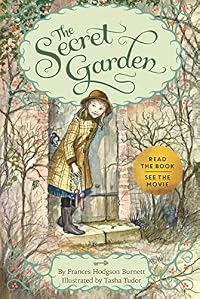
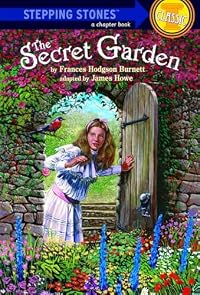
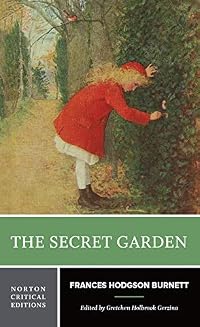
The Secret Garden
by Frances Hodgson Burnett
On This Page
Description
Ten-year-old Mary comes to live in a lonely house on the Yorkshire moors and discovers an invalid cousin and the mysteries of a locked garden.Tags
Recommendations


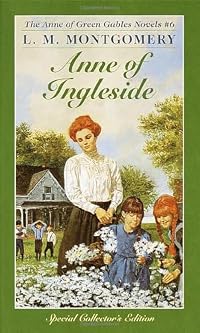
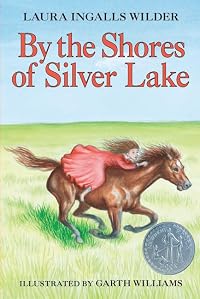
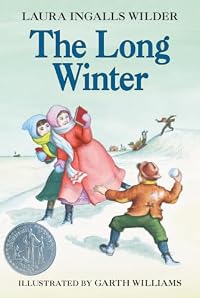
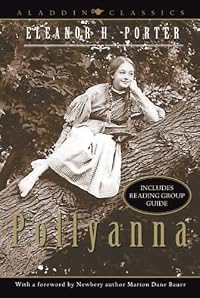

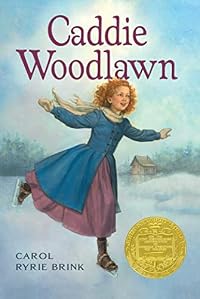
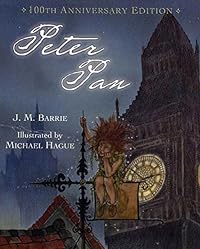
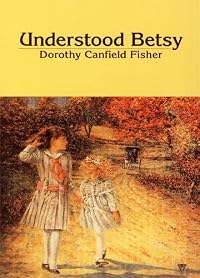
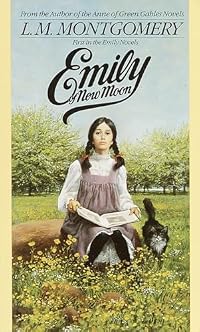



Member Recommendations



Member Reviews
Huh.
What started out as a rather enchanting revisiting of a childhood story began to deteriorate once I was about halfway through. After the more straightforward regenerative themes from early in the book, all the “Magic” (positive thoughts! Colin’s “lectures”!) operative in Colin’s healing sounded quite iffy to me, then I read up a bit on Burnett and realized it’s basically Christian Science in the form of a sentimental children’s serial:
“One of the new things people began to find out in the last century was that thoughts—just mere thoughts—-are as powerful as electric batteries...To let a sad thought or a bad one get into your mind is as dangerous as letting a scarlet fever germ get into your body. If you let it show more stay there after it has got in you may never get over it as long as you live.”
“Much more surprising things can happen to any one who, when a disagreeable or discouraged thought comes into his mind, just has the sense to remember in time and push it out by putting in an agreeable determinedly courageous one. Two things cannot be in one place.” Indeed. You just need to “have the sense” to mentally argue your way out of debilitating sickness, depression, and suffering.
It’s a shame, because I very much like Mary’s odd, sharp-edged little character and her funny relationship with Colin. Her transformation is still lovely.
Overall, though, this is kind of ruined for me. :( Thanks, but no thanks, Mrs. Burnett. show less
What started out as a rather enchanting revisiting of a childhood story began to deteriorate once I was about halfway through. After the more straightforward regenerative themes from early in the book, all the “Magic” (positive thoughts! Colin’s “lectures”!) operative in Colin’s healing sounded quite iffy to me, then I read up a bit on Burnett and realized it’s basically Christian Science in the form of a sentimental children’s serial:
“One of the new things people began to find out in the last century was that thoughts—just mere thoughts—-are as powerful as electric batteries...To let a sad thought or a bad one get into your mind is as dangerous as letting a scarlet fever germ get into your body. If you let it show more stay there after it has got in you may never get over it as long as you live.”
“Much more surprising things can happen to any one who, when a disagreeable or discouraged thought comes into his mind, just has the sense to remember in time and push it out by putting in an agreeable determinedly courageous one. Two things cannot be in one place.” Indeed. You just need to “have the sense” to mentally argue your way out of debilitating sickness, depression, and suffering.
It’s a shame, because I very much like Mary’s odd, sharp-edged little character and her funny relationship with Colin. Her transformation is still lovely.
Overall, though, this is kind of ruined for me. :( Thanks, but no thanks, Mrs. Burnett. show less
This was a lot more delightful than I expected, completely charmed me. I love nature in my reading generally and plants are extra special to me, so I lapped up all those lovely, loving descriptions of the Secret Garden and surrounding moor.
I also liked Burnett's treatment of the children Mary and Colin. They both started off as entitled, obnoxious brats -- who actually suffered deeply. I would hate to be around them but you can't help but feel sympathy. Then friendship and observing wonderful things in the world around them inspired them, transforming their fears and trauma. They began to learn there was a different way, not only giving them pleasure but also competency. I was reminded of those places people go now, to farms to do show more chores and spend time with horses or other animals as therapy.
Sure it was a sappy story. But come on, we all could be a bit more sappy. And a bit more happy. Hard to begrudge a children's book for letting readers share in that fresh sense of newly discovered joy. show less
I also liked Burnett's treatment of the children Mary and Colin. They both started off as entitled, obnoxious brats -- who actually suffered deeply. I would hate to be around them but you can't help but feel sympathy. Then friendship and observing wonderful things in the world around them inspired them, transforming their fears and trauma. They began to learn there was a different way, not only giving them pleasure but also competency. I was reminded of those places people go now, to farms to do show more chores and spend time with horses or other animals as therapy.
Sure it was a sappy story. But come on, we all could be a bit more sappy. And a bit more happy. Hard to begrudge a children's book for letting readers share in that fresh sense of newly discovered joy. show less
The Secret Garden by Frances Hodgson Burnett, published 1911
This was pure delight to read. From the opening when the narrator calls Mary Lennox “as tyrannical and selfish a little pig as ever lived” to the end, this story and the characters held me enthralled. I expected to find the narrative outdated and overly formal; instead I found a pleasantly lilting narrative voice that readers of any age can enjoy.
My favorite moment was when Mary takes the “sickly” spoiled boy to task. Talk about a battle of wills! I laughed out loud several times. What a lovely book!
5 stars
If you're a parent or teacher looking for ways to enrich your children's lives and help guide them through life's issues, check out [b:Seven Sisters: Spiritual show more Messages from Aboriginal Australia|10325471|Seven Sisters Spiritual Messages from Aboriginal Australia|Laine Cunningham|https://d2arxad8u2l0g7.cloudfront.net/books/1349102405s/10325471.jpg|15227914]. show less
This was pure delight to read. From the opening when the narrator calls Mary Lennox “as tyrannical and selfish a little pig as ever lived” to the end, this story and the characters held me enthralled. I expected to find the narrative outdated and overly formal; instead I found a pleasantly lilting narrative voice that readers of any age can enjoy.
My favorite moment was when Mary takes the “sickly” spoiled boy to task. Talk about a battle of wills! I laughed out loud several times. What a lovely book!
5 stars
If you're a parent or teacher looking for ways to enrich your children's lives and help guide them through life's issues, check out [b:Seven Sisters: Spiritual show more Messages from Aboriginal Australia|10325471|Seven Sisters Spiritual Messages from Aboriginal Australia|Laine Cunningham|https://d2arxad8u2l0g7.cloudfront.net/books/1349102405s/10325471.jpg|15227914]. show less
In this classic work of children’s literature, the healing properties of wild nature and the pleasing physical labor of revitalizing a neglected garden transform an under-parented, ill-mannered girl and an under-parented, invalid boy into happy, productive people. Author Frances Hodgson Burnett writes particularly well about the importance of cultivation and care for gardens and children alike. Yet, although many readers love this book, I found it slow-moving at the beginning (before sickly, “hysterical” Colin entered the story) and loaded with toxic positivity at the end.
Like Anne of Green Gables, The Secret Garden is another book that I was not allowed to read as a child because I was a boy. The most interesting thing about this book is that it has none of the things we think books need to have to be successful. There's almost no conflict. After the opening incidents, almost nothing goes wrong. The book is supposedly a series of adventures of some children overcoming hardship... but there isn't any hardship. Every chapter is just a list of things *going right*, and almost nothing going wrong, and that should mean a very dull and pointless book. Even the starving moor children are depicted as quaint and happy, ignoring their likely miserable state. Despite the opening chapter of disease and death, life show more is inherently wonderful for everyone in this book, which renders the children' accomplishments as nil, and should make the plot hollow and pointless. So why did I cry so much while reading it? Why did I care? Why did I enjoy it so much? It has a lot of spelled-out philosophy, which I am a sucker for. Even done imperfectly, I love it when a book takes that risk. The book also has joy and happiness, which is hard to find in a modern novel. It has redemption. It acknowledges both that the father has neglected his duties but also explains his point of view and what he has suffered, without beating it over our head. The book believes in life and in magic. There is never any doubt that everything is going to work out and be wonderful, that kindness is going to win. And despite how boring that ought to be, it mostly works. How often do we get to read something like that? Finally, it is possible that this book contains a message that I, Douglas, need to hear. Something particular about trust--or about the inevitability of growth, that nature pushes us along, that green shoots *always* pop up from the dark soil. Because they do--it's true. And humanity is not in conflict with that spirit... we actually embody it, mostly. This book says that things are going to be okay, and it teaches us some of what we can do to help things be okay. Trump might be president, my children might hit each other, but things are going to be okay. And I can help. In our culture, it is a tremendous bit of bravery to consider that point of view, even for a moment. I've seen clips of television or movie versions of this story, and I've sat through the musical, and I have to record here that I hated all of it. Watching them was like eating food that someone else had already chewed on for a while. I feel the same way, though not quite as strongly, about Anne of Green Gables. These are really interesting, good books, and they've been made *less* accessible to the world by adaptations. The book isn't perfect. Besides the aforementioned bizarre lack of conflict, and the sweetness that is almost cloying, there are some passages that were poorly written or poorly imagined. It is almost as if the author were learning to write, and so she tried a series of different styles and techniques as she created a book. Some of the things she tried worked brilliantly, like the first paragraph of chapter 21, or indeed many of the exploratory tone changes that the author uses when starting a new chapter. But some passages demonstrably fail, like Mr. and Mrs. Crawford's conversation in chapter 2, which almost made me drop the book. I can't make up my mind about the robin's point of view passage, and the section from Archibald Craven's point of view towards the end... does it work? Yes? Maybe? But I am impressed and inspired by the commitment and creativity used in crafting all of it. Will re-read. show less
I find it hard to believe that this book wasn't at all on my radar in childhood. We had well-stocked school libraries and teacher/school librarians. Unfortunately, though, book talks and reader's advisory were not a thing. I had friends who were voracious readers and they recommended titles to me, but not this one.
In any case, I finally got to this classic but fairly simply plotted story about the transformation of a sour, spoiled young English girl, Mary Lennox, whose parents die of cholera in Colonial India. Mary is sent back to England to Misselthwaite Manor in Yorkshire, the home of her mother's brother, Archibald Craven. Mr. Craven is a remote figure, still bowed low by grief ten years after his lively, beloved wife accidentally show more died in the garden she loved so much. An old tree branch she was sitting on broke, and she fell to her death. Mr. Craven spends most of the year away from the manor. He can't bear to be in the place he once so happily shared with her. Her garden has been left alone. All are apparently forbidden to enter it.
Mary, who is largely left to her own devices, discovers this secret garden one day. A friendly little male robin appears to beckon her to come in, guiding her to a once-buried key to a garden door hidden under a thick growth of ivy. The young maid, Martha, who attends to Mary at the manor, has a younger brother, Dickon, a friend to all plants and animals. He speaks the language of birds, squirrels, lambs, and foxes, and hasn't a mean bone in his body. Mary's introduction to Dickon and her sharing the secret garden with him are her salvation.
There is, of course, one more surprise. Mary also has a secret cousin, Archibald Craven's invalid son: Colin. He is, in many ways, like Mary herself--about the same age, pathologically spoiled, and deeply unpleasant. All the adults have led him to believe he has inherited his father's spinal deformity. He's been bed-bound and sequestered for most of his life. Mary discovers him because he's prone to violent tantrums and sessions of wild weeping, which she can hear at some distance from his room in the large house. The curious girl follows the sounds of crying one night and finds him. Ultimately, she takes him in hand, scolding him as only one spoilt child can another. She also offers stories, including one about the magical secret garden and another about a boy who can communicate with animals.
Well before people were writing books about "nature-deficit syndrome," Burnett was aware of the restorative power of the natural world. Mary's friendship with Colin, her introducing him to Dickon and the garden prove to be his salvation as well.
I can imagine that some members of the Woke crowd might not be too keen on the Colonial Anglo-Indian elements in this children's novel, the intimations that South-Asian servants are somehow less than the ruling English who used them as servants. If Farley Mowat's wonderful [book:Owls in the Family|785656] can be purged from school libraries, just about anything can be, it would seem. Some of the vocabulary Burnett regularly uses has also taken on very different meanings. I'm thinking of the word "queer" in particular.
Overall, though, I can't see how anyone could object to this lovely novel maintaining a special place in the canon of beloved children's literature. show less
In any case, I finally got to this classic but fairly simply plotted story about the transformation of a sour, spoiled young English girl, Mary Lennox, whose parents die of cholera in Colonial India. Mary is sent back to England to Misselthwaite Manor in Yorkshire, the home of her mother's brother, Archibald Craven. Mr. Craven is a remote figure, still bowed low by grief ten years after his lively, beloved wife accidentally show more died in the garden she loved so much. An old tree branch she was sitting on broke, and she fell to her death. Mr. Craven spends most of the year away from the manor. He can't bear to be in the place he once so happily shared with her. Her garden has been left alone. All are apparently forbidden to enter it.
Mary, who is largely left to her own devices, discovers this secret garden one day. A friendly little male robin appears to beckon her to come in, guiding her to a once-buried key to a garden door hidden under a thick growth of ivy. The young maid, Martha, who attends to Mary at the manor, has a younger brother, Dickon, a friend to all plants and animals. He speaks the language of birds, squirrels, lambs, and foxes, and hasn't a mean bone in his body. Mary's introduction to Dickon and her sharing the secret garden with him are her salvation.
There is, of course, one more surprise. Mary also has a secret cousin, Archibald Craven's invalid son: Colin. He is, in many ways, like Mary herself--about the same age, pathologically spoiled, and deeply unpleasant. All the adults have led him to believe he has inherited his father's spinal deformity. He's been bed-bound and sequestered for most of his life. Mary discovers him because he's prone to violent tantrums and sessions of wild weeping, which she can hear at some distance from his room in the large house. The curious girl follows the sounds of crying one night and finds him. Ultimately, she takes him in hand, scolding him as only one spoilt child can another. She also offers stories, including one about the magical secret garden and another about a boy who can communicate with animals.
Well before people were writing books about "nature-deficit syndrome," Burnett was aware of the restorative power of the natural world. Mary's friendship with Colin, her introducing him to Dickon and the garden prove to be his salvation as well.
I can imagine that some members of the Woke crowd might not be too keen on the Colonial Anglo-Indian elements in this children's novel, the intimations that South-Asian servants are somehow less than the ruling English who used them as servants. If Farley Mowat's wonderful [book:Owls in the Family|785656] can be purged from school libraries, just about anything can be, it would seem. Some of the vocabulary Burnett regularly uses has also taken on very different meanings. I'm thinking of the word "queer" in particular.
Overall, though, I can't see how anyone could object to this lovely novel maintaining a special place in the canon of beloved children's literature. show less
I like the beginning of this book a lot. Mary is snotty and annoying, a nice departure from many protagonists in children's literature (see Daddy-Long-Legs), but her evolution into someone worth knowing is pretty believable. There's an intriguing mystery set up, as Mary has to hunt down the garden and figure out what the mysterious cries from the other end of the house are. A feeling of magic permeates the early garden scenes, as Mary learns how to nurture. But then, Colin recovers and the last third of the book just becomes annoying as we're forced to read speech after speech about "the Magic", "the Magic." Oh shut up kid. Either lay in your bed and cry or just get on with playing in the dirt. I don't need to hear pedantic lectures show more from a ten-year-old on life force. Mary's a more interesting character than you, anyone. Actually, most people in the book are. show less
Members
- Recently Added By
Published Reviews
ThingScore 100
This book is an ode to love, friendship and the unsurpassed beauty found in nature that fills every one of us with hope. It is inspiring, tender and guarantees the reader is going to relive the magic when you delve into the pages of this tale and find it as enchantingly satisfying as you expected. The Secret Garden is unmissable.............
added by Almatar
Lists

Favorite Childhood Books
1,602 works; 512 members
1001 Children's Books You Must Read Before You Grow Up
774 works; 101 members

BBC Big Read
191 works; 46 members
501 Must-Read Books
508 works; 71 members

Classics you know you should have read but probably haven't
420 works; 407 members
NPRs Ultimate Backseat Bookshelf: 100 Must-Reads for kids 9-14
222 works; 30 members

Read the book and saw the movie
1,170 works; 195 members

Best middle grade books
130 works; 24 members

Books Set in Great Britain
191 works; 13 members

Childhood Favorites
427 works; 24 members

Elevenses
316 works; 88 members

Garden-fiction
67 works; 20 members
Best of British Literature
226 works; 41 members

Comfort Reads
221 works; 40 members

Five books to read aloud to your kids
35 works; 17 members
Honey For a Child's Heart
1,152 works; 25 members
my children books reading list-from 100 great books
101 works; 7 members
Mensa for Kids Excellence in Reading Award Program (Grades 4-6)
64 works; 9 members
Ambleside Books
459 works; 18 members

Female Protagonist
1,056 works; 56 members

Hayao Miyazaki's 50 Recommended Children's Books
48 works; 6 members
Children's Classics Worth Reading
68 works; 9 members

Books About Girls
219 works; 17 members
Satori Smiles Children's Book List
262 works; 7 members

Folio Society
831 works; 51 members

CCE 1000 Good Books List
1,033 works; 12 members
BBC Big Read
100 works; 10 members

4th Grade Books
312 works; 5 members

Blue Pyramid 1,276 Best Books of All Time
1,248 works; 32 members

Necessary & Exquisite
30 works; 4 members
Spring Books
12 works; 2 members

Favorite children's chapter books
15 works; 1 member
LibraryThingers' 1001 Books You Must Read Before You Die
442 works; 29 members

Third-Culture-Kid Lit
10 works; 2 members

KID BOOKS
54 works; 1 member

Out of Copyright
244 works; 14 members
Novels featuring Orphans
76 works; 10 members

Puffin Books 70th anniversary handbook recommendations
537 works; 10 members

Most Popular Young Adult Lit on LT
100 works; 4 members
6th Grade
68 works; 4 members
Books Mentioned in The Wedding Planner's Daughter series
107 works; 2 members

Books We Love to Reread
688 works; 296 members

AP Lit
363 works; 6 members
Before Austen Comes Aesop
318 works; 9 members
Book Worlds We'd Like To Visit
322 works; 158 members

Books We Loved As Children
603 works; 252 members

Books Read in 2020
4,379 works; 123 members
Novels/Poems/Short Stories/Anything Storytelling Related
112 works; 2 members

Favorite Kids Books (chapter, middle grade)
168 works; 4 members

Check Library
169 works; 1 member

Read Aloud Revival
108 works; 4 members
The Five Books That Represent Us
389 works; 146 members
Our Favorite Comfort Reads
334 works; 200 members
Spring Reading
11 works; 1 member

Mustich's 1000 Books to Read Before You Die: A Life Changing List
1,001 works; 18 members

AR Level 6 in cloudLibrary
77 works; 1 member
EGBERTINA'S List of childhood books worthy of merit or unspeakable delight
155 works; 6 members
Recommended Reading : 600 Classics Reviewed, Editors of Salem Press, 2015
634 works; 6 members

2024 Reads
31 works; 1 member
BitLife
212 works; 3 members

Recommended Reading List
219 works; 1 member

Book Titles Mentioned In Newberry Medal And Honor Books
884 works; 3 members

Books Read in 2024
4,623 works; 124 members
'Books You Can't Live Without: The Top 100', The Guardian, 2007
156 works; 7 members

1970s
657 works; 23 members

Books You Read For University
184 works; 3 members

Books Read in 2023
5,547 works; 145 members

Ambleside Online Year 4
46 works; 1 member
Classical Conversations Challenge A Exposition
10 works; 1 member
Children's Literature 1900 - 1950 in order
413 works; 8 members
The Story of the World: Activity Book Four: The Modern Age
333 works; 2 members

Books Read in 2016
4,666 works; 199 members

READ IN 2021
239 works; 4 members

Fictional Characters With Disabilities
43 works; 9 members
Literature About Women and Girls
391 works; 39 members

A Novel Cure
742 works; 23 members
Carole's List
445 works; 13 members
Female Author
1,235 works; 65 members

20th Century Literature
1,161 works; 55 members

Books Read in 2013
1,629 works; 51 members

1910s
90 works; 16 members

Lit Lattes Ep 002
12 works; 1 member
Victorian Period
113 works; 10 members
...read all, pay nowt (Books set in Yorkshire)
86 works; 14 members
Books tagged unread
41 works; 1 member
Books tagged favorites
390 works; 30 members

Unread books
1,063 works; 86 members

Books tagged "feel good"
129 works; 19 members
Sense of place
156 works; 13 members

University literature
145 works; 5 members
Stories Featuring Passages, Gateways and Doors
39 works; 11 members

Biggest Disappointments
606 works; 163 members

Top Five Books of 2018
802 works; 265 members

Top 100 to Read before you Die
109 works; 7 members
Overdue Podcast
800 works; 9 members

for you little gardener and lover of trees
14 works; 2 members

Books Read in 2017
4,248 works; 130 members

Recommend the 20 best books you've read in the last five years
2,167 works; 604 members

The Playful Pioneers
166 works; 1 member

Enfants sans
14 works; 1 member
Books Read in 2015
3,298 works; 126 members
Favourite Books
1,817 works; 316 members
Books That Changed Me
156 works; 47 members
Best Domestic Fiction
77 works; 6 members

Garden
23 works; 2 members

Top Five Books of 2012
55 works; 11 members

Top Five Books of 2014
1,064 works; 397 members
Children's Fantasy
73 works; 10 members
Author Information

Frances Hodgson Burnett wrote for children and adults, publishing both plays and novels. She was born in Manchester, England, on November 24, 1849. Her father, who owned a furniture store, died when she was only four years old. Her mother struggled to keep the family business running while trying to raise five children. Finally, because of the show more failing Manchester economy, the family sold the store and immigrated to the United States. In 1865 they settled just outside of Knoxville, Tennessee. Hoping to offset her family's continuing financial troubles, Burnett began to submit her stories to women's magazines. She was immediately successful. In the late 1860s her stories were published in nearly every popular American magazine. Burnett helped to support her family with income from the sale of her stories, even saving enough to finance a trip back to England, where she stayed for over a year. In 1879, Burnett published her first stories for children; two of her most popular are A Little Princess and The Secret Garden. In contrast to an extremely successful career, Burnett's personal life held many challenges. Her son Lionel was diagnosed with tuberculosis at age 15, from which he never recovered. His death inspired several stories about dead or dying children. Burnett lived her later years on Long Island, New York. She died in 1924. (Bowker Author Biography) show less
All Editions
Some Editions
Awards and Honors
Awards
Notable Lists
BBC's Big Read (51)
Series
Belongs to Publisher Series
Work Relationships
Is contained in
Is retold in
Has the (non-series) sequel
Has the adaptation
The Secret Garden: A Picture Book Classic Based on the Original Story by Frances Hodgson Burnett by Jean Fischer
Reading & Training : Frances Hodgson Burnett : The secret garden {2008} [book + sound recording] by CIDEB
Is abridged in
Is expanded in
Is parodied in
Inspired
Has as a study
Has as a student's study guide
Has as a teacher's guide
Common Knowledge
- Canonical title
- The Secret Garden
- Original title
- The Secret Garden
- Original publication date
- 1911
- People/Characters
- Mary Lennox; Dickon Sowerby; Martha Sowerby; Colin Craven; Archibald Craven; Susan Sowerby (show all 10); Ben Weatherstaff; Mrs Sarah Ann Medlock; Dr Craven; Bob Haworth
- Important places
- Misselthwaite Manor, Yorkshire, England, UK; Yorkshire, England, UK; England, UK; India
- Important events
- Cholera Epidemic (1900)
- Related movies
- The Secret Garden (1975 | IMDb); ABC Weekend Specials: The Secret Garden (1977 | s15e1 | IMDb); Hallmark Hall of Fame: The Secret Garden (1987 | IMDb); The Secret Garden (1988 | IMDb); The Secret Garden (1993 | IMDb); The Secret Garden (1999 | IMDb) (show all 8); The Secret Garden (2020 | IMDb); The Secret Garden (1949 | IMDb)
- First words
- When Mary Lennox was sent to Misselthwaite Manor to live with her uncle, everybody said she was the most disagreeable-looking child ever seen.
- Quotations
- The seeds Dickon and Mary had planted grew as if fairies had tended them. Satiny poppies of all tints danced in the breeze by the score, gaily defying flowers which had lived in the garden for years and which it might be conf... (show all)essed seemed rather to wonder how such new people had got there. And the roses—the roses! Rising out of the grass, tangled round the sundial, wreathing the tree trunks, and hanging from their branches, climbing up the walls and spreading over them with long garlands falling in cascades—they came alive day by day, hour by hour. Fair, fresh leaves and buds— and buds—tiny at first, but swelling and working Magic until they burst and uncurled into cups of scent delicately spilling themselves over their brims and filling the garden air.
And over walls and earth and trees and swinging sprays and tendrils the fair green veil of tender little leaves had crept, and in the grass under the trees and the gray urns in the alcoves and here and there everywhere were t... (show all)ouches or splashes of gold and purple and white and the trees were showing pink and snow above his head and there were fluttering of wings and faint sweet pipes and humming and scents and scents. And the sun fell warm upon his face like a hand with a lovely touch. And in wonder Mary and Dickon stood and stared at him.
They always called it Magic and indeed it seemed like it in the months that followed--the wonderful months--the radiant months--the amazing ones. Oh! the things which happened in that garden! If you have never had a garden yo... (show all)u cannot understand, and if you have had a garden you will know that it would take a whole book to describe all that came to pass there. At first it seemed that green things would never cease pushing their way through the earth, in the grass, in the beds, even in the crevices of the walls. Then the green things began to show buds and the buds began to unfurl and show color, every shade of blue, every shade of purple, every tint and hue of crimson. In its happy days flowers had been tucked away into every inch and hole and corner. Ben Weatherstaff had seen it done and had himself scraped out mortar from between the bricks of the wall and made pockets of earth for lovely clinging things to grow on. Iris and white lilies rose out of the grass in sheaves, and the green alcoves filled themselves with amazing armies of the blue and white flower lances of tall delphiniums or columbines or campanulas. "She was main fond o' them--she was", Ben Weatherstaff said.
It was the sweetest, most mysterious-looking place any one could imagine. The high walls which shut it in were covered with the leafless stems of climbing roses which were so thick that they were matted together. Mary Lennox ... (show all)knew they were roses because she had seen a great many roses in India. All the ground was covered with grass of a wintry brown and out of it grew clumps of bushes which were surely rosebushes if they were alive. There were numbers of standard roses which had so spread their branches that they were like little trees. There were other trees in the garden, and one of the things which made the place look strangest and loveliest was that climbing roses had run all over them and swung down long tendrils which made light swaying curtains, and here and there they had caught at each other or at a far-reaching branch and had crept from one tree to another and made lovely bridges of themselves. There were neither leaves nor roses on them now and Mary did not know whether they were dead or alive, but their thin gray or brown branches and sprays looked like a sort of hazy mantle spreading over everything, walls, and trees, and even brown grass, where they had fallen from their fastenings and run along the ground. It was this hazy tangle from tree to tree which made it all look so mysterious. Mary had thought it must be different from other gardens which had not been left all by themselves so long; and indeed it was different from any other place she had ever seen in her life.
There had once been a flowerbed in it, and she thought she saw something sticking out of the black earth- -some sharp little pale green points. She remembered what Ben Weatherstaff had said and she knelt down to look at them.... (show all) "Yes, they are tiny growing things and they might be crocuses or snowdrops or daffodils," she whispered. She bent very close to them and sniffed the fresh scent of the damp earth. She liked it very much. "Perhaps there are some other ones coming up in other places," she said. "I will go all over the garden and look." She did not skip, but walked. She went slowly and kept her eyes on the ground. She looked in the old border beds and among the grass, and after she had gone round, trying to miss nothing, she had found ever so many more sharp, pale green points, and she had become quite excited again. "It isn't a quite dead garden," she cried out softly to herself. "Even if the roses are dead, there are other things alive." She did not know anything about gardening, but the grass seemed so thick in some of the places where the green points were pushing their way through that she thought they did not seem to have room enough to grow. She searched about until she found a rather sharp piece of wood and knelt down and dug and weeded out the weeds and grass until she made nice little clear places around them. "Now they look as if they could breathe," she said, after she had finished with the first ones. "I am going to do ever so many more. I'll do all I can see. If I haven't time today I can come tomorrow." She went from place to place, and dug and weeded, and enjoyed herself so immensely that she was led on from bed to bed and into the grass under the trees.
To let a sad thought or a bad one get into your mind is as dangerous as letting a scarlet fever germ get into your body. If you let it stay there after it has got in you may never get over it as long as you live.
I do not know enough about the wonderfulness of undiscovered things to be able to explain how this had happened to him. Neither does anyone else yet.
There was a wooden box on the table ... full of neat packages. "Mr Craven sent it to you," said Martha.... There were two or three games and there was a beautiful little writing-case with a gold monogram on it and a gold pen ... (show all)and ink-stand.
"Let's ask Mrs Medlock for a pen and ink and some paper" [said Mary]. "I've got some of my own," said Martha. "I bought 'em so I could print a bit of a letter to Mother of a Sunday. I'll go and get it." ... Martha returned w... (show all)ith her pen and ink and paper. - Last words
- (Click to show. Warning: May contain spoilers.)And by his side with his head up in the air and his eyes full of laughter walked as strongly and steadily as any boy in Yorkshire—Master Colin!
- Original language
- English
- Disambiguation notice
- This is the work for the original text. Please do not combine movies, adaptations, or other shortened editions to this work. Thanks!
Classifications
- Genres
- Children's Books, Fiction and Literature, Kids
- DDC/MDS
- 813.4 — Literature & rhetoric American literature in English American fiction in English Later 19th Century 1861-1900
- LCC
- PZ7 .B934 .S — Language and Literature Fiction and juvenile belles lettres Fiction and juvenile belles lettres Juvenile belles lettres
- BISAC
Statistics
- Members
- 41,926
- Popularity
- 63
- Reviews
- 609
- Rating
- (4.13)
- Languages
- 31 — Arabic, Bosnian, Catalan, Chinese, Czech, Danish, Dutch, English, Estonian, Finnish, French, German, Galician, Greek, Hebrew, Hungarian, Indonesian, Italian, Japanese, Korean, Latvian, Lithuanian, Norwegian (Nynorsk), Norwegian (Bokmål), Polish, Russian, Spanish, Swedish, Turkish, Ukrainian, Portuguese (Portugal)
- Media
- Paper, Audiobook, Ebook
- ISBNs
- 1,187
- UPCs
- 16
- ASINs
- 373