On This Page
Description
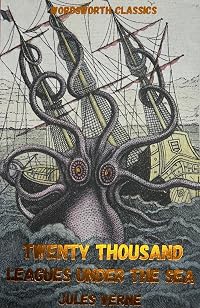
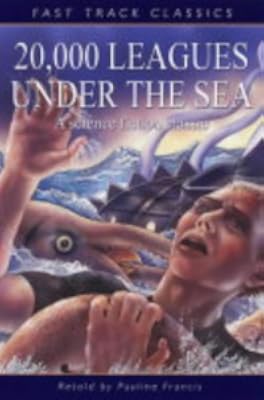
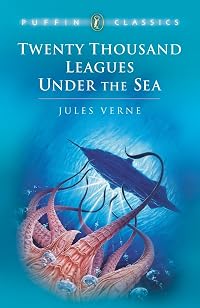
Retells the adventures of a French professor and his two companions as they sail above and below the world's oceans as prisoners on the fabulous electric submarine of the deranged Captain Nemo.Tags
Recommendations

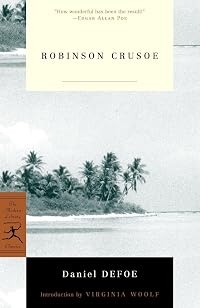

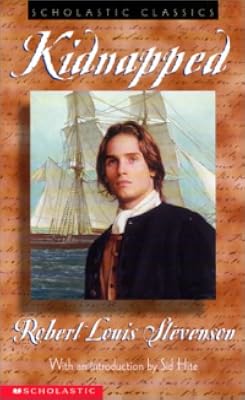
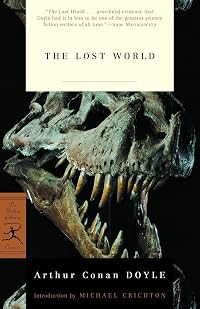


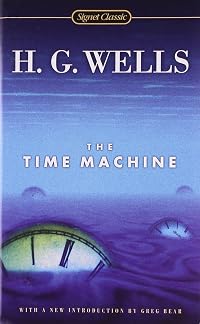


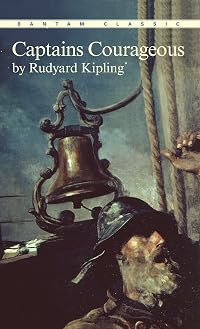
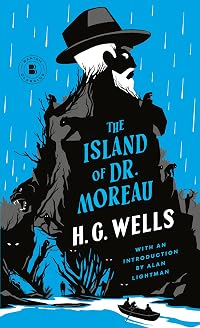
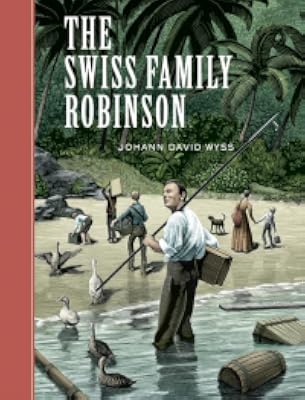
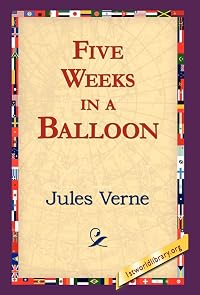



















Member Recommendations



Member Reviews
I was prompted to read this after appreciating the 1954 live-action Disney classic starring James Mason and Kirk Douglas. Its screenwriters were dismayed to read the novel, feeling there's no overarching plot but only a series of incidents. Perhaps I was made insensitive to this by exaggerating in my own mind what the movie brings to the fore: the three leads are trapped onboard, and must seek a means of escape. While they await their opportunity, Verne knew how to keep his novel interesting as Captain Nemo tours them and the Nautilus through a series of underwater wonders.
The forward to my edition offers some interesting background: Verne had a grudge against the British for how they managed the Indian Mutiny, and posited Nemo as show more having Indian background and exacting vengeance on British shipping. His editor insisted on stripping that out, but in the sequel "The Mysterious Island" the good captain's heritage is more firmly established. Nemo, it is interesting to note, means "nobody" and it is a key part of appreciating his character ... which makes it further interesting how readily Pixar brushed this fact aside when naming their cute clownfish.
There's an incredible amount of well-researched details about undersea life, a lot of which apparently still holds up well in the century and a half since this was written. The only thing I smirked at is his initial description of Drake's Passage, which Verne makes sound like a pleasure cruise. Granted, several adventures engaged in by the Nautilus are known to be completely impossible now - no spoilers - so you'll have to indulge in a bit of fantasy and just play along.
Callous disregard for the environment has become a standout feature of this novel, now. Ned is enthused at the idea of hunting and killing an island's entire population of red-blooded mammals, and even the professor can't imagine anything wrong with that. In one of the novel's least realistic adventures, the Nautilus is transformed into a weapon for stabbing an entire pod of sperm whales to death just because the captain doesn't like the species. The professor does speak knowledgeably about how the extinction of manatee might do irreparable ecological damage - but then they proceed to harvest all the manatee in sight anyways. Verne made a lot of smart guesses about the future, but he underestimated how much damage we might eventually perpetrate through thoughtless actions such as these. show less
The forward to my edition offers some interesting background: Verne had a grudge against the British for how they managed the Indian Mutiny, and posited Nemo as show more having Indian background and exacting vengeance on British shipping. His editor insisted on stripping that out, but in the sequel "The Mysterious Island" the good captain's heritage is more firmly established. Nemo, it is interesting to note, means "nobody" and it is a key part of appreciating his character ... which makes it further interesting how readily Pixar brushed this fact aside when naming their cute clownfish.
There's an incredible amount of well-researched details about undersea life, a lot of which apparently still holds up well in the century and a half since this was written. The only thing I smirked at is his initial description of Drake's Passage, which Verne makes sound like a pleasure cruise. Granted, several adventures engaged in by the Nautilus are known to be completely impossible now - no spoilers - so you'll have to indulge in a bit of fantasy and just play along.
Callous disregard for the environment has become a standout feature of this novel, now. Ned is enthused at the idea of hunting and killing an island's entire population of red-blooded mammals, and even the professor can't imagine anything wrong with that. In one of the novel's least realistic adventures, the Nautilus is transformed into a weapon for stabbing an entire pod of sperm whales to death just because the captain doesn't like the species. The professor does speak knowledgeably about how the extinction of manatee might do irreparable ecological damage - but then they proceed to harvest all the manatee in sight anyways. Verne made a lot of smart guesses about the future, but he underestimated how much damage we might eventually perpetrate through thoughtless actions such as these. show less
What do you get when you combine marine biology from the late 1800s and an action-adventure classic? 20,000 Leagues Under the Sea by Jules Verne, of course!
If you haven’t already read it or seen one of the many film adaptations, the novel follows Professor Arannox, an educated gentleman, and Conseil, his servant, on their search for knowledge within the ocean’s depths. Along the way, they encounter many wonders and meet the acquaintance of some intriguing characters, including the mysterious Captain Nemo.
When the plot focuses on the conflicts our cast of characters face on their journey, the pages fly by. From kidnappings to shipwrecks, a lot happens in what could be considered a rather short novel. Unfortunately, where there’s show more adventure, there’s also quite a lot of seemingly unnecessary description. Much of the book focuses on various characters making observations about fish. Unless you’re a scientist with a keen interest in the biological classification of sea creatures, there’s not much that will intrigue you in those passages. The descriptions that did not bother me were those that detailed the intricacies of Captain Nemo’s vessel, the Nautilus. At the time the novel was published, submarines were still incredibly primitive, so it’s impressive that Verne was able to predict the future, in a manner of speaking.
All of the main and supporting characters are fascinating, to say the least. Professor Aronnax values knowledge over freedom, Conseil takes great pride in his subservient position, Ned Land has a bloodlust for the hunt, and Captain Nemo, well, we don’t know much about him, do we? The level of secrecy he exudes kept me engaged until the bitter end. Verne has a subtle way with dialogue too. There were many moments, particularly in interactions between Ned and Conseil, which left me chuckling to myself.
20,000 Leagues is a classic for a reason. As much as I disliked the long scientific passages, the novel certainly has its merits. If you’re bothered by the extensive marine life descriptions, I highly recommend skimming or skipping them completely if you’re concerned that they’re ruining your reading experience. show less
If you haven’t already read it or seen one of the many film adaptations, the novel follows Professor Arannox, an educated gentleman, and Conseil, his servant, on their search for knowledge within the ocean’s depths. Along the way, they encounter many wonders and meet the acquaintance of some intriguing characters, including the mysterious Captain Nemo.
When the plot focuses on the conflicts our cast of characters face on their journey, the pages fly by. From kidnappings to shipwrecks, a lot happens in what could be considered a rather short novel. Unfortunately, where there’s show more adventure, there’s also quite a lot of seemingly unnecessary description. Much of the book focuses on various characters making observations about fish. Unless you’re a scientist with a keen interest in the biological classification of sea creatures, there’s not much that will intrigue you in those passages. The descriptions that did not bother me were those that detailed the intricacies of Captain Nemo’s vessel, the Nautilus. At the time the novel was published, submarines were still incredibly primitive, so it’s impressive that Verne was able to predict the future, in a manner of speaking.
All of the main and supporting characters are fascinating, to say the least. Professor Aronnax values knowledge over freedom, Conseil takes great pride in his subservient position, Ned Land has a bloodlust for the hunt, and Captain Nemo, well, we don’t know much about him, do we? The level of secrecy he exudes kept me engaged until the bitter end. Verne has a subtle way with dialogue too. There were many moments, particularly in interactions between Ned and Conseil, which left me chuckling to myself.
20,000 Leagues is a classic for a reason. As much as I disliked the long scientific passages, the novel certainly has its merits. If you’re bothered by the extensive marine life descriptions, I highly recommend skimming or skipping them completely if you’re concerned that they’re ruining your reading experience. show less
It is always hard to appraise classics like this one. Their legend and influence on popular culture often means that when you finally get around to reading the genesis, it can be underwhelming. So it proves, to some degree, in Jules Verne's 20,000 Leagues Under the Sea. (The number of leagues indicates how far they travel in total around the globe, not – as I believed – the depth to which the submarine sinks).
The most disappointing thing was that the characters did not land; Ned Land's motivations are clear, but our narrator, Monsieur Aronnax, leaves something to desired, whilst Conseil is a cartoon. Even the fascinating and enigmatic Captain Nemo – the star of the show – has a vagueness to him. Over the course of this long and show more detailed novel, we learn very little about his motivations. In reading the book, I kept expecting a plot that never arrived.
That this is deliberate – 'Nemo' is Latin for 'nobody' – is particularly incomprehensible in light of the fact that Verne devotes practically half the book (and that is no exaggeration) to "a mania for classification" (pg. 268). The book is in large part an encyclopaedic chronicle of marine ecology, with the detail on the flora and fauna, not to mention ship displacements and longitudes and latitudes, becoming a meticulous cataloguing that is simply absurd by any narrative standard. Thankfully, these passages are so intrusive and wordy that it is – paradoxically – quite easy for the reader's mind to glaze over them, and tear through the actual interesting parts of the novel.
Despite its flaws it is a fascinating book, with a prescient conception of the submarine and a pseudo-scientific framework to the story that is delivered with such diligence that it ensured future science-fiction writers would also endeavour to do their duty. The adventure itself is a thrilling one, despite its seeming aimlessness, and told in that incredulous gentleman-narrator's tone which is common to all Victorian-era adventure fiction. There is every conceivable adventurous or wondrous element of the oceans crammed into this book: naval combat, deep-sea exploration, whales and narwhals, sharks and kraken, storms and icebergs and whirlpools, shipwrecks and lost treasure… I could go on. The book is a luminous feat of imagination that captures the reader in spite of its objective flaws. show less
The most disappointing thing was that the characters did not land; Ned Land's motivations are clear, but our narrator, Monsieur Aronnax, leaves something to desired, whilst Conseil is a cartoon. Even the fascinating and enigmatic Captain Nemo – the star of the show – has a vagueness to him. Over the course of this long and show more detailed novel, we learn very little about his motivations. In reading the book, I kept expecting a plot that never arrived.
That this is deliberate – 'Nemo' is Latin for 'nobody' – is particularly incomprehensible in light of the fact that Verne devotes practically half the book (and that is no exaggeration) to "a mania for classification" (pg. 268). The book is in large part an encyclopaedic chronicle of marine ecology, with the detail on the flora and fauna, not to mention ship displacements and longitudes and latitudes, becoming a meticulous cataloguing that is simply absurd by any narrative standard. Thankfully, these passages are so intrusive and wordy that it is – paradoxically – quite easy for the reader's mind to glaze over them, and tear through the actual interesting parts of the novel.
Despite its flaws it is a fascinating book, with a prescient conception of the submarine and a pseudo-scientific framework to the story that is delivered with such diligence that it ensured future science-fiction writers would also endeavour to do their duty. The adventure itself is a thrilling one, despite its seeming aimlessness, and told in that incredulous gentleman-narrator's tone which is common to all Victorian-era adventure fiction. There is every conceivable adventurous or wondrous element of the oceans crammed into this book: naval combat, deep-sea exploration, whales and narwhals, sharks and kraken, storms and icebergs and whirlpools, shipwrecks and lost treasure… I could go on. The book is a luminous feat of imagination that captures the reader in spite of its objective flaws. show less
I love this book. Anyone who wants to write sci-fi must learn from Verne. He makes it what it should be: man and nature in conflict, and the technology he envisions to unite them. But an undercurrent in this book of rousing, scientific, seafaring adventure is one of tragedy and a deep bitterness. Yes,I have a fondness Captain Nemo. I still like to think, as he sat alone in the half-light, playing his organ, he played Beethoven's Moonlight Sonata...
The narrator has a habit of listing by genus and phylum every single plant and animal he sees and every shipwreck that has occurred in each region he travels to, but I skimed those and the rest was pretty good. I enjoyed the odd combination of 19th-century-style entitlement with surprisingly modern-sounding environmentalism (that species has been nearly hunted to extinction and this may be the last of its kind...let's eat it! or praising nature for creating new coal deposits in the sargasso sea for humanity to use when the land-bound deposits run out, or berating the harpooner for wanting to kill a whale needlessly, then slaughtering a huge group of other whales that came to hunt the first group....) And of course, an ambiguous show more villain(?) is often enjoyable. show less
Wow, what an amazing book! This science fiction adventure, so thoughtfully written that even the fantastical elements seem almost plausible, tells of an underwater journey that is grand in scale and full of excitement and danger. Although it is long, full of detail and digression, it is never the least bit dull. That is due, at least in part, to the care with which this underwater world is crafted; even the long descriptions serve to build excitement for this magical voyage. Another element that works well is the cast of characters. The distinctive personalities play off each other well, and the two supporting characters—the passionate and courageous Canadian and the calm Frenchman—appeal to different facets of the main character's show more personality. Even the mysterious Captain Nemo, who is perhaps the nearest thing this book has to an antagonist, still has enough nuance and depth to inspire empathy. A powerful tale from a man lauded as the father of science fiction. show less
Wow, what an amazing book! This science fiction adventure, so thoughtfully written that even the fantastical elements seem almost plausible, tells of an underwater journey that is grand in scale and full of excitement and danger. Although it is long, full of detail and digression, it is never the least bit dull. That is due, at least in part, to the care with which this underwater world is crafted; even the long descriptions serve to build excitement for this magical voyage. Another element that works well is the cast of characters. The distinctive personalities play off each other well, and the two supporting characters—the passionate and courageous Canadian and the calm Frenchman—appeal to different facets of the main character's show more personality. Even the mysterious Captain Nemo, who is perhaps the nearest thing this book has to an antagonist, still has enough nuance and depth to inspire empathy. A powerful tale from a man lauded as the father of science fiction. show less
Members
- Recently Added By
Lists

Best Science Fiction Novels
816 works; 430 members

1001 Books You Must Read Before You Die
1,448 works; 1,135 members
Survey of Classic Science Fiction
171 works; 48 members

Classics you know you should have read but probably haven't
421 works; 409 members

NPRs your picks: top 100 Sci-Fi/Fantasy books
297 works; 80 members

Best Science Fiction Originally Published in a Language Other Than English
449 works; 34 members
Read the book and saw the movie
1,170 works; 195 members

Best Books About Journeys and Quests
117 works; 30 members

The Telegraph's 110 Best Books: The Perfect Library
101 works; 18 members
Survey of Science Fiction and Fantasy
101 works; 13 members

Amazon's 100 Science Fiction & Fantasy Books to Read in a Lifetime
87 works; 23 members
Science Fiction
42 works; 7 members

Survey of Classic Fantastic Fiction
36 works; 9 members
SF & Fantasy in Translation
95 works; 18 members

LibraryThingers' 1001 Books You Must Read Before You Die
442 works; 30 members

Books With Numbers in the Title
308 works; 13 members

League of Extraordinary Gentlemen Read-athon
8 works; 1 member

Speculative Fiction to Read
706 works; 32 members

Top Five Books of 2019
387 works; 111 members

Readers Guide to Steampunk
65 works; 1 member

Isaac Arthur’s Book Recommendations
98 works; 3 members

Speculative Fiction: The Classics
36 works; 5 members

Evan's Reading List 2020
12 works; 1 member

Before Austen Comes Aesop
318 works; 9 members

Speculative Fiction from around the World
610 works; 18 members

Books I recommend to everyone
29 works; 1 member
An evolving science fiction novel canon
50 works; 2 members
Favorite Science Fiction
456 works; 218 members

Books Read in 2023
5,638 works; 147 members

Books Read in 2017
4,249 works; 130 members

Recommended Reading : 600 Classics Reviewed, Editors of Salem Press, 2015
634 works; 6 members

Mensa for Kids Excellence in Reading Award Program (Grades 7-8)
62 works; 3 members

BBC Top Books
78 works; 3 members

Best of World Literature
436 works; 52 members

Ocean Setting
33 works; 5 members

Elevenses
316 works; 88 members
Newark Public Library's 1904 List of a Thousand of the Best Novels
95 works; 5 members

Greatest Books, allegedly
484 works; 9 members

Books Read in 2021
5,361 works; 114 members

Mustich's 1000 Books to Read Before You Die: A Life Changing List
1,001 works; 20 members
Folio Society
831 works; 53 members
BitLife
212 works; 4 members

um actually
76 works; 3 members

Mensa for Kids Excellence in Reading Award Program (Grades 7-8)
62 works; 1 member

Books With Water Words in the Title
186 works; 12 members

el
1,139 works; 1 member

Favorite Kids Books (chapter, middle grade)
170 works; 4 members
School Made Us Read It
380 works; 196 members

DigitalDreamDoor top 300
300 works; 4 members

Favorite Books in Translation
320 works; 133 members
top 100
39 works; 1 member

Books Read in 2015
3,299 works; 127 members

French Fiction of the 18th and 19th Centuries in English Translation
169 works; 3 members

19th Century
190 works; 16 members
Ambleside Books
459 works; 18 members

Carole's List
445 works; 13 members
Favorite Childhood Books
1,651 works; 519 members

Best Sea Stories
33 works; 5 members
water on the brain: maritime fiction
74 works; 18 members

Best of French Literature
138 works; 25 members

Childhood Favorites
427 works; 24 members

Hayao Miyazaki's 50 Recommended Children's Books
48 works; 6 members
Books tagged favorites
390 works; 30 members

Children's Classics Worth Reading
68 works; 9 members

Books You Read During High School (For School)
301 works; 53 members
1001 Children's Books You Must Read Before You Grow Up
774 works; 101 members

Unread books
1,063 works; 87 members
Best Adventure Stories
66 works; 15 members
Honey For a Child's Heart
1,152 works; 25 members
A Novel Cure
742 works; 23 members

recalling favorites...
105 works; 2 members
Favourite Books
1,820 works; 316 members

Literature in Translation
113 works; 5 members

Western World's Greatest Books - Project Gutenberg
295 works; 15 members

KayStJ's to-read list
1,616 works; 11 members
The League of Extraordinary Gentlemen
87 works; 4 members
Best Children's Books You've Read
197 works; 75 members
Works That Inspired Disney Movies
119 works; 13 members

Blue Pyramid 1,276 Best Books of All Time
1,248 works; 32 members
CCE 1000 Good Books List
1,033 works; 12 members

Biggest Disappointments
606 works; 168 members
Works Referenced in The League of Extraordinary Gentlemen
122 works; 6 members

Books translated from Romance Languages into English
102 works; 7 members

Favourite 19th century fiction
257 works; 62 members

Books Read in 2014
2,344 works; 89 members
Puffin Books 70th anniversary handbook recommendations
537 works; 10 members

Satori Smiles Children's Book List
262 works; 7 members
Favorite French Fiction
121 works; 50 members
Talk Discussions
Past Discussions
20,000 LEAGUES UNDER THE SEAS DLE (Item #:3713, $360) in Easton Press Collectors (July 2024)
20000 League Under The Seas first edition in Fine Press Forum (June 2024)
Twenty Thousand Leagues Under the Sea: Illustrated Editions in Science Fiction Fans (July 2011)
Author Information

Jules Verne was born on February 8, 1828 in Nantes, France. He wrote for the theater and worked briefly as a stockbroker. He is considered by many to be the father of science fiction. His most popular novels included Journey to the Center of the Earth, Twenty Thousand Leagues Under the Sea, and Around the World in Eighty Days. Several of his works show more have been adapted into movies and TV mini-series. In 1892, he was made a Chevalier of the Legion of Honor in France. He died on March 24, 1905 at the age of 77. (Bowker Author Biography) Jules Verne (1828-1905) is the author of numerous adventure stories grounded in popularizations of science. (Publisher Provided) show less
Some Editions
Awards and Honors
Awards
Distinctions
Notable Lists
Series

Belongs to Publisher Series
Work Relationships
Is contained in
Is retold in
Has the adaptation
Is abridged in
Is parodied in
Common Knowledge
- Canonical title
- Twenty Thousand Leagues Under the Sea
- Original title
- Vingt mille lieues sous les mers
- Alternate titles
- 20,000 Leagues Under the Sea; Twenty Thousand Leagues Under the Seas
- Original publication date
- 1869 to 1870 (serialised) (serialised); 1870
- People/Characters
- Captain Nemo; Ned Land; Professor Pierre Aronnax; Conseil
- Important places
- New York, New York, USA; Atlantic Ocean; Atlantis; Antarctica; Pacific Ocean; Indian Ocean (show all 8); South Pole; Nautilus
- Related movies
- 20,000 Leagues Under the Sea (1916 | IMDb); 20,000 Leagues Under the Sea (1905 | IMDb); 20,000 Leagues Under the Sea (1907 | IMDb); 20,000 Leagues Under the Sea (1954 | IMDb); 20,000 Leagues Under the Sea (1973 | IMDb); Twenty Thousand Leagues Under the Sea (1973 | IMDb) (show all 19); 20000 Leagues Under the Sea (1976 | IMDb); 20,000 Leagues Under the Sea (1985 | IMDb); Fushigi no umi no Nadia (1990 | IMDb); 20,000 Leagues Under the Sea (1997/I | IMDb); The League of Extraordinary Gentlemen (2003 | IMDb); 20.000 Leagues Under the Sea (2004 | IMDb); 20,000 Leagues Under the Sea (2008 | IMDb); 20.000 Leagues Under the Sea (2012 | IMDb); 20,000 Leagues Under the Sea (2016 | IMDb); 20,000 Leagues Under the Sea (IMDb); 20,000 Leagues Under the Sea (IMDb); 20,000 Leagues Under the Sea (IMDb); 30,000 Leagues Under the Sea (2007 | IMDb)
- First words
- The year 1866 was marked by a strange event, an unexplainable occurrence which is undoubtedly still fresh in everyone's memory.
In the year 1866 the whole maritime population of Europe and America was excited by a mysterious and inexplicable phenomenon.
The year 1866 was signalized by a remarkable incident, a mysterious and inexplicable phenomenon, which doubtless no one has yet forgotten. - Quotations
- We may brave human laws, but we cannot resist natural ones.
I leave you at liberty to shut yourself up; cannot I be allowed the same?
Like you, I am willing to live obscure, in the frail hope of bequeathing one day, to future time, the result of my labours.
At ten o'clock in the evening the sky was on fire. The atmosphere was streaked with vivid lightning. I could not bear the brightness of it; while the captain, looking at it, seemed to envy the spirit of the tempest.
At the period when these events took place, I had just returned from a scientific research in the disagreeable territory of Nebraska, in the United States. - Last words
- (Click to show. Warning: May contain spoilers.)Thus, to that question asked six thousand years ago by Ecclesiastes, "That which is far off, and exceeding deep, who can find it out?" only two men now have the right to answer: Captain Nemo and myself.
(Click to show. Warning: May contain spoilers.)And to the question asked by Ecclesiastes 3,000 years ago, 'That which is far off and exceeding deep, who can find it out?' two men alone of all now living have the right to give an answer—CAPTAIN NEMO AND MYSELF. - Original language
- French
- Canonical DDC/MDS
- 843.8
- Canonical LCC
- PQ2469 .V513 2006
- Disambiguation notice
- This LT work should be editions containing the complete text of Jules Verne's 1869 novel, Twenty Thousand Leagues Under the Sea. Please do not combine it with any abridgements, adaptations, young readers' versions (see... (show all) working list, below), pop-up books, Chick-fil-A editions, graphic novels, annotated editions, multi-title compendiums, single volumes of a multi-volume edition, or other, similar works based on the original.
Thank you.
Working list of abridged editions not to be combined with the standard editions - Best Loved Books for Young Children, Children's Classics, Great Illustrated Classics, Treasury of Illustrated Classics, Classics Illustrated, Classic Starts Series, Saddleback Illustrated, Stepping Stone Books, Now Age Classics, Young Collectors, (believe it or not) American Short Stories, Deans Children's Classics, anything by Malvina Vogel, Van Gool Adventure Series, Bring the Classics to Life, Children's Golden Library
Note:
The 1990 ed. of the Great Illustrated Classics contains the complete text (per L of C), ISBN 0895773473.
Classifications
Statistics
- Members
- 21,524
- Popularity
- 257
- Reviews
- 284
- Rating
- (3.75)
- Languages
- 34 — Catalan, Chinese, Czech, Danish, Dutch, English, Estonian, Finnish, French, German, Galician, Greek, Hungarian, Italian, Japanese, Korean, Latvian, Lithuanian, Norwegian (Nynorsk), Norwegian (Bokmål), Norwegian, Polish, Romanian, Russian, Serbian, Croatian, Slovak, Slovenian, Spanish, Swedish, Ukrainian, Urdu, Portuguese (Portugal), Portuguese (Brazil)
- Media
- Paper, Audiobook, Ebook
- ISBNs
- 1,325
- UPCs
- 11
- ASINs
- 562