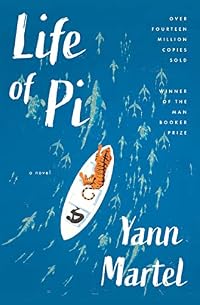
Life of Pi
by Yann Martel
On This Page
Description
Martel's novel tells the story of Pi--short for Piscine--an unusual boy raised in a zoo in India. Pi's father decides to move the family to live in Canada and sell the animals to the great zoos of America. The ship taking them across the Pacific sinks and Pi finds himself the sole human survivor on a lifeboat with a hyena, an orangutan, a zebra with a broken leg and Bengal tiger called Richard Parker. Life of Pi brings together many themes including religion, zoology, fear, and sheer show more tenacity. This is a funny, wise, and highly original look at what it means to be human. show lessTags
Recommendations


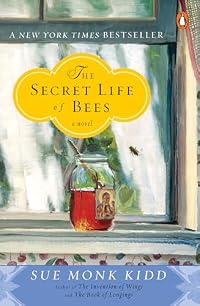
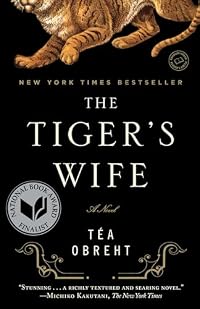
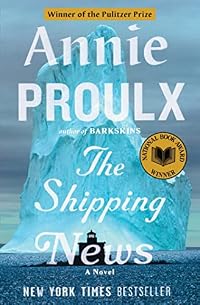

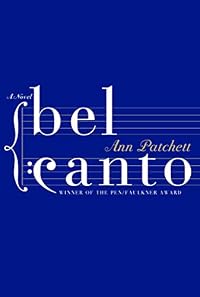
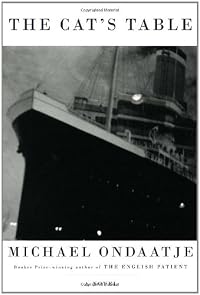
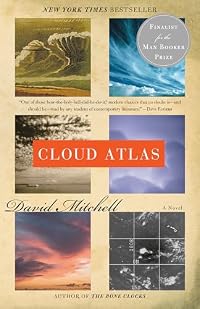
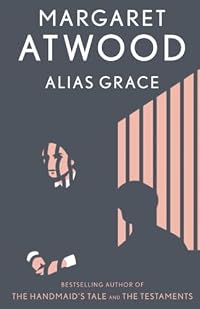
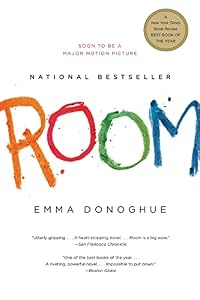
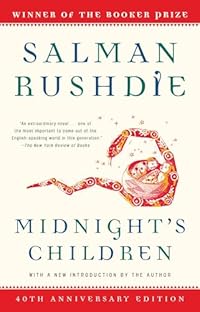

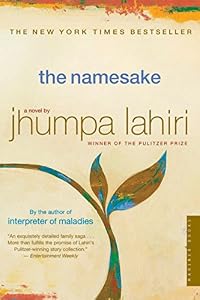
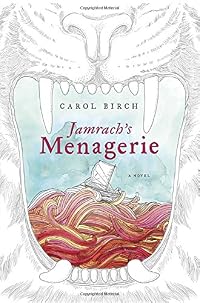


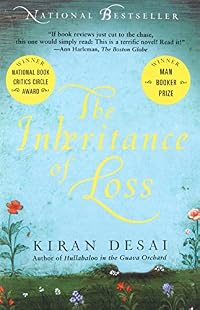

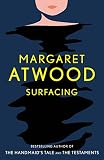
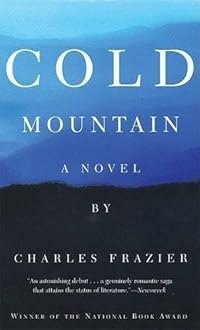


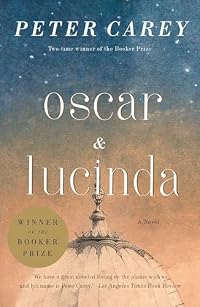

Member Recommendations
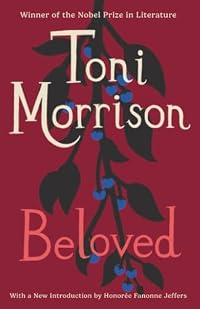
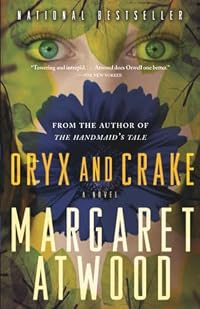
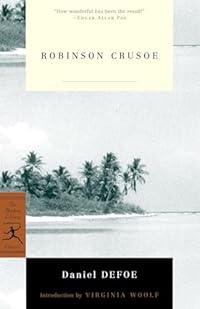
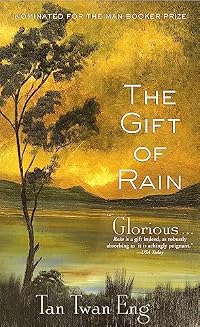
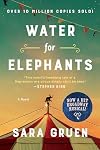
jordantaylor Both books involve an exotic animal (a tiger and an elephant) and a young man who journeys with them. Both have a spiritual undertone.
70
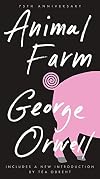
Bcteagirl Both are Canadian survival stories, involve animals, are dark at times but never depressing.
40
souloftherose Both books contain elements of magical realism and tigers!
30
LDVoorberg Both are graphic stories about (in part) how people deal with trauma. Narrative style is also similar.
10

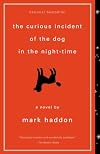
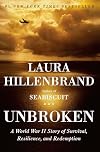
sipthereader A true story of survival at sea.
12
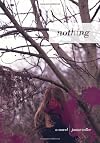
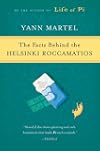
meggyweg These two books are very different in plot, themes, etc., but they have similar whack-you-on-the-back-of-the-head type endings.
36
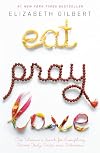
Eat, Pray, Love: One Woman's Search for Everything Across Italy, India, and Indonesia by Elizabeth Gilbert
FFortuna Both deal with the same kind of mixed spirituality.
024

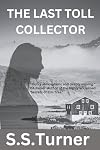
riverwanderer Both books play with reality as a powerful literary tool.
Member Reviews
The teaser in the introduction, "I have a story that will make you believe in God," is an audacious one, especially for an atheistic reader. However, it is well payed off. Without spoiling the events and journey of the protagonist, I will say that this is one of those books that contains scenarios that are severely unsettling, months after finishing the novel. Topmost of which is the ramifications contained in the story of the "island" near the end, which is analogical to the most fundamental justification for belief in something greater for many modern believers. While it may not fulfill the introductory remark above, you will certainly understand why it may be feasible. The author is brilliant and is in top form throughout.
Knowing only that this novel has been incredibly popular and that some have claimed that it is proof of God’s existence, it has been on my “must read” list for a number of years. And so I finally read it. I was prepared to read a rousing adventure story of an Indian boy’s survival in the Pacific Ocean aboard a life boat he shares with a Bengal tiger. And in this respect, the book supplies abundant rewards. Martel is a magnificent storyteller. He creates remarkably genuine characters, and he relates events in seamlessly beautiful, artistic prose that is at once clear, stunning, and sublime. What I was not prepared for, however, was the postmodern metafictional nature of this narrative. Although it may not become apparent until show more the very end of the novel, when Pi tells his incredible story of survival to a couple of Japanese government employees, Martel’s novel is all about the creation of story—about the ability of language to construct “truth” from mere words:
Isn’t telling about something—using words, English or Japanese—already something of an invention? Isn’t looking upon this world already something of an invention? (p. 302)
As Martel implies, nothing is true or real until language legitimizes it. The novel itself is a construction of embedded narratives—it begins with Martel (or a Martel-like narrator) telling of his encounter with a man who directs him to Pi, who then tells his story to the narrator—who in turn relates it to the reader. For a portion of the novel (the first quarter of it), the narrator weaves his voice together with Pi’s and tells the story of how Pi told him his story. And the novel ends with the Japanese agents’ rendition of their meeting with Pi, during which he tells them two vastly different versions of his story.
All of this meditation on the nature of narrative and story prompts me to reflect on the way in which I read this novel—as I read it, I was looking for evidence that this novel was about the existence of God, the meaning of faith, etc. What I found instead was a very well-written and entertaining adventure story that—like the subject of religion (which is surely present in the novel)—serves as an extended metaphor for a much broader theme: the eternal question of epistemological uncertainty and the various ways we choose to cope with that uncertainty. show less
Isn’t telling about something—using words, English or Japanese—already something of an invention? Isn’t looking upon this world already something of an invention? (p. 302)
As Martel implies, nothing is true or real until language legitimizes it. The novel itself is a construction of embedded narratives—it begins with Martel (or a Martel-like narrator) telling of his encounter with a man who directs him to Pi, who then tells his story to the narrator—who in turn relates it to the reader. For a portion of the novel (the first quarter of it), the narrator weaves his voice together with Pi’s and tells the story of how Pi told him his story. And the novel ends with the Japanese agents’ rendition of their meeting with Pi, during which he tells them two vastly different versions of his story.
All of this meditation on the nature of narrative and story prompts me to reflect on the way in which I read this novel—as I read it, I was looking for evidence that this novel was about the existence of God, the meaning of faith, etc. What I found instead was a very well-written and entertaining adventure story that—like the subject of religion (which is surely present in the novel)—serves as an extended metaphor for a much broader theme: the eternal question of epistemological uncertainty and the various ways we choose to cope with that uncertainty. show less
I found this book incredibly tedious. So much so, I couldn't finish it. I made it through chapter 7, then started skimming to get to the actual shipwreck, which doesn't happen until half-way through the book. Then I simply skipped to the last few chapters.
One of my biggest problems was the whole zoo lecture. Although set in a previous time (the 1970s), I found his attitude towards animals in zoos a bit barbaric and that's really the part where he lost me. The author spends too much time defending zoos in a condescending tone. Trying to equate the illusion of human freedom to a wild animal needing confinement for the same reasons doesn't cut it. Plus, he goes overboard with the argument as if expecting the reader to start debating the show more issue. Is it fine for a character to have a controversial opinion? Certainly. Just don't have the character start preaching as Pi did about zoos.
Then the whole religious aspect was tiring. First, twist endings are difficult things to get right without falling apart. Sadly, Life of Pi really falls apart here when asking the reader to decide if it's better to believe the cold hard facts or a good story. Basically, Pi goes from secular to Hindi/Christian/Muslim. (Had he included Judaism, he would have had a nice quartet of major world religions.) Yet, he ends by basically saying God doesn't exist, but is a nice story. Really? That's all ya got? Atheism is the cold hard truth, religion is the good story, and agnosticism is bad.
Overall, I couldn't make it through every chapter because the narration was disjointed and rambling, the character development was poor, the structure was awkward, the allegory cliche-ish, and to be quite frank, I found the whole thing over-hyped. I really don't understand all the accolades and awards. Just because a book *attempts* to be deep, philosophical, and intellectual doesn't make it actually deep, philosophical, or intellectual. I found this book extremely disappointing and a waste of time. show less
One of my biggest problems was the whole zoo lecture. Although set in a previous time (the 1970s), I found his attitude towards animals in zoos a bit barbaric and that's really the part where he lost me. The author spends too much time defending zoos in a condescending tone. Trying to equate the illusion of human freedom to a wild animal needing confinement for the same reasons doesn't cut it. Plus, he goes overboard with the argument as if expecting the reader to start debating the show more issue. Is it fine for a character to have a controversial opinion? Certainly. Just don't have the character start preaching as Pi did about zoos.
Then the whole religious aspect was tiring. First, twist endings are difficult things to get right without falling apart. Sadly, Life of Pi really falls apart here when asking the reader to decide if it's better to believe the cold hard facts or a good story. Basically, Pi goes from secular to Hindi/Christian/Muslim. (Had he included Judaism, he would have had a nice quartet of major world religions.) Yet, he ends by basically saying God doesn't exist, but is a nice story. Really? That's all ya got? Atheism is the cold hard truth, religion is the good story, and agnosticism is bad.
Overall, I couldn't make it through every chapter because the narration was disjointed and rambling, the character development was poor, the structure was awkward, the allegory cliche-ish, and to be quite frank, I found the whole thing over-hyped. I really don't understand all the accolades and awards. Just because a book *attempts* to be deep, philosophical, and intellectual doesn't make it actually deep, philosophical, or intellectual. I found this book extremely disappointing and a waste of time. show less
Then the elderly man said, "I have a story that will make you believe in God."
It did not..any of the three times I've read it. Nor did it make my 11- and 13-year-old sons when I read it to them. But it is an entertaining and thought-provoking story, with sly humor throughout.
(Also, Yann Martel really, really, really likes lists. Luckily, so do I.)
It did not..any of the three times I've read it. Nor did it make my 11- and 13-year-old sons when I read it to them. But it is an entertaining and thought-provoking story, with sly humor throughout.
(Also, Yann Martel really, really, really likes lists. Luckily, so do I.)
Pi Patel ends up in a lifeboat in the middle of the Pacific with three other creatures aboard with him: a 450 pound Bengal tiger, a zebra with a broken leg, a hyena, and a Borneo orangutan named Orange Juice. The son of a zookeeper in Pondicherry, India, Pi ends up leaving his homeland along with some of the animals in the zoo to board a big boat to North America. The family is leaving India in the pursuit of a new life in Canada, but when their ship sinks, Pi must survive on his own in the middle of the ocean.
Part 1 of this novel is all about the main character, Pi Patel, and his self-exploration with different religions. He “attracts religion the way a dog attracts fleas” according to his father, a modern Indian man who tries not show more to concern himself with the specifics of religion. Pi wishes to love God in the broadest sense: he discovers Hinduism, Christianity, and Islam and wishes to take part in all three. His journey of self-discovery through religion is an interesting one. It makes the reader notice the point of all religion, rather than why one may be “better” than another or why one may be more “correct.” Pi just wants to know and love God the best he can. His search leads him to the blurry lines that separate, or in Pi’s case, connect the three religions, making him a Christian, Hindu, and a Muslim.
I can honestly say that I feel in love with every page of this novel. Yann Martel, the author, has been added to my green list. The list I keep of who I am most jealous of as an author and wish to be like. This is an exclusive list in my mind. So far, I have only three authors on it: John Steinbeck, Cormac McCarthy, and now Yann Martel. While all three authors are masters of their own craft, I find that Yann Martel is the hero of great fiction writing. I never though an author could create such an amazing story while weaving in hidden details and exploring religion at the same time. You have to read this book. You will be selling yourself short if you decide not to. Martel’s writing is not only addicting, but also enchanting. Read this quote if you don’t believe me: it’s one of my favorites.
“The reason death sticks so closely to life isn’t biological necessity--it’s envy. Life is so beautiful that death has fallen in love with it, a jealous, possessive love that grabs at what it can. But life leaps over oblivion lightly, losing only a thing or two of no importance, and gloom is but the passing shadow of a cloud.” --Yann Martel show less
Part 1 of this novel is all about the main character, Pi Patel, and his self-exploration with different religions. He “attracts religion the way a dog attracts fleas” according to his father, a modern Indian man who tries not show more to concern himself with the specifics of religion. Pi wishes to love God in the broadest sense: he discovers Hinduism, Christianity, and Islam and wishes to take part in all three. His journey of self-discovery through religion is an interesting one. It makes the reader notice the point of all religion, rather than why one may be “better” than another or why one may be more “correct.” Pi just wants to know and love God the best he can. His search leads him to the blurry lines that separate, or in Pi’s case, connect the three religions, making him a Christian, Hindu, and a Muslim.
I can honestly say that I feel in love with every page of this novel. Yann Martel, the author, has been added to my green list. The list I keep of who I am most jealous of as an author and wish to be like. This is an exclusive list in my mind. So far, I have only three authors on it: John Steinbeck, Cormac McCarthy, and now Yann Martel. While all three authors are masters of their own craft, I find that Yann Martel is the hero of great fiction writing. I never though an author could create such an amazing story while weaving in hidden details and exploring religion at the same time. You have to read this book. You will be selling yourself short if you decide not to. Martel’s writing is not only addicting, but also enchanting. Read this quote if you don’t believe me: it’s one of my favorites.
“The reason death sticks so closely to life isn’t biological necessity--it’s envy. Life is so beautiful that death has fallen in love with it, a jealous, possessive love that grabs at what it can. But life leaps over oblivion lightly, losing only a thing or two of no importance, and gloom is but the passing shadow of a cloud.” --Yann Martel show less
I loved, loved, LOVED this book. I disagree that the novel is a lecture on religion. I'm an atheist myself, but religion is fundamental to those of us that do believe. Pi is in a ridiculously difficult position and is trying to make it out alive. It's not crazy that his religious beliefs would be strengthened by the triumph of his survival. I don't agree that there are no atheists in foxholes, but Pi began his journey as a religious person and the suffering he was put through solidified that belief. Me, I would become even more convinced that there is no god, if I were in Pi's place. Frankly, there are lots of believers in the world and an inability or unwillingness to read about characters who believe in god when you yourself don't- in show more other words, people who aren't like you- is just silly. Pi's beliefs are part of what make him a realistic and fully fleshed-out character, just as much as his nickname. It helps describe who he is and explain his actions, just like any other character trait.
That said, the writing is just beautiful and the story is paced perfectly. I agree with the other reviewers who think the last several chapters are what make it a masterpiece. I am fascinated by Pi's story. I'm writing this review a few months after reading the book, and I've been turning Pi's experiences over in my mind ever since. Wow. My copy now lives on The Shelf of Earth-Shattering and Important Reads.
The movie adaptation is fantastic, too, by the way. show less
That said, the writing is just beautiful and the story is paced perfectly. I agree with the other reviewers who think the last several chapters are what make it a masterpiece. I am fascinated by Pi's story. I'm writing this review a few months after reading the book, and I've been turning Pi's experiences over in my mind ever since. Wow. My copy now lives on The Shelf of Earth-Shattering and Important Reads.
The movie adaptation is fantastic, too, by the way. show less
Piscine Molitor Patel, son of a zookeeper from Pondicherry, India, moves with his family by boat to Canada in search of a better life. The boat sinks and Piscine (aka Pi) finds himself stranded on a lifeboat with a few animals and limited provisions. Among the most noteworthy of the animals is Richard Parker, a ferocious Bengal tiger. Pi sees no human survivors, spies no land, and is aware of only limited provisions on the lifeboat.
Absent any religious dogma, this is a book about religion. It’s about what individuals believe and how those beliefs make for a fuller, richer existence. It captures wonderful insight into animal psychology, particularly of large cats. Well written, this novel does not have its full effect until after the show more book ends. Then is the time to reflect on what was presented, ask more questions, think about the subject matter, decide one’s own personal theology, and provoke others into discussion. Don’t miss the chapter about the skies, seas, and winds. Outstanding! One caution: there are some very graphic descriptions of animal and human cruelty. Brace yourselves. show less
Absent any religious dogma, this is a book about religion. It’s about what individuals believe and how those beliefs make for a fuller, richer existence. It captures wonderful insight into animal psychology, particularly of large cats. Well written, this novel does not have its full effect until after the show more book ends. Then is the time to reflect on what was presented, ask more questions, think about the subject matter, decide one’s own personal theology, and provoke others into discussion. Don’t miss the chapter about the skies, seas, and winds. Outstanding! One caution: there are some very graphic descriptions of animal and human cruelty. Brace yourselves. show less
Members
- Recently Added By
Published Reviews
ThingScore 75
The story is engaging and the characters attractively zany. Piscine Molitor Patel (named after a family friend's favourite French swimming pool) grows up in Pondicherry, a French-speaking part of India, where his father runs the local zoo. Pi, Hindu-born, has a talent for faith and sees nothing wrong with being converted both to Islam and to Christianity. Pi and his brother understand animals show more intimately, but their father impresses on them the dangers of anthropomorphism: invade an animal's territory, and you will quickly find that nearly every creature is dangerous show less
added by dovydas
Granted, it may not qualify as ''a story that will make you believe in God,'' as one character describes it. But it could renew your faith in the ability of novelists to invest even the most outrageous scenario with plausible life -- although sticklers for literal realism, poor souls, will find much to carp at.
added by Shortride
Lists

1001 Books You Must Read Before You Die
1,448 works; 1,132 members
501 Must-Read Books
508 works; 71 members

Read the book and saw the movie
1,170 works; 195 members

Best Contemporary Literary Fiction (Around the Last 30 Years)
388 works; 124 members

Magic Realism
371 works; 52 members
The Best of Canadian Literature
235 works; 32 members

Recommend the 20 best books you've read in the last five years
2,167 works; 605 members

Favourite Books
1,817 works; 316 members
Booker Prize
491 works; 62 members

Best 21st Century Books (So Far)
670 works; 86 members
CBC Books - Canada's 100 (+ bonus 10): Which have you read?
110 works; 23 members

Books With a Twist
69 works; 46 members

Philosophical Fiction
97 works; 27 members
Favourite Booker Prize contenders
73 works; 21 members

Best Books About Journeys and Quests
117 works; 30 members

20th Century Literature
1,161 works; 55 members

Best Psychological Fiction
81 works; 16 members

Books Set in Canada
80 works; 16 members

Pleasant Surprises: Books That Exceeded Our Expectations
418 works; 143 members

water on the brain: maritime fiction
74 works; 18 members

Slipstream or Interstitial Fiction
160 works; 19 members

child hero ~ adult novel
60 works; 12 members

Unreliable Narrators
170 works; 43 members

Sense of place
156 works; 13 members

Favorite Animal Fiction
359 works; 156 members

magic realism novels
44 works; 11 members

Books Featured on Gilmore Girls
307 works; 21 members

Canada Reads Winners and Nominees
129 works; 9 members
Booker Prize Shortlist: Titles Read
103 works; 10 members
Survey of Science Fiction and Fantasy
101 works; 13 members
Big Jubilee List
70 works; 3 members
LibraryThingers' 1001 Books You Must Read Before You Die
442 works; 30 members

Favorite Long Books
330 works; 42 members

BBC Big Read
100 works; 10 members

2000s (the decade, not the century)
184 works; 11 members
1,001 BYMRBYD Concensus
723 works; 27 members

Speculative Fiction: Slipstream Literature
166 works; 16 members

Books That Will Keep You on the Edge of Your Seat
73 works; 20 members

Top Five Books of 2014
1,064 works; 398 members
Asia
178 works; 7 members

CBC's Great Canadian Reading List
149 works; 5 members

Books tagged favorites
390 works; 30 members
BBC Radio 4 Bookclub
304 works; 13 members

Fiction For Men
142 works; 11 members

Most thought-provoking novels
30 works; 26 members
I Can't Finish This Book
189 works; 22 members

Blue Pyramid 1,276 Best Books of All Time
1,248 works; 32 members

Books Set on Islands
190 works; 24 members

2000s decade
85 works; 7 members
Adult Books for YA Readers
194 works; 6 members

NPRs audience picks: 100 best beach reads
105 works; 12 members
Top Five Books of 2016
795 works; 228 members

Rory Gilmore Book Club
193 works; 5 members

Carole's List
445 works; 13 members
Man Booker Prize Longlist 2002
20 works; 2 members

Books Read in 2005
173 works; 7 members
Ten Books That Have Stayed With Me
160 works; 30 members

A Novel Cure
742 works; 23 members
Independent Reading Suggestions
69 works; 3 members

Books Featured on Readers' Review of the Diane Rehm Show
161 works; 8 members
Overdue Podcast
800 works; 9 members

Books With Numbers in the Title
308 works; 13 members

Books Read in 2023
5,547 works; 145 members

Books Read in 2016
4,666 works; 199 members
Books I've Read
40 works; 2 members

Books I've read
87 works; 2 members

What are your favourite books?
121 works; 11 members

the dog was the hero
31 works; 5 members
Best Adventure Stories
66 works; 13 members

Third-Culture-Kid Lit
10 works; 2 members

Robinsonade Novels
55 works; 4 members
Speculative Fiction to Read
706 works; 32 members

Books Read in 2006
417 works; 8 members
BingoDOG - Animals in Adult Fiction
78 works; 19 members
Books to Reread Someday
53 works; 7 members
Ocean Setting
33 works; 5 members

Books Read in 2024
4,623 works; 126 members
The Complete Rory Gilmore Reading List
506 works; 5 members

el
1,139 works; 1 member
Books We Want To Read Again For The First Time
384 works; 160 members

Mustich's 1000 Books to Read Before You Die: A Life Changing List
1,001 works; 18 members
Books We Couldn't Put Down
443 works; 197 members
BBC World Book Club
261 works; 5 members
'Books You Can't Live Without: The Top 100', The Guardian, 2007
156 works; 7 members

Books recommended by Calgary Public Library staff
1,588 works; 4 members
Our Favorite Comfort Reads
334 works; 200 members

Retrospective of 20th- and 21st-century literature
154 works; 1 member
BitLife
212 works; 4 members

Recommended Reading : 600 Classics Reviewed, Editors of Salem Press, 2015
634 works; 6 members
Books We Love to Reread
688 works; 296 members

NYT Readers best of 21st C
100 works; 8 members
Best Books About Animals
143 works; 48 members

Books Read in 2021
5,361 works; 114 members

Books Read in 2011
684 works; 20 members

Books for HS summer reading
21 works; 2 members

Tonikat reading completed on Librarything journals
329 works; 2 members
Best books I read in 2013
152 works; 3 members

Ten+ Books About Being Stranded!
14 works; 5 members
Best Sea Stories
33 works; 5 members
Novels featuring Orphans
76 works; 10 members

Books About Boys
175 works; 15 members

Survival, shipwrecks -- children's/young adult fiction
104 works; 4 members

Mind-Benders: Fiction that Hurts Your Head
34 works; 8 members
Best Survival Stories
97 works; 15 members

Books Read in 2018
4,360 works; 110 members

Swinging Seventies
255 works; 18 members

Canada
42 works; 3 members
Adult Stories Involving Animals
76 works; 6 members

Biggest Disappointments
606 works; 164 members

Books in the Bibliography of The Cold War by John Lewis Gaddis
192 works; 1 member

Most Popular Books Tagged Canada
34 works; 1 member

Tagged by Tim or Meh!
91 works; 8 members

Most Popular Books Tagged India
36 works; 5 members
Five star books
1,755 works; 108 members
Best Fantasy Novels
821 works; 357 members

Unread books
1,063 works; 87 members

You Couldn't Pay Me to Read That (Take 2)
203 works; 86 members
Talk Discussions
Past Discussions
OT - Suntup: Life of Pi in Folio Society Devotees (August 2023)
Life of Pi in Someone explain it to me... (August 2014)
Life of Pi: which story do you believe? in Book talk (June 2014)
Author Information

12+ Works 52,662 Members
Yann Martel was born in Salamanca, Spain on June 25, 1963. After studying philosophy at Trent University in Peterborough, Ontario, he worked at odd jobs and travelled widely before turning to writing. His works include Seven Stories, What Is Stephen Harper Reading?, and Beatrice and Virgil. He was awarded the Journey Prize for the title story in show more The Facts Behind the Helsinki Roccamatios. His second novel, Life of Pi, won numerous awards including the 2002 Man Booker. He continued to make the bestseller list in 2018 with his title, The High Mountains of Portugal. (Bowker Author Biography) show less
Some Editions
Awards and Honors
Awards
Distinctions
Notable Lists
Whitcoulls Top 100 Books (26 – 2008)
Whitcoulls Top 100 Books (8 – 2010)
The Big Jubilee Read (1992-2001 – 2001)
Series
Belongs to Publisher Series
Work Relationships
Has the adaptation
Was inspired by
Has as a reference guide/companion
Has as a student's study guide
Common Knowledge
- Canonical title*
- Het leven van Pi
- Original title
- Life of Pi
- Original publication date
- 2001
- People/Characters
- Piscine 'Pi' Molitor Patel; Richard Parker; Francis Adirubasamy; Orange Juice; Ravi Patel; Gita Patel (show all 7); Santosh Patel
- Important places
- Pacific Ocean; Pondicherry, India; Toronto, Ontario, Canada; Tomatlán, Mexico; India
- Related movies
- Life of Pi (2012 | IMDb)
- Dedication
- à mes parents et à mon frère
- First words
- My suffering left me sad and gloomy.
This book was born as I was hungry. (Author's Note) - Quotations
- The reason death sticks so closely to life isn't biological necessity — it's envy. Life is so beautiful that death has fallen in love with it, a jealous, possessive love that grabs at what it can. But life leaps over oblivi... (show all)on lightly, losing only a thing or two of no importance, and gloom is but the passing shadow of a cloud.
Evil in the open is but evil from within that has been let out. The main battlefield for good is not the open ground of the public arena but the small clearing of each heart.
I know what you want. You want a story that won't surprise you. That will confirm what you already know. That won't make you see higher or further or differently. You want a flat story. An immobile story. You want dry, yeastl... (show all)ess factuality.
Animals in the wild lead lives of compulsion and necessity within an unforgiving social hierarchy in an environment where the supply of fear is high and the supply of food is low and where territory must constantly be defende... (show all)d and parasites forever endured.
If you take two steps toward God, God runs toward you
Only death consistently excites your emotions, whether contemplating it when life is safe and stale, or fleeing it when life is threatened and precious.
It is not atheists who get stuck in my craw, but agnostics. Doubt is useful for a while… [S]urely we are … permitted doubt. But we must move on. To choose doubt as a philosophy of life is akin to choosing immobility as a ... (show all)means of transportation
We commonly say in the trade that the most dangerous animal in a zoo is Man. In a general way we mean how our species' excessive predatoriness has made the entire planet our prey. More specifically, we have in mind the ... (show all)people who feed fishhooks to the otters, razors to the bears, apples with small nails in them to the elephants and hardware variations on the theme: ballpoint pens, paper clips, safety pins, rubber bands, combs, coffee spoons, horseshoes, pieces of broken glass, rings, brooches and other jewellery (and not just cheap plastic bangles: gold wedding bands, too), drinking straws, plastic cutlery, ping-pong balls, tennis balls and so on. The obituary of zoo animals that have died from being fed foreign bodies would include gorillas, bison, storks, rheas, ostriches, seals, sea lions, big cats, bears, camels, elephants, monkeys, and most every variety of deer, ruminant and songbird. Among zookeepers, Goliath's death is famous; he was a bull elephant seal, great big venerable beast to two tons, star of his European zoo, loved by all visitors. he died of internal bleeding after someone fed him a broken beer bottle.
My story started on a calendar day--July 2nd, 1977--and ended on a calendar day--February 14th, 1978--but in between there was no calendar. I did not count the days or the weeks or the months. Time is an illusion that only ma... (show all)kes us pant. I survived because I forgot even the very notion of time.
What a terrible thing it is to botch a farewell. - Last words
- (Click to show. Warning: May contain spoilers.)Very few castaways can claim to have survived so long at sea as Mr. Patel, and none in the company of an adult Bengal tiger.
(Click to show. Warning: May contain spoilers.)If we, citizens, do not support our artists, then we sacrifice our imagination on the altar of crude reality and we end up believing in nothing and having worthless dreams. (Author's Note) - Blurbers
- Atwood, Margaret
- Original language
- English
- Disambiguation notice
- This is the book. Please do not combine with the film.
*Some information comes from Common Knowledge in other languages. Click "Edit" for more information.
Classifications
Statistics
- Members
- 47,376
- Popularity
- 47
- Reviews
- 1,049
- Rating
- (3.90)
- Languages
- 34 — Albanian, Bulgarian, Catalan, Czech, Danish, Dutch, English, Estonian, Finnish, French, German, Greek, Hebrew, Hindi, Hungarian, Icelandic, Indonesian, Italian, Japanese, Korean, Lithuanian, Norwegian (Bokmål), Norwegian, Polish, Portuguese, Romanian, Russian, Serbian, Slovenian, Spanish, Swedish, Thai, Turkish, Chinese, traditional
- Media
- Paper, Audiobook, Ebook
- ISBNs
- 243
- UPCs
- 4
- ASINs
- 83
