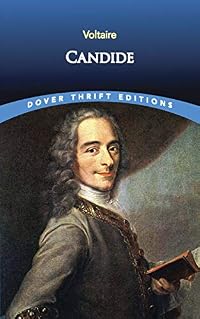
Candide
by Voltaire
On This Page
Description
Every lover of classic literature should read Candide, the satirical masterpiece that shocked Paris upon its publication in 1759. The novel challenges many of the core assertions of Enlightenment philosophy and calls into question vast swaths of Christian dogma. Though widely banned after its publication, it propelled Voltaire to literary stardom and remains one of the most popular French novels ever written..
Tags
Recommendations





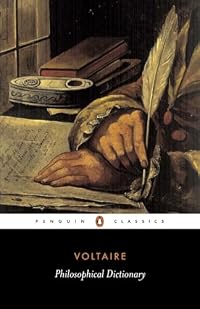
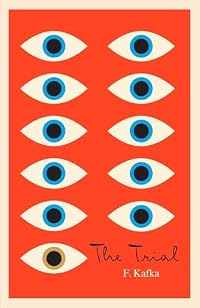
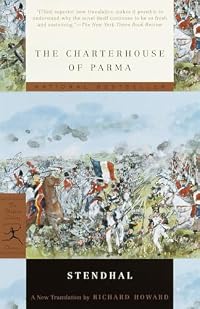
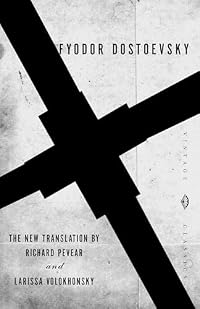



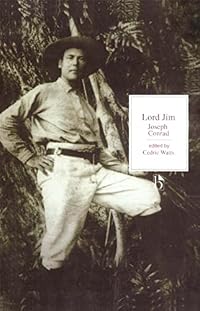
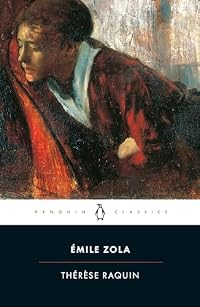
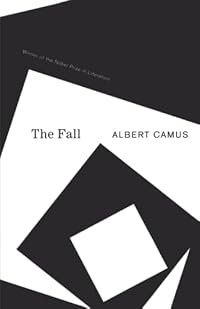
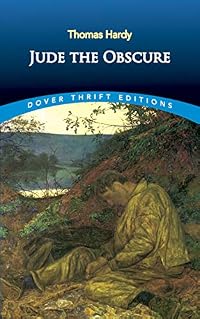
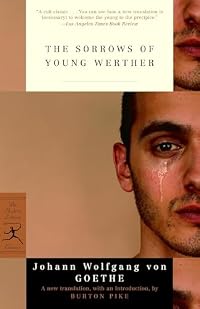
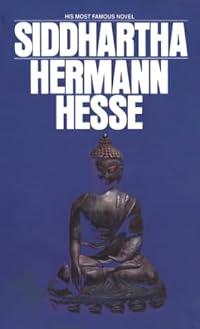
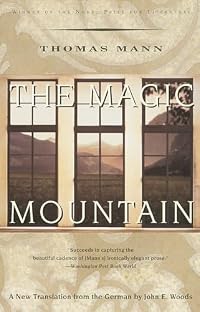





Member Recommendations

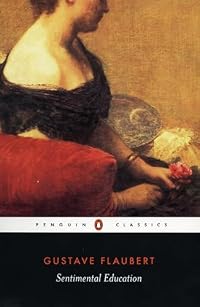
Weasel524 What separates the two: Travels is a satirical indictment of the society Swift saw around him, whereas Candide is a satirical indictment of popular philosophical theories of the time. Not a huge difference, but surely large enough for some. Candide also happens to be shorter and funnier, with Travels being more explorative
61
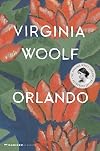
FFortuna They have the same kind of wide-eyed satirical quality.
30
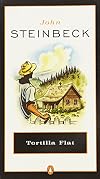
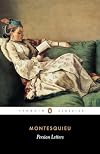
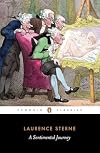
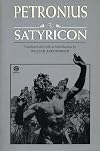
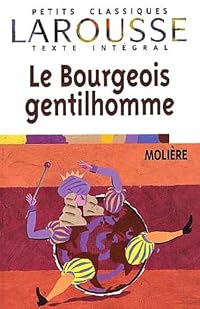
CGlanovsky Hapless protagonists tossed by fate from one misadventure to another
20


by anonymous user
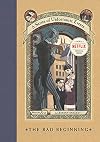
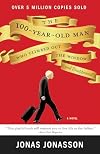
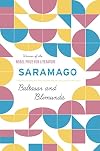
gennyt Both books contain extraordinary, unlikely picaresque adventures combined with humorous satire on the politics, wars and religious issues of their time.
Member Reviews
Candide is one of the few examples of books that I don't mind is irreverent and has two-dimensional characters. The humor rides on the back of that. It's dark, but the melodrama and the fact that nothing seems permanent (aha, the secret commentary on the condition optimism can exist--you need nothing bad to be 100%) keeps things light and curious. My version was also from Librivox and read by a guy that was excellent at corny, cliche accents for characters from different nationalities, which fit the mood of the story.
Candide was an unexpected treat; one of those books that, if I did not know otherwise, I could say was written just for me. It was so deliciously dark and cynical, like if Charles Bukowski and Terry Pratchett had a baby, with Mark Twain as the midwife. But, of course, it pre-dates all of those writers; I found it astonishing just how fresh this 250-year-old topical satire proved to be. It is remarkably modern and, yes, candid in its views: religion, society, philosophy, slavery, hypocrisy, and so on, all get both barrels, with Voltaire always eagerly reloading after doing so. I was also (pleasantly) shocked at just how unreserved and lacking in prudishness Voltaire was when discussing sex – particularly as the book was written in the show more 18th century – but then, perhaps I shouldn't have been: he was a Frenchman after all.
The most unsolicited of my delights from Candide came from the fact that it was also a good adventure story, taking Candide and his band of misfits on a globe-trotting bildungsroman quest around the world: a romping antecedent to the likes of Twain's Huckleberry Finn and Pratchett's Discworld novels. Candide even stumbles across the mythical city of El Dorado, where gold and precious stones are so plentiful they lie in the streets, and whose inhabitants are bemused by their visitors' lust for their 'pebbles' and 'yellow dust'. That Voltaire managed to provide such diverse and satisfying delights in such a short novel (about 140 pages) is to be marvelled at; Candide is one of those rare 'classics' that defies the aura of stuffiness that the genre often suggests.
Despite being a philosophical satire, I was also pleased at how jargon-free Candide remained. This is a short novel the very epitome of brevity: a thoroughly delightful romp that breezes by in no time. The philosophical angle is easy enough to understand even for a layman and it is never boring, for Voltaire is deftly exposing the weaknesses of philosophical theories by pointing out their absurdities, not by critiquing them. Witness the following, after the character Candide is press-ganged into the army, exposing the limits of 'free will' in a world where cruelty and oppression is ever-present:
The bewildered Candide was still rather in the dark about his heroism. One fine spring morning he took it into his head to decamp and walked straight off, thinking it a privilege common to man and beast to use his legs when he wanted. But he had not gone six miles before he was caught, bound, and thrown into a dungeon by four other six-foot heroes. At the court martial he was graciously permitted to choose between being flogged thirty-six times by the whole regiment or having twelve bullets in his brain. It was useless to declare his belief in Free Will and say he wanted neither; he had to make his choice." (pg. 24).
(As a side note, one could easily replace the name 'Candide' with 'Huck Finn' or 'Rincewind' there.) The main thrust of Voltaire's book is not an advocacy of any certain philosophy; rather, it is to try and stop people becoming complacent. Voltaire is satirising the argument that ours is the best of all possible worlds; the argument which claims that when bad things happen they still contribute to the greater good or to the divine plan. Many will note that this is still a view prevalent amongst some woolly-minded folk nowadays. (Candide delivers a revealing definition of optimism on page 86 – "The passion for maintaining that all is right when all goes wrong with us." – which would be worthy of addition to Ambrose Bierce's The Devil's Dictionary.) Voltaire correctly recognises that this allows people to become complacent; it allows them not to try and make the world better themselves because what is happening, good or bad, is 'part of the plan'. But, as Candide realises at the end of his adventure, "we must go and work in the garden." It will only grow if we work at it; if we pull out the weeds and cultivate the flowers and crops. That's a message we all need reminding of from time to time, and I guarantee you'll never have as much fun learning it as you will here." show less
The most unsolicited of my delights from Candide came from the fact that it was also a good adventure story, taking Candide and his band of misfits on a globe-trotting bildungsroman quest around the world: a romping antecedent to the likes of Twain's Huckleberry Finn and Pratchett's Discworld novels. Candide even stumbles across the mythical city of El Dorado, where gold and precious stones are so plentiful they lie in the streets, and whose inhabitants are bemused by their visitors' lust for their 'pebbles' and 'yellow dust'. That Voltaire managed to provide such diverse and satisfying delights in such a short novel (about 140 pages) is to be marvelled at; Candide is one of those rare 'classics' that defies the aura of stuffiness that the genre often suggests.
Despite being a philosophical satire, I was also pleased at how jargon-free Candide remained. This is a short novel the very epitome of brevity: a thoroughly delightful romp that breezes by in no time. The philosophical angle is easy enough to understand even for a layman and it is never boring, for Voltaire is deftly exposing the weaknesses of philosophical theories by pointing out their absurdities, not by critiquing them. Witness the following, after the character Candide is press-ganged into the army, exposing the limits of 'free will' in a world where cruelty and oppression is ever-present:
The bewildered Candide was still rather in the dark about his heroism. One fine spring morning he took it into his head to decamp and walked straight off, thinking it a privilege common to man and beast to use his legs when he wanted. But he had not gone six miles before he was caught, bound, and thrown into a dungeon by four other six-foot heroes. At the court martial he was graciously permitted to choose between being flogged thirty-six times by the whole regiment or having twelve bullets in his brain. It was useless to declare his belief in Free Will and say he wanted neither; he had to make his choice." (pg. 24).
(As a side note, one could easily replace the name 'Candide' with 'Huck Finn' or 'Rincewind' there.) The main thrust of Voltaire's book is not an advocacy of any certain philosophy; rather, it is to try and stop people becoming complacent. Voltaire is satirising the argument that ours is the best of all possible worlds; the argument which claims that when bad things happen they still contribute to the greater good or to the divine plan. Many will note that this is still a view prevalent amongst some woolly-minded folk nowadays. (Candide delivers a revealing definition of optimism on page 86 – "The passion for maintaining that all is right when all goes wrong with us." – which would be worthy of addition to Ambrose Bierce's The Devil's Dictionary.) Voltaire correctly recognises that this allows people to become complacent; it allows them not to try and make the world better themselves because what is happening, good or bad, is 'part of the plan'. But, as Candide realises at the end of his adventure, "we must go and work in the garden." It will only grow if we work at it; if we pull out the weeds and cultivate the flowers and crops. That's a message we all need reminding of from time to time, and I guarantee you'll never have as much fun learning it as you will here." show less
"Candide" is a black comedy whose punchlines usually involve the innocent narrator being ruthlessly whipped for no good reason whatsoever. Still, the book has a remarkably evolved worldview given its age, playing as a broad satire and loose mockery of preconceived notions of virtue, morality, faith and justice. Filled with dated allusions to current events, the book is still an enjoyable romp of a read, especially at a lightweight 90 pages.
As one of those 'must reads' I was more surprised than anything at how concise and pleasantly acidic the story of Candide was. Everything is told in a brisk and satisfying fashion as philosophical ideas are bandied about in a wonderful point/counterpoint fashion. Though Voltaire's less than admirable traits definitely seep up off the text (his rabid anti-semitism, his racism, his noxious sense of white male secular european Christian exceptionalism) all of these factors, remarkably, do little to mar the overall value of the story.
Candide travels through the world, and god help me I get to use the term picaresque, he witnesses, experiences, and deals out more than his fair share of horrible tragedy. But Voltaire's dexterous use of true show more satirical wit, laughing in the face of horrible atrocity by understating by simply telling it like it is, really made me imagine how fun it would have been to see Voltaire and Swift trade barbs over a few pints.
And given the brevity of the text the characters are incredibly distinct. True, they're all 'types' (cultured intellectual, the various religious movements popular in Voltaire's day and such) endemic to most satire, they still hold their own as singular voices set against naive Candide and the repeated voice of his mentor Pangloss and his this is the 'best of all worlds' philosophy which is thoroughly torn apart over the course of the story, even more so when said proponent of the philosophy experiences horrors akin to the worst imaginable and still posits his philosophy. Philosophical constancy or consistently constant delusion masked as such? Hell, I'm a cynic, I know my answer.
But Candide's answer at the very end of the text is what thrills me the most. His 'we must cultivate our garden' is wonderful in that it doesn't discount all the philosophies that have been espoused before it (from Pangloss' optimism to Martin's pessimism and all points between and beyond) but it does seem to state that all beliefs rooted in absolutism, that don't take into the drudgery and all too human day to day of most people's waking lives, are doomed to, if not fail, than at least be incredibly far from satisfactory because they root themselves so defiantly against reality and its multifarious nature by being too rigidly narrow. I don't pretend to know what Voltaire is espousing and what Candide favors, I think it would be too easy to say that constant work and maintenance is the answer as stated by the turkish man and his family near the end of the story (why would the characters continue to debate had they found the truth and solution?). Candide's ambiguity, the use of the word 'cultivate' as opposed to 'work' shows, to me at least, the potential inherent in our hands and in our world, but the, some might say, herculean fucking effort, required of this undertaking can serve as a solution in itself, though insufficient as it's only a means, not an end. I'm reminded of Camus but Voltaire doesn't seem to be saying it's pointless and try because, but he does seem to be saying that possibilities are only created from effort and strain, and are never promised, but are better than idle contemplation and building castles in the air.
All things taken together Voltaire has it's downsides, hence the good but not great score I'm giving it. It's too short, the pace can be a bit too brisk at times (but usually isn't) and there are more than a few moments where the story feels more pamphlet or treatise-like than a self contained work of literature. But what's good is excellent here. The wit and the humor are excellent partners with the philosophical fencing, making for a quick and effective piece of work that makes me more than curious about Voltaire's further oeuvre. show less
Candide travels through the world, and god help me I get to use the term picaresque, he witnesses, experiences, and deals out more than his fair share of horrible tragedy. But Voltaire's dexterous use of true show more satirical wit, laughing in the face of horrible atrocity by understating by simply telling it like it is, really made me imagine how fun it would have been to see Voltaire and Swift trade barbs over a few pints.
And given the brevity of the text the characters are incredibly distinct. True, they're all 'types' (cultured intellectual, the various religious movements popular in Voltaire's day and such) endemic to most satire, they still hold their own as singular voices set against naive Candide and the repeated voice of his mentor Pangloss and his this is the 'best of all worlds' philosophy which is thoroughly torn apart over the course of the story, even more so when said proponent of the philosophy experiences horrors akin to the worst imaginable and still posits his philosophy. Philosophical constancy or consistently constant delusion masked as such? Hell, I'm a cynic, I know my answer.
But Candide's answer at the very end of the text is what thrills me the most. His 'we must cultivate our garden' is wonderful in that it doesn't discount all the philosophies that have been espoused before it (from Pangloss' optimism to Martin's pessimism and all points between and beyond) but it does seem to state that all beliefs rooted in absolutism, that don't take into the drudgery and all too human day to day of most people's waking lives, are doomed to, if not fail, than at least be incredibly far from satisfactory because they root themselves so defiantly against reality and its multifarious nature by being too rigidly narrow. I don't pretend to know what Voltaire is espousing and what Candide favors, I think it would be too easy to say that constant work and maintenance is the answer as stated by the turkish man and his family near the end of the story (why would the characters continue to debate had they found the truth and solution?). Candide's ambiguity, the use of the word 'cultivate' as opposed to 'work' shows, to me at least, the potential inherent in our hands and in our world, but the, some might say, herculean fucking effort, required of this undertaking can serve as a solution in itself, though insufficient as it's only a means, not an end. I'm reminded of Camus but Voltaire doesn't seem to be saying it's pointless and try because, but he does seem to be saying that possibilities are only created from effort and strain, and are never promised, but are better than idle contemplation and building castles in the air.
All things taken together Voltaire has it's downsides, hence the good but not great score I'm giving it. It's too short, the pace can be a bit too brisk at times (but usually isn't) and there are more than a few moments where the story feels more pamphlet or treatise-like than a self contained work of literature. But what's good is excellent here. The wit and the humor are excellent partners with the philosophical fencing, making for a quick and effective piece of work that makes me more than curious about Voltaire's further oeuvre. show less
Candide has lived a pretty sheltered life in an Edenic paradise, madly in love with the Baron’s daughter Cunégonde. His mentor Professor Pangloss taught him the ways of optimism but his adventures may challenge his life philosophy. Candide is a satire from Voltaire, a philosopher of the Age of Enlightenment. The book enjoyed much success, as well as a lot of controversy, being banned for religious blasphemy.
“Everything is for the best in this best of all possible worlds.”
In Candide, Voltaire sets out to challenge the philosophical ideas of optimism, particularly the works of Gottfried Wilhelm von Leibniz. Essentially he used a stripped down idea of optimism and explores it from a religious perspective. The idea is simply, if show more there is evil in the world would that be a sign that God is not entirely good or not all-powerful?
While Voltaire wrote Candide as a parody of the classic adventure tales, it also satirised organised religion. This was the main reason the novel got banned. Throughout the book all the religious leaders were either corrupt or hypocritical and you even encounter the Pope’s own daughter within the story. Most of the Catholic priests are never celibate, the hard-line Inquisitor has a mistress, and there is a friar who is a thief, despite the fact he is a member of the Franciscan order and has taken a vow of poverty.
For me, the connection between optimism and religion was what stood out the most in Candide. The whole concept of “everything will work out for the best” reminded me of the flawed thinking of some Christians. I grew up in the church, and I have heard people say things like “God will heal me” and never go to a doctor, or “God will provide” and never look for a job. I always thought this was a terrible attitude and a misunderstanding of the Bible. So while reading Candide, I saw this come through so many time and I really enjoyed that element.
This novel was a buddy read with a fellow booktuber (Shut Your Typeface) and her problem was the sexual exploitation of women within Candide. For me I thought Voltaire was trying to demonstrate a real situation effecting woman. The problem with having mistresses, rape, sexual slavery and still wanting women to be chaste and virtuous. I really do think he was trying to show a real problem that is effecting woman; all the women in the book were victims of some form of sexual assault. I might have viewed it one way but I can see how it could be interpreted as chauvinistic and disrespectful towards woman.
There are so many other themes that show up within Candide, from resurrection, wealth, and class. So many interesting topics worth exploring, but I did not want to make this review too long. I would love to talk about the parody of adventure tales, the humour and other themes but maybe I will leave them for the next review I do of this book, after a re-read. Candide was a very interesting and surprisingly easy to read. I had a lot of fun checking this novel out and looking at the depth to be found within the pages.
This review originally appeared on my blog; http://www.knowledgelost.org/book-reviews/genre/classic/candide-or-optimism-by-v... show less
“Everything is for the best in this best of all possible worlds.”
In Candide, Voltaire sets out to challenge the philosophical ideas of optimism, particularly the works of Gottfried Wilhelm von Leibniz. Essentially he used a stripped down idea of optimism and explores it from a religious perspective. The idea is simply, if show more there is evil in the world would that be a sign that God is not entirely good or not all-powerful?
While Voltaire wrote Candide as a parody of the classic adventure tales, it also satirised organised religion. This was the main reason the novel got banned. Throughout the book all the religious leaders were either corrupt or hypocritical and you even encounter the Pope’s own daughter within the story. Most of the Catholic priests are never celibate, the hard-line Inquisitor has a mistress, and there is a friar who is a thief, despite the fact he is a member of the Franciscan order and has taken a vow of poverty.
For me, the connection between optimism and religion was what stood out the most in Candide. The whole concept of “everything will work out for the best” reminded me of the flawed thinking of some Christians. I grew up in the church, and I have heard people say things like “God will heal me” and never go to a doctor, or “God will provide” and never look for a job. I always thought this was a terrible attitude and a misunderstanding of the Bible. So while reading Candide, I saw this come through so many time and I really enjoyed that element.
This novel was a buddy read with a fellow booktuber (Shut Your Typeface) and her problem was the sexual exploitation of women within Candide. For me I thought Voltaire was trying to demonstrate a real situation effecting woman. The problem with having mistresses, rape, sexual slavery and still wanting women to be chaste and virtuous. I really do think he was trying to show a real problem that is effecting woman; all the women in the book were victims of some form of sexual assault. I might have viewed it one way but I can see how it could be interpreted as chauvinistic and disrespectful towards woman.
There are so many other themes that show up within Candide, from resurrection, wealth, and class. So many interesting topics worth exploring, but I did not want to make this review too long. I would love to talk about the parody of adventure tales, the humour and other themes but maybe I will leave them for the next review I do of this book, after a re-read. Candide was a very interesting and surprisingly easy to read. I had a lot of fun checking this novel out and looking at the depth to be found within the pages.
This review originally appeared on my blog; http://www.knowledgelost.org/book-reviews/genre/classic/candide-or-optimism-by-v... show less
What a horrific story! All of the central characters, and many others, suffer the most brutal cruelties from the first page, with only brief pauses to set up the next horror. While I do enjoy a good satire, this story made me want to quit reading.
The story might have been more enjoyable to read if the storyline were more nuanced, but the point is fully evident within the first ten pages and, in stringing it out, Voltaire merely inflicts the pain on his readers as well as his characters. Piling one misery on top of another makes Voltaire’s view of the nature of the world inescapable and affirms that there is neither reason nor consolation in philosophy. The only chance of wisdom and security seems to lie in staying home and show more cultivating one’s garden, although even this is far from secure.
Who would want to read a story of endless varieties of torture and misery if they did not lead to some outcome? This is like watching a horror movie with no resolution (and I’m not one who chooses to watch horror movies anyway). The satire might be justified if it took on a worthy target, but this storyline is not the true nature of the world. The philosophers Voltaire describes are thoughtless idiots, a false caricature that is not worth satirizing. And nor is Voltaire’s picture of the world any more realistic. While there is pain and misery in life for no purpose, most of us lead a good part of our lives in general comfort and even well-being. Even acknowledging the relative privilege I enjoy as a middle-class Canadian, I don’t think the people living in poverty or in underdeveloped countries or countries at war live lives of unrelenting pain. show less
The story might have been more enjoyable to read if the storyline were more nuanced, but the point is fully evident within the first ten pages and, in stringing it out, Voltaire merely inflicts the pain on his readers as well as his characters. Piling one misery on top of another makes Voltaire’s view of the nature of the world inescapable and affirms that there is neither reason nor consolation in philosophy. The only chance of wisdom and security seems to lie in staying home and show more cultivating one’s garden, although even this is far from secure.
Who would want to read a story of endless varieties of torture and misery if they did not lead to some outcome? This is like watching a horror movie with no resolution (and I’m not one who chooses to watch horror movies anyway). The satire might be justified if it took on a worthy target, but this storyline is not the true nature of the world. The philosophers Voltaire describes are thoughtless idiots, a false caricature that is not worth satirizing. And nor is Voltaire’s picture of the world any more realistic. While there is pain and misery in life for no purpose, most of us lead a good part of our lives in general comfort and even well-being. Even acknowledging the relative privilege I enjoy as a middle-class Canadian, I don’t think the people living in poverty or in underdeveloped countries or countries at war live lives of unrelenting pain. show less
Voltaire is still recognized as one of history's greatest satirists, and after reading Candide it's not hard to see why. Two and a half centuries later, it still has the power both to amuse and to shock.
On the surface, as has often been noted, Candide is obviously a critique of the philosophy of Liebniz, and especially of the idea that this is the best of all possible worlds and everything is as it had to be in order for this to be so (in accordance, presumably, with the plans of an omnipotent and omnibenevolent Creator). Voltaire goes quite over the top in showing the misadventures and misfortunes that befall his befuddled hero, who at first whole-heartedly buys into this "optimism."
Eventually, Candide's tale concludes with his advice show more that we should all just tend to our gardens--the precise meaning of which has been widely (and wildly) speculated about. Many take it to be a rejection of philosophy as such as being entirely useless, and we should just take a more pragmatic approach to life, though I find this interpretation untenable. More likely, given what we know about Voltaire as an Enlightenment thinker and from the content of Candide itself, it is simply a rejection of one philosophical school, namely that of rationalism. This is wider than just Liebniz, and Voltaire does target the ideas of other major rationalists (e.g., Descartes) as well. The message seems to be that philosophy is useless *when it has nothing to do with, and is in fact contradicted by, our actual experience.* The ending then suggests a much more practical sort of philosophy, like the one represented in America by Voltaire's contemporary Benjamin Franklin, but it is a philosophy nonetheless.
In the end, this is a highly entertaining and thought-provoking story that is still very relevant in today's world, and should still be required reading for everybody. show less
On the surface, as has often been noted, Candide is obviously a critique of the philosophy of Liebniz, and especially of the idea that this is the best of all possible worlds and everything is as it had to be in order for this to be so (in accordance, presumably, with the plans of an omnipotent and omnibenevolent Creator). Voltaire goes quite over the top in showing the misadventures and misfortunes that befall his befuddled hero, who at first whole-heartedly buys into this "optimism."
Eventually, Candide's tale concludes with his advice show more that we should all just tend to our gardens--the precise meaning of which has been widely (and wildly) speculated about. Many take it to be a rejection of philosophy as such as being entirely useless, and we should just take a more pragmatic approach to life, though I find this interpretation untenable. More likely, given what we know about Voltaire as an Enlightenment thinker and from the content of Candide itself, it is simply a rejection of one philosophical school, namely that of rationalism. This is wider than just Liebniz, and Voltaire does target the ideas of other major rationalists (e.g., Descartes) as well. The message seems to be that philosophy is useless *when it has nothing to do with, and is in fact contradicted by, our actual experience.* The ending then suggests a much more practical sort of philosophy, like the one represented in America by Voltaire's contemporary Benjamin Franklin, but it is a philosophy nonetheless.
In the end, this is a highly entertaining and thought-provoking story that is still very relevant in today's world, and should still be required reading for everybody. show less
Members
- Recently Added By
Lists

1001 Books You Must Read Before You Die
1,448 works; 1,132 members

The Guardian's 1000 Novels Everyone Must Read
1,005 works; 549 members
501 Must-Read Books
508 works; 71 members

1898 C.K. Shorter List of Best 100 Novels
100 works; 34 members

Philosophical Fiction
97 works; 27 members

100 Books to Read in a Lifetime (That Are Older Than 200 Years)
415 works; 173 members

Best of French Literature
138 works; 27 members

The Top Ten: Writers Pick Their Favorite Books
240 works; 31 members
Philip Ward's Lifetime Reading Plan
592 works; 22 members

18th Century
42 works; 12 members

Picaresque Novels
22 works; 9 members
Best Satire
188 works; 29 members

Favorite Coming of Age Novels.
164 works; 51 members
Banned Books Week 2014
268 works; 62 members
Favourite Books
1,817 works; 311 members
Folio Society
831 works; 49 members

Harold Bloom - The Western Canon: B. The Aristocratic Age
231 works; 13 members

Short and Sweet
241 works; 23 members

Books Featured on Gilmore Girls
307 works; 21 members
Banned or Challenged Books
400 works; 41 members
Blue Pyramid 1,276 Best Books of All Time
1,248 works; 32 members

Western World's Greatest Books - Project Gutenberg
295 works; 15 members
LibraryThingers' 1001 Books You Must Read Before You Die
442 works; 29 members

100 Most Recommended Works
100 works; 11 members

Books Read in 2014
2,341 works; 86 members

1,001 BYMRBYD Concensus
723 works; 27 members

W. S. Maugham's Reading Suggestions for Spiritual Enrichment: Continental
19 works; 3 members
How to Read a Book's Recommended Reading List
309 works; 10 members

Top Five Books of 2021
604 works; 181 members

Books You Read During High School (For School)
301 works; 52 members

A Novel Cure
742 works; 23 members

NPR Readers Poll: 100 Favorite Funny Books
100 works; 5 members
Mensa for Kids Excellence in Reading Award Program (Grades 9-12)
116 works; 5 members
100 World Classics
99 works; 15 members
Out of Copyright
244 works; 14 members

Mind Expanding Books by hackerkid
581 works; 8 members
Lamont's Hundred Best Novels (1947)
100 works; 4 members

Rory Gilmore Book Club
193 works; 5 members

Allie's Favourite 150 Books
145 works; 3 members

Amanda's Guaranteed Books
110 works; 5 members

Books Read in 2023
5,547 works; 144 members
Mensa for Kids Excellence in Reading Award Program (Grades 9-12)
116 works; 3 members

CCE 100 Great Books List
145 works; 8 members
The College Board: 101 Great Books Recommended for College-Bound Readers
111 works; 7 members

Which Books Made You Laugh Out Loud (Literally)
23 works; 2 members

Europe
205 works; 6 members

1750s
3 works; 1 member
Overdue Podcast
800 works; 9 members
Existentialism
90 works; 11 members

Read This Next
120 works; 3 members

Funny Classics
20 works; 2 members

Literature in Translation
113 works; 5 members

Books Read in 2020
4,379 works; 123 members

100
56 works; 1 member

http://thegreatestbooks.org's Greatest Fiction Books
59 works; 1 member

Leseliste
21 works; 1 member

Books Read in 2004
196 works; 7 members

Ryan Holiday's Books To Base Your Life On
97 works; 2 members

Books Read in 2024
4,623 works; 126 members
Great Short Books: A Year of Reading-Briefly
59 works; 4 members
My wishlist
85 works; 1 member
bound
100 works; 1 member

Recommended Reading : 600 Classics Reviewed, Editors of Salem Press, 2015
634 works; 6 members

The 150 Greatest Novels of All Time
150 works; 6 members

Favorite Books in Translation
320 works; 133 members

Books That Changed Our Perspective
423 works; 166 members

DigitalDreamDoor top 300
300 works; 4 members

Philosophy, Politics and Economics
61 works; 1 member
The Complete Rory Gilmore Reading List
506 works; 5 members

.
194 works; 2 members
School Made Us Read It
380 works; 196 members
el
1,139 works; 1 member
.
396 works; 1 member

In Our Time books
4,934 works; 2 members
New Lifetime Reading Plan by Fadiman and Major
225 works; 5 members

Filosofía - Clásicos
217 works; 1 member

Book Titles Mentioned In Newberry Medal And Honor Books
884 works; 3 members

Mustich's 1000 Books to Read Before You Die: A Life Changing List
1,001 works; 18 members
Short Books to Read
14 works; 2 members

Literary Works Read in College
316 works; 15 members

Armed Services Editions
150 works; 1 member

Allie's Wishlist
217 works; 2 members

French Fiction of the 18th and 19th Centuries in English Translation
169 works; 3 members

Books available on Open Library
171 works; 4 members
KayStJ's to-read list
1,616 works; 11 members
Fave Books
27 works; 1 member

Books Read in 2021
5,361 works; 114 members

A Reading List
100 works; 3 members

Fate vs. Free Will
63 works; 8 members

Greatest Books, allegedly
484 works; 9 members

AP Lit
363 works; 6 members

French Books
102 works; 15 members

You Couldn't Pay Me to Read That (Take 2)
203 works; 86 members

Unread books
1,063 works; 85 members
Talk Discussions
Past Discussions
Folio Archives 300: Candide by Voltaire LIMITED EDITION 2011 in Folio Society Devotees (December 2022)
Author Information

1,783+ Works 41,742 Members
François-Marie Arouet known as Voltaire, was born in Paris in 1694. He was educated by the Jesuits at the Collège Louis-le-Grand (1704-1711), where he learned Latin and Greek; later in life he became fluent in Italian, Spanish, and English. By the time he left school, Voltaire had decided he wanted to be a writer. His father then obtained a job show more for him as a secretary to the French ambassador in the Netherlands. Most of Voltaire's early life revolved around Paris. From early on, Voltaire had trouble with the authorities for critiques of the government and religious intolerance. These activities were to result in two imprisonments and a temporary exile to England. The name "Voltaire", which the author adopted in 1718, is an anagram of "AROVET LI," the Latinized spelling of his surname, Arouet, and the initial letters of "le jeune" ("the young"). The name also echoes in reverse order the syllables of the name of a family château in the Poitou region: "Airvault". The adoption of the name "Voltaire" following his incarceration at the Bastille is seen by many to mark Voltaire's formal separation from his family and his past. Voltaire continued to write plays, such as Mérope (or La Mérope française) and began his long research into science and history. From 1762, he began to champion unjustly persecuted people, the case of Jean Calas being the most celebrated. This Huguenot merchant had been tortured to death in 1763, supposedly because he had murdered his son for wanting to convert to Catholicism. His possessions were confiscated and his remaining children were taken from his widow and were forced to become members of a monastery. Voltaire, seeing this as a clear case of religious persecution, managed to overturn the conviction in 1765. n February 1778, Voltaire returned for the first time in 20 years to Paris. He soon became ill again and died on 30 May 1778. show less
All Editions
Some Editions
Awards and Honors
Notable Lists
Daniel S. Burt's Novel 100 (079 – 79)
Series
Belongs to Publisher Series
Voltaire's Werke in zeitgemäßer Auswahl (Theil 1-2)
insel taschenbuch (0011)
Gallimard, Folio (3889)
The Folio Society ((5) 1948)
Newton Compton Live (32)
Modern Library (47)
Perpetua reeks (48)
Gallimard, Folio Classique (3889)
GF Flammarion (1290)
Centopaginemillelire (186)
A tot vent (344)
Penguin Classics (L004)
Reclams Universal-Bibliothek (6549)
Work Relationships
Is contained in
The History of Candide, or, All for the Best; with Zadig, or, Destiny an Oriental History; with A Sentimental Journey by Voltaire
Schlüsselwerke der Philosophie : die philosophische Basisbibliothek ; mehr als 20.000 Seiten! ; Logik, Ethik, Erkenntni by Mathias Bertram
Cándido y otros cuentos {Candide, The Ingenue, Micromegas, The Black and the White, Jeannot and Colin, and Memnon} by Voltaire
Candide (suivi de L'Histoire des voyages de Scarmentado et de Poème sur le désastre de Lisbonne) by Voltaire
International Collector's Library Classics 19 volumes: Crime & Punishment; Twenty Thousand Leagues Under the Sea; Mysterious Island; Magic Mountain; Around the World in 80 Days; Count of Monte Cristo; Camille; Quo Vadis; Hunchback of Notre Dame; Nana; Scaramouche; Pinocchio; Fernande; War and Peace; The Egyptian; From the Earth to the Moon; Candide; Treasure of Sierra Madre; Siddhartha/Steppenwolf by Jules Verne
90 Masterpieces You Must Read (Vol.1): Novels, Poetry, Plays, Short Stories, Essays, Psychology & Philosophy by Various
Has the adaptation
Is abridged in
Is parodied in
Is a reply to
Inspired
Has as a reference guide/companion
Has as a study
Common Knowledge
- Canonical title
- Candide
- Original title
- Candide, ou l'Optimisme
- Alternate titles
- Candide, or Optimism. Translated from the German by Dr. Ralph
- Original publication date
- 1759-01
- People/Characters
- Candide; Voltaire "François-Marie Arouet", 1694-1778; Pangloss; Cunégonde; Cacambo; Martin (show all 10); Paquette; Brother Girofleo; The Old Woman with One Buttock; Issachar [Candide]
- Important places
- Westphalia, North Rhine-Westphalia, Germany; Denmark; Lisbon, Portugal; Buenos Aires, Argentina; El Dorado; Constantinople (show all 7); Transylvania, Romania
- Important events
- 18th century; Great Lisbon Earthquake of 1755
- Related movies
- O Lucky Man! (1973 | IMDb); Candide ou l'optimisme au XXe siècle (1960 | IMDb); Candide (1962 | IMDb); Erotic Adventures of Candy (1978 | IMDb); Dandy (1988 | IMDb); Candide (1989 | IMDb) (show all 11); Prostodushnyy (1994 | IMDb); Cultivating Charlie (1994 | IMDb); Leonard Bernstein: Candide (2003 | IMDb); Great Performances: Candide (2005 | IMDb); Leonard Bernstein: Candide (1986 | IMDb)
- First words
- Voltaire was the wittiest writeer in an age of great wits, and "Candide" is his wittiest novel. The subject he chose to exercise his wit upon in this novel is one which conceerns all of us; surprisingly enough, that subject i... (show all)s the problem of suffering. However much we may try to avoid the problem, we are all confronted at some time with this difficulty, that the Creator has made a universe where suffering abounds. If the Creator is good and all-powerful, as we are told he is, could he not have made a better world? If he could, what prevented him? If he could not, can we still believe that he is good and all-powerful? Can we indeed believe in him at all? Or if we do, can we believe that he is at all concerned with men and their sufferings? In times of widespread disasters such questioning becomes more general and more urgent. We are living in such times; and so was Voltaire. [Butt's introduction]
There lived in Westphalia, at the country seat of Baron Thunder-ten-tronckh, a young lad blessed by Nature with the most agreeable manners. You could read his character in his face. He combined sound judgment with unaffected ... (show all)simplicity; and that, I suppose, was why he was called Candide. The old family servants suspected that he was the son of the Baron's sisteer by a worthy gentleman of that neighbourhood, whom the young lady would never agree to marry because he could only claim seventy-one quarterings, the rest of his family tree having suffered from the ravages of time. [Butt's translation]
In the castle of Baron Thunder-ten-tronckh in Westphalia there lived a youth, endowed by Nature with the most gentle character.
[Bair translation]
In the castle of Baron Thunder-ten-tronckh in Wesphalia, there once lived a youth endowed by nature with the gentlest of characters. - Quotations
- "Fools admire everything in a celebrated author. I only read to please myself, and I only like what suits me."
"'Tis well said," replied Candide, "but we must cultivate our gardens."
“Why should you think it so strange that in some countries there are monkeys which insinuate themselves into the good graces of the ladies; they are a fourth part human, as I am a fourth part Spaniard.”
His choice fell, in the end, on a poor scholar who'd spent ten years working in the bookshops of Amsterdam. It was Candide's opinion that there was no more disgusting trade in the world, so this man had to be the most discont... (show all)ented of all.
Regarding the writings of Cicero:
I'd have been more comfortable with his philosophical writing, but I realized he doubted everything and I decided I knew just as much as he did, and in order to be ignorant I didn't need ... (show all)an body's help. - Last words
- (Click to show. Warning: May contain spoilers.)'That's true enough,' said Candide; 'but we must go and work in the garden.' [Butt's translation]
(Click to show. Warning: May contain spoilers.)"That's well said," replied Candide, "but we need to work our fields." [Burton Raffel translation]
(Click to show. Warning: May contain spoilers.)[Bair translation]
"Well said," replied Candide, "but we must cultivate our garden." - Publisher's editor*
- Magyarósi, Gizella; Pollmann, Bernhard
- Original language
- French
- Disambiguation notice
- Please don't combine editions which are just Candide eg Penguin Classics with editions which contain Candide with other works by Voltaire, eg Oxford World Classics Candide and other stories.
*Some information comes from Common Knowledge in other languages. Click "Edit" for more information.
Classifications
Statistics
- Members
- 23,073
- Popularity
- 221
- Reviews
- 345
- Rating
- (3.80)
- Languages
- 32 — Albanian, Catalan, Czech, Danish, Dutch, English, Finnish, French, German, Galician, Greek, Hebrew, Hungarian, Italian, Korean, Lithuanian, Norwegian (Bokmål), Norwegian, Farsi/Persian, Polish, Romanian, Russian, Serbian, Croatian, Slovenian, Spanish, Swedish, Tamil, Thai, Turkish, Ukrainian, Portuguese (Portugal)
- Media
- Paper, Audiobook, Ebook
- ISBNs
- 828
- UPCs
- 5
- ASINs
- 379