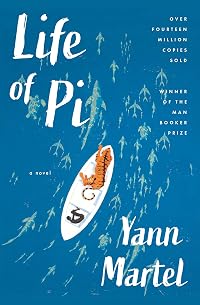
Life of Pi
by Yann Martel
On This Page
Description
Martel's novel tells the story of Pi--short for Piscine--an unusual boy raised in a zoo in India. Pi's father decides to move the family to live in Canada and sell the animals to the great zoos of America. The ship taking them across the Pacific sinks and Pi finds himself the sole human survivor on a lifeboat with a hyena, an orangutan, a zebra with a broken leg and Bengal tiger called Richard Parker. Life of Pi brings together many themes including religion, zoology, fear, and sheer show more tenacity. This is a funny, wise, and highly original look at what it means to be human. show lessTags
Recommendations




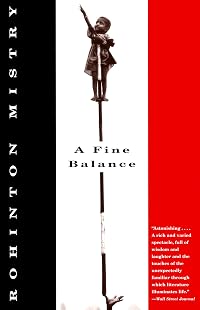
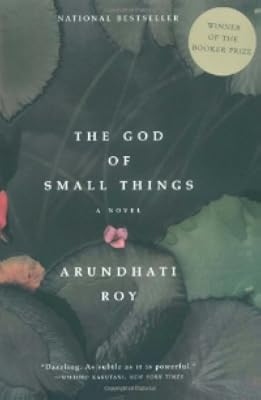
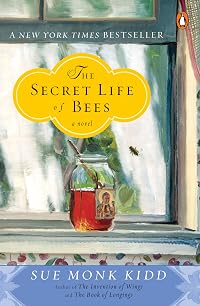
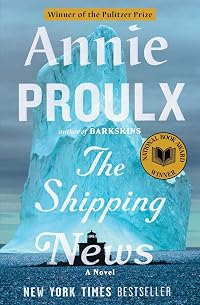

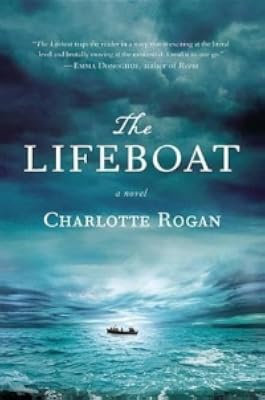
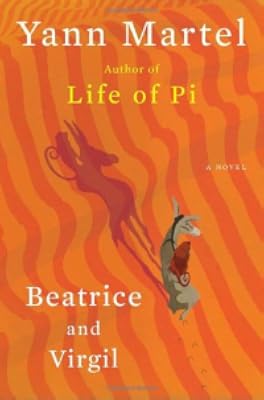
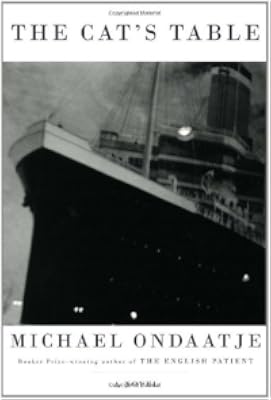
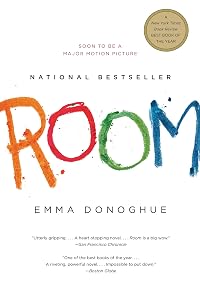

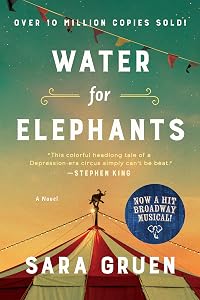


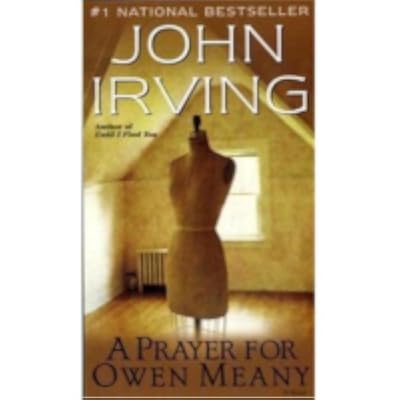
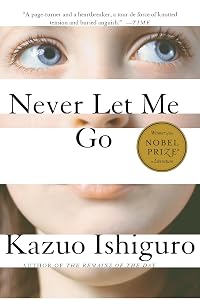
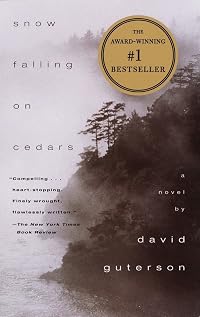
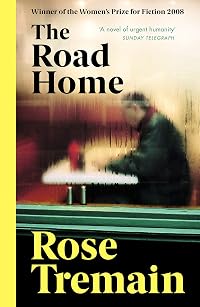
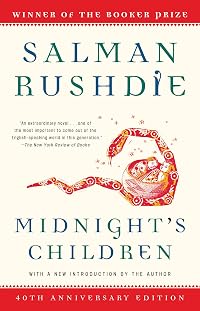
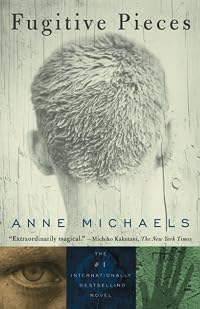

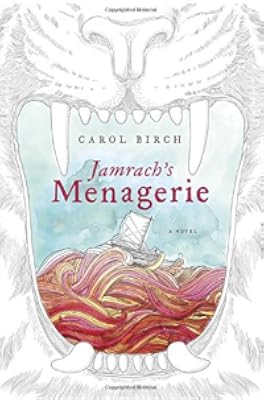

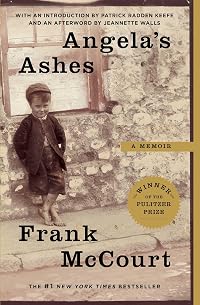
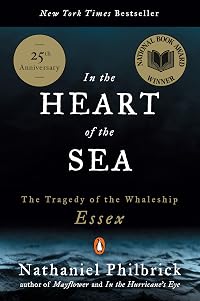

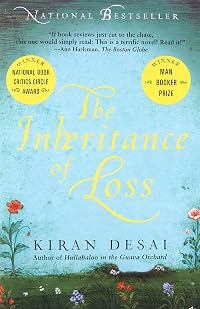
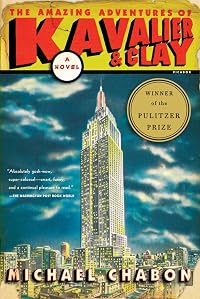

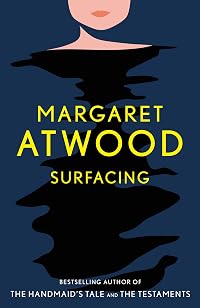
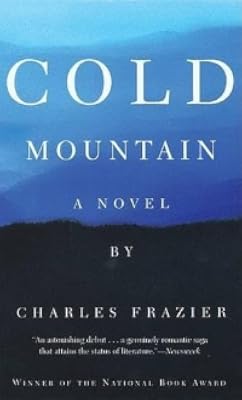

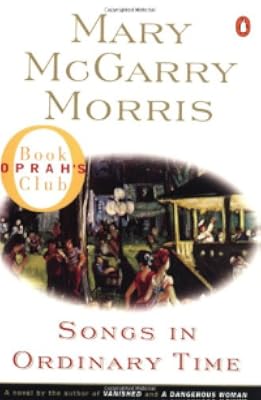

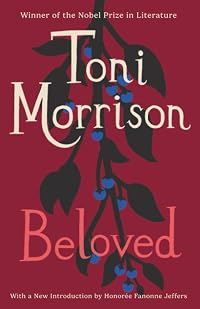


Member Recommendations
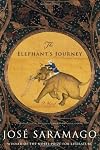
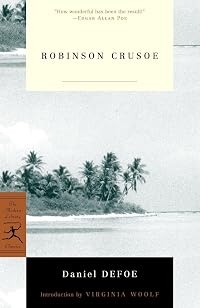
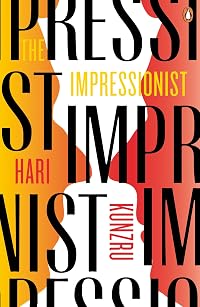
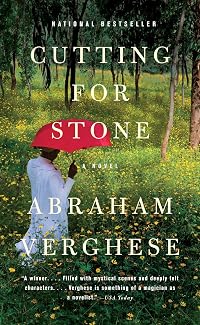
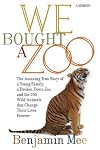
jordantaylor Both books involve an exotic animal (a tiger and an elephant) and a young man who journeys with them. Both have a spiritual undertone.
70
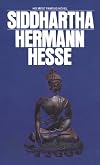
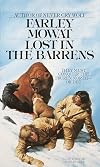
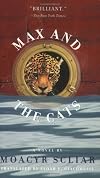
Bcteagirl Both are Canadian survival stories, involve animals, are dark at times but never depressing.
40
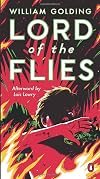
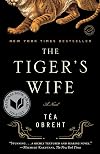
souloftherose Both books contain elements of magical realism and tigers!
30
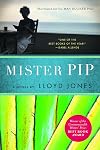

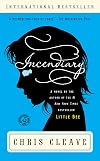
LDVoorberg Both are graphic stories about (in part) how people deal with trauma. Narrative style is also similar.
10
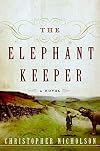

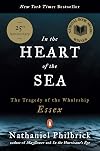
sipthereader A true story of survival at sea.
12
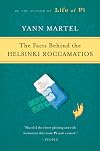
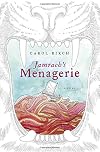
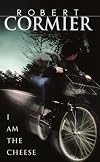
meggyweg These two books are very different in plot, themes, etc., but they have similar whack-you-on-the-back-of-the-head type endings.
36
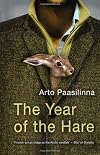
Eat, Pray, Love: One Woman's Search for Everything Across Italy, India, and Indonesia by Elizabeth Gilbert
FFortuna Both deal with the same kind of mixed spirituality.
024

riverwanderer Both books play with reality as a powerful literary tool.
Member Reviews
Life of Pi by Yann Martel will probably go down as my most surprising book of the year. A book of wonder and delight, very different from what I was expecting. Obviously a master story-teller, the author makes believable the fantastic story that Pi has to tell,
The character of Pi is one of the most likeable ones I have read about. His devotion, his determination, his instinct for survival are equally strong. He simply refuses to give up, and although at times is bowed by despair, he always fights back and overcomes each challenge. Written beautifully and whether giving a insight into the philosophy of life, or simply delivering a biological fact about animals, this book always gives the reader something to ponder and reflect upon.
A show more boy, a lifeboat and a tiger. In the end the author throws down one last challenge, do you believe? I certainly did and I highly recommend Life of Pi to anyone who wants to get carried away on a grand adventure. show less
The character of Pi is one of the most likeable ones I have read about. His devotion, his determination, his instinct for survival are equally strong. He simply refuses to give up, and although at times is bowed by despair, he always fights back and overcomes each challenge. Written beautifully and whether giving a insight into the philosophy of life, or simply delivering a biological fact about animals, this book always gives the reader something to ponder and reflect upon.
A show more boy, a lifeboat and a tiger. In the end the author throws down one last challenge, do you believe? I certainly did and I highly recommend Life of Pi to anyone who wants to get carried away on a grand adventure. show less
There’s something about reviewing classic and well-renowned books that strikes me as unnecessary. It’s like walking into a church, shaking the pastor and screaming in his face that God is real, that he must accept Him into his life. It’s announcing something people, especially avid readers (and I assume you are if you’ve been reading my reviews), already know. Some books, like Life of Pi, are gold. It’s because of that fact that I’m still pulling out my laptop, shifting through all the thoughts and feelings this book has left me with, and preparing yet another review for a book that hardly needs the promotion. Despite their classic status, I can’t help but want to put my feelings about a book like this on paper, if only show more for my own benefit.
If you don’t know the tale, Life of Pi is the story of Piscine ‘Pi’ Molitar Patel, a young Indian boy who grows up on a zoo in India and relocates with the animals to Canada with his family. While crossing the Pacific Ocean, the boat sinks, leaving Pi stranded on a lifeboat with an orangutan, a hyena, a zebra with a broken leg, and a 3 year old adult Bengal tiger named Richard Parker. Not only does Pi have to survive over two hundred days at sea in a lifeboat, but he has to do it while juggling the delicate ecosystem created between himself and the animals.
I began reading Life of Pi in the hospital after my best friend of over 10 years was in a serious car accident that nearly killed her. I admit, I grabbed the book in part because I knew of its religious connotations, and I was searching for some sort of comfort in an idea of something bigger than myself. After all, Pi Patel is a Hindu, Christian, and Muslim simultaneously, mostly due to an unbidden love of God and the word of Him, no matter what form it takes. I am not at all religious, but I am fascinated by religion. Pi’s take on Christianity, Hinduism and Islam was enlightening and light-hearted. At Pi’s first introduction to Christianity, he tries to understand the logic behind Christ’s sacrifice in such an innocent and non-judgemental way that it had me cracking up laughing. As well, I felt a connection to Hinduism’s spiritual side, and the fantastical reaches of its stories, to the calm, serene peace that Islam and prayer brought him. Despite all this religion, the book itself is not preachy nor does Pi have an obsessive devotion to God that would make non-religious readers uncomfortable. In fact, most of the religious moments were contained within the first part of the book, where the author goes into Pi’s backstory, how he came to all these religions, and his childhood growing up in a zoo. Once Pi hits the lifeboat, he spends very little time mentioning God or prayer or religion, really only mentioning it in passing detail. This I think was very vital in not having the religious tones overwhelm the rest of the story.
As for the rest of the story, what a story it was! It wasn’t the situational story of Pi in the lifeboat with these animals that made the book so great—it was all the set-up done in the first part of the book, establishing zoos and how they function, how zookeepers think, how life worked this boy from Piscine, to Pissing, to Pi. All this backstory involved such creative and interesting characters, from Mamiji, to his school teachers, to his religious teachers. Each piece added an integral part of the book for when Pi was actually on the lifeboat. Without all the buildup, the reader would have been unable to see how Pi’s thoughts worked while at sea. Whereas, by getting to know Pi Patel so intimately before the conflict sets in, the author didn’t even have to mention a lot of Pi’s direct thought process for us to understand why he did what he did. I was fascinated how intimately I was in Pi’s head—it’s something that I’ve rarely found, and never to such an intense level.
To the untrained eye, the first part of Life of Pi may appear to be one long info dump. After all, as writers, aren’t we warned away from dumping out a character’s entire history before getting to the inciting incident? There are three main reasons that I believe this isn’t an info dump, and why it amounted to the book’s success. For one, the tension builds throughout the first part, in the solid teasing of the sinking of the boat, and the continual hinting of Richard Parker. For at this stage, we have no idea who Richard Parker is, whether he’s actually a person or what. He is a ghostly figure that “haunts” Pi Patel, long after the story has ended. And though the mentions of the lifeboat are what propel us forward (as that is the story the reader believes they’ve come for), the mystery of Richard Parker, who he is, and why he haunts Pi, is what keeps the reader intrigued and engaged. If this book had one of these tension tricks but not the other, I don’t think it would have been nearly as successful.
The second reason to the backstory’s successes lies directly in the title. The book is the Life of Pi, and we see as soon as we get to the portion of the lifeboat, every little detail, right down to the nickname “Pissing Patel,” helps to keep him alive on the boat. He applies all these incidents in his life and what he’s learned from his parents and mentors, and it keeps him alive. The key to his survival isn’t the tiger or his wits or even dumb luck—it was the circumstances of his life that made him able to live so long. And this becomes apparent long before the book is over, meaning that the reader isn’t frustrated by all this information that’s coming to them that would appear superfluous. Because the author draws the reader’s attention back to the main conflict through little “tension teasers,” it helps to draw the reader’s quiet realization that all these rich stories are coming together and interwoven into the main conflict. Readers hate feeling like they’re wasting their time reading something that doesn’t matter to the main story, but the author kept Pi’s backstory interesting while subtly drawing back to the main issue, as to reassure readers that they hadn’t run off together on a tangent.
And finally, the true mark of infodumping is Telling, not Showing. With Pi’s backstory, the author took us on a firsthand experience, and though there was a lot to explain, he still showed us the richness of the zoo, what classes felt like, and strong memories that stick out for one reason or another. Many authors, when trying to convey as much information as possible, jump to telling, which is why their “infodumps” get scratched out in editing. Telling is boring to read. But with every chapter of Pi’s childhood, I couldn’t wait to see where we would go next, central conflict be damned.
Really, I believe this book is essential for writers. If the religious elements make you shy away, don’t fret. This book is an intellectual look at religion and faith, not one that demands your audience in church pews. The symbolism in this story is really what gets me, time and time again. For that reason alone I know it will stick with me, and will definitely be a book I can’t help but reread, time and time again.
All in all, 5/5 stars. Life of Pi is such an incredibly well-written tale that is so magical and whimsical while still remaining completely realistic. You won’t be disappointed. show less
If you don’t know the tale, Life of Pi is the story of Piscine ‘Pi’ Molitar Patel, a young Indian boy who grows up on a zoo in India and relocates with the animals to Canada with his family. While crossing the Pacific Ocean, the boat sinks, leaving Pi stranded on a lifeboat with an orangutan, a hyena, a zebra with a broken leg, and a 3 year old adult Bengal tiger named Richard Parker. Not only does Pi have to survive over two hundred days at sea in a lifeboat, but he has to do it while juggling the delicate ecosystem created between himself and the animals.
I began reading Life of Pi in the hospital after my best friend of over 10 years was in a serious car accident that nearly killed her. I admit, I grabbed the book in part because I knew of its religious connotations, and I was searching for some sort of comfort in an idea of something bigger than myself. After all, Pi Patel is a Hindu, Christian, and Muslim simultaneously, mostly due to an unbidden love of God and the word of Him, no matter what form it takes. I am not at all religious, but I am fascinated by religion. Pi’s take on Christianity, Hinduism and Islam was enlightening and light-hearted. At Pi’s first introduction to Christianity, he tries to understand the logic behind Christ’s sacrifice in such an innocent and non-judgemental way that it had me cracking up laughing. As well, I felt a connection to Hinduism’s spiritual side, and the fantastical reaches of its stories, to the calm, serene peace that Islam and prayer brought him. Despite all this religion, the book itself is not preachy nor does Pi have an obsessive devotion to God that would make non-religious readers uncomfortable. In fact, most of the religious moments were contained within the first part of the book, where the author goes into Pi’s backstory, how he came to all these religions, and his childhood growing up in a zoo. Once Pi hits the lifeboat, he spends very little time mentioning God or prayer or religion, really only mentioning it in passing detail. This I think was very vital in not having the religious tones overwhelm the rest of the story.
As for the rest of the story, what a story it was! It wasn’t the situational story of Pi in the lifeboat with these animals that made the book so great—it was all the set-up done in the first part of the book, establishing zoos and how they function, how zookeepers think, how life worked this boy from Piscine, to Pissing, to Pi. All this backstory involved such creative and interesting characters, from Mamiji, to his school teachers, to his religious teachers. Each piece added an integral part of the book for when Pi was actually on the lifeboat. Without all the buildup, the reader would have been unable to see how Pi’s thoughts worked while at sea. Whereas, by getting to know Pi Patel so intimately before the conflict sets in, the author didn’t even have to mention a lot of Pi’s direct thought process for us to understand why he did what he did. I was fascinated how intimately I was in Pi’s head—it’s something that I’ve rarely found, and never to such an intense level.
To the untrained eye, the first part of Life of Pi may appear to be one long info dump. After all, as writers, aren’t we warned away from dumping out a character’s entire history before getting to the inciting incident? There are three main reasons that I believe this isn’t an info dump, and why it amounted to the book’s success. For one, the tension builds throughout the first part, in the solid teasing of the sinking of the boat, and the continual hinting of Richard Parker. For at this stage, we have no idea who Richard Parker is, whether he’s actually a person or what. He is a ghostly figure that “haunts” Pi Patel, long after the story has ended. And though the mentions of the lifeboat are what propel us forward (as that is the story the reader believes they’ve come for), the mystery of Richard Parker, who he is, and why he haunts Pi, is what keeps the reader intrigued and engaged. If this book had one of these tension tricks but not the other, I don’t think it would have been nearly as successful.
The second reason to the backstory’s successes lies directly in the title. The book is the Life of Pi, and we see as soon as we get to the portion of the lifeboat, every little detail, right down to the nickname “Pissing Patel,” helps to keep him alive on the boat. He applies all these incidents in his life and what he’s learned from his parents and mentors, and it keeps him alive. The key to his survival isn’t the tiger or his wits or even dumb luck—it was the circumstances of his life that made him able to live so long. And this becomes apparent long before the book is over, meaning that the reader isn’t frustrated by all this information that’s coming to them that would appear superfluous. Because the author draws the reader’s attention back to the main conflict through little “tension teasers,” it helps to draw the reader’s quiet realization that all these rich stories are coming together and interwoven into the main conflict. Readers hate feeling like they’re wasting their time reading something that doesn’t matter to the main story, but the author kept Pi’s backstory interesting while subtly drawing back to the main issue, as to reassure readers that they hadn’t run off together on a tangent.
And finally, the true mark of infodumping is Telling, not Showing. With Pi’s backstory, the author took us on a firsthand experience, and though there was a lot to explain, he still showed us the richness of the zoo, what classes felt like, and strong memories that stick out for one reason or another. Many authors, when trying to convey as much information as possible, jump to telling, which is why their “infodumps” get scratched out in editing. Telling is boring to read. But with every chapter of Pi’s childhood, I couldn’t wait to see where we would go next, central conflict be damned.
Really, I believe this book is essential for writers. If the religious elements make you shy away, don’t fret. This book is an intellectual look at religion and faith, not one that demands your audience in church pews. The symbolism in this story is really what gets me, time and time again. For that reason alone I know it will stick with me, and will definitely be a book I can’t help but reread, time and time again.
All in all, 5/5 stars. Life of Pi is such an incredibly well-written tale that is so magical and whimsical while still remaining completely realistic. You won’t be disappointed. show less
Pi är en ung man som växer upp i 70-talets Indien med en far som äger en djurpark i Pondicherry. Hans barndom spenderas sida vid sida vid djuren men även om det delvis är kärleksfulla vänskaper ser Pis pappa till att hans söner kommer ihåg att djur alltid kommer att vara, tja, djur. Men han har inte mycket att oroa sig för egentligen för majoriteten av Pis tid och tankar tas up av religion. Han involverar sig inte bara i hinduismen utan även islam och kristendomen; något som skapar problem hos den lokala brahmanen, prästen och imamen som alla anser att han måste välja.
Men Pis envishet att dedikerar sig åt alla tre religioner visar sig möjligtvis vara skillnaden mellan liv och död. När Indira Gandhi utlyser krisen show more under mitten av 70-talet bestämmer sig Pis pappa för att sälja djurparken och dess djur för att tillsammans med sin familj utvandra till Kanada. Tillsammans med en del av djuren ska de ta sig till Nordamerika med hjälp av ett japanskt fraktfartyg. Men strax utanför Manilas kust förliser skeppet.
Av en ren olyckshändelse hamnar Pi i en av fartygets livbåtar. Dock är han inte ensam. Där finns även en hyena och en zebra – och de får snart sällskap av både en orangutang och en bengalisk tiger. Det dröjer inte länge förrän det bara är han och tigern Richard Parker kvar. Trots detta överlever han 227 dagar till sjöss i den enkla livbåten. Det här är historien om hur – eller kanske varför.
Första delen av boken utspelar sig som sagt i den indiska staden Pondicherry där Pi växer upp. Martel målar upp en fantastisk bild av staden och indisk kultur – det förvånade mig när jag insåg att han inte har någon större anknytning alls till Indien eller dess historia och kultur. Trots det faktum att han aldrig har levt i Indien eller Pondicherry, speciellt inte under 70-talet, så är miljön otroligt levande och ger en liknande känsla som de filmer eller böcker om indisk kultur och historia, men framförallt indiskt vardagsliv, som jag tidigare har sett eller läst.
Däremot utspelar sig majoriteten av boken tills havs – på en livbåt. Jag hade lite svårt att se båten framför mig baserat på Martels beskrivningar då när jag väl hade fått en mental bild så visade det sig vara något helt annorlunda han beskrev. Det var förvirrande men även liten underhållande med tanke på att resten av hans beskrivningar är målande och fulla av liv. Men det kan även vara jag som borde lära mig mer om båtar och termer kring dem; det är inte ett ämne jag är särskilt påläst i. Dock kändes det aldrig som att den miljö på och kring Pis kamp för överlevnad på livbåten var utan liv; den var bara svårbegriplig.
Piscine Molitor, som är döpt efter en fransk simbassäng, är bokens huvudkaraktär. Han är även berättaren – medelålders Pi som berättar historien om hur han överlevde skeppsbrottet som ung för bokens författare och även läsaren. Redan innan detta traumatiska äventyr så är han en vis ung man som är väldigt intresserad av andlighet och törstar efter kunskap. Hans kunskaper som son till en djurparksägare kommer bra till hands – stor del av hans utveckling under bokens lopp handlar om hur han använder sina kunskaper om rovdjur för att komma över sin rädsla och bli Richard Parkers alfa för att kunna överleva tillsammans på båten med honom. Men lika viktig är hans starka tro på det andliga; något som får honom att fortsätta även när det verkar hopplöst.
Språket påminner mig mycket om Stephen King; speciellt när Martel målar upp unge Pis liv och vardagen i Pondicherry. Det är målande och romantiskt men samtidigt realistiskt och ja, vardagligt. Möjligtvis inte riktigt på samma sätt som i Kings berättelser då det finns en helt annan, lite magiskt mysteriös stämning över världen Martel bygger upp. Jag skulle vilja beskriva Martels drömlika stämning som ett bra exempel för färgglad magisk realism inom fantasy – speciellt som jämförelse för den magiska realism som hittas inom skräckgenren, som hos King, eller mer samhällskritisk fantasy.
Däremot måste jag erkänna att även om jag älskade den första delen otroligt mycket på grund av den värld som den byggde upp så var jag rätt säker på att det inte var mer än en bra bok i mängden; speciellt under första halvan av Pis månader till havs. Det som verkligen gav denna bok sitt eget liv och som är anledningen till att det plötsligt visade sig vara en bok jag kommer ha svårt att komma över är de sista hundra sidorna eller så. De gav boken, och dess berättelse, ett helt annat liv som förbryllade mig på alla de bästa sätten. show less
Men Pis envishet att dedikerar sig åt alla tre religioner visar sig möjligtvis vara skillnaden mellan liv och död. När Indira Gandhi utlyser krisen show more under mitten av 70-talet bestämmer sig Pis pappa för att sälja djurparken och dess djur för att tillsammans med sin familj utvandra till Kanada. Tillsammans med en del av djuren ska de ta sig till Nordamerika med hjälp av ett japanskt fraktfartyg. Men strax utanför Manilas kust förliser skeppet.
Av en ren olyckshändelse hamnar Pi i en av fartygets livbåtar. Dock är han inte ensam. Där finns även en hyena och en zebra – och de får snart sällskap av både en orangutang och en bengalisk tiger. Det dröjer inte länge förrän det bara är han och tigern Richard Parker kvar. Trots detta överlever han 227 dagar till sjöss i den enkla livbåten. Det här är historien om hur – eller kanske varför.
Första delen av boken utspelar sig som sagt i den indiska staden Pondicherry där Pi växer upp. Martel målar upp en fantastisk bild av staden och indisk kultur – det förvånade mig när jag insåg att han inte har någon större anknytning alls till Indien eller dess historia och kultur. Trots det faktum att han aldrig har levt i Indien eller Pondicherry, speciellt inte under 70-talet, så är miljön otroligt levande och ger en liknande känsla som de filmer eller böcker om indisk kultur och historia, men framförallt indiskt vardagsliv, som jag tidigare har sett eller läst.
Däremot utspelar sig majoriteten av boken tills havs – på en livbåt. Jag hade lite svårt att se båten framför mig baserat på Martels beskrivningar då när jag väl hade fått en mental bild så visade det sig vara något helt annorlunda han beskrev. Det var förvirrande men även liten underhållande med tanke på att resten av hans beskrivningar är målande och fulla av liv. Men det kan även vara jag som borde lära mig mer om båtar och termer kring dem; det är inte ett ämne jag är särskilt påläst i. Dock kändes det aldrig som att den miljö på och kring Pis kamp för överlevnad på livbåten var utan liv; den var bara svårbegriplig.
Piscine Molitor, som är döpt efter en fransk simbassäng, är bokens huvudkaraktär. Han är även berättaren – medelålders Pi som berättar historien om hur han överlevde skeppsbrottet som ung för bokens författare och även läsaren. Redan innan detta traumatiska äventyr så är han en vis ung man som är väldigt intresserad av andlighet och törstar efter kunskap. Hans kunskaper som son till en djurparksägare kommer bra till hands – stor del av hans utveckling under bokens lopp handlar om hur han använder sina kunskaper om rovdjur för att komma över sin rädsla och bli Richard Parkers alfa för att kunna överleva tillsammans på båten med honom. Men lika viktig är hans starka tro på det andliga; något som får honom att fortsätta även när det verkar hopplöst.
Språket påminner mig mycket om Stephen King; speciellt när Martel målar upp unge Pis liv och vardagen i Pondicherry. Det är målande och romantiskt men samtidigt realistiskt och ja, vardagligt. Möjligtvis inte riktigt på samma sätt som i Kings berättelser då det finns en helt annan, lite magiskt mysteriös stämning över världen Martel bygger upp. Jag skulle vilja beskriva Martels drömlika stämning som ett bra exempel för färgglad magisk realism inom fantasy – speciellt som jämförelse för den magiska realism som hittas inom skräckgenren, som hos King, eller mer samhällskritisk fantasy.
Däremot måste jag erkänna att även om jag älskade den första delen otroligt mycket på grund av den värld som den byggde upp så var jag rätt säker på att det inte var mer än en bra bok i mängden; speciellt under första halvan av Pis månader till havs. Det som verkligen gav denna bok sitt eget liv och som är anledningen till att det plötsligt visade sig vara en bok jag kommer ha svårt att komma över är de sista hundra sidorna eller så. De gav boken, och dess berättelse, ett helt annat liv som förbryllade mig på alla de bästa sätten. show less
A delightful read, this is one of those rare books that I literally "could not put down". It is a dream-like book and at the center is Pi and his adventures, the most amazing of which occurs only after he leaves India and the ship he is on is wrecked (shades of Robinson Crusoe). As the only survivor of the shipwreck, he is stuck in a lifeboat with a dying zebra and a hyena. Pi sees another survivor floating in the water and only after throwing them a life preserver and pulling them aboard does he realize that “Richard Parker” is actually the 400 pound tiger from his father’s zoo. He immediately jumps overboard until he realizes that there are sharks nearby. Upon reentering the boat he wedges the tarpaulin up with an oar and show more decides he might survive if he can stay on top and keep Richard Parker beneath it.
If that bit of the plot does not raise your interest then do not go further. For in this book the theories of Darwin and the psychology of Jung are partners, with some Kierkegaard in the mix. The unlikely bedfellows of existentialism and faith find common ground here. This is a map of the spiritual realm scientifically diagrammed. This is both philosophical and mystical but mainly an adventure yarn, an allegory and a series of essays on animal behavior, and perhaps a bit more.
As I read this and the subsequent events of the story I was enthralled by the fantastic world created by Martel as the boy at sea and beyond had adventures that both piqued my interest and amazed me to the very end. show less
If that bit of the plot does not raise your interest then do not go further. For in this book the theories of Darwin and the psychology of Jung are partners, with some Kierkegaard in the mix. The unlikely bedfellows of existentialism and faith find common ground here. This is a map of the spiritual realm scientifically diagrammed. This is both philosophical and mystical but mainly an adventure yarn, an allegory and a series of essays on animal behavior, and perhaps a bit more.
As I read this and the subsequent events of the story I was enthralled by the fantastic world created by Martel as the boy at sea and beyond had adventures that both piqued my interest and amazed me to the very end. show less
I enjoyed talking about this book with my book group, but I still admire it more than I like it.
I would love to read an essay comparing and contrasting this boy and his tiger to Calvin & Hobbes. When and how does Hobbes seem like a tiger? When and how does Richard Parker seem like a friend? How does the reader decide which narrative is the truth?
I would love to read an essay comparing and contrasting this boy and his tiger to Calvin & Hobbes. When and how does Hobbes seem like a tiger? When and how does Richard Parker seem like a friend? How does the reader decide which narrative is the truth?
Piscine Molitor Patel, son of a zookeeper from Pondicherry, India, moves with his family by boat to Canada in search of a better life. The boat sinks and Piscine (aka Pi) finds himself stranded on a lifeboat with a few animals and limited provisions. Among the most noteworthy of the animals is Richard Parker, a ferocious Bengal tiger. Pi sees no human survivors, spies no land, and is aware of only limited provisions on the lifeboat.
Absent any religious dogma, this is a book about religion. It’s about what individuals believe and how those beliefs make for a fuller, richer existence. It captures wonderful insight into animal psychology, particularly of large cats. Well written, this novel does not have its full effect until after the show more book ends. Then is the time to reflect on what was presented, ask more questions, think about the subject matter, decide one’s own personal theology, and provoke others into discussion. Don’t miss the chapter about the skies, seas, and winds. Outstanding! One caution: there are some very graphic descriptions of animal and human cruelty. Brace yourselves. show less
Absent any religious dogma, this is a book about religion. It’s about what individuals believe and how those beliefs make for a fuller, richer existence. It captures wonderful insight into animal psychology, particularly of large cats. Well written, this novel does not have its full effect until after the show more book ends. Then is the time to reflect on what was presented, ask more questions, think about the subject matter, decide one’s own personal theology, and provoke others into discussion. Don’t miss the chapter about the skies, seas, and winds. Outstanding! One caution: there are some very graphic descriptions of animal and human cruelty. Brace yourselves. show less
I read this over 10 years ago, and I can still recall in vivid detail some of the scenes on that boat. This book made me physically ill at times and made more more tense than anything I've ever read—that's dang good writing.
Members
- Recently Added By
Published Reviews
ThingScore 75
The story is engaging and the characters attractively zany. Piscine Molitor Patel (named after a family friend's favourite French swimming pool) grows up in Pondicherry, a French-speaking part of India, where his father runs the local zoo. Pi, Hindu-born, has a talent for faith and sees nothing wrong with being converted both to Islam and to Christianity. Pi and his brother understand animals show more intimately, but their father impresses on them the dangers of anthropomorphism: invade an animal's territory, and you will quickly find that nearly every creature is dangerous show less
added by dovydas
Granted, it may not qualify as ''a story that will make you believe in God,'' as one character describes it. But it could renew your faith in the ability of novelists to invest even the most outrageous scenario with plausible life -- although sticklers for literal realism, poor souls, will find much to carp at.
added by Shortride
Lists

1001 Books You Must Read Before You Die
1,448 works; 1,134 members
501 Must-Read Books
529 works; 72 members

Read the book and saw the movie
1,170 works; 192 members

Best Contemporary Literary Fiction (Around the Last 30 Years)
388 works; 124 members

Magic Realism
371 works; 52 members
The Best of Canadian Literature
235 works; 33 members

Recommend the 20 best books you've read in the last five years
2,168 works; 602 members

Favourite Books
1,819 works; 316 members
Booker Prize
491 works; 62 members

Best 21st Century Books (So Far)
670 works; 86 members
CBC Books - Canada's 100 (+ bonus 10): Which have you read?
110 works; 23 members

Books With a Twist
69 works; 46 members

Philosophical Fiction
97 works; 27 members
Favourite Booker Prize contenders
73 works; 21 members

Best Books About Journeys and Quests
117 works; 30 members

20th Century Literature
1,161 works; 54 members

Best Psychological Fiction
81 works; 16 members

Books Set in Canada
80 works; 16 members

Pleasant Surprises: Books That Exceeded Our Expectations
418 works; 143 members

water on the brain: maritime fiction
74 works; 18 members

Slipstream or Interstitial Fiction
160 works; 19 members

child hero ~ adult novel
60 works; 12 members

Unreliable Narrators
170 works; 43 members

Sense of place
156 works; 13 members

Favorite Animal Fiction
359 works; 156 members

magic realism novels
44 works; 11 members

Books Featured on Gilmore Girls
307 works; 21 members

Canada Reads Winners and Nominees
129 works; 9 members
Booker Prize Shortlist: Titles Read
103 works; 10 members
Survey of Science Fiction and Fantasy
101 works; 13 members
Big Jubilee List
70 works; 3 members
LibraryThingers' 1001 Books You Must Read Before You Die
442 works; 30 members

Favorite Long Books
330 works; 41 members

BBC Big Read
100 works; 10 members

2000s (the decade, not the century)
184 works; 11 members
1,001 BYMRBYD Concensus
723 works; 27 members

Speculative Fiction: Slipstream Literature
166 works; 16 members

Books That Will Keep You on the Edge of Your Seat
73 works; 20 members

Top Five Books of 2014
1,064 works; 397 members
Asia
178 works; 7 members

CBC's Great Canadian Reading List
149 works; 5 members

Books tagged favorites
390 works; 30 members
BBC Radio 4 Bookclub
340 works; 13 members

Fiction For Men
142 works; 11 members

Most thought-provoking novels
30 works; 28 members
I Can't Finish This Book
189 works; 22 members

Blue Pyramid 1,276 Best Books of All Time
1,248 works; 32 members

Books Set on Islands
190 works; 24 members

2000s decade
85 works; 7 members
Adult Books for YA Readers
194 works; 6 members

NPRs audience picks: 100 best beach reads
105 works; 12 members
Top Five Books of 2016
795 works; 228 members

Rory Gilmore Book Club
193 works; 5 members

Carole's List
445 works; 13 members
Man Booker Prize Longlist 2002
20 works; 2 members

Books Read in 2005
174 works; 7 members
Ten Books That Have Stayed With Me
160 works; 30 members

A Novel Cure
742 works; 23 members
Independent Reading Suggestions
69 works; 3 members

Books Featured on Readers' Review of the Diane Rehm Show
161 works; 8 members
Overdue Podcast
806 works; 9 members

Books With Numbers in the Title
308 works; 13 members

Books Read in 2023
5,547 works; 145 members

Books Read in 2016
4,666 works; 197 members
Books I've Read
40 works; 2 members

Books I've read
87 works; 2 members

What are your favourite books?
121 works; 11 members
Best Adventure Stories
66 works; 15 members

the dog was the hero
31 works; 5 members

Third-Culture-Kid Lit
10 works; 2 members

Robinsonade Novels
55 works; 4 members
Speculative Fiction to Read
706 works; 32 members

Books Read in 2006
421 works; 8 members
BingoDOG - Animals in Adult Fiction
78 works; 20 members
Books to Reread Someday
53 works; 7 members
Ocean Setting
33 works; 5 members

el
1,139 works; 1 member

Books in the Bibliography of The Cold War by John Lewis Gaddis
192 works; 1 member
Books We Love to Reread
688 works; 296 members
Books We Want To Read Again For The First Time
384 works; 160 members
Books We Couldn't Put Down
443 works; 197 members

Mustich's 1000 Books to Read Before You Die: A Life Changing List
1,001 works; 19 members

NYT Readers best of 21st C
100 works; 8 members
The Complete Rory Gilmore Reading List
506 works; 5 members
Our Favorite Comfort Reads
334 works; 200 members
BBC World Book Club
265 works; 5 members

Retrospective of 20th- and 21st-century literature
154 works; 1 member

Recommended Reading : 600 Classics Reviewed, Editors of Salem Press, 2015
634 works; 6 members
'Books You Can't Live Without: The Top 100', The Guardian, 2007
156 works; 7 members
BitLife
212 works; 4 members

Books Read in 2024
4,623 works; 126 members

Books recommended by Calgary Public Library staff
1,588 works; 4 members

Ten+ Books About Being Stranded!
14 works; 5 members

Books Read in 2021
5,361 works; 114 members
Best books I read in 2013
152 works; 3 members

Biggest Disappointments
606 works; 163 members
Best Survival Stories
97 works; 15 members
Best Books About Animals
143 works; 48 members

Mind-Benders: Fiction that Hurts Your Head
34 works; 8 members

Survival, shipwrecks -- children's/young adult fiction
104 works; 4 members

Books About Boys
175 works; 15 members
Novels featuring Orphans
76 works; 10 members
Adult Stories Involving Animals
76 works; 6 members
Best Sea Stories
33 works; 5 members

Tonikat reading completed on Librarything journals
329 works; 2 members

Books for HS summer reading
21 works; 2 members

Books Read in 2011
684 works; 19 members

Books Read in 2018
4,360 works; 110 members

Swinging Seventies
255 works; 18 members

Canada
42 works; 3 members

World Book Club (BBC World Service)
53 works; 1 member

Most Popular Books Tagged Canada
34 works; 1 member

Tagged by Tim or Meh!
91 works; 8 members

Most Popular Books Tagged India
36 works; 5 members
Five star books
1,755 works; 107 members
Best Fantasy Novels
821 works; 359 members

Unread books
1,063 works; 84 members

You Couldn't Pay Me to Read That (Take 2)
203 works; 86 members
Talk Discussions
Past Discussions
OT - Suntup: Life of Pi in Folio Society Devotees (August 2023)
Life of Pi in Someone explain it to me... (August 2014)
Life of Pi: which story do you believe? in Book talk (June 2014)
Author Information

12+ Works 52,841 Members
Yann Martel was born in Salamanca, Spain on June 25, 1963. After studying philosophy at Trent University in Peterborough, Ontario, he worked at odd jobs and travelled widely before turning to writing. His works include Seven Stories, What Is Stephen Harper Reading?, and Beatrice and Virgil. He was awarded the Journey Prize for the title story in show more The Facts Behind the Helsinki Roccamatios. His second novel, Life of Pi, won numerous awards including the 2002 Man Booker. He continued to make the bestseller list in 2018 with his title, The High Mountains of Portugal. (Bowker Author Biography) show less
Some Editions
Awards and Honors
Awards
Distinctions
Notable Lists
Whitcoulls Top 100 Books (26 – 2008)
Whitcoulls Top 100 Books (8 – 2010)
The Big Jubilee Read (1992-2001 – 2001)
Series
Belongs to Publisher Series
Work Relationships
Has the adaptation
Was inspired by
Has as a reference guide/companion
Has as a student's study guide
Common Knowledge
- Canonical title*
- Het leven van Pi
- Original title
- Life of Pi
- Original publication date
- 2001
- People/Characters
- Piscine 'Pi' Molitor Patel; Richard Parker; Francis Adirubasamy; Orange Juice; Ravi Patel; Gita Patel (show all 7); Santosh Patel
- Important places
- Pacific Ocean; Pondicherry, India; Toronto, Ontario, Canada; Tomatlán, Mexico; India
- Related movies
- Life of Pi (2012 | IMDb)
- Dedication
- à mes parents et à mon frère
- First words
- My suffering left me sad and gloomy.
This book was born as I was hungry. (Author's Note) - Quotations
- The reason death sticks so closely to life isn't biological necessity — it's envy. Life is so beautiful that death has fallen in love with it, a jealous, possessive love that grabs at what it can. But life leaps over oblivi... (show all)on lightly, losing only a thing or two of no importance, and gloom is but the passing shadow of a cloud.
Evil in the open is but evil from within that has been let out. The main battlefield for good is not the open ground of the public arena but the small clearing of each heart.
I know what you want. You want a story that won't surprise you. That will confirm what you already know. That won't make you see higher or further or differently. You want a flat story. An immobile story. You want dry, yeastl... (show all)ess factuality.
Animals in the wild lead lives of compulsion and necessity within an unforgiving social hierarchy in an environment where the supply of fear is high and the supply of food is low and where territory must constantly be defende... (show all)d and parasites forever endured.
If you take two steps toward God, God runs toward you
Only death consistently excites your emotions, whether contemplating it when life is safe and stale, or fleeing it when life is threatened and precious.
It is not atheists who get stuck in my craw, but agnostics. Doubt is useful for a while… [S]urely we are … permitted doubt. But we must move on. To choose doubt as a philosophy of life is akin to choosing immobility as a ... (show all)means of transportation
We commonly say in the trade that the most dangerous animal in a zoo is Man. In a general way we mean how our species' excessive predatoriness has made the entire planet our prey. More specifically, we have in mind the ... (show all)people who feed fishhooks to the otters, razors to the bears, apples with small nails in them to the elephants and hardware variations on the theme: ballpoint pens, paper clips, safety pins, rubber bands, combs, coffee spoons, horseshoes, pieces of broken glass, rings, brooches and other jewellery (and not just cheap plastic bangles: gold wedding bands, too), drinking straws, plastic cutlery, ping-pong balls, tennis balls and so on. The obituary of zoo animals that have died from being fed foreign bodies would include gorillas, bison, storks, rheas, ostriches, seals, sea lions, big cats, bears, camels, elephants, monkeys, and most every variety of deer, ruminant and songbird. Among zookeepers, Goliath's death is famous; he was a bull elephant seal, great big venerable beast to two tons, star of his European zoo, loved by all visitors. he died of internal bleeding after someone fed him a broken beer bottle.
My story started on a calendar day--July 2nd, 1977--and ended on a calendar day--February 14th, 1978--but in between there was no calendar. I did not count the days or the weeks or the months. Time is an illusion that only ma... (show all)kes us pant. I survived because I forgot even the very notion of time.
What a terrible thing it is to botch a farewell. - Last words
- (Click to show. Warning: May contain spoilers.)Very few castaways can claim to have survived so long at sea as Mr. Patel, and none in the company of an adult Bengal tiger.
(Click to show. Warning: May contain spoilers.)If we, citizens, do not support our artists, then we sacrifice our imagination on the altar of crude reality and we end up believing in nothing and having worthless dreams. (Author's Note) - Blurbers
- Atwood, Margaret
- Original language
- English
- Disambiguation notice
- This is the book. Please do not combine with the film.
*Some information comes from Common Knowledge in other languages. Click "Edit" for more information.
Classifications
Statistics
- Members
- 47,525
- Popularity
- 48
- Reviews
- 1,051
- Rating
- (3.90)
- Languages
- 34 — Albanian, Bulgarian, Catalan, Czech, Danish, Dutch, English, Estonian, Finnish, French, German, Greek, Hebrew, Hindi, Hungarian, Icelandic, Indonesian, Italian, Japanese, Korean, Lithuanian, Norwegian (Bokmål), Norwegian, Polish, Portuguese, Romanian, Russian, Serbian, Slovenian, Spanish, Swedish, Thai, Turkish, Chinese, traditional
- Media
- Paper, Audiobook, Ebook
- ISBNs
- 243
- UPCs
- 4
- ASINs
- 83
