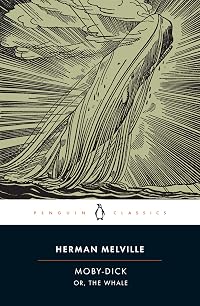
Moby Dick
by Herman Melville 
There are 3 current discussions about this work.
On This Page
Description
The itinerant sailor Ishmael begins a voyage on the whaling ship Pequod whose captain, Ahab, wishes to exact revenge upon the whale Moby-Dick, who destroyed his last ship and took his leg. As they search for the savage white whale, Ishmael questions all aspects of life. The story is woven in complex, lyrical language and uses many theatrical forms, such as stage direction and soliloquy. It is considered the exemplar of American Romanticism, and one of the greatest American novels of all time.Tags
Recommendations


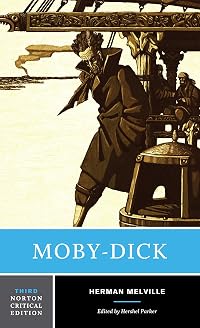


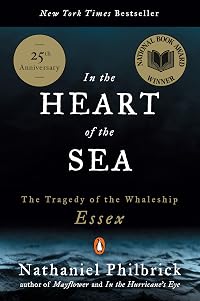
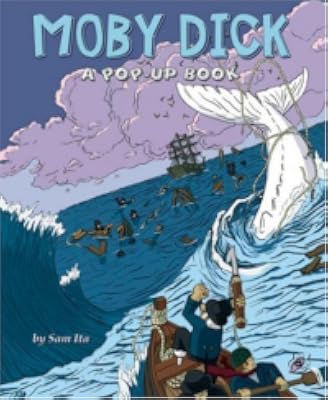
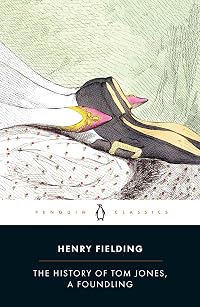
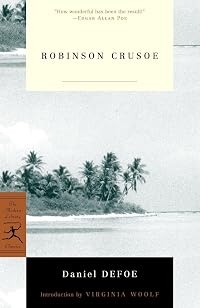
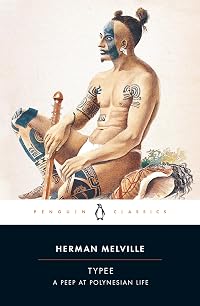
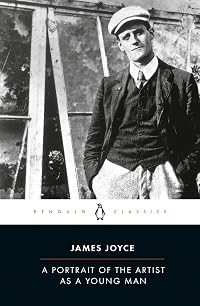
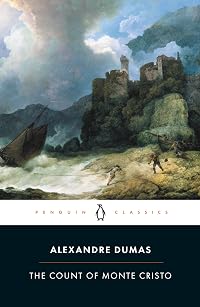
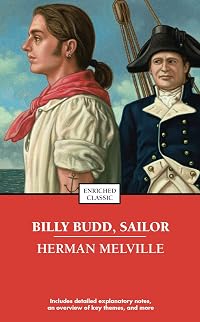
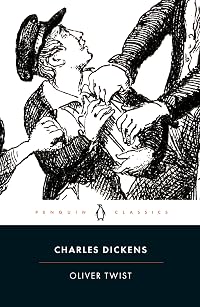

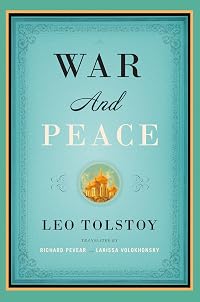
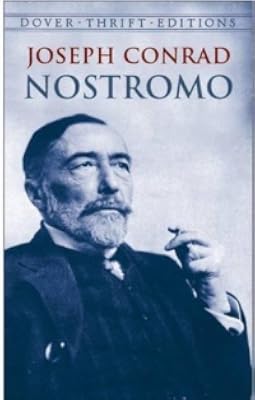
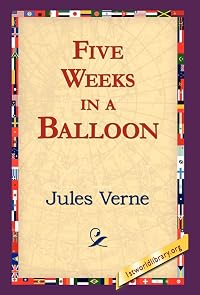
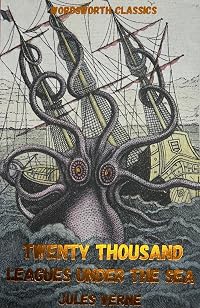



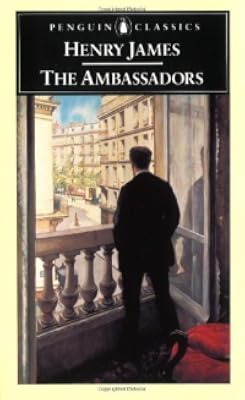
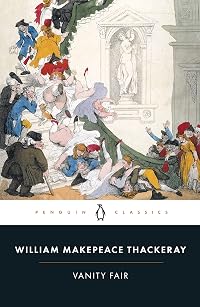
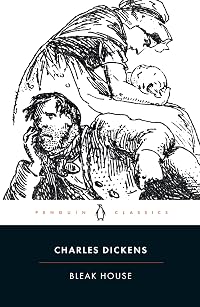


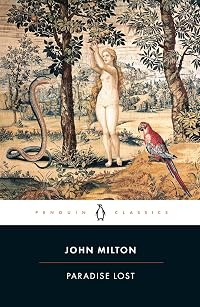
Member Recommendations

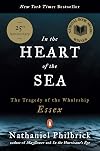
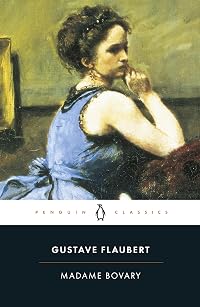
jseger9000 In the Heart of the Sea: The Tragedy of the Whaleship Essex tells the true story that inspired Melville to write Moby Dick.
170


knownever A more enjoyable, shorter, and less allegorical story of sailing life, although there aren't any whales. The author of this one kind of looks down on whalers. All together a more jaunty sea tale.
80
GaryPatella Compared to Moby Dick, The Confidence Man is a much lighter read. But after ploughing through Moby Dick, this may be a welcome change. It is not as profound, but you also don't have to struggle through any of it. This is worth reading.
62
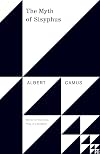
WilfGehlen Camus was greatly influenced by Melville and in The Myth of Sisyphus mentions Moby-Dick as a truly absurd work. Reading Moby-Dick with Camus' absurd in mind gives a deeper, and very different insight than provided by the usual emphasis on Ahab's quest for revenge.
53
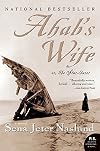
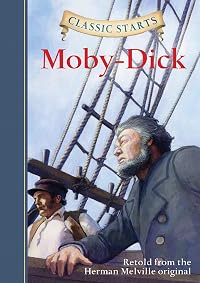
ecleirs24 Cause this novel is based upon a passage from Mobi Dick......
Also recommended by AriadneAranea
43
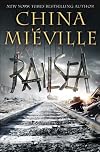
Longshanks An imaginative, affectionate pastiche of the novel's themes, imagery, and characters.
31
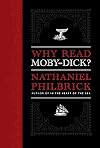
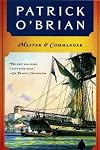
caflores Para amantes del lenguaje náutico y de las descripciones detalladas.
64

tootstorm Melville's heir struggles to close his relationship to his preceding literary genius. Click the link above, read what you can, and get yourself hooked on one of the most critically-adored yet criminally-underread novels written in a century defined by self-analysis and experimentation.
31
Oct326 "Qohelet" e "Moby Dick" sono due grandi libri, molto diversi ma con un tema in comune: l'inconsistenza, l'insignificanza e l'inutilità dell'agire umano al cospetto della natura e dell'universo.
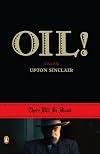
by edwinbcn
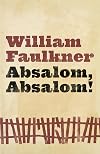
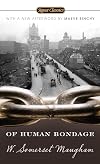
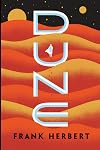
LamontCranston I once heard Harlan Ellison talking about how some works are unadaptable into film and he cited Dune and Moby-Dick
And thinking about it, both works use their story telling as platforms for ruminations on well everything about life
37
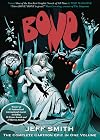
aethercowboy The main character of Bone, Fone Bone, considers Moby Dick to be the greatest literary work of all time. He is often found reading it.
17
Member Reviews
A strange, intimidating and – yes – leviathanic classic of American literature, oftentimes the reader feels the need to channel the monomaniacal Captain Ahab in order to, as the madman pledges, "slay Moby Dick and survive it" (pg. 428). The hefty tome is a dense morass of prose, combining nautical yarn, Biblical mythology, Shakespearean drama, naked philosophising and unashamed cetology (that is, the zoological study of whales).
Because of its scope and density, it is a hard book to love. The nautical yarn aspect of it is the most crowd-pleasing, following the fascinating Captain Ahab – "a grand, ungodly, god-like man" (pg. 69) – as he pursues a quest of vengeance against "Job's whale round the world, at the head of a crew, too, show more chiefly made up of mongrel renegades" (pg. 161). The final hundred pages are gripping to read, as the typhoon hits and then the White Whale is chased and combated, though it is a feat of endurance to reach that stage of the book.
The other major features of the book – the Biblical symbology (not least the Book of Job and that man's grapple with Leviathan), the Shakespearean drama and the shameless philosophising – are dependent upon the reader's tastes. For my part, I enjoy all that sort of stuff, though I know of no man who could reasonably be expected to enjoy the laborious indulgences of whale physiology and the daily ins-and-outs of life on board a whaling ship. It is easy to glaze over these chapters though, and the book itself, taken as a whole, is surprisingly readable. The chapters are short, the prose florid but lucid, and there is even some infrequent humour for the parched reader in the desert, as when the "aromatic" whaling ship with a rotting leviathan corpse alongside is found to be named the "Rosebud" (pg. 349).
Much has been written about the themes of Moby-Dick (in fact, the novel is seen as a poster-boy for symbolism), but in truth I found it difficult to engage with them until the book was finished. They are not ones you can engage with until you know how it all fits together, and it means it's not all that enjoyable to ponder them as you read. It's almost like revising for an exam that you know is coming, rather than enjoying the warp and weft of Melville's ideas in the moment.
That said, I enjoyed piecing together those themes at the end. There can be some misdiagnosis of Moby-Dick if you focus too much on Ahab's monomaniacal quest for revenge (the White Whale had bitten off one of his legs in an earlier encounter). This vengeance is often emphasised in readings of the book ("from hell's heart I stab at thee" (pg. 490)) and whilst it can be very compelling to read from this perspective, Ahab's motivations are only truly fascinating if you try to tackle what the white whale, Moby Dick, actually represents.
Melville expounds quite explicitly about what the white whale means as a symbol, but it is only towards the end, as Ahab (and, by proxy, the reader) finally does battle with Moby Dick, that it is really narrowed down. The whale is not so much a target of cathartic vengeance as an emblem of futility; though Ahab and the crew seek to grapple with the beast, the beast is all but indifferent to them and, at the last, when it is focused in on and attacked, all too powerful for them. Starbuck, the ship's chief mate, sees it when he points out to Ahab that the fish "seeks thee not. It is thou, thou, that madly seekest him!" (pg. 487) and rather than petty revenge it is this unfathomability, the desire to understand the unknown (further emphasised by the staging of the novel on the great expanse of ocean) that drives Ahab's madness.
The white whale acts with "demoniac indifference" when tearing apart its hunters, "whether sinning or sinned against" (pg. 457), and just as the leviathan does, so does the world to us; while "pauselessly active", as Melville writes in one of his many affecting passages, the world "still eternally holds its peace" towards man, "and ignores you, though you dig foundations for cathedrals" (pg. 403). Insofar as Meville offers a moral injunction, it is to avoid clinging to pagan ways (much is made throughout the novel of various sailors' superstitions, and of the blood and sacrifice of whale-hunting), and to bow down before the awesome power of unfathomable God ("all is vanity" (pg. 367)).
The white whale is just too unknowable and man cannot subdue its power; note how Ishmael holds it "significant, that while one sperm whale only fights another sperm whale with his head and jaw, nevertheless, in his conflicts with man, he chiefly and contemptuously uses his tail" (pg. 326). And, sure enough, it is the tail that does for Ahab at the end; not for nothing does the book refer to the tail as the whale's "back parts" (pg. 328), recalling the Biblical passage where God shows Moses only his 'back parts'. Ahab himself recognises this, in a fascinating soliloquy on "the clear spirit" (pp434-5) that is intentionally reminiscent of Job's surrender to God at the end of that Biblical chapter, though it is part of Ahab's compelling tragedy – and Man's – that he feels he must still follow the White Whale down. But while Man might "ten times girdle the unmeasured globe" in his quest for divine knowledge (pg. 480), it is a fruitless and cyclical task, and we'll never find "the final harbor, whence we unmoor no more" (pg. 423). What that final knowledge might be we do not know, though we find glimpses of it in the great stories like Moby-Dick. How may Man hope to read "the Sperm Whale's brow?", Ishmael asks on page 301. Melville puts "that brow before you. Read it if you can." show less
Because of its scope and density, it is a hard book to love. The nautical yarn aspect of it is the most crowd-pleasing, following the fascinating Captain Ahab – "a grand, ungodly, god-like man" (pg. 69) – as he pursues a quest of vengeance against "Job's whale round the world, at the head of a crew, too, show more chiefly made up of mongrel renegades" (pg. 161). The final hundred pages are gripping to read, as the typhoon hits and then the White Whale is chased and combated, though it is a feat of endurance to reach that stage of the book.
The other major features of the book – the Biblical symbology (not least the Book of Job and that man's grapple with Leviathan), the Shakespearean drama and the shameless philosophising – are dependent upon the reader's tastes. For my part, I enjoy all that sort of stuff, though I know of no man who could reasonably be expected to enjoy the laborious indulgences of whale physiology and the daily ins-and-outs of life on board a whaling ship. It is easy to glaze over these chapters though, and the book itself, taken as a whole, is surprisingly readable. The chapters are short, the prose florid but lucid, and there is even some infrequent humour for the parched reader in the desert, as when the "aromatic" whaling ship with a rotting leviathan corpse alongside is found to be named the "Rosebud" (pg. 349).
Much has been written about the themes of Moby-Dick (in fact, the novel is seen as a poster-boy for symbolism), but in truth I found it difficult to engage with them until the book was finished. They are not ones you can engage with until you know how it all fits together, and it means it's not all that enjoyable to ponder them as you read. It's almost like revising for an exam that you know is coming, rather than enjoying the warp and weft of Melville's ideas in the moment.
That said, I enjoyed piecing together those themes at the end. There can be some misdiagnosis of Moby-Dick if you focus too much on Ahab's monomaniacal quest for revenge (the White Whale had bitten off one of his legs in an earlier encounter). This vengeance is often emphasised in readings of the book ("from hell's heart I stab at thee" (pg. 490)) and whilst it can be very compelling to read from this perspective, Ahab's motivations are only truly fascinating if you try to tackle what the white whale, Moby Dick, actually represents.
Melville expounds quite explicitly about what the white whale means as a symbol, but it is only towards the end, as Ahab (and, by proxy, the reader) finally does battle with Moby Dick, that it is really narrowed down. The whale is not so much a target of cathartic vengeance as an emblem of futility; though Ahab and the crew seek to grapple with the beast, the beast is all but indifferent to them and, at the last, when it is focused in on and attacked, all too powerful for them. Starbuck, the ship's chief mate, sees it when he points out to Ahab that the fish "seeks thee not. It is thou, thou, that madly seekest him!" (pg. 487) and rather than petty revenge it is this unfathomability, the desire to understand the unknown (further emphasised by the staging of the novel on the great expanse of ocean) that drives Ahab's madness.
The white whale acts with "demoniac indifference" when tearing apart its hunters, "whether sinning or sinned against" (pg. 457), and just as the leviathan does, so does the world to us; while "pauselessly active", as Melville writes in one of his many affecting passages, the world "still eternally holds its peace" towards man, "and ignores you, though you dig foundations for cathedrals" (pg. 403). Insofar as Meville offers a moral injunction, it is to avoid clinging to pagan ways (much is made throughout the novel of various sailors' superstitions, and of the blood and sacrifice of whale-hunting), and to bow down before the awesome power of unfathomable God ("all is vanity" (pg. 367)).
The white whale is just too unknowable and man cannot subdue its power; note how Ishmael holds it "significant, that while one sperm whale only fights another sperm whale with his head and jaw, nevertheless, in his conflicts with man, he chiefly and contemptuously uses his tail" (pg. 326). And, sure enough, it is the tail that does for Ahab at the end; not for nothing does the book refer to the tail as the whale's "back parts" (pg. 328), recalling the Biblical passage where God shows Moses only his 'back parts'. Ahab himself recognises this, in a fascinating soliloquy on "the clear spirit" (pp434-5) that is intentionally reminiscent of Job's surrender to God at the end of that Biblical chapter, though it is part of Ahab's compelling tragedy – and Man's – that he feels he must still follow the White Whale down. But while Man might "ten times girdle the unmeasured globe" in his quest for divine knowledge (pg. 480), it is a fruitless and cyclical task, and we'll never find "the final harbor, whence we unmoor no more" (pg. 423). What that final knowledge might be we do not know, though we find glimpses of it in the great stories like Moby-Dick. How may Man hope to read "the Sperm Whale's brow?", Ishmael asks on page 301. Melville puts "that brow before you. Read it if you can." show less
Moby Dick is a bloated, overlong mess of a novel that makes all of the classic mistakes of pacing and intentionality. Melville very much hangs a gun on the mantle and forgets the gun is there, never to be taken down. The actual plot the book is famous for, the mad Ahab's hunting of the White Whale, takes up a tiny fraction of the book's runtime. The long first fifth of the book before Ishmael and Queequeg even get onto the Pequod seems to set up nothing and serve no purpose for the rest of the book. The actual chapters relevant to any plot, such as it is, are few - the majority of the book is long digressions on many and varied topics relating to sailing, sailors, whales, and whaling. Only about four characters are ever developed in any show more particular way, mostly the second mate, Stubb, who seems to by far have the most lines, and those lines are almost all strange chanting nonsense. Ishmael, our narrator, simply stops being a character once the Pequod is underway, disappearing into the background like a ghost.
In short, most of the contemporary reviews (of which this edition, the Barnes & Noble Leatherbound from 2015, includes some) are absolutely correct in their criticism of the book.
And yet, I was fascinated by this thing, read through it at lightning speed (less than a week, for a 600-pages-of-small-print novel), and every single chapter has at least two or three brilliant one-liners or musings in there. Even the tedious, rambling ones on Whale Facts which are laughably wrong. Especially those chapters. You can't skip those chapters, they have most of the best lines.
In short, this is a furiously uneven book, but it's... okay, "good" is stretching it, but definitely worth the effort it demands.
{The sea had jeeringly kept his finite body up, but drowned the infinite of his soul.} show less
In short, most of the contemporary reviews (of which this edition, the Barnes & Noble Leatherbound from 2015, includes some) are absolutely correct in their criticism of the book.
And yet, I was fascinated by this thing, read through it at lightning speed (less than a week, for a 600-pages-of-small-print novel), and every single chapter has at least two or three brilliant one-liners or musings in there. Even the tedious, rambling ones on Whale Facts which are laughably wrong. Especially those chapters. You can't skip those chapters, they have most of the best lines.
In short, this is a furiously uneven book, but it's... okay, "good" is stretching it, but definitely worth the effort it demands.
{The sea had jeeringly kept his finite body up, but drowned the infinite of his soul.} show less
“Seat thyself sultanically among the moons of Saturn, and take high abstracted man alone; and he seems a wonder, a grandeur, and a woe. But from that same point, take mankind in mass, and for the most part, they seem a mob of unnecessary duplicates, both contemporary and hereditary.â€
Okay, so i was just expecting this book to be about a guy that is obsessed with a whale and how he tries to find it. What I actually found was that this book was more about the human condition, whiteness, power, and the things we throw away when we dig our heels in the ground and remain unmoved in our ways.
Okay, so i was just expecting this book to be about a guy that is obsessed with a whale and how he tries to find it. What I actually found was that this book was more about the human condition, whiteness, power, and the things we throw away when we dig our heels in the ground and remain unmoved in our ways.
Imagine for a moment spending four years on a ship. It is musty with dampness, creaky, never for an instant motionless. You are without exception subjected to every whim of the weather, with no choice but to stand watch during the worst storms, in winter or summer, at other times unshielded from the fiercest beatings of the sun. Your duty will be to chase creatures as large as the ship you inhabit, whose slightest movement could crush you like waves crush rock into sand. You will not set foot on land for 1,460 days and see no other human being other than those on board with you. And no, you do not have a smart phone. Can you imagine it?
Neither can I.
In Herman Melville’s Moby Dick, the narrator, Ishmael, is our window into the show more exclusive and now mostly extinct world of whaling. Although he both begins and ends the novel as a man with his own will and personality, his time on board the Pequod is characterized by an almost total lack of either. He has in essence become only another appendage of the many-limbed animal that is an efficient whaling crew, his every action dictated by the mates, his captain, and above all, the sea. To be a valuable part of a crew, or any team in which the only hope of success lies in working together seamlessly and almost instinctually, there has to be a certain sacrifice of one’s individuality, at least temporarily. Ishmael likens signing on to a whaling voyage to suicide when he says,
Whenever I find myself growing grim about the mouth; whenever it is a damp, drizzly November in my soul; whenever I find myself involuntarily pausing before coffin warehouses… then, I account it high time to get to sea as soon as I can. This is my substitute for pistol and ball. With a philosophical flourish Cato throws himself upon his sword; I quietly take to the ship (2).
In this case, Ishmael seems to welcome this relinquishment of personality, of individual responsibility and care in exchange for becoming part of the unified body of the ship’s crew. For further proof of this self-sacrifice, one only need look at Queequeg, the fascinating cannibal whom Ishmael goes into such detail about in the beginning of the novel. Queequeg is a towering man, covered from head to foot in tribal tattoos, who goes everywhere accompanied by his razor-sharp harpoon. And yet both Ishmael and the reader quickly come to find that his threatening exterior conceals a gentle and tolerant soul, which contrast makes Queequeg one of the most intriguing characters in the book. Before embarking on the whaler, Ishmael and Queequeg become fast friends, and Ishmael even makes sure that Queequeg is hired on the same ship. However, almost immediately after setting foot aboard the Pequod, Queequeg is suddenly mentioned rarely, and often only in passing. It seems that Melville created this fascinating and wild character and then almost completely muted him in order to show the reader just how little individuals mattered aboard a whaling ship. However, the bond between Ishmael and Queequeg is not broken by joining the crew; instead it is transformed from one of friendship to one of universal interdependence. In one of the gruesome scenes where the dead whale is being carved into its valuable parts, Ishmael reflects on the extent to which their fates, and ultimately the fate of the crew, are interwoven:
So strongly and metaphysically did I conceive of my situation then, that while earnestly watching his motions, I seemed distinctly to perceive that my own individuality was now merged in a joint stock company of two; that my free will had received a mortal wound; and that another’s mistake or misfortune might plunge innocent me into unmerited disaster and death. Therefore, I saw that here was a sort of interregnum in Providence; for its even-handed equity never could have sanctioned so gross an injustice. And yet still further pondering… I saw that this situation of mine was the precise situation of every mortal that breathes; only, in most cases, he, one way or other, has this Siamese connexion with a plurality of other mortals. If your banker breaks, you snap; if your apothecary by mistake sends you poison in your pills, you die…. Nor could I possibly forget that, do what I would, I only had the management of one end of it (329).
In this excerpt, Ishmael brings up a very interesting point. How connected are we to the people around us? The answer is invisibly and irrevocably so. While driving on the freeway, you are unconsciously trusting that the people around you are paying attention. Should the driver in front of you lose focus and then suddenly slam on the brakes to avoid something, you will most likely smash into him. Should the person making your dinner fail to wash the vegetables they’ll be serving you, you may find yourself becoming all too intimate with the toilet. Or, if a chemical processing facility near your town should forgo safety checks on the containment of hazardous materials, you just might find yourself without clean water for drinking, preparing food, showering, or any other of the daily things we think so little about when we have them at our disposal.
It is a wonderful asset of literature that it allows us to find parallels between our own lives, whatever they may consist of, and the very different lives of others. I would never have considered that my life had any similarities with that of a whaler aboard the Pequod, but as Ishmael states above, in some ways there is very little difference. So although I started this entry by attempting to have you imagine being a whaler and pointing out that we could not know what it felt like, perhaps now you’ll agree with me. There is no occupation, no social status, no state of wholeness nor disability, that does not maintain within it some thread of similarity with the existence of every single other human being on the planet. I think the world would be a nicer place if we all reminded ourselves of that more often.
For more book reviews (err... book musings?), visit my blog For Love and Allegory at http://www.forloveandallegory.wordpress.com/ show less
Neither can I.
In Herman Melville’s Moby Dick, the narrator, Ishmael, is our window into the show more exclusive and now mostly extinct world of whaling. Although he both begins and ends the novel as a man with his own will and personality, his time on board the Pequod is characterized by an almost total lack of either. He has in essence become only another appendage of the many-limbed animal that is an efficient whaling crew, his every action dictated by the mates, his captain, and above all, the sea. To be a valuable part of a crew, or any team in which the only hope of success lies in working together seamlessly and almost instinctually, there has to be a certain sacrifice of one’s individuality, at least temporarily. Ishmael likens signing on to a whaling voyage to suicide when he says,
Whenever I find myself growing grim about the mouth; whenever it is a damp, drizzly November in my soul; whenever I find myself involuntarily pausing before coffin warehouses… then, I account it high time to get to sea as soon as I can. This is my substitute for pistol and ball. With a philosophical flourish Cato throws himself upon his sword; I quietly take to the ship (2).
In this case, Ishmael seems to welcome this relinquishment of personality, of individual responsibility and care in exchange for becoming part of the unified body of the ship’s crew. For further proof of this self-sacrifice, one only need look at Queequeg, the fascinating cannibal whom Ishmael goes into such detail about in the beginning of the novel. Queequeg is a towering man, covered from head to foot in tribal tattoos, who goes everywhere accompanied by his razor-sharp harpoon. And yet both Ishmael and the reader quickly come to find that his threatening exterior conceals a gentle and tolerant soul, which contrast makes Queequeg one of the most intriguing characters in the book. Before embarking on the whaler, Ishmael and Queequeg become fast friends, and Ishmael even makes sure that Queequeg is hired on the same ship. However, almost immediately after setting foot aboard the Pequod, Queequeg is suddenly mentioned rarely, and often only in passing. It seems that Melville created this fascinating and wild character and then almost completely muted him in order to show the reader just how little individuals mattered aboard a whaling ship. However, the bond between Ishmael and Queequeg is not broken by joining the crew; instead it is transformed from one of friendship to one of universal interdependence. In one of the gruesome scenes where the dead whale is being carved into its valuable parts, Ishmael reflects on the extent to which their fates, and ultimately the fate of the crew, are interwoven:
So strongly and metaphysically did I conceive of my situation then, that while earnestly watching his motions, I seemed distinctly to perceive that my own individuality was now merged in a joint stock company of two; that my free will had received a mortal wound; and that another’s mistake or misfortune might plunge innocent me into unmerited disaster and death. Therefore, I saw that here was a sort of interregnum in Providence; for its even-handed equity never could have sanctioned so gross an injustice. And yet still further pondering… I saw that this situation of mine was the precise situation of every mortal that breathes; only, in most cases, he, one way or other, has this Siamese connexion with a plurality of other mortals. If your banker breaks, you snap; if your apothecary by mistake sends you poison in your pills, you die…. Nor could I possibly forget that, do what I would, I only had the management of one end of it (329).
In this excerpt, Ishmael brings up a very interesting point. How connected are we to the people around us? The answer is invisibly and irrevocably so. While driving on the freeway, you are unconsciously trusting that the people around you are paying attention. Should the driver in front of you lose focus and then suddenly slam on the brakes to avoid something, you will most likely smash into him. Should the person making your dinner fail to wash the vegetables they’ll be serving you, you may find yourself becoming all too intimate with the toilet. Or, if a chemical processing facility near your town should forgo safety checks on the containment of hazardous materials, you just might find yourself without clean water for drinking, preparing food, showering, or any other of the daily things we think so little about when we have them at our disposal.
It is a wonderful asset of literature that it allows us to find parallels between our own lives, whatever they may consist of, and the very different lives of others. I would never have considered that my life had any similarities with that of a whaler aboard the Pequod, but as Ishmael states above, in some ways there is very little difference. So although I started this entry by attempting to have you imagine being a whaler and pointing out that we could not know what it felt like, perhaps now you’ll agree with me. There is no occupation, no social status, no state of wholeness nor disability, that does not maintain within it some thread of similarity with the existence of every single other human being on the planet. I think the world would be a nicer place if we all reminded ourselves of that more often.
For more book reviews (err... book musings?), visit my blog For Love and Allegory at http://www.forloveandallegory.wordpress.com/ show less
I have read so many, many books, articles and reviews try to boil Moby-Dick down to the purest most refined elements. But, like Russian television and Nietzschean abysses, when you deconstruct Moby-Dick, Moby-Dick deconstructs you. Ultimately, every reviewer finds, somewhere in this oceanic work, their own gods and demons.
Boil, boil, trouble and toil. Tell me of ships, whales and oil. Melville’s words are a mashup of all that comes before. There is Shakespeare. There are sailor’s ditties. There is Biblical poetry. There are songs from the kids in the street. There are myths. There are encyclopedia entries. It is a hip-hop book wrought of minnesang and hula and kathakali, ending in a glorious danse macabre. Most of all, there is show more humor, there is seriousness, and there is drama. Come, more wine! There is a roaring furnace before us and we’ve tales to tell!
Melville does not so much challenge the novel’s form as disregard it, crafting a tale that makes sense to him, pulling together his whaling canon from all the literary and philosophical flotsam gathered in a life of global wandering. He sprinkles acts of a drama among tableaus and stories and treatises, he throws in footnotes, he steps out of the book and comments upon it, and steps back in and takes on a new voice. Throughout, ever writerly, the story plods on, in those wonderful words and phrases and rhythms, slowly building, building, building into a drama like no other (however much it borrows from others - is this the fish that sank a thousand ships!). There is a typhonic crescendo at the end, and then the music tails off.
Since this review must ultimately devolve into a deconstruction of myself reading, since the book is beyond knowing, I might as well tell of this particular reading of Moby-Dick, which is (as I am still in it) and has been quite different from prior readings. In this reading, I see a book of uncommon dramatic energy and careful construction that seems to pull all the diverse threads of our deepest myths and creation tales together, building out of them a misty, mystifying fabric, diaphanous as Cleo’s gown, a sort of alternative mythology for a world in which science and technology are emerging and removing us more and more from nature itself, and putting us more in opposition to it. He offers us this mythology because he knows that this new, scientific world, this world of observations and answers, will ultimately provide no more answers than the ridiculously pious (piously ridiculous?) world that came before.
But, whatever my reading, you must tell me yours, for the book lends itself to many. show less
Boil, boil, trouble and toil. Tell me of ships, whales and oil. Melville’s words are a mashup of all that comes before. There is Shakespeare. There are sailor’s ditties. There is Biblical poetry. There are songs from the kids in the street. There are myths. There are encyclopedia entries. It is a hip-hop book wrought of minnesang and hula and kathakali, ending in a glorious danse macabre. Most of all, there is show more humor, there is seriousness, and there is drama. Come, more wine! There is a roaring furnace before us and we’ve tales to tell!
Melville does not so much challenge the novel’s form as disregard it, crafting a tale that makes sense to him, pulling together his whaling canon from all the literary and philosophical flotsam gathered in a life of global wandering. He sprinkles acts of a drama among tableaus and stories and treatises, he throws in footnotes, he steps out of the book and comments upon it, and steps back in and takes on a new voice. Throughout, ever writerly, the story plods on, in those wonderful words and phrases and rhythms, slowly building, building, building into a drama like no other (however much it borrows from others - is this the fish that sank a thousand ships!). There is a typhonic crescendo at the end, and then the music tails off.
Since this review must ultimately devolve into a deconstruction of myself reading, since the book is beyond knowing, I might as well tell of this particular reading of Moby-Dick, which is (as I am still in it) and has been quite different from prior readings. In this reading, I see a book of uncommon dramatic energy and careful construction that seems to pull all the diverse threads of our deepest myths and creation tales together, building out of them a misty, mystifying fabric, diaphanous as Cleo’s gown, a sort of alternative mythology for a world in which science and technology are emerging and removing us more and more from nature itself, and putting us more in opposition to it. He offers us this mythology because he knows that this new, scientific world, this world of observations and answers, will ultimately provide no more answers than the ridiculously pious (piously ridiculous?) world that came before.
But, whatever my reading, you must tell me yours, for the book lends itself to many. show less
I listened to the unabridged text as an audiobook over a couple of months of long drives to and from work, and what struck me most was the structure of this huge book: the story of Ahab is essentially a short story which Melville has fragmented and embedded in thousands of tons of blubber! That is bold. I think it's also interesting that when this long text finally ends we're actually not quite half way through Melville's source--the sinking of the Nantucket ship Essex in 1820. Within this context, Melville's colossal text is actually a truncated and abbreviated version of his primary source! Again, wild to think of it. Because I love to hear stories even more than to read them, because the rhythms have a physical presence when read show more aloud, I highly recommend the text as an audiobook. That Melville would devote an entire chapter to "The Blow Hole" is outrageous in many ways, but also an interesting listen. A friend told me her professor advised her class to "not wait for the whale" as they were reading the novel. That's hard advice to take. The book is definitely a unique experience. show less
(Original Review, 1981-02-10)
This is a book that knows how excessive it is being.
It took me three times through it to realize that it's the greatest novel in the English language. Of course it has everything wrong with it: the digressions, the ludicrous attempt to out-Shakespeare Shakespeare, the prose through which a high wind blows perpetually, the fact that it's written almost entirely in superlatives . . . Never mind, it's overtopped by wave upon wave of genius, exuberant, explicative, mad in its quest to be about everything at once and to ring every bell in the English language. Yes it can be tough going sometimes, but here's an all-important hint: read this book aloud.
Needless to say, it would never get across an editor's desk show more intact today. And today we're poorer for that. Something else: no one ever seems to mention how madly funny it is. It's vital to tune in to the humour, I think, if you are to enjoy reading it.
“The Narrative of Arthur Gordon Pym” is a good book, but doesn't quite rank with Poe's best work, and the "Scarlet Letter" has always seemed to me so narrowly provincial in its concerns that I've never been tempted to read it. But "Moby-Dick" is something else. Strange, digressive, sprawling, experimental, playful... it's a book that takes chances - and sometimes falls flat on its face: for example, not all the digressions work and, as someone already mentioned, the attempts at Shakespearean language are often laughable. But in the end, I think it has to be recognised as a monumental effort.
First encountered it at 19 as required reading and found the tale enjoyable but the digressions on whaling baffling and tedious. Some year’s later I am two-thirds of the way through re-reading it. It now seems as though the tale is the most minor and uninteresting part of it. The supposed digressions are the bulk of the work.
It is beyond marvellous. The language rings with echoes of the Bible and Shakespeare but the high style is mingled with prose of such simple directness that it barely feels like a 19th century novel at all. For me, what rises endlessly from the pages is a sense of joy and wonder - the sheer joy of being alive and experiencing each moment as something new, and the profound wonder of man in the face of a natural world he may come close to conquering but will never fully understand.
I still find myself struggling to get my head around what it all means and quite why it is so great. But great - immense, staggering, colossal - it surely is. A mighty work.
"Moby-Dick" will be the equivalent of the Hogwarts Sorting Hat at the gates of Heaven. If you liked it, you'll go straight through the gates. If you didn't, well....
As a side note, whilst “Moby Dick” remains his towering achievement, works such as "Bartleby the Scrivener", "Billy Budd & Pierre", or "The Ambiguities" are all remarkable in their own ways, whilst utterly different. Alongside "Bartleby", though, for me, Melville's other astonishing achievement is "Confidence Man" - a breathtakingly modern, or perhaps better, "post-modern" book, almost entirely without precursor. Imagine a literary "F is for Fake", & you begin to get a tiny hint of what Melville is up to. Of all writers, he seems to me to be the one who, standing at the very cusp of that moment when literary form is about to find itself cast in stone, is able to invent, it seems as if with every work, a wholly new literary form in & for each of his works. In every sense of the word, his writing & his works are excessive, just as Faulkner's Willbe, & those of Gaddis, &, to an extent, Pynchon. This "excessiveness" is, for sure, a predominantly American phenomenon. show less
This is a book that knows how excessive it is being.
It took me three times through it to realize that it's the greatest novel in the English language. Of course it has everything wrong with it: the digressions, the ludicrous attempt to out-Shakespeare Shakespeare, the prose through which a high wind blows perpetually, the fact that it's written almost entirely in superlatives . . . Never mind, it's overtopped by wave upon wave of genius, exuberant, explicative, mad in its quest to be about everything at once and to ring every bell in the English language. Yes it can be tough going sometimes, but here's an all-important hint: read this book aloud.
Needless to say, it would never get across an editor's desk show more intact today. And today we're poorer for that. Something else: no one ever seems to mention how madly funny it is. It's vital to tune in to the humour, I think, if you are to enjoy reading it.
“The Narrative of Arthur Gordon Pym” is a good book, but doesn't quite rank with Poe's best work, and the "Scarlet Letter" has always seemed to me so narrowly provincial in its concerns that I've never been tempted to read it. But "Moby-Dick" is something else. Strange, digressive, sprawling, experimental, playful... it's a book that takes chances - and sometimes falls flat on its face: for example, not all the digressions work and, as someone already mentioned, the attempts at Shakespearean language are often laughable. But in the end, I think it has to be recognised as a monumental effort.
First encountered it at 19 as required reading and found the tale enjoyable but the digressions on whaling baffling and tedious. Some year’s later I am two-thirds of the way through re-reading it. It now seems as though the tale is the most minor and uninteresting part of it. The supposed digressions are the bulk of the work.
It is beyond marvellous. The language rings with echoes of the Bible and Shakespeare but the high style is mingled with prose of such simple directness that it barely feels like a 19th century novel at all. For me, what rises endlessly from the pages is a sense of joy and wonder - the sheer joy of being alive and experiencing each moment as something new, and the profound wonder of man in the face of a natural world he may come close to conquering but will never fully understand.
I still find myself struggling to get my head around what it all means and quite why it is so great. But great - immense, staggering, colossal - it surely is. A mighty work.
"Moby-Dick" will be the equivalent of the Hogwarts Sorting Hat at the gates of Heaven. If you liked it, you'll go straight through the gates. If you didn't, well....
As a side note, whilst “Moby Dick” remains his towering achievement, works such as "Bartleby the Scrivener", "Billy Budd & Pierre", or "The Ambiguities" are all remarkable in their own ways, whilst utterly different. Alongside "Bartleby", though, for me, Melville's other astonishing achievement is "Confidence Man" - a breathtakingly modern, or perhaps better, "post-modern" book, almost entirely without precursor. Imagine a literary "F is for Fake", & you begin to get a tiny hint of what Melville is up to. Of all writers, he seems to me to be the one who, standing at the very cusp of that moment when literary form is about to find itself cast in stone, is able to invent, it seems as if with every work, a wholly new literary form in & for each of his works. In every sense of the word, his writing & his works are excessive, just as Faulkner's Willbe, & those of Gaddis, &, to an extent, Pynchon. This "excessiveness" is, for sure, a predominantly American phenomenon. show less
Members
- Recently Added By
Lists

1001 Books You Must Read Before You Die
1,448 works; 1,136 members

The Guardian's 1000 Novels Everyone Must Read
1,005 works; 552 members

Classics you know you should have read but probably haven't
421 works; 409 members
BBC Big Read
191 works; 46 members
501 Must-Read Books
529 works; 72 members

Great American Novels
158 works; 42 members

Recommend the 20 best books you've read in the last five years
2,168 works; 609 members

Favourite 19th century fiction
257 works; 62 members

Favorite Long Books
330 works; 42 members

Read the book and saw the movie
1,170 works; 195 members

Favourite Books
1,820 works; 316 members

Philip Ward's Lifetime Reading Plan
592 works; 22 members

The 100 Best Books of All Time by Norwegian Book Club (World Library)
104 works; 23 members
The Top Ten: Writers Pick Their Favorite Books
240 works; 33 members

Best Psychological Fiction
81 works; 16 members

PBS The Great American Read
100 works; 21 members

Best high-school English books reread later in life
30 works; 21 members

50 Tough Books for Extreme Readers
71 works; 39 members

water on the brain: maritime fiction
74 works; 18 members

Best Books About Journeys and Quests
117 works; 30 members

Mental health fiction
55 works; 18 members

The Guardian's 100 greatest novels of all time
100 works; 16 members

Books recommended by Barack Obama
295 works; 29 members
Folio Society
831 works; 53 members

Books Featured on Gilmore Girls
307 works; 21 members
19th Century
190 works; 16 members
LibraryThingers' 1001 Books You Must Read Before You Die
442 works; 29 members
Harold Bloom - The Western Canon: C. The Democratic Age
336 works; 15 members
Most difficult novels
68 works; 27 members
The American Experience
173 works; 18 members

Experimental Literature
141 works; 19 members

Best Revenge Stories
69 works; 9 members
W. S. Maugham's Reading Suggestions for Spiritual Enrichment: American
13 works; 4 members

Western World's Greatest Books - Project Gutenberg
295 works; 15 members
Epic Fiction
42 works; 12 members

Top Five Books of 2020
982 works; 348 members
BBC Big Read
100 works; 10 members

Best Adventure Stories
66 works; 15 members
Best of American Literature
146 works; 9 members
100 Most Recommended Works
100 works; 11 members
Blue Pyramid 1,276 Best Books of All Time
1,248 works; 32 members
Out of Copyright
244 works; 14 members

Top Five Books of 2014
1,064 works; 398 members
Best First Lines
133 works; 8 members
Fiction For Men
142 works; 11 members

A Novel Cure
742 works; 23 members

Top 100 to Read before you Die
109 works; 7 members
1,001 BYMRBYD Concensus
723 works; 27 members

Best Antiheroes and Antiheroines
119 works; 7 members

Books You Read During High School (For School)
301 works; 52 members

Cawthorn and Moorcock's Fantasy: The 100 Best Books
110 works; 7 members
100 World Classics
99 works; 15 members

Books where the characters of color deserved so much better
7 works; 2 members
How to Read a Book's Recommended Reading List
309 works; 10 members
The Greatest Books
99 works; 5 members

1964 College Preparatory Reading List
202 works; 8 members
The Well-Educated Mind Reading Challenge
75 works; 7 members

Books Set in Massachusetts
41 works; 8 members

Books Read in 2023
5,638 works; 147 members
Lamont's Hundred Best Novels (1947)
100 works; 4 members

Publisher's Weekly Bestsellers Prior to 1895 in Chronological Order
95 works; 6 members

Publishing Triangle 100 Best Lesbian and Gay Novels
97 works; 6 members

The Guardian's 100 Best Novels Written in English
105 works; 13 members
Best Sea Stories
33 works; 5 members
Mensa for Kids Excellence in Reading Award Program (Grades 9-12)
116 works; 5 members

Greatest Books
40 works; 3 members
Fake Top 100 Fiction
81 works; 4 members
Victorian Period
113 works; 10 members

Books Read in 2014
2,344 works; 86 members

100 books that changed the world
31 works; 2 members

Most Disturbing Books
124 works; 27 members
Daria Morgendorffer's Bookshelf
70 works; 5 members

BBC Top Books
78 works; 3 members

A's favorite novels
100 works; 3 members

I Can't Finish This Book
189 works; 22 members
Books that give you Gender Euphoria
2 works; 1 member

Books with racist aspects you wished you had been warned about
29 works; 10 members
Mensa for Kids Excellence in Reading Award Program (Grades 9-12)
116 works; 3 members
The College Board: 101 Great Books Recommended for College-Bound Readers
111 works; 7 members

Well-Educated Mind
150 works; 3 members

Shaykh Hamza's Book Recommendations
439 works; 3 members
W. Somerset Maugham's "Ten Best Novels of the World"
10 works; 4 members
Elegant Prose
80 works; 4 members

Rory Gilmore Book Club
193 works; 5 members

Funny Classics
20 works; 2 members
CCE 1000 Good Books List
1,033 works; 12 members
Books on my Kindle
162 works; 3 members

1850s
17 works; 2 members

Existentialism
90 works; 11 members

99 Bücher, die man gelesen haben muss
37 works; 1 member

100
56 works; 1 member

Evan's Reading List 2020
12 works; 1 member
No, you can't just watch the movie. A Study Guide.
5 works; 2 members
Overdue Podcast
808 works; 9 members
Children's Book List author unknown
12 works; 1 member

SHOULD Read Books!
354 works; 9 members

Books Read in 2016
4,666 works; 199 members

Obama Reads
181 works; 3 members

Romans
49 works; 1 member

Books Read in 2020
4,379 works; 124 members

Blackwell's Five Foot Bookshelf
72 works; 4 members
Trinity College Booklist (1951): Class Ten, English Literature
358 works; 5 members
American Lit for Eng 11 Research Project
368 works; 6 members
Macho Fiction
7 works; 4 members
BingoDOG - Animals in Adult Fiction
78 works; 20 members
2021 - List of books read
53 works; 1 member
Ocean Setting
33 works; 5 members

Books in The Club Dumas
72 works; 1 member
'Books You Can't Live Without: The Top 100', The Guardian, 2007
156 works; 7 members
The Well-Educated Mind, Susan Wise Bauer, 2016
179 works; 3 members

Reading Glasses Podcast
410 works; 3 members
sotiris' favourites circa january 2023
43 works; 2 members
BitLife
212 works; 4 members
Juggernauts (fiction)
21 works; 3 members

Top Five Books of 2023
767 works; 317 members

readingList
38 works; 1 member

Recommended Reading : 600 Classics Reviewed, Editors of Salem Press, 2015
634 works; 6 members
The 150 Greatest Novels of All Time
150 works; 6 members
The Complete Rory Gilmore Reading List
506 works; 5 members

Top Five Books of 2024
795 works; 264 members

Top Five Books of 2025
954 works; 304 members

NTS Book Channel
316 works; 1 member

100 knjiga
100 works; 1 member

Books We Resisted Reading
178 works; 113 members
bound
100 works; 1 member

Take Four Books
130 works; 1 member

Book Club read
9 works; 1 member

el
1,139 works; 1 member
.
396 works; 1 member
Books in Riverdale
123 works; 3 members

Check Library
179 works; 1 member

Bookshelf from Interstellar
62 works; 1 member
School Made Us Read It
380 works; 197 members

Books We Loved As Children
610 works; 254 members
New Lifetime Reading Plan by Fadiman and Major
225 works; 5 members

DigitalDreamDoor top 300
300 works; 4 members

Books Read in 2025
4,128 works; 98 members
Books We Love to Reread
695 works; 299 members

My List
302 works; 1 member
The Art of Manliness' 100+ Books Every Man Should Read
108 works; 2 members
English Literature Class
100 works; 1 member

Book Titles Mentioned In Newberry Medal And Honor Books
884 works; 3 members

The Books I Read in 2016
54 works; 1 member

Art of Reading
188 works; 5 members

Genesis in literature
47 works; 7 members
Read
28 works; 1 member
Literary Classics To Read (pre 1900)
19 works; 2 members

Unshelved Book Clubs
579 works; 5 members

Troublesome bodies
110 works; 7 members

Tagged 19th Century
104 works; 7 members
The League of Extraordinary Gentlemen
87 works; 4 members
Works Referenced in The League of Extraordinary Gentlemen
122 works; 6 members

Honey For a Child's Heart
1,152 works; 25 members

Literary Works Read in College
316 works; 15 members

Satori Smiles Children's Book List
262 works; 7 members
Novels/Poems/Short Stories/Anything Storytelling Related
112 works; 2 members

Books Read in 2018
4,360 works; 110 members
Books Mentioned in The Wedding Planner's Daughter series
107 works; 2 members
Mitski!
25 works; 1 member
Books With Our Favorite First Lines
168 works; 104 members

Mustich's 1000 Books to Read Before You Die: A Life Changing List
1,001 works; 20 members

AP Lit
363 works; 6 members

Greatest Books, allegedly
484 works; 9 members

Best Books on Fisheries, Fishing Fleets and Fish
42 works; 3 members
Allegorical Fiction
16 works; 4 members
Accidents in Fiction
22 works; 5 members

Books You Couldn't Finish
202 works; 32 members
Fiction (Mostly) in Selective Bibliography of American Literature 1775-1900
431 works; 3 members
Jones & Newman: Best Horror Books Further Recommended Reading
577 works; 4 members
A Reading List
100 works; 3 members

Books Read in 2021
5,361 works; 114 members
Ambleside Books
459 works; 18 members
Five star books
1,767 works; 110 members
Readable Classics
110 works; 15 members

Unread books
1,063 works; 84 members
Best Fantasy Novels
821 works; 358 members
Talk Discussions
Current Discussions
Anisha's Book Bits & Pieces, started April 2026 in Journey In Books (Today 5:53am)
Moby Dick limited edition in Folio Society Devotees (Wednesday 3:31am)
Reading screenplays and screen adaptations in Journey In Books (July 14)
Past Discussions
Price for Moby Dick in George Macy devotees (May 2023)
OT: Moby-Dick Sweetwater Press w/Rockwell Kent Illustrations in Folio Society Devotees (May 2022)
Moby Dick in Folio Society Devotees (February 2017)
The Great White Whale: Cynara and PurlPoet read Moby Dick in 75 Books Challenge for 2014 (August 2014)
Moby Dick in Writer-readers (April 2013)
To the Sea! in Le Salon Littéraire du Peuple pour le Peuple (January 2012)
***Group Read: Moby Dick (Spoiler Free) in 75 Books Challenge for 2010 (October 2010)
Moby Dick in Someone explain it to me... (July 2010)
Author Information

661+ Works 78,927 Members
Herman Melville (August 1, 1819 - September 28, 1891) was born into a seemingly secure, prosperous world, a descendant of prominent Dutch and English families long established in New York State. That security vanished when first, the family business failed, and then, two years later, in young Melville's thirteenth year, his father died. Without show more enough money to gain the formal education that professions required, Melville was thrown on his own resources and in 1841 sailed off on a whaling ship bound for the South Seas. His experiences at sea during the next four years were to form in part the basis of his best fiction. Melville's first two books, Typee (1846) and Omoo (1847), were partly romance and partly autobiographical travel books set in the South Seas. Both were popular successes, particularly Typee, which included a stay among cannibals and a romance with a South Sea maiden. During the next several years, Melville published three more romances that drew upon his experiences at sea: Redburn (1849) and White-Jacket (1850), both fairly realistic accounts of the sailor's life and depicting the loss of innocence of central characters; and Mardi (1849), which, like the other two books, began as a romance of adventure but turned into an allegorical critique of contemporary American civilization. Moby Dick (1851) also began as an adventure story, based on Melville's experiences aboard the whaling ship. However, in the writing of it inspired in part by conversations with his friend and neighbor Hawthorne and partly by his own irrepressible imagination and reading of Shakespeare and other Renaissance dramatists Melville turned the book into something so strange that, when it appeared in print, many of his readers and critics were dumbfounded, even outraged. By the mid-1850s, Melville's literary reputation was all but destroyed, and he was obliged to live the rest of his life taking whatever jobs he could find and borrowing money from relatives, who fortunately were always in a position to help him. He continued to write, however, and published some marvelous short fiction pieces Benito Cereno" (1855) and "Bartleby, the Scrivener" (1853) are the best. He also published several volumes of poetry, the most important of which was Battle Pieces and Aspects of the War (1866), poems of occasionally great power that were written in response to the moral challenge of the Civil War. His posthumously published work, Billy Budd (1924), on which he worked up until the time of his death, became Melville's last significant literary work, a brilliant short novel that movingly describes a young sailor's imprisonment and death. Melville's reputation, however, rests most solidly on his great epic romance, Moby Dick. It is a difficult as well as a brilliant book, and many critics have offered interpretations of its complicated ambiguous symbolism. Darrel Abel briefly summed up Moby Dick as "the story of an attempt to search the unsearchable ways of God," although the book has historical, political, and moral implications as well. Melville died at his home in New York City early on the morning of September 28, 1891, at age 72. The doctor listed "cardiac dilation" on the death certificate. He was interred in the Woodlawn Cemetery in The Bronx, New York, along with his wife, Elizabeth Shaw Melville. (Bowker Author Biography) show less
Herman Melville has a Legacy Library. Legacy libraries are the personal libraries of famous readers, entered by LibraryThing members from the Legacy Libraries group.
Some Editions
Awards and Honors
Series
Belongs to Publisher Series
Moby Books (4520)
I.Waldman & Son, Inc. (Moby Books 4520)
Вершини світового Письменства (Том 48)
Geração Público (5)
Perpetua reeks (6)
Illustrated Classic Editions (4520)
Arion Press (6)
Dean's Classics (7)
Playmore, Inc. Publishers (Moby Books 4520)
Penguin English Library, 2012 series (2012-04)
World's Greatest Literature (Volume 17)
Amstelboeken (60-61)
Clube de Literatura Clássica (CLC) (49 [May 2024])
Airmont Classics (33)
Prisma Klassieken (30)
Penguin Clothbound Classics (2013)
Corticelli [Mursia] (40)
Reader's Enrichment Series (RE 311)
Modern Library Giant (G64)
Doubleday Dolphin (C70)
Everyman's Library (179)
Modern Library (119)
The World's Classics (253)
insel taschenbuch (233)
Work Relationships
Is contained in
Is retold in
Has the (non-series) sequel
Has the adaptation
Is abridged in
Is parodied in
Is replied to in
Inspired
FAULT by Lumen Reese
Has as a reference guide/companion
Has as a study
Has as a supplement
Has as a commentary on the text
Has as a student's study guide
Common Knowledge
- Canonical title
- Moby Dick
- Original title
- The Whale (UK) (UK); Moby-Dick ; or, The Whale (USA) (USA)
- Alternate titles
- Moby-Dick
- Original publication date
- 1851-10-18
- People/Characters
- Moby Dick; Ishmael; Captain Ahab; Starbuck; Stubb; Flask (show all 12); Queequeg; Tashtego; Daggoo; Fedallah; Pip; Bulkington
- Important places
- Pequod (Whaling Ship); Manhattan, New York, New York, USA; New York, New York, USA; New York, USA; New Bedford, Massachusetts, USA; Nantucket, Massachusetts, USA (show all 8); Cape Cod, Massachusetts, USA; Massachusetts, USA
- Related movies
- The Sea Beast (1926 | IMDb); Moby Dick (1930 | IMDb); Moby Dick (1956 | IMDb); Moby Dick (1978 | IMDb); Moby Dick (1998 | IMDb); Moby Dick (2011 | IMDb) (show all 9); Fury (2014 | IMDb); In the Heart of the Sea (2015 | IMDb); The Act of Reading (2021 | IMDb)
- Epigraph
- And I only am escaped to tell thee. - Job.
- Dedication
- In token
of my admiration for his genius,
this book is inscribed to
NATHANIEL HAWTHORNE - First words
- Call me Ishmael.
- Last words
- (Click to show. Warning: May contain spoilers.)Now small fowls flew screaming over the yet yawning gulf; a sullen white surf beat against its steep sides; then all collapsed, and the great shroud of the sea rolled on as it rolled five thousand years ago.
- Original language
- English
Classifications
Statistics
- Members
- 42,063
- Popularity
- 65
- Reviews
- 622
- Rating
- (3.81)
- Languages
- 33 — Albanian, Arabic, Basque, Catalan, Chinese, Czech, Danish, Dutch, English, Estonian, Finnish, French, German, Greek, Hebrew, Hindi, Hungarian, Italian, Korean, Malayalam, Norwegian (Bokmål), Panjabi, Farsi/Persian, Polish, Romanian, Russian, Serbian, Slovak, Spanish, Swedish, Turkish, Ukrainian, Portuguese (Portugal)
- Media
- Paper, Audiobook, Ebook
- ISBNs
- 1,354
- UPCs
- 19
- ASINs
- 748