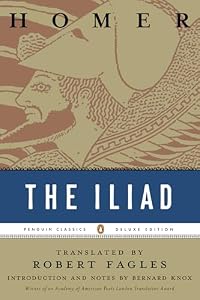
The Iliad
by Homer
There is 1 current discussion about this work.
On This Page
Description
Homer's classical account of the war between the Greeks and the Trojans from Agamemnon's visit by the priest Chryses to the burial of Hektor.Tags
Recommendations
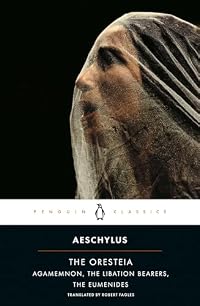
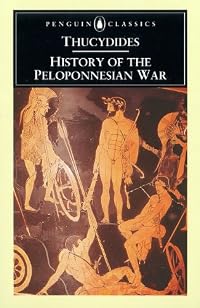
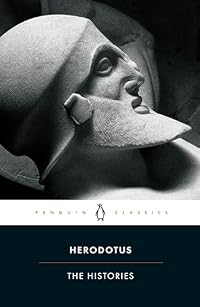
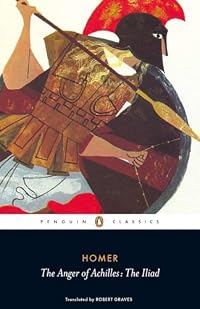

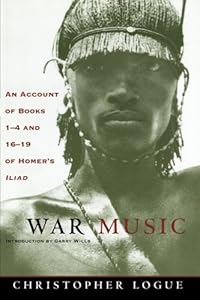


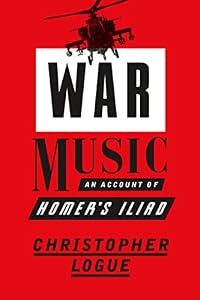








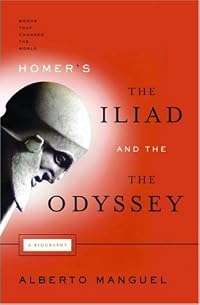

Member Recommendations




aulsmith Giraudoux imagines the events in Troy when Paris shows up with Helen
21

The War That Killed Achilles: The True Story of Homer's Iliad and the Trojan War by Caroline Alexander
susanbooks An excellent commentary on the poem.
21

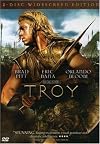
anonymous user Very free interpretation (not adaptation) that in many ways improves on the original. No childish gods, no rambling digressions. Visually spectacular. The dialogue is a bit cringeworthy now and then, but it does have flashes of brilliance. Only for the most broad-minded admirers of Homer - or those who find the Greek bard unsatisfactory. PS Caveat: the Director's Cut is gratuitously gory!
04
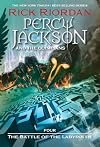
Jitsusama An ancient classic revolving around Greek Myth. A great help to better understand the mythology of the Percy Jackson and the Olympians series.
08
Member Reviews
This is a super old story, and I’m grateful for the chance to experience it through Emily Wilson’s translation. From the beginning, Wilson’s goals were clear in her introduction: to make this epic approachable and entertaining, and she absolutely succeeded. I read much of it aloud to my partner, especially during the more intense moments, like when eyes were popping out or a king calling his surviving children trash. Despite its length and the volume of action, there are a few checks that remind you it takes place over just a few days. The symbolism and meaning packed into this are remarkable. I was pleased to have so much of it explained through the detailed notes. It’s fascinating how this ancient story reflects a culture show more behind in many ways, yet still has so much to teach us. The expressions of grief and sexuality stood out, especially compared to our more restrictive modern society. I am so impressed this translation is in iambic pentameter (think Shakespearean plays). It made it much easier to digest as an English-trained reader compared to the original dactylic hexameter. As a poem, it’s daunting, but it comes to life when read aloud. I loved the maps, genealogies, and the extensive notes and glossary. I’m looking forward to diving into The Odyssey next! show less
Richard Bentley said of Alexander Pope's translation of the Iliad, "It is a pretty poem, Mr Pope, but you must not call it Homer." This covers most modern efforts as well, but Lattimore is the notable exception. Lattimore is probably the best Greek scholar ever to translate Homer into English, and a fairly good poet as well. His Homer is as close as the anglophone reader will ever get to the original, following the Greek line by line, preserving most of the formulae and repetitions. I often hear the Greek echoing in my mind as I read it: πόδας ὠκὺς Ἀχιλλεύς, βοῶπις ποτνὶα Ἡρη, κτλ.
The Iliad is, of course, about a warrior aristocracy, not the most admirable people by modern standards. They boast, show more they fight, they wrangle over prizes. But it is also a deep look at human mortality and the shortness of life. Glaukos' brief speech in the midst of battle compares the generations of men to leaves. Many heroes, Greek and Trojan, "bite the earth" (yes, "bite the dust" goes back to Homer). The poem ends in death and mourning for Patroklos and Hektor; Achilleus and Priam briefly united by grief. show less
The Iliad is, of course, about a warrior aristocracy, not the most admirable people by modern standards. They boast, show more they fight, they wrangle over prizes. But it is also a deep look at human mortality and the shortness of life. Glaukos' brief speech in the midst of battle compares the generations of men to leaves. Many heroes, Greek and Trojan, "bite the earth" (yes, "bite the dust" goes back to Homer). The poem ends in death and mourning for Patroklos and Hektor; Achilleus and Priam briefly united by grief. show less
A most immersive reread, or Pope vs Cowper
It’s been years since I read The Iliad last. To make things more interesting and more immersive, I decided to read two translations at the same time, choosing Alexander Pope’s and William Cowper’s. Both are from the eighteenth century. I chuckled at Cowper’s introduction, where he expresses the utmost respect for Mr Pope, and then proceeds to say ”that he has sometimes altogether suppressed the sense of the author, and has not seldom intermingled his own ideas with it…”. Pope’s text is beautiful, it has a flow and a rhythm that I like. Some of his details and sometimes whole passages are very different in content compared to Cowper. Make of it what you will! Cowper reads easier, show more his text is more transparent. There is a joy of poetry. I will remember his “heart-freshening joy”. I can’t proclaim a winner, but my love for The Iliad has only grown. In any case, not reading Homer in Ancient Greek is a game of whispers, but whispers so powerful and persistent that you cannot help feeling overwhelmed.
Reviewing The Iliad sounds like a silly undertaking. I’ll just sit and think about things that struck me, and things that I had fun (yes, fun!) with.
🏺The descriptions of battles seem endless sometimes. Yet I saw no battle glory this time, there was nothing but blood, gore, and grief. There is a reason why everyone who is killed is named – Homer tells us who they were, what kind of persons they were, who their parents were, that they were loved. I was suddenly wondering if The Iliad was an anti-war poem. “...and in all hearts awakened joyful hope that there should end war’s long calamities.”
🏺Agamemnon is a coward, a bully, an idiot, a murderer. He is still one of the worst (the worst?) humans in Greek mythology. Down with Agamemnon!
🏺Down with meddling Athena as well, while we are on that topic.
🏺Paris: gaaah, don’t get me started. ”As smooth of face as fraudulent of mind!” This is Paris after his disastrous performance during the duel with Menelaus, as retold by yours truly:
Helen: You are a coward. I wish you were dead.
Paris: Well, I am a little embarrassed, but it was the gods’ fault anyway. Whatever. Let’s have sex already.
🏺Diomedes in action, as retold by yours truly:
Diomedes: I have the biggest cojones in the Iliad!!!
Humans: Ruuuuuun!
Gods: Eh!?
Aphrodite: Ouch, my hand, ouch. I’m out of here.
Diomedes: Apollo, I am gonna get you!
Apollo: Can’t you see I am a god? Leave me alone! Ares, you are supposed to be the god of war! Can you do something about this guy?
Ares: Sure.
Athena: Diomedes, go get Ares!
Diomedes: Raaaaah!
Ares: Diomedes, what sharp spear you have! Ouch, ouch. I’m out of here.
🏺Hector and Andromache have such wonderful domestic moments, I loved them both so much.
🏺There came a day when I wanted to tell people: “Stop discussing these utterly uninteresting and unimportant things! Don’t you know that Patroclus has just died? His horses are crying…” I didn’t, because for some reason people think that I am sensible, and I’d like to keep it that way. I was tempted, though.
🏺I waited almost a week before I could start Book XXII. It’s called “Death of Hector”, and I was being a coward about it. Is Hector going to die again? Are you sure we can’t do it differently this time?
🏺I forgot there was a chariot race. There should be more chariot races in books.
🏺I waited almost a week before I could start Book XXIV, because then The Iliad would be over. I have spent two months with it. What am I going to do now? show less
It’s been years since I read The Iliad last. To make things more interesting and more immersive, I decided to read two translations at the same time, choosing Alexander Pope’s and William Cowper’s. Both are from the eighteenth century. I chuckled at Cowper’s introduction, where he expresses the utmost respect for Mr Pope, and then proceeds to say ”that he has sometimes altogether suppressed the sense of the author, and has not seldom intermingled his own ideas with it…”. Pope’s text is beautiful, it has a flow and a rhythm that I like. Some of his details and sometimes whole passages are very different in content compared to Cowper. Make of it what you will! Cowper reads easier, show more his text is more transparent. There is a joy of poetry. I will remember his “heart-freshening joy”. I can’t proclaim a winner, but my love for The Iliad has only grown. In any case, not reading Homer in Ancient Greek is a game of whispers, but whispers so powerful and persistent that you cannot help feeling overwhelmed.
Reviewing The Iliad sounds like a silly undertaking. I’ll just sit and think about things that struck me, and things that I had fun (yes, fun!) with.
🏺The descriptions of battles seem endless sometimes. Yet I saw no battle glory this time, there was nothing but blood, gore, and grief. There is a reason why everyone who is killed is named – Homer tells us who they were, what kind of persons they were, who their parents were, that they were loved. I was suddenly wondering if The Iliad was an anti-war poem. “...and in all hearts awakened joyful hope that there should end war’s long calamities.”
🏺Agamemnon is a coward, a bully, an idiot, a murderer. He is still one of the worst (the worst?) humans in Greek mythology. Down with Agamemnon!
🏺Down with meddling Athena as well, while we are on that topic.
🏺Paris: gaaah, don’t get me started. ”As smooth of face as fraudulent of mind!” This is Paris after his disastrous performance during the duel with Menelaus, as retold by yours truly:
Helen: You are a coward. I wish you were dead.
Paris: Well, I am a little embarrassed, but it was the gods’ fault anyway. Whatever. Let’s have sex already.
🏺Diomedes in action, as retold by yours truly:
Diomedes: I have the biggest cojones in the Iliad!!!
Humans: Ruuuuuun!
Gods: Eh!?
Aphrodite: Ouch, my hand, ouch. I’m out of here.
Diomedes: Apollo, I am gonna get you!
Apollo: Can’t you see I am a god? Leave me alone! Ares, you are supposed to be the god of war! Can you do something about this guy?
Ares: Sure.
Athena: Diomedes, go get Ares!
Diomedes: Raaaaah!
Ares: Diomedes, what sharp spear you have! Ouch, ouch. I’m out of here.
🏺Hector and Andromache have such wonderful domestic moments, I loved them both so much.
🏺There came a day when I wanted to tell people: “Stop discussing these utterly uninteresting and unimportant things! Don’t you know that Patroclus has just died? His horses are crying…” I didn’t, because for some reason people think that I am sensible, and I’d like to keep it that way. I was tempted, though.
🏺I waited almost a week before I could start Book XXII. It’s called “Death of Hector”, and I was being a coward about it. Is Hector going to die again? Are you sure we can’t do it differently this time?
🏺I forgot there was a chariot race. There should be more chariot races in books.
🏺I waited almost a week before I could start Book XXIV, because then The Iliad would be over. I have spent two months with it. What am I going to do now? show less
A most immersive reread, or Pope vs Cowper
It’s been years since I read The Iliad last. To make things more interesting and more immersive, I decided to read two translations at the same time, choosing Alexander Pope’s and William Cowper’s. Both are from the eighteenth century. I chuckled at Cowper’s introduction, where he expresses the utmost respect for Mr Pope, and then proceeds to say ”that he has sometimes altogether suppressed the sense of the author, and has not seldom intermingled his own ideas with it…”. Pope’s text is beautiful, it has a flow and a rhythm that I like. Some of his details and sometimes whole passages are very different in content compared to Cowper. Make of it what you will! Cowper reads easier, show more his text is more transparent. There is a joy of poetry. I will remember his “heart-freshening joy”. I can’t proclaim a winner, but my love for The Iliad has only grown. In any case, not reading Homer in Ancient Greek is a game of whispers, but whispers so powerful and persistent that you cannot help feeling overwhelmed.
Reviewing The Iliad sounds like a silly undertaking. I’ll just sit and think about things that struck me, and things that I had fun (yes, fun!) with.
🏺The descriptions of battles seem endless sometimes. Yet I saw no battle glory this time, there was nothing but blood, gore, and grief. There is a reason why everyone who is killed is named – Homer tells us who they were, what kind of persons they were, who their parents were, that they were loved. I was suddenly wondering if The Iliad was an anti-war poem. “...and in all hearts awakened joyful hope that there should end war’s long calamities.”
🏺Agamemnon is a coward, a bully, an idiot, a murderer. He is still one of the worst (the worst?) humans in Greek mythology. Down with Agamemnon!
🏺Down with meddling Athena as well, while we are on that topic.
🏺Paris: gaaah, don’t get me started. ”As smooth of face as fraudulent of mind!” This is Paris after his disastrous performance during the duel with Menelaus, as retold by yours truly:
Helen: You are a coward. I wish you were dead.
Paris: Well, I am a little embarrassed, but it was the gods’ fault anyway. Whatever. Let’s have sex already.
🏺Diomedes in action, as retold by yours truly:
Diomedes: I have the biggest cojones in the Iliad!!!
Humans: Ruuuuuun!
Gods: Eh!?
Aphrodite: Ouch, my hand, ouch. I’m out of here.
Diomedes: Apollo, I am gonna get you!
Apollo: Can’t you see I am a god? Leave me alone! Ares, you are supposed to be the god of war! Can you do something about this guy?
Ares: Sure.
Athena: Diomedes, go get Ares!
Diomedes: Raaaaah!
Ares: Diomedes, what sharp spear you have! Ouch, ouch. I’m out of here.
🏺Hector and Andromache have such wonderful domestic moments, I loved them both so much.
🏺There came a day when I wanted to tell people: “Stop discussing these utterly uninteresting and unimportant things! Don’t you know that Patroclus has just died? His horses are crying…” I didn’t, because for some reason people think that I am sensible, and I’d like to keep it that way. I was tempted, though.
🏺I waited almost a week before I could start Book XXII. It’s called “Death of Hector”, and I was being a coward about it. Is Hector going to die again? Are you sure we can’t do it differently this time?
🏺I forgot there was a chariot race. There should be more chariot races in books.
🏺I waited almost a week before I could start Book XXIV, because then The Iliad would be over. I have spent two months with it. What am I going to do now? show less
It’s been years since I read The Iliad last. To make things more interesting and more immersive, I decided to read two translations at the same time, choosing Alexander Pope’s and William Cowper’s. Both are from the eighteenth century. I chuckled at Cowper’s introduction, where he expresses the utmost respect for Mr Pope, and then proceeds to say ”that he has sometimes altogether suppressed the sense of the author, and has not seldom intermingled his own ideas with it…”. Pope’s text is beautiful, it has a flow and a rhythm that I like. Some of his details and sometimes whole passages are very different in content compared to Cowper. Make of it what you will! Cowper reads easier, show more his text is more transparent. There is a joy of poetry. I will remember his “heart-freshening joy”. I can’t proclaim a winner, but my love for The Iliad has only grown. In any case, not reading Homer in Ancient Greek is a game of whispers, but whispers so powerful and persistent that you cannot help feeling overwhelmed.
Reviewing The Iliad sounds like a silly undertaking. I’ll just sit and think about things that struck me, and things that I had fun (yes, fun!) with.
🏺The descriptions of battles seem endless sometimes. Yet I saw no battle glory this time, there was nothing but blood, gore, and grief. There is a reason why everyone who is killed is named – Homer tells us who they were, what kind of persons they were, who their parents were, that they were loved. I was suddenly wondering if The Iliad was an anti-war poem. “...and in all hearts awakened joyful hope that there should end war’s long calamities.”
🏺Agamemnon is a coward, a bully, an idiot, a murderer. He is still one of the worst (the worst?) humans in Greek mythology. Down with Agamemnon!
🏺Down with meddling Athena as well, while we are on that topic.
🏺Paris: gaaah, don’t get me started. ”As smooth of face as fraudulent of mind!” This is Paris after his disastrous performance during the duel with Menelaus, as retold by yours truly:
Helen: You are a coward. I wish you were dead.
Paris: Well, I am a little embarrassed, but it was the gods’ fault anyway. Whatever. Let’s have sex already.
🏺Diomedes in action, as retold by yours truly:
Diomedes: I have the biggest cojones in the Iliad!!!
Humans: Ruuuuuun!
Gods: Eh!?
Aphrodite: Ouch, my hand, ouch. I’m out of here.
Diomedes: Apollo, I am gonna get you!
Apollo: Can’t you see I am a god? Leave me alone! Ares, you are supposed to be the god of war! Can you do something about this guy?
Ares: Sure.
Athena: Diomedes, go get Ares!
Diomedes: Raaaaah!
Ares: Diomedes, what sharp spear you have! Ouch, ouch. I’m out of here.
🏺Hector and Andromache have such wonderful domestic moments, I loved them both so much.
🏺There came a day when I wanted to tell people: “Stop discussing these utterly uninteresting and unimportant things! Don’t you know that Patroclus has just died? His horses are crying…” I didn’t, because for some reason people think that I am sensible, and I’d like to keep it that way. I was tempted, though.
🏺I waited almost a week before I could start Book XXII. It’s called “Death of Hector”, and I was being a coward about it. Is Hector going to die again? Are you sure we can’t do it differently this time?
🏺I forgot there was a chariot race. There should be more chariot races in books.
🏺I waited almost a week before I could start Book XXIV, because then The Iliad would be over. I have spent two months with it. What am I going to do now? show less
The Iliad beings in the ninth year of the Trojan war and the Greeks laying siege to Troy's capital. The 24 book story covers about a seven week period that sees the Greeks beaten back to where their ships are laid up, enduring slaughter at Trojan hands because their hero Achilles refuses to fight; he's angry that Agamemnon took the Trojan woman he'd selected as his prize. Not until Achilles' battle buddy Patroclus is killed (in Achilles' armor) by the Trojan hero Hector does Achilles rise to fight. When Hector dies, we have a good sense that Troy won't be long either.
Homer's Iliad and the Odyssey are oft referenced as a pair, but it's always the Odyssey that ends up assigned reading in American junior high and middle schools. They're show more both long (epic!) but I assume teachers pass on the Iliad due to the amount of violence and perhaps fewer "teachable moments." The Iliad is probably one of those 'must reads' in the profession of arms, especially for infantry. I would assign it to any elected official overseeing or directing military activity. The war between Greeks and Trojans isn't just a human affair, rather the gods of Olympus are ever meddling, sometimes influencing and at other times outright spiriting their favorites out of the field of battle to spare their lives. The gods are capricious, given to their own passions, and prone to change their minds, so they frankly bear strong resemblance to politicians if one wants to relate it to real life. It's a reminder that there are always two conflicts going on, one on the battle field and one back in the halls of government; they don't always combine well.
I'm unable to vouch for the quality of the translation in terms of remaining true to the Greek, but Robert Fagles deserves much credit for turning it into beautiful, modern English epic poem. The usual complaints against the Iliad are the instances of repetition and a fathomless well of detail when it comes to describing mortal combat with spear, sword, and the occasional rock stoving a skull in. As much as the Iliad glorifies manly virtues in war (like courage, bravery, camaraderie) it also showcases its horrors (the violence, fear, and waste) to the same degree. One comes away with the feeling at the end: why did we bother with all of this? What did we gain? Can we even quantify what we lost, or is it immeasurable?
Overall, a long read, but worth the epic journey from page to page, book to book. show less
Homer's Iliad and the Odyssey are oft referenced as a pair, but it's always the Odyssey that ends up assigned reading in American junior high and middle schools. They're show more both long (epic!) but I assume teachers pass on the Iliad due to the amount of violence and perhaps fewer "teachable moments." The Iliad is probably one of those 'must reads' in the profession of arms, especially for infantry. I would assign it to any elected official overseeing or directing military activity. The war between Greeks and Trojans isn't just a human affair, rather the gods of Olympus are ever meddling, sometimes influencing and at other times outright spiriting their favorites out of the field of battle to spare their lives. The gods are capricious, given to their own passions, and prone to change their minds, so they frankly bear strong resemblance to politicians if one wants to relate it to real life. It's a reminder that there are always two conflicts going on, one on the battle field and one back in the halls of government; they don't always combine well.
I'm unable to vouch for the quality of the translation in terms of remaining true to the Greek, but Robert Fagles deserves much credit for turning it into beautiful, modern English epic poem. The usual complaints against the Iliad are the instances of repetition and a fathomless well of detail when it comes to describing mortal combat with spear, sword, and the occasional rock stoving a skull in. As much as the Iliad glorifies manly virtues in war (like courage, bravery, camaraderie) it also showcases its horrors (the violence, fear, and waste) to the same degree. One comes away with the feeling at the end: why did we bother with all of this? What did we gain? Can we even quantify what we lost, or is it immeasurable?
Overall, a long read, but worth the epic journey from page to page, book to book. show less
Translation by Emily R. Wilson
Halfway through an endless war over a dispute everyone hardly remembers, two powerful men (on the same side) are squabbling. Agamemnon has taken Achilles’ favorite slavewoman, and so Achilles gets pissy about it and refuses to fight in the war. As the best fighter on the Greek side, things don’t go well without him. To inspire the troops, Achilles’ best friend and lover Patroclus dresses up in his armor to fight, but is slain by Hector, golden child of the Trojans. Achilles takes his rage out on Hector, and then on Hector’s corpse.
Wilson is a great translator, and I definitely appreciated this more than the other times I have tried to read it. However, it is not my thing. I found the lists of guys show more dying boring, and the misogyny was grating. I know this is supposed to be a meaningful poem about how bad war is, but most of the main characters are the ones who could be stopping the horrible war, so it’s hard to have sympathy for them. Women and poor people are the victims, as they always are in war, but we don’t get their perspective. The 24th and last book of the poem is undoubtedly one of the most beautiful pieces about grief ever written, but it’s too hard to get there. show less
Halfway through an endless war over a dispute everyone hardly remembers, two powerful men (on the same side) are squabbling. Agamemnon has taken Achilles’ favorite slavewoman, and so Achilles gets pissy about it and refuses to fight in the war. As the best fighter on the Greek side, things don’t go well without him. To inspire the troops, Achilles’ best friend and lover Patroclus dresses up in his armor to fight, but is slain by Hector, golden child of the Trojans. Achilles takes his rage out on Hector, and then on Hector’s corpse.
Wilson is a great translator, and I definitely appreciated this more than the other times I have tried to read it. However, it is not my thing. I found the lists of guys show more dying boring, and the misogyny was grating. I know this is supposed to be a meaningful poem about how bad war is, but most of the main characters are the ones who could be stopping the horrible war, so it’s hard to have sympathy for them. Women and poor people are the victims, as they always are in war, but we don’t get their perspective. The 24th and last book of the poem is undoubtedly one of the most beautiful pieces about grief ever written, but it’s too hard to get there. show less
2. The Iliad by Homer, translated by Robert Fagles
with an introduction and notes by Bernard Knox
composition: arguable, but let's say ~750 bce
format: 689 page Kindle e-book
read: Jan 1-23
acquired: Nov 2013, when I thought I might finish the Old Testament soonish
Rating: 5 stars sort of
It's remarkably difficult for me to formulate a response to this classic, Homer's Iliad. It's a foundational text. But it's very unfoundational in feeling.
A valid question is, is the Iliad great or just very old? And a typical answer will be that it has the whole essence of humanity within. But does it? And, if so, does Fagles' translation provide it?
It's a bit early in my thinking process to be asking these unanswerable questions. But really my question is show more how to approach it. I can come at it from the angle of history and the migrations of and clashing of peoples, from heroic imagery (or if you like, hot muscular long-haired blond men in shining golden-ish colored bronze armor and weaponry), at the style (and it's clash with the biblical style), at it's construction (which I'm reading about in Adam Nicolson's Why Homer Matters). And there is the translation issues. And eventually my response. What is my response anyway? I can think separately of all these (overwhelming) different things, but I'm having a lot of trouble tying it together into something coherent. It's like the different parts of my brain not only refuse to align, which is normal, but refuse to concede. Each aspect is holding its ground, and a mental stalemate conjures up, uselessly.
Adam Nicolson might like me to see this way. The Asian hordes rushed to the ends of the steppes an converted their nomadic culture to one that sea raiders with a home base. The combat hardened and ruthless pirates clash into the settled ancient cultures of the eastern Mediterranean, and made a living feeding off them. But the ancient cultures and their cities, with all their wealth and allies and mercenaries, with all their procured beauty, are at heart susceptible. At some point you can't buy off unreasonable and heroic passion. The bronze barbaric hordes will come even if we like to image them quite beautiful.
Through time, as these cultures clashed, stories evolved in song, and they later began to standardize, acquired an author and authority, and become our Homeric epics. Or maybe there was a Homer.
So, what is in these stories? Their origins date to one side of the Greek dark ages, the height of bronze age Mycenae culture circa 1250 bce. But their composition is dated to the other side, well into the iron age, to the dawn of the classical Greek world, around 750 bce. They preserve within what were otherwise long lost aspects of culture and warfare, including the bronze itself, as well as associations with an assortment of other largely lost stories. They create an oddly comedic mythology of quarreling gods who can charm, strengthen and lure humans, but also be hurt by them. And they create a heroic myth that is ultimately a tragedy, but also a blood and gore soaked work of entertainment. And that is one of the oddest things about the Iliad to me, that it is ultimately entertainment. And you can build it up as much as you like, but, well, doesn't that limit it? I mean is it ultimately an amusement, a distraction?
I've probably lingered on long enough, and I still haven't mentioned Achilles, Hector, the woman who launched those thousand ships, or even a single god by name. There is plenty to into read in how Achilles, in slaying Hector who wears his armor, is symbolically killing himself, and at the same time suicidally walking into his prophesied doom. Really I haven't touched on the story. Achilles rage, Agamemnon's foolish bravado, Odysseus's practical cruelty, Hector's limitations, the women in Troy who are on the verge of become subhuman possessions of the barbarian conquerors. In book one Athena seizes Achilles by the hair to “to check your rage, if only you will yield". Of course, he won't really do that. The battles must be fought and civilization must fall to reality.
2016
https://www.librarything.com/topic/209547#5450868 show less
with an introduction and notes by Bernard Knox
composition: arguable, but let's say ~750 bce
format: 689 page Kindle e-book
read: Jan 1-23
acquired: Nov 2013, when I thought I might finish the Old Testament soonish
Rating: 5 stars sort of
It's remarkably difficult for me to formulate a response to this classic, Homer's Iliad. It's a foundational text. But it's very unfoundational in feeling.
A valid question is, is the Iliad great or just very old? And a typical answer will be that it has the whole essence of humanity within. But does it? And, if so, does Fagles' translation provide it?
It's a bit early in my thinking process to be asking these unanswerable questions. But really my question is show more how to approach it. I can come at it from the angle of history and the migrations of and clashing of peoples, from heroic imagery (or if you like, hot muscular long-haired blond men in shining golden-ish colored bronze armor and weaponry), at the style (and it's clash with the biblical style), at it's construction (which I'm reading about in Adam Nicolson's Why Homer Matters). And there is the translation issues. And eventually my response. What is my response anyway? I can think separately of all these (overwhelming) different things, but I'm having a lot of trouble tying it together into something coherent. It's like the different parts of my brain not only refuse to align, which is normal, but refuse to concede. Each aspect is holding its ground, and a mental stalemate conjures up, uselessly.
Adam Nicolson might like me to see this way. The Asian hordes rushed to the ends of the steppes an converted their nomadic culture to one that sea raiders with a home base. The combat hardened and ruthless pirates clash into the settled ancient cultures of the eastern Mediterranean, and made a living feeding off them. But the ancient cultures and their cities, with all their wealth and allies and mercenaries, with all their procured beauty, are at heart susceptible. At some point you can't buy off unreasonable and heroic passion. The bronze barbaric hordes will come even if we like to image them quite beautiful.
"As ravening fire rips through big stands of timber high on a mountain ridge and the blaze flares miles away, so from the marching troops the blaze of bronze armor, splendid and superhuman, flared across the earth, flashing into the air to hit the skies."
Through time, as these cultures clashed, stories evolved in song, and they later began to standardize, acquired an author and authority, and become our Homeric epics. Or maybe there was a Homer.
So, what is in these stories? Their origins date to one side of the Greek dark ages, the height of bronze age Mycenae culture circa 1250 bce. But their composition is dated to the other side, well into the iron age, to the dawn of the classical Greek world, around 750 bce. They preserve within what were otherwise long lost aspects of culture and warfare, including the bronze itself, as well as associations with an assortment of other largely lost stories. They create an oddly comedic mythology of quarreling gods who can charm, strengthen and lure humans, but also be hurt by them. And they create a heroic myth that is ultimately a tragedy, but also a blood and gore soaked work of entertainment. And that is one of the oddest things about the Iliad to me, that it is ultimately entertainment. And you can build it up as much as you like, but, well, doesn't that limit it? I mean is it ultimately an amusement, a distraction?
I've probably lingered on long enough, and I still haven't mentioned Achilles, Hector, the woman who launched those thousand ships, or even a single god by name. There is plenty to into read in how Achilles, in slaying Hector who wears his armor, is symbolically killing himself, and at the same time suicidally walking into his prophesied doom. Really I haven't touched on the story. Achilles rage, Agamemnon's foolish bravado, Odysseus's practical cruelty, Hector's limitations, the women in Troy who are on the verge of become subhuman possessions of the barbarian conquerors. In book one Athena seizes Achilles by the hair to “to check your rage, if only you will yield". Of course, he won't really do that. The battles must be fought and civilization must fall to reality.
2016
https://www.librarything.com/topic/209547#5450868 show less
Members
- Recently Added By
Published Reviews
added by cinaedus
Lists

Classics you know you should have read but probably haven't
421 works; 407 members

the preppy handbook
36 works; 1 member

Books Read in 2016
4,666 works; 199 members

My List
302 works; 1 member
Books With Our Favorite First Lines
168 works; 104 members

Classical Conversations Challenge IV Exposition
8 works; 1 member

scav
54 works; 2 members

Mustich's 1000 Books to Read Before You Die: A Life Changing List
1,001 works; 18 members

Books Read in 2023
5,547 works; 144 members

AP Lit
363 works; 6 members

Greatest Books, allegedly
484 works; 9 members

Western Canon
206 works; 2 members

Well-Educated Mind
150 works; 3 members

Will Durant's 100 Books: An Update
46 works; 4 members

My 100 Favorite Books of All Time
57 works; 2 members

How to Read a Book's Recommended Reading List
309 works; 10 members
New Lifetime Reading Plan by Fadiman and Major
225 works; 5 members

r/History Recommended Reading List
603 works; 12 members

The Art of Manliness' 100+ Books Every Man Should Read
108 works; 2 members

Shaykh Hamza's Book Recommendations
439 works; 3 members

Rory Gilmore Book Club
193 works; 5 members

Stories of War and Revolution
143 works; 54 members
A Reading List
100 works; 3 members

50 Tough Books for Extreme Readers
71 works; 39 members

The Trojan War
109 works; 12 members

Books Read in 2006
417 works; 8 members

Top Five Books of 2020
982 works; 350 members

Books Read in 2020
4,379 works; 123 members

World Literature (pre-contemporary; no living authors)
6 works; 1 member
1964 College Preparatory Reading List
202 works; 8 members

al.vick-series
381 works; 2 members

Books Read in 2009
464 works; 11 members
Western Canon
24 works; 1 member
Readable Classics
110 works; 15 members
Books We Love to Reread
688 works; 296 members

Books We Resisted Reading
173 works; 102 members

In Our Time books
4,934 works; 2 members

Nonhuman Protagonists
235 works; 34 members

euripides ranked
23 works; 1 member

el
1,139 works; 1 member

.
396 works; 1 member

A wishlist of books I will read in 2026
49 works; 1 member
Books talked about in Pamela Dean's Tam Lin
74 works; 1 member

School Made Us Read It
380 works; 196 members
Books We Want To Read Again For The First Time
384 works; 160 members

2024-25 reading
36 works; 1 member

David Bowie’s Top 100 Favourite Reads
100 works; 3 members

The Complete Rory Gilmore Reading List
506 works; 5 members
Favorite Books in Translation
320 works; 133 members
Overdue Podcast
800 works; 9 members

The Luca Guadagnino Universe
62 works; 1 member

Books Read in 2024
4,623 works; 126 members

Recommended Reading : 600 Classics Reviewed, Editors of Salem Press, 2015
634 works; 6 members
The Well-Educated Mind, Susan Wise Bauer, 2016
179 works; 3 members
Phi Beta Kappa reading list
260 works; 8 members
Banned Books I have read
16 works; 2 members

Elon Musk Recommended Audio Books (2024 July 1)
12 works; 1 member
sotiris' favourites circa january 2023
43 works; 2 members

Books About Non-Abrahamic Religions
98 works; 2 members

Nero Wolfe's Reading List
13 works; 1 member

Ancient/Classical World
34 works; 1 member
The Longing
1 work; 1 member

readingList
38 works; 1 member

Book Titles Mentioned In Newberry Medal And Honor Books
884 works; 3 members

The Road to Freedom (Will Durant's 100 Best Books for an Education)
100 works; 8 members

Ten Unforgettable Dreams in Literature
10 works; 4 members

Unread books
1,063 works; 85 members

The Telegraph's 110 Best Books: The Perfect Library
101 works; 17 members

Generation Joshua
115 works; 3 members
GreatBooks Worldview Academy Lists
133 works; 4 members
Favourite Greek Books
97 works; 1 member
The Greatest Books
99 works; 5 members

Books I Own But Haven't Read
144 works; 2 members

Books Featured on Gilmore Girls
307 works; 21 members
1001 Books You Must Read Before You Die
1,448 works; 1,132 members

War Literature
101 works; 19 members
100 Books to Read in a Lifetime (That Are Older Than 200 Years)
415 works; 173 members

Favorite Childhood Books
1,602 works; 512 members

Top Five Books of 2013
1,564 works; 722 members

The Top Ten: Writers Pick Their Favorite Books
240 works; 31 members
Philip Ward's Lifetime Reading Plan
592 works; 22 members
Newsweek's Top 100 Books: The Meta-List
100 works; 18 members

Literary Works Read in College
316 works; 15 members
501 Must-Read Books
508 works; 71 members
The 100 Best Books of All Time by Norwegian Book Club (World Library)
104 works; 23 members
David Bowie's Top 100
97 works; 23 members

Books Read in 2013
1,629 works; 51 members

Works with inappropriate subject headings on LibraryThing
35 works; 5 members

Best War Stories
87 works; 16 members
Epic Fiction
42 works; 12 members

Books You Read During High School (For School)
301 works; 52 members
Most Popular Penguins
70 works; 5 members
Out of Copyright
244 works; 14 members
Favourite Books
1,817 works; 316 members

Best Historical Fiction
620 works; 258 members
Narrative verse for pleasure
75 works; 8 members
Folio Society
831 works; 49 members

CCE 100 Great Books List
145 works; 8 members

Poetry Corner
187 works; 15 members
Mensa for Kids Excellence in Reading Award Program (Grades 9-12)
116 works; 3 members

Trinity College Booklist (1951): Class Eight, Classic Civilization
39 works; 3 members
Books available on Open Library
171 works; 4 members

Literature which inspired Pop songs
85 works; 9 members
Mensa for Kids Excellence in Reading Award Program (Grades 9-12)
116 works; 5 members

Books Read in 2018
4,360 works; 110 members
Daria Morgendorffer's Bookshelf
70 works; 5 members
Classic Fiction I Want to Read Before I Die
6 works; 1 member
Kilobook
19 works; 1 member

Recommend the 20 best books you've read in the last five years
2,167 works; 605 members

Top Five Books of 2015
811 works; 241 members
Literary Classics To Read (pre 1900)
19 works; 2 members

Antigua Grecia
43 works; 2 members

Heloise & Abelard
22 works; 1 member

Read the book and saw the movie
1,170 works; 195 members

Art of Reading
188 works; 5 members
100 World Classics
99 works; 15 members
The College Board: 101 Great Books Recommended for College-Bound Readers
111 works; 7 members
Favourite Poems
34 works; 1 member
Five star books
1,755 works; 107 members
David Bowie's List of Top 100 Books
94 works; 6 members

Harold Bloom - The Western Canon: A. The Theocratic Age
97 works; 13 members

Literature in Translation
113 works; 5 members

SWORDS GUNS BATTLES
30 works; 3 members
Fiction For Men
142 works; 11 members
Truly old classics
63 works; 6 members

Eton's list - the books every bright 16 year-old should read
40 works; 6 members
Best Friendship Stories
205 works; 16 members
Blue Pyramid 1,276 Best Books of All Time
1,248 works; 32 members

2015 Reading challenge
18 works; 1 member
Favorite Long Books
330 works; 42 members

Lectuurlijst
63 works; 1 member
Talk Discussions
Current Discussions
The best English translation of Iliad in Homer, the Trojan war, and pre-classical Greece (September 2025)
Past Discussions
Best translation of the Iliad? in Geeks who love the Classics (December 2024)
"Best" translation of Iliad & Odyssey? in Folio Society Devotees (June 2023)
Le Salon reads the Iliad in Le Salon Littéraire du Peuple pour le Peuple (April 2020)
Companion Books to the Iliad in Homer, the Trojan war, and pre-classical Greece (July 2017)
Iliad by George Chapman in Ancient History (December 2016)
The New Iliad Translation in Ancient History (June 2015)
Lifetime Reading Plan in 1001 Books to read before you die (July 2014)
Homer in Ancient History (November 2012)
Odyssey v Iliad in Homer, the Trojan war, and pre-classical Greece (June 2010)
Author Information

Homer is the author of The Iliad and The Odyssey, the two greatest Greek epic poems. Nothing is known about Homer personally; it is not even known for certain whether there is only one true author of these two works. Homer is thought to have been an Ionian from the 9th or 8th century B.C. While historians argue over the man, his impact on show more literature, history, and philosophy is so significant as to be almost immeasurable. The Iliad relates the tale of the Trojan War, about the war between Greece and Troy, brought about by the kidnapping of the beautiful Greek princess, Helen, by Paris. It tells of the exploits of such legendary figures as Achilles, Ajax, and Odysseus. The Odyssey recounts the subsequent return of the Greek hero Odysseus after the defeat of the Trojans. On his return trip, Odysseus braves such terrors as the Cyclops, a one-eyed monster; the Sirens, beautiful temptresses; and Scylla and Charybdis, a deadly rock and whirlpool. Waiting for him at home is his wife who has remained faithful during his years in the war. Both the Iliad and the Odyssey have had numerous adaptations, including several film versions of each. (Bowker Author Biography) show less
Some Editions
Awards and Honors
Series
Belongs to Publisher Series
"Sepan cuantos…" (2)
Lobe Classical Library (170)
Rec Univer Biblio (249)
L'esparver clàssic (19)
Colecção História da Literatura (Livro 41)
The World's Classics (18)
Letras Universales (101)
Crisol (140)
Colección austral (337)
Penguin Clothbound Classics (2014)
Airmont Classics (115)
insel taschenbuch (0153)
Everyman's Library (453)
Salamanderpockets (759)
Penguin Classics (L014)
Work Relationships
Is contained in
Contains
Is retold in
Troy by Adèle Geras
Ilias by Onno Damsté
Has the (non-series) sequel
Has the (non-series) prequel
Is an adaptation of
Has the adaptation
Is abridged in
Is expanded in
Is parodied in
Inspired
Ilium by Dan Simmons
Has as a reference guide/companion
Has as a study
Has as a supplement
Has as a commentary on the text
Has as a student's study guide
Has as a teacher's guide
Common Knowledge
- Canonical title
- The Iliad
- Original title
- Ἰλιάς
- Alternate titles*
- Homèros' Ilias
- Original publication date
- 700 BCE
- People/Characters
- Achilles; Zeus; Hera; Paris; Hector; Agamemnon (show all 20); Patroclus; Odysseus; Ajax; Diomedes; Nestor; Peleus; Helen of Troy; Athena; Apollos, of Alexandria; Aphrodite; Poseidon; Ares; Artemis; Hermes
- Important places
- Ancient Greece; Troy; Hisarlık, Turkey; Greece
- Important events
- Classical Antiquity; Trojan War
- Related movies*
- Troy (2004 | Wolfgang Petersen | IMDb)
- First words
- μῆνιν ἄειδε θεὰ Πηληϊάδεω Ἀχιλῆος
οὐλομένην, ἣ μυρί᾽ Ἀχαιοῖς ἄλγε᾽ ἔθηκε,
πολλὰς δ᾽ ἰφθίμους ψυχὰς Ἄϊδι προΐαÏ... (show all)ˆεν
ἡρώων, αὐτοὺς δὲ ἑλώρια τεῦχε κύνεσσιν
οἰωνοῖσί τε πᾶσι, Διὸς δ᾽ ἐτελείετο βουλή,
ἐξ οὗ δὴ τὰ πρῶτα διαστήτην ἐρίσαντε
Ἀτρεΐδης τε ἄναξ ἀνδρῶν καὶ δῖος Ἀχιλλεύς.
Achilles' baneful wrath resound, O Goddess, that impos'd
Infinite sorrows on the Greeks, and many brave souls los'd. [George Chapman]
Achilles' wrath, to Greece the direful spring
Of woes unnumber'd, heavenly goddess, sing! [Alexander Pope]
Sing, O goddess, the anger of Achilles son of Peleus, that brought
countless ills upon the Achaeans. [Samuel Butler]
An angry man—there is my story: the bitter rancour of Achillês, prince of the house of Peleus, which brought a thousand troubles upon the Achaian host. [W.H.D. Rouse]
The Wrath of Achilles is my theme, that fatal wrath which, in fulfillment of the will of Zeus, brought the Achaeans so much suffering and sent the gallant souls of many noblemen to Hades, leaving their bodies as carrion for t... (show all)he dogs and passing birds. [E.V. Rieu]
SING, goddess, the anger of Peleus' son Achilleus
and its devastation, which put pains thousandfold upon the
Achaians,
hurled in their multitudes to the house of Hades strong souls
of heroes, but gave their bodie... (show all)s to be the delicate feasting
of dogs, of all birds, and the will of Zeus was accomplished
since that time when first there stood in division of conflict
Atreus' son the lord of men and brilliant Achilleus. [Richmond Lattimore]
Sing, MOUNTAIN GODDESS, sing through me That anger which most ruinously
Inflamed Achilles, Peleus' son,
And which, before the tale was done,
Had glutted Hell with champions—bold,
Stern spirits by the thousandfo... (show all)ld;
Ravens and dogs their corpses ate. [Robert Graves]
Anger be now your song, immortal one,
Akhilleus' anger, doomed and ruinous,
that caused the Akhaians loss on bitter loss
and crowded brave souls into the undergloom,
leaving so many dead men—carrion
for dogs ... (show all)and birds; and the will of Zeus was done. [Robert Fitzgerald]
Rage—Goddess, sing the rage of Peleus' son Achilles,
murderous, doomed, that cost the Achaeans countless losses,
hurling down to the House of Death so many sturdy souls,
great fighters' souls, but made their bodies... (show all) carrion,
feasts for the dogs and birds,
and the will of Zeus was moving toward its end. [Robert Fagels]
Rage:
Sing, Goddess, Achilles' rage,
Black and murderous, that cost the Greeks
Incalculable pain, pitched countless souls
Of heroes into Hades' dark,
And left their bodies to rot as feasts
For dogs and birds... (show all), as Zeus' will was done. [Stanley Lombardo]
The rage of Achilles—sing it now, goddess, sing through me
the deadly rage that caused the Achaeans such grief
and hurled down to Hades the souls of so many fighters,
leaving their naked flesh to be eaten by dogs
Sing, goddess, the anger of Achilles, Peleus' son,
the accursed anger which brought the Achaeans countless
agonies and hurled many mighty shades of heroes into Hades,
causing them to become the prey of dogs and
al... (show all)l kinds of birds; and the plan of Zeus was fulfilled. [Anthony Verity]
The rage sing, O goddess, of Achilles the son of Peleus,
the destructive anger that brought ten-thousand pains to the
Achaeans and sent many brave souls of fighting men to the house
of Hades and made their bodies a f... (show all)east for dogs
and all kinds of birds. For such was the will of Zeus. [Barry Powell]
Wrath—sing, goddess, of the ruinous wrath of Peleus' son Achilles,
that inflicted woes without number upon the Achaeans,
hurled forth to Hades many strong souls of warriors
and rendered their bodies prey for the do... (show all)gs,
for all birds, and the will of Zeus was accomplished;
sing from when they two first stood in conflict—
Atreus' son, lord of men, and godlike Achilles. [Caroline Alexander]
Goddess, sing of the cataclysmic wrath
of great Achilles, son of Peleus,
which caused the Greeks immeasurable pain
and sent so many noble souls of heroes
to Hades, and made men the spoils of dogs,
a banque... (show all)t for the birds, and so the plan
of Zeus unfolded - starting with the conflict
between great Agamemnon, lord of men,
and glorious Achilles. [Emily R. Wilson]
Muse, sing the rage of Peleus' son Akhilleus,
deadly rage that brought the Akhaians endless pain,
that hurled down to Hades many strong souls
of heroes and made their bodies meat for dogs
and vultures, fulfill... (show all)ing the plan of Zeus,
ever since the day that those two quarreled —
inkosi Agamemnon and godlike Akhilleus. [Richard Whitaker] - Last words
- (Click to show. Warning: May contain spoilers.)Such was their burial of Hektor, breaker of horses.
(Click to show. Warning: May contain spoilers.)Such was the funeral of horse-taming Hektor. [Richard Whitaker] - Blurbers
- Nagy, Gregory; Bowersock, G. W.
- Original language
- Ancient Greek
- Canonical LCC
- PA4025.A2 L38
*Some information comes from Common Knowledge in other languages. Click "Edit" for more information.
Classifications
- Genres
- Poetry, Fiction and Literature
- DDC/MDS
- 883.01 — Literature & rhetoric Classical & modern Greek literatures Classical Greek epic poetry and fiction Pseudo-Callisthenes
- LCC
- PA4025 .A2 .L38 — Language and Literature Greek language and literature. Latin language and literature Greek literature Individual authors Homer
- BISAC
Statistics
- Members
- 47,289
- Popularity
- 48
- Reviews
- 445
- Rating
- (4.03)
- Languages
- 35 — Albanian, Catalan, Chinese, Czech, Danish, Dutch, English, Estonian, Finnish, French, German, Greek (Ancient), Greek, Gujarati, Hebrew, Hungarian, Italian, Latin, Latvian, Lithuanian, Multiple languages, Norwegian (Nynorsk), Norwegian (Bokmål), Norwegian, Polish, Romanian, Russian, Serbian, Slovenian, Spanish, Swedish, Turkish, Ukrainian, Portuguese (Portugal), Portuguese (Brazil)
- Media
- Paper, Audiobook, Ebook
- ISBNs
- 1,135
- UPCs
- 12
- ASINs
- 643
